


Interior and exterior confidence
Create Academy has been such a great resource. I'm in the middle of renovating a bungalow with a very large garden and the courses have offered a wealth of inform...
Harvey
Jun 10, 2026
How to Grow Exceptional Produce
with JANE SCOTTER — Leading biodynamic grower of fruit and vegetables. Supplier to Michelin star restaurant Spring.
Lesson 14 of 36
Subscribe to watch
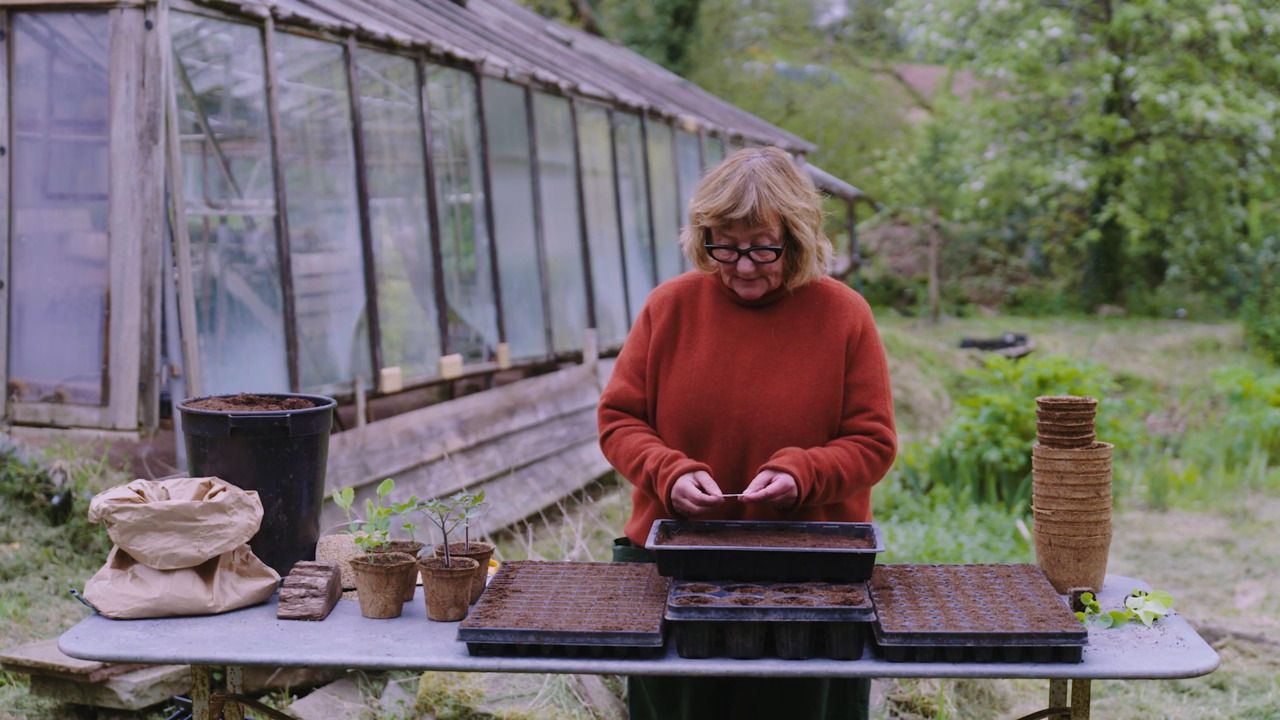
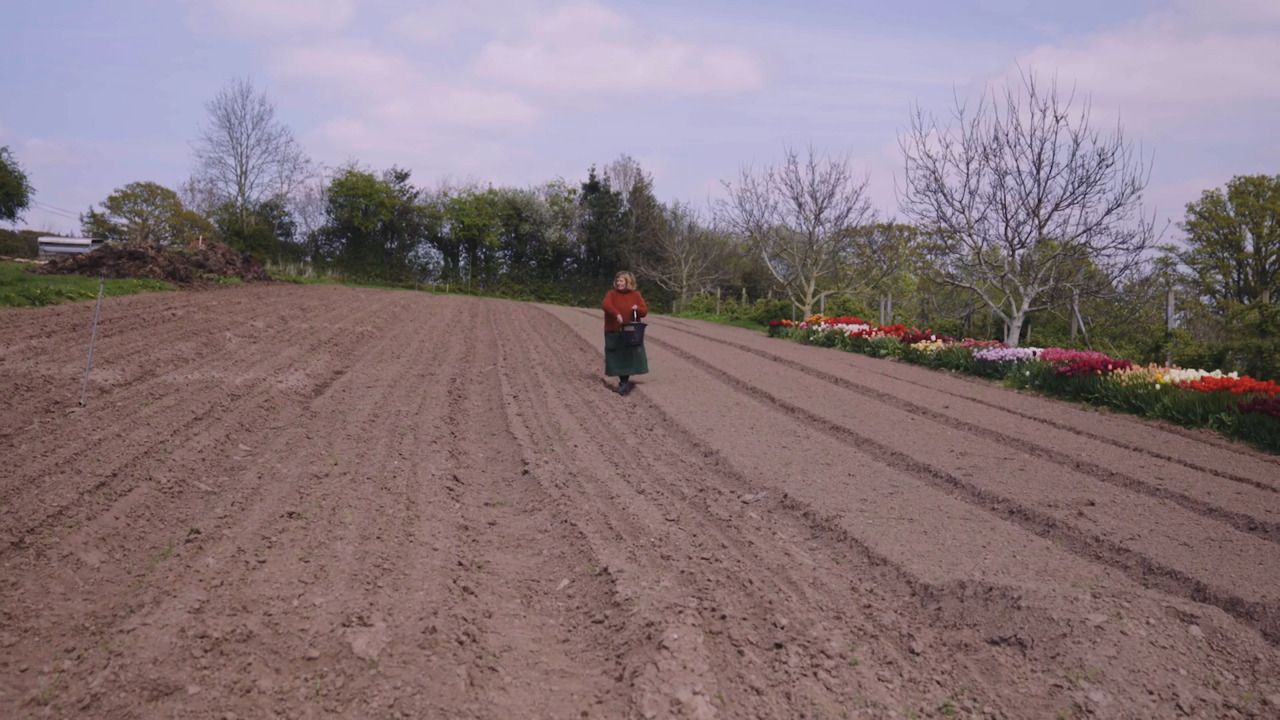
Jane will guide you through the process of creating Preparation 500, one of the cornerstones of biodynamic growing.
One of the key parts of biodynamic growing is using biodynamic preparations. Preparations are like a vitalising tonic for the earth, promoting the health of plants and all life on the farm. They are usually a combination of plant, mineral and animal substances that are exposed to natural forces before being put back in the soil. They come in two forms: spray preparations and compost preparations. Over this course I will show you how we use spray preparations called 500 and 501 on the farm. Creating the compost and spray preparations is a big task, so I would recommend continuing your own research and learning about the recipes and processes yourself. Demeter (the biodynamic federation) has amazing resources listing and explaining how to make all the spray and compost preparations on their website.
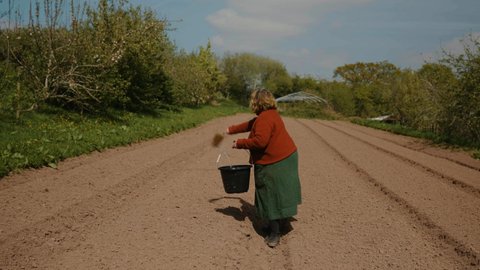
This preparation is made up from horn manure that is fermented in the ground, prepared and mixed with the rhythmic stirring of rain water, and then applied to the land in large droplets.
During the mixing process, the liquid is stirred vigorously for an hour in opposing directions in order to capture the energy of the cosmos.
This spray calls for the compost preparations to be added to the mixture too. There are 6 main types of biodynamic compost numbered BD502-507, and they utilize different types of plants: yarrow, chamomile, stinging nettle, oak bark, dandelion and valerian. The way to prepare these vary in complexity and time and so I would recommend your own research to decide what compost preparations work best for you and your plot.
The preparations act as a tonic for the soil to help it recover after a long winter and helps to prepare it for the growing season ahead.
I like to apply it to the land two or three times during the spring, especially when we're preparing for cultivation. The only rule is that you should apply the tonic in the afternoon, and preferably on an overcast day.
In the last 20 minutes of the stir, we add in a good handful of Cow Pat Preparation (CPP).
We do this by mixing cow manure with crushed egg shell and basalt dust, which is then fermented with biodynamic preparations 502-507 for three to four months in a 12 inch deep pit lined with bricks.
Get the full workbook, video lessons, and more with a Create Academy subscription.
Subscribe to access the full workbookAlready a member? Sign in to watch
491 reviews
Read moreCreate Academy has been such a great resource. I'm in the middle of renovating a bungalow with a very large garden and the courses have offered a wealth of inform...
Harvey
Jun 10, 2026
Absolutely love Create Academy! The instructors are extremely informative, and it is beautifully filmed. Create Academy is great value for money and plan on renew...
SG
May 31, 2026
Butter's creativity is stunning! Her ability to incorporate brilliance in small gardens is magical!
Carla
May 30, 2026
The best adventure. I like all the courses, but my favorite are both Rita Konig interior design courses and Anna Jones. Excellent!
Karolina Kluczewska
May 20, 2026
Create Academy has been such a great resource. I'm in the middle of renovating a bungalow with a very large garden and the courses have offered a wealth of information to dive into and explore new ideas. I'm...
Harvey
Jun 10, 2026
Absolutely love Create Academy! The instructors are extremely informative, and it is beautifully filmed. Create Academy is great value for money and plan on renewing my subscription yearly because there are ...
SG
May 31, 2026
Butter's creativity is stunning! Her ability to incorporate brilliance in small gardens is magical!
Carla
May 30, 2026

Your Instructor
Leading biodynamic grower of fruit and vegetables. Supplier to Michelin star restaurant Spring.
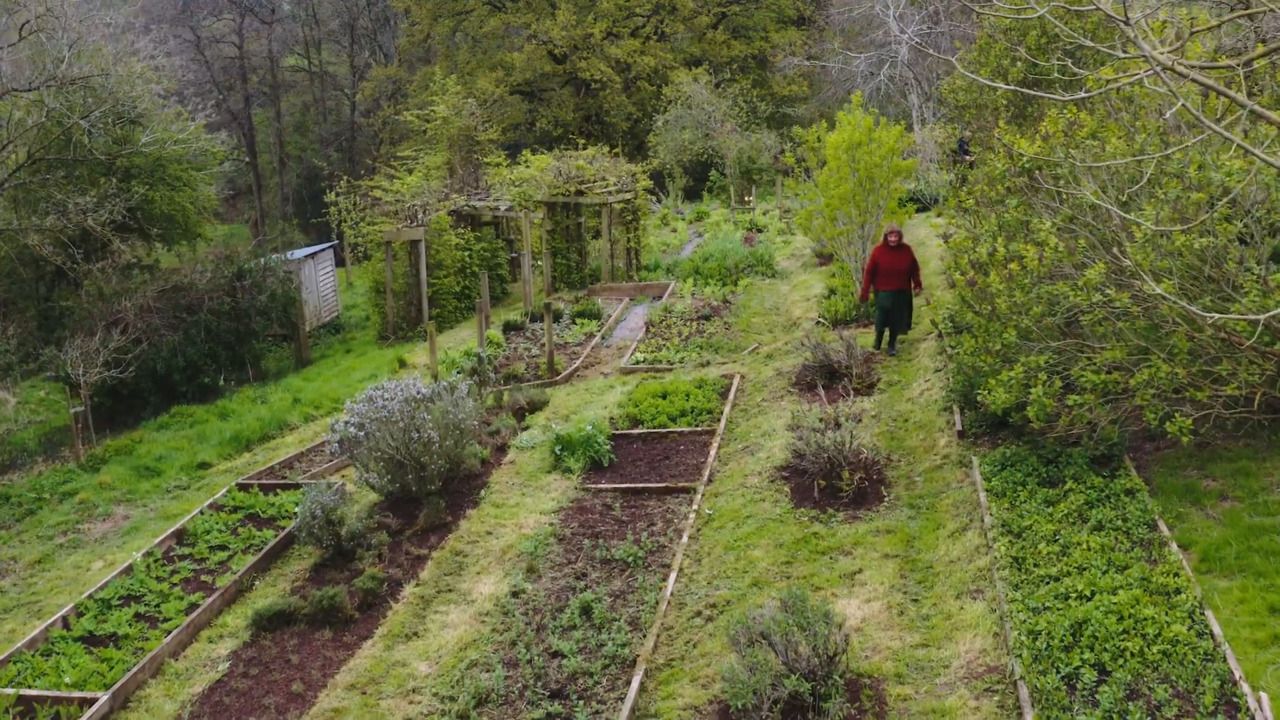
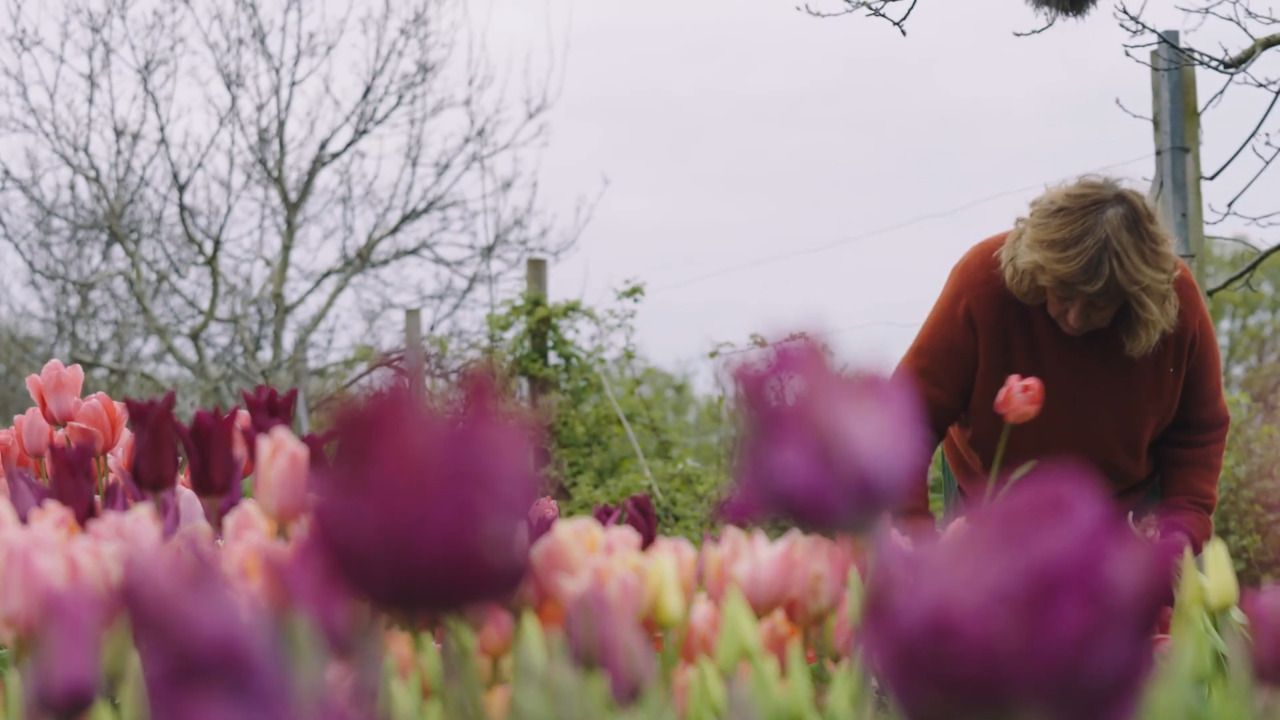
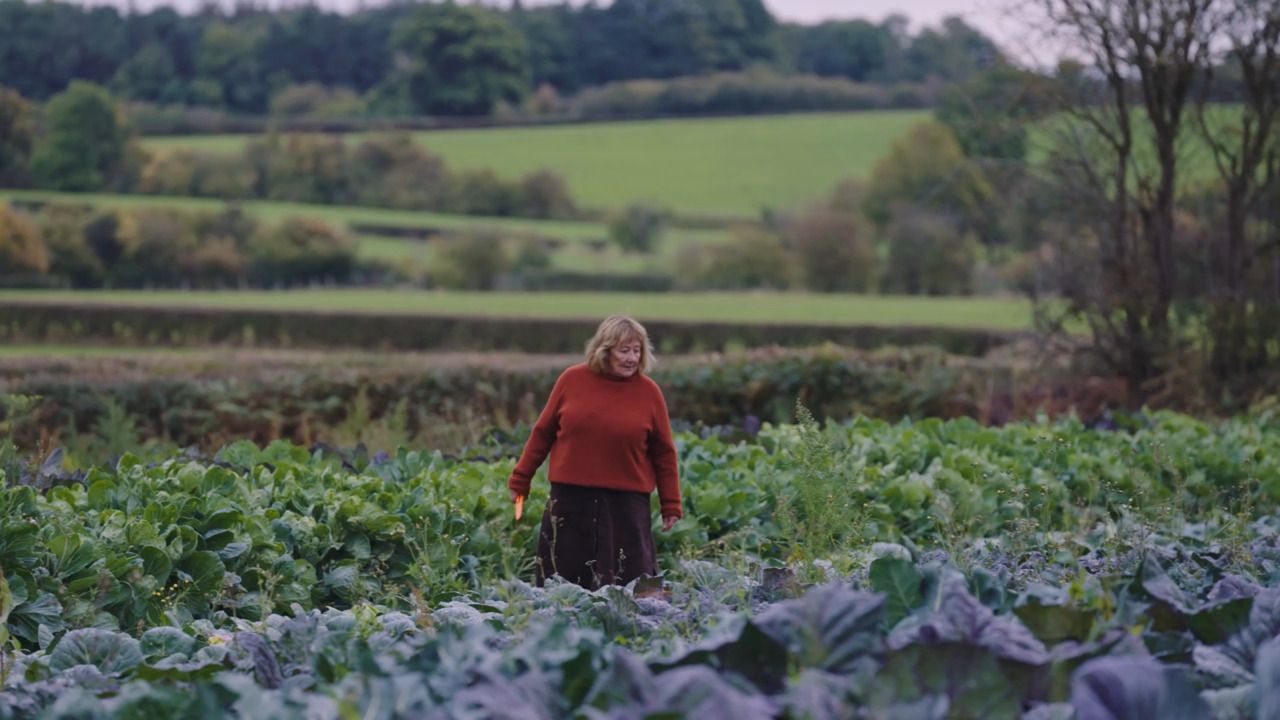
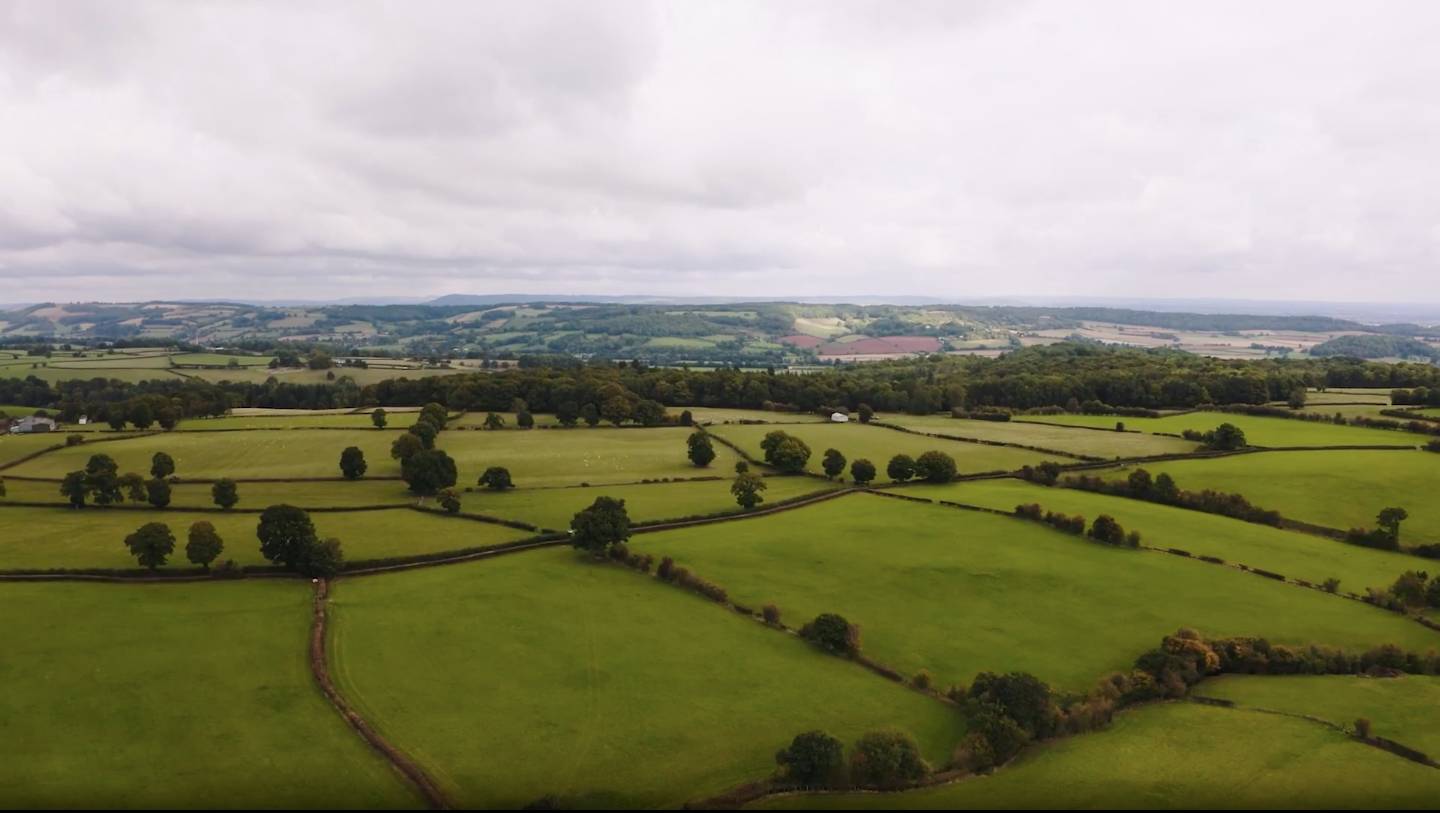
Jane Scotter has been farming at Fern Verrow - her certified biodynamic farm at the foothills of the Black Mountains in Herefordshire - since 1996, where she cultivates a wide range of truly seasonal vegetables, fruit, herbs and flowers. Jane believes that vegetables and fruit grown in good soil, at the right time of year and open to the elements have a greatly enhanced character and flavour, and that size and shape are unimportant when compared to taste and true quality. Since 2015 she has had a farm-to-table collaboration with Michelin starred chef Skye Gyngell and her London restaurant, Spring, and also grows flowers for acclaimed London florists, JamJar Flowers.

Access to all courses


