
Interior and exterior confidence
Create Academy has been such a great resource. I'm in the middle of renovating a bungalow with a very large garden and the courses have offered a wealth of inform...
Harvey
Jun 10, 2026
How to Grow Exceptional Produce
with JANE SCOTTER — Leading biodynamic grower of fruit and vegetables. Supplier to Michelin star restaurant Spring.
Lesson 22 of 36
Subscribe to watch
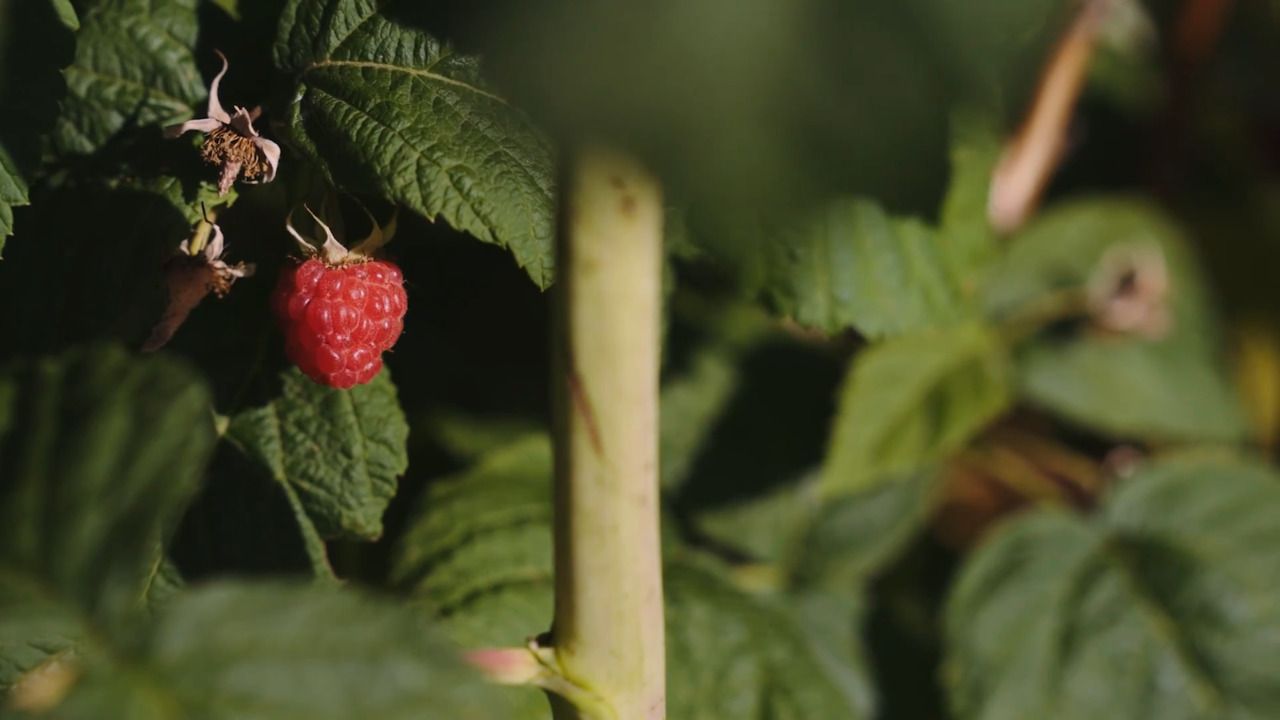
Raspberries are a joy to eat, whether consumed fresh or made into ice cream. In this lesson you’ll learn how to grow them and protect them from birds.
Summer fruiting raspberries produce their fruits in June, July and August, while autumn fruiting varieties produce crops from late August to October.
Summer raspberries produce fruit on last year's canes, so once all the fruit has been harvested – generally by the end of August – you can cut these canes right down to the ground. The following summer, the new growth will produce fruit.
When you cut the canes back, it's good practice to feed your raspberries too. If you have access to cow manure, then use this, but if not then there are plenty of organic feeds on the market.
If you want to plant any new plants, such as bare root canes, then transplant these into prepared ground in October or early November.
They will then grow a little before going into a period of winter dormancy. They may produce a few fruits the following year, but it will be the year after when they produce a full crop.
Remember that each flower is a potential fruit, so when the canes are in bloom, make sure you give them plenty of water, as this will help the fruit to set. This is why wet spring weather is so good for soft fruit.
If you're planning on doing a lot of preserving, then think about the varieties you are buying. If you only grow one type of raspberry, you are probably going to end up with a huge glut, which you might not be able to process quickly enough.
If you choose a mixture of early, mid-season and autumn varieties though, you should have a good amount of fruit throughout the season. Generally, you'll get half a kilo of fruit off each cane. Also, they're great to grow if you only have a small space, as they have an upward growth pattern.
Netting your raspberry canes is crucial if you want to protect them from birds. Although it might seem like a nuisance, if you don't net them, you might lose your entire crop.
The ideal time to net your canes is just after the fruit has set, when the berries are still green. It's important to make sure your netting is completely sealed, so secure it with pegs and ties, otherwise birds will take advantage of any holes they find to steal your berries.
Once the canes have finished fruiting, you can remove the netting and store for next season.
In late September, check your canes for any dead, diseased or damaged growth. This growth can be removed and the canes can be thinned to ensure there is good air circulation among your plants.
Take this opportunity to weed under your plants too, as this will remove the habitat for slugs and snails. Finally, cover the roots with a good layer of mulch, such as well rotted cow manure or leaf mould.
Get the full workbook, video lessons, and more with a Create Academy subscription.
Subscribe to access the full workbookAlready a member? Sign in to watch
491 reviews
Read moreCreate Academy has been such a great resource. I'm in the middle of renovating a bungalow with a very large garden and the courses have offered a wealth of inform...
Harvey
Jun 10, 2026
Absolutely love Create Academy! The instructors are extremely informative, and it is beautifully filmed. Create Academy is great value for money and plan on renew...
SG
May 31, 2026
Butter's creativity is stunning! Her ability to incorporate brilliance in small gardens is magical!
Carla
May 30, 2026
The best adventure. I like all the courses, but my favorite are both Rita Konig interior design courses and Anna Jones. Excellent!
Karolina Kluczewska
May 20, 2026
Create Academy has been such a great resource. I'm in the middle of renovating a bungalow with a very large garden and the courses have offered a wealth of information to dive into and explore new ideas. I'm...
Harvey
Jun 10, 2026
Absolutely love Create Academy! The instructors are extremely informative, and it is beautifully filmed. Create Academy is great value for money and plan on renewing my subscription yearly because there are ...
SG
May 31, 2026
Butter's creativity is stunning! Her ability to incorporate brilliance in small gardens is magical!
Carla
May 30, 2026

Your Instructor
Leading biodynamic grower of fruit and vegetables. Supplier to Michelin star restaurant Spring.
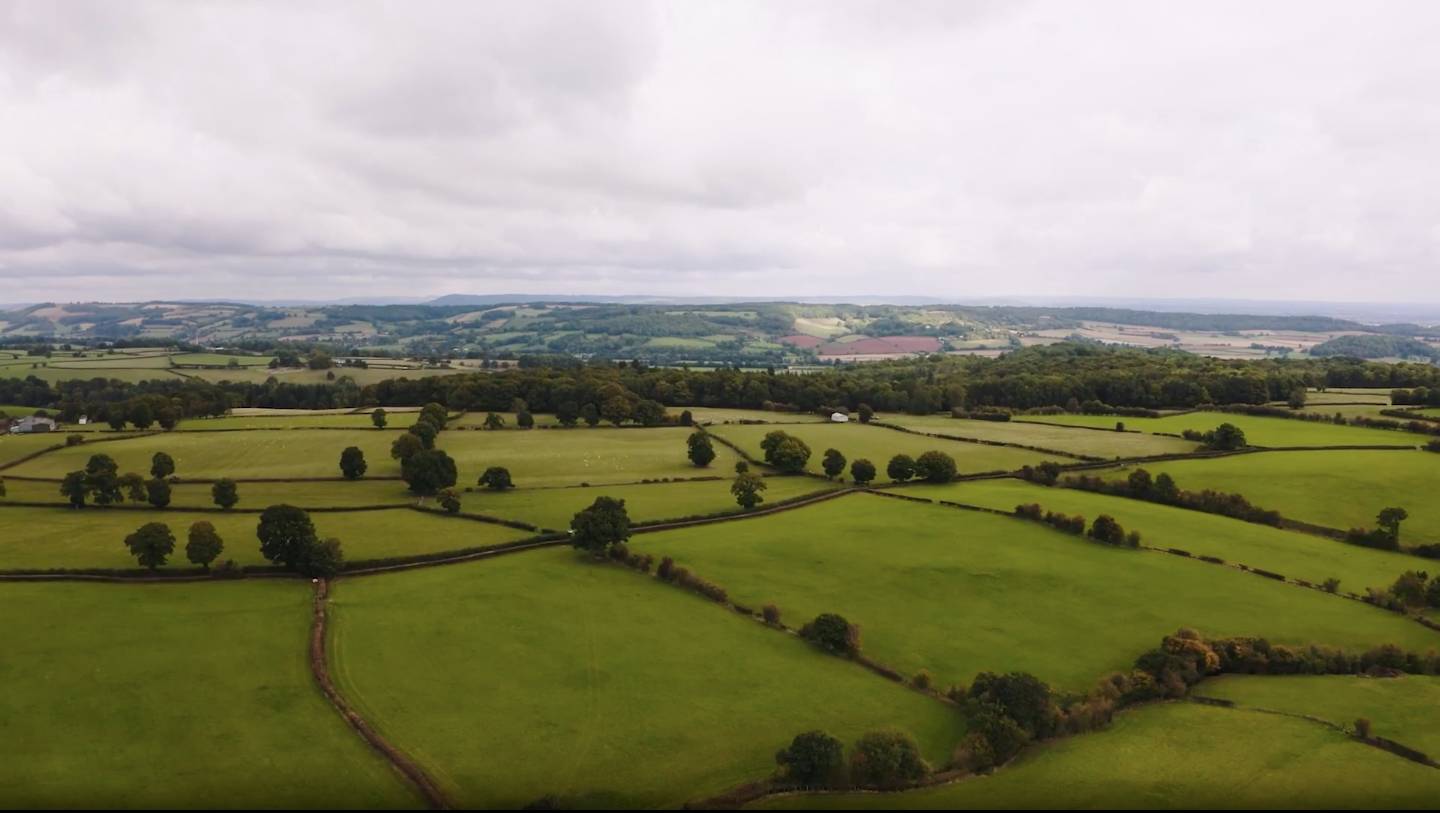
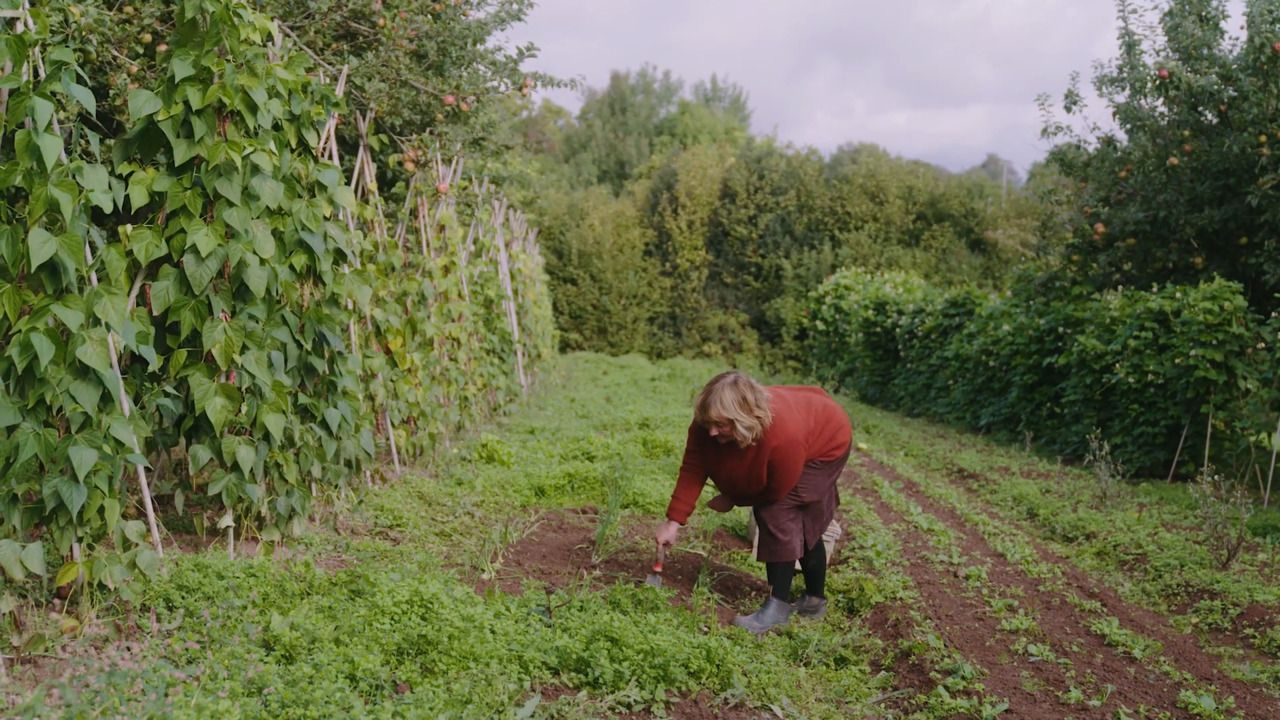
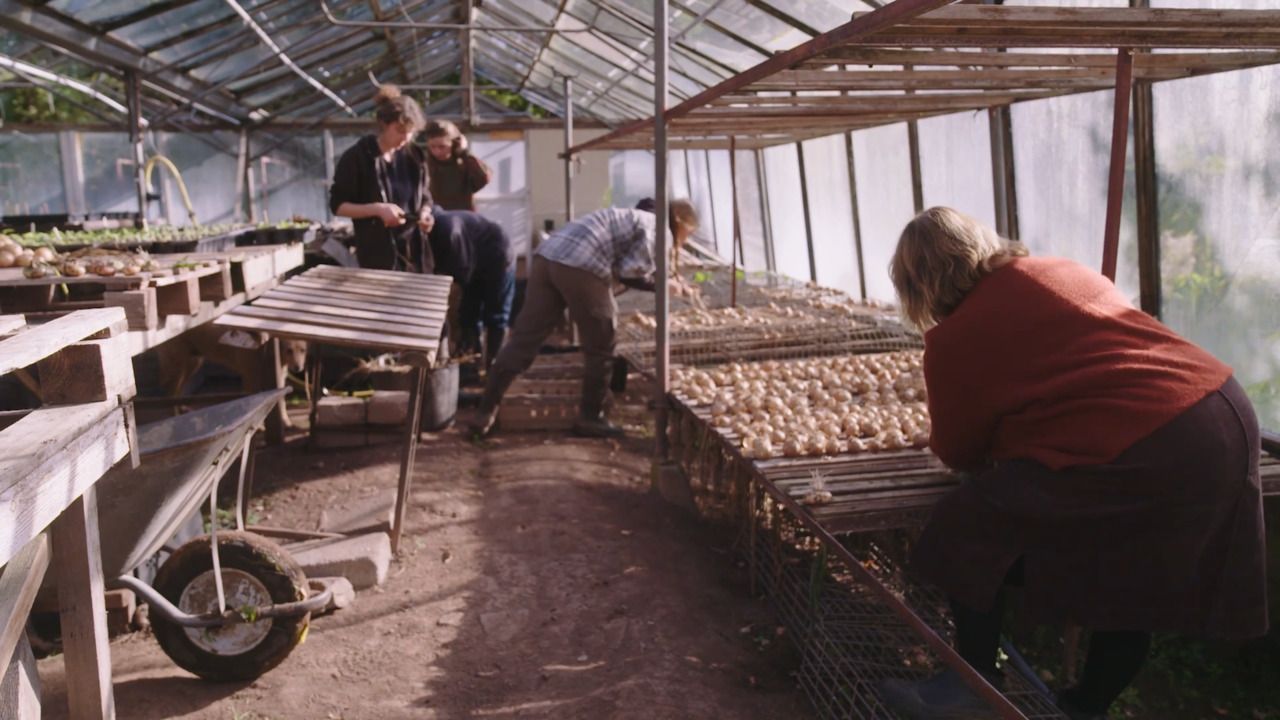
Jane Scotter has been farming at Fern Verrow - her certified biodynamic farm at the foothills of the Black Mountains in Herefordshire - since 1996, where she cultivates a wide range of truly seasonal vegetables, fruit, herbs and flowers. Jane believes that vegetables and fruit grown in good soil, at the right time of year and open to the elements have a greatly enhanced character and flavour, and that size and shape are unimportant when compared to taste and true quality. Since 2015 she has had a farm-to-table collaboration with Michelin starred chef Skye Gyngell and her London restaurant, Spring, and also grows flowers for acclaimed London florists, JamJar Flowers.

Access to all courses

.jpg)
