
Interior and exterior confidence
Create Academy has been such a great resource. I'm in the middle of renovating a bungalow with a very large garden and the courses have offered a wealth of inform...
Harvey
Jun 10, 2026
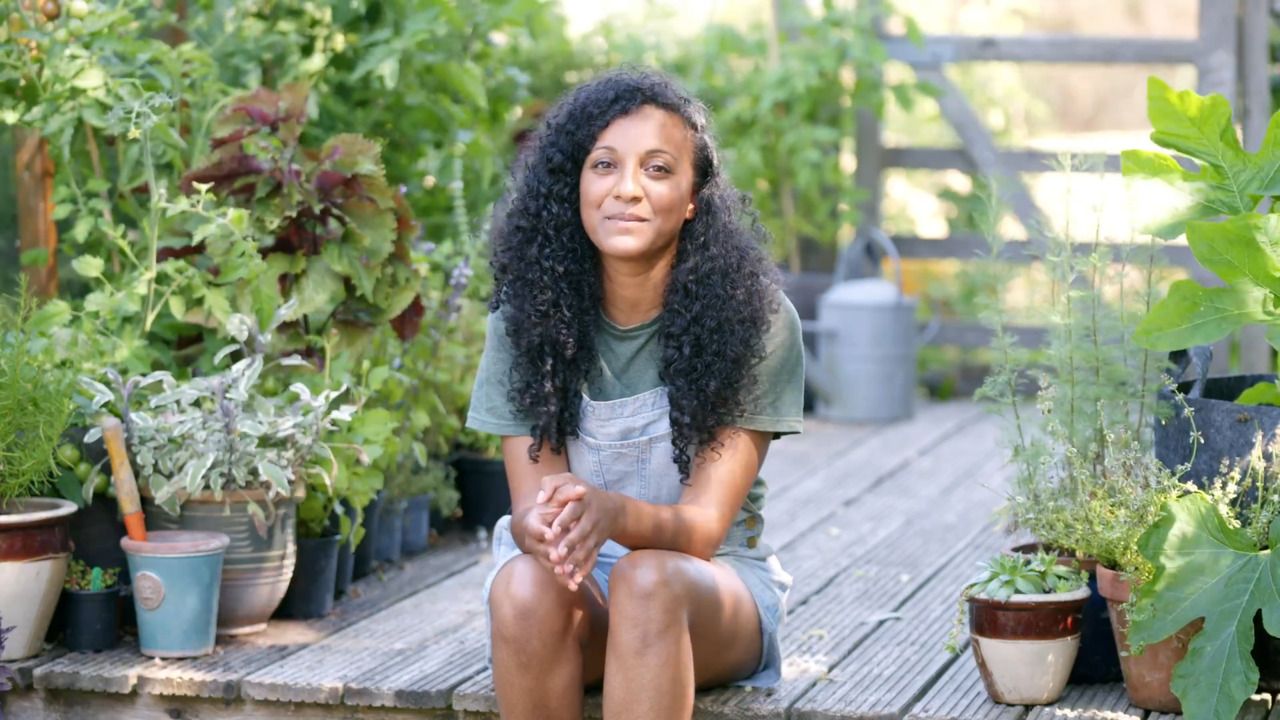
with CLAIRE RATINON — Organic food grower, writer and gardening columnist for The Guardian. Author of Unearthed.
Lesson 5 of 24
Subscribe to watch
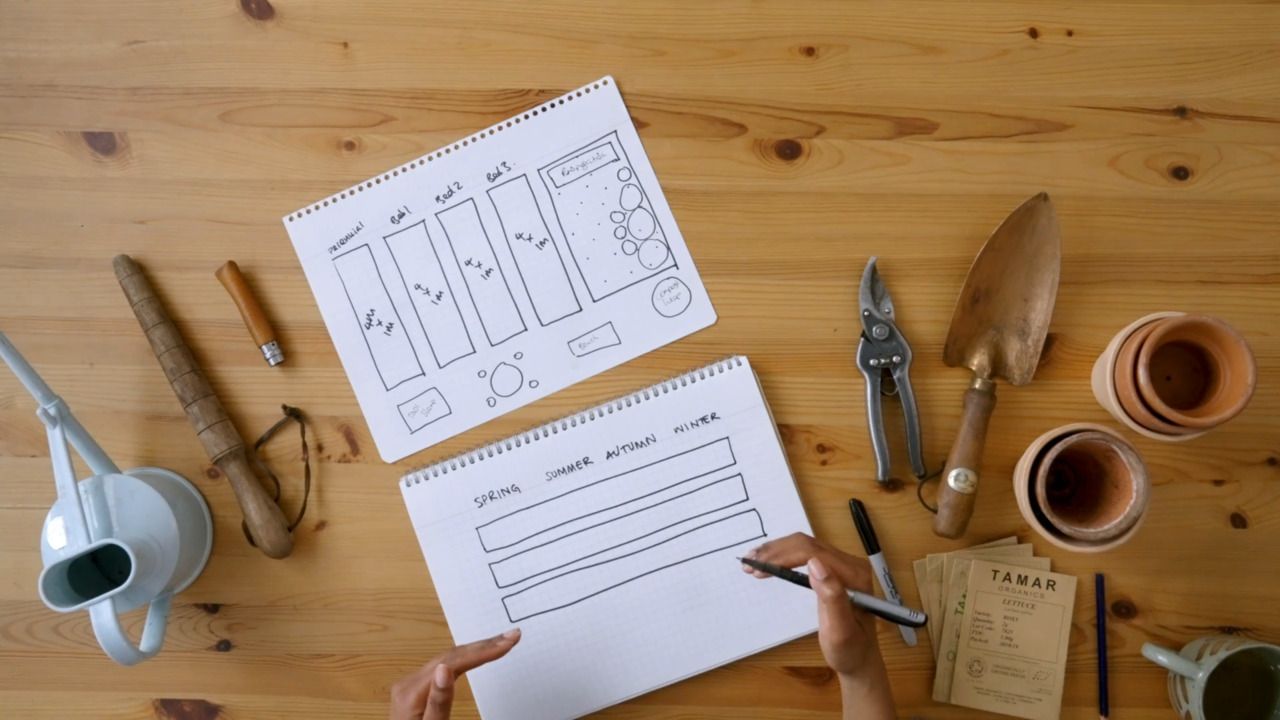
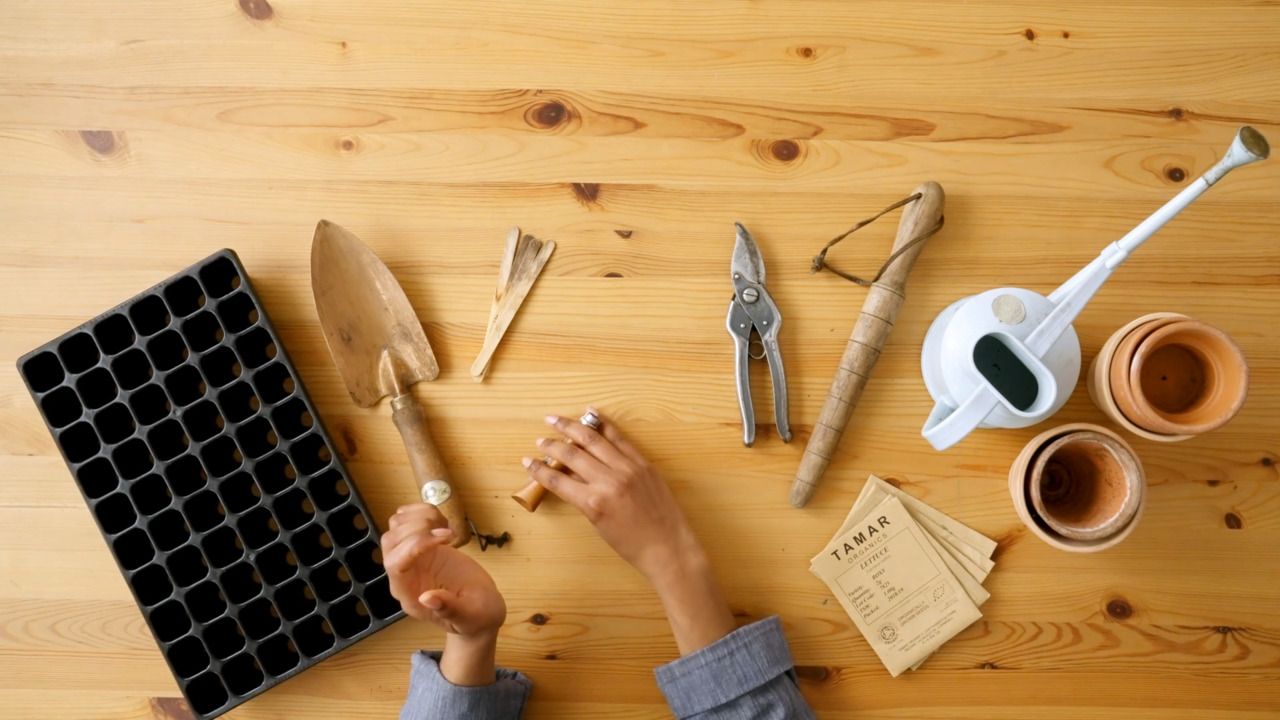
Before setting out on your food-growing journey, there are a few essential bits of kit you'll need to source, from secateurs to seed-sowing modules.
Before setting out on your food-growing journey, it's really helpful to create a basic toolkit. In this lesson, I'll introduce you to some of my favourite tools and explain what I use them for.
You'll be using these tools regularly, so it's a good idea to do your research and invest in a strong, sturdy and environmentally sound kit.
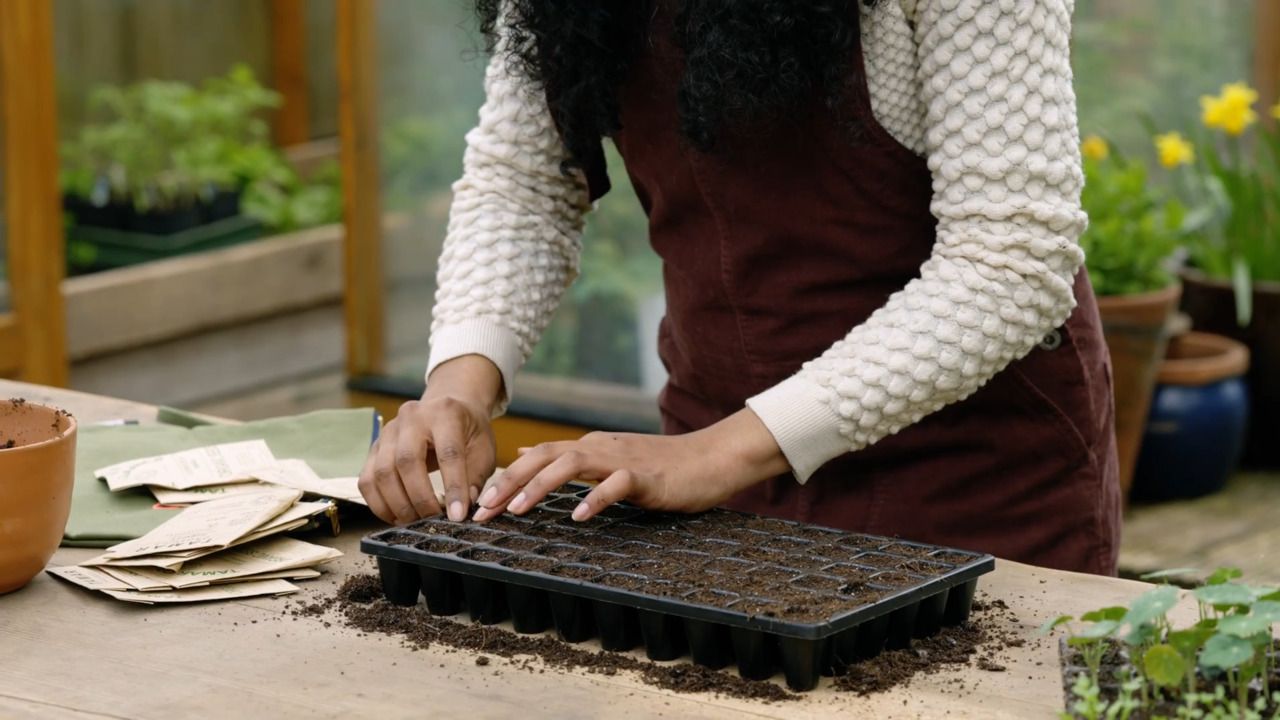
Seed sowing modules
I use modules in nearly all of my seed sowing as they are efficient space savers, and especially useful if you don't have a huge amount of space to grow young seedlings.
If you're buying seed-sowing modules that are made of plastic, make sure to buy ones that are solidly made and not flimsy, that way you can ensure that they will be used year after year.
Trowel
A trowel is an essential piece of kit for any gardener. It's great for weeding, digging holes for planting and breaking up any clods of earth.
Harvest knife
While a knife is not an essential tool for a new grower, they are a great way to harvest crops swiftly, and prune and tidy up plants.
Labels
Seedlings can look very similar in the early stages of growth, so labelling your seed trays is essential if you want to keep track of what you've planted and where. If you want to cut down on the amount of plastic you are using in your garden, then use repurposed ice lolly sticks or items from your recycling bin.
Secateurs
Secateurs are another essential tool for all types of gardeners. They are great for pruning or cutting back plants. Make sure to keep them sharp and clean to avoid damaging your plants and also to prolong the life of your secateurs.
Dibber
While a dibber isn't essential (you could use a trowel instead) they are great for making a small hole in a no dig bed without disrupting the soil life beneath the surface. If you don't want to buy a dibber, a sturdy stick will work just as well.
Watering cans
I have a selection of watering cans of varying sizes, but I use a small one with a fine rose for watering my seedlings. This ensures that the water disperses gently so it won't disturb the seeds.
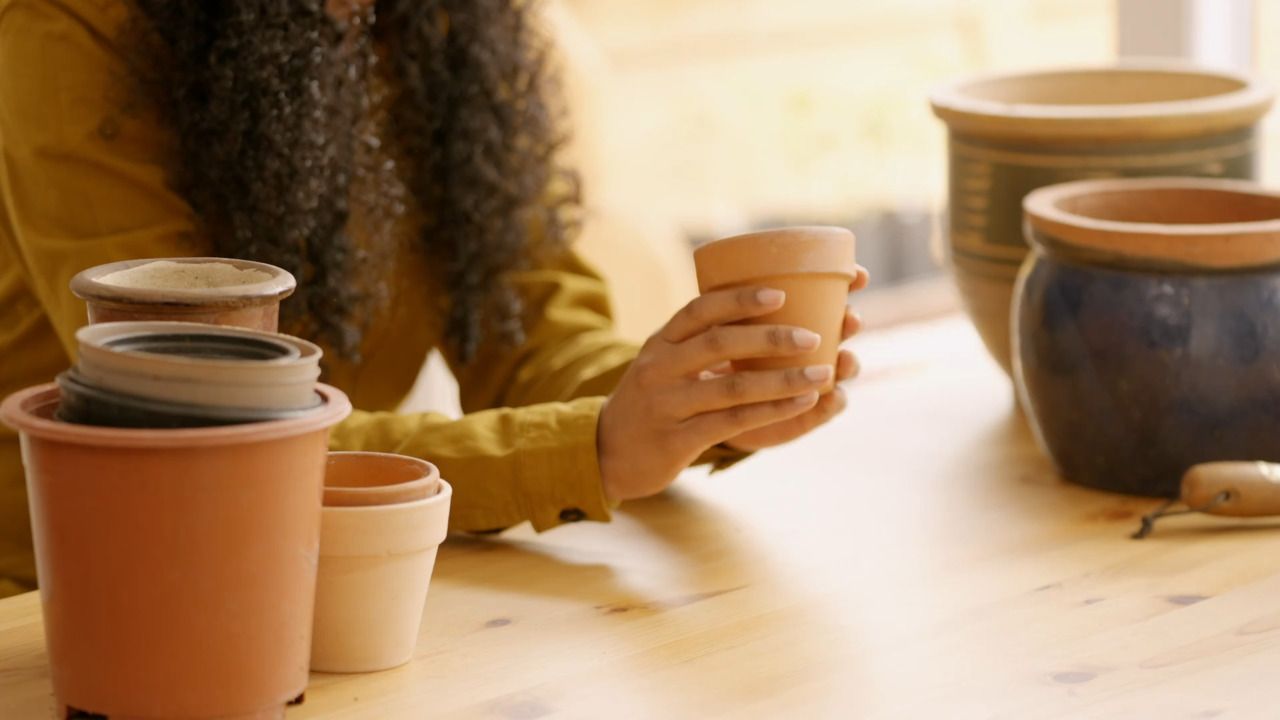
Pots
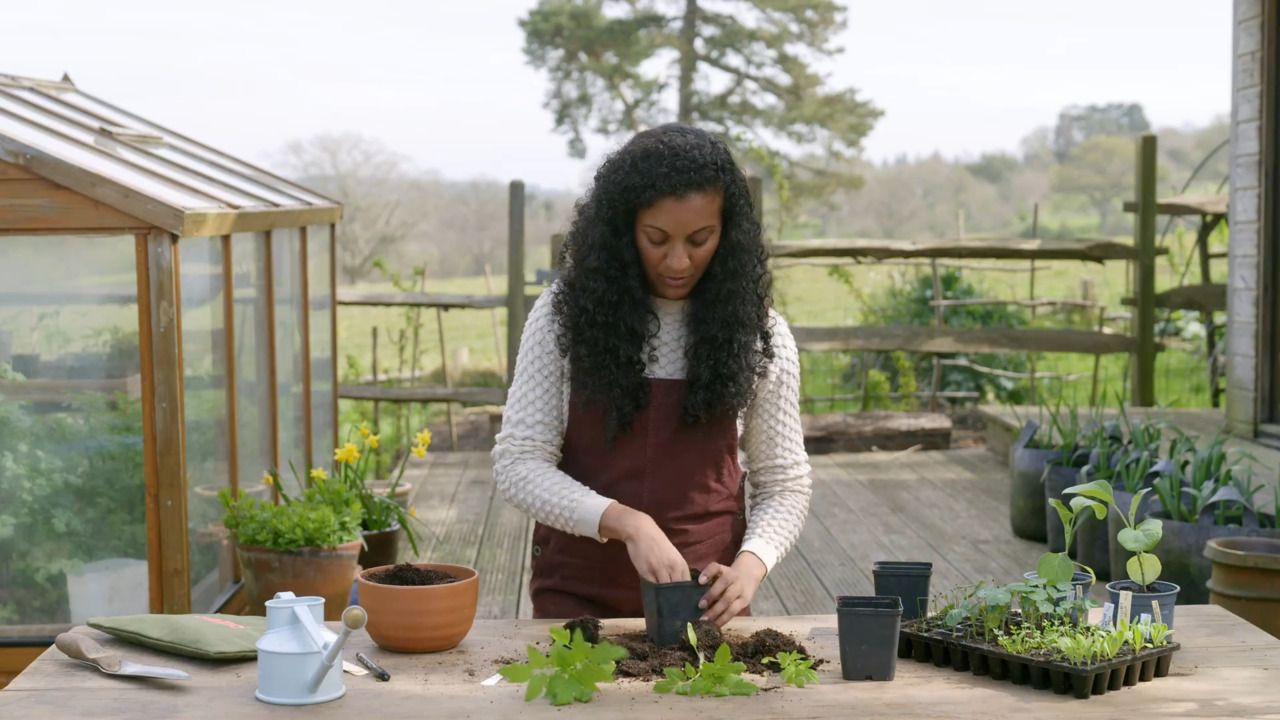
I have a large collection of pots in my garden. My plastic pots have been collected from garden centres where they would have otherwise gone to waste, and they're really good for potting on seedlings before they go out into the garden.
I tend to use terracotta pots for growing herbs, as terracotta dries out quickly, so it works well for growing Mediterranean herbs that don't require as much moisture.
Compost
I use both seed compost and potting compost in my greenhouse. Seed compost has a finer structure so that it is easier for tiny seedlings to push through when they germinate while potting compost has a higher nutrient level to help your seedlings as they begin to grow.
I only use peat-free compost in my garden as peat is not a sustainable medium, nor is it necessary either, so make sure to look out for peat-free compost in your local garden centre.
Supply of plant feed
I use an organic seaweed feed for my container-grown plants. This is necessary because container-grown plants will use up the nutrients in their container soil within a few months, so they will need supplementary feeding to continue to thrive.
Seeds
The most important thing in my toolkit is seeds. My seed box is full of seeds that I have bought, swapped and saved and growing plants from seed is one of the most magical parts of any food grower's journey.
Some of my favourite seed companies include:
United Kingdom
United States
Australia
Get the full workbook, video lessons, and more with a Create Academy subscription.
Subscribe to access the full workbookAlready a member? Sign in to watch
491 reviews
Read moreCreate Academy has been such a great resource. I'm in the middle of renovating a bungalow with a very large garden and the courses have offered a wealth of inform...
Harvey
Jun 10, 2026
Absolutely love Create Academy! The instructors are extremely informative, and it is beautifully filmed. Create Academy is great value for money and plan on renew...
SG
May 31, 2026
Butter's creativity is stunning! Her ability to incorporate brilliance in small gardens is magical!
Carla
May 30, 2026
The best adventure. I like all the courses, but my favorite are both Rita Konig interior design courses and Anna Jones. Excellent!
Karolina Kluczewska
May 20, 2026
Create Academy has been such a great resource. I'm in the middle of renovating a bungalow with a very large garden and the courses have offered a wealth of information to dive into and explore new ideas. I'm...
Harvey
Jun 10, 2026
Absolutely love Create Academy! The instructors are extremely informative, and it is beautifully filmed. Create Academy is great value for money and plan on renewing my subscription yearly because there are ...
SG
May 31, 2026
Butter's creativity is stunning! Her ability to incorporate brilliance in small gardens is magical!
Carla
May 30, 2026

Your Instructor
Organic food grower, writer and gardening columnist for The Guardian. Author of Unearthed.
Claire Ratinon is a food grower and writer, specialising in growing food organically. She is passionate about the act of growing plants - especially edible ones - and the potential for this to be nourishing, connecting and healing. Her journey into horticulture began on a rooftop farm in New York City and since then she has spanned a range of roles, from growing produce for Ottolenghi’s Rovi restaurant to delivering food growing workshops and talks. Claire writes a regular column in The Guardian's magazine and is a contributor to Radio 4’s Gardeners’ Question Time, Waitrose Food Magazine and Bloom magazine. Her book, ‘How To Grow Your Dinner Without Leaving The House’, celebrates the food growing possibilities of small spaces, from window boxes to balconies.
Access to all courses


