
Interior and exterior confidence
Create Academy has been such a great resource. I'm in the middle of renovating a bungalow with a very large garden and the courses have offered a wealth of inform...
Harvey
Jun 10, 2026
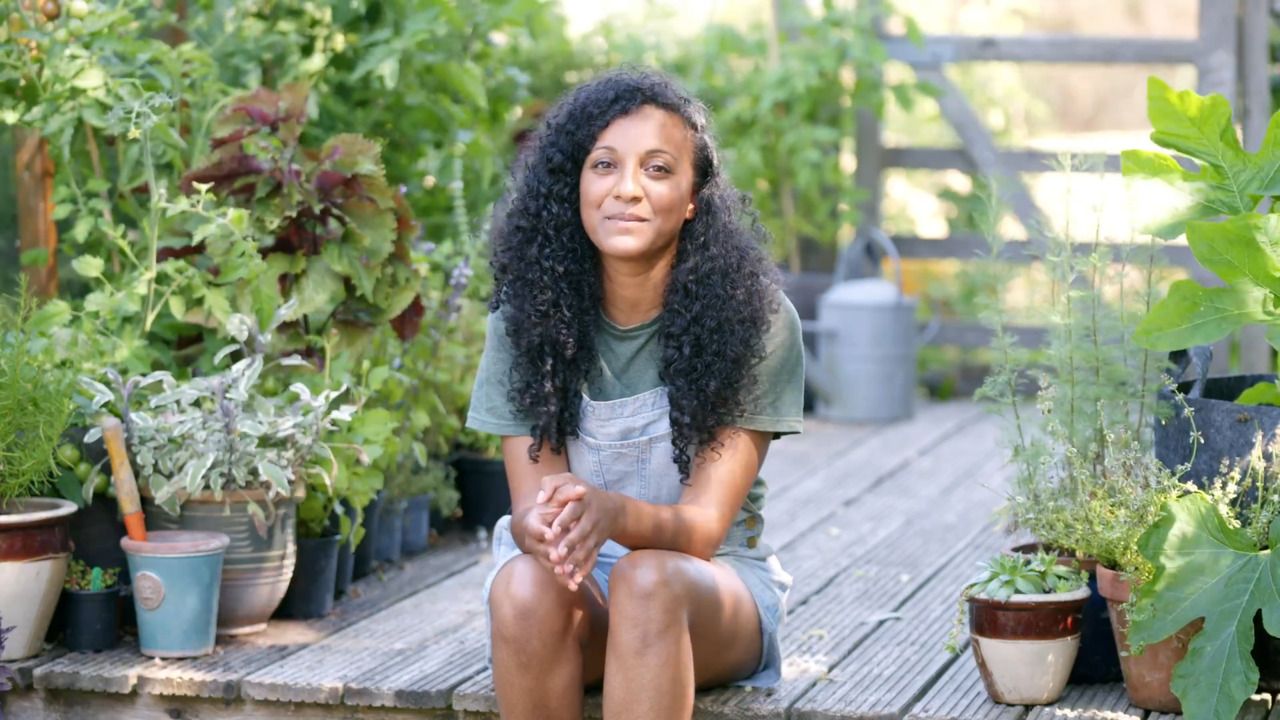
with CLAIRE RATINON — Organic food grower, writer and gardening columnist for The Guardian. Author of Unearthed.
Lesson 6 of 24
Subscribe to watch
In this lesson, you'll learn how to assess your growing space and create a map of your beds, while factoring in crop rotation and other practicalities.
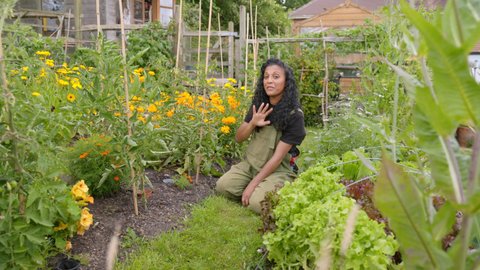
Before you start prepping your space, it's important to consider what will go where. In this lesson, I'll guide you through my design process.
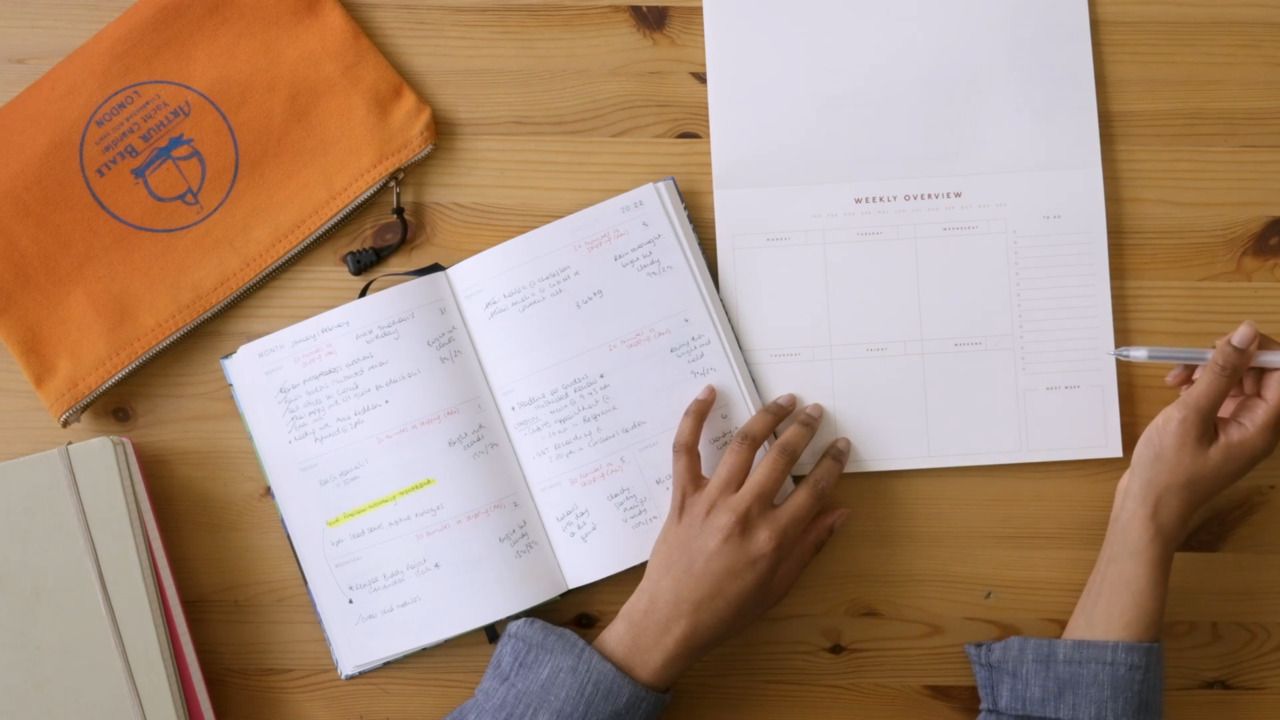
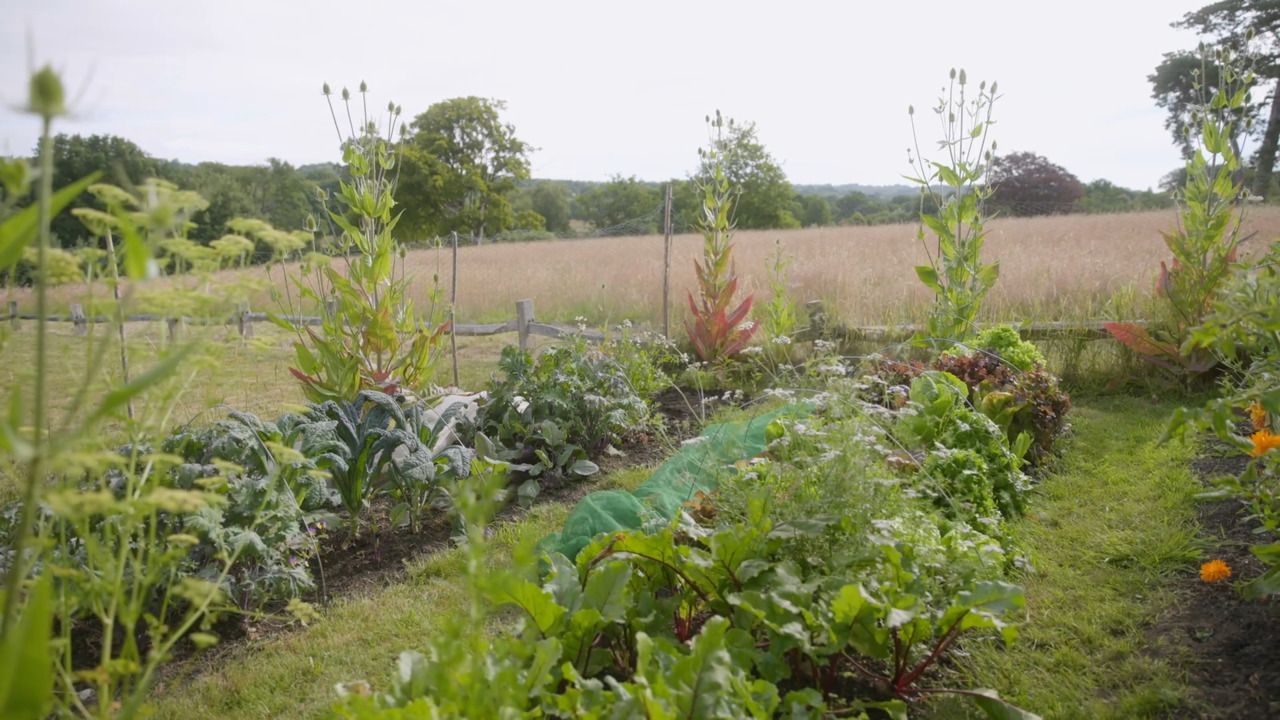
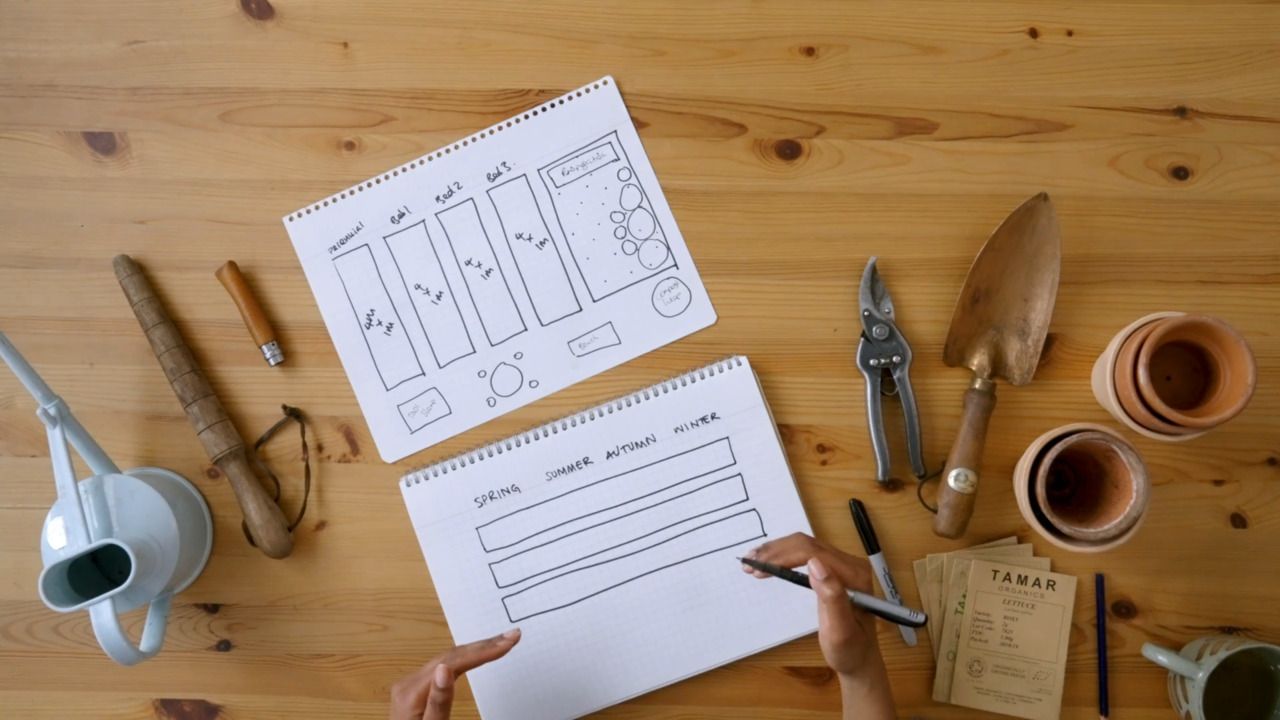
Sketching out a plan for your garden is a really helpful way of visualising what you are going to do over the coming growing season. Creating a sketch based on your available space will help you to understand what plants will go where and how to strike the balance between perennial and annual planting.
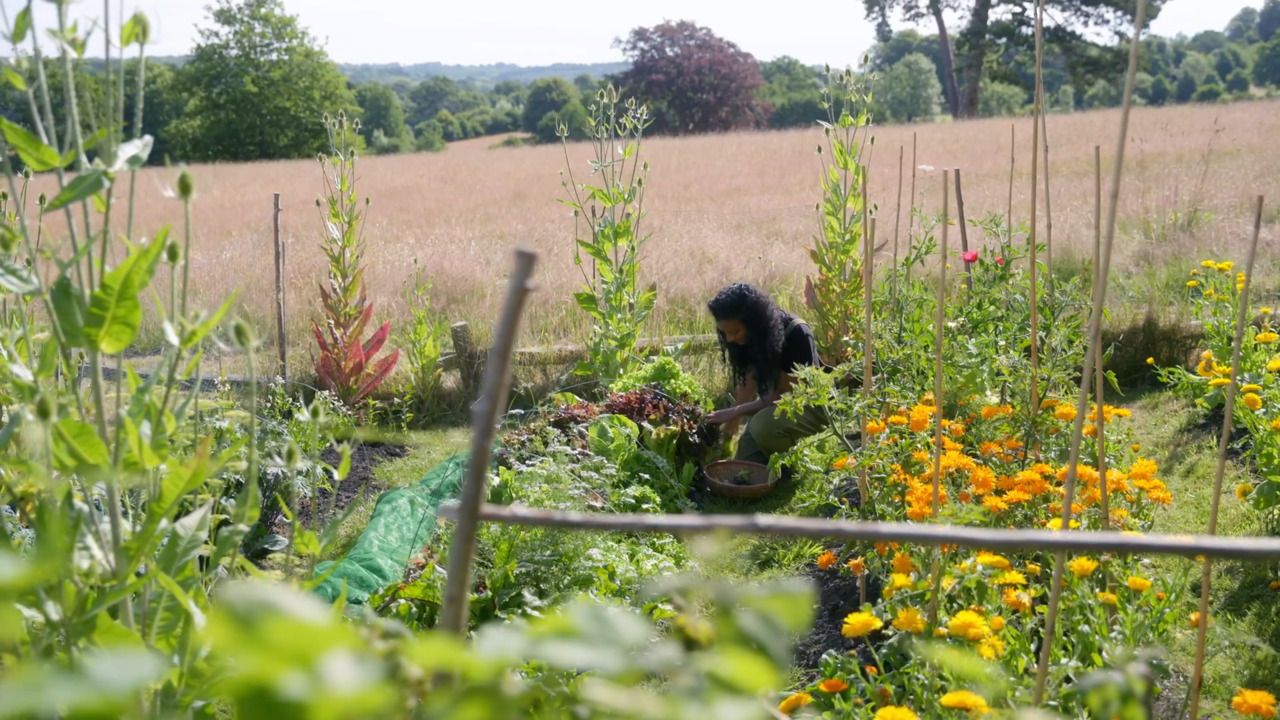
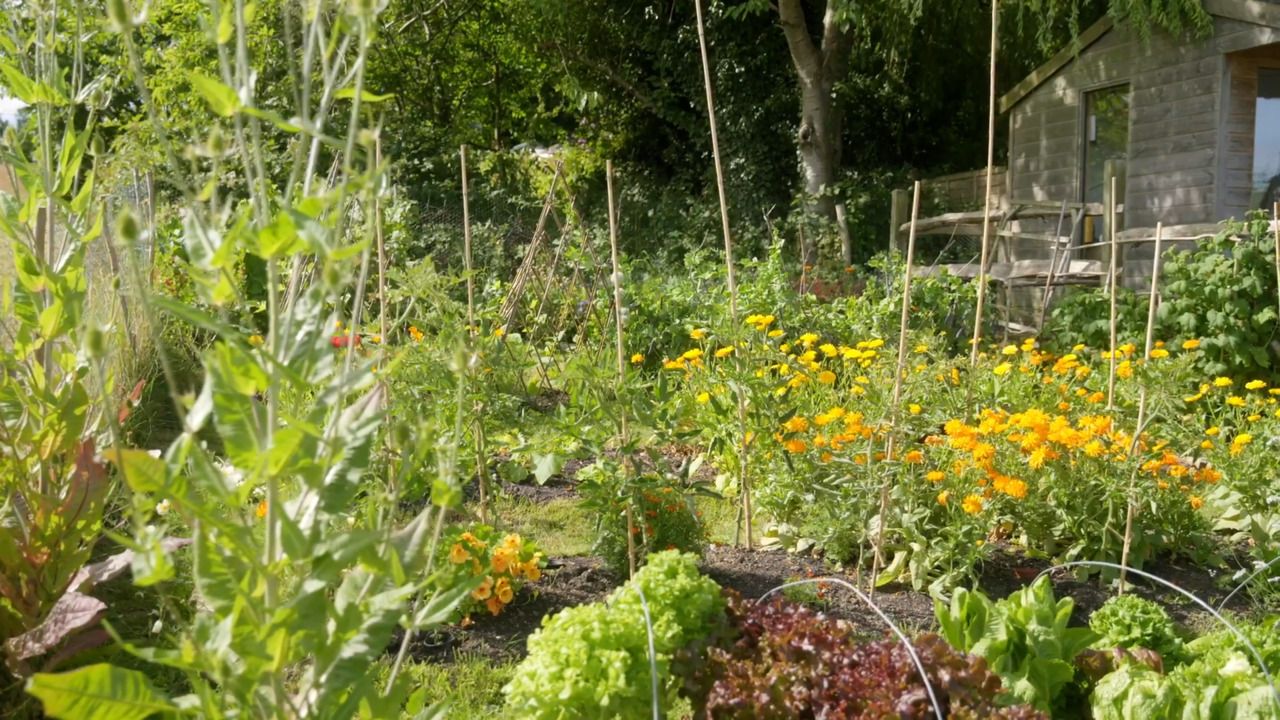
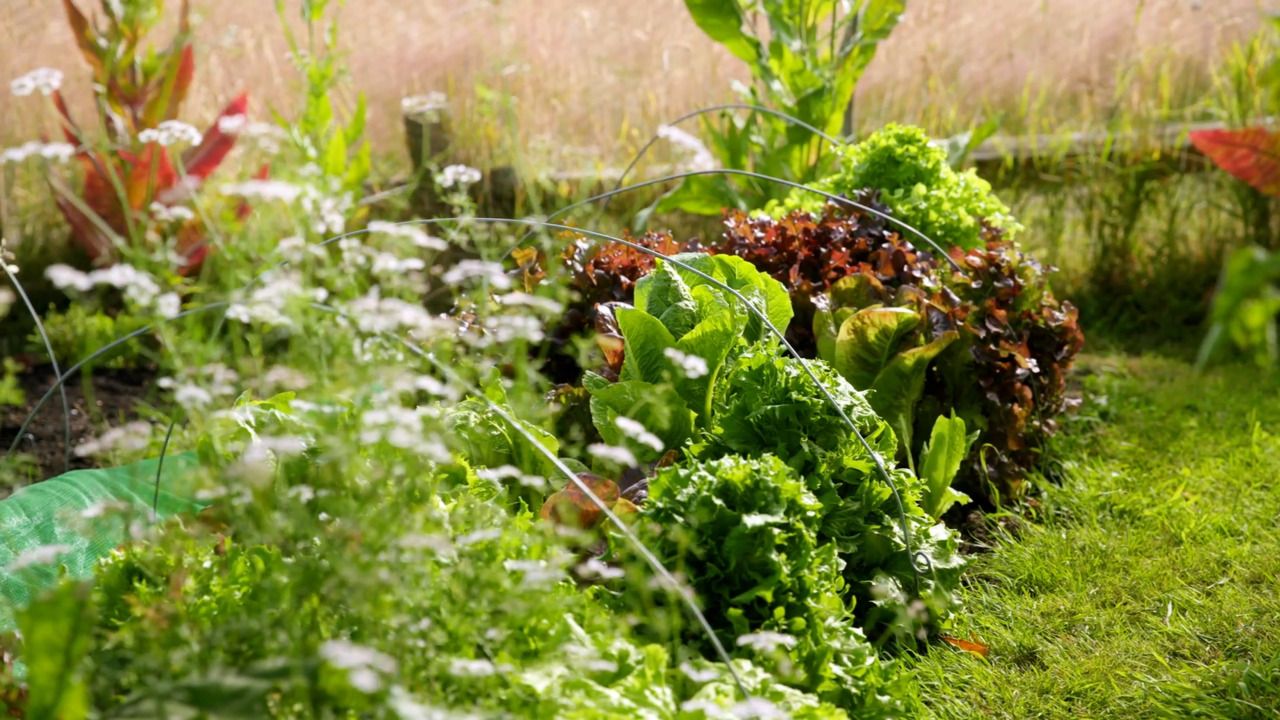
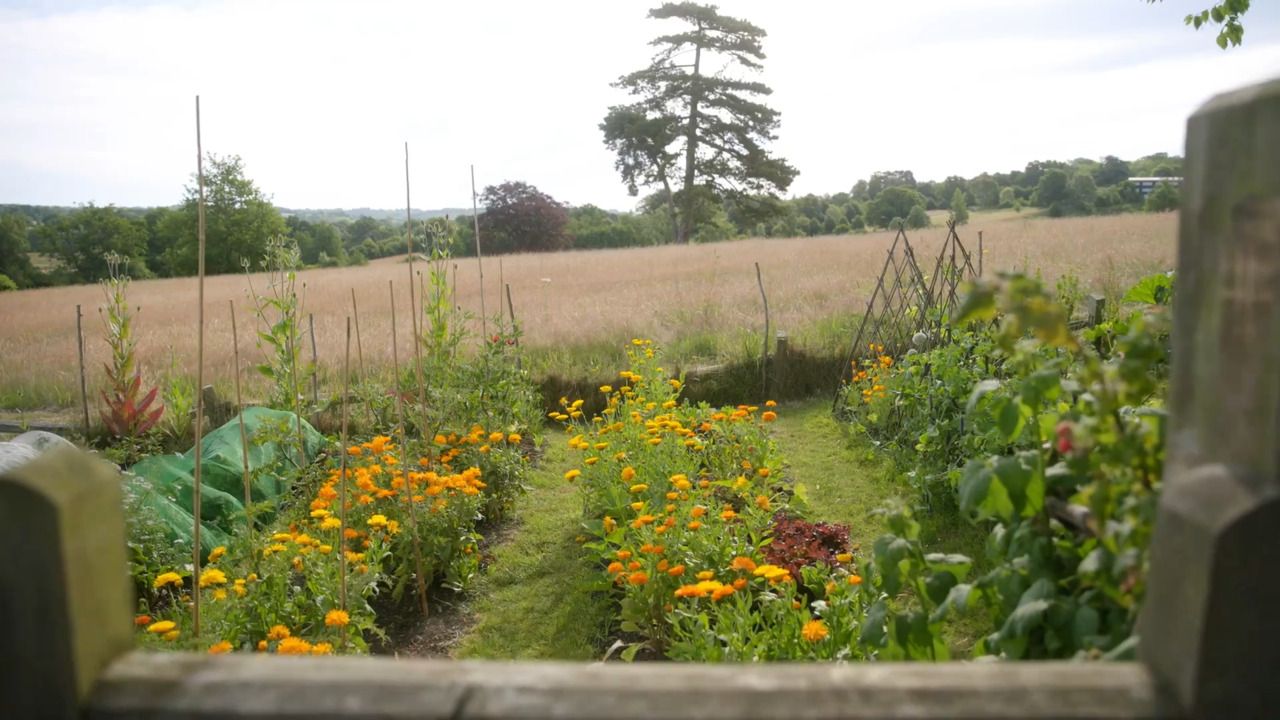
To help you visualise your space, start by sketching out a few beds. My beds are usually around one metre wide. Sticking to this size means that you will have a good amount of growing space and you won't have to overstretch yourself as you try to reach from one side to the other.
I leave a path in between all of my beds, and it's a good idea to make your paths wide enough to push a wheelbarrow down.
If you don't have a lot of time to devote to your garden but still want to grow your own food, then it may be a good idea to make several of your beds perennial.
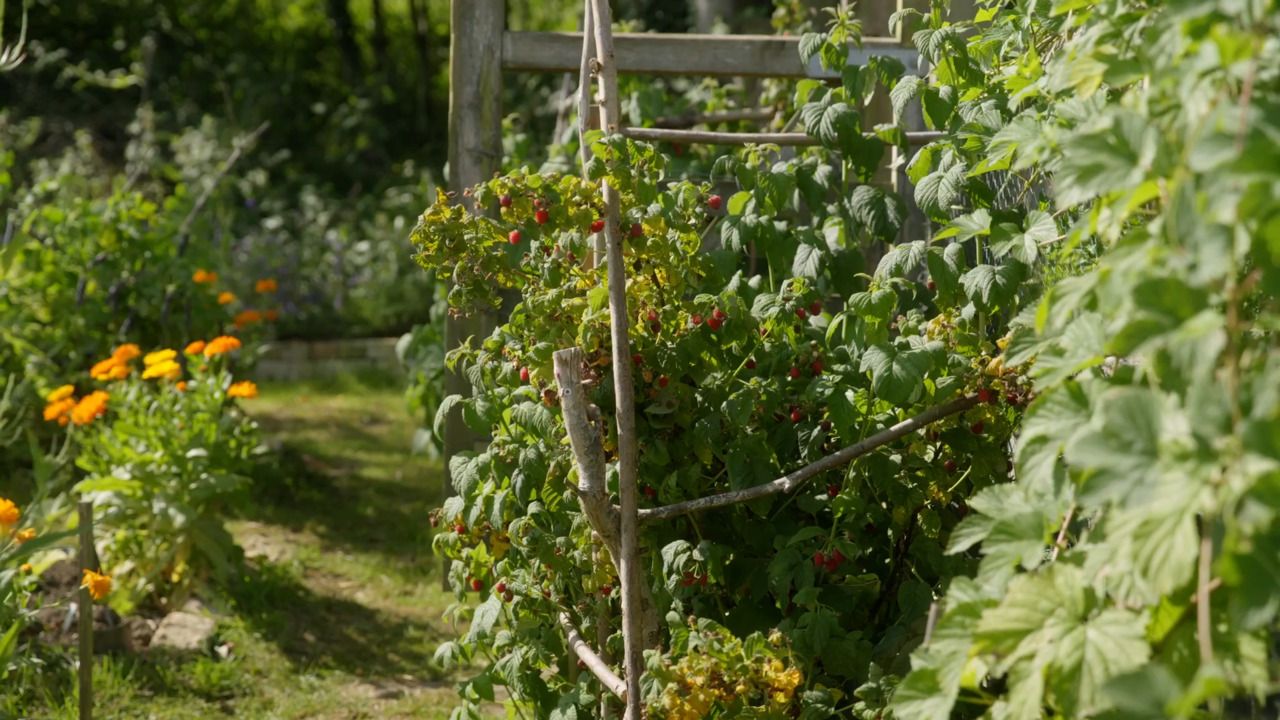
Perennials are plants that return season after season without the need to sow seeds every time. In the food-growing world, these are plants like asparagus, and rhubarb, as well as fruit bushes such as raspberries, blackberries and currants.
If you have a sunny, paved area in your garden then it's a good idea to add in some container-grown plants so that you can make the most of the sun.
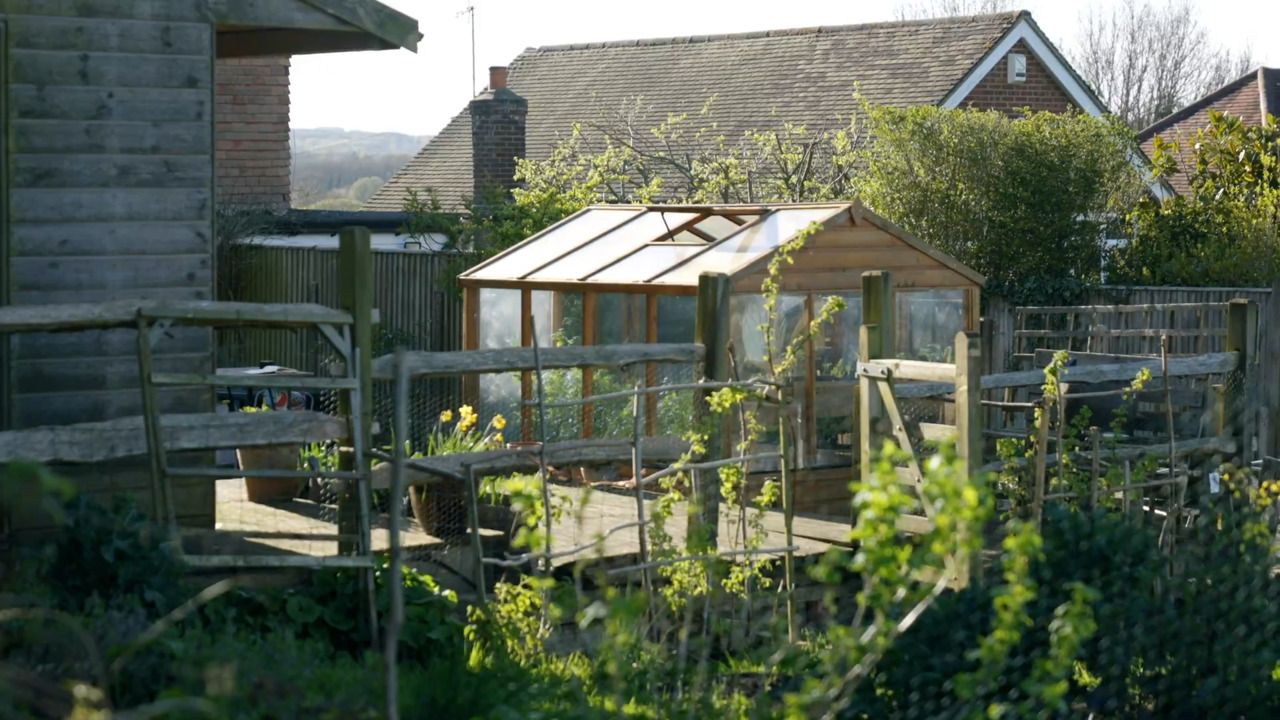
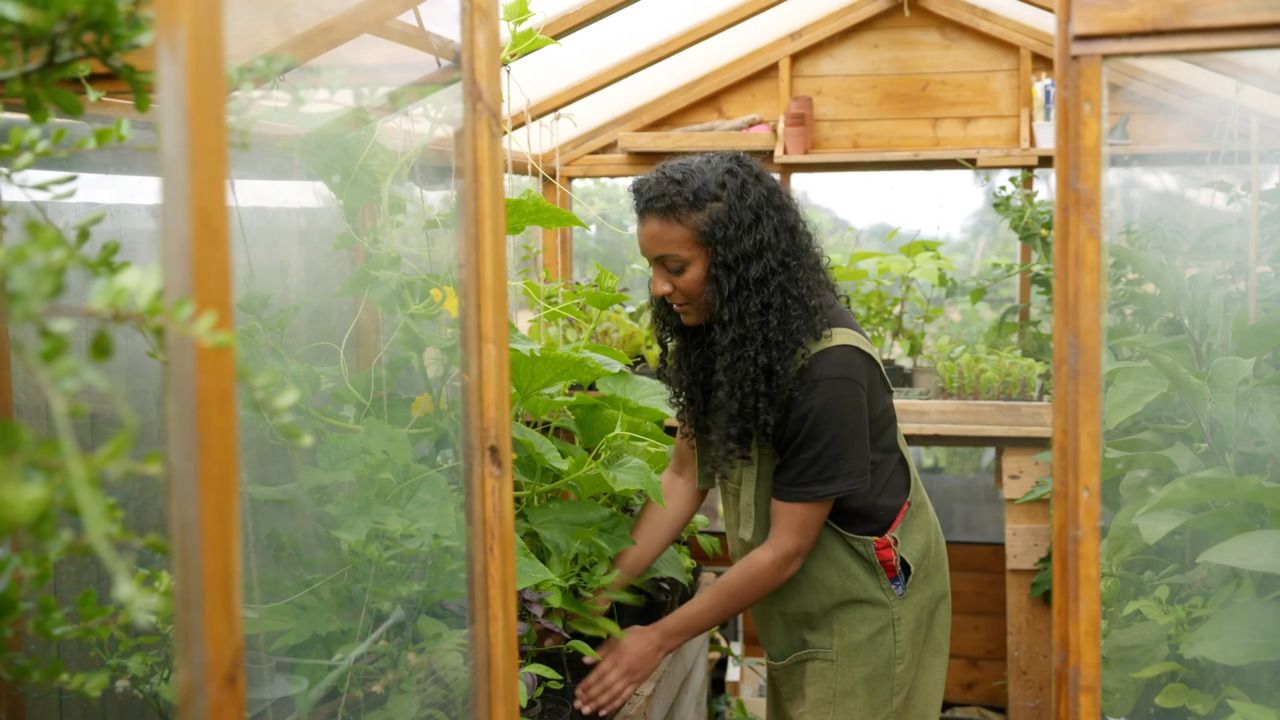
Don't forget to add space for the more practical elements of a working growing space too, such as a compost heap, tool shed and a greenhouse if you have space for one.
From my initial design I have decided that I'm going to have three beds for growing annuals in, which I will replant every year, so now it's time to focus on these and decide what I will grow in them throughout the year.
One of the main principles of organic growing is crop rotation. This means growing a particular family of crops in one bed and then moving this family to the next bed the following year.
In my garden, I use a five-year rotation, but for this hypothetical design, we're using a three-year rotation as we have three beds.
The main reason why I rotate my crops is to combat pests and diseases. If you have certain soil diseases in your garden, crop rotation can sometimes disrupt their lifecycle and therefore help you to grow healthier and happier crops.
This is also true of pests too. If pests know they will find a good meal in the same place year after year then they will quickly destroy all of your hard work.
| | Spring | Summer | Autumn | Winter |
|-----------|-------------------------------------------------|------------------------------------------------------|-------------------------------------|-------------------------------------|
| Legumes | Broad beans<br>Peas | French beans<br>Runner beans | Peas<br>Broad beans | Peas<br>Broad beans |
| Brassicas | Purple sprouting broccoli<br>Mustard<br>Rocket | Kale<br>Radishes<br>Pak choi | Purple sprouting broccoli | Purple sprouting broccoli |
| Other | Leeks<br>Endives<br>Radicchio | Summer salads<br>Chard<br>Beetroot<br>Spring onions | Chard<br>Endives<br>Radicchio | Chard<br>Endives<br>Radicchio |
Once you've decided what you want to grow throughout the year, you'll be able to work out how many plants you will need to fill your beds.
Another useful thing to add to your plan is when the first and last frosts are likely to be.
Taking your own garden space as a template, sketch out your growing space below. Remember to take into account any paved areas and also consider which parts of your garden get the most sunlight or are in shade.
Note: There are some handy apps that can help you with this process too, including: Planter and RHS Grow
Get the full workbook, video lessons, and more with a Create Academy subscription.
Subscribe to access the full workbookAlready a member? Sign in to watch
491 reviews
Read moreCreate Academy has been such a great resource. I'm in the middle of renovating a bungalow with a very large garden and the courses have offered a wealth of inform...
Harvey
Jun 10, 2026
Absolutely love Create Academy! The instructors are extremely informative, and it is beautifully filmed. Create Academy is great value for money and plan on renew...
SG
May 31, 2026
Butter's creativity is stunning! Her ability to incorporate brilliance in small gardens is magical!
Carla
May 30, 2026
The best adventure. I like all the courses, but my favorite are both Rita Konig interior design courses and Anna Jones. Excellent!
Karolina Kluczewska
May 20, 2026
Create Academy has been such a great resource. I'm in the middle of renovating a bungalow with a very large garden and the courses have offered a wealth of information to dive into and explore new ideas. I'm...
Harvey
Jun 10, 2026
Absolutely love Create Academy! The instructors are extremely informative, and it is beautifully filmed. Create Academy is great value for money and plan on renewing my subscription yearly because there are ...
SG
May 31, 2026
Butter's creativity is stunning! Her ability to incorporate brilliance in small gardens is magical!
Carla
May 30, 2026

Your Instructor
Organic food grower, writer and gardening columnist for The Guardian. Author of Unearthed.
Claire Ratinon is a food grower and writer, specialising in growing food organically. She is passionate about the act of growing plants - especially edible ones - and the potential for this to be nourishing, connecting and healing. Her journey into horticulture began on a rooftop farm in New York City and since then she has spanned a range of roles, from growing produce for Ottolenghi’s Rovi restaurant to delivering food growing workshops and talks. Claire writes a regular column in The Guardian's magazine and is a contributor to Radio 4’s Gardeners’ Question Time, Waitrose Food Magazine and Bloom magazine. Her book, ‘How To Grow Your Dinner Without Leaving The House’, celebrates the food growing possibilities of small spaces, from window boxes to balconies.
Access to all courses


