

Interior and exterior confidence
Create Academy has been such a great resource. I'm in the middle of renovating a bungalow with a very large garden and the courses have offered a wealth of inform...
Harvey
Jun 10, 2026
with CLAIRE RATINON — Organic food grower, writer and gardening columnist for The Guardian. Author of Unearthed.
Lesson 15 of 24
Subscribe to watch
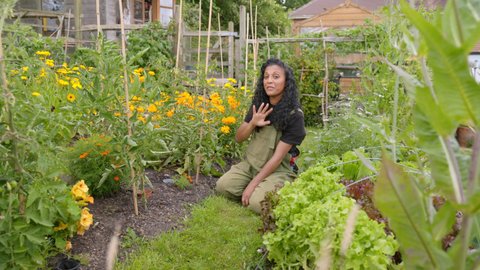
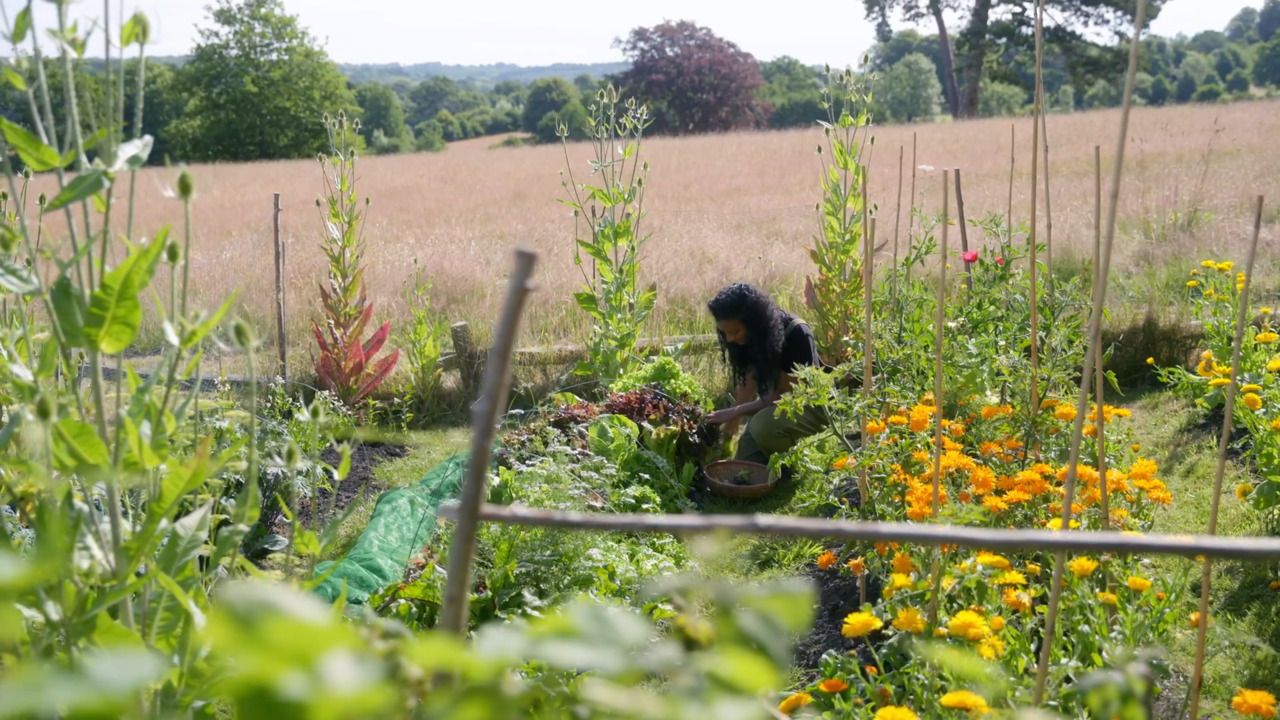
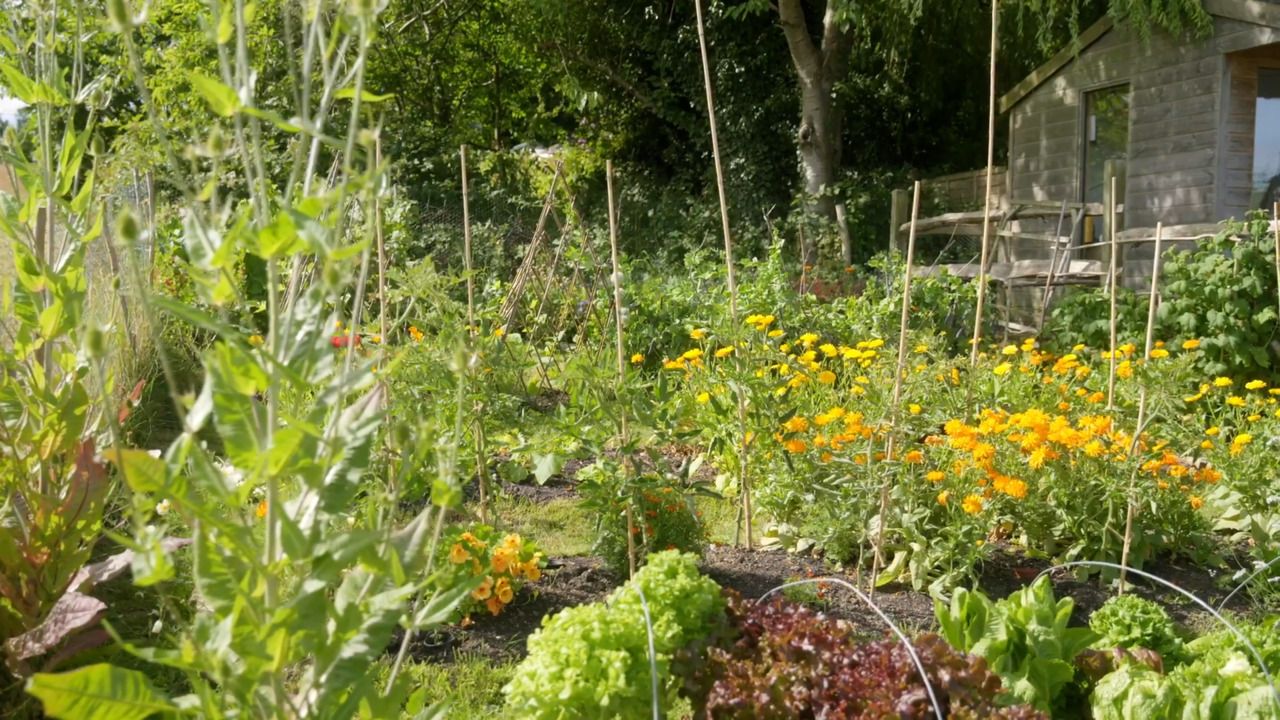
While growing your own food is a joyful process, sometimes things can go wrong. In this lesson, you'll learn how to tackle common food-growing problems.
Although there are no hard and fast rules when it comes to caring for your crops, there are a few things to look out for as you move through the gardening year.
The amount of watering required does vary from crop to crop, but generally, it is good to give your plants a long drink less often than lots of small drinks. This will encourage stronger root growth, especially if the water is aimed directly at the roots.
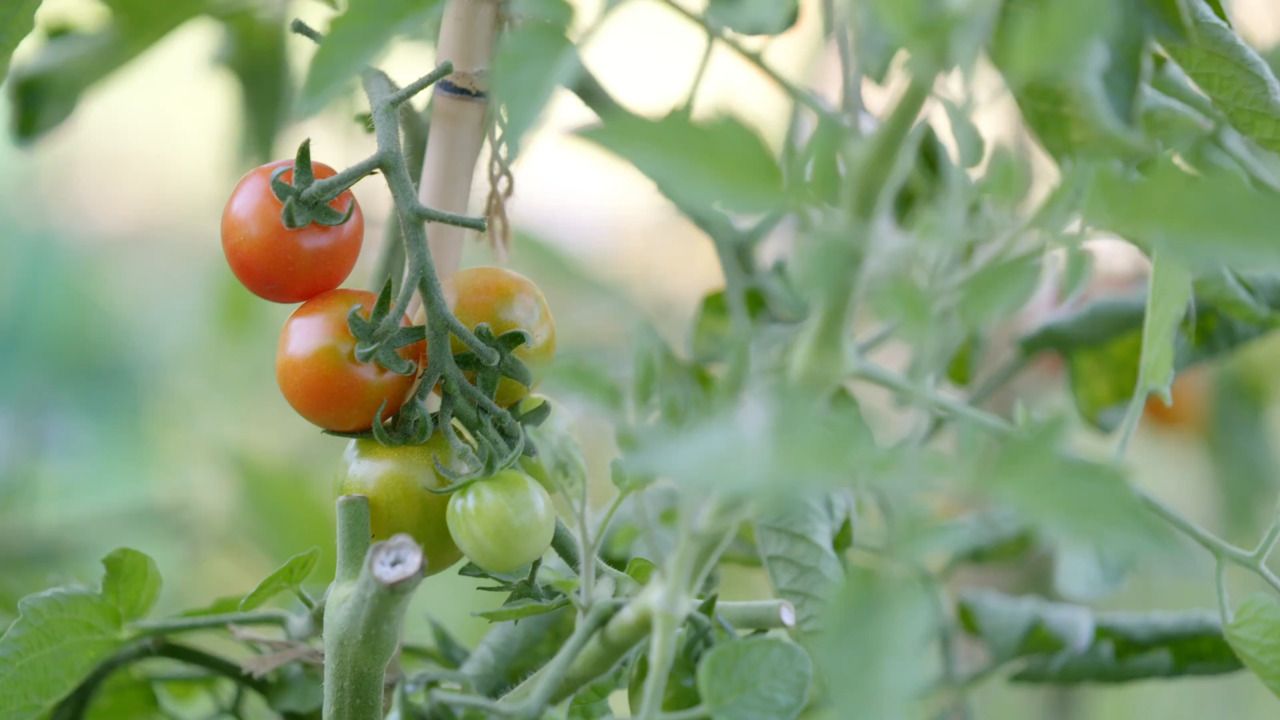
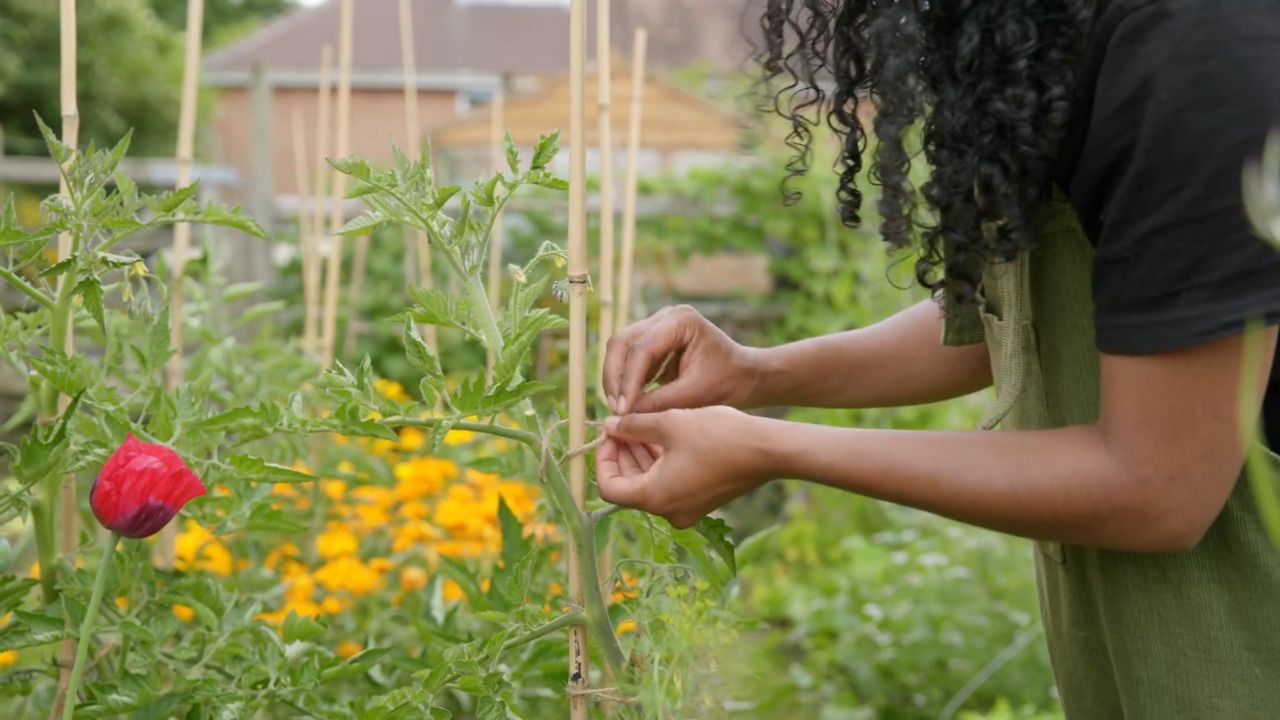
Getting water on the leaves of tomatoes and cucurbits can encourage the growth and spread of fungal diseases, so I try to avoid it as much as possible. The watering method I have found most successful with these plants is to sink a pot with holes in the bottom into the soil next to each plant and water directly into these.
The water will then go directly to the roots, encouraging root growth, and it also offers a great way to measure how much water I am using. For a mid-sized tomato, I will fill up the pot 2 - 3 times depending on the weather.
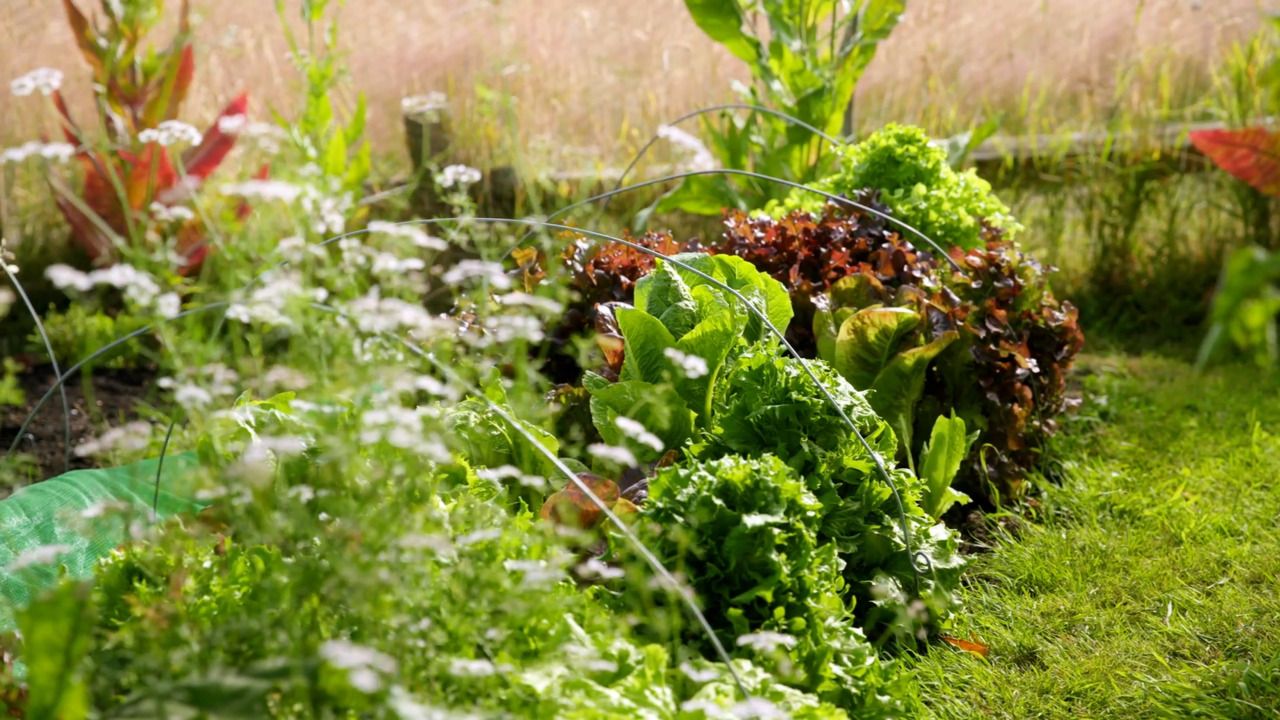
I tend to water my garden around twice a week, but there are certain crops you need to keep a close eye on. Lettuces will bolt if they are exposed to dry and hot conditions for too long, so it's important to make sure the soil doesn't dry out, and in the case of lettuces, it's fine to water directly onto the soil.
Cucurbits and tomatoes are very hungry plants but if your soil nutrition has been built up by years and years of mulching then they shouldn't need any supplementary feeding. My soil isn't at that stage yet, so I am giving them an additional organic seaweed feed to ensure they are getting enough nutrients.
In organic growing, there is less emphasis on looking for specific nutrient deficiencies as we are trying to build up overall health in our soils, not target specific problems with chemicals as was done in the past.
In organic growing, the answer is always to build up our soils and if necessary feed with an all round organic feed such as seaweed.
There are many plant diseases out there, but some of the most common ones are powdery mildew, blight and allium rust.
Powdery mildew is a fungal disease that covers the leaves of plants, particularly those in the cucurbit family. You will often find it on courgette plants and particularly on courgette plants that are under stress, whether due to lack of water or pest attack (in my case, mole attack!)
If you notice powdery mildew on your courgettes, spray them with a milk solution on a sunny day and the fat in the milk will stop the fungal spores from spreading as rapidly.
Although your courgettes are likely to get powdery mildew at some point in the growing season, another method of attack is to prune back the most badly affected leaves which will limit spread and also improve the airflow.
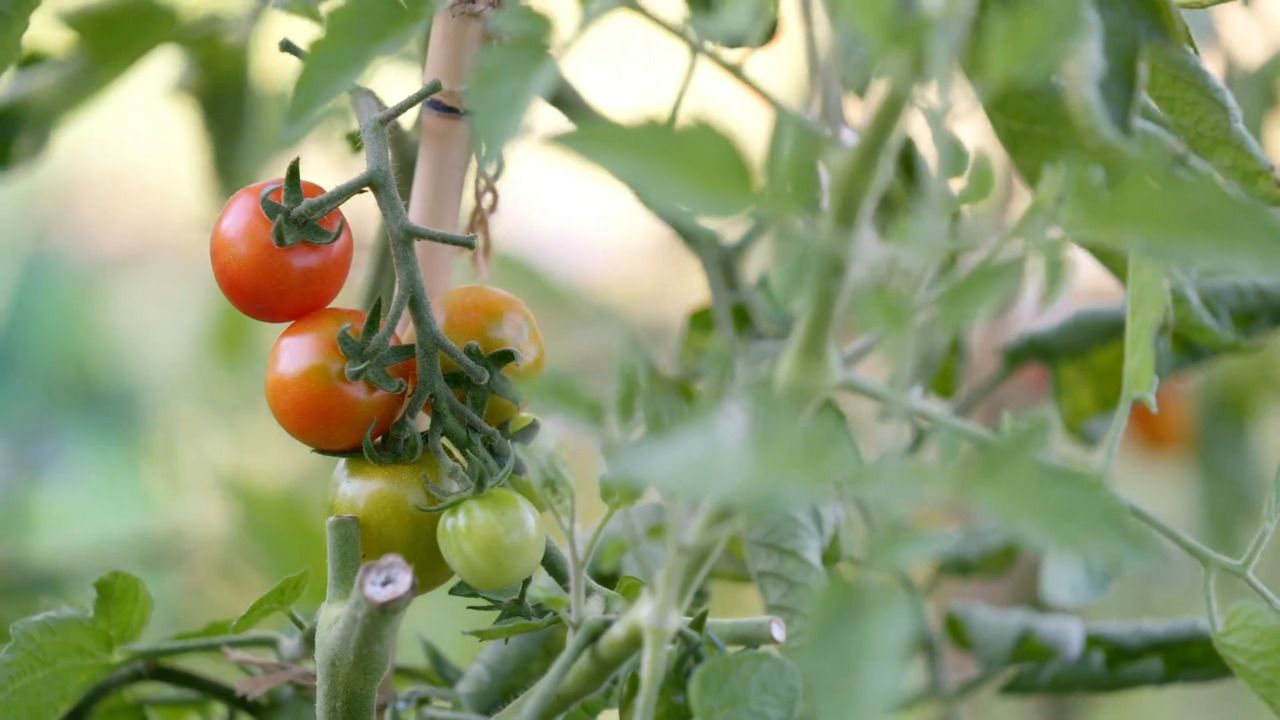
For tomato plants, blight is the biggest factor. Caused by a fungus-like organism, blight is particularly common in warm, wet weather and can quickly spread through a tomato patch, causing the leaves and fruit to brown and decay. Tomato blight is less common in greenhouses but can still affect crops here too.
Once blight has taken hold it can be practically impossible to stop, but in the early stages, it can be delayed by removing affected foliage and increasing airflow.
Do not add any blight-affected materials to your compost heap, instead put them in your household waste so the blight doesn't stay in your garden system.
This is a fungal disease that affects onions, garlic, leeks and other members of the allium family. Spread by the wind, allium rust causes yellow and orange pustules to appear on the leaves.
These pustules can inhibit photosynthesis and affect the normal growth of your plant. While the alliums are still edible, it is best practice to remove any affected leaves and dispose of them in your household waste to prevent further spread within your garden.
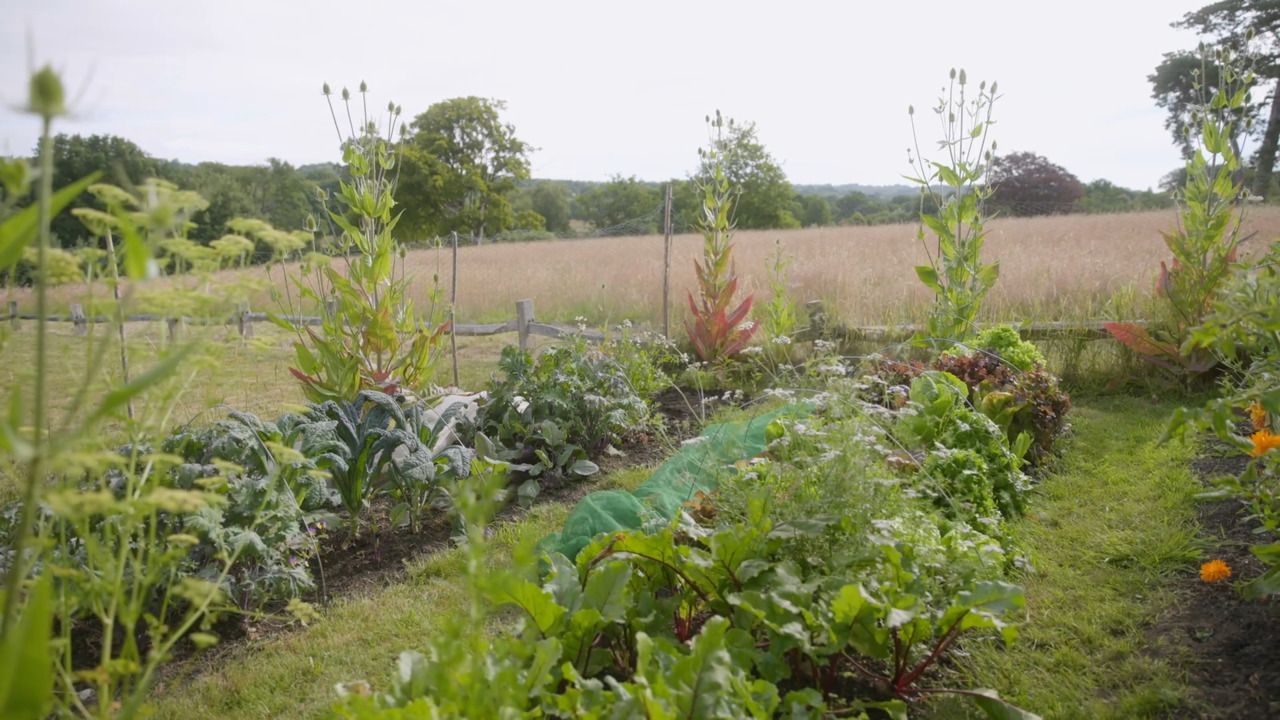
One of the best ways to limit disease spread within your garden is to maintain a good airflow around your plants. This means you should always respect recommended spacing guidelines for your crops and give them adequate space to grow.
With adequate spacing, if your crops do end up with a disease, they will be less likely to pass it on to their neighbours.
Get the full workbook, video lessons, and more with a Create Academy subscription.
Subscribe to access the full workbookAlready a member? Sign in to watch
491 reviews
Read moreCreate Academy has been such a great resource. I'm in the middle of renovating a bungalow with a very large garden and the courses have offered a wealth of inform...
Harvey
Jun 10, 2026
Absolutely love Create Academy! The instructors are extremely informative, and it is beautifully filmed. Create Academy is great value for money and plan on renew...
SG
May 31, 2026
Butter's creativity is stunning! Her ability to incorporate brilliance in small gardens is magical!
Carla
May 30, 2026
The best adventure. I like all the courses, but my favorite are both Rita Konig interior design courses and Anna Jones. Excellent!
Karolina Kluczewska
May 20, 2026
Create Academy has been such a great resource. I'm in the middle of renovating a bungalow with a very large garden and the courses have offered a wealth of information to dive into and explore new ideas. I'm...
Harvey
Jun 10, 2026
Absolutely love Create Academy! The instructors are extremely informative, and it is beautifully filmed. Create Academy is great value for money and plan on renewing my subscription yearly because there are ...
SG
May 31, 2026
Butter's creativity is stunning! Her ability to incorporate brilliance in small gardens is magical!
Carla
May 30, 2026

Your Instructor
Organic food grower, writer and gardening columnist for The Guardian. Author of Unearthed.
Claire Ratinon is a food grower and writer, specialising in growing food organically. She is passionate about the act of growing plants - especially edible ones - and the potential for this to be nourishing, connecting and healing. Her journey into horticulture began on a rooftop farm in New York City and since then she has spanned a range of roles, from growing produce for Ottolenghi’s Rovi restaurant to delivering food growing workshops and talks. Claire writes a regular column in The Guardian's magazine and is a contributor to Radio 4’s Gardeners’ Question Time, Waitrose Food Magazine and Bloom magazine. Her book, ‘How To Grow Your Dinner Without Leaving The House’, celebrates the food growing possibilities of small spaces, from window boxes to balconies.
Access to all courses


