
Interior and exterior confidence
Create Academy has been such a great resource. I'm in the middle of renovating a bungalow with a very large garden and the courses have offered a wealth of inform...
Harvey
Jun 10, 2026
with CLAIRE RATINON — Organic food grower, writer and gardening columnist for The Guardian. Author of Unearthed.
Lesson 3 of 24
Subscribe to watch
In this lesson, you will learn why you should keep detailed notes about the weather, your gardening tasks and the little joys you experience every day.
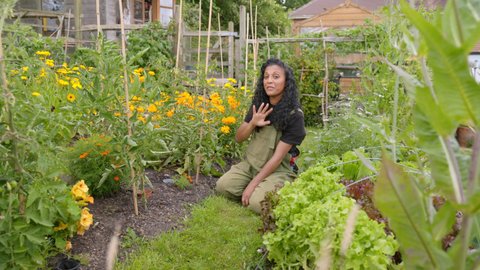
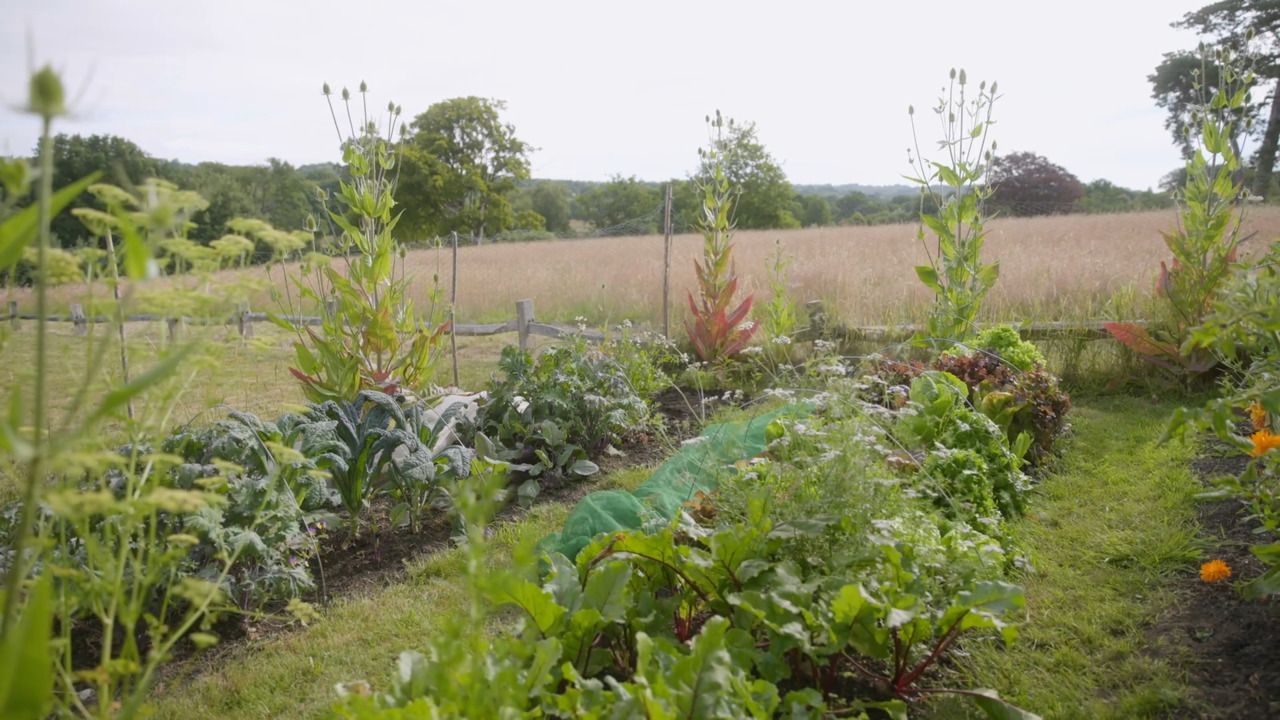
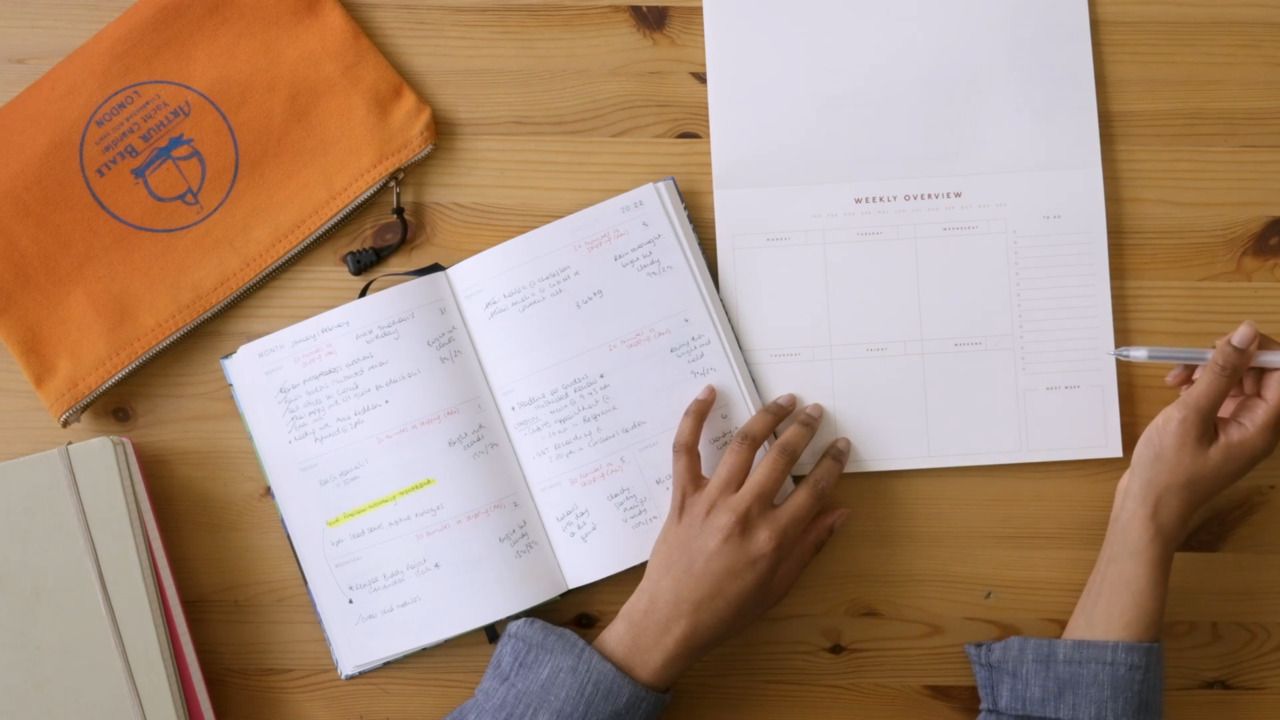
Taking notes is a great way to keep track of the gardening year. In this lesson, I'll explain why keeping a diary helps me to keep on top of tasks and connect with nature.
My top piece of advice for new growers, and even those with years of experience, is to keep a diary. As we all know, we might start a project with good intentions, but if we can't remember what we did the week before - whether that's sowing seeds or pricking out - it can be easy to lose track and for things to get muddled up.
I keep a daily dated diary, and in it, I record the high and low temperatures for the day, along with any notes on the weather, such as whether it's sunny, wet or windy.
One of the most important things to note down is whether there has been a frost. The last frost of the spring is perhaps the most important date in a gardener's diary, and keeping track of when this date falls year after year will be the best indicator of when it's safe for you to plant out your tender plants.
If this is your first year of growing, then ask a green-fingered neighbour if they know when the last frost was the year before.
Once you have last year's date (or a rough idea) you can then work backwards to help you work out when you should sow your seeds so that you can plant them out after all risk of frost has passed.
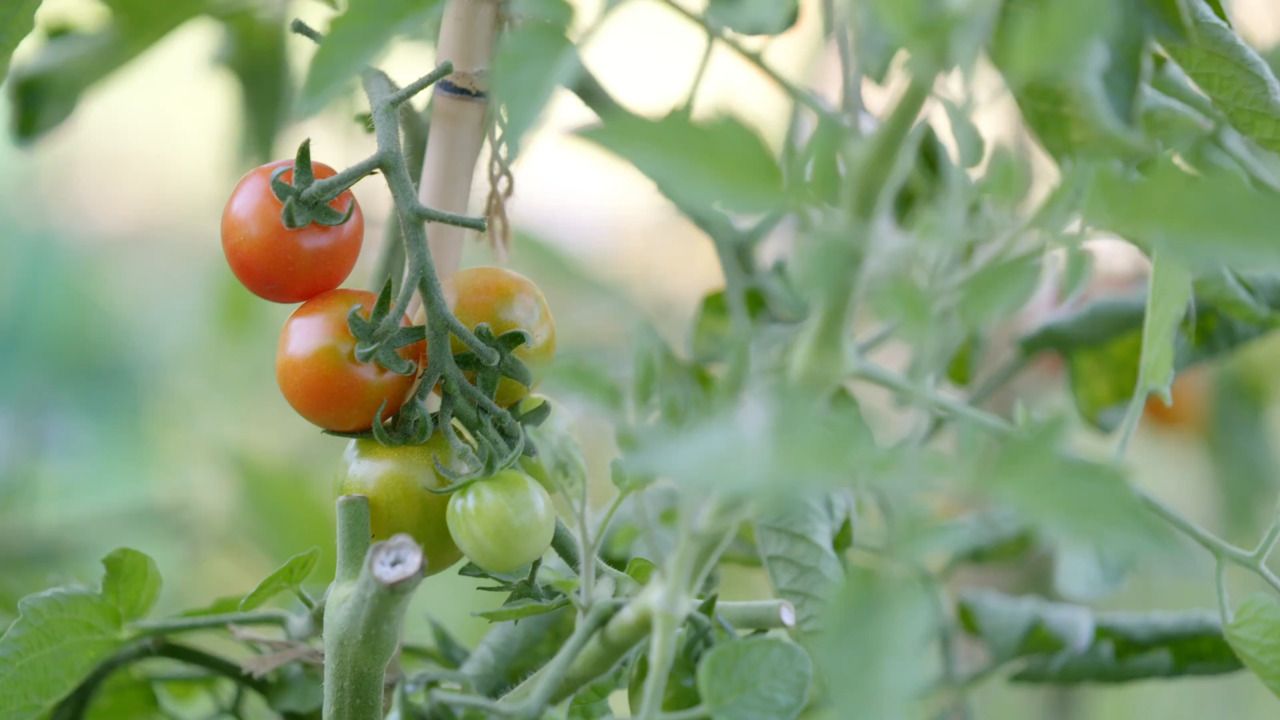
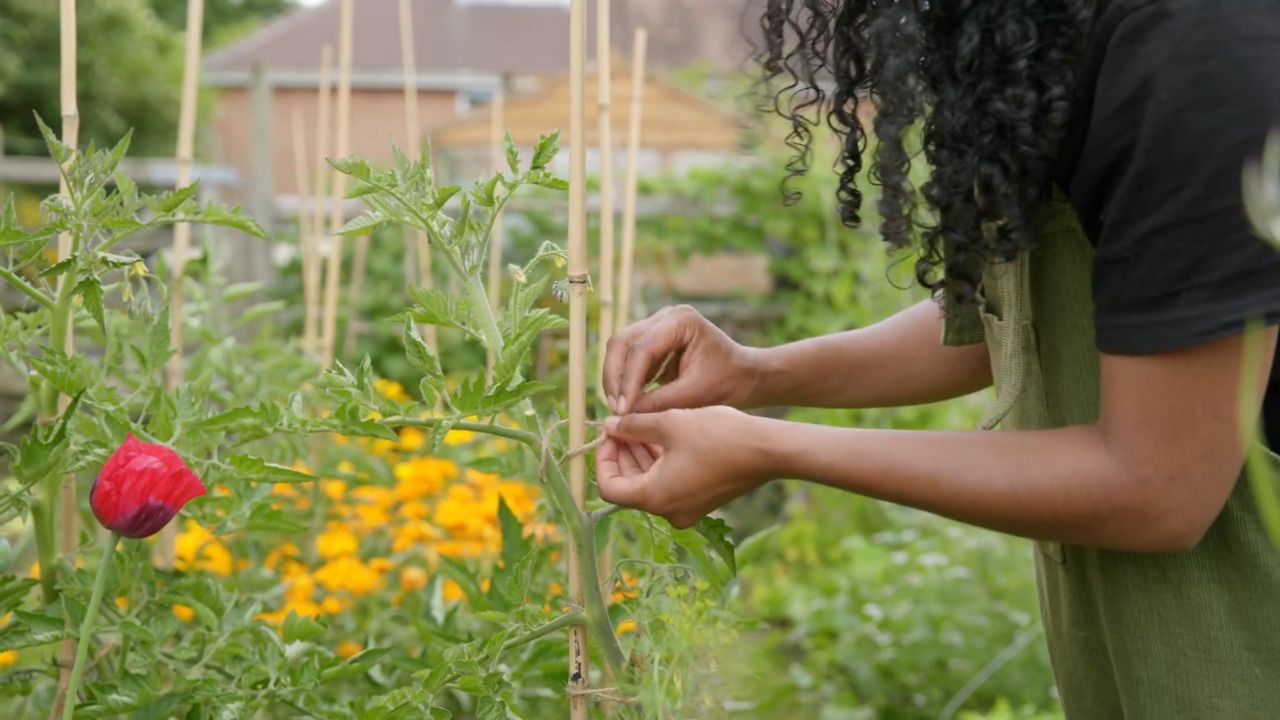
This applies to all tender plants that would suffer from leaf damage if they were out in the garden on a frosty night, which includes crops like tomatoes and courgettes.
I find that note-taking is one of the best ways for me to remember when I have fed my plants so that I can keep track of when I am due to feed them next.
Note-taking also encourages you to pause, take a breath and notice the natural processes that are going on around you, and it will help you to feel like you are part of the process yourself.
Writing notes helps you to write yourself into the story of your garden.
There are no hard and fast rules for note-taking, but the most important thing is that you are taking note of anything happening in your garden that might affect your plants.
Some things to consider writing down are:
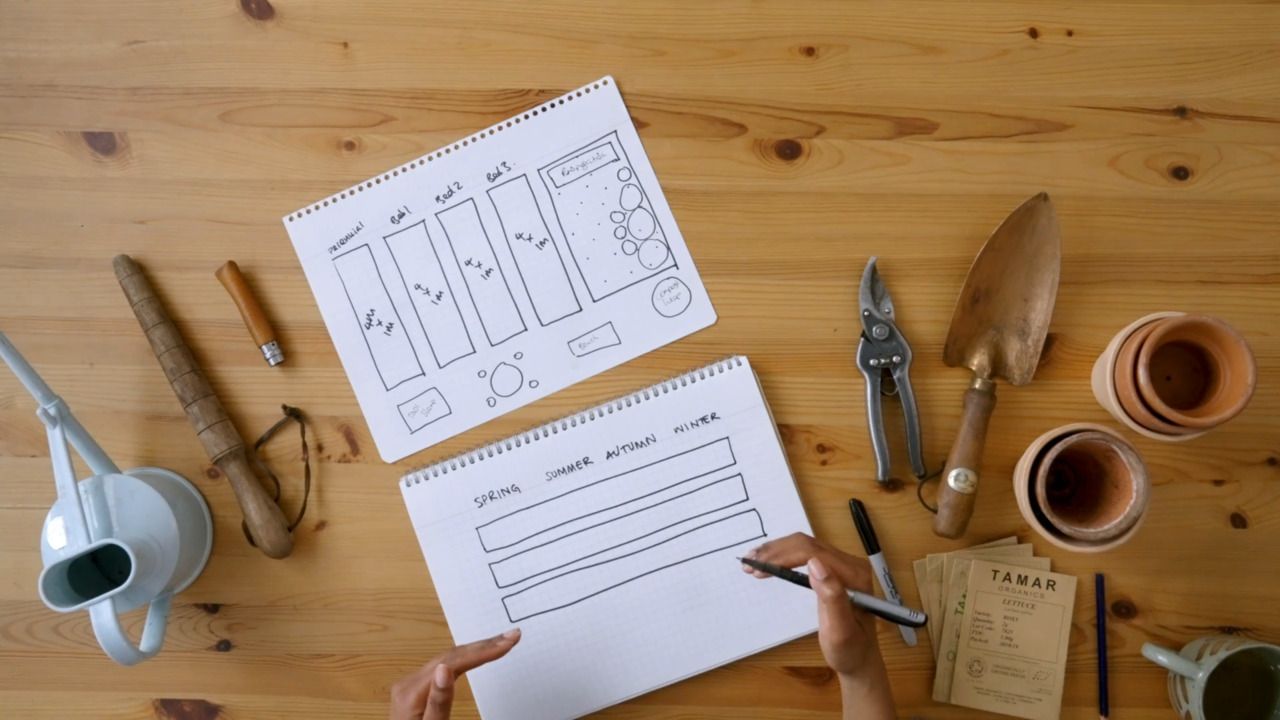
At the height of the growing season, I often use a weekly planner with more writing space so that I can make lists of all the tasks that I need to carry out.
Alongside problems with wind and frost, it's important to take note of your joys too. I often write down flavour notes about new varieties, or if it's been a particularly glorious day in the garden. Whatever has happened to you, make sure to write down your sensory experiences too.
Even if you're not ready to start gardening yet, why not get in the habit of keeping a daily diary, noting down the weather, what is happening in your garden and what steps you've taken to begin to create your veg patch.
Get the full workbook, video lessons, and more with a Create Academy subscription.
Subscribe to access the full workbookAlready a member? Sign in to watch
491 reviews
Read moreCreate Academy has been such a great resource. I'm in the middle of renovating a bungalow with a very large garden and the courses have offered a wealth of inform...
Harvey
Jun 10, 2026
Absolutely love Create Academy! The instructors are extremely informative, and it is beautifully filmed. Create Academy is great value for money and plan on renew...
SG
May 31, 2026
Butter's creativity is stunning! Her ability to incorporate brilliance in small gardens is magical!
Carla
May 30, 2026
The best adventure. I like all the courses, but my favorite are both Rita Konig interior design courses and Anna Jones. Excellent!
Karolina Kluczewska
May 20, 2026
Create Academy has been such a great resource. I'm in the middle of renovating a bungalow with a very large garden and the courses have offered a wealth of information to dive into and explore new ideas. I'm...
Harvey
Jun 10, 2026
Absolutely love Create Academy! The instructors are extremely informative, and it is beautifully filmed. Create Academy is great value for money and plan on renewing my subscription yearly because there are ...
SG
May 31, 2026
Butter's creativity is stunning! Her ability to incorporate brilliance in small gardens is magical!
Carla
May 30, 2026

Your Instructor
Organic food grower, writer and gardening columnist for The Guardian. Author of Unearthed.
Claire Ratinon is a food grower and writer, specialising in growing food organically. She is passionate about the act of growing plants - especially edible ones - and the potential for this to be nourishing, connecting and healing. Her journey into horticulture began on a rooftop farm in New York City and since then she has spanned a range of roles, from growing produce for Ottolenghi’s Rovi restaurant to delivering food growing workshops and talks. Claire writes a regular column in The Guardian's magazine and is a contributor to Radio 4’s Gardeners’ Question Time, Waitrose Food Magazine and Bloom magazine. Her book, ‘How To Grow Your Dinner Without Leaving The House’, celebrates the food growing possibilities of small spaces, from window boxes to balconies.
Access to all courses


