


Interior and exterior confidence
Create Academy has been such a great resource. I'm in the middle of renovating a bungalow with a very large garden and the courses have offered a wealth of inform...
Harvey
Jun 10, 2026
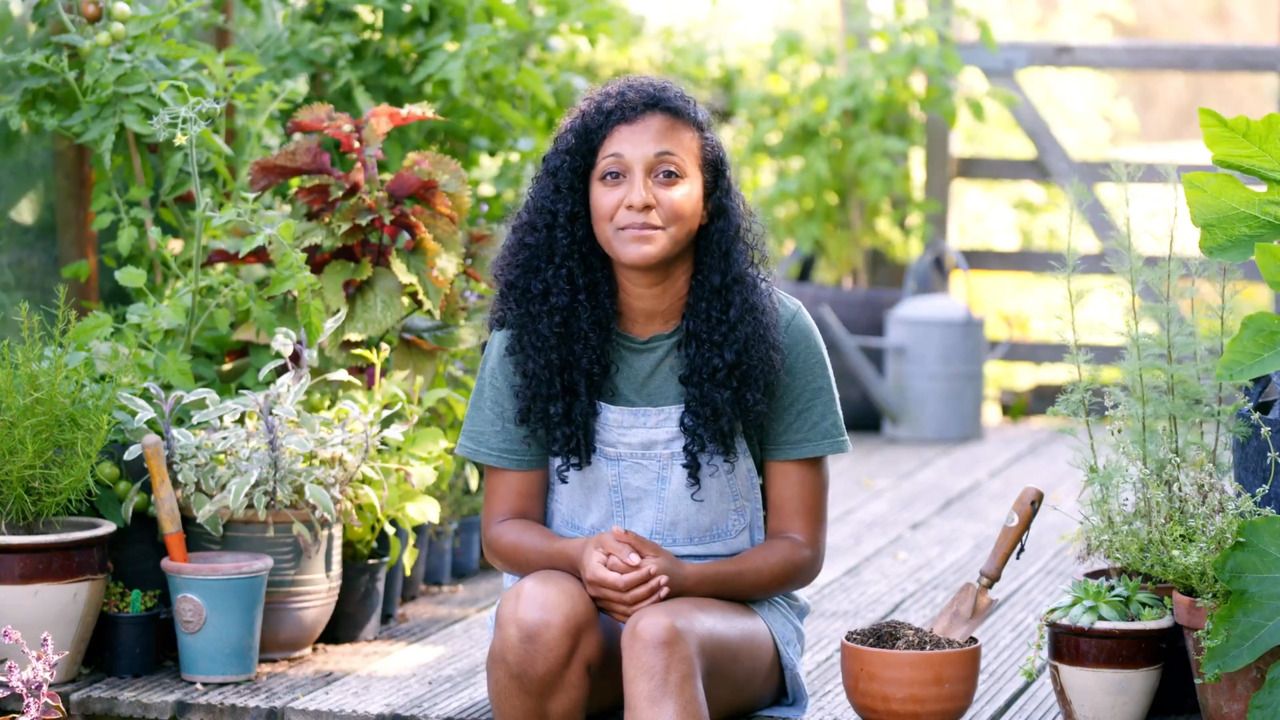
with CLAIRE RATINON — Organic food grower, writer and gardening columnist for The Guardian. Author of Unearthed.
Lesson 7 of 24
Subscribe to watch
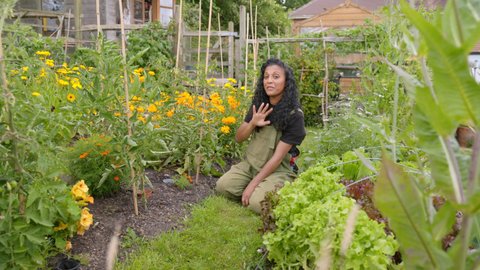
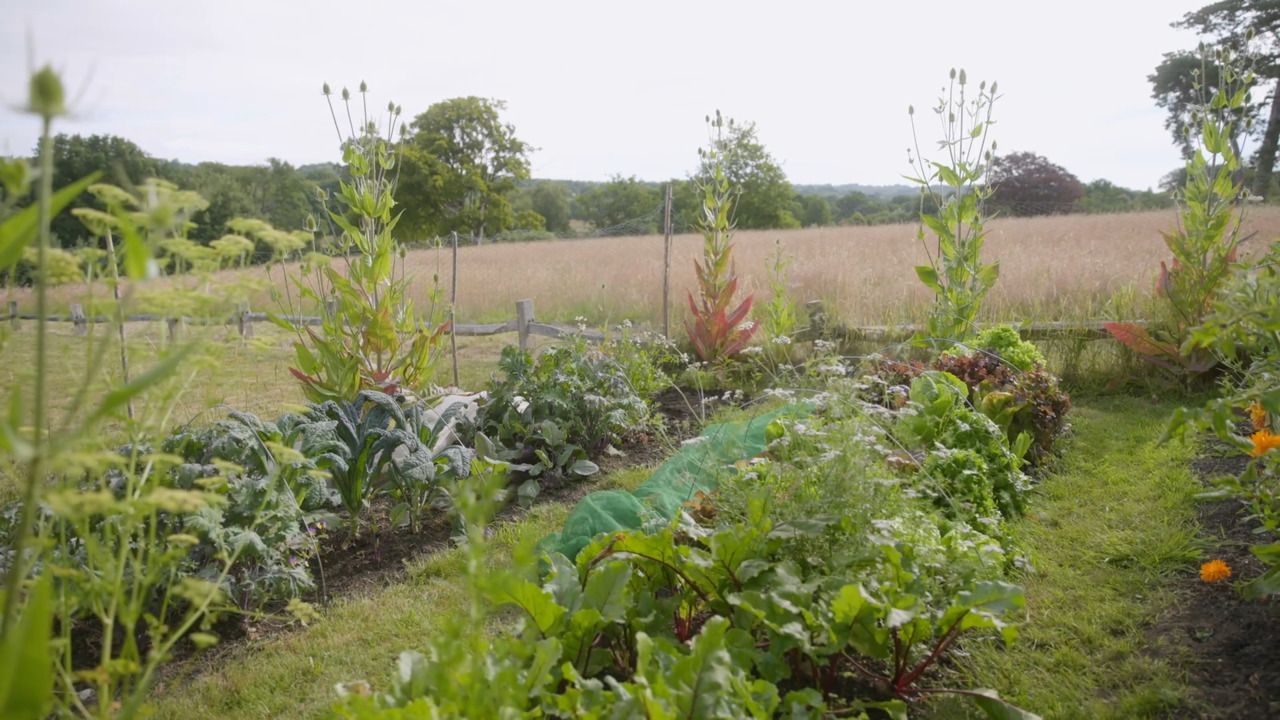
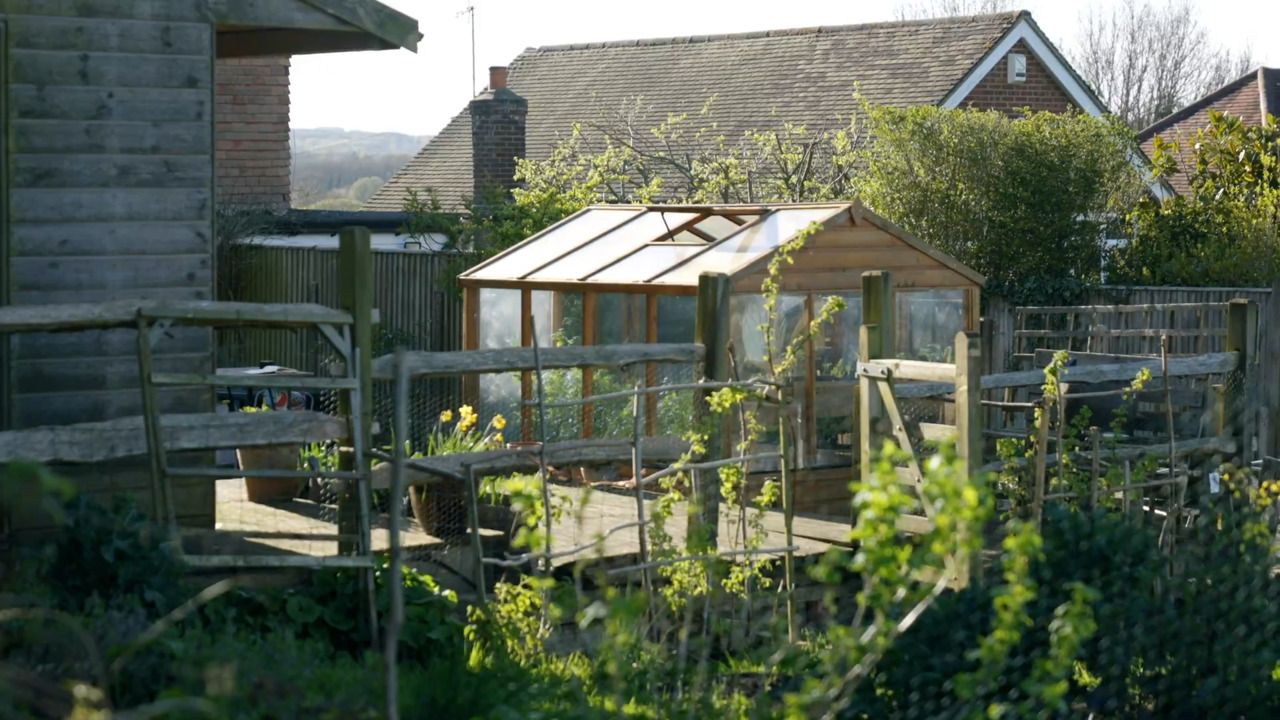
Take a tour of Claire’s vegetable garden and learn how she got started by removing perennial weeds and protecting her patch from the elements.
My vegetable garden is quite exposed to the elements so in this lesson I'll show you how to protect your patch and get rid of any pesky perennial weeds.
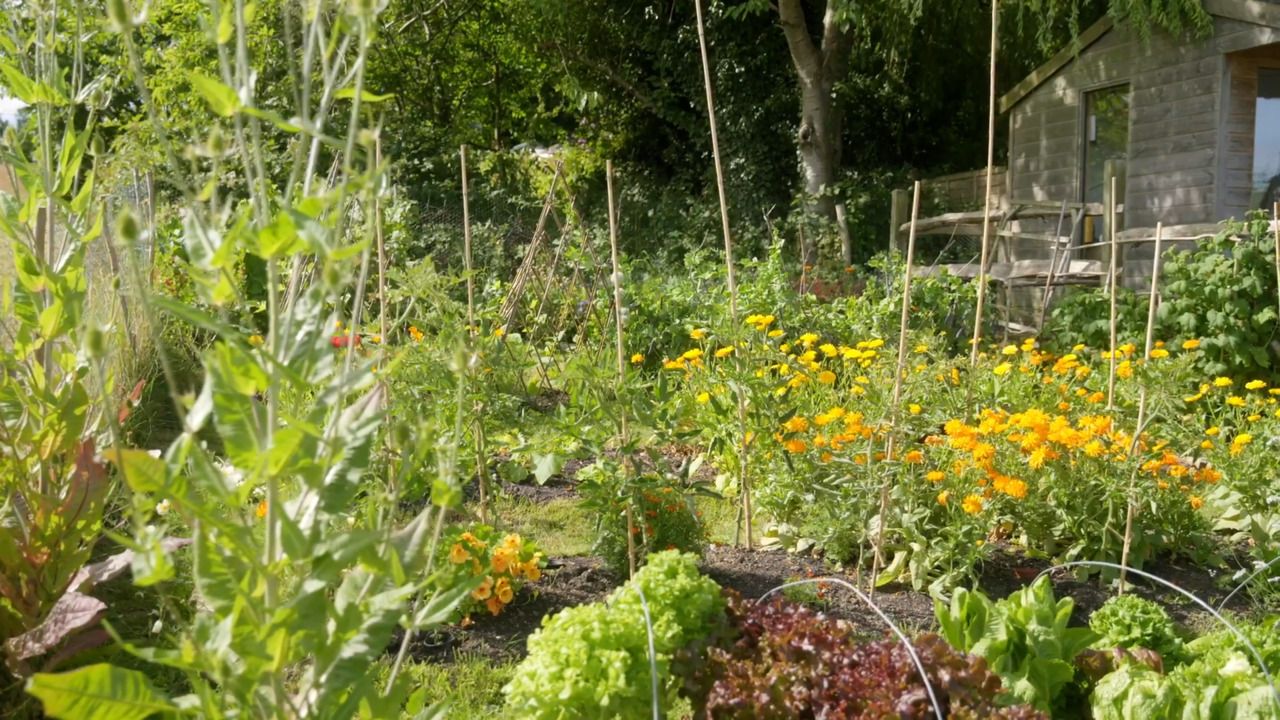
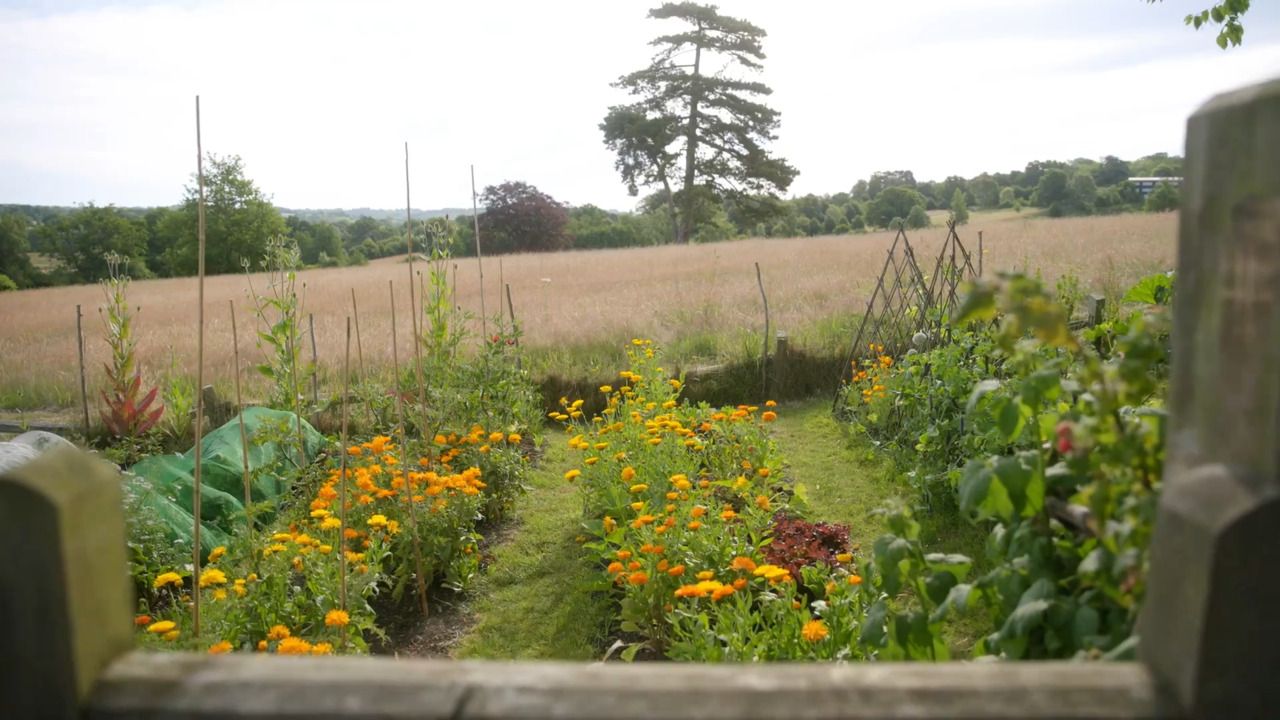
It's early spring in East Sussex, so it's time to get to work on the new growing season. I'll be working on my five beds which form a five-year crop rotation and showing you how to grow from seed to harvest.
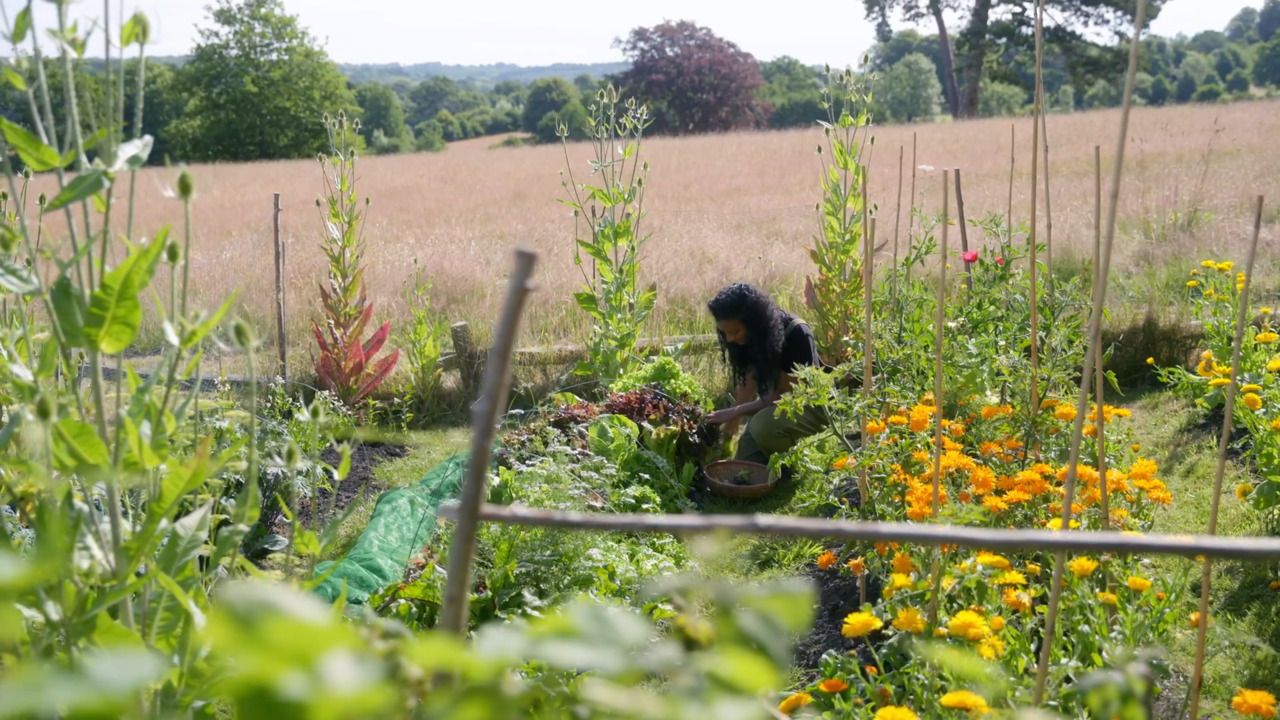
When I first arrived at my home in East Sussex the space where I have my veg patch was just an empty field. In early spring of the following year I decided to start cultivating my space. My first step was to mark out the area I wanted to cultivate, before drawing a map of it so I could visualise what I wanted it to look like.
The size of my beds was determined by the size of the site, so they are around 4 metres long by a metre wide. The metre width means that you can be comfortable picking and harvesting from either side, but you can adapt the width and length of your beds to your own specific needs.
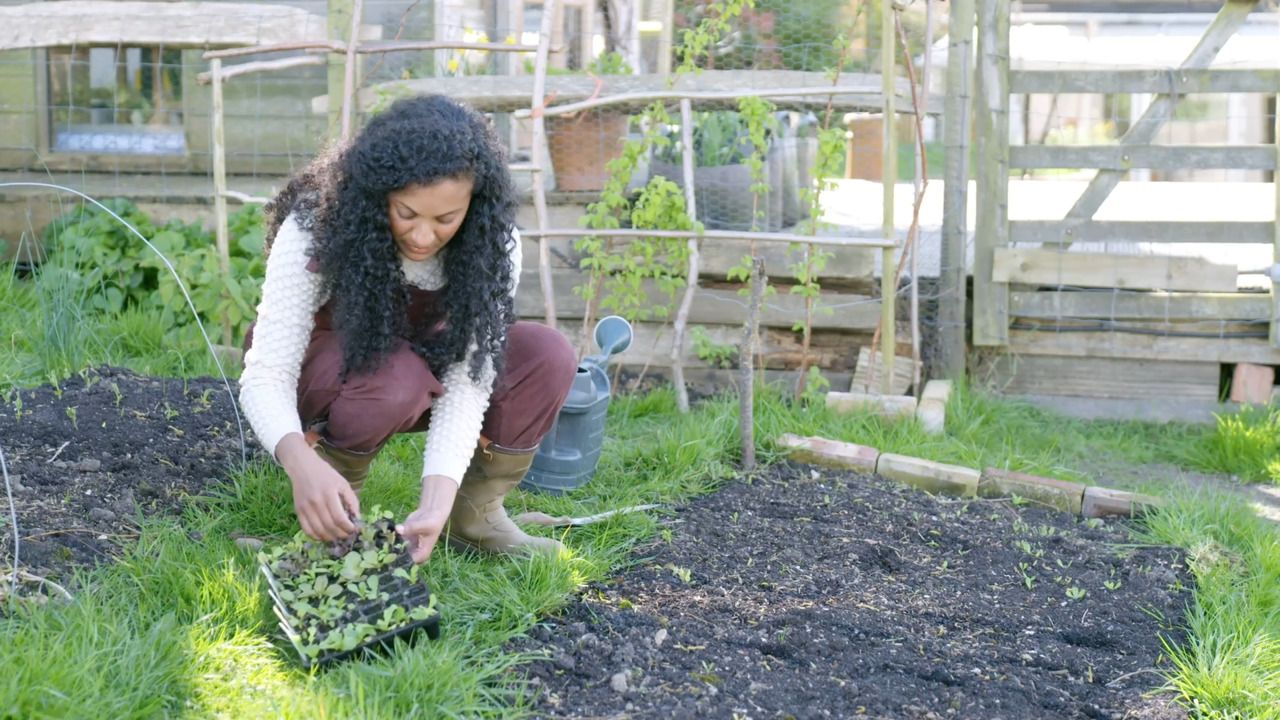
At this time of year, there isn't much in the beds themselves, as the seedlings are not quite ready to be planted out, and all that is in the beds are the vegetables that have overwintered.
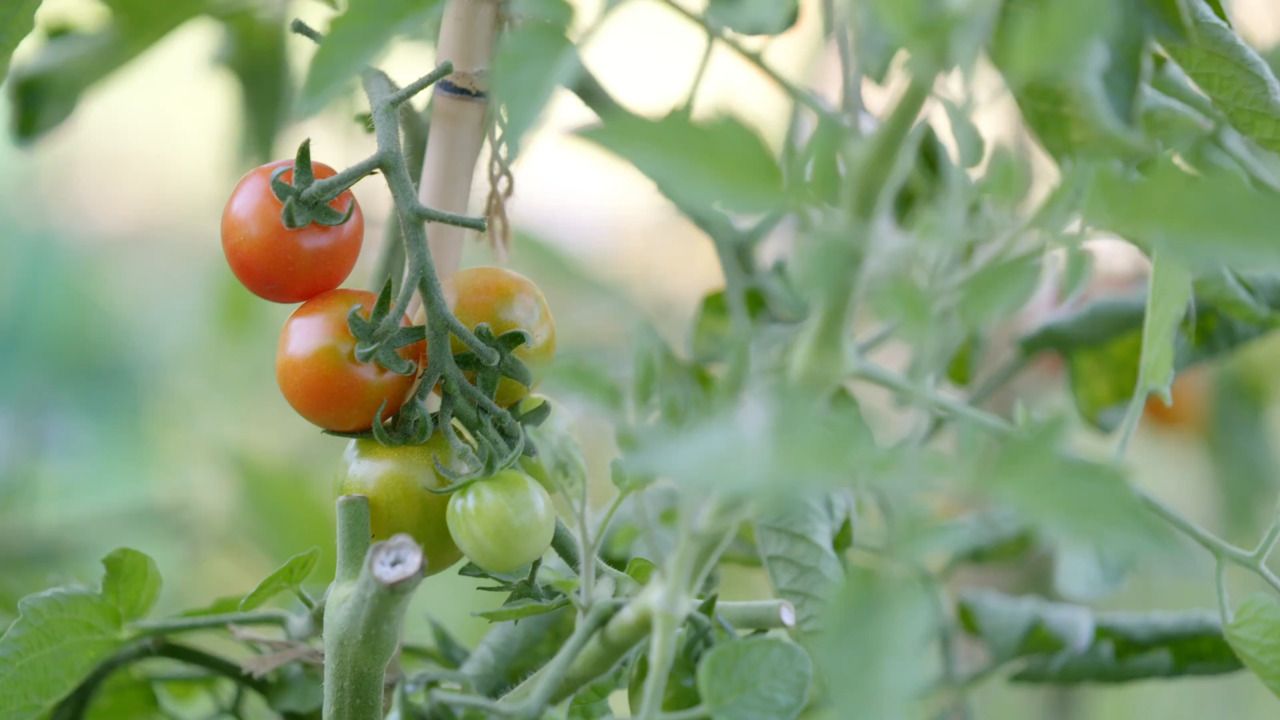
Currently, I have overwintering parsley and chard, as well as leeks and purple-sprouting broccoli, which is moving towards the end of its productivity.
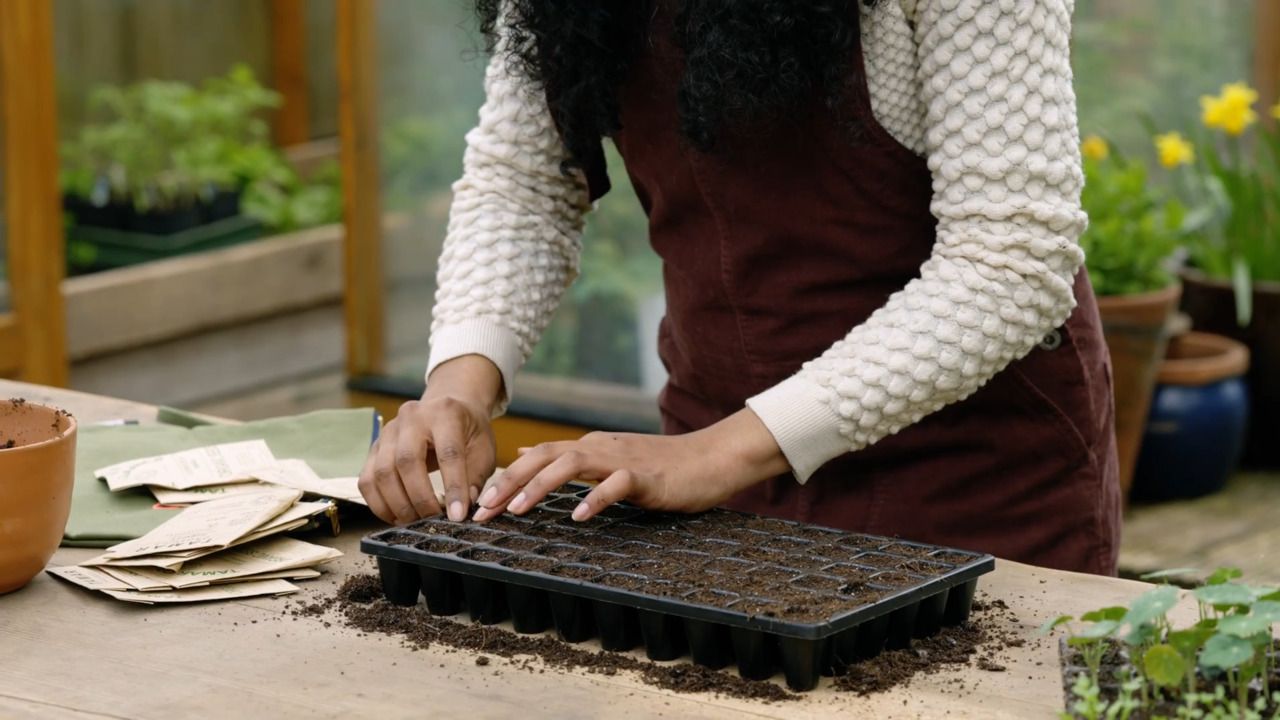
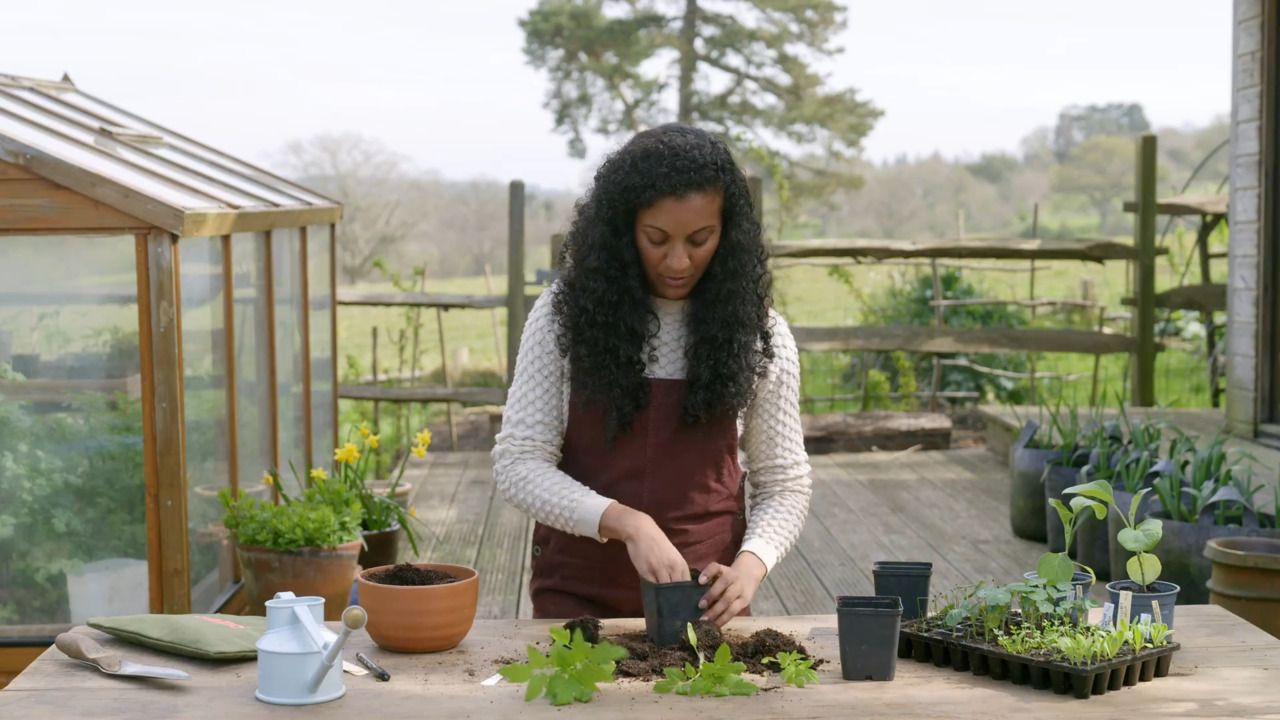
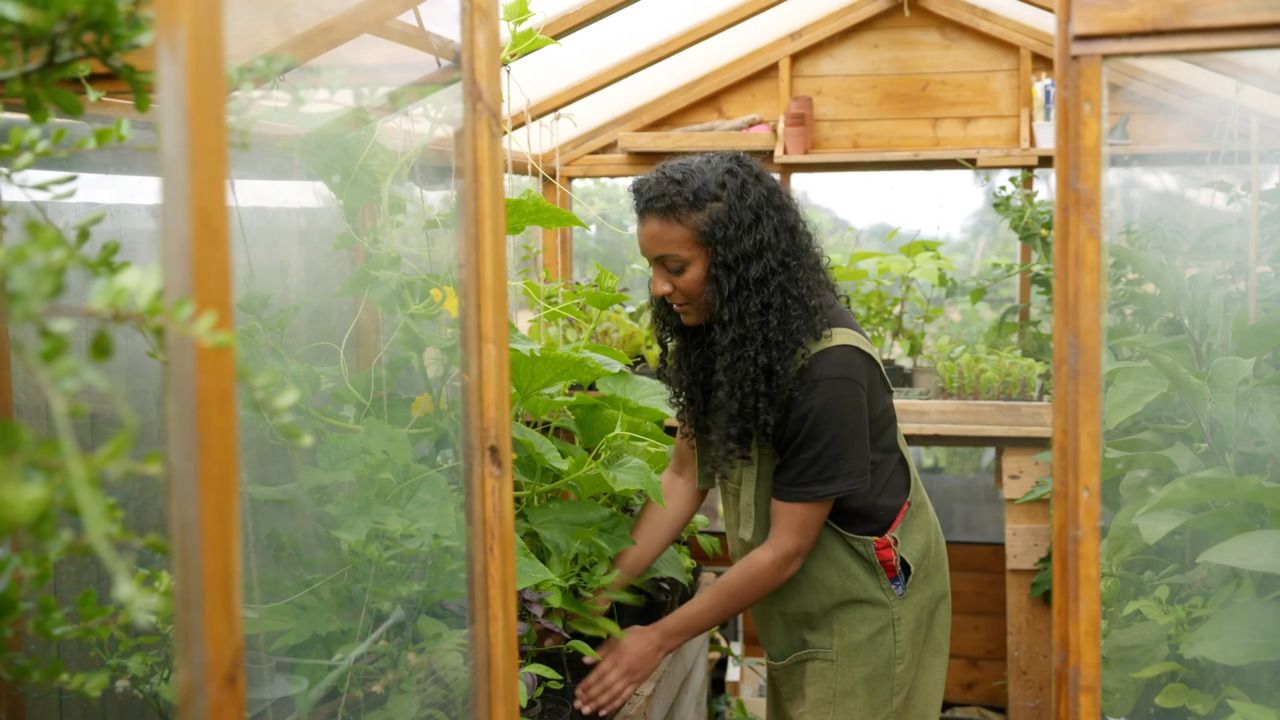
Within a few weeks, these crops will be removed and replaced by my spring crops which are currently safe inside the greenhouse.
Fortunately for me, my veg plot gets a lot of sunshine and the trees that overlook my beds protect my crops from the midday heat in the height of summer.
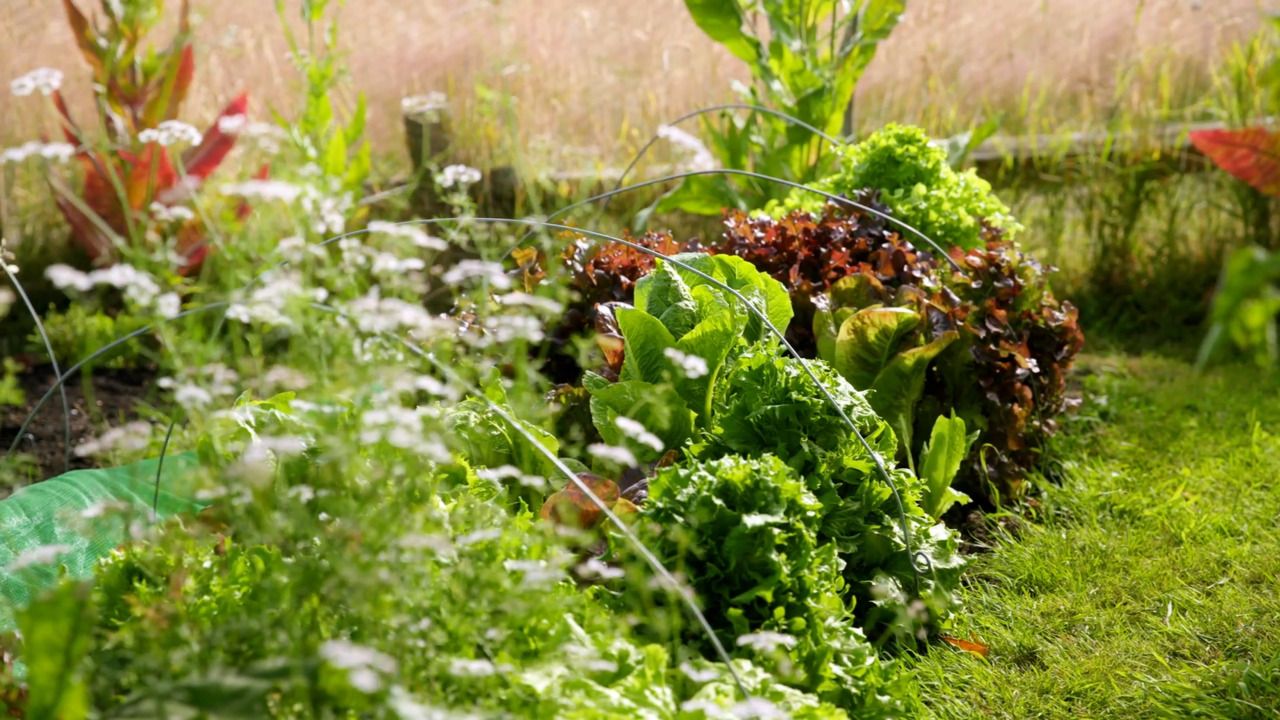
One of my beds is particularly exposed to the sun, so when I was growing lettuces in it last year I used shade netting to protect them from the midday sun, as too much heat can cause lettuces to bolt (more on this later).
When you are planning your growing space, select the sunniest part of your garden for your vegetable patch and try to avoid any areas that are shaded all day long as you will struggle to produce successful crops in very shady conditions.
As my vegetable patch backs onto an open field it is quite exposed and so it can be quite windy at times.
During windy weather, you will need to keep an eye on crops which are easily damaged by these conditions, such as purple sprouting broccoli which can be quite top-heavy and topple over. Providing plants like these with a support structure can help to protect them from the elements.
Wind can also be very drying, so you may find that you need to water your soil after particularly windy weather.
One of the most important features of my veg patch is the wire fence that runs around its perimeter. The field that my veg patch backs onto is full of rabbits, and we all know that rabbits are particularly fond of munching through practically any vegetable they can find.
My rabbit-proof fence goes into the ground at an angle, which makes it hard for them to burrow underneath.
Before I built our vegetable patch, this land was just an unused field, so I suspected that there would be quite a lot of weeds amongst the grass.
To find out what was lurking beneath the surface, I removed the top layer of grass and discovered that the soil was full of perennial roots, including the roots of couch grass, nettles and brambles.
As I am an organic gardener I removed all the roots I could find by hand, which was painstaking work but necessary for the future success of the veg patch.
Once I had removed everything I could find, I put a layer of cardboard on the beds to suppress any of the weeds that I was unable to remove.
Following this, I laid down a thick layer of organic compost on top of the cardboard, which acted as a mulch and fed the beds. The cardboard and the compost then slowly decomposed into the soil below, feeding it for the following growing season.
Now the veg patch is established, I continue to add a thick layer of compost to the beds every winter, which replenishes them for the year to come.
Get the full workbook, video lessons, and more with a Create Academy subscription.
Subscribe to access the full workbookAlready a member? Sign in to watch
491 reviews
Read moreCreate Academy has been such a great resource. I'm in the middle of renovating a bungalow with a very large garden and the courses have offered a wealth of inform...
Harvey
Jun 10, 2026
Absolutely love Create Academy! The instructors are extremely informative, and it is beautifully filmed. Create Academy is great value for money and plan on renew...
SG
May 31, 2026
Butter's creativity is stunning! Her ability to incorporate brilliance in small gardens is magical!
Carla
May 30, 2026
The best adventure. I like all the courses, but my favorite are both Rita Konig interior design courses and Anna Jones. Excellent!
Karolina Kluczewska
May 20, 2026
Create Academy has been such a great resource. I'm in the middle of renovating a bungalow with a very large garden and the courses have offered a wealth of information to dive into and explore new ideas. I'm...
Harvey
Jun 10, 2026
Absolutely love Create Academy! The instructors are extremely informative, and it is beautifully filmed. Create Academy is great value for money and plan on renewing my subscription yearly because there are ...
SG
May 31, 2026
Butter's creativity is stunning! Her ability to incorporate brilliance in small gardens is magical!
Carla
May 30, 2026

Your Instructor
Organic food grower, writer and gardening columnist for The Guardian. Author of Unearthed.
Claire Ratinon is a food grower and writer, specialising in growing food organically. She is passionate about the act of growing plants - especially edible ones - and the potential for this to be nourishing, connecting and healing. Her journey into horticulture began on a rooftop farm in New York City and since then she has spanned a range of roles, from growing produce for Ottolenghi’s Rovi restaurant to delivering food growing workshops and talks. Claire writes a regular column in The Guardian's magazine and is a contributor to Radio 4’s Gardeners’ Question Time, Waitrose Food Magazine and Bloom magazine. Her book, ‘How To Grow Your Dinner Without Leaving The House’, celebrates the food growing possibilities of small spaces, from window boxes to balconies.

Access to all courses

.jpg)
