


Interior and exterior confidence
Create Academy has been such a great resource. I'm in the middle of renovating a bungalow with a very large garden and the courses have offered a wealth of inform...
Harvey
Jun 10, 2026
with CLAIRE RATINON — Organic food grower, writer and gardening columnist for The Guardian. Author of Unearthed.
Lesson 17 of 24
Subscribe to watch
Perennial fruits are one of the best crops to grow if you want to save money. In this lesson, you'll learn how to prep your bed for raspberry canes.
If I only had one sunny patch in my garden, I would use it to grow some form of perennial fruit. Perennial fruits include strawberries, raspberries, blackcurrants, blackberries, gooseberries and rhubarb.
These fruits come back year after year and are often quite expensive to buy in the supermarket so while you need to invest in the initial plants, after this they're a good investment.
Perennial fruits are quite low maintenance too. Like the rest of the veg patch, provide them with a good layer of mulch once a year and good prune and then they will be quite low maintenance the rest of the year round.
Your perennial fruits are going to stay in the same place year after year, so you need to do some prep before planting them in place.
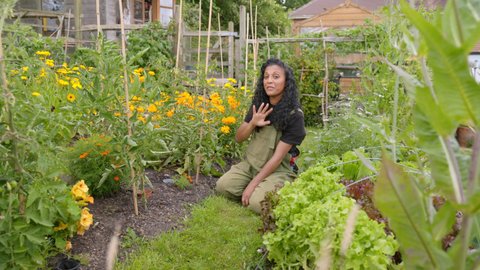
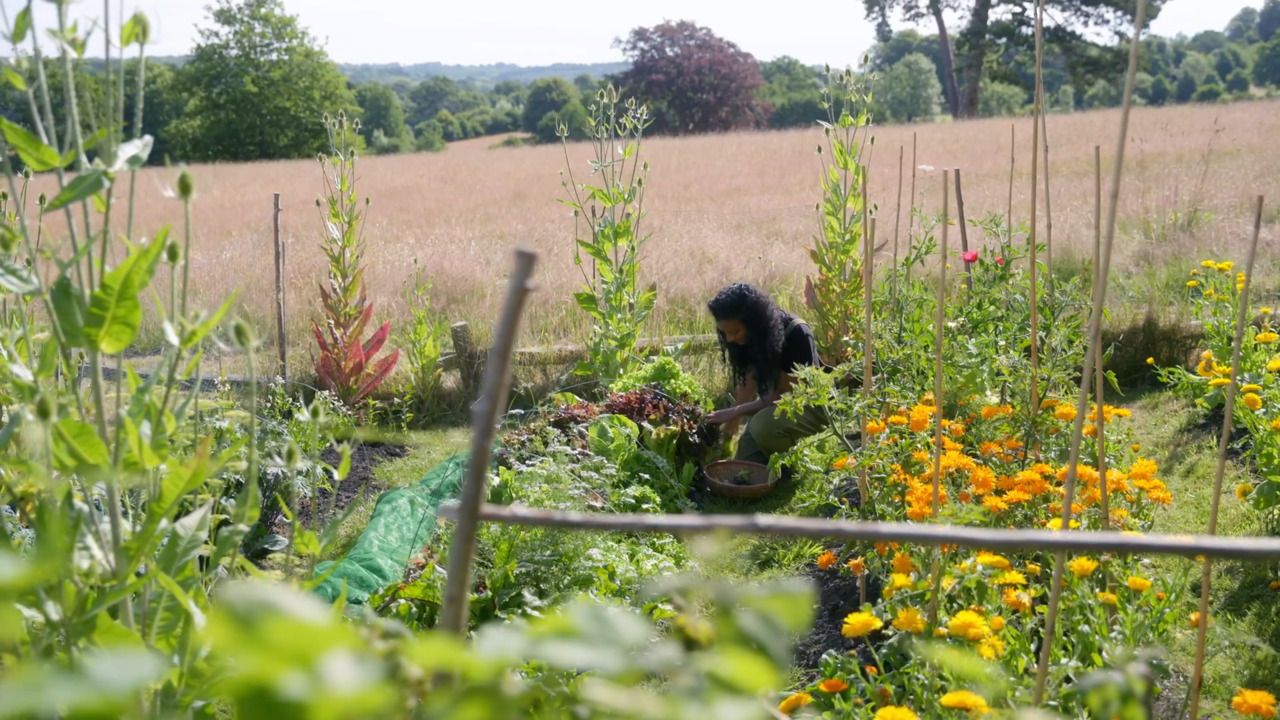
My garden has clay soil, so when I prepped my bed I made sure to dig in a lot of organic matter while also removing as many of the perennial weeds as I could so that they wouldn't compete with my fruit plants.
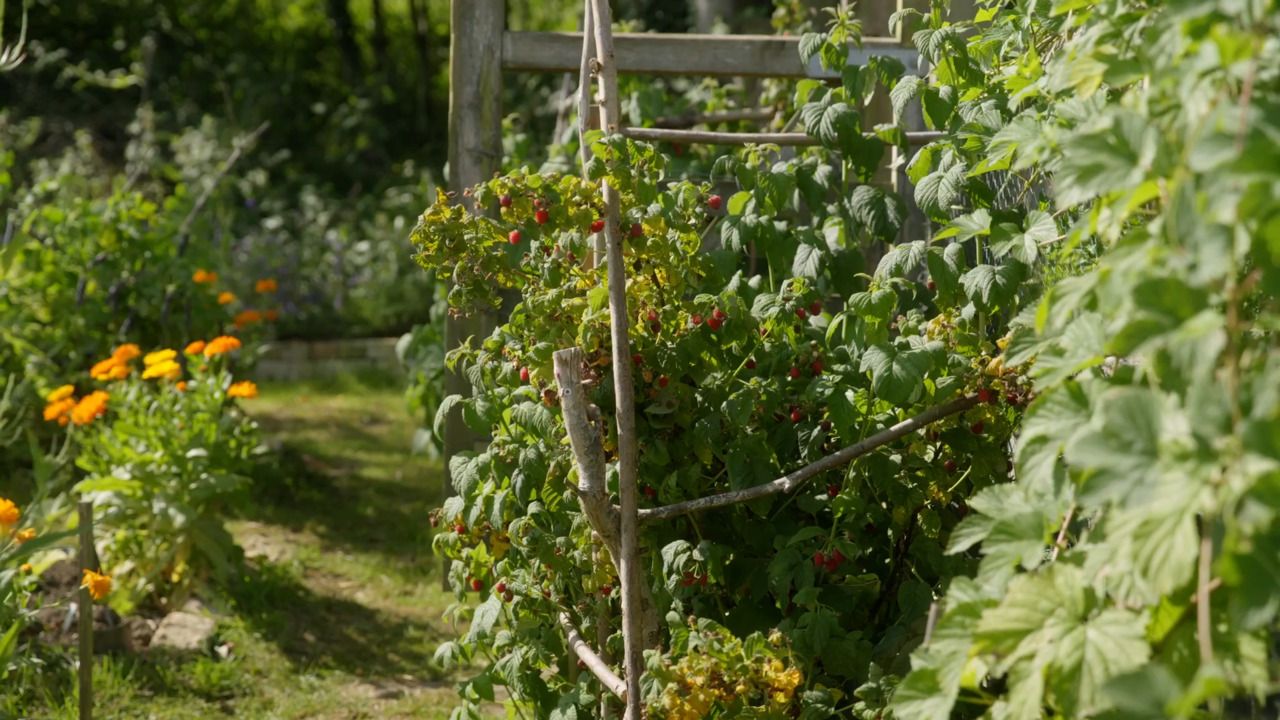
When you plant your raspberry canes you're unlikely to get fruit in the first year, but by the second year, you should get a good harvest. In the winter, prune back any canes that have produced fruit that year and leave the new growth in place - this will go on to produce fruit the following year.
Raspberries can also be quite vigorous, so I've built a wooden structure for mine to prevent them from falling onto the path and make them easier to harvest too.
Look out for the darker fruits when harvesting. Ripe fruits should come away from the bush quite easily, if you have to pull too much then they're not ready for harvest.
Blackcurrants and gooseberries require a slightly different method of maintenance. With these plants, you want to cut their branches back by a third and remove any dead, diseased or crossing branches.
Perennial fruits are great for gardeners who don't have much time on their hands as they are pretty low-maintenance crops to grow.
If you have a lot of birds in your garden, you might want to consider protecting your raspberries and red currants as birds are very attracted to the colour red and will decimate your crop given the chance.
Get the full workbook, video lessons, and more with a Create Academy subscription.
Subscribe to access the full workbookAlready a member? Sign in to watch
491 reviews
Read moreCreate Academy has been such a great resource. I'm in the middle of renovating a bungalow with a very large garden and the courses have offered a wealth of inform...
Harvey
Jun 10, 2026
Absolutely love Create Academy! The instructors are extremely informative, and it is beautifully filmed. Create Academy is great value for money and plan on renew...
SG
May 31, 2026
Butter's creativity is stunning! Her ability to incorporate brilliance in small gardens is magical!
Carla
May 30, 2026
The best adventure. I like all the courses, but my favorite are both Rita Konig interior design courses and Anna Jones. Excellent!
Karolina Kluczewska
May 20, 2026
Create Academy has been such a great resource. I'm in the middle of renovating a bungalow with a very large garden and the courses have offered a wealth of information to dive into and explore new ideas. I'm...
Harvey
Jun 10, 2026
Absolutely love Create Academy! The instructors are extremely informative, and it is beautifully filmed. Create Academy is great value for money and plan on renewing my subscription yearly because there are ...
SG
May 31, 2026
Butter's creativity is stunning! Her ability to incorporate brilliance in small gardens is magical!
Carla
May 30, 2026

Your Instructor
Organic food grower, writer and gardening columnist for The Guardian. Author of Unearthed.
Claire Ratinon is a food grower and writer, specialising in growing food organically. She is passionate about the act of growing plants - especially edible ones - and the potential for this to be nourishing, connecting and healing. Her journey into horticulture began on a rooftop farm in New York City and since then she has spanned a range of roles, from growing produce for Ottolenghi’s Rovi restaurant to delivering food growing workshops and talks. Claire writes a regular column in The Guardian's magazine and is a contributor to Radio 4’s Gardeners’ Question Time, Waitrose Food Magazine and Bloom magazine. Her book, ‘How To Grow Your Dinner Without Leaving The House’, celebrates the food growing possibilities of small spaces, from window boxes to balconies.

Access to all courses


