
Interior and exterior confidence
Create Academy has been such a great resource. I'm in the middle of renovating a bungalow with a very large garden and the courses have offered a wealth of inform...
Harvey
Jun 10, 2026
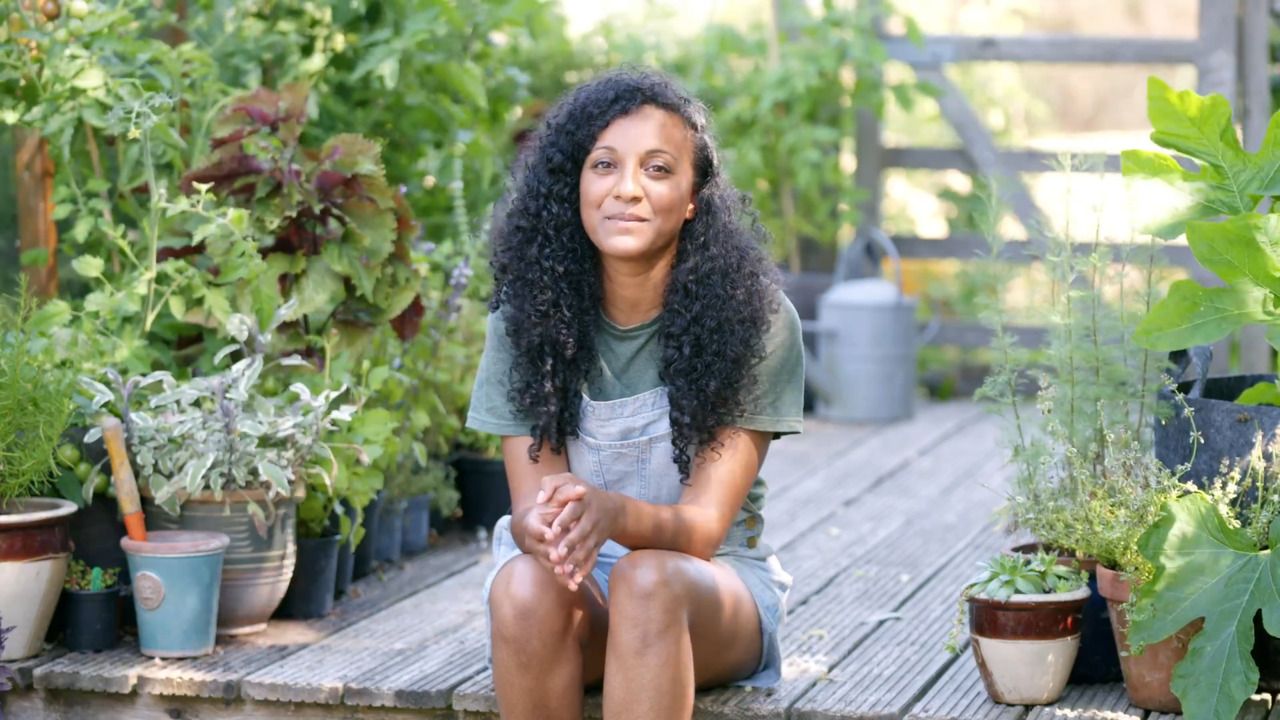
with CLAIRE RATINON — Organic food grower, writer and gardening columnist for The Guardian. Author of Unearthed.
Lesson 9 of 24
Subscribe to watch
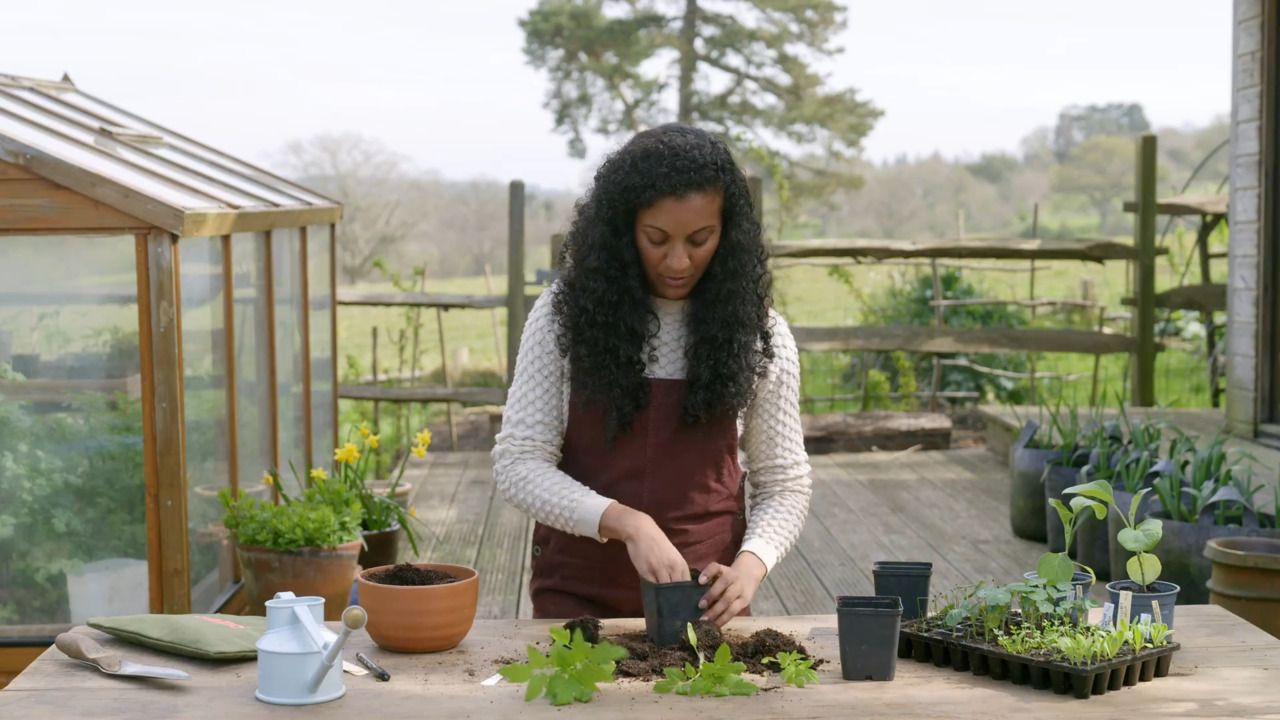
The start of any food grower's journey is seed sowing. In this lesson, Claire will show you how to sow a wide variety of seeds in pots and modules, as well as where to place your seedlings and how to water them.
If you want to grow crops successfully, then you need to sow your seeds correctly. In this lesson, I'll show you how to sow several different crops and explain how to give them the best start in life.
Seeds are incredible things. Inside each seed, whether big or small, is all the genetic information that it needs to grow. The gardener's role is to provide each seed with the right conditions for it to grow and thrive - namely a growing medium such as seed compost and water.
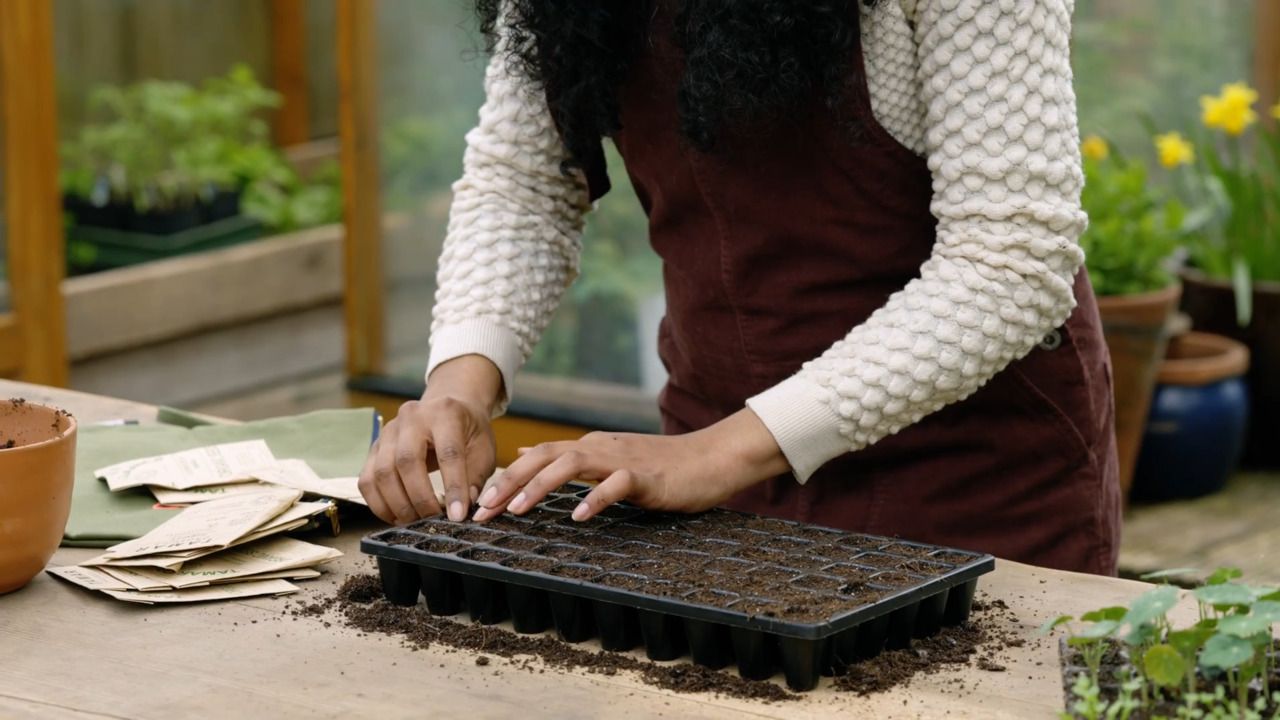
To begin, fill your seed tray with peat-free seed compost. Seed compost has a fine texture so that even the smallest of seeds will be able to break through the surface of the soil and germinate.
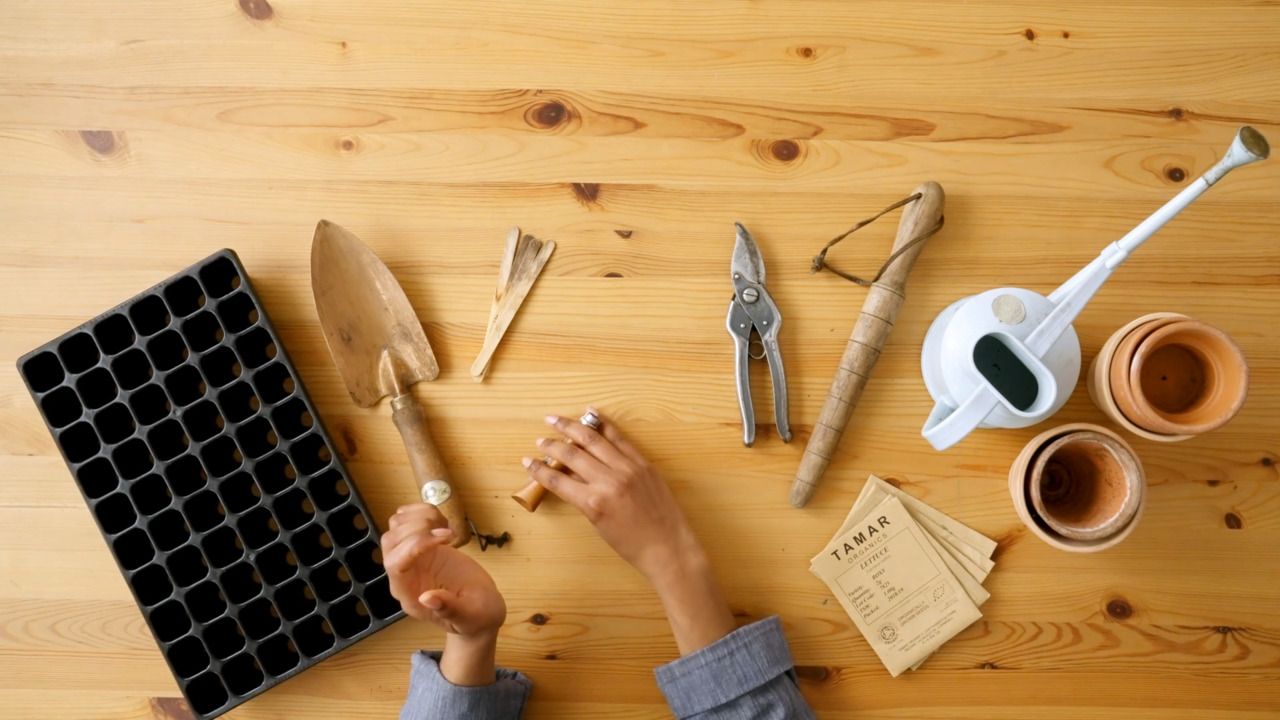
Fill your seed modules to the very top and then gently firm the compost into each module so that the compost is steady when your seed does germinate.
Beetroot seeds are compound seeds, which means there are a few seeds within each individual seed that you will find in your packet.
I am going to sow a few of these seeds per module, which is what is known as multi-sowing. This is because certain crops grow well in a cluster together.
Some varieties to try include:
In comparison, lettuce seeds are much smaller and they can be very hard to separate out individually.
Usually, I would only sow lettuce individually, as they can be quite hard to separate once they have germinated.
On this occasion though I am going to sow two lettuce seeds per module as these are older seeds so their germination rate might not be as good.
Unlike beetroot, lettuces are single seeds, so they will only produce one plant per seed. If both seeds germinate I will attempt to separate them or I will remove the weaker plant and let the stronger one continue to grow on its own.
Some varieties to try include:
The main rule that you should always follow when sowing seeds is that you want your seed to be double the depth of their size.
This means that tiny seeds like lettuce remain very close to the surface, while bigger seeds like bean seeds need to be buried much further down.
If you were to sow a lettuce seed deeper into the soil the chances are that it will use up all the energy it contains before it manages to get to the surface of the soil and therefore the plant will die.
With smaller seeds, leave them on the surface of the compost in the seed module and then cover them up with a sprinkling of extra compost and then firm them in so that there is good contact between the compost and the seed.
This will help the seed to extract water from the compost when it is watered and therefore aid germination.
The second golden rule of seed sowing is to label your seed trays. This is especially important if you are growing several different plants in one tray. While you may think that you have a good memory, if you're sowing multiple seeds at once you're very likely to forget what went where, so labelling is crucial.
What you should write on your seed label:
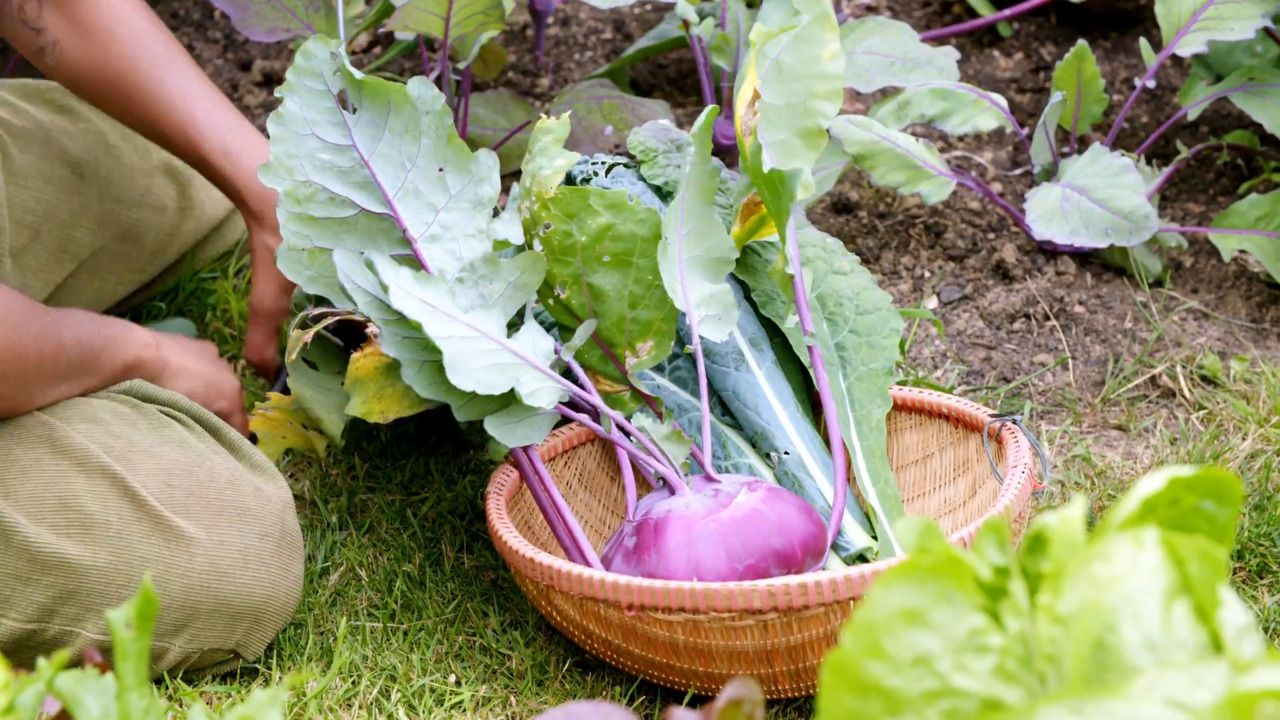
Kohlrabi are a great crop to grow in your veg patch because they are rarely available in supermarkets. A member of the brassica family, they often have beautiful, sculptural leaves which are edible as well.
Kohlrabi seeds are quite small, though a little bigger than lettuce seeds, and I am going to multi-sow these too to ensure germination. If both of the seeds germinate I will then split them up or extract the weaker seedling and let the other one grow on.
Some varieties to try include:
Parsley is a great all-rounder and it overwinters well, making it a great kitchen staple.
Parsley seeds do well when sown in a group, so I will even sow up to 10 parsley seeds per module.
I purchase my seeds from organic seed suppliers and small seed companies. This is because I grow organically here and I also want to support companies that are preserving heirloom varieties.
Heirloom varieties are great for vegetable growers, because if you are going to grow your own food, then it is more exciting to grow varieties that you can't get hold of in the supermarket.
Seed companies I buy from include:
It's important to store your seeds in a cool, dry place. These conditions are the opposite of the ones required for germination and will help to protect your seed viability.
Seed viability refers to how long a seed is capable of germinating. When kept in the right conditions, seeds will stay viable for longer. Different seeds have different viability lengths, but if you have a packet of particularly old seeds, it is still worth giving them a go as seeds often last well beyond the sell-by date.
Spring onions are a great crop to successional sow. Generally, once I have a crop of spring onions that are ready to go into the ground then I will sow another batch to ensure a continuous harvest.
Spring onion seeds also work well as multi-sowers, so I usually sow around 6 - 8 seeds per module.
Some varieties to try include:
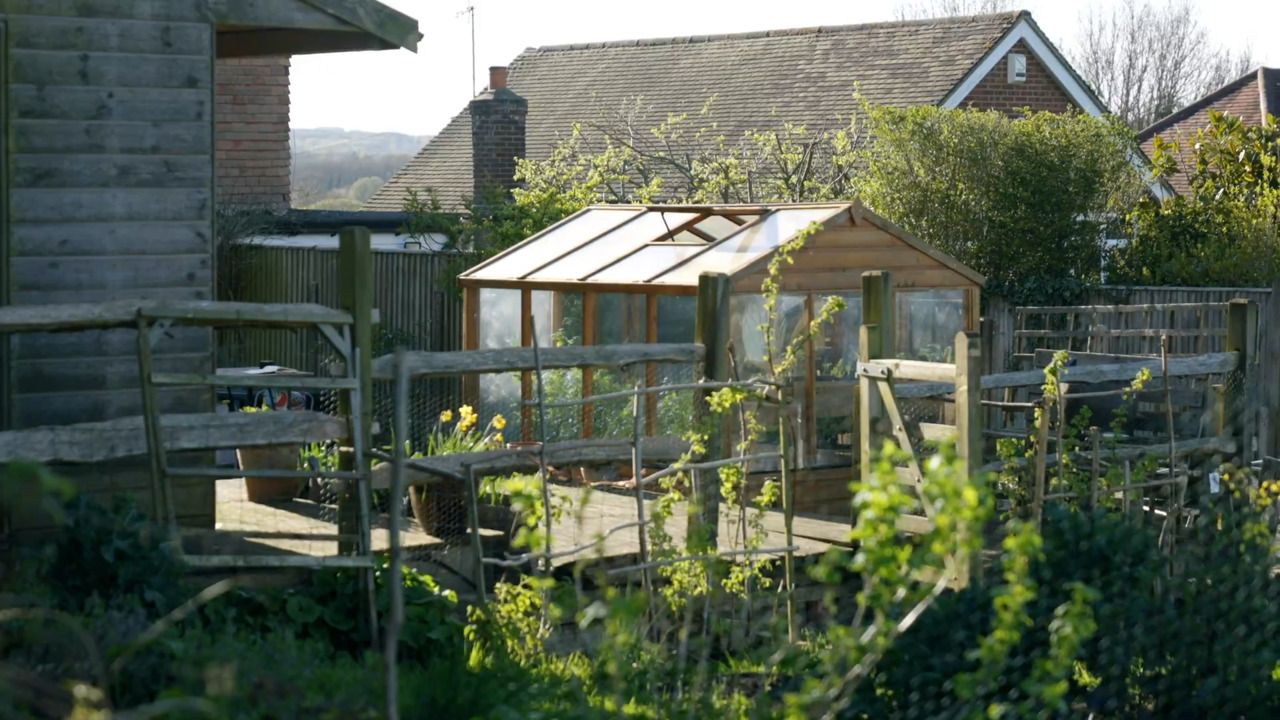
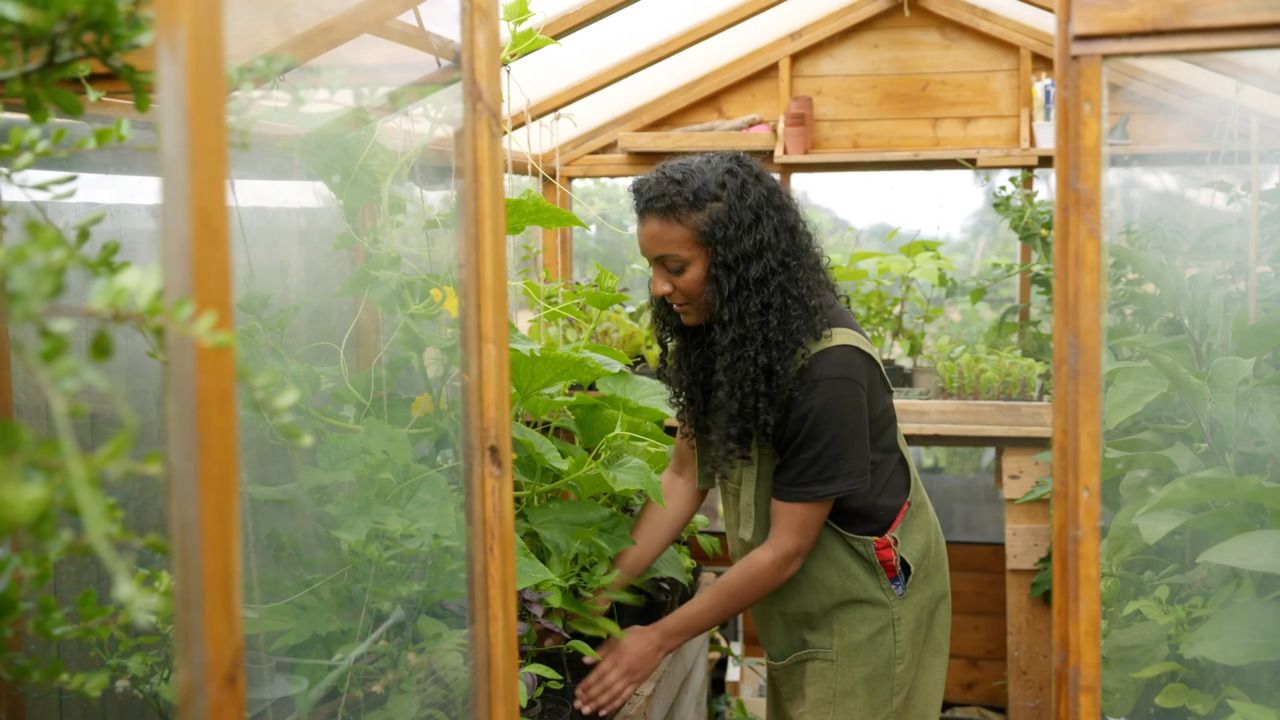
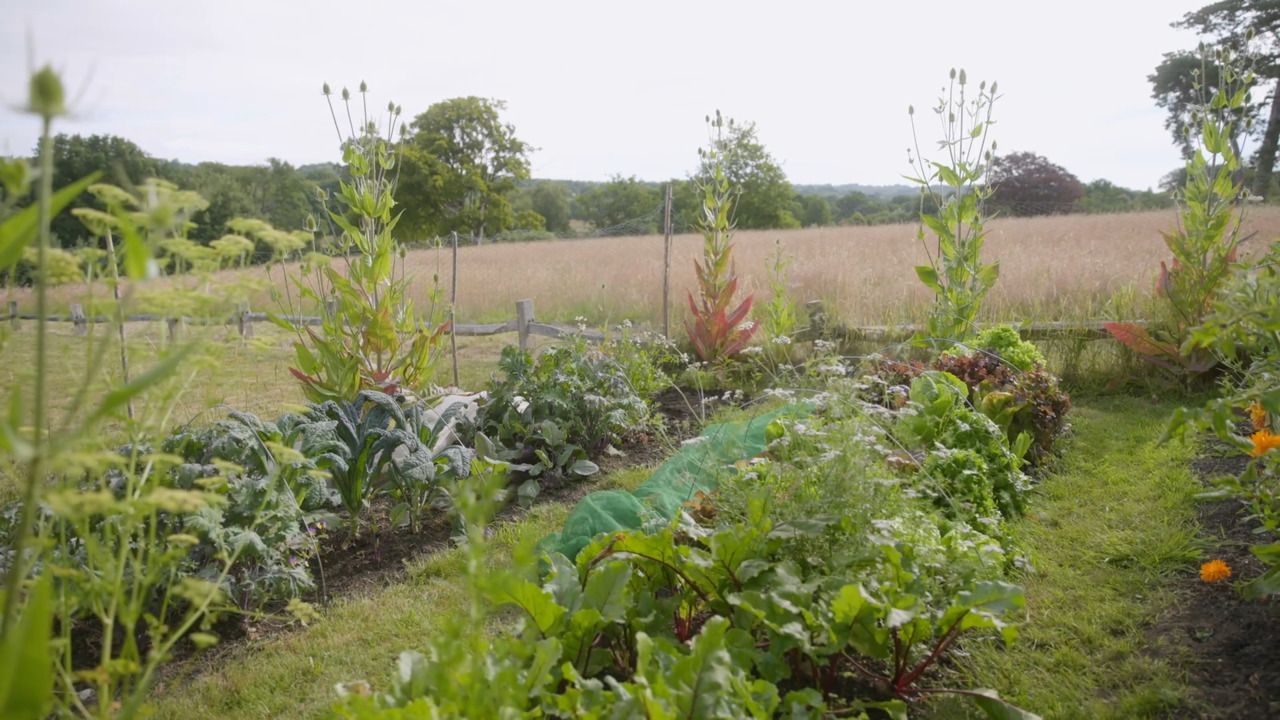
I'm lucky enough to have a greenhouse here in East Sussex, but you certainly don't need one to grow vegetable crops successfully. A kitchen table, or windowsill inside your home will work just as well for germinating seedlings.
The key thing to remember though, is that once your seedlings have germinated they will need as much sunlight as possible to grow into healthy and strong plants.
If you are growing your seedlings on a sunny windowsill, it's important to rotate your tray regularly so that your seedlings don't start stretching towards the sunlight and get leggy and weak.
If you have access to outdoor space that is free from pets or wildlife that may disturb them, then you could also put your seedlings outside during the daytime and then bring them in at night to protect them from colder weather.
Cucurbits are what I would call a 'warm weather' crop because they will not survive a frost and they need some warmth to germinate.
I am sowing:
I won't be using modules to sow these seeds as they are much bigger and they grow very quickly, so it is easier to give them a bigger growing space from the very beginning.
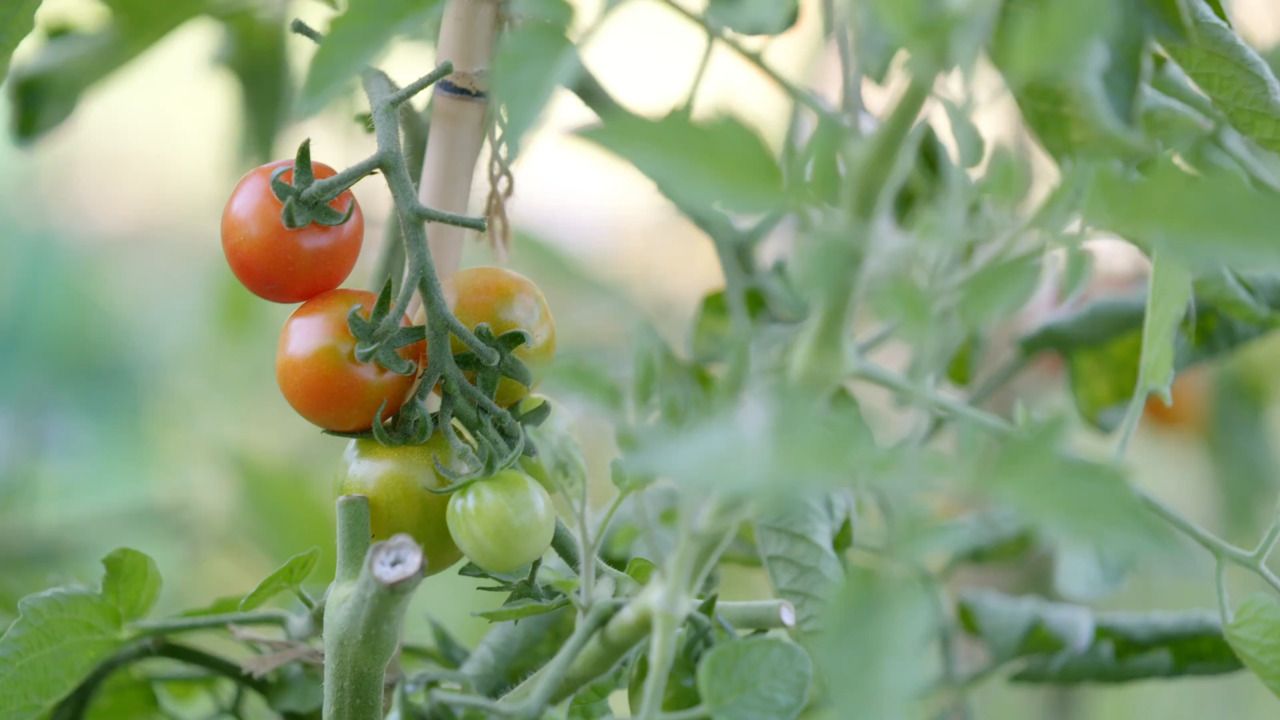
Warm-weather crops such as cucumbers, squashes, tomatoes and aubergines need the full length of the spring and summer to grow before they can produce harvestable fruits.
As such, we need to sow them quite early in the year, but as they are warm-weather crops they need warmth to germinate. If you are sowing your tomatoes early in the year, even an outdoor greenhouse may not be warm enough for them to germinate so they will need help, either from a propagator, which will provide a consistent temperature, or by growing them in a warm spot in your home.
The other thing to consider when growing warm-weather crops in the early months of the year is that light levels in the UK at this time are very low, so your seedlings may also need a grow light to help them grow once they have germinated.
Tomato seedlings can tend to get quite leggy, with or without the grow light, but what I have discovered is that if I turn the propagator off once the seedlings have germinated and emerged above the soil, then they are less likely to become leggy and weak.
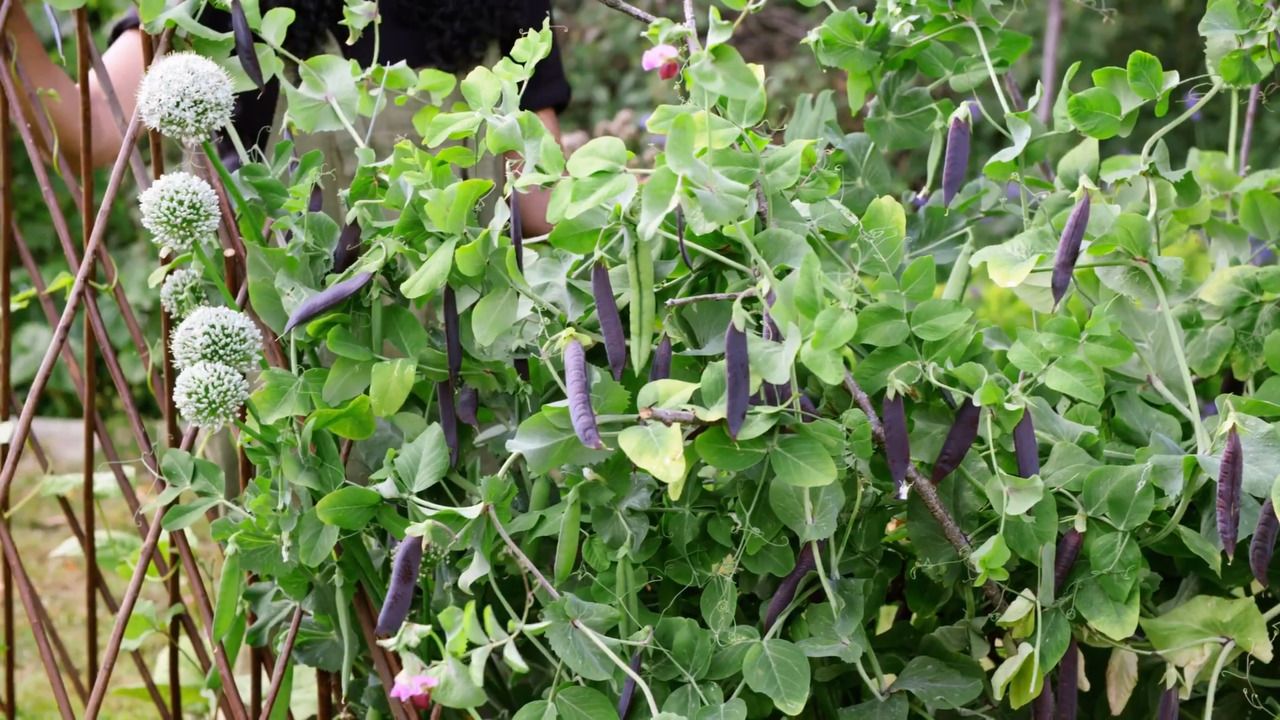
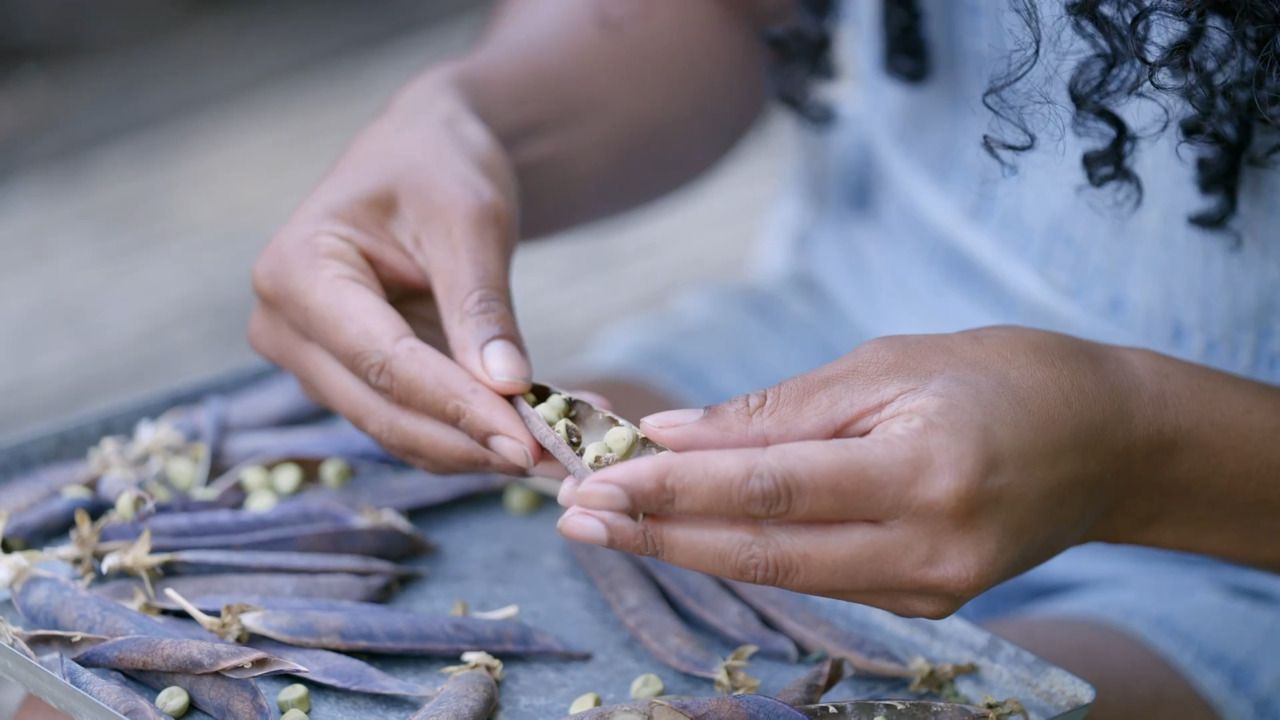
I sow my pea and bean seeds into recycled toilet roll tubes. This is because peas and beans develop a large and deep root system when they germinate so small modules do not provide them with adequate space to grow.
Damping off is a fungal infection that can affect young seedlings in damp conditions. This fungal infection will cause your seedlings to rot and die. It usually happens when your seed compost has become too waterlogged as a result of either becoming too compact or being overwatered.
The more you learn about gardening, the more you will realise that every gardener has their own unique way of doing things. While some gardeners like to soak their seed trays before sowing seeds, I prefer to sow my seeds into dry modules and then water them from above with a small watering can with a fine rose attachment.
The fine rose creates a gentle shower of water, much like a fine drizzle of rain on a wet day. This ensures that your seeds won't get washed away or displaced when you water them.
Once your seedlings have germinated it can be a good idea to water your seedlings from below so that you can encourage the roots to grow towards the water and become stronger in the process.
Get the full workbook, video lessons, and more with a Create Academy subscription.
Subscribe to access the full workbookAlready a member? Sign in to watch
491 reviews
Read moreCreate Academy has been such a great resource. I'm in the middle of renovating a bungalow with a very large garden and the courses have offered a wealth of inform...
Harvey
Jun 10, 2026
Absolutely love Create Academy! The instructors are extremely informative, and it is beautifully filmed. Create Academy is great value for money and plan on renew...
SG
May 31, 2026
Butter's creativity is stunning! Her ability to incorporate brilliance in small gardens is magical!
Carla
May 30, 2026
The best adventure. I like all the courses, but my favorite are both Rita Konig interior design courses and Anna Jones. Excellent!
Karolina Kluczewska
May 20, 2026
Create Academy has been such a great resource. I'm in the middle of renovating a bungalow with a very large garden and the courses have offered a wealth of information to dive into and explore new ideas. I'm...
Harvey
Jun 10, 2026
Absolutely love Create Academy! The instructors are extremely informative, and it is beautifully filmed. Create Academy is great value for money and plan on renewing my subscription yearly because there are ...
SG
May 31, 2026
Butter's creativity is stunning! Her ability to incorporate brilliance in small gardens is magical!
Carla
May 30, 2026

Your Instructor
Organic food grower, writer and gardening columnist for The Guardian. Author of Unearthed.
Claire Ratinon is a food grower and writer, specialising in growing food organically. She is passionate about the act of growing plants - especially edible ones - and the potential for this to be nourishing, connecting and healing. Her journey into horticulture began on a rooftop farm in New York City and since then she has spanned a range of roles, from growing produce for Ottolenghi’s Rovi restaurant to delivering food growing workshops and talks. Claire writes a regular column in The Guardian's magazine and is a contributor to Radio 4’s Gardeners’ Question Time, Waitrose Food Magazine and Bloom magazine. Her book, ‘How To Grow Your Dinner Without Leaving The House’, celebrates the food growing possibilities of small spaces, from window boxes to balconies.

Access to all courses


