
Interior and exterior confidence
Create Academy has been such a great resource. I'm in the middle of renovating a bungalow with a very large garden and the courses have offered a wealth of inform...
Harvey
Jun 10, 2026
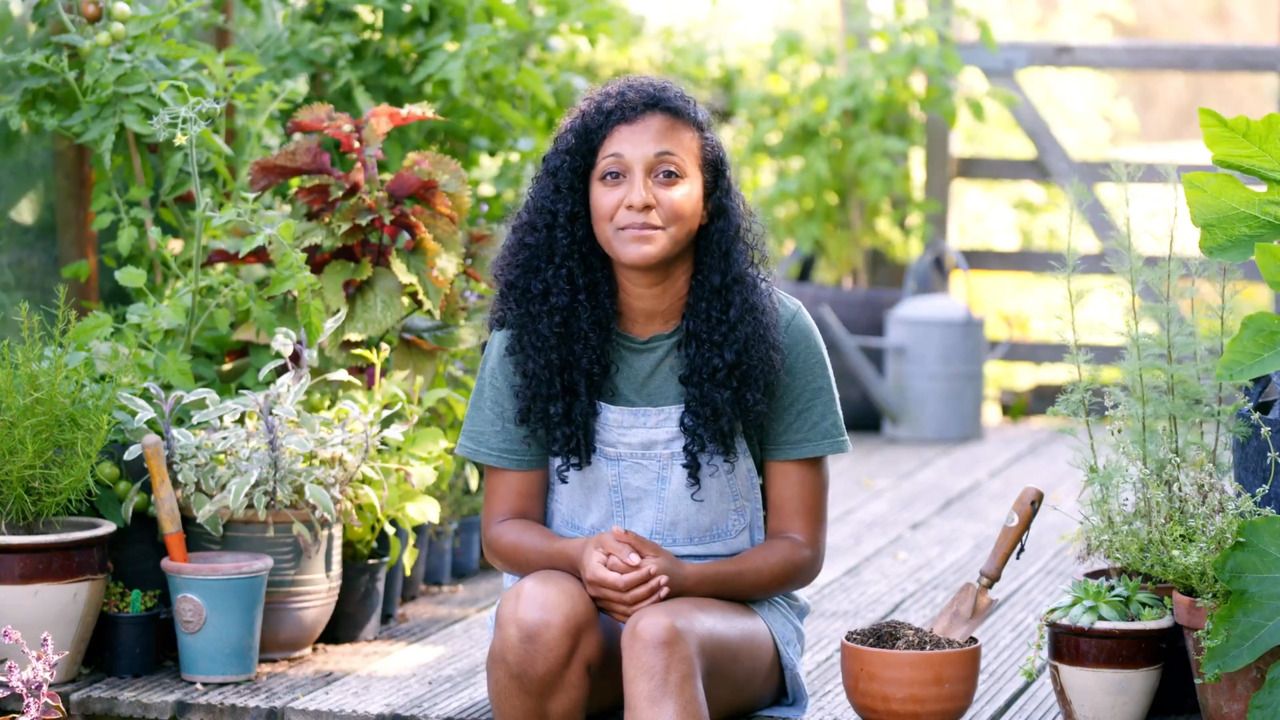
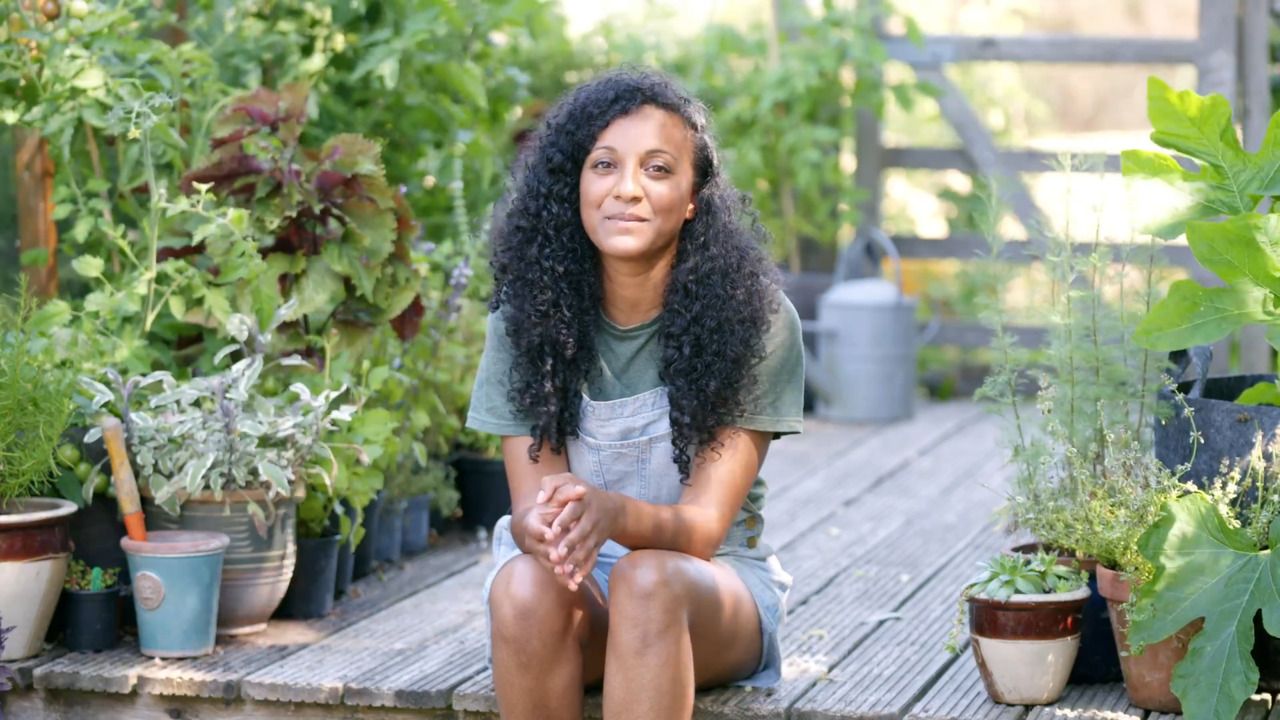
with CLAIRE RATINON — Organic food grower, writer and gardening columnist for The Guardian. Author of Unearthed.
Lesson 21 of 24
Subscribe to watch
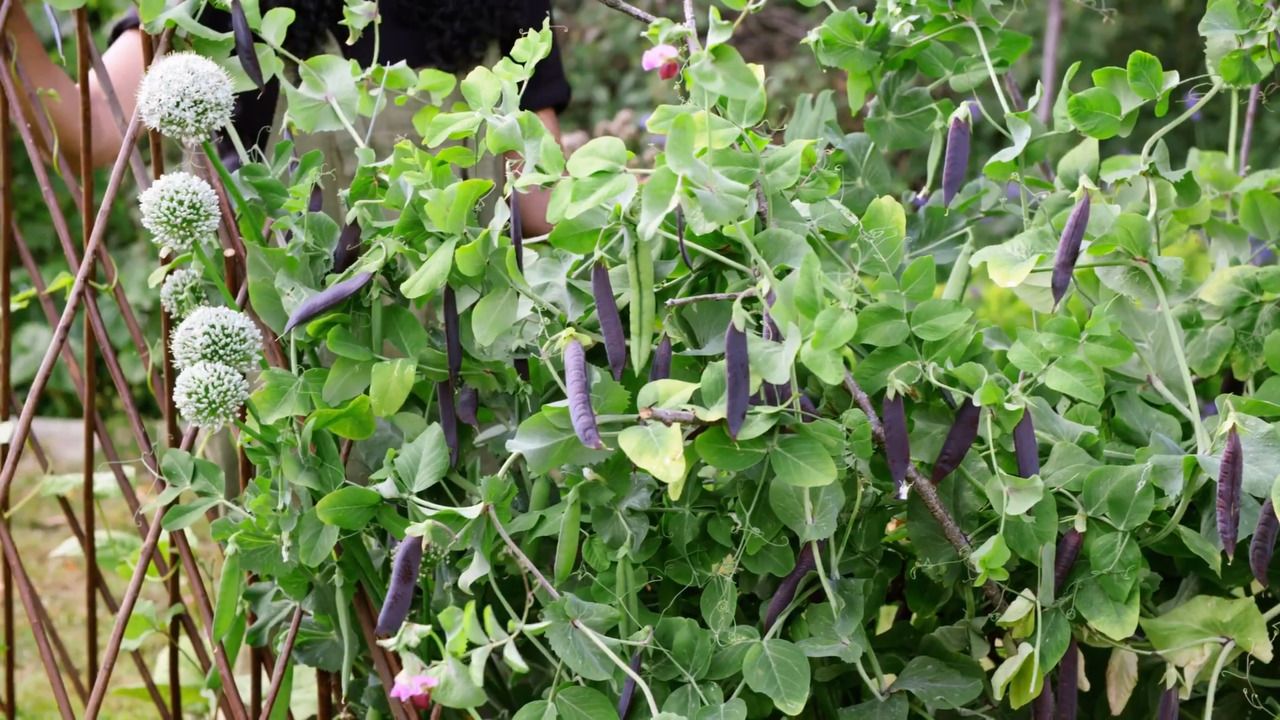
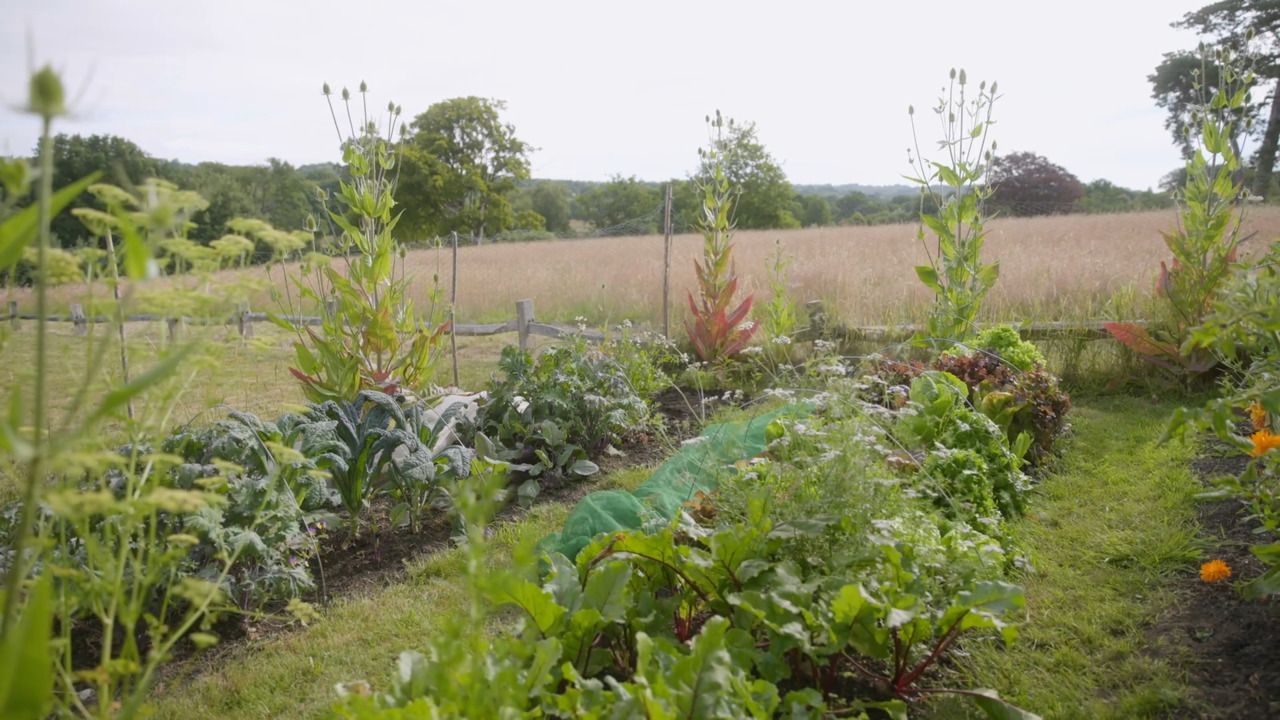
Companion planting is a great organic growing method to protect your crops from pests. In this lesson, you'll learn which plants to grow for pest management.
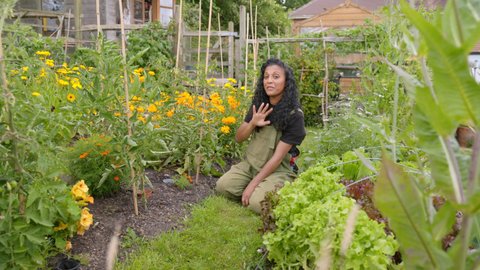
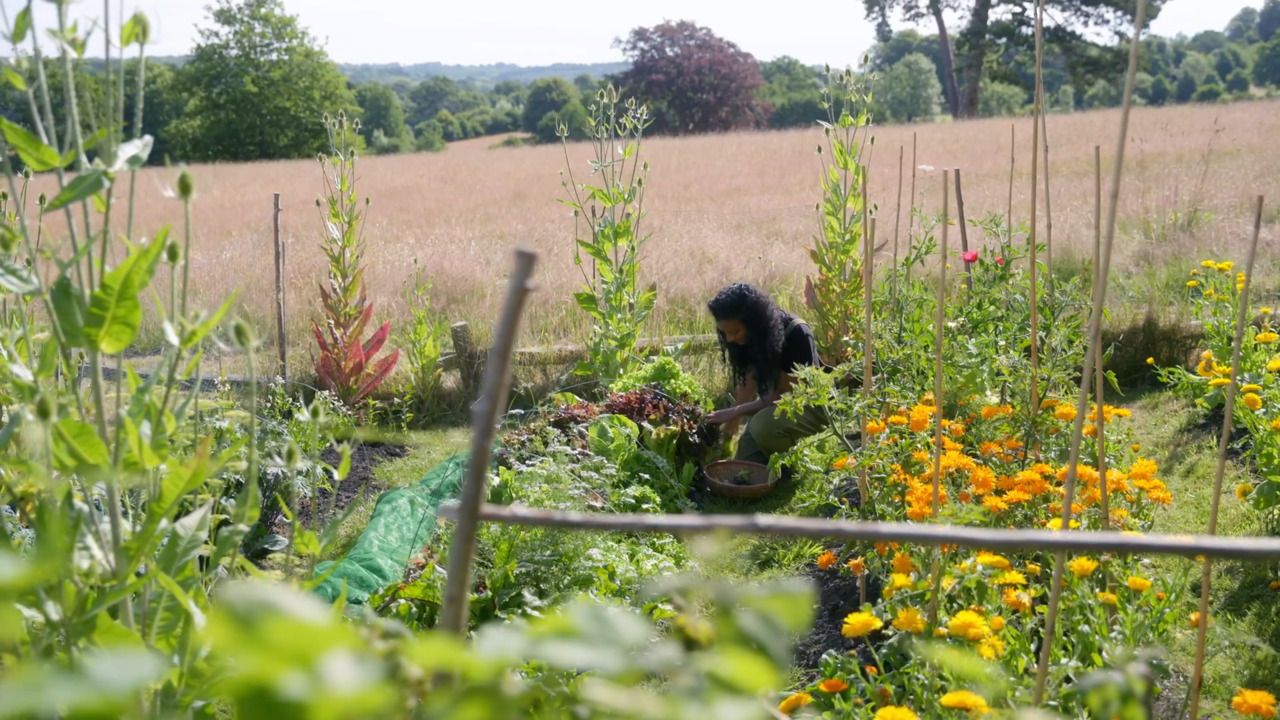
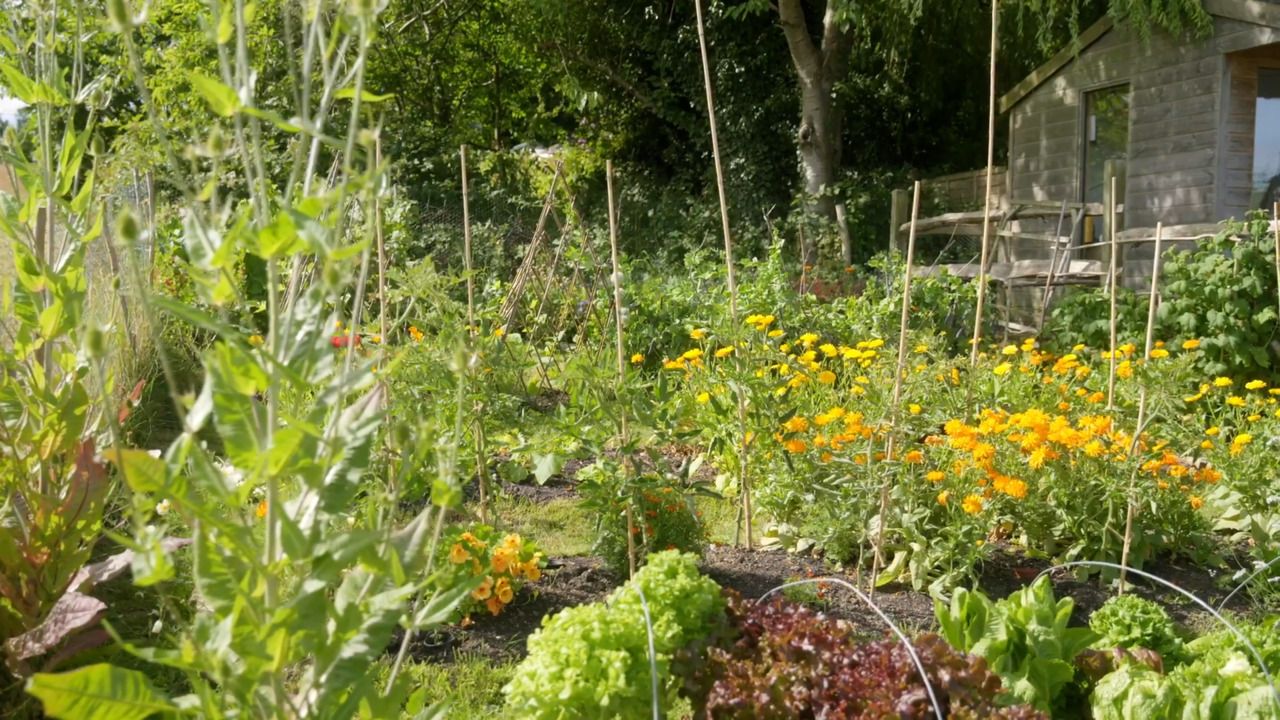
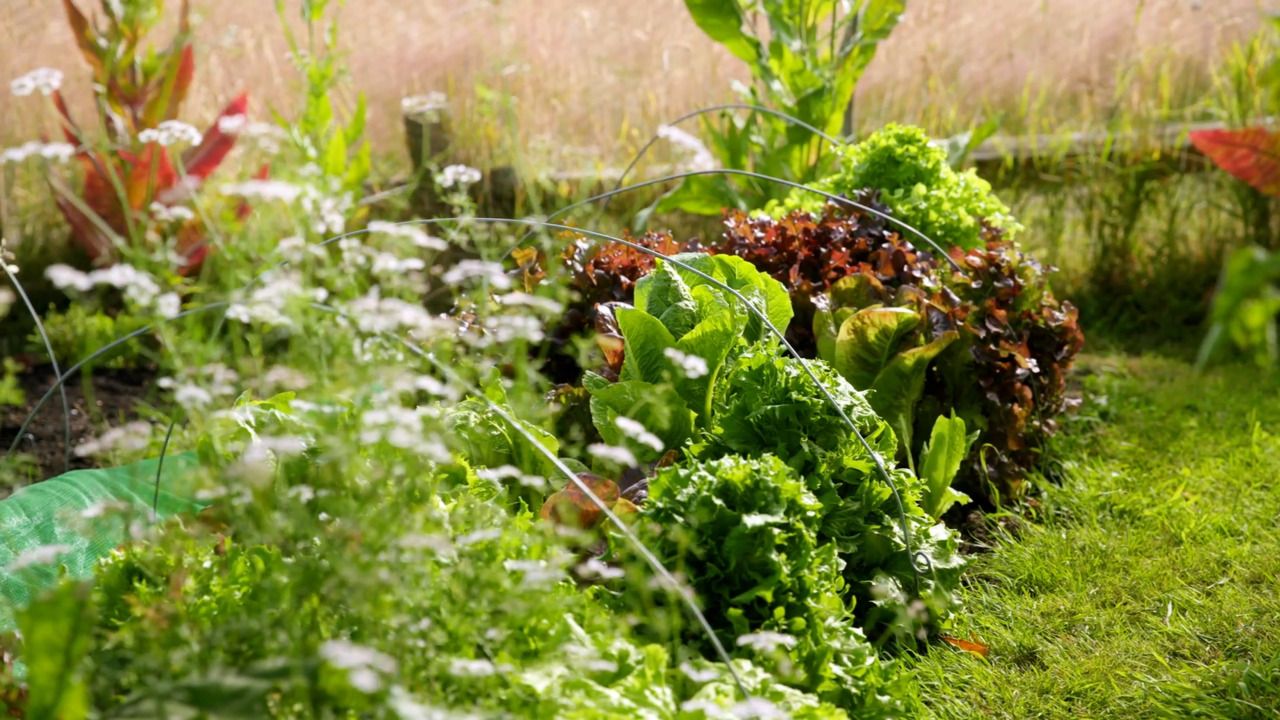
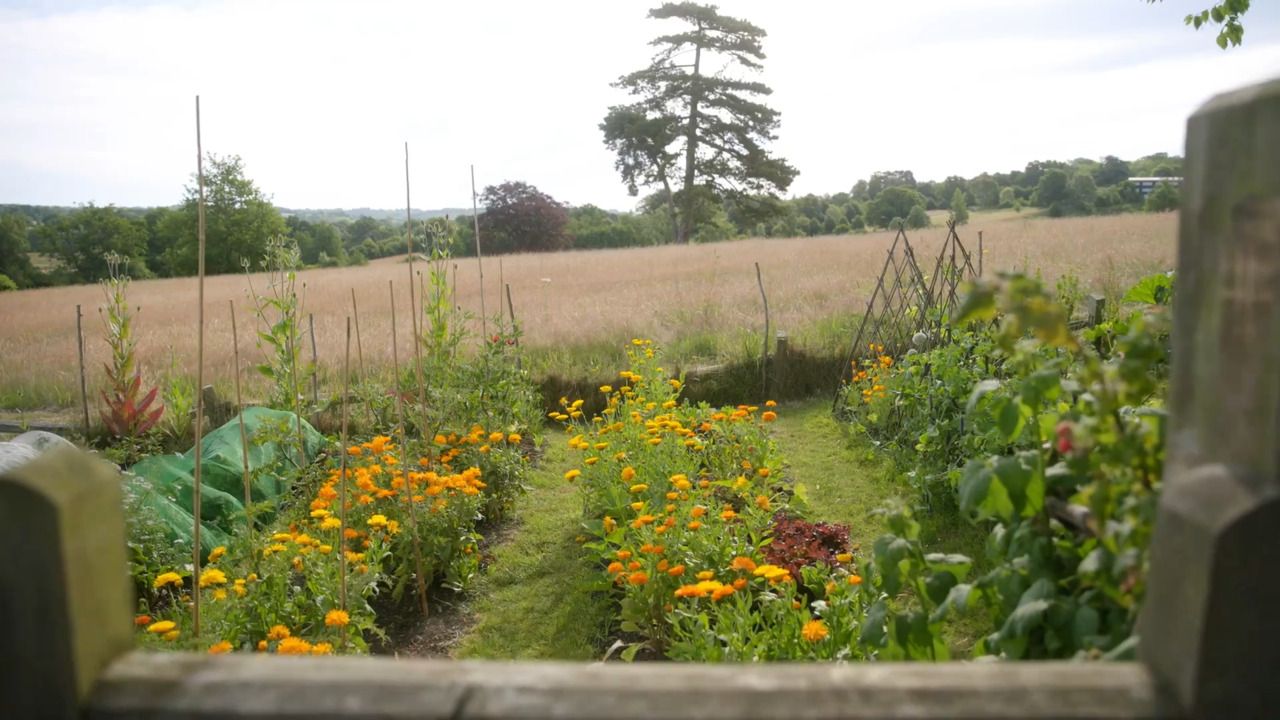
Companion planting means growing plants that benefit each other in the same space. In this lesson, I'll introduce you to some of my favourite companion plants and explain how they help me to garden organically.
The benefits of companion plants might include attracting pollinators, attracting predators or providing protection such as shelter from the sun or a break from the wind.
Companion planting is another weapon in the organic grower's armoury and helps the natural systems of the garden to work in harmony.
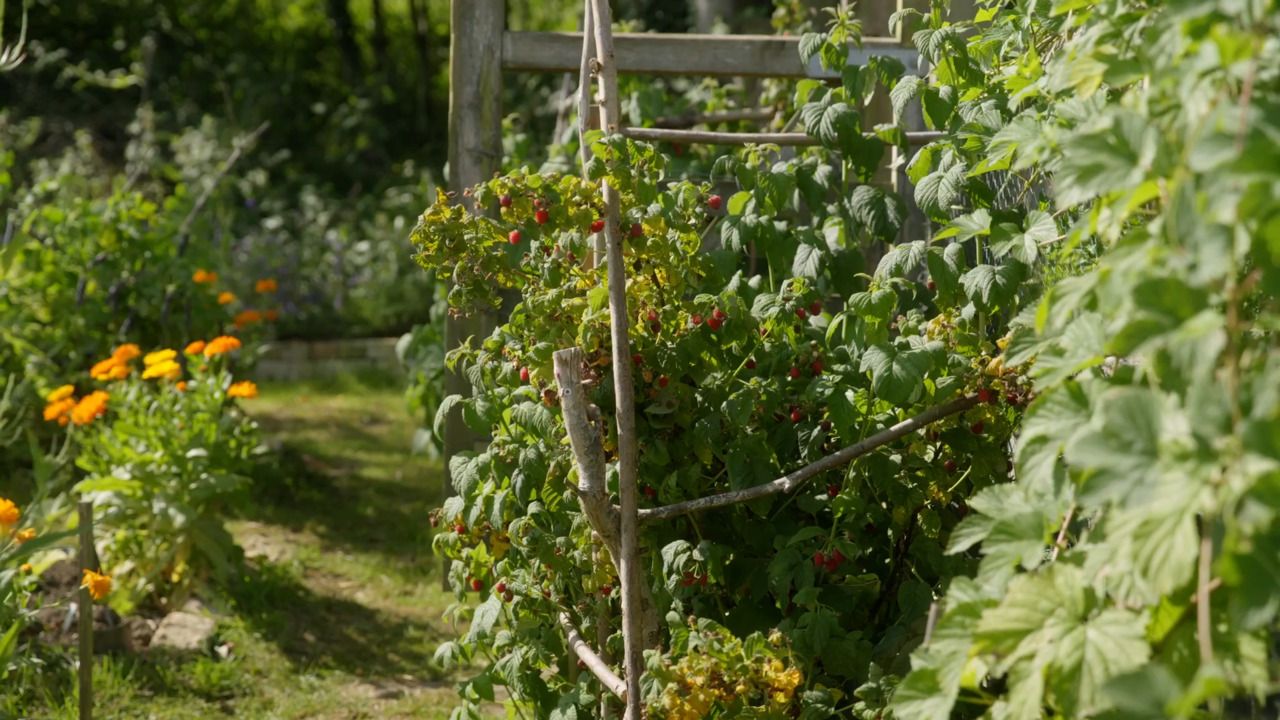
Some great plants to grow for pollinators include:
Nasturtiums are a great edible plant, but you can also use them as a sacrificial plant as they attract black fly and cabbage white butterflies. By planting these near crops that are affected by these pests - such as runner beans and brassicas - we hope that the nasturtiums will bear the brunt of the attack and our prized crops will be left alone.
If you allow all these plants to flower in your garden they will attract lacewings and ladybirds, whose larvae predate on aphids.
After the crops in my brassica bed have overwintered and I have got all the leaves I want from them, I let them flower. This provides early nectar forage for beneficial insects right at the start of the year and will hopefully encourage more predating insects to breed in the garden.
The strong odour of this flower is said to deter black flies and other sap suckers.
Nasturtiums will also attract black flies and hopefully keep them away from my crops.
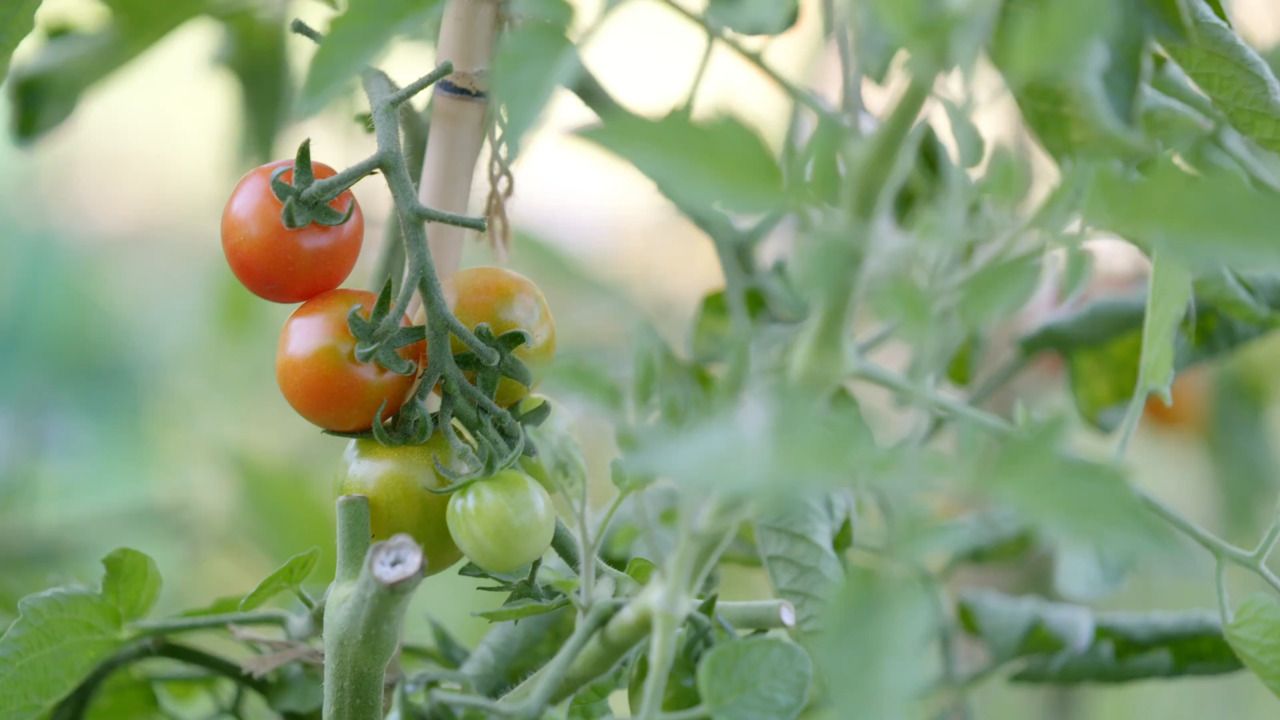
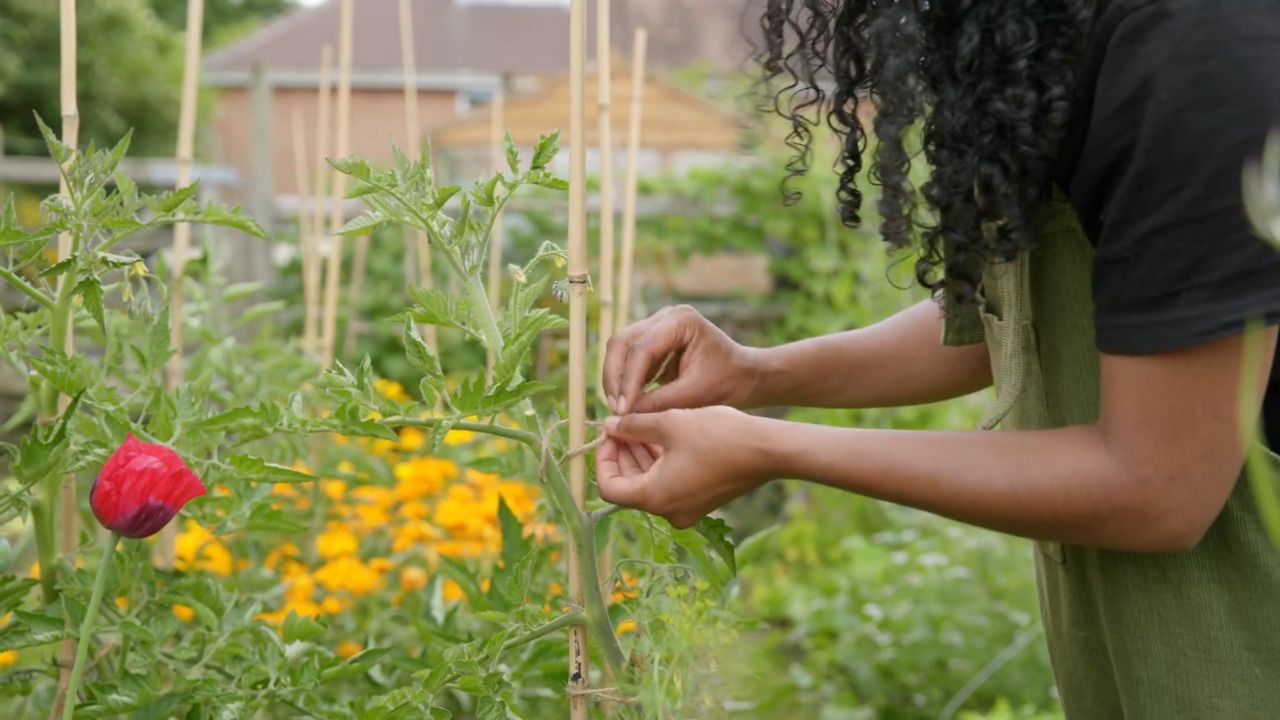
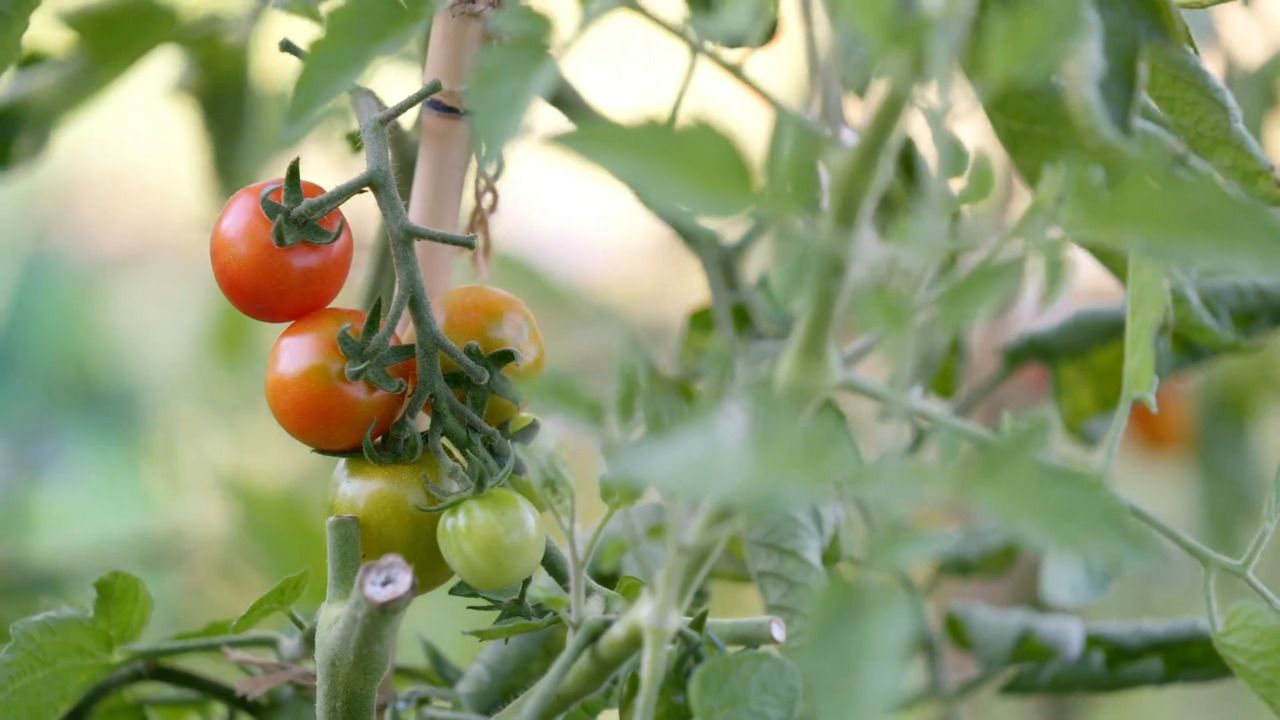
Both of these flowers will also attract pollinators, which I want to encourage to come to my tomato bed to pollinate my tomato plants.
Get the full workbook, video lessons, and more with a Create Academy subscription.
Subscribe to access the full workbookAlready a member? Sign in to watch
491 reviews
Read moreCreate Academy has been such a great resource. I'm in the middle of renovating a bungalow with a very large garden and the courses have offered a wealth of inform...
Harvey
Jun 10, 2026
Absolutely love Create Academy! The instructors are extremely informative, and it is beautifully filmed. Create Academy is great value for money and plan on renew...
SG
May 31, 2026
Butter's creativity is stunning! Her ability to incorporate brilliance in small gardens is magical!
Carla
May 30, 2026
The best adventure. I like all the courses, but my favorite are both Rita Konig interior design courses and Anna Jones. Excellent!
Karolina Kluczewska
May 20, 2026
Create Academy has been such a great resource. I'm in the middle of renovating a bungalow with a very large garden and the courses have offered a wealth of information to dive into and explore new ideas. I'm...
Harvey
Jun 10, 2026
Absolutely love Create Academy! The instructors are extremely informative, and it is beautifully filmed. Create Academy is great value for money and plan on renewing my subscription yearly because there are ...
SG
May 31, 2026
Butter's creativity is stunning! Her ability to incorporate brilliance in small gardens is magical!
Carla
May 30, 2026

Your Instructor
Organic food grower, writer and gardening columnist for The Guardian. Author of Unearthed.
Claire Ratinon is a food grower and writer, specialising in growing food organically. She is passionate about the act of growing plants - especially edible ones - and the potential for this to be nourishing, connecting and healing. Her journey into horticulture began on a rooftop farm in New York City and since then she has spanned a range of roles, from growing produce for Ottolenghi’s Rovi restaurant to delivering food growing workshops and talks. Claire writes a regular column in The Guardian's magazine and is a contributor to Radio 4’s Gardeners’ Question Time, Waitrose Food Magazine and Bloom magazine. Her book, ‘How To Grow Your Dinner Without Leaving The House’, celebrates the food growing possibilities of small spaces, from window boxes to balconies.
Access to all courses


