
Interior and exterior confidence
Create Academy has been such a great resource. I'm in the middle of renovating a bungalow with a very large garden and the courses have offered a wealth of inform...
Harvey
Jun 10, 2026
with CLAIRE RATINON — Organic food grower, writer and gardening columnist for The Guardian. Author of Unearthed.
Lesson 16 of 24
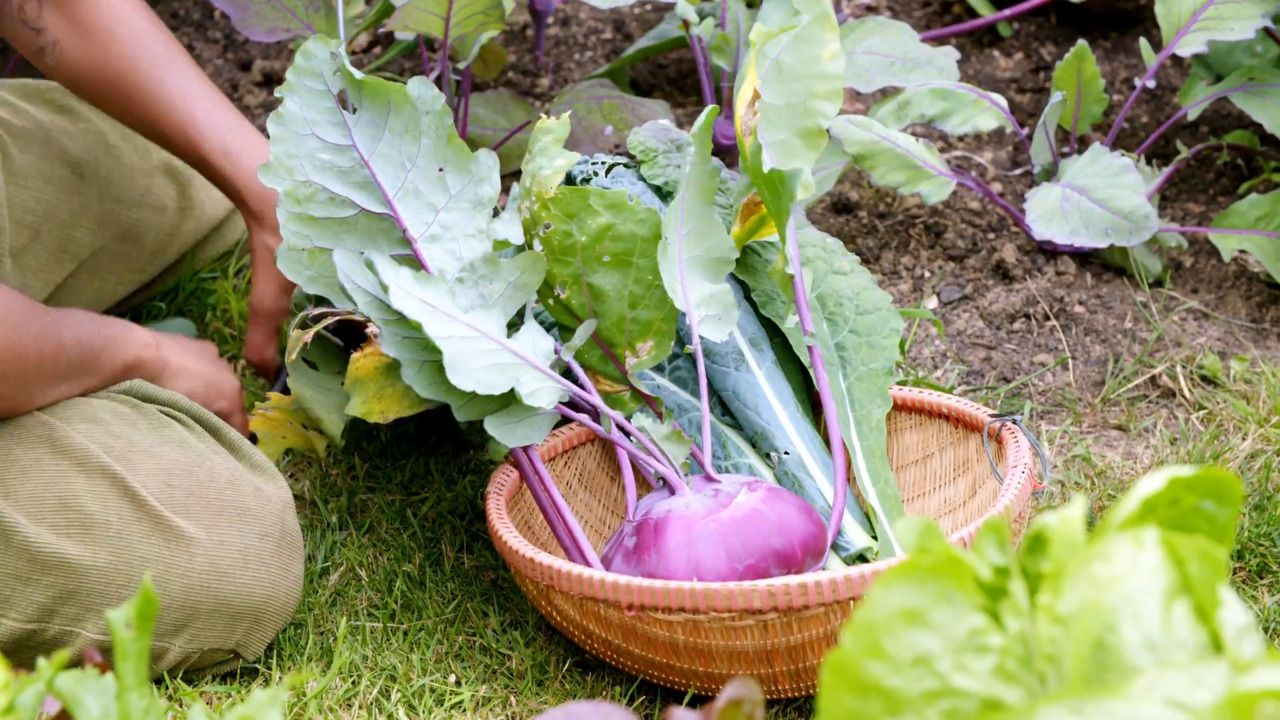
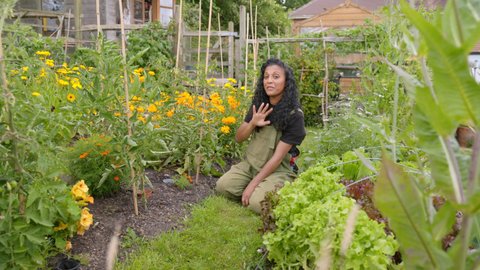
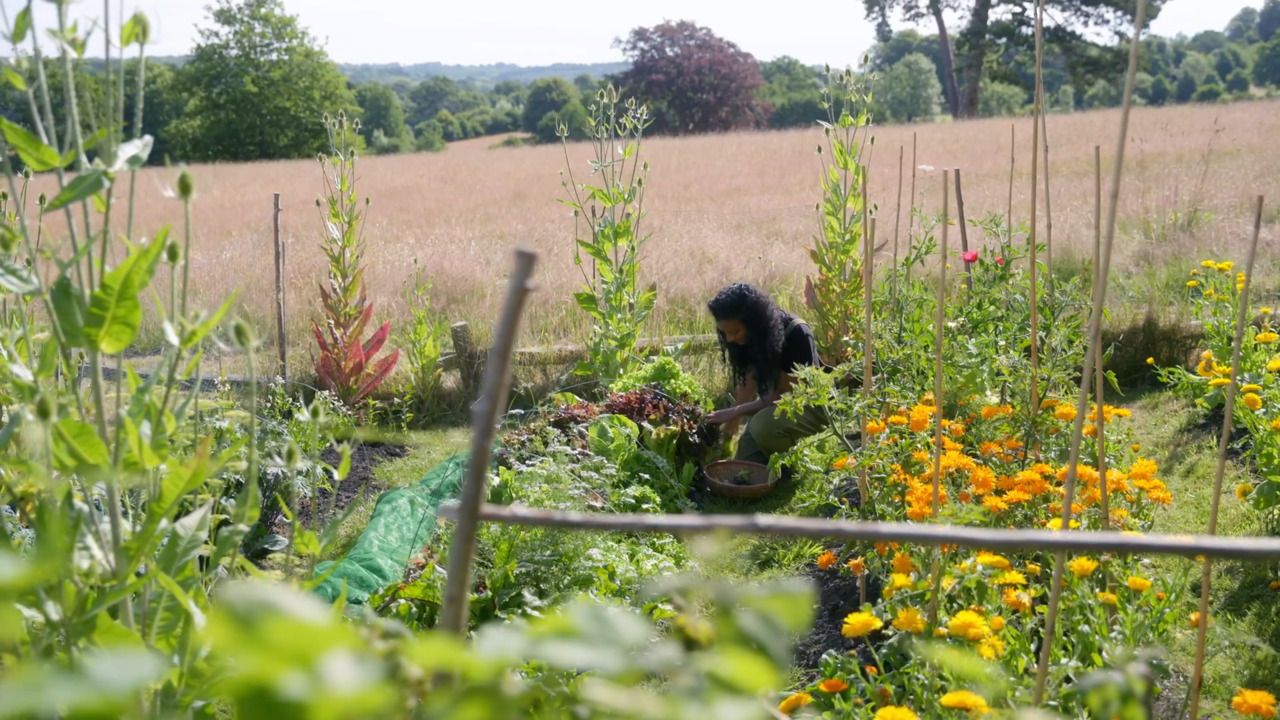
When the time comes to harvest your crops, you’ll need the right tools for the job. Watch Claire as she guides you through the harvesting process.
To harvest your crops correctly you'll need to use the right tools. In this lesson, I'll show you how to harvest peas, lettuce, beetroots and kale.
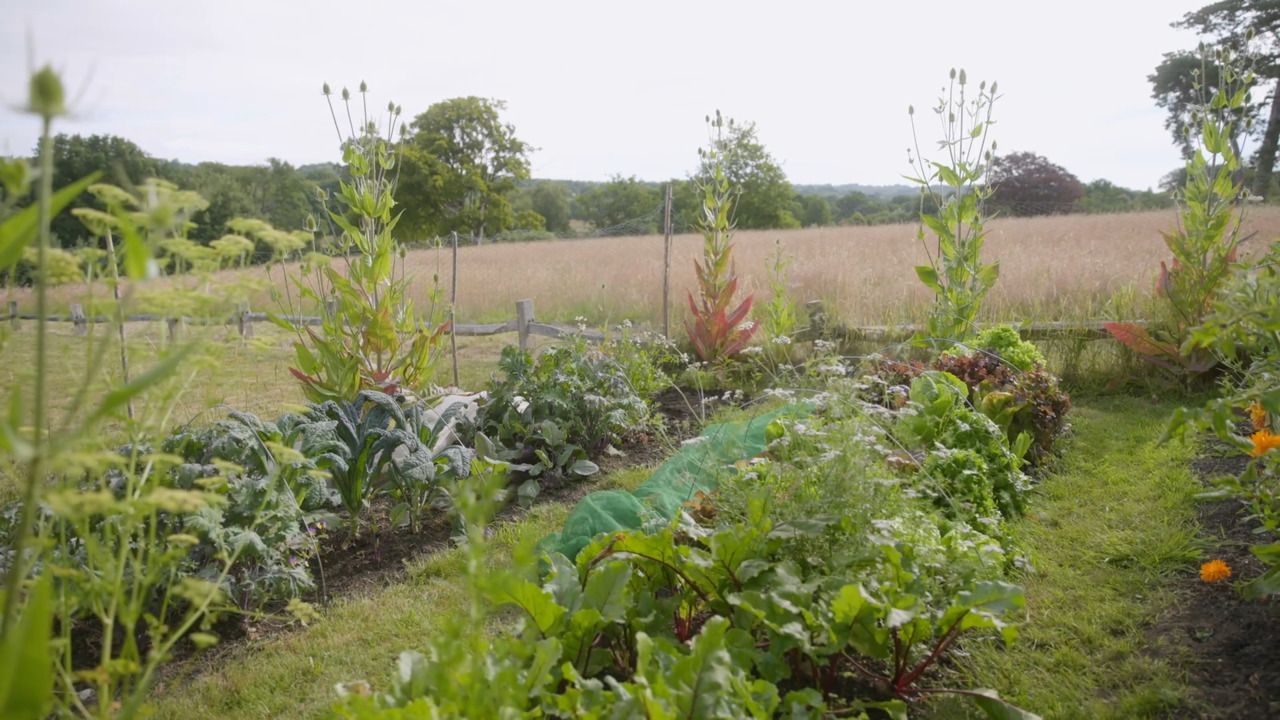
There's nothing like harvesting your own homegrown fruit and vegetables and for vegetable gardeners, it is one of the most satisfying parts of growing food. When it's time to harvest your produce though, there are a few things to consider.
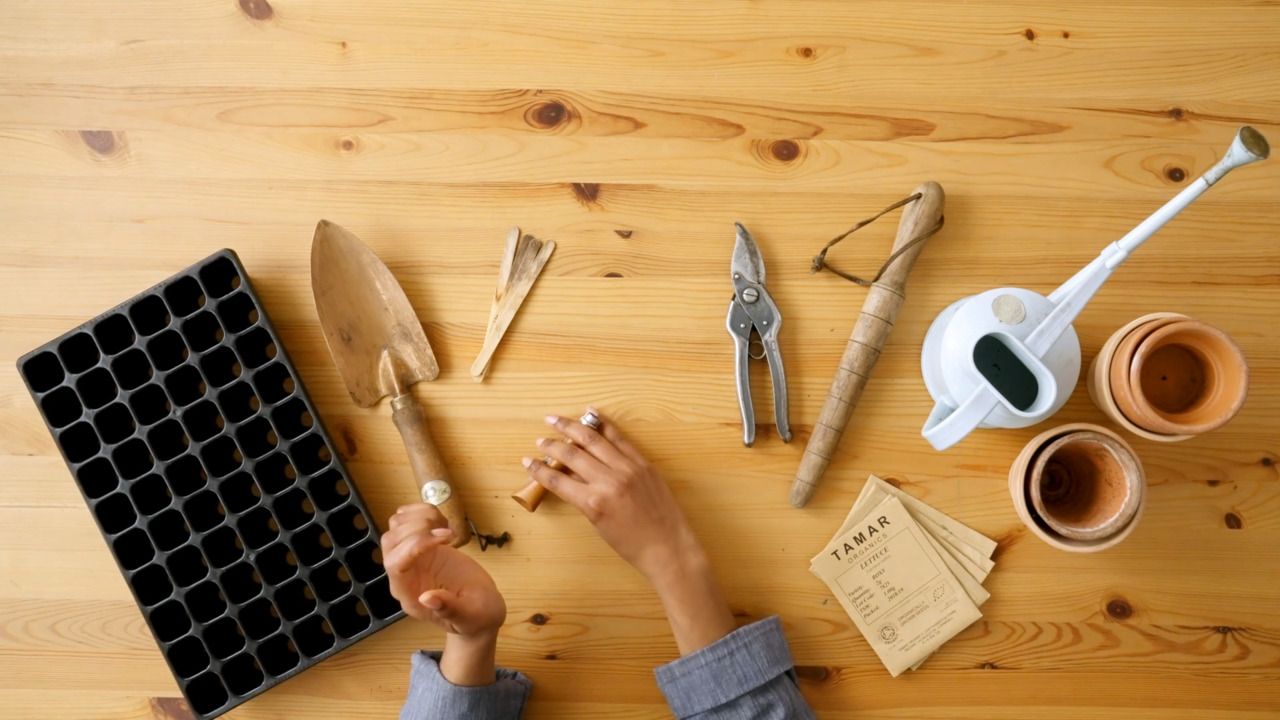
Harvest knives are really useful for harvesting leafy crops such as kale, chard, lettuces and salad leaves. A good harvest knife will ensure you get a clean cut, which will prevent damage from happening to your plant.
When cutting leaves from a cut and come again crop like kale, always take the leaves from the outside of the plant, and avoid cutting the main growing point in the centre.
Sharp snips are really good for harvesting peas and beans. They will ensure you get a clean and neat cut, without causing any damage to your plant, which can happen when you try and harvest them by hand. Alternatively, if you don't have snips to hand then a good pair of secateurs will do the job just as well.
Or, if all you have to hand is a pair of scissors, as long as they're sharp they will work just as well.
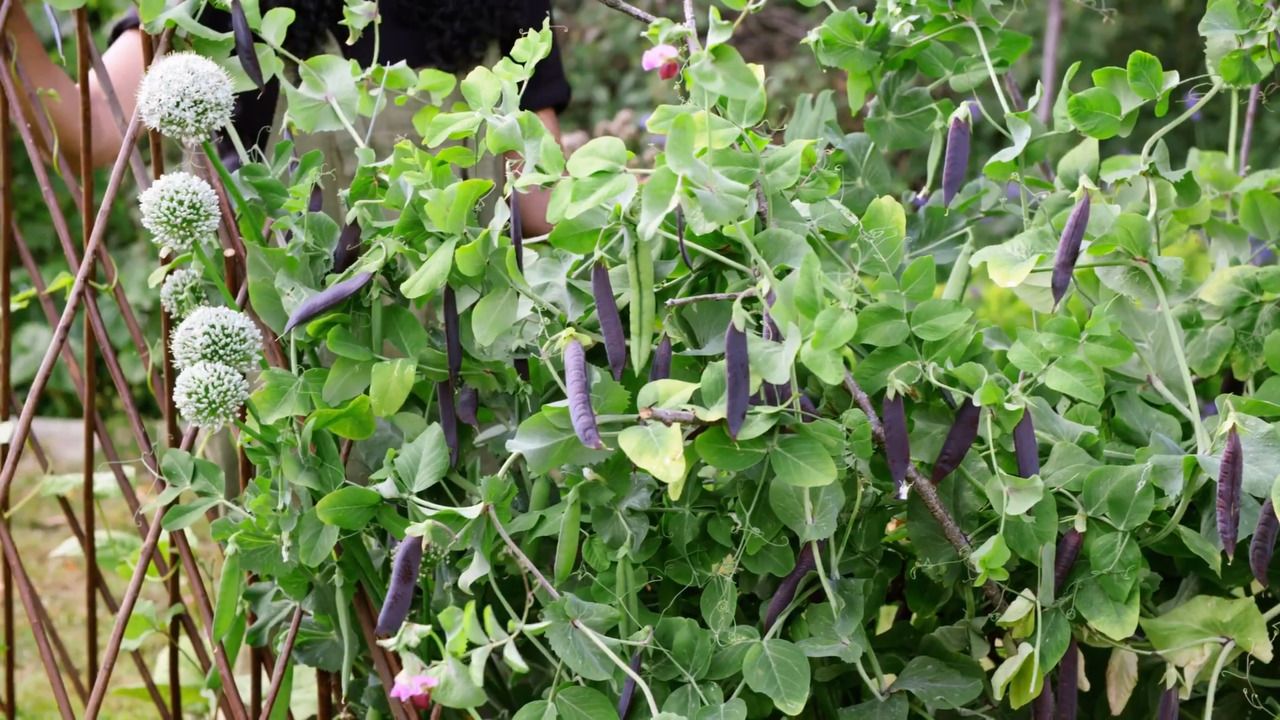
While you might be tempted to wait until you have enough peas to harvest for a full meal, when it comes to peas the more you pick, the more they will produce.
So even if you only had a few pods, start picking them when they are ready to ensure a bigger harvest over the coming weeks
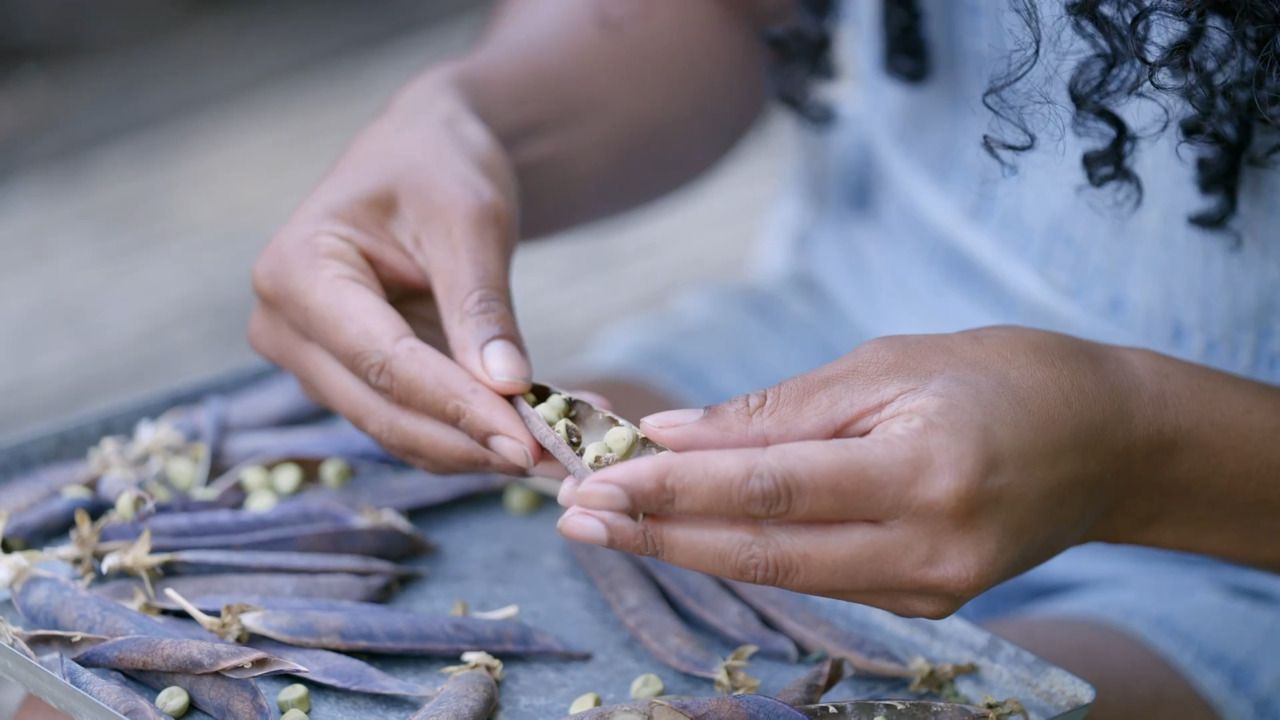
When your pea pods are ready to pick they will appear swollen and you'll be able to see the shape of the peas within. If you're not sure whether they're ready or not, just try picking one and taking a look inside.
If the peas are fully formed, then you can use this pod as a guide to the ones you need to pick next.
To harvest your peas, use a sharp pair of snips, scissors or secateurs just above its hat. If you harvest by hand you risk tearing your plant and creating a wound which could let in disease or damage your plant's overall health.
There are two main ways to harvest lettuce:
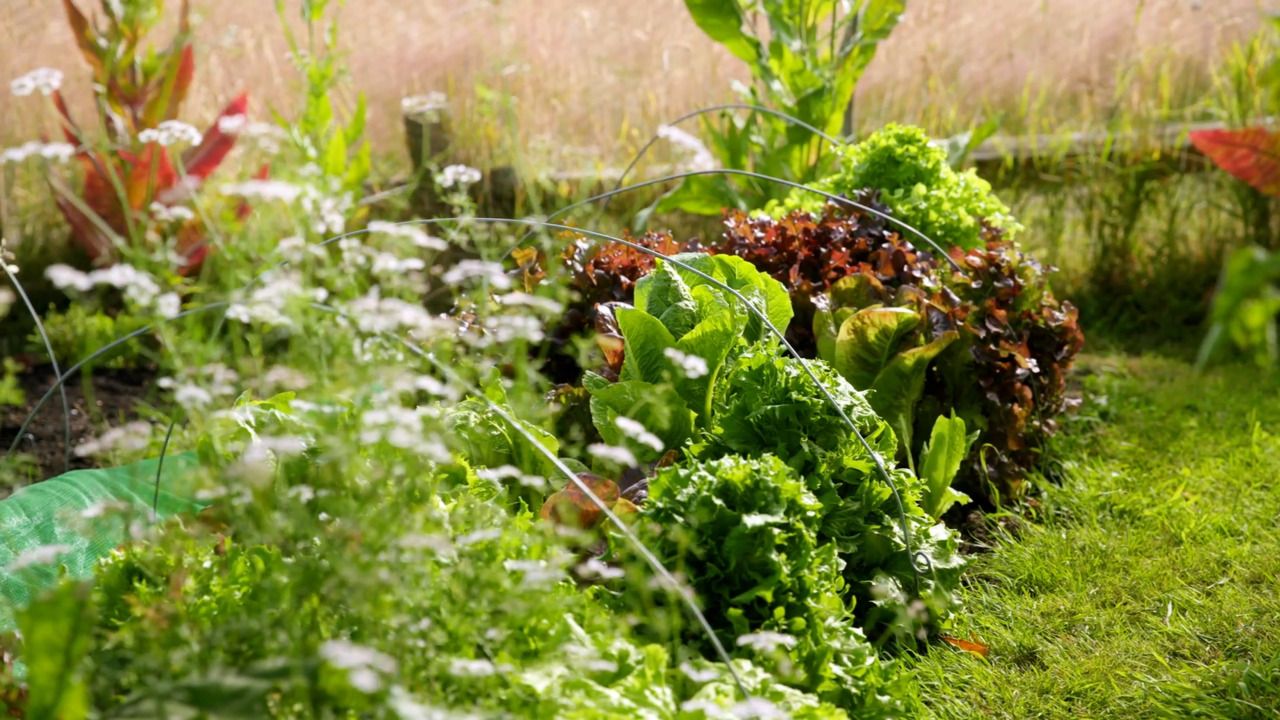
Cut and come again means you are continuously picking the leaves from the outside of the lettuce while leaving the inside where the growing shoot is. This method ensures you will have a continuous supply of salad leaves.
To harvest individual leaves, snap the leaves from the outside of the lettuce at the base with a quick and clean movement, trying not to damage the main stem of the plant. Using this method means that your lettuce could last a couple of months.
Harvesting the whole head at once means you will take the whole lettuce in one go. You will then have a lot of lettuce at once, but you will end its life cycle and will have to plant another one for more leaves.
To harvest a whole head of lettuce, find the base of the stem and cut through it with your harvest knife. You can then leave the base of the stem and the root system in the soil to decompose and feed the soil life below.
I've sown my beetroot successionally so that I can have a continuous supply instead of one large glut.
With beetroot, the entirety of the plant is edible, so nothing needs to go to waste. Treat the leaves the same way you would treat chard by either cooking them or eating them raw in salads.
When it comes to harvesting beetroot, you're looking for something between the size of a golf ball and a tennis ball. The smaller they are the more tender they will be, so it depends on your taste. Larger and older beetroot can become a bit woody, so don't leave them in the ground for too long after they've developed.
To harvest your beetroot, simply twist it out of the ground.
I harvest my two favourite varieties of kale - Cavolo Nero and Red Russian - using the cut and come again method.
To do this, snap the leaves at the base of the plant from the outside, leaving the growing heart in the middle to continue producing new leaves.
To harvest kohlrabi, cut through the stem with a pair of secateurs and leave the base of the plant and the root system in the ground to decompose.
Get the full workbook, video lessons, and more with a Create Academy subscription.
Subscribe to access the full workbookAlready a member? Sign in to watch
510 reviews
Read moreCreate Academy has been such a great resource. I'm in the middle of renovating a bungalow with a very large garden and the courses have offered a wealth of inform...
Harvey
Jun 10, 2026
Absolutely love Create Academy! The instructors are extremely informative, and it is beautifully filmed. Create Academy is great value for money and plan on renew...
SG
May 31, 2026
Butter's creativity is stunning! Her ability to incorporate brilliance in small gardens is magical!
Carla
May 30, 2026
The best adventure. I like all the courses, but my favorite are both Rita Konig interior design courses and Anna Jones. Excellent!
Karolina Kluczewska
May 20, 2026
Create Academy has been such a great resource. I'm in the middle of renovating a bungalow with a very large garden and the courses have offered a wealth of information to dive into and explore new ideas. I'm...
Harvey
Jun 10, 2026
Absolutely love Create Academy! The instructors are extremely informative, and it is beautifully filmed. Create Academy is great value for money and plan on renewing my subscription yearly because there are ...
SG
May 31, 2026
Butter's creativity is stunning! Her ability to incorporate brilliance in small gardens is magical!
Carla
May 30, 2026

Your Instructor
Organic food grower, writer and gardening columnist for The Guardian. Author of Unearthed.
Claire Ratinon is a food grower and writer, specialising in growing food organically. She is passionate about the act of growing plants - especially edible ones - and the potential for this to be nourishing, connecting and healing. Her journey into horticulture began on a rooftop farm in New York City and since then she has spanned a range of roles, from growing produce for Ottolenghi’s Rovi restaurant to delivering food growing workshops and talks. Claire writes a regular column in The Guardian's magazine and is a contributor to Radio 4’s Gardeners’ Question Time, Waitrose Food Magazine and Bloom magazine. Her book, ‘How To Grow Your Dinner Without Leaving The House’, celebrates the food growing possibilities of small spaces, from window boxes to balconies.

Access to all courses

.jpg)
