
Interior and exterior confidence
Create Academy has been such a great resource. I'm in the middle of renovating a bungalow with a very large garden and the courses have offered a wealth of inform...
Harvey
Jun 10, 2026
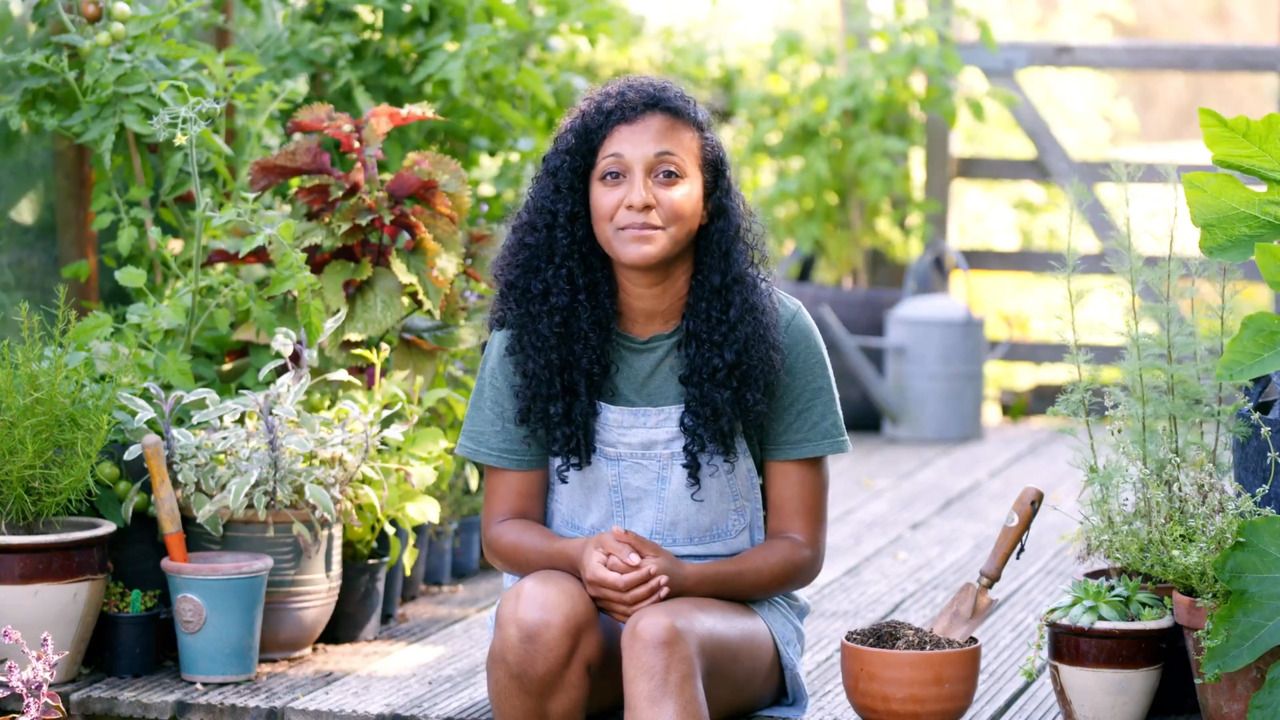
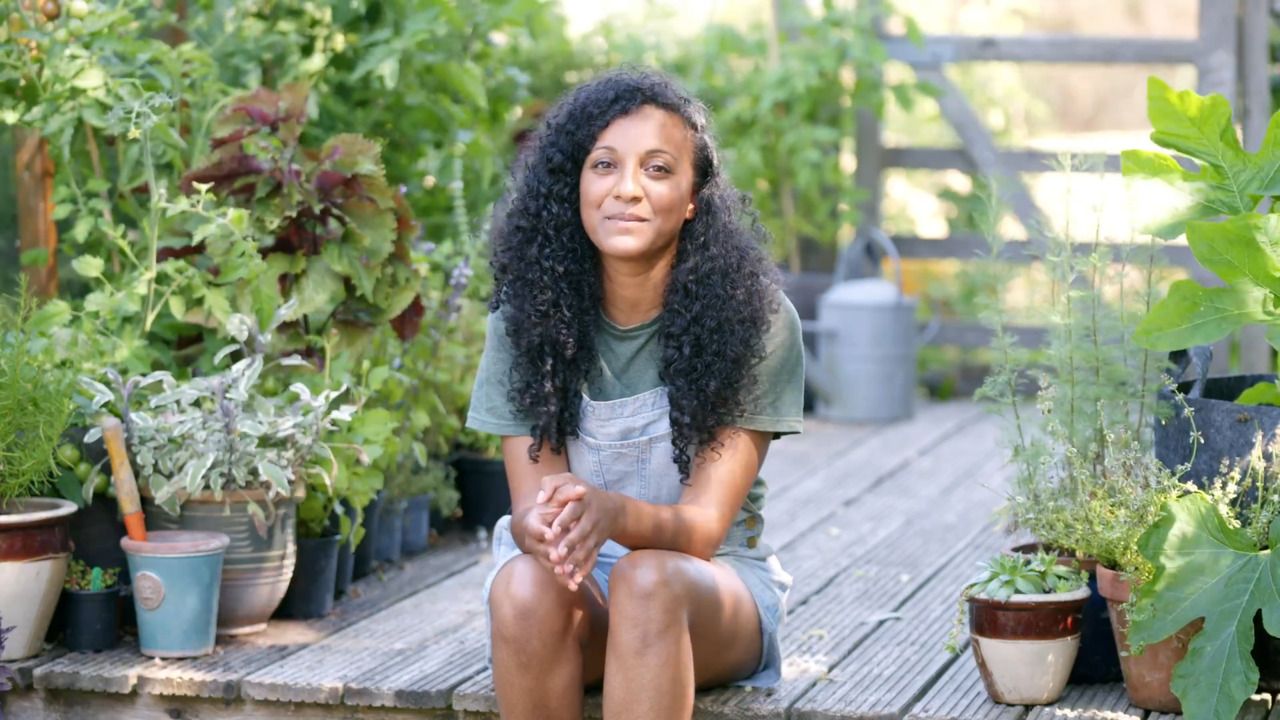
with CLAIRE RATINON — Organic food grower, writer and gardening columnist for The Guardian. Author of Unearthed.
Lesson 2 of 24
Subscribe to watch
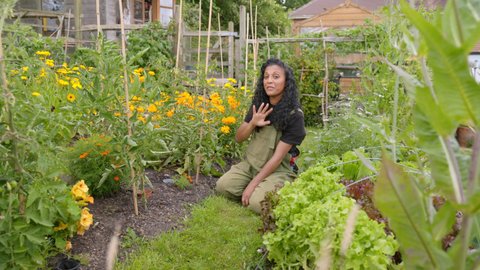
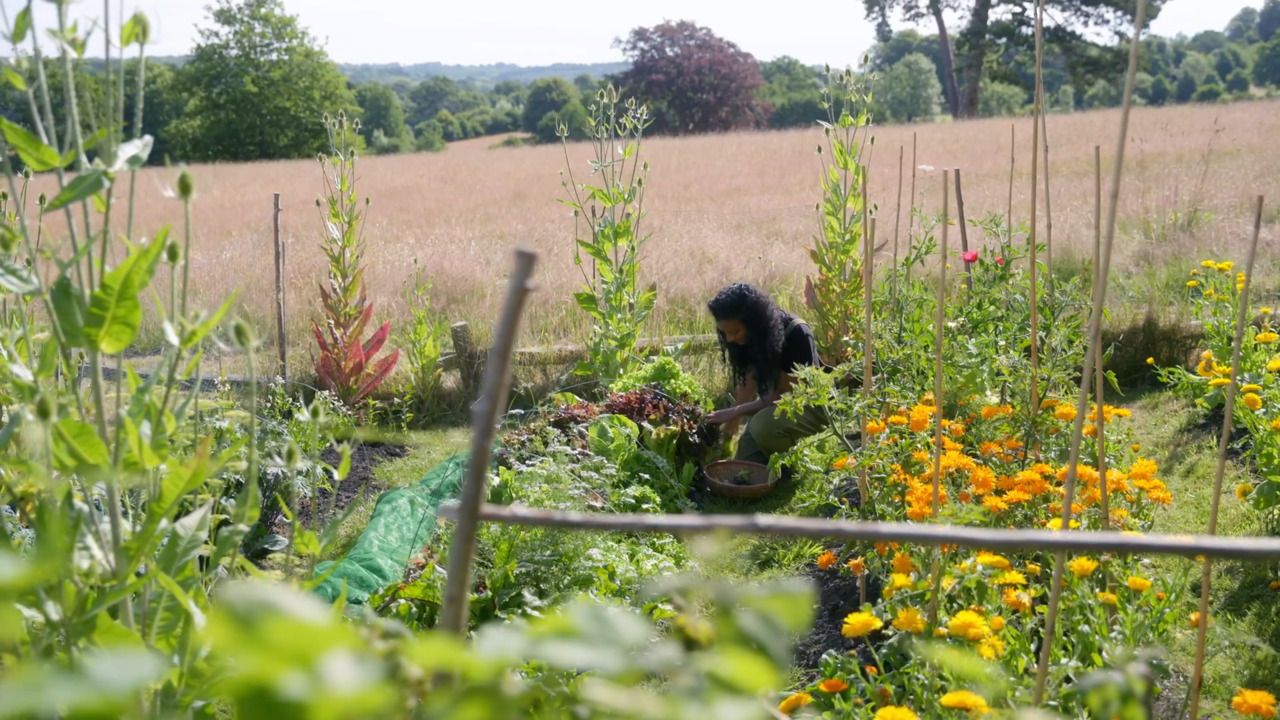
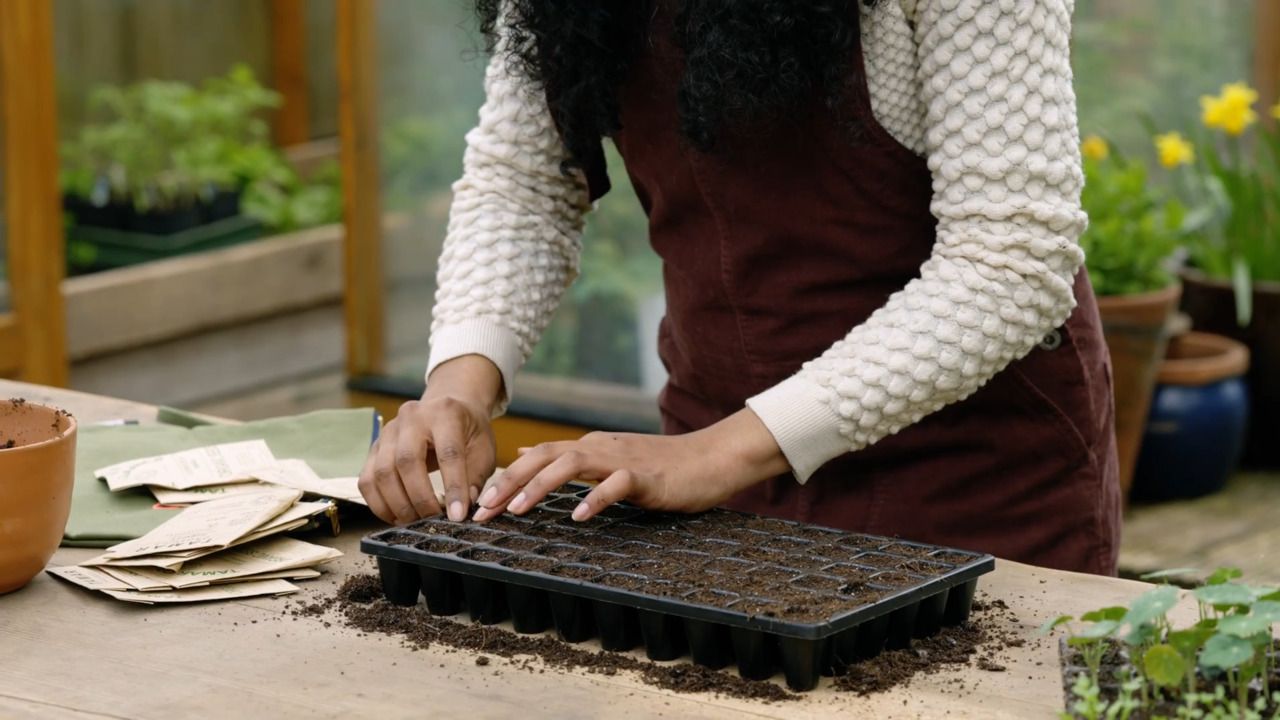
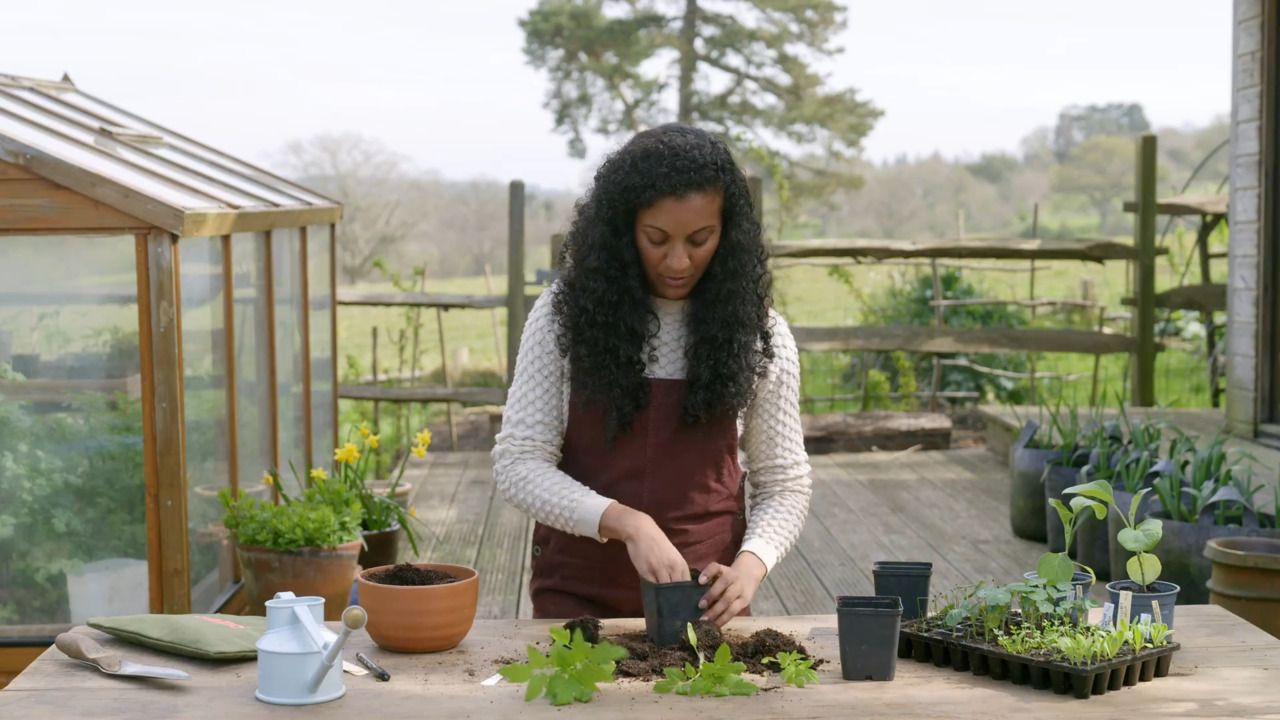
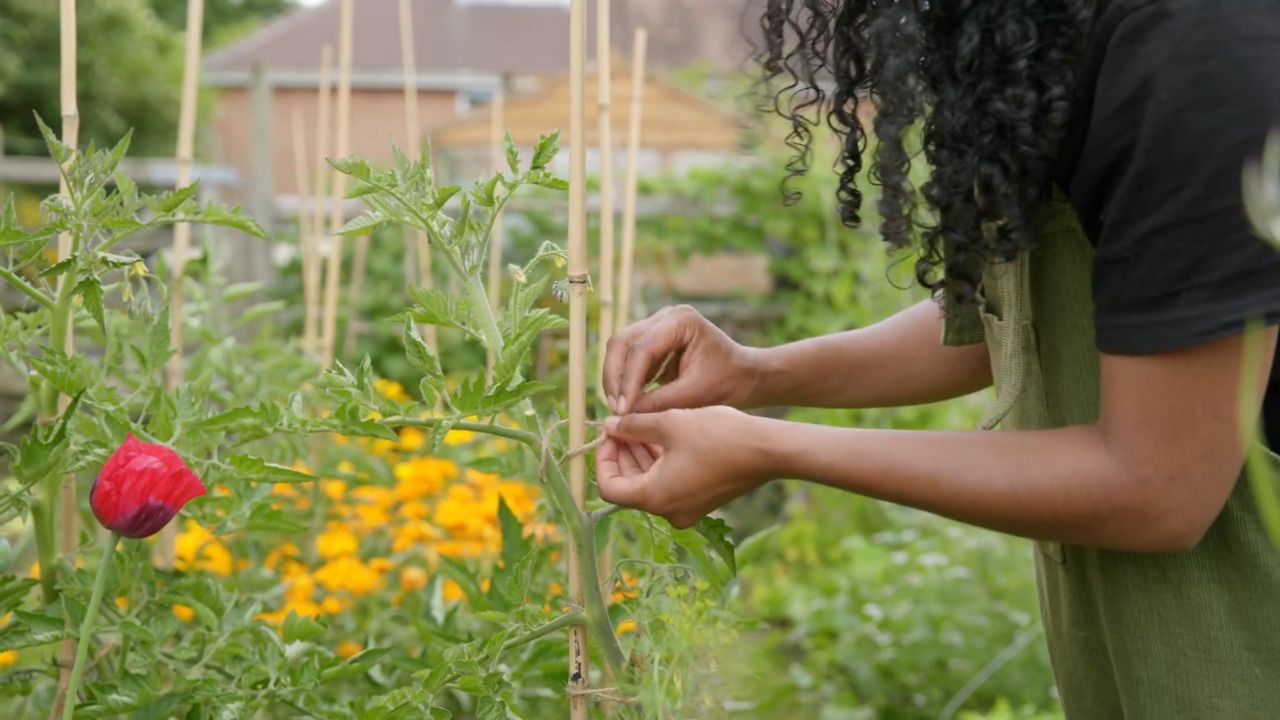
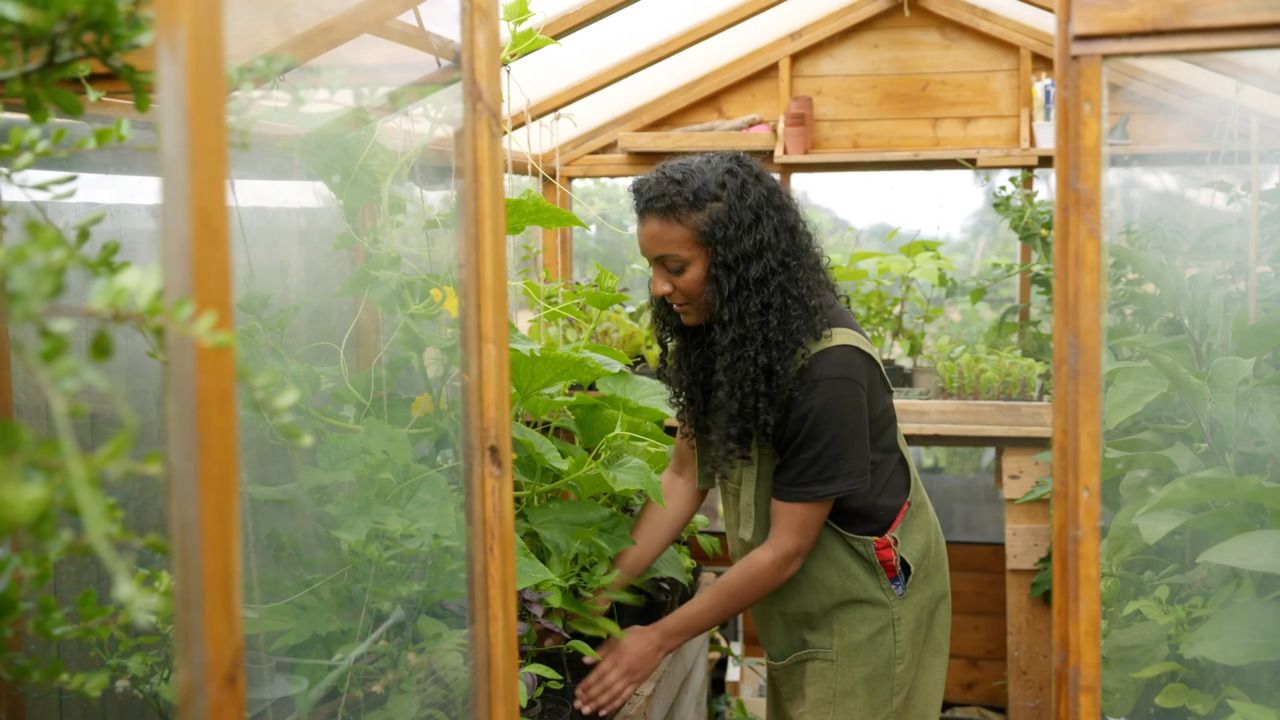
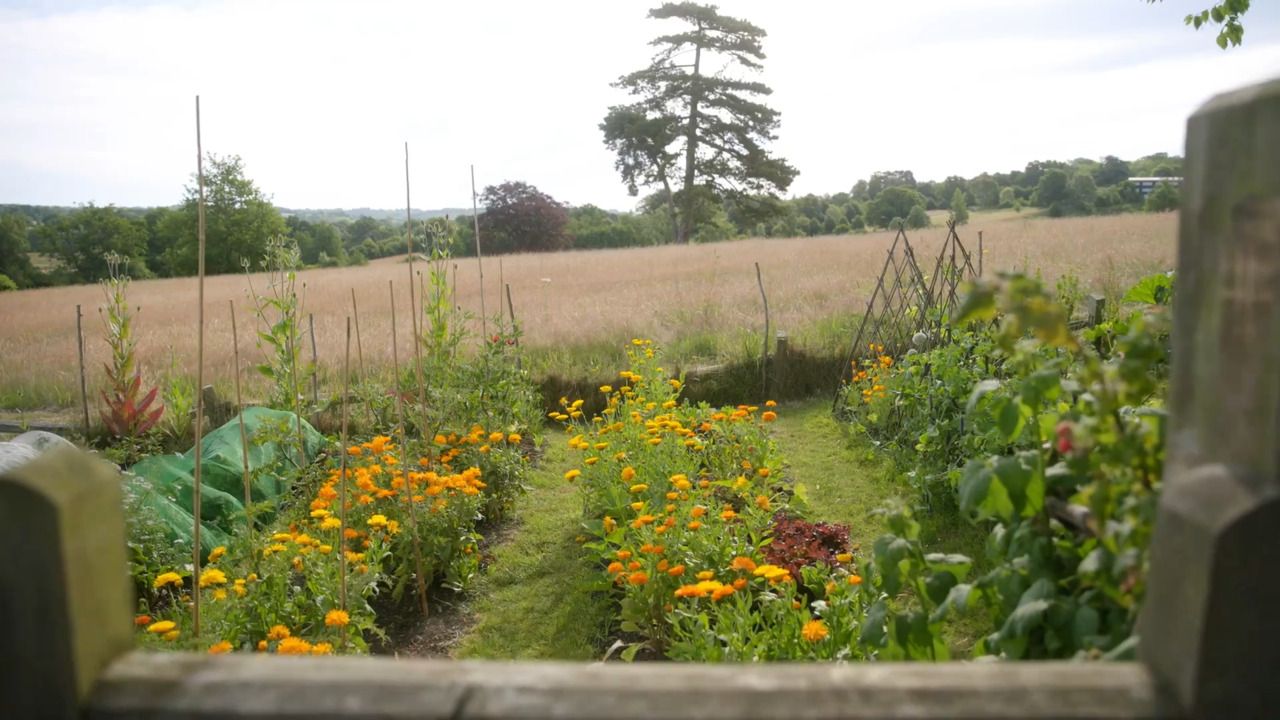
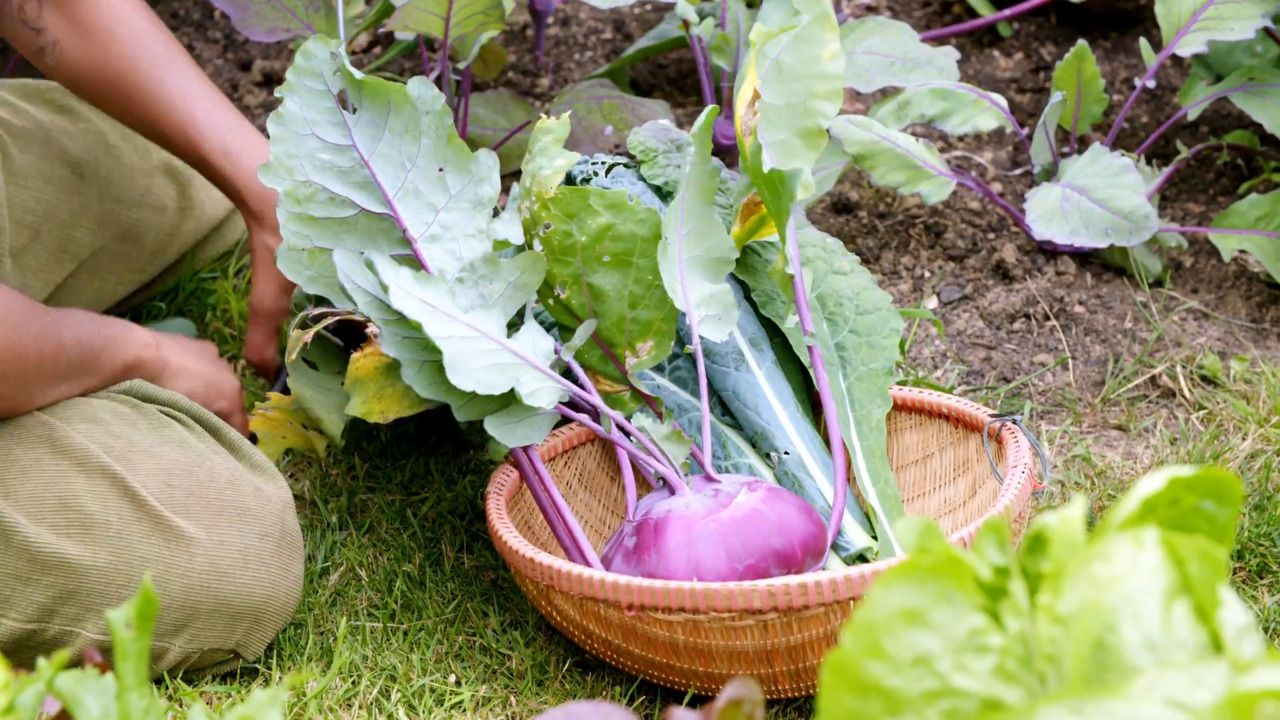
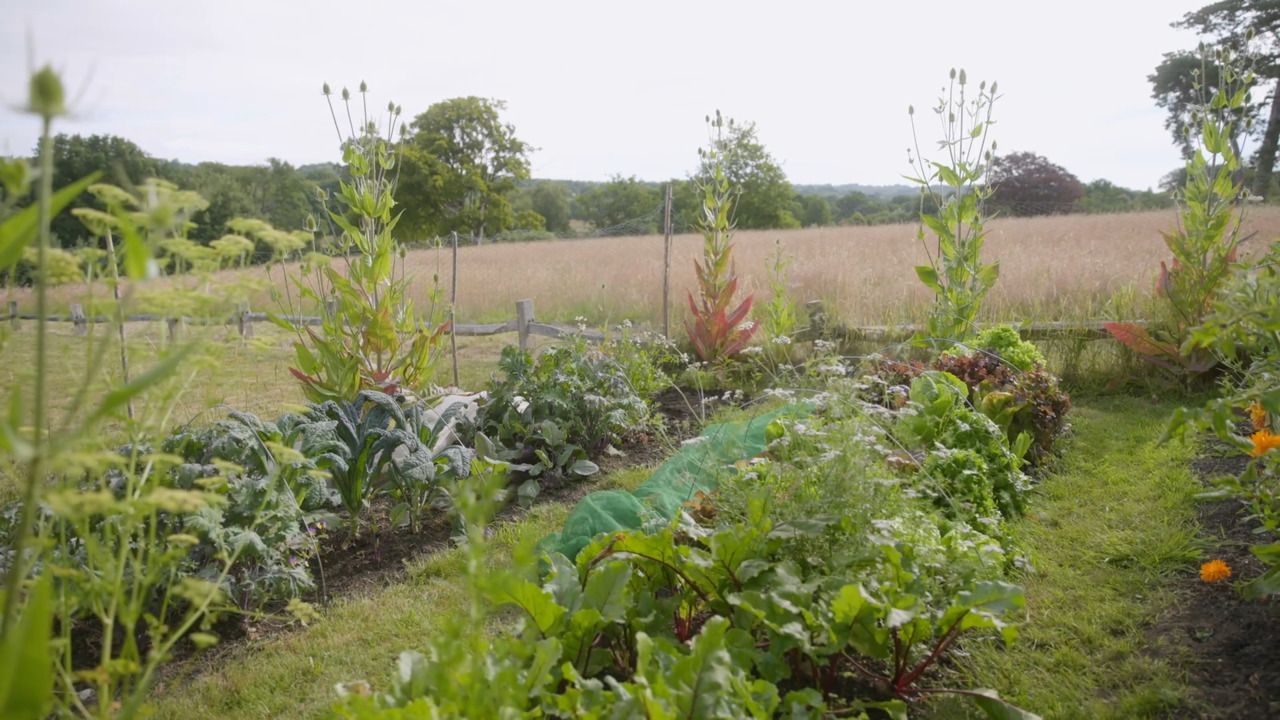
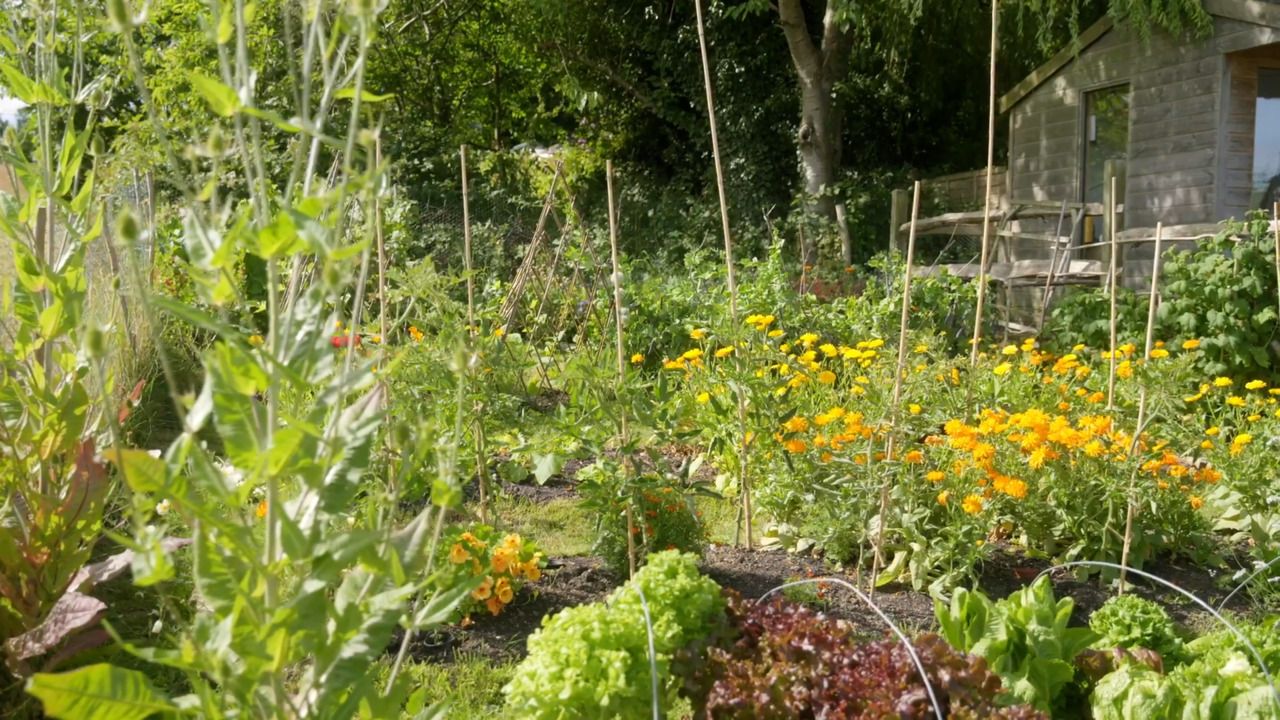
Claire explains why growing organically is so important for a healthy ecosystem and why the no-dig method with help to protect your soil.
Growing organically is the only way that makes sense to me. It has helped me to understand all the natural processes that go into growing food.
Instead of thinking only about productivity and how much you can get from the crops, it encourages you to think on a larger scale and understand how to build fertility in your soil.
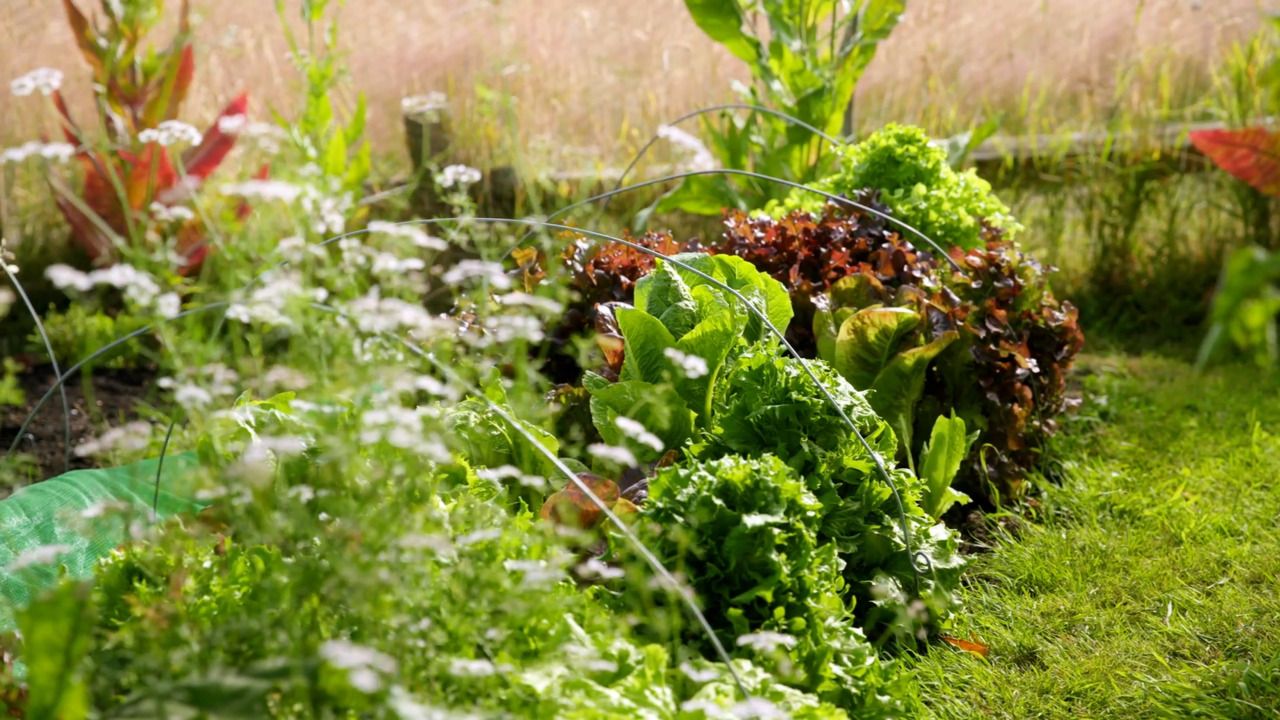
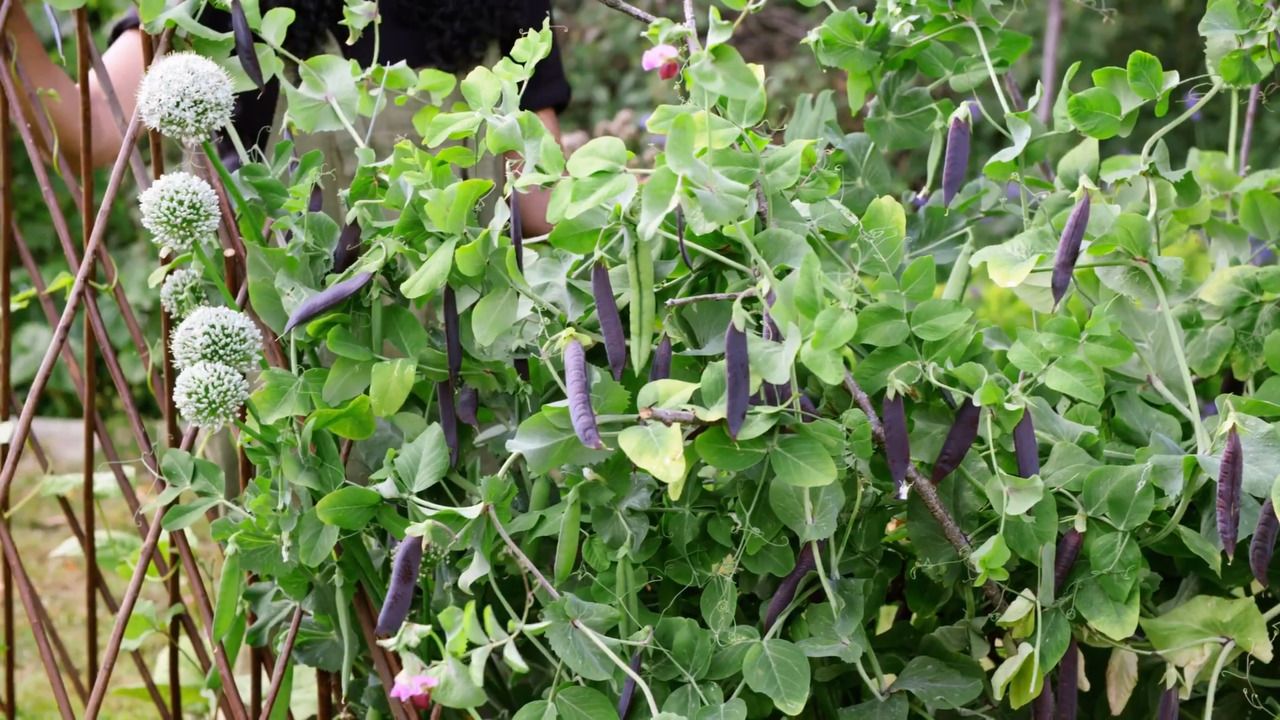
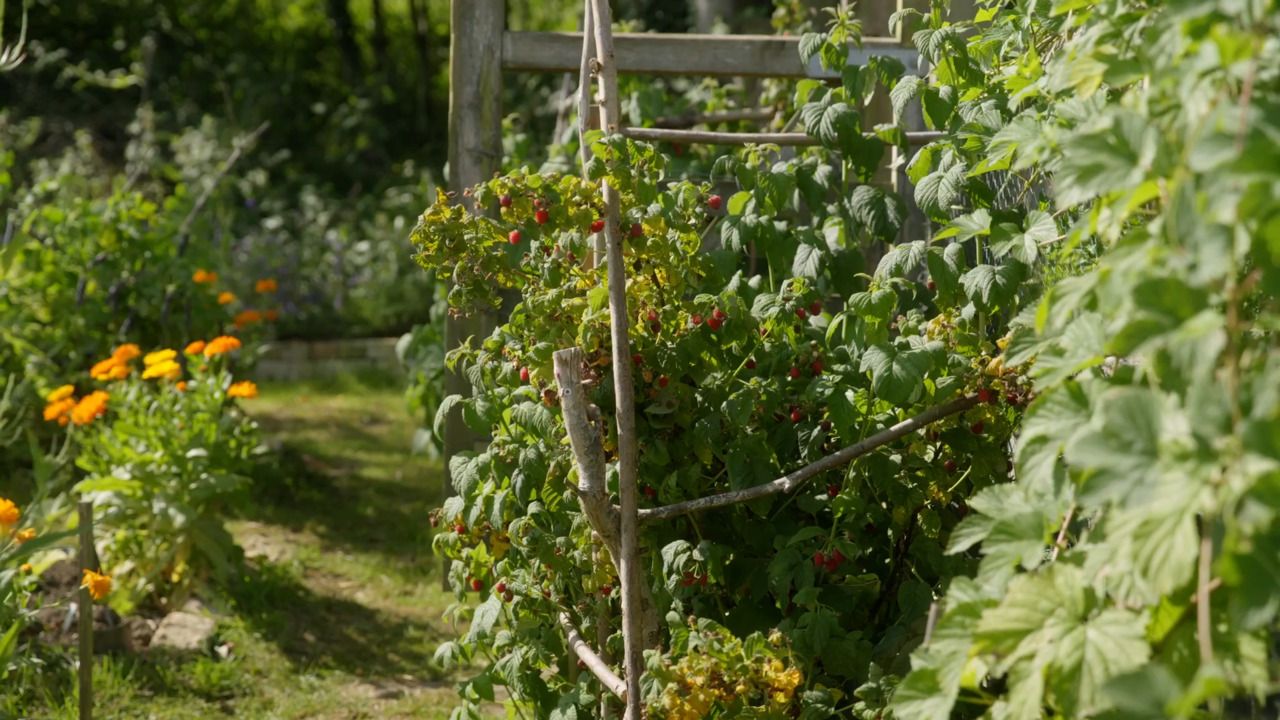
Organic growing is also about gardening in a way that supports pollinators, birds and other wildlife, including creatures that would traditionally be considered pests.
I like to think of this method of growing as working in partnership with the natural world, instead of trying to control it.
There's a popular phrase in the organic gardening movement, 'if you take care of the soil then the plants will grow themselves.' If we don't take care of our soil and continue to extract nutrients from it without giving anything back, then it will become depleted, and the food we grow it in will become less nutritious.
The key principle of taking care of soil is to feed it generously at least once a year by laying down a thick layer of mulch (decayed organic matter).
Traditionally, gardeners used to dig their soil every year, as they believed this made the soil more accessible to plants by creating a looser and more aerated structure.
We now know that digging the soil actually does more harm than good. When we dig the soil we damage its structure, we bring weed seeds to the surface, and we dry it out.
Digging the soil also damages soil life, including microbes and mycorrhizal webs that bind the soil together. Perhaps most damagingly, digging also releases carbon into the atmosphere, something we all need to be aware of in the current climate crisis.
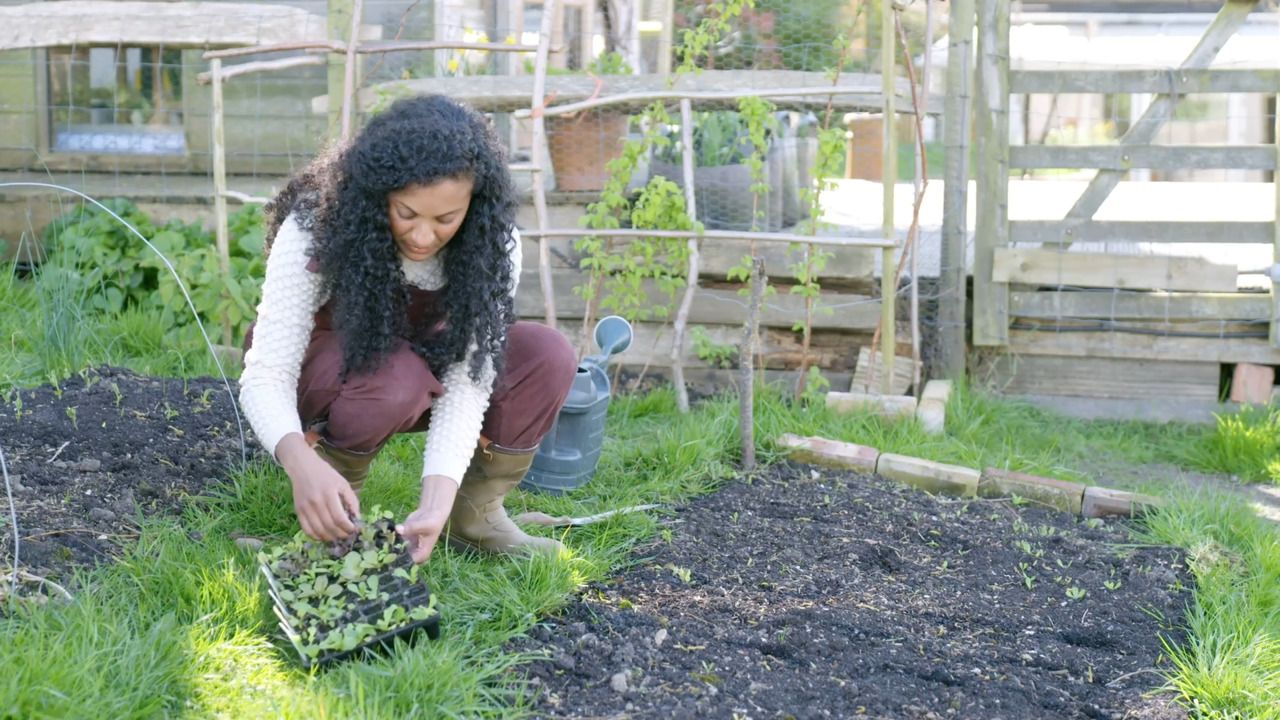
No-dig gardening is not only much easier on your back, it's much easier in general. All you need to do is apply a thick annual layer of organic mulch onto the soil. This mulch can be homemade compost or well-rotted manure, but by laying it on top instead of digging it in you are maintaining the integrity of your soil and helping to protect your soil life below. This soil life will then draw down the nutrients from the mulch and incorporate them into your soil.
This method imitates what happens in the natural world too. If you go and look at a forest floor, you will see that it is covered in layers of leaves, twigs and mosses and other plant matter. These natural materials then decay in situ, feeding the soil below.
By taking a no-dig approach, you're mimicking what happens naturally in ecosystems and building more fertility into your soil year after year.
Another key aspect of organic gardening is avoiding harmful chemicals. Organic gardeners do not use any artificial pesticides or herbicides on their land as these chemicals damage the fertility of the soil and can remain active in the earth for years. Artificial chemicals also damage the wider ecosystem, killing insects that birds and small mammals rely on for food.
While hand weeding can be a chore, especially when it comes to perennial weeds, usually it only has to be done a few times and it is much better for your soil health (and your health) if you resist reaching for the weedkiller.
Get the full workbook, video lessons, and more with a Create Academy subscription.
Subscribe to access the full workbookAlready a member? Sign in to watch
491 reviews
Read moreCreate Academy has been such a great resource. I'm in the middle of renovating a bungalow with a very large garden and the courses have offered a wealth of inform...
Harvey
Jun 10, 2026
Absolutely love Create Academy! The instructors are extremely informative, and it is beautifully filmed. Create Academy is great value for money and plan on renew...
SG
May 31, 2026
Butter's creativity is stunning! Her ability to incorporate brilliance in small gardens is magical!
Carla
May 30, 2026
The best adventure. I like all the courses, but my favorite are both Rita Konig interior design courses and Anna Jones. Excellent!
Karolina Kluczewska
May 20, 2026
Create Academy has been such a great resource. I'm in the middle of renovating a bungalow with a very large garden and the courses have offered a wealth of information to dive into and explore new ideas. I'm...
Harvey
Jun 10, 2026
Absolutely love Create Academy! The instructors are extremely informative, and it is beautifully filmed. Create Academy is great value for money and plan on renewing my subscription yearly because there are ...
SG
May 31, 2026
Butter's creativity is stunning! Her ability to incorporate brilliance in small gardens is magical!
Carla
May 30, 2026

Your Instructor
Organic food grower, writer and gardening columnist for The Guardian. Author of Unearthed.
Claire Ratinon is a food grower and writer, specialising in growing food organically. She is passionate about the act of growing plants - especially edible ones - and the potential for this to be nourishing, connecting and healing. Her journey into horticulture began on a rooftop farm in New York City and since then she has spanned a range of roles, from growing produce for Ottolenghi’s Rovi restaurant to delivering food growing workshops and talks. Claire writes a regular column in The Guardian's magazine and is a contributor to Radio 4’s Gardeners’ Question Time, Waitrose Food Magazine and Bloom magazine. Her book, ‘How To Grow Your Dinner Without Leaving The House’, celebrates the food growing possibilities of small spaces, from window boxes to balconies.
Access to all courses


