
Interior and exterior confidence
Create Academy has been such a great resource. I'm in the middle of renovating a bungalow with a very large garden and the courses have offered a wealth of inform...
Harvey
Jun 10, 2026
with CLAIRE RATINON — Organic food grower, writer and gardening columnist for The Guardian. Author of Unearthed.
Lesson 22 of 24
Subscribe to watch
Humans have been saving seeds for thousands of years. In this lesson, you'll learn why seed saving helps to protect heirloom varieties and how to practise it in your own garden.
If you want to grow vegetables year after year, learning how to save your seed will be incredibly rewarding. In this lesson, I'll show you how to dry, harvest and store them.
Seed saving has been happening for thousands of years but since the growth of seed companies, it has been in decline. This gives seed companies the power to choose what we grow and eat, which has led to homogenisation in what we eat.
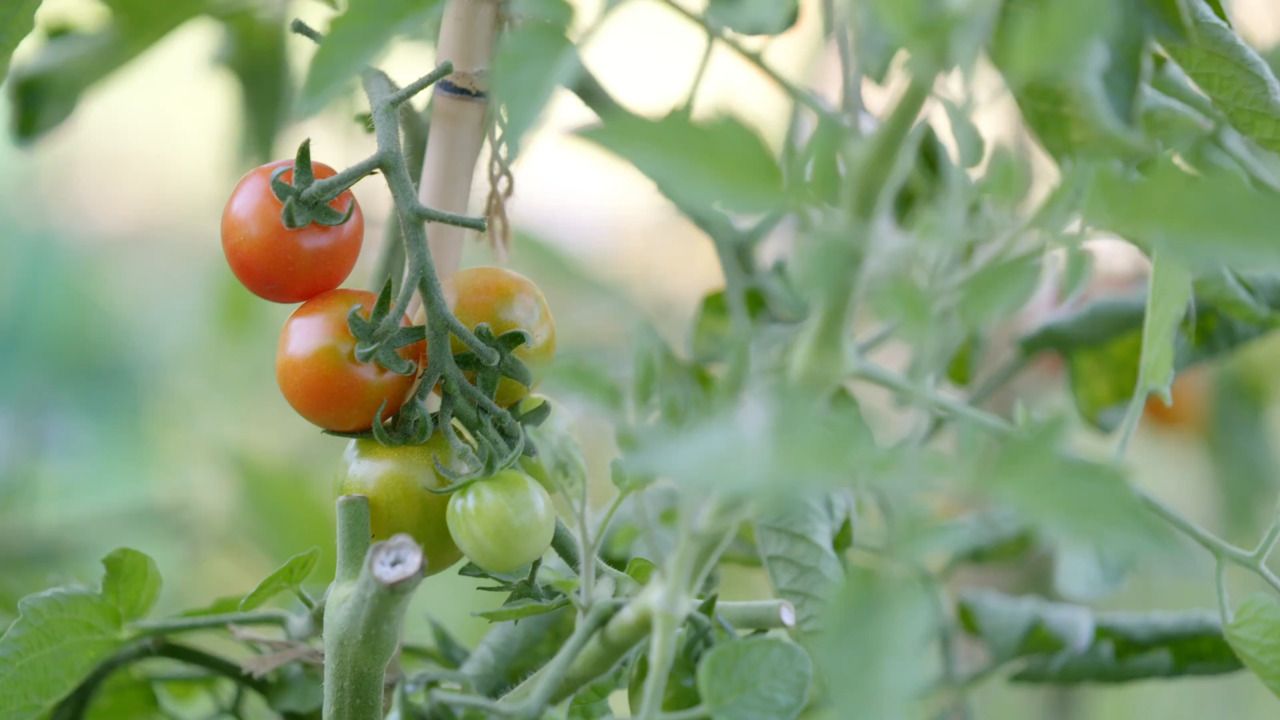
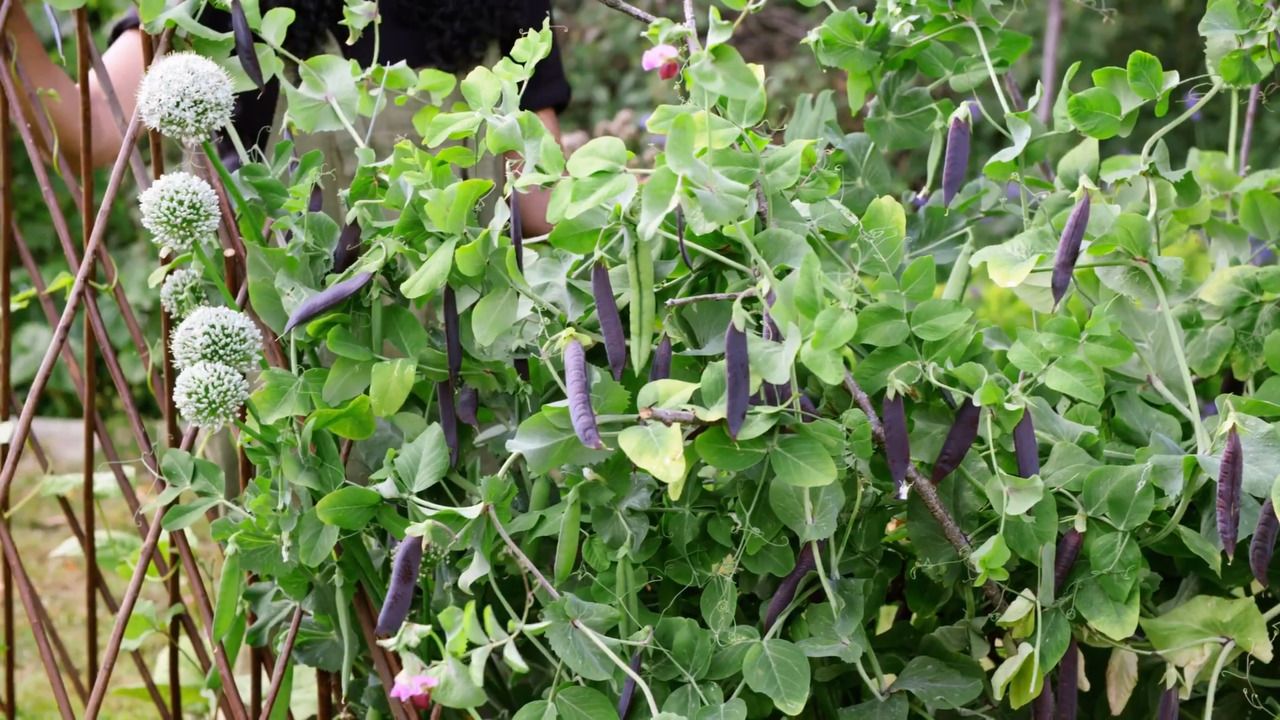
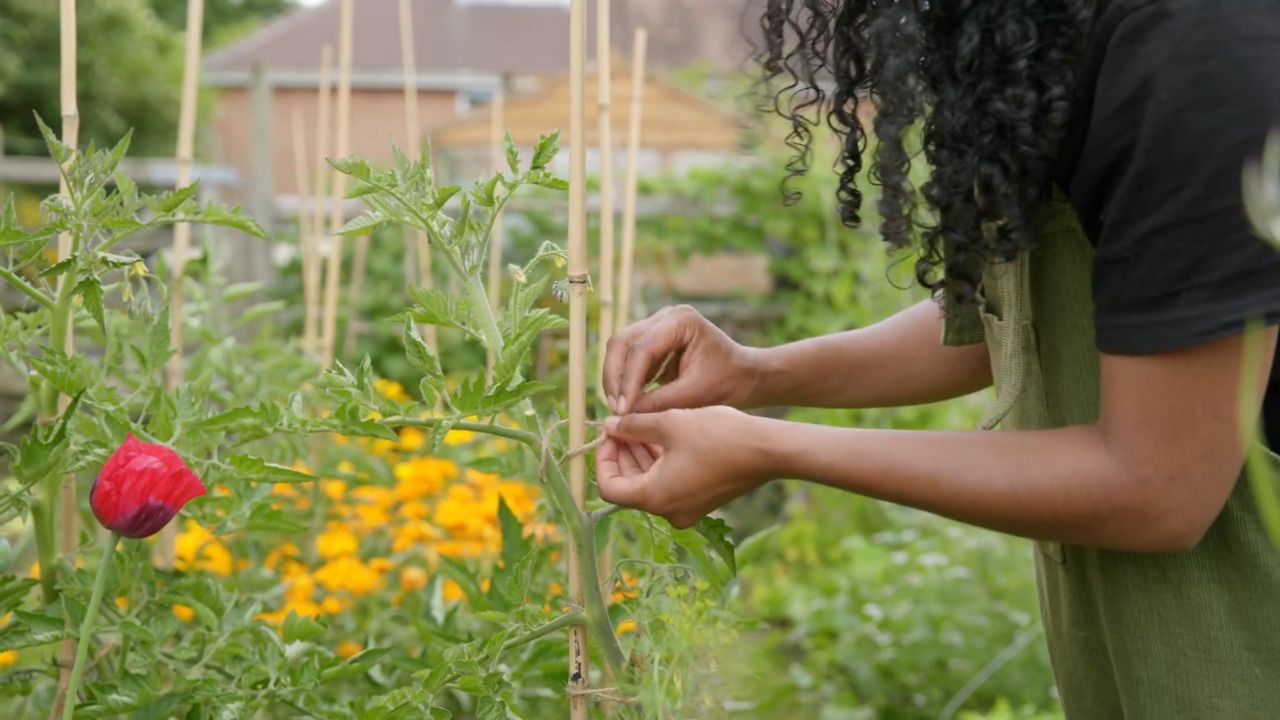
While it is technically possible to save seed from all the crops that you grow, some crops are easier to save seed from than others. The easiest types of plants to save seeds from are the ones that have fruit and perfect flowers (flowers which can self-pollinate), such as tomatoes and peas.
It is much harder to get good seeds from members of the cucurbit family as these plants can cross-pollinate. This means that if you grow cucumbers and courgettes together, you may end up with a seed that is the offspring of both these plants, and therefore won't produce the same fruit as the mother plant.
If we are trying to preserve a heritage variety, we need it to produce a seed that is the same as the mother plant so that we can continue to grow this same variety.
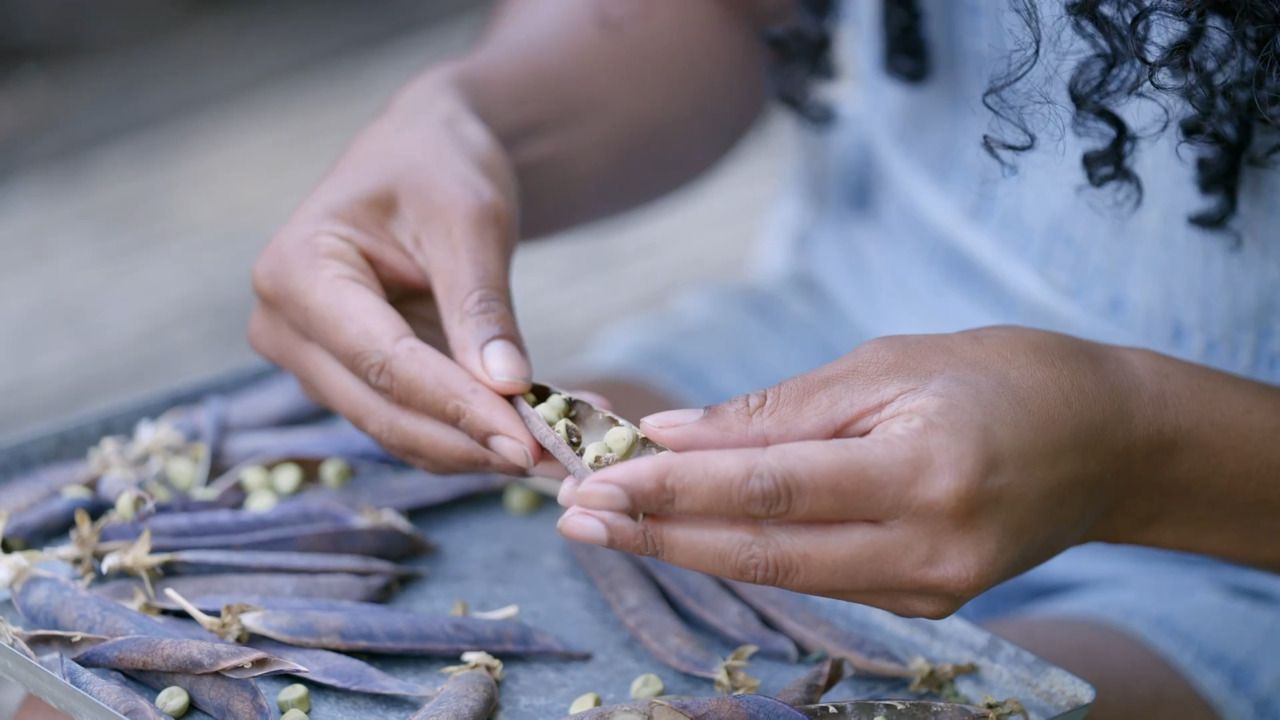
Pea seeds are one of the easiest seeds to save. All you have to do is leave some of your pea pods to dry fully on the plant before picking and saving the seed inside. Your pods will have a papery texture when they are fully dry.
Check each of the seeds to ensure there's no pest damage and get rid of any that are compromised.
Next, label an envelope with the variety of the seeds you have saved, the date and where they were grown. Store them in a cool dry space until the following spring.
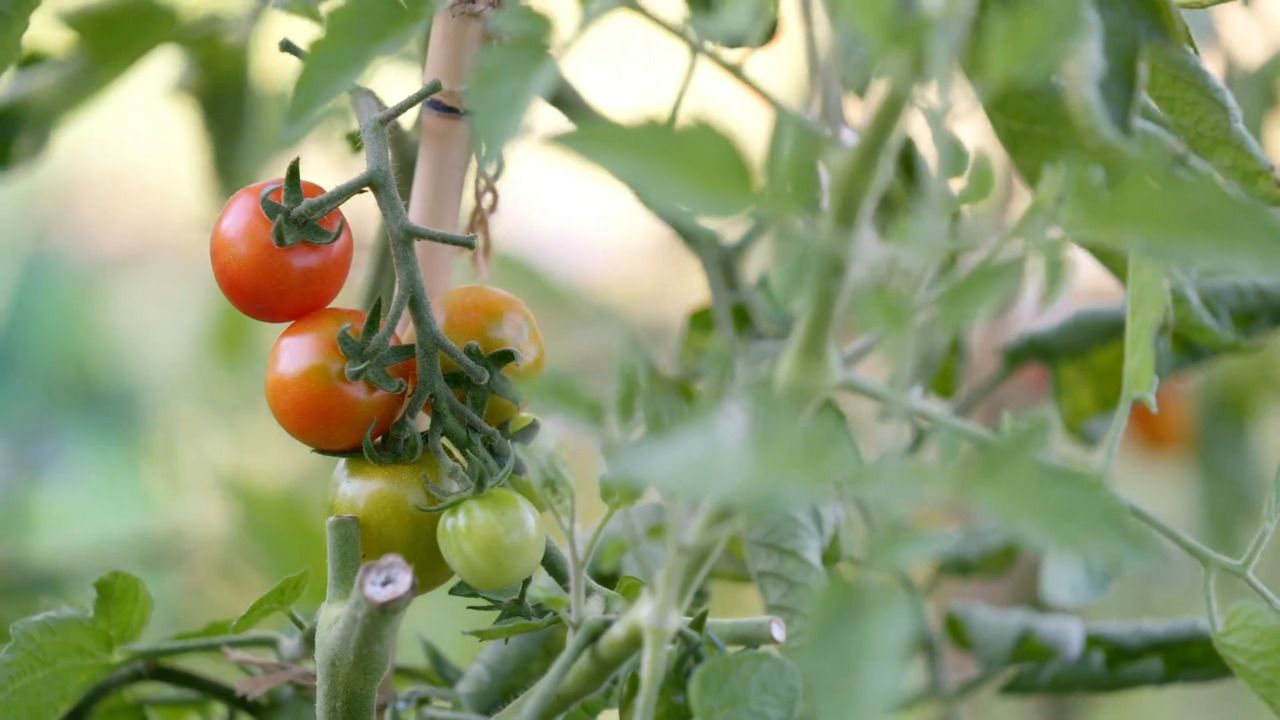
Tomatoes are very unlikely to cross-pollinate as they produce perfect flowers, so you should get the same fruit when you grow the seed.
Get the full workbook, video lessons, and more with a Create Academy subscription.
Subscribe to access the full workbookAlready a member? Sign in to watch
491 reviews
Read moreCreate Academy has been such a great resource. I'm in the middle of renovating a bungalow with a very large garden and the courses have offered a wealth of inform...
Harvey
Jun 10, 2026
Absolutely love Create Academy! The instructors are extremely informative, and it is beautifully filmed. Create Academy is great value for money and plan on renew...
SG
May 31, 2026
Butter's creativity is stunning! Her ability to incorporate brilliance in small gardens is magical!
Carla
May 30, 2026
The best adventure. I like all the courses, but my favorite are both Rita Konig interior design courses and Anna Jones. Excellent!
Karolina Kluczewska
May 20, 2026
Create Academy has been such a great resource. I'm in the middle of renovating a bungalow with a very large garden and the courses have offered a wealth of information to dive into and explore new ideas. I'm...
Harvey
Jun 10, 2026
Absolutely love Create Academy! The instructors are extremely informative, and it is beautifully filmed. Create Academy is great value for money and plan on renewing my subscription yearly because there are ...
SG
May 31, 2026
Butter's creativity is stunning! Her ability to incorporate brilliance in small gardens is magical!
Carla
May 30, 2026

Your Instructor
Organic food grower, writer and gardening columnist for The Guardian. Author of Unearthed.
Claire Ratinon is a food grower and writer, specialising in growing food organically. She is passionate about the act of growing plants - especially edible ones - and the potential for this to be nourishing, connecting and healing. Her journey into horticulture began on a rooftop farm in New York City and since then she has spanned a range of roles, from growing produce for Ottolenghi’s Rovi restaurant to delivering food growing workshops and talks. Claire writes a regular column in The Guardian's magazine and is a contributor to Radio 4’s Gardeners’ Question Time, Waitrose Food Magazine and Bloom magazine. Her book, ‘How To Grow Your Dinner Without Leaving The House’, celebrates the food growing possibilities of small spaces, from window boxes to balconies.
Access to all courses


