


Interior and exterior confidence
Create Academy has been such a great resource. I'm in the middle of renovating a bungalow with a very large garden and the courses have offered a wealth of inform...
Harvey
Jun 10, 2026
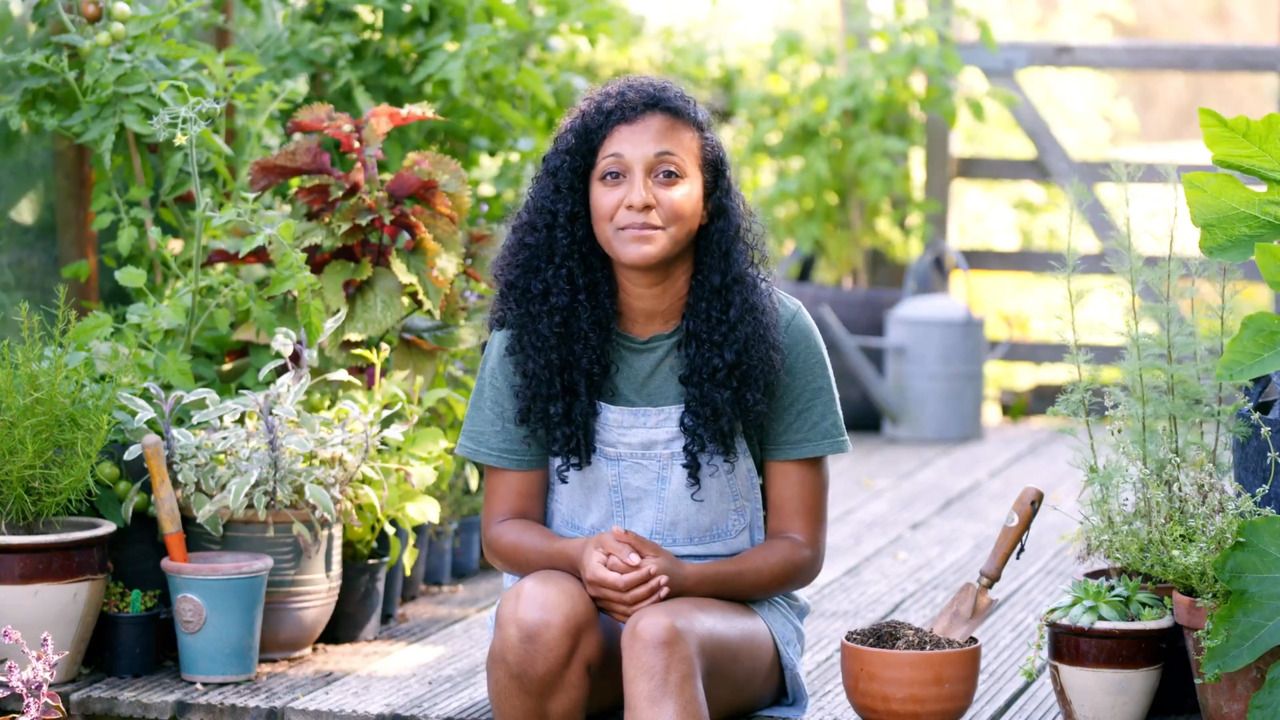
with CLAIRE RATINON — Organic food grower, writer and gardening columnist for The Guardian. Author of Unearthed.
Lesson 8 of 24
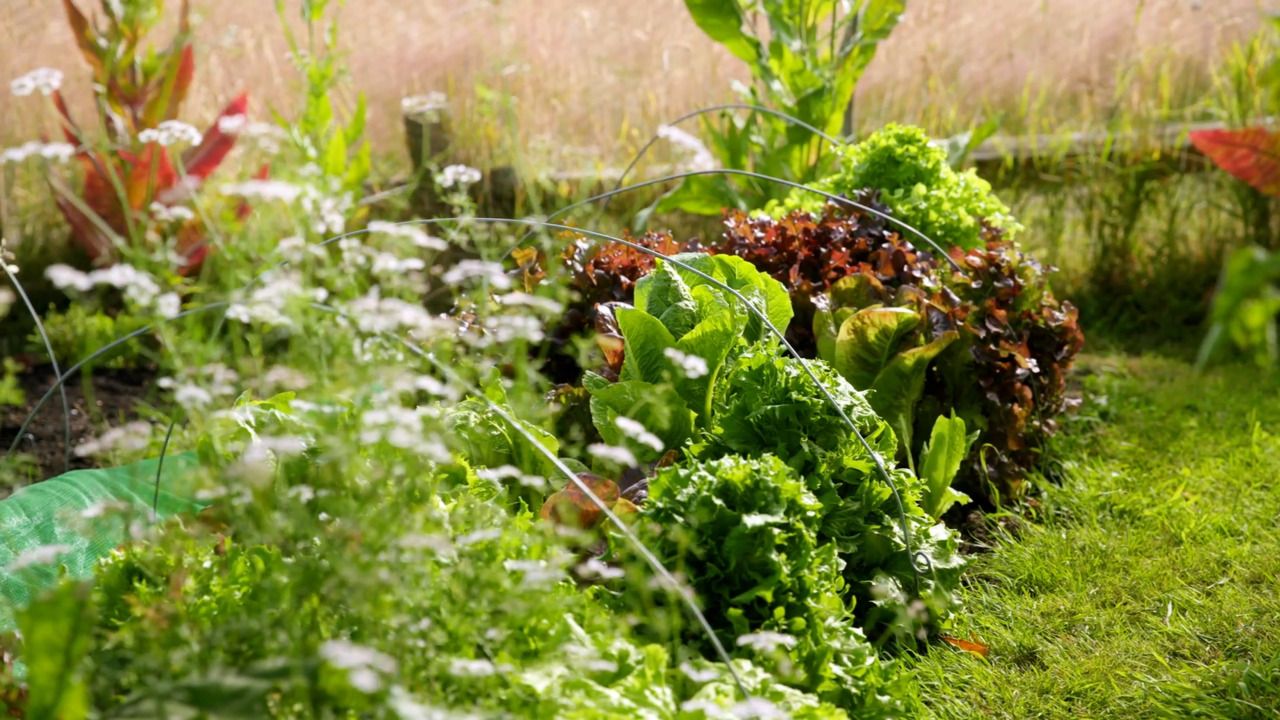
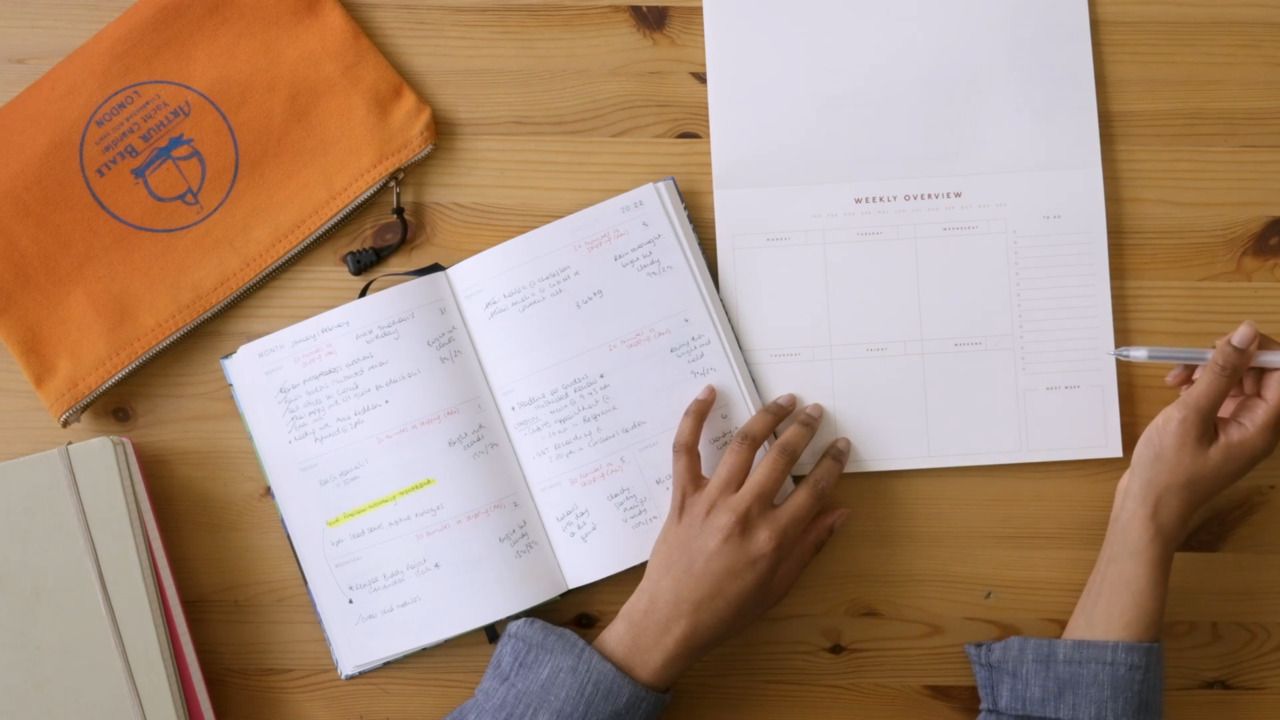
Choosing what to grow in your patch is key to your growing success. In this lesson, Claire will help you to understand what you have time for and how to ensure a continuous crop.
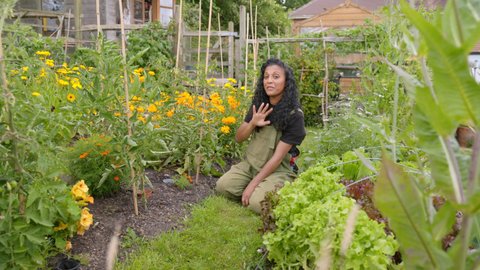
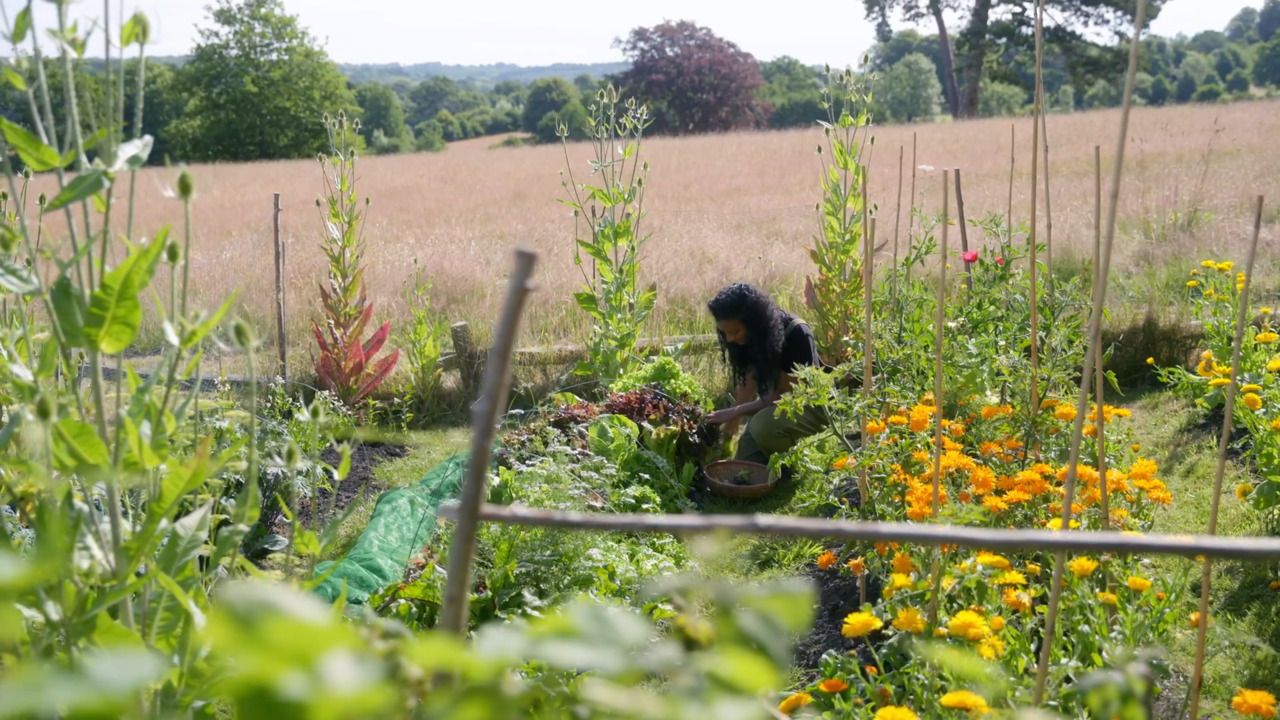
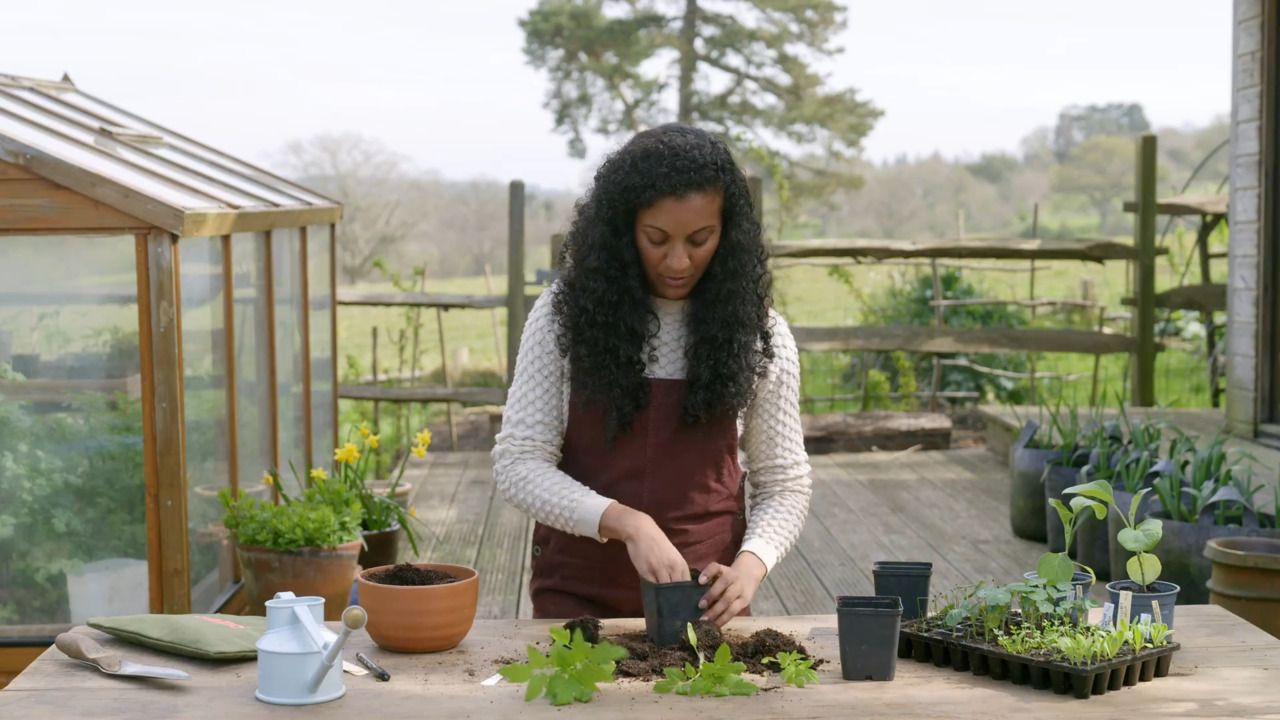
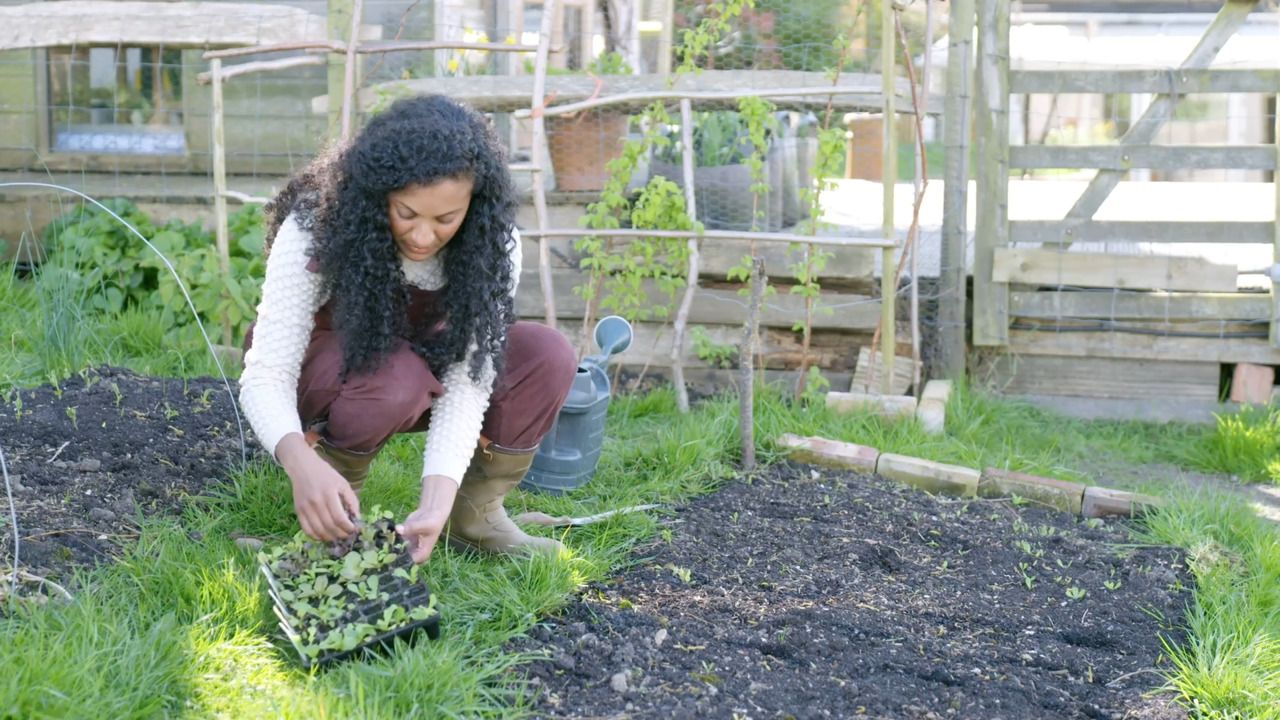
Choosing which crops to grow is one of the most exciting parts of the growing year. In this lesson, I'll explain how to choose what to grow and how to organise your planting plan.
If you're going to use crop rotation in your vegetable garden, the best way to organise your planting is to divide your crops into their main families.
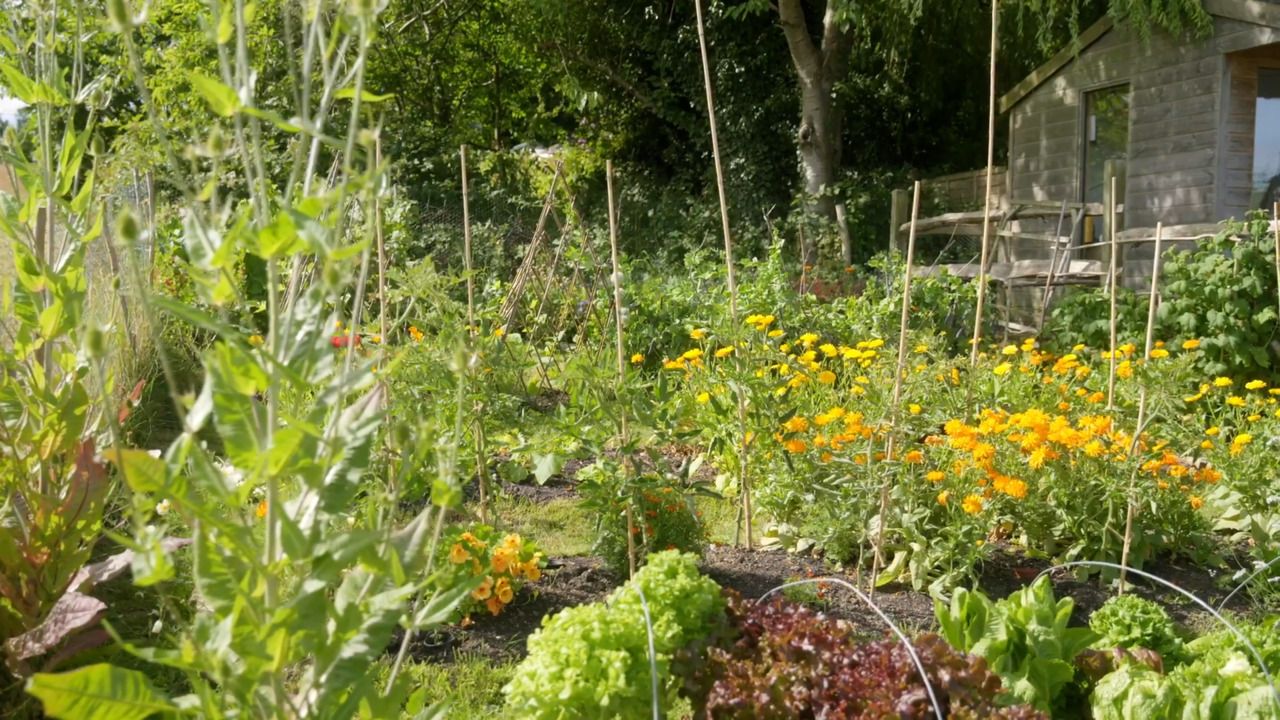
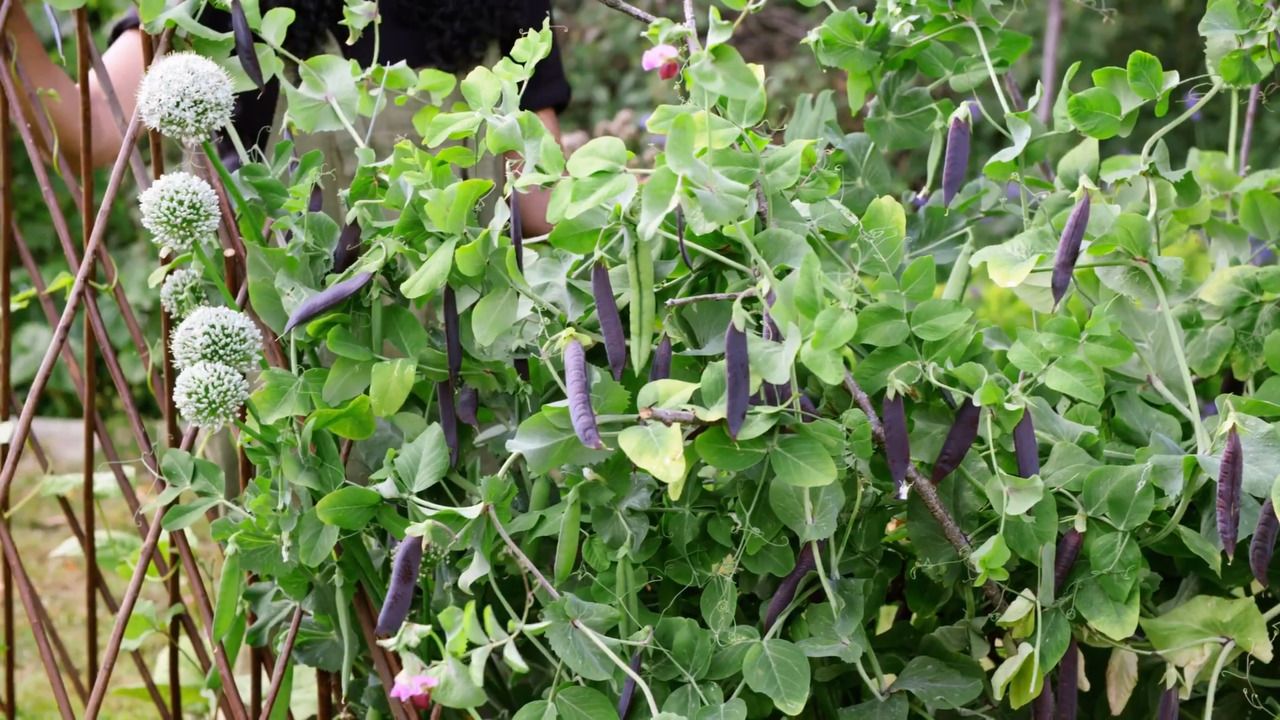
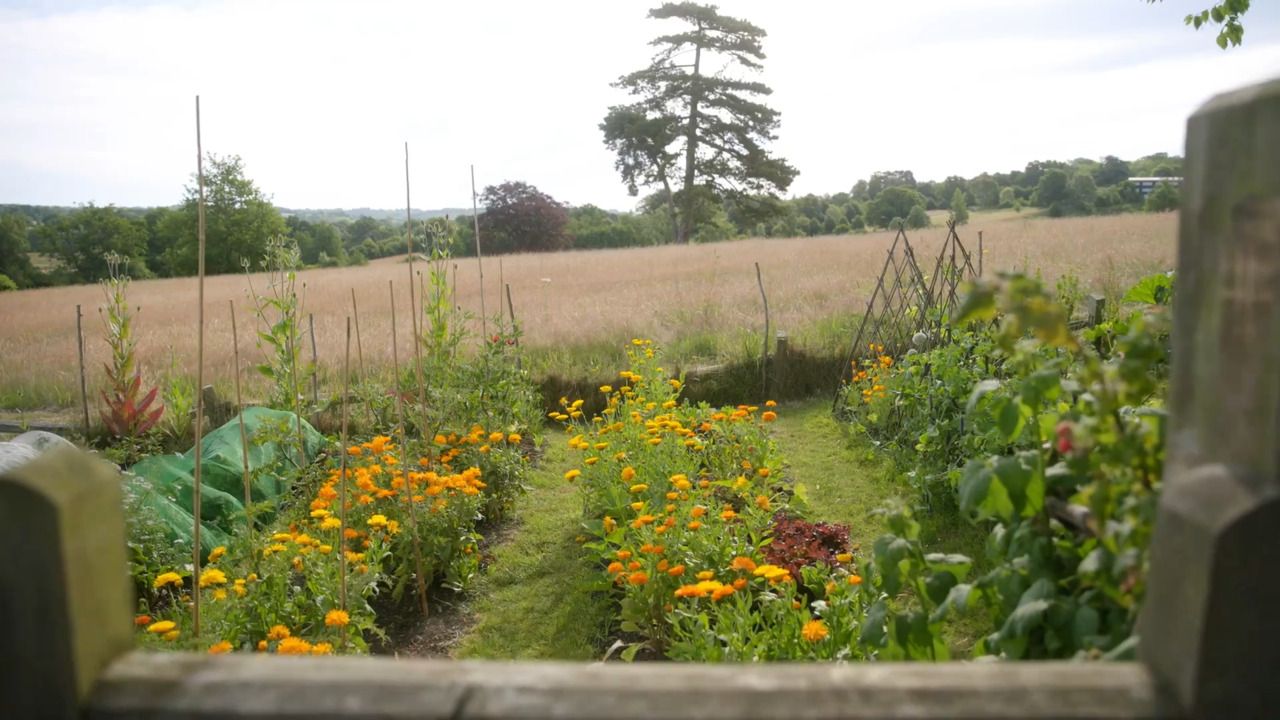
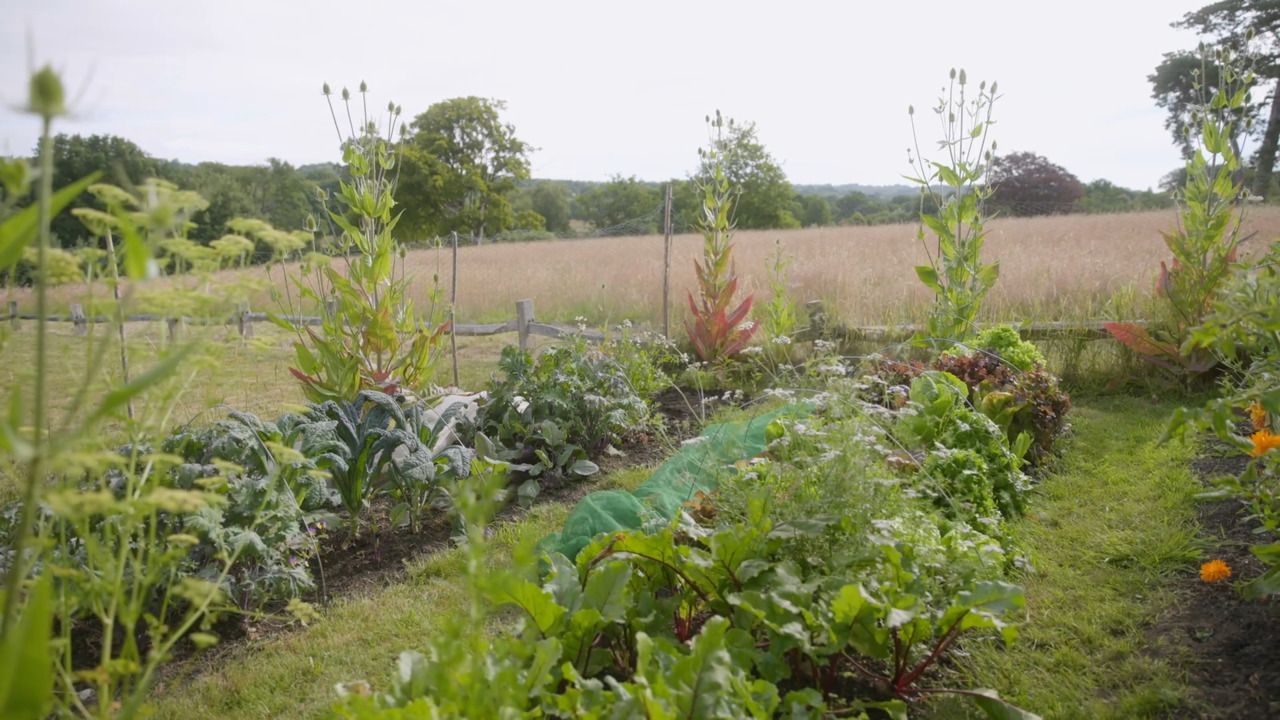
If you just want to grow one type of vegetable that you love, there's no reason why not, but gardens thrive with diversity and having lots of different plants and flowers is great for pollinating insects too.
Growing a wide variety of vegetables also means you'll be able to grow food that will take you through the whole year and provide you with a broad range of flavours, textures and nutrients.
Successional sowing is a way of preventing all your plants from reaching the point of harvest at the same time. This means you won't have more produce than you can eat in one go.
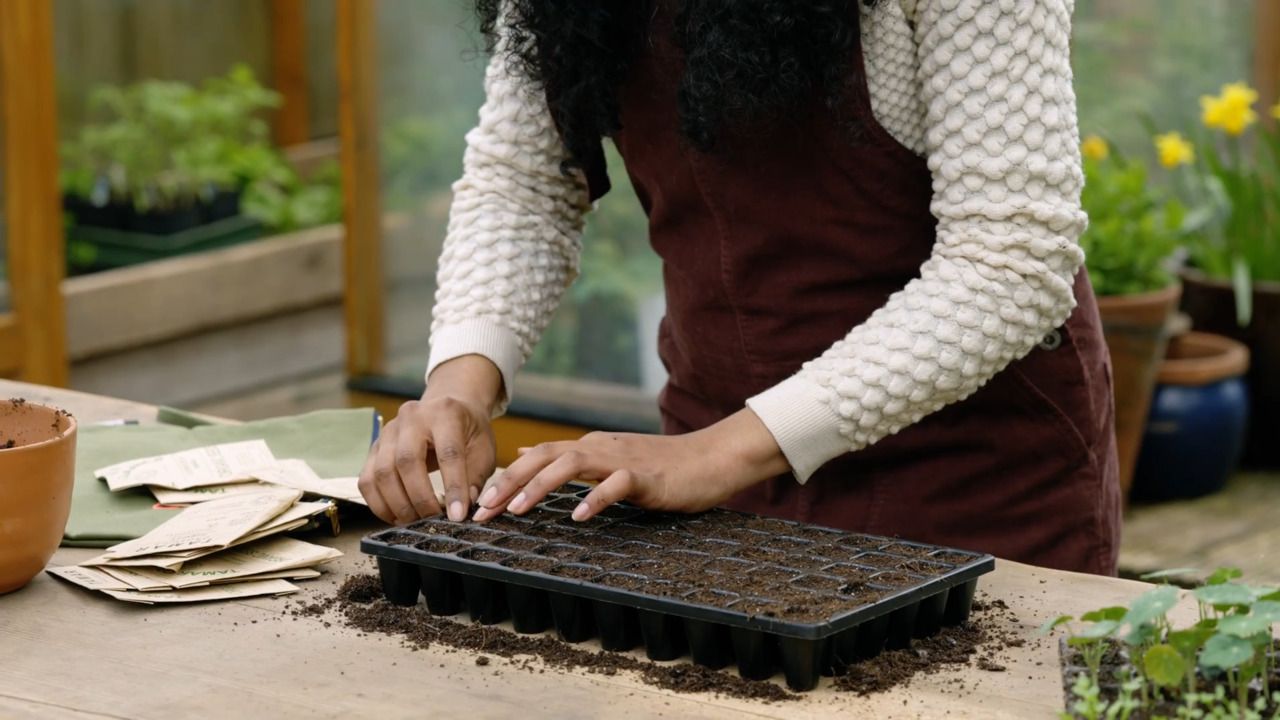
In practice, this means that you should sow your seeds little and often. This method works particularly well for fast-cropping plants such as lettuces, radishes and spring onions, and ensures that you won't end up with a bed of mature radishes all ready to eat at the same time.
On the other hand, many crops shouldn't be sown successionally because they take a long time to reach maturity.
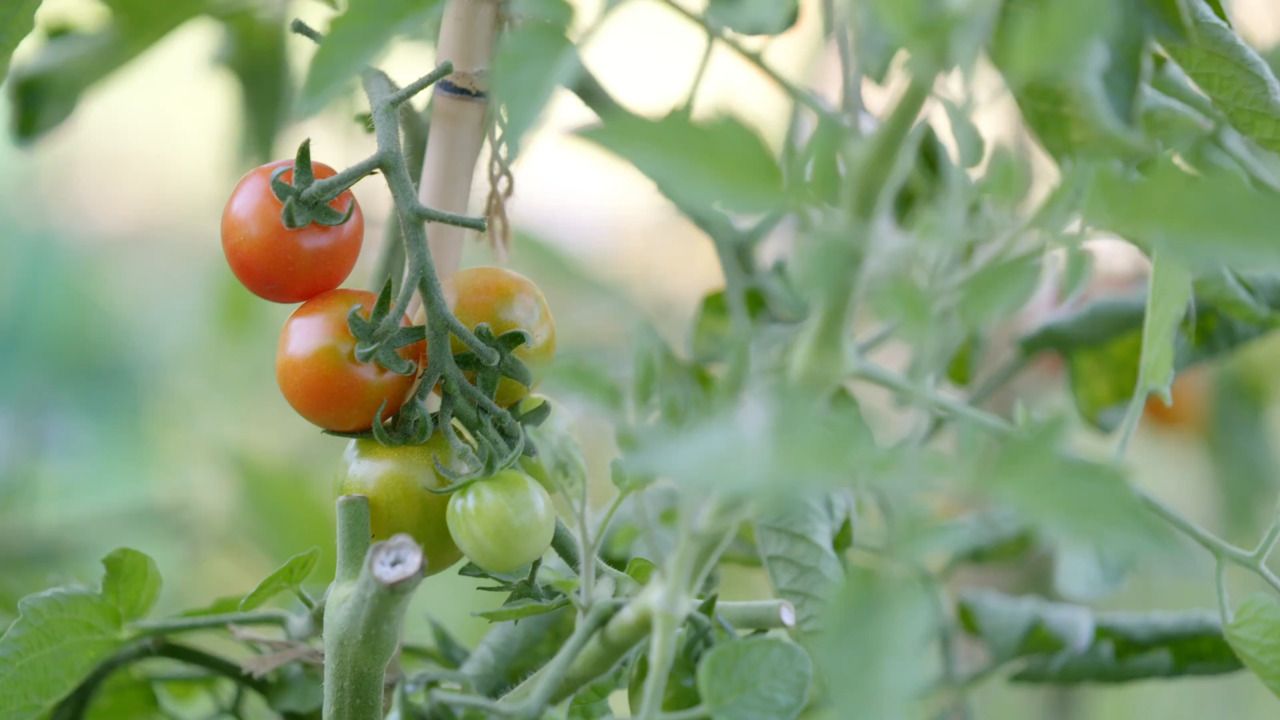
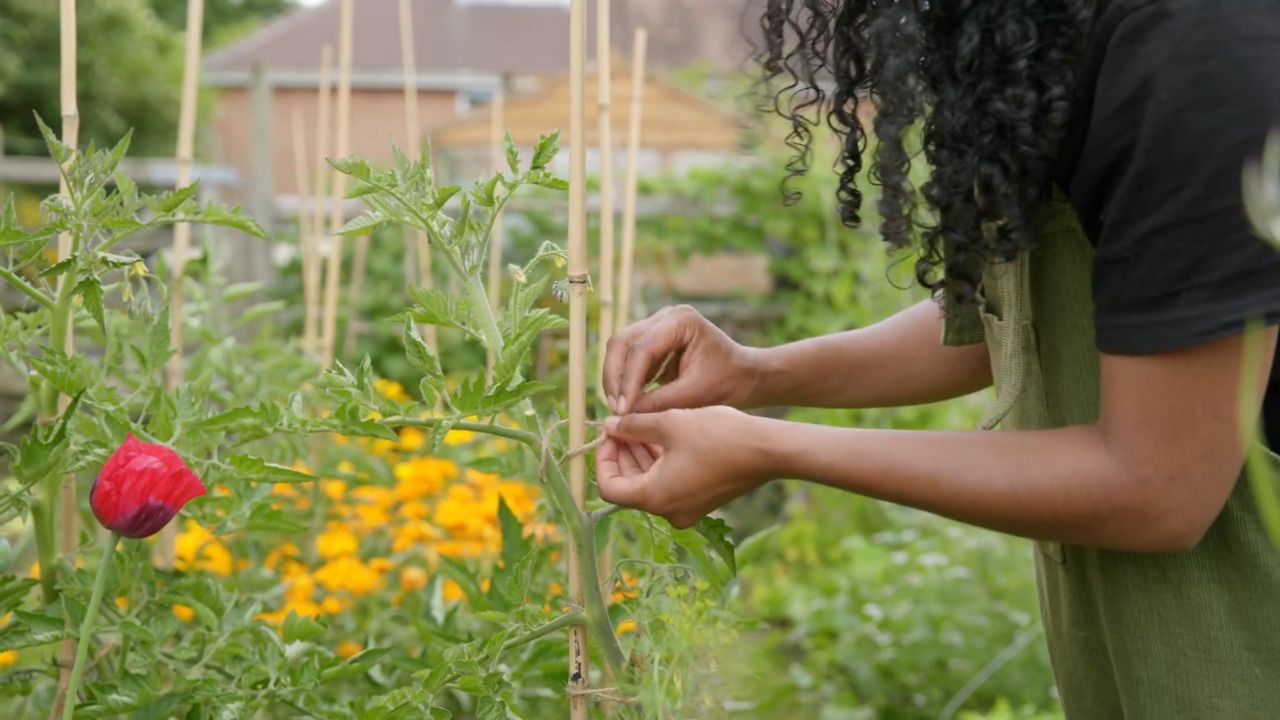
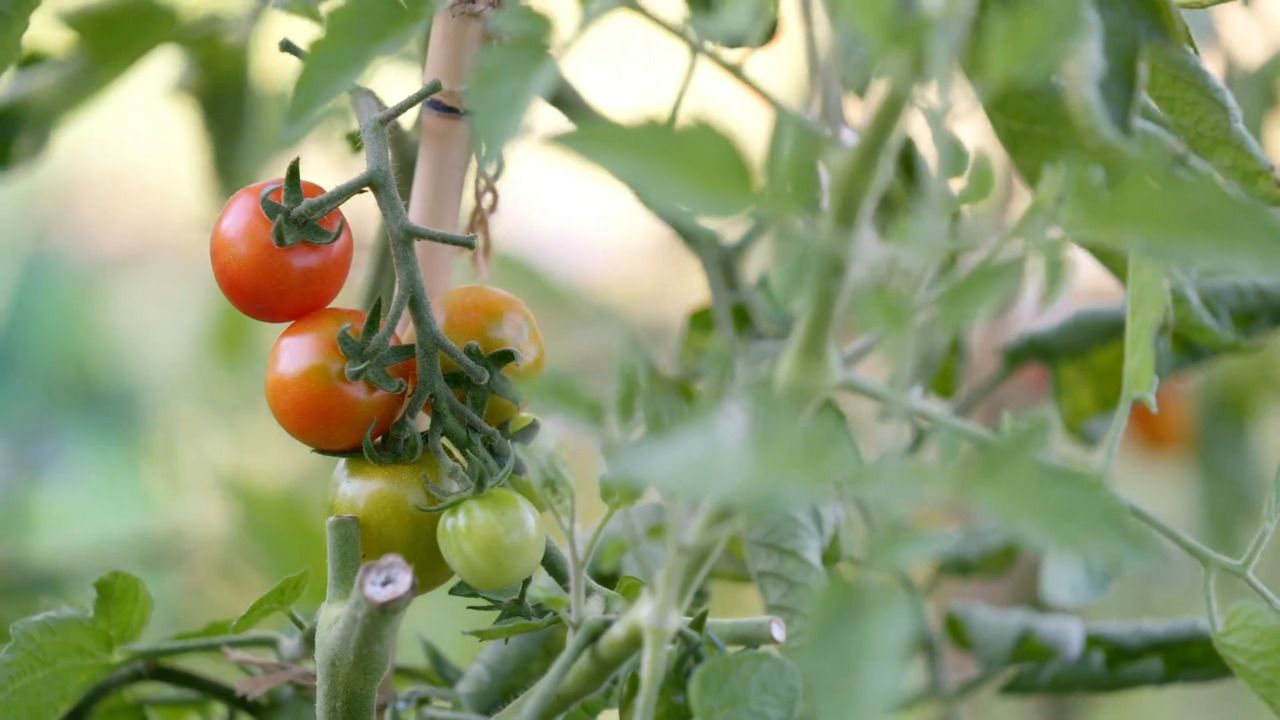
Tomatoes are a good example of this, they are sown early in the year and the plants will produce a harvest from midsummer onwards, which you will gradually pick as the fruits on the same plant often mature at different rates.
Starting with just a few plants that you have the time and energy to care for is much better than growing a whole garden of crops that you may end up neglecting.
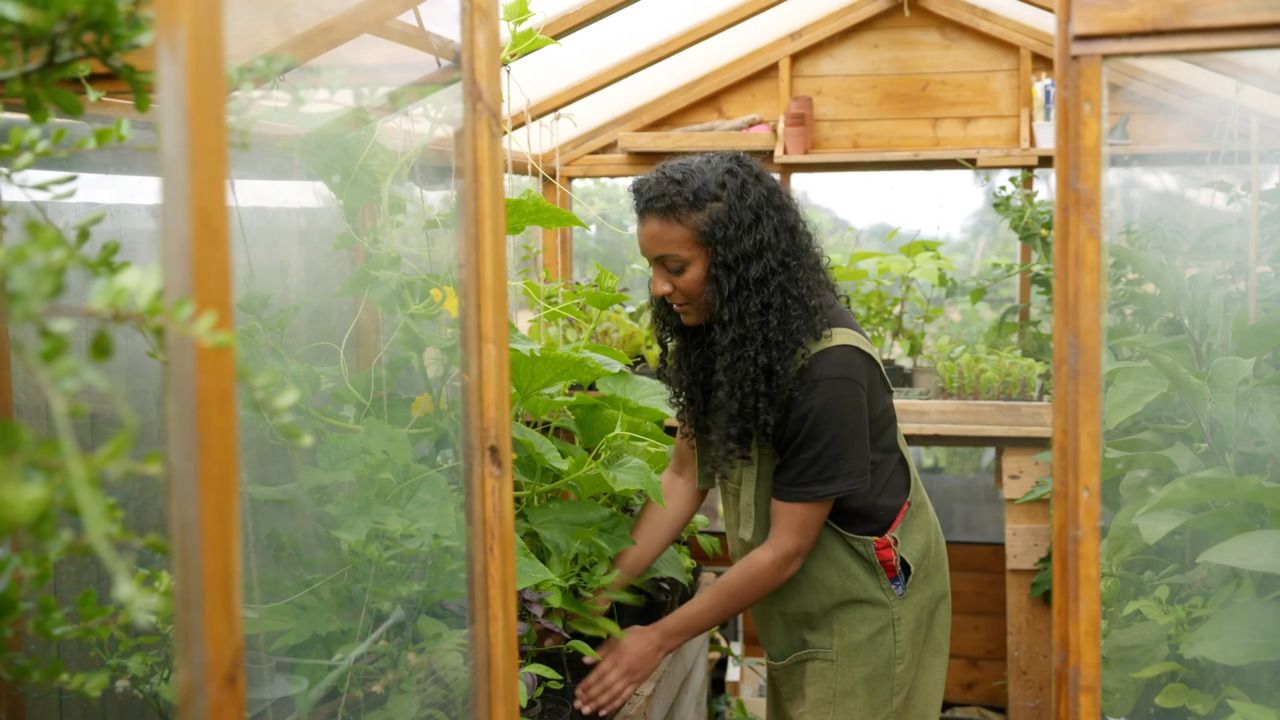
Crops like cucumbers and courgettes produce fruits prolifically, so you will only need one or two plants to get a good crop.
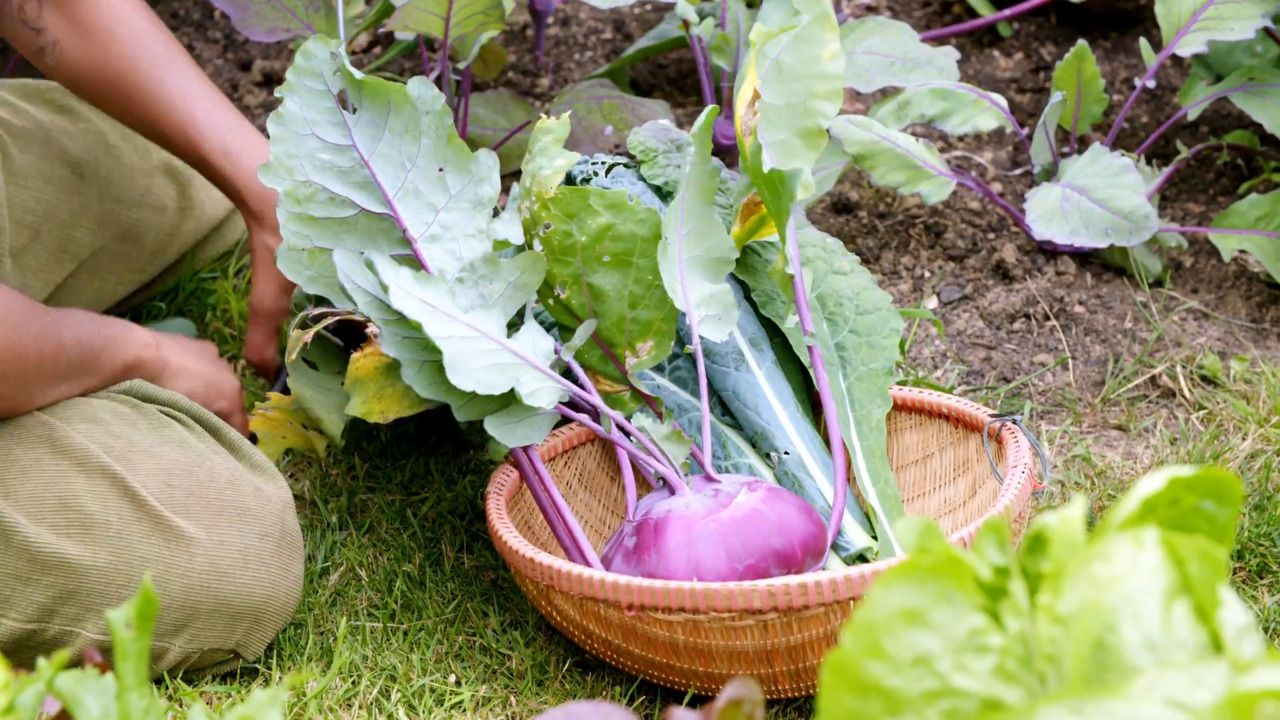
You also need to be aware of the eventual size of each plant that you sow. For example, cabbages take up a lot of space and take a long time to grow, while kale is much more space-efficient and you'll be able to pick leaves for months on end.
Similarly, trailing squashes take up a lot of room and are slow to produce just a few squashes per plant, whereas a courgette plant, while big, will provide you with a lot of produce.
The clearest path to success is to be realistic about what you plant. Different plants have different needs and not everything will thrive in your particular soil type or microclimate.
Remember to take into consideration the peculiarities of space that you have and the sunlight that you get when you pick which crops you want to grow.
When you're picking the crops you want to grow, remember to check which plant family they fall into so that you can decide where they should go in your crop rotation scheme.
Get the full workbook, video lessons, and more with a Create Academy subscription.
Subscribe to access the full workbookAlready a member? Sign in to watch
510 reviews
Read moreCreate Academy has been such a great resource. I'm in the middle of renovating a bungalow with a very large garden and the courses have offered a wealth of inform...
Harvey
Jun 10, 2026
Absolutely love Create Academy! The instructors are extremely informative, and it is beautifully filmed. Create Academy is great value for money and plan on renew...
SG
May 31, 2026
Butter's creativity is stunning! Her ability to incorporate brilliance in small gardens is magical!
Carla
May 30, 2026
The best adventure. I like all the courses, but my favorite are both Rita Konig interior design courses and Anna Jones. Excellent!
Karolina Kluczewska
May 20, 2026
Create Academy has been such a great resource. I'm in the middle of renovating a bungalow with a very large garden and the courses have offered a wealth of information to dive into and explore new ideas. I'm...
Harvey
Jun 10, 2026
Absolutely love Create Academy! The instructors are extremely informative, and it is beautifully filmed. Create Academy is great value for money and plan on renewing my subscription yearly because there are ...
SG
May 31, 2026
Butter's creativity is stunning! Her ability to incorporate brilliance in small gardens is magical!
Carla
May 30, 2026

Your Instructor
Organic food grower, writer and gardening columnist for The Guardian. Author of Unearthed.
Claire Ratinon is a food grower and writer, specialising in growing food organically. She is passionate about the act of growing plants - especially edible ones - and the potential for this to be nourishing, connecting and healing. Her journey into horticulture began on a rooftop farm in New York City and since then she has spanned a range of roles, from growing produce for Ottolenghi’s Rovi restaurant to delivering food growing workshops and talks. Claire writes a regular column in The Guardian's magazine and is a contributor to Radio 4’s Gardeners’ Question Time, Waitrose Food Magazine and Bloom magazine. Her book, ‘How To Grow Your Dinner Without Leaving The House’, celebrates the food growing possibilities of small spaces, from window boxes to balconies.

Access to all courses


