
Interior and exterior confidence
Create Academy has been such a great resource. I'm in the middle of renovating a bungalow with a very large garden and the courses have offered a wealth of inform...
Harvey
Jun 10, 2026
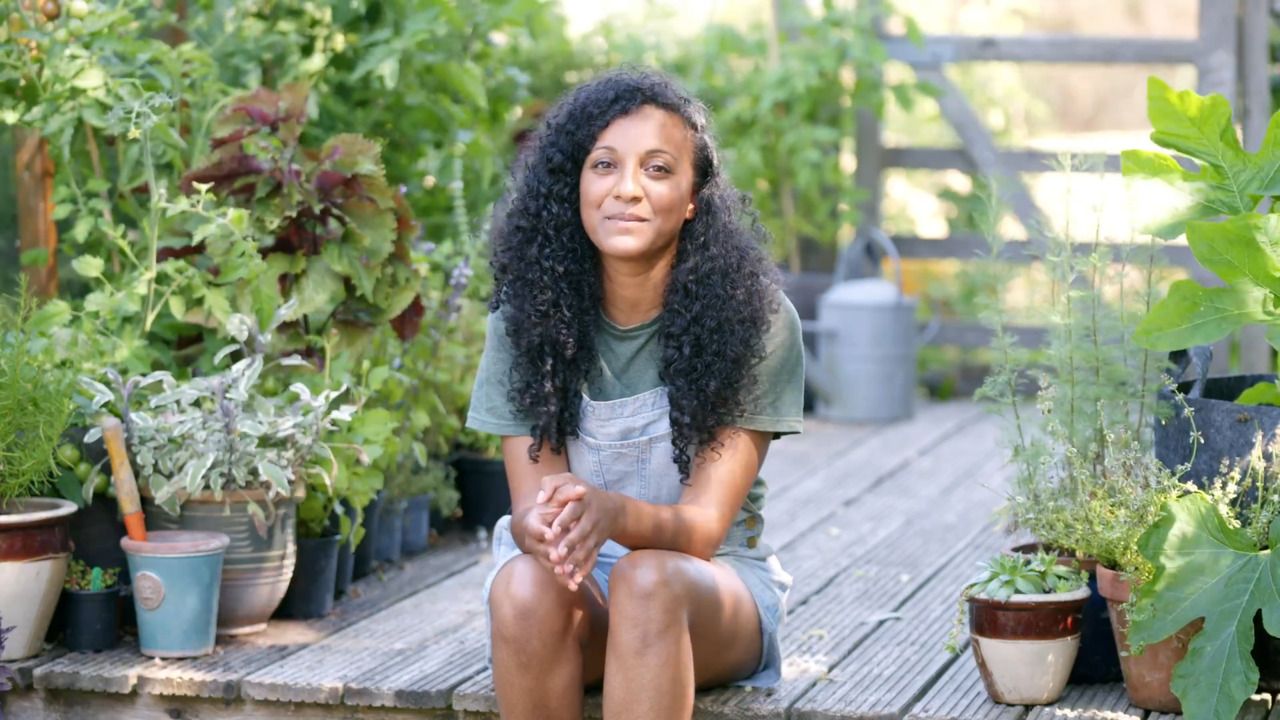
with CLAIRE RATINON — Organic food grower, writer and gardening columnist for The Guardian. Author of Unearthed.
Lesson 10 of 24
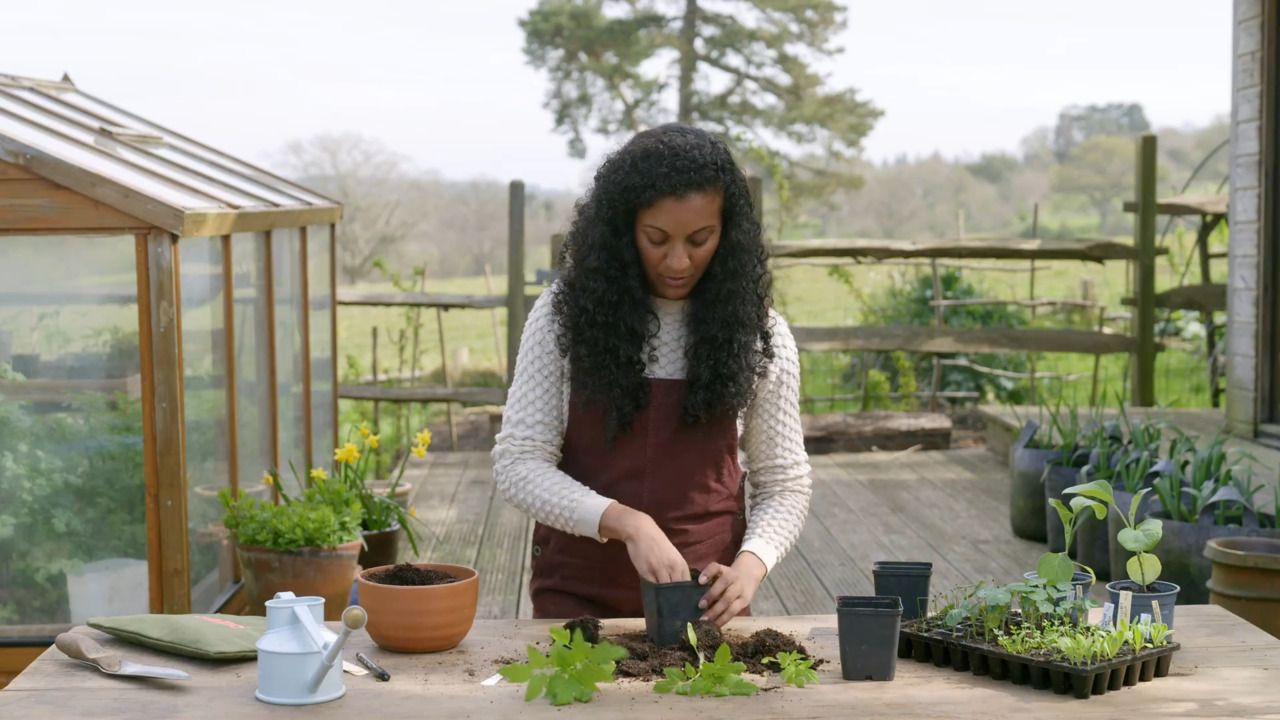
Once your seedlings have developed, some of them will need potting on. In this lesson, you'll learn how to pot on and harden off your young plants.
Young seedlings need close attention if they are going to thrive. In this lesson, I'll show you how to care for young seedlings and get them ready for the garden.
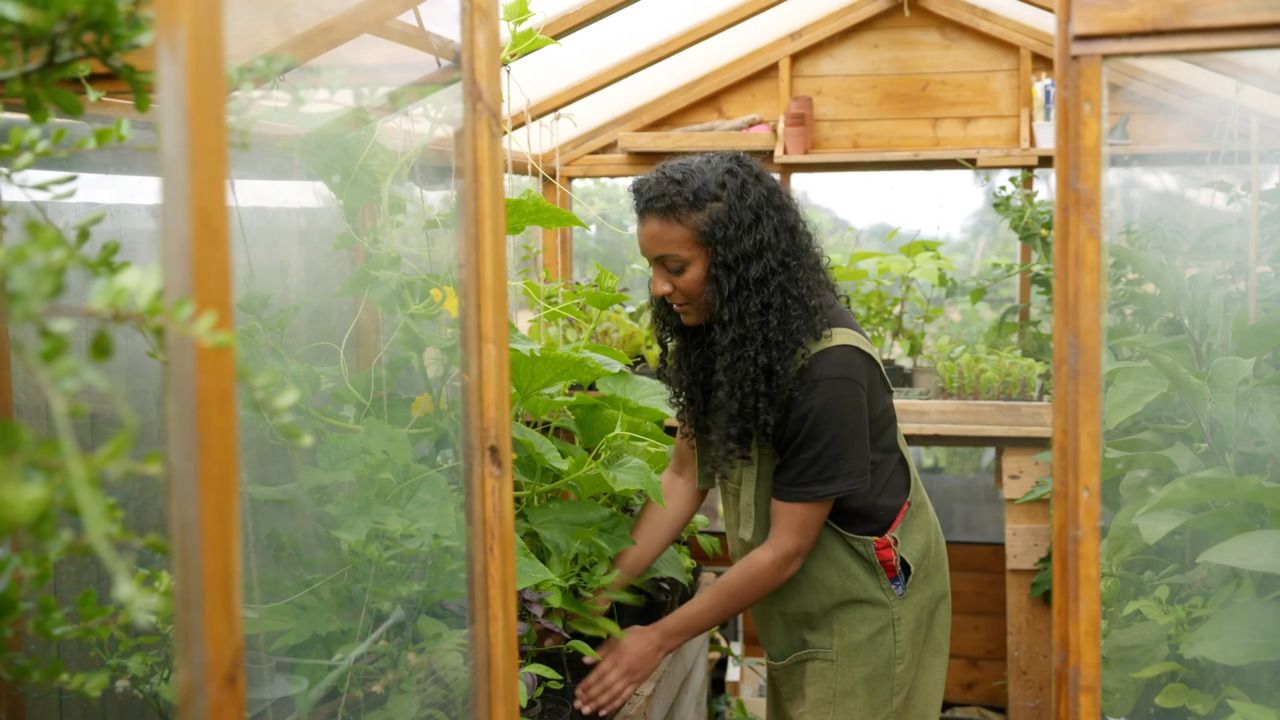
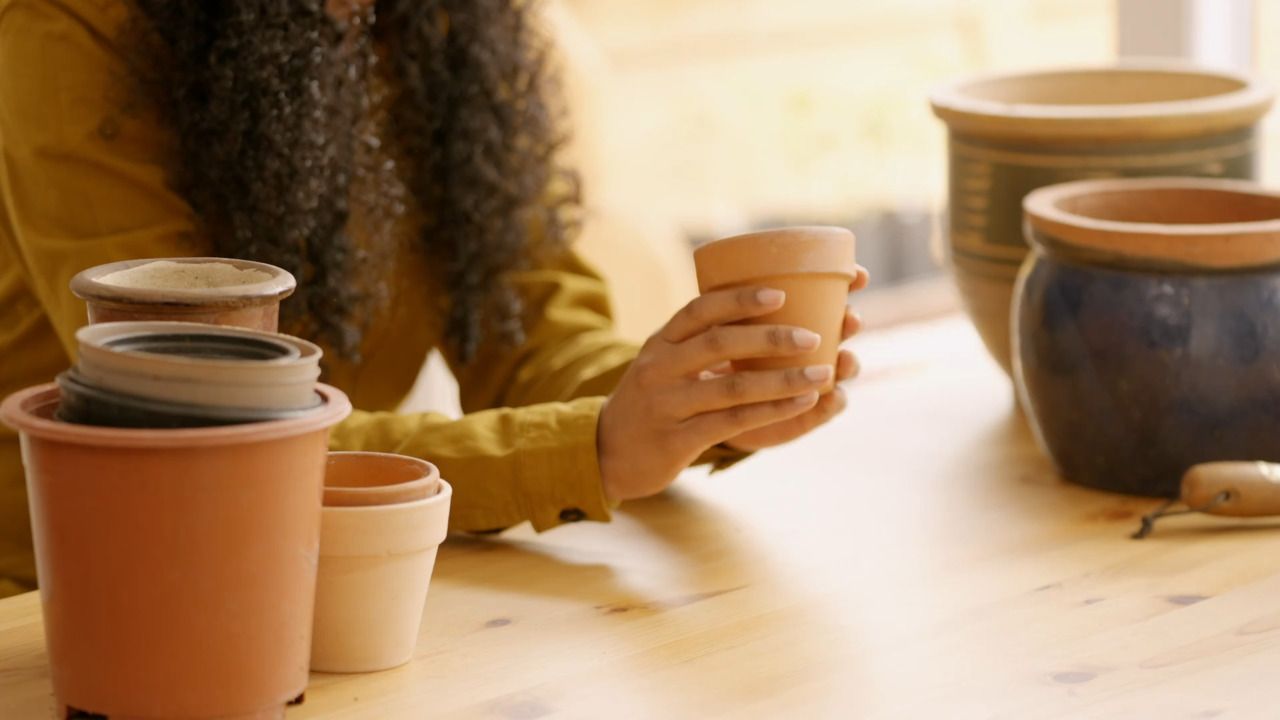
Once your seeds have germinated and your seedlings have grown you might find that they need potting on. This means planting your growing seedling into a bigger pot so that it has more space to grow and develop.
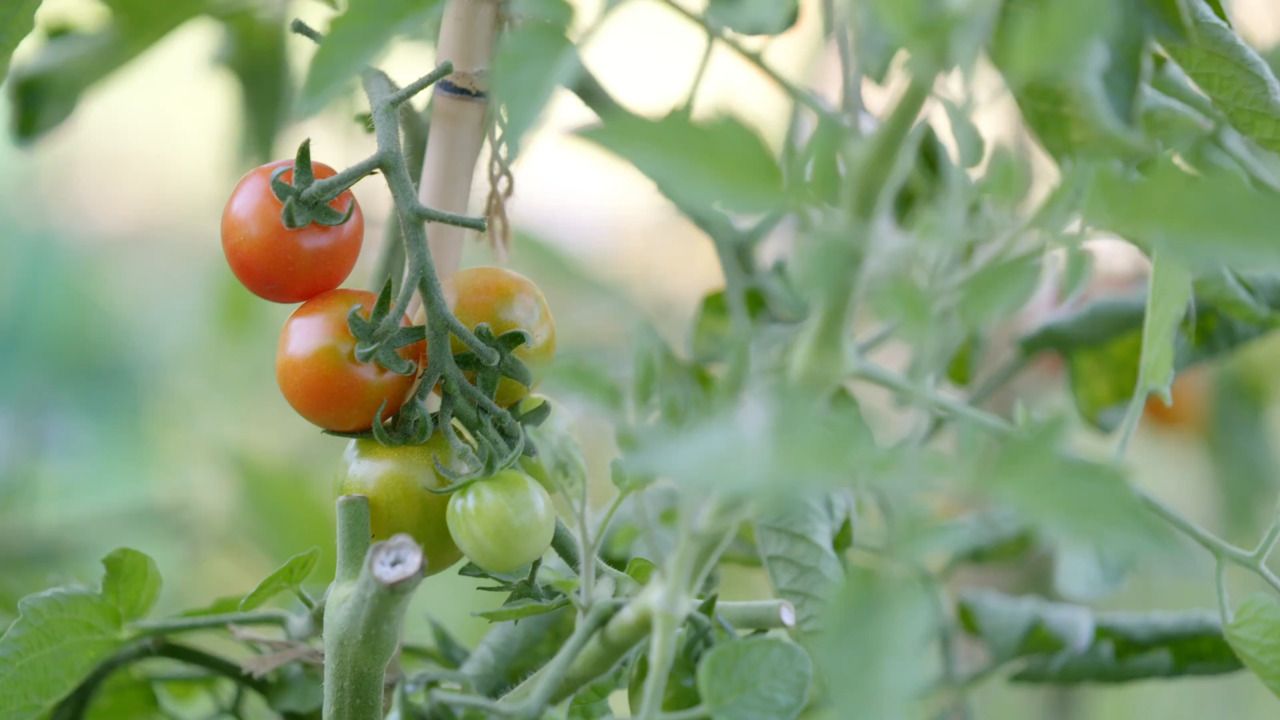
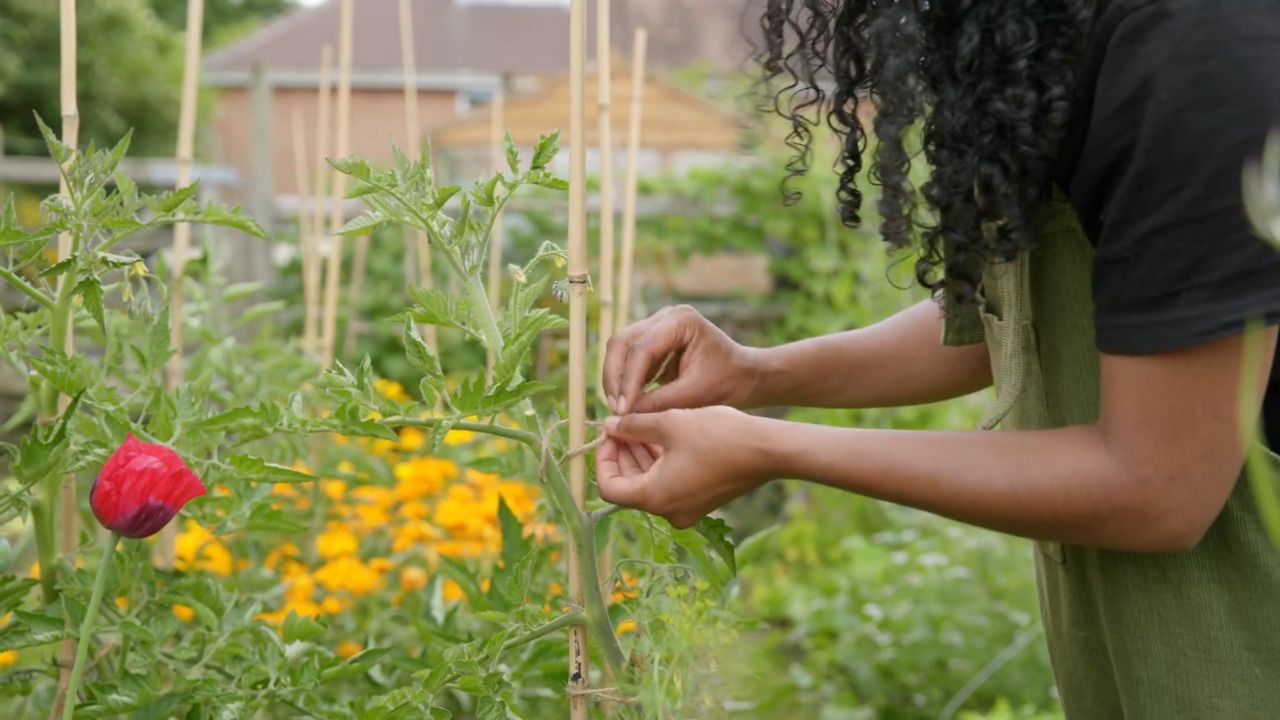
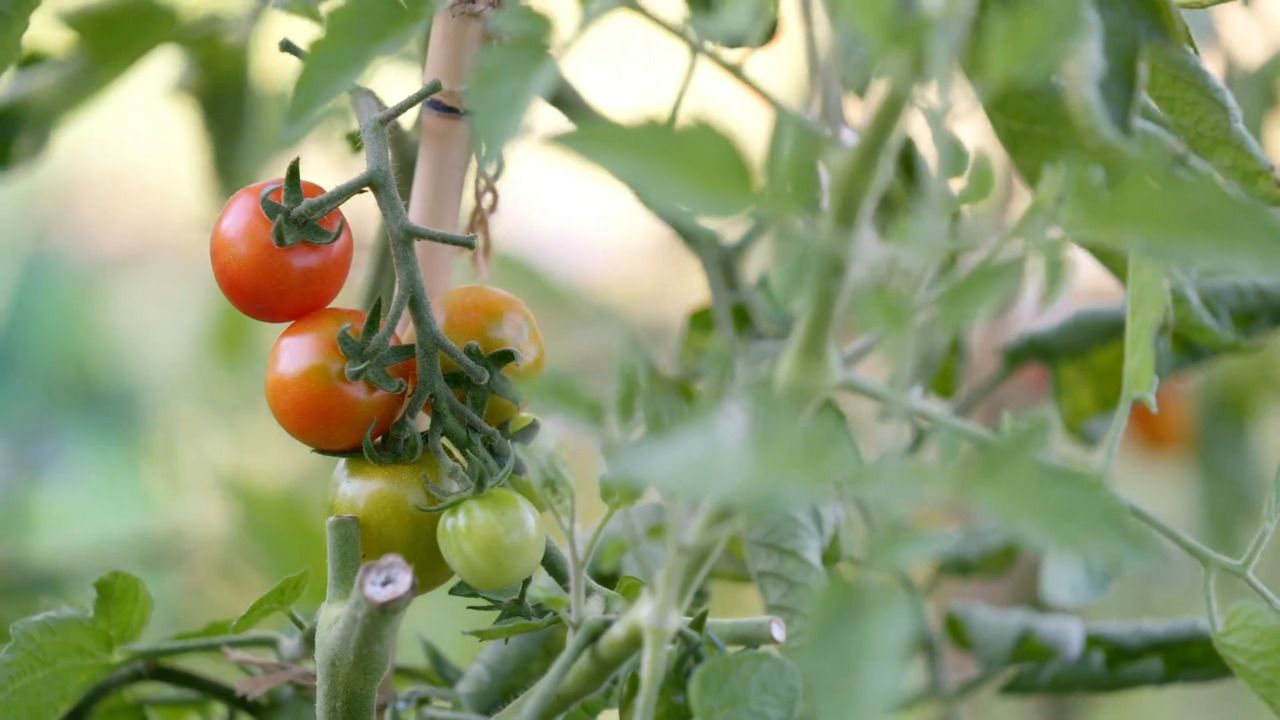
Unlike other vegetable plants, tomato plants have tiny hairs along the surface of their stems, all of which have the potential to turn into roots if they make contact with the soil.
Luckily for gardeners, this means that when you pot on your tomato plants you can bury some of the stem to create a stronger and sturdier plant. This is especially useful if your tomato plant is looking a little leggy.
When you are repotting tomatoes it is best to do it when the compost is a bit moist, as then the roots will be more pliable and less likely to break or be damaged.
#### To Repot Your Tomato Plants
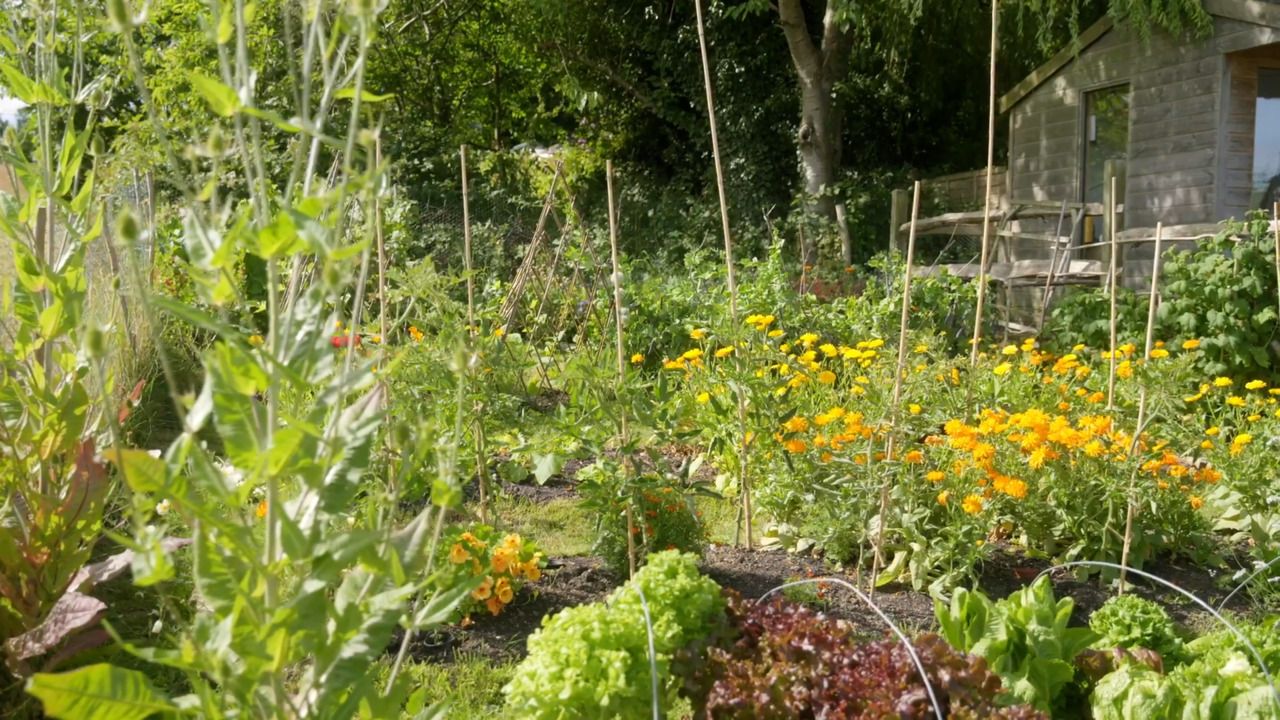
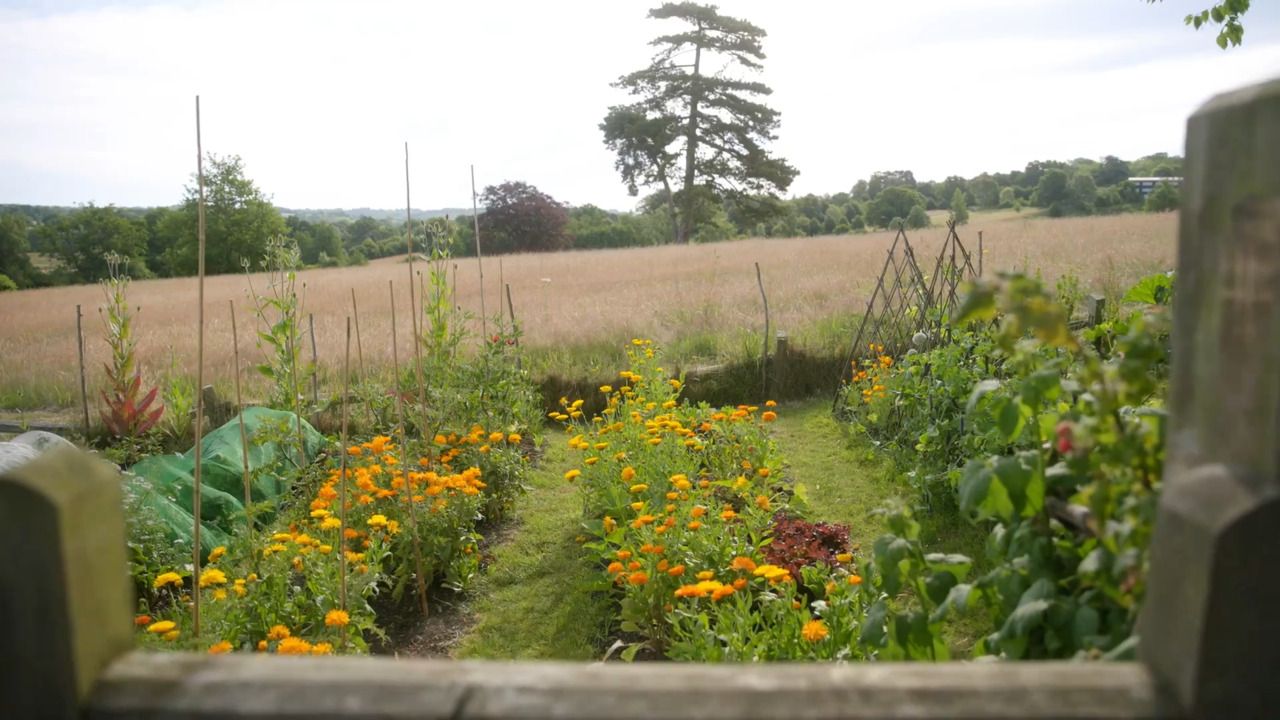
Nasturtiums are wonderful flowering plants to grow in a vegetable garden as all their parts are edible, from the mildly peppery leaves and flowers to the seed pods which are an excellent caper alternative when pickled.
They are great for pollinators too, and if you have a black fly problem they are a great sacrificial plant if you want to keep them away from your other crops.
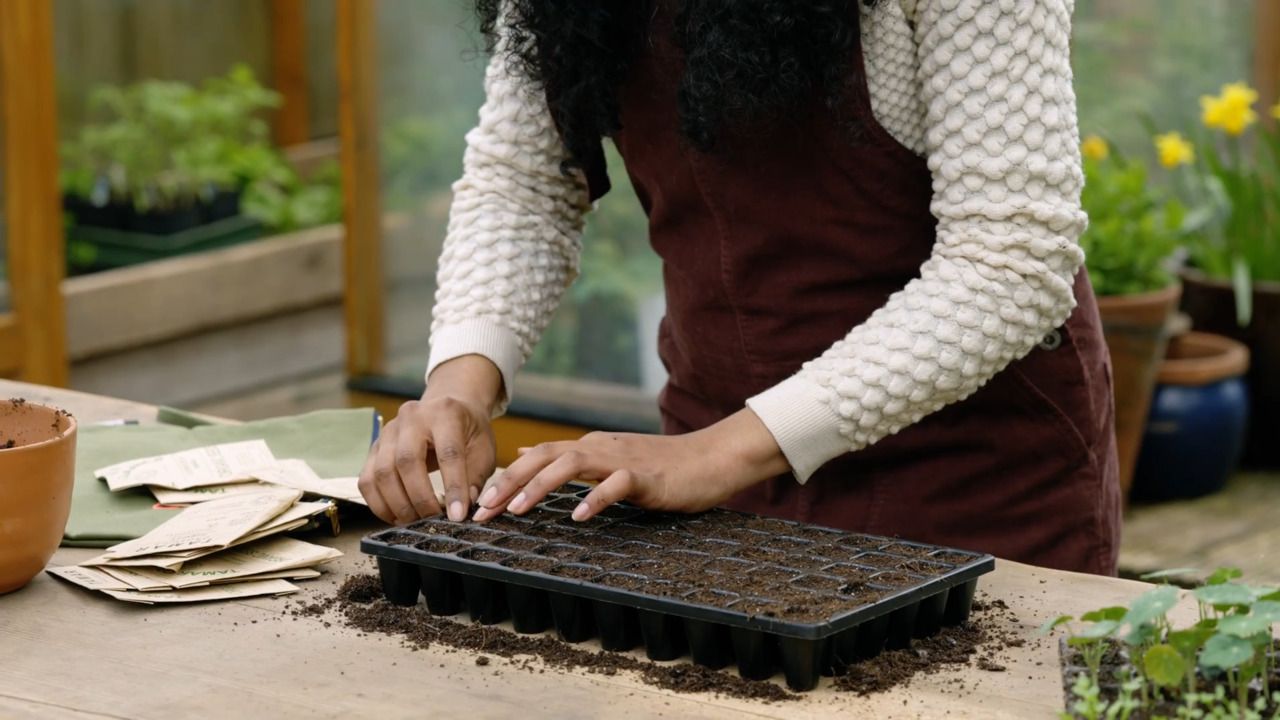
To remove your young plants from a module seed tray, simply poke your finger into the underside of the tray and slide your plug plant out.
If any of the roots are looking tightly wound up, then loosen them slightly so they do not continue to grow into the same shape once they are in their new pot.
If your seedlings are well developed in their module then you may notice that some of the new leaves have started to yellow. This is a sign that they have started to run out of nitrogen, so they need to be potted on with fresh compost to get the nutrients they need to continue developing healthily.
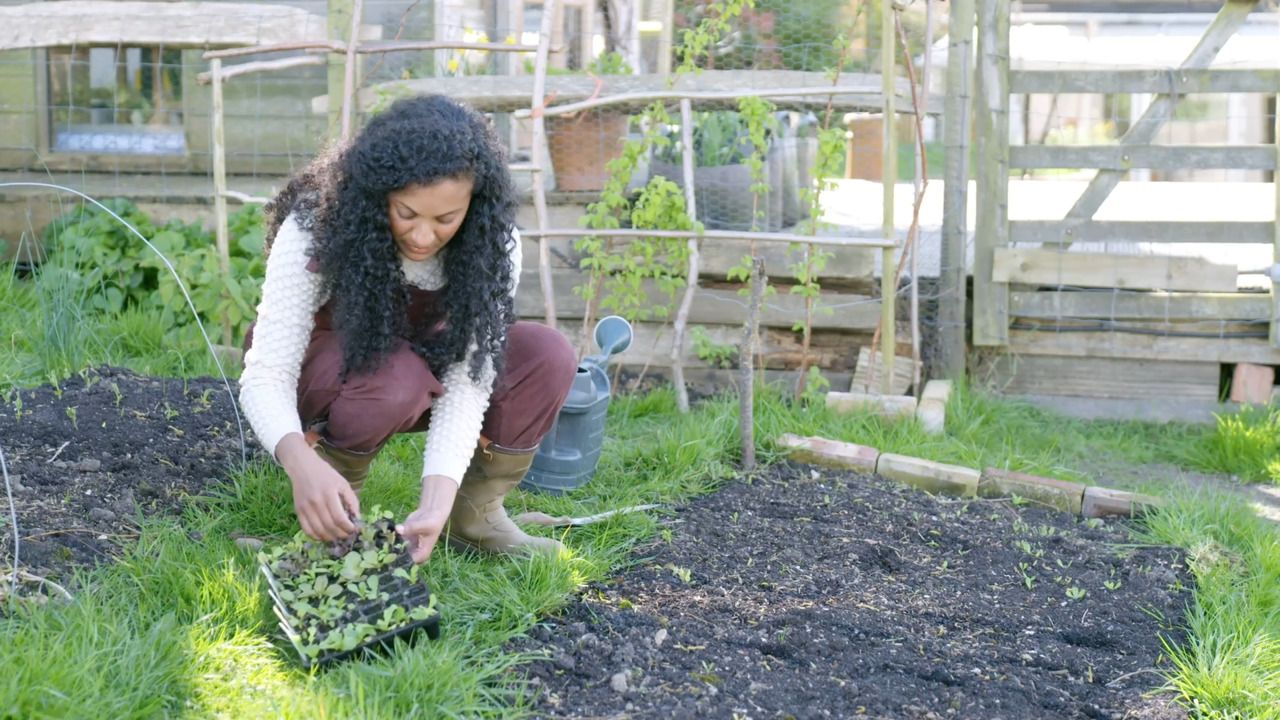
Hardening off is the process of acclimatising your plants to outdoor conditions and is particularly necessary for heat-loving plants like tomatoes and nasturtiums which have been grown in a protected space like a greenhouse or a warm home.
If your plants are not acclimatised they can go into shock, which can lead to leaf damage, a loss of vigour or in the worst-case scenario, the death of the plant.
The interaction between your plants and the weather is what makes them grow strong. Plants are used to being knocked about a bit by the wind and the rain and they will grow stronger as a result.
When your seedlings are young, one of the ways that you can mimic this process is by stroking them. This will stimulate the cells and help them to grow stronger and sturdier.
This process will also help you to pay more attention to your seedlings and you will therefore learn more about them and notice if any problems start to occur.
Get the full workbook, video lessons, and more with a Create Academy subscription.
Subscribe to access the full workbookAlready a member? Sign in to watch
510 reviews
Read moreCreate Academy has been such a great resource. I'm in the middle of renovating a bungalow with a very large garden and the courses have offered a wealth of inform...
Harvey
Jun 10, 2026
Absolutely love Create Academy! The instructors are extremely informative, and it is beautifully filmed. Create Academy is great value for money and plan on renew...
SG
May 31, 2026
Butter's creativity is stunning! Her ability to incorporate brilliance in small gardens is magical!
Carla
May 30, 2026
The best adventure. I like all the courses, but my favorite are both Rita Konig interior design courses and Anna Jones. Excellent!
Karolina Kluczewska
May 20, 2026
Create Academy has been such a great resource. I'm in the middle of renovating a bungalow with a very large garden and the courses have offered a wealth of information to dive into and explore new ideas. I'm...
Harvey
Jun 10, 2026
Absolutely love Create Academy! The instructors are extremely informative, and it is beautifully filmed. Create Academy is great value for money and plan on renewing my subscription yearly because there are ...
SG
May 31, 2026
Butter's creativity is stunning! Her ability to incorporate brilliance in small gardens is magical!
Carla
May 30, 2026

Your Instructor
Organic food grower, writer and gardening columnist for The Guardian. Author of Unearthed.
Claire Ratinon is a food grower and writer, specialising in growing food organically. She is passionate about the act of growing plants - especially edible ones - and the potential for this to be nourishing, connecting and healing. Her journey into horticulture began on a rooftop farm in New York City and since then she has spanned a range of roles, from growing produce for Ottolenghi’s Rovi restaurant to delivering food growing workshops and talks. Claire writes a regular column in The Guardian's magazine and is a contributor to Radio 4’s Gardeners’ Question Time, Waitrose Food Magazine and Bloom magazine. Her book, ‘How To Grow Your Dinner Without Leaving The House’, celebrates the food growing possibilities of small spaces, from window boxes to balconies.
Access to all courses


