



Interior and exterior confidence
Create Academy has been such a great resource. I'm in the middle of renovating a bungalow with a very large garden and the courses have offered a wealth of inform...
Harvey
Jun 10, 2026
How to Grow Exceptional Produce
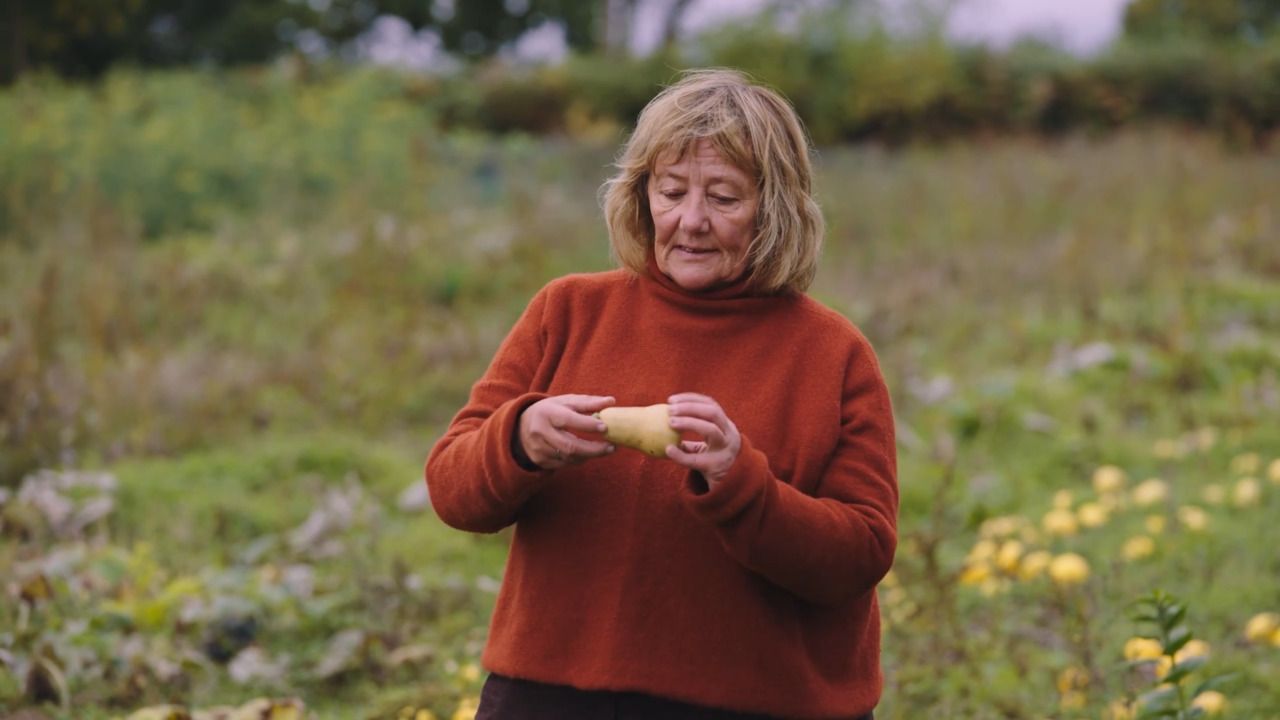
with JANE SCOTTER — Leading biodynamic grower of fruit and vegetables. Supplier to Michelin star restaurant Spring.
Whether you have a small garden or a large field, Jane will help you plan your planting using her simple equations.
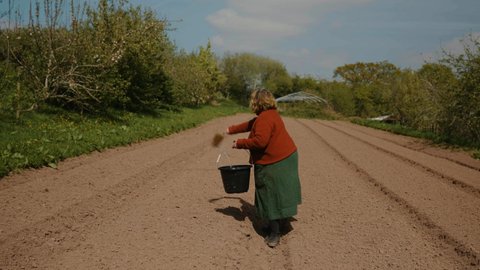
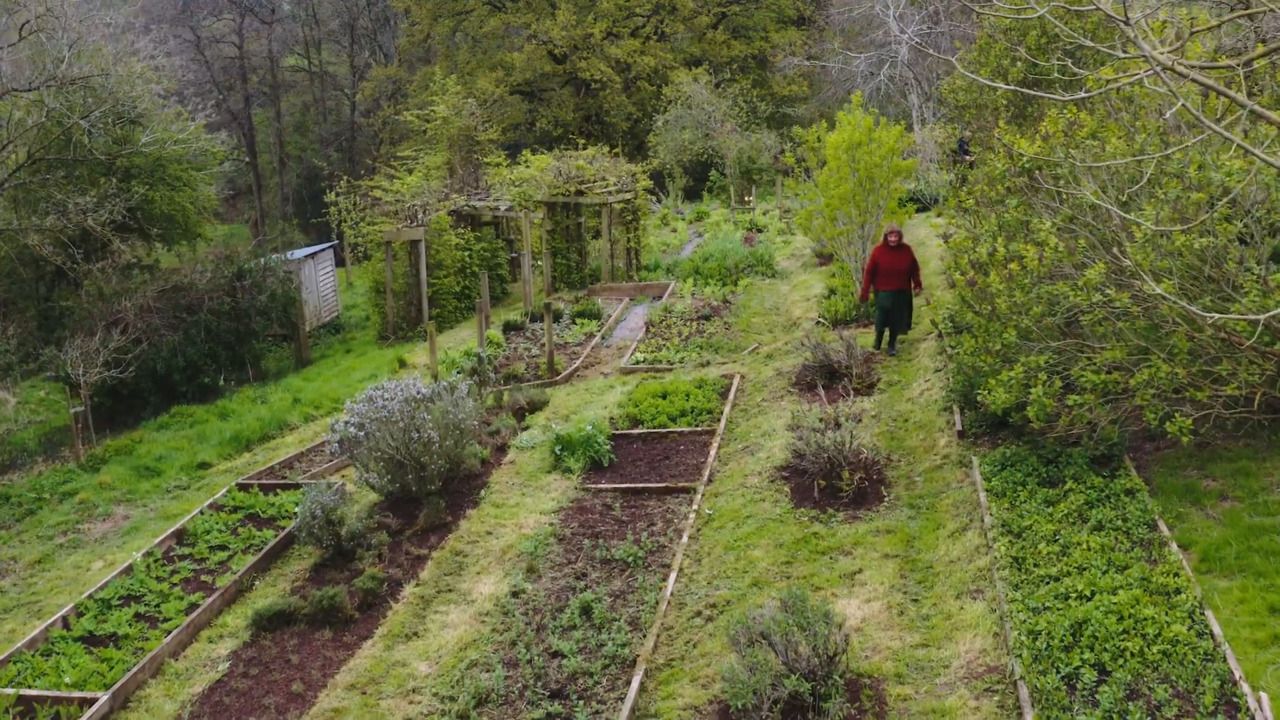
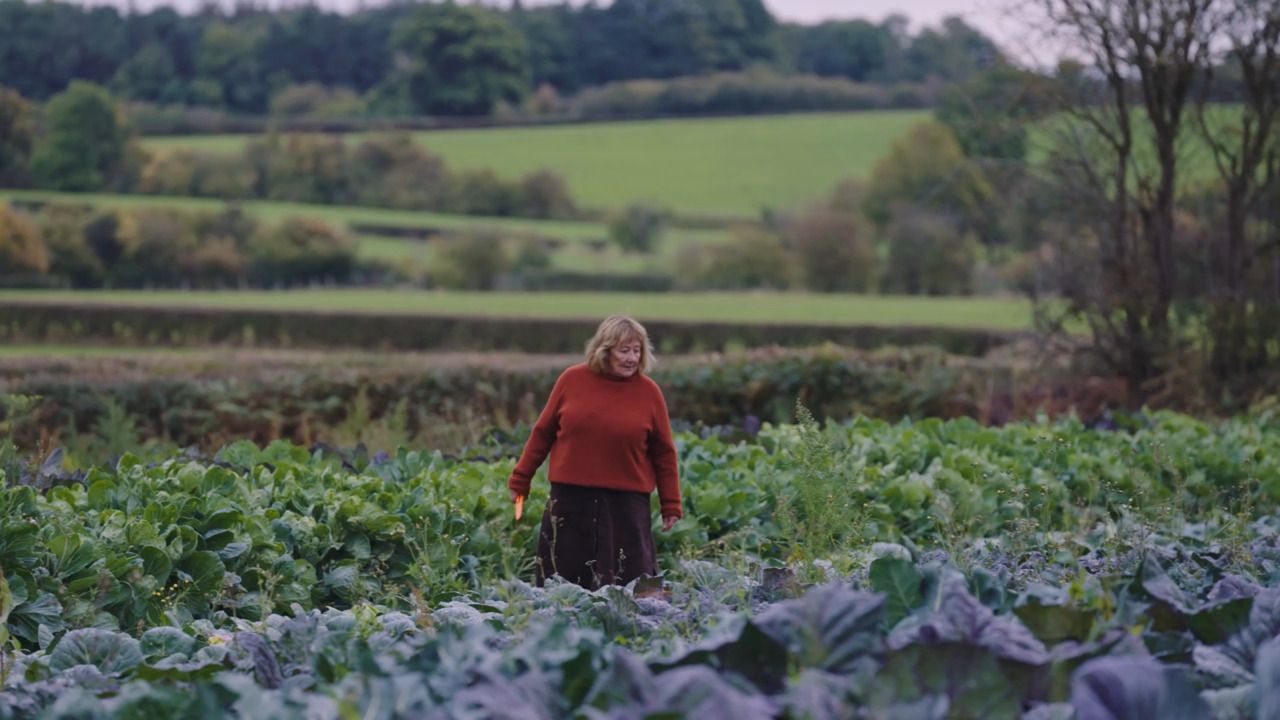
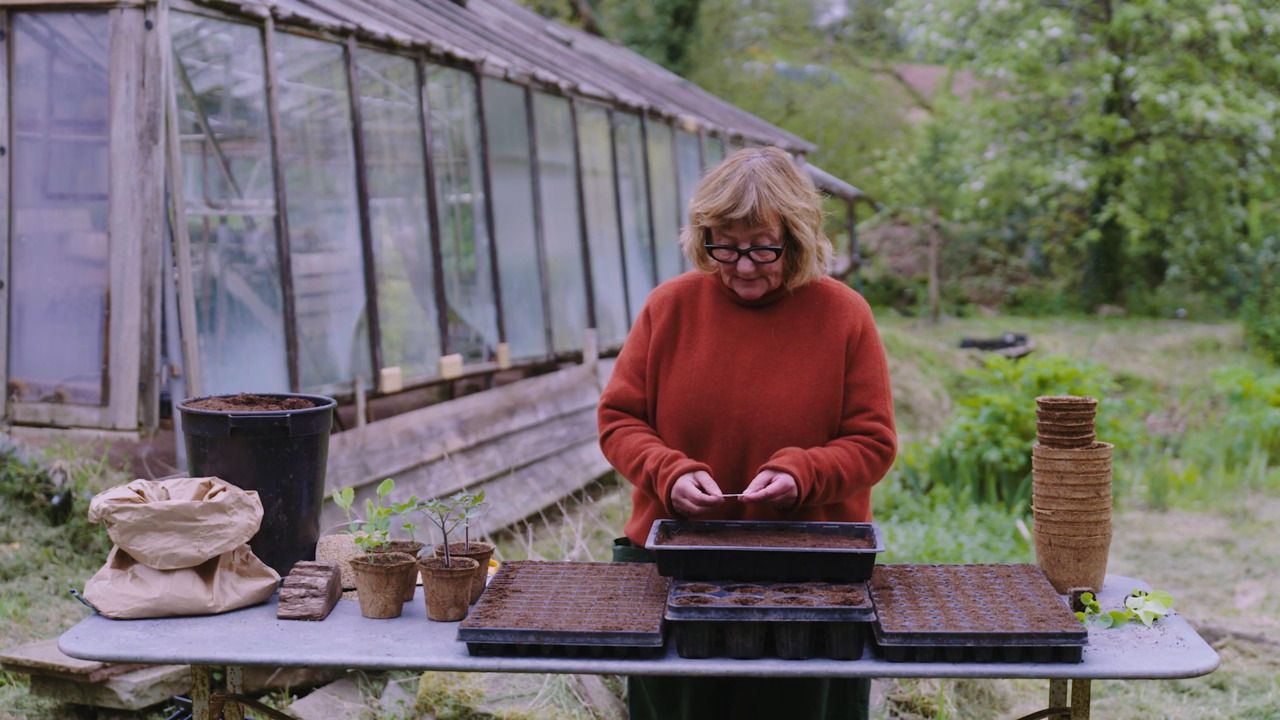
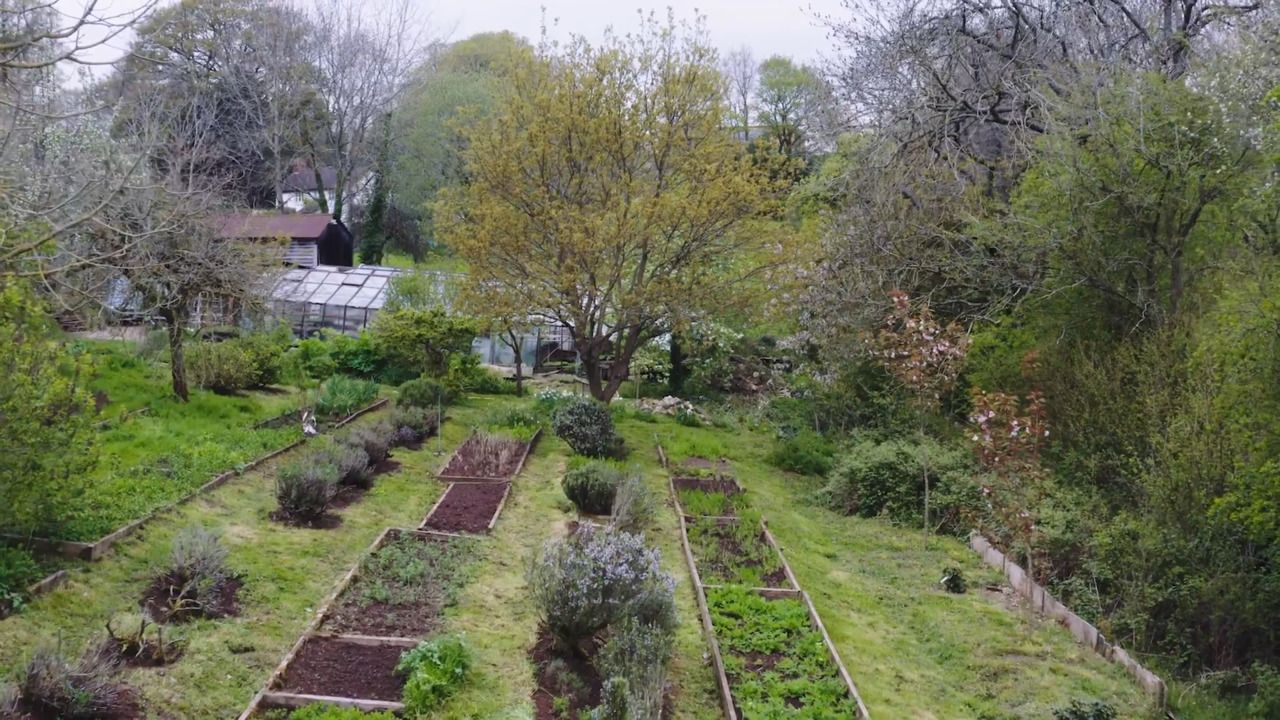
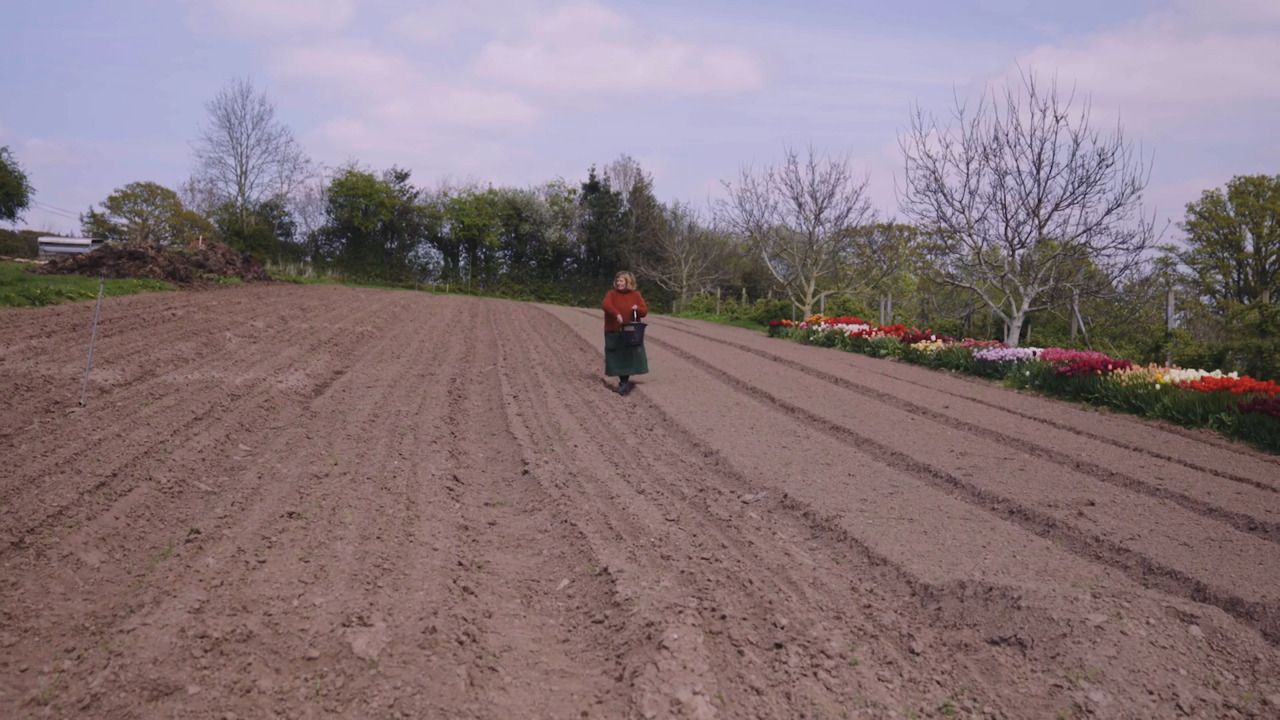
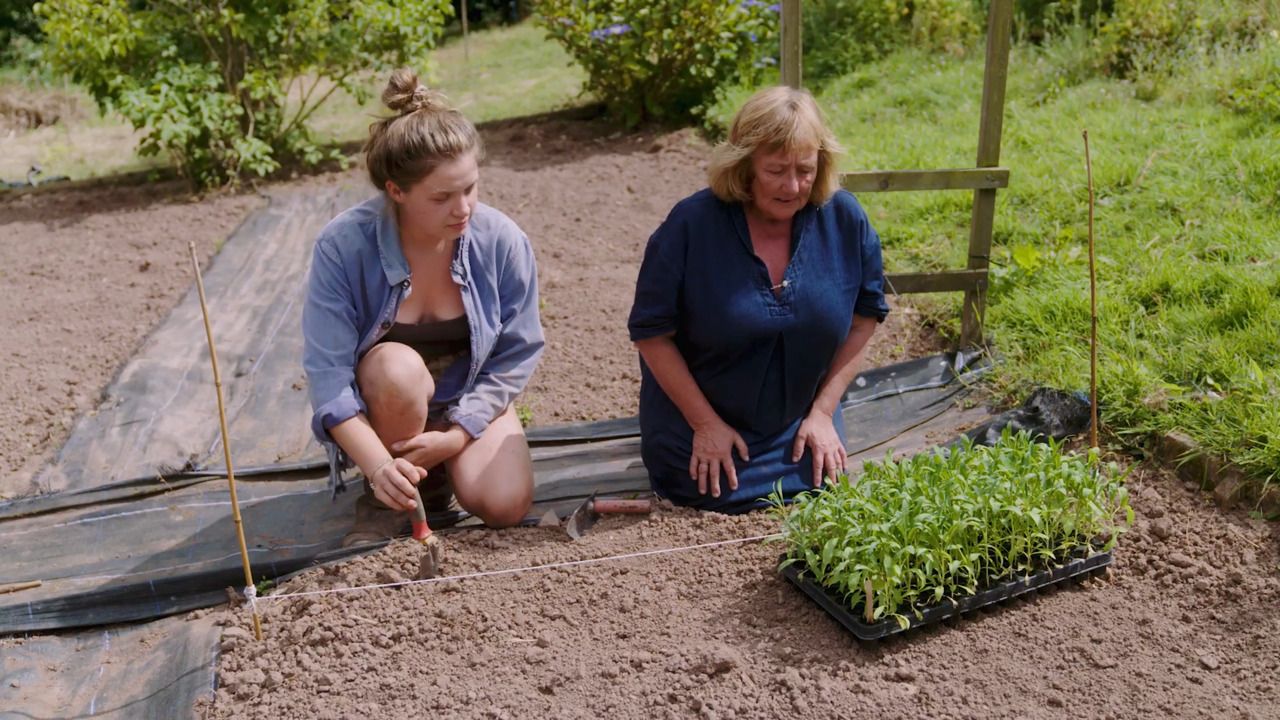
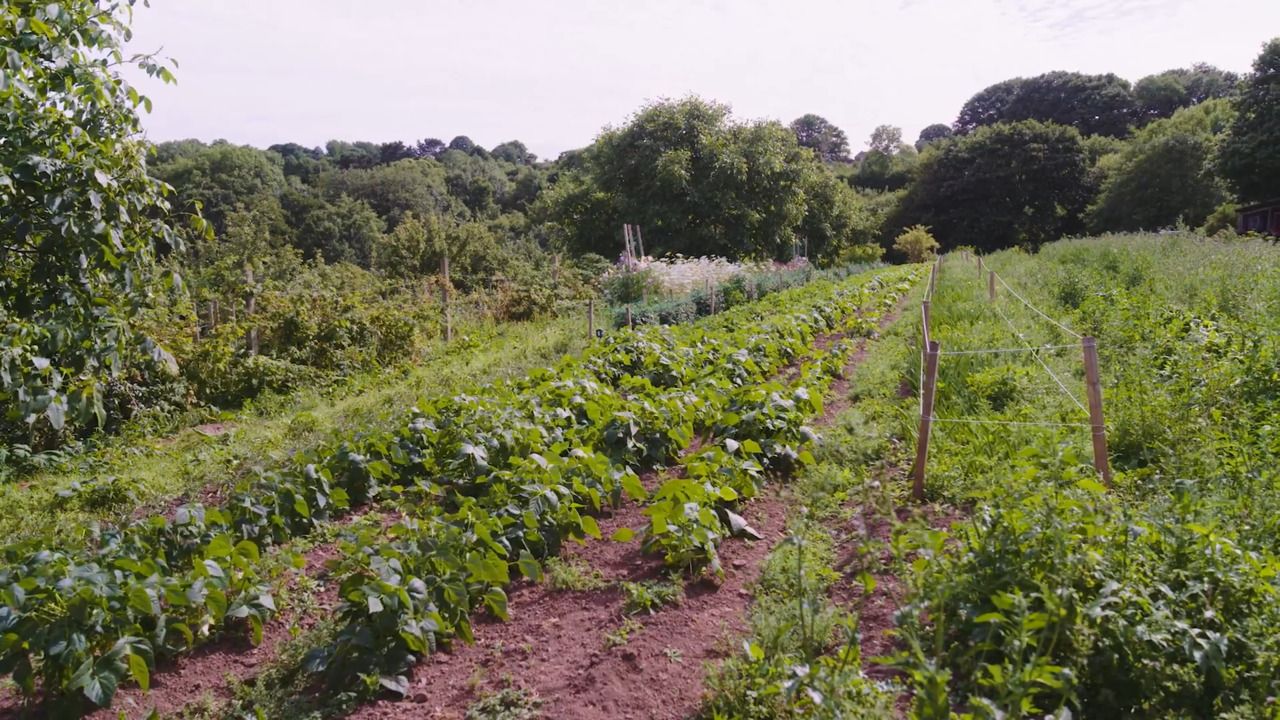
One of the most important things to consider when growing your own food is how much space you have. Due to the size of Fern Verrow, we grow our crops in straight lines, using a maximum of three rows per bed. You don't need to follow this rule though as we use three rows to help our professional weeding tools. You can grow as many rows as you want, as long as the spacing between seeds is correct for that specific crop.
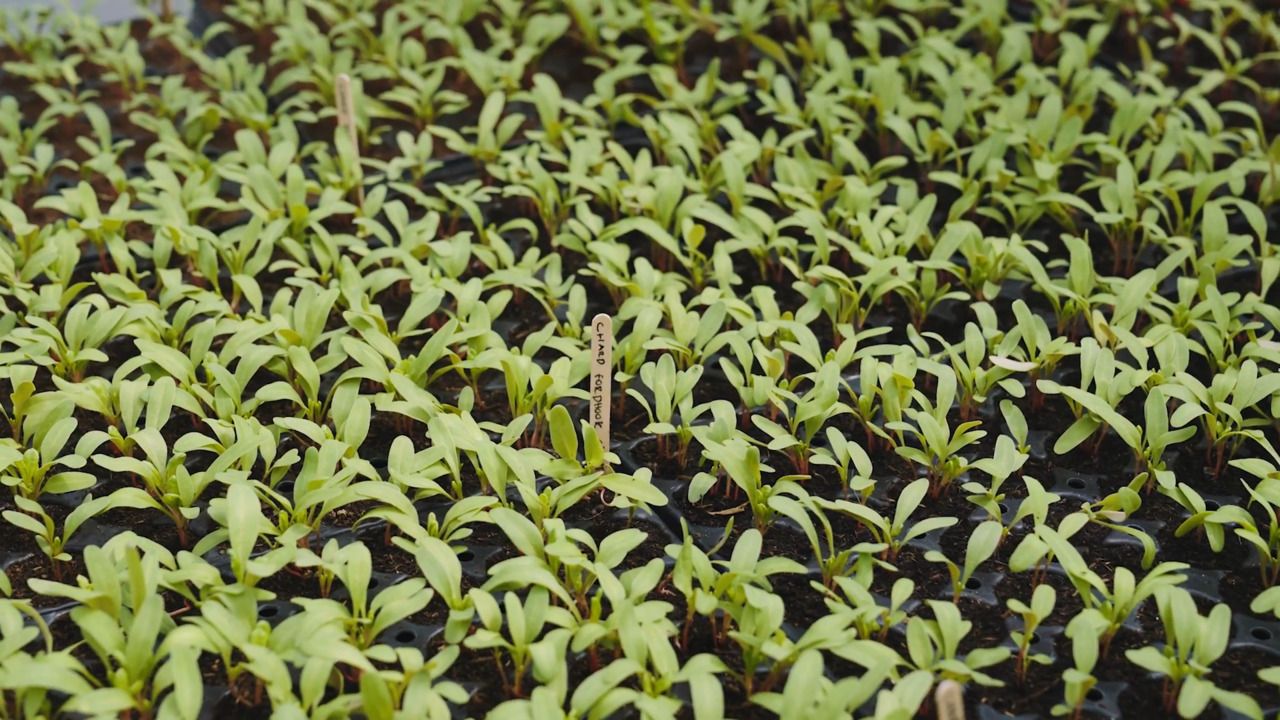
For example, while carrots need just a few centimetres of growing space, cabbages require 50 cm each. As well as their width, you'll need to consider the height of your plants too. If you have a large plant next to a small one, the bigger plant will overshadow the smaller one and prevent it from getting all the sunlight it requires.
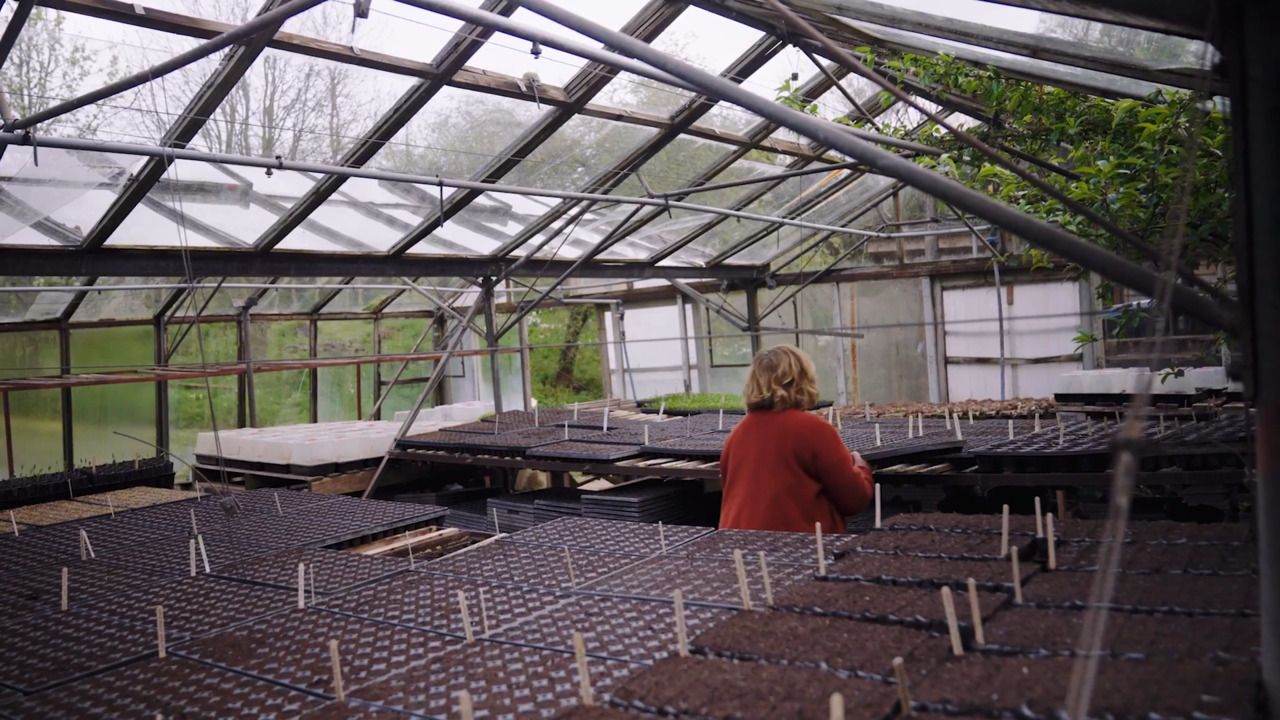
Whether you need to feed a family of four or you're growing produce for a restaurant, understanding how many plants are required is key to efficient growing. For Fern Verrow, I created a crop requirement spreadsheet so that I can work out how many seeds I need to sow in any given season. I've updated this commercial spreadsheet for this course, and adapted it for non-commercial growers, basing it on the needs of an average family of four.
Alongside this workbook, you will receive one master document that is yours to copy and edit, and one example spreadsheet based on a garden with 5 beds of 10 metres by 1 metre dimensions.
In order to start editing the spreadsheet, you'll need to make a copy of the master document (which is an Excel file) and you'll then be able to import it into any programme you like and start adapting it for your own space.
The idea behind this spreadsheet is to give you an easily adaptable tool to help you decide what to grow in your space. The spreadsheet will help you to understand how much you can produce on your plot based on quantity, space and time.
All you have to do is enter the quantity you want to produce – for example, 1 kg of beetroot – and the spreadsheet will work out exactly how much growing space you will need and how many seeds you will need to sow. To do this, simply add your desired produce amount in units or kg. The spreadsheet will also show you how long this particular crop will take to grow.
Whether you want to produce small amounts of specialist crops or you plan to be semi self-sufficient, this tool will work for both small and large spaces.
It will also help you to reduce wastage in your garden too, as you will discover exactly how many seeds you need to sow and therefore won't be tempted to buy more than necessary.
Ultimately, it is better to buy new seeds every year, which will ensure they are fresh and are more likely to have a good germination rate. While you can sow older seeds successfully, some crops, like parsnips, will not grow from old seeds.
To make the most of this spreadsheet, you will need to work out how much of a particular crop you would like to produce every year.
It's relatively easy to work this out by simply counting how many portions of a particular crop you and your family eat in a month. With vegetables like potatoes, simply count how many 1 or 2 kg bags you get through in a month and multiply this by 12 to get your yearly consumption.
If you want to be self-sufficient in a certain crop, you will need to grow the same amount you use, but if you want to grow say a third of your usage, simply divide the amount accordingly.
What is most important though is to grow varieties and crops that will excite you and provide you with interesting flavours throughout the year. Reproducing the varieties you can find easily in the supermarket is nowhere near as exciting as growing unusual or heritage varieties that you've never tasted before.
You should see this spreadsheet as a starting point, a helpful tool that can be used alongside your journals, drawings and lists. The spreadsheet can't do everything though, so you will still need to work out your own crop rotation scheme as well as keep records of each season's successes and failures.
It's important to note here that there will be failures, but that's a natural part of gardening. There are so many variables at play, from the weather to the number of pests and diseases in any given year, so it's important to learn to love the unpredictability. Accept that some years, certain crops will fail, while others will thrive and provide you with unexpected gluts.
Get the full workbook, video lessons, and more with a Create Academy subscription.
Subscribe to access the full workbookAlready a member? Sign in to watch
Sign up or log in to keep watching
By continuing, you agree to our Terms of Use and Privacy Policy.
491 reviews
Read moreCreate Academy has been such a great resource. I'm in the middle of renovating a bungalow with a very large garden and the courses have offered a wealth of inform...
Harvey
Jun 10, 2026
Absolutely love Create Academy! The instructors are extremely informative, and it is beautifully filmed. Create Academy is great value for money and plan on renew...
SG
May 31, 2026
Butter's creativity is stunning! Her ability to incorporate brilliance in small gardens is magical!
Carla
May 30, 2026
The best adventure. I like all the courses, but my favorite are both Rita Konig interior design courses and Anna Jones. Excellent!
Karolina Kluczewska
May 20, 2026
Create Academy has been such a great resource. I'm in the middle of renovating a bungalow with a very large garden and the courses have offered a wealth of information to dive into and explore new ideas. I'm...
Harvey
Jun 10, 2026
Absolutely love Create Academy! The instructors are extremely informative, and it is beautifully filmed. Create Academy is great value for money and plan on renewing my subscription yearly because there are ...
SG
May 31, 2026
Butter's creativity is stunning! Her ability to incorporate brilliance in small gardens is magical!
Carla
May 30, 2026

Your Instructor
Leading biodynamic grower of fruit and vegetables. Supplier to Michelin star restaurant Spring.
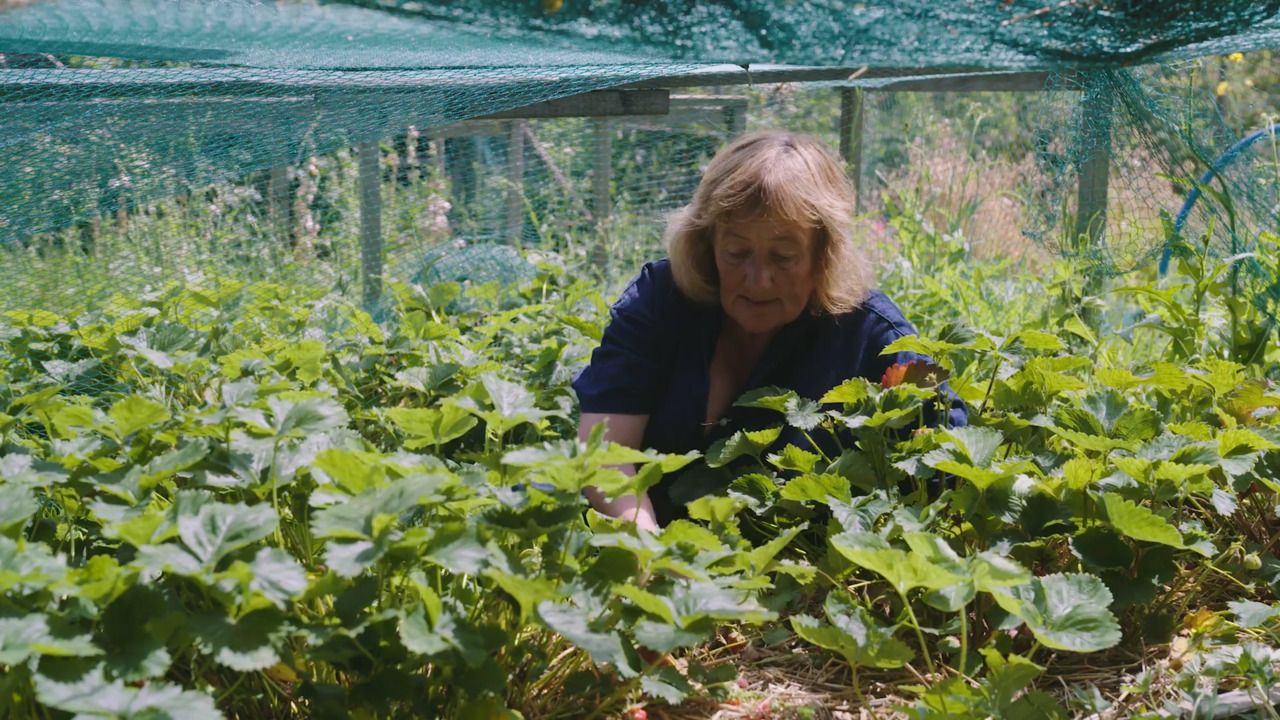
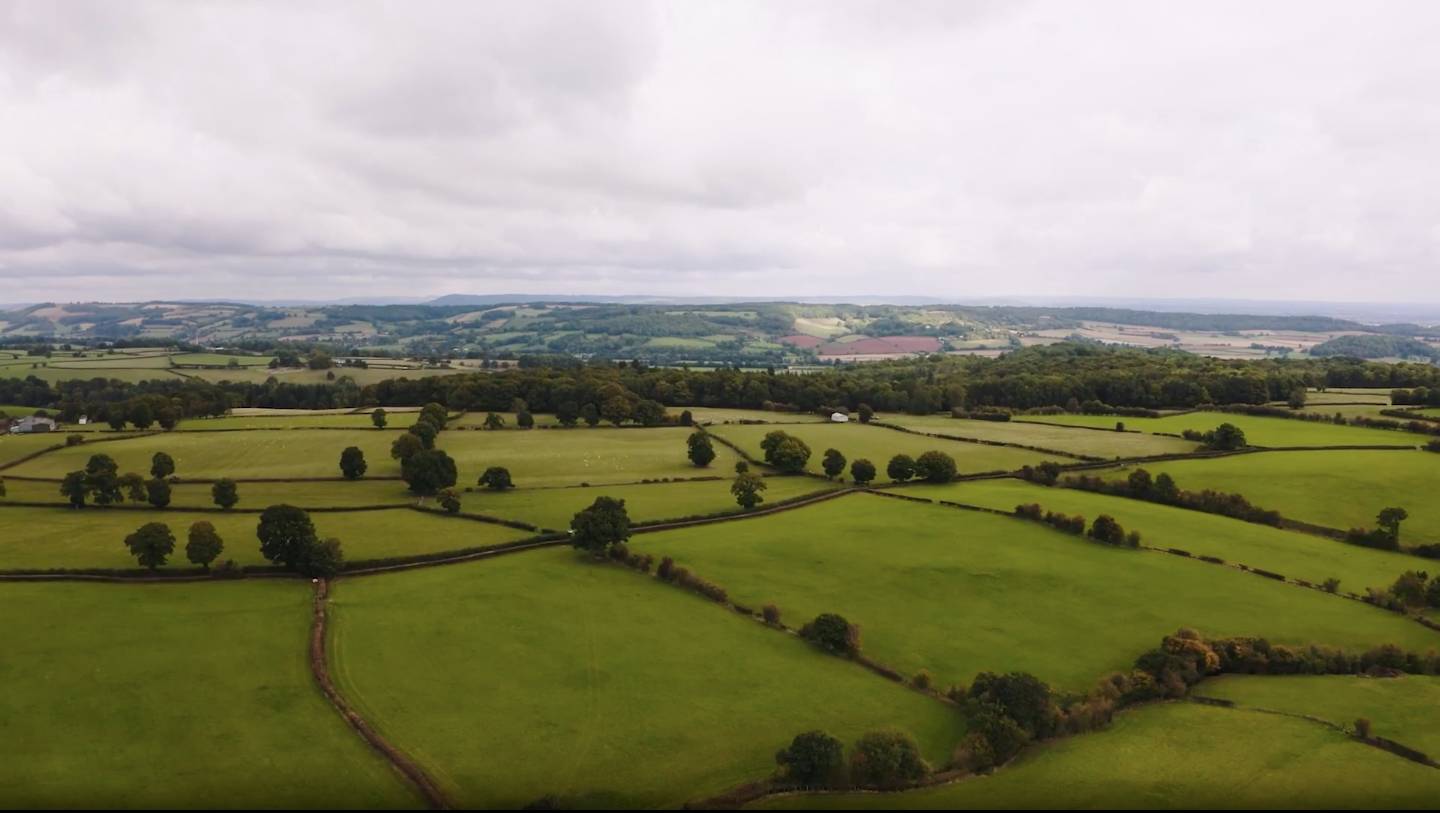
Jane Scotter has been farming at Fern Verrow - her certified biodynamic farm at the foothills of the Black Mountains in Herefordshire - since 1996, where she cultivates a wide range of truly seasonal vegetables, fruit, herbs and flowers. Jane believes that vegetables and fruit grown in good soil, at the right time of year and open to the elements have a greatly enhanced character and flavour, and that size and shape are unimportant when compared to taste and true quality. Since 2015 she has had a farm-to-table collaboration with Michelin starred chef Skye Gyngell and her London restaurant, Spring, and also grows flowers for acclaimed London florists, JamJar Flowers.

Access to all courses


