
Interior and exterior confidence
Create Academy has been such a great resource. I'm in the middle of renovating a bungalow with a very large garden and the courses have offered a wealth of inform...
Harvey
Jun 10, 2026
How to Grow Exceptional Produce
with JANE SCOTTER — Leading biodynamic grower of fruit and vegetables. Supplier to Michelin star restaurant Spring.
Lesson 9 of 36
Subscribe to watch
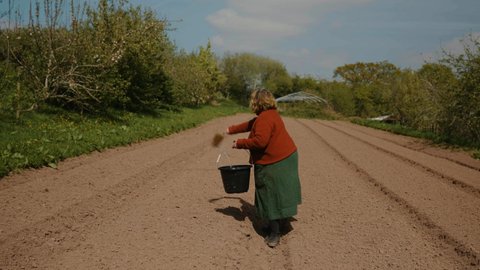
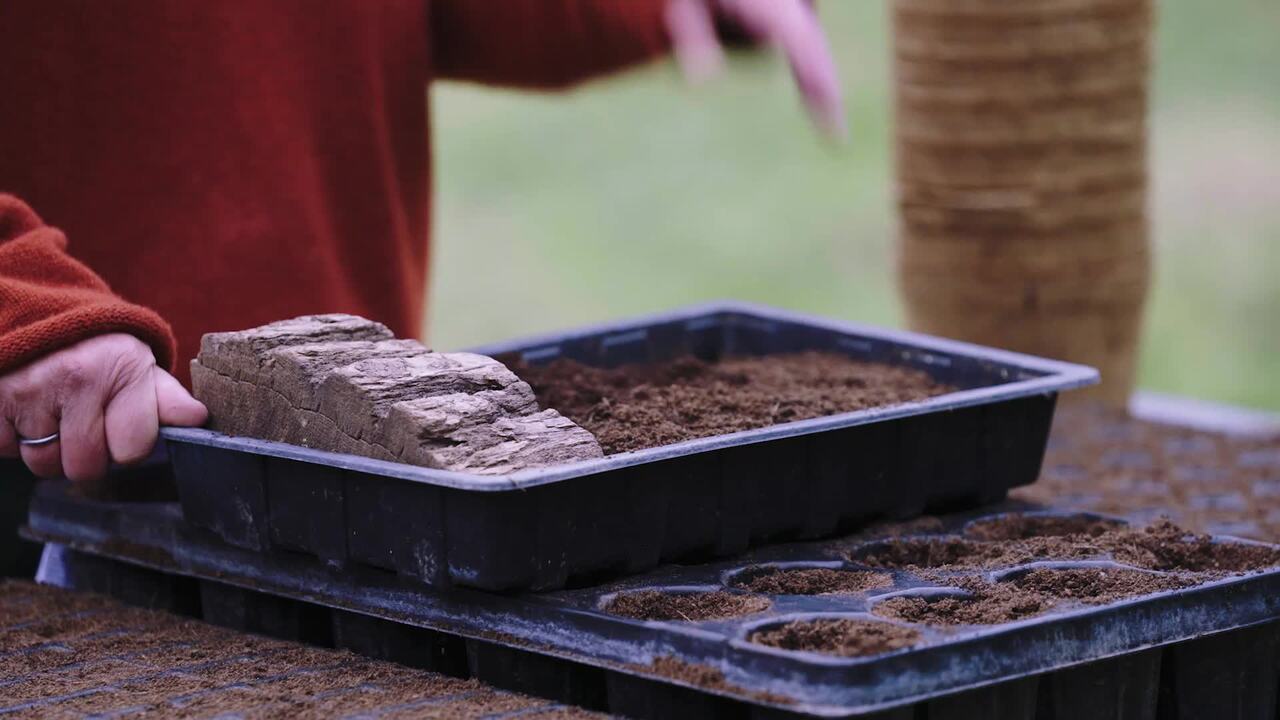
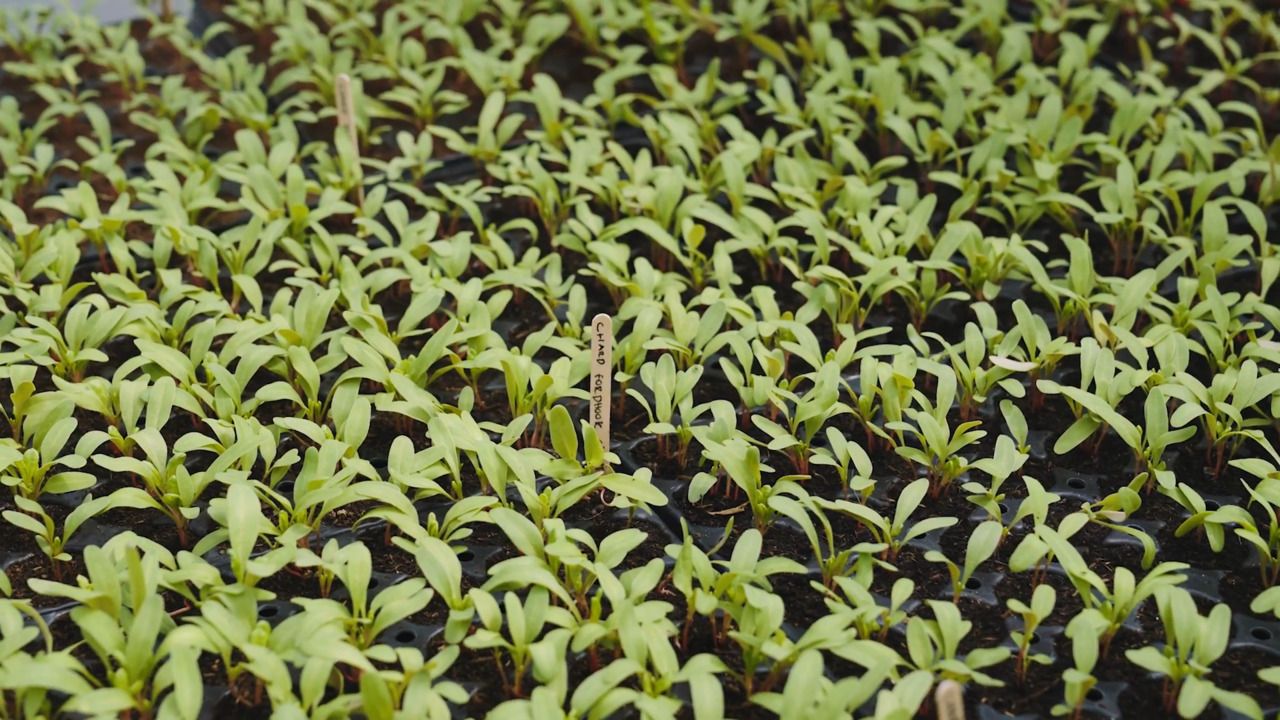
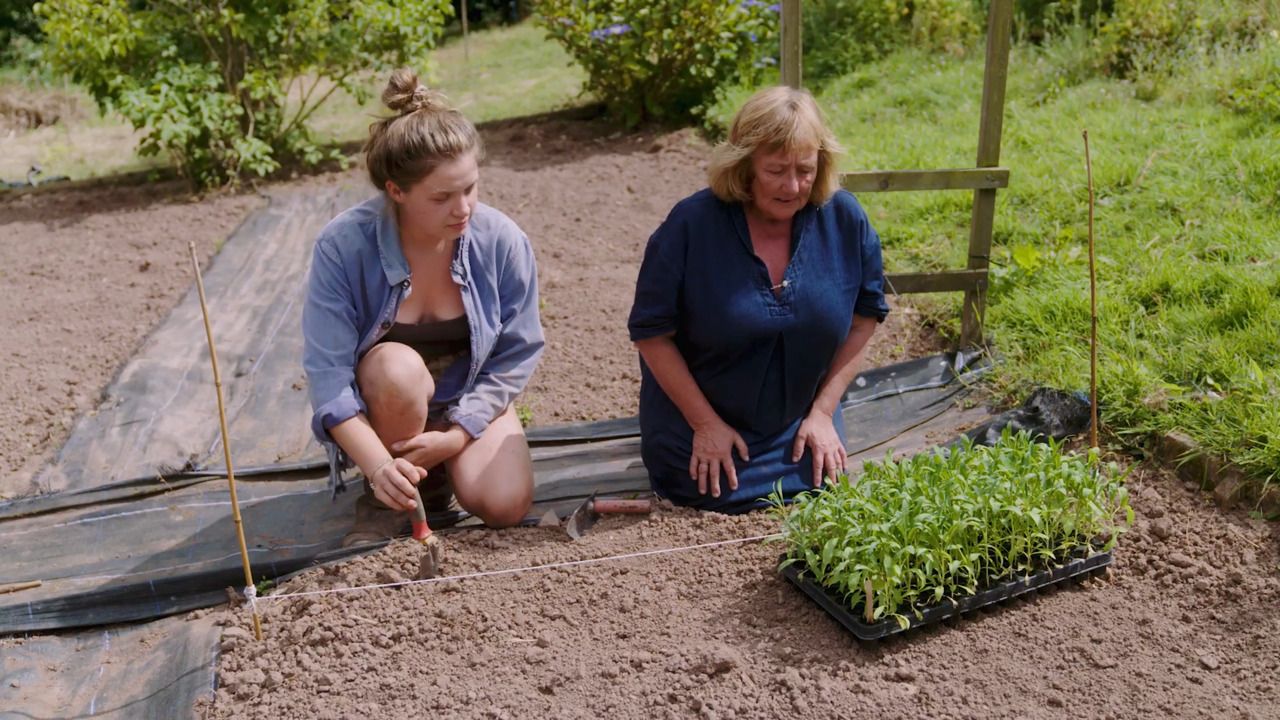
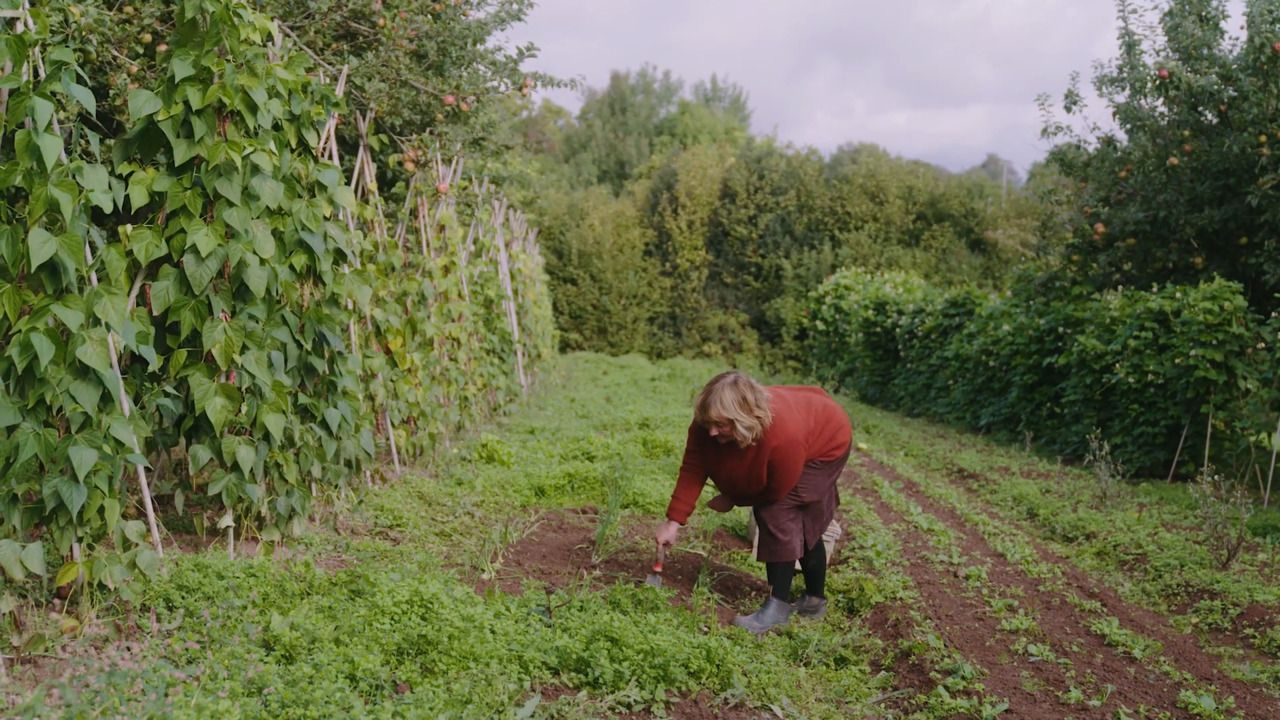
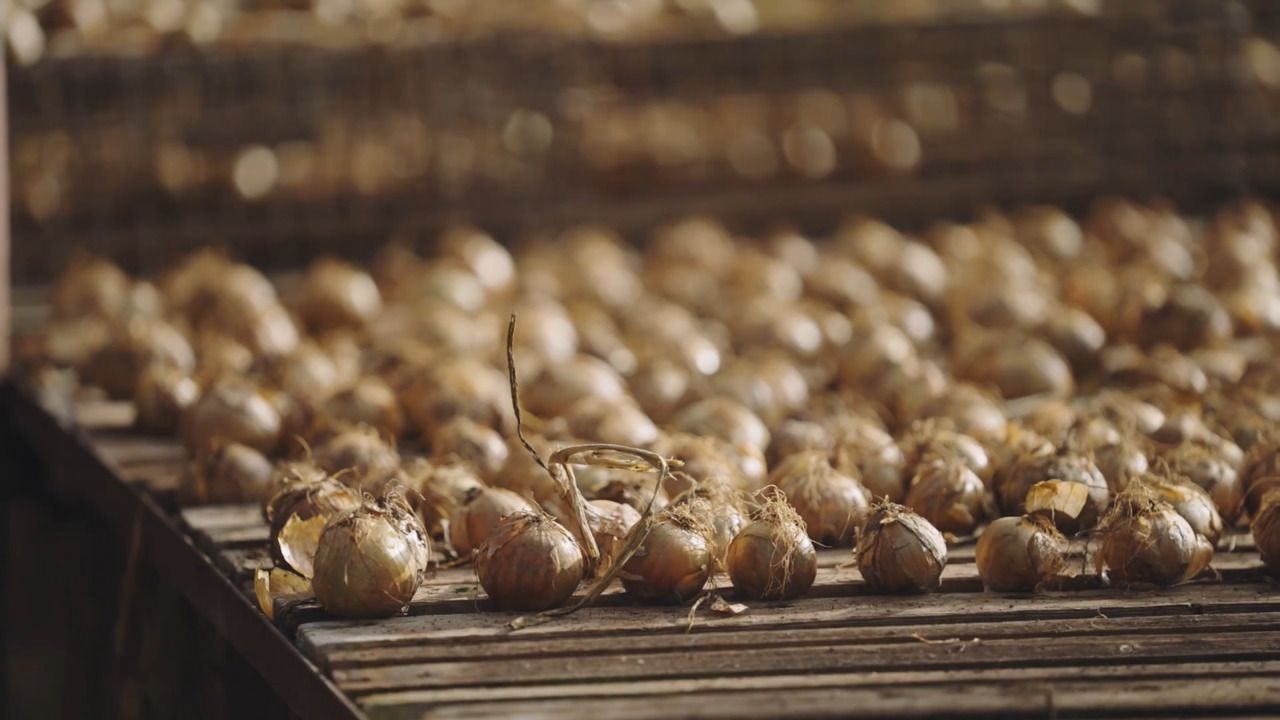
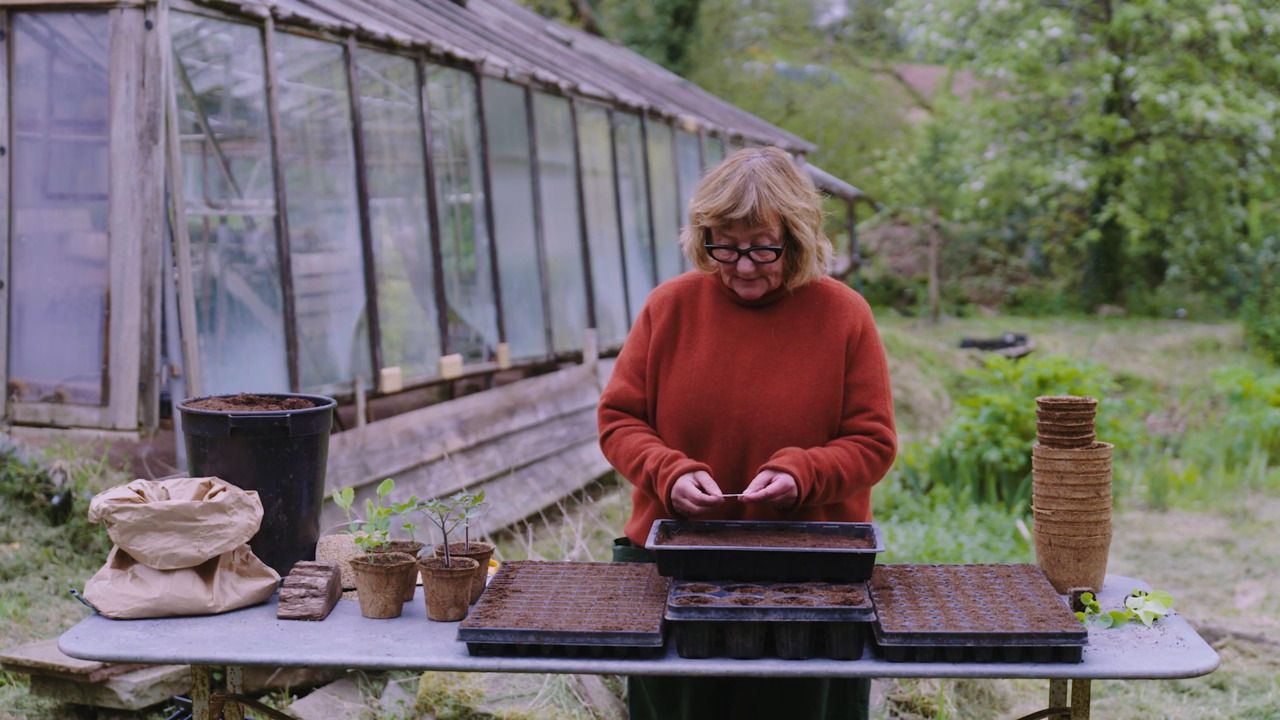
Sowing seeds correctly will ensure you produce healthy plants. In this lesson, Jane will show you how to sow a variety of seeds, including onions and snapdragons.
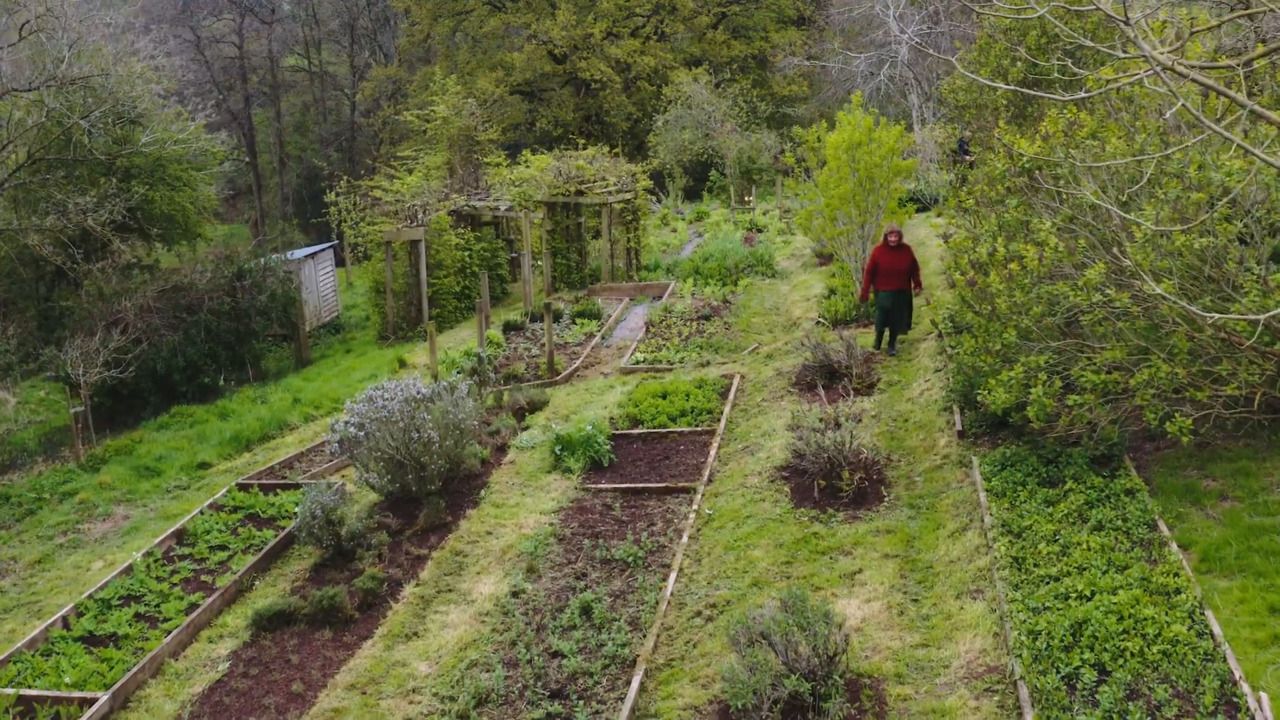
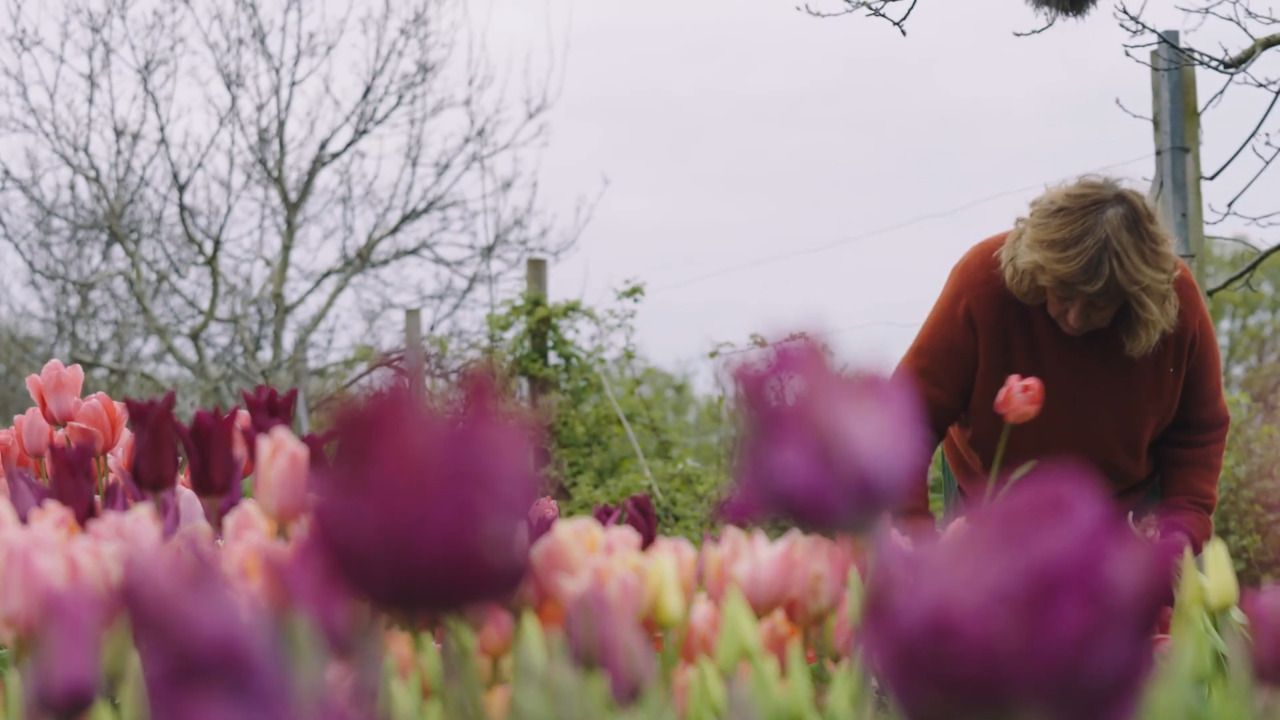
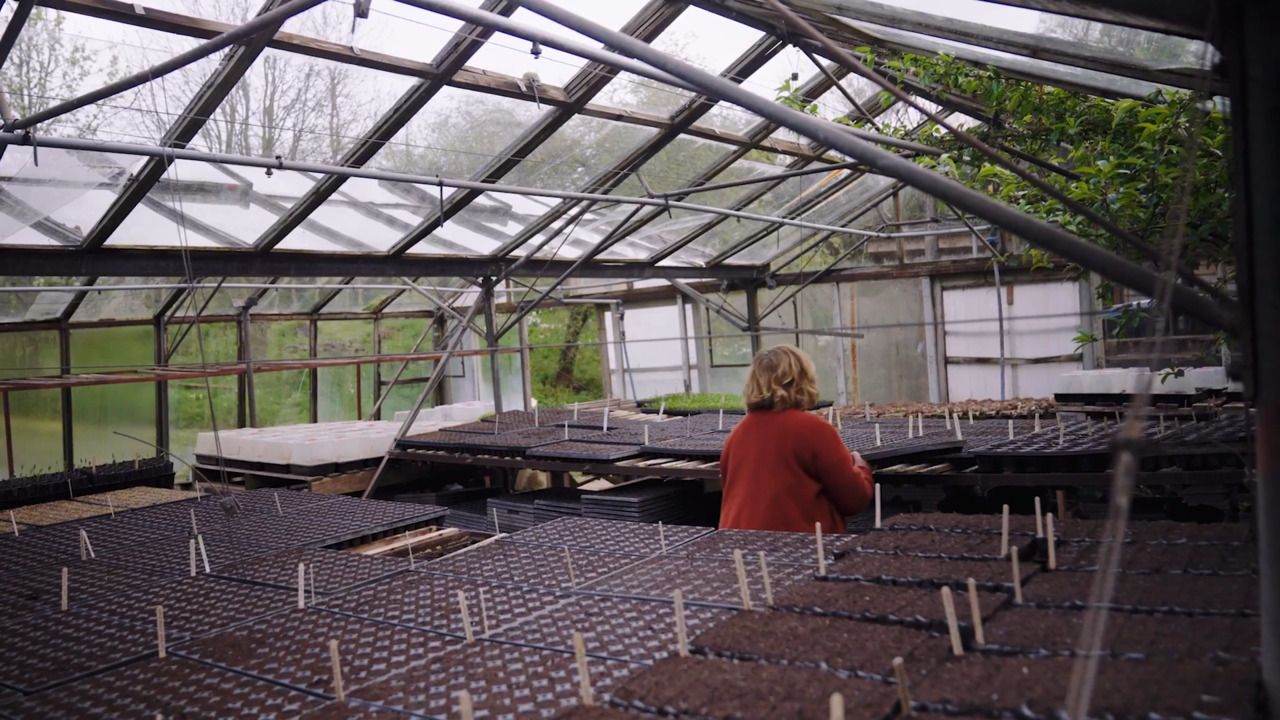
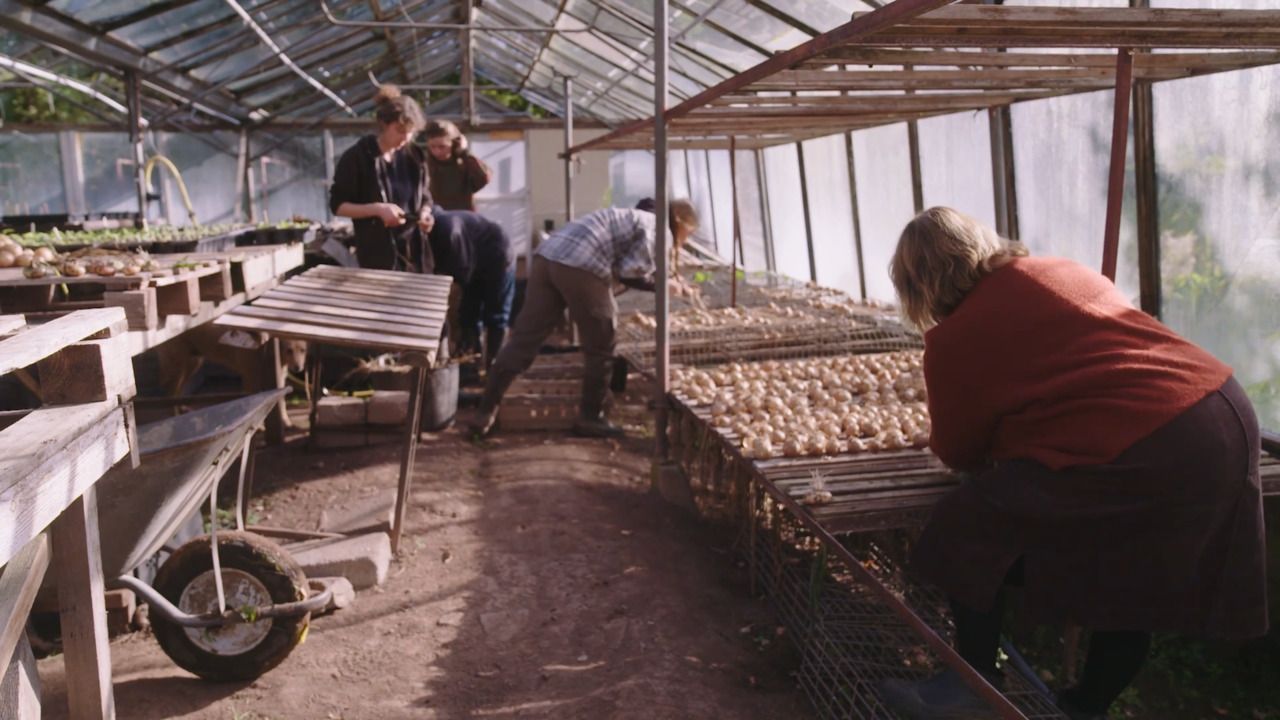
Spring is when we do the bulk of our sowing at Fern Verrow. From flower seeds to vegetable crops, there is always something new moving into the greenhouse.
The spring equinox at the end of March – when day and night are of even length – is the best time to begin sowing your seeds.
If you have a greenhouse, then certain seeds, such as aubergines, peppers and chillies, should be started earlier in the year, as they need more time to develop and set fruit.
You will need a propagator however, as chillies need a temperature of 25 to 28 degrees Celsius to germinate.
Get the full workbook, video lessons, and more with a Create Academy subscription.
Subscribe to access the full workbookAlready a member? Sign in to watch
510 reviews
Read moreCreate Academy has been such a great resource. I'm in the middle of renovating a bungalow with a very large garden and the courses have offered a wealth of inform...
Harvey
Jun 10, 2026
Absolutely love Create Academy! The instructors are extremely informative, and it is beautifully filmed. Create Academy is great value for money and plan on renew...
SG
May 31, 2026
Butter's creativity is stunning! Her ability to incorporate brilliance in small gardens is magical!
Carla
May 30, 2026
The best adventure. I like all the courses, but my favorite are both Rita Konig interior design courses and Anna Jones. Excellent!
Karolina Kluczewska
May 20, 2026
Create Academy has been such a great resource. I'm in the middle of renovating a bungalow with a very large garden and the courses have offered a wealth of information to dive into and explore new ideas. I'm...
Harvey
Jun 10, 2026
Absolutely love Create Academy! The instructors are extremely informative, and it is beautifully filmed. Create Academy is great value for money and plan on renewing my subscription yearly because there are ...
SG
May 31, 2026
Butter's creativity is stunning! Her ability to incorporate brilliance in small gardens is magical!
Carla
May 30, 2026

Your Instructor
Leading biodynamic grower of fruit and vegetables. Supplier to Michelin star restaurant Spring.
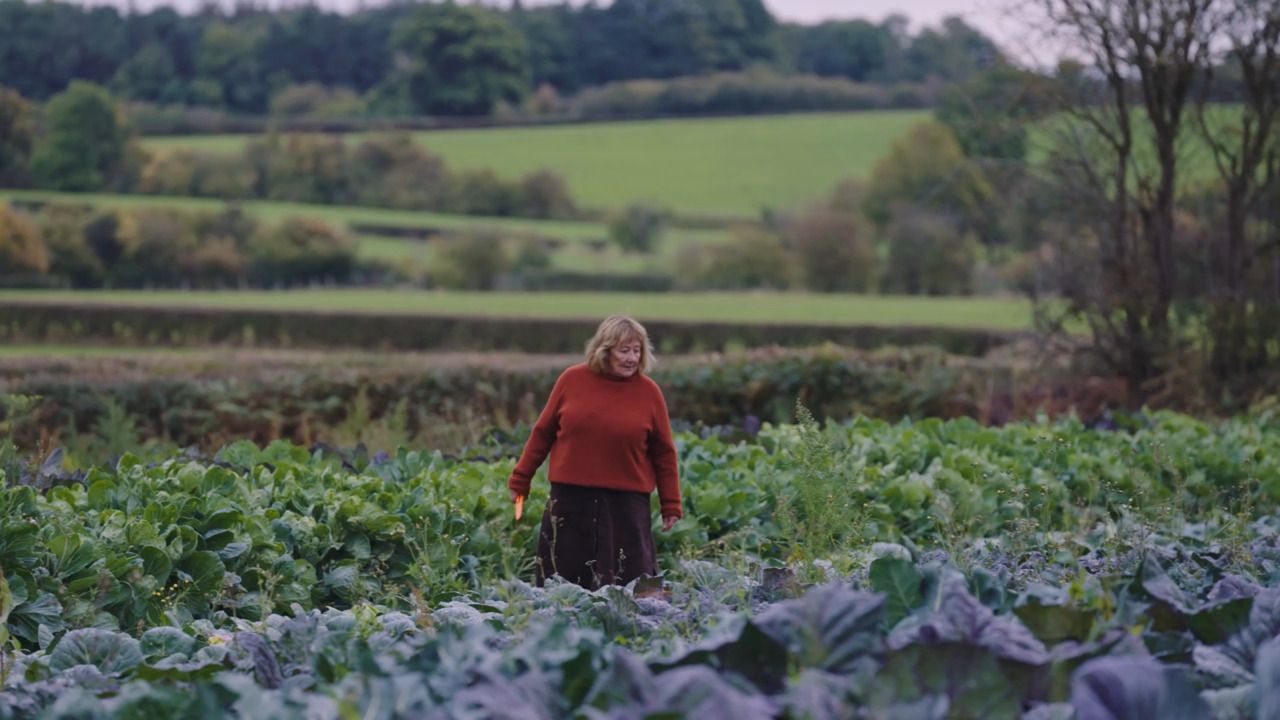
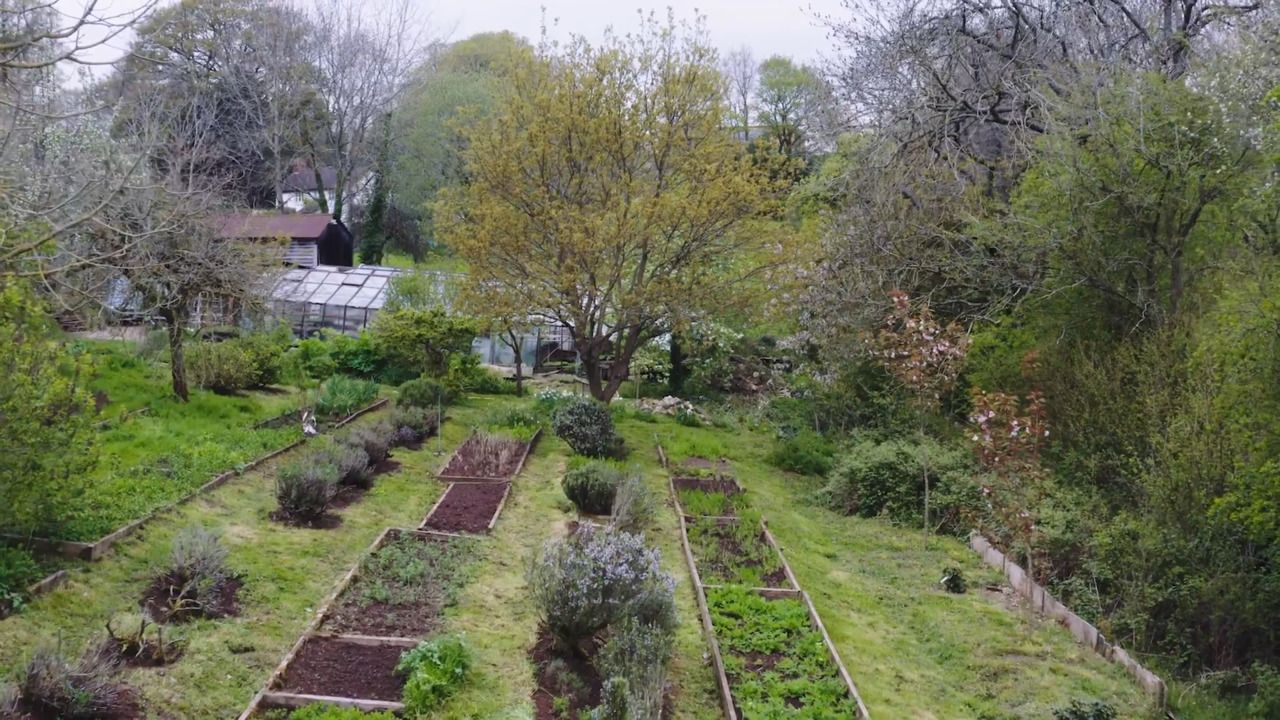
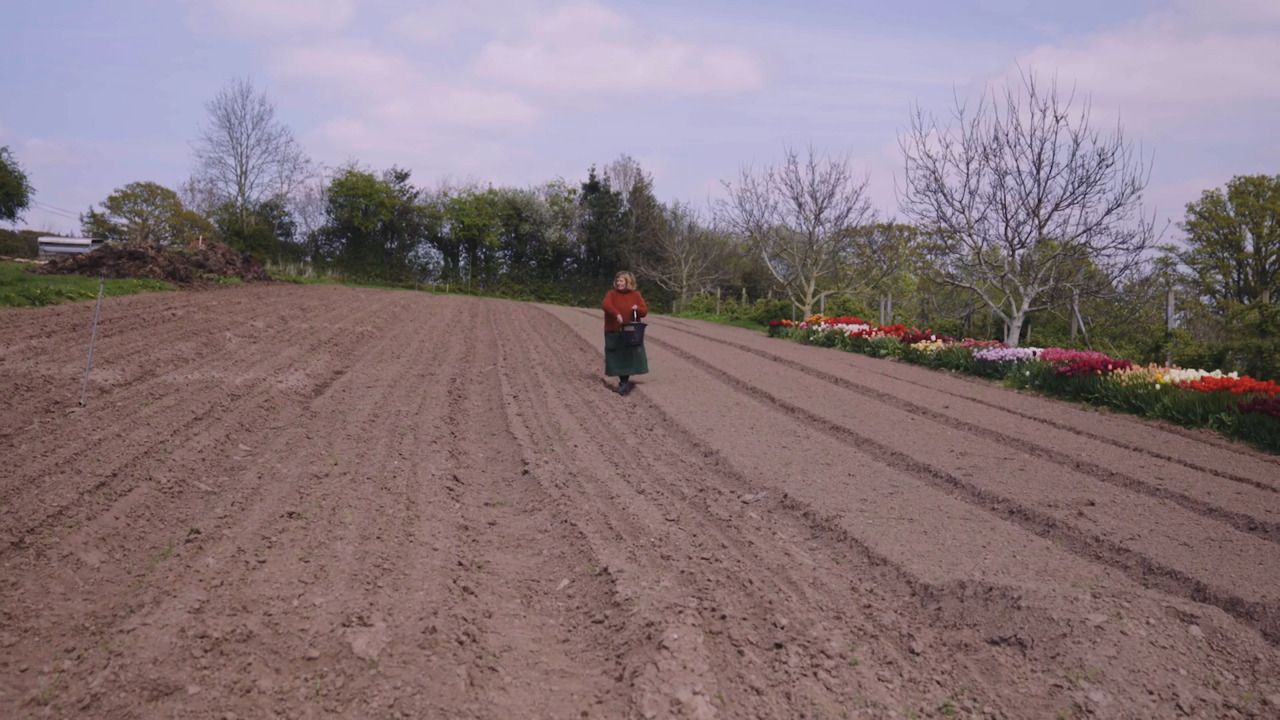
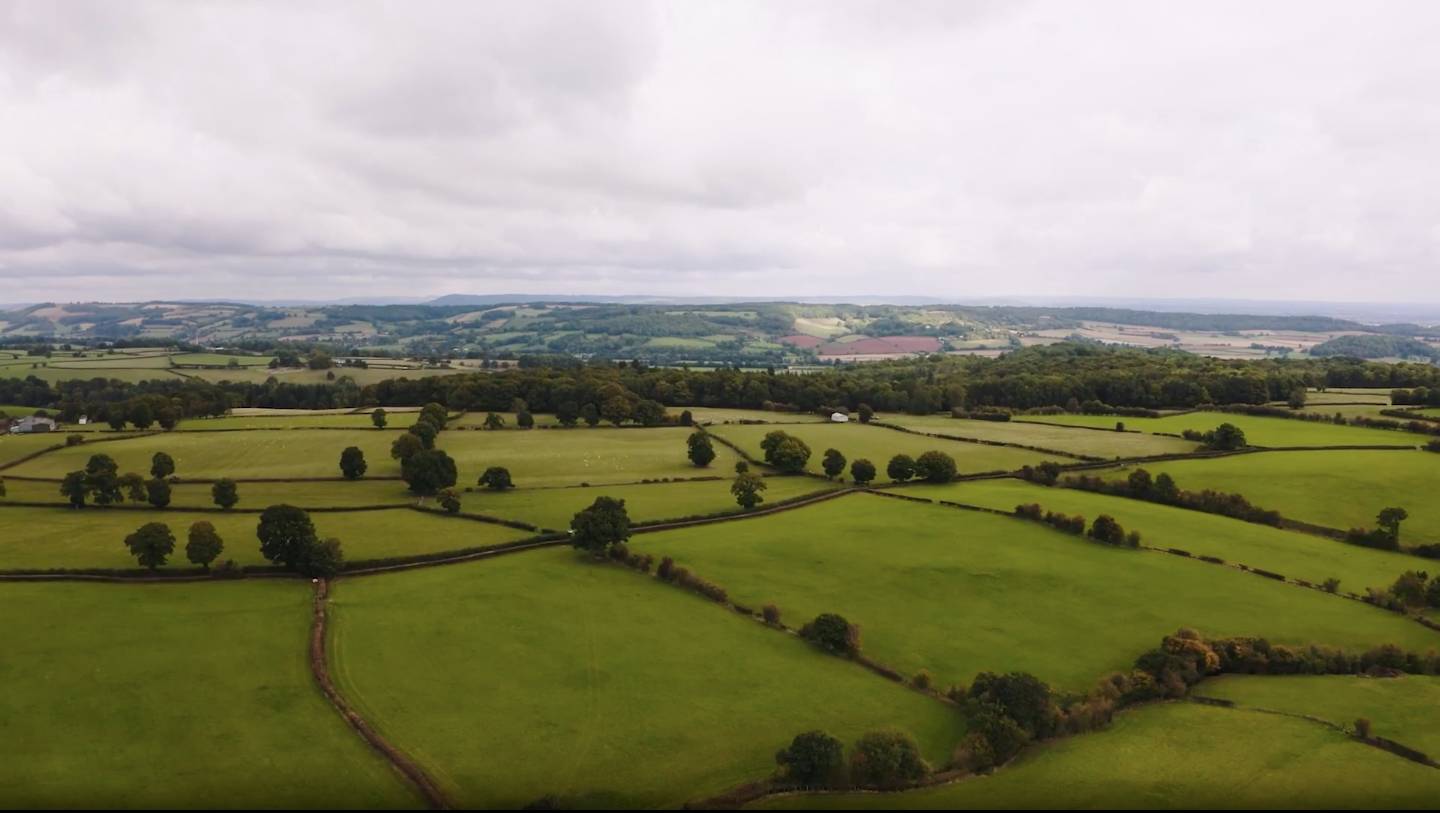
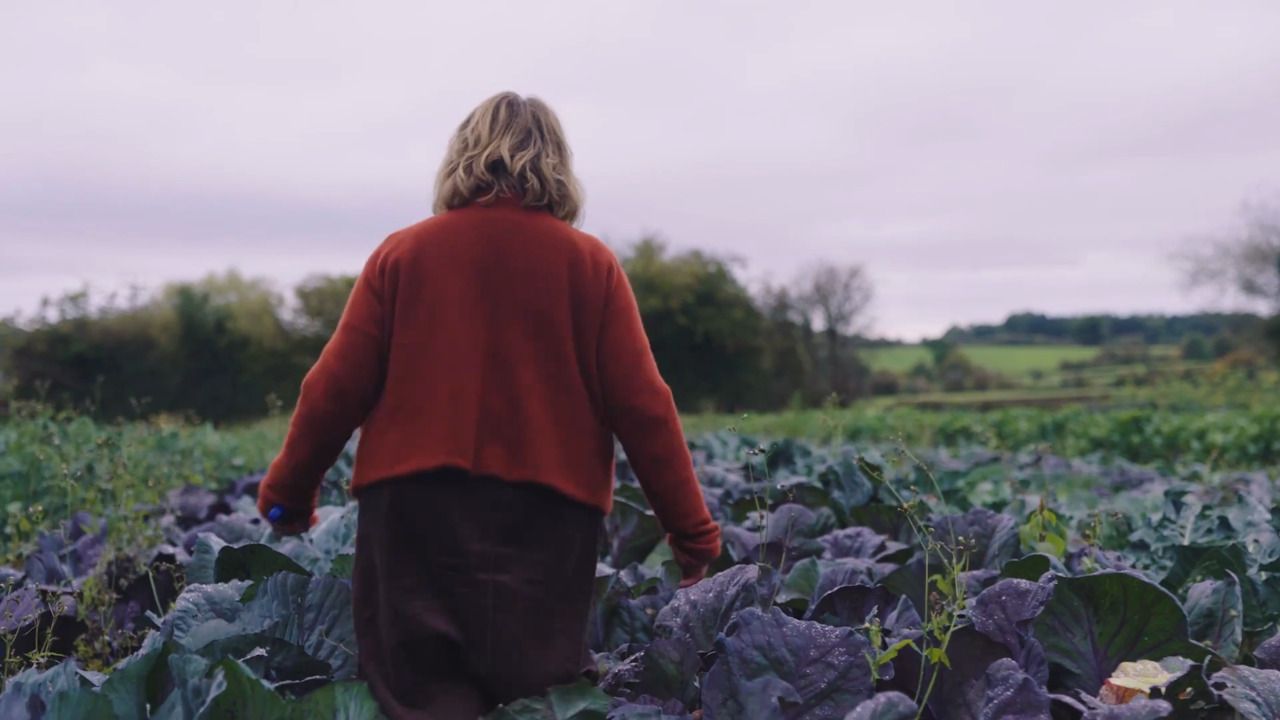
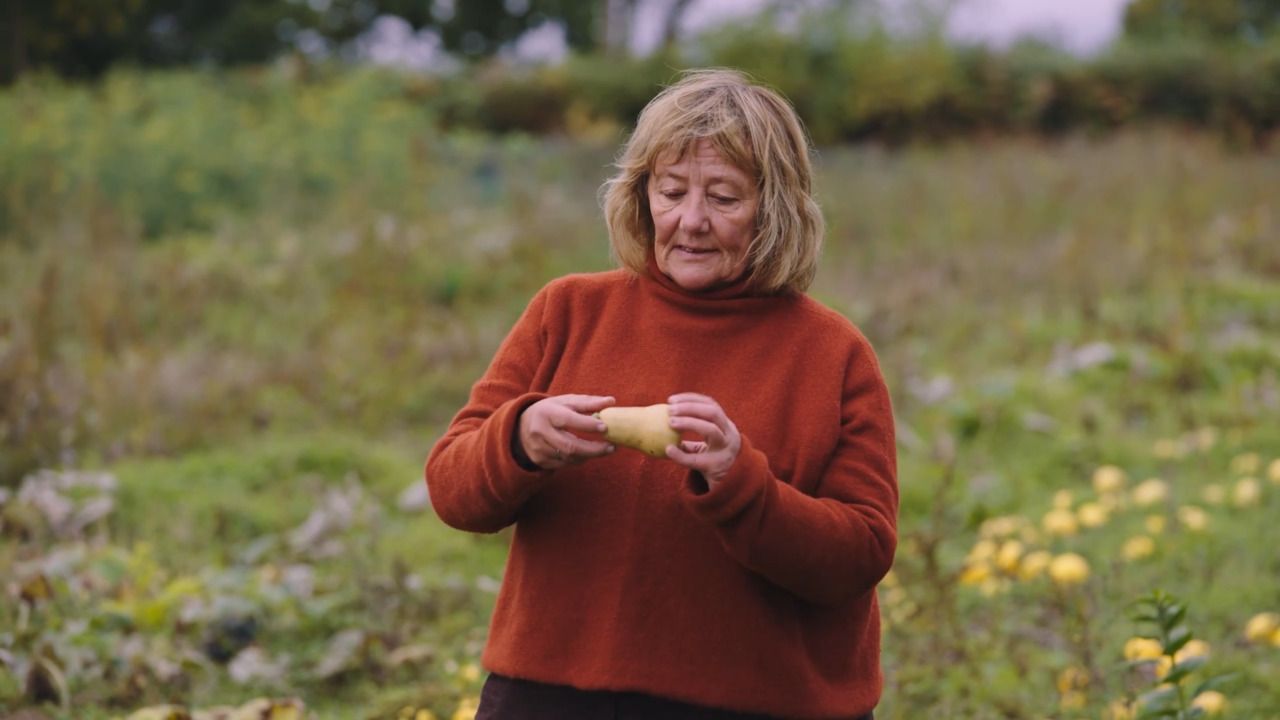
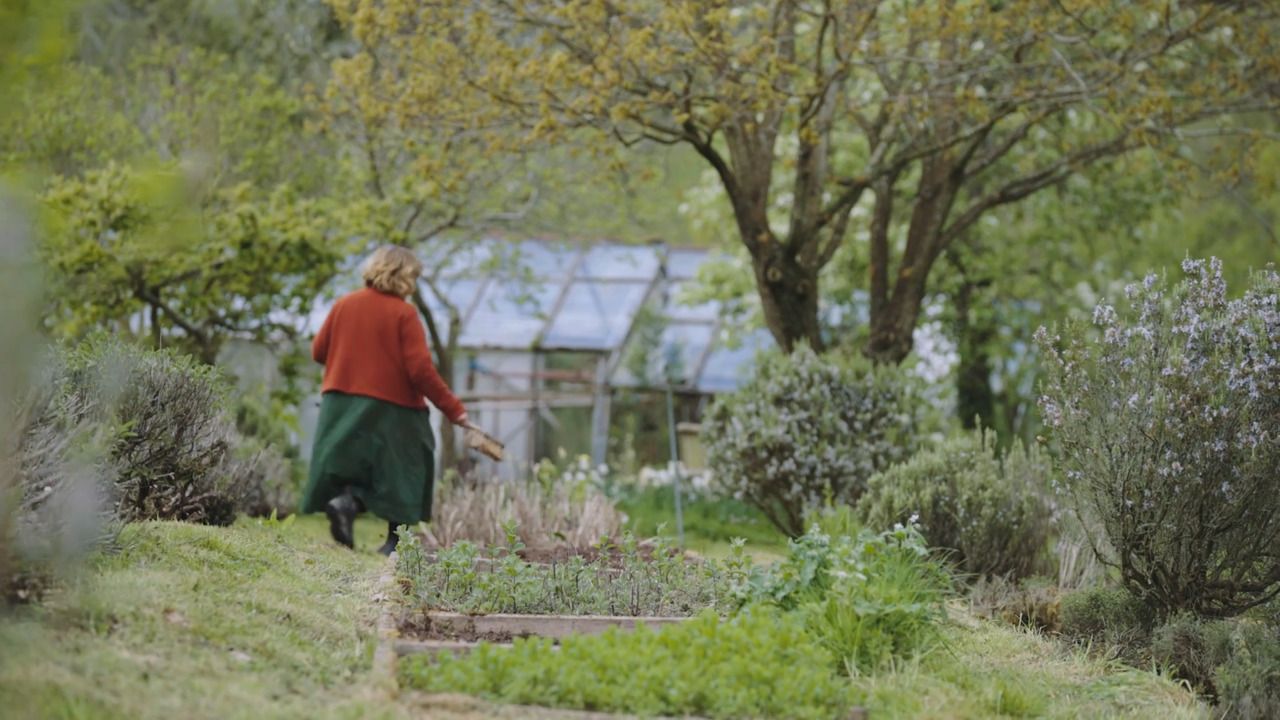
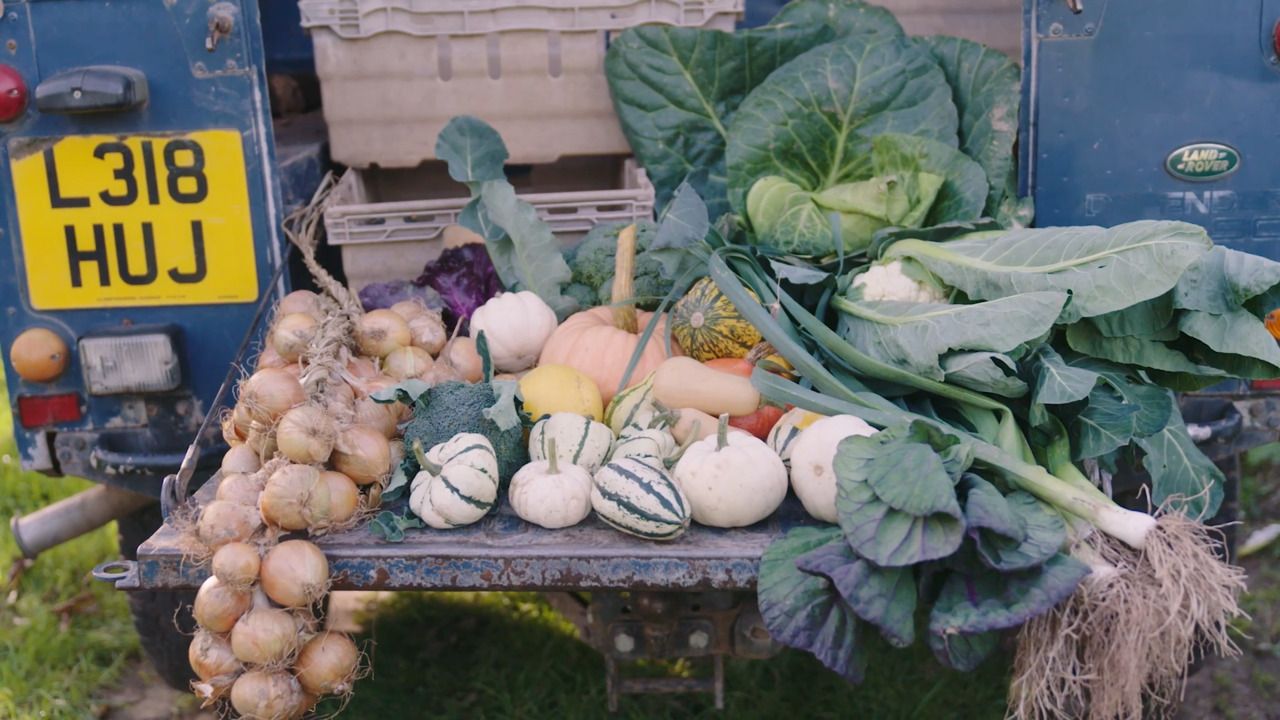
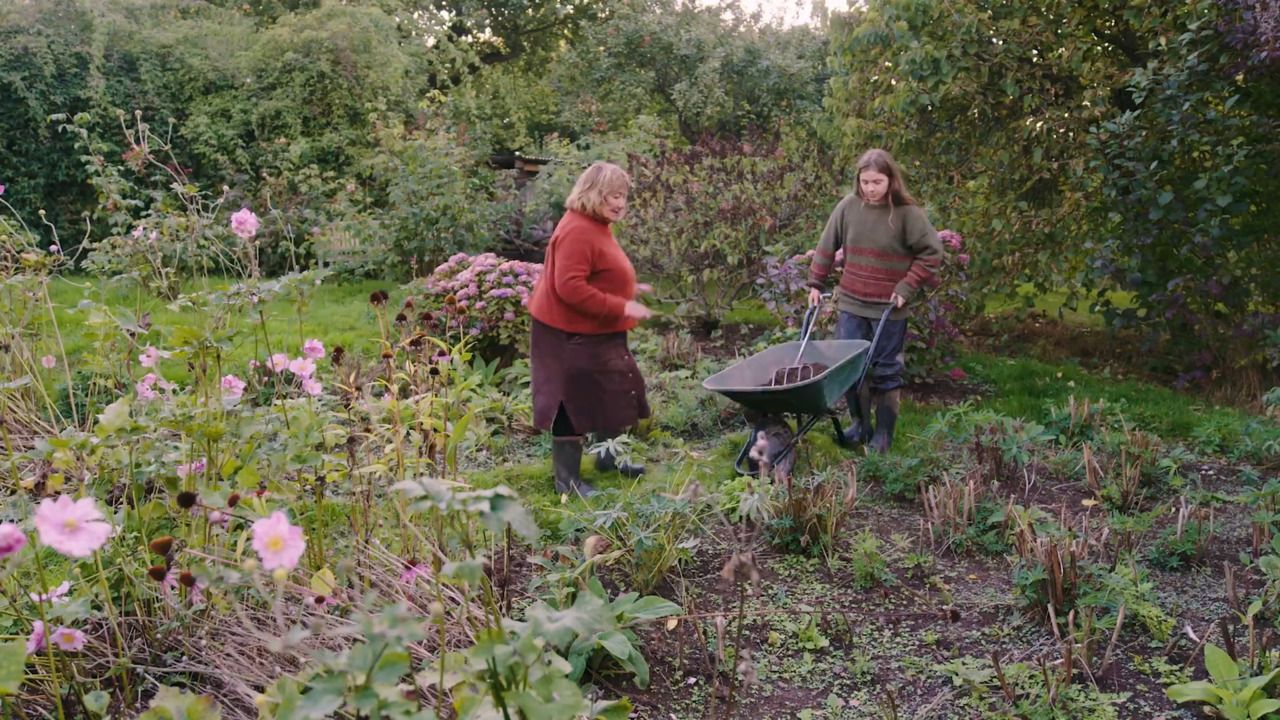
Jane Scotter has been farming at Fern Verrow - her certified biodynamic farm at the foothills of the Black Mountains in Herefordshire - since 1996, where she cultivates a wide range of truly seasonal vegetables, fruit, herbs and flowers. Jane believes that vegetables and fruit grown in good soil, at the right time of year and open to the elements have a greatly enhanced character and flavour, and that size and shape are unimportant when compared to taste and true quality. Since 2015 she has had a farm-to-table collaboration with Michelin starred chef Skye Gyngell and her London restaurant, Spring, and also grows flowers for acclaimed London florists, JamJar Flowers.
Access to all courses


