


Interior and exterior confidence
Create Academy has been such a great resource. I'm in the middle of renovating a bungalow with a very large garden and the courses have offered a wealth of inform...
Harvey
Jun 10, 2026
An Expert Guide to Planting Design
with DAN PEARSON — Acclaimed naturalistic landscape designer. Multiple Chelsea Gold Medal Winner. OBE.
Lesson 12 of 31
Subscribe to watch
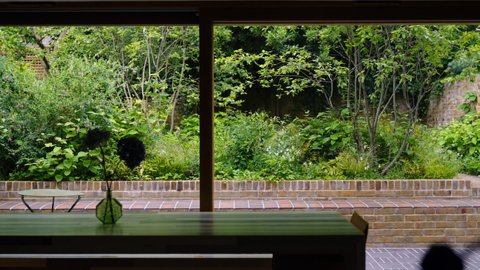
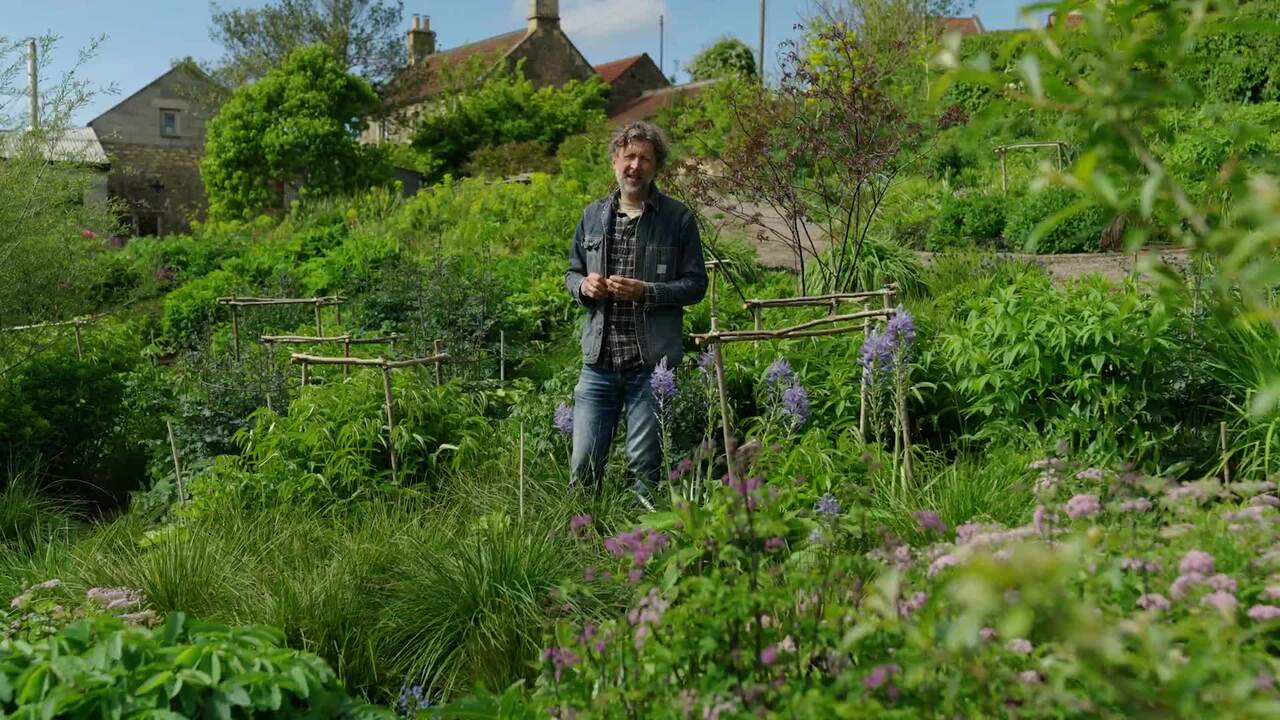
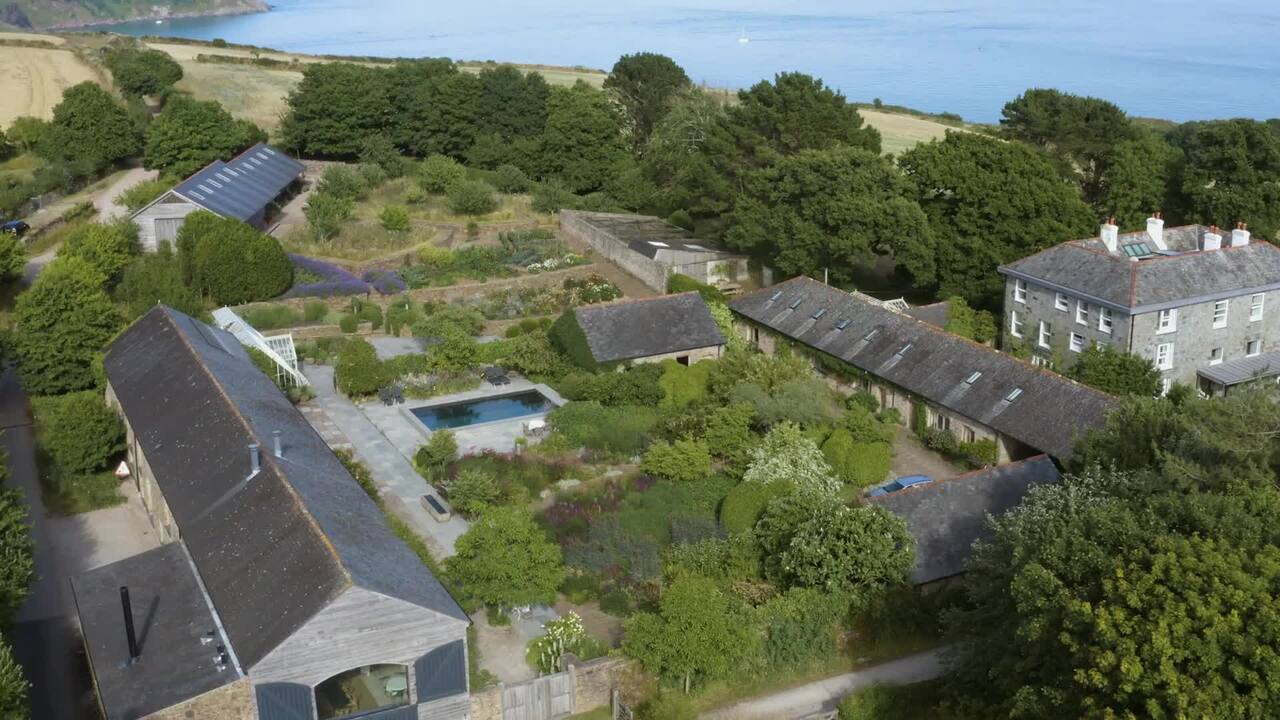
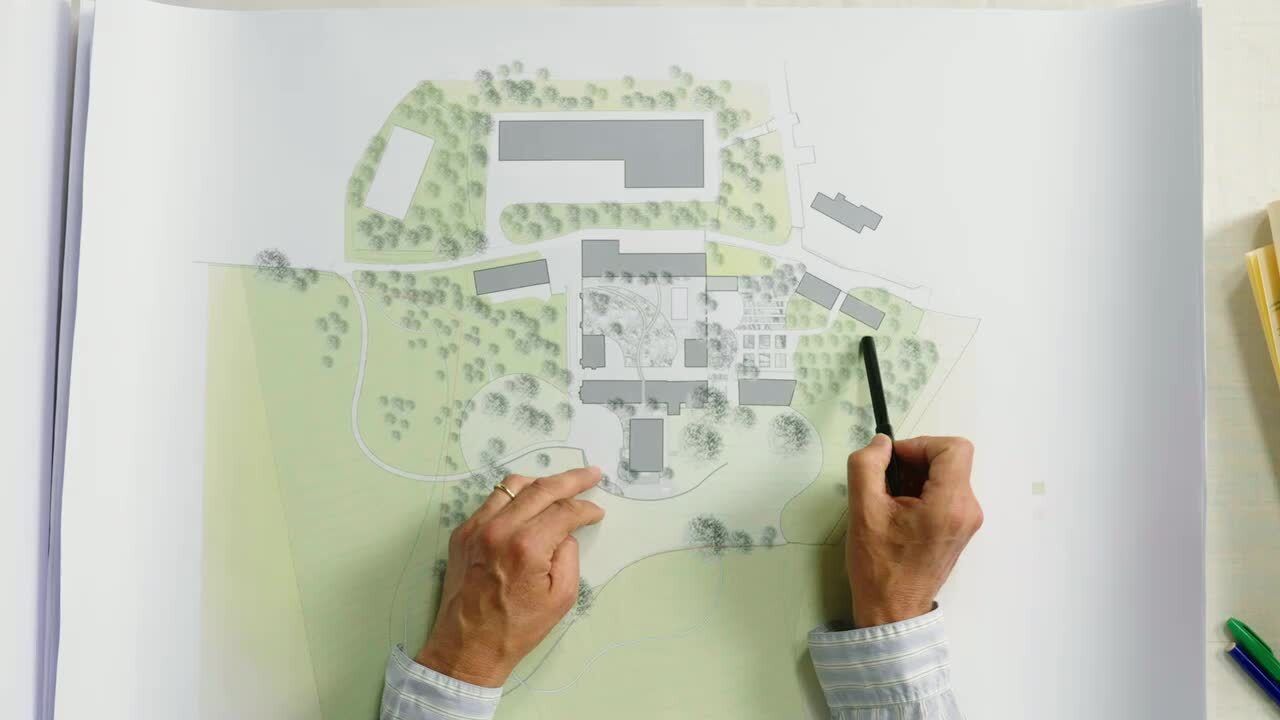
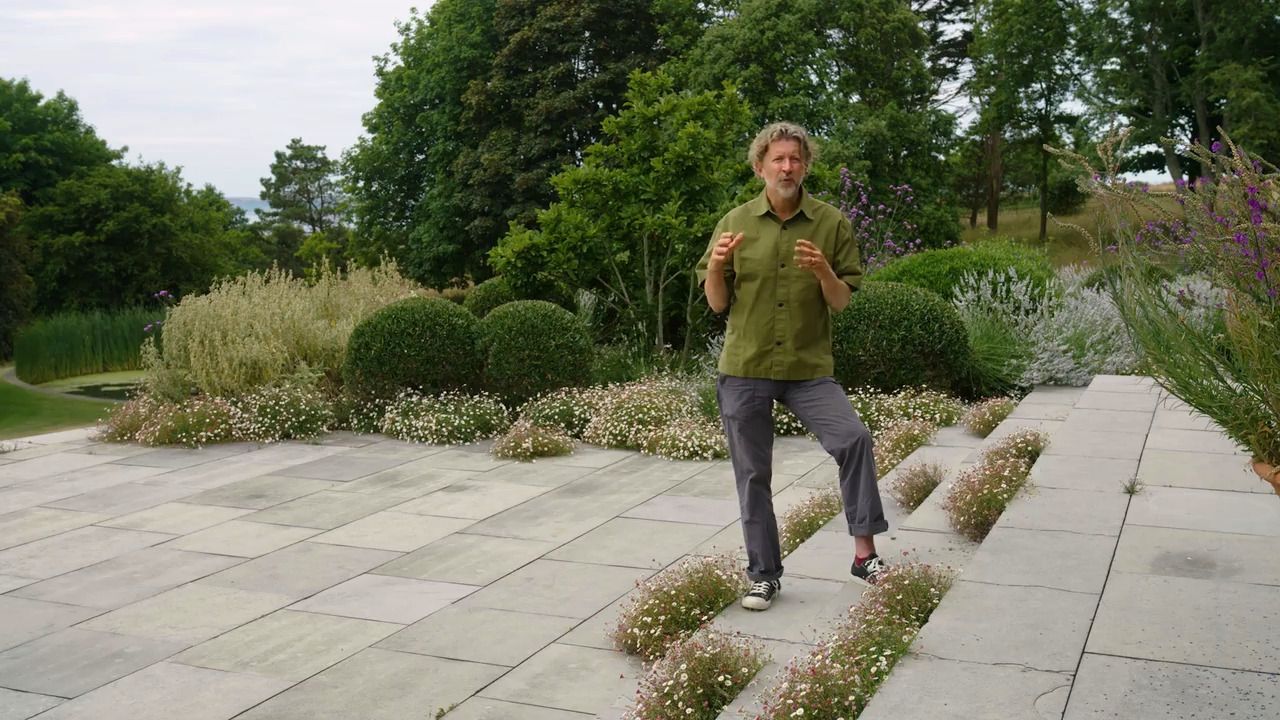
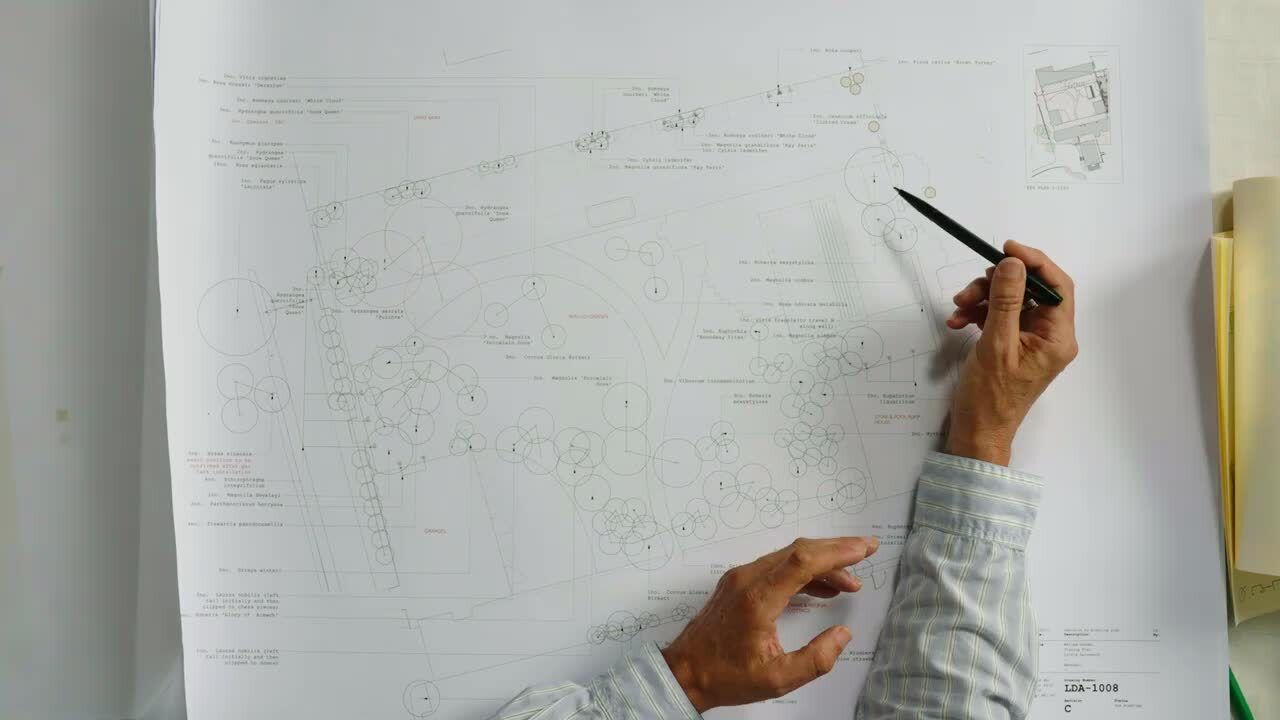
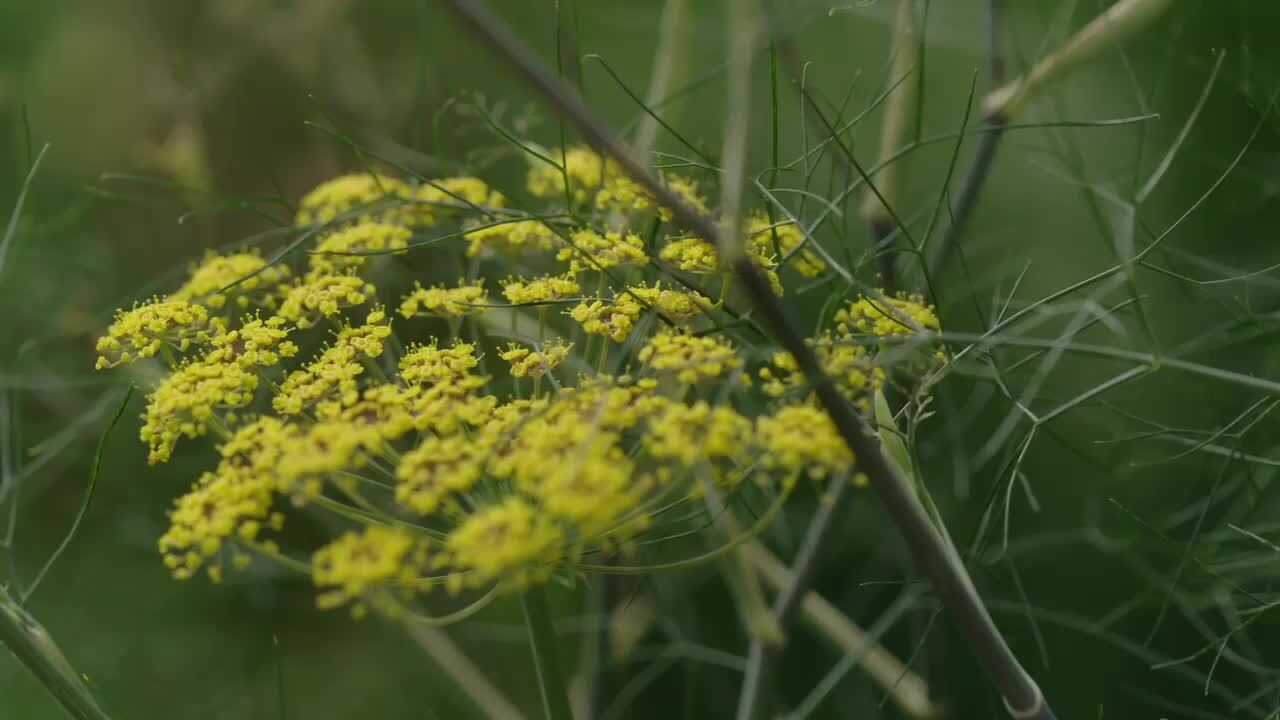
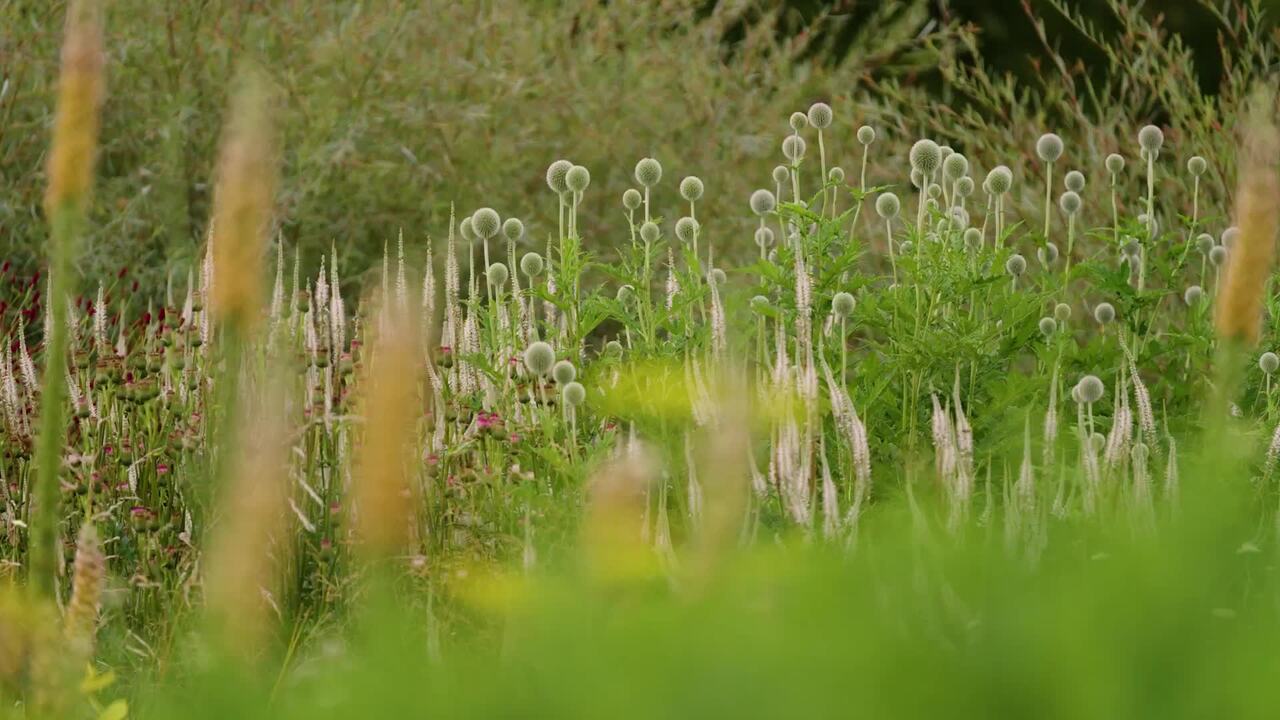
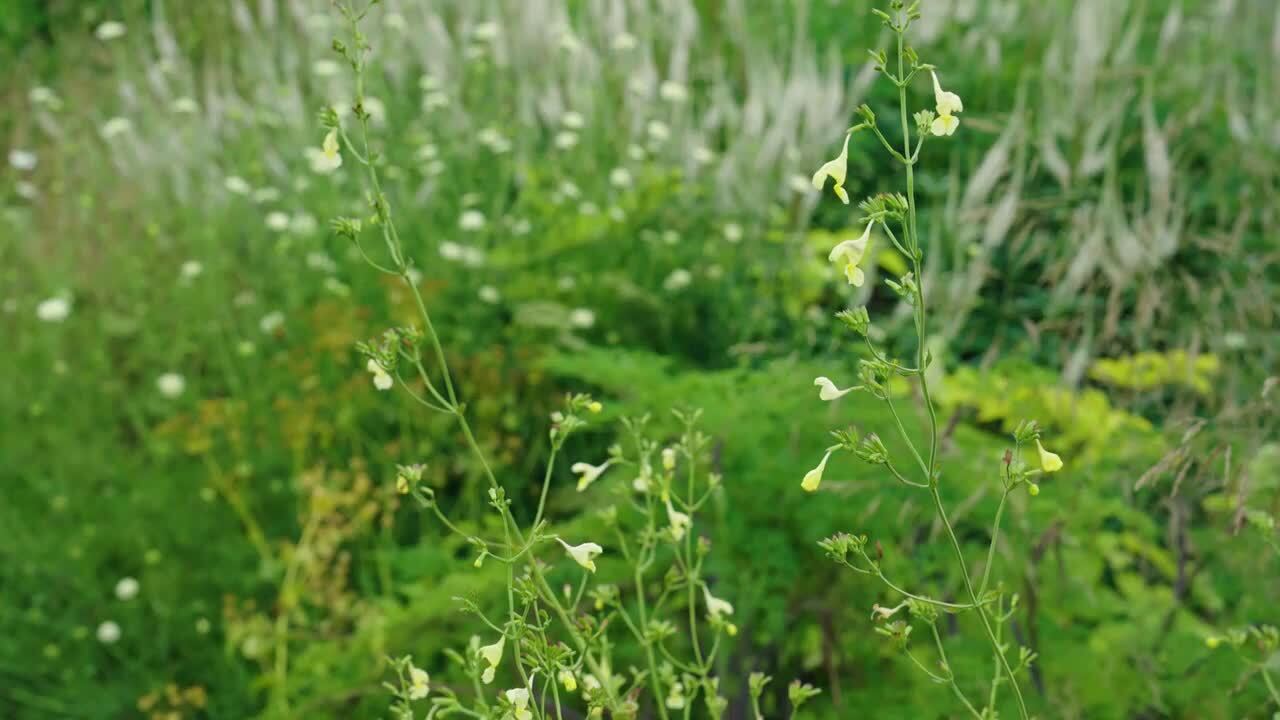
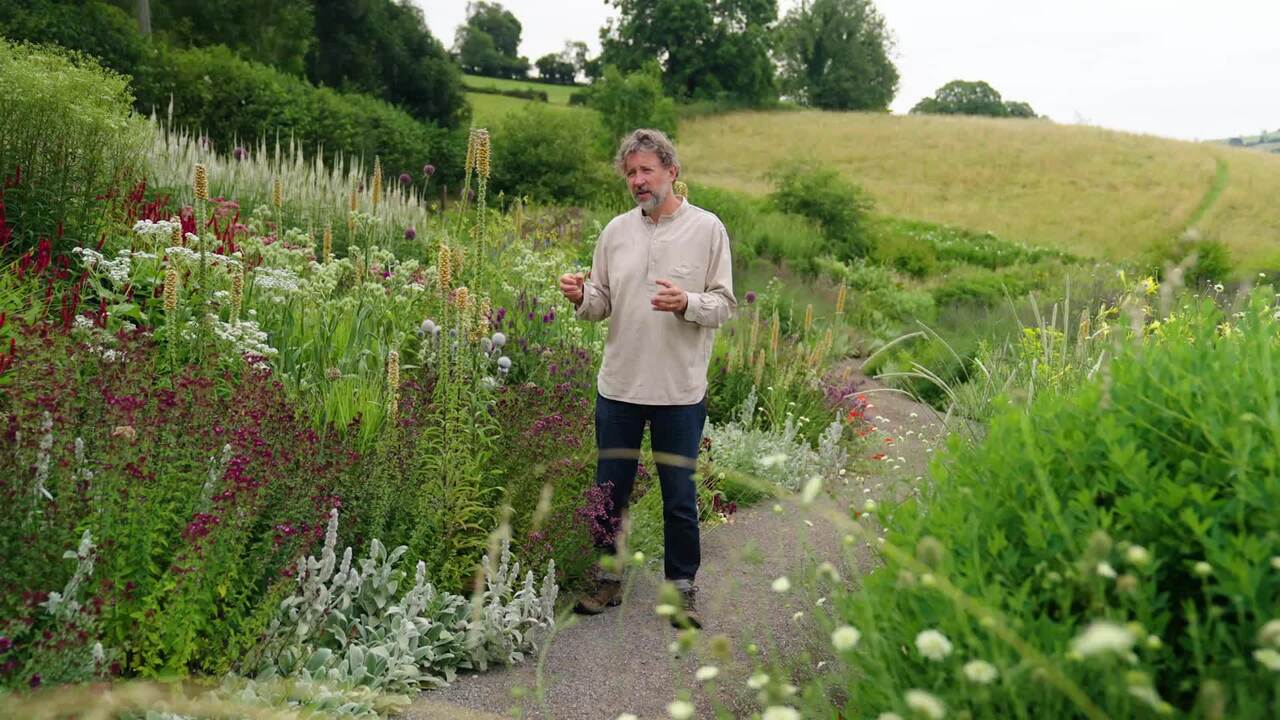
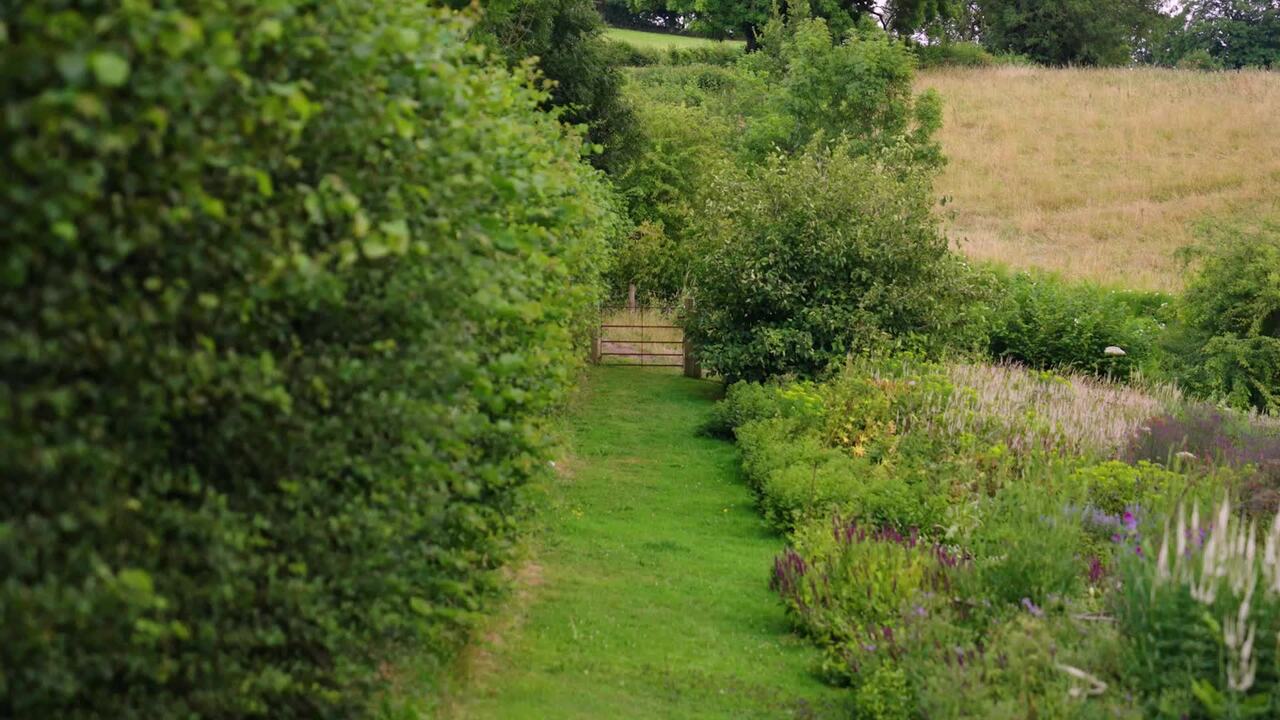
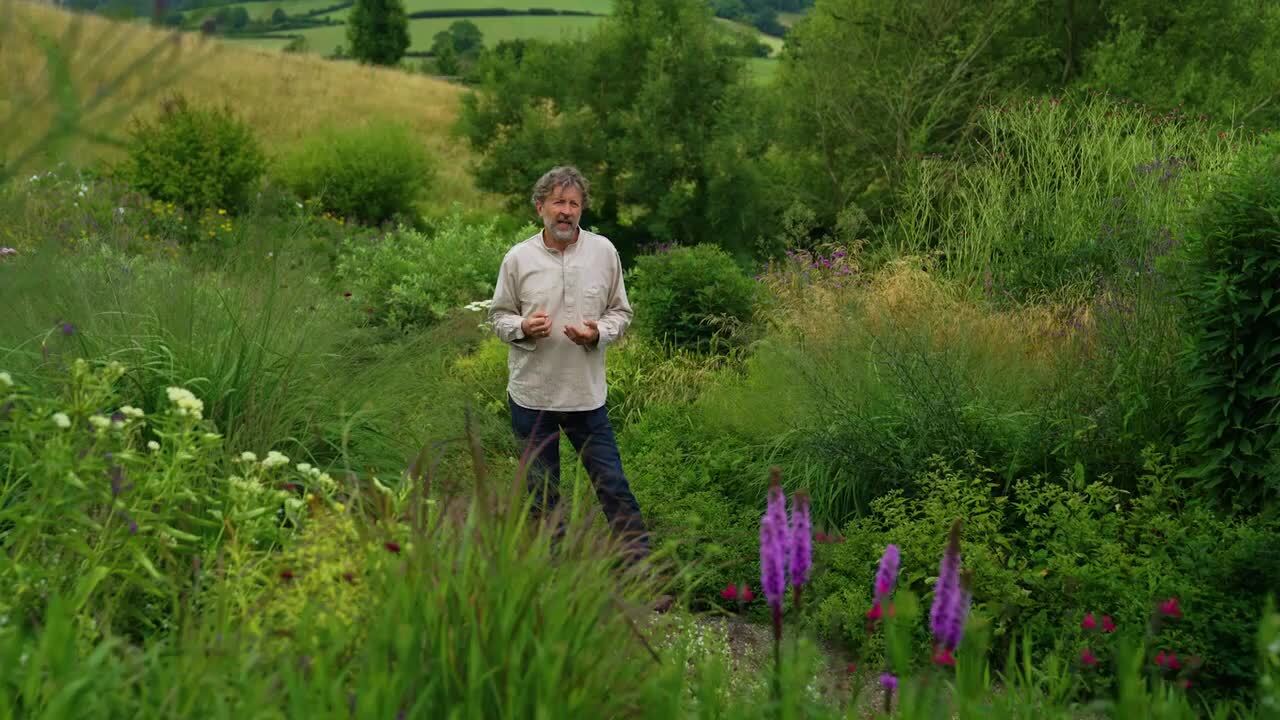
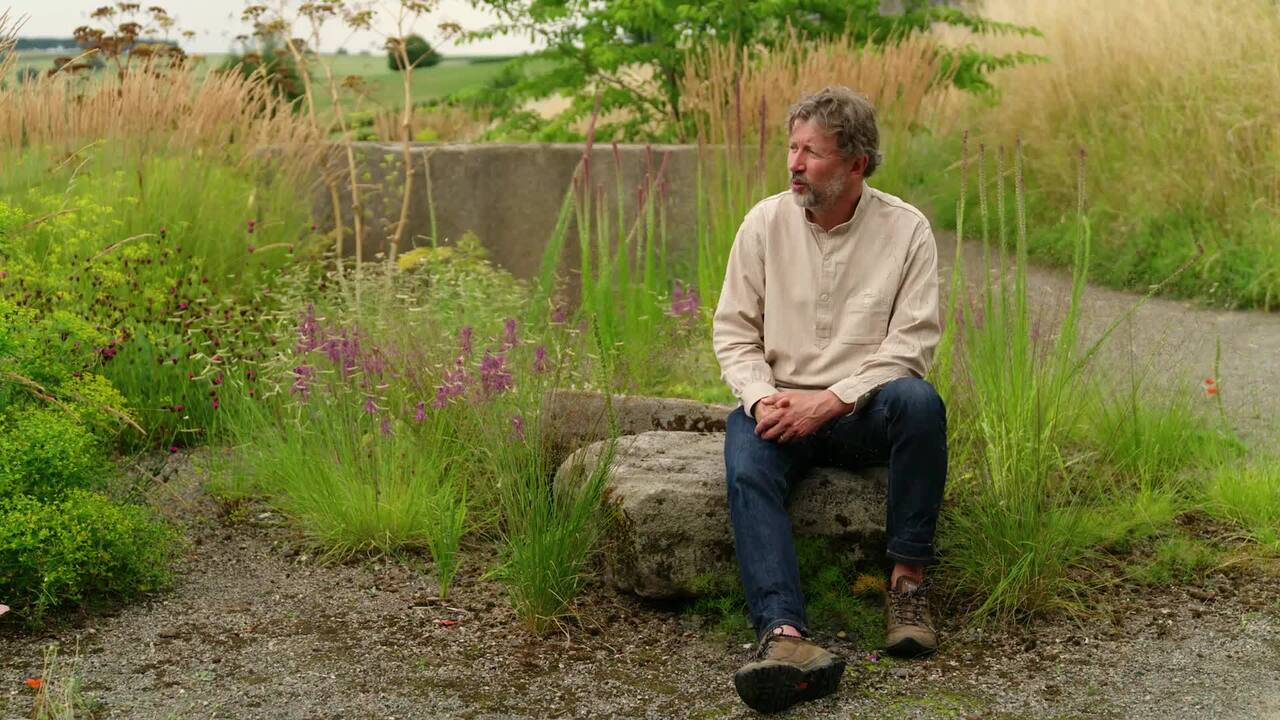
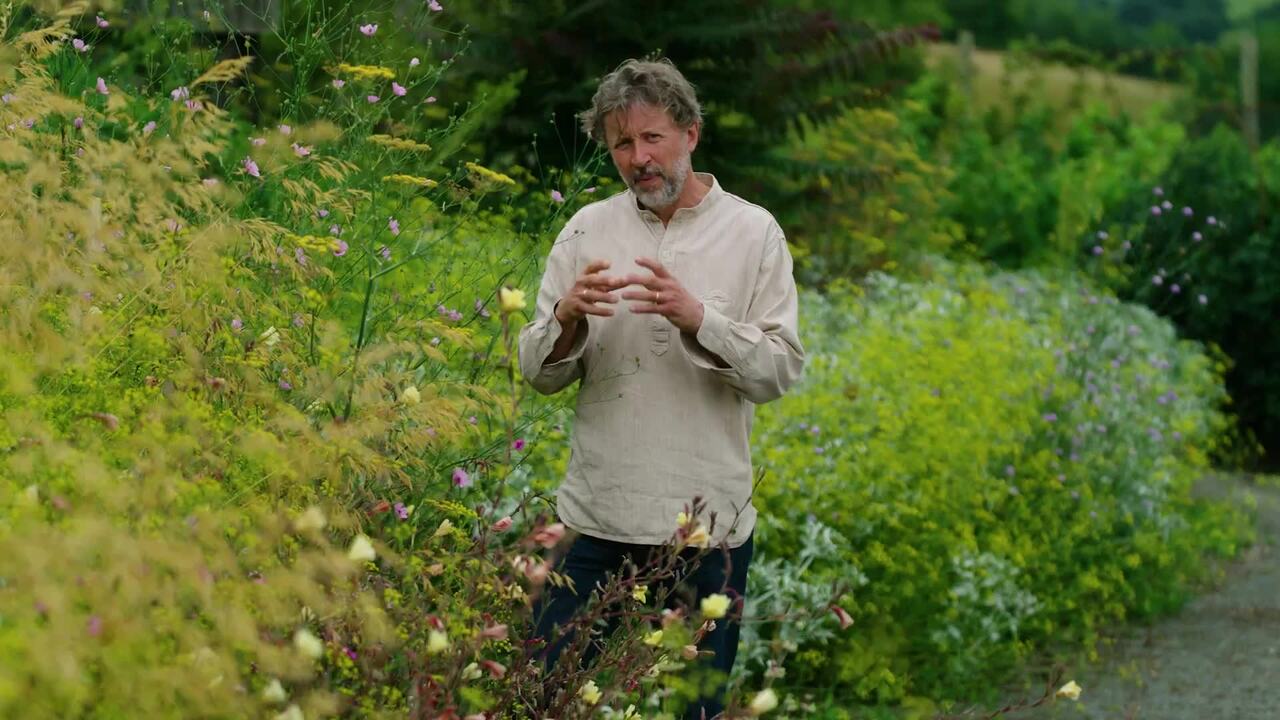
In this lesson, Dan looks at the landscaping elements of the project to show how you can use meadows, carefully considered materials and sensitively designed boundaries to blend a garden into its surroundings and make a site feel it’s in context.
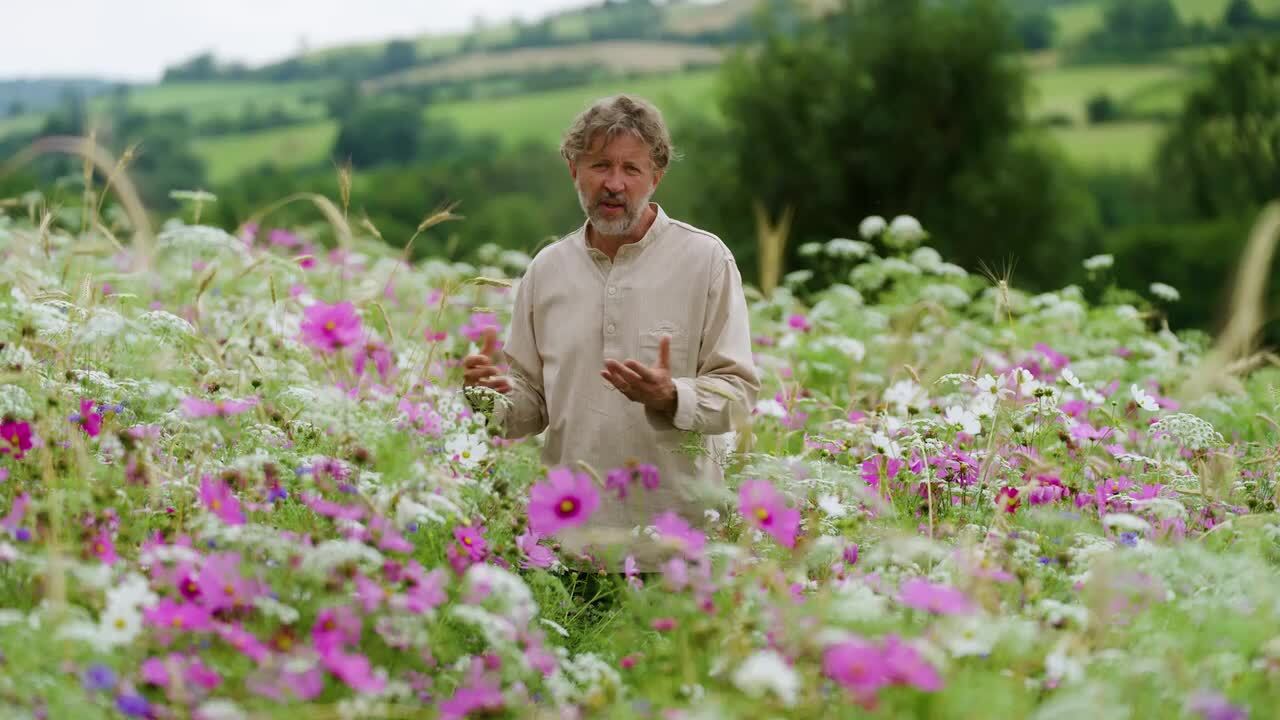
We've got two different conditions with the meadows here, and these each needed to be treated differently at the outset.
First, we've got the old lawns around the house. We turned these into meadows by oversowing them with a meadow mix containing yellow rattle (Rhinanthus minor).
The second condition is the 5 acres that we took on around the new drive. We harvested the topsoil from this field for the walled garden, which had no topsoil. We then sowed wildflower seed directly onto the subsoil.
Meadows aren't fundamentally different to the lawns around the house: we've just oversown them and put them on a different cutting regime.
We always cut and collect the grass, like with an old hay meadow. This takes away the fertility locked up in the grass, creating better conditions for a wildflower meadow, as grass grows less strongly in lower fertility conditions.
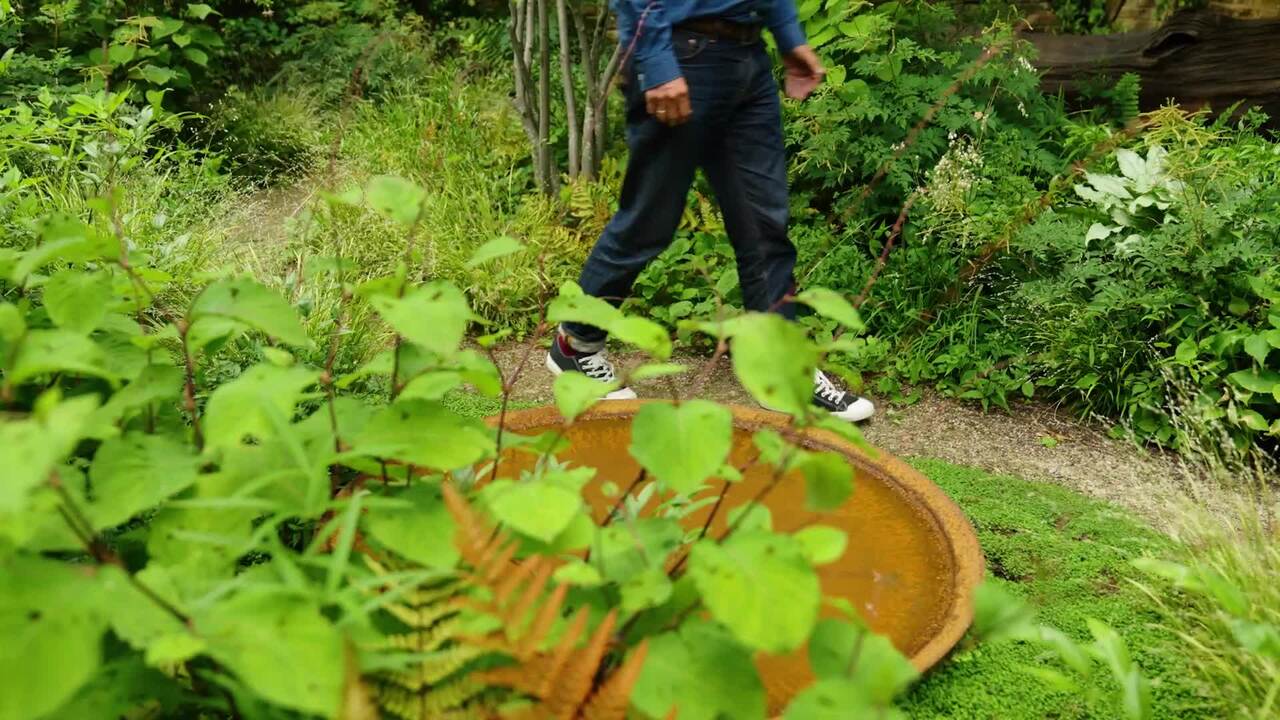
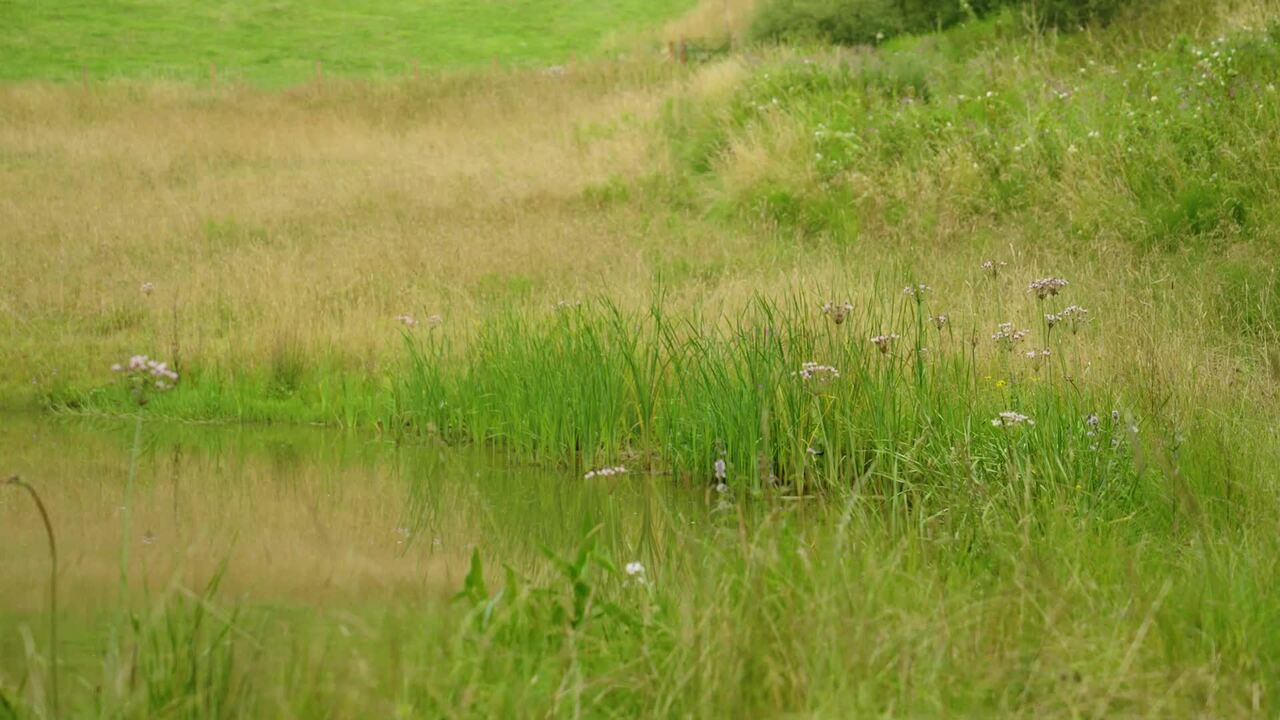
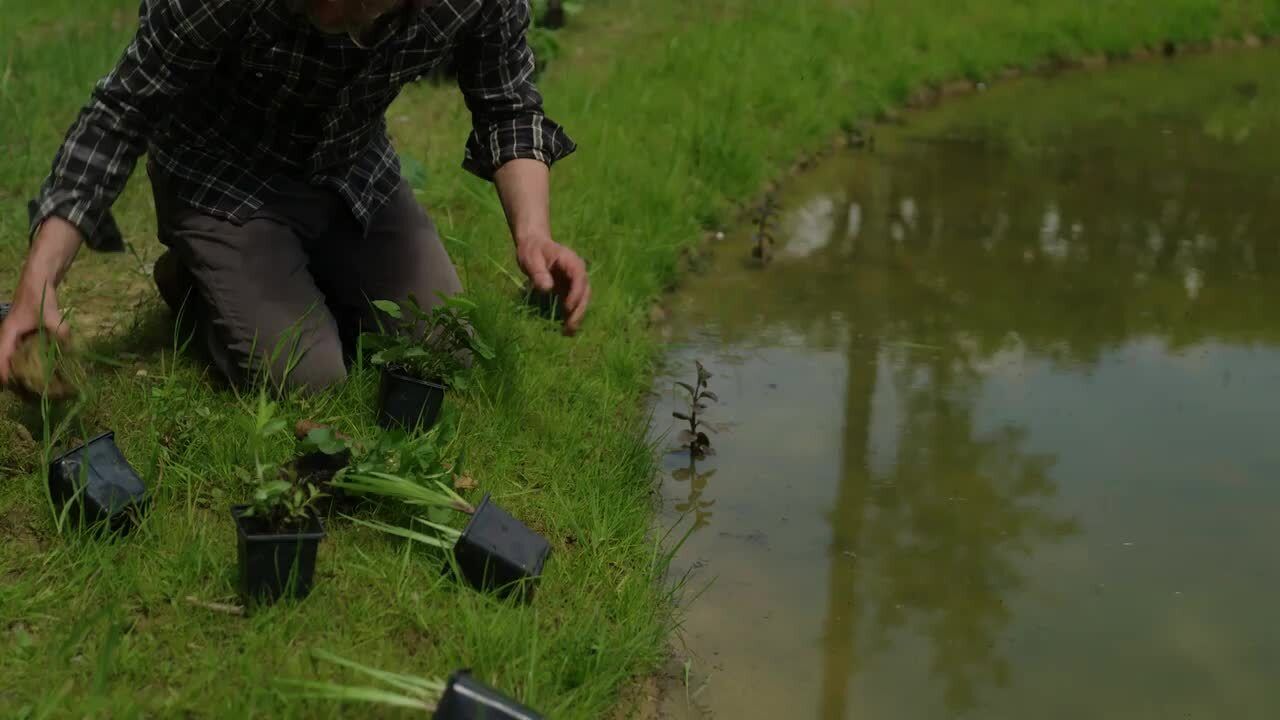
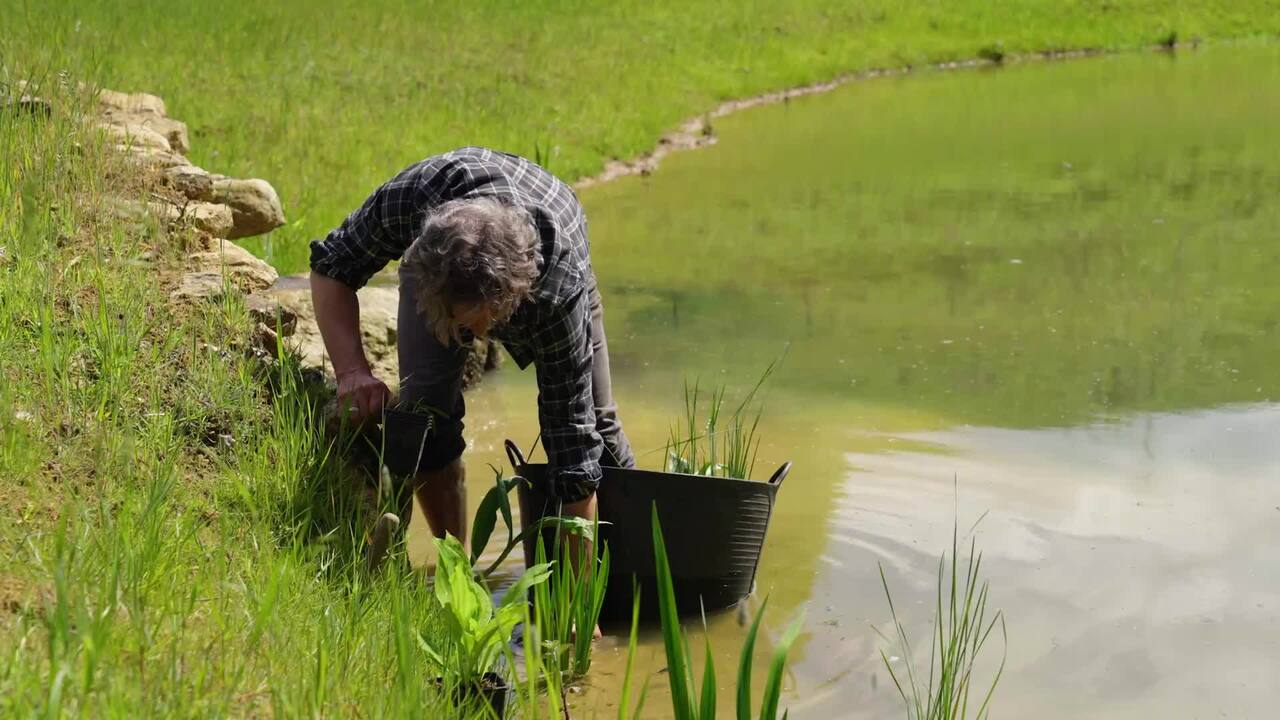
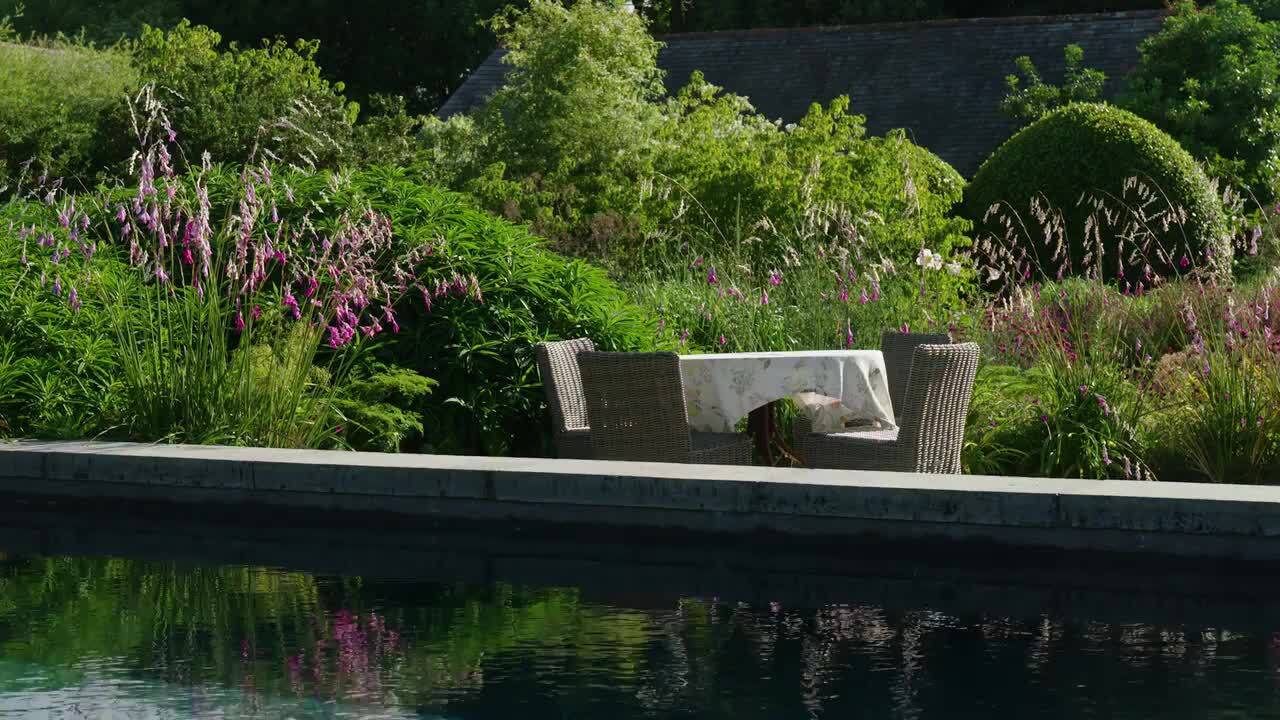
The previous owners had created a pond, where a spring was channelled into a damp area. We repurposed the spring and made the design altogether simpler.
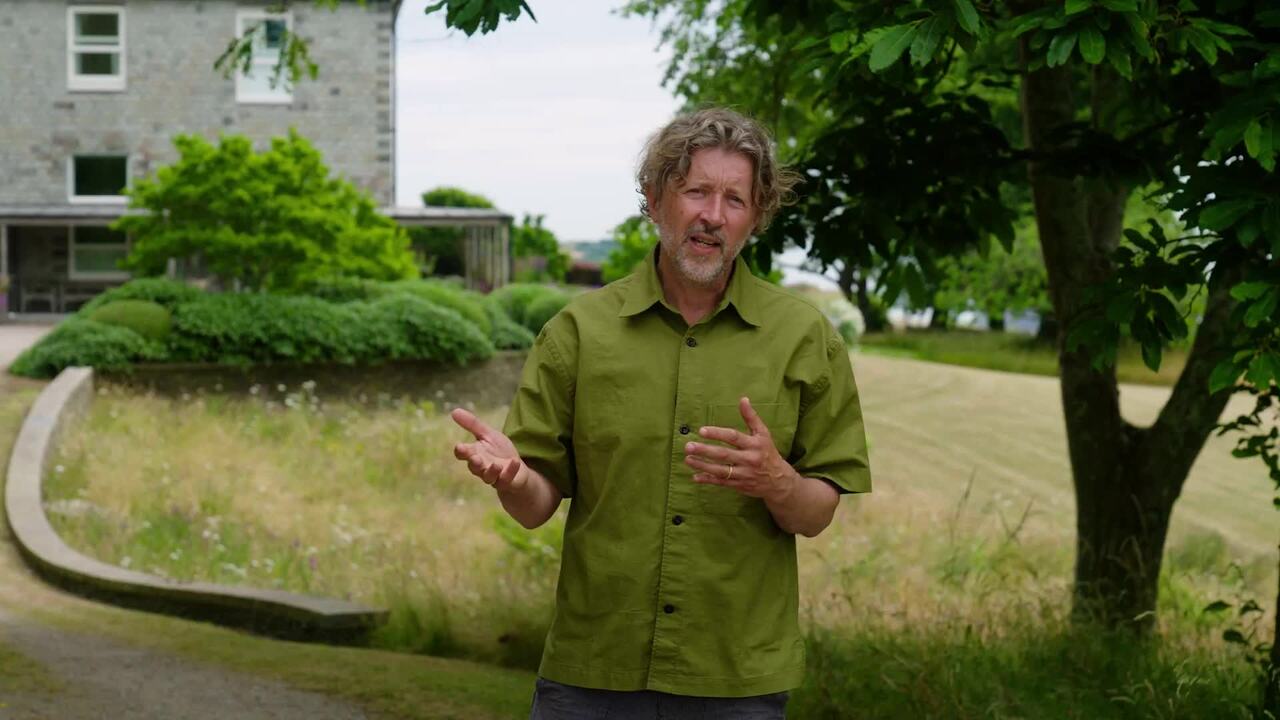
I wanted the planting around the house to have a quietness about it, because the views and feeling of open space are so important.
Originally, there were curious seaside plants here, like Yuccas, Phormium and bright blue hydrangeas, which shouted for attention and felt very out of place. The choice of plants we've used allows your eye to travel further on to the view, rather than getting bogged down in the planting.
Here at the front, it's really important that things don't jar, and that they sit so they're tonally right.
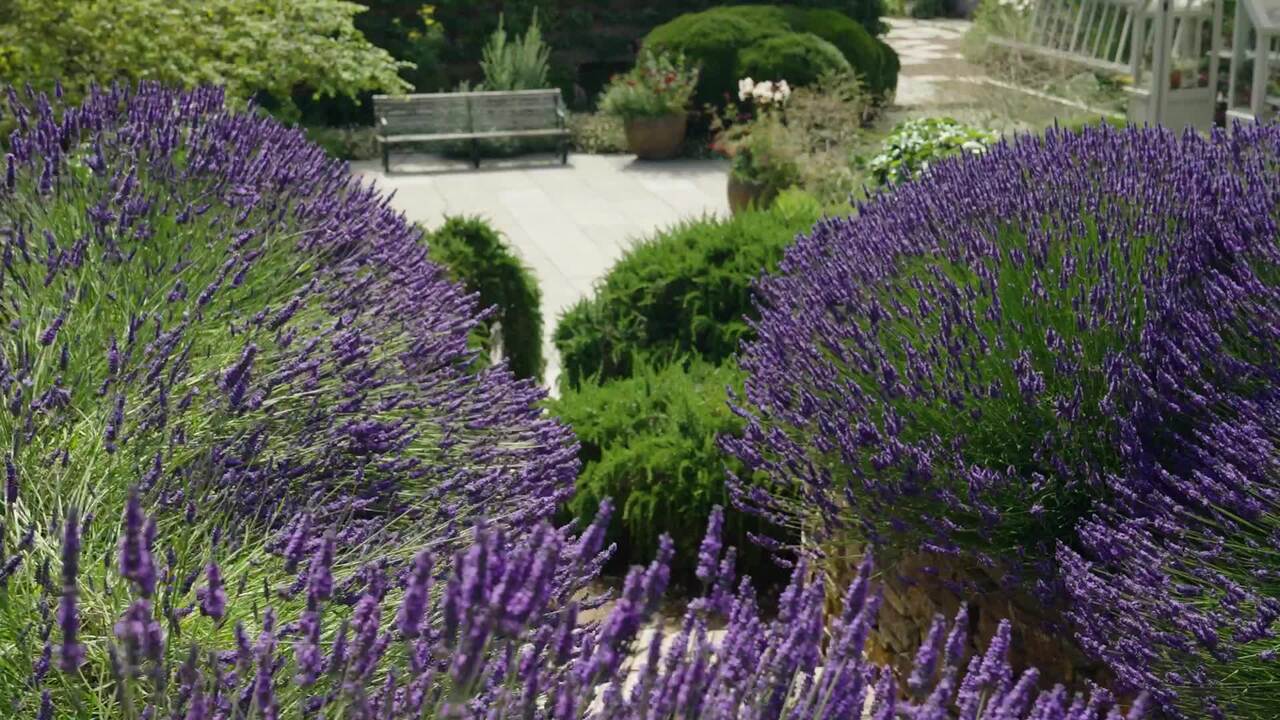
It's an entirely different story in the walled garden. That's where we've indulged in plants that you can really savour, because the views are already restricted by the walls.
We've re-used some of the plants that were here originally. There were some great bay laurels (Laurus nobilis), which were thriving and a good indicator of what grows well here.
The colour of those bay laurels and also the evergreen oaks is quite specific, so we went with those shades of green and chose plants that felt right in this very bright spot with high light exposure.
There are also quite a few evergreens here, which hold the structure together through the winter.
The key is to choose plants that are adapted to the place, but also feel right in terms of their tonality and the quality of their foliage.
When we arrived, we did some local research to see what thrives in the gardens around here. This is always a very good and easy thing to do to gain an understanding of the context of a site.
One thing we noticed was that magnolias thrive down here. We're in the south of the country, and given enough shelter, some species can even cope with these tough conditions so close to the sea.
We selected a number of the more robust magnolias to give us key flowering trees around the house.
We've also got trees that are adapted to these conditions, such as evergreen oaks, which have become part of the shelterbelt.
When looking at your context, one of the important things to establish is what feels right in terms of the materials. The local stone walls are very much part of the landscape here, so I decided straight away that those would be one of our building blocks.
The other main material was the crushed concrete from the old farmyard, which became the base material for the drive.
We re-established the boundaries so that the enclosed area of the ornamental gardens around the house has distinct ripples. The first is the edge of the terraces at the front of the house.
So some of the boundaries are blurred by using ha-has, which allow your eye to travel elsewhere, using a simple park fence has created a boundary that you can see through and that doesn't interrupt the landscape.
Changes in level are always interesting, and I wanted to create special moments in negotiating them, whilst keeping the moves simple. We used some big stones from nearby to create step changes, with big boulders allowing you to step over the wall from one space into another.
Closer to the house, the materials are more finely worked. We've got limestone paving, which was the only material imported into the site from further away, but we chose that paving very carefully so that it would sit well with the colour of the slate on the house.
Throughout, we kept everything very robust, so that it all feels farm-like rather than too domestic.
Get the full workbook, video lessons, and more with a Create Academy subscription.
Subscribe to access the full workbookAlready a member? Sign in to watch
491 reviews
Read moreCreate Academy has been such a great resource. I'm in the middle of renovating a bungalow with a very large garden and the courses have offered a wealth of inform...
Harvey
Jun 10, 2026
Absolutely love Create Academy! The instructors are extremely informative, and it is beautifully filmed. Create Academy is great value for money and plan on renew...
SG
May 31, 2026
Butter's creativity is stunning! Her ability to incorporate brilliance in small gardens is magical!
Carla
May 30, 2026
The best adventure. I like all the courses, but my favorite are both Rita Konig interior design courses and Anna Jones. Excellent!
Karolina Kluczewska
May 20, 2026
Create Academy has been such a great resource. I'm in the middle of renovating a bungalow with a very large garden and the courses have offered a wealth of information to dive into and explore new ideas. I'm...
Harvey
Jun 10, 2026
Absolutely love Create Academy! The instructors are extremely informative, and it is beautifully filmed. Create Academy is great value for money and plan on renewing my subscription yearly because there are ...
SG
May 31, 2026
Butter's creativity is stunning! Her ability to incorporate brilliance in small gardens is magical!
Carla
May 30, 2026

Your Instructor
Acclaimed naturalistic landscape designer. Multiple Chelsea Gold Medal Winner. OBE.
British landscape designer, horticulturalist and writer Dan Pearson OBE, has been designing award-winning gardens since 1987. His naturalistic use of plants, light-handed approach to design and deep-rooted horticultural knowledge has made him one of the most celebrated and innovative gardeners working today. Dan trained in horticulture at Wisley and Kew, before starting his garden and landscape design practice in 1987. In 2015, his show garden for Chatsworth and Laurent Perrier was awarded a Gold Medal and Best Show Garden at the Chelsea Flower Show. In 2014 Dan was appointed an advisor to the National Trust at Sissinghurst Castle. For over 20 years Dan has written regular gardening columns, with his work a staple of The Observer, and has written a number of best-selling gardening books.

Access to all courses


