


Interior and exterior confidence
Create Academy has been such a great resource. I'm in the middle of renovating a bungalow with a very large garden and the courses have offered a wealth of inform...
Harvey
Jun 10, 2026
An Expert Guide to Planting Design
with DAN PEARSON — Acclaimed naturalistic landscape designer. Multiple Chelsea Gold Medal Winner. OBE.
Lesson 13 of 31
Subscribe to watch
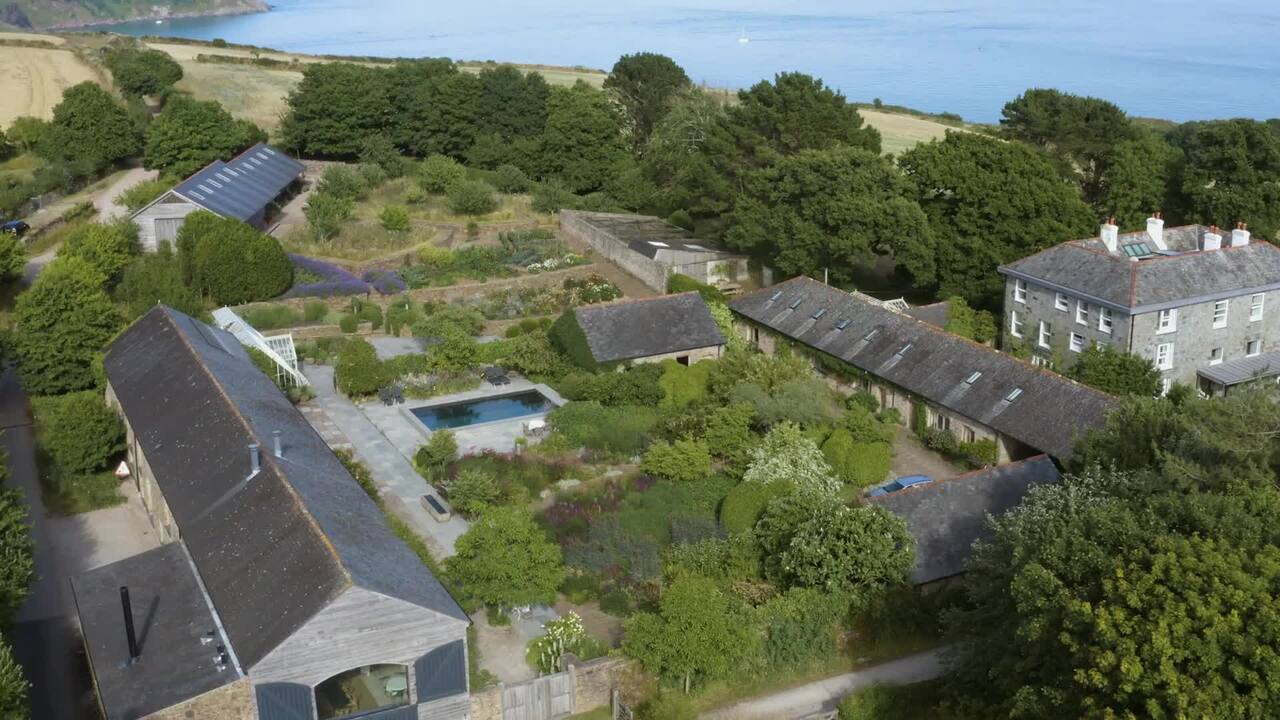
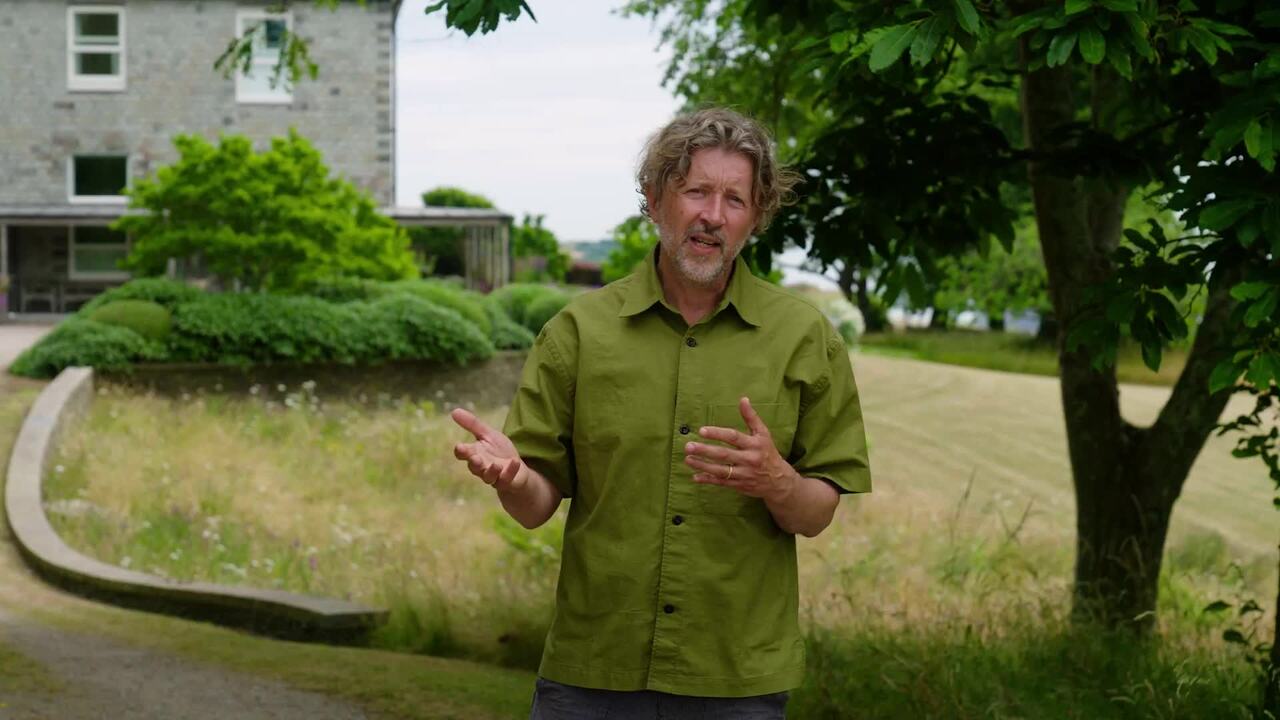
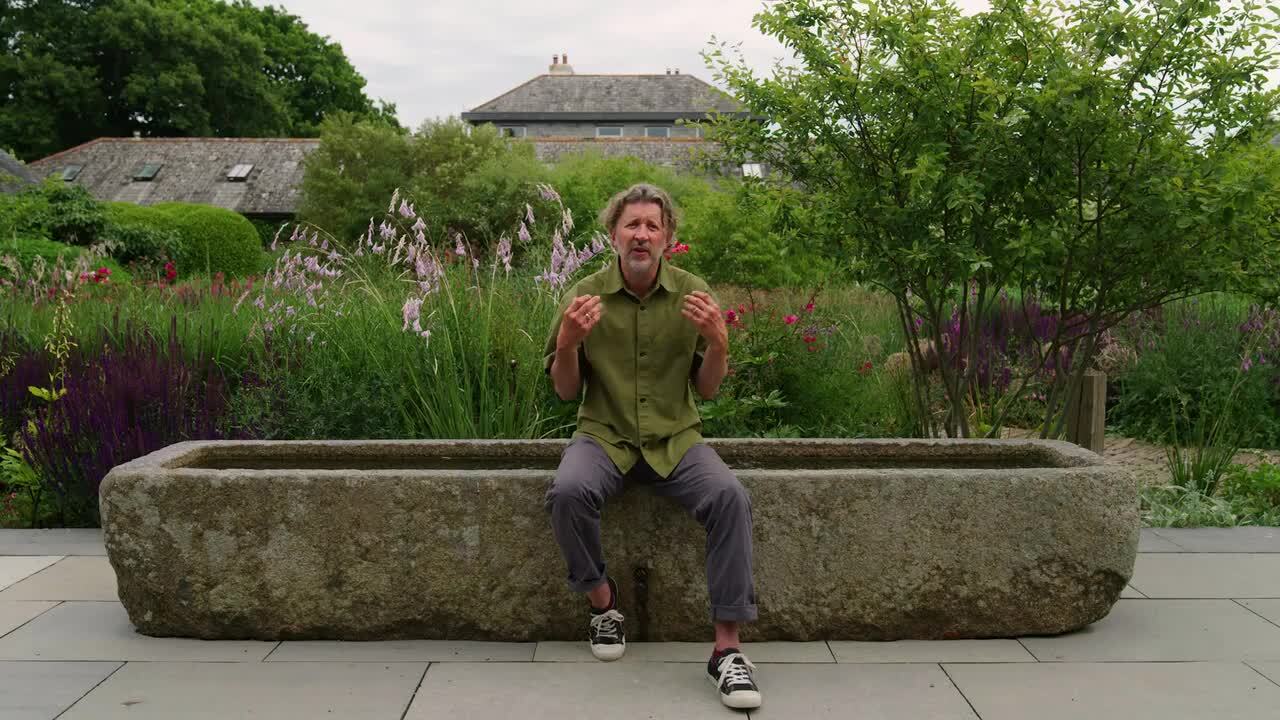
We discover how the stunning sea views governed the design of this part of the garden, and how the harsh conditions demanded unique planting considerations. You’ll learn how to design a garden around a view, and how to choose plants that are right for your conditions.
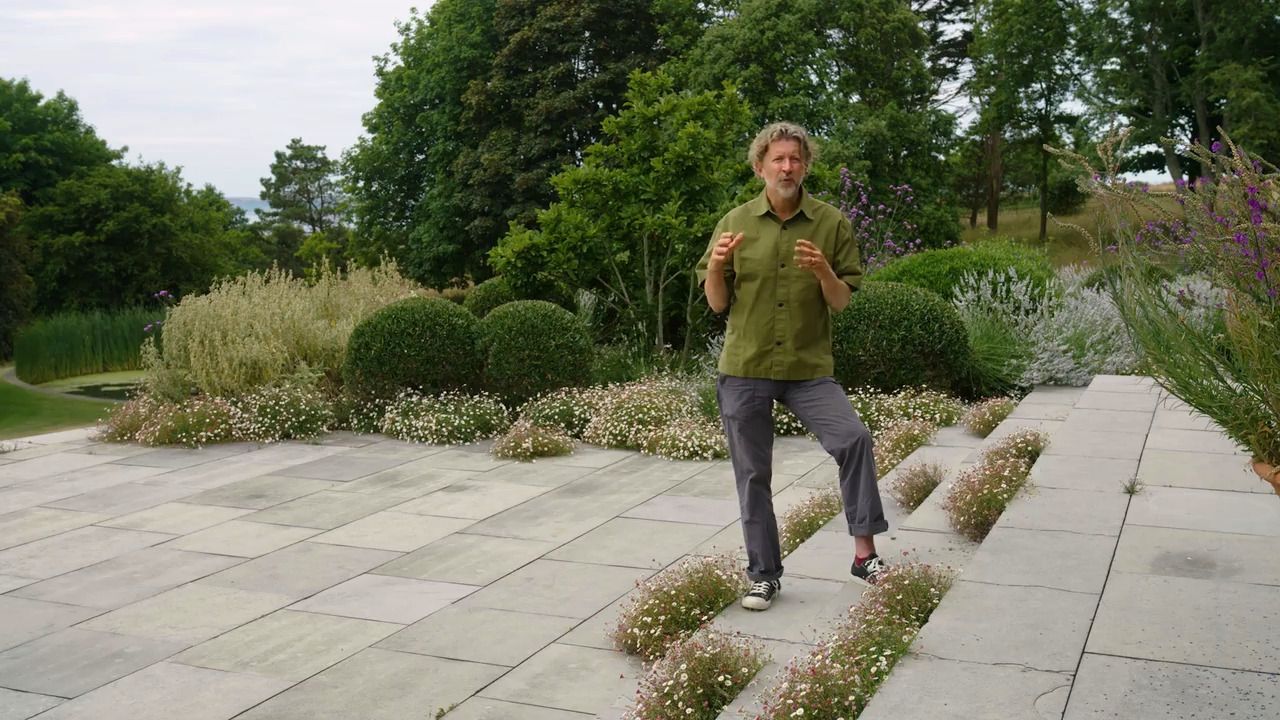
The stunning sea views on this exposed side of the house governed the design of these paired-back planted areas, while the harsh conditions here required some unique planting considerations.
The front terrace with its big sea views is effectively the frontline, where the wind really hits. I wanted to keep everything very simple here, because this area is all about the view and taking in the context. I didn't want the planting to compete with that.
One of the key plants here is Phillyrea angustifolia, a Mediterranean shrub that responds very well to clipping. These have been clipped to echo the shapes of the trees in the distance.
Though small, these planted spaces call you in and make you feel that you're in a space that's cared for. Crucially, they connect to what lies beyond, allowing your eye to travel through to the sea view.
Changes in level are always interesting, and I wanted to create special moments in negotiating them, whilst keeping the moves simple. We used some big stones from nearby to create step changes, with big boulders allowing you to step over the wall from one space into another.
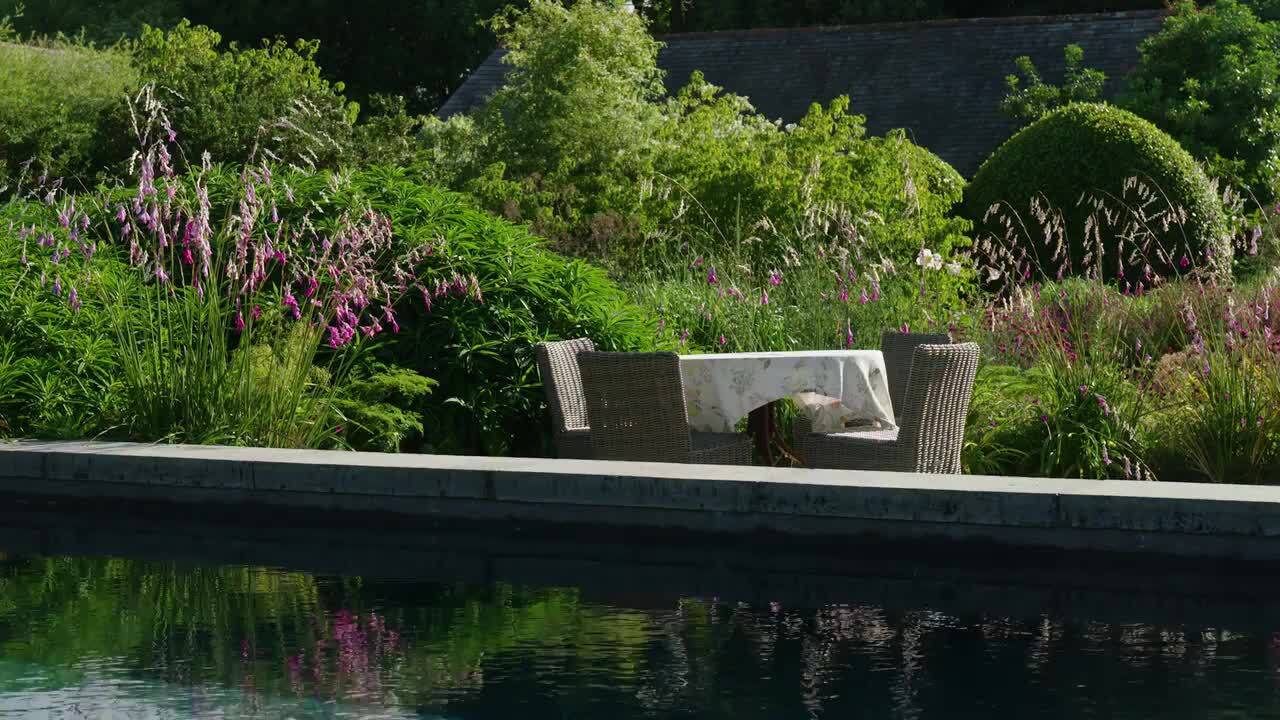
Whilst keeping the planting very simple, I wanted to create a contrast between the static clipped forms of the Phillyrea and the plants that have movement and seasonal change. One of the great things about this area is the air moving through it, so it's good to harness that.
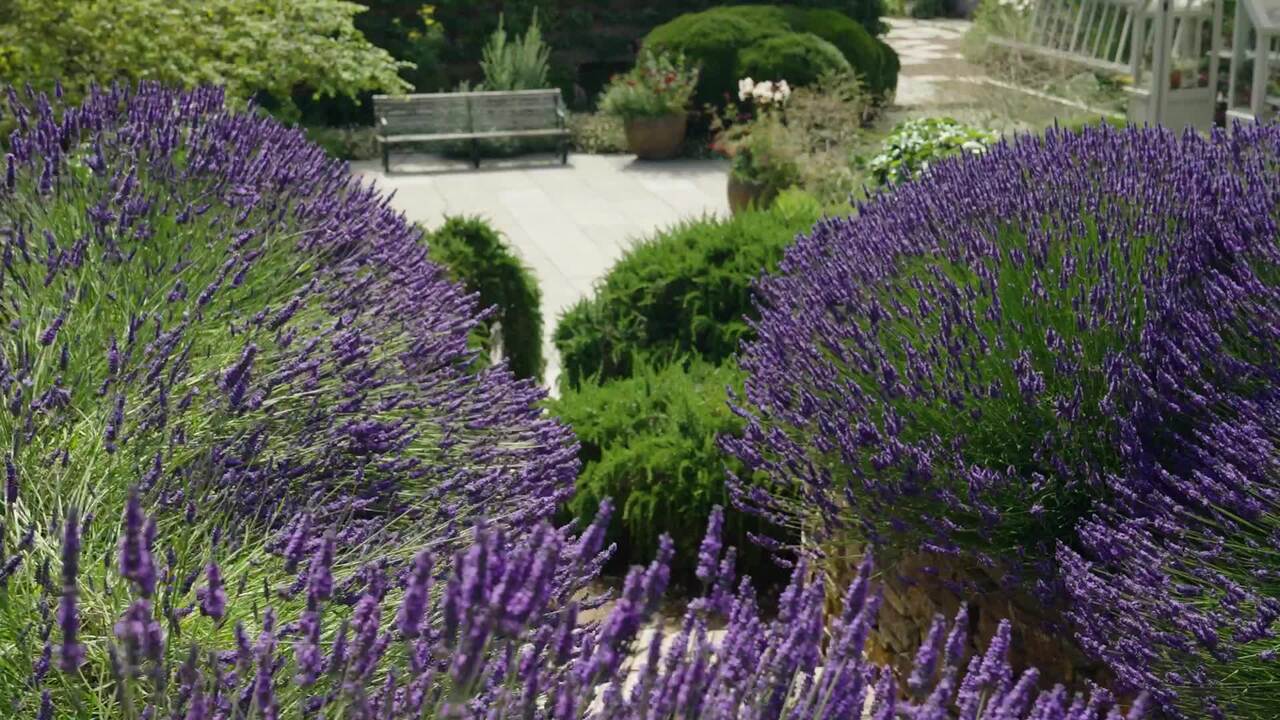
The mid-layer below is plugged with things like lavenders, which are cut back at the end of summer to create lovely silvery clipped forms throughout the winter. Now in early summer, they have a lovely lightness to them, so the clipped Phillyrea forms give way to the softer form of the lavenders.
That softness is then picked up by Erigeron karvinskianus, which we allow to seed freely in the terrace.
Some other good plants in the mix on the front terrace are:
When you're beginning a design or redesign for a site like this, it's always good to go and find out what's going on in the immediate locale, and to use that as inspiration for your own planting.
These influential elements from the landscape are reflected in both the aesthetic of the front terrace planting, and also in this lovely juxtaposition between the clipped Phillyrea and the Erigeron.
Shelter is key in this exposed site. But with shelter, you can risk losing the views. There's therefore a balancing act to navigate between wanting to ensure you can see out but also having enough shelter for the planting. To help you find a successful balance, you really need to work with plants that are adapted to these conditions.
The original big pines are fantastically useful. However, we've also planted new shelter for the future. In the surrounding fields, we've created roundels of evergreens, such as pines and evergreen oaks, so that when the old shelterbelts fail, we've got a new generation to continue that role.
When creating shelter, it's important to identify species that thrive in that location, and not fight that natural cue. The holly hedges are something I noticed when exploring the locale, and they really work. The cockspur thorn was in the garden originally, so we've planted more of those. Beech also grows well here, so we've used a cut-leaved beech for some of our future-proofing trees.
We've only experimented where we really feel able to take a risk. It's so exposed here that you can lose years by using something that looks promising but then fails. It's best to play safe when you're on the front line – look at what's growing locally and work with that, maybe just adapting the way it's used.
The places where we've experimented are in the inner parts of the garden where we've got more shelter. Creating shelter is really important in allowing you to start playing with your plant palettes a bit, so we can use things here that wouldn't work out on the front terrace.
Considering what edits to make to existing, established elements in the garden is a big decision. We considered very carefully how we might retain the existing views and also open new views up.
We've retained trees that some might consider weedy species, because they're doing really well here. There's a fantastic sycamore at the bottom of the lawn that's perfectly adapted to these conditions. There's absolutely nothing wrong with it as a good tree that works well in this landscape.
The key is to use plants and trees that you know will work in your conditions, choosing to make your mark only where you need to, but doing so selectively and with careful judgement. That involves looking to the locale, identifying what does well in the area, and not moving off that palette too quickly to ensure you avoid wasting time with things that might not thrive.
Phillyrea angustifolia
Verbena bonariensis
Erigeron karvinskianus
Phlomis italic
Centranthus ruber 'Albus'
If you're developing a new site or renovating an existing garden, take another look at it in light of the concepts discussed in this chapter. Consider which pre-existing elements of the site you might like to keep, and jot these down below.
Get the full workbook, video lessons, and more with a Create Academy subscription.
Subscribe to access the full workbookAlready a member? Sign in to watch
510 reviews
Read moreCreate Academy has been such a great resource. I'm in the middle of renovating a bungalow with a very large garden and the courses have offered a wealth of inform...
Harvey
Jun 10, 2026
Absolutely love Create Academy! The instructors are extremely informative, and it is beautifully filmed. Create Academy is great value for money and plan on renew...
SG
May 31, 2026
Butter's creativity is stunning! Her ability to incorporate brilliance in small gardens is magical!
Carla
May 30, 2026
The best adventure. I like all the courses, but my favorite are both Rita Konig interior design courses and Anna Jones. Excellent!
Karolina Kluczewska
May 20, 2026
Create Academy has been such a great resource. I'm in the middle of renovating a bungalow with a very large garden and the courses have offered a wealth of information to dive into and explore new ideas. I'm...
Harvey
Jun 10, 2026
Absolutely love Create Academy! The instructors are extremely informative, and it is beautifully filmed. Create Academy is great value for money and plan on renewing my subscription yearly because there are ...
SG
May 31, 2026
Butter's creativity is stunning! Her ability to incorporate brilliance in small gardens is magical!
Carla
May 30, 2026

Your Instructor
Acclaimed naturalistic landscape designer. Multiple Chelsea Gold Medal Winner. OBE.
British landscape designer, horticulturalist and writer Dan Pearson OBE, has been designing award-winning gardens since 1987. His naturalistic use of plants, light-handed approach to design and deep-rooted horticultural knowledge has made him one of the most celebrated and innovative gardeners working today. Dan trained in horticulture at Wisley and Kew, before starting his garden and landscape design practice in 1987. In 2015, his show garden for Chatsworth and Laurent Perrier was awarded a Gold Medal and Best Show Garden at the Chelsea Flower Show. In 2014 Dan was appointed an advisor to the National Trust at Sissinghurst Castle. For over 20 years Dan has written regular gardening columns, with his work a staple of The Observer, and has written a number of best-selling gardening books.

Access to all courses


