













Interior and exterior confidence
Create Academy has been such a great resource. I'm in the middle of renovating a bungalow with a very large garden and the courses have offered a wealth of inform...
Harvey
Jun 10, 2026
An Expert Guide to Planting Design
with DAN PEARSON — Acclaimed naturalistic landscape designer. Multiple Chelsea Gold Medal Winner. OBE.
Lesson 3 of 31
Subscribe to watch
You’ll learn the importance of underpinning a planting plan with considered structural elements and repetition, and how to view foliage as an equally important element to flowers.
Underpinning your planting plan with well-considered structural and repeated elements, and putting as much thought into how you will use foliage as you do for flowers, is key to an effective planting that will work well all year round.
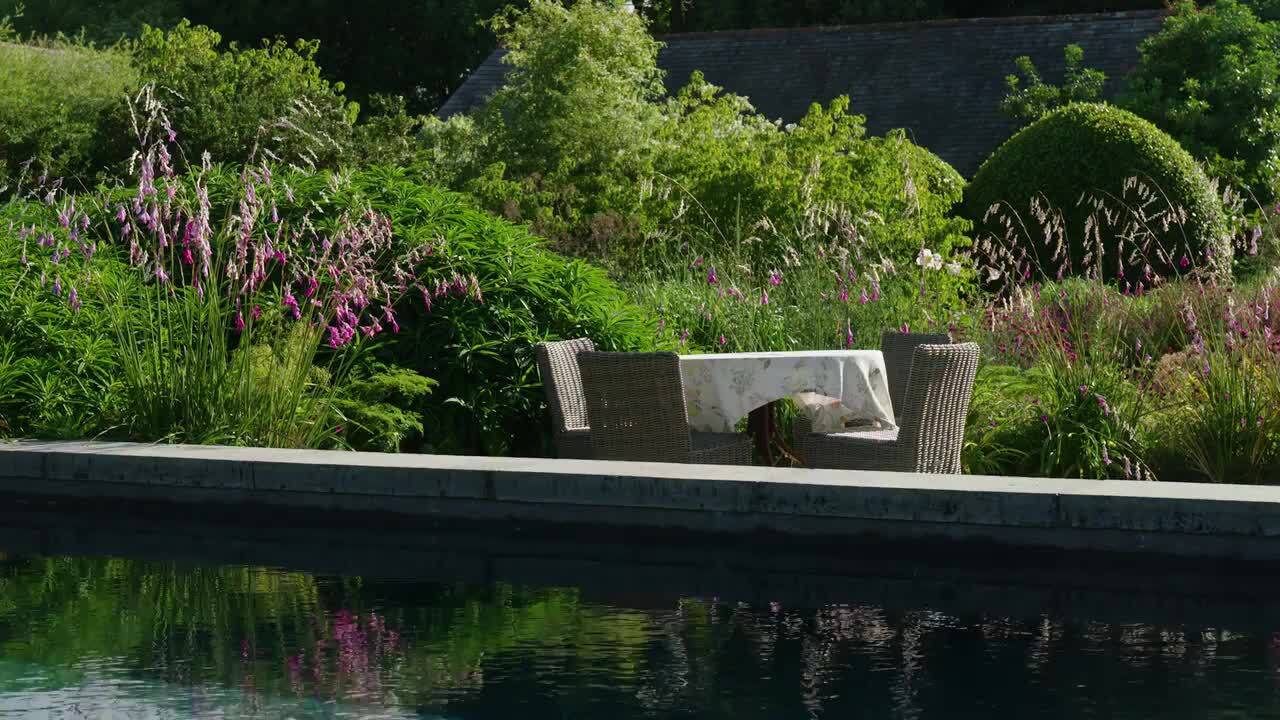
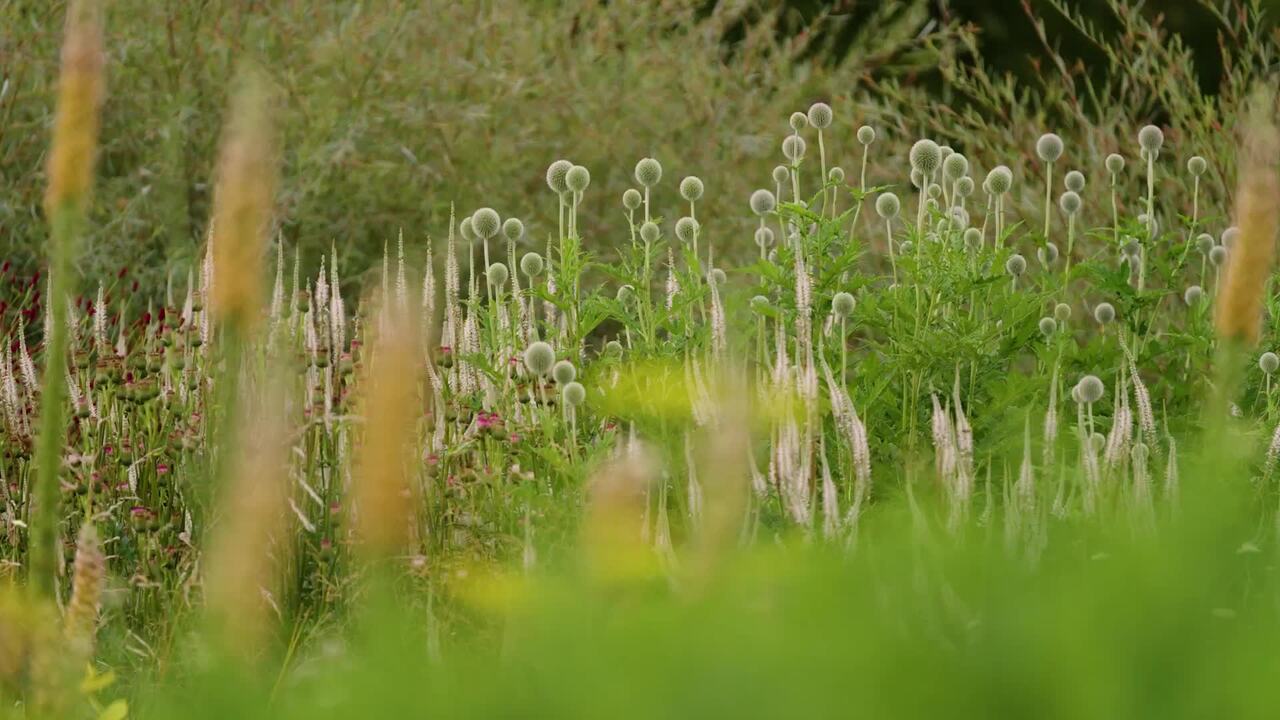
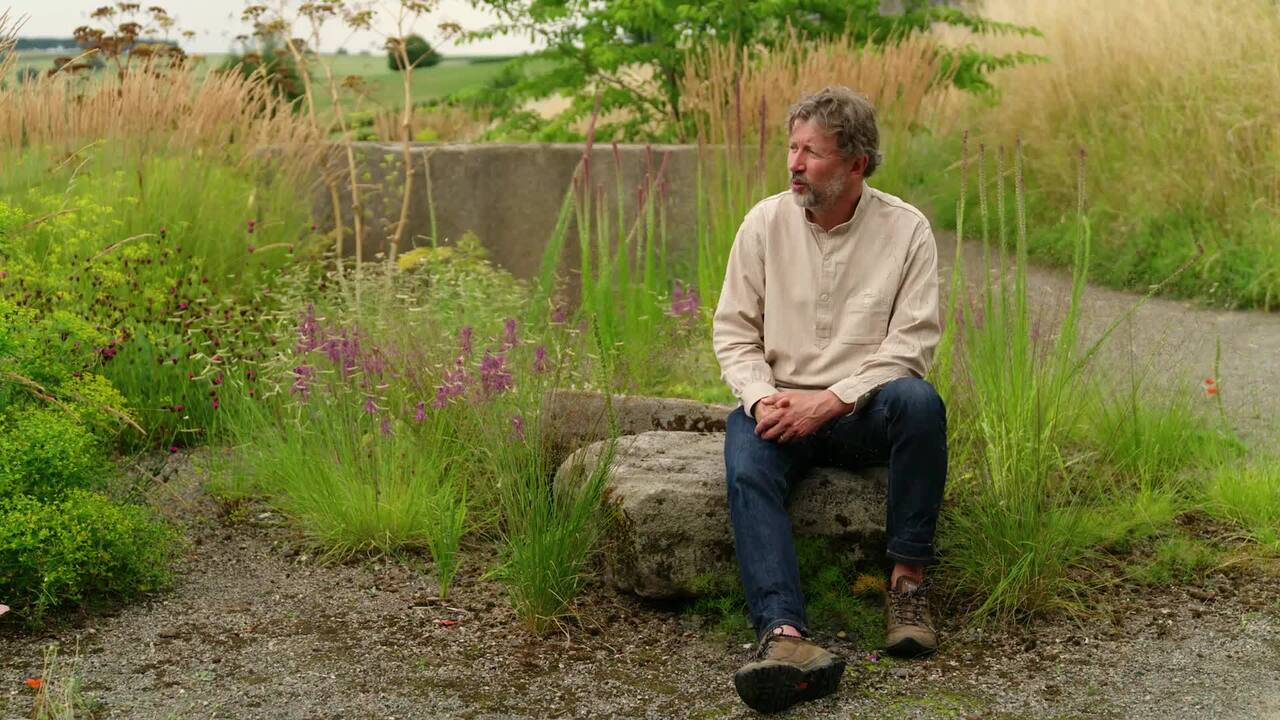
When you're assembling any plant list, it's important to have a number of plants that you can repeat within the planting. This provides continuity, a sense of calm, and rhythm in the planting.
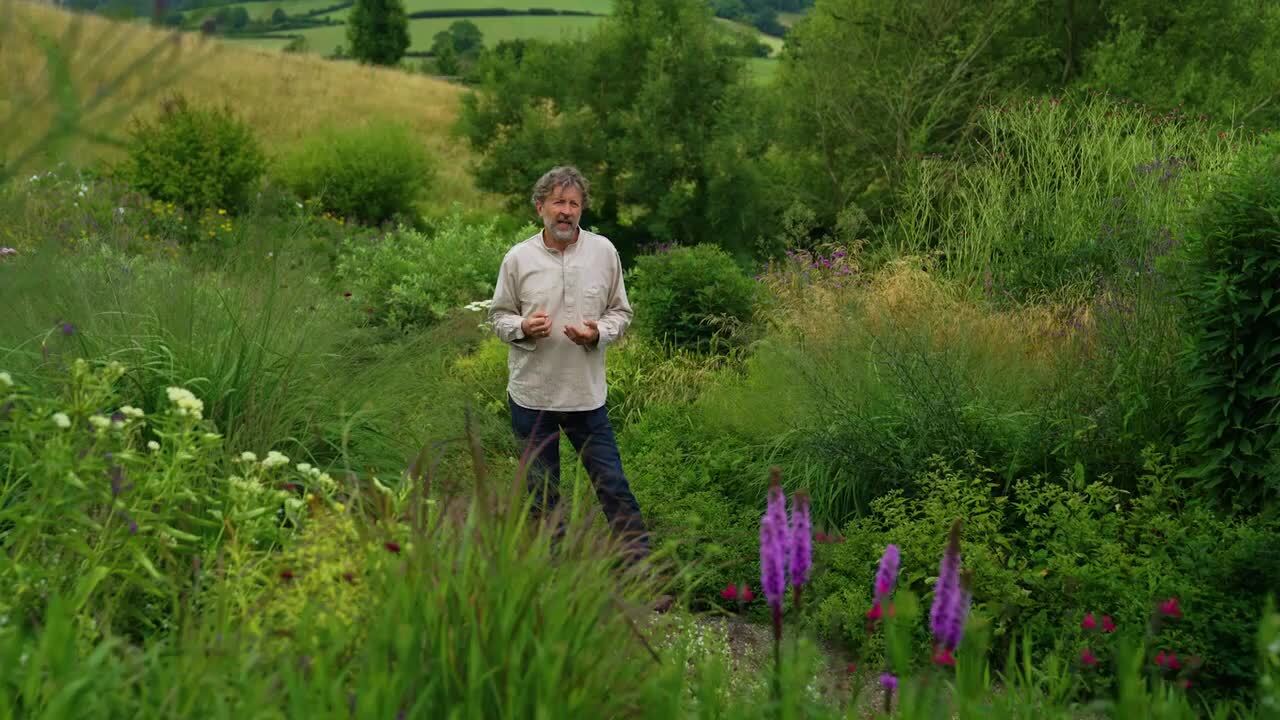
These changes in layer and texture, and sometimes a quite extreme juxtaposition of different heights, give a real excitement to the planting.
Amongst those key players that provide continuity and the foundations for everything else, you can find treasures that provide focal points of interest.
So the rhythms change throughout the planting. They are able to do so because I use those plants that repeat to provide a foundation and a sense of structure, amongst which other things can sit.
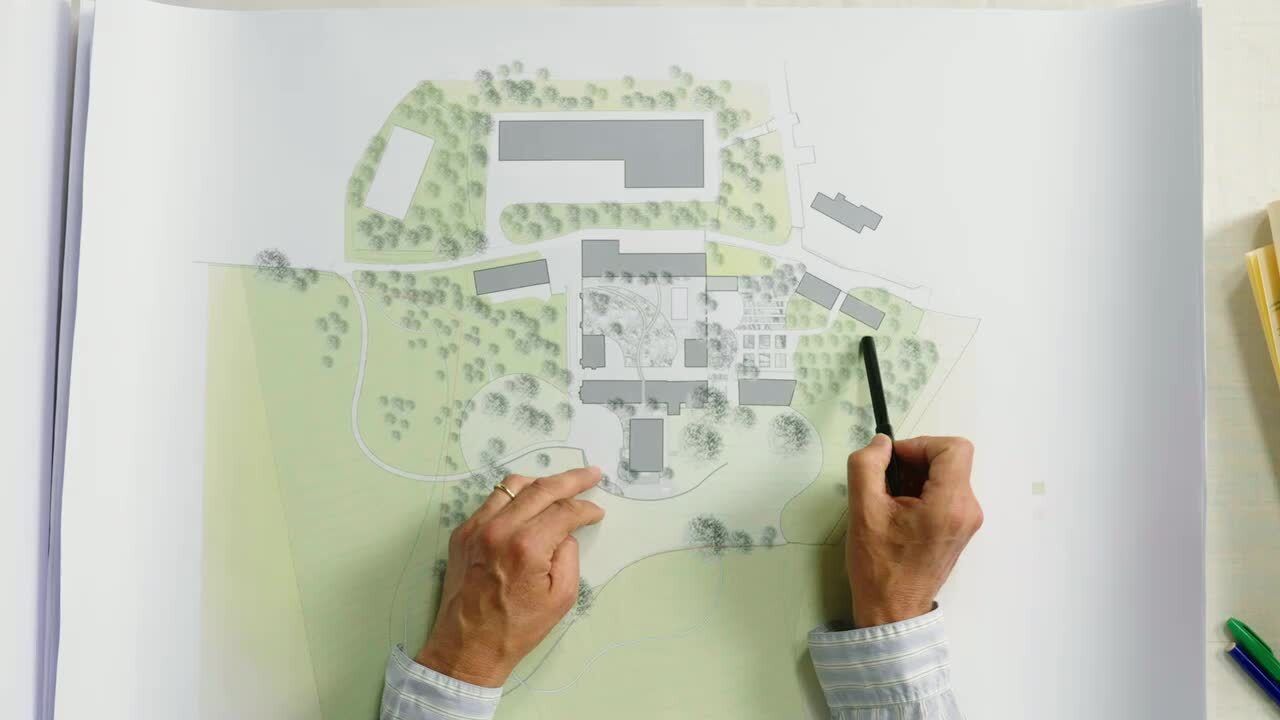
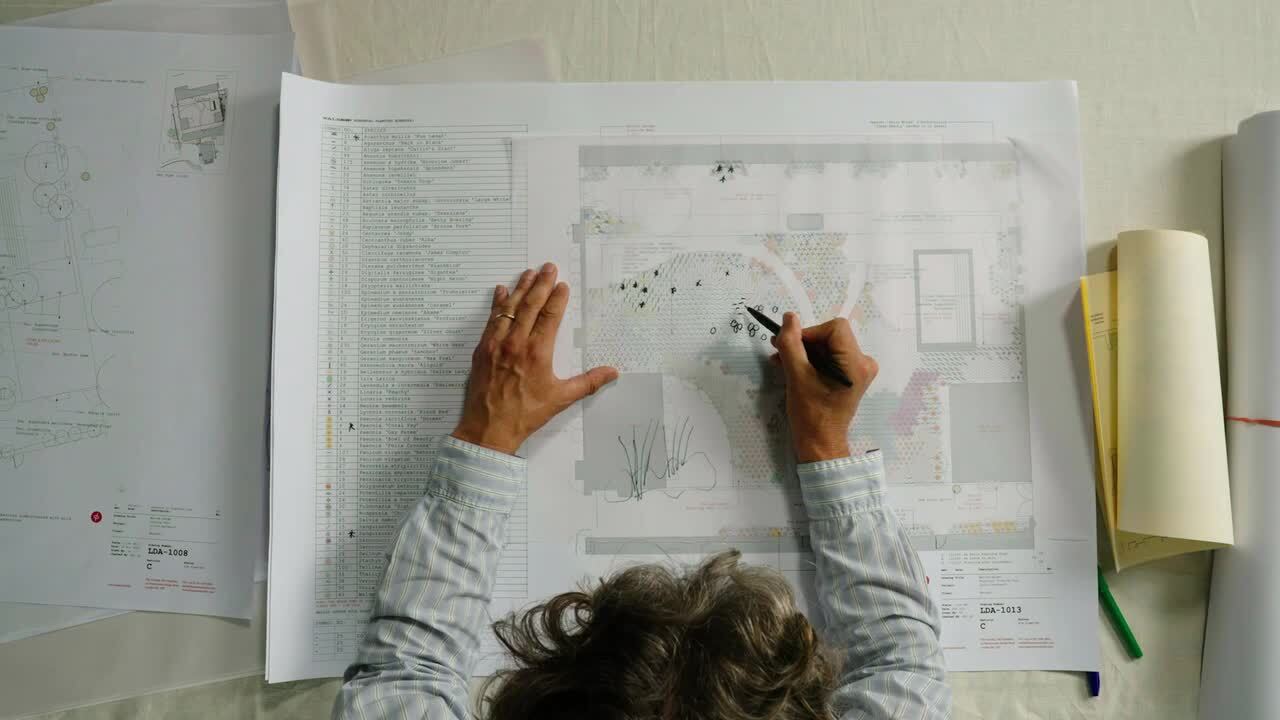
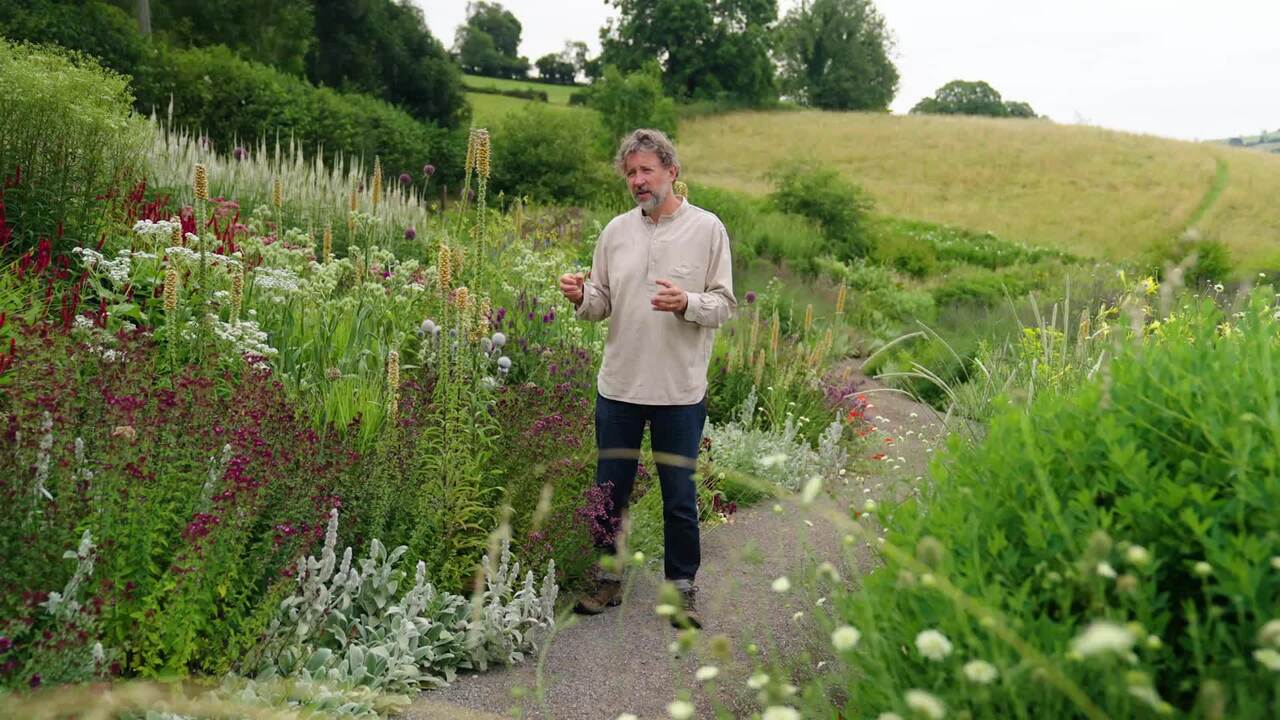
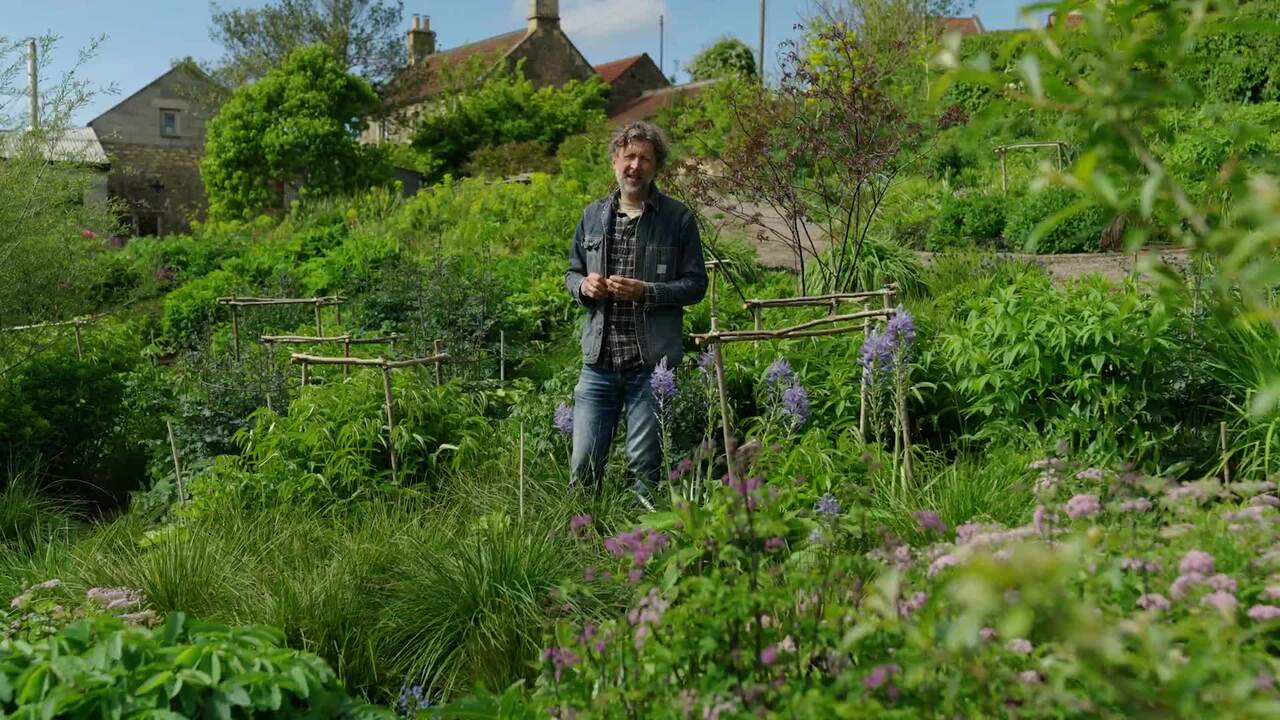
When planning this garden, I made a wish-list of the things I wanted to use in the garden, which I then pruned back to the things I knew should be here.
When setting the garden out, I put in some key players to help the transition from area to area.
So although this area looks very informal, and it's meant to because its naturalistic planting, there are various systems that underpin what you see. Following these principles will help you to decide:
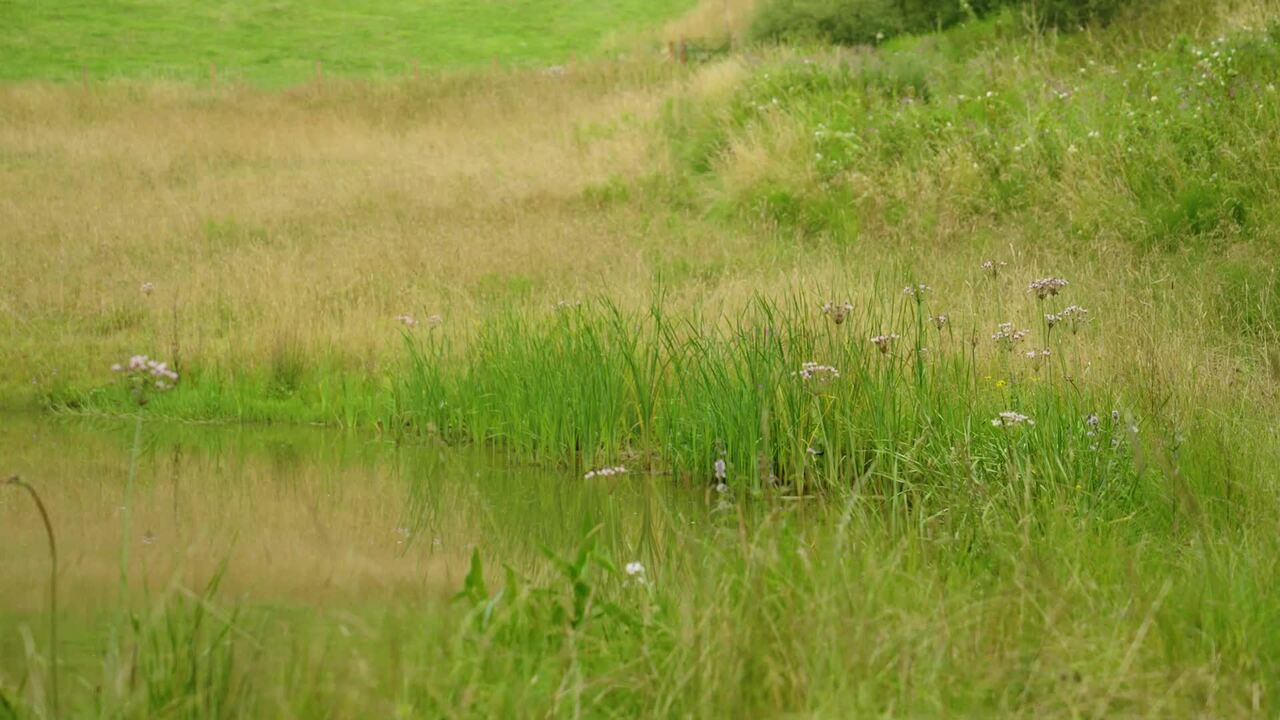
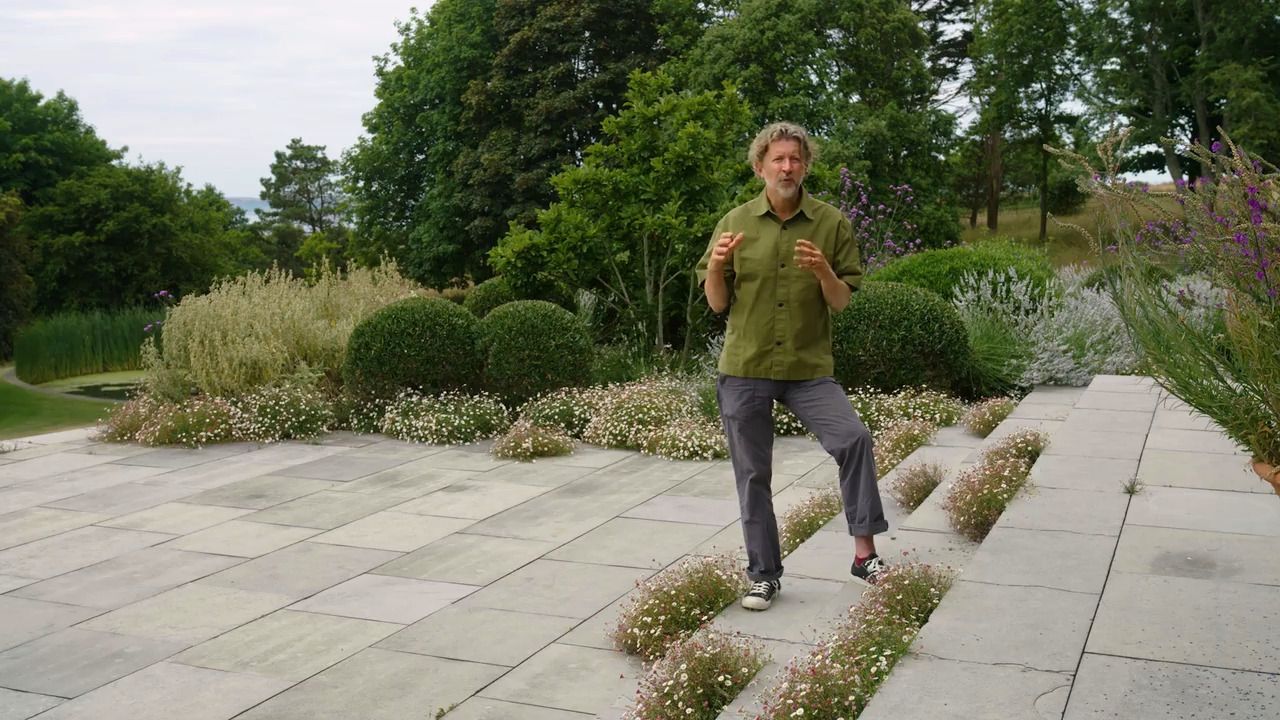
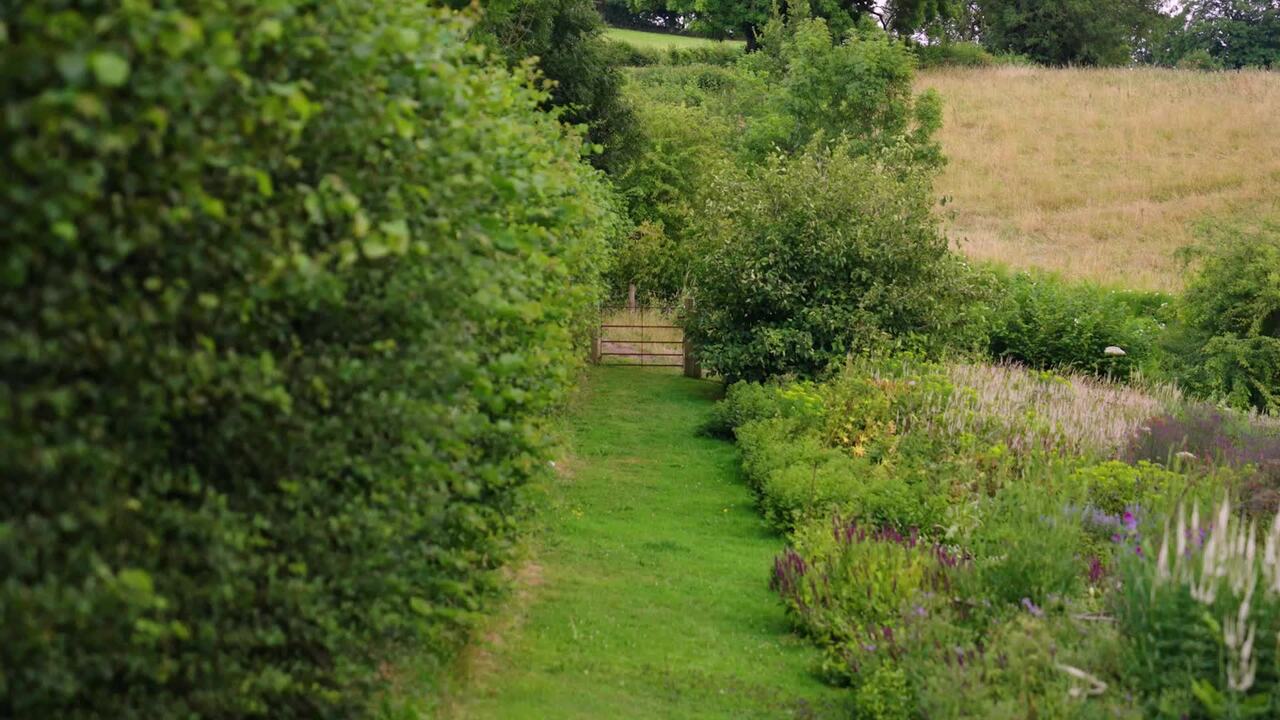
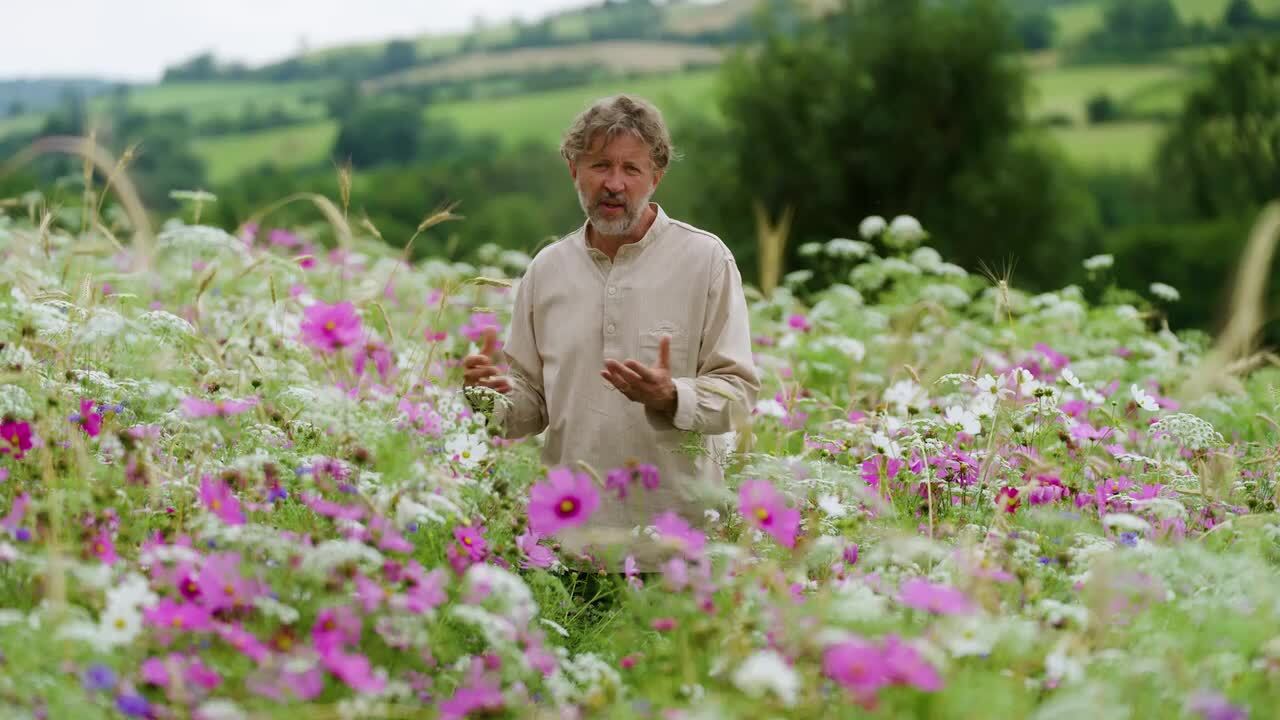
On the edge of the garden, where I want an easy transition from the ornamental garden to the meadows beyond, I'm using certain plants that have a crossover feeling.
As you step down from the centre of the garden and transition out to the wilder parts, you begin to see these crossover plants and start to feel that connection to the wider landscape.
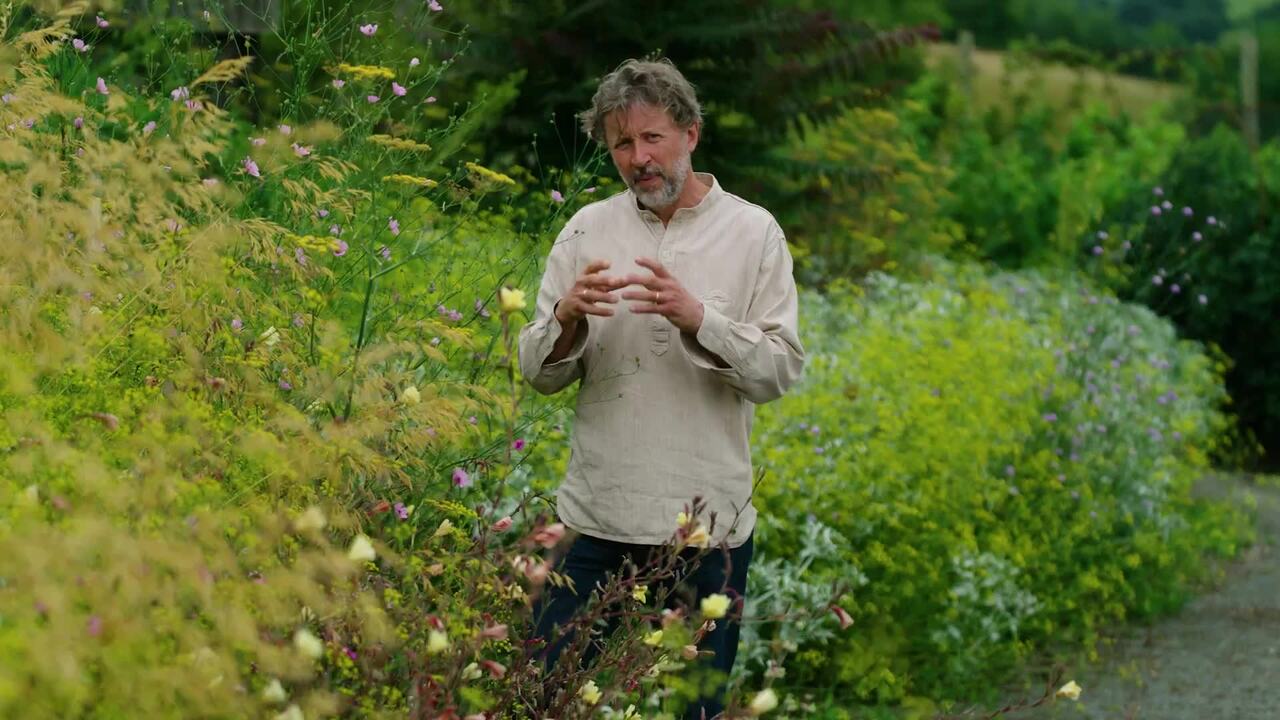
For me, what underpins the floriferous layer that comes later is just as important. When putting a plant list together, think about this early part of the year when you get this first flush of foliage, and how you can create interest using different foliage forms and textures.
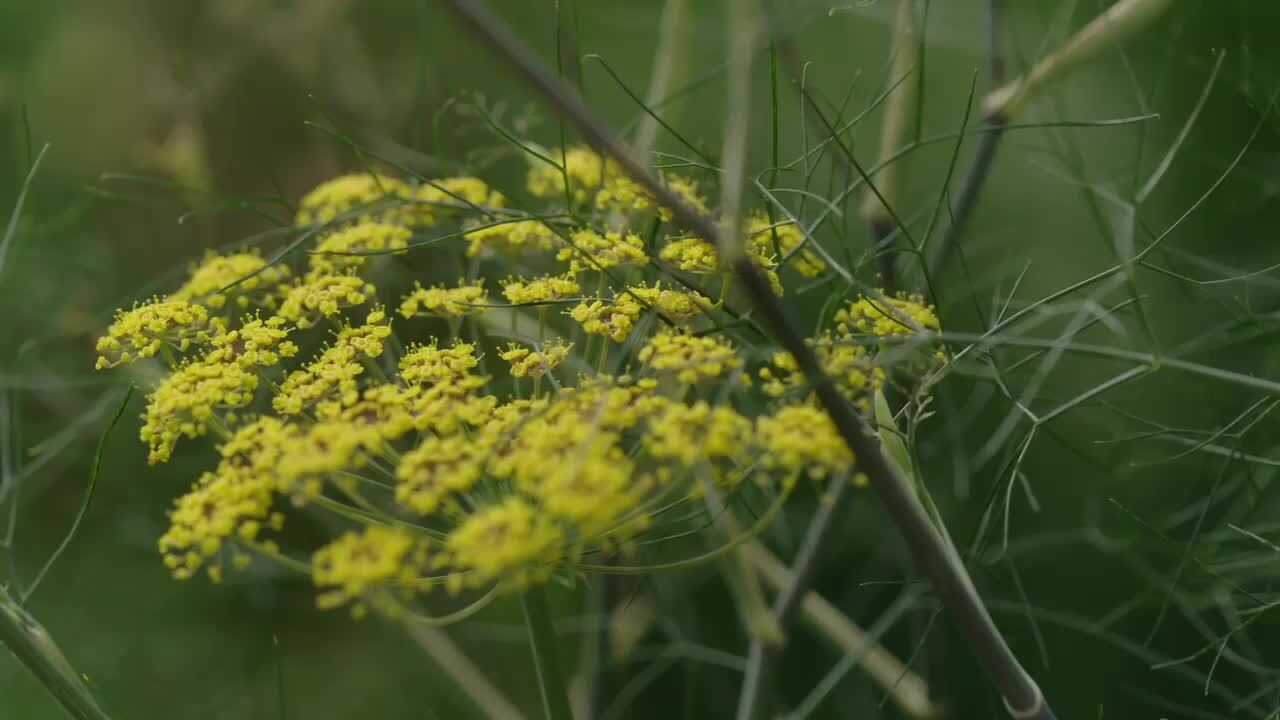
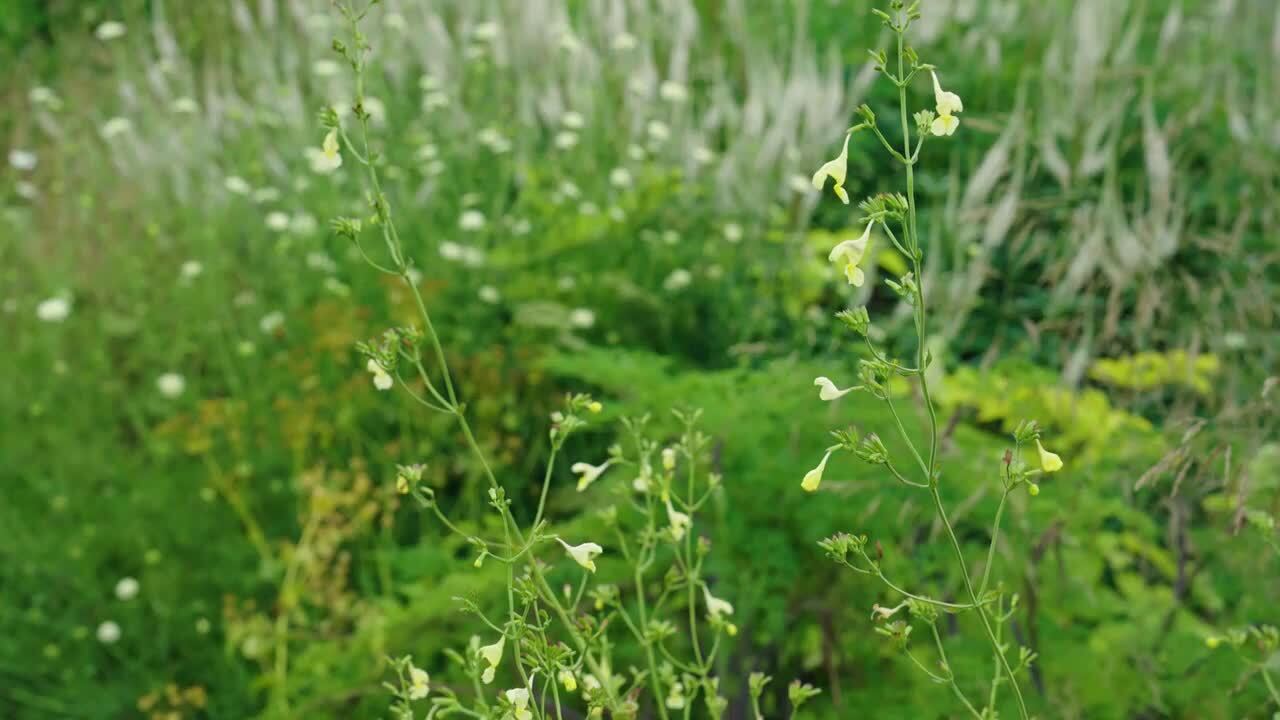
Beth Chatto described this as a 'green tapestry' – a fitting description, because a tapestry is all about attention to detail, and many layers coming together to create something made by the sum of all its parts. That's what the garden is at the moment. We've got fantastic different leaf tones and shapes:
Evergreens carry that underpinning role on through the winter when everything else dies back.
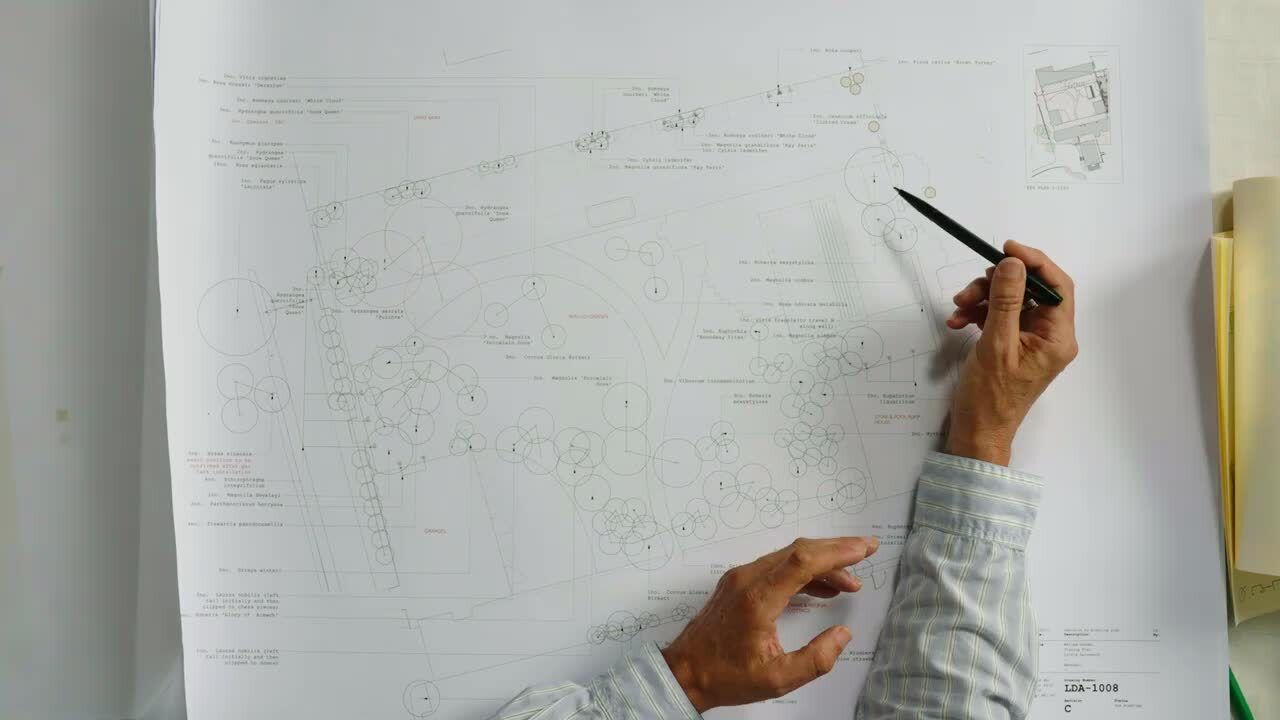
When designing a perennial planting, I usually work on the principle that everything goes in about 30 cm apart – which is really quite close.
The 30 cm spacing is a rule of thumb that gives you a system to work out your plant numbers, and then you apply more specific rules for individual plants once you're laying out your planting plans.
Deschampsia cespitosa
Sanguisorba 'Cangshan Cranberry'
Thalictrum 'Black Stockings'
Salix 'Nancy Saunders'
Rosa glauca
Chaerophyllum hirsutum 'Roseum'
Camassia
Thalictrum 'Elin'
Leucojum
You can read more about how my planting schemes at Hillside work throughout the seasons, and my favourite plants for layering to give year-round interest, in my book Natural Selection: A year in the Garden.
Get the full workbook, video lessons, and more with a Create Academy subscription.
Subscribe to access the full workbookAlready a member? Sign in to watch
510 reviews
Read moreCreate Academy has been such a great resource. I'm in the middle of renovating a bungalow with a very large garden and the courses have offered a wealth of inform...
Harvey
Jun 10, 2026
Absolutely love Create Academy! The instructors are extremely informative, and it is beautifully filmed. Create Academy is great value for money and plan on renew...
SG
May 31, 2026
Butter's creativity is stunning! Her ability to incorporate brilliance in small gardens is magical!
Carla
May 30, 2026
The best adventure. I like all the courses, but my favorite are both Rita Konig interior design courses and Anna Jones. Excellent!
Karolina Kluczewska
May 20, 2026
Create Academy has been such a great resource. I'm in the middle of renovating a bungalow with a very large garden and the courses have offered a wealth of information to dive into and explore new ideas. I'm...
Harvey
Jun 10, 2026
Absolutely love Create Academy! The instructors are extremely informative, and it is beautifully filmed. Create Academy is great value for money and plan on renewing my subscription yearly because there are ...
SG
May 31, 2026
Butter's creativity is stunning! Her ability to incorporate brilliance in small gardens is magical!
Carla
May 30, 2026

Your Instructor
Acclaimed naturalistic landscape designer. Multiple Chelsea Gold Medal Winner. OBE.
British landscape designer, horticulturalist and writer Dan Pearson OBE, has been designing award-winning gardens since 1987. His naturalistic use of plants, light-handed approach to design and deep-rooted horticultural knowledge has made him one of the most celebrated and innovative gardeners working today. Dan trained in horticulture at Wisley and Kew, before starting his garden and landscape design practice in 1987. In 2015, his show garden for Chatsworth and Laurent Perrier was awarded a Gold Medal and Best Show Garden at the Chelsea Flower Show. In 2014 Dan was appointed an advisor to the National Trust at Sissinghurst Castle. For over 20 years Dan has written regular gardening columns, with his work a staple of The Observer, and has written a number of best-selling gardening books.

Access to all courses


