








Interior and exterior confidence
Create Academy has been such a great resource. I'm in the middle of renovating a bungalow with a very large garden and the courses have offered a wealth of inform...
Harvey
Jun 10, 2026
An Expert Guide to Planting Design
with DAN PEARSON — Acclaimed naturalistic landscape designer. Multiple Chelsea Gold Medal Winner. OBE.
Lesson 25 of 31
Subscribe to watch
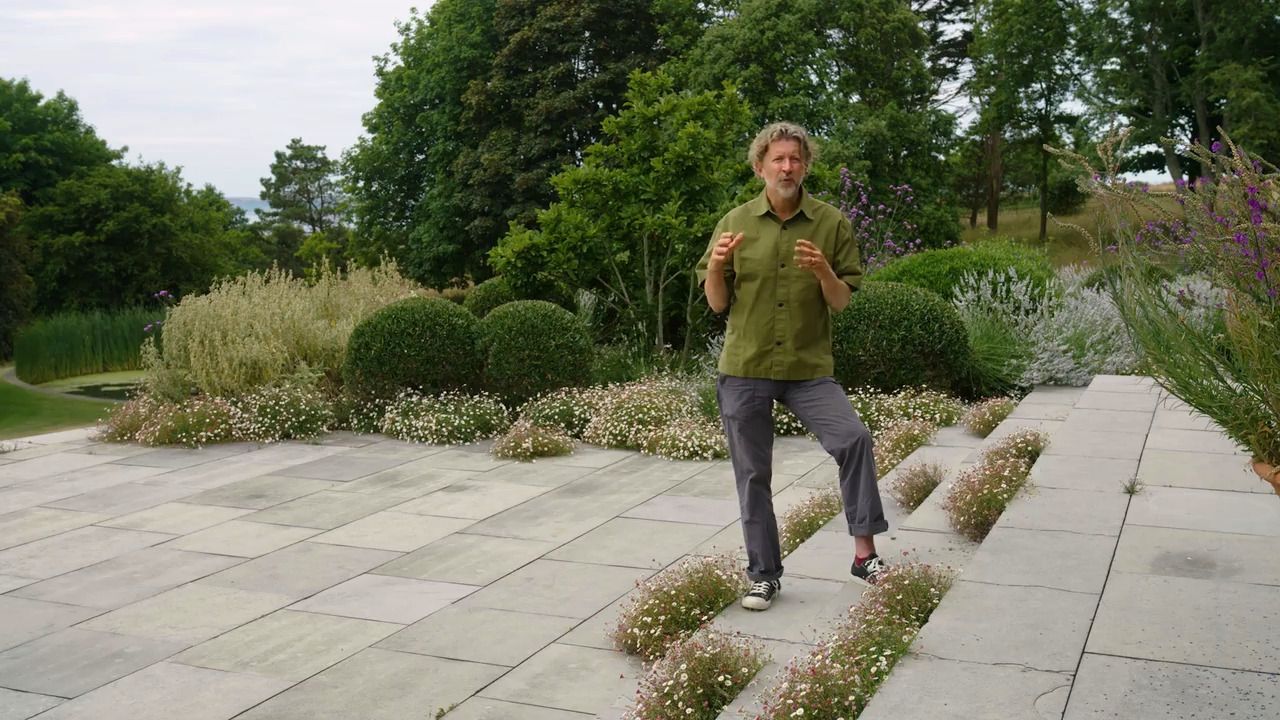
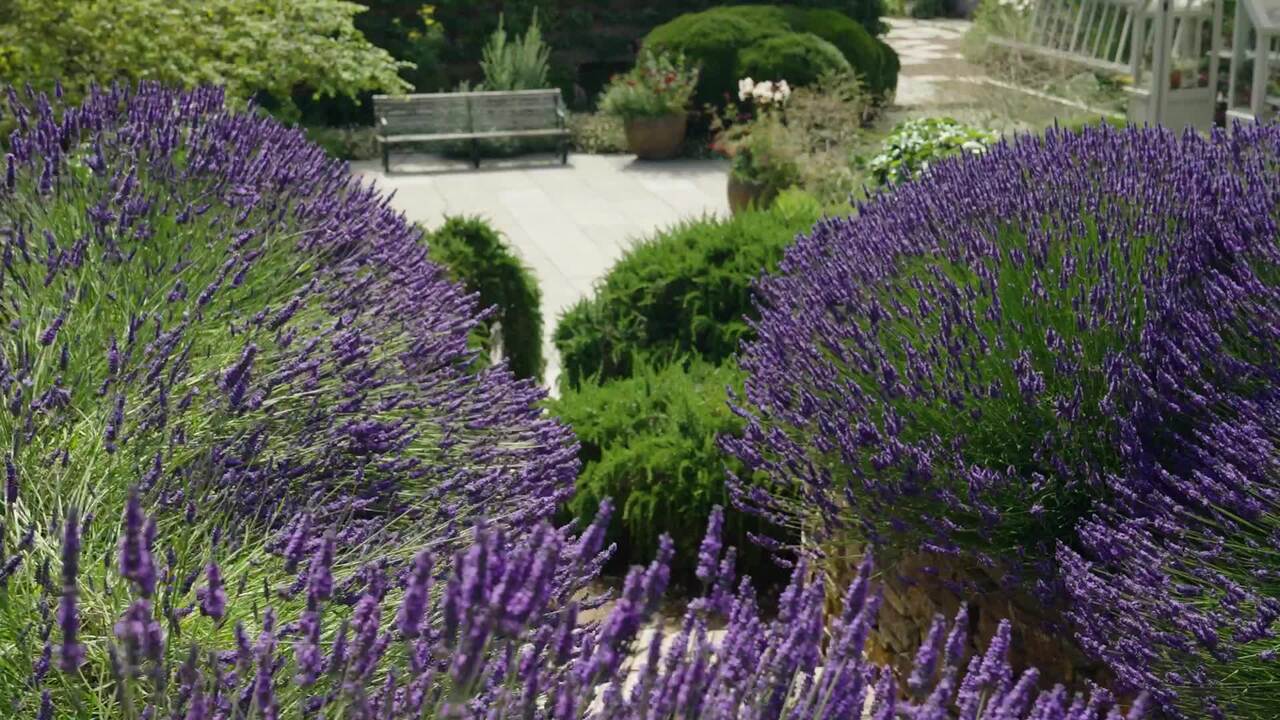
You’ll learn how Dan used structure, form, repetition and detail in his main perennial garden to create a cohesive swathe of naturalistic planting that blends with the landscape beyond.
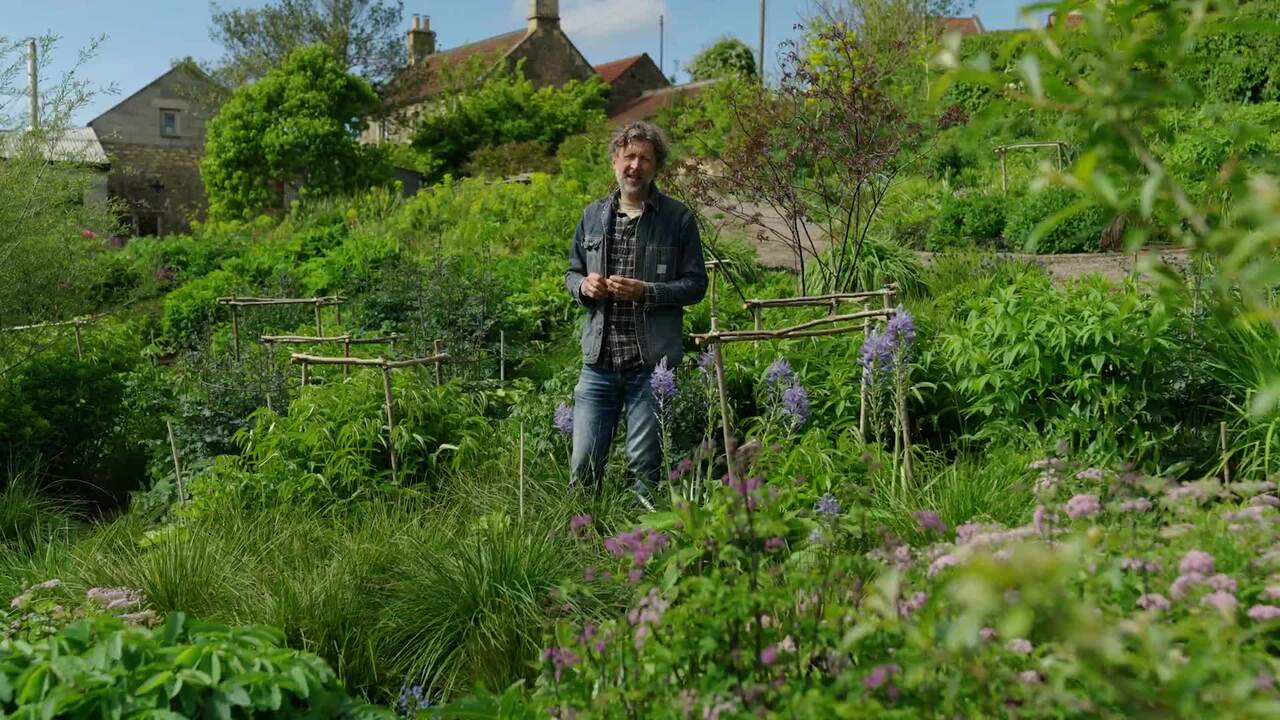
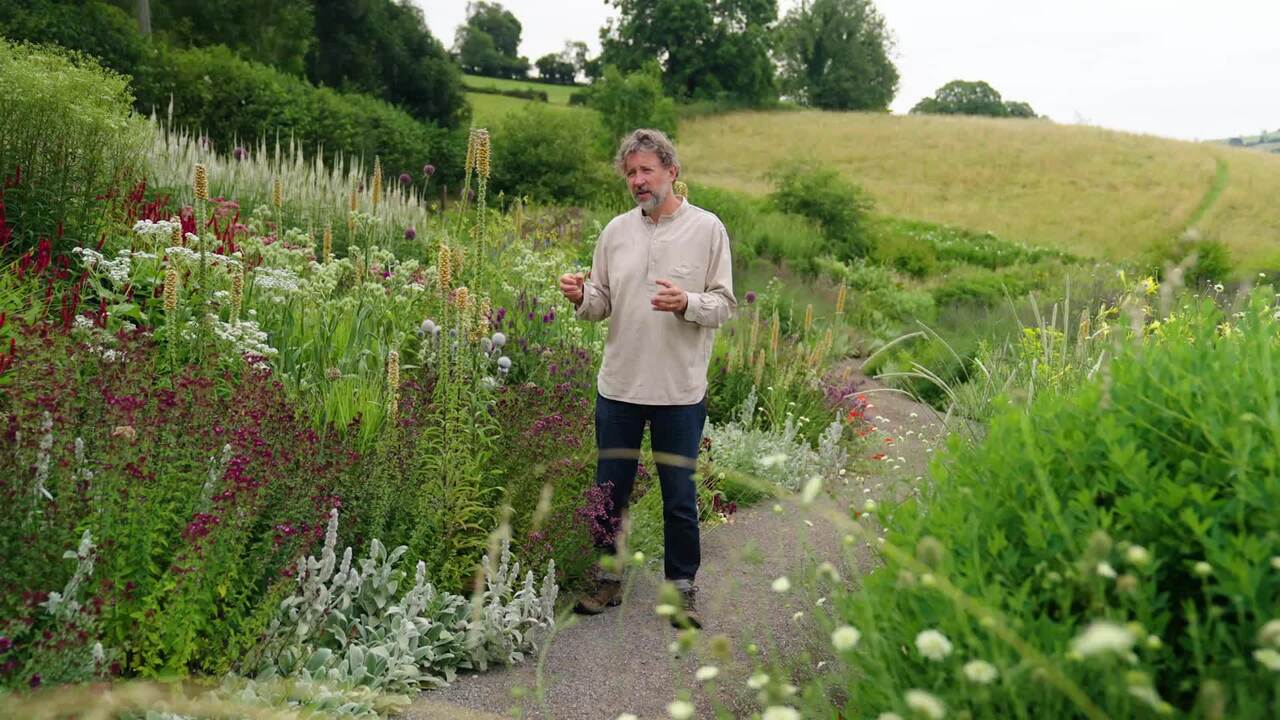
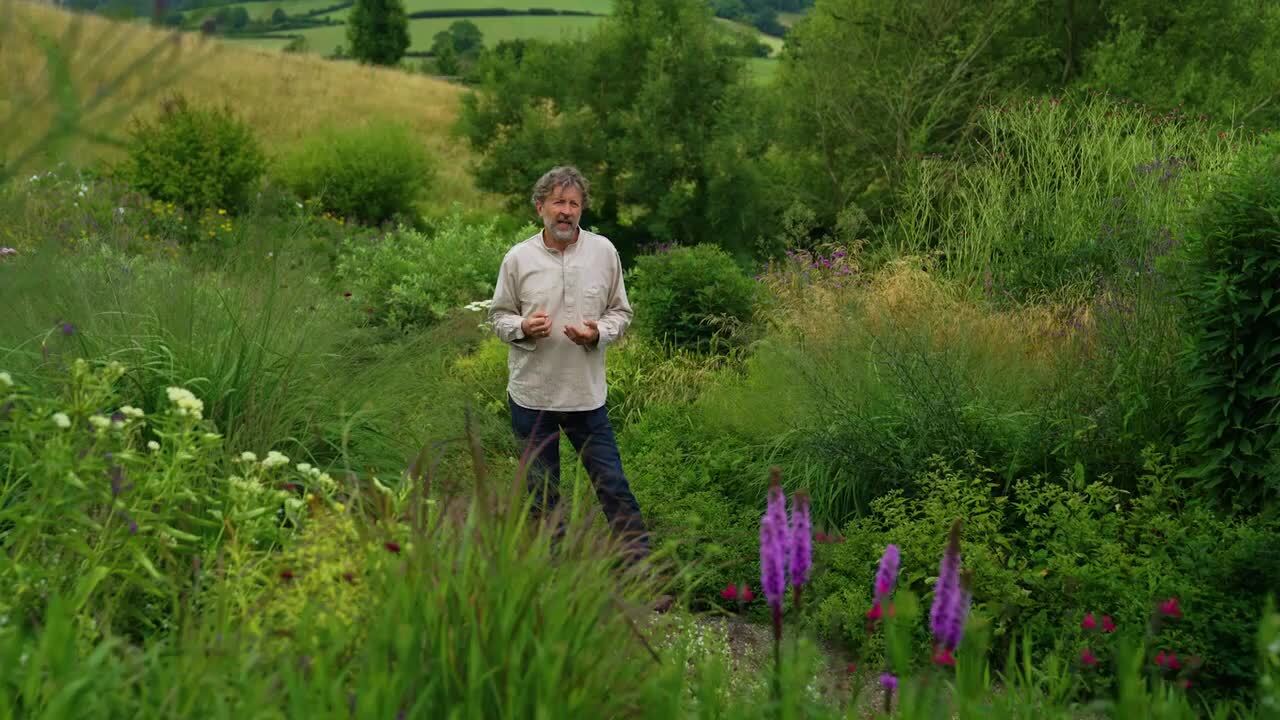
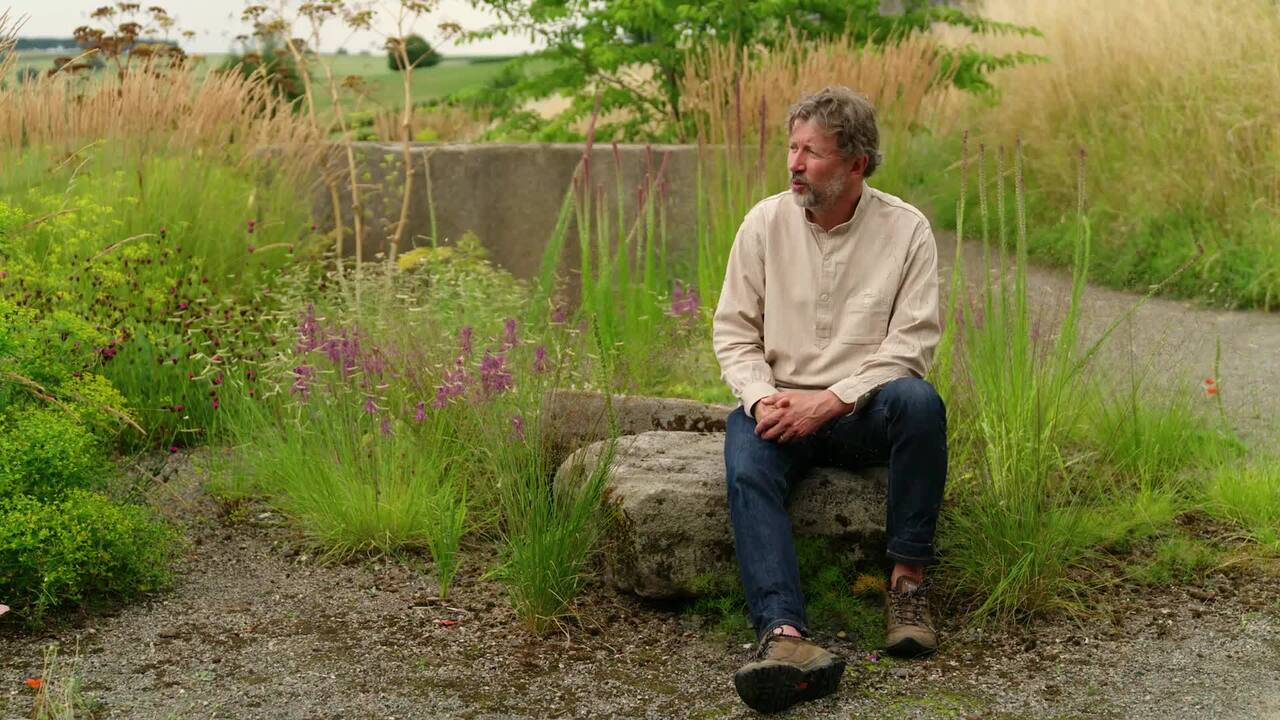
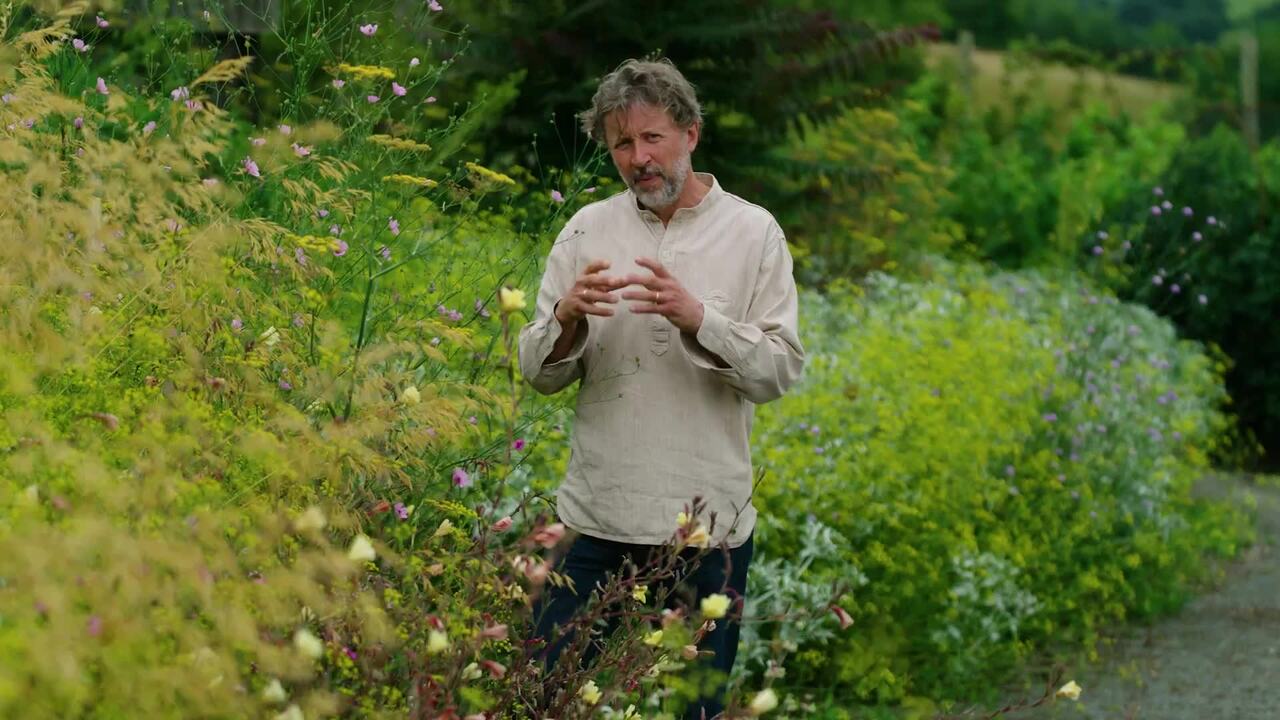
Let's look at how I've used structure, form, repetition and detail in my main perennial garden to create a cohesive swathe of naturalistic planting that blends with the landscape beyond.
As the garden matures, the first thing we're starting to see is the trees and shrubs emerging out of the perennial layer. The next thing your eye rests on is the volumes that form the greater weight in the planting – the emergent perennials. These include:
The weights of these signature perennials create important moments of structure and constancy, amongst which I can create a much more interwoven planting that comes and goes through the seasons.
Form is key in holding a perennial planting together. Those weights of Baptisia are the starting point, and I've picked up on those with Euphorbia ceratocarpa throughout the central section.
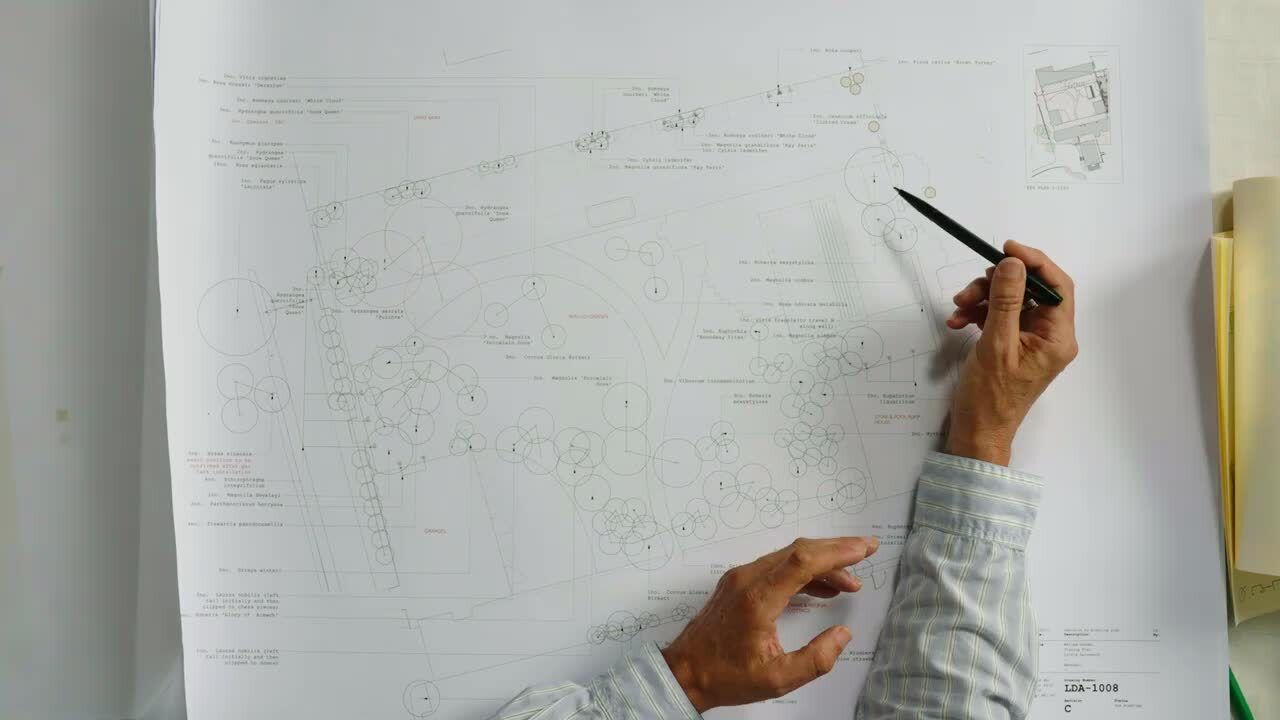
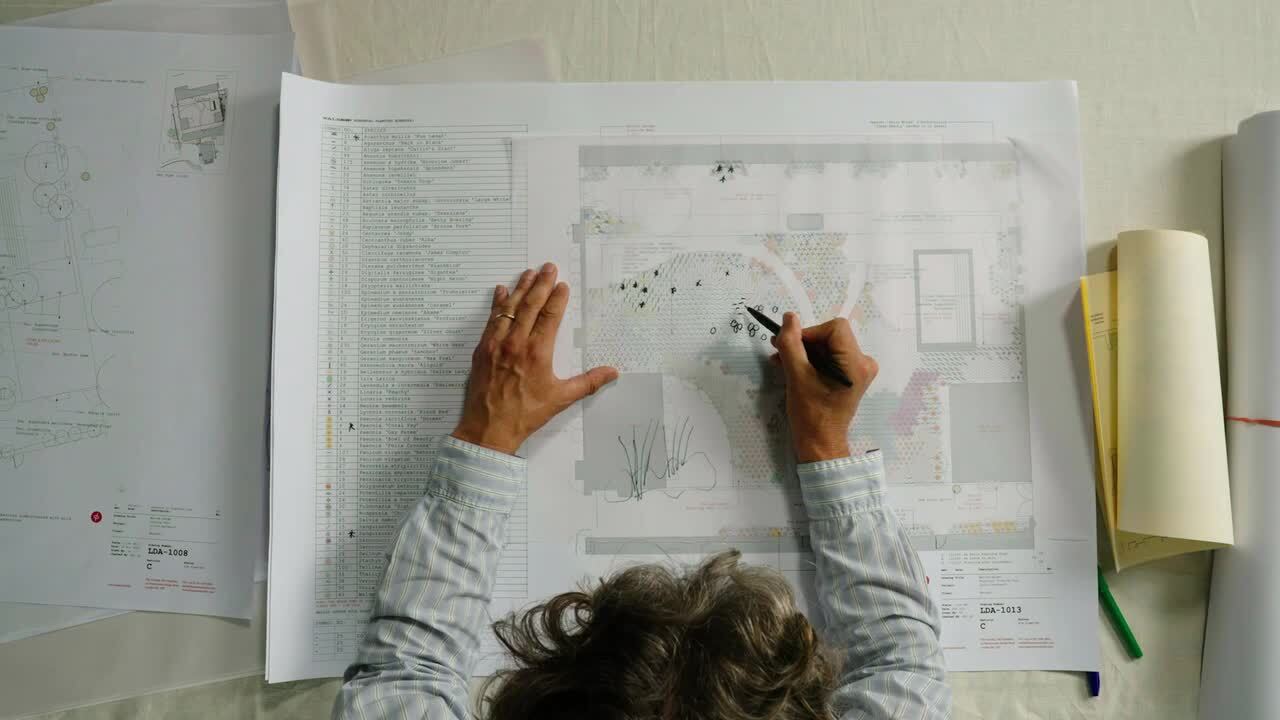
Repetition is crucial in a planting because it provides cohesiveness. When putting a plant list together, I always ensure I have larger numbers of some plants so that they can be stepped up throughout a space.
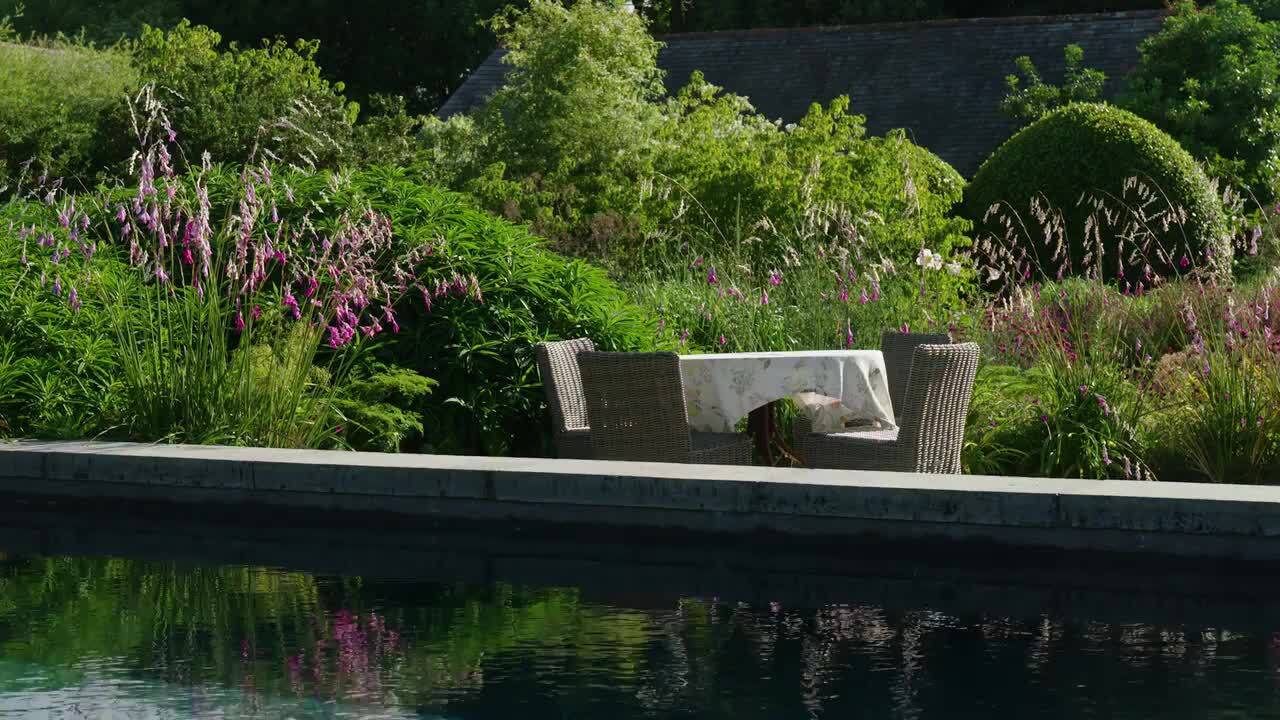
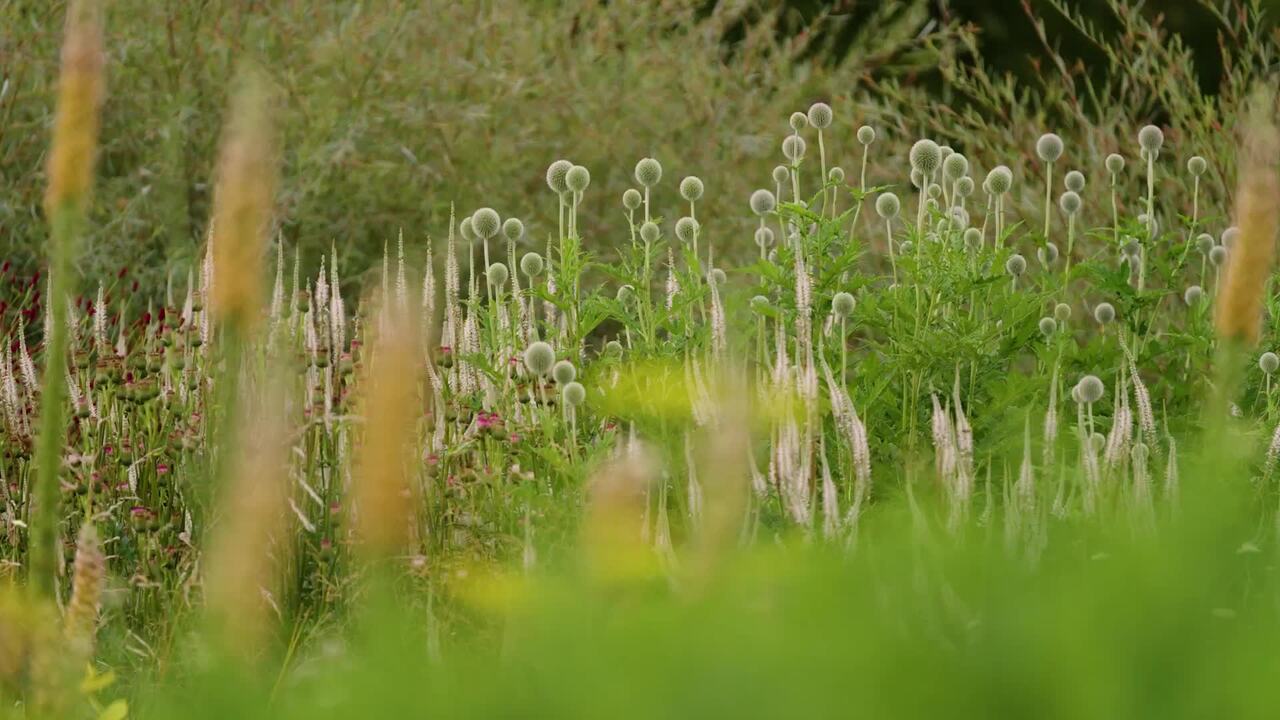
As a contrast to those dependable solid shapes, I've played with verticals. Verticals are also really important for providing repetition – almost like a quick succession of notes.
Using various different plants, these repeating vertical elements run right the way through the garden:
So although the verticals are similar in nature, they change through the colour use.
I've used verticals freely because they take up less space than wide plants. It also means you can repeat them, and through the froth of everything else, your eye can rest on something you recognise.
Deeper into the beds, the planting is simpler because the eye travels over large spaces that you don't go into. The edges, which hold your attention as you walk along, are where you can work in the detail.
To create simplicity at the core of the beds, I've planted in larger groups, using swathes of Euphorbia ceratocarpa, Veronicastrum or Persicaria. This allows me to go into a lot more detail at the front:
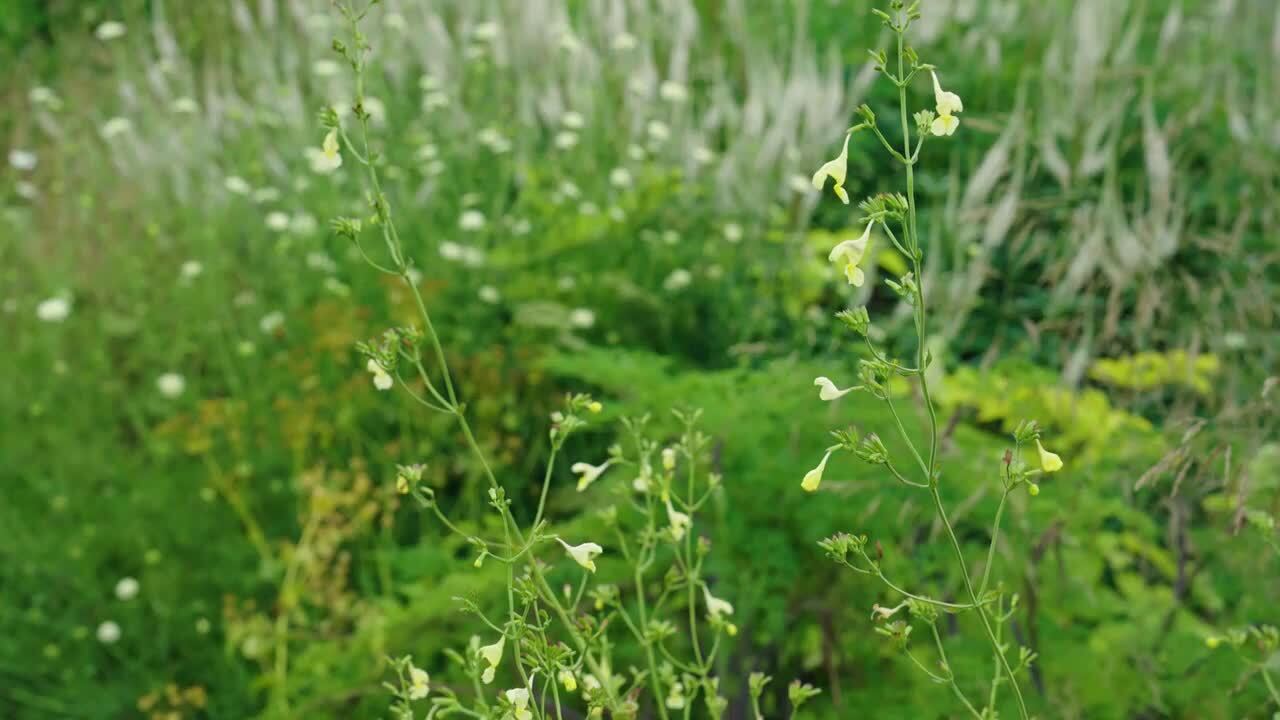
I like to use plants with tiny flowers for several reasons. For instance,
In this way, colour is repeated in tiny dots, almost like a pointillist painting. This means colour moves through the garden in a very delicate way and doesn't sit heavily. I've used these two plants throughout the planting:
Plants that are good for creating a gauzy veil:
Digitalis ferruginea loves the warm, dry slopes and will seed around wherever it can find a niche.
So every year, there's a spontaneity introduced by the Digitalis, which contrasts with the constancy of the Baptisia, Doellingeria and peonies, and means that the garden is never quite the same year on year.
Verticals are great as they create very definite points for the eye to rest on, but I'm experimenting with other forms as well:
Forms are something you can really play with in a planting – it's important to remember to have fun when you're putting a planting plan together!
All the plants in the garden have been chosen with consideration for biodiversity. I'm not using double-flowered plants, I'm using plants that are a magnet for the local wildlife.
I love using plants that suspend their flowers on long, thin stems so that the colour and actual activity of the flower appears way above the foliage. Hemerocallis (day lilies) are brilliant for this.
Not being able to immediately tell where the flowers are coming from keeps a lightness in the planting. This airiness is key in allowing you to effectively use lots of plants close together without congestion or a feeling of heaviness.
I also create airiness using emergents. Some of my favourites are:
You can pack a lot of plants into a small space without it feeling crowded by using emergents that have a small basal clump of foliage and then tall stems that take the flower up into the air.
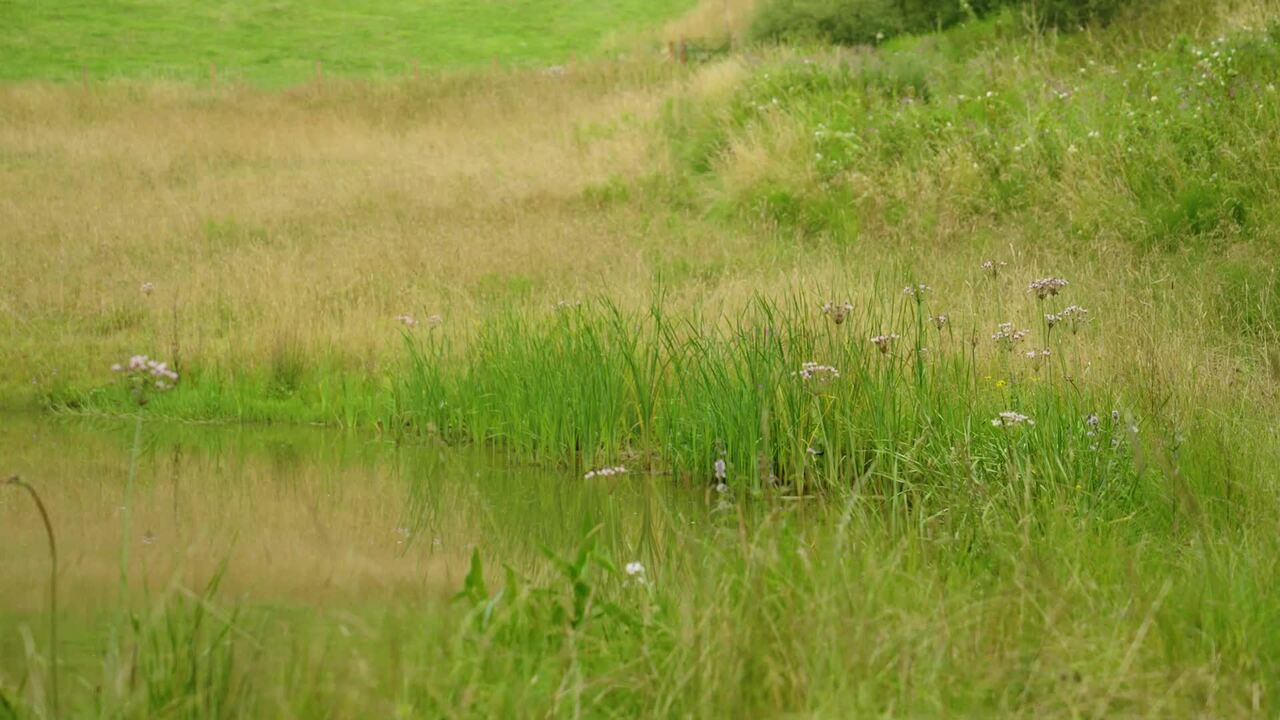
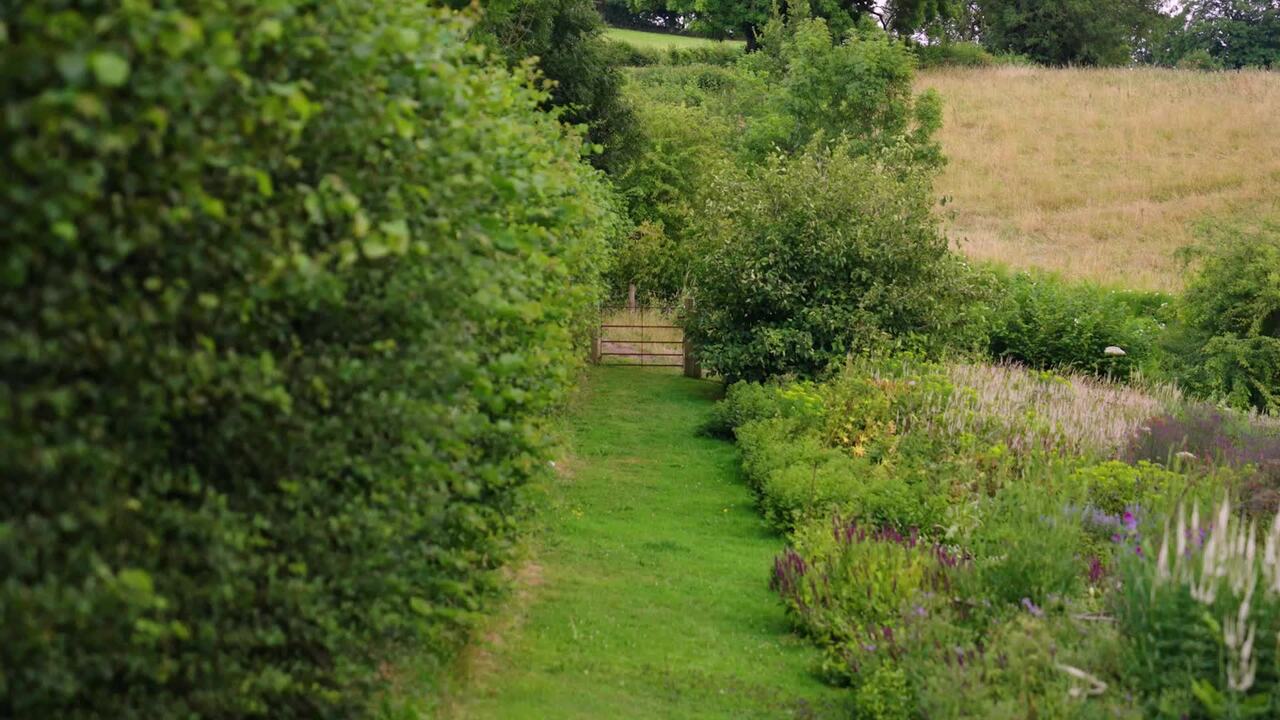
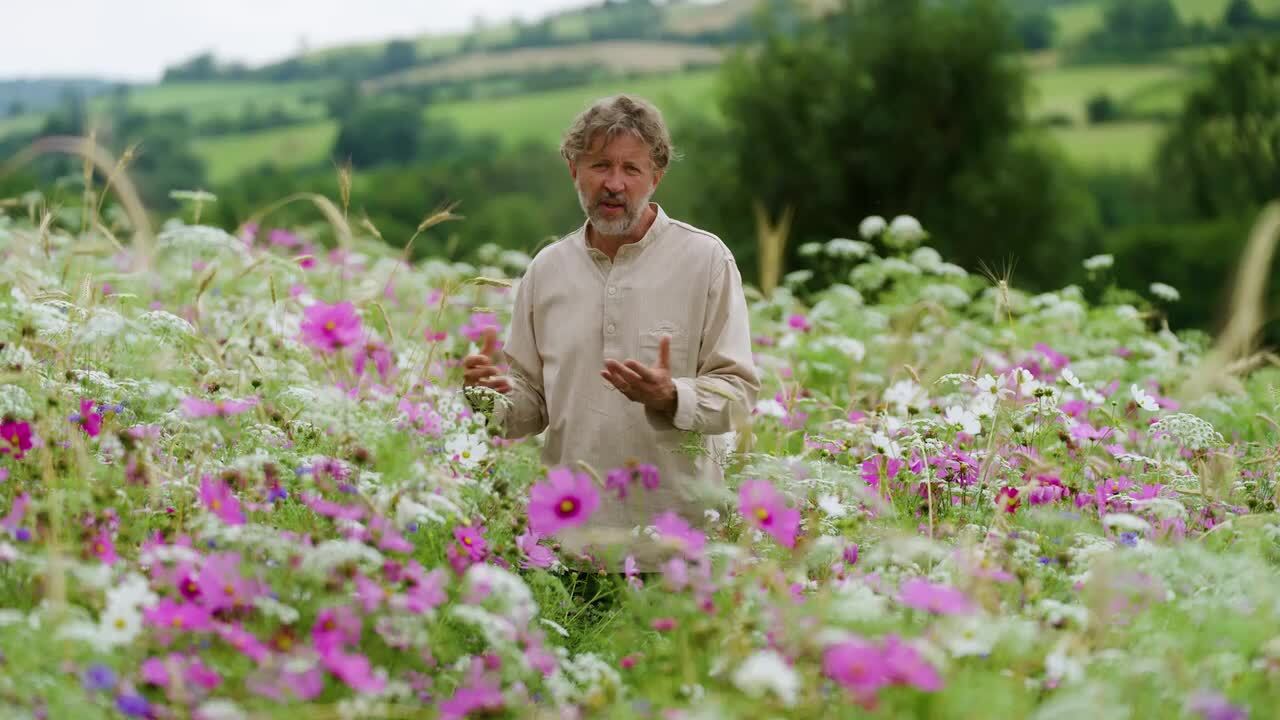
To maintain a naturalistic mood when you're putting your palette together, it's important to think about the natural landscapes beyond or around your garden.
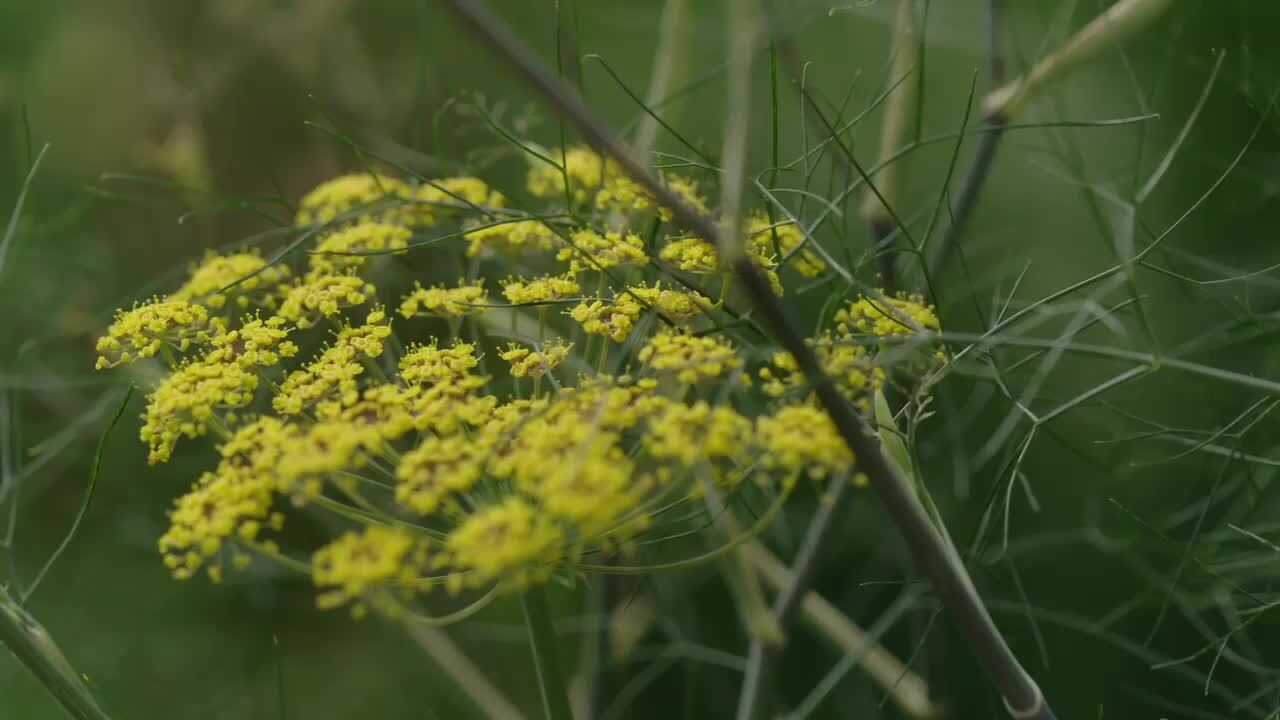
Here, the planting is inspired by the meadows and ditches and the plants that grow in those, such as wild angelica (Angelica sylvestris) and umbellifers, such as cow parsley (Anthriscus sylvestris).
Get the full workbook, video lessons, and more with a Create Academy subscription.
Subscribe to access the full workbookAlready a member? Sign in to watch
491 reviews
Read moreCreate Academy has been such a great resource. I'm in the middle of renovating a bungalow with a very large garden and the courses have offered a wealth of inform...
Harvey
Jun 10, 2026
Absolutely love Create Academy! The instructors are extremely informative, and it is beautifully filmed. Create Academy is great value for money and plan on renew...
SG
May 31, 2026
Butter's creativity is stunning! Her ability to incorporate brilliance in small gardens is magical!
Carla
May 30, 2026
The best adventure. I like all the courses, but my favorite are both Rita Konig interior design courses and Anna Jones. Excellent!
Karolina Kluczewska
May 20, 2026
Create Academy has been such a great resource. I'm in the middle of renovating a bungalow with a very large garden and the courses have offered a wealth of information to dive into and explore new ideas. I'm...
Harvey
Jun 10, 2026
Absolutely love Create Academy! The instructors are extremely informative, and it is beautifully filmed. Create Academy is great value for money and plan on renewing my subscription yearly because there are ...
SG
May 31, 2026
Butter's creativity is stunning! Her ability to incorporate brilliance in small gardens is magical!
Carla
May 30, 2026

Your Instructor
Acclaimed naturalistic landscape designer. Multiple Chelsea Gold Medal Winner. OBE.
British landscape designer, horticulturalist and writer Dan Pearson OBE, has been designing award-winning gardens since 1987. His naturalistic use of plants, light-handed approach to design and deep-rooted horticultural knowledge has made him one of the most celebrated and innovative gardeners working today. Dan trained in horticulture at Wisley and Kew, before starting his garden and landscape design practice in 1987. In 2015, his show garden for Chatsworth and Laurent Perrier was awarded a Gold Medal and Best Show Garden at the Chelsea Flower Show. In 2014 Dan was appointed an advisor to the National Trust at Sissinghurst Castle. For over 20 years Dan has written regular gardening columns, with his work a staple of The Observer, and has written a number of best-selling gardening books.
Access to all courses


