

Interior and exterior confidence
Create Academy has been such a great resource. I'm in the middle of renovating a bungalow with a very large garden and the courses have offered a wealth of inform...
Harvey
Jun 10, 2026
An Expert Guide to Planting Design
with DAN PEARSON — Acclaimed naturalistic landscape designer. Multiple Chelsea Gold Medal Winner. OBE.
Lesson 27 of 31
Subscribe to watch
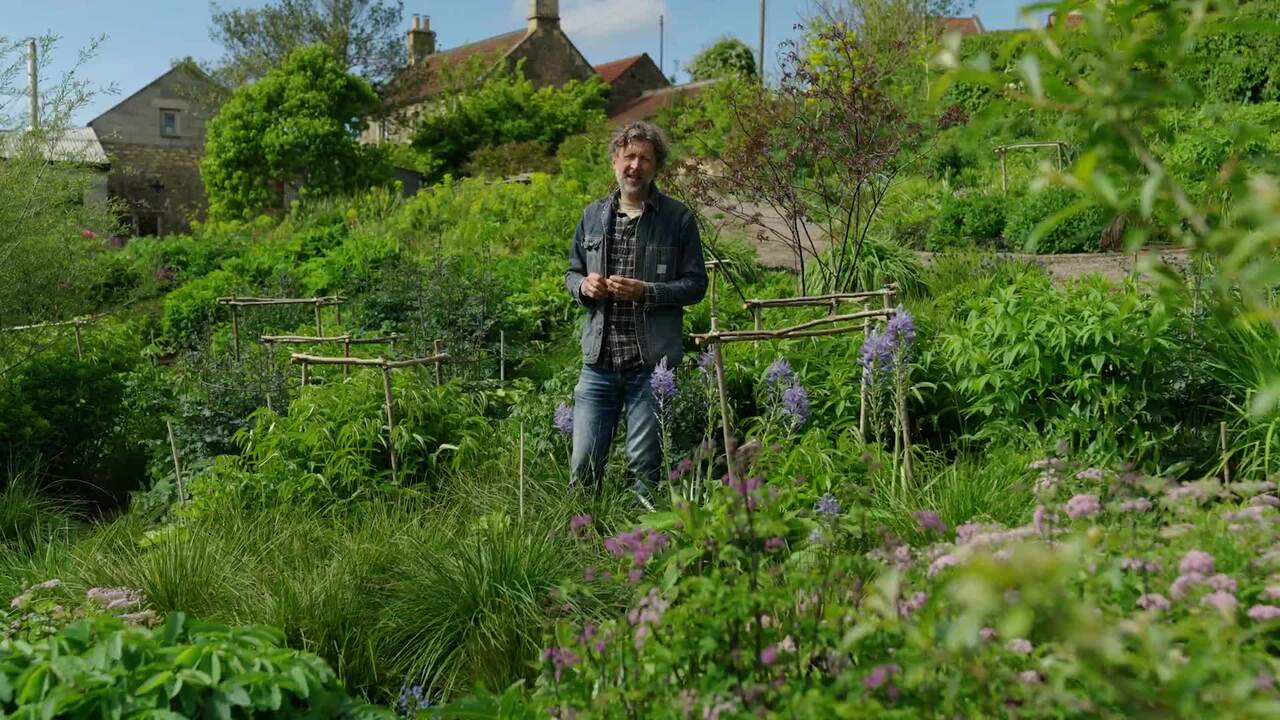
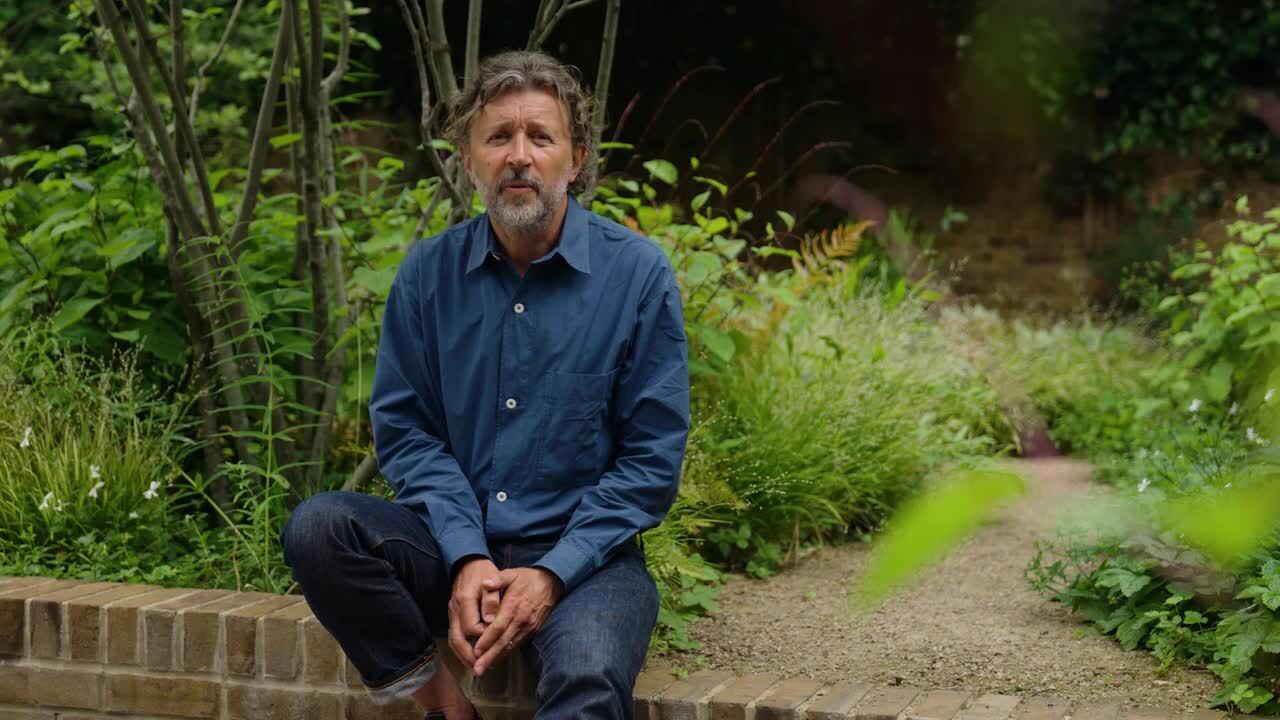
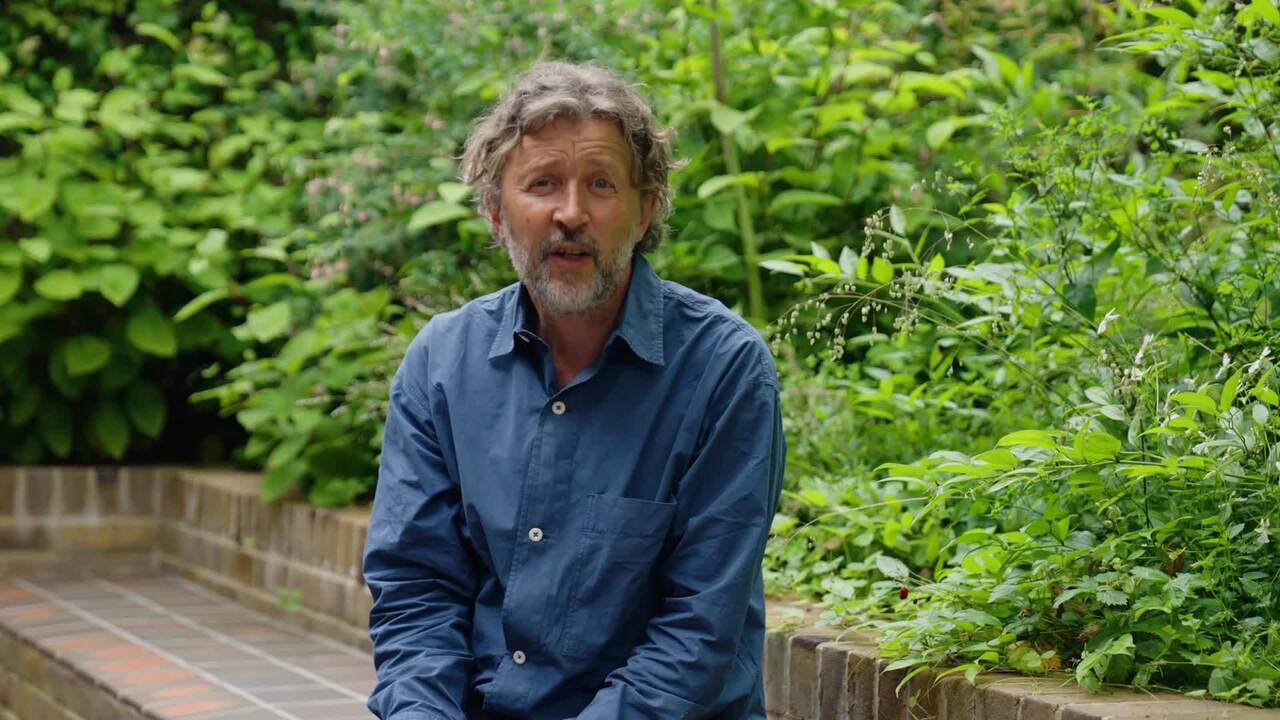
Hedges are a key structural element of any garden. Dan discusses the functionality of a hedge, his considerations when choosing what to use, and some practical aspects of siting a hedge.
Hedges are a key structural element of any garden. In this chapter, I'll discuss the functionality of a hedge, my considerations when choosing what species to use, and some practical aspects of siting a hedge.
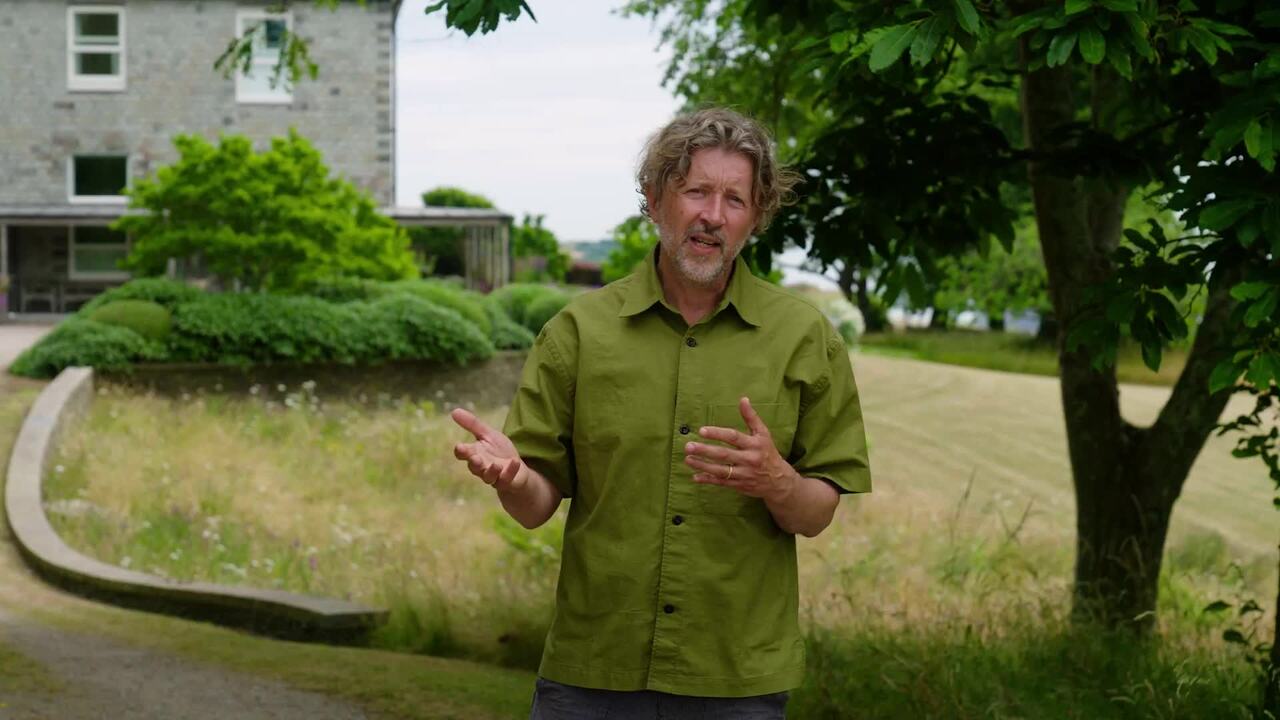
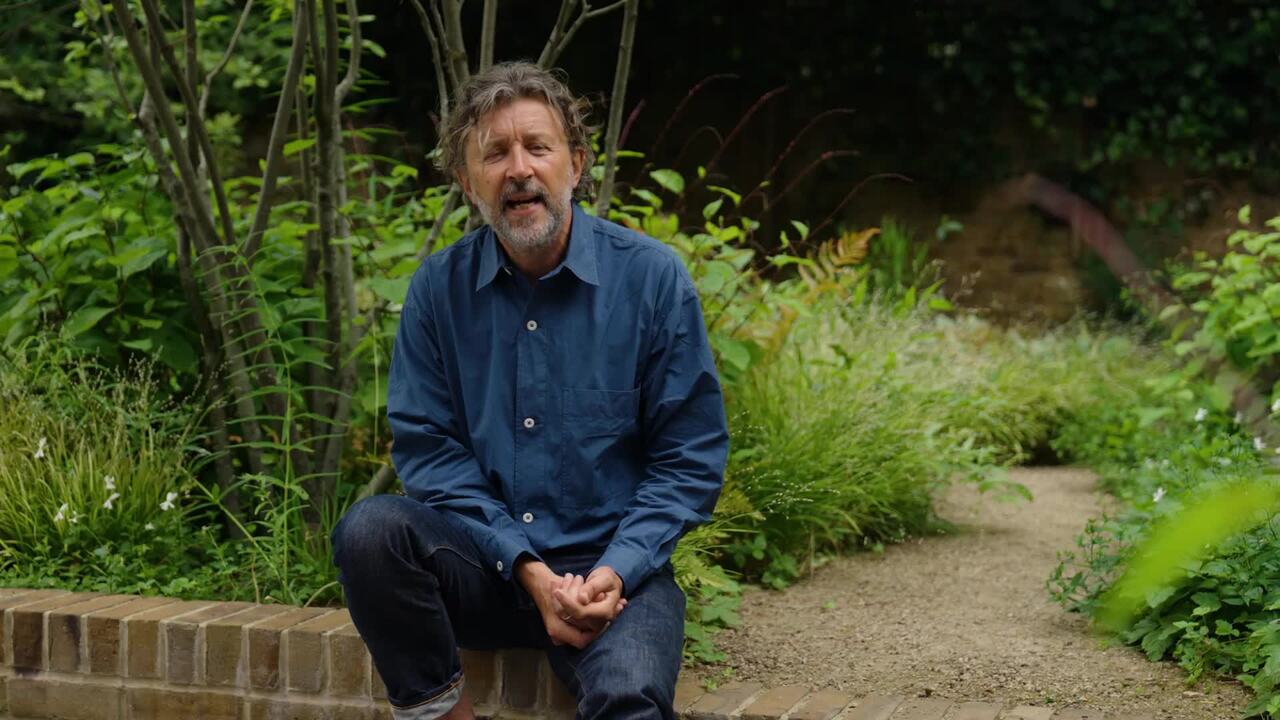
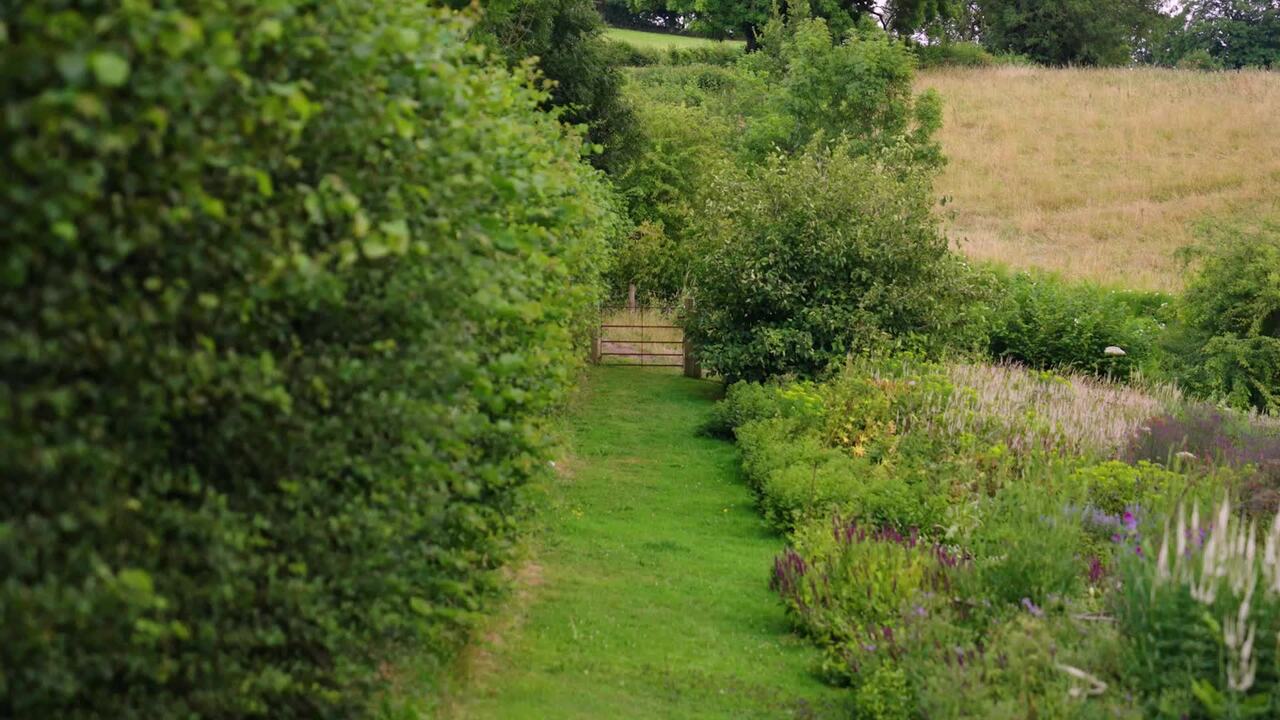
On the garden's boundary with the lane was an old, broken-down mixed native hedge. It's mostly hawthorn (Crataegus monogyna), with some hazel (Coryllus avellana) and small-leaved elm (Ulmus minor subsp. minor). This deciduous, mixed British native hedge feels right in this naturalistic setting.
I've spent some time rejuvenating this hedge so that it's a good and dynamic habitat:
This hedge feels very much part of the landscape and has become a wonderful habitat – birds can forage as we don't cut it until after all the berries have dropped in autumn, and it provides cover in winter. Of course, it also forms a backdrop for the planting as well as separation from the lane.
Whether evergreen or deciduous, hedges are very useful structural building blocks in a garden.
In this countryside setting, I've only used natives in my hedge, so that it blends in with the landscape and provides the best habitat for local biodiversity. It forms a nice restful backdrop to the garden.
I've got a very simple mown path running alongside the hedge. I don't tend to use much mown grass, because I prefer to have biodiverse meadow.
On this very sunny site, I've provided some shade by planting trees at the top of the garden, so that the walk along the hedge is in dappled shade.
It's important to get these structural elements into a garden early on, and it's really worth taking time to consider where you want them. Investing thought into your structural elements will mean that as they start to mature, they will immediately make an impact on the rest of the garden that follows.
These structural hedges and trees are long-term investments that are worth getting right in terms of where they are, what they are and why they're there.
There are many different hedges you can use depending on what mood you want. Yew (Taxus baccata) for instance, which is also a British native, makes a wonderful hedge:
Holly (Ilex aquifolium) can also be used in a similar way.
I tend not to use fast-growing hedges, such as non-native privet or Lonicera nitida, because you have to cut these twice a year. This isn't what I'd aim for in a naturalistic garden – it causes more disturbance to wildlife, and I also prefer to reserve my energy for other things.
So a hedge that grows quite slowly and only needs cutting once a year is the aim. We cut ours at the very end of the season, once the leaves have dropped and the birds have had a chance to take the berries.
Hedges can be hungry, which is why I've put a grass path alongside mine. The root system would have a big impact on the planting if I were to plant right up to the hedge.
So when placing your hedges and then the planting, it's always worth thinking about the practicalities of how you're going to manage those hedges.
Crataegus monogyna
Coryllus avellana
Ulmus minor subsp. Minor
Ligustrum vulgare
Rosa rubiginosa
Morus nigra
Crataegus coccinea
Taxus baccata
Ilex aquifolium
Get the full workbook, video lessons, and more with a Create Academy subscription.
Subscribe to access the full workbookAlready a member? Sign in to watch
510 reviews
Read moreCreate Academy has been such a great resource. I'm in the middle of renovating a bungalow with a very large garden and the courses have offered a wealth of inform...
Harvey
Jun 10, 2026
Absolutely love Create Academy! The instructors are extremely informative, and it is beautifully filmed. Create Academy is great value for money and plan on renew...
SG
May 31, 2026
Butter's creativity is stunning! Her ability to incorporate brilliance in small gardens is magical!
Carla
May 30, 2026
The best adventure. I like all the courses, but my favorite are both Rita Konig interior design courses and Anna Jones. Excellent!
Karolina Kluczewska
May 20, 2026
Create Academy has been such a great resource. I'm in the middle of renovating a bungalow with a very large garden and the courses have offered a wealth of information to dive into and explore new ideas. I'm...
Harvey
Jun 10, 2026
Absolutely love Create Academy! The instructors are extremely informative, and it is beautifully filmed. Create Academy is great value for money and plan on renewing my subscription yearly because there are ...
SG
May 31, 2026
Butter's creativity is stunning! Her ability to incorporate brilliance in small gardens is magical!
Carla
May 30, 2026

Your Instructor
Acclaimed naturalistic landscape designer. Multiple Chelsea Gold Medal Winner. OBE.
British landscape designer, horticulturalist and writer Dan Pearson OBE, has been designing award-winning gardens since 1987. His naturalistic use of plants, light-handed approach to design and deep-rooted horticultural knowledge has made him one of the most celebrated and innovative gardeners working today. Dan trained in horticulture at Wisley and Kew, before starting his garden and landscape design practice in 1987. In 2015, his show garden for Chatsworth and Laurent Perrier was awarded a Gold Medal and Best Show Garden at the Chelsea Flower Show. In 2014 Dan was appointed an advisor to the National Trust at Sissinghurst Castle. For over 20 years Dan has written regular gardening columns, with his work a staple of The Observer, and has written a number of best-selling gardening books.

Access to all courses


