











Interior and exterior confidence
Create Academy has been such a great resource. I'm in the middle of renovating a bungalow with a very large garden and the courses have offered a wealth of inform...
Harvey
Jun 10, 2026
An Expert Guide to Planting Design
with DAN PEARSON — Acclaimed naturalistic landscape designer. Multiple Chelsea Gold Medal Winner. OBE.
Lesson 8 of 31
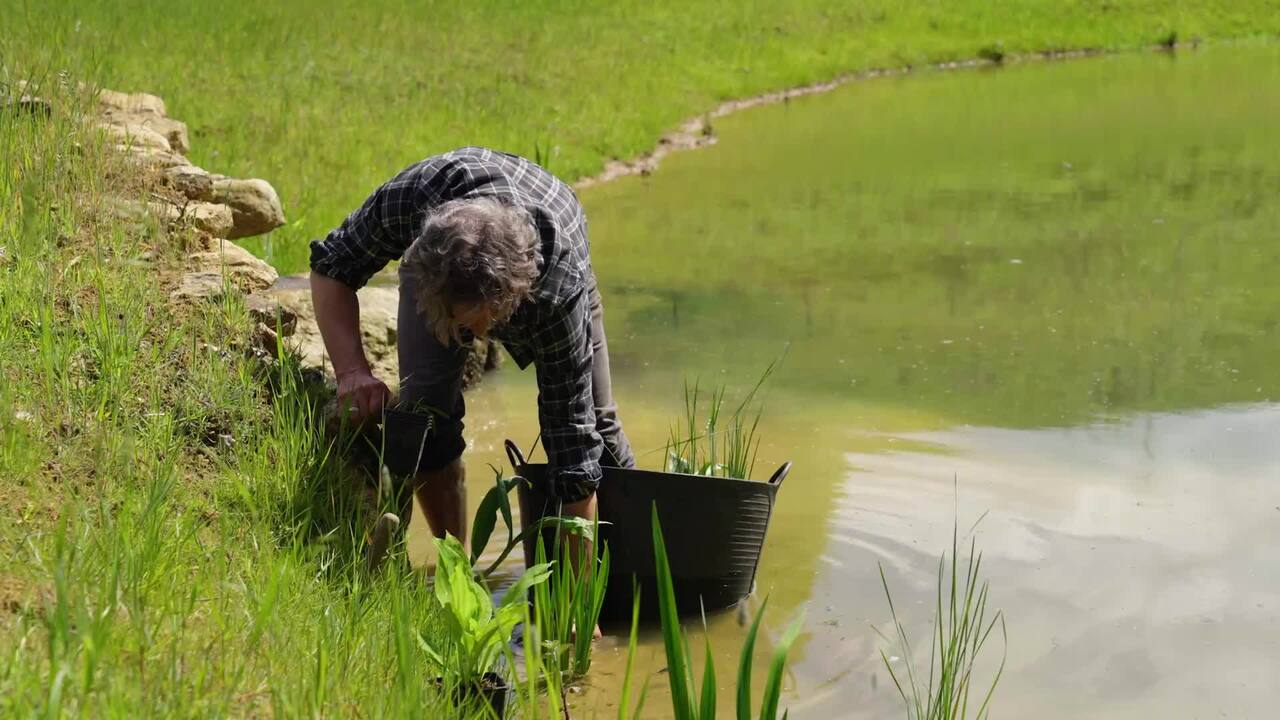
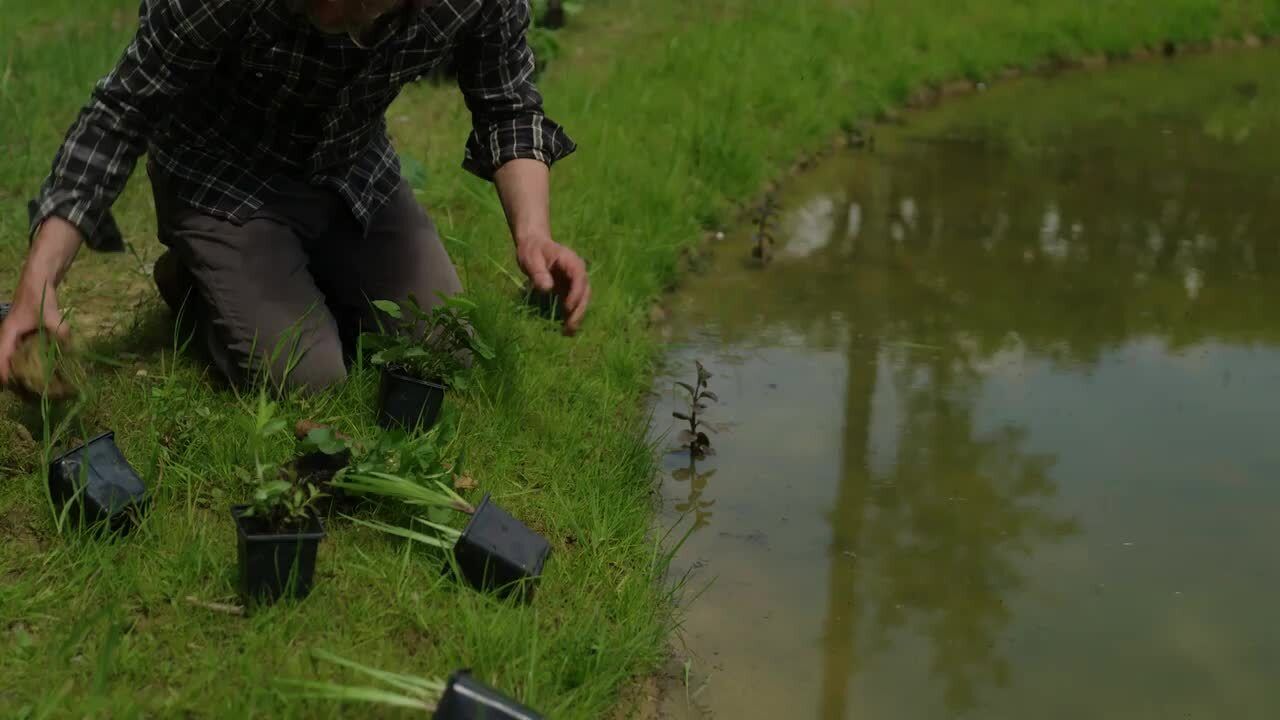
You’ll learn why the marginal shelf is a crucial part of any pond, and explore its enormous potential for planting. Dan shares some of his top plants for using in this key zone, and his thought process in positioning them.
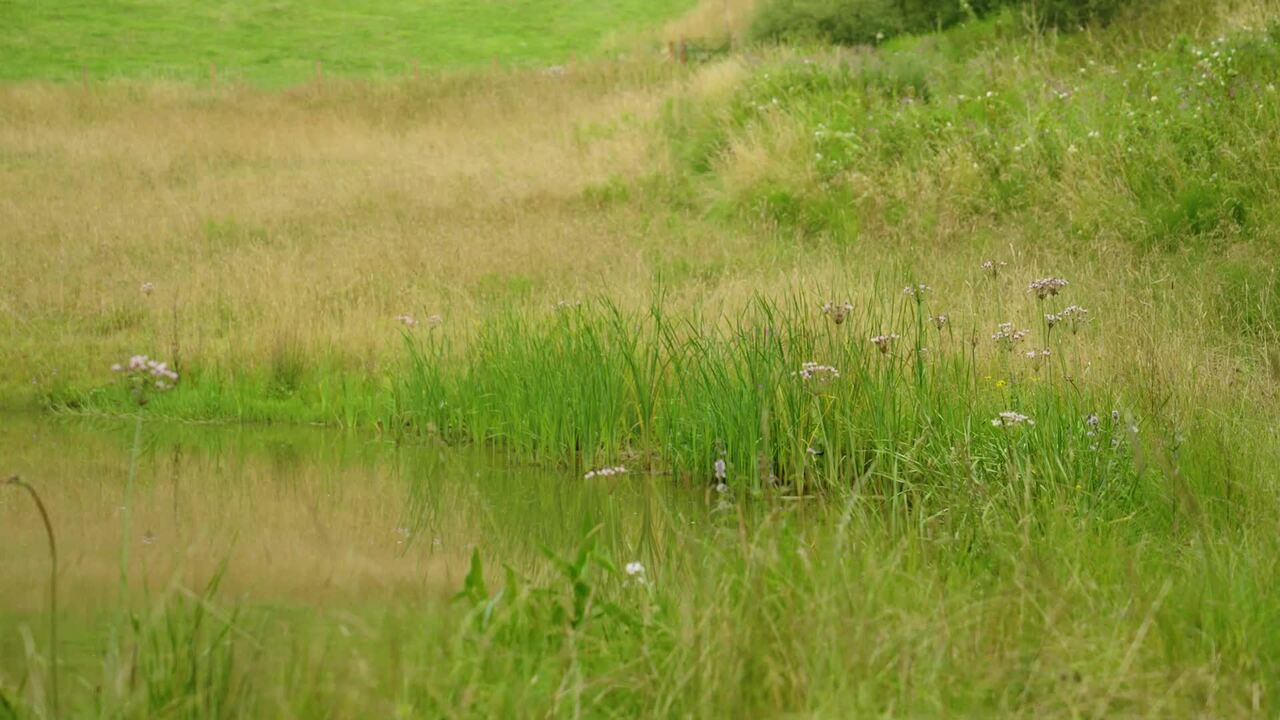
The marginal shelf is a crucial part of any pond, allowing you to soften the edges with considered planting that will also provide fantastic habitat for wildlife.
The marginal shelf is a very versatile zone in terms of the range of suitable plants available. I'll share some of my top plants for use in this key zone, and how these might be positioned.
The marginal shelf, which slopes away for about 150 cm and then drops off severely, means this section is for plants that like to have their feet submerged and that grow up through a shallow depth of 22–30 cm.
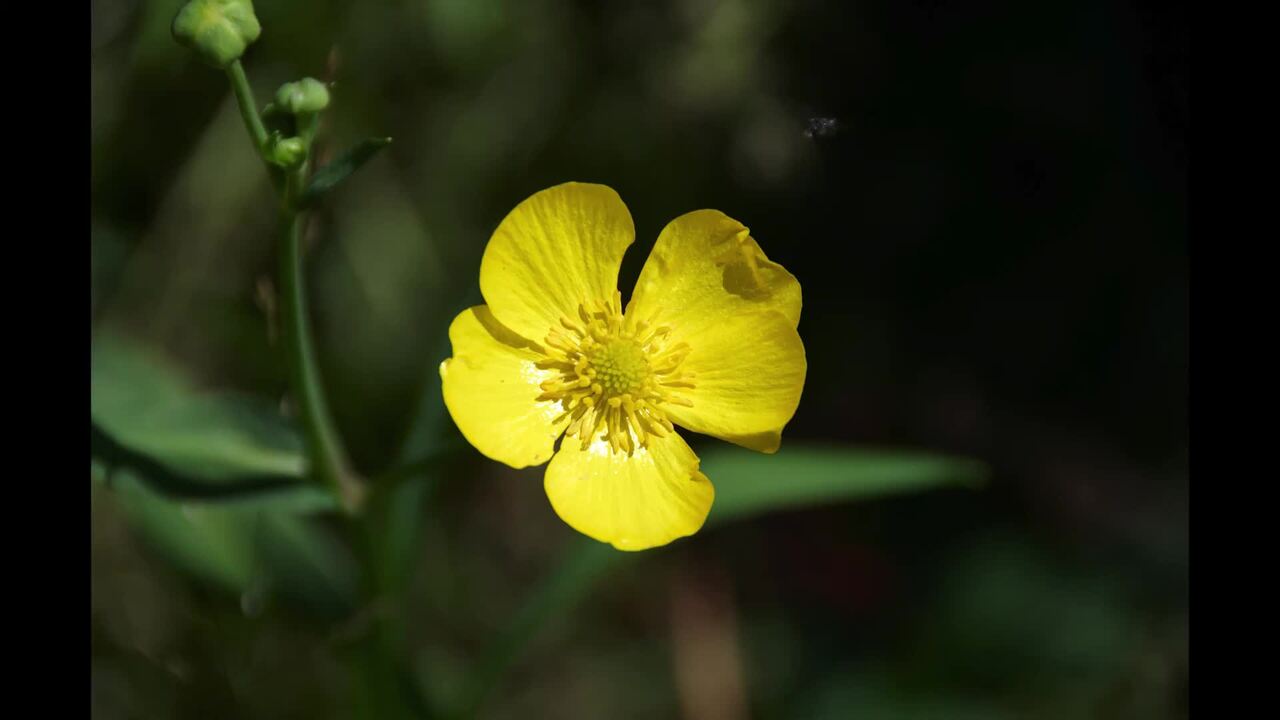
The plants I'm using on the marginal shelves are:
These plants all come in different sizes. I'm using 9 cm pots for things like the lesser reed mace, but other things that grow very fast can be put in as smaller plants, like superplugs.
The submerged aquatics are the final planting layer to be introduced into the pond. I'm using hornwort, a native oxygenating weed, which will pump oxygen into the pond to provide it with a balanced ecology that is sustained by healthy, oxygen-rich water.
Hornwort has no roots, so I simply float it in the water and let it move around to find its own preferred level and position.
Read more about how I created and then planted up our pond here at Hillside in our blog:
https://digdelve.com/the-pond/
https://digdelve.com/planting-the-pond/
Get the full workbook, video lessons, and more with a Create Academy subscription.
Subscribe to access the full workbookAlready a member? Sign in to watch
510 reviews
Read moreCreate Academy has been such a great resource. I'm in the middle of renovating a bungalow with a very large garden and the courses have offered a wealth of inform...
Harvey
Jun 10, 2026
Absolutely love Create Academy! The instructors are extremely informative, and it is beautifully filmed. Create Academy is great value for money and plan on renew...
SG
May 31, 2026
Butter's creativity is stunning! Her ability to incorporate brilliance in small gardens is magical!
Carla
May 30, 2026
The best adventure. I like all the courses, but my favorite are both Rita Konig interior design courses and Anna Jones. Excellent!
Karolina Kluczewska
May 20, 2026
Create Academy has been such a great resource. I'm in the middle of renovating a bungalow with a very large garden and the courses have offered a wealth of information to dive into and explore new ideas. I'm...
Harvey
Jun 10, 2026
Absolutely love Create Academy! The instructors are extremely informative, and it is beautifully filmed. Create Academy is great value for money and plan on renewing my subscription yearly because there are ...
SG
May 31, 2026
Butter's creativity is stunning! Her ability to incorporate brilliance in small gardens is magical!
Carla
May 30, 2026

Your Instructor
Acclaimed naturalistic landscape designer. Multiple Chelsea Gold Medal Winner. OBE.
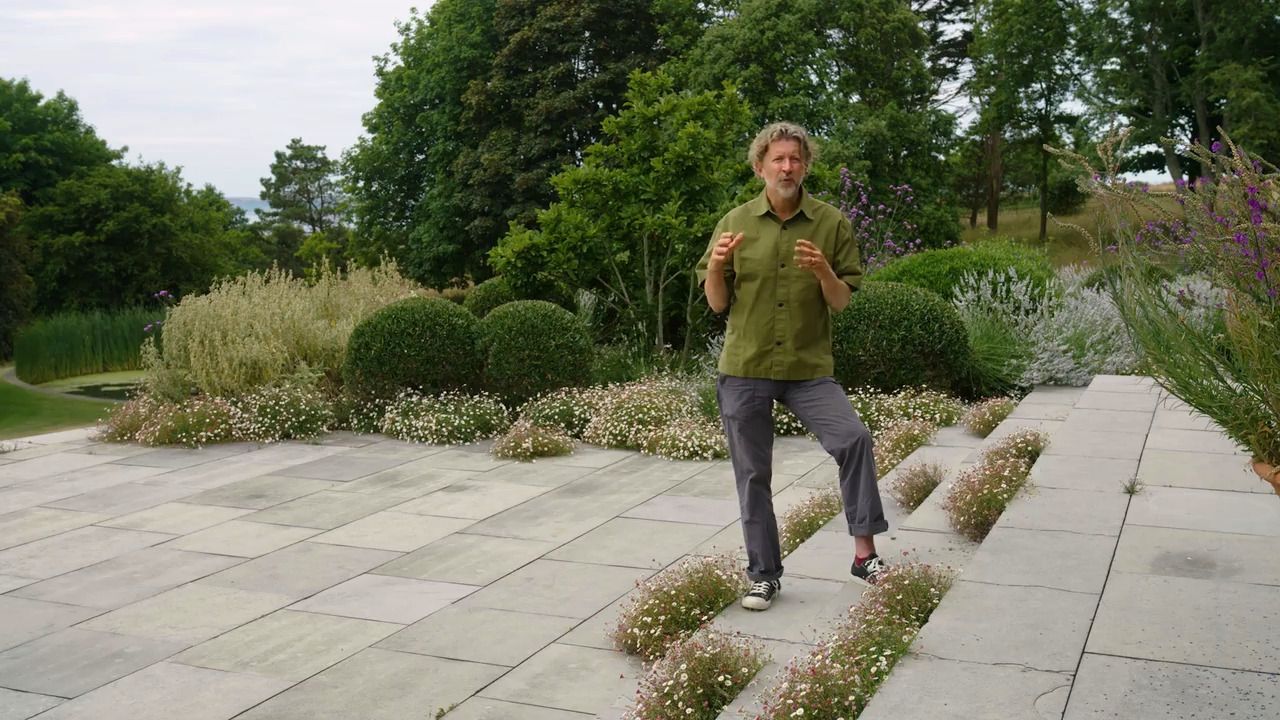
British landscape designer, horticulturalist and writer Dan Pearson OBE, has been designing award-winning gardens since 1987. His naturalistic use of plants, light-handed approach to design and deep-rooted horticultural knowledge has made him one of the most celebrated and innovative gardeners working today. Dan trained in horticulture at Wisley and Kew, before starting his garden and landscape design practice in 1987. In 2015, his show garden for Chatsworth and Laurent Perrier was awarded a Gold Medal and Best Show Garden at the Chelsea Flower Show. In 2014 Dan was appointed an advisor to the National Trust at Sissinghurst Castle. For over 20 years Dan has written regular gardening columns, with his work a staple of The Observer, and has written a number of best-selling gardening books.
Access to all courses


