









Interior and exterior confidence
Create Academy has been such a great resource. I'm in the middle of renovating a bungalow with a very large garden and the courses have offered a wealth of inform...
Harvey
Jun 10, 2026
An Expert Guide to Planting Design
with DAN PEARSON — Acclaimed naturalistic landscape designer. Multiple Chelsea Gold Medal Winner. OBE.
Lesson 22 of 31
Subscribe to watch
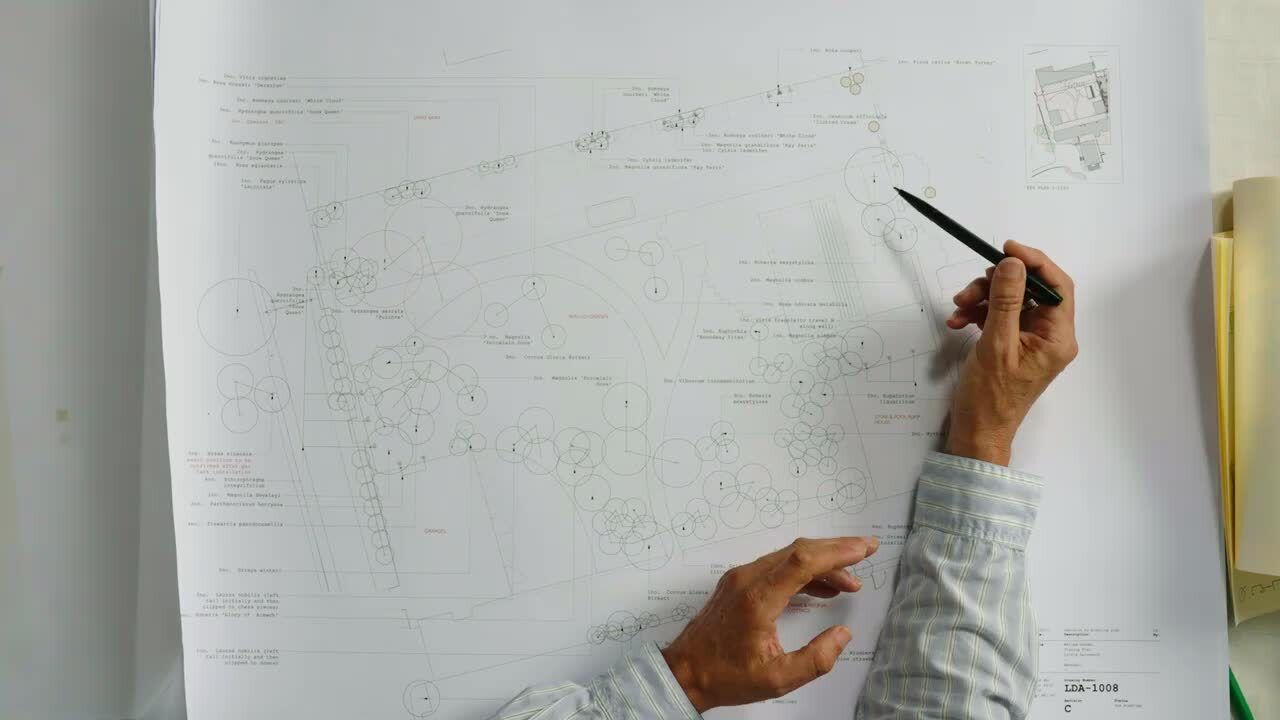
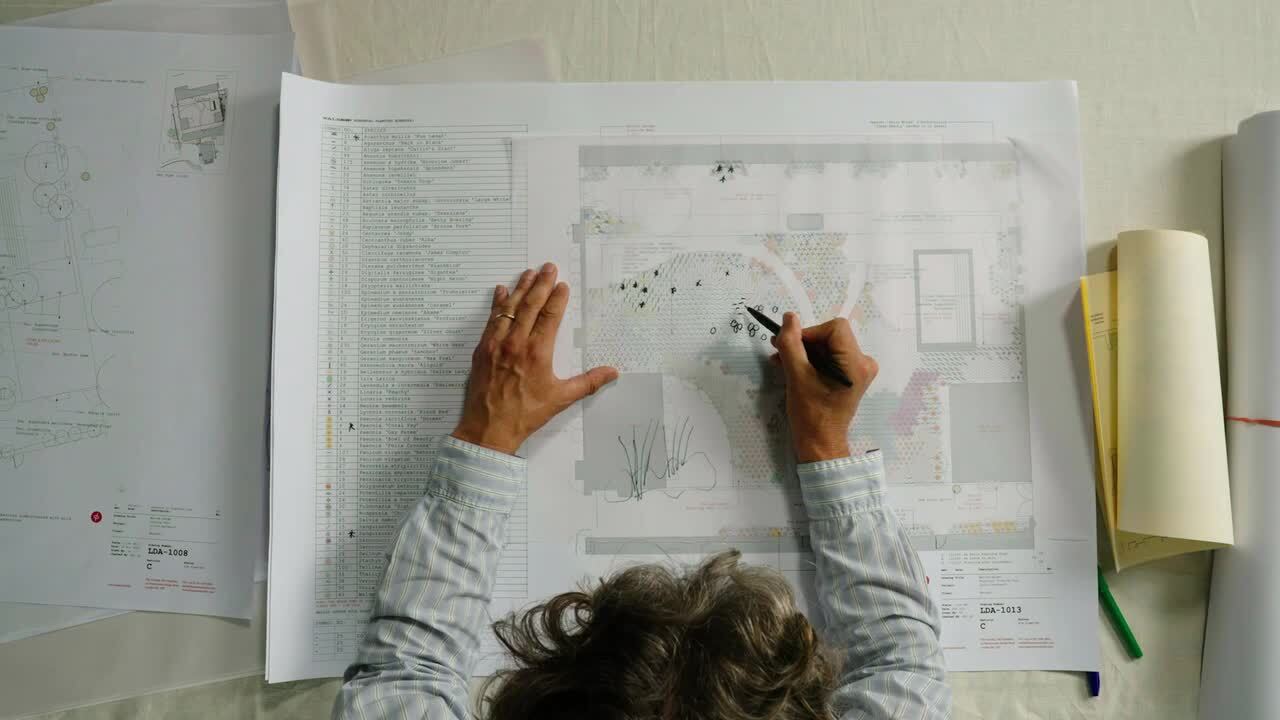
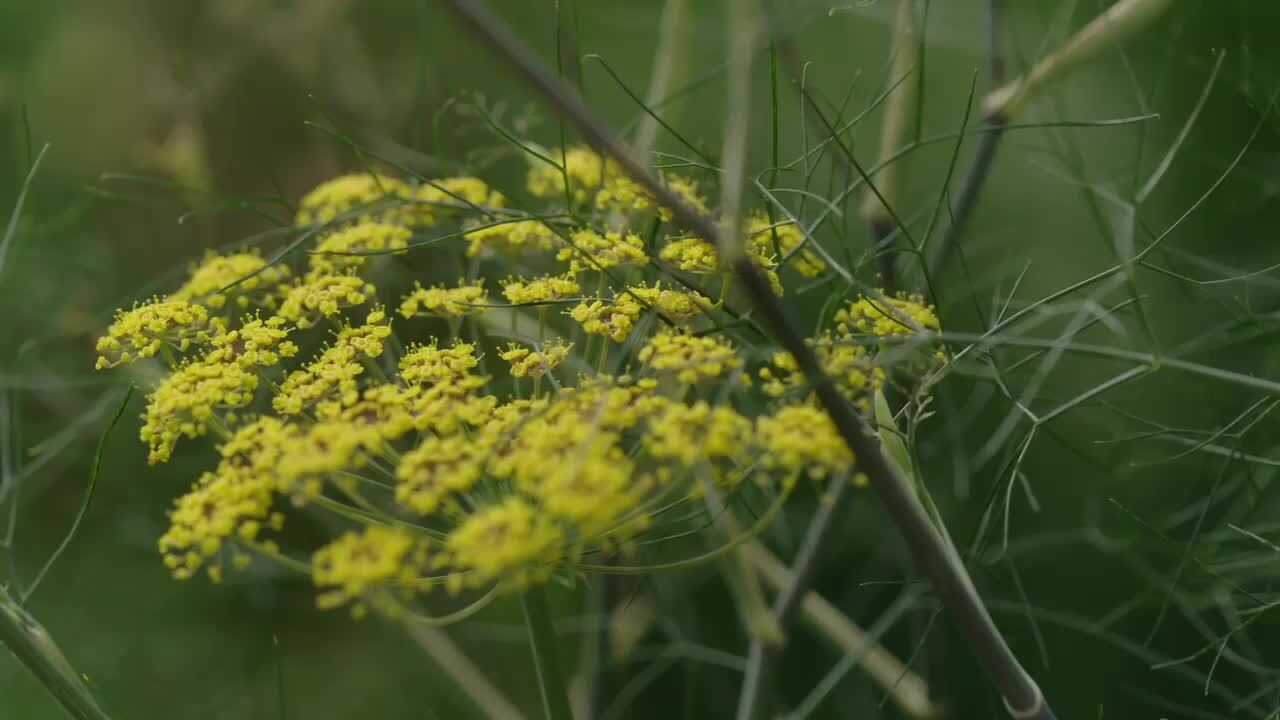
In stark contrast, this sun-drenched spot is Dan’s opportunity to share a totally different plant palette and colour field, creating a welcoming space that gives a sense of arrival and tells the owners’ story. You’ll learn how you can create a planting in a small, sunny space that provides year-round interest and a sensory experience.
In stark contrast to the shady back garden, this sun-drenched area was an opportunity to use a totally different plant palette and colour field to create a welcoming space that provides a sensory experience and tells a story of our clients' heritage.
There is a distance of around 8 m between the front door and the pavement, which gives a planting area that's generous enough to tell a nice little story. This allowed us to put another plant palette together that would provide year-round interest and also a sense of arrival.
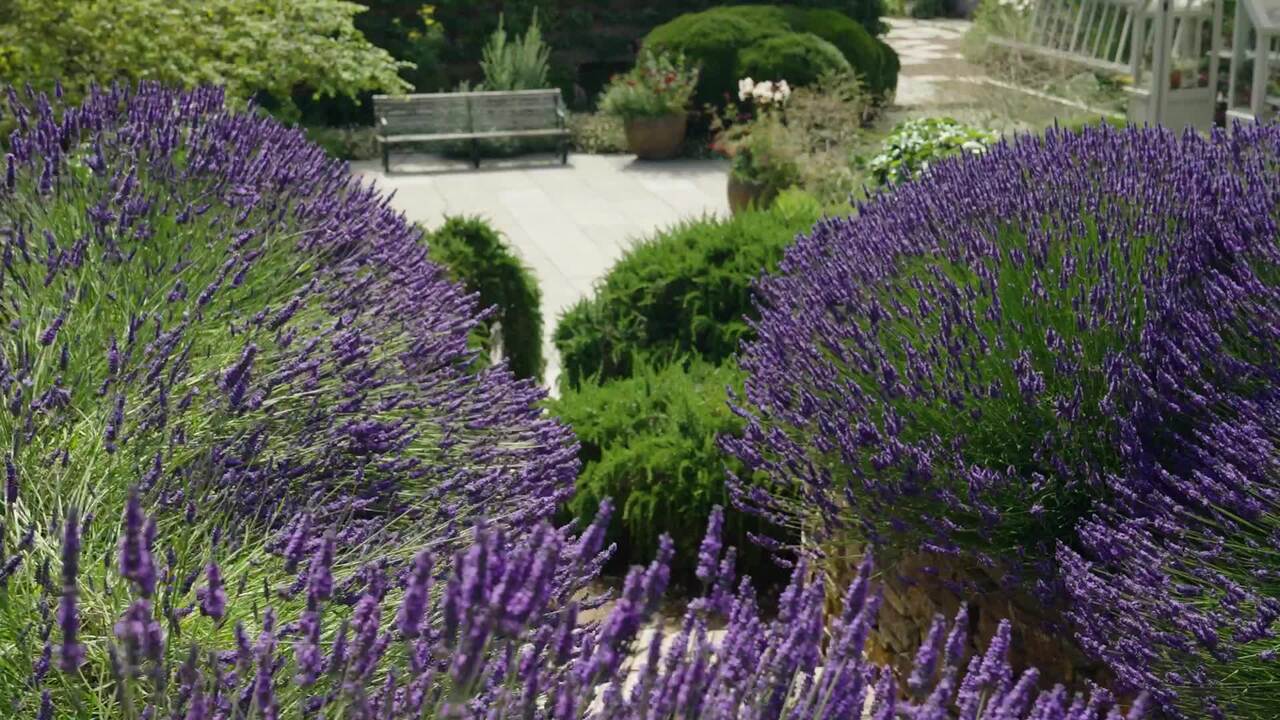
This helps to create the sense of arrival. Coming off the pavement, you're immediately greeted by the sweet, slightly musky perfume of the valerians. As you brush past the scented plants on your way to the front door, it's a lovely sensory experience.
Our clients are from Greece, so this is another reason why we've used quite a few aromatic Mediterranean plants, which of course love the heat and sunshine at the front of the property. We've got oreganos, mints, myrtles – things they're familiar with.
The structural plants are very useful in providing some separation between the pavement and the seat.
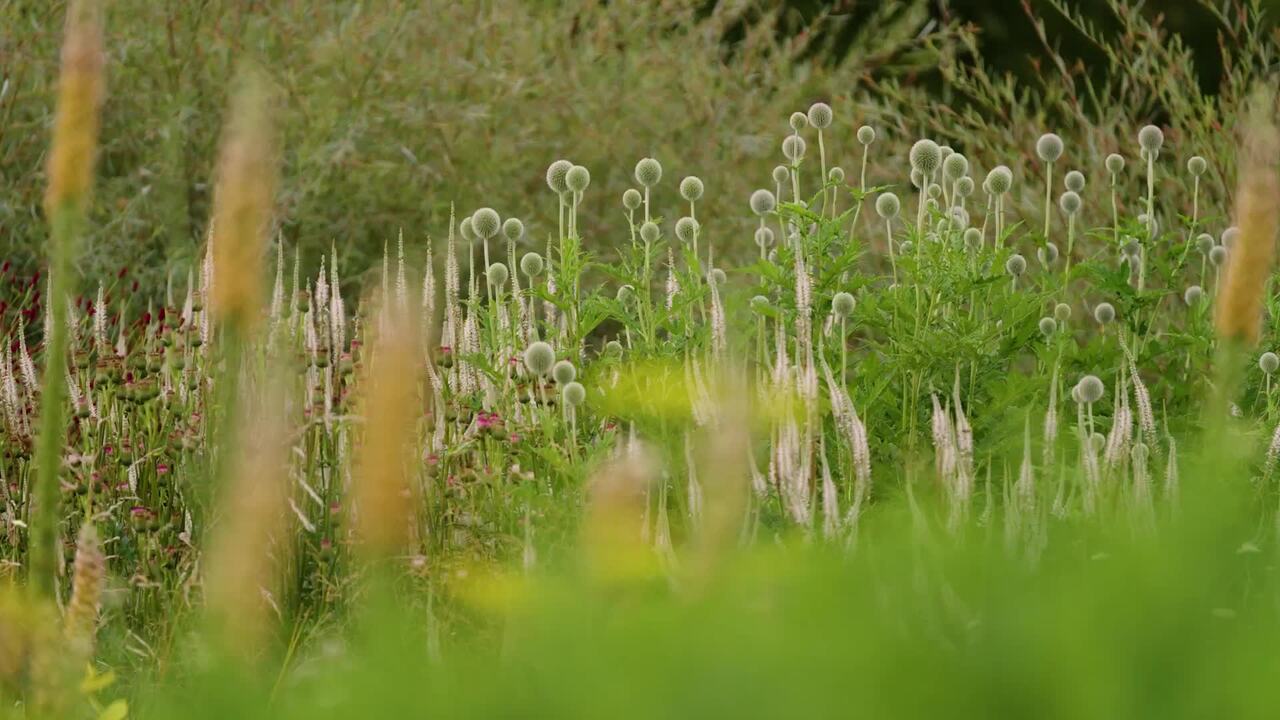
The perennials provide immediate impact, and the ground will be completely covered with them after only two years. Around the structural myrtles, we have this flow of perennials that come and go throughout the seasons to provide layering and a succession of interest.
So there are some quick wins in the front garden with the perennials, and then things we're prepared to wait for, like the wisteria and the medlar.
Our clients were initially very clear that they wanted the colour palette for both gardens to be whites and greens to give a calm and refined atmosphere.
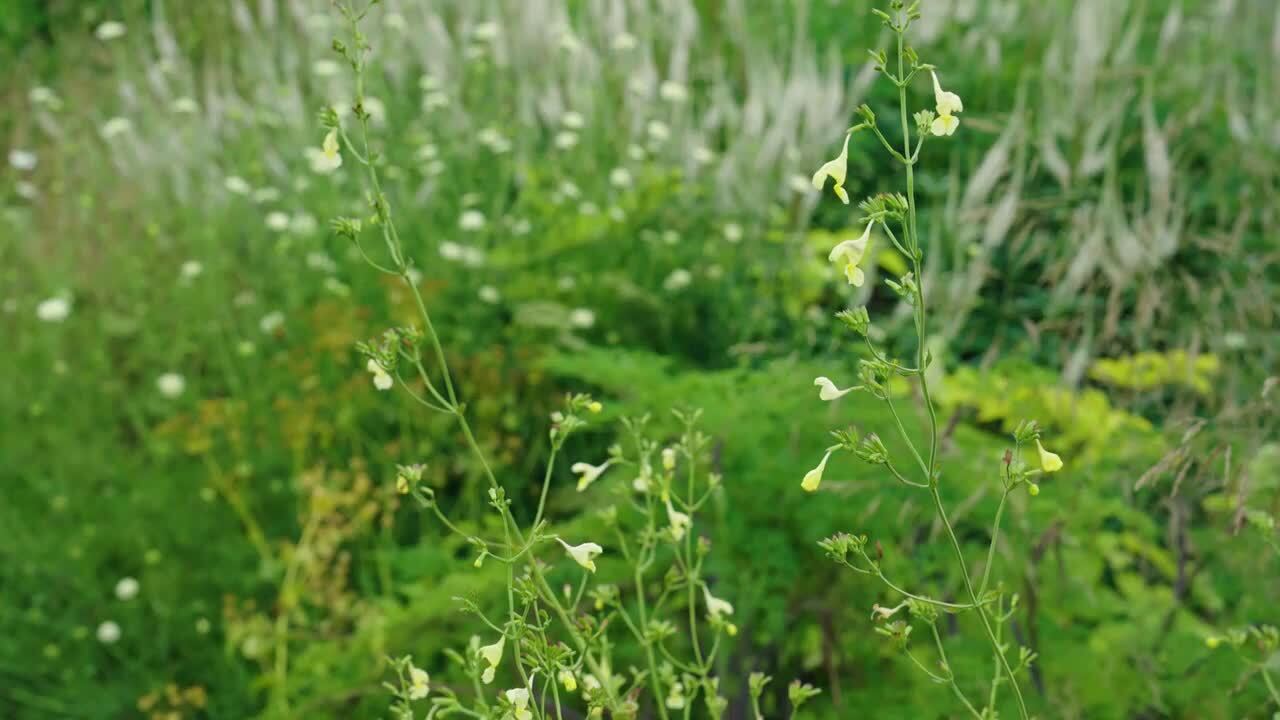
At the back of the house where we've got shade, the white is perfect because whites, creams and pale yellows reflect light, creating a sparkle and shimmer in the shadows. The Viola cornuta Alba Group for instance is enough to punch light into the planting and stop it feeling flat.
So the back garden is predominantly greens, with an overlay of whites and creams that are really good in the shade.
This is in great contrast to the front of the house, which is bathed in sunshine, and where I persuaded my clients to open up the colour palette a bit more. Some key players in the front garden include:
The front garden is a completely different place, and there the colour is more energised. The palette of plants we've used creates an entirely different atmosphere, which is a lovely contrast and helps to tell a story as you pass through the front garden, through the house and out into the cool garden at the rear.
I've also used medlars in my garden at Hillside. Learn more about this often-overlooked fruit in our blog.
Brainstorm the mood you want to create in your garden, and any colours or features that you associate with this.
Get the full workbook, video lessons, and more with a Create Academy subscription.
Subscribe to access the full workbookAlready a member? Sign in to watch
491 reviews
Read moreCreate Academy has been such a great resource. I'm in the middle of renovating a bungalow with a very large garden and the courses have offered a wealth of inform...
Harvey
Jun 10, 2026
Absolutely love Create Academy! The instructors are extremely informative, and it is beautifully filmed. Create Academy is great value for money and plan on renew...
SG
May 31, 2026
Butter's creativity is stunning! Her ability to incorporate brilliance in small gardens is magical!
Carla
May 30, 2026
The best adventure. I like all the courses, but my favorite are both Rita Konig interior design courses and Anna Jones. Excellent!
Karolina Kluczewska
May 20, 2026
Create Academy has been such a great resource. I'm in the middle of renovating a bungalow with a very large garden and the courses have offered a wealth of information to dive into and explore new ideas. I'm...
Harvey
Jun 10, 2026
Absolutely love Create Academy! The instructors are extremely informative, and it is beautifully filmed. Create Academy is great value for money and plan on renewing my subscription yearly because there are ...
SG
May 31, 2026
Butter's creativity is stunning! Her ability to incorporate brilliance in small gardens is magical!
Carla
May 30, 2026

Your Instructor
Acclaimed naturalistic landscape designer. Multiple Chelsea Gold Medal Winner. OBE.
British landscape designer, horticulturalist and writer Dan Pearson OBE, has been designing award-winning gardens since 1987. His naturalistic use of plants, light-handed approach to design and deep-rooted horticultural knowledge has made him one of the most celebrated and innovative gardeners working today. Dan trained in horticulture at Wisley and Kew, before starting his garden and landscape design practice in 1987. In 2015, his show garden for Chatsworth and Laurent Perrier was awarded a Gold Medal and Best Show Garden at the Chelsea Flower Show. In 2014 Dan was appointed an advisor to the National Trust at Sissinghurst Castle. For over 20 years Dan has written regular gardening columns, with his work a staple of The Observer, and has written a number of best-selling gardening books.
Access to all courses


