









Interior and exterior confidence
Create Academy has been such a great resource. I'm in the middle of renovating a bungalow with a very large garden and the courses have offered a wealth of inform...
Harvey
Jun 10, 2026
An Expert Guide to Planting Design
with DAN PEARSON — Acclaimed naturalistic landscape designer. Multiple Chelsea Gold Medal Winner. OBE.
Lesson 21 of 31

Subscribe to watch
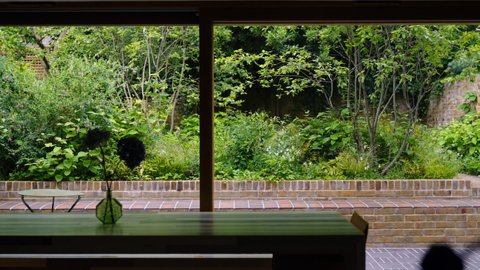
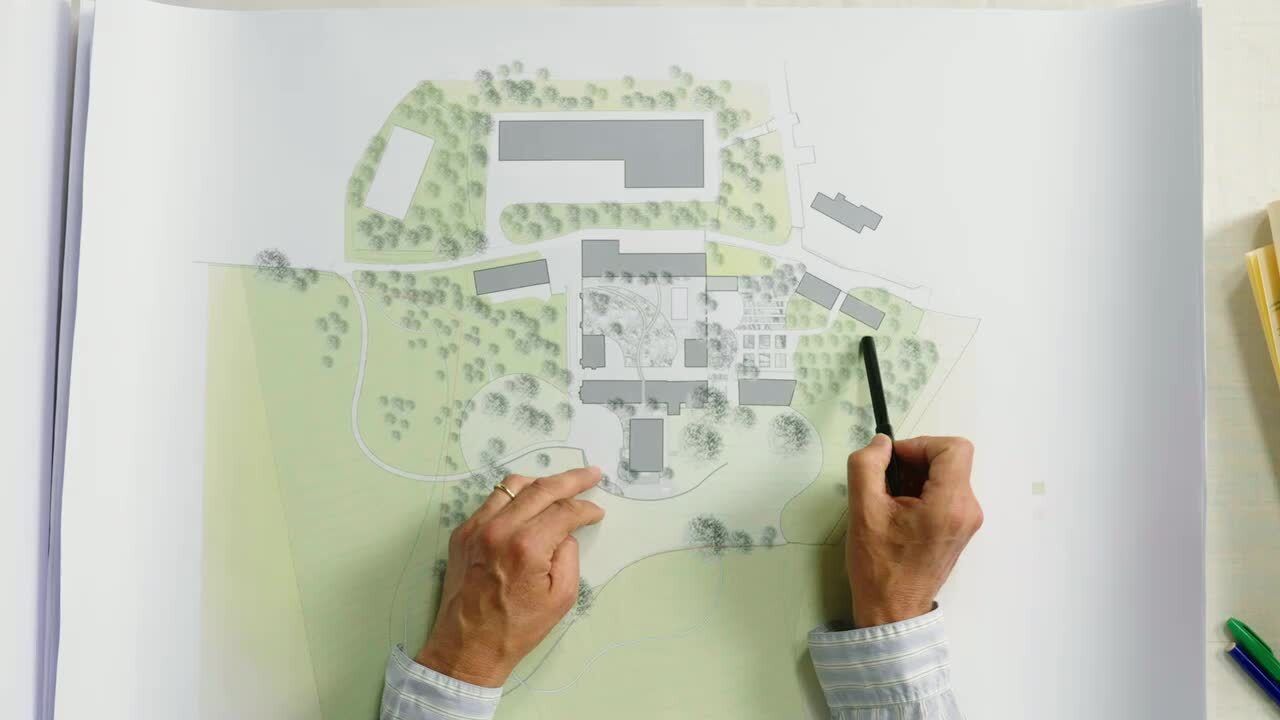
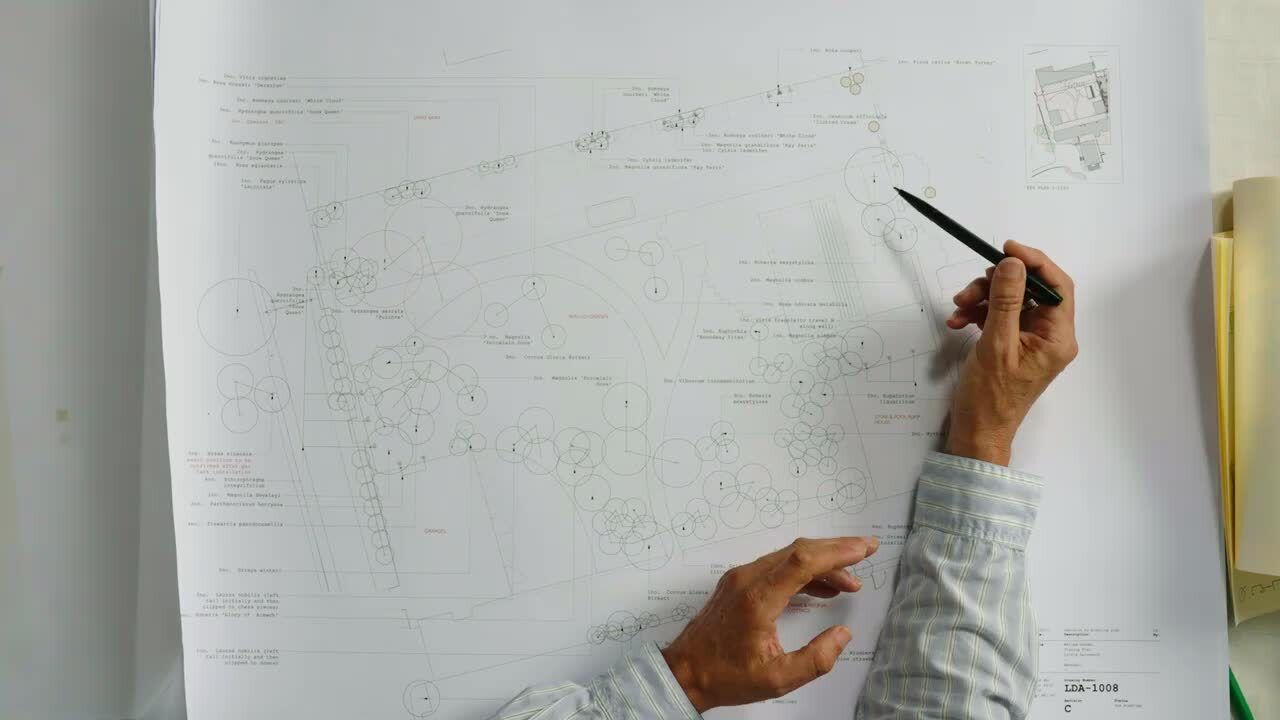
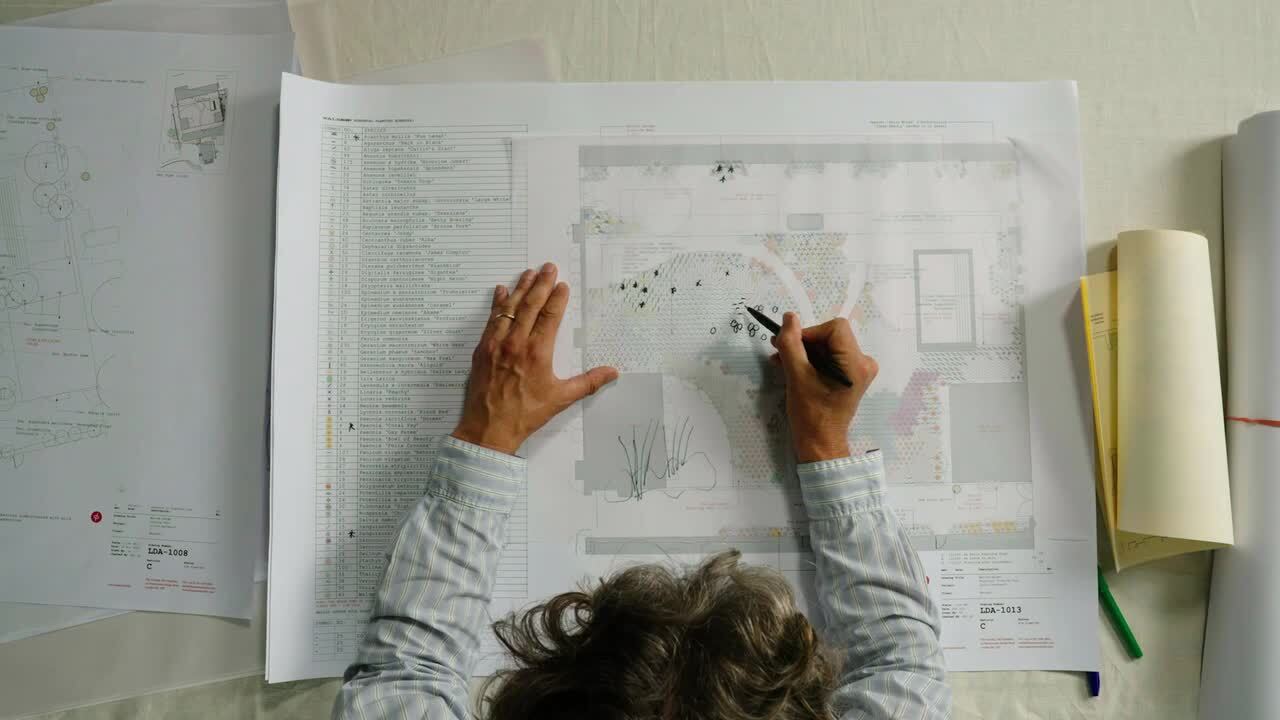
Focussing on this shady back garden, Dan goes into detail on how he puts together a planting plan orientated around structure and careful layering, which gives year-round interest whilst avoiding congestion. He also shares a favourite planting combination for trickier areas of dry shade.
The process of setting out what goes where in a garden is driven by the conditions. Early on, I put together a list of plants that I knew were compatible with the growing conditions, and also with each other, in terms of their vigour and what likes to grow with what.
I also looked at what microclimates there are even within this small space. For example, the bay tree creates a definite zone underneath it of perpetual shadow, which does not change throughout the year.
When setting out the other trees and shrubs, I wanted to create some counterpoint to the weight and evenness of that bay tree, but with some seasonal flux. So I introduced two multi-stemmed Amelanchier, which are offset from each other as you look out of the picture window.
So the Amelanchier, and their placement, were very important – they animate the space, are something to move around and interact with, and provide privacy in areas that need to be less overlooked.
Their multi-stemmed form, with branches coming from the base and the canopy sitting above, means you can walk amongst and around them, and can see through their trunks. Meanwhile their loose canopies create little pools of light shade that are in contrast with the heavy shade beneath the bay tree.
Then we have the shrubs:
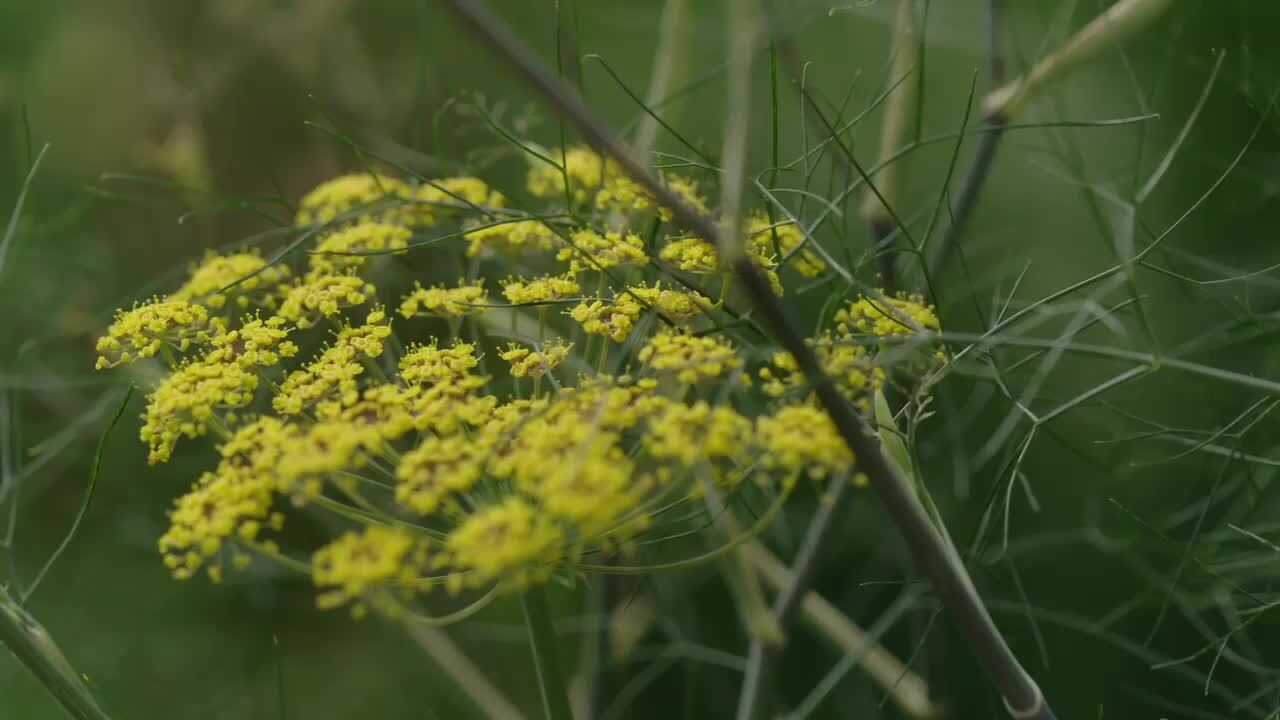
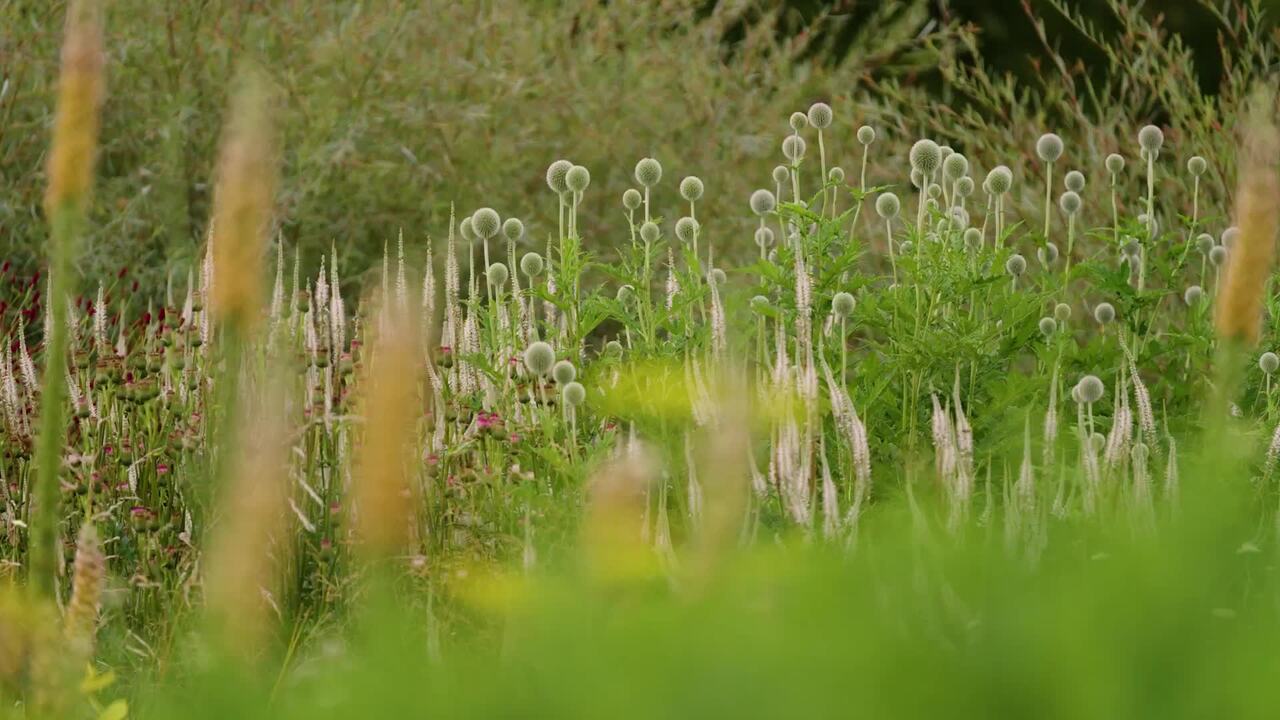
Then I'm left with the spaces in between where the perennials can be flooded, starting with the emergents:
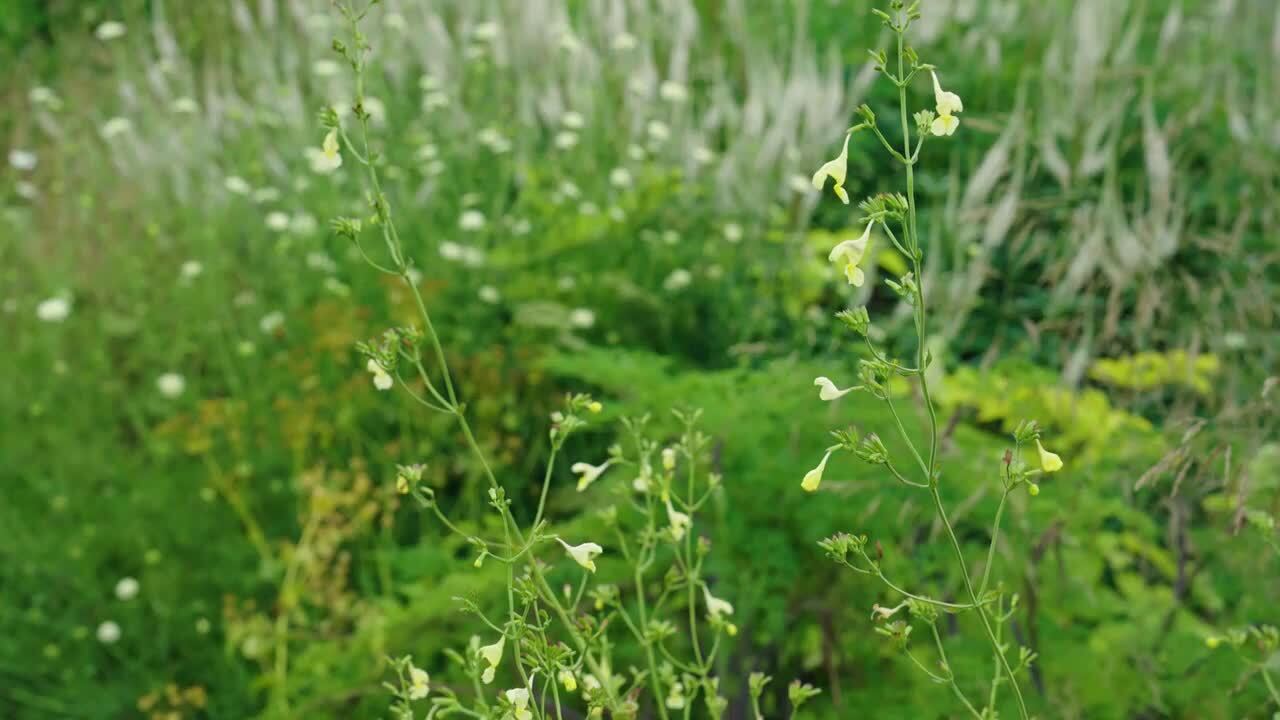
Once I've put in those emergents amongst the trees and shrubs that provide the form, I weave in the ground covers and other herbaceous perennials that glue it all together. The highlights of this layer include:
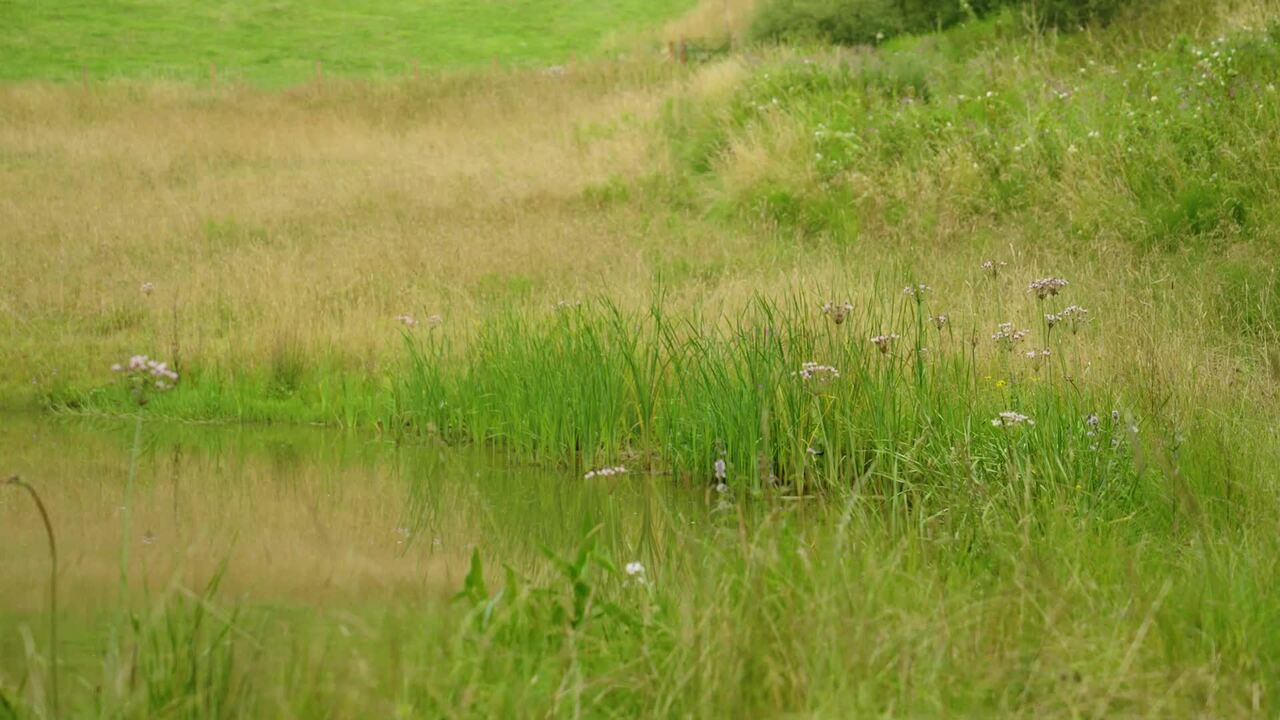
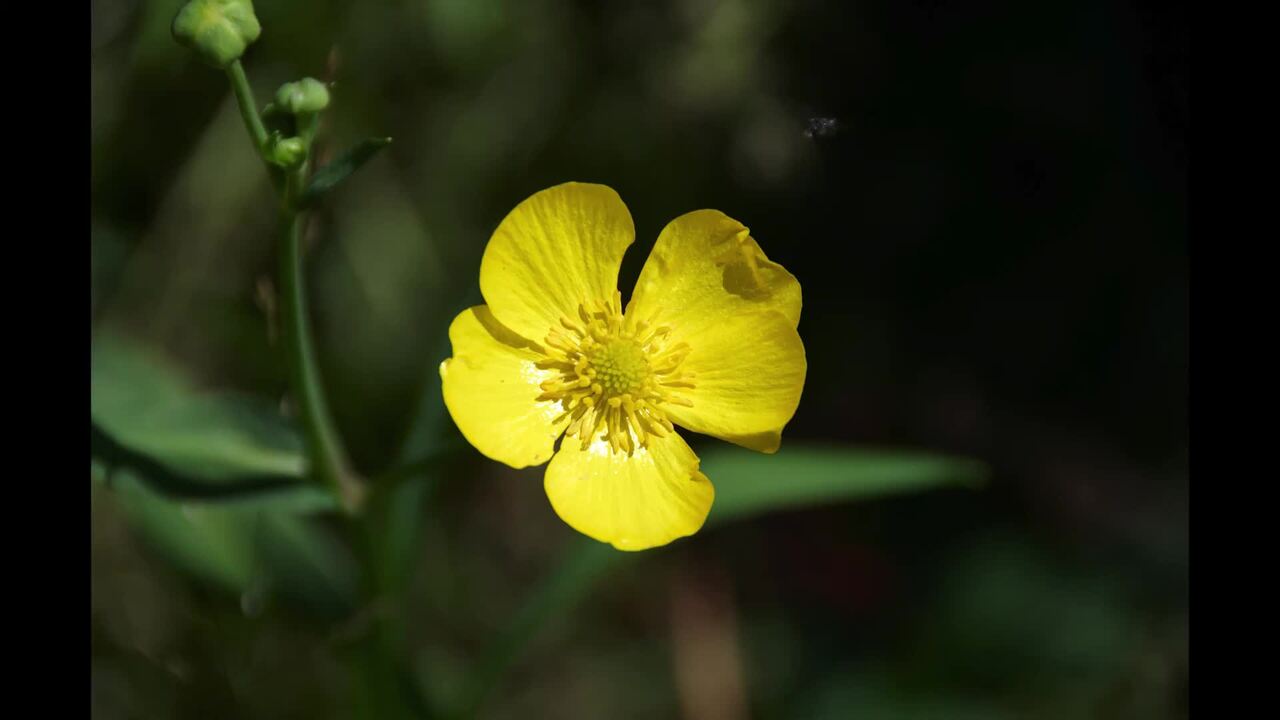
A simple plant like wild strawberry can start to generate a planting plan. If you think about where a wild strawberry occurs, it gives you a sense of what else might occur with those plants in the wild.
Those moods, captured from something as simple as the memory of a wild place that you're trying to recreate, start to generate a planting list in which things sit well with each other, feel right for the place, and create something that feels special and works for all 12 months of the year.
The emergents, whether perennials or trees, all have their own air space around them.
You don't want everything cheek by jowl so that you can't see the wood for the trees. Giving each emergent its own space brings the layers together and lets you appreciate the architecture of individual plants.
Allowing each emergent its own air space makes a planting feel more refined, lighter, less congested and easier to read as a composition.
When I'm laying out that first round of plants – trees, shrubs, subshrubs – I always do the climbers at the same time.
Handsome brick walls wrap around this rear garden. I've left these unclothed at the back, where we've got the bay tree and I don't want it to feel too heavy or congested, and also want to allow a glimpse of the structure of the wall. Here the walls simply frame the bay tree with groups of evergreens holding the corners.
Elsewhere, I've clothed the walls with Parthenocissus 'Henryana', Hydrangea ampla and the evergreen Trachelospermum asiaticum.
One area I needed to look at quite carefully, because it's often the most difficult, is the dry shade beneath the bay tree. I needed plants that looked delicate and light, but would thrive there even in summer.
These are the plants I've used:
These plants are all evergreen: evergreen perennials are important in this garden because being small, it needs constancy throughout the year. We've got delicate changes in greens underneath the bay tree, and this little combination of evergreens is enough to hold the back of the garden and provide constancy.
Amelanchier lamarckii
Fuchsia magellanica var. molinae
Mahonia eurybracteata
Sarcocca hookeriana
Disporum longistylum 'Night Heron'
Polygonatum verticillatum
Helleborus × hybridus 'Yellow Lady'
Viola cornuta Alba Group
Fragaria vesca
Parthenocissus 'Henryana'
Hydrangea ampla
Trachelospermum asiaticum
Adiantum venustum
Cyclamen hederifolium f. album
Dryopteris erythrosora
Epimedium sulphureum
Do you have a shady area in your garden that you'd like to develop? Think about what plants you might like to use. Divide your planting list into the layers below:
Get the full workbook, video lessons, and more with a Create Academy subscription.
Subscribe to access the full workbookAlready a member? Sign in to watch
491 reviews
Read moreCreate Academy has been such a great resource. I'm in the middle of renovating a bungalow with a very large garden and the courses have offered a wealth of inform...
Harvey
Jun 10, 2026
Absolutely love Create Academy! The instructors are extremely informative, and it is beautifully filmed. Create Academy is great value for money and plan on renew...
SG
May 31, 2026
Butter's creativity is stunning! Her ability to incorporate brilliance in small gardens is magical!
Carla
May 30, 2026
The best adventure. I like all the courses, but my favorite are both Rita Konig interior design courses and Anna Jones. Excellent!
Karolina Kluczewska
May 20, 2026
Create Academy has been such a great resource. I'm in the middle of renovating a bungalow with a very large garden and the courses have offered a wealth of information to dive into and explore new ideas. I'm...
Harvey
Jun 10, 2026
Absolutely love Create Academy! The instructors are extremely informative, and it is beautifully filmed. Create Academy is great value for money and plan on renewing my subscription yearly because there are ...
SG
May 31, 2026
Butter's creativity is stunning! Her ability to incorporate brilliance in small gardens is magical!
Carla
May 30, 2026

Your Instructor
Acclaimed naturalistic landscape designer. Multiple Chelsea Gold Medal Winner. OBE.
British landscape designer, horticulturalist and writer Dan Pearson OBE, has been designing award-winning gardens since 1987. His naturalistic use of plants, light-handed approach to design and deep-rooted horticultural knowledge has made him one of the most celebrated and innovative gardeners working today. Dan trained in horticulture at Wisley and Kew, before starting his garden and landscape design practice in 1987. In 2015, his show garden for Chatsworth and Laurent Perrier was awarded a Gold Medal and Best Show Garden at the Chelsea Flower Show. In 2014 Dan was appointed an advisor to the National Trust at Sissinghurst Castle. For over 20 years Dan has written regular gardening columns, with his work a staple of The Observer, and has written a number of best-selling gardening books.

Access to all courses


