






Interior and exterior confidence
Create Academy has been such a great resource. I'm in the middle of renovating a bungalow with a very large garden and the courses have offered a wealth of inform...
Harvey
Jun 10, 2026
An Expert Guide to Planting Design
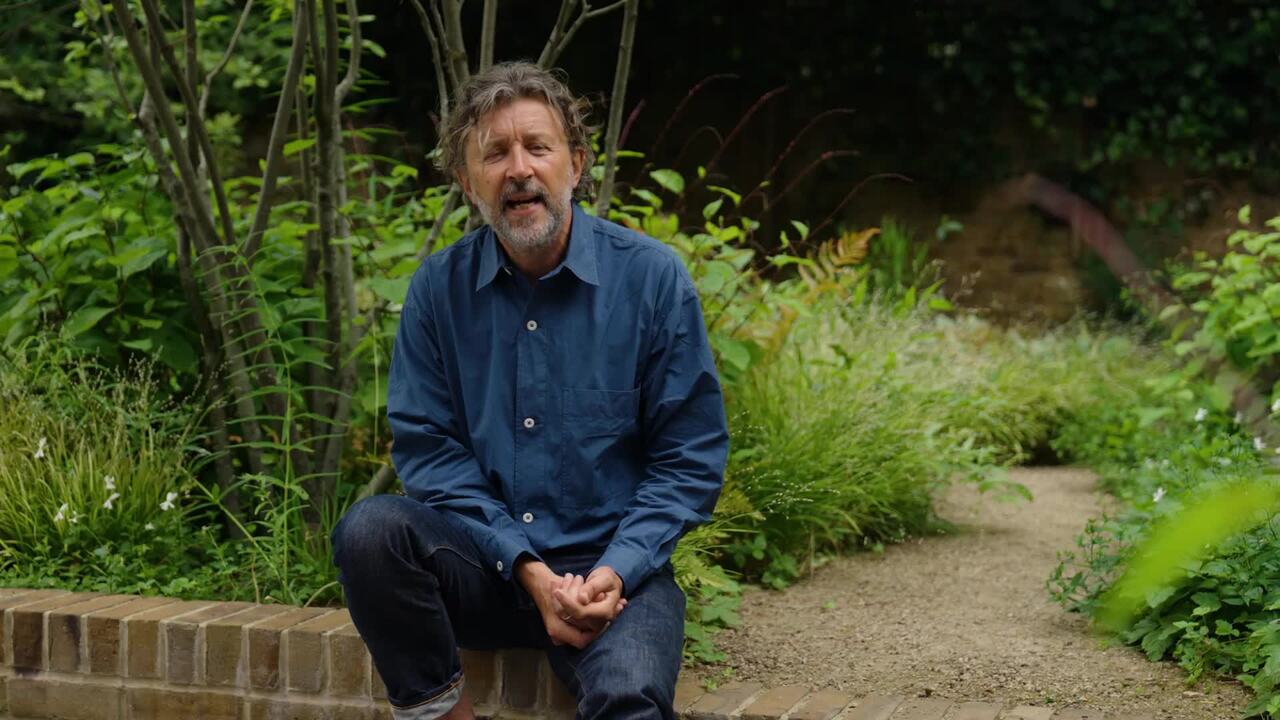
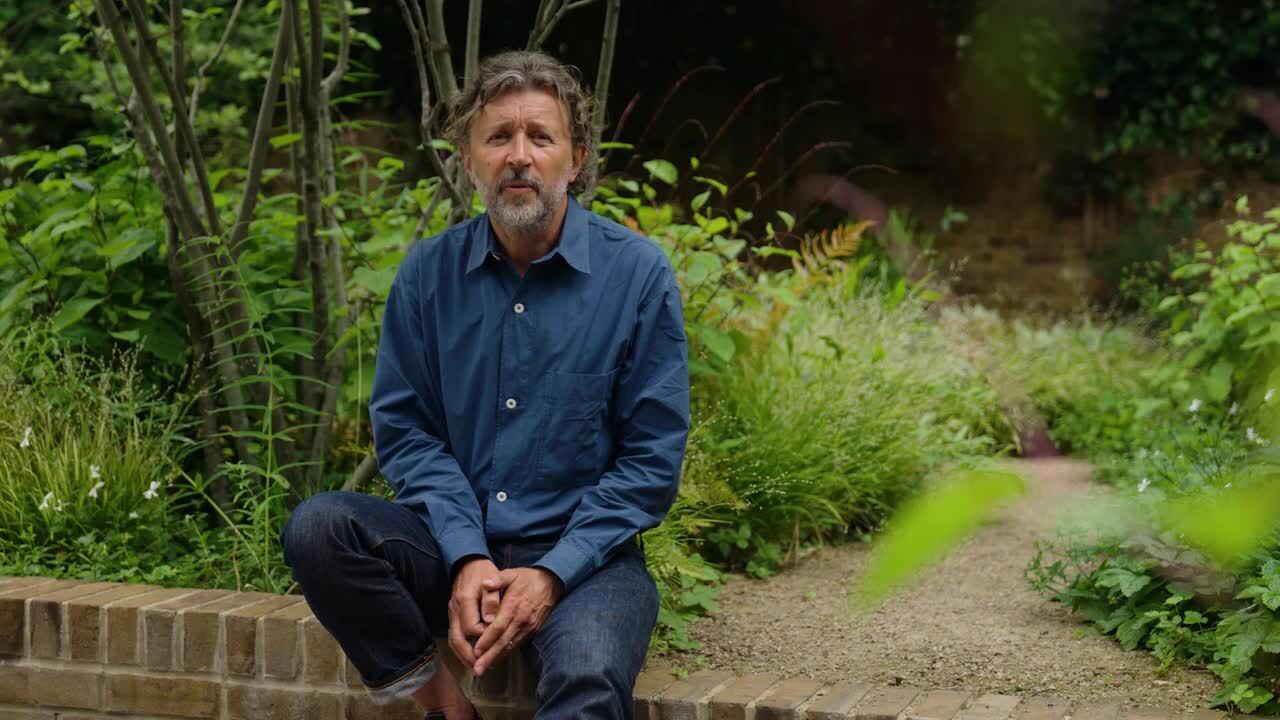
with DAN PEARSON — Acclaimed naturalistic landscape designer. Multiple Chelsea Gold Medal Winner. OBE.
Lesson 29 of 31
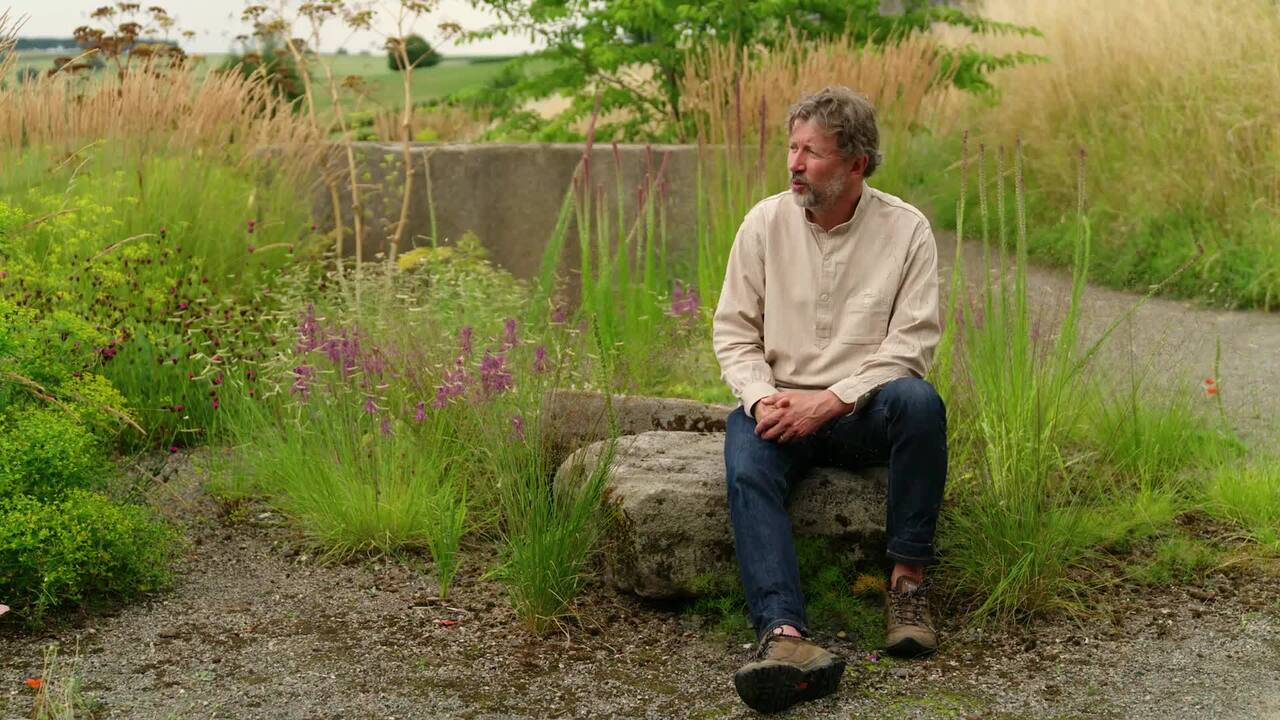
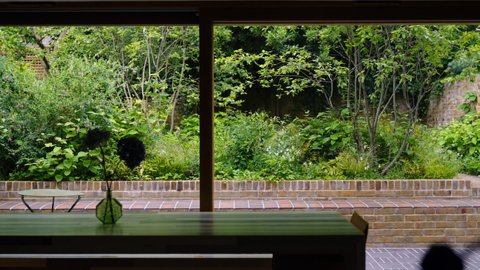
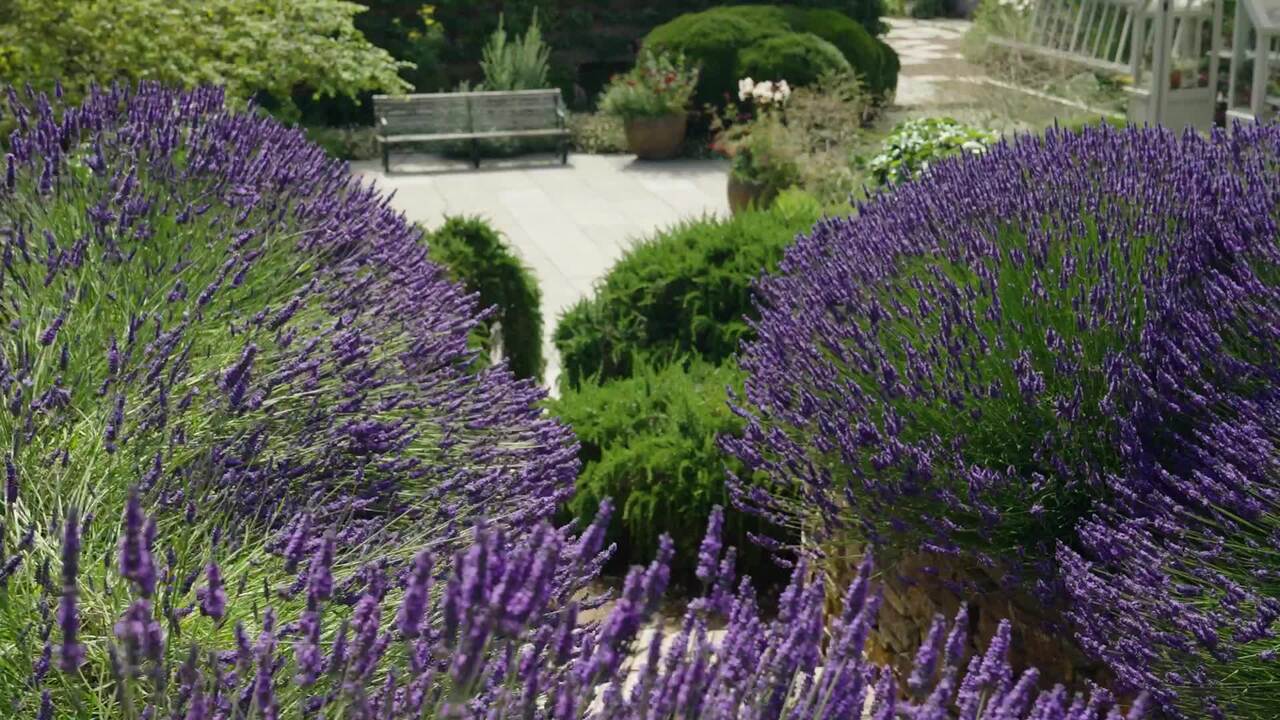
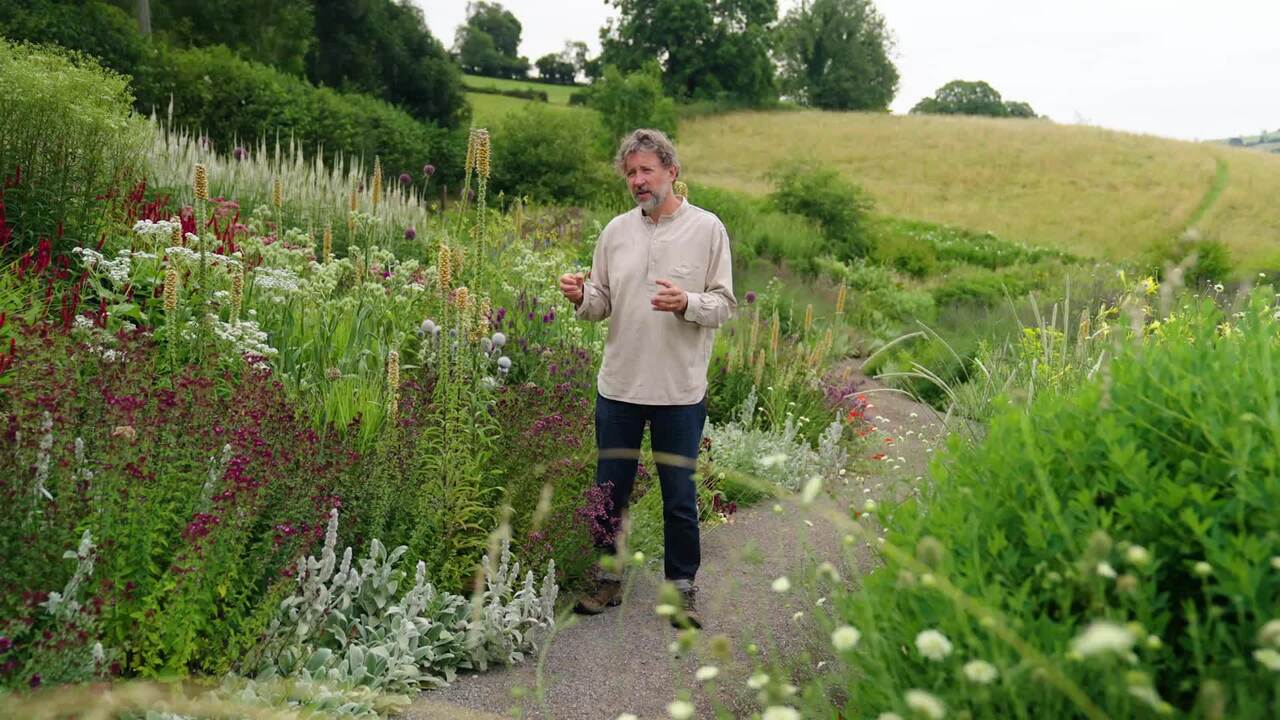
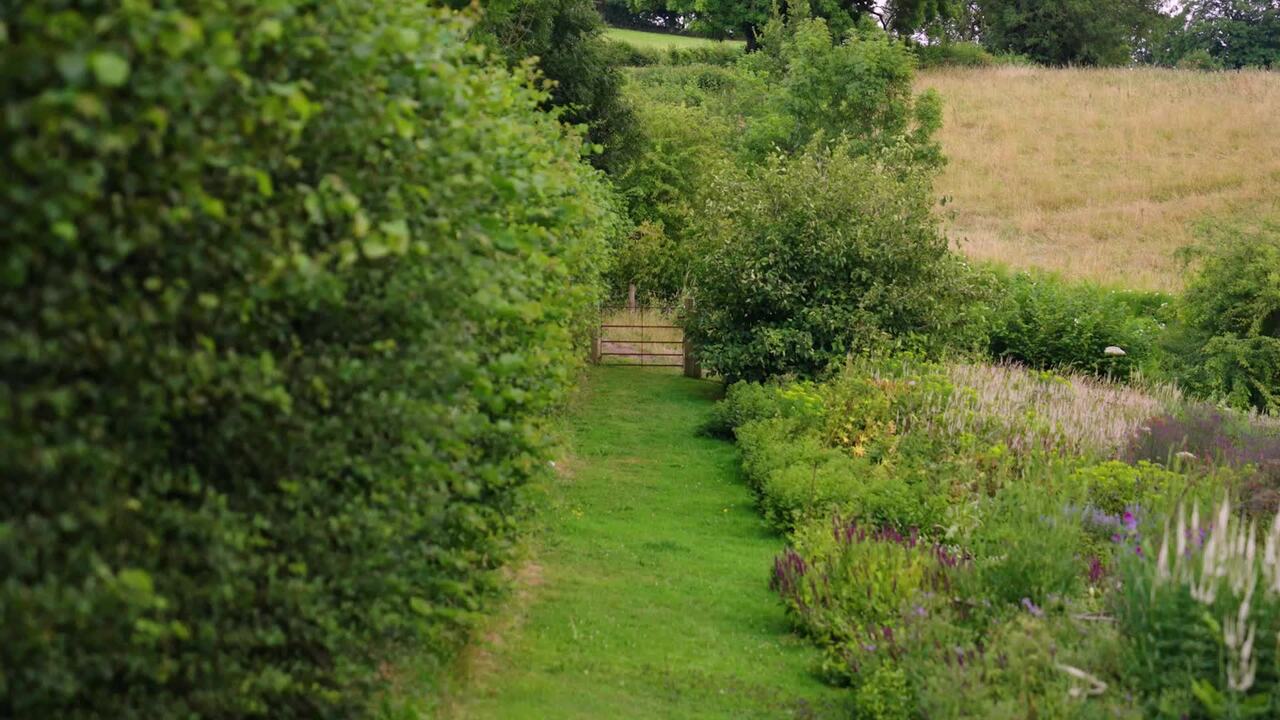
We learn how Dan transformed a small space to feel very distinct and intimate, yet connected to the rest of the garden. You’ll discover this was achieved through use of colour and key grasses, whilst making the most of the free-draining conditions.
This little area is a space that I wanted to feel quite particular and intimate. This called for a bold colour contrast offset by key grasses to capture the breeze and light, whilst playing to the free-draining conditions and connecting to the rest of the garden.
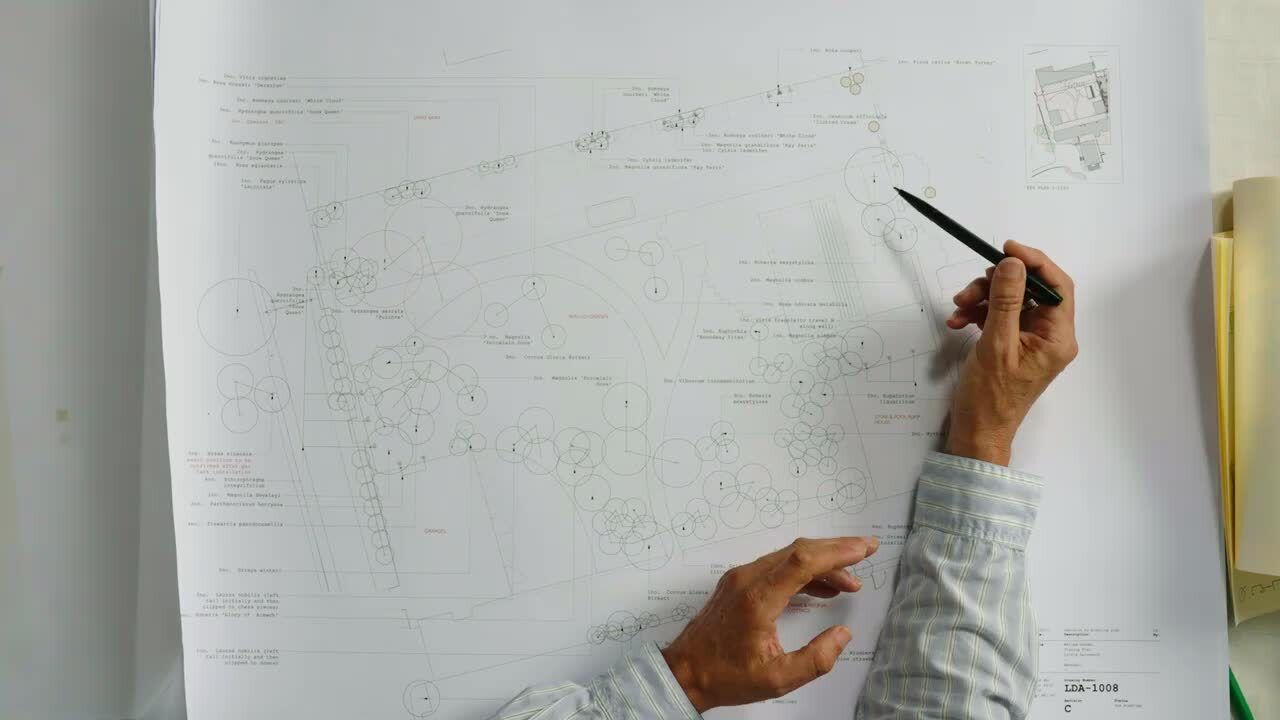
The context:
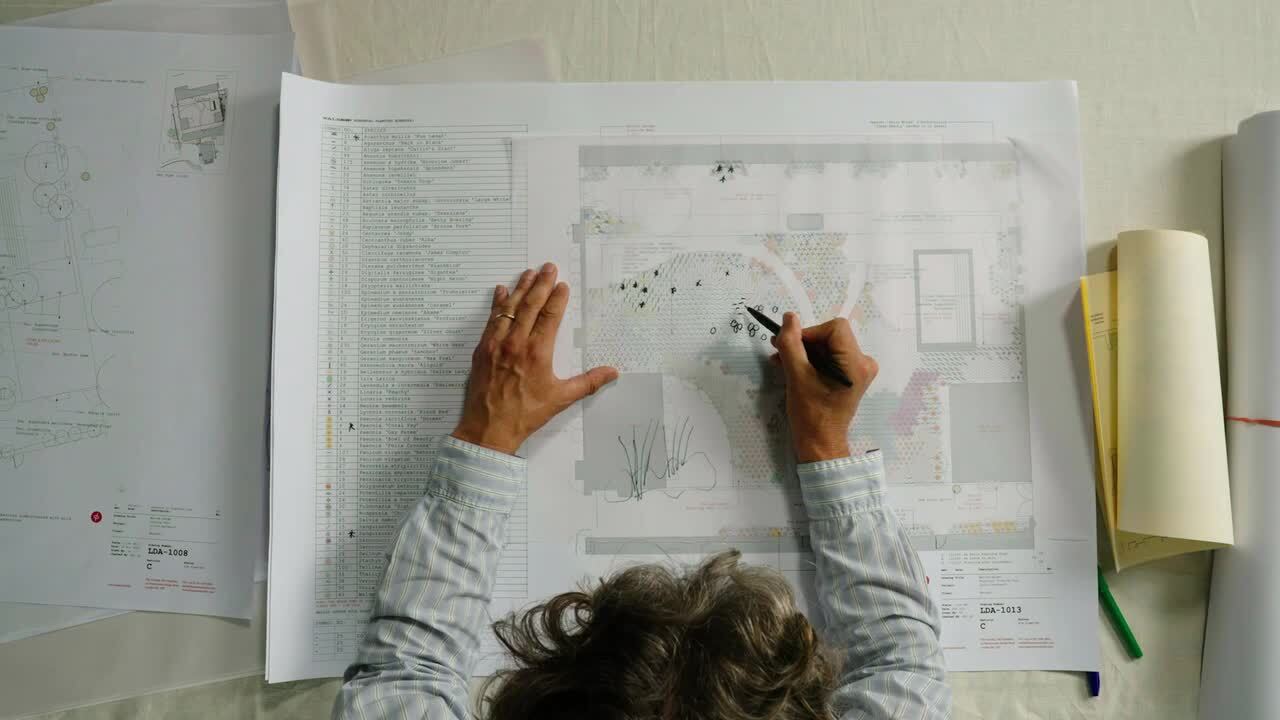
These were my guiding principles in putting together a plant palette:
There are three different grasses here:
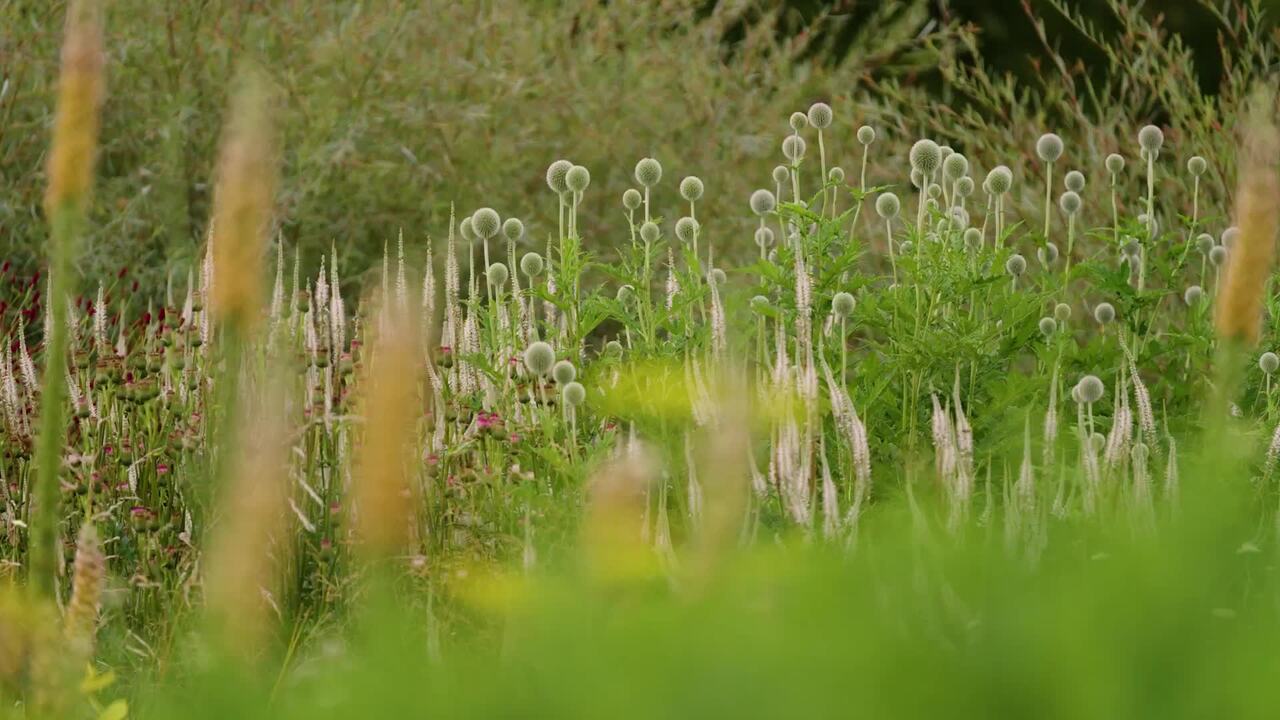
I've used these two latter American grasses around the boulders. They're so delicate you can hardly see them, but this allows a few other plants to rise up between them to give the space more definition:
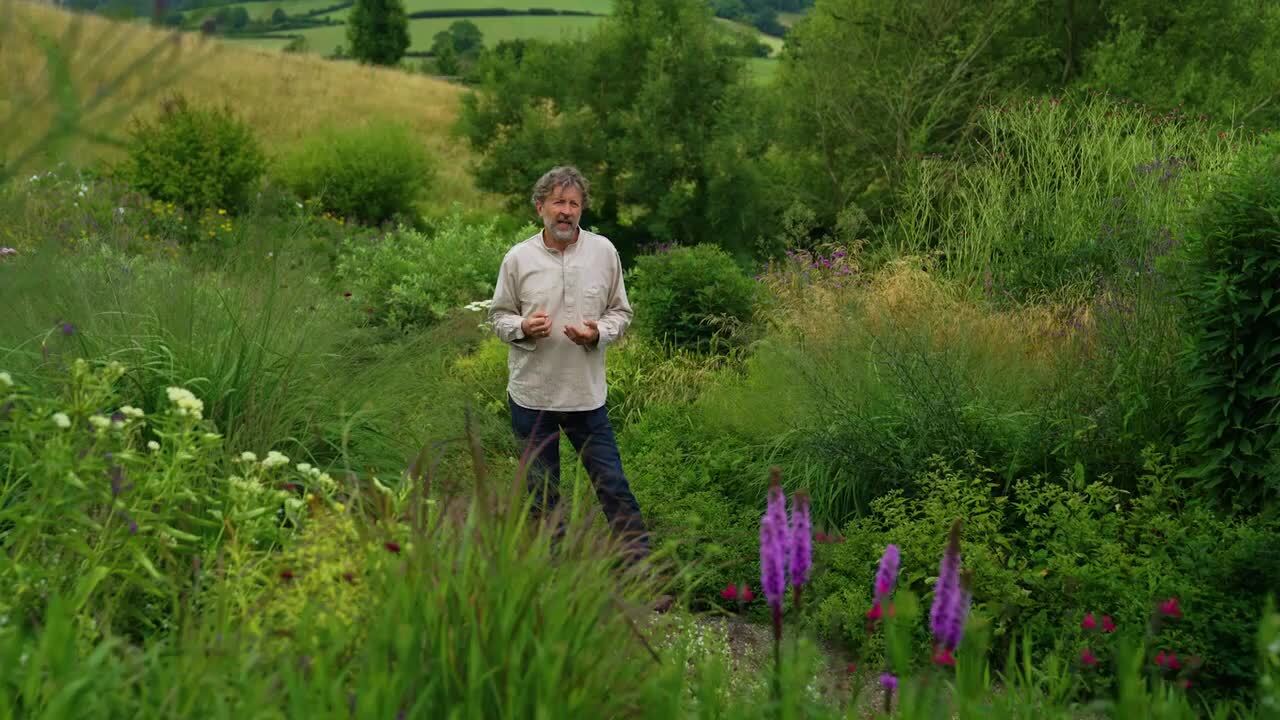
Here, the grasses capture the breeze, the Liatris follow that movement, and then other plants emerge through the light cloud of low American grasses to delicately spangle colour into the planting. This captures the backlighting in the evening, so looking out from the studio, it's full of light and movement.
To make a connection with the main garden on the other side of the studio, I've brought the Euphorbia ceratocarpa through. This is a brilliant plant because it flowers right through from Easter into December, and provides a lime-green constancy in this area. I've then picked up on this with:
I love the brightness in this part of the garden, and I wanted it to be a repeating theme. To tie in with that whilst linking with the meadows, I've used a yarrow called Achillea 'Moonbeam'.
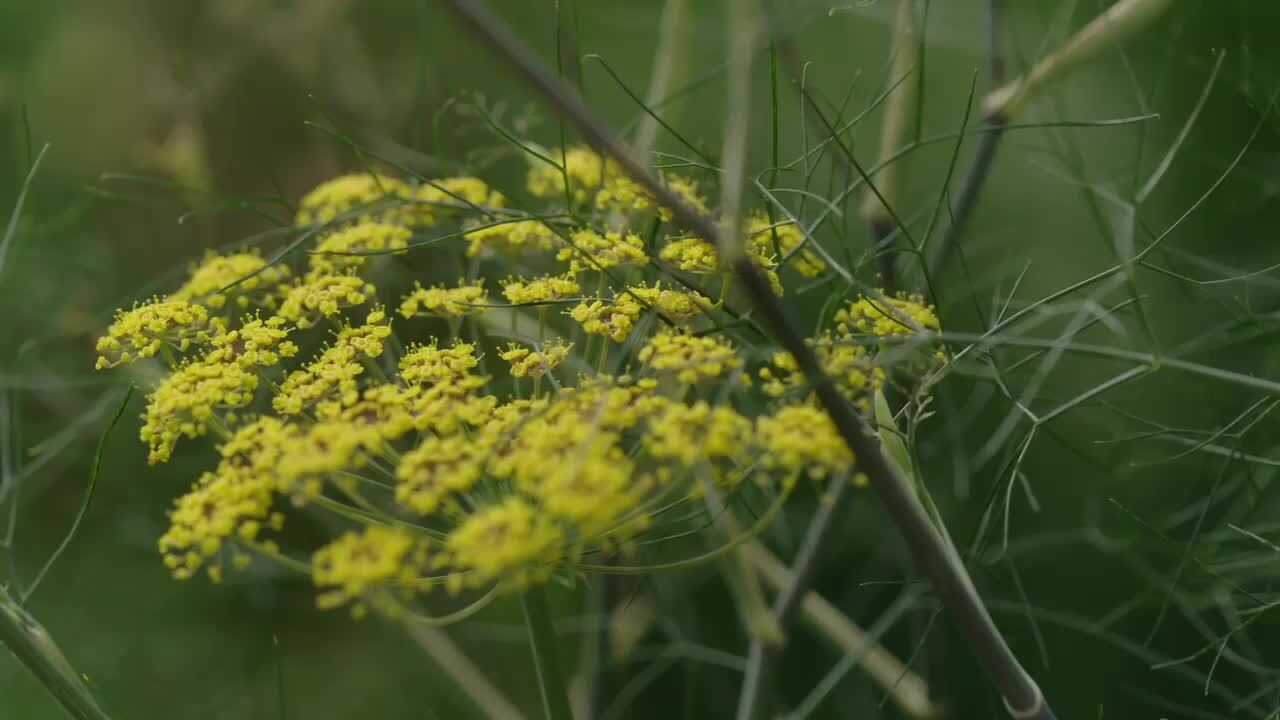
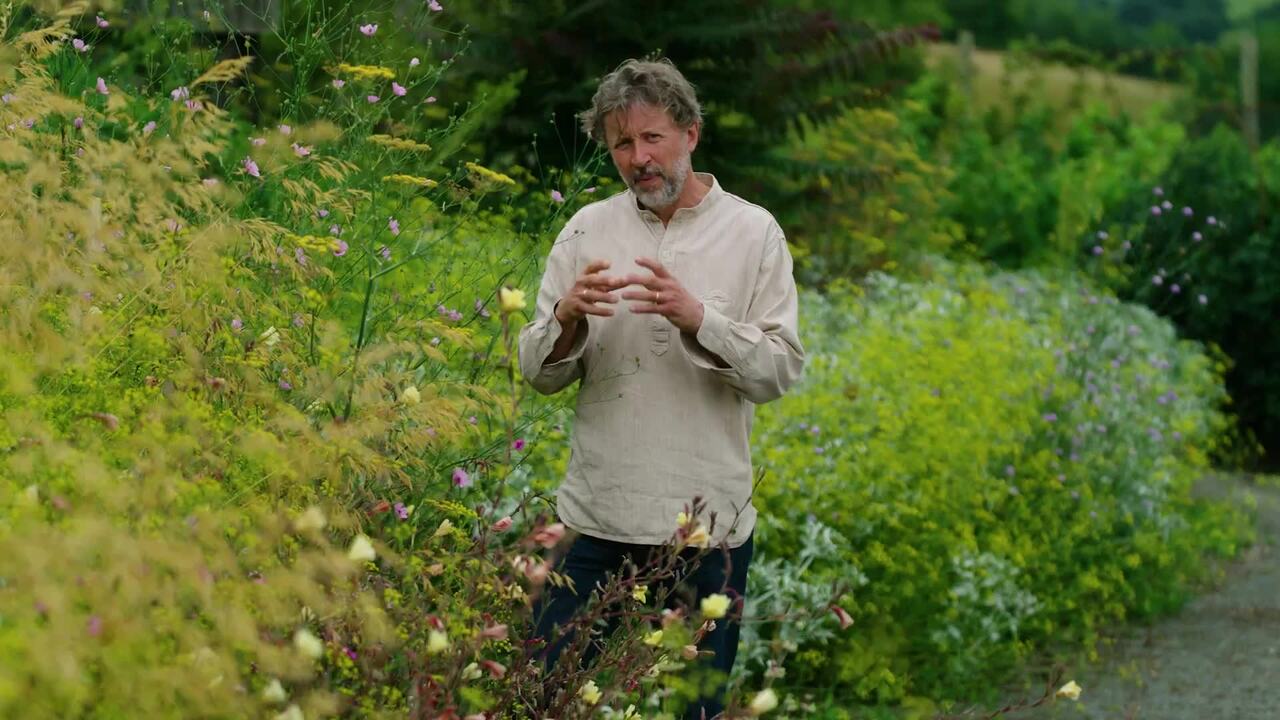
Another plant I've brought through from elsewhere is giant fennel, Ferula communis. I love its drama – it emerges very early and punches up huge flowerheads, which stand throughout winter as skeletons.
Giant fennels step through the garden as a repeating theme and appear in several dry, sunny spots.
I wanted to make this place feel distinct, and the materiality here is central to this.
So I've kept the whole area quite 'mineral' – there's no bare soil visible, and the planting just emerges out of the gravel. This makes it feel like a pioneer space where plants have taken hold of an old yard, but in fact, these are ornamental plants that have been specially selected and then made this place their own.
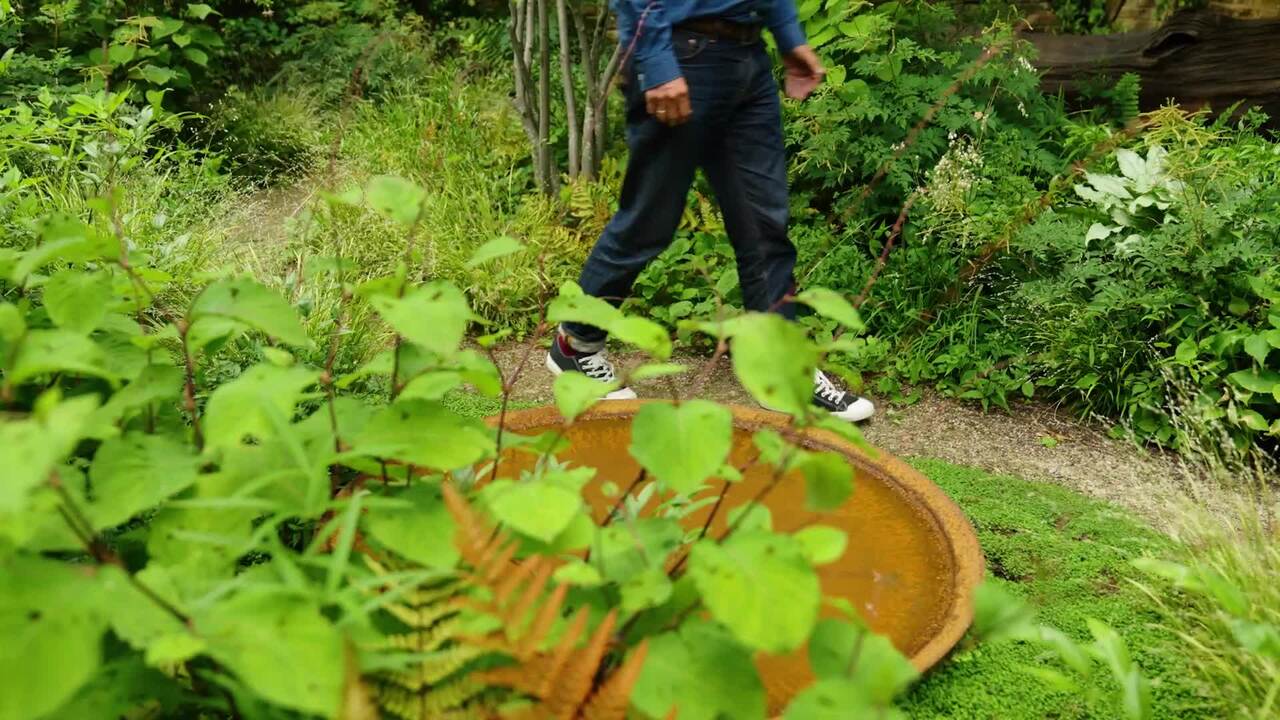
I've just planted one signature tree in this area, by the trough. This creates a nice moment with the monumental feeling of the stone trough and then the Prunus x yedoensis (Yoshino cherry) to one side.
This very pale pink cherry is one of the absolute best single-flowered ornamental cherries:
The only shrubs in this space are next to the building. I've chosen winter-flowering wintersweet (Chimonanthus praecox) and witch hazel (Hamamelis mollis) to provide interest at the other end of the season and bookend the year with the Yoshino cherry.
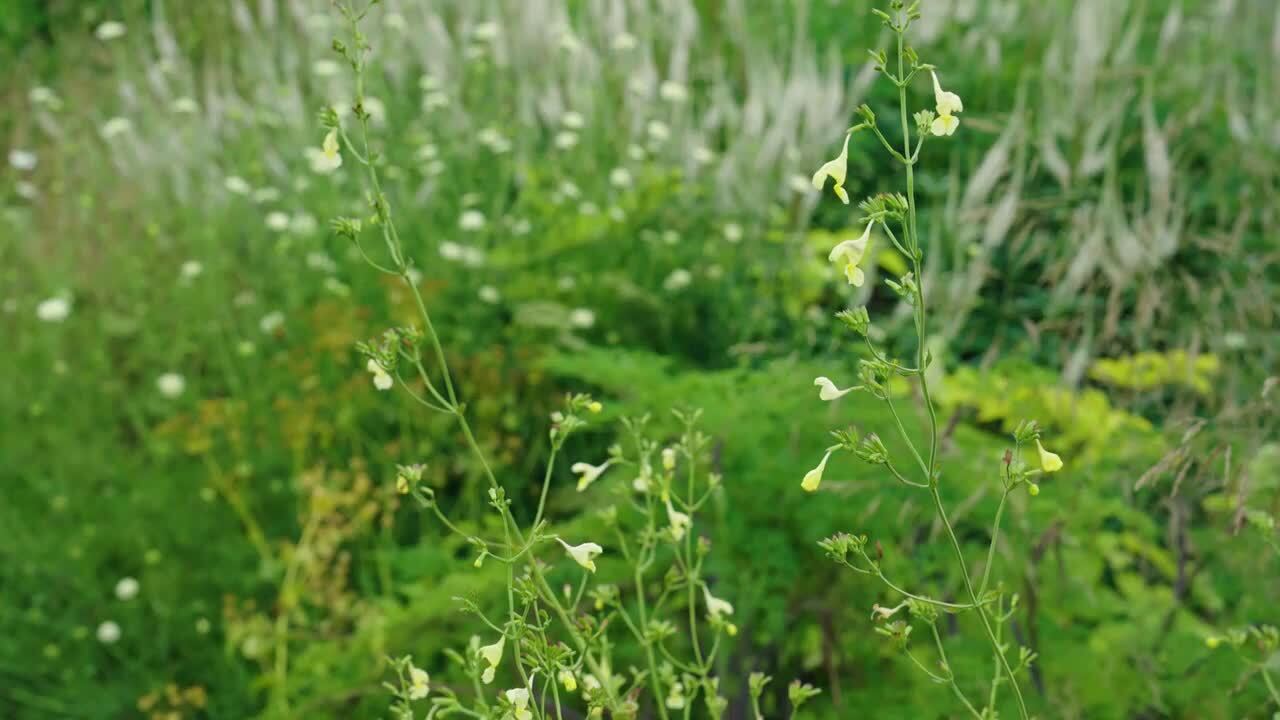
I wanted the colour in this area to be really distinct, so I played with opposites:
I like to use that friction between colours sometimes. It can be quite easily achieved with tiny flowers that just delicately pepper the space with colour, because you don't get a big jarring moment as one big block of colour hits another. This friction sits perfectly against the form and neutrality of the grasses.
Calamagrostis × acutiflora 'Karl Foerster'
Sporobolus heterolepis
Bouteloua gracilis
Allium carinatum subsp. Pulchellum
Dianthus carthusianorum
Liatris pycnostachya
Euphorbia ceratocarpa
Bupleurum falcatum
Patrinia scabiosifolia
Achillea 'Moonbeam'
Achillea millefolium
Ferula communis
Prunus x yedoensis
Chimonanthus praecox
Hamamelis mollis
Geranium sanguineum 'Tiny Monster'
Do you have a dry, sun-drenched area in your garden that you'd like to develop? Think about what plants you might like to use. Divide your planting list into the layers below:
Trees
Shrubs
Climbers
Perennials
Annuals/Biennials
Bulbs
Get the full workbook, video lessons, and more with a Create Academy subscription.
Subscribe to access the full workbookAlready a member? Sign in to watch
510 reviews
Read moreCreate Academy has been such a great resource. I'm in the middle of renovating a bungalow with a very large garden and the courses have offered a wealth of inform...
Harvey
Jun 10, 2026
Absolutely love Create Academy! The instructors are extremely informative, and it is beautifully filmed. Create Academy is great value for money and plan on renew...
SG
May 31, 2026
Butter's creativity is stunning! Her ability to incorporate brilliance in small gardens is magical!
Carla
May 30, 2026
The best adventure. I like all the courses, but my favorite are both Rita Konig interior design courses and Anna Jones. Excellent!
Karolina Kluczewska
May 20, 2026
Create Academy has been such a great resource. I'm in the middle of renovating a bungalow with a very large garden and the courses have offered a wealth of information to dive into and explore new ideas. I'm...
Harvey
Jun 10, 2026
Absolutely love Create Academy! The instructors are extremely informative, and it is beautifully filmed. Create Academy is great value for money and plan on renewing my subscription yearly because there are ...
SG
May 31, 2026
Butter's creativity is stunning! Her ability to incorporate brilliance in small gardens is magical!
Carla
May 30, 2026

Your Instructor
Acclaimed naturalistic landscape designer. Multiple Chelsea Gold Medal Winner. OBE.
British landscape designer, horticulturalist and writer Dan Pearson OBE, has been designing award-winning gardens since 1987. His naturalistic use of plants, light-handed approach to design and deep-rooted horticultural knowledge has made him one of the most celebrated and innovative gardeners working today. Dan trained in horticulture at Wisley and Kew, before starting his garden and landscape design practice in 1987. In 2015, his show garden for Chatsworth and Laurent Perrier was awarded a Gold Medal and Best Show Garden at the Chelsea Flower Show. In 2014 Dan was appointed an advisor to the National Trust at Sissinghurst Castle. For over 20 years Dan has written regular gardening columns, with his work a staple of The Observer, and has written a number of best-selling gardening books.
Access to all courses


