

Interior and exterior confidence
Create Academy has been such a great resource. I'm in the middle of renovating a bungalow with a very large garden and the courses have offered a wealth of inform...
Harvey
Jun 10, 2026
An Expert Guide to Planting Design
with DAN PEARSON — Acclaimed naturalistic landscape designer. Multiple Chelsea Gold Medal Winner. OBE.
Lesson 6 of 31
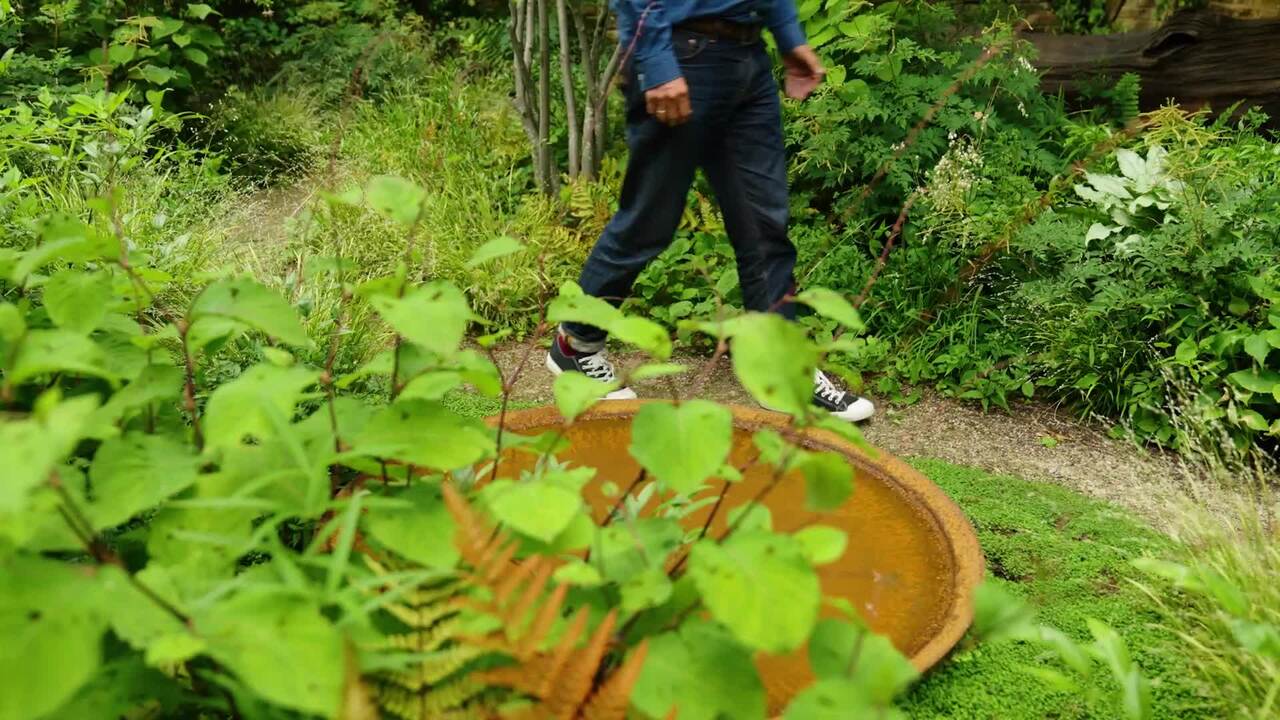
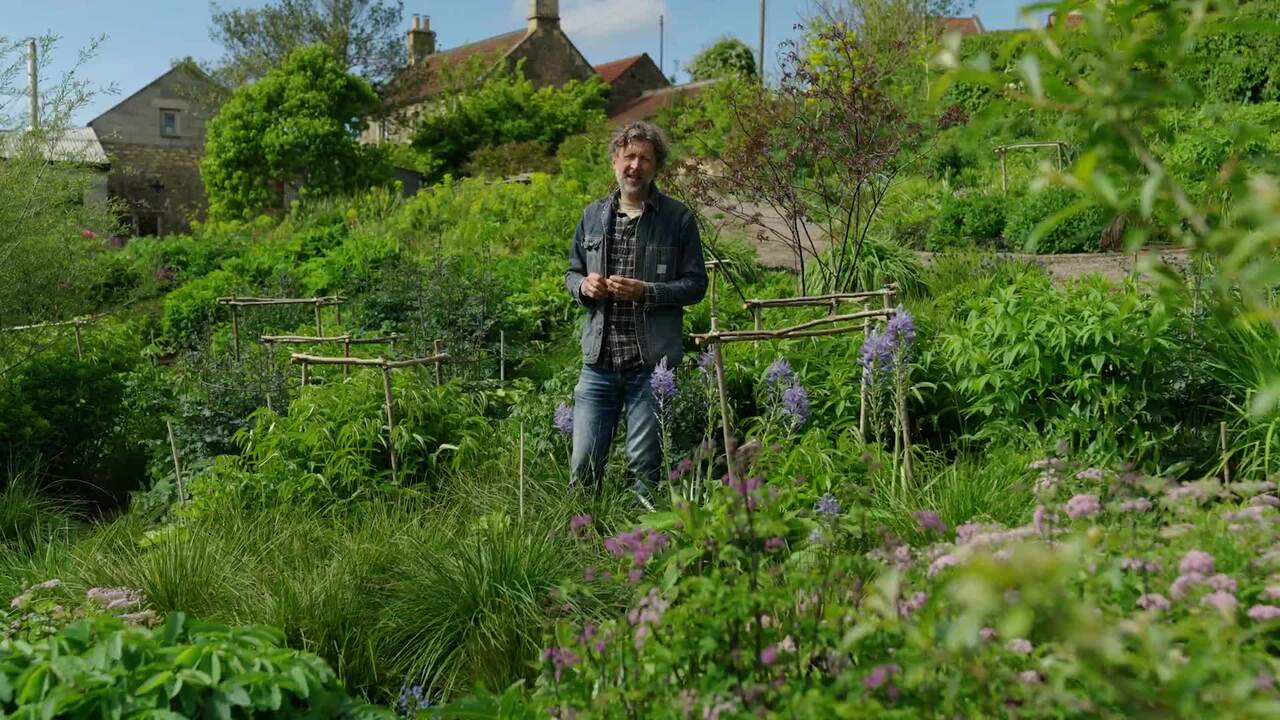
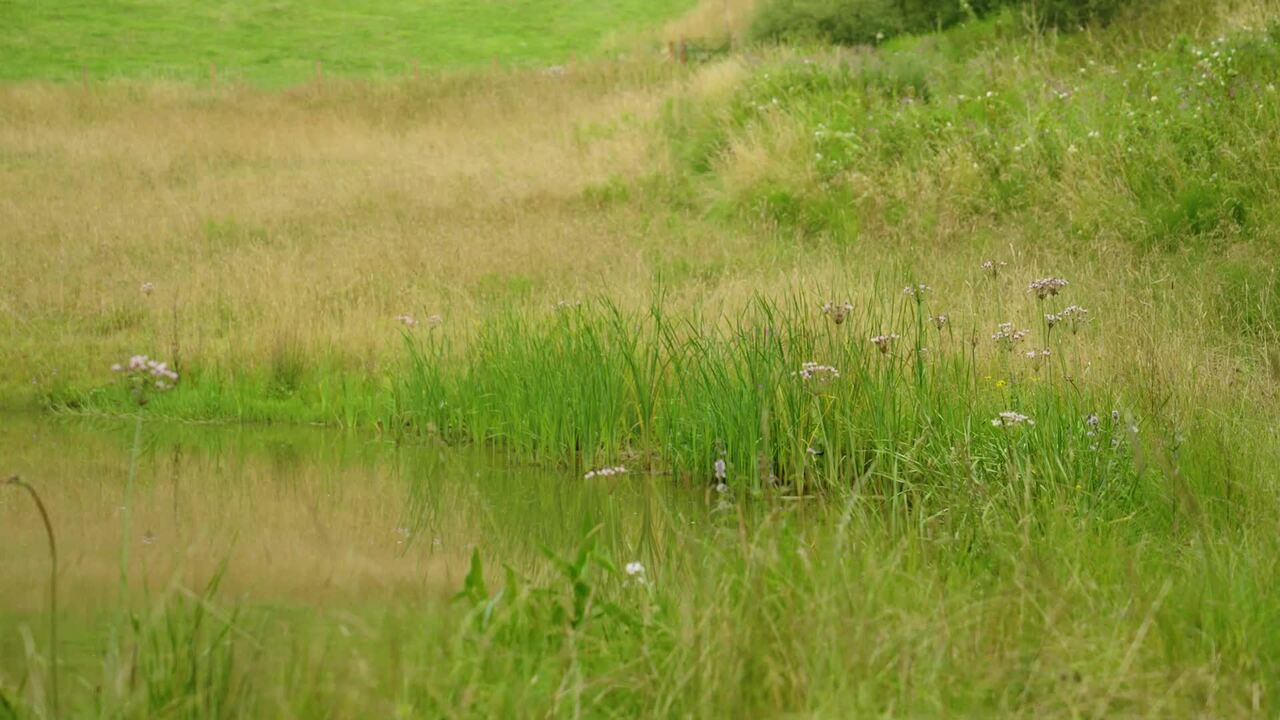
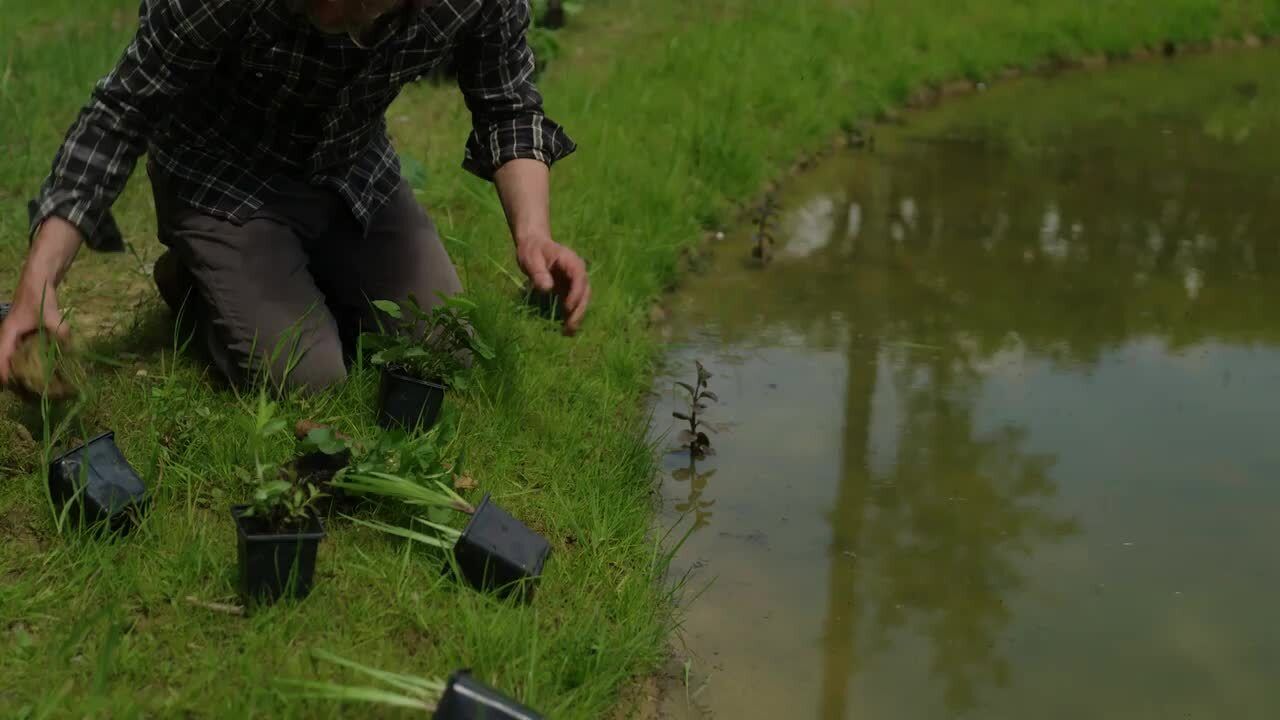
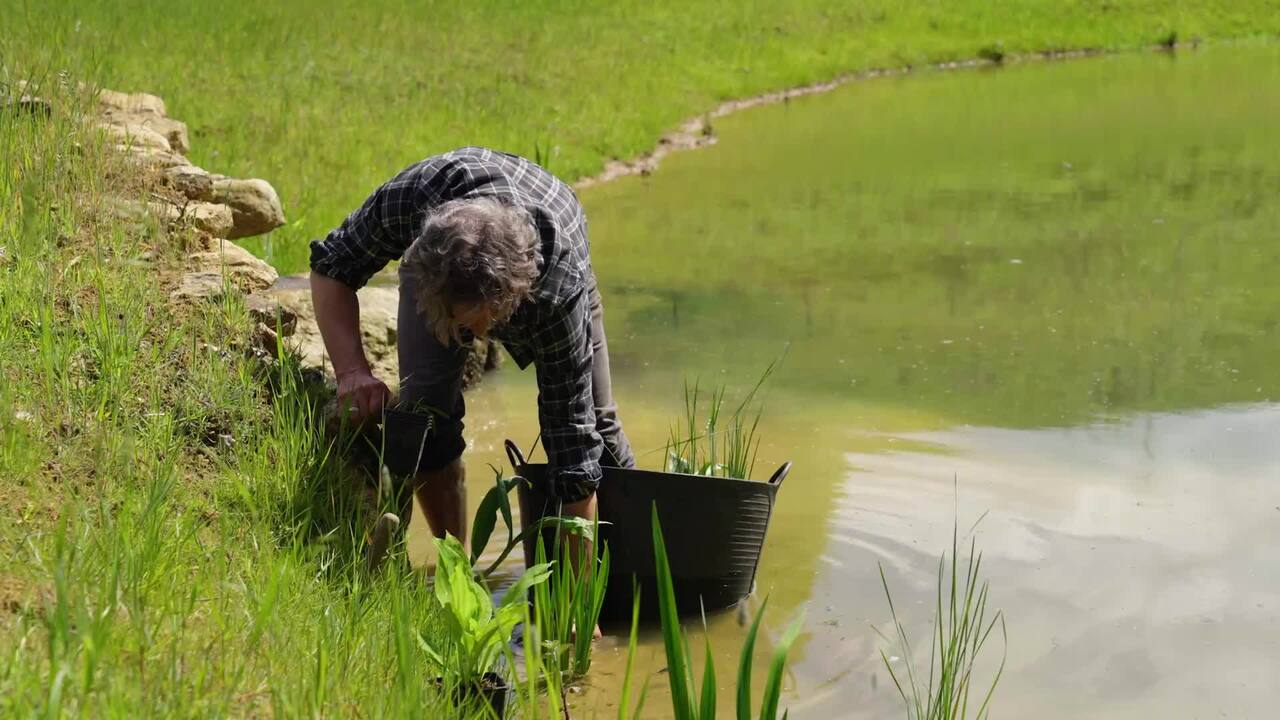
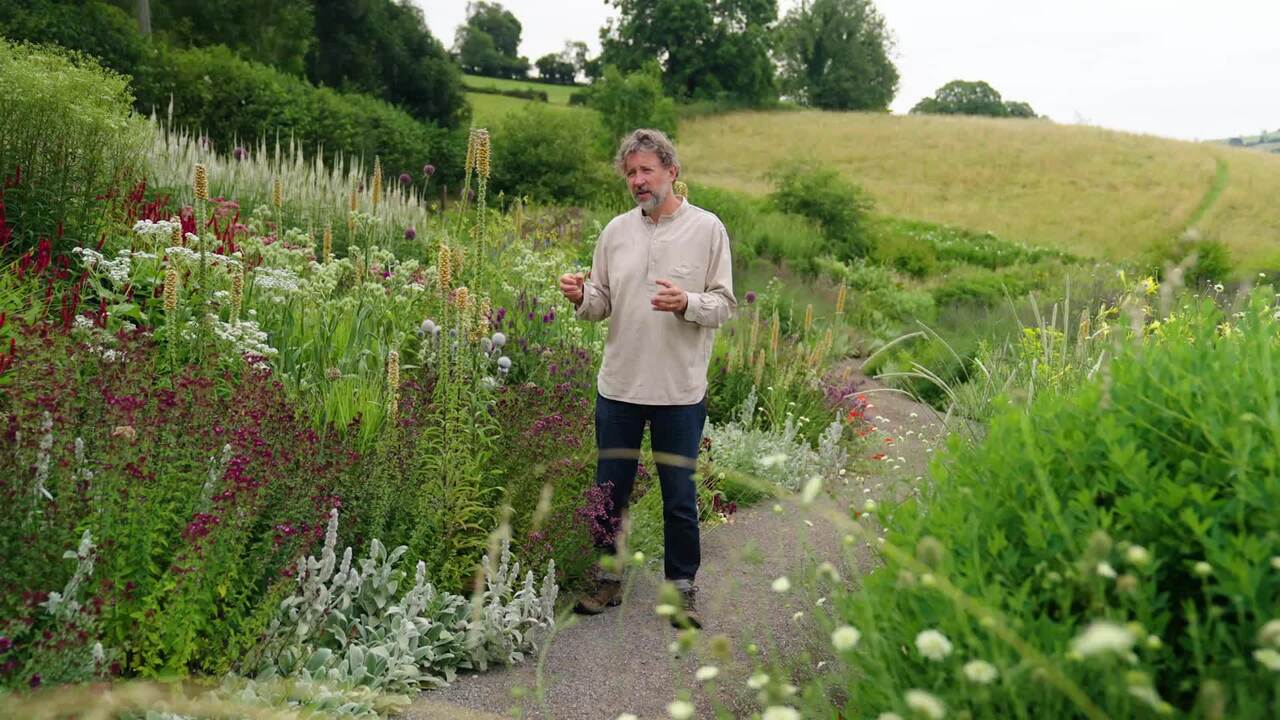
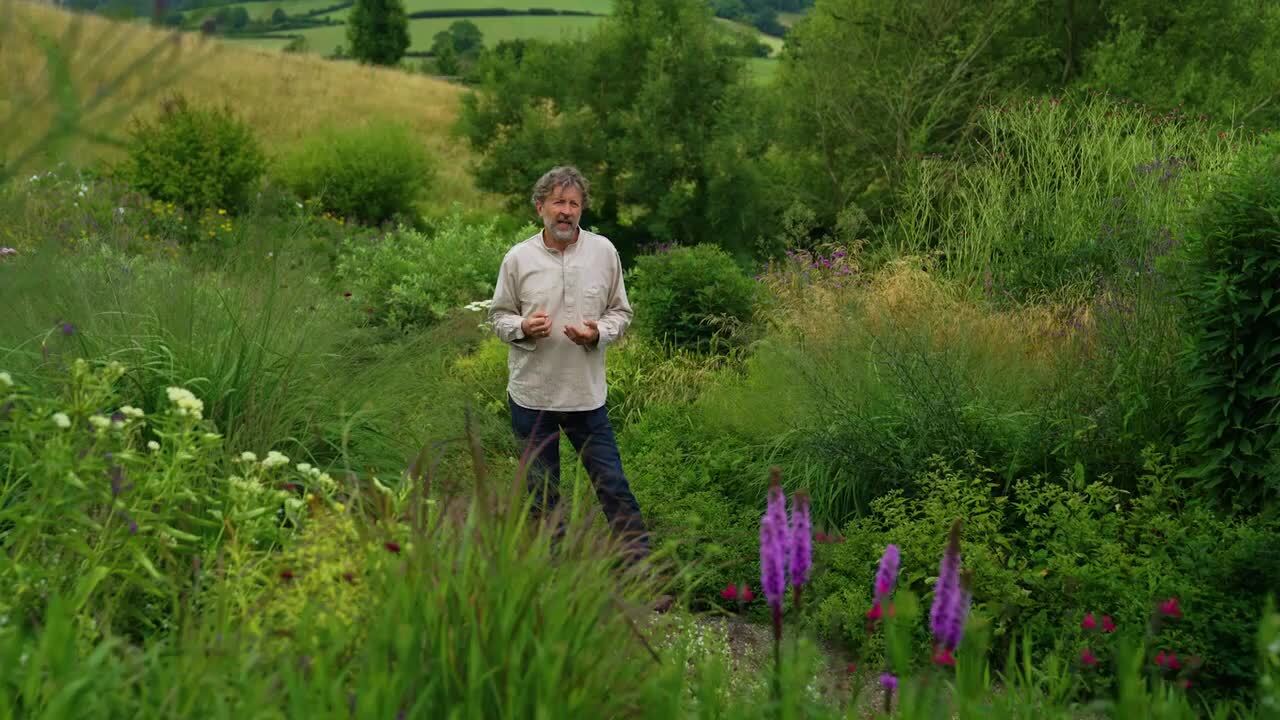
Plants are an essential element of any pond. We join Dan as he plants up his pond, learning the nuances around choosing plants, and how to set up the right conditions for both the planting and a healthy pond ecology. Dan demonstrates how he creates a naturalistic pond that blends in with the landscape.
The planting is an essential element of any pond, and so the next step is to decide what kind of plants you're going to use. I'll guide you through this, along with how to create a naturalistic pond that blends in with the landscape, and how to create the right conditions for planting and ecology.
Using native species allows your pond to harmonise with the wider landscape
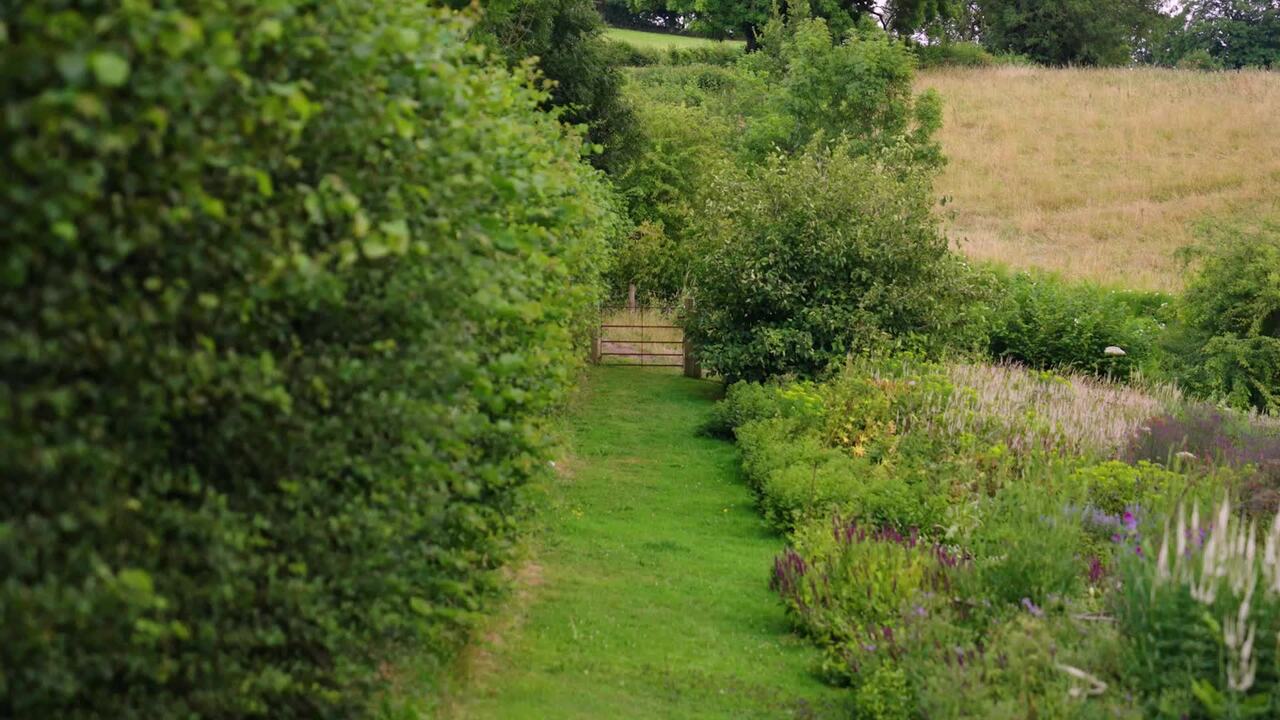
There's always a native versus non-native debate in gardens. Here, because we're in the heart of the countryside and surrounded by native vegetation, I don't want to do anything that feels at all alien.
You can enrich your native planting with a handful of well-behaved non-natives
I've also included a small number of non-natives to heighten the atmosphere slightly.
Urban ponds bring greater freedom of choice
If your pond is in a more urban or domestic setting with less risk of plants spreading into the countryside, you can use more exotic plants to heighten the atmosphere and provide more flower power.
Finding a balance
I always try to use native plant communities as the base for my planting, and then bump that up with a sliding scale of non-natives if I want a more exotic feel.
Discover your local plant community
Wherever you live, one of the best ways to find out what grows in your area is to go and look at a natural local wetland to see what grows there.
Favour natives and avoid invasive species
Whether you're planting a pond or in the wider garden, it's always good to work with your local plant community, because these are the go-to plants for the insects that have evolved to live with them.
That doesn't mean you can't work with exotic plants, but it's crucial to make sure that any non-native plants you use aren't invasive. I'm only using native plants that I know won't take off and spread.
There are several key considerations to keep in mind when planting up a pond:
If you're making a smaller pond, you can simply fold the turf back, dig the hole, line it if you need a liner, then fold the turf back over the edge. This is a neat way of hiding the liner.
Here, where we're working on a bigger scale, we needed to re-landform once we'd put the liner in. We included a layer of soil about a foot deep that rolls over the edge, with its main role being to protect the liner from the sun, us walking on it, or anything spiking it.
So our top planting layer is the bank, which we sowed to protect the soil, bind it and stabilise the edge. Moisture will be wicked up through those banks to give a moister zone than that beyond the pond margins.
One of the plants I'm using is Eupatorium cannabinum – a tall perennial with dirty pink flowers that are wonderful for butterflies and insects.
Then I'll look at plants that will sit alongside this. Flag iris (Iris pseudacorus) is a good choice as it grows both in damp ground and in water, so it's great for bridging the zone that can be exposed when the water levels drop.
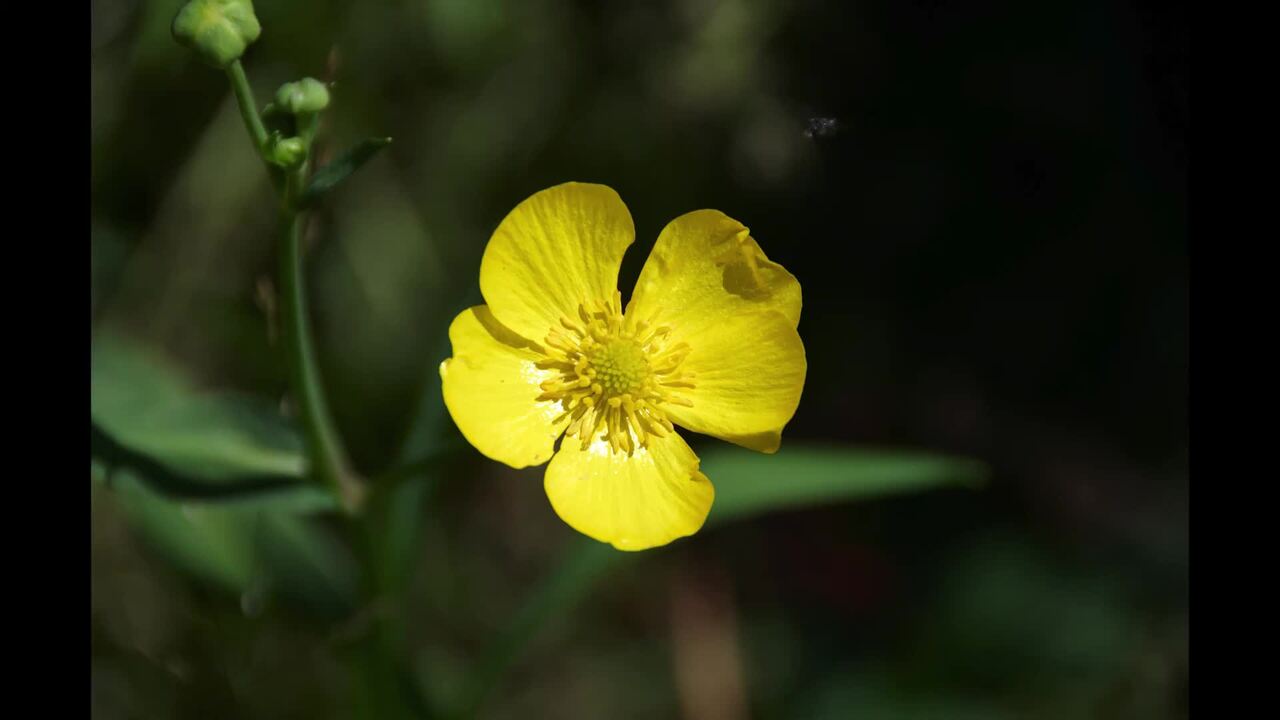
These will be combined with Ranunculus lingua (greater spearwort), a tall buttercup growing to 2–3 ft.
As we go into the water, there'll be other plants, such as Caltha palustris (marsh marigold), which, like the iris, travel down from those damp margins to just below the water.
Once marginal plants are in, it's hard to make changes, so think carefully about where you want them.
The lesser reed mace (Typha angustifolia) is going on the marginal shelf. This is a smaller and less dominant bulrush than our native Typha latifolia.
Finally, in the water itself, we've got oxygenating plants that grow under the surface and pump oxygen into the water to keep the pond's ecology healthy.
If you can get all of these layers working with each other, you can create a pond that:
Many oxygenating weeds are available, but you need to be very careful not to get any that are invasive.
The practical benefits of waterlilies
Though I'm not including them here at the moment, waterlilies can be a useful addition to a pond:
I've chosen not to have fish here, but I'm not worried about temperature rises because I have enough depth. In a shallower pond, lilies can be very useful, because they can avoid high water temperatures, which could otherwise encourage algal blooms and pondweeds. These blooms aren't actually harmful to wildlife, but they can spoil the look of your pond.
Choose a waterlily to match your pond
Our native waterlily needs very deep water. It's a beautiful plant, but also very invasive and it would take over this pond. If you don't have deep enough water for strong-growing waterlilies, they can rise up out of the surface and start mounding, and then you lose that lovely floating feeling.
I also chose not to use an ornamental waterlily, because I want this pond to feel natural. I may decide in the future that waterlilies are a layer I'm missing. With a project like this, you can watch it evolve and make changes over time as necessary.
Colour can be introduced using waterlilies and irises
Waterlilies are a great way of introducing colour into ponds. You can also use ornamental irises, such as Iris x robusta, a blue-flowered version of our native yellow flag (Iris pseudocorus).
Consider colour use that is appropriate to your setting
I'm using 95% native plants, so everything sits well in the context of the landscape and nothing jars. With waterlilies for instance:
If you're in a more domestic setting where your pond is contained by garden rather than landscape, you can be much more liberal about the colours you introduce, and that colour can be a good thing.
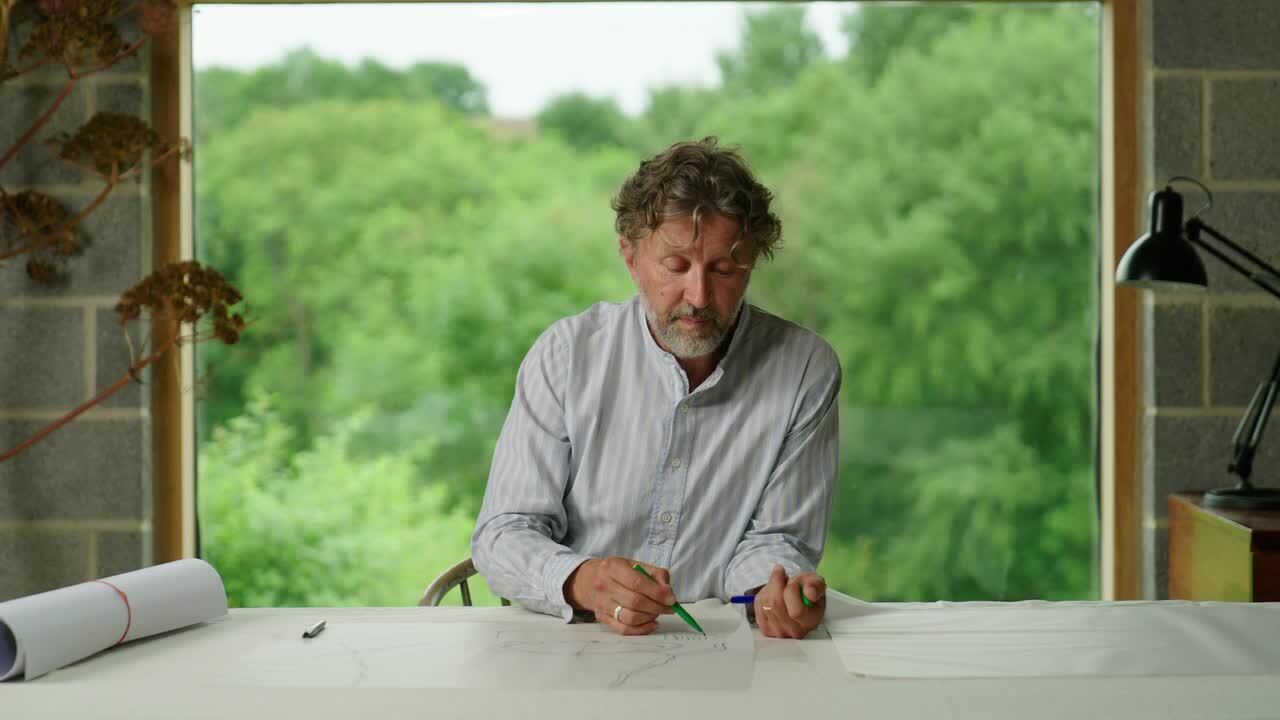
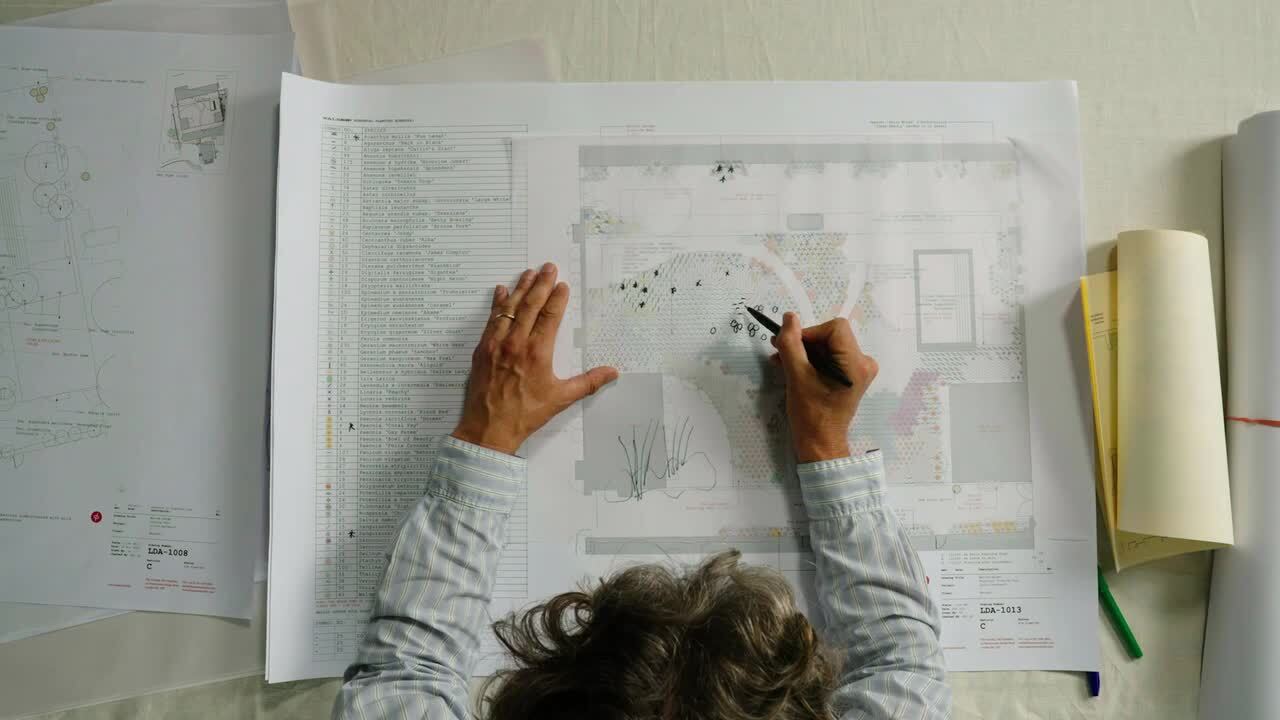
I didn't have a formal planting plan for this pond because it was planted naturalistically, but I was guided by some fundamental principles:
1. Group your plants according to which part of the pond they'll inhabit
We've got several different habitats within the pond, and I've got a selection of plants for each of these.
2. You can then pull plants quite randomly from within each group to achieve a naturalistic look
Once I've grouped the plants, I can pull from those and plant quite randomly within each group.
3. Choose a prominent location for any particularly eye-catching plants
One plant I'm going to place carefully are the skunk cabbages, with their big white flower spathes in spring. I've chosen a prominent spot near where the spring emerges and falls onto the splash stone.
Locate a wetland or wild pond local to your garden. Spend some time there and observe the flora and fauna that you can see. Use the space below to note down any plants that you can identify in, around and near to the pond to inspire your own planting choices.
Plant | Where is it growing?
(Banks, marginal shallows, submerged, etc.)
Get the full workbook, video lessons, and more with a Create Academy subscription.
Subscribe to access the full workbookAlready a member? Sign in to watch
510 reviews
Read moreCreate Academy has been such a great resource. I'm in the middle of renovating a bungalow with a very large garden and the courses have offered a wealth of inform...
Harvey
Jun 10, 2026
Absolutely love Create Academy! The instructors are extremely informative, and it is beautifully filmed. Create Academy is great value for money and plan on renew...
SG
May 31, 2026
Butter's creativity is stunning! Her ability to incorporate brilliance in small gardens is magical!
Carla
May 30, 2026
The best adventure. I like all the courses, but my favorite are both Rita Konig interior design courses and Anna Jones. Excellent!
Karolina Kluczewska
May 20, 2026
Create Academy has been such a great resource. I'm in the middle of renovating a bungalow with a very large garden and the courses have offered a wealth of information to dive into and explore new ideas. I'm...
Harvey
Jun 10, 2026
Absolutely love Create Academy! The instructors are extremely informative, and it is beautifully filmed. Create Academy is great value for money and plan on renewing my subscription yearly because there are ...
SG
May 31, 2026
Butter's creativity is stunning! Her ability to incorporate brilliance in small gardens is magical!
Carla
May 30, 2026

Your Instructor
Acclaimed naturalistic landscape designer. Multiple Chelsea Gold Medal Winner. OBE.
British landscape designer, horticulturalist and writer Dan Pearson OBE, has been designing award-winning gardens since 1987. His naturalistic use of plants, light-handed approach to design and deep-rooted horticultural knowledge has made him one of the most celebrated and innovative gardeners working today. Dan trained in horticulture at Wisley and Kew, before starting his garden and landscape design practice in 1987. In 2015, his show garden for Chatsworth and Laurent Perrier was awarded a Gold Medal and Best Show Garden at the Chelsea Flower Show. In 2014 Dan was appointed an advisor to the National Trust at Sissinghurst Castle. For over 20 years Dan has written regular gardening columns, with his work a staple of The Observer, and has written a number of best-selling gardening books.
Access to all courses


