



Interior and exterior confidence
Create Academy has been such a great resource. I'm in the middle of renovating a bungalow with a very large garden and the courses have offered a wealth of inform...
Harvey
Jun 10, 2026
An Expert Guide to Planting Design
with DAN PEARSON — Acclaimed naturalistic landscape designer. Multiple Chelsea Gold Medal Winner. OBE.
Lesson 23 of 31

Subscribe to watch
You’ll review some key principles of putting together a naturalistic design, and Dan shares some more in-depth advice and ideas around tackling dry shade.
A review of a few key principles of putting together a naturalistic design, and my advice for tackling tricky areas of dry shade.
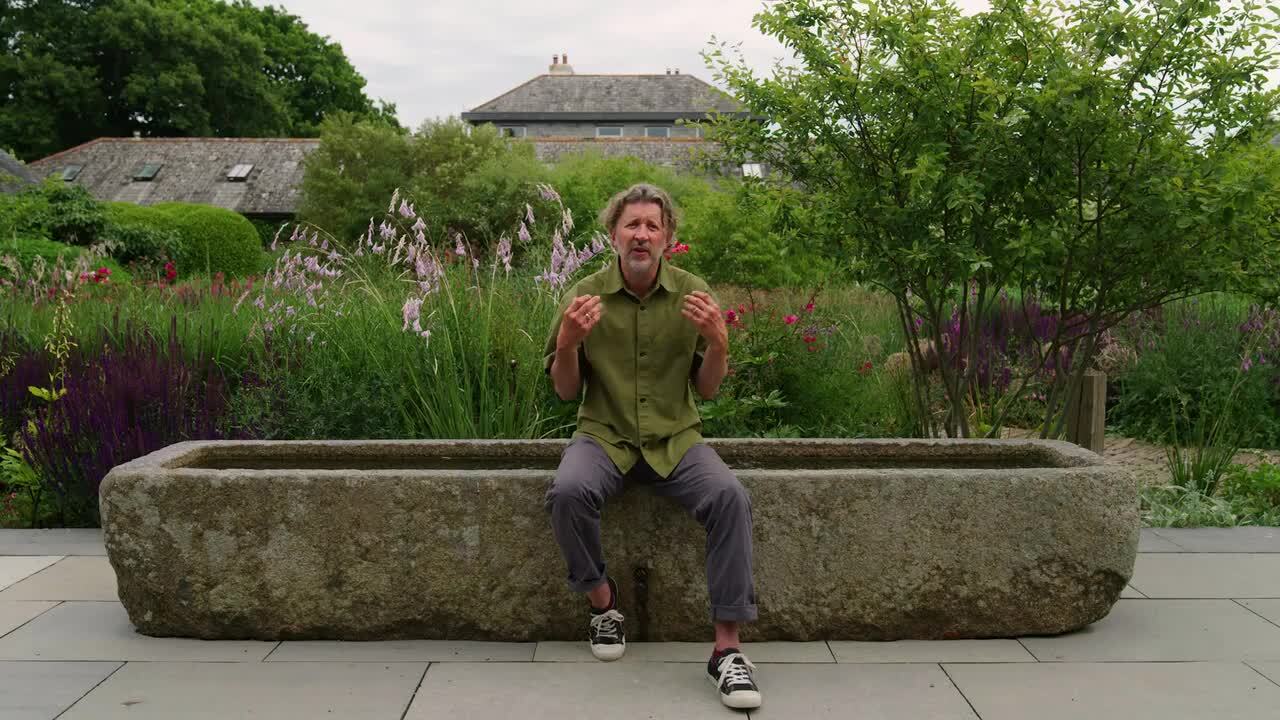
My advice to you when you're putting together a palette of plants for your garden is to think about these things:
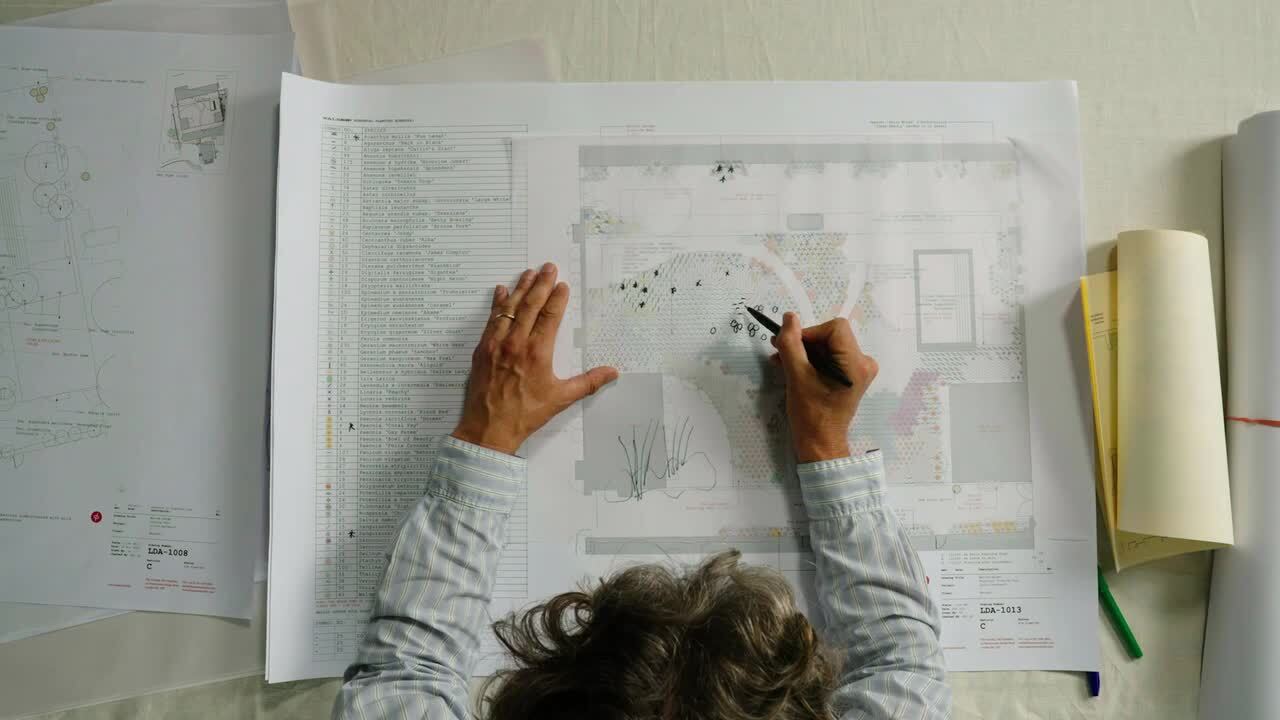
We encourage people to pull together tear sheets and to make lists, and out of these, you'll start to find a mood for the place. From that, you can select plants that will suit your conditions.
Then refine that until you have a plant list that works both in terms of mood, and in terms of plants being suited to the place, and providing structure, interest and year-round dynamism in the planting.
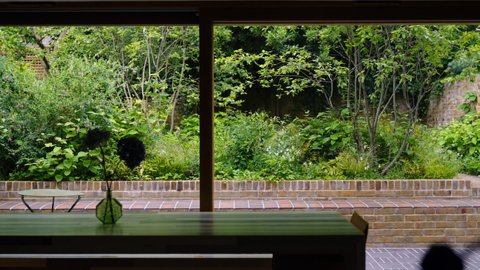
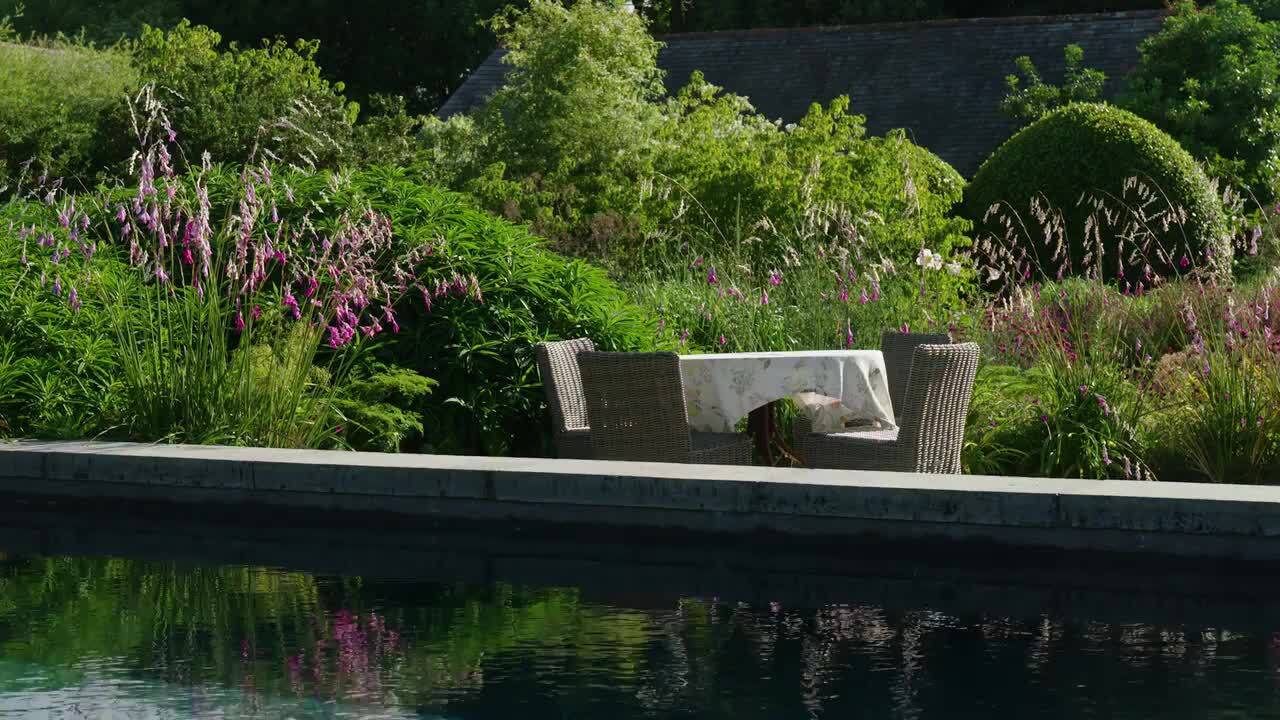
Our clients love this garden. It's brought the house to life, given them a backdrop and somewhere to go into, and created a changeable nature outside the windows that invites the seasons in.
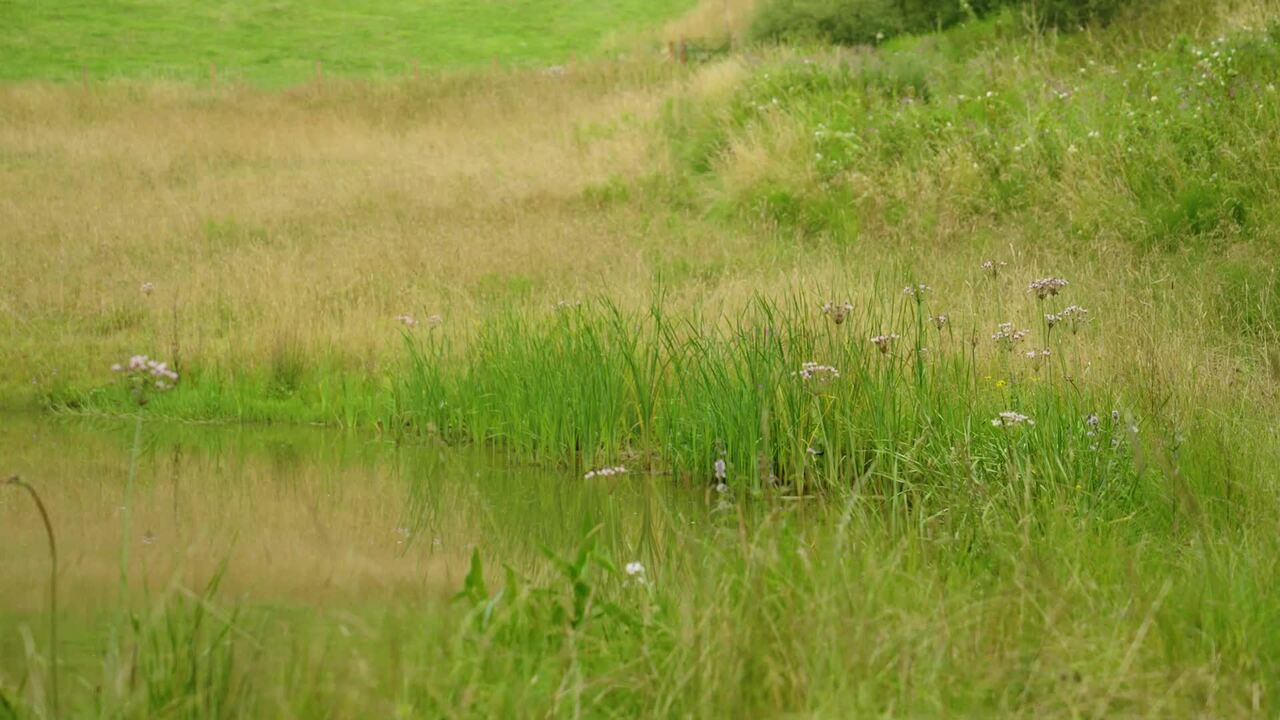
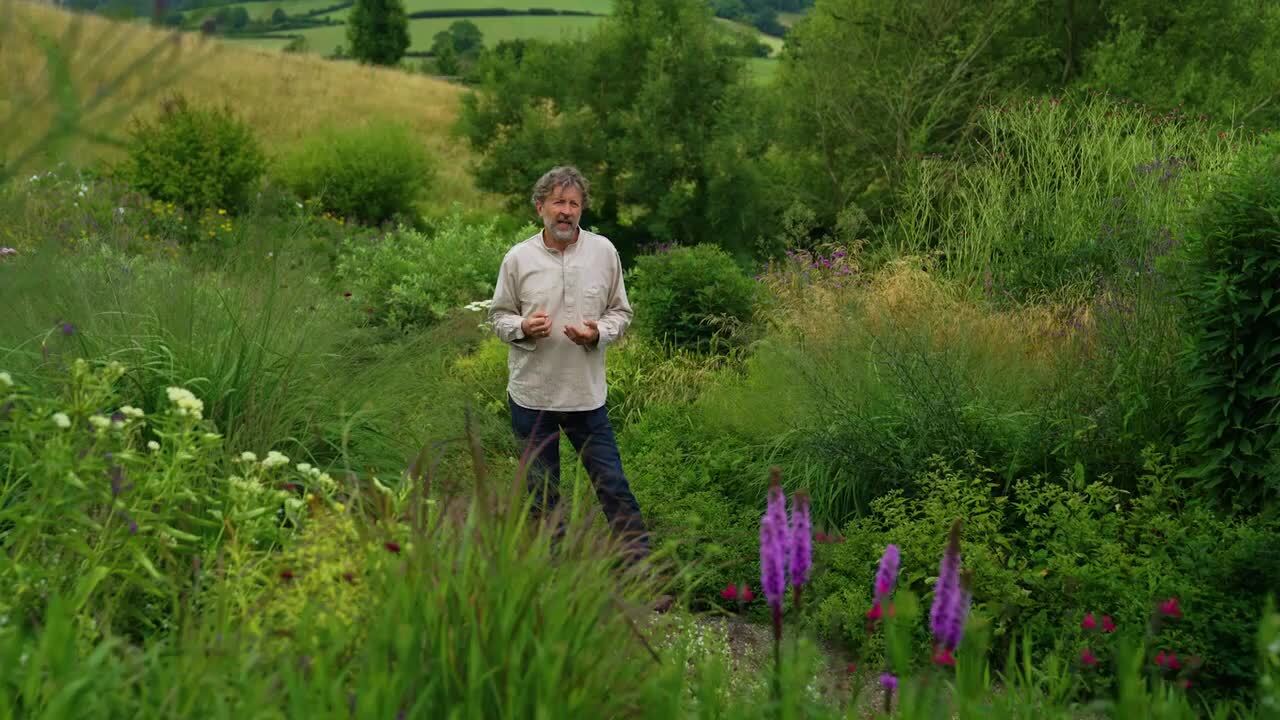
When putting together a planting, I'm constantly referring back to natural environments I've been in where I've observed communities of plants really working together. These have evolved over time to work in a particular place, and you can learn a lot from that.
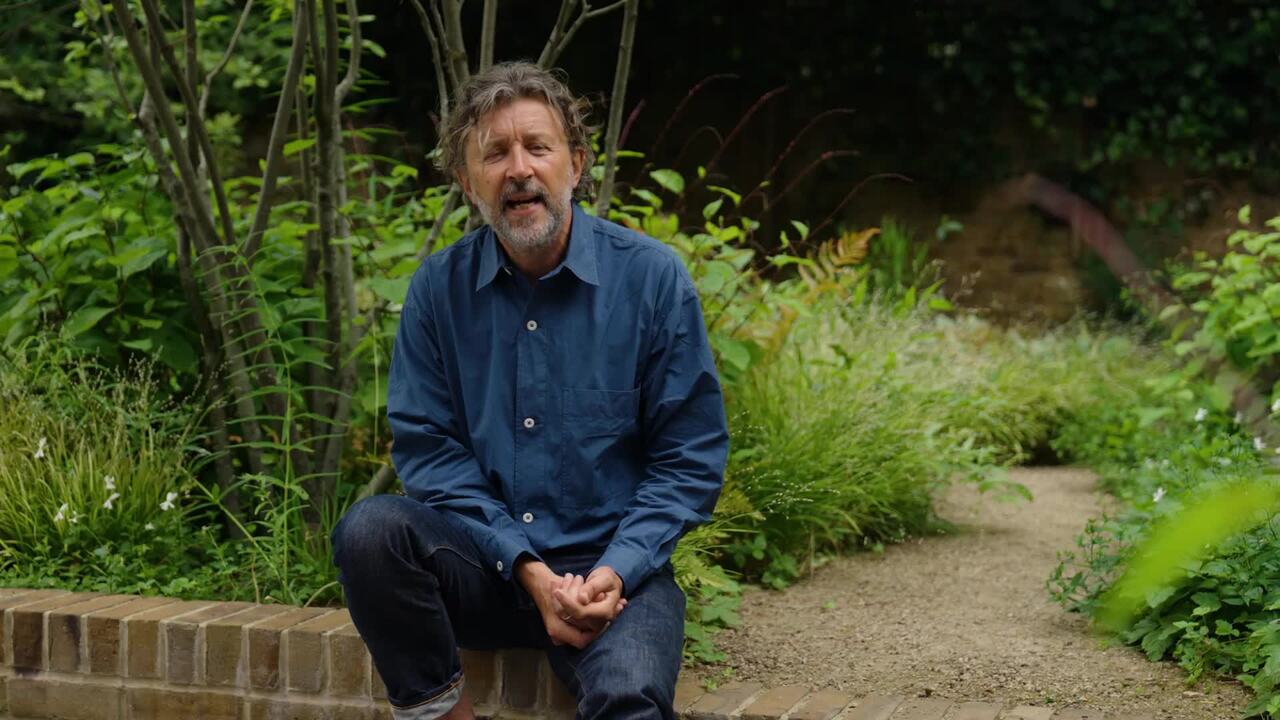
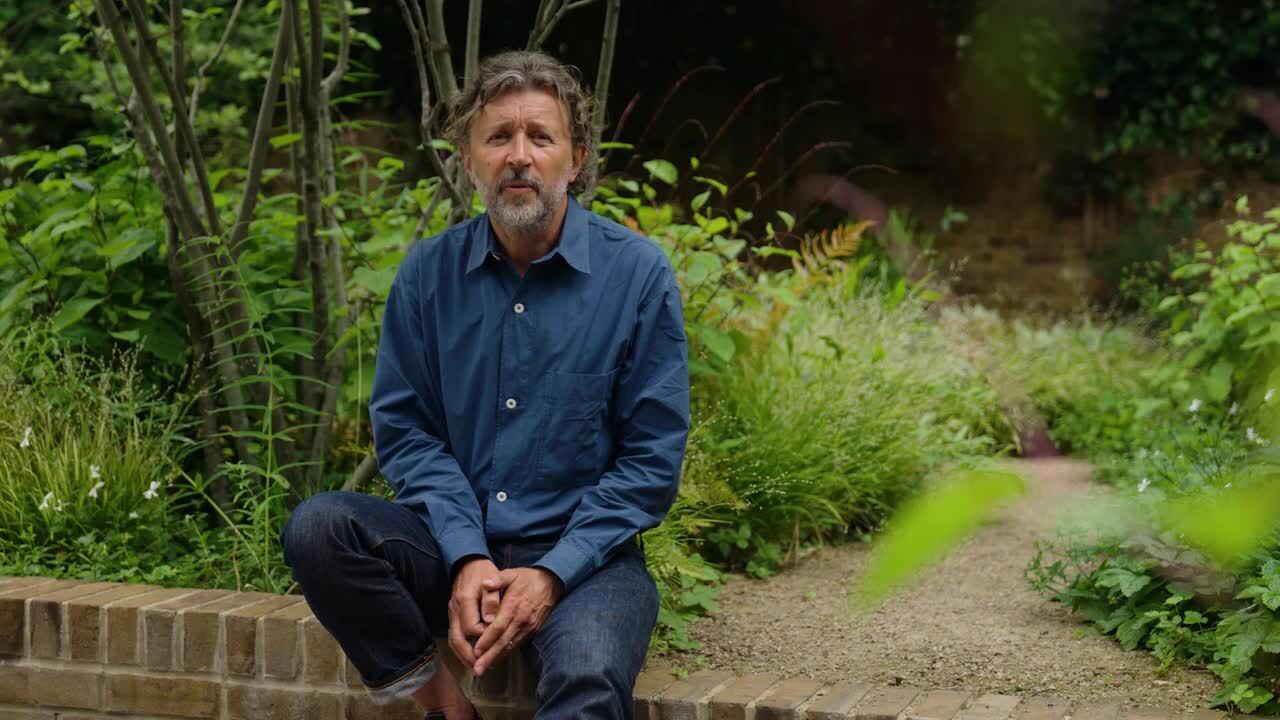
Even in central London, I'm always thinking back to woodland, which is the inspiration for the way these plants come together in this cool, north-facing garden with layerings that are reminiscent of a woodland edge.
So you can go and look at those natural places, and then adapt what you've seen using the wealth of ornamental plants available to put your palettes together, but always keeping those ecologies in mind.
In the end, a garden like this becomes a proper community of its own, where the plants are helping each other grow, sheltering the soil, nurturing the place in the right way, and creating a mecca for wildlife. This balance you're tuning into is ultimately inspired by the natural environment.
Shade in a garden isn't something to be fearful of, but dry shade can be more complicated to plant. For example, the hungry roots of the bay tree really influence what we can grow underneath it.
Our solution was to place the seating area underneath the bay, with an area of paving around it, which means we have less planting to do in that zone. Then, we've used plants that can cope with those dry, competitive conditions, which are low in nutrition, water and light.
The take away is that dry shade isn't a disaster, although it is tougher to plant, and so it's always worth thinking about how to manage those tricky areas. So if you're faced with an area of dry shade, these are some key considerations:
So dry shade is something I think about differently, but not with dread. It's always nice to think of it as a respite from the more densely planted areas beyond.
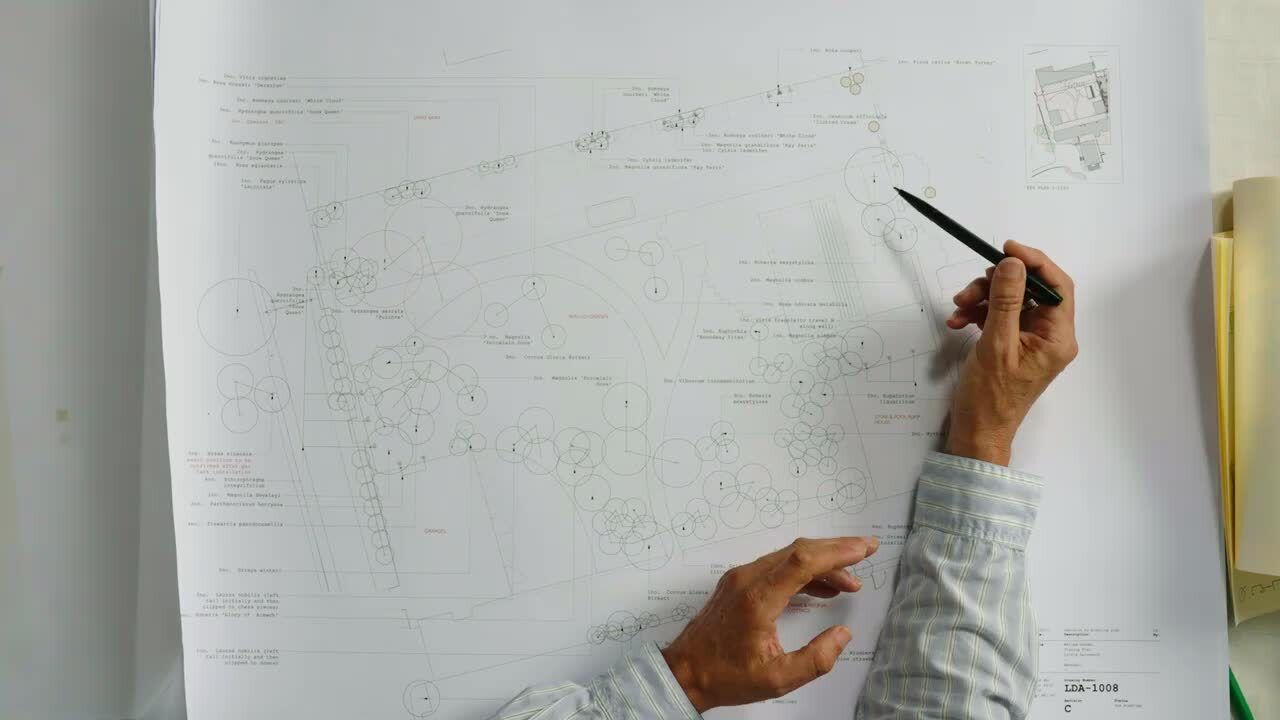
When you're putting together your plant list, it's always good to try and hone it down to the things that are really going to work.
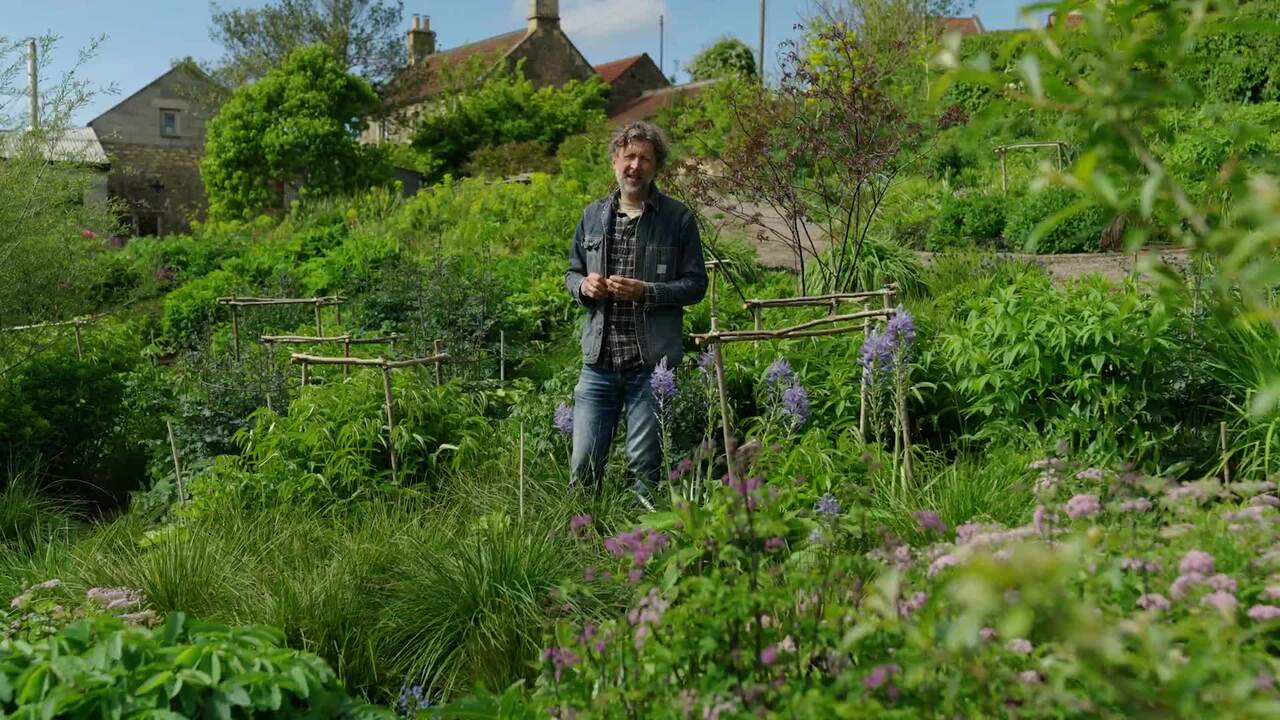
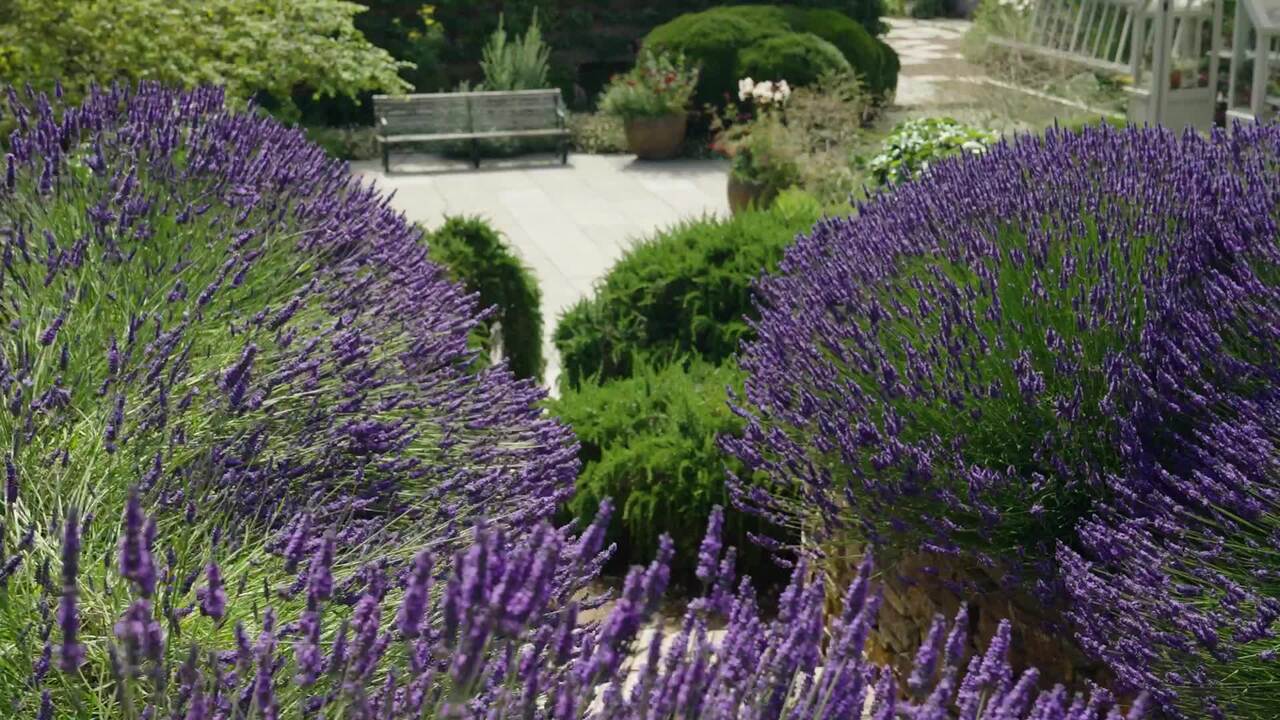
There are a surprising number of different plants in this garden, but what holds it all together is that certain plants are repeated, so that when you look at the garden as a whole, there is continuity.
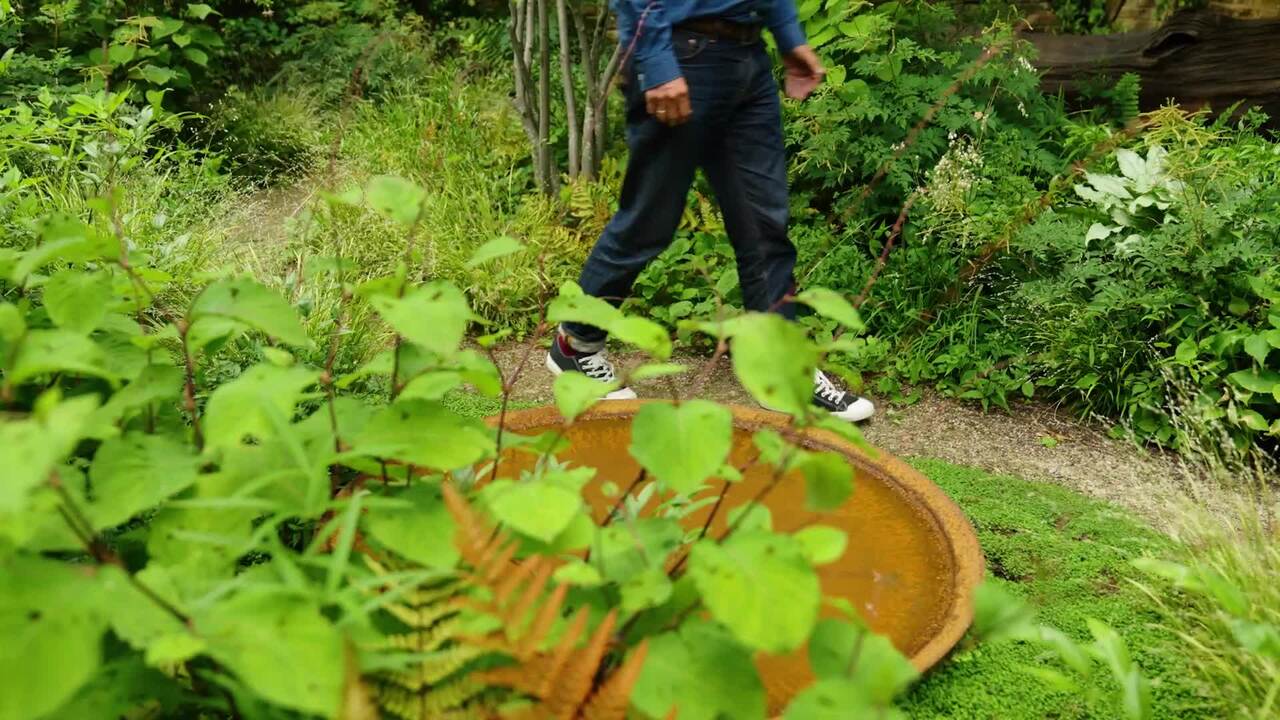
This means the garden doesn't feel as complex as it actually is. It's only once you get into the garden that you discover the detail and the little moments: the ferns that only appear by the bench at the end; the mind-your-own-business that appears around the water bowl.
Those moments of delight where there's a wider variety of plants should be things to be discovered, held together by elements that are repeated to give a sense of calm.
Either in the context of redesigning your existing garden, or imagining creating a new garden from scratch, have a think about the following starting points for putting together a plant palette, and jot down some ideas:
Get the full workbook, video lessons, and more with a Create Academy subscription.
Subscribe to access the full workbookAlready a member? Sign in to watch
491 reviews
Read moreCreate Academy has been such a great resource. I'm in the middle of renovating a bungalow with a very large garden and the courses have offered a wealth of inform...
Harvey
Jun 10, 2026
Absolutely love Create Academy! The instructors are extremely informative, and it is beautifully filmed. Create Academy is great value for money and plan on renew...
SG
May 31, 2026
Butter's creativity is stunning! Her ability to incorporate brilliance in small gardens is magical!
Carla
May 30, 2026
The best adventure. I like all the courses, but my favorite are both Rita Konig interior design courses and Anna Jones. Excellent!
Karolina Kluczewska
May 20, 2026
Create Academy has been such a great resource. I'm in the middle of renovating a bungalow with a very large garden and the courses have offered a wealth of information to dive into and explore new ideas. I'm...
Harvey
Jun 10, 2026
Absolutely love Create Academy! The instructors are extremely informative, and it is beautifully filmed. Create Academy is great value for money and plan on renewing my subscription yearly because there are ...
SG
May 31, 2026
Butter's creativity is stunning! Her ability to incorporate brilliance in small gardens is magical!
Carla
May 30, 2026

Your Instructor
Acclaimed naturalistic landscape designer. Multiple Chelsea Gold Medal Winner. OBE.
British landscape designer, horticulturalist and writer Dan Pearson OBE, has been designing award-winning gardens since 1987. His naturalistic use of plants, light-handed approach to design and deep-rooted horticultural knowledge has made him one of the most celebrated and innovative gardeners working today. Dan trained in horticulture at Wisley and Kew, before starting his garden and landscape design practice in 1987. In 2015, his show garden for Chatsworth and Laurent Perrier was awarded a Gold Medal and Best Show Garden at the Chelsea Flower Show. In 2014 Dan was appointed an advisor to the National Trust at Sissinghurst Castle. For over 20 years Dan has written regular gardening columns, with his work a staple of The Observer, and has written a number of best-selling gardening books.
Access to all courses


