

Interior and exterior confidence
Create Academy has been such a great resource. I'm in the middle of renovating a bungalow with a very large garden and the courses have offered a wealth of inform...
Harvey
Jun 10, 2026
An Expert Guide to Planting Design
with DAN PEARSON — Acclaimed naturalistic landscape designer. Multiple Chelsea Gold Medal Winner. OBE.
Lesson 26 of 31
Subscribe to watch
Dan explores how to use the principles of succession to create a garden that sings all year round, the value of really knowing your plants, and how he made this one of the lowest-maintenance parts of the garden.
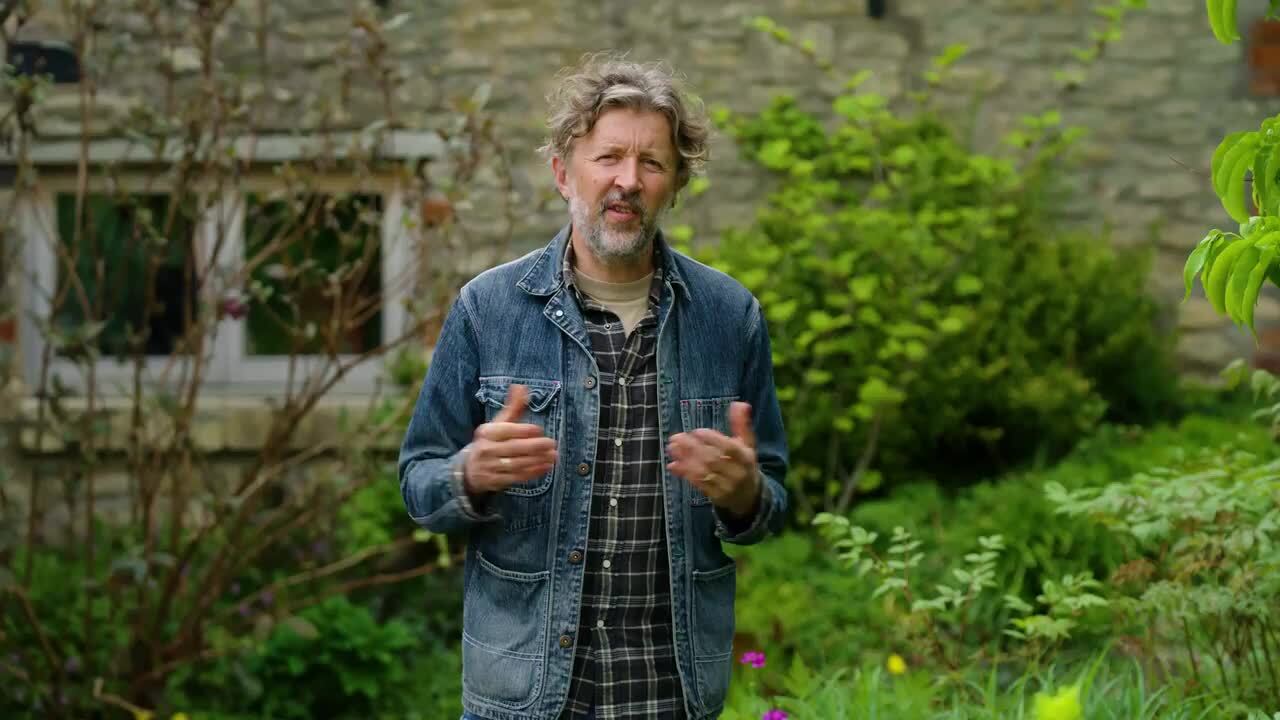
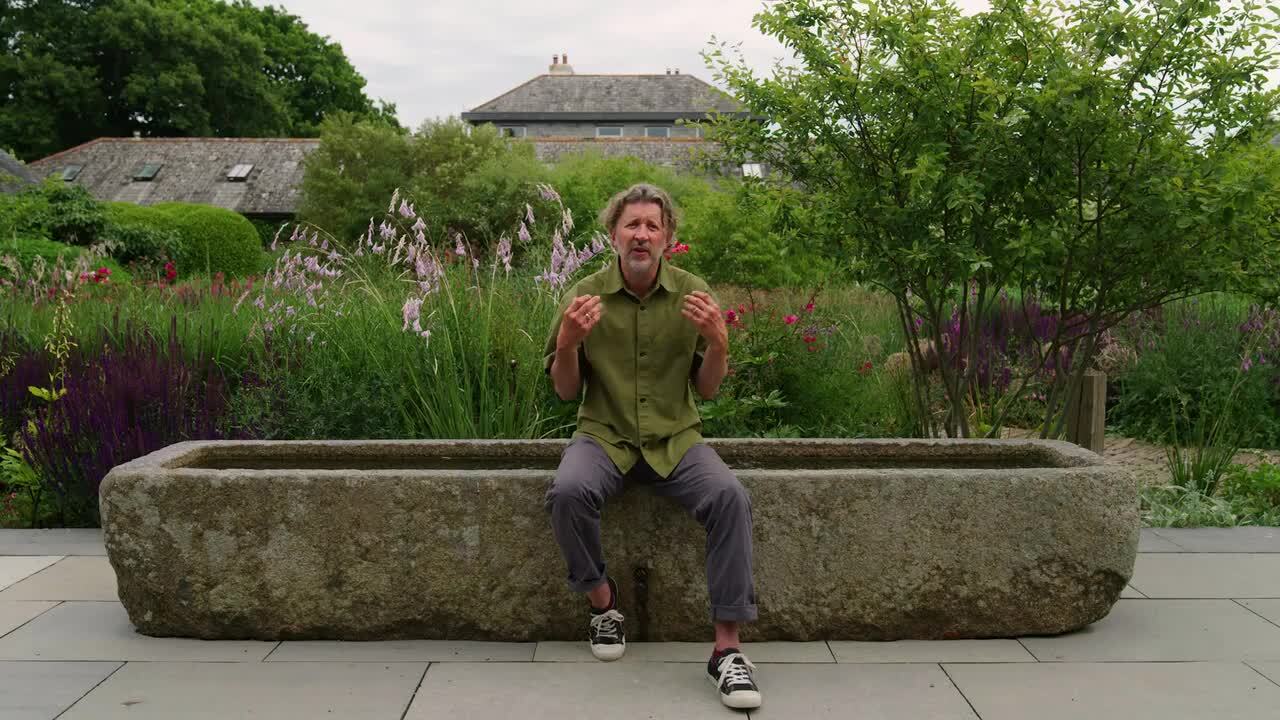
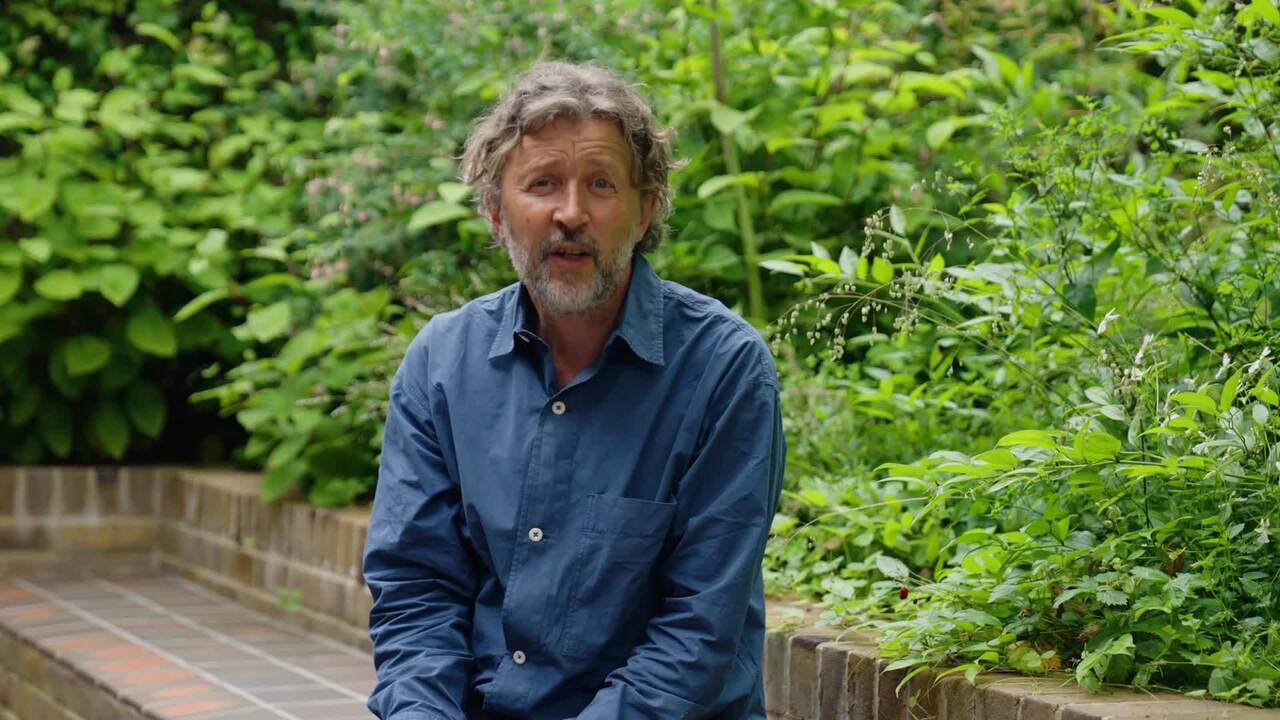
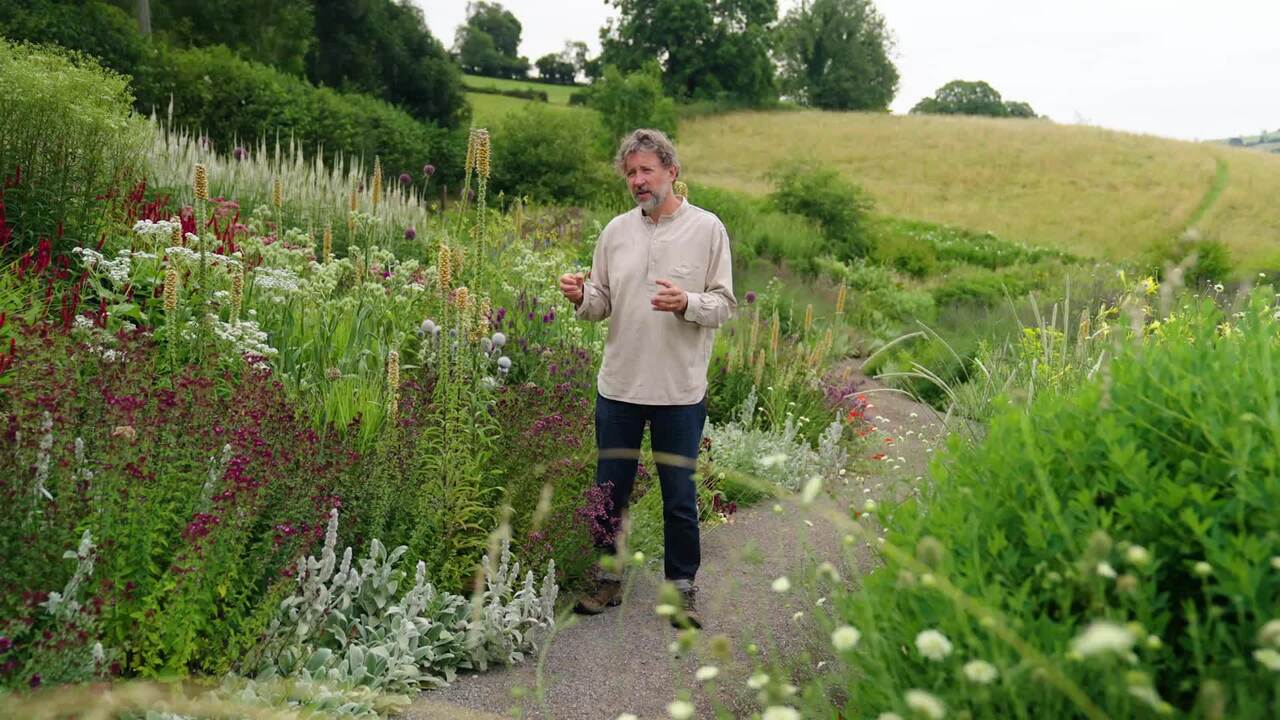
In this lesson, we'll explore the principles of succession to create a garden that sings all year round, the value of really knowing your plants, and how I made this one of the lowest-maintenance parts of the garden.
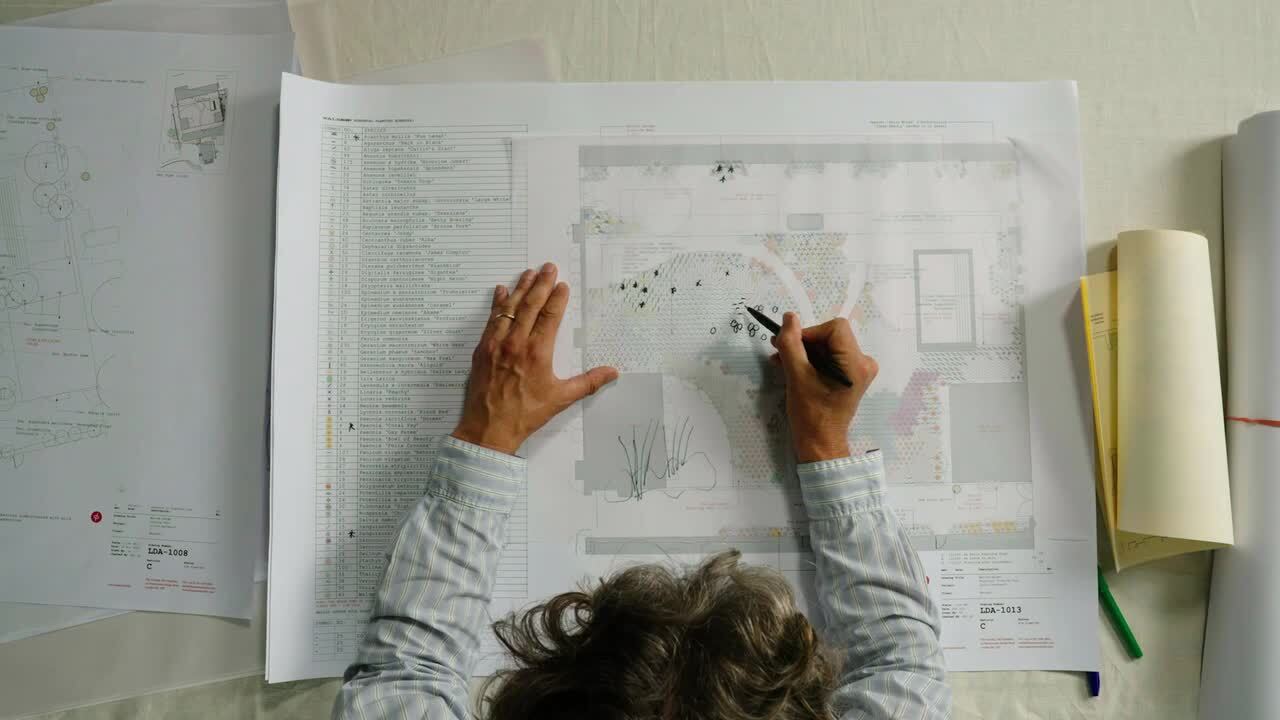
Successional planting involves layers of seasonal interest. When putting a successional planting plan together, include a range of plants that will provide succession throughout the growing seasons (spring to autumn).
Succession is important so that each area has layers of planting in which one thing supersedes the next, there's interest throughout the year, and the plants support each other and protect the soil.
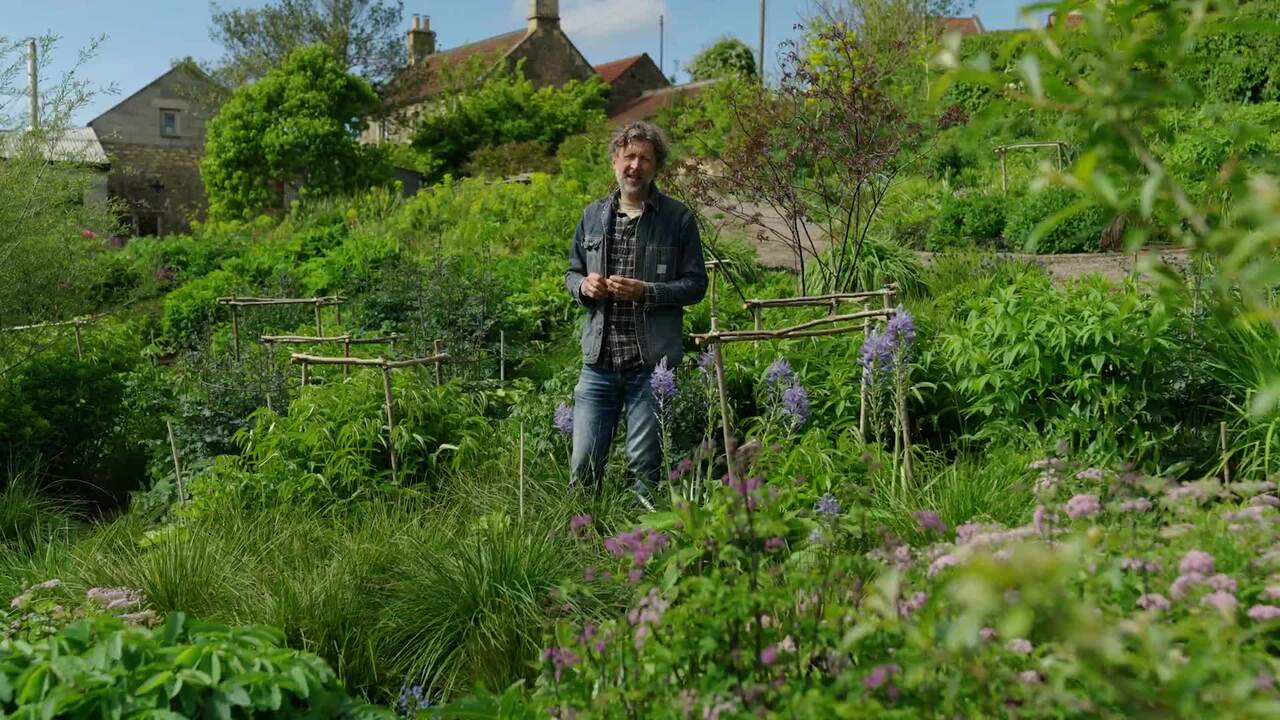
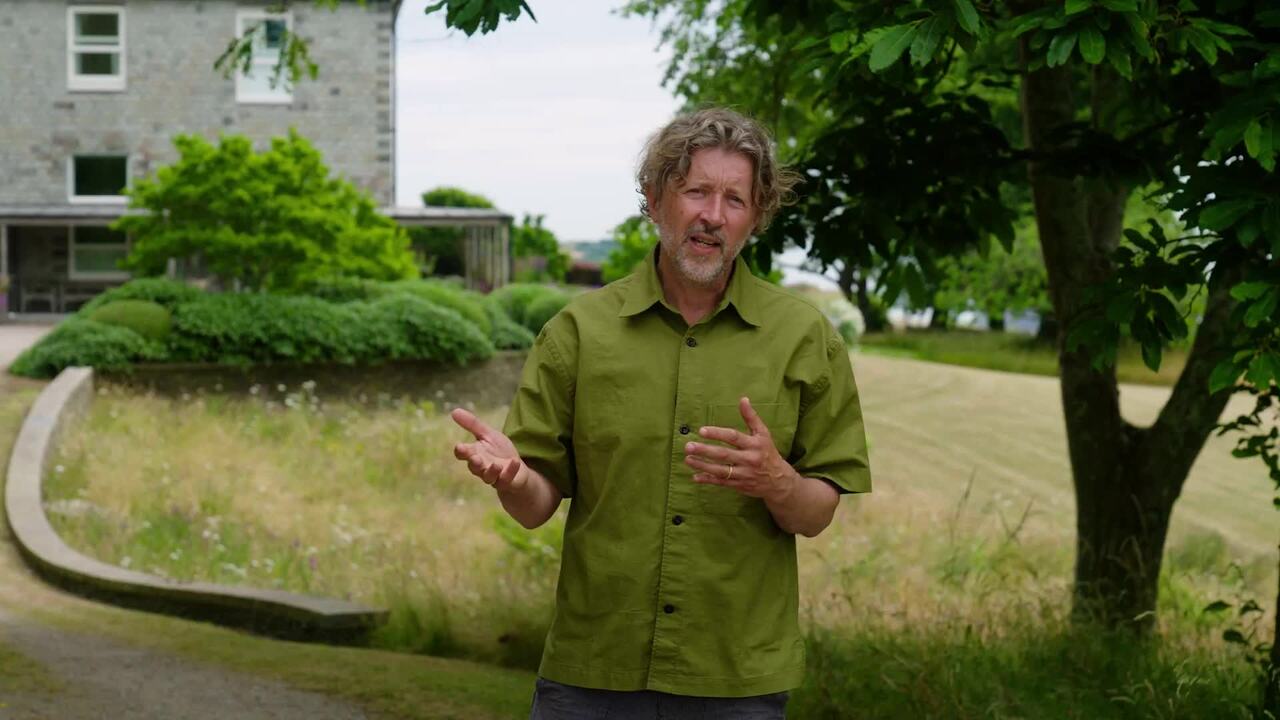
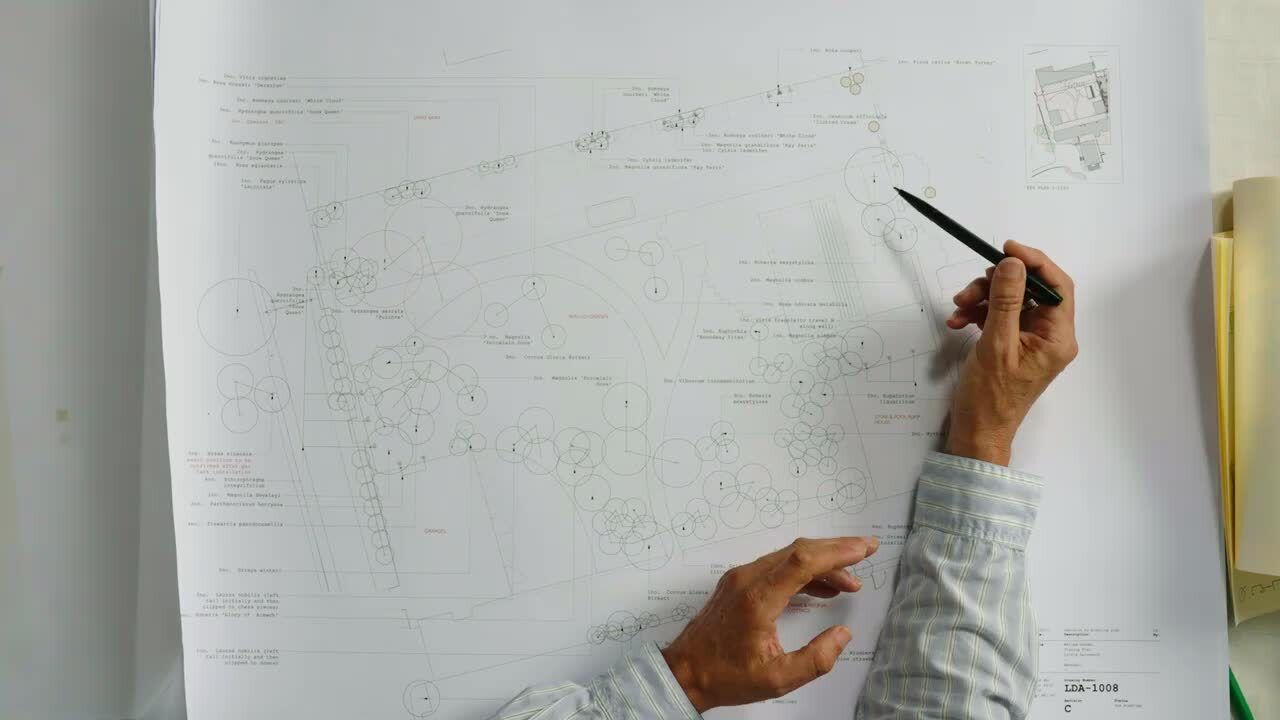
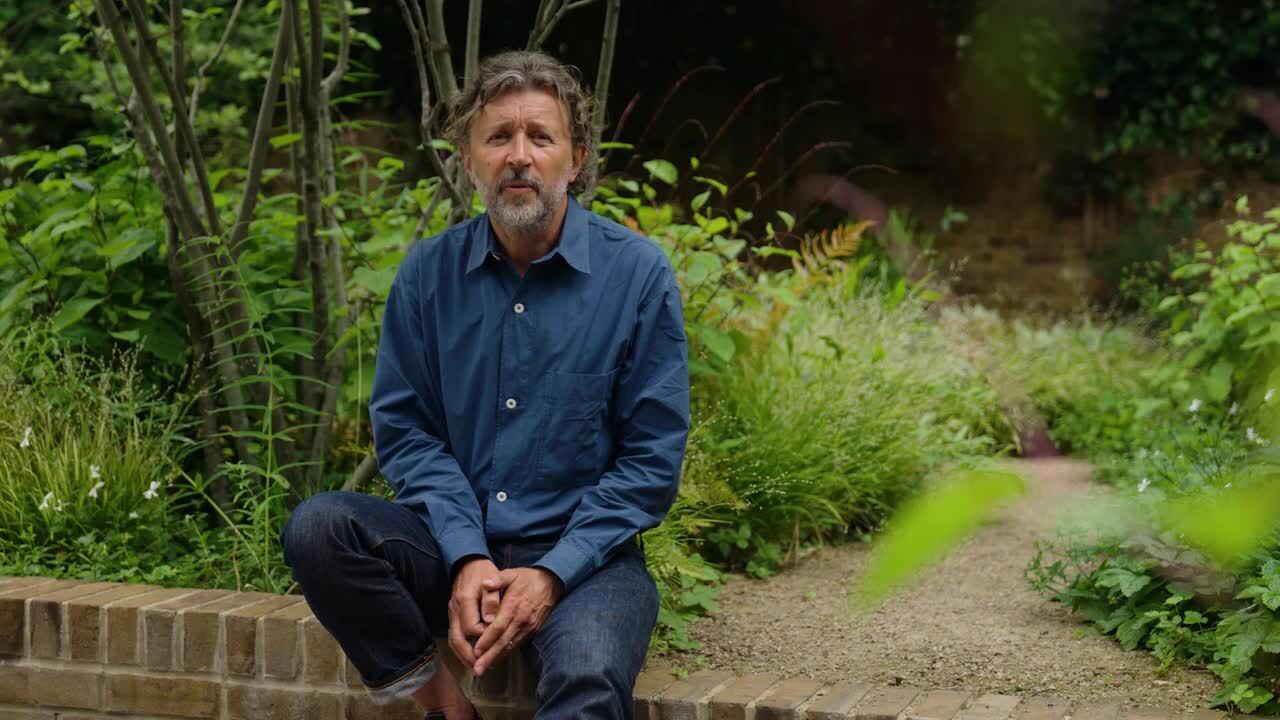
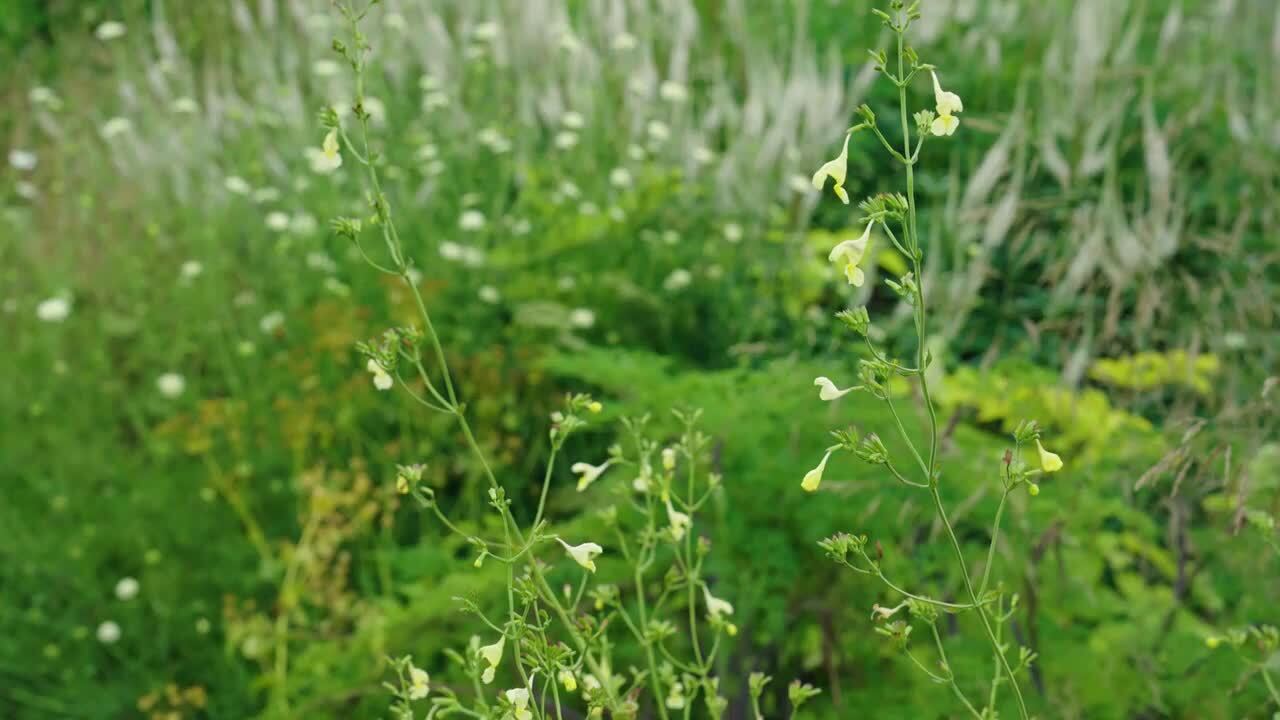
Here's an example of a successional planting that I've got here underneath the deciduous trees. When the trees come into leaf, the areas underneath go into shadow and can afford to be slightly quieter, so these are predominantly spring plants that flower before the trees come into leaf.
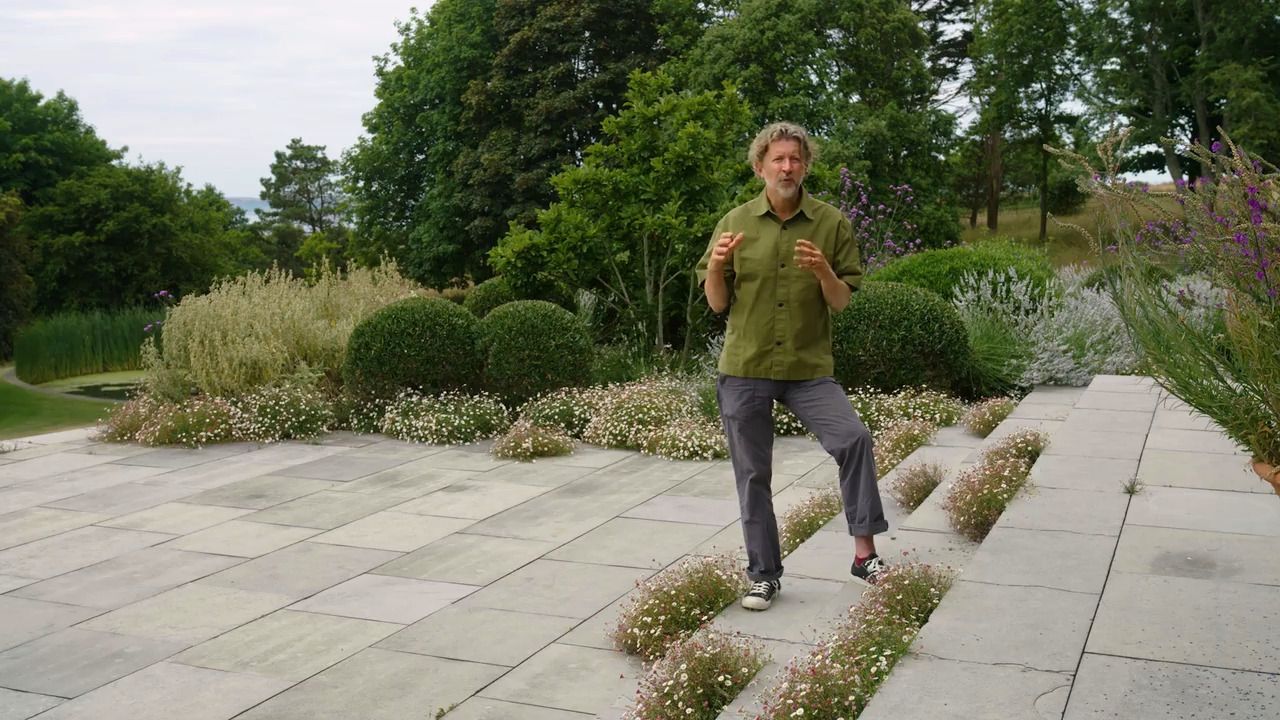
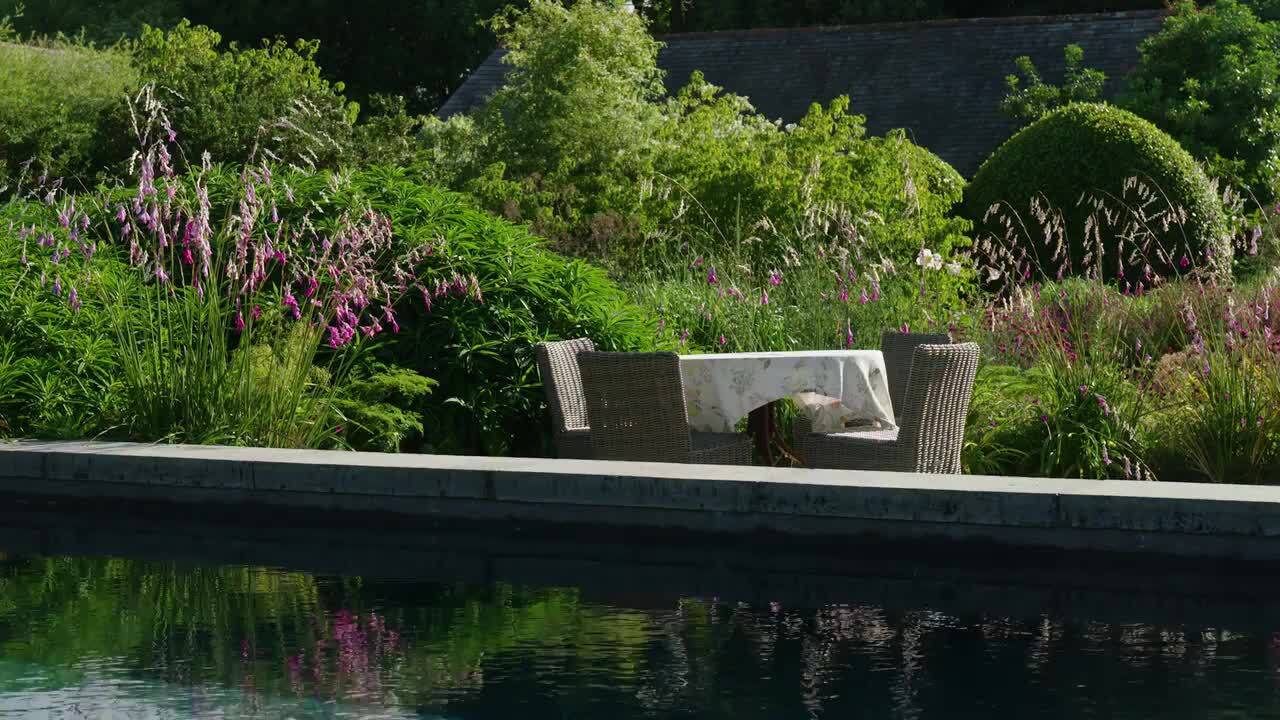
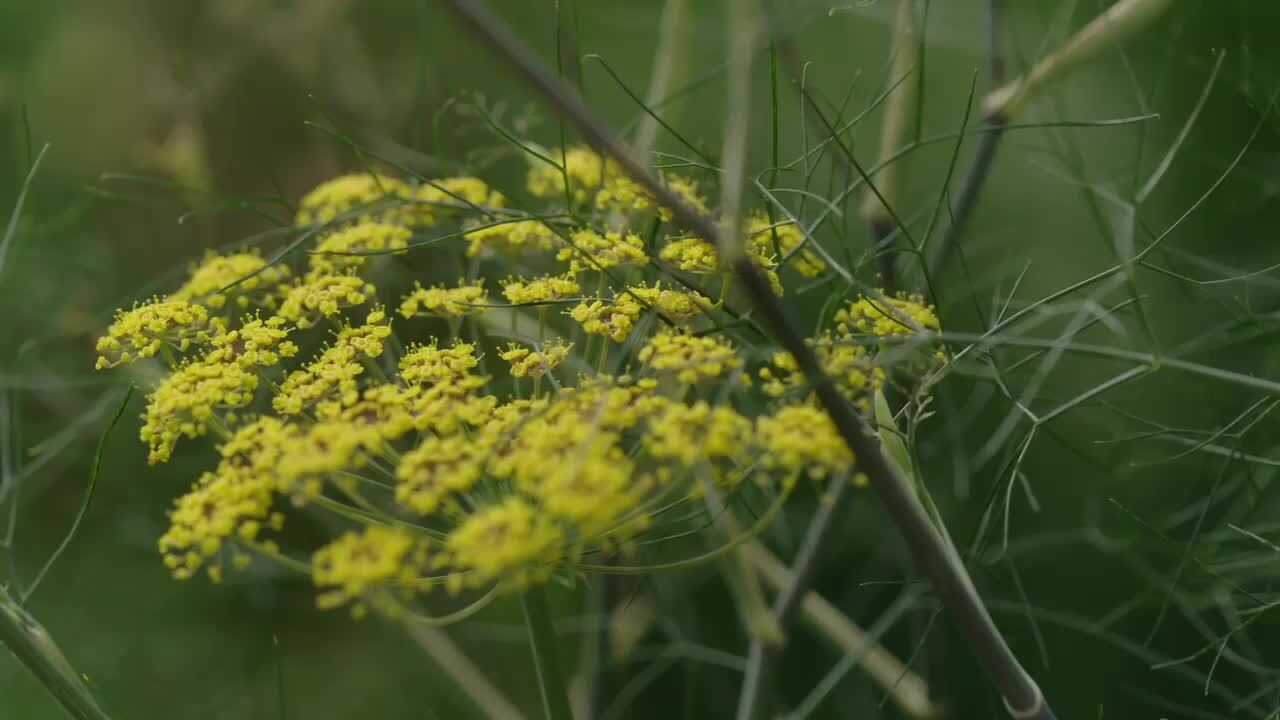
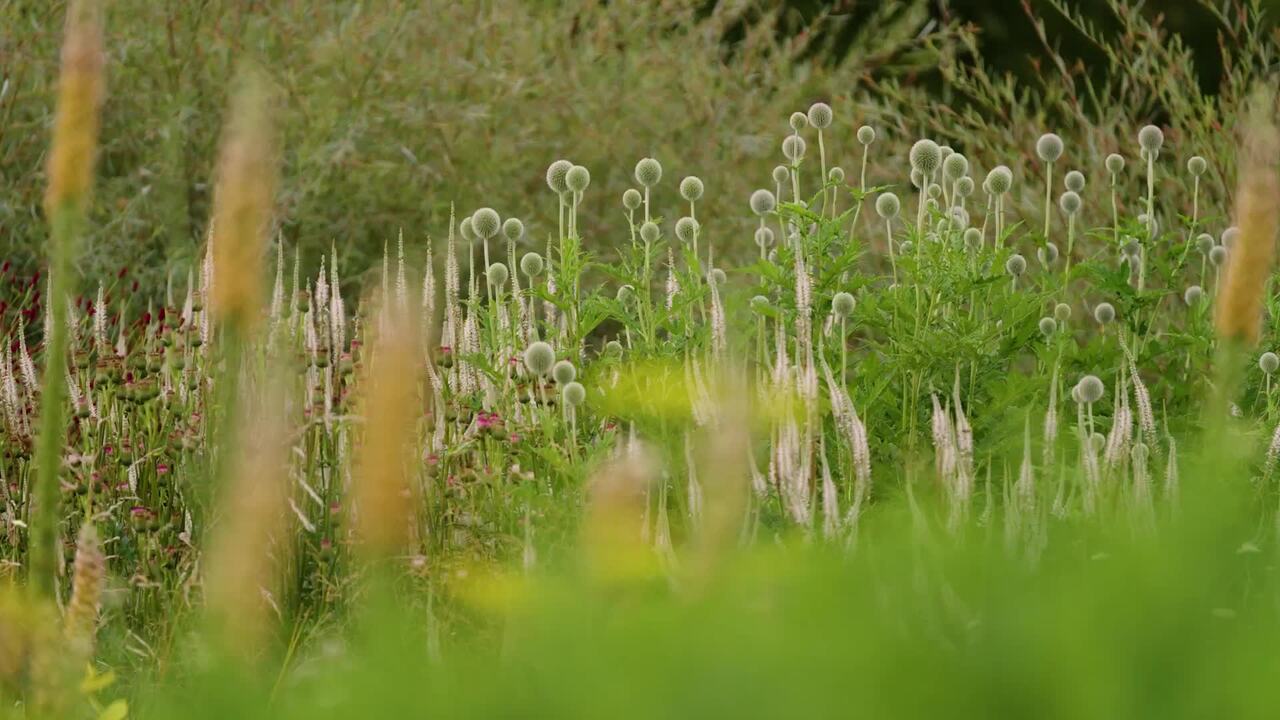
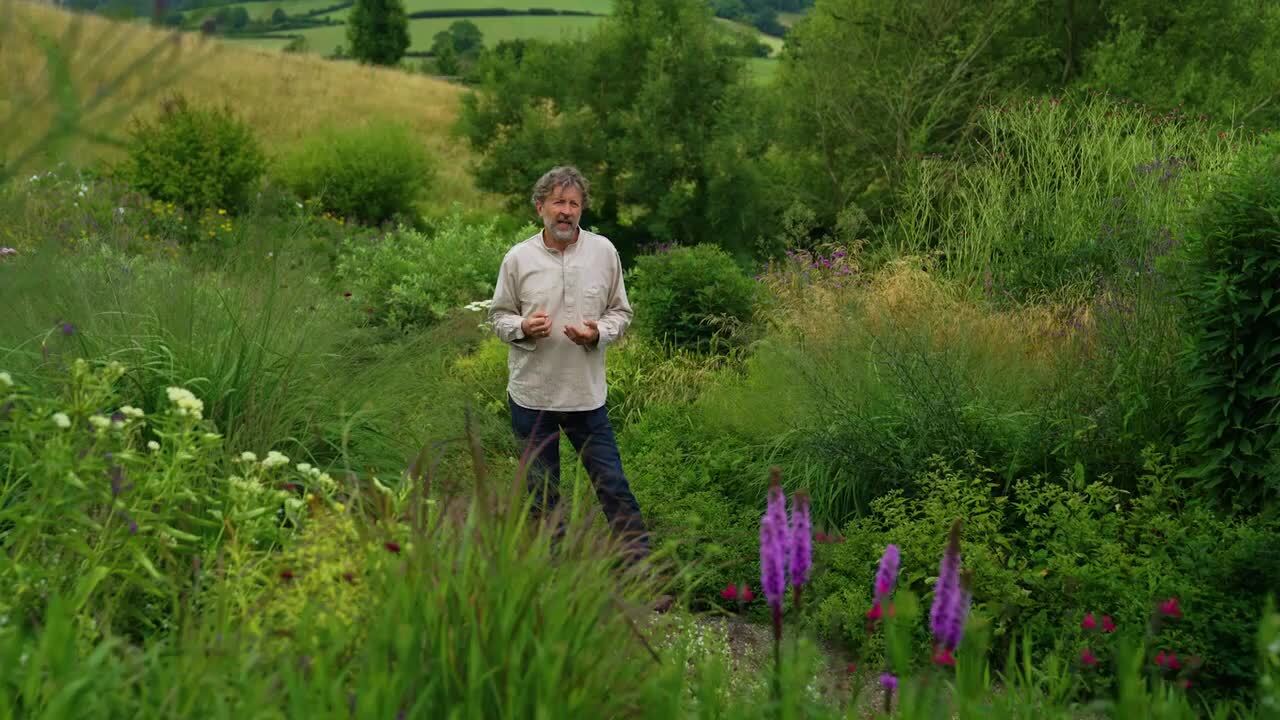
This succession is mirrored in the borders out here in the light, with one thing superseding another. Asters, Vernonia and Eupatorium are yet to come through for late summer and autumn interest.
Building succession into a planting allows every square metre to have several seasons of interest and several layers, which are integral to those spaces working hard.
A garden is always in process, and the process of crafting a garden is a learning curve. I'm re-learning things I thought I knew before, because I'm having to respond to this site very specifically.
So I think of this garden as a place that's in constant evolution and a learning tool. I'm always tweaking, improving, and getting to know my plants better.
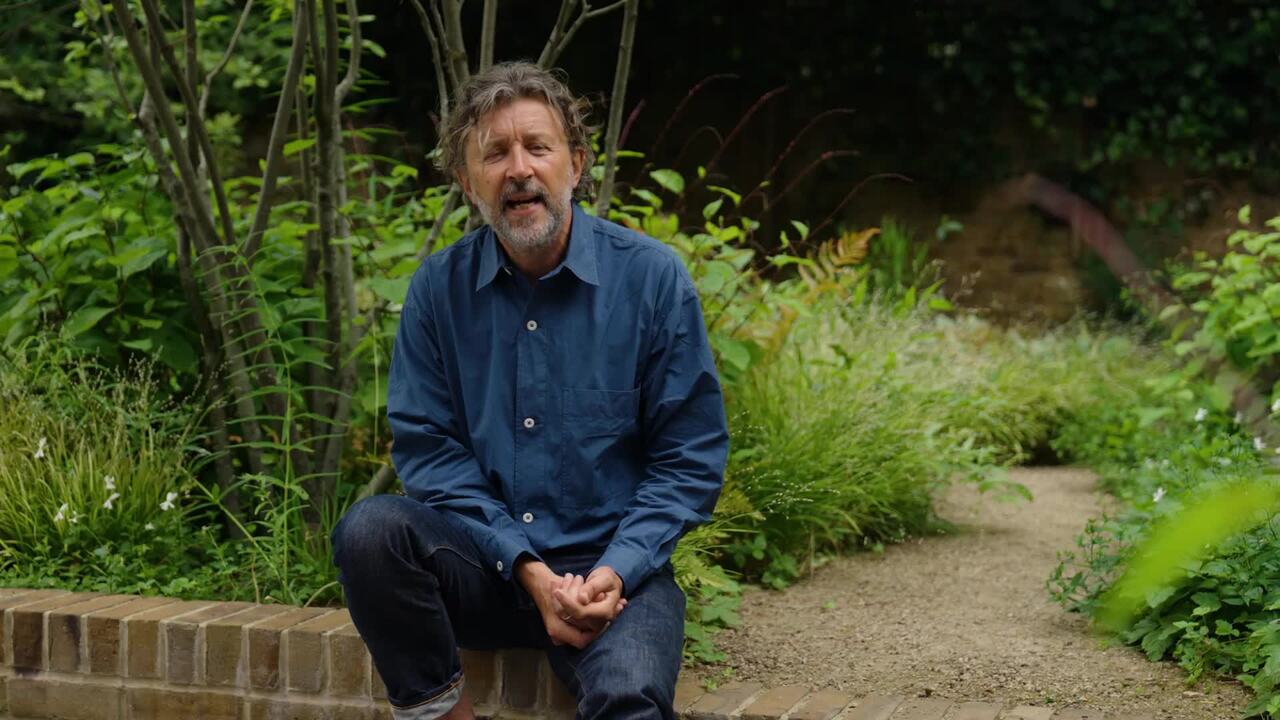
There's nothing wrong with spending time getting to know your plants so that you're confident when using them in the garden. Remember that a garden is an evolving entity that is always changing, and you'll always need to make adjustments as it shifts the balance you're trying to strike.
Part of my ethos in choosing plants for this garden was to use things that are well behaved. By that, I mean mainly long-lived perennials, with only a small number of freely self-seeding plants, essentially to keep the work down in terms of how much I will need to weed out.
I can more or less leave the garden from this point at the end of July, just making small edits, such as cutting back things that are starting to look scruffy. The garden then goes into autumn and winter with most of the structure still standing. The big energy comes at the end of February, before the bulbs and perennials start coming up. At this point, we do the following, before letting the garden go again:
I've always worked with plants in a naturalistic way, using these two fundamental principles:
These are the principles I always strive for in a design – to choose plants that are compatible with the site and with each other, and that provide succession throughout the year, in which the ground is covered and plants associate well with each other to help support the ecosystem we've created.
As a teenager, I developed part of our family garden to start combining plants. Our neighbour was a naturalist and used to go off to Europe to look at plants in the wild. When telling me about the plants in her garden, she would always include the story of where they came from and what they had been growing with – something that became increasingly important to me.
In my twenties, I spent a lot of time going out to look at plants in their native habitats. This is something I always do now when I go to a new site – I look at what grows in the locale, how it grows, what it grows with and how things associate with it. That really is the best way of seeing how plants like to grow – once you've seen something in the wild and in a natural association, you never forget that.
These associations are something I try to emulate in the garden. Even if I'm using plants that don't naturally occur together in the wild, I'm striving to form those functional associations as if they were naturally associated. This makes my life easier, is an underpinning foundation of the way I plant in a naturalistic garden, and means I've got a system in place that is functional as well as beautiful.
Hedges are a key structural element of any garden. In this chapter, I'll discuss the functionality of a hedge, my considerations when choosing what species to use, and some practical aspects of siting a hedge.
On the garden's boundary with the lane was an old, broken-down mixed native hedge. It's mostly hawthorn (Crataegus monogyna), with some hazel (Coryllus avellana) and small-leaved elm (Ulmus minor subsp. minor). This deciduous, mixed British native hedge feels right in this naturalistic setting.
I've spent some time rejuvenating this hedge so that it's a good and dynamic habitat:
This hedge feels very much part of the landscape and has become a wonderful habitat – birds can forage as we don't cut it until after all the berries have dropped in autumn, and it provides cover in winter. Of course, it also forms a backdrop for the planting as well as separation from the lane.
Whether evergreen or deciduous, hedges are very useful structural building blocks in a garden.
In this countryside setting, I've only used natives in my hedge, so that it blends in with the landscape and provides the best habitat for local biodiversity. It forms a nice restful backdrop to the garden.
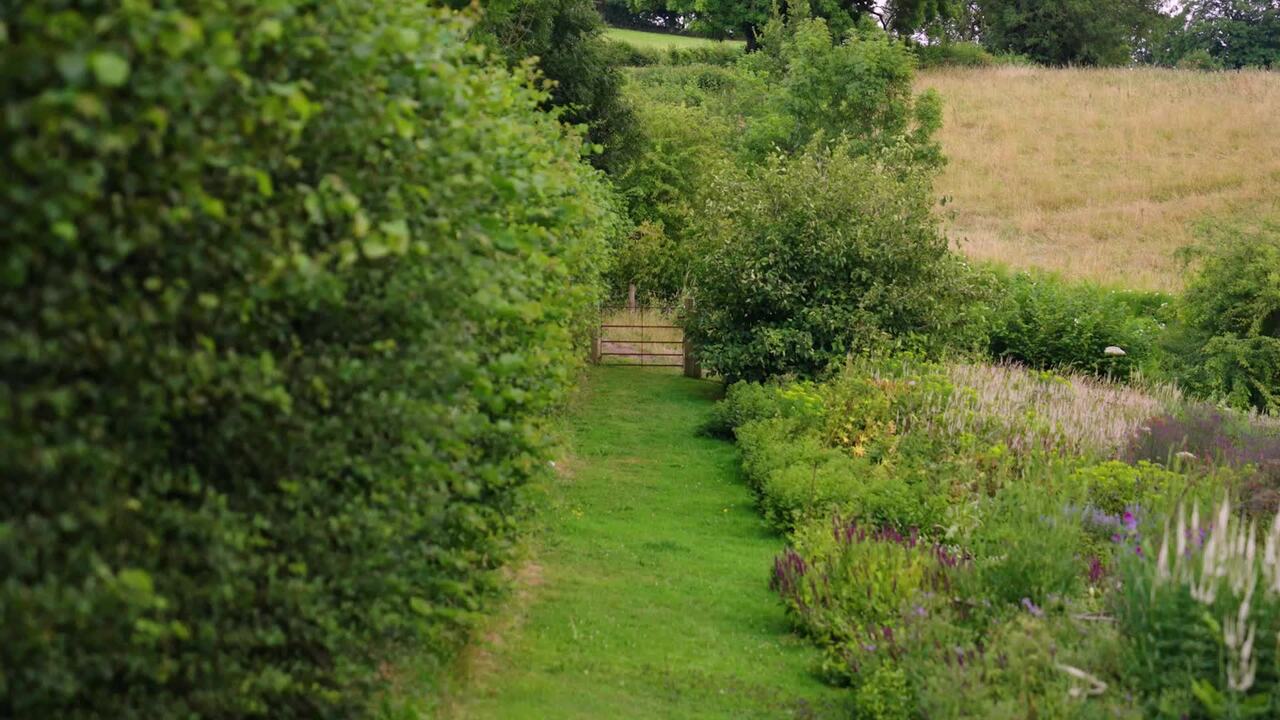
I've got a very simple mown path running alongside the hedge. I don't tend to use much mown grass, because I prefer to have biodiverse meadow.
On this very sunny site, I've provided some shade by planting trees at the top of the garden, so that the walk along the hedge is in dappled shade.
It's important to get these structural elements into a garden early on, and it's really worth taking time to consider where you want them. Investing thought into your structural elements will mean that as they start to mature, they will immediately make an impact on the rest of the garden that follows.
These structural hedges and trees are long-term investments that are worth getting right in terms of where they are, what they are and why they're there.
There are many different hedges you can use depending on what mood you want. Yew (Taxus baccata) for instance, which is also a British native, makes a wonderful hedge:
Holly (Ilex aquifolium) can also be used in a similar way.
I tend not to use fast-growing hedges, such as non-native privet or Lonicera nitida, because you have to cut these twice a year. This isn't what I'd aim for in a naturalistic garden – it causes more disturbance to wildlife, and I also prefer to reserve my energy for other things.
So a hedge that grows quite slowly and only needs cutting once a year is the aim. We cut ours at the very end of the season, once the leaves have dropped and the birds have had a chance to take the berries.
Hedges can be hungry, which is why I've put a grass path alongside mine. The root system would have a big impact on the planting if I were to plant right up to the hedge.
So when placing your hedges and then the planting, it's always worth thinking about the practicalities of how you're going to manage those hedges.
Get the full workbook, video lessons, and more with a Create Academy subscription.
Subscribe to access the full workbookAlready a member? Sign in to watch
491 reviews
Read moreCreate Academy has been such a great resource. I'm in the middle of renovating a bungalow with a very large garden and the courses have offered a wealth of inform...
Harvey
Jun 10, 2026
Absolutely love Create Academy! The instructors are extremely informative, and it is beautifully filmed. Create Academy is great value for money and plan on renew...
SG
May 31, 2026
Butter's creativity is stunning! Her ability to incorporate brilliance in small gardens is magical!
Carla
May 30, 2026
The best adventure. I like all the courses, but my favorite are both Rita Konig interior design courses and Anna Jones. Excellent!
Karolina Kluczewska
May 20, 2026
Create Academy has been such a great resource. I'm in the middle of renovating a bungalow with a very large garden and the courses have offered a wealth of information to dive into and explore new ideas. I'm...
Harvey
Jun 10, 2026
Absolutely love Create Academy! The instructors are extremely informative, and it is beautifully filmed. Create Academy is great value for money and plan on renewing my subscription yearly because there are ...
SG
May 31, 2026
Butter's creativity is stunning! Her ability to incorporate brilliance in small gardens is magical!
Carla
May 30, 2026

Your Instructor
Acclaimed naturalistic landscape designer. Multiple Chelsea Gold Medal Winner. OBE.
British landscape designer, horticulturalist and writer Dan Pearson OBE, has been designing award-winning gardens since 1987. His naturalistic use of plants, light-handed approach to design and deep-rooted horticultural knowledge has made him one of the most celebrated and innovative gardeners working today. Dan trained in horticulture at Wisley and Kew, before starting his garden and landscape design practice in 1987. In 2015, his show garden for Chatsworth and Laurent Perrier was awarded a Gold Medal and Best Show Garden at the Chelsea Flower Show. In 2014 Dan was appointed an advisor to the National Trust at Sissinghurst Castle. For over 20 years Dan has written regular gardening columns, with his work a staple of The Observer, and has written a number of best-selling gardening books.

Access to all courses


