

Interior and exterior confidence
Create Academy has been such a great resource. I'm in the middle of renovating a bungalow with a very large garden and the courses have offered a wealth of inform...
Harvey
Jun 10, 2026
An Expert Guide to Planting Design
with DAN PEARSON — Acclaimed naturalistic landscape designer. Multiple Chelsea Gold Medal Winner. OBE.
Lesson 28 of 31
Ornamental grasses are a valuable tool in a garden, providing a number of unique benefits when used effectively. You’ll learn what grasses to use where, and how to design with them in a way that really sings.
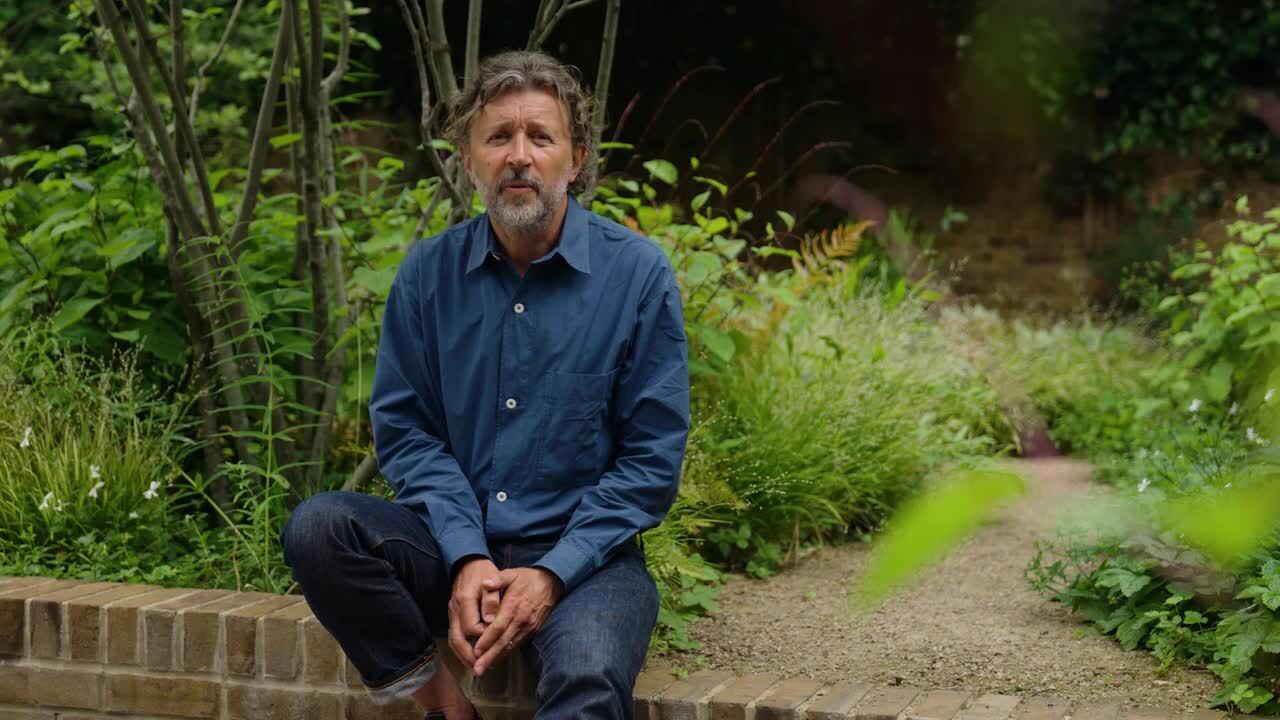
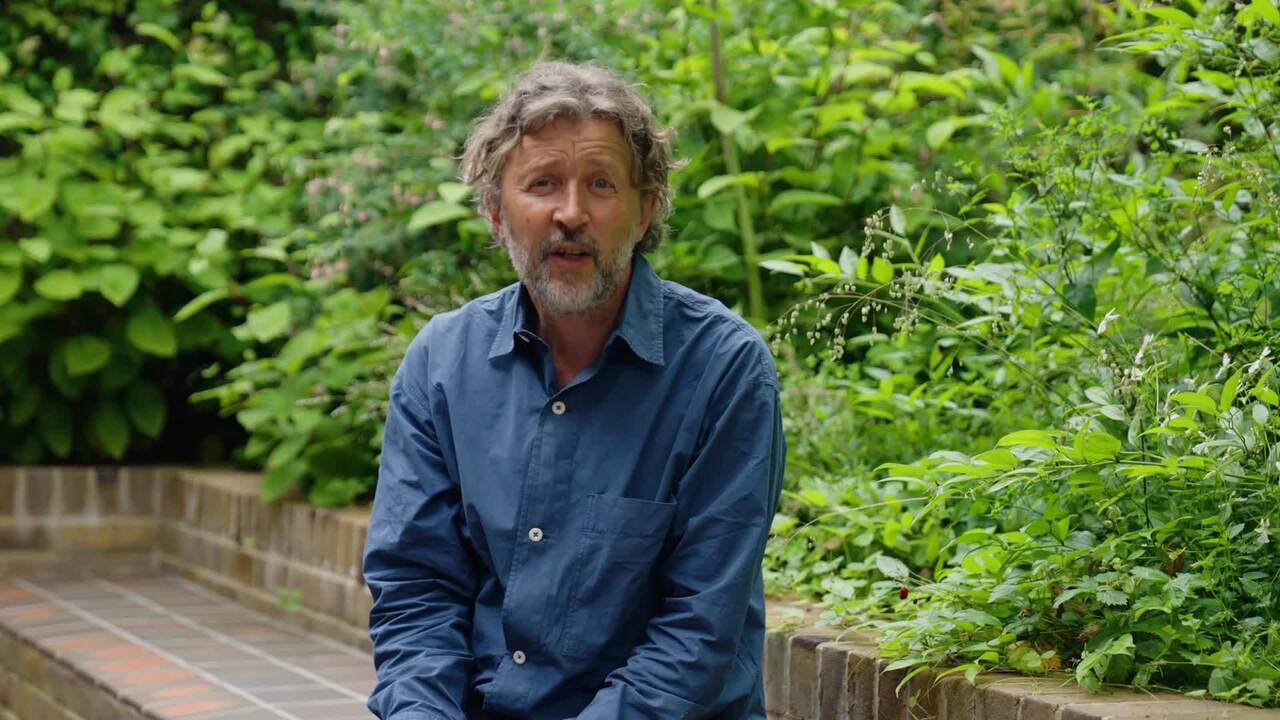
Grasses are a very valuable tool in a garden, providing a number of benefits when they're used in a way that really works.
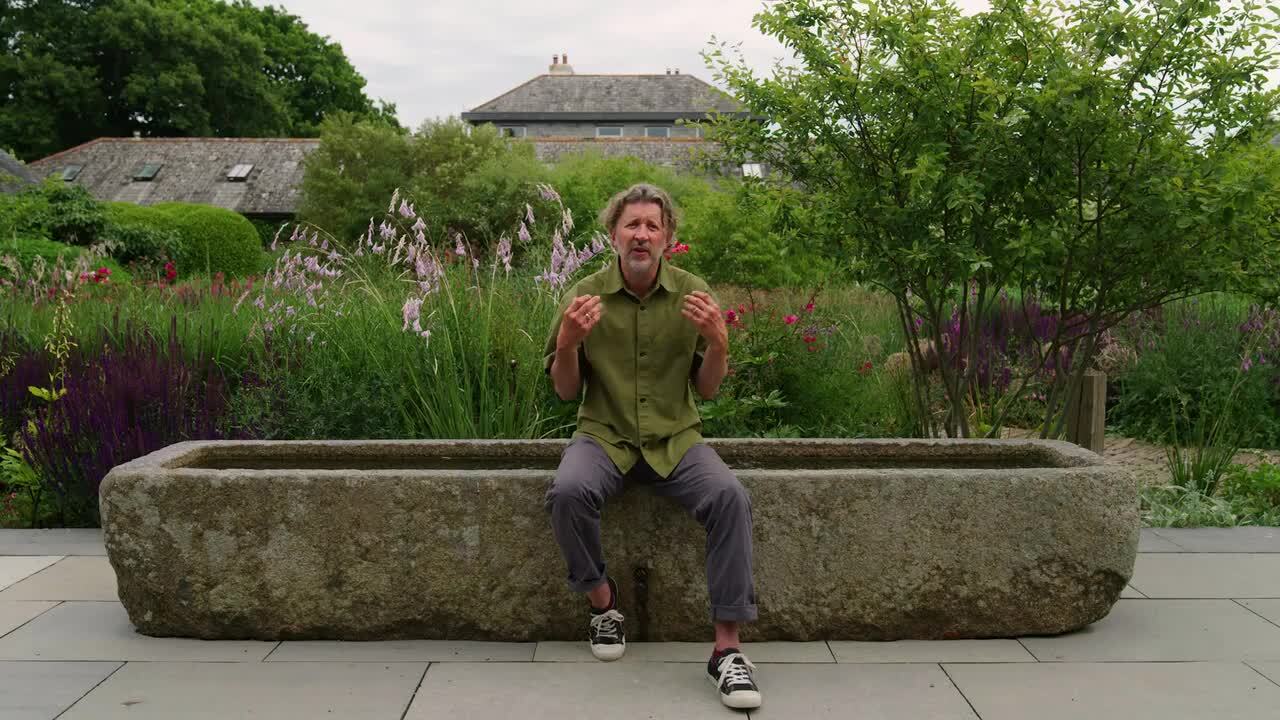
This is the same area we looked at in late spring, when all the rosettes of emerging plants formed a textural composition, and we also looked at the contrast you can create with leaf forms early in the season.
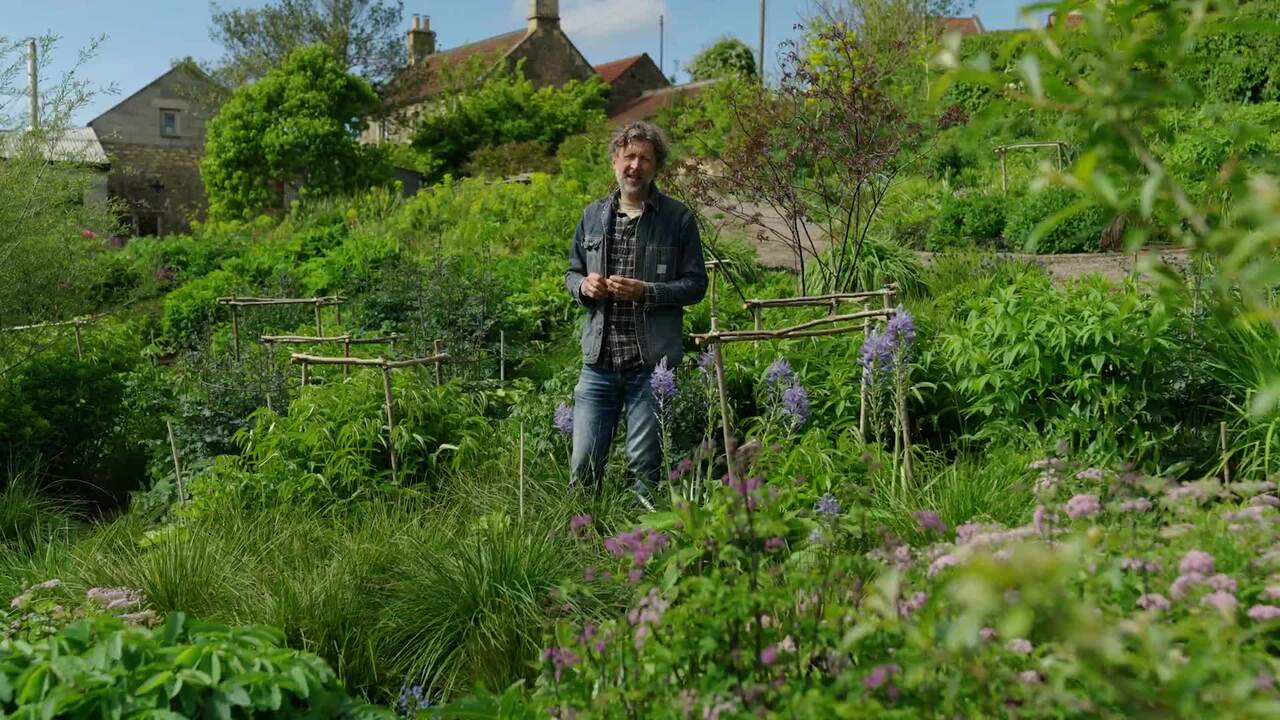
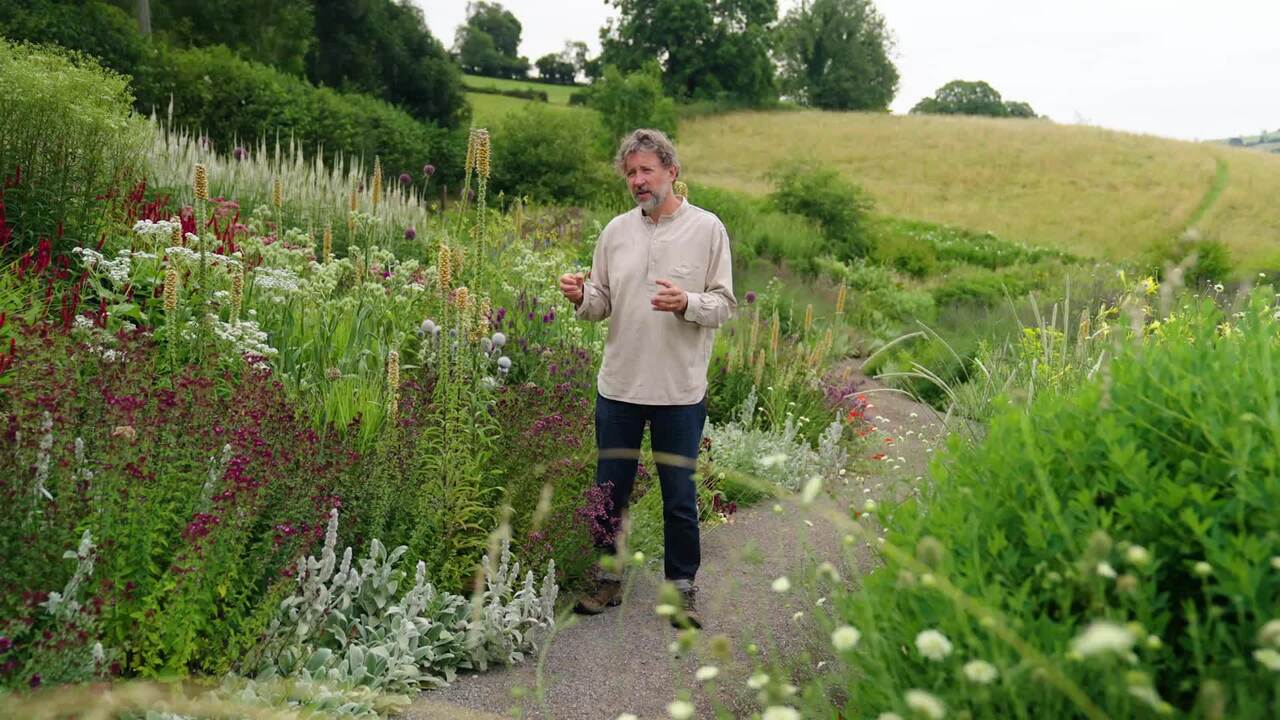
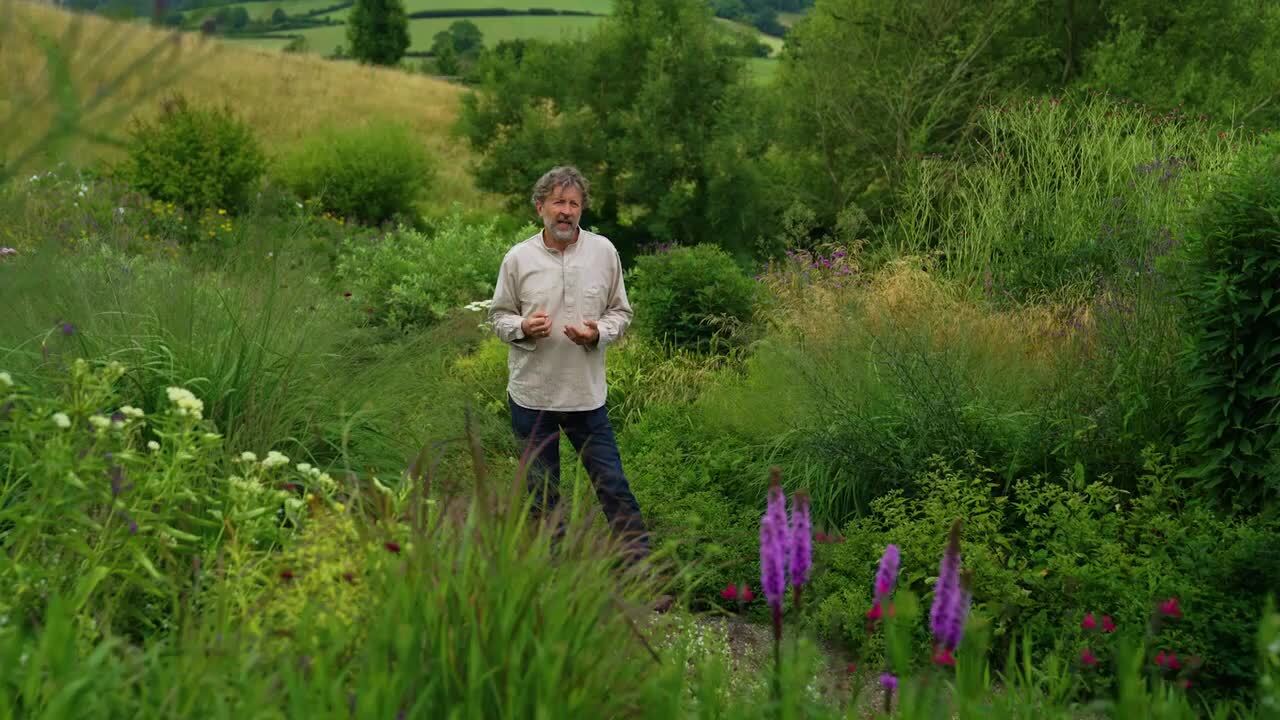
The area has now gone through succession, and the plants are almost at their full height now at the end of July. The Sanguisorba are now 3 m tall and provide a lovely emergent structure in the planting.
It's very important that a garden goes through a series of different incarnations like this through the course of the growing season. The succession you build into the planting is key to ensuring that there's enough interest during each incarnation throughout the year.
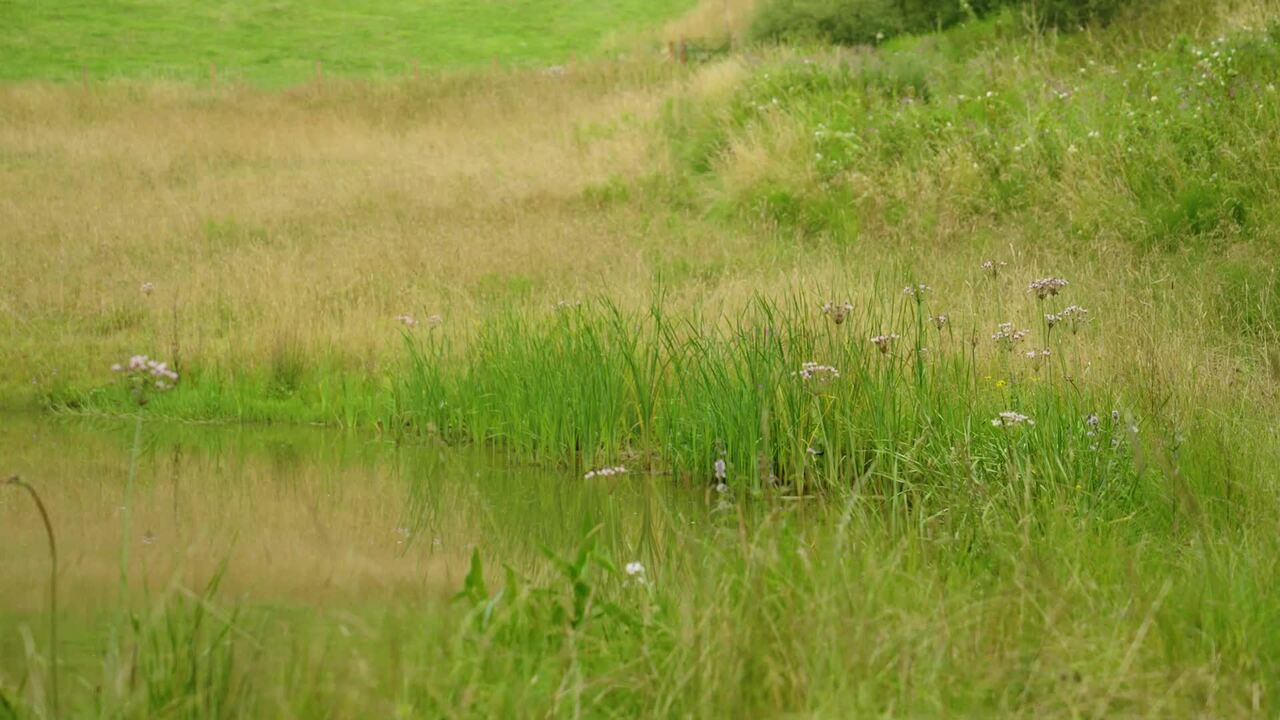
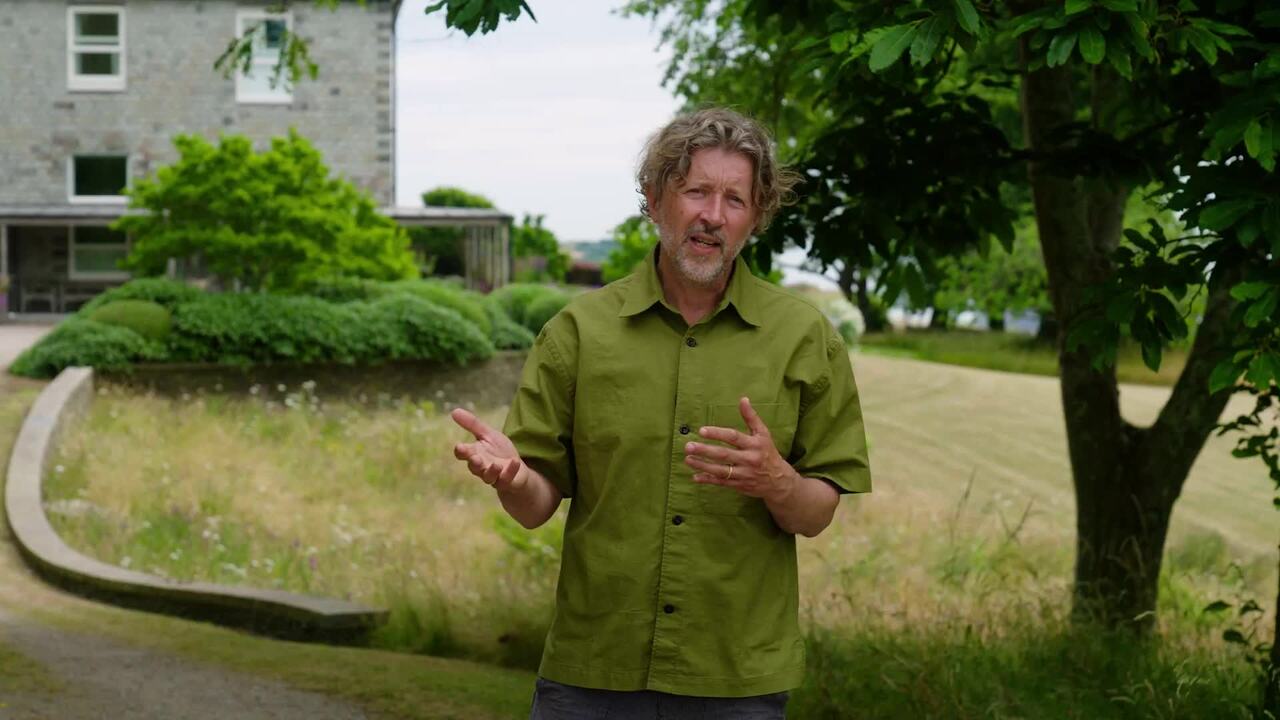
Grasses provide a softness and neutrality in the planting. They also help this garden to blend in with the meadows in the background, which were the ultimate inspiration for this area of naturalistic planting.
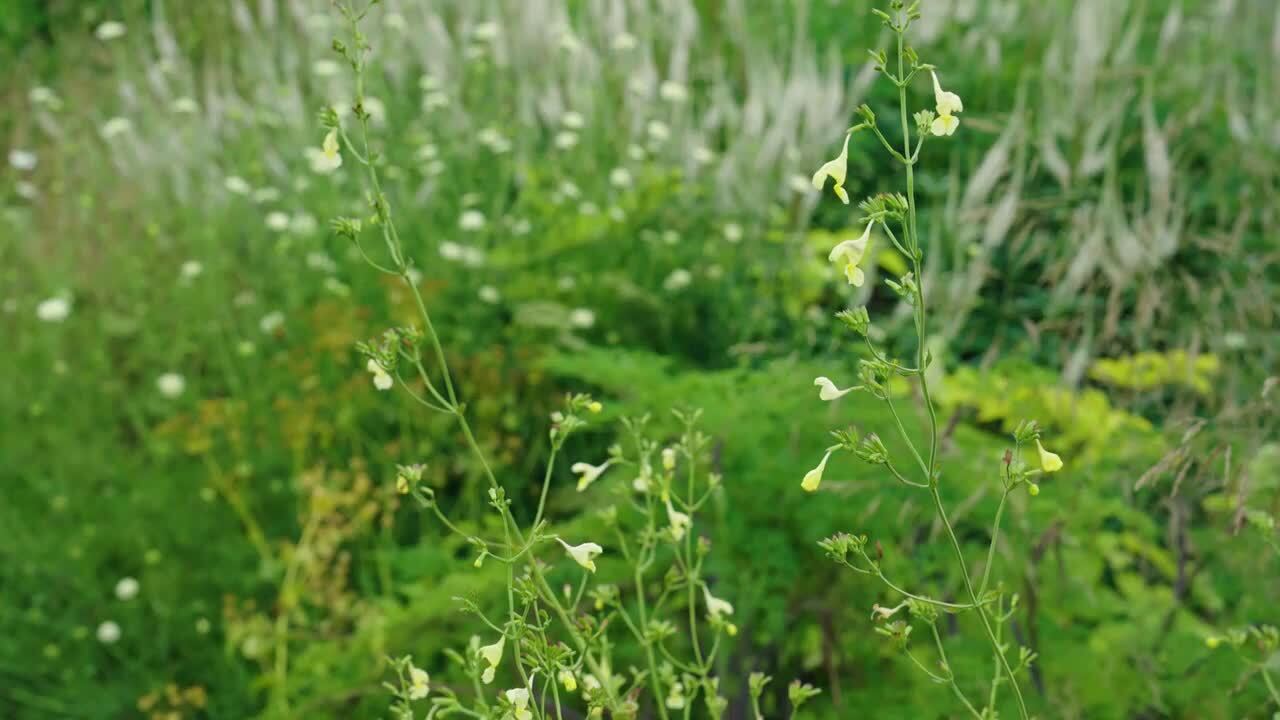
Grasses are wonderful because they really start to assert themselves in high summer and carry you through into autumn. They provide a gauziness and a transparency in the planting; another form of veil through which other things can emerge.
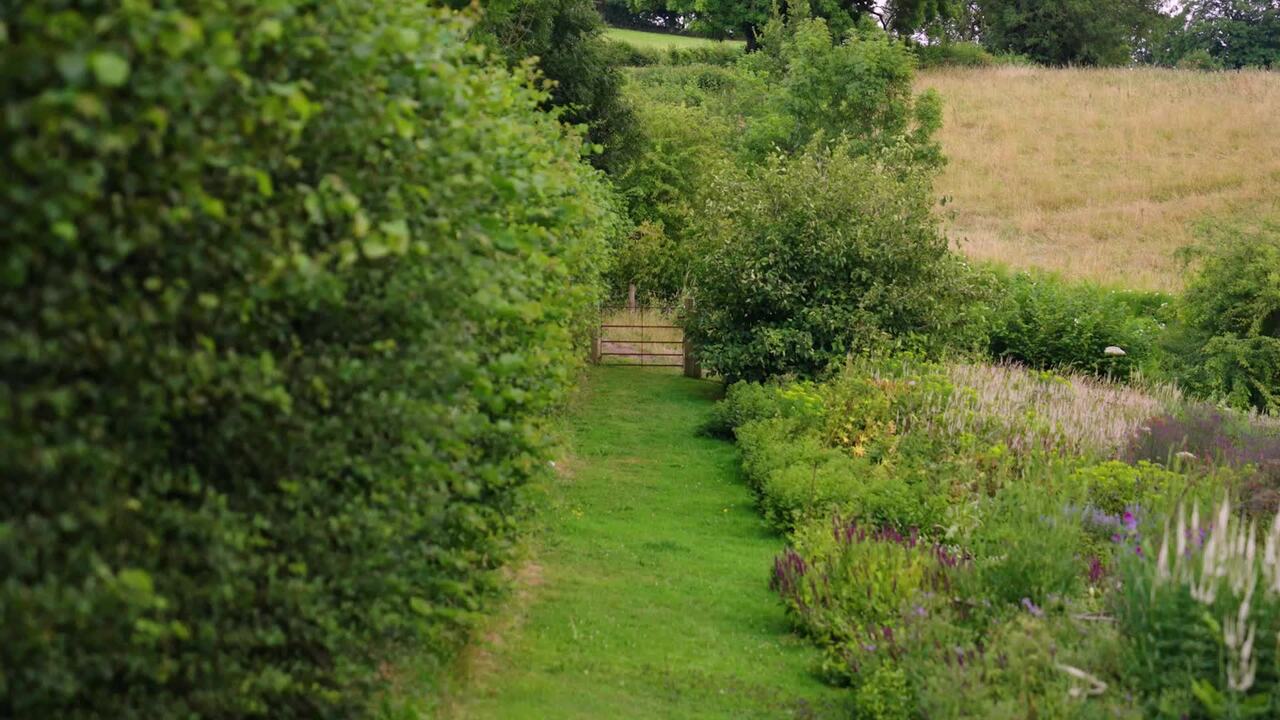
Grasses also help to link the garden into the landscape.
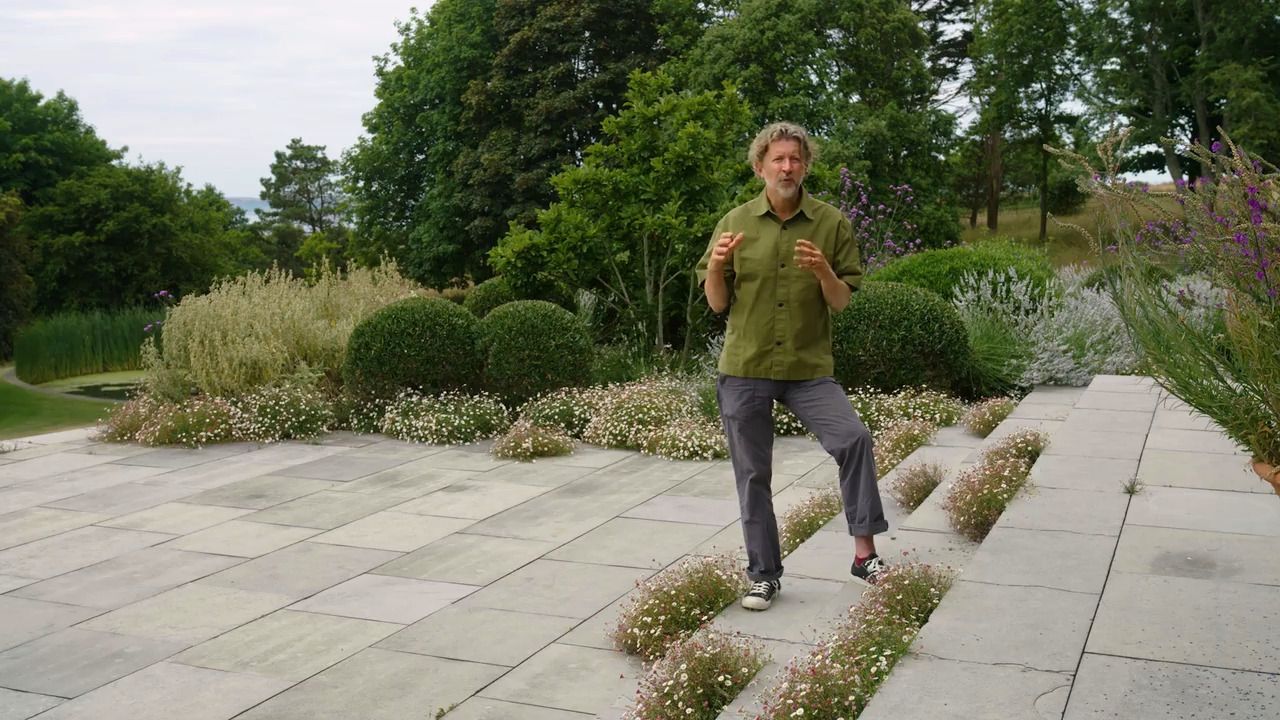
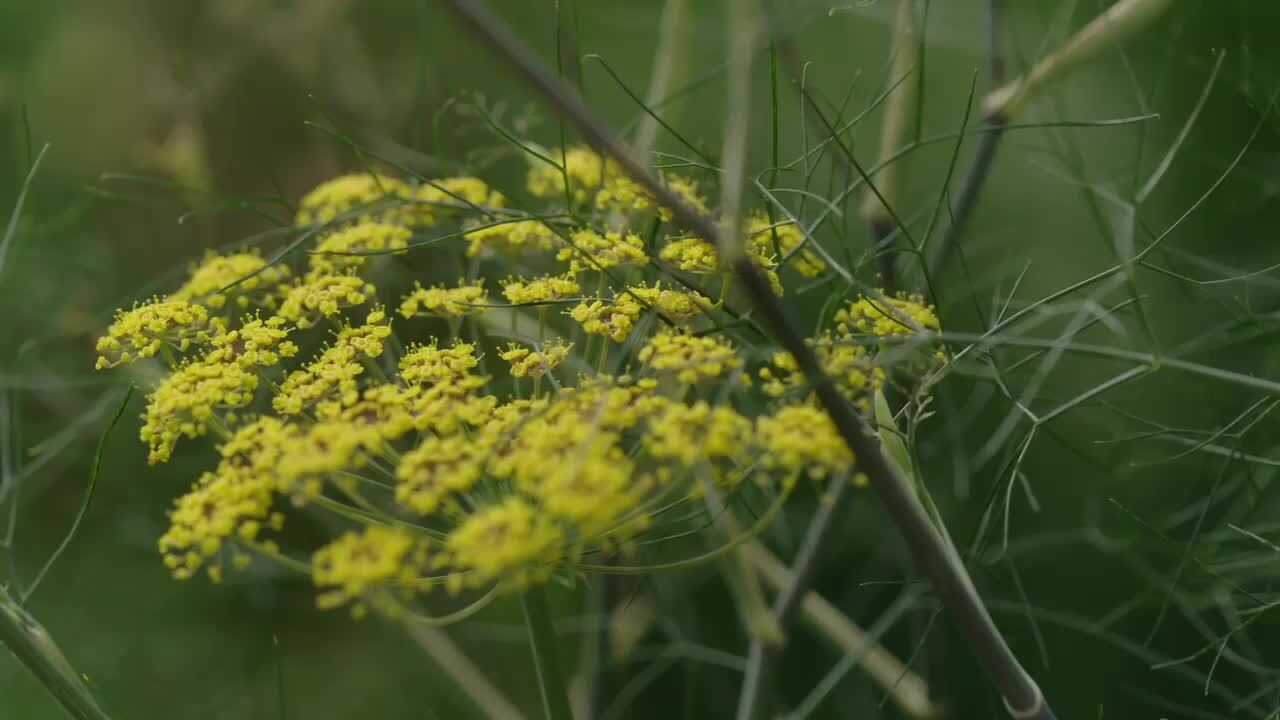
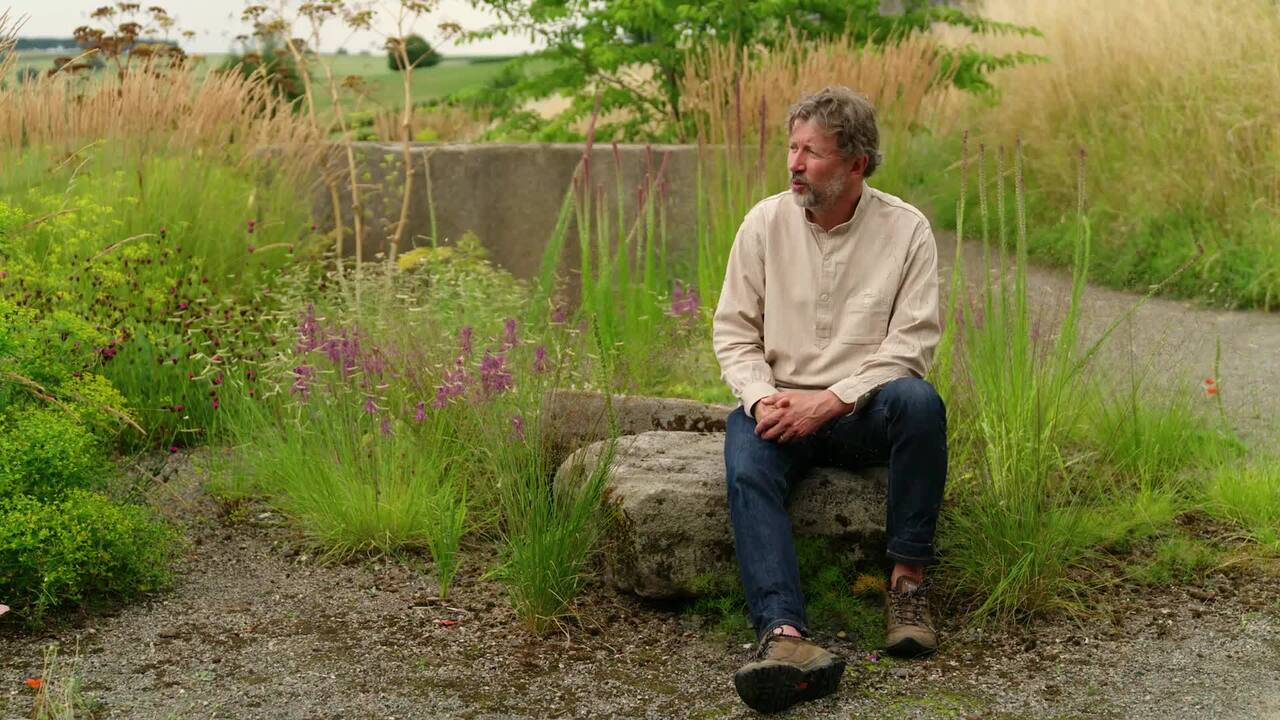
I've stepped the grasses up through the garden in such a way that as you get higher up towards the buildings, the grasses become more formal and their structures more ornamental. The grasses I've used include:
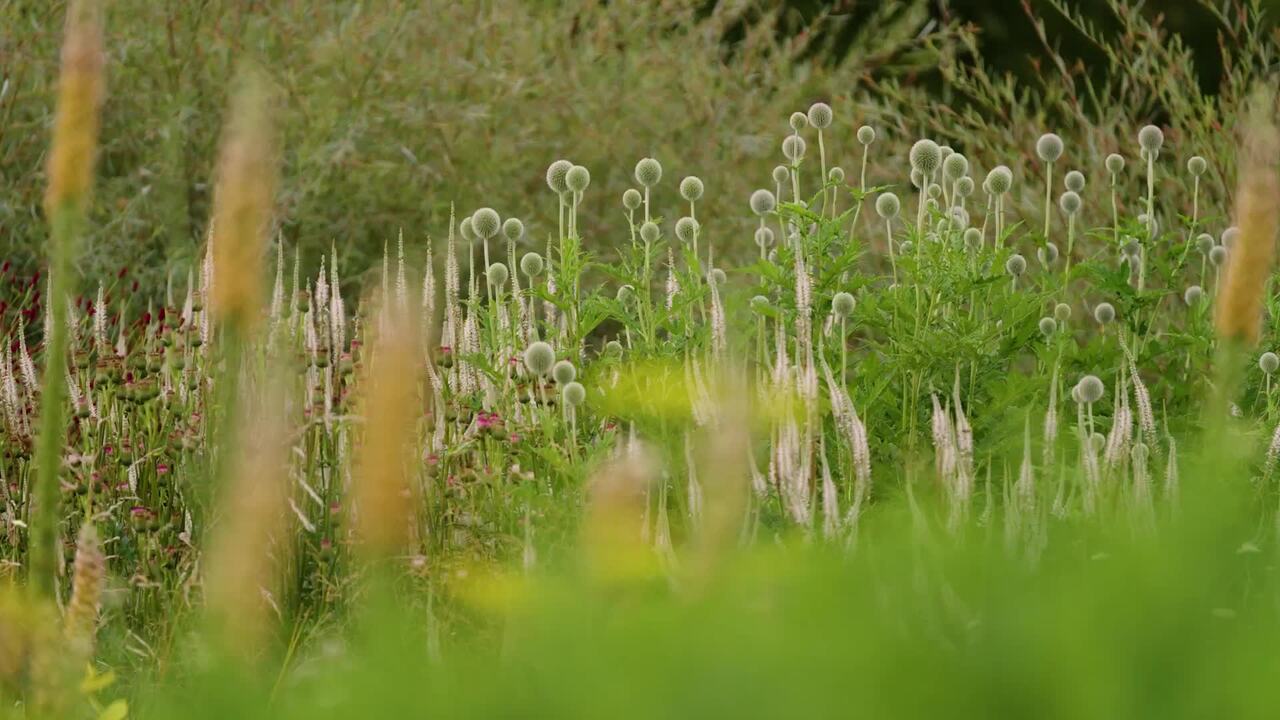
So the wilder-feeling grasses are further down the garden to help the transition into the landscape, and these have plants growing through them, such as thistles, that you also see in the landscape beyond.
When I arrived here, I set up a trial of about 25 grasses to see what felt right here.
At the other end of the spectrum were the wilder-feeling grasses, like Molinia and Deschampsia, which felt more appropriate in this countryside setting.
Much like my hard materials rule, I have a rule that I don't ever use more than three grasses in an area.
I've got one or two more ornamental grasses, like the Panicum, coming right down to the garden edge, and conversely the wilder Molinia continuing up the garden to where it's more ornamental.
Though I've used them sparingly here, it's sometimes nice to go with the grasses and let them dominate a planting. In other parts of the garden, where I want to link more directly to the meadows or focus on their sculptural quality, I've used a much higher density of grasses.
Plant Directory
Sanguisorba
Molinia 'Transparent'
Deschampsia
Panicum
Miscanthus
Get the full workbook, video lessons, and more with a Create Academy subscription.
Subscribe to access the full workbookAlready a member? Sign in to watch
510 reviews
Read moreCreate Academy has been such a great resource. I'm in the middle of renovating a bungalow with a very large garden and the courses have offered a wealth of inform...
Harvey
Jun 10, 2026
Absolutely love Create Academy! The instructors are extremely informative, and it is beautifully filmed. Create Academy is great value for money and plan on renew...
SG
May 31, 2026
Butter's creativity is stunning! Her ability to incorporate brilliance in small gardens is magical!
Carla
May 30, 2026
The best adventure. I like all the courses, but my favorite are both Rita Konig interior design courses and Anna Jones. Excellent!
Karolina Kluczewska
May 20, 2026
Create Academy has been such a great resource. I'm in the middle of renovating a bungalow with a very large garden and the courses have offered a wealth of information to dive into and explore new ideas. I'm...
Harvey
Jun 10, 2026
Absolutely love Create Academy! The instructors are extremely informative, and it is beautifully filmed. Create Academy is great value for money and plan on renewing my subscription yearly because there are ...
SG
May 31, 2026
Butter's creativity is stunning! Her ability to incorporate brilliance in small gardens is magical!
Carla
May 30, 2026

Your Instructor
Acclaimed naturalistic landscape designer. Multiple Chelsea Gold Medal Winner. OBE.
British landscape designer, horticulturalist and writer Dan Pearson OBE, has been designing award-winning gardens since 1987. His naturalistic use of plants, light-handed approach to design and deep-rooted horticultural knowledge has made him one of the most celebrated and innovative gardeners working today. Dan trained in horticulture at Wisley and Kew, before starting his garden and landscape design practice in 1987. In 2015, his show garden for Chatsworth and Laurent Perrier was awarded a Gold Medal and Best Show Garden at the Chelsea Flower Show. In 2014 Dan was appointed an advisor to the National Trust at Sissinghurst Castle. For over 20 years Dan has written regular gardening columns, with his work a staple of The Observer, and has written a number of best-selling gardening books.
Access to all courses


