





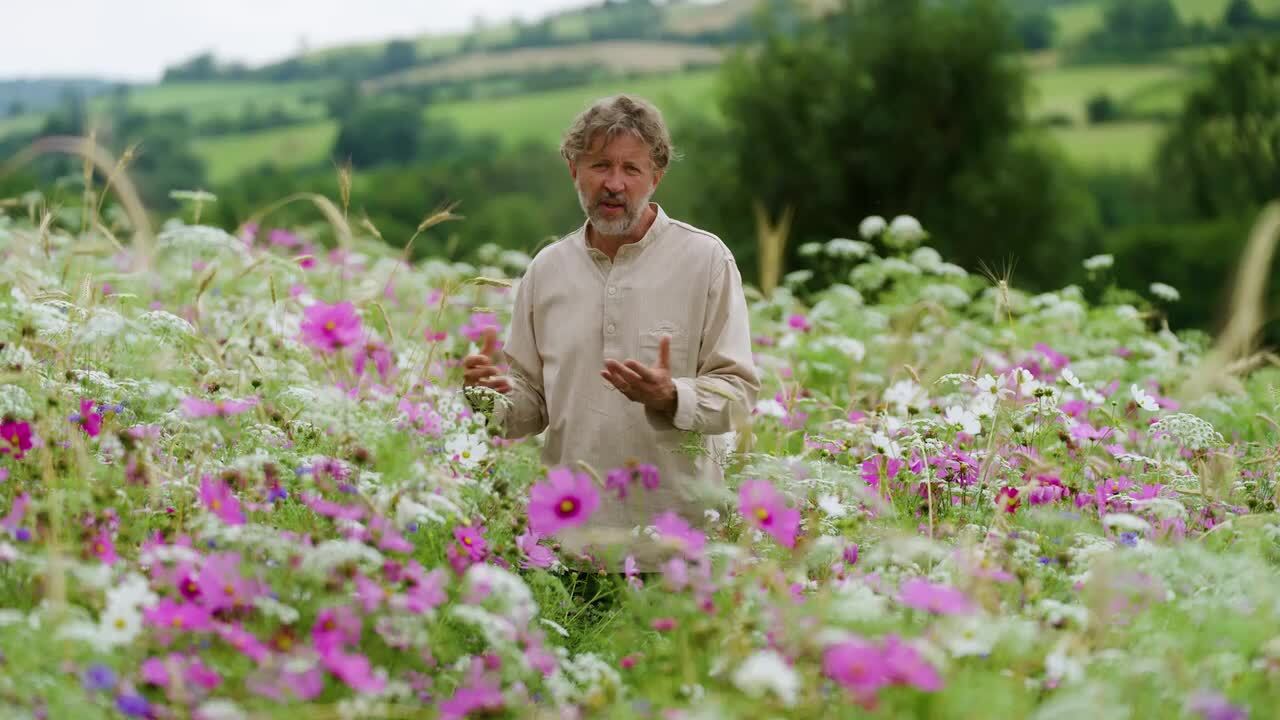

Interior and exterior confidence
Create Academy has been such a great resource. I'm in the middle of renovating a bungalow with a very large garden and the courses have offered a wealth of inform...
Harvey
Jun 10, 2026
An Expert Guide to Planting Design
with DAN PEARSON — Acclaimed naturalistic landscape designer. Multiple Chelsea Gold Medal Winner. OBE.
Lesson 30 of 31
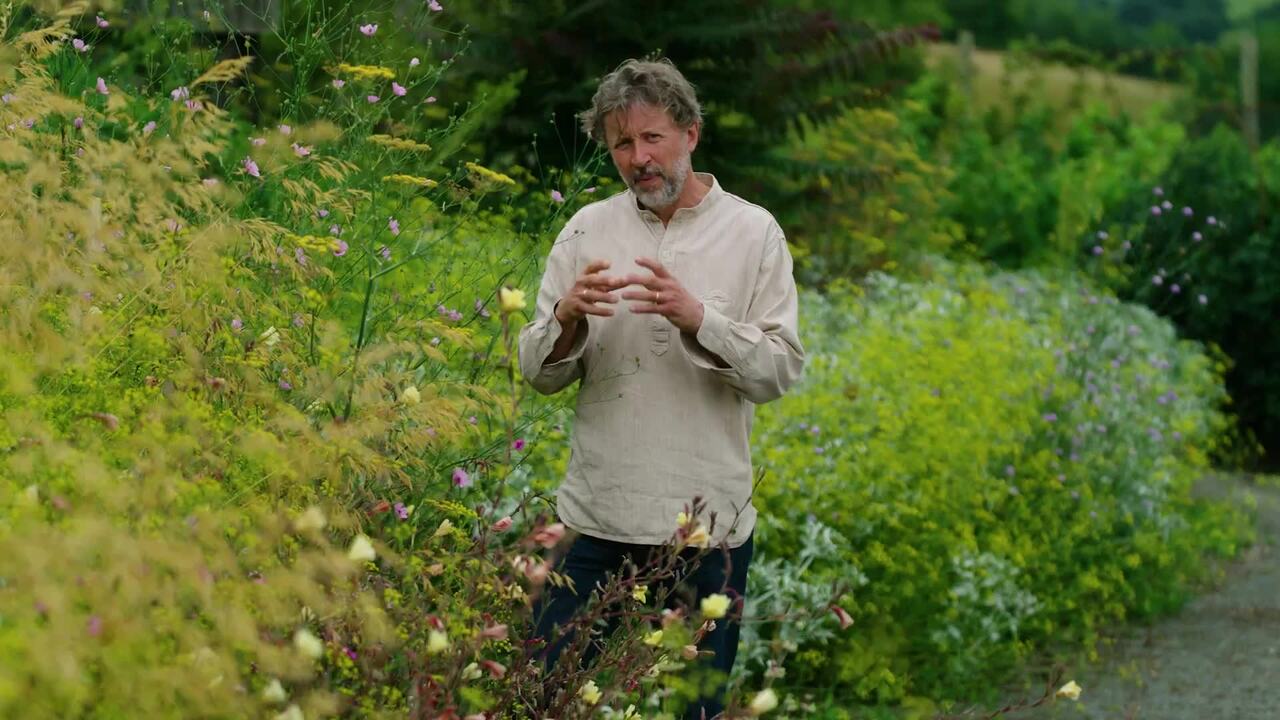
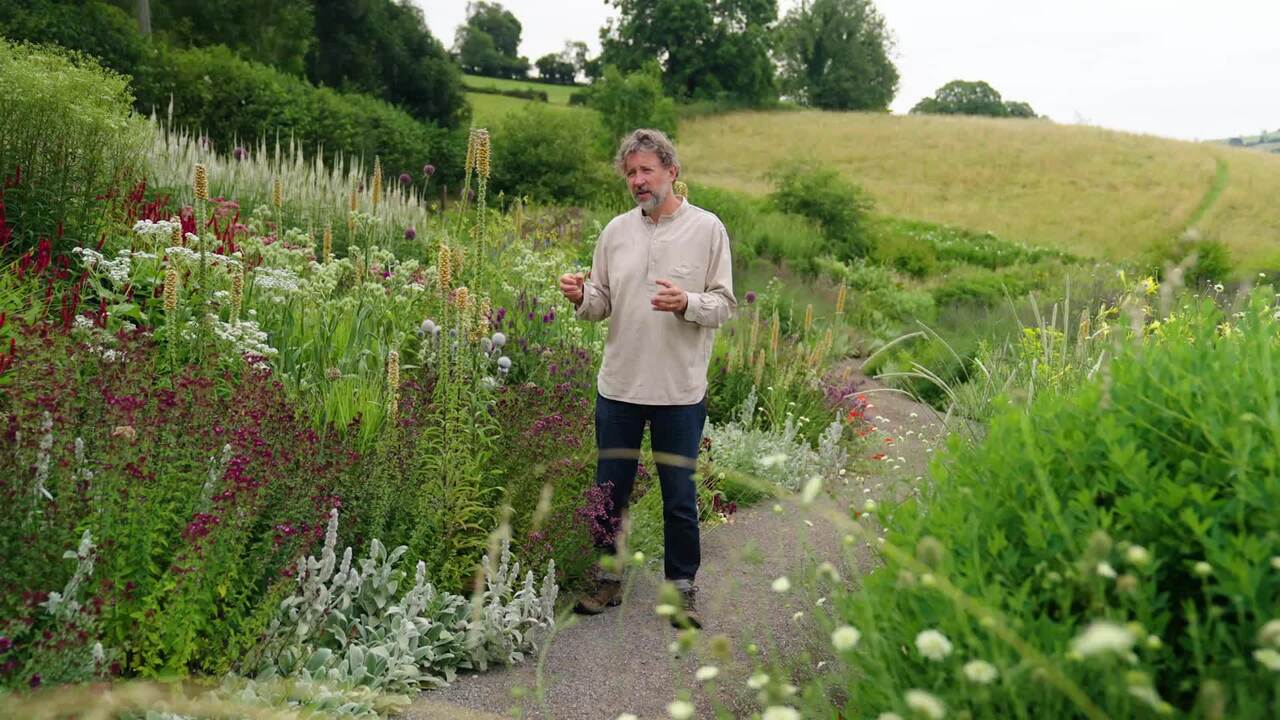
Dan teaches the value of embracing a site’s poor conditions as a unique planting opportunity; using drought-tolerant, self-seeding plants to create a dynamic planting and a sense of nature reclaiming the manmade. You’ll also learn how to manage and edit self-seeders in the garden.
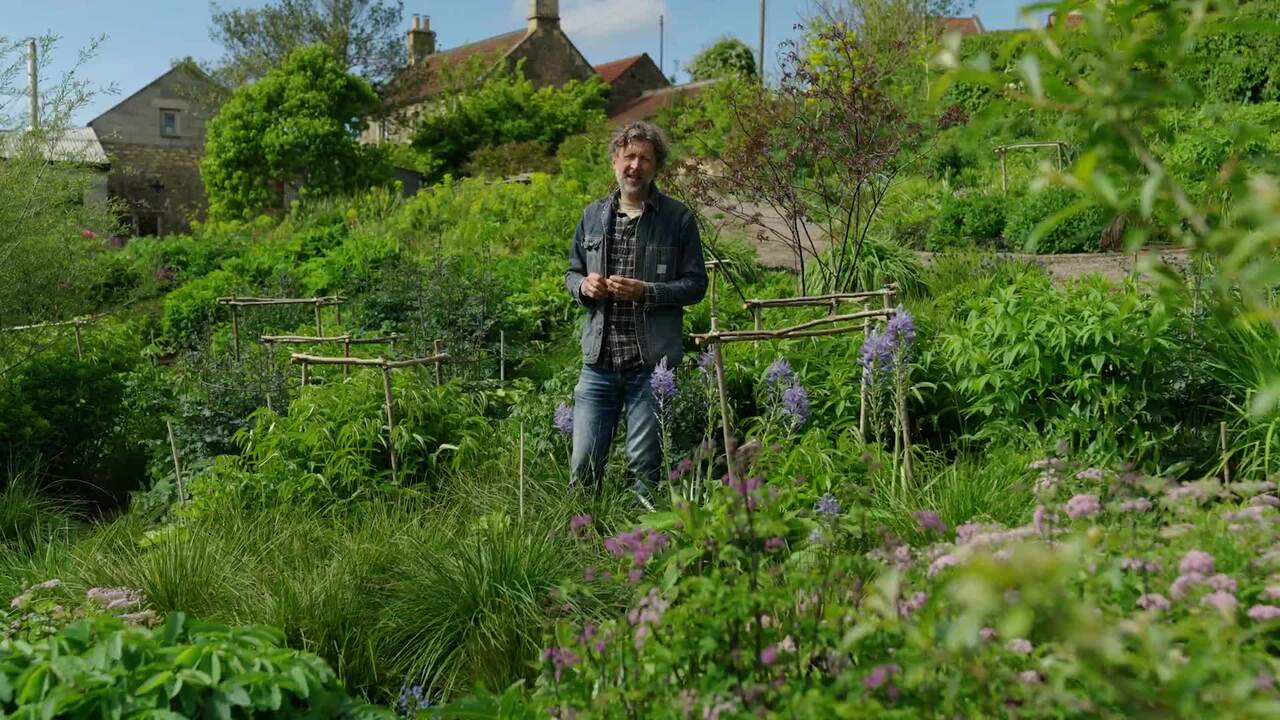
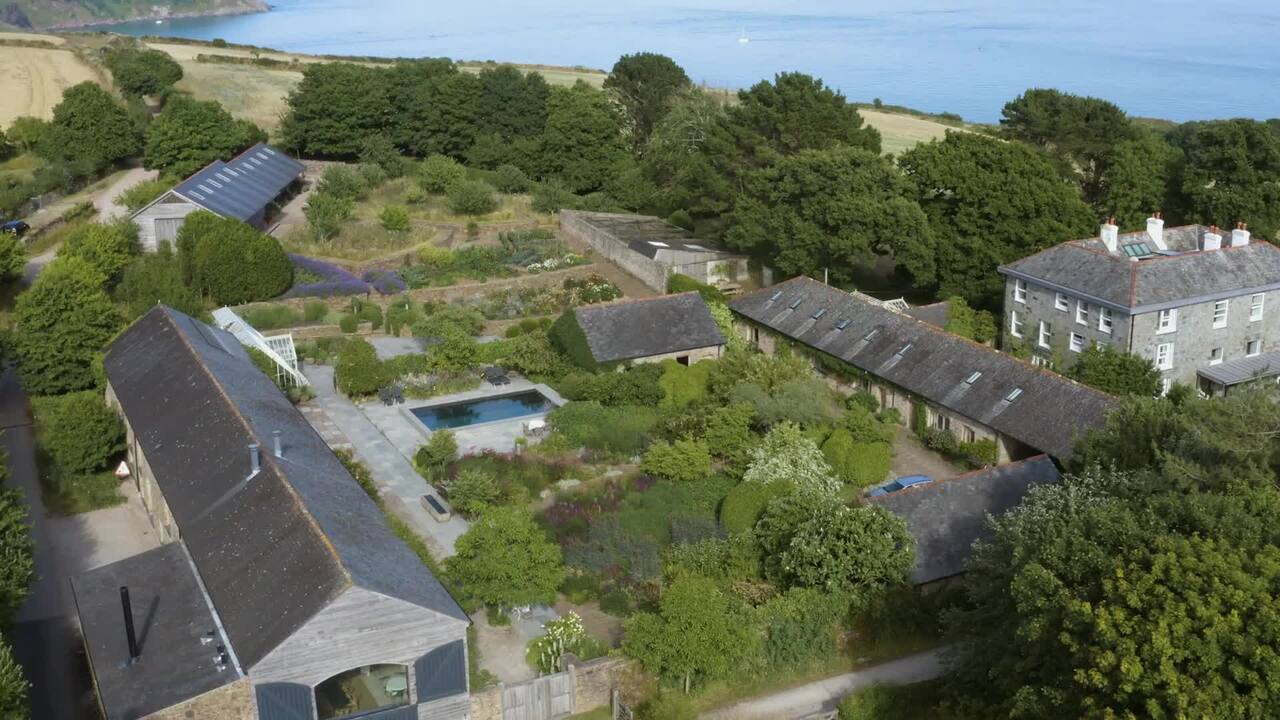
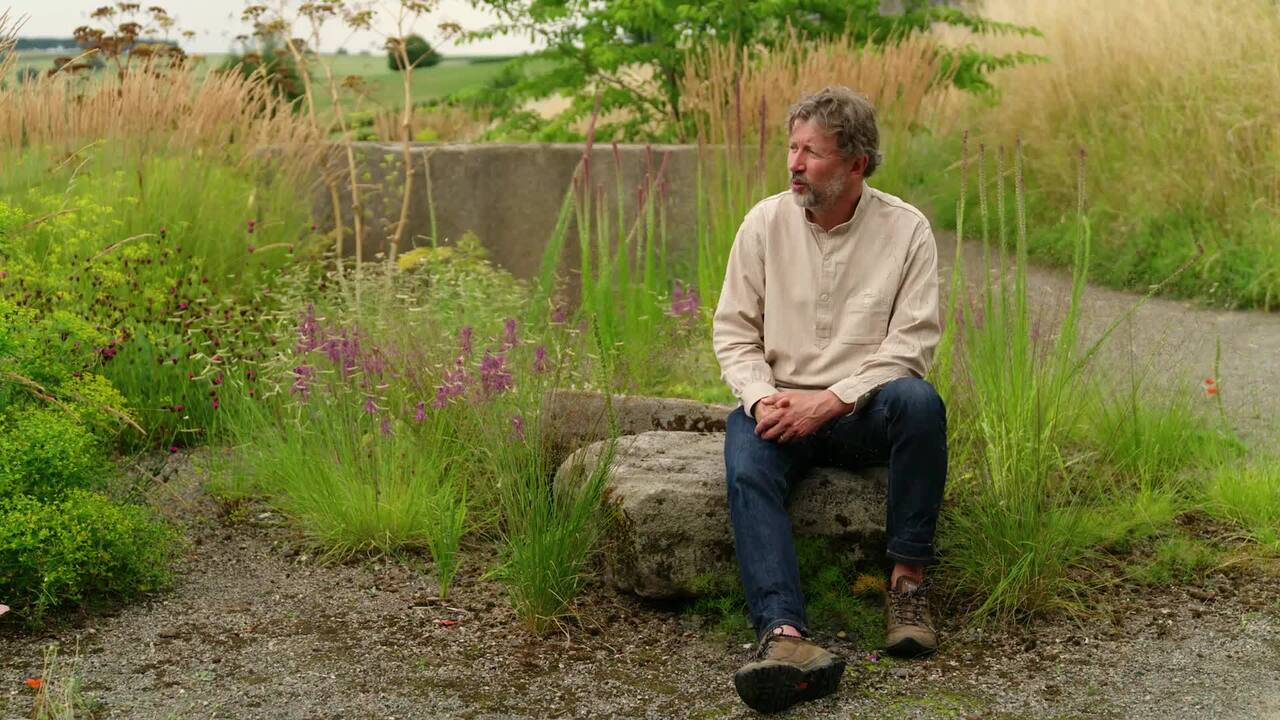
With very poor soil and the setting of semi-derelict barns, this area presents a unique planting opportunity for something that contrasts with the rest of the garden, focussing on ephemeral, self-seeding plants to give a sense of nature reclaiming the man-made.
The soils are really poor here, essentially because the area around the barns is man-made. I wanted to use that and go with it because our soil is generally quite rich, so having the opportunity to garden somewhere where plants might not grow as vigorously makes a really interesting contrast.
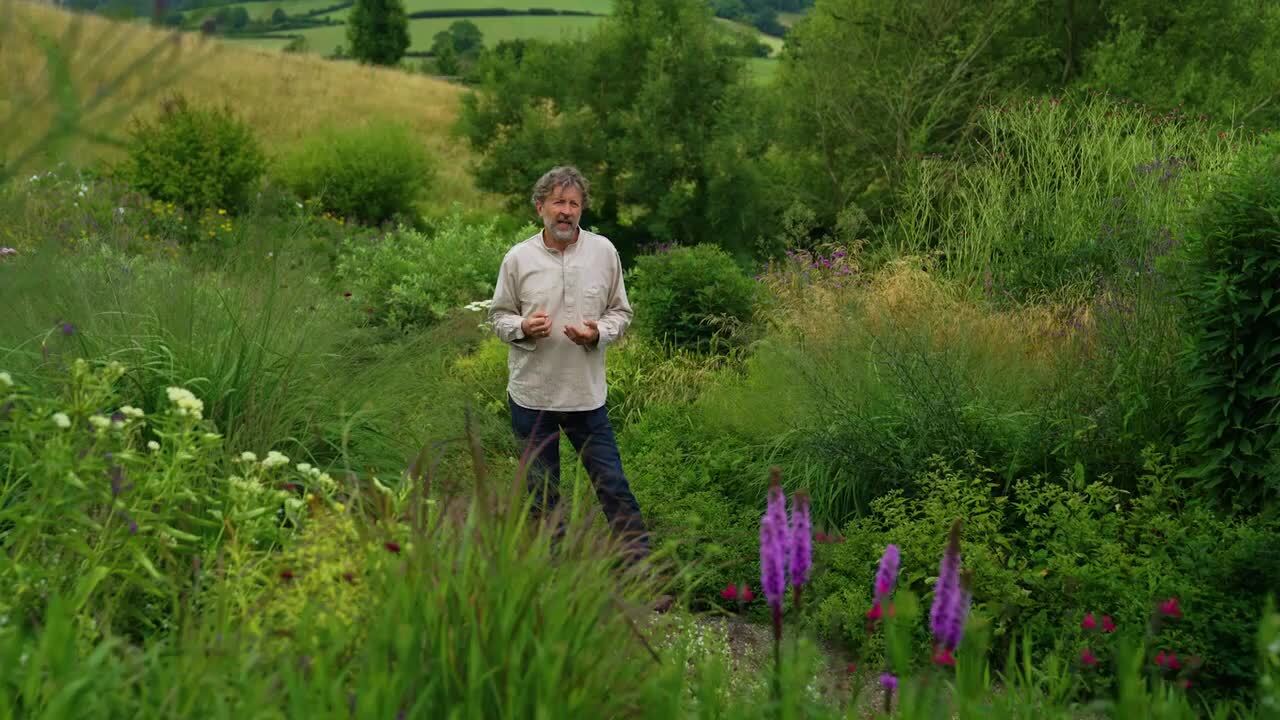
When I set out to make this planting, I wanted to create a mood of the garden having taken over these old, semi-derelict barns – a sense of the barns sitting in a tide of plants that have swept right up to and around them. I wanted it to feel like pioneer plants have colonised and taken over the land.
I put in some good perennials that I knew would be static and stay in position – like Stipa gigantea and Baptisia – and a few shrubs which I coppiced, such as Ailanthus. These provide constancy and structure.
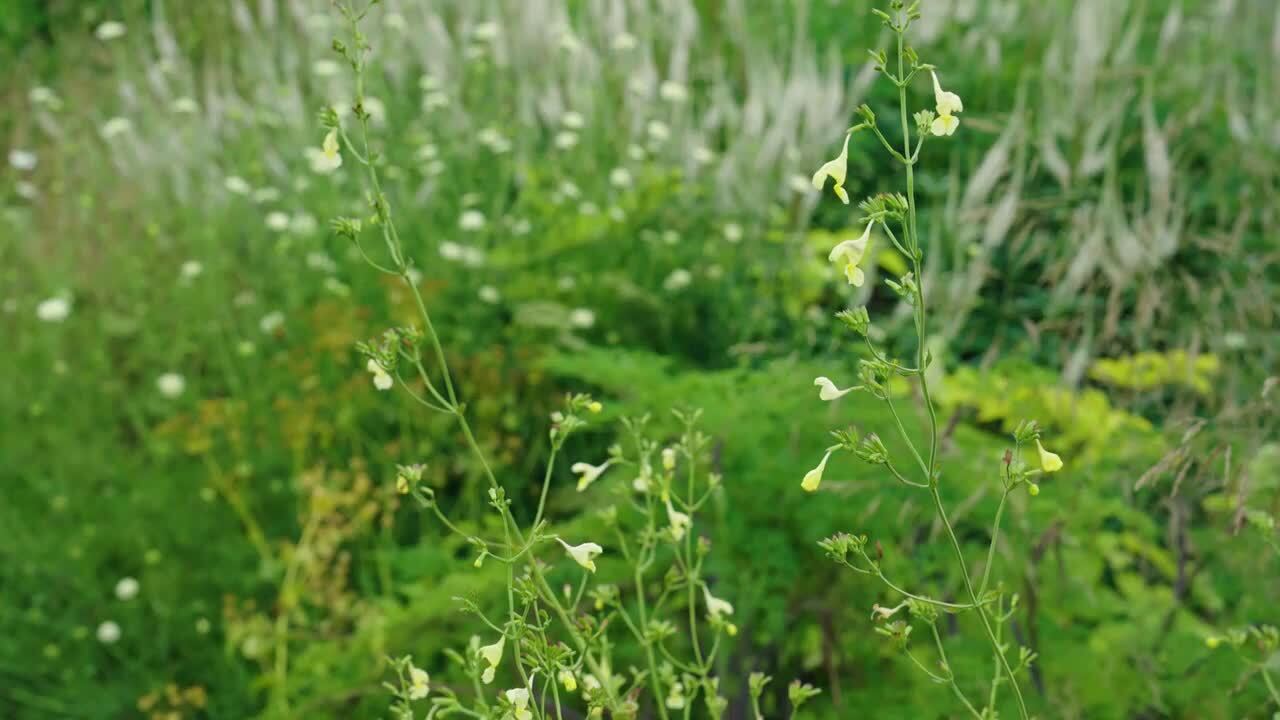
I then added short-lived perennials, self-seeding biennials and some annuals. Weaving and seeding amongst the static forms, these provide a dynamic planting that is never quite the same year on year.
This fairly small area probably takes as much time to weed as the whole of the perennial garden, where I've used reliable perennials with very few self seeders. These are pioneer species, so seed very vigorously.
But the spontaneity of that is great. It means the planting is completely mingled – there isn't a square inch of free ground, and it's alive with insects. The plants all form some sort of balance, which I just adjust once a year in the spring.
Some of these self-seeding plants I wouldn't introduce into a perennial planting where I wanted things to be more static and lower maintenance, because they would start to take over. But here I take that chance, because I love these plants and want there to be spontaneity. The plants I've used include:
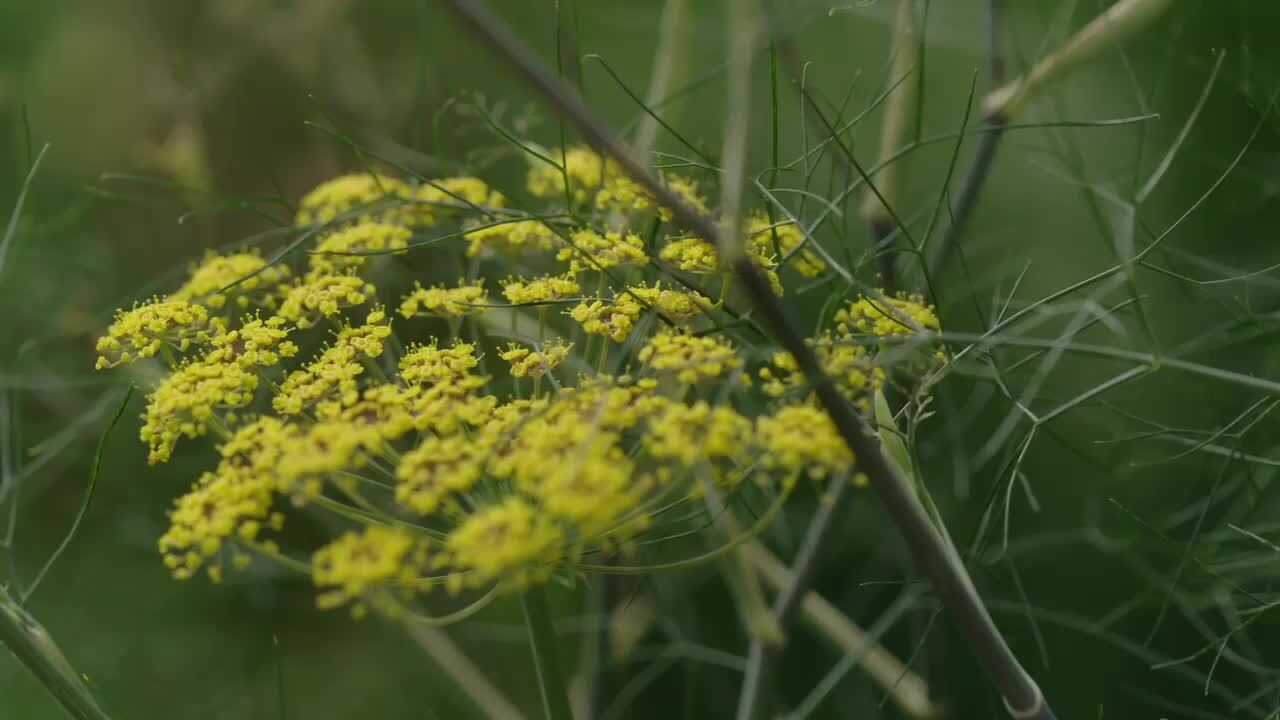
The self-seeders aren't all this dominating, though. Bupleurum falcatum (also used outside the studio) is also short-lived and pioneering and travels quickly through a planting, but it's much lighter on its feet – it has just a small basal rosette and then very airy emergent flowering stems.
Self-seeders can be really useful, especially for providing immediate impact in a new planting, because with their short lifespans they're very fast-maturing. So in a garden that you're establishing from scratch, some of these annuals and biennials can be valuable for providing early interest.
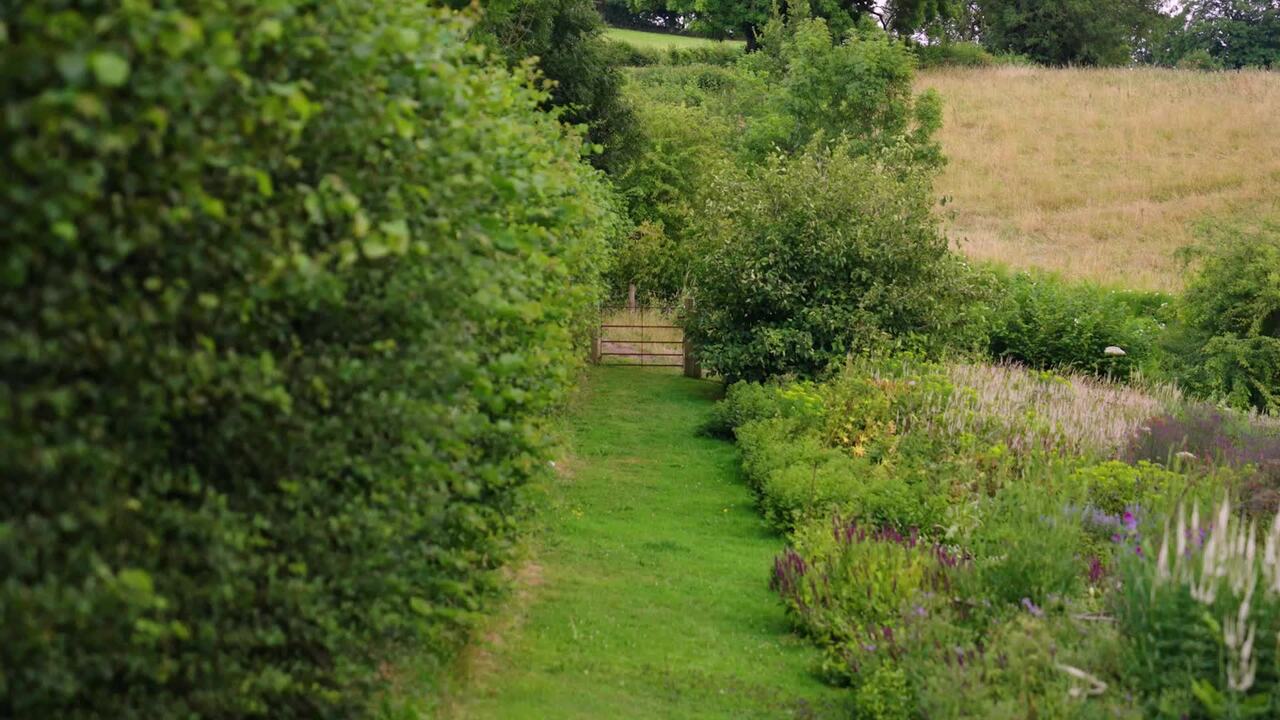
This planting is completely adapted to its environment – dry, rubbly soil in an open, exposed site.
There are enough perennials in this mix to give the annuals and biennials a framework through which to seed. These include oreganos, like Dianthus giganteus (giant pink), and marsh mallows (Althaea cannabina).
This type of naturalistic planting that's dominated by self-seeder plants is about knowing your plants and having the confidence to go with the flow to a degree and to let them have their reign, just going in once a year to monitor the seeding and to adjust the balance before letting the whole thing go again.
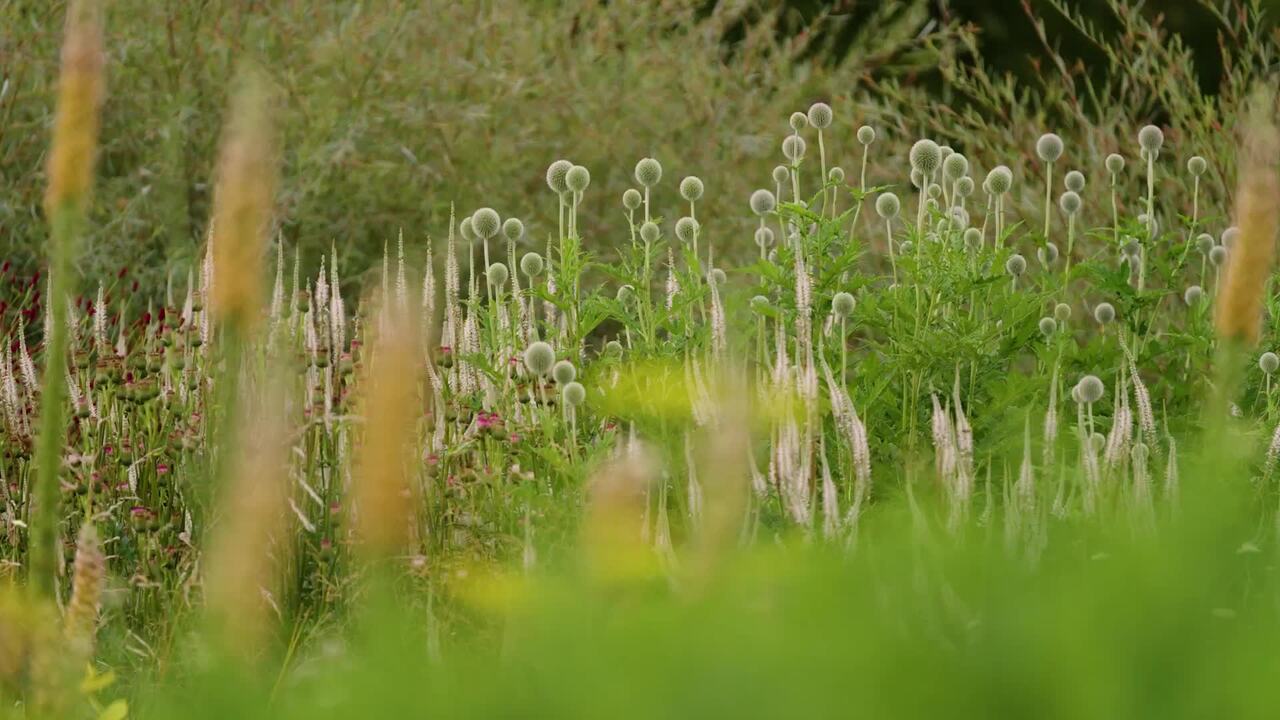
I leave this planting standing right through winter to enjoy the skeletal forms, such as the Eryngium. Over winter, it gradually becomes battered, so in late January I cut everything right down to the ground.
I can then see where all the emerging rosettes are. I've trained myself to identify them all in their very young form, and also to recognise the seedlings, so that at this point I can weed to adjust the balance.
So the barn garden is a high maintenance area, but with that comes a real liveliness and adaptation to this place. I've balanced it out with lower maintenance areas elsewhere, so that there are different rhythms in the garden, and so I can allocate my energy accordingly.
Get the full workbook, video lessons, and more with a Create Academy subscription.
Subscribe to access the full workbookAlready a member? Sign in to watch
510 reviews
Read moreCreate Academy has been such a great resource. I'm in the middle of renovating a bungalow with a very large garden and the courses have offered a wealth of inform...
Harvey
Jun 10, 2026
Absolutely love Create Academy! The instructors are extremely informative, and it is beautifully filmed. Create Academy is great value for money and plan on renew...
SG
May 31, 2026
Butter's creativity is stunning! Her ability to incorporate brilliance in small gardens is magical!
Carla
May 30, 2026
The best adventure. I like all the courses, but my favorite are both Rita Konig interior design courses and Anna Jones. Excellent!
Karolina Kluczewska
May 20, 2026
Create Academy has been such a great resource. I'm in the middle of renovating a bungalow with a very large garden and the courses have offered a wealth of information to dive into and explore new ideas. I'm...
Harvey
Jun 10, 2026
Absolutely love Create Academy! The instructors are extremely informative, and it is beautifully filmed. Create Academy is great value for money and plan on renewing my subscription yearly because there are ...
SG
May 31, 2026
Butter's creativity is stunning! Her ability to incorporate brilliance in small gardens is magical!
Carla
May 30, 2026

Your Instructor
Acclaimed naturalistic landscape designer. Multiple Chelsea Gold Medal Winner. OBE.
British landscape designer, horticulturalist and writer Dan Pearson OBE, has been designing award-winning gardens since 1987. His naturalistic use of plants, light-handed approach to design and deep-rooted horticultural knowledge has made him one of the most celebrated and innovative gardeners working today. Dan trained in horticulture at Wisley and Kew, before starting his garden and landscape design practice in 1987. In 2015, his show garden for Chatsworth and Laurent Perrier was awarded a Gold Medal and Best Show Garden at the Chelsea Flower Show. In 2014 Dan was appointed an advisor to the National Trust at Sissinghurst Castle. For over 20 years Dan has written regular gardening columns, with his work a staple of The Observer, and has written a number of best-selling gardening books.
Access to all courses


