

Interior and exterior confidence
Create Academy has been such a great resource. I'm in the middle of renovating a bungalow with a very large garden and the courses have offered a wealth of inform...
Harvey
Jun 10, 2026
An Expert Guide to Planting Design
with DAN PEARSON — Acclaimed naturalistic landscape designer. Multiple Chelsea Gold Medal Winner. OBE.
Lesson 19 of 31
Subscribe to watch
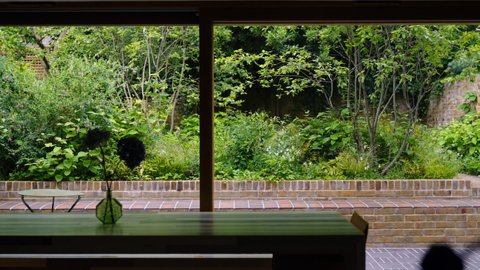
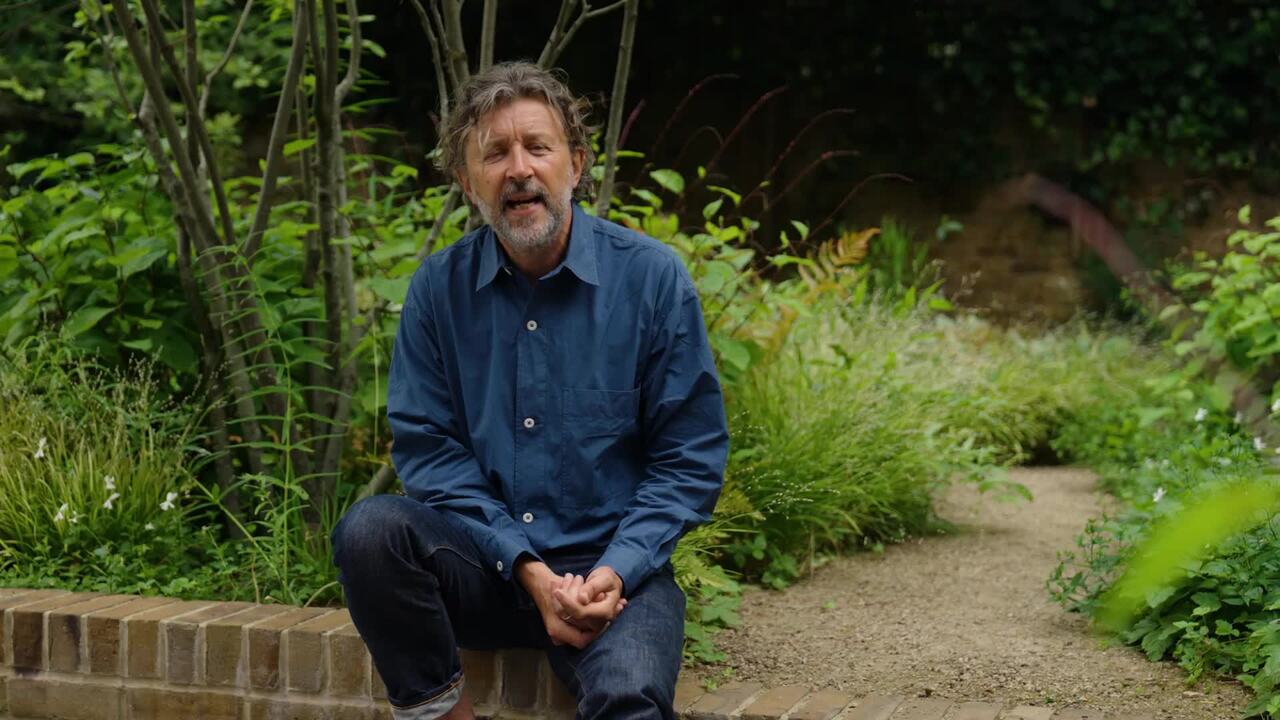
In stark contrast to Little Dartmouth, this London case study uncovers how to transform a small, secluded space in order to provide a calm backdrop to urban living and a sanctuary from the hustle and bustle outside.
In stark contrast to Little Dartmouth, this London site is an example of the transformation of a small, secluded space into a calm garden as a backdrop to urban living and a sanctuary from the hustle and bustle outside.
Our clients wanted a garden that would be an extension to the way they live in the house. The site comprises a north-facing back garden and a south-facing front garden, so we had a really nice opportunity to play with two different environments that have contrasting growing conditions.
At the front, there are railings bordering the pavement, steps up to the front door, and a very social feeling with people passing by. At the back, you're very nestled by other gardens, with walls on all sides.
This plot is surrounded by other gardens, and we were able to borrow foliage and evergreens from these to build on the sense of seclusion. The walls make it feel wonderfully solid: they're key to this garden feeling like a very private oasis and sanctuary.
This garden is about creating a beautiful backdrop to look out at from the house, but it's also about having somewhere to come into that's a very different feeling from all the hubbub of London and busy city life.
There were a number of shrubs here from the old garden, so we just paired the garden right back to the things we thought would contribute to this space, and took out the things that weren't right.
The only other structural key moves we needed to make were to:
When evaluating a site, it's important to key into the mood of a place. This is often driven by the aspect.
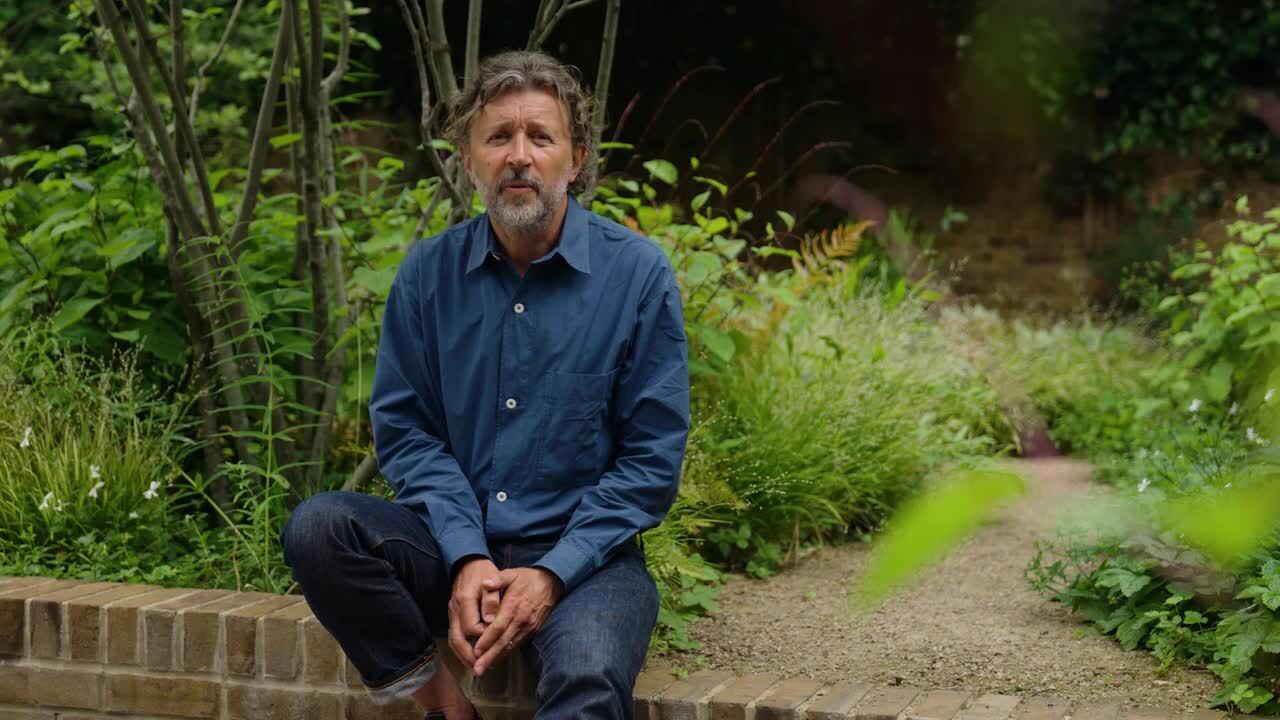
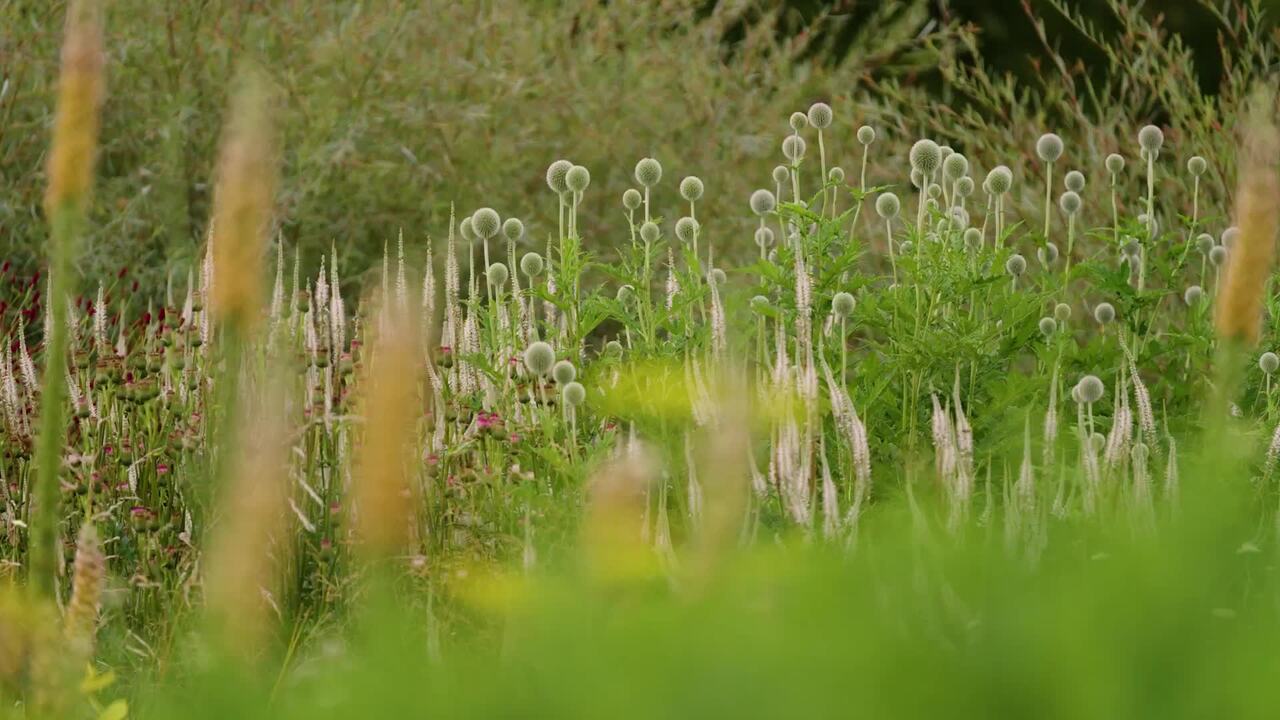
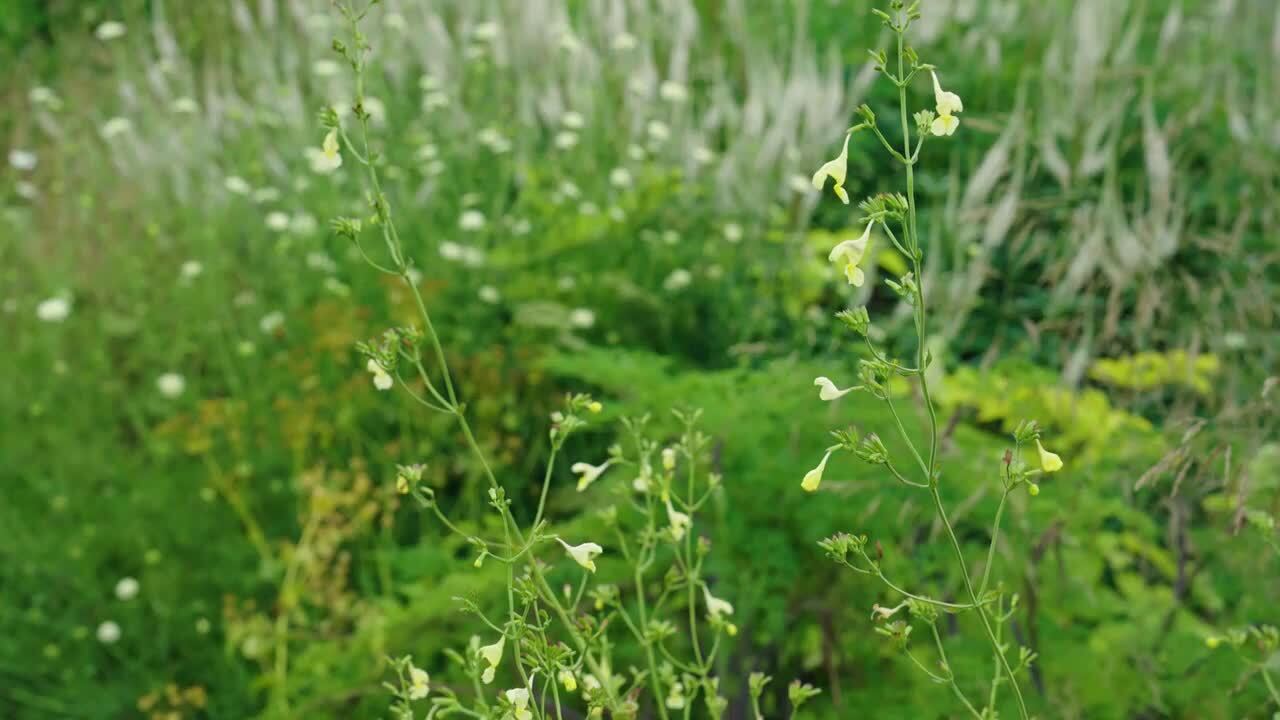
In the back garden, the conditions were predominantly overshadowed by buildings and the surrounding vegetation. This cool, shady feeling drove the plant palette and the mood that was created.
I always think about the natural environments that have those conditions, and consider how I might emulate those in a garden setting. Although almost all the plants in this garden are ornamentals rather than natives, they've been bred from woodland-edge plants from around the world, so they're all plants that are adapted to these conditions.
Our clients really wanted the back garden to feel restful. They wanted it to be a retreat, and a calm backdrop to the way they live and the house, which has a serene feel.
The front garden is a polar opposite in terms of conditions and mood: it's bathed in sunshine and warmth. Our clients wanted a place to sit and watch the world go by, with a garden between them and the pavement.
The hard landscaping had already been done before we arrived. The architect had made a very simple move of taking the brick from the house and walls and using that same brick to build a retaining wall that forms a bench around the terrace.
But there were other materials here that we wanted to salvage to give the garden a sense of history:
So we kept the materiality very simple – we took materials from the walls, house and surrounding city, and didn't try to do anything that might feel like it's competing with those things.
These two contrasting gardens were an opportunity to tell two very different stories, using ranges of plants that explore opposite ends of the spectrum.
This is how I begin to put a plant palette together:
By working outwards from a simple idea and making these connections, I was able to build up a palette that works in that location, feels right together, and helps me tell the story of the place.
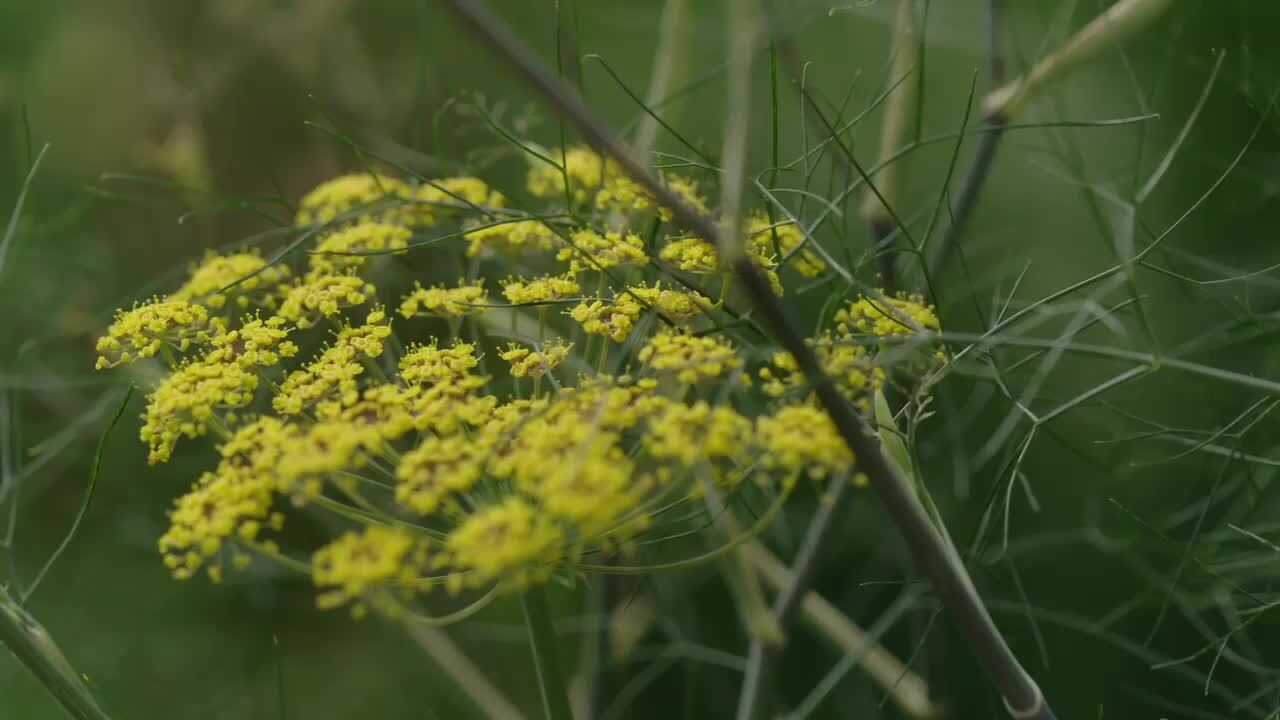
The plant palette for the front is all about sunshine and perfume: aromatic plants, and plants that play to that brightness and light. It's a completely different palette though at the back. Establishing the palette at the start of a project is one of my favourite elements. It's when you start to put together a mood for a place, which essentially emerges from a pre-existing sense of place and atmosphere. Once you've established a mood, think about what plants work well in those conditions, so you never have to fight to get them to thrive.
The bay tree was the only element we kept from the original garden, because it has a wonderful ability to drop the other properties away into the background.
Everything else then came out of what was good with the bay tree and what was good in that dappled shade. The bay drove my choice of greens. With the weight of that evergreen, we needed things that were sparkly, light and a counterpoint, so that it wouldn't start to feel heavy or gloomy.
As before, my plant list for the back garden was once again broken down into:
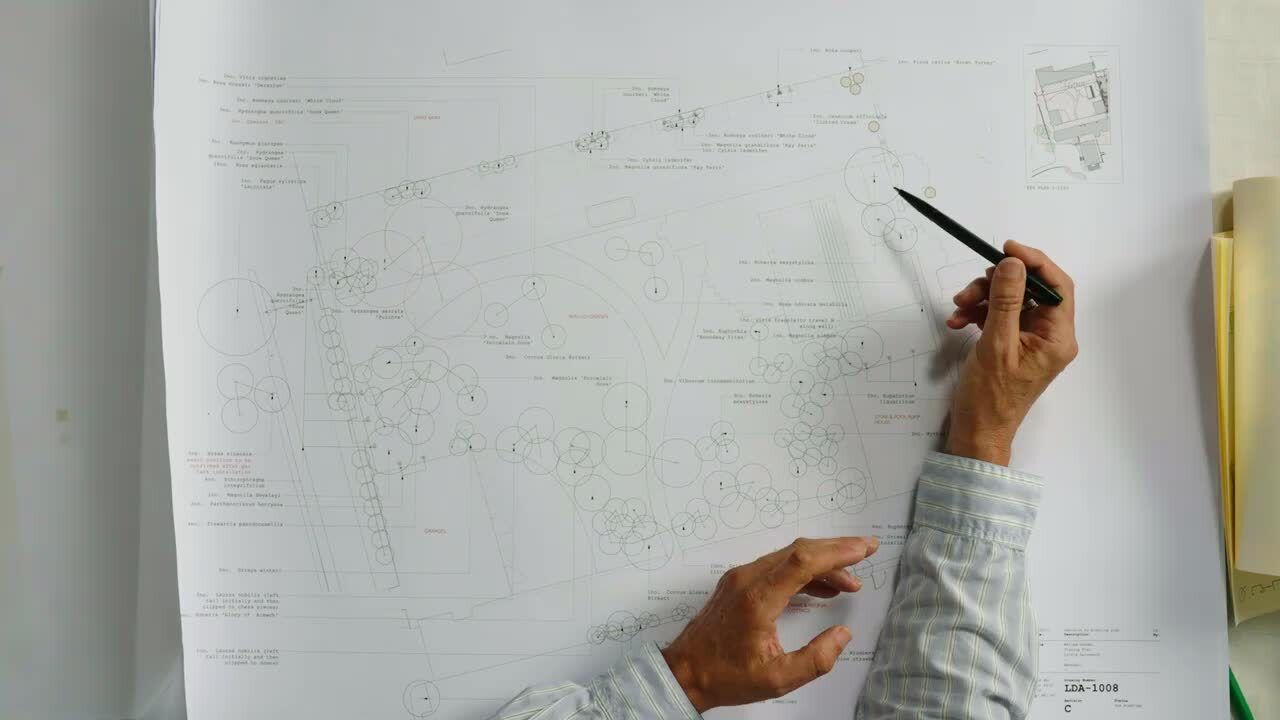
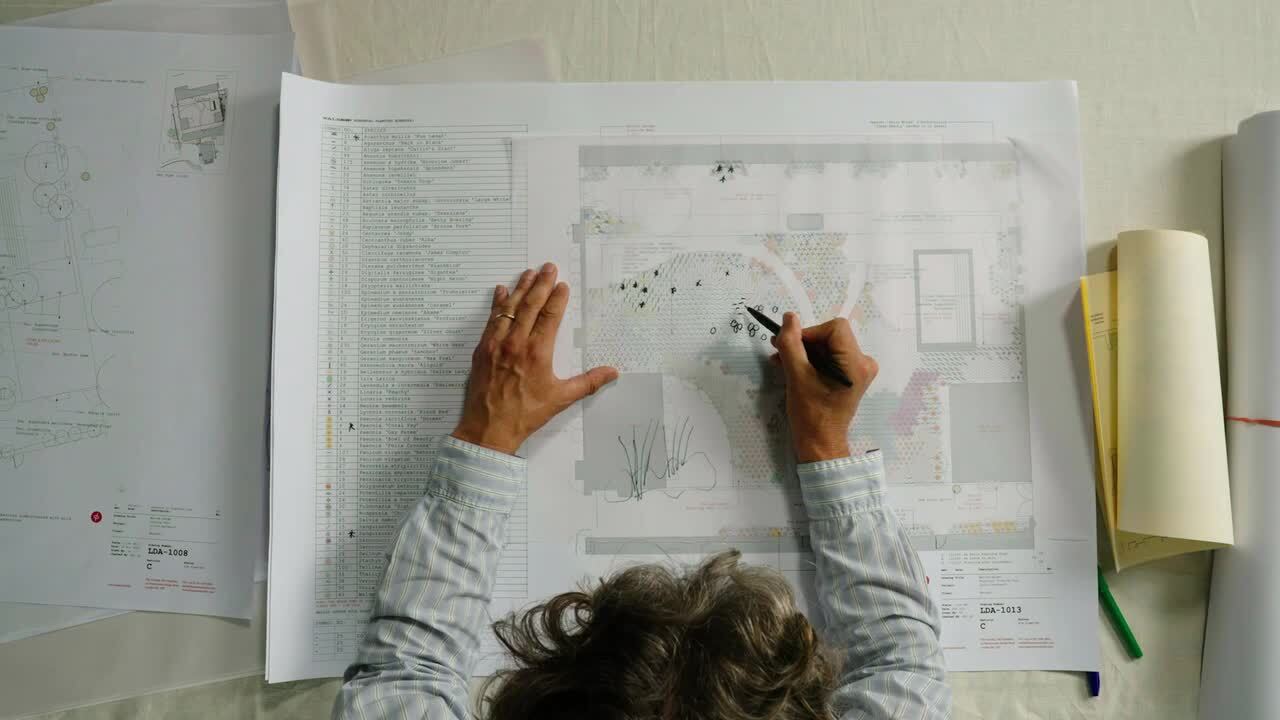
Since this was such a small garden, it wasn't necessary to create a detailed, annotated planting plan – my planting lists were sufficient. I would simply take this list to the site and set out the plants according to what I knew to be the best sequence and order of priority.
Our first task once the garden was landscaped was to set out where the key trees and shrubs would go. As they are often the greatest upheaval in the planting and need space around them for holes to be dug, I like to get the trees and shrubs planted either in the morning of the planting day, or if there are several, the day before. Then you can simply flood perennials around them.
I'd always encourage you to think about the natural environments that might inspire your garden.
These two contrasting gardens help to tell our clients' story; coming from Greece, which is reflected in the front garden, and now living in England, as reflected in the coolness at the back of the house.
Our clients had very definite ideas of how they wanted to use their garden, and this helped to inform all aspects of the design. They wanted:
Think about the ways in which you would most like to use your garden, and jot down your top 5 here.
Get the full workbook, video lessons, and more with a Create Academy subscription.
Subscribe to access the full workbookAlready a member? Sign in to watch
510 reviews
Read moreCreate Academy has been such a great resource. I'm in the middle of renovating a bungalow with a very large garden and the courses have offered a wealth of inform...
Harvey
Jun 10, 2026
Absolutely love Create Academy! The instructors are extremely informative, and it is beautifully filmed. Create Academy is great value for money and plan on renew...
SG
May 31, 2026
Butter's creativity is stunning! Her ability to incorporate brilliance in small gardens is magical!
Carla
May 30, 2026
The best adventure. I like all the courses, but my favorite are both Rita Konig interior design courses and Anna Jones. Excellent!
Karolina Kluczewska
May 20, 2026
Create Academy has been such a great resource. I'm in the middle of renovating a bungalow with a very large garden and the courses have offered a wealth of information to dive into and explore new ideas. I'm...
Harvey
Jun 10, 2026
Absolutely love Create Academy! The instructors are extremely informative, and it is beautifully filmed. Create Academy is great value for money and plan on renewing my subscription yearly because there are ...
SG
May 31, 2026
Butter's creativity is stunning! Her ability to incorporate brilliance in small gardens is magical!
Carla
May 30, 2026

Your Instructor
Acclaimed naturalistic landscape designer. Multiple Chelsea Gold Medal Winner. OBE.
British landscape designer, horticulturalist and writer Dan Pearson OBE, has been designing award-winning gardens since 1987. His naturalistic use of plants, light-handed approach to design and deep-rooted horticultural knowledge has made him one of the most celebrated and innovative gardeners working today. Dan trained in horticulture at Wisley and Kew, before starting his garden and landscape design practice in 1987. In 2015, his show garden for Chatsworth and Laurent Perrier was awarded a Gold Medal and Best Show Garden at the Chelsea Flower Show. In 2014 Dan was appointed an advisor to the National Trust at Sissinghurst Castle. For over 20 years Dan has written regular gardening columns, with his work a staple of The Observer, and has written a number of best-selling gardening books.
Access to all courses


