







Interior and exterior confidence
Create Academy has been such a great resource. I'm in the middle of renovating a bungalow with a very large garden and the courses have offered a wealth of inform...
Harvey
Jun 10, 2026
An Expert Guide to Planting Design
with DAN PEARSON — Acclaimed naturalistic landscape designer. Multiple Chelsea Gold Medal Winner. OBE.
Lesson 17 of 31

Subscribe to watch
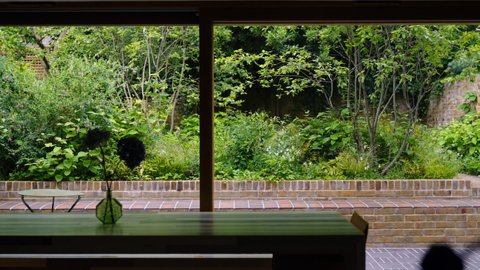
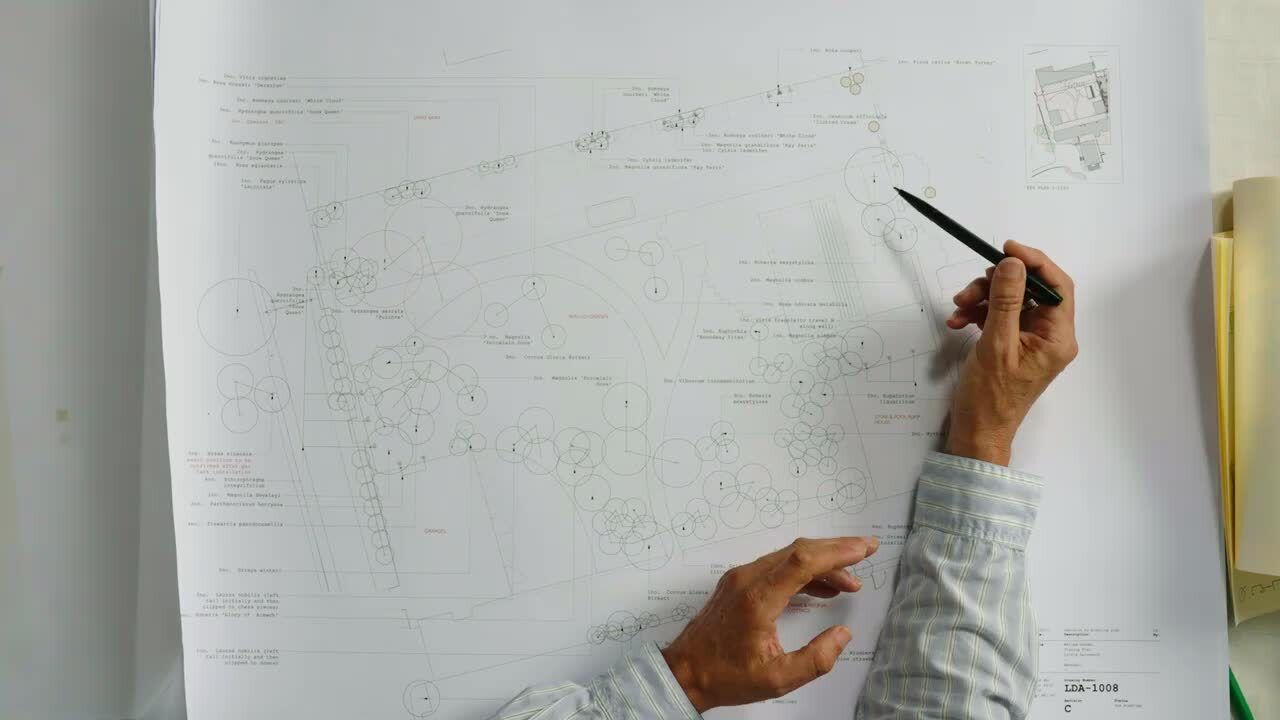
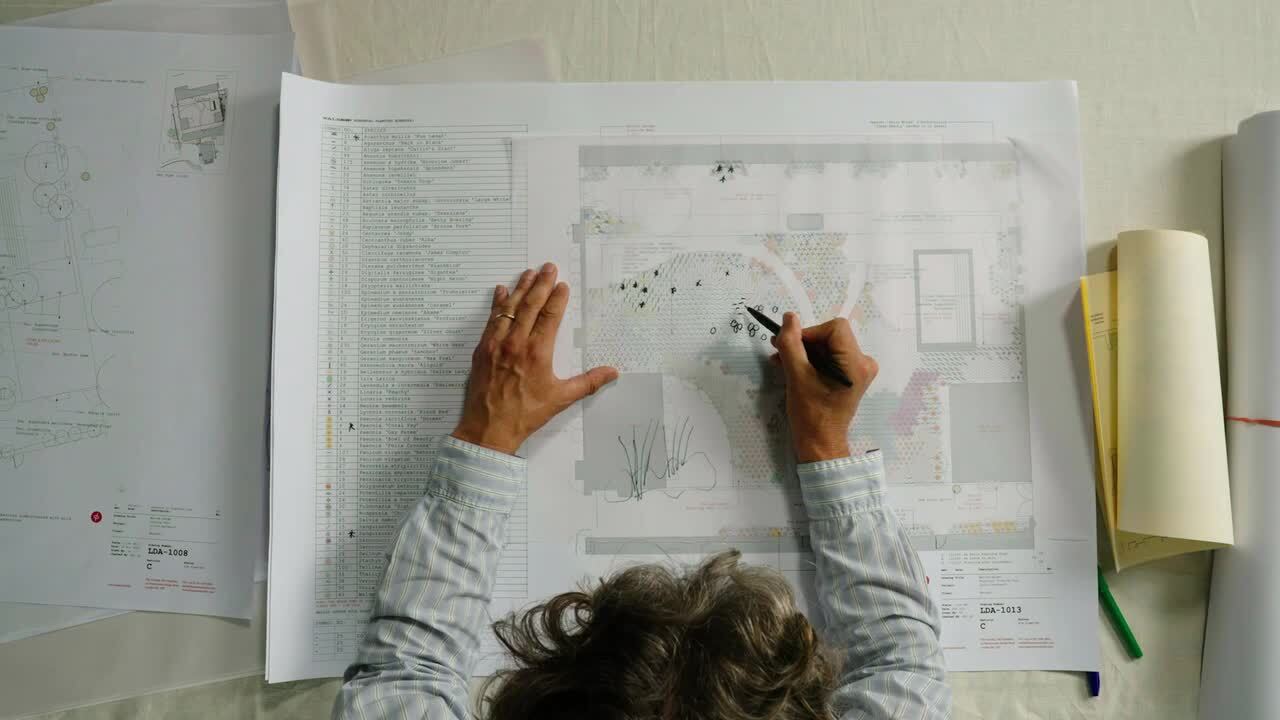
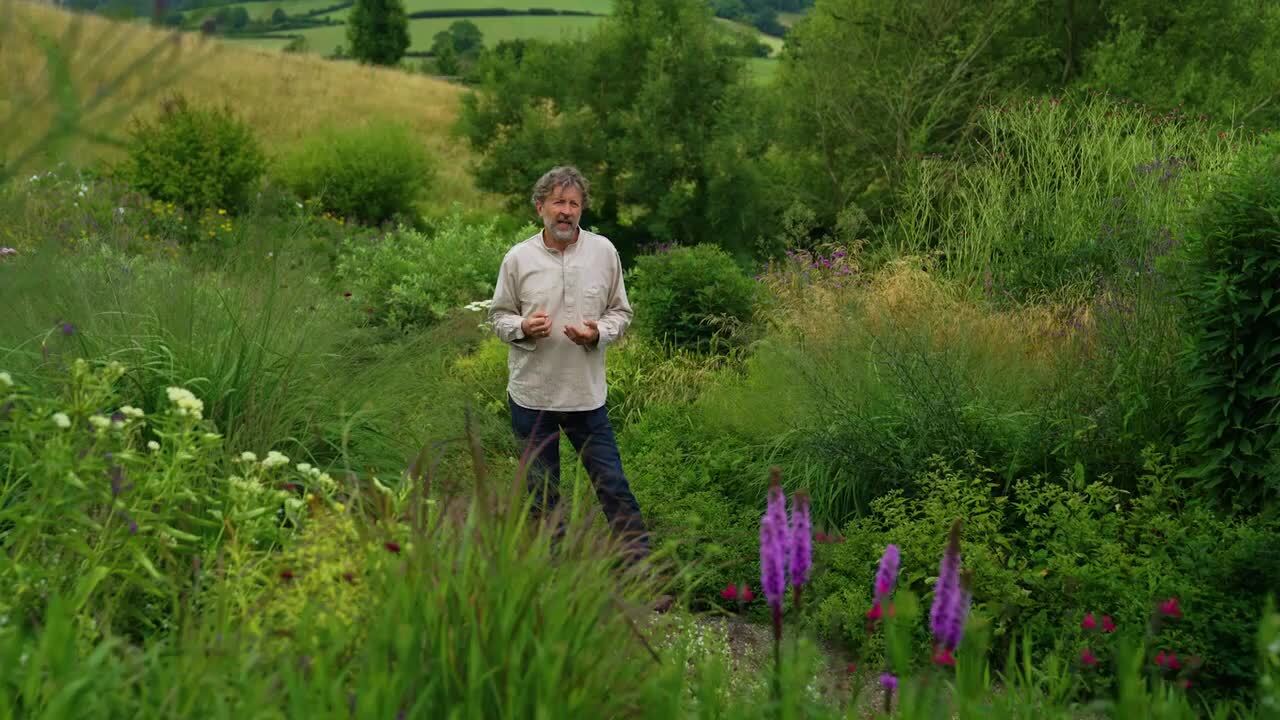
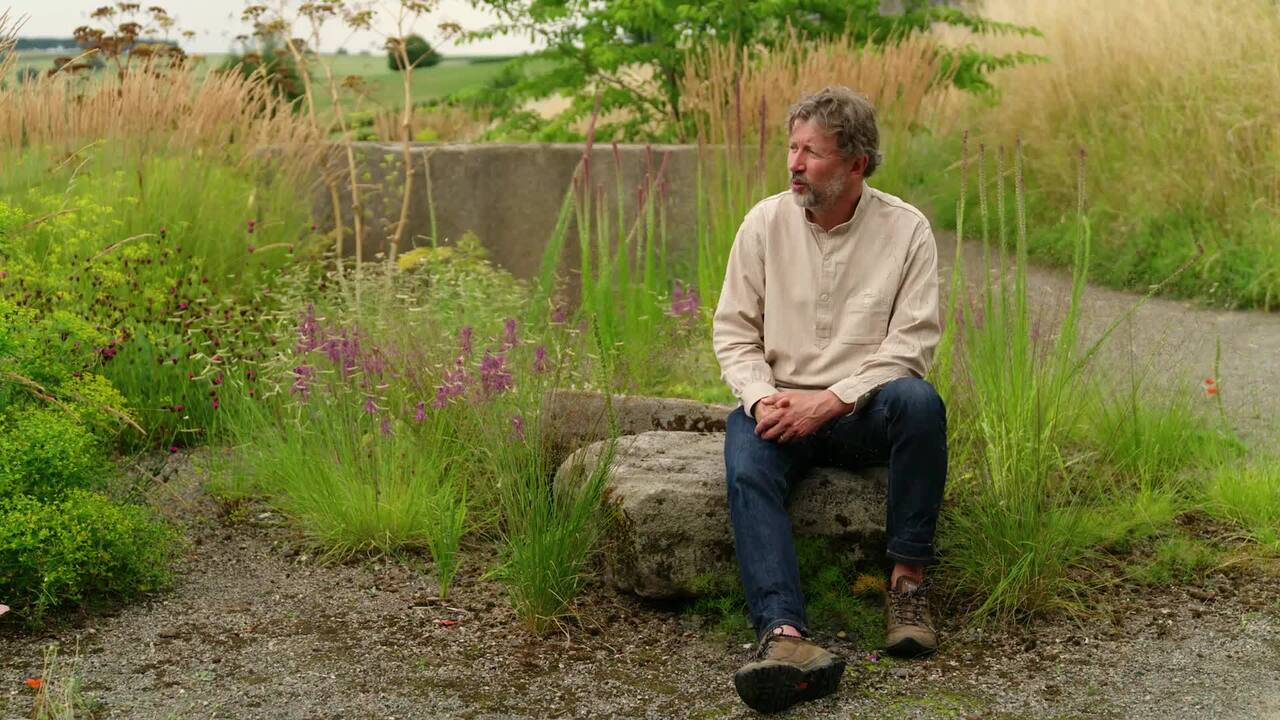
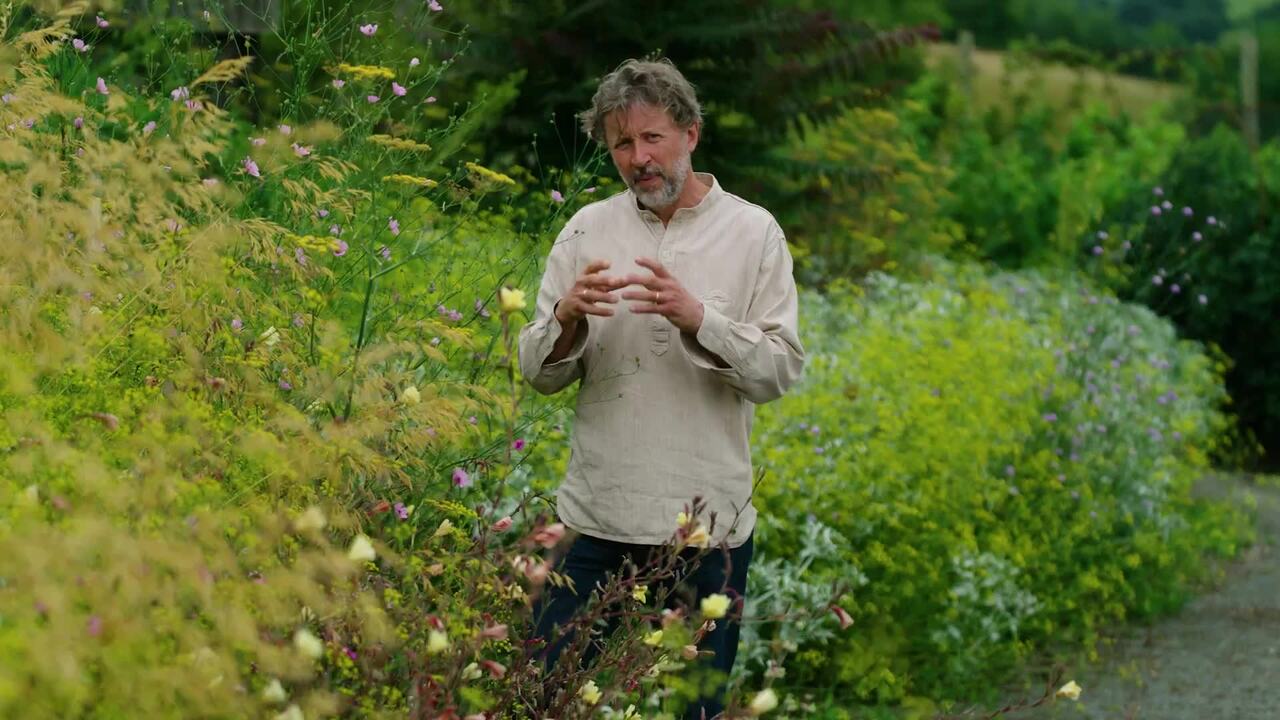
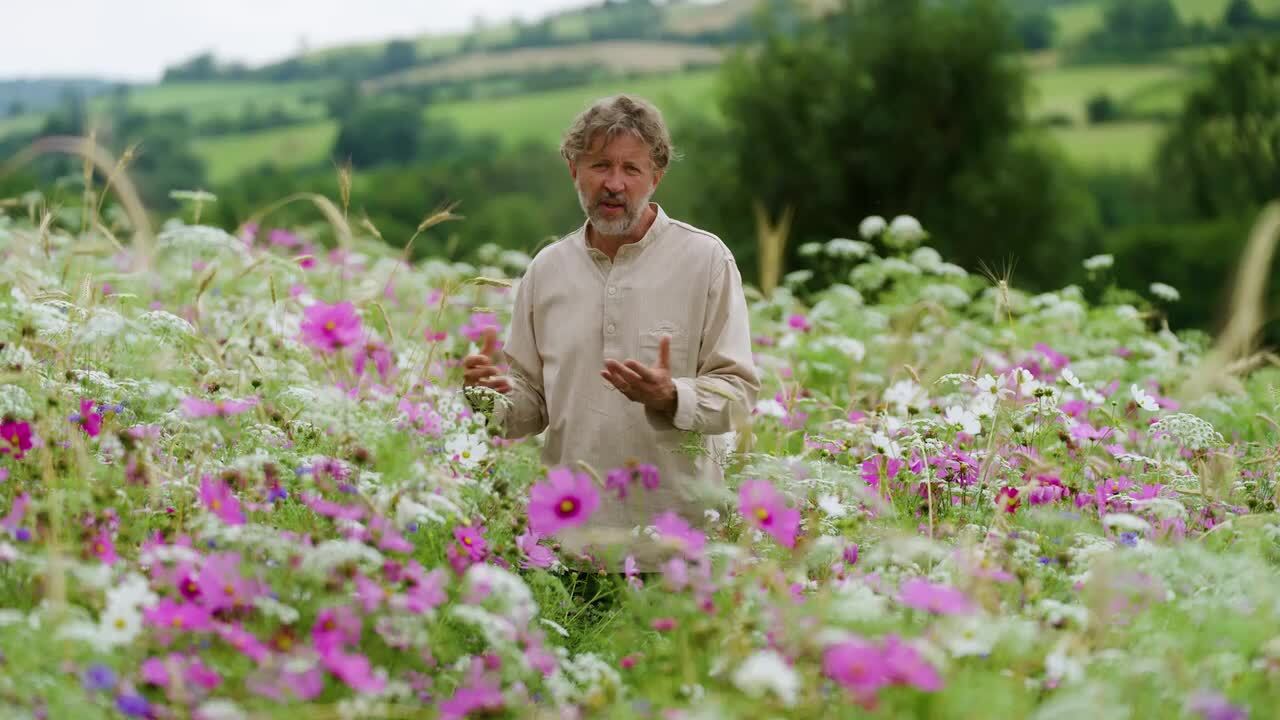
Dan discusses the specifics of the planting in the walled garden, and how to make the most of sheltered conditions and microclimates to allow a contrasting garden style. We discover how to use scent most effectively, and how to create vertical layering up a wall using only a tiny amount of ground space.
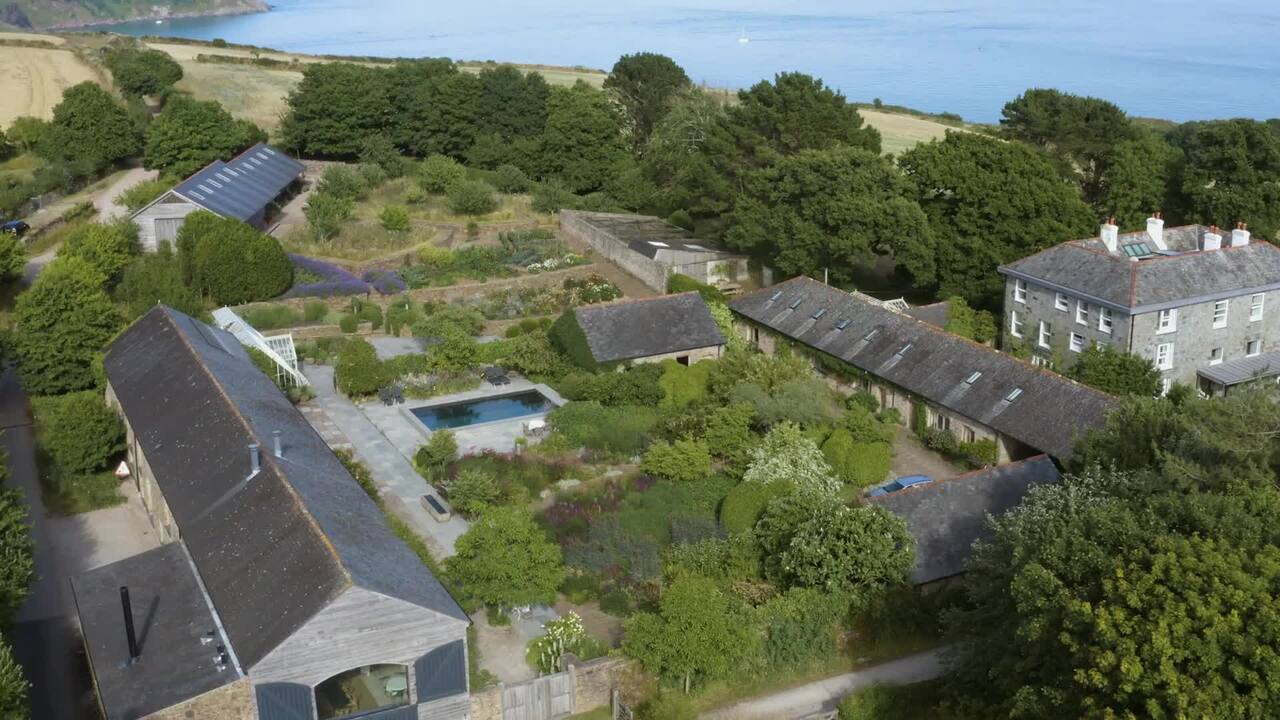
This self-contained, sheltered space in the heart of the farm provides a planting opportunity that is in stark contrast to the rest of the site, and uniquely is not governed by external influences.
Originally, a huge barn covered this space and the ground was concrete. We thus needed to create the conditions in which to make the garden.
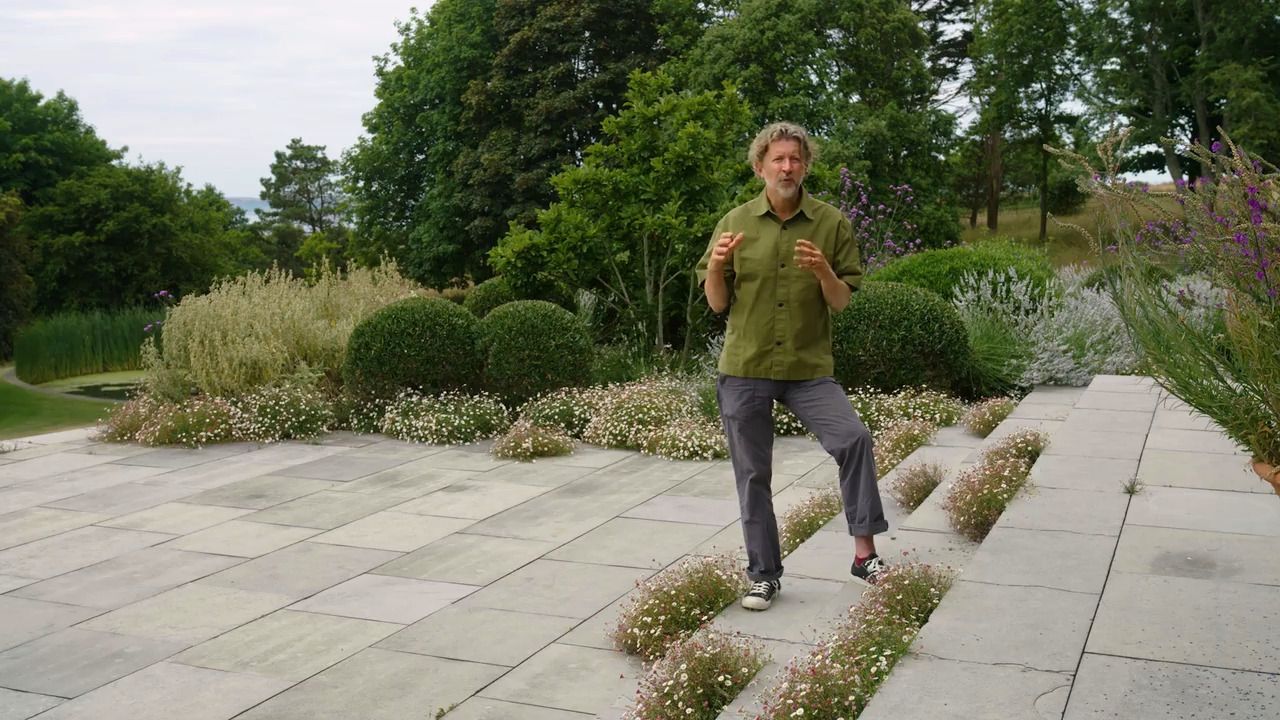
There are diverse microclimates at Little Dartmouth. The exposure to the front of the house and the enclosure here are completely different zones. The walled garden was an opportunity to create a garden that isn't influenced by sea winds, and that harvests sunshine to create ideal growing conditions.
The structural planting allows us to divide those spaces. This means that within one garden, you can have a number of smaller gardens that each have their own character and identity.
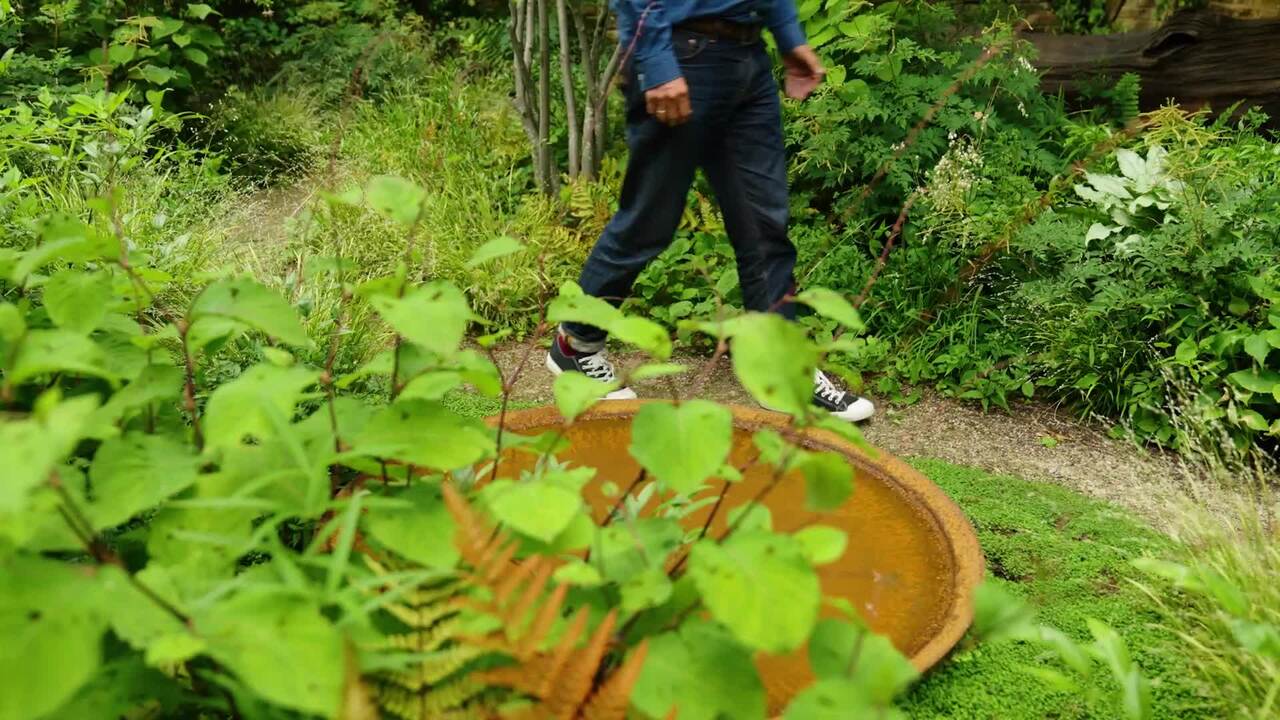
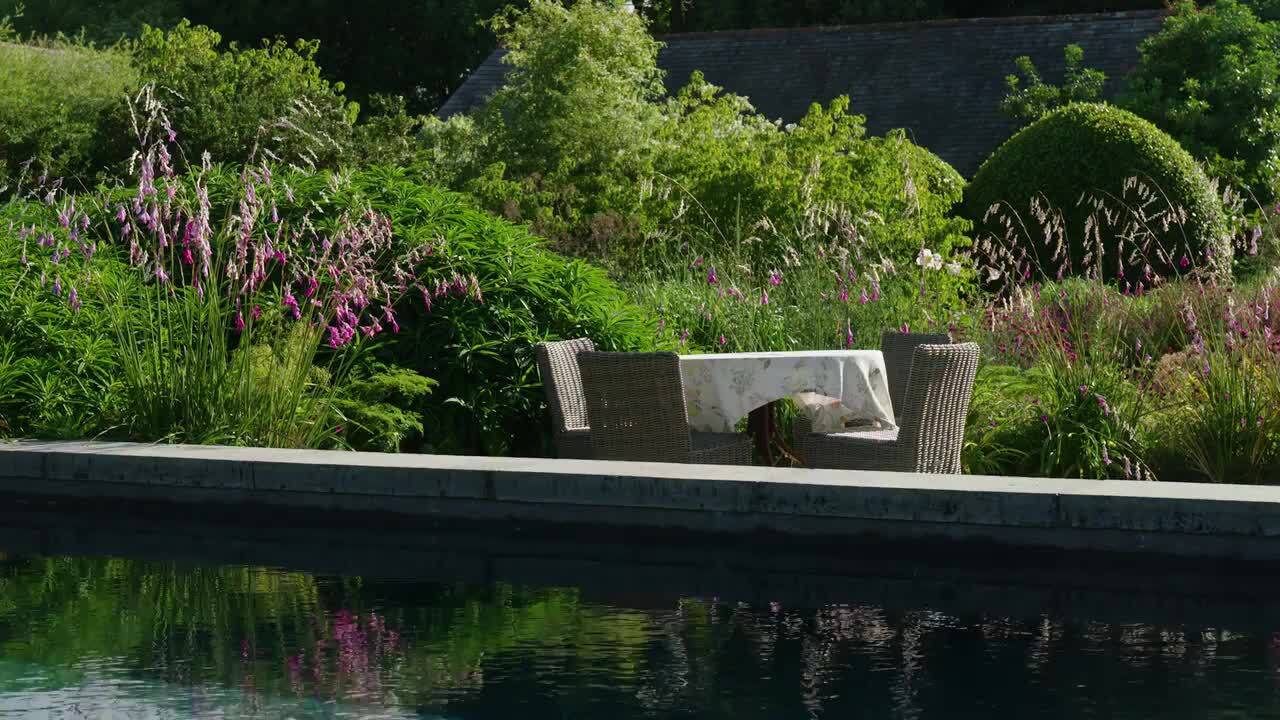
In the sunniest spot in the garden, we installed a pool. This reflective body of water provides a year-round feature that really animates the space.
#### A Unique Palette of Plants
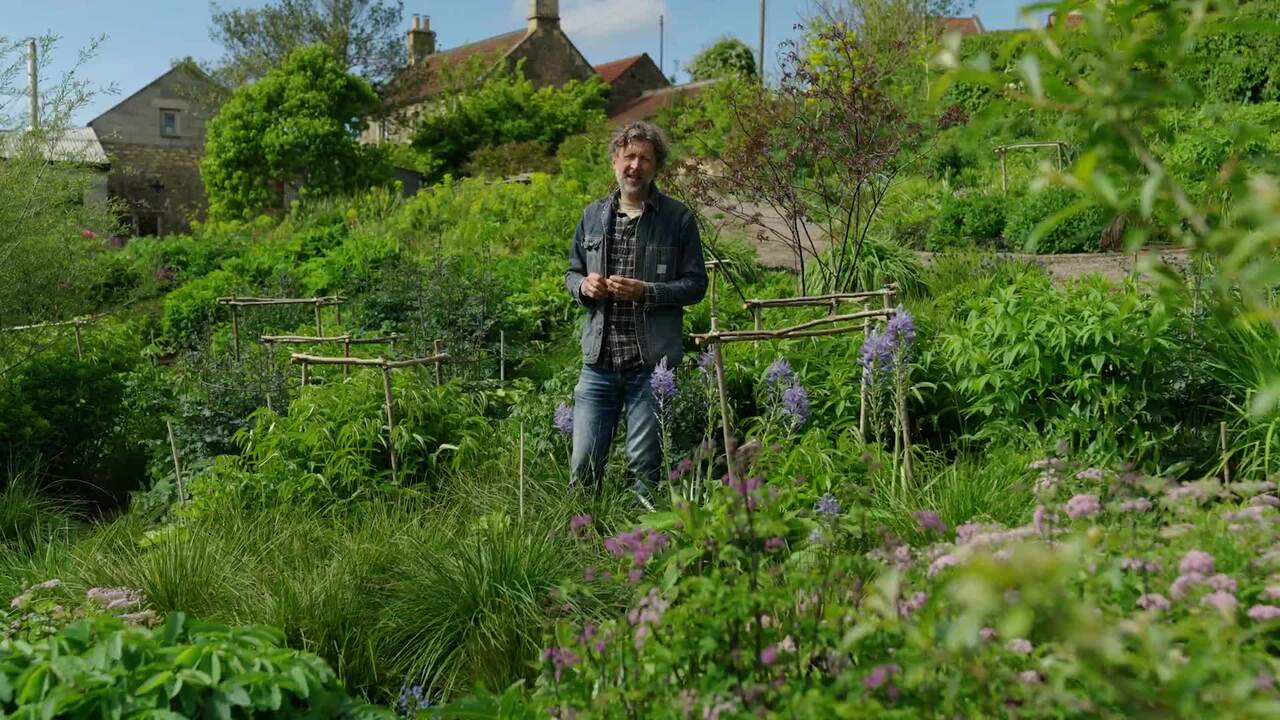
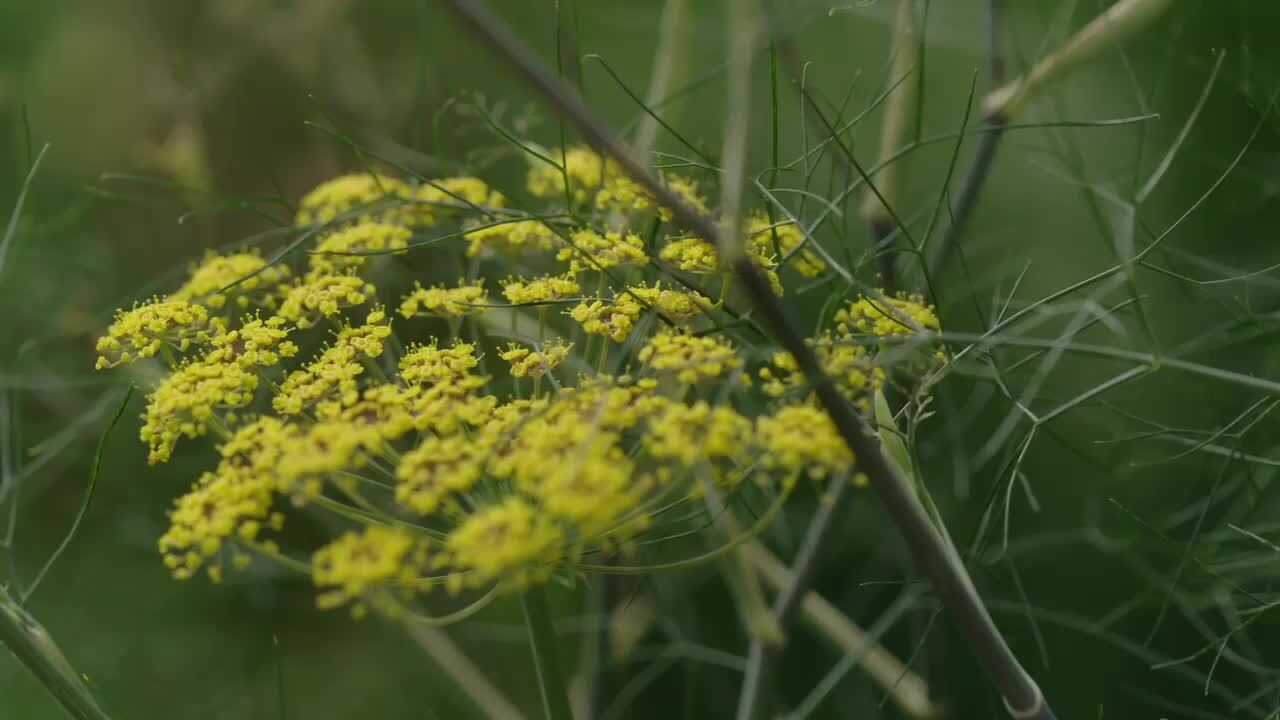
The beauty of the walled garden is that it provides a sheltered sanctuary where a much wider range of plants can grow that we'd never be able to grow on the exposed front terrace. The plant palette was therefore chosen specifically to capitalise on the sunshine and shelter, with plants like Sanguisorba and Amelanchier, with its lovely multi-stem structure that floats above the perennials.
#### Evergreens
The perennials are probably the smaller part of the planting in the walled garden. The structure though is crucial, as this is a bold space surrounded by buildings that needed to be softened by something significant enough to cope with them. We also needed a range of things that provide different seasonality.
So I've deliberately weighted the garden with a number of evergreens – some loose, like the Olearia, and some dense, like the Griselinia, which forms a lovely dark backdrop. You enter through the shadowy opening of the evergreens, and emerge into a mini meadow of seasonal perennials.
#### Planting for Year-Round Interest
#### Highlights in the Planting
The evergreens provide constancy, but alongside this it's important to have contrast, which I've introduced using deciduous shrubs and perennials.
Walls are a really interesting planting opportunity because through layering, you can fit a great many types of plant in one place:
The beds at the base of this wall are probably only 5–6 ft deep, but through creating this completely layered experience, they provide an enormous amount of value.
Since this is a sheltered south-facing wall, we've used plants that bask in sunshine and heat, especially Mediterranean, Californian and South African species. This then changes as we move towards the more sheltered end, where we've planted a walnut to create shade. In this corner, I've used a very useful hydrangea that, unlike most species, doesn't mind a drier, warmer position: Hydrangea quercifolia.
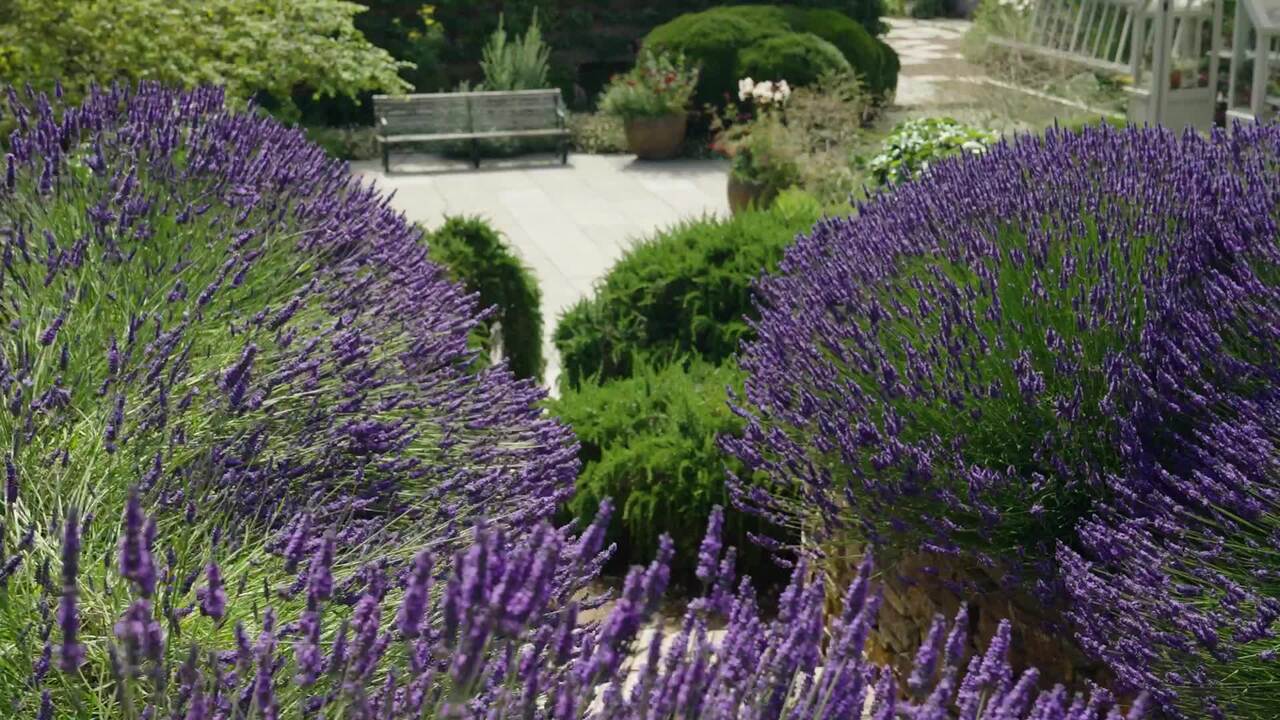
One of the great advantages of being enclosed is that the still, warm air is perfect for growing perfumed plants and for retaining the scent. The warm walls absorb heat during the day, while the scent of the plants growing against them is liberated in the evening as the walls continue to radiate this heat.
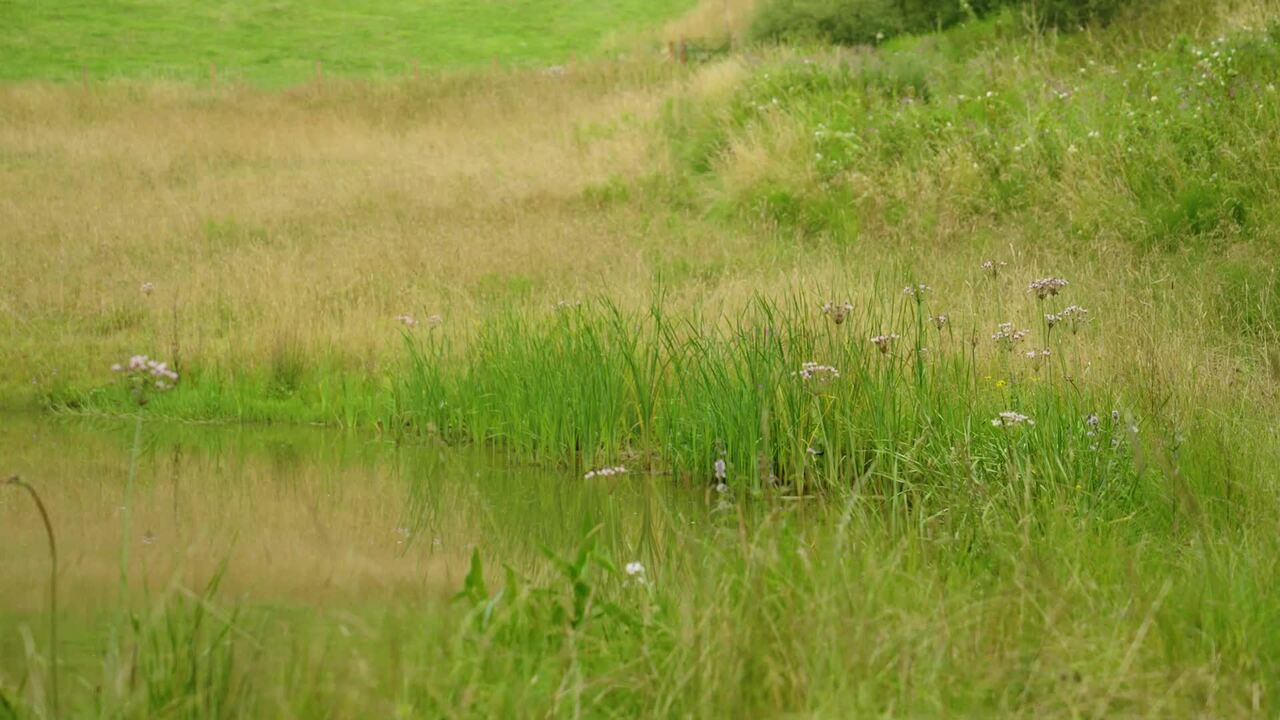
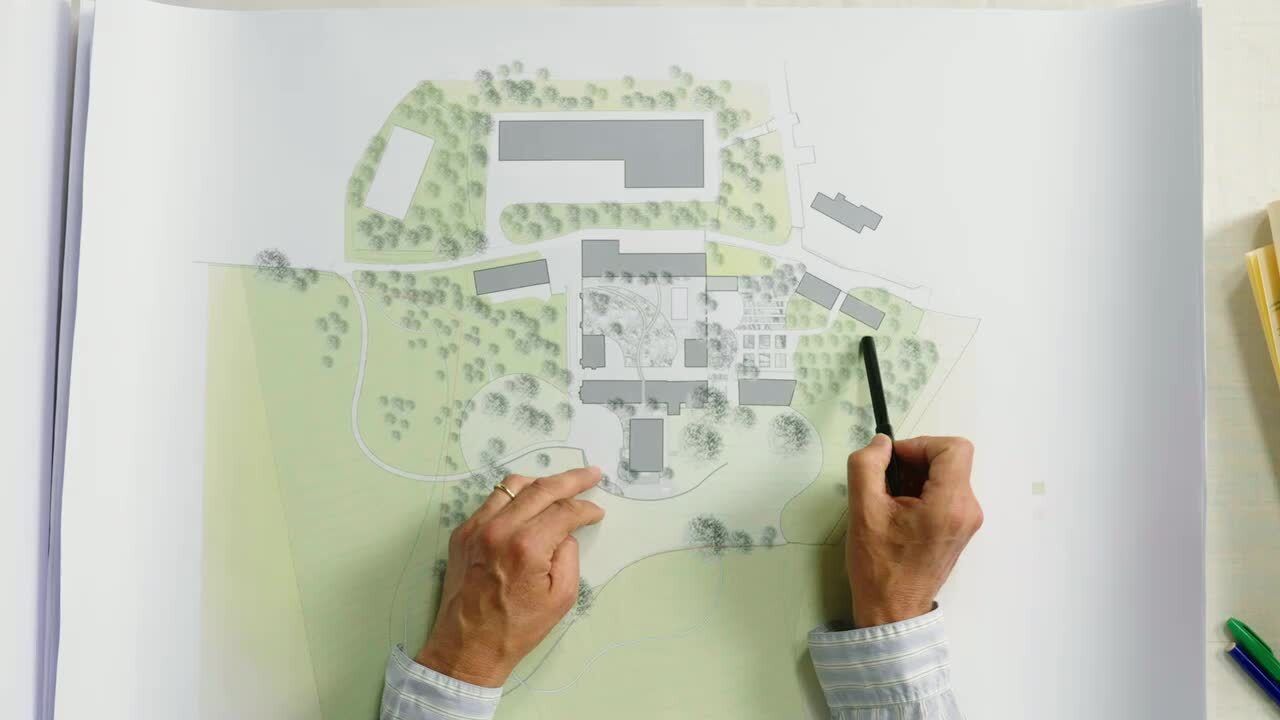
This property is all about context, and our treatment of the site has focussed on bringing the landscape up to meet the cultivated spaces around the buildings in such a way that there is a seamless transition from one to the other. From farmland, to meadows, to small areas of planting, we finally reach this walled garden. This is where we've been able to harvest the microclimate and the sense of enclosure to create a sanctuary that is a complete surprise and contrast from what lies outside it.
Consider the garden area that you would like to develop. Is it predominantly (tick boxes as appropriate):
Referring back to this will help you develop a list of plants that are suitable for your particular conditions.
Get the full workbook, video lessons, and more with a Create Academy subscription.
Subscribe to access the full workbookAlready a member? Sign in to watch
491 reviews
Read moreCreate Academy has been such a great resource. I'm in the middle of renovating a bungalow with a very large garden and the courses have offered a wealth of inform...
Harvey
Jun 10, 2026
Absolutely love Create Academy! The instructors are extremely informative, and it is beautifully filmed. Create Academy is great value for money and plan on renew...
SG
May 31, 2026
Butter's creativity is stunning! Her ability to incorporate brilliance in small gardens is magical!
Carla
May 30, 2026
The best adventure. I like all the courses, but my favorite are both Rita Konig interior design courses and Anna Jones. Excellent!
Karolina Kluczewska
May 20, 2026
Create Academy has been such a great resource. I'm in the middle of renovating a bungalow with a very large garden and the courses have offered a wealth of information to dive into and explore new ideas. I'm...
Harvey
Jun 10, 2026
Absolutely love Create Academy! The instructors are extremely informative, and it is beautifully filmed. Create Academy is great value for money and plan on renewing my subscription yearly because there are ...
SG
May 31, 2026
Butter's creativity is stunning! Her ability to incorporate brilliance in small gardens is magical!
Carla
May 30, 2026

Your Instructor
Acclaimed naturalistic landscape designer. Multiple Chelsea Gold Medal Winner. OBE.
British landscape designer, horticulturalist and writer Dan Pearson OBE, has been designing award-winning gardens since 1987. His naturalistic use of plants, light-handed approach to design and deep-rooted horticultural knowledge has made him one of the most celebrated and innovative gardeners working today. Dan trained in horticulture at Wisley and Kew, before starting his garden and landscape design practice in 1987. In 2015, his show garden for Chatsworth and Laurent Perrier was awarded a Gold Medal and Best Show Garden at the Chelsea Flower Show. In 2014 Dan was appointed an advisor to the National Trust at Sissinghurst Castle. For over 20 years Dan has written regular gardening columns, with his work a staple of The Observer, and has written a number of best-selling gardening books.

Access to all courses


