

Interior and exterior confidence
Create Academy has been such a great resource. I'm in the middle of renovating a bungalow with a very large garden and the courses have offered a wealth of inform...
Harvey
Jun 10, 2026
An Expert Guide to Planting Design
with DAN PEARSON — Acclaimed naturalistic landscape designer. Multiple Chelsea Gold Medal Winner. OBE.
Lesson 14 of 31
Subscribe to watch
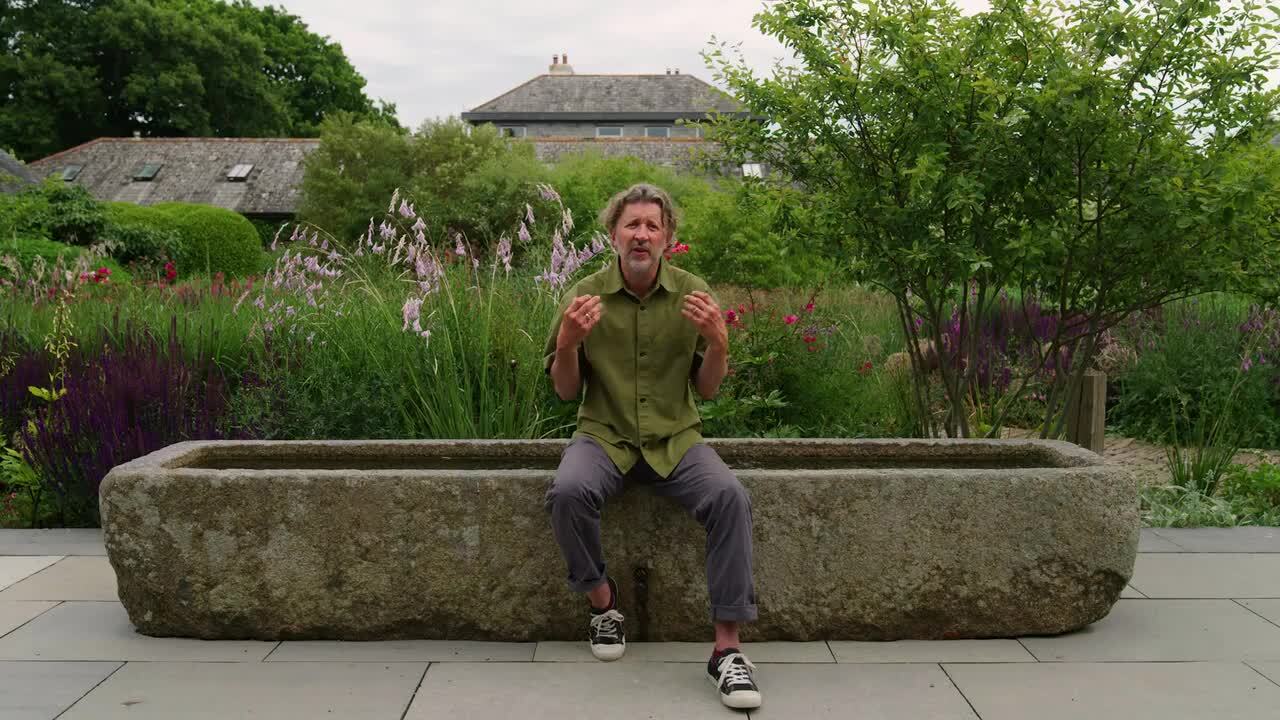
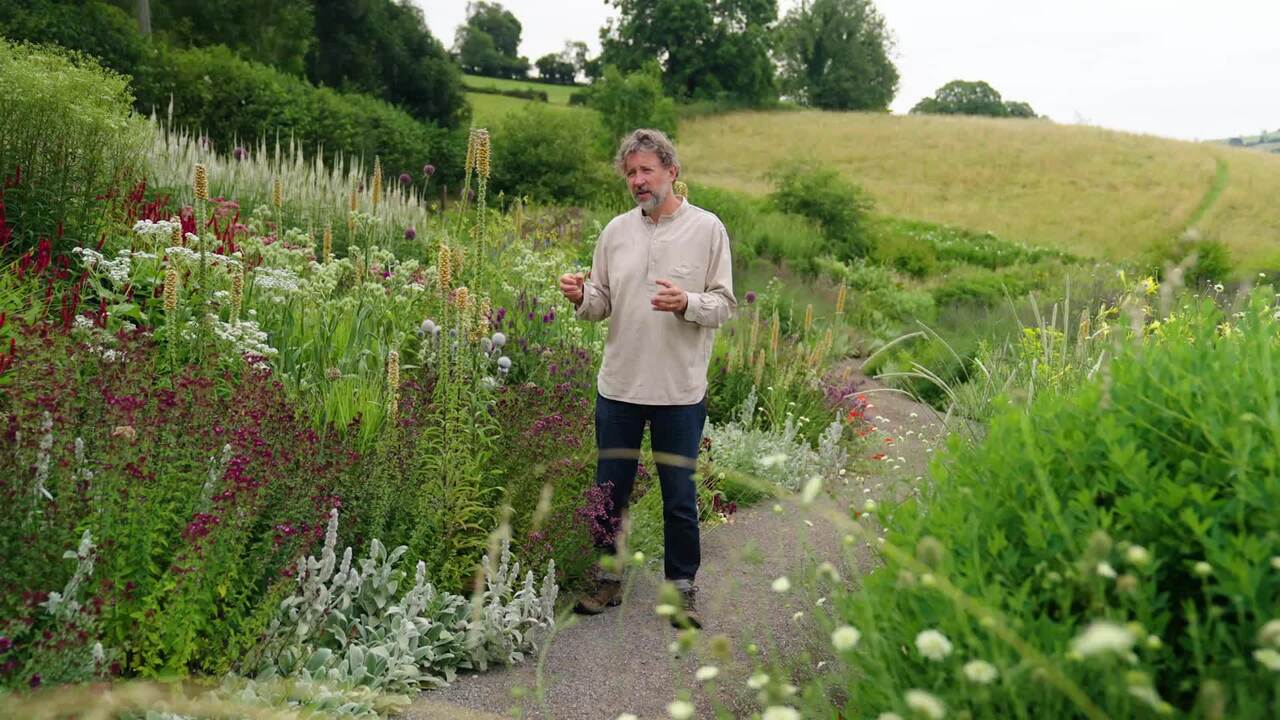
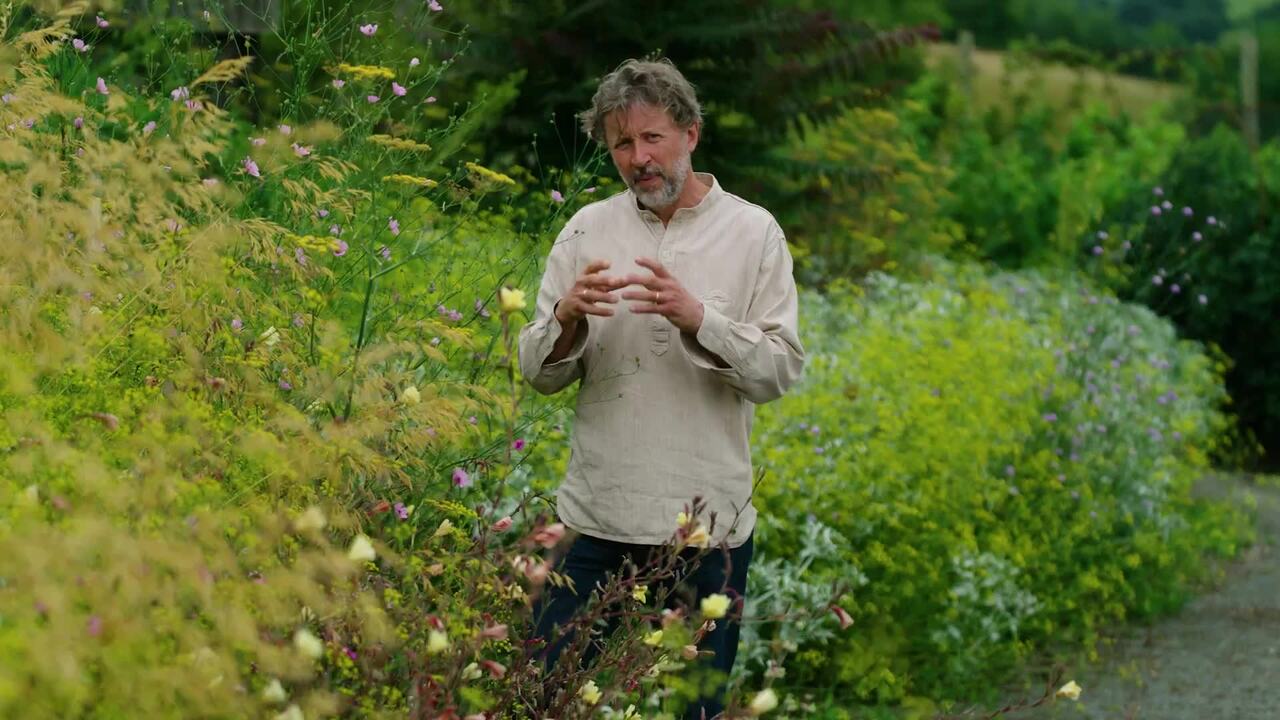
Dan shares how opening up potential and capitalising on valuable microclimates allowed him to create a rich and varied fruit and vegetable garden, which connects to other areas and is as beautiful and biodiverse as it is productive.
Some bold landscaping moves and capitalising on microclimates in this difficult site allowed us to create a rich and varied fruit and vegetable garden, which is beautiful and biodiverse as well as productive.
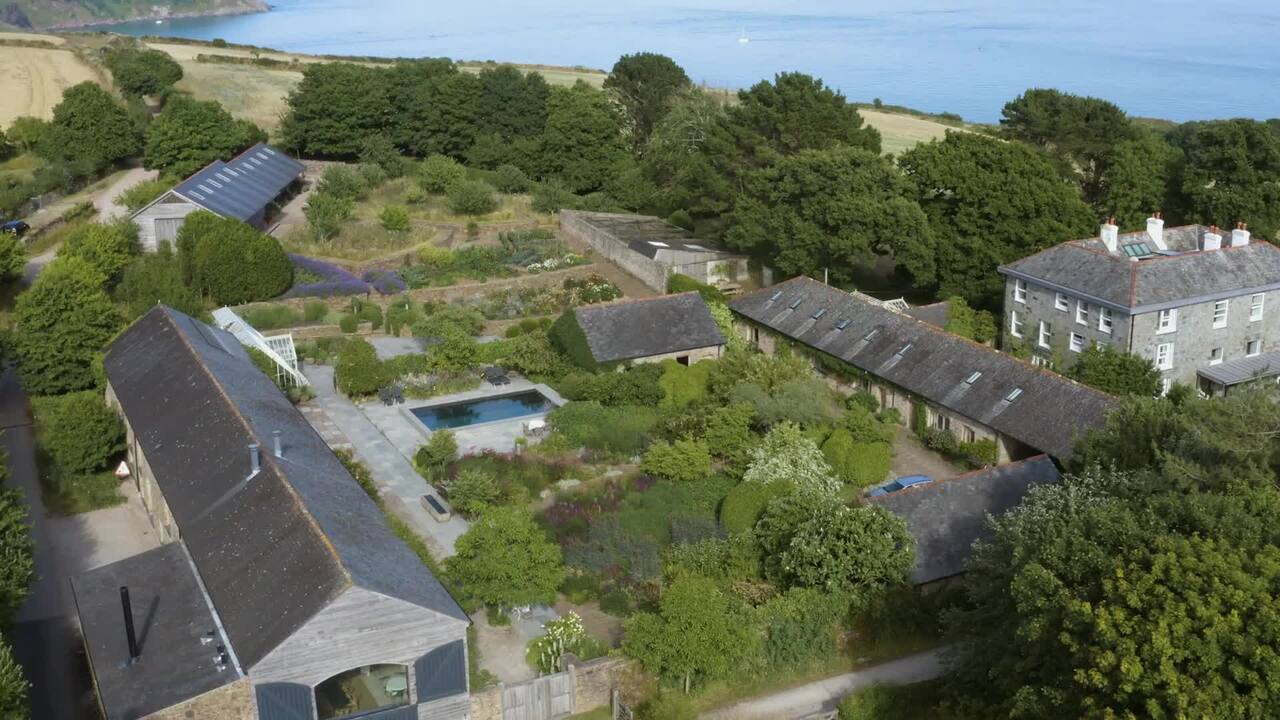
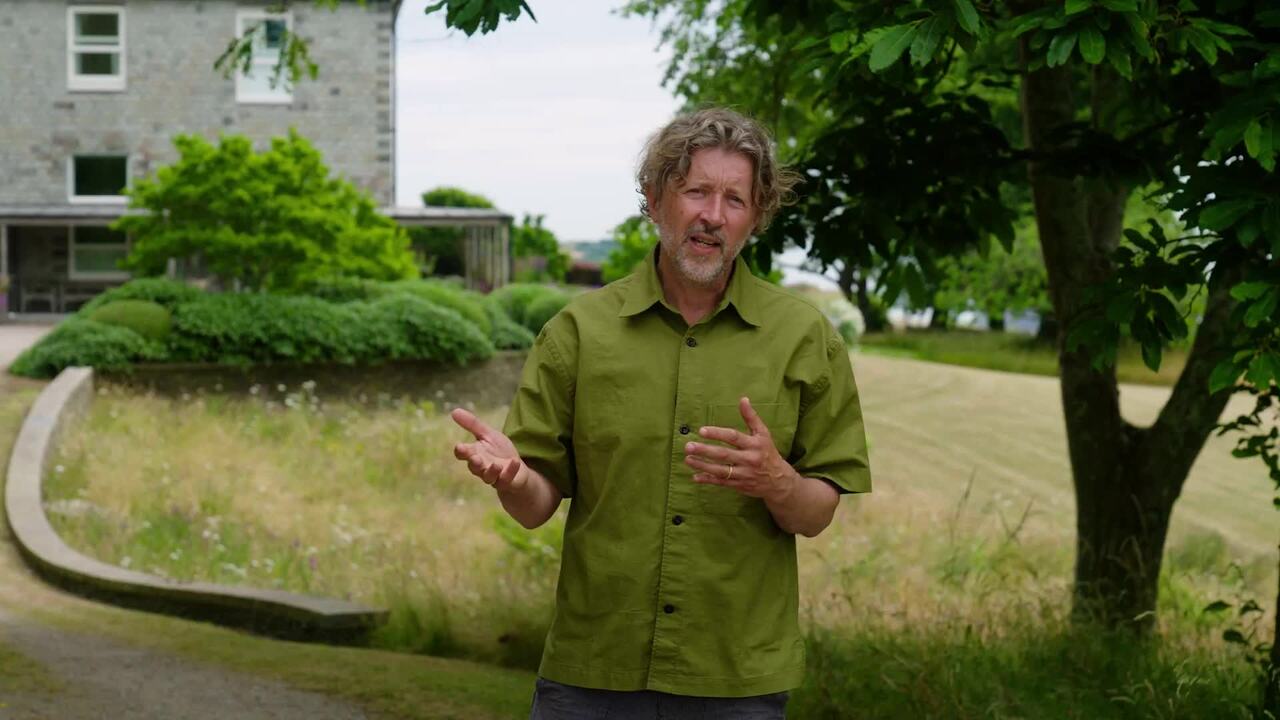
Removing two barns from behind the house liberated that high ground for an orchard. To extend that into a dedicated space for growing to eat, we re-contoured the ground and made a series of terraces to negotiate the change in level. On those, we created a productive garden.
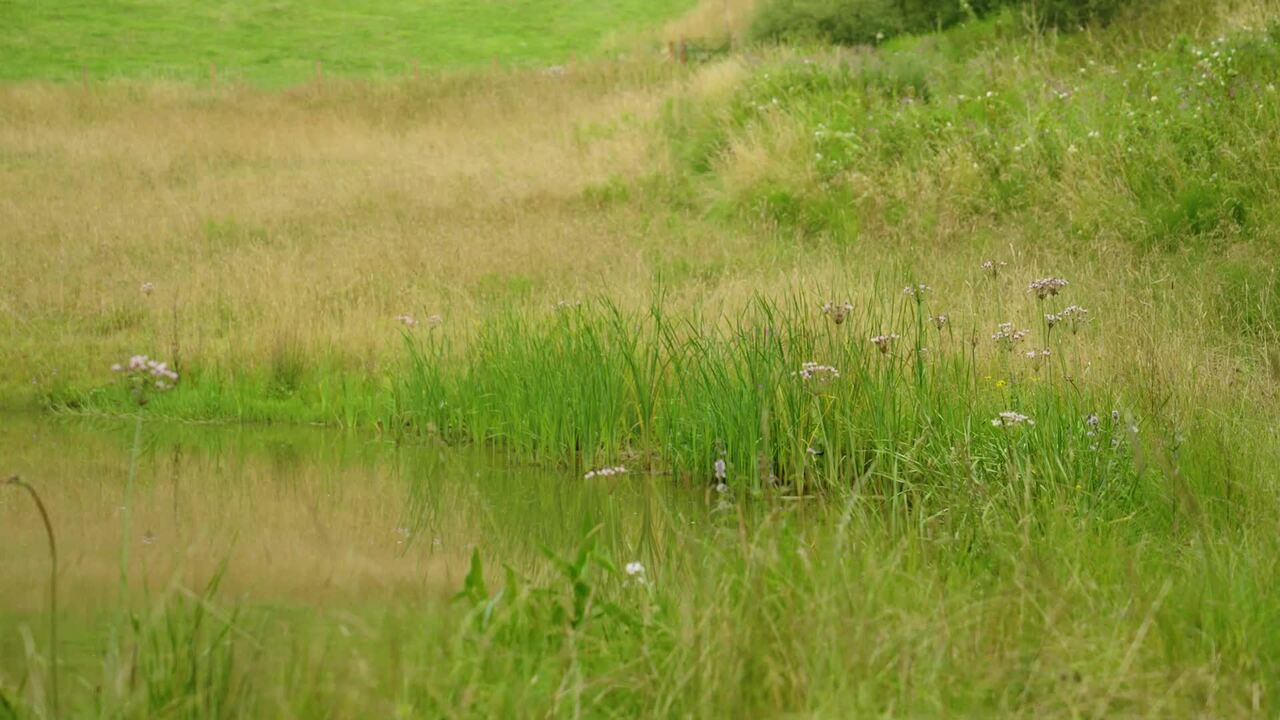
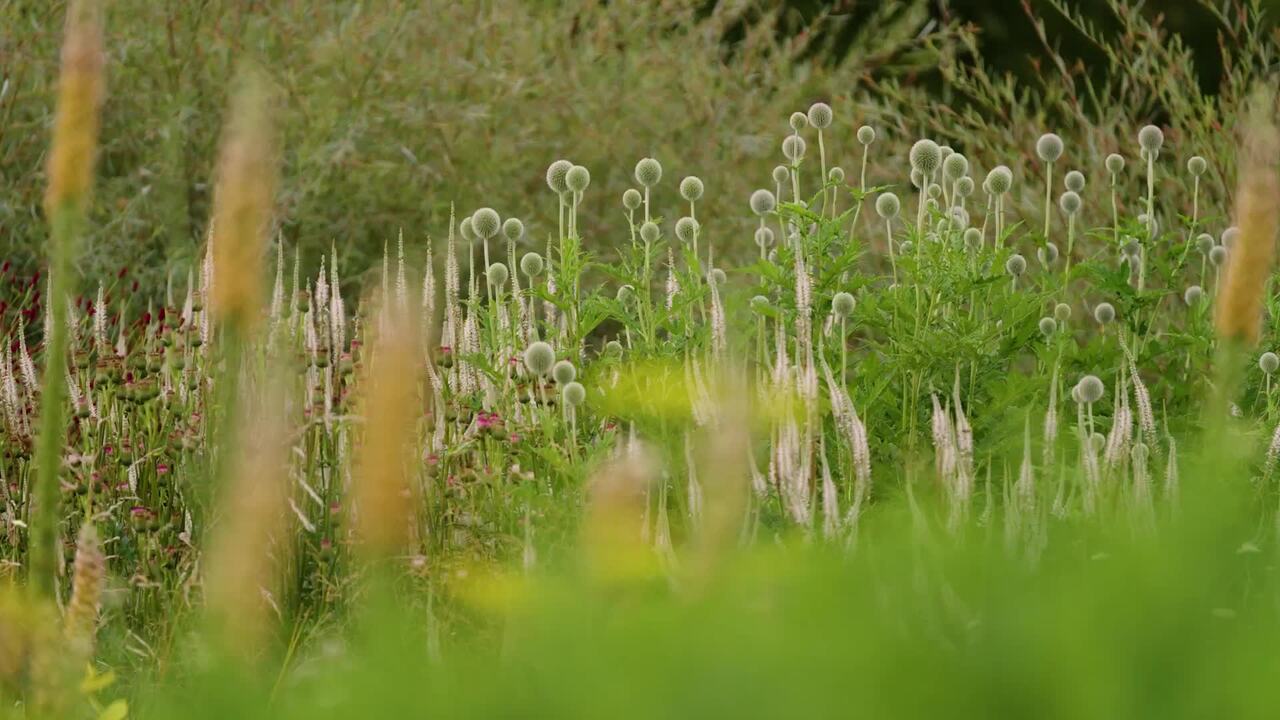
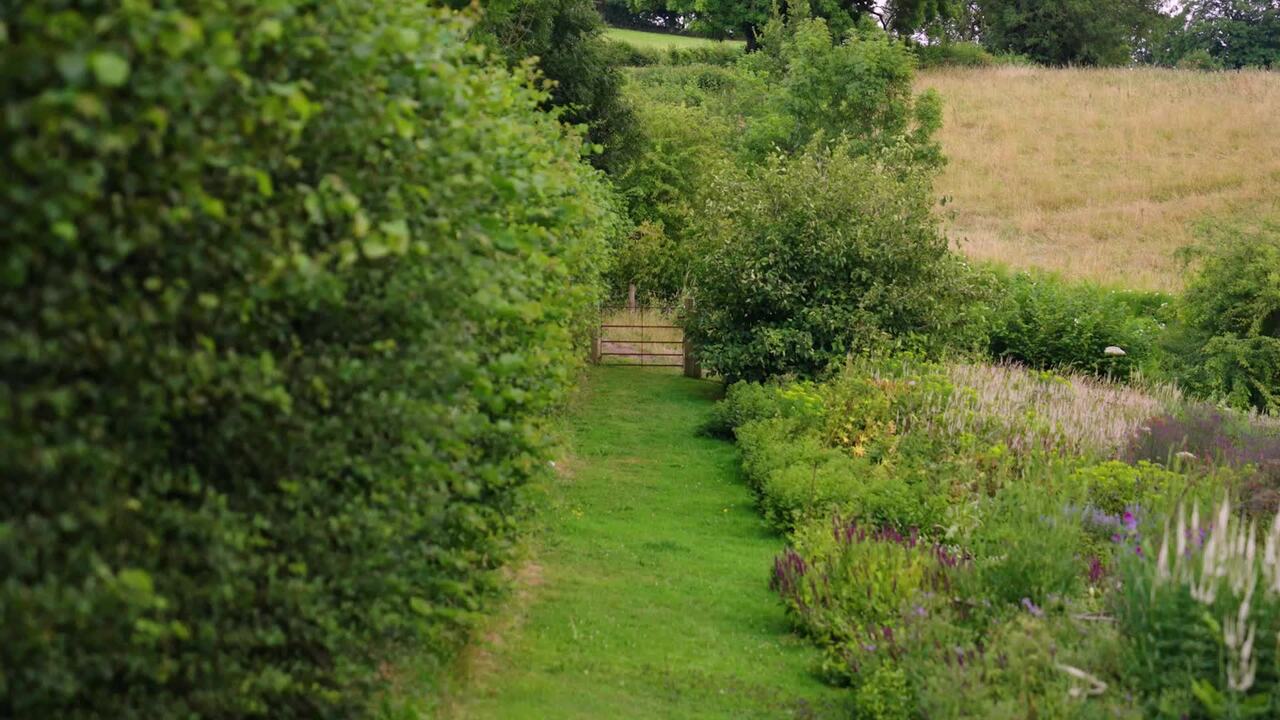
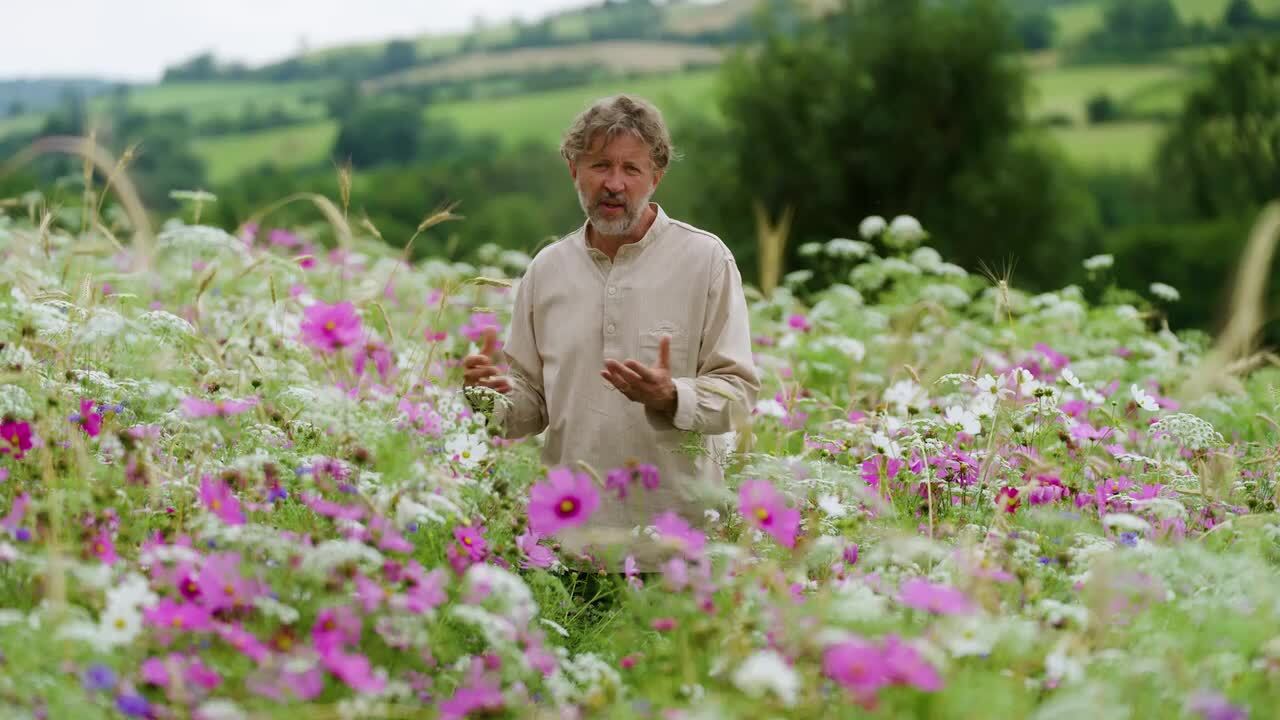
We flooded the orchard with a wildflower meadow to bring the meadows right the way around the site. The orchard has paths running through it – a hard path for mini tractors and barrows, and then informal paths mown into the meadow that weave between the trees.
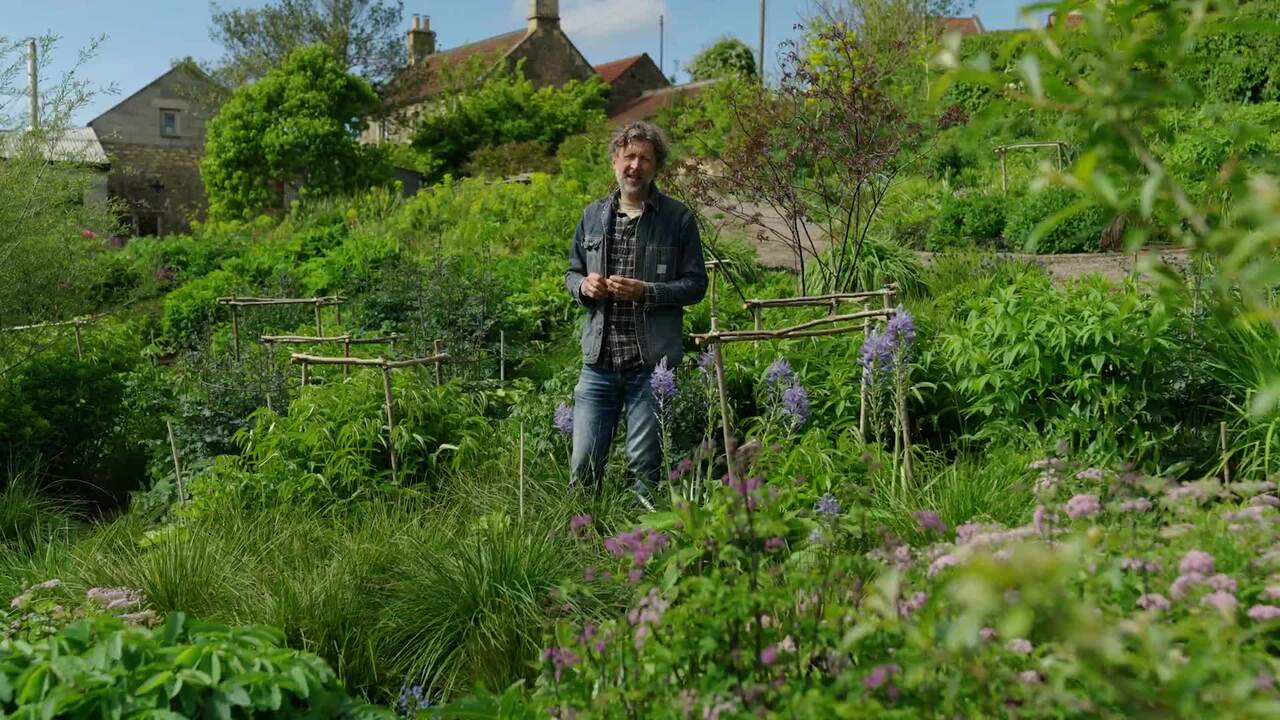
The kitchen garden is a functional area that provides for the family, but also for biodiversity, whilst looking beautiful too.
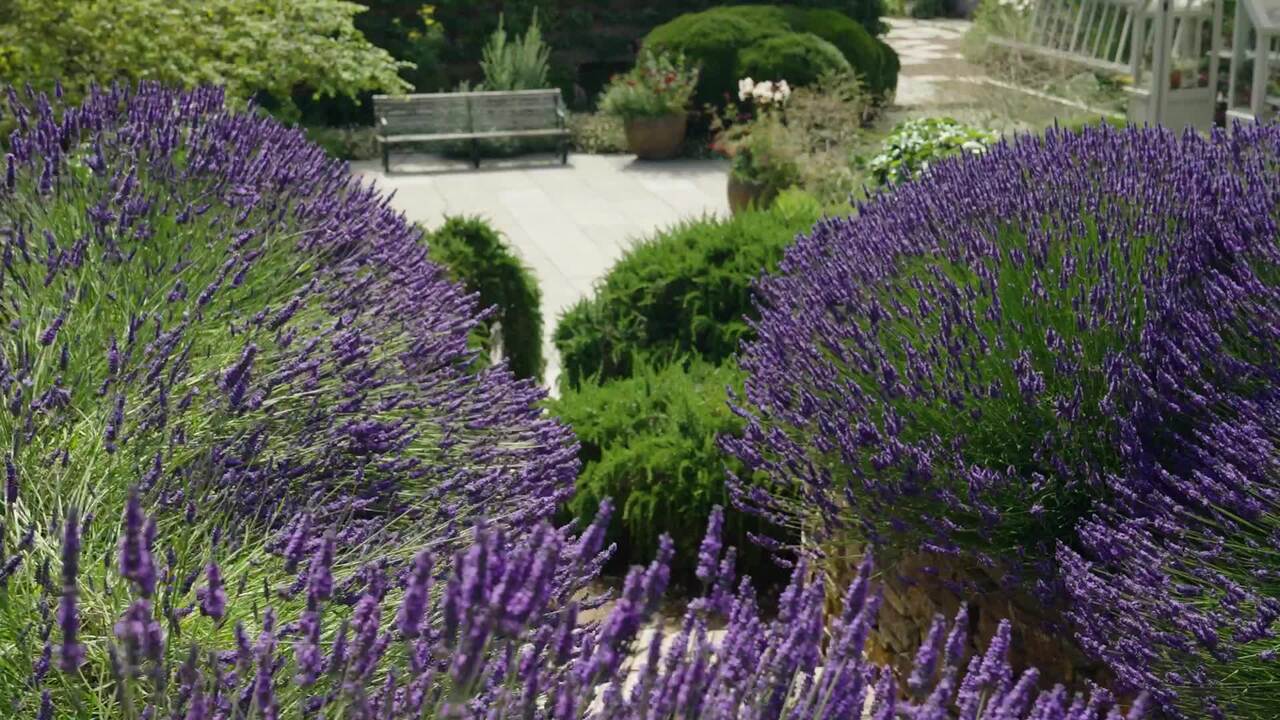
The herb garden sits below the kitchen garden. It's in a sheltered spot with very free drainage and plenty of sunshine. Most of the herbs are from the Mediterranean, so they love these conditions.
The herb garden is mostly shrubby herbs, with the annual herbs grown in rows in the kitchen garden.
Every garden has a set of different microclimates – specific conditions within particular areas that may, for example, be created by the shade or shelter of walls, trees or hedges.
Sometimes microclimates just encompass a few metres close to a wall or building. Over time, new microclimates develop around the plants you've used to provide internal structure as they grow. The evergreens and large euphorbias, for example, have started to develop sheltered areas around them.
As a garden matures, it will develop a different set of microclimates to the garden you planted on day one. This means you constantly need to look at the way a garden is evolving and adjust the planting according to the ways the environments change.
I wanted the materials throughout the site to be really consistent, therefore:
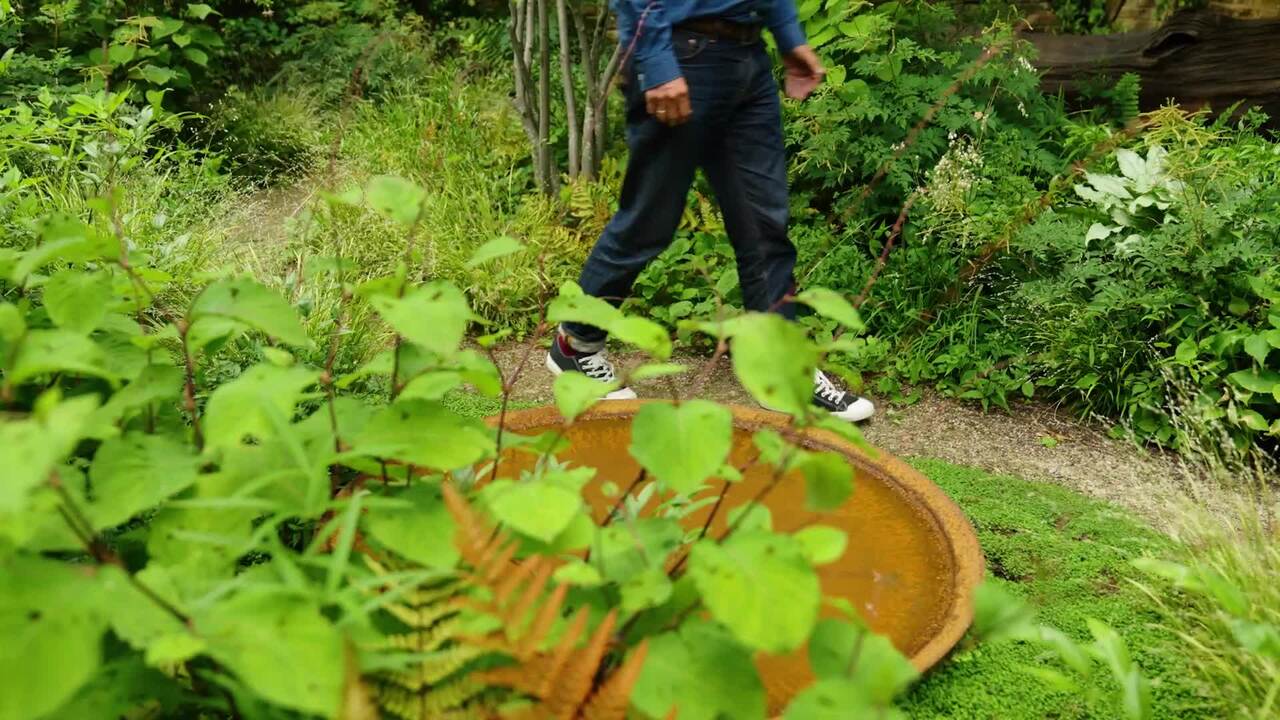
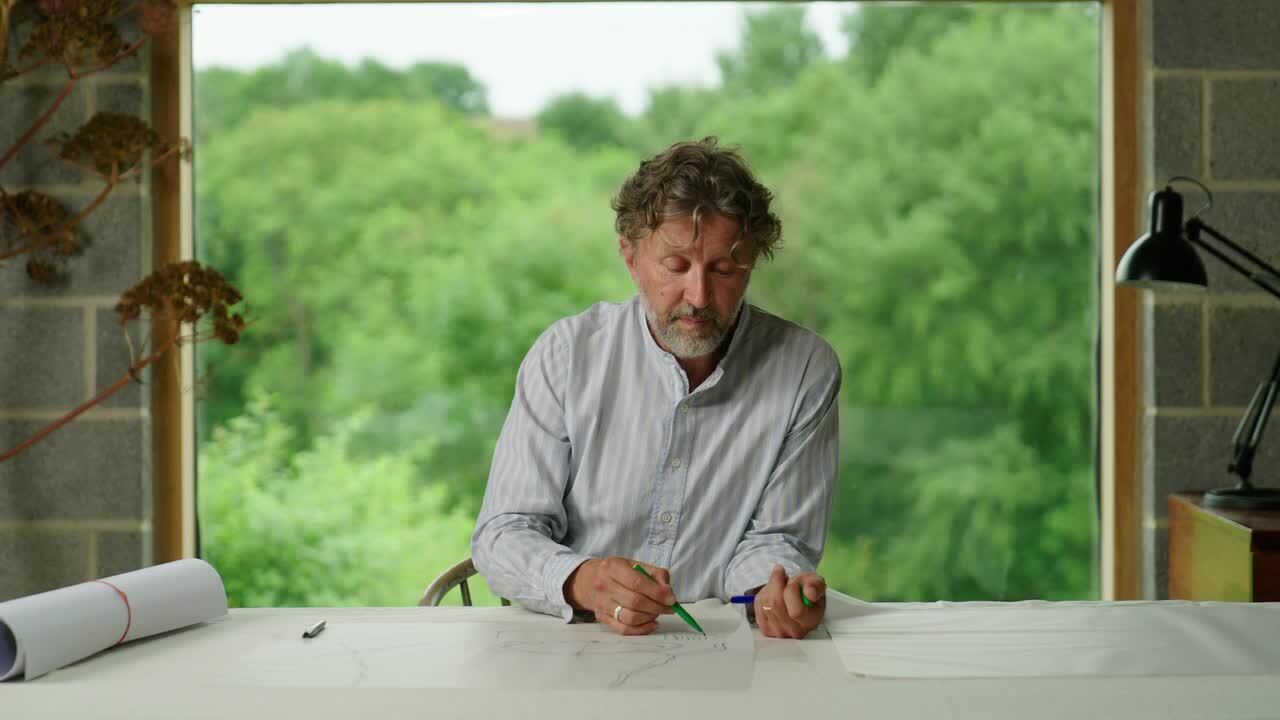
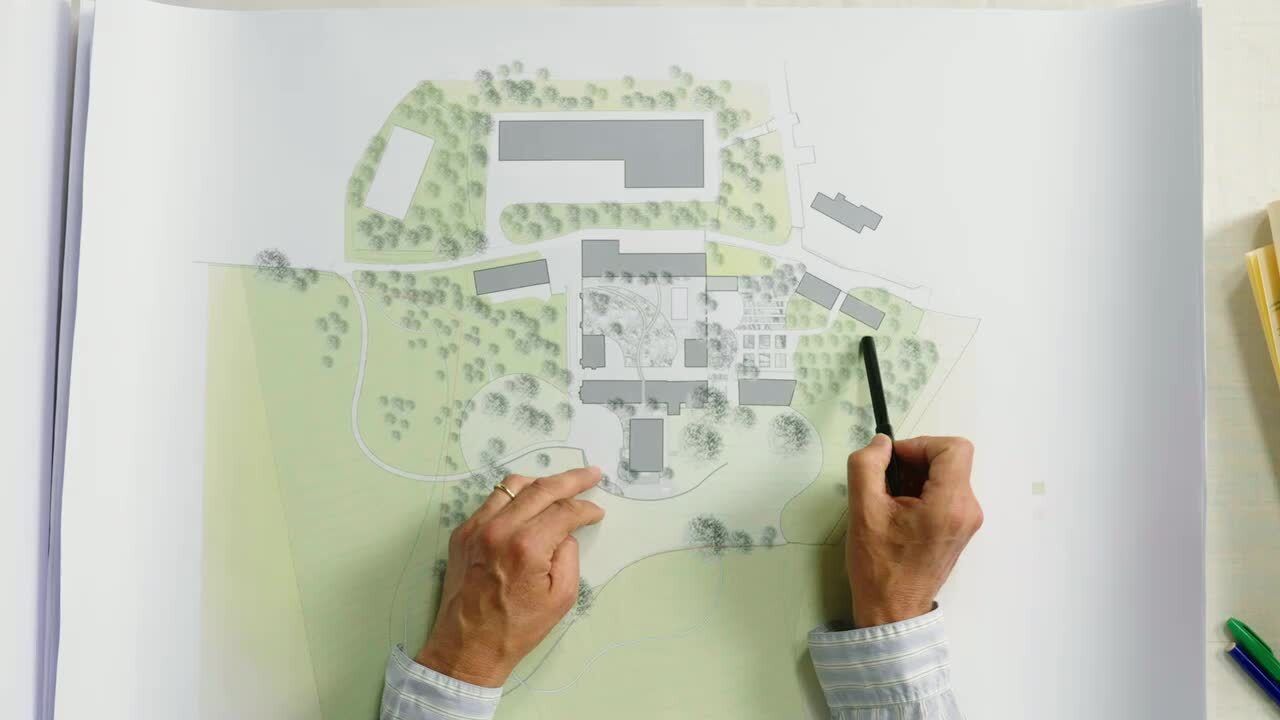
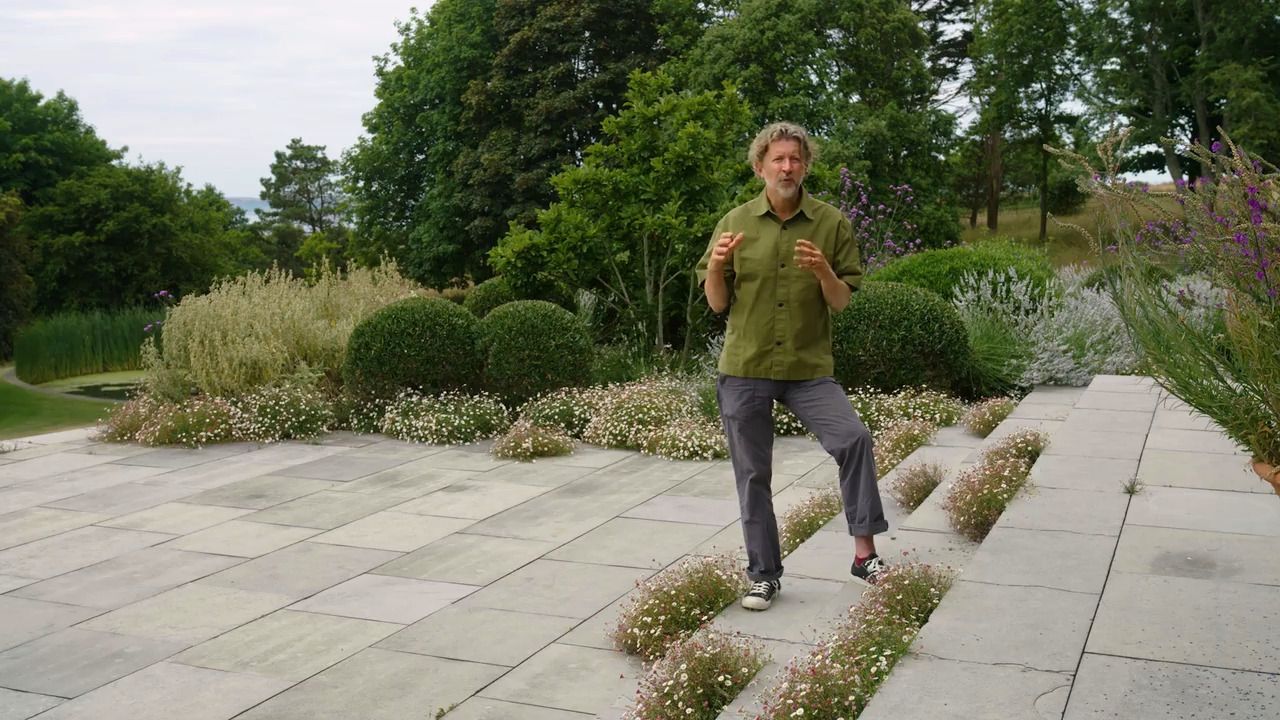
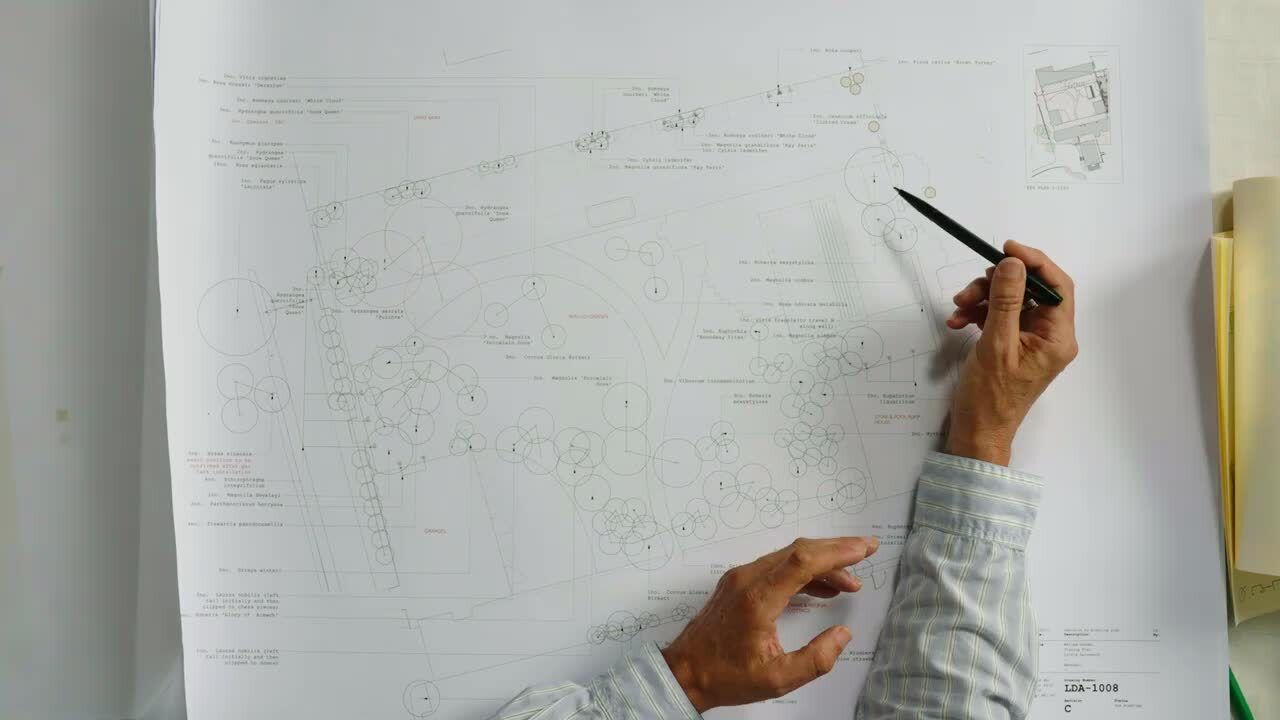
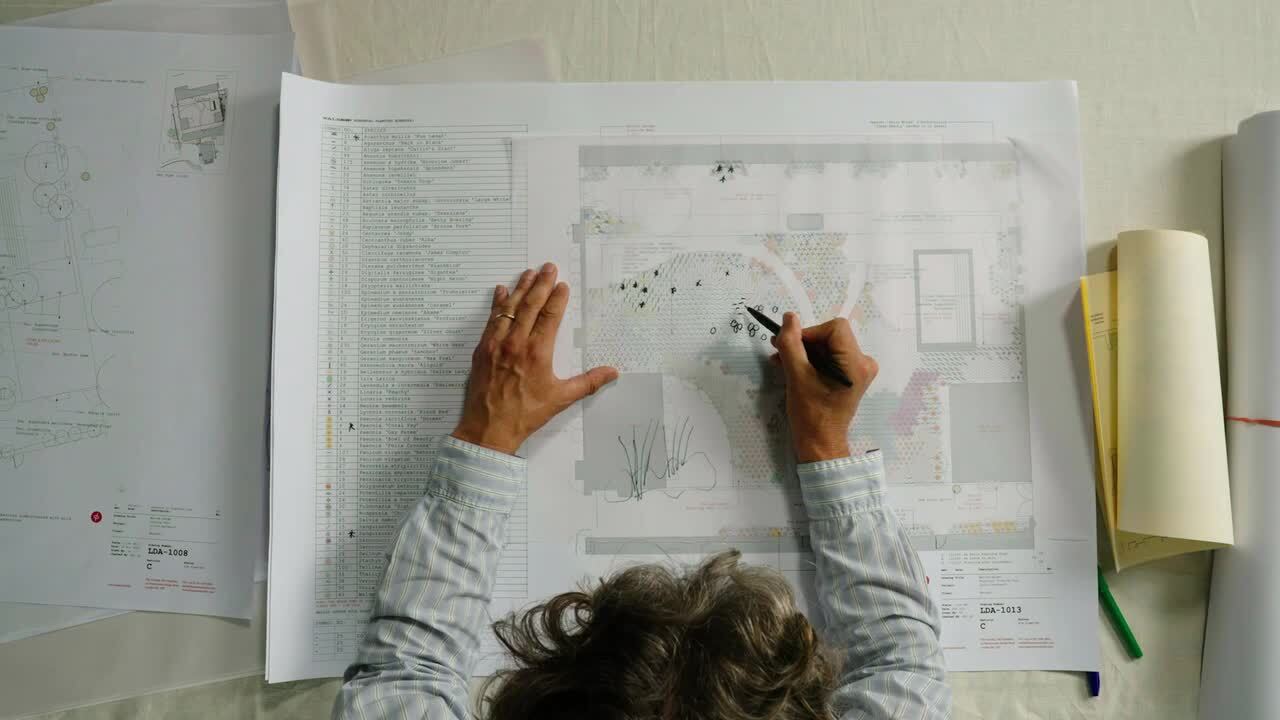
When drawing up the site, we made a real effort to identify the lines of desire, but making those lines as elegant as possible, so that you've a feeling of moving through something that's a joy to walk on.
When choosing materials, it's always best to keep your palette really limited. As a general rule, we only use three materials within any one area of a garden. Here, we've got the wood of the barns, the recycled concrete for the areas immediately around the barns, and the stone on the paths.
Limiting the number of different elements to using just three materials helps maintain a sense of calm in the landscaping, and also makes decision-making easier thanks to the simplicity.
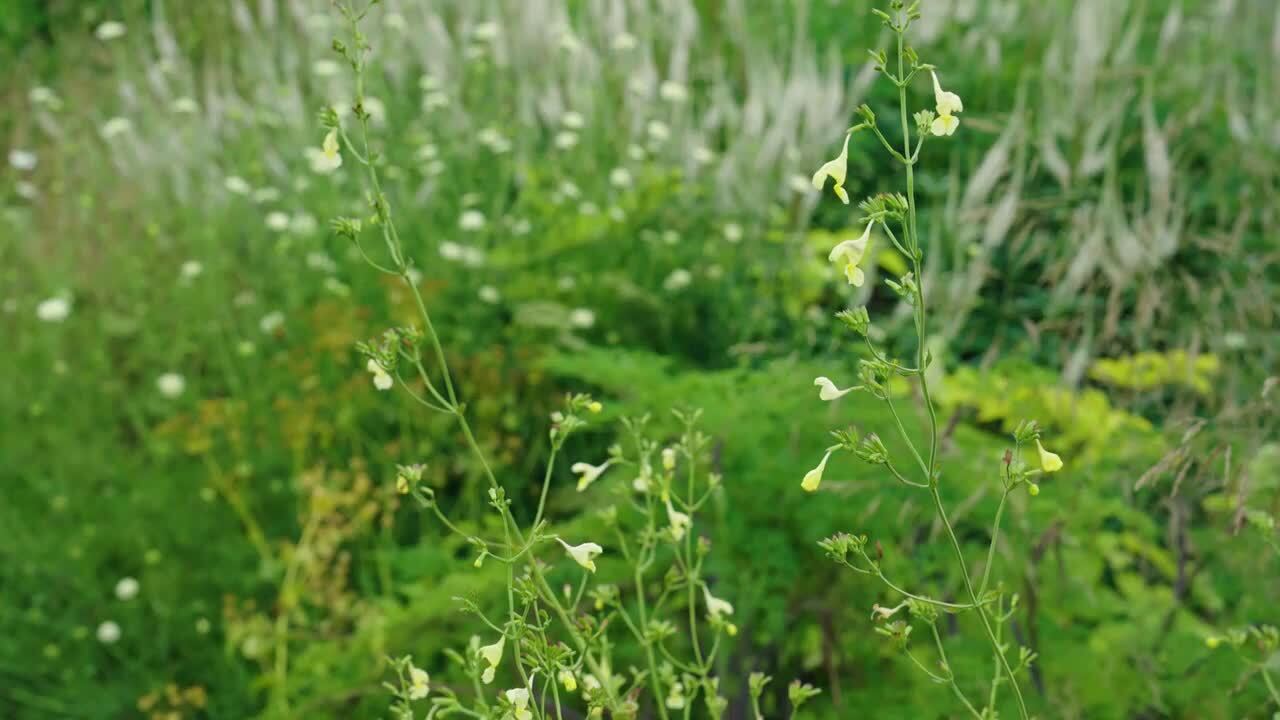
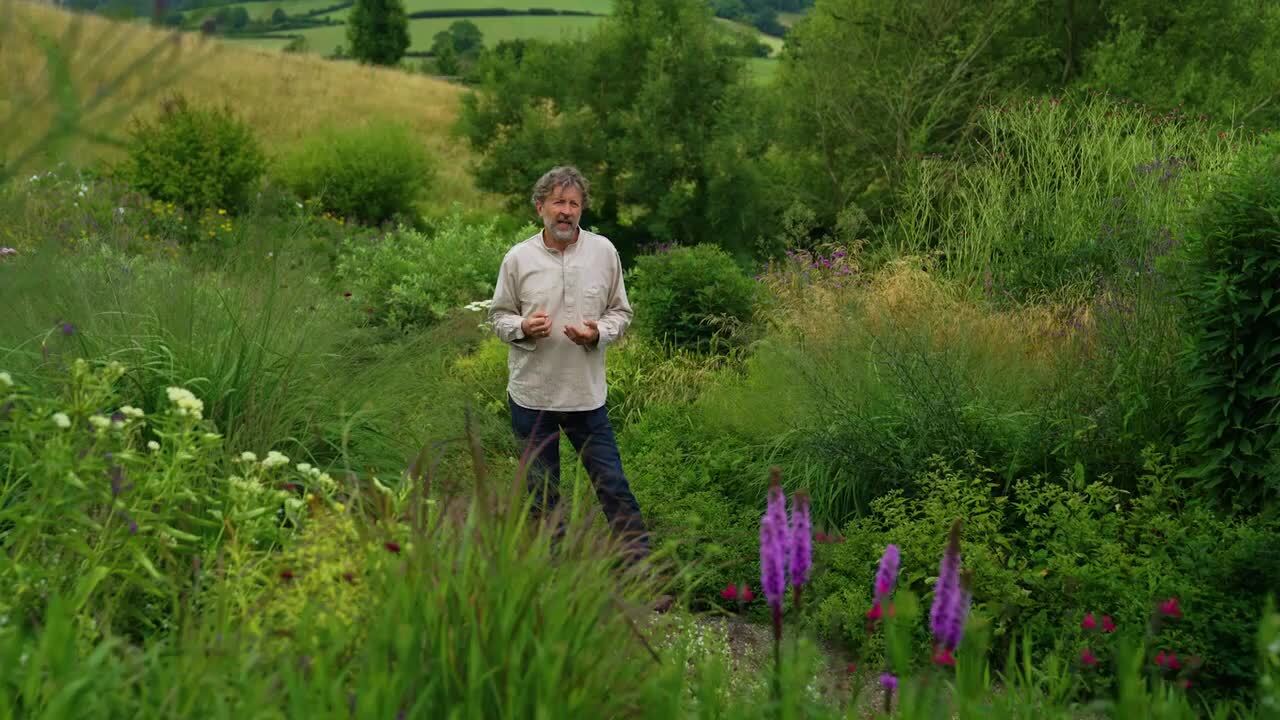
Garden areas are often divided by walls or hedges. However, you can also create distinctions between spaces using planting. I often use very simple, bold moves in plantings to facilitate a transition.
Those big, bold moves are really worth incorporating. Like with the hard landscaping, keeping things simple allows for detail to come in from elsewhere.
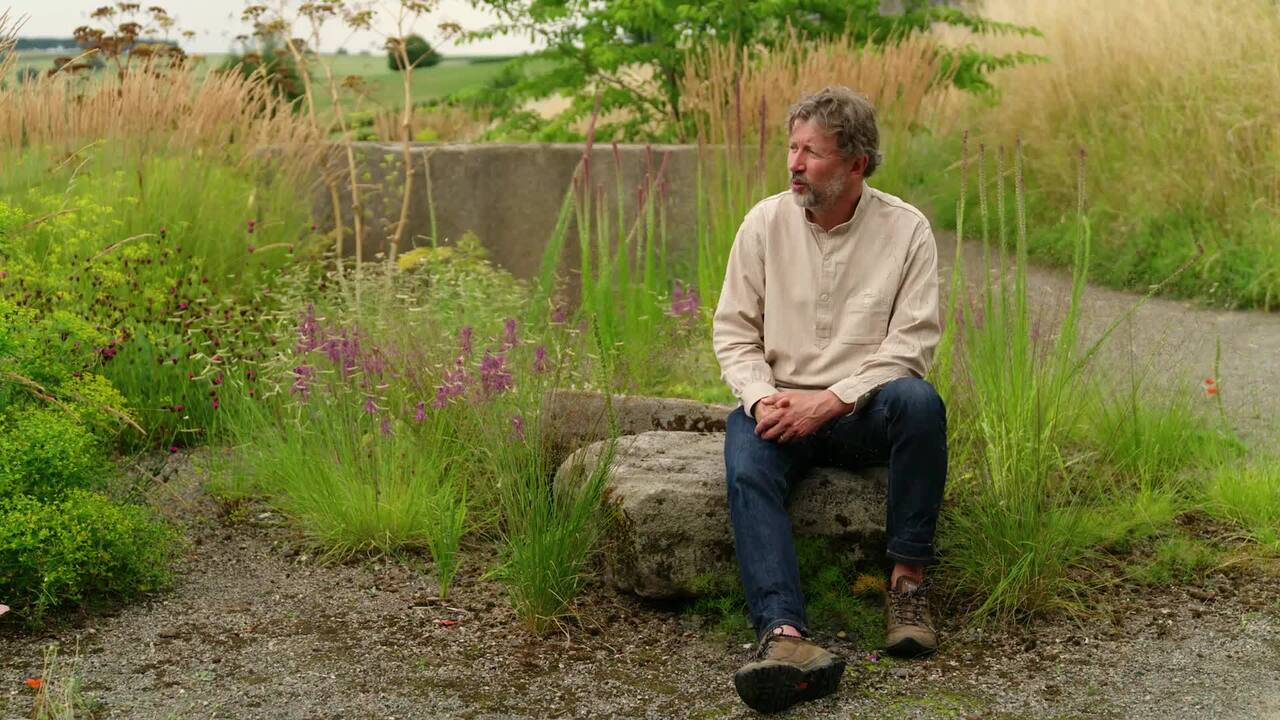
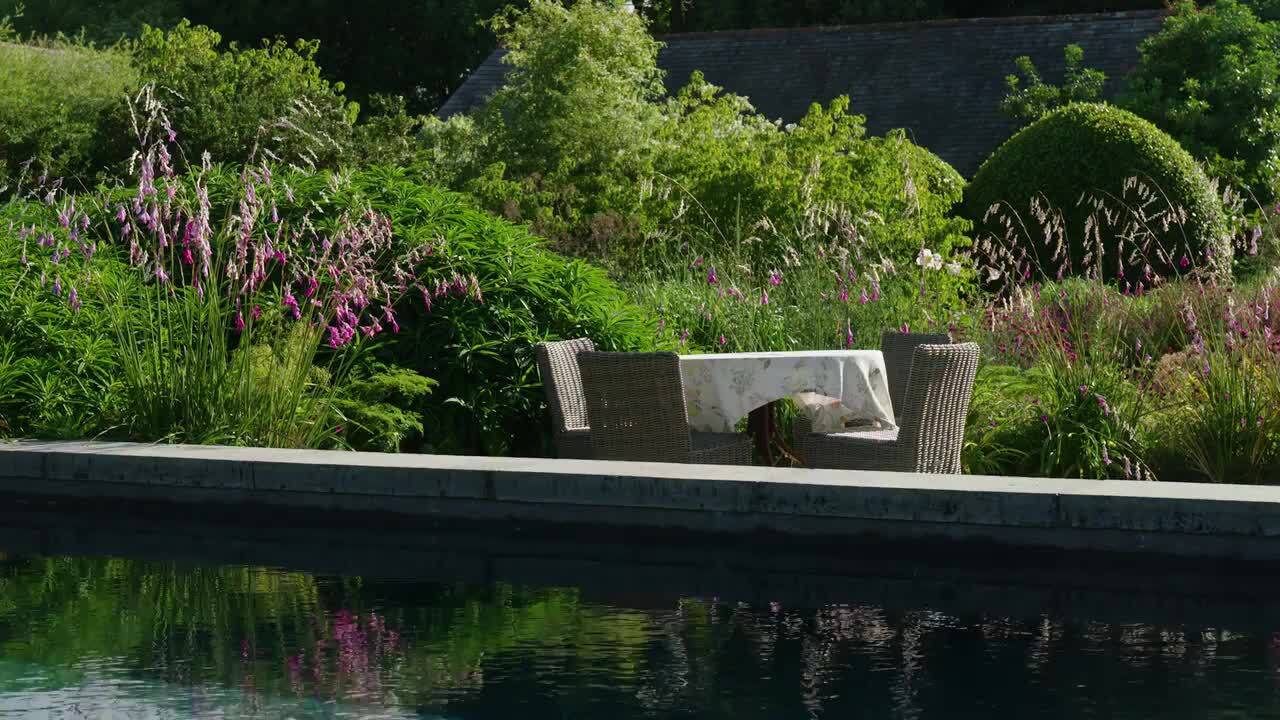
An early study to make on a new site is to think about where you actually want to be, and what can be made into something particular and inviting. Such 'places to be' are important – they are often the elements that allow you to connect one space to another.
Up here by the barns, the 'places to be' each have very distinct moods:
'Places to be' create a sense of journey and a narrative in which each place has a different purpose, and highlight the various reasons for being in different parts of the garden throughout the day.
Get the full workbook, video lessons, and more with a Create Academy subscription.
Subscribe to access the full workbookAlready a member? Sign in to watch
491 reviews
Read moreCreate Academy has been such a great resource. I'm in the middle of renovating a bungalow with a very large garden and the courses have offered a wealth of inform...
Harvey
Jun 10, 2026
Absolutely love Create Academy! The instructors are extremely informative, and it is beautifully filmed. Create Academy is great value for money and plan on renew...
SG
May 31, 2026
Butter's creativity is stunning! Her ability to incorporate brilliance in small gardens is magical!
Carla
May 30, 2026
The best adventure. I like all the courses, but my favorite are both Rita Konig interior design courses and Anna Jones. Excellent!
Karolina Kluczewska
May 20, 2026
Create Academy has been such a great resource. I'm in the middle of renovating a bungalow with a very large garden and the courses have offered a wealth of information to dive into and explore new ideas. I'm...
Harvey
Jun 10, 2026
Absolutely love Create Academy! The instructors are extremely informative, and it is beautifully filmed. Create Academy is great value for money and plan on renewing my subscription yearly because there are ...
SG
May 31, 2026
Butter's creativity is stunning! Her ability to incorporate brilliance in small gardens is magical!
Carla
May 30, 2026

Your Instructor
Acclaimed naturalistic landscape designer. Multiple Chelsea Gold Medal Winner. OBE.
British landscape designer, horticulturalist and writer Dan Pearson OBE, has been designing award-winning gardens since 1987. His naturalistic use of plants, light-handed approach to design and deep-rooted horticultural knowledge has made him one of the most celebrated and innovative gardeners working today. Dan trained in horticulture at Wisley and Kew, before starting his garden and landscape design practice in 1987. In 2015, his show garden for Chatsworth and Laurent Perrier was awarded a Gold Medal and Best Show Garden at the Chelsea Flower Show. In 2014 Dan was appointed an advisor to the National Trust at Sissinghurst Castle. For over 20 years Dan has written regular gardening columns, with his work a staple of The Observer, and has written a number of best-selling gardening books.
Access to all courses


