






Very good tutorial from a professional garden...
I have subscribed to access all the courses so have watched one on interior design and this one with Butter Wakefield who specialises in small garden design. She ...
Louise Brown
Apr 10, 2026
An Expert Guide to Planting Design
with DAN PEARSON — Acclaimed naturalistic landscape designer. Multiple Chelsea Gold Medal Winner. OBE.
Lesson 2 of 31

Buy or subscribe to watch
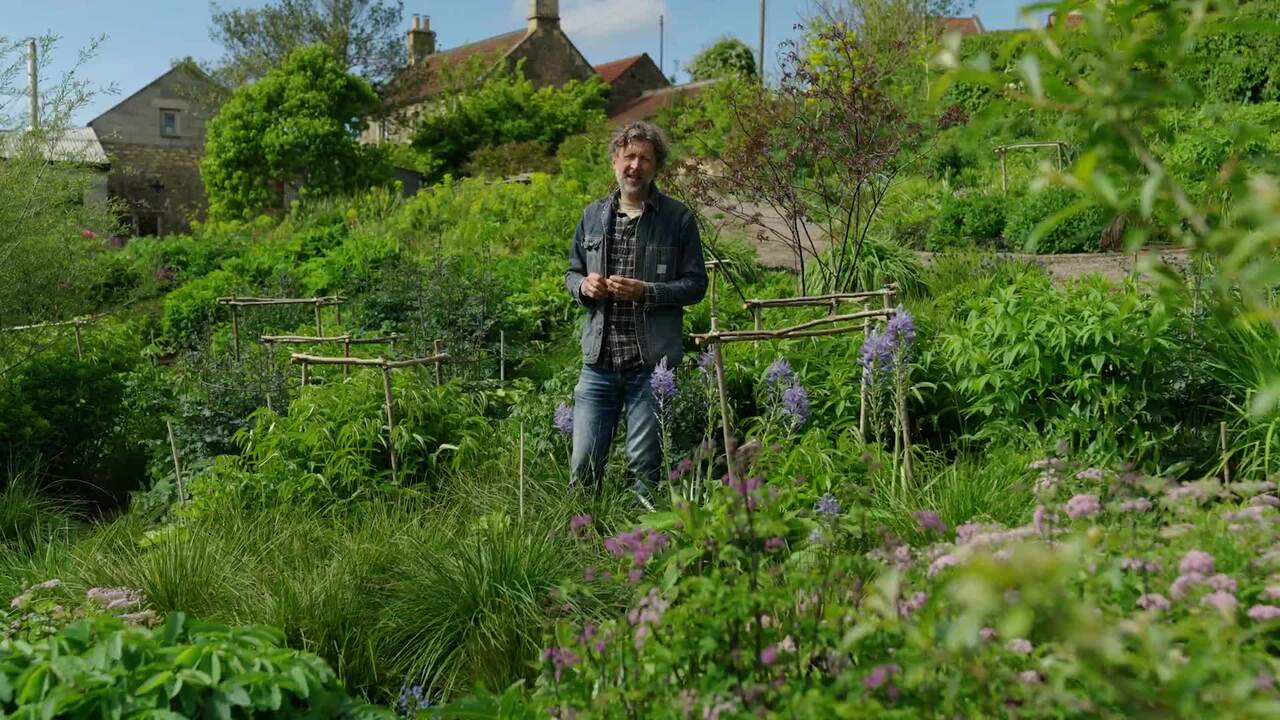
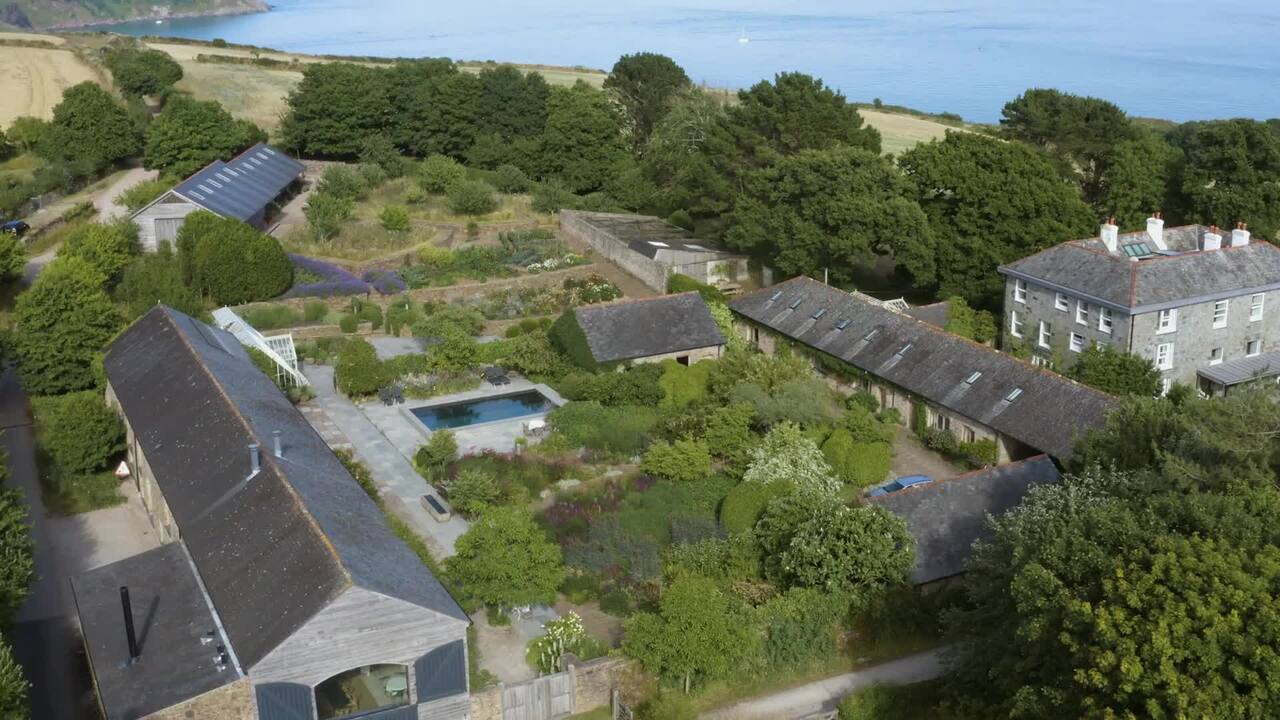
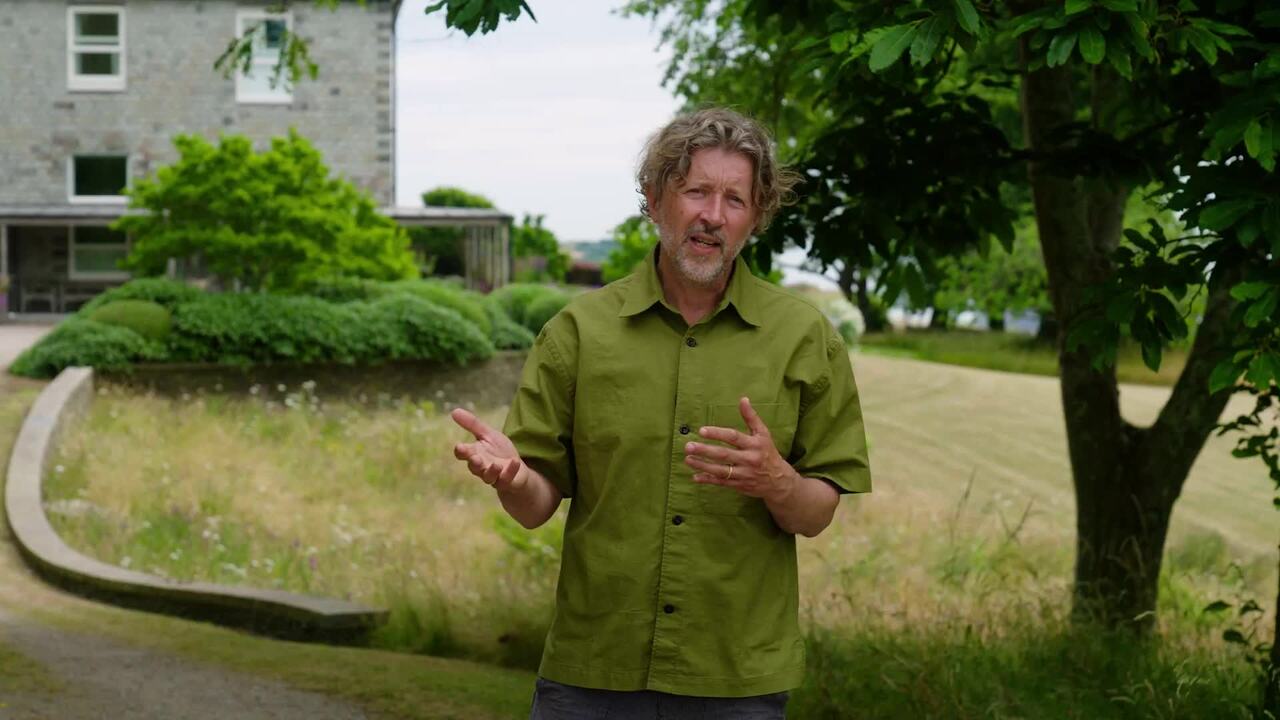
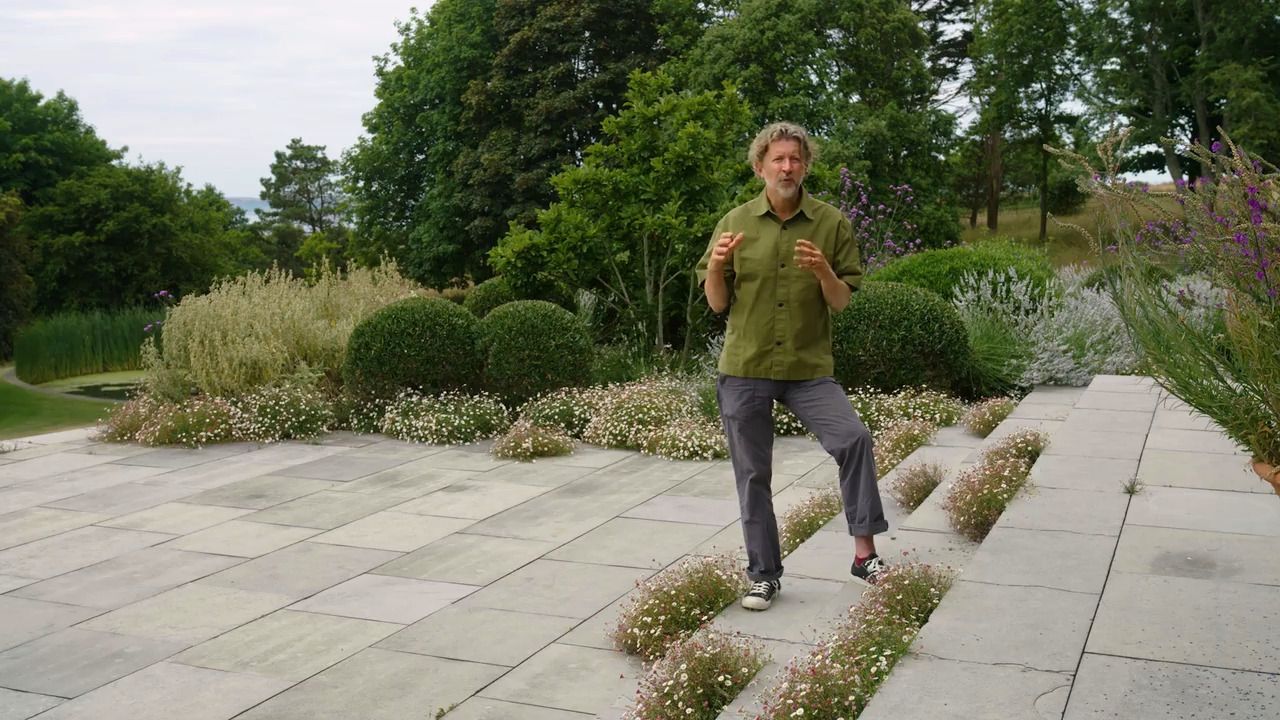
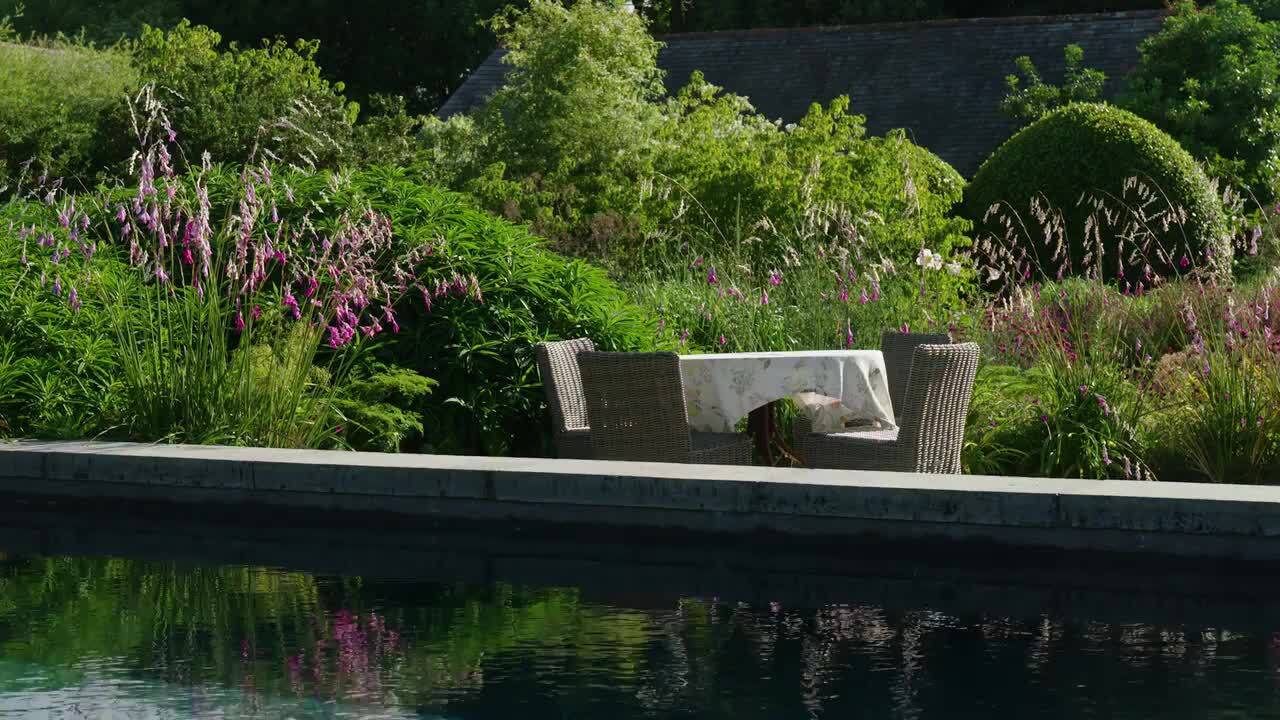
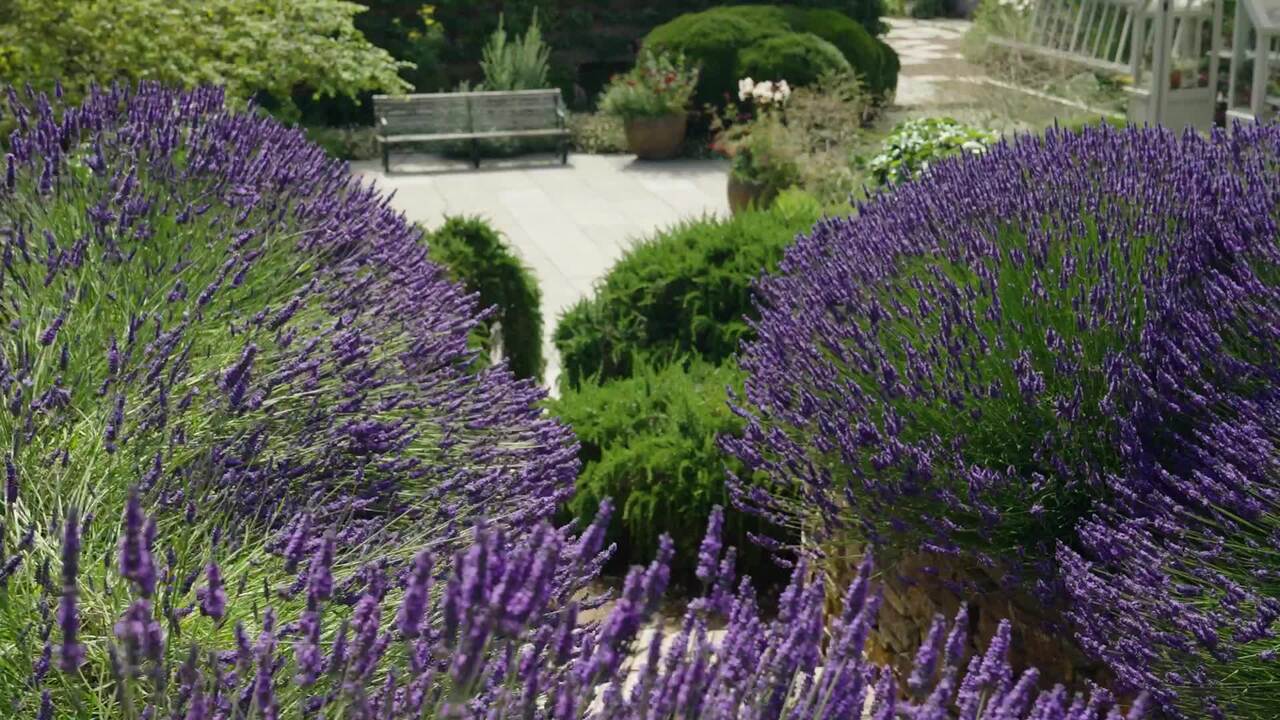
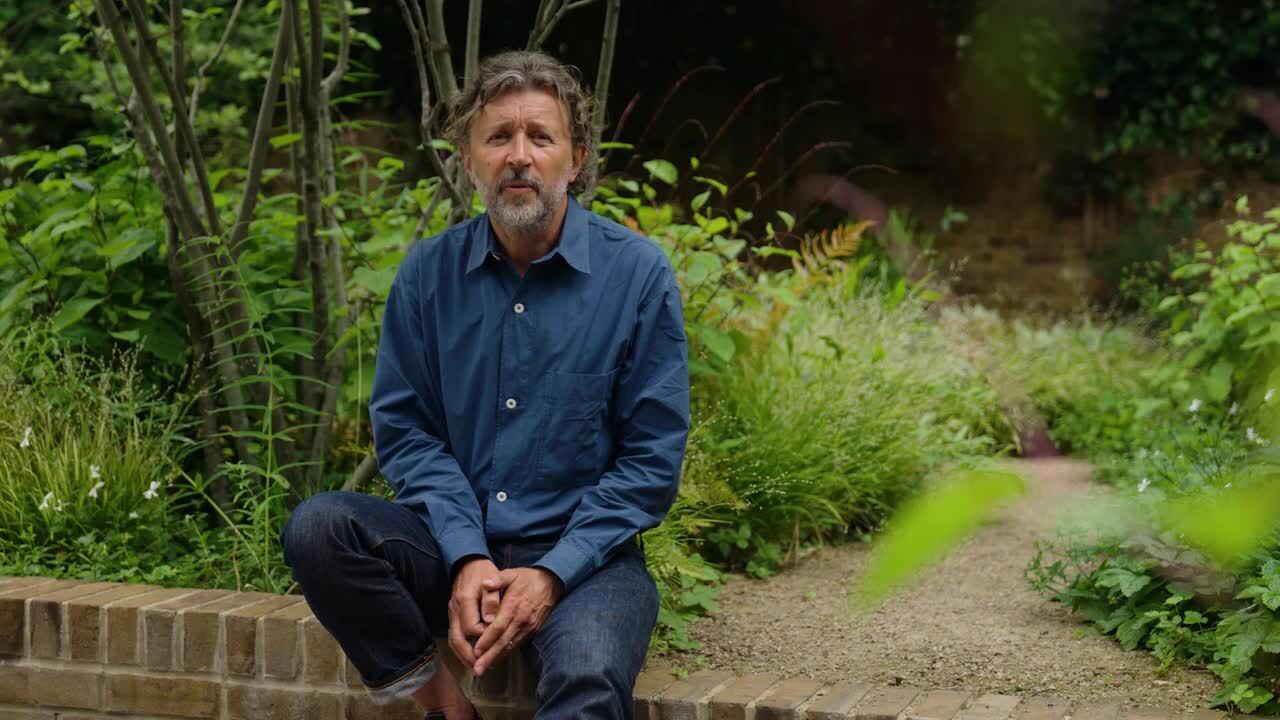
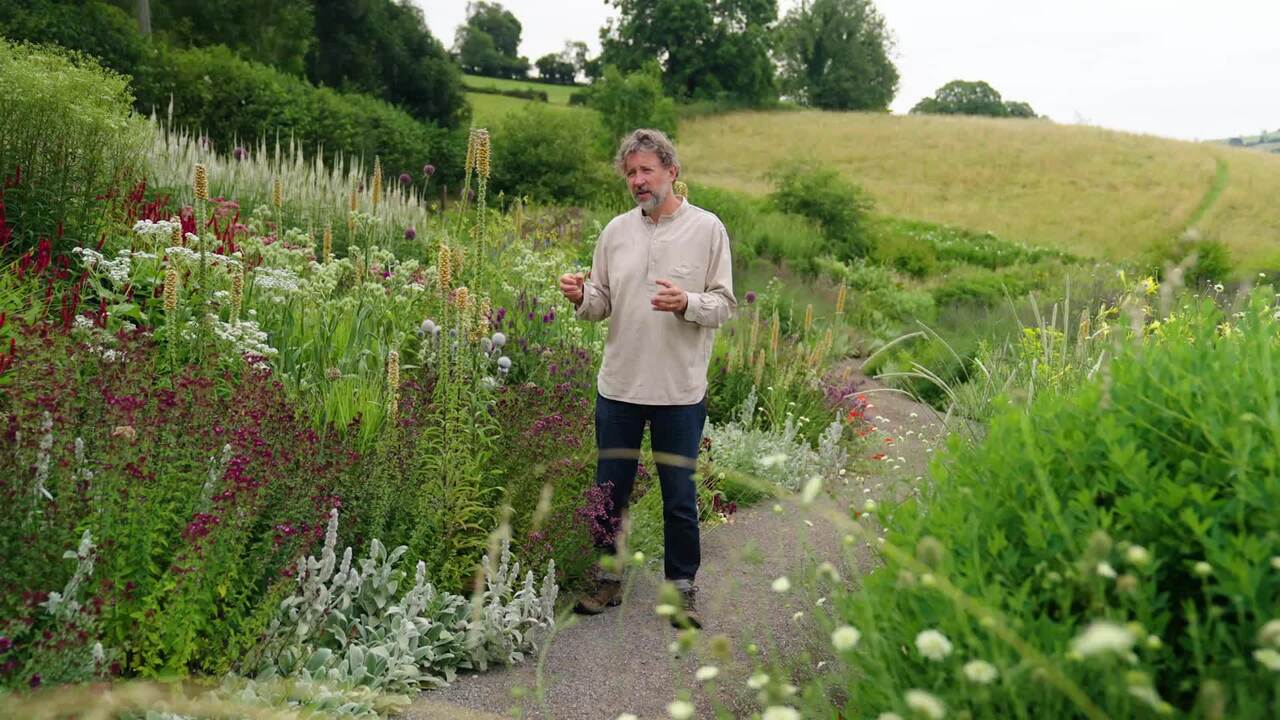
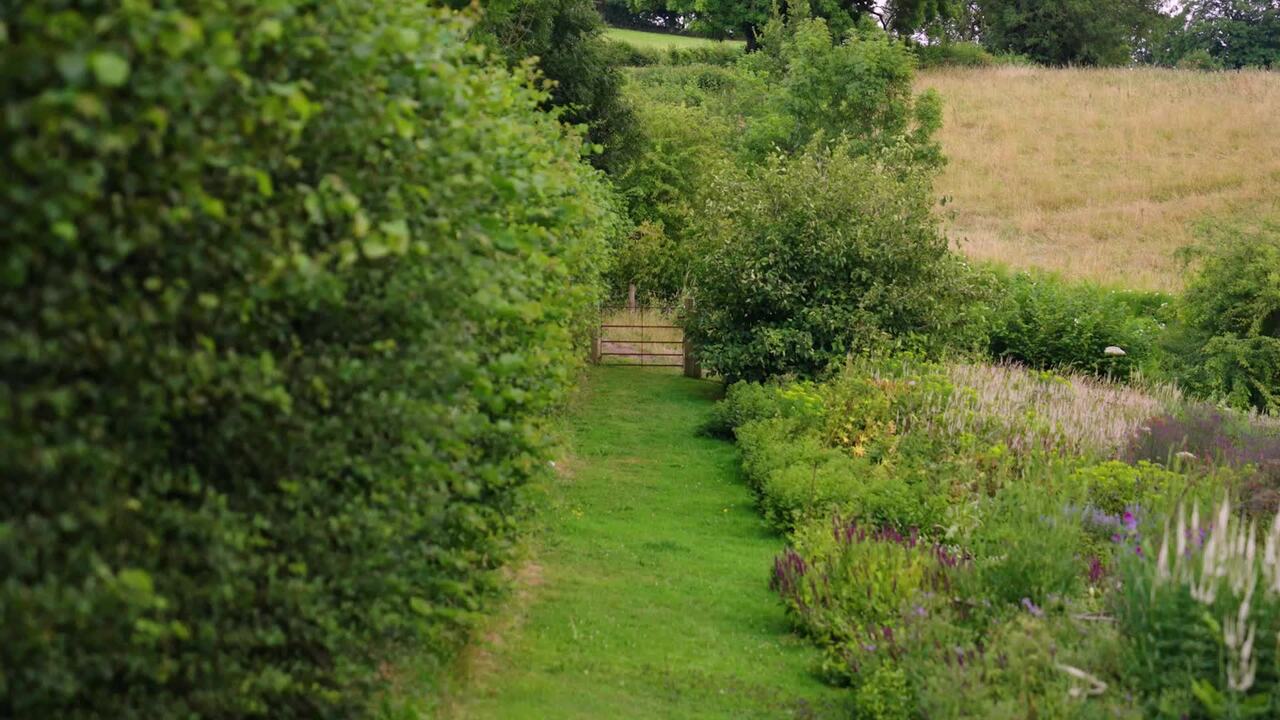
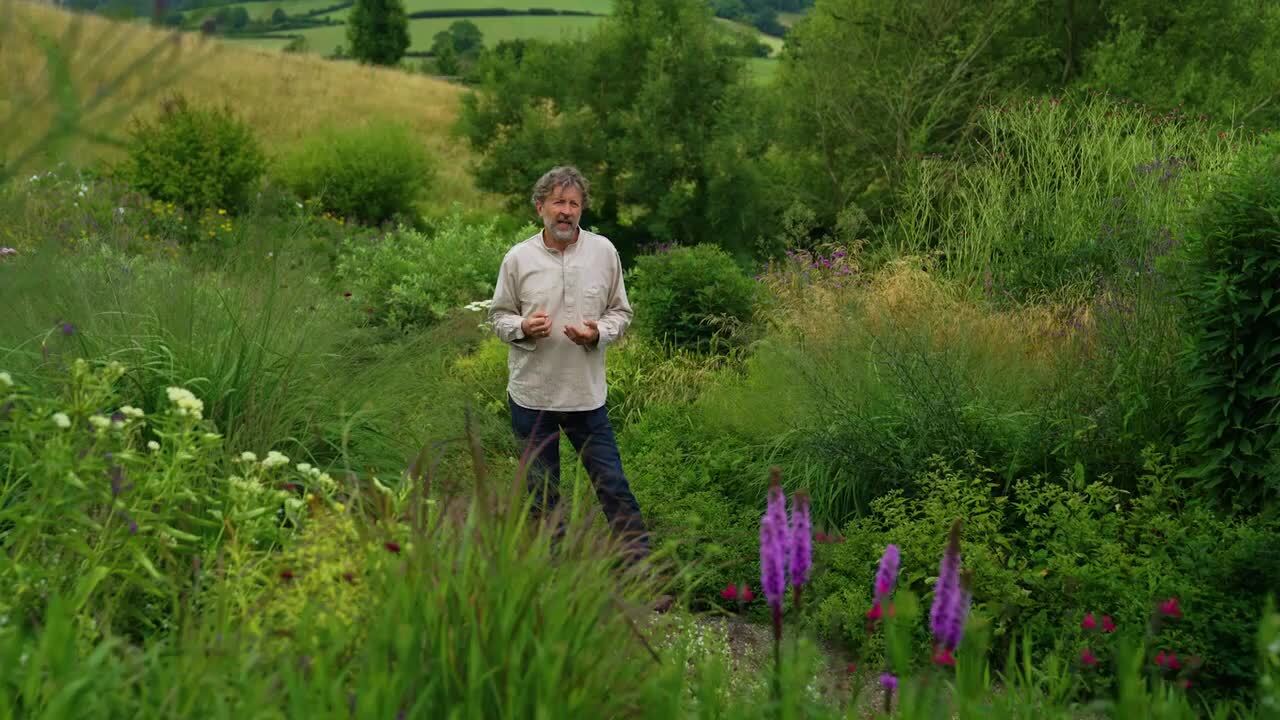
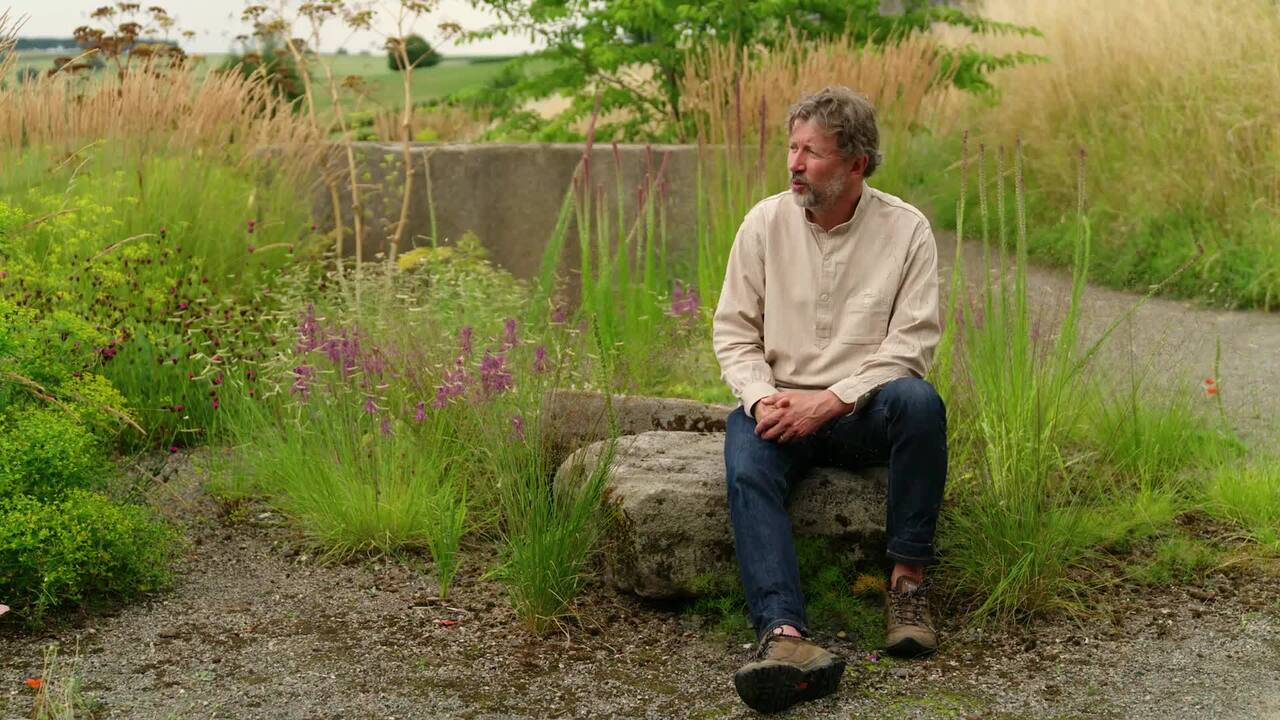
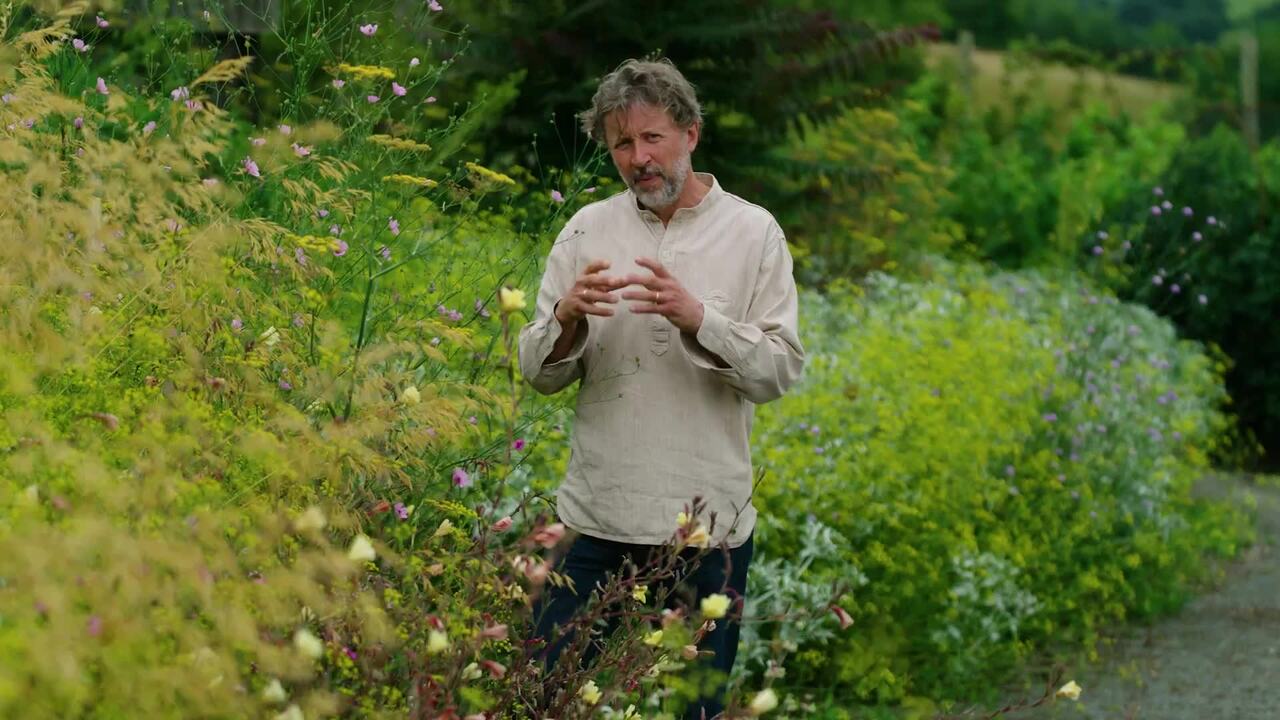
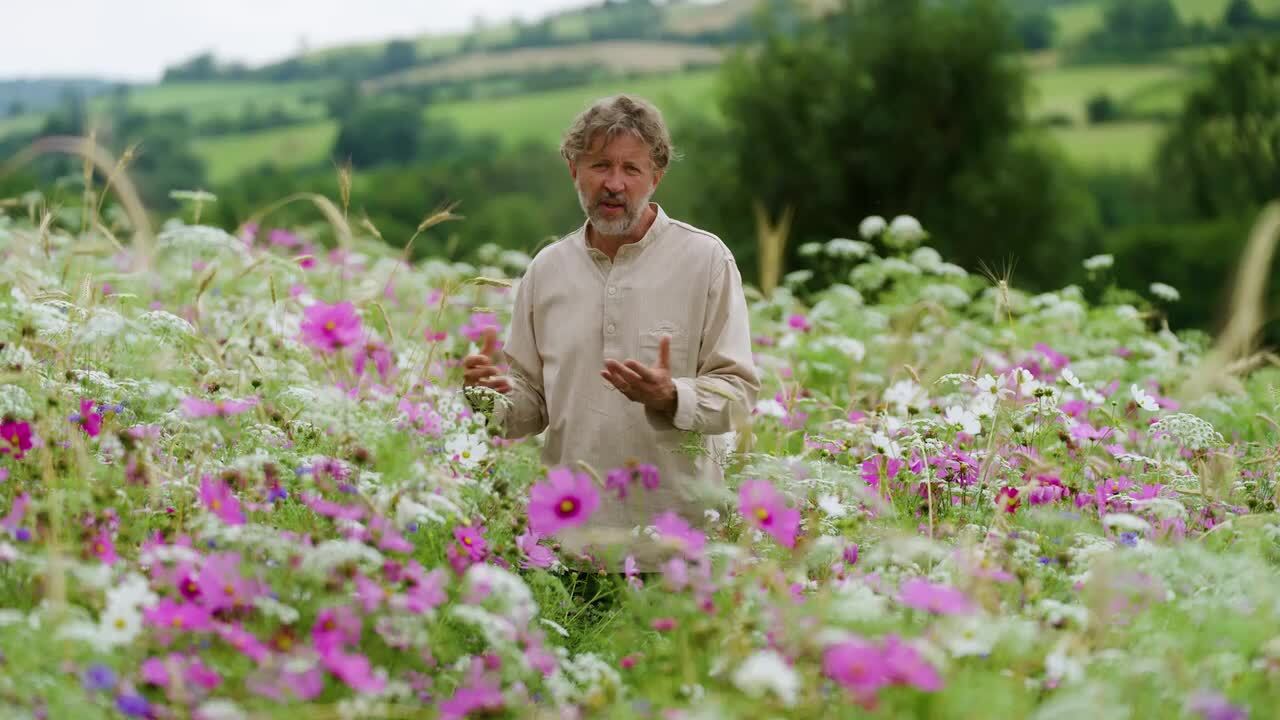
In the stunning setting of his Somerset home garden in May, Dan shares how to create solid foundations for a successful planting using the concepts of plant compatibility and layering.
A successful planting is about having the right plants in the right place and ensuring the plants are compatible with each other. Create a solid foundation for your planting but allow it to evolve, and make adjustments over time.
To show how a layered planting system can be created, let's look at a small corner of the garden at Hillside that is one of the few microclimates in this otherwise exposed garden. It's in the lee of a building but with sun pouring in, so to create this microclimate, I needed to create shade.
The first thing I thought about when designing this area was how to create that shade.
The Heptocodium creates a zone beneath it that's completely different to what lies beyond in the sunshine. I wanted plants that would provide interest early in the year, so that there would be something happening here while the rest of the garden is still a winter skeleton. So underneath the Heptocodium I've planted:
As the Heptocodium comes into leaf and the shade appears, the interest drops away and I lose the views underneath, but then everything in the garden beyond starts to evolve.
It's important to think about the different roles plants play within layered planting. In a small garden, this is exactly how you should treat a series of spaces that each have different microclimates.
In this way, I've created a plant community in which all the plants happily coexist, helping each other out and providing interest throughout the year.
This layering system works in many different planting situations. Irrespective of whether you're in a hot, dry site or somewhere lush where water isn't limited, you still need to consider how plants will work with each other.
A successful planting is about having the right plant in the right place and ensuring that the plants are compatible with each other.
I always build in a degree of change in my planting, but this change needs to be measurable.
With the use of long-lived perennials comes a lack of change, so I always interplant with annuals and biennials that can provide some flux.
I like to see a garden go through all its natural stages, enjoy the winter skeletons, and then have a big clear up at the end of February.
In March, before everything kicks off for the main growing season, I start to make edits. For example:
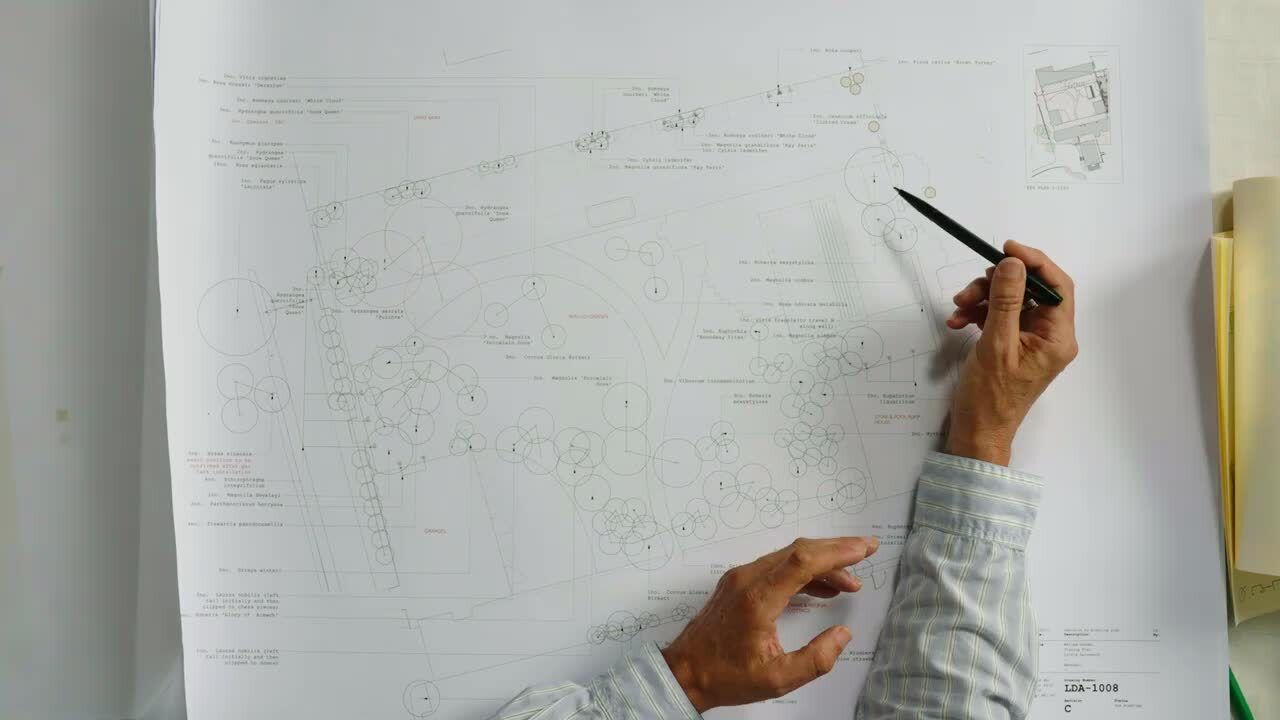
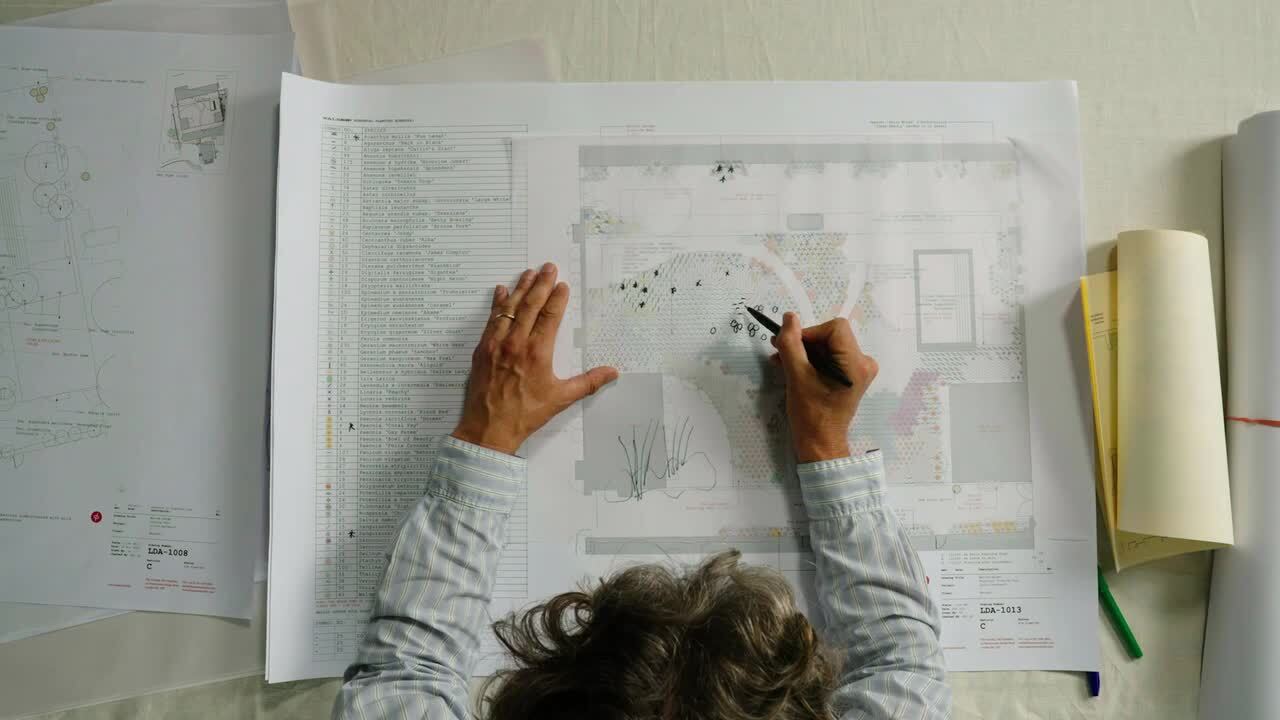
When designing a planting scheme, it's important to have the right number of components that will all work with each other.
To make it work, you need to make the right judgements in the first place, but you also need to be open to change. Gardens are always going to surprise you despite your best-calculated decisions, so embrace the evolution of your garden.
You're learning as you're experimenting, so change isn't a bad thing, but in the first season, try to put things in that will work for the next three or four years.
Heptocodium miconioides
Iris lazica
Cardamine
Astilbe rivularis
Miscanthus
Geranium sanguineum
Viola labrodorica
Lunaria annua
Malica
Meconopsis cambricus
Get the full workbook, video lessons, and more with a Create Academy subscription.
Subscribe to access the full workbookAlready a member? Sign in to watch
437 reviews
Read moreI have subscribed to access all the courses so have watched one on interior design and this one with Butter Wakefield who specialises in small garden design. She ...
Louise Brown
Apr 10, 2026
I love CreateAcademy. I came in for the gardening and floristry courses, but am also watching an interior design one at present. And the photography course is an ...
Wellesley
Apr 1, 2026
What a great investment, I have learned such a lot from the first three courses. My evenings have gone from not being able to find anything that captured my imagi...
sojojo
Mar 30, 2026
I loved this course with Amanda Lindroth! Her approach to decorating is so relaxed and she makes it feel attainable. She explains the reasons behind her decisions...
Elizabeth
Mar 27, 2026
I have subscribed to access all the courses so have watched one on interior design and this one with Butter Wakefield who specialises in small garden design. She has a lovely personality and comes across as ...
Louise Brown
Apr 10, 2026
I love CreateAcademy. I came in for the gardening and floristry courses, but am also watching an interior design one at present. And the photography course is an absolute must, best I've ever done.
Wellesley
Apr 1, 2026
What a great investment, I have learned such a lot from the first three courses. My evenings have gone from not being able to find anything that captured my imagination on TV to learning and expanding my kno...
sojojo
Mar 30, 2026

Your Instructor
Acclaimed naturalistic landscape designer. Multiple Chelsea Gold Medal Winner. OBE.
British landscape designer, horticulturalist and writer Dan Pearson OBE, has been designing award-winning gardens since 1987. His naturalistic use of plants, light-handed approach to design and deep-rooted horticultural knowledge has made him one of the most celebrated and innovative gardeners working today. Dan trained in horticulture at Wisley and Kew, before starting his garden and landscape design practice in 1987. In 2015, his show garden for Chatsworth and Laurent Perrier was awarded a Gold Medal and Best Show Garden at the Chelsea Flower Show. In 2014 Dan was appointed an advisor to the National Trust at Sissinghurst Castle. For over 20 years Dan has written regular gardening columns, with his work a staple of The Observer, and has written a number of best-selling gardening books.

Access to all courses


