










Interior and exterior confidence
Create Academy has been such a great resource. I'm in the middle of renovating a bungalow with a very large garden and the courses have offered a wealth of inform...
Harvey
Jun 10, 2026
The Art of Gardening at Sissinghurst
with TROY SCOTT SMITH — Head Gardener at Sissinghurst. Garden Writer, Speaker & Lecturer.
Lesson 49 of 56
Subscribe to watch
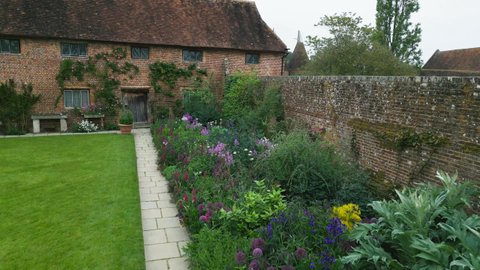
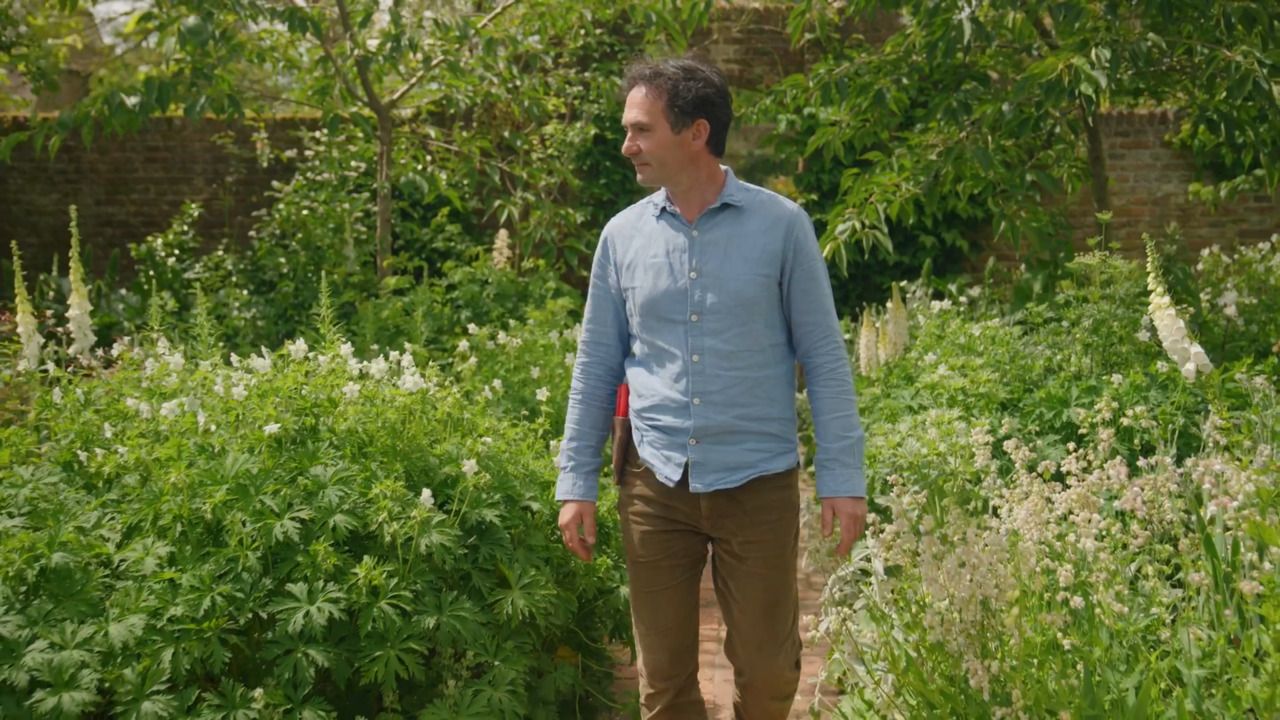
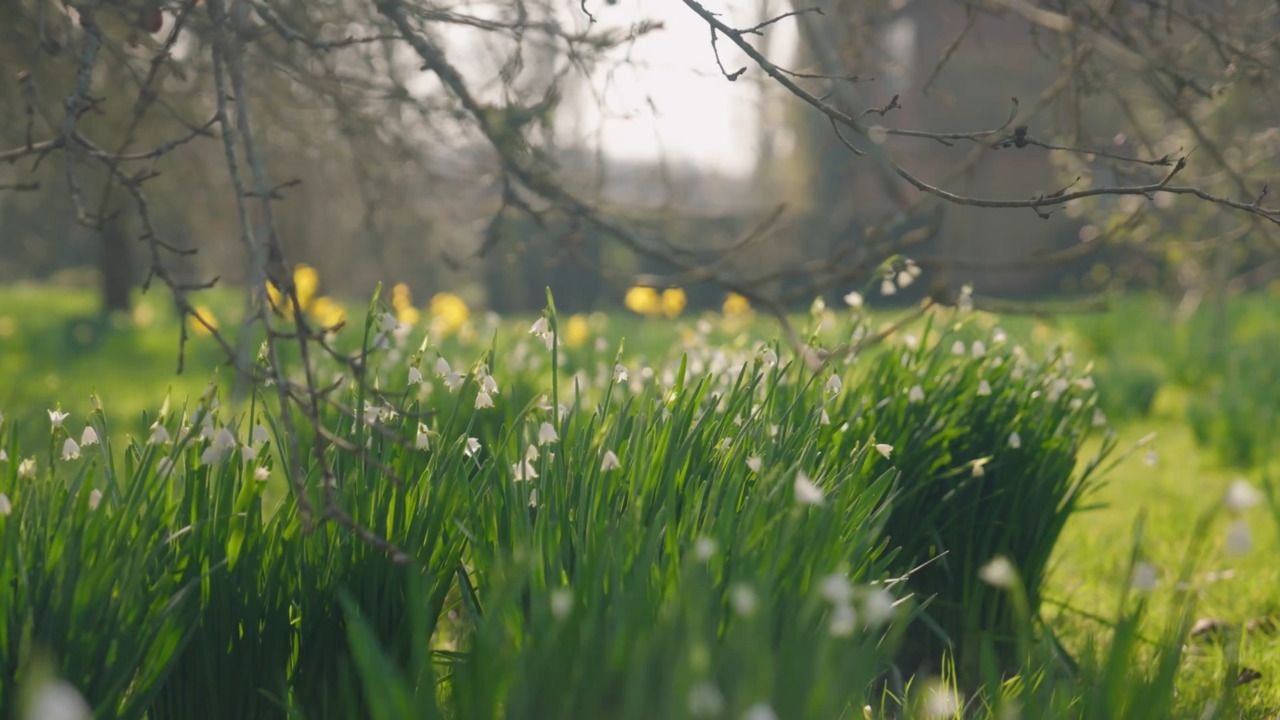
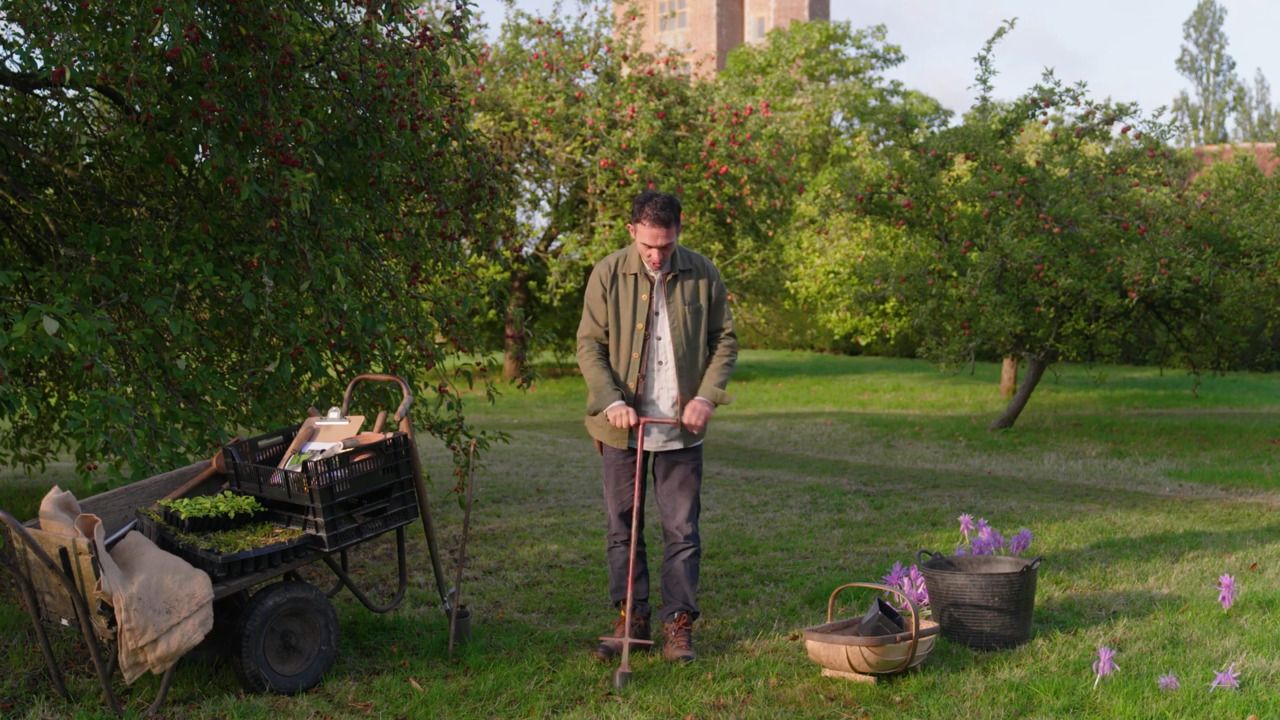
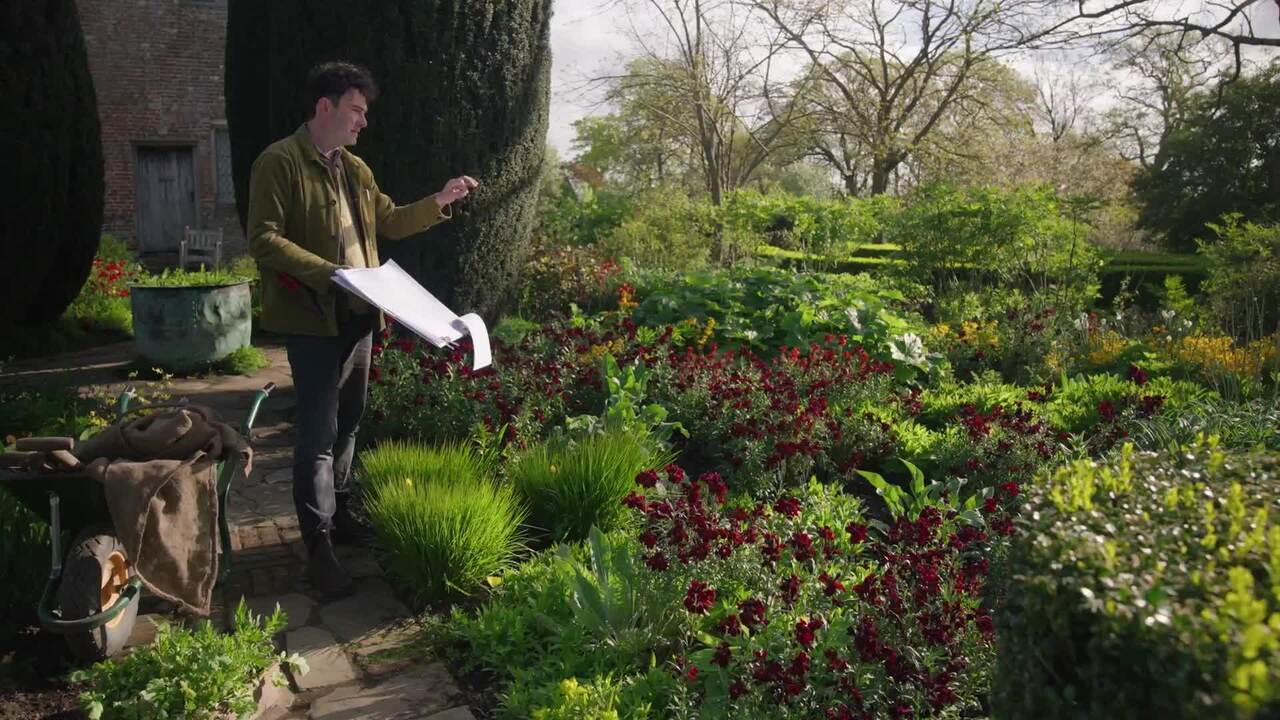
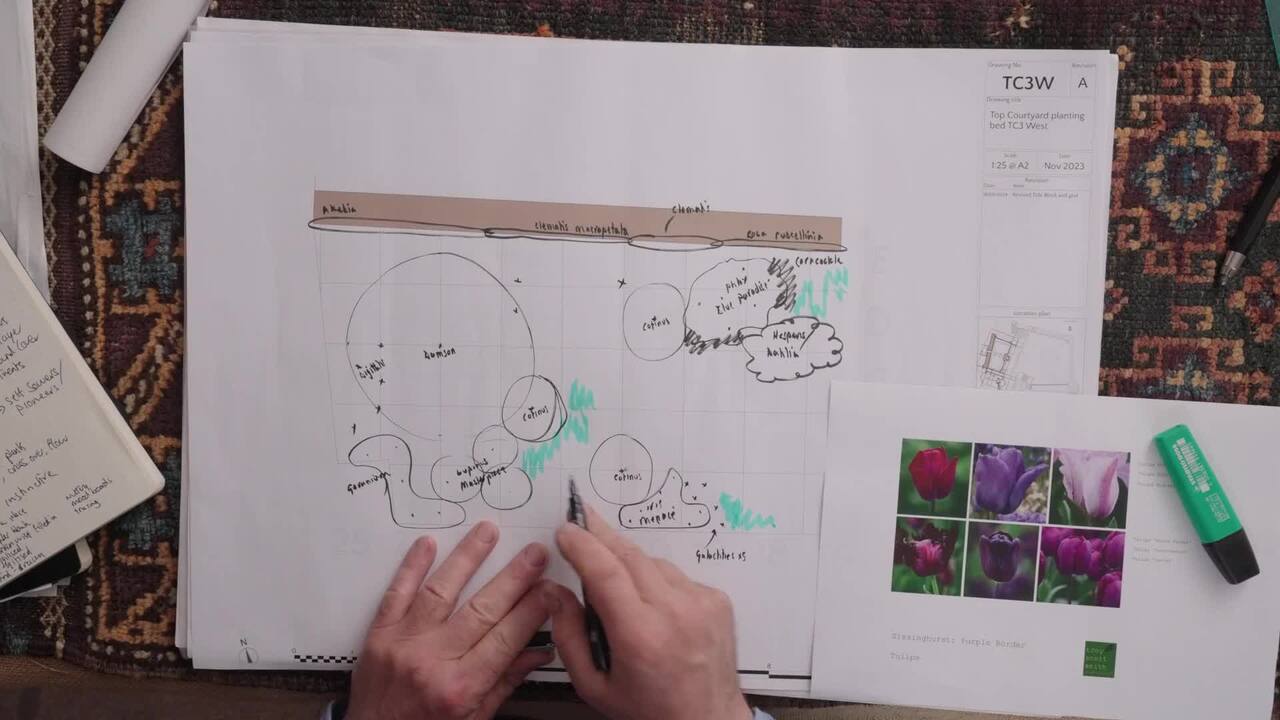
We explore how to add in final details and extend the season of a planting scheme by means of annuals, biennials and bulbs.
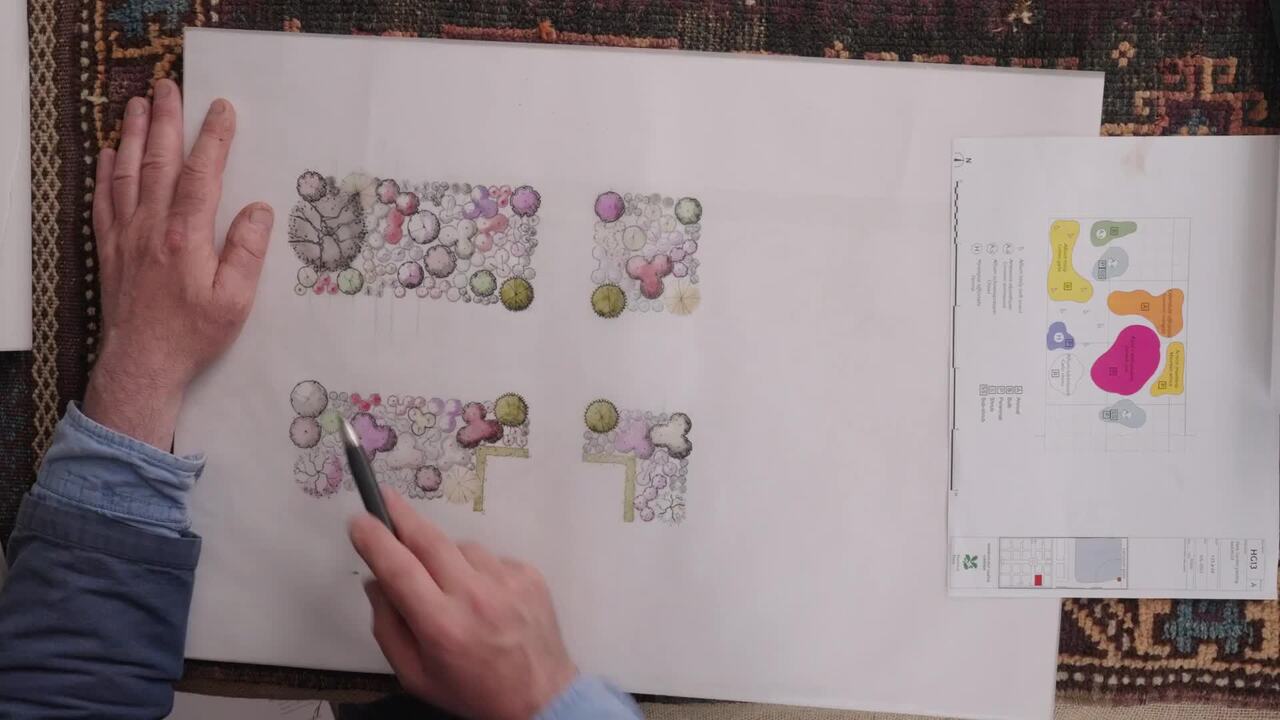
Once you've plotted your perennials, it's time to add in final details and extend the season by means of annuals, biennials and bulbs. We'll look at how to make revisions to your planting plan going forwards.
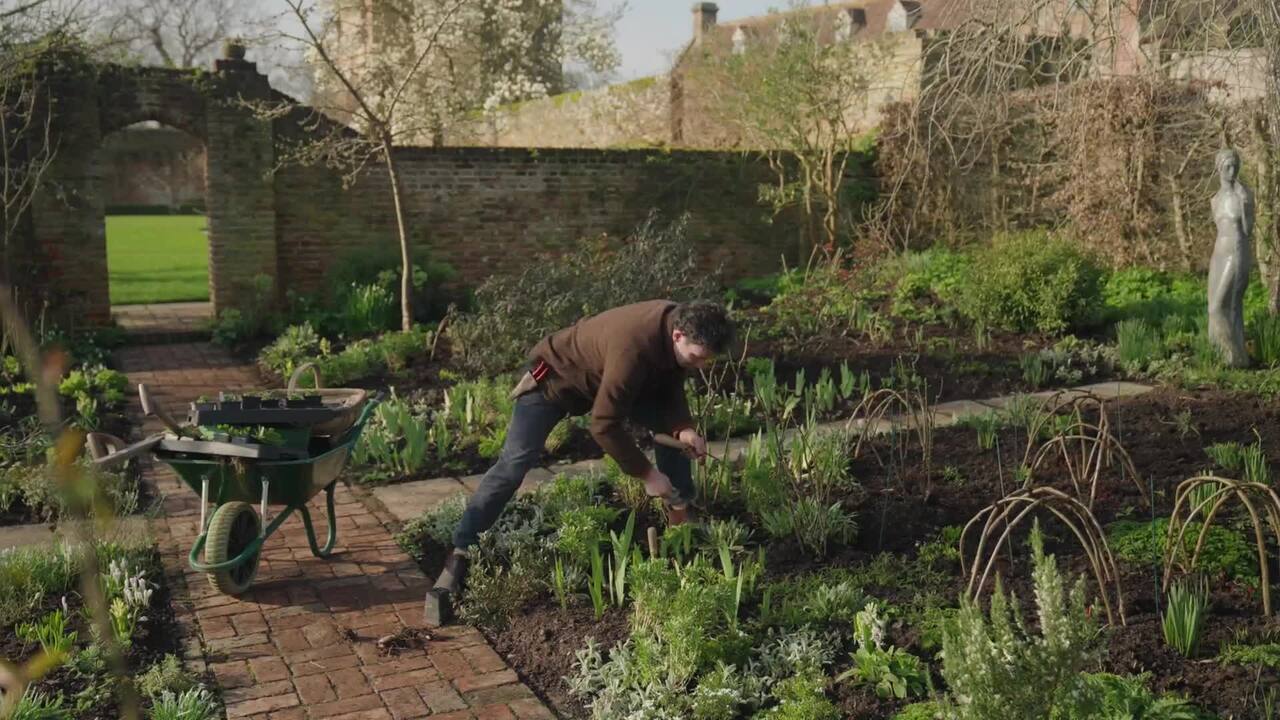
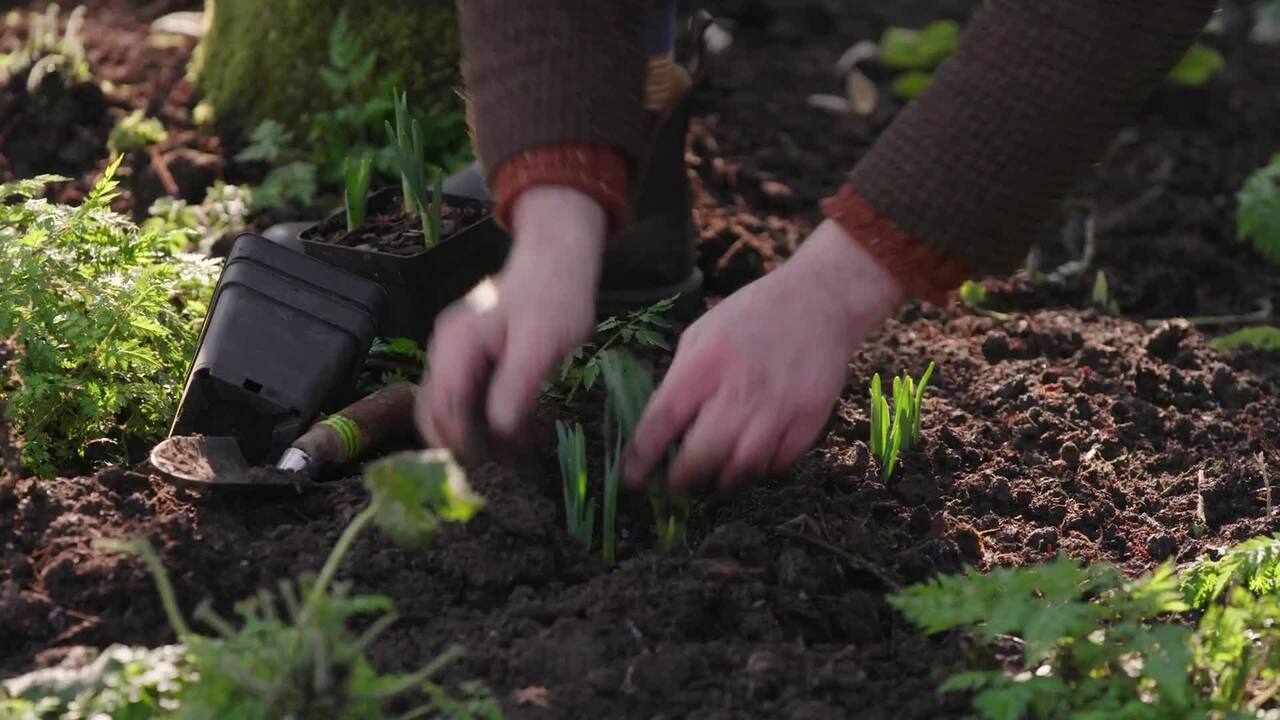
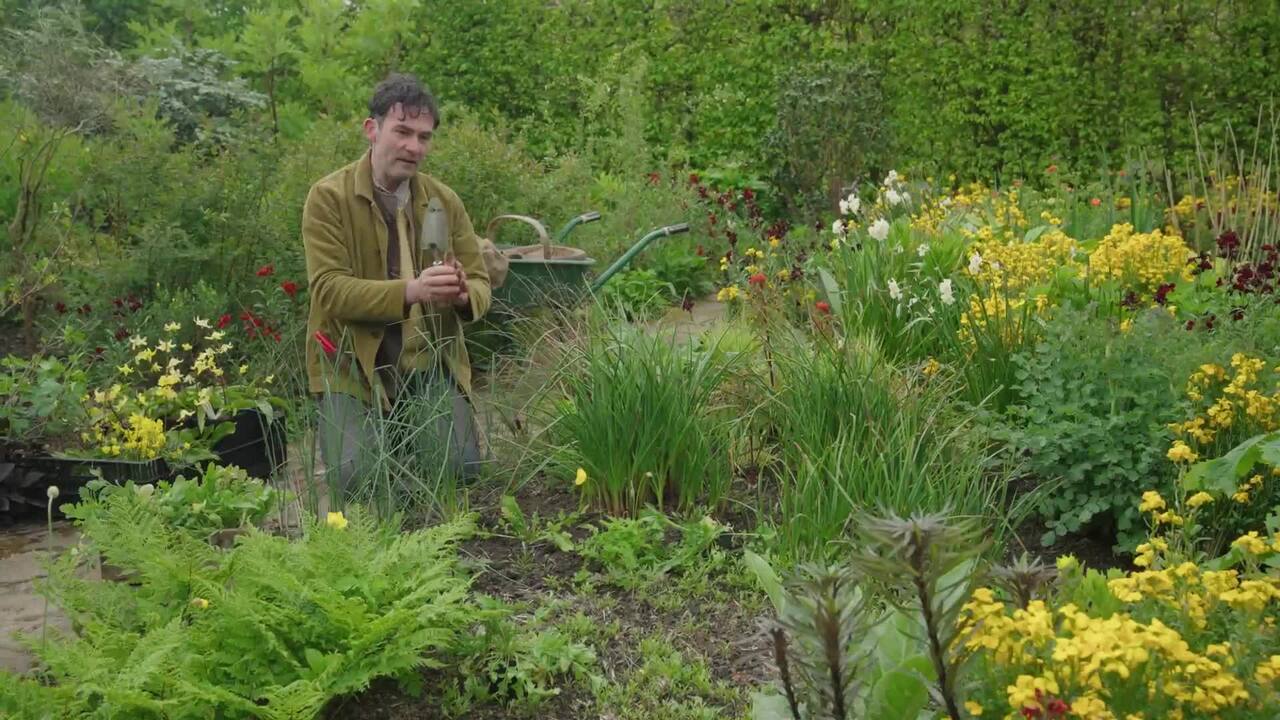
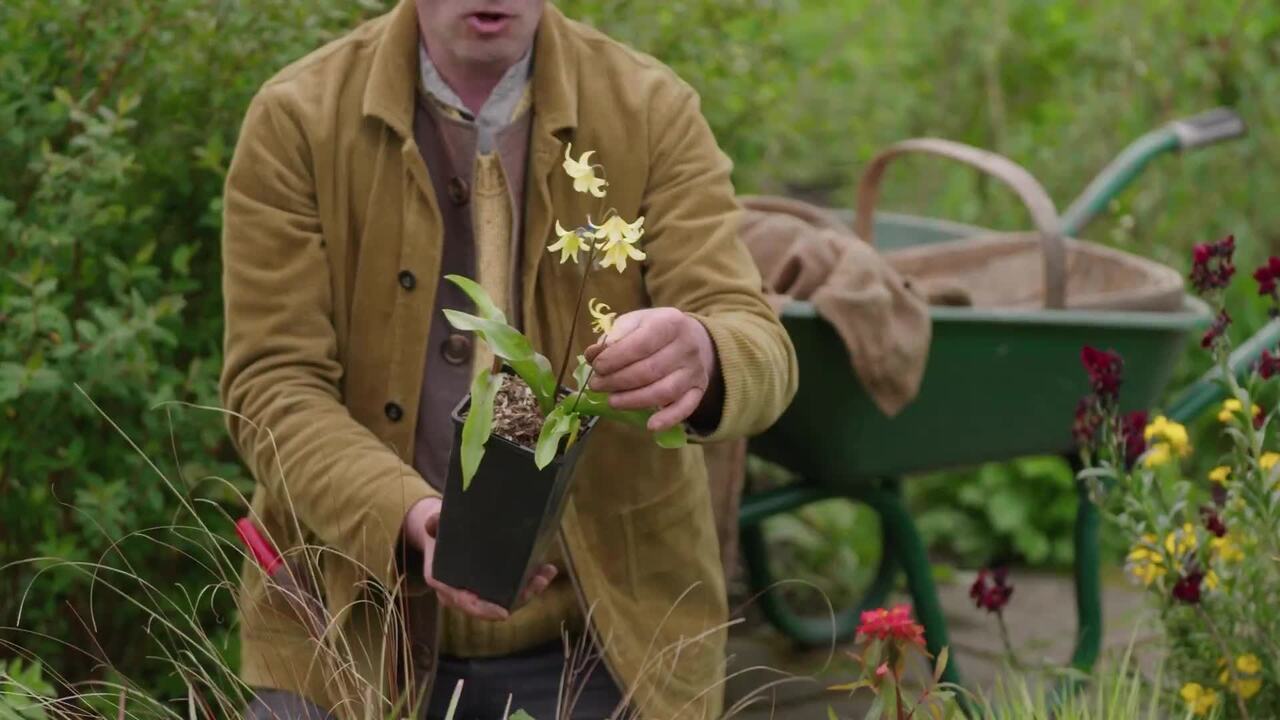
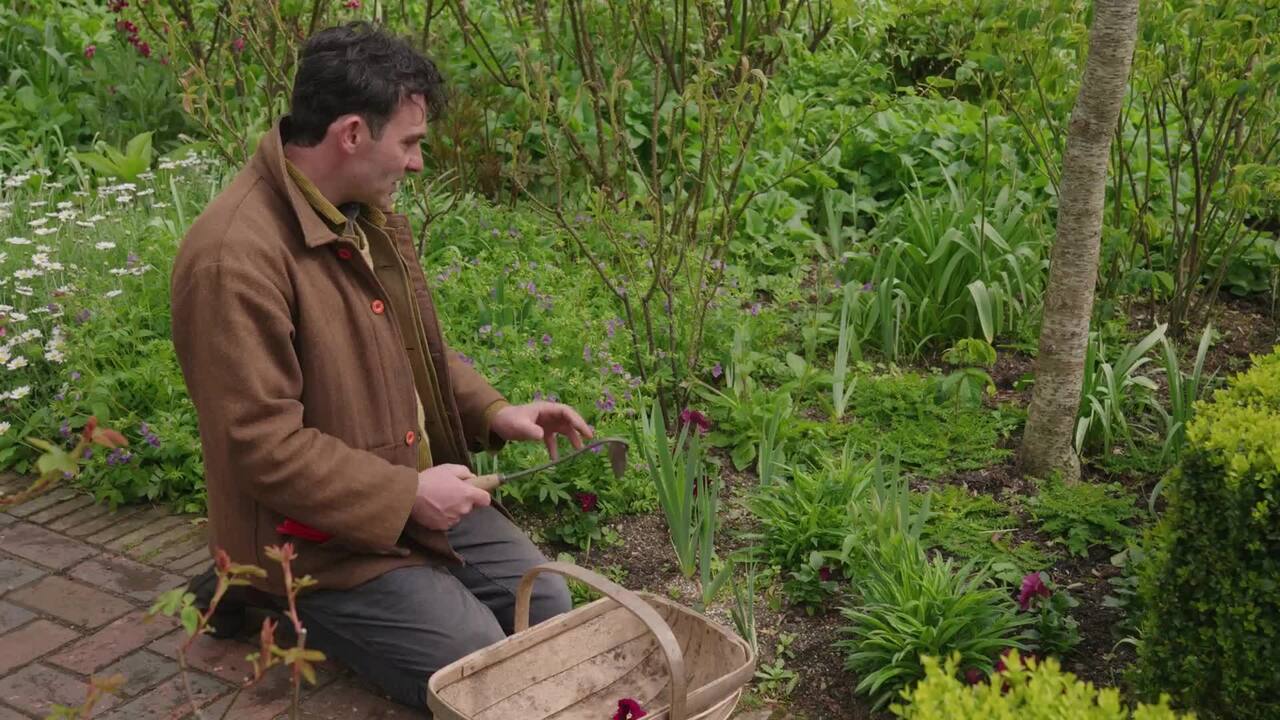
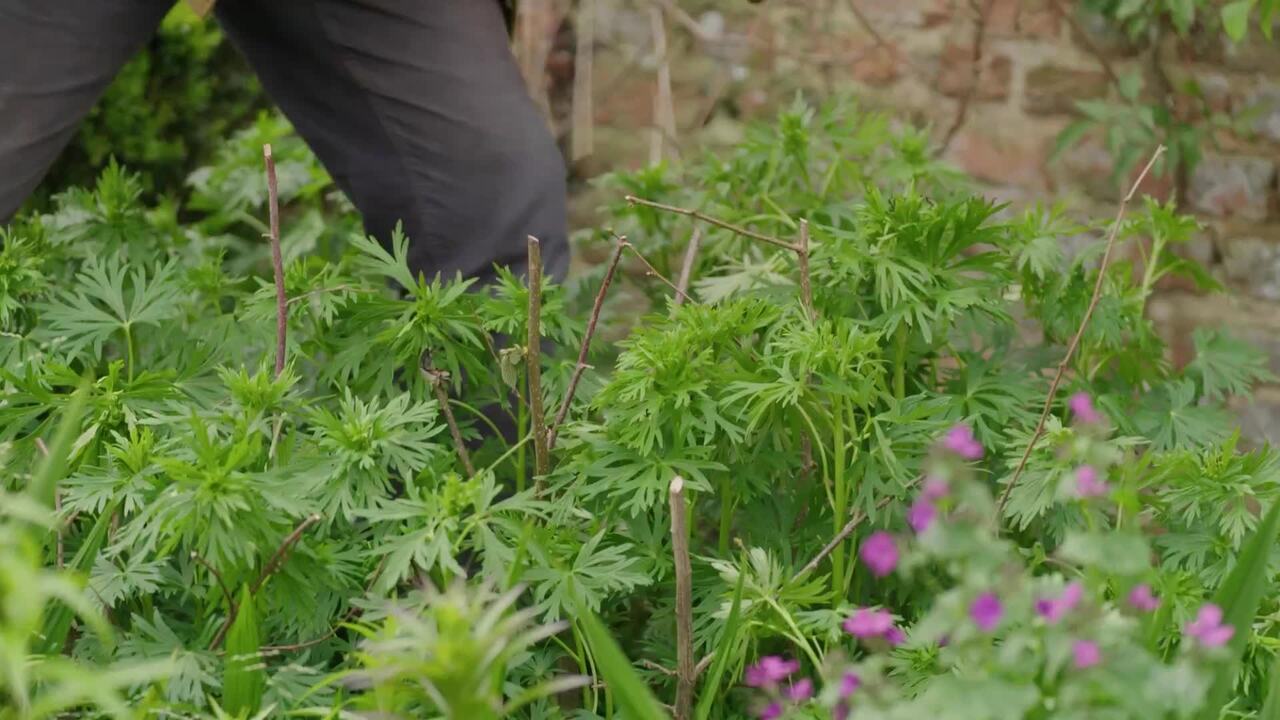
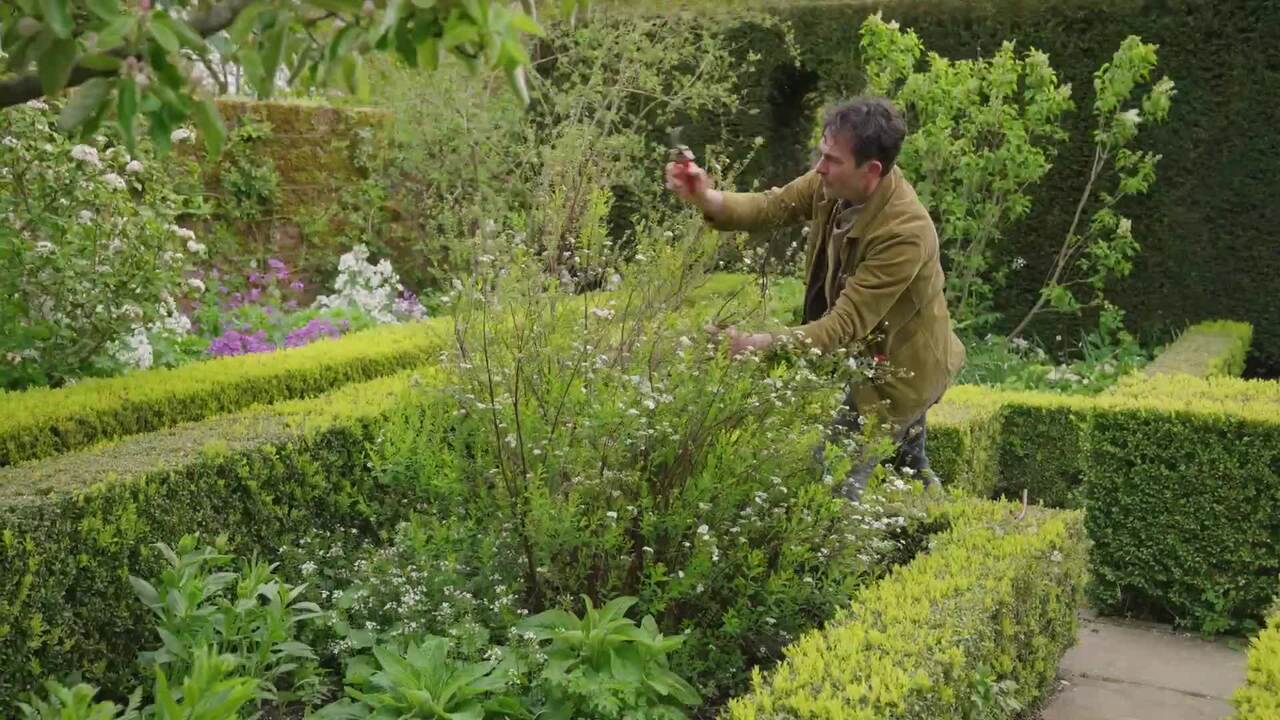
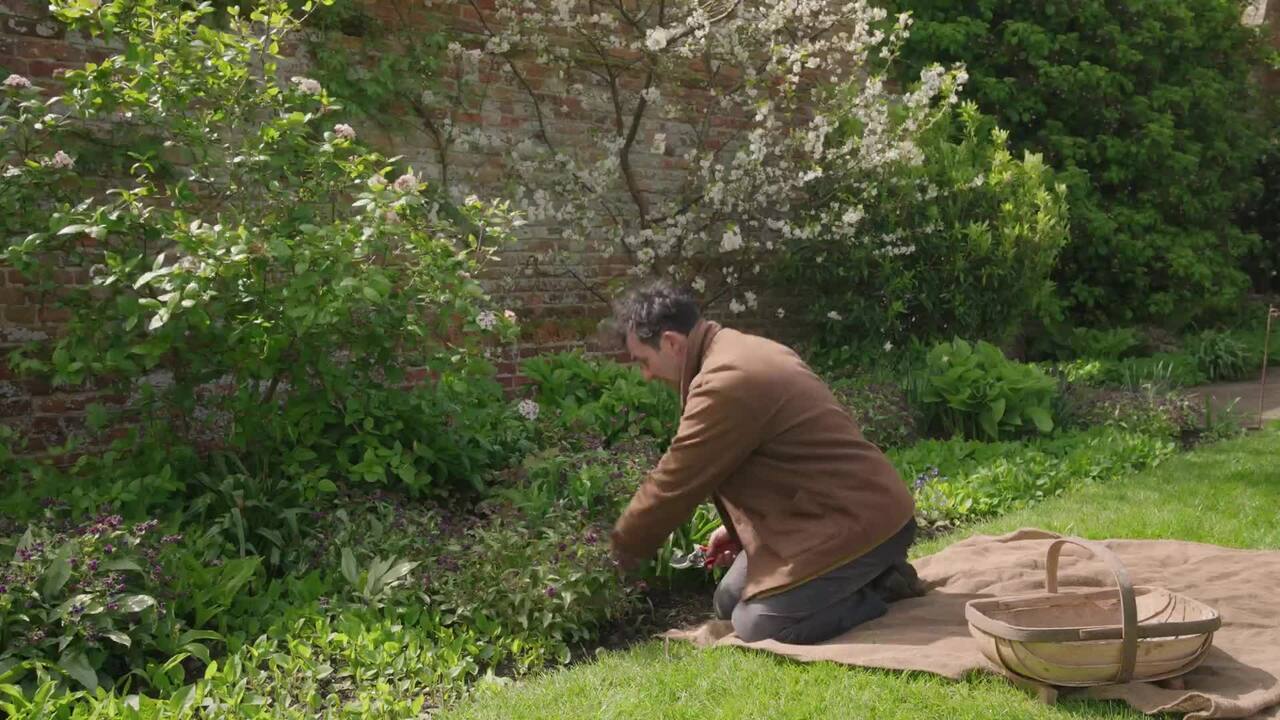
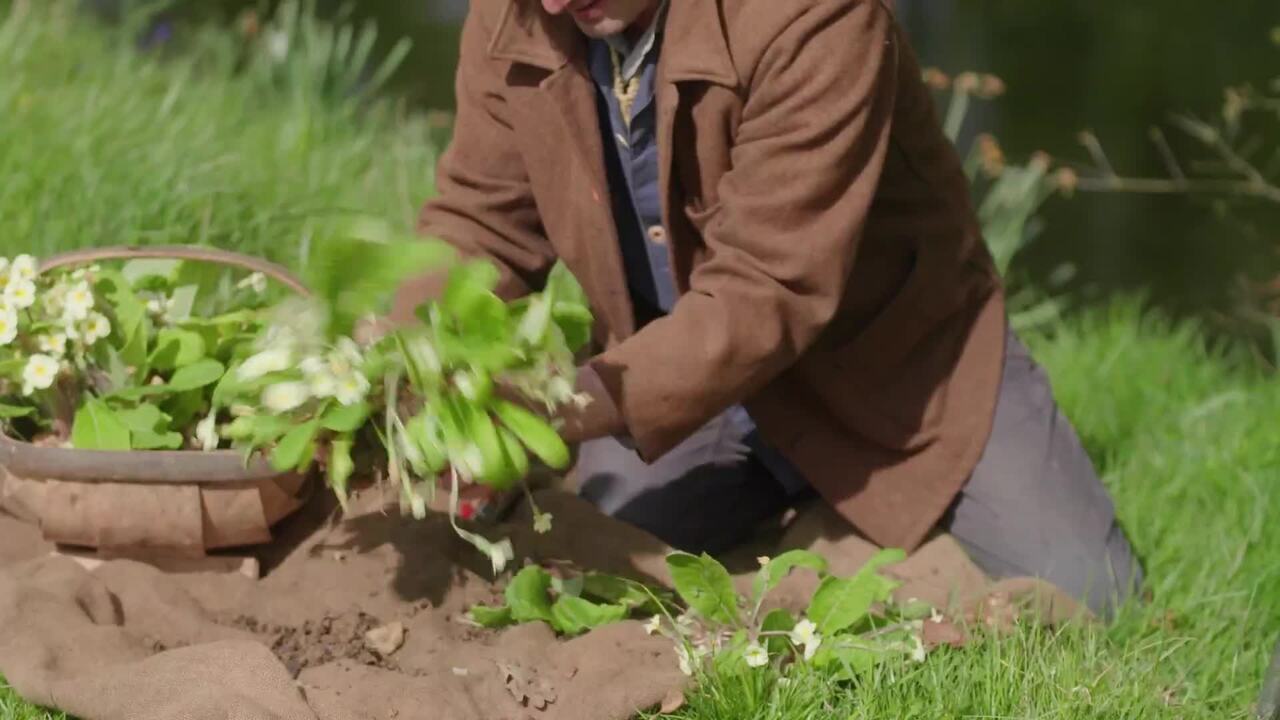
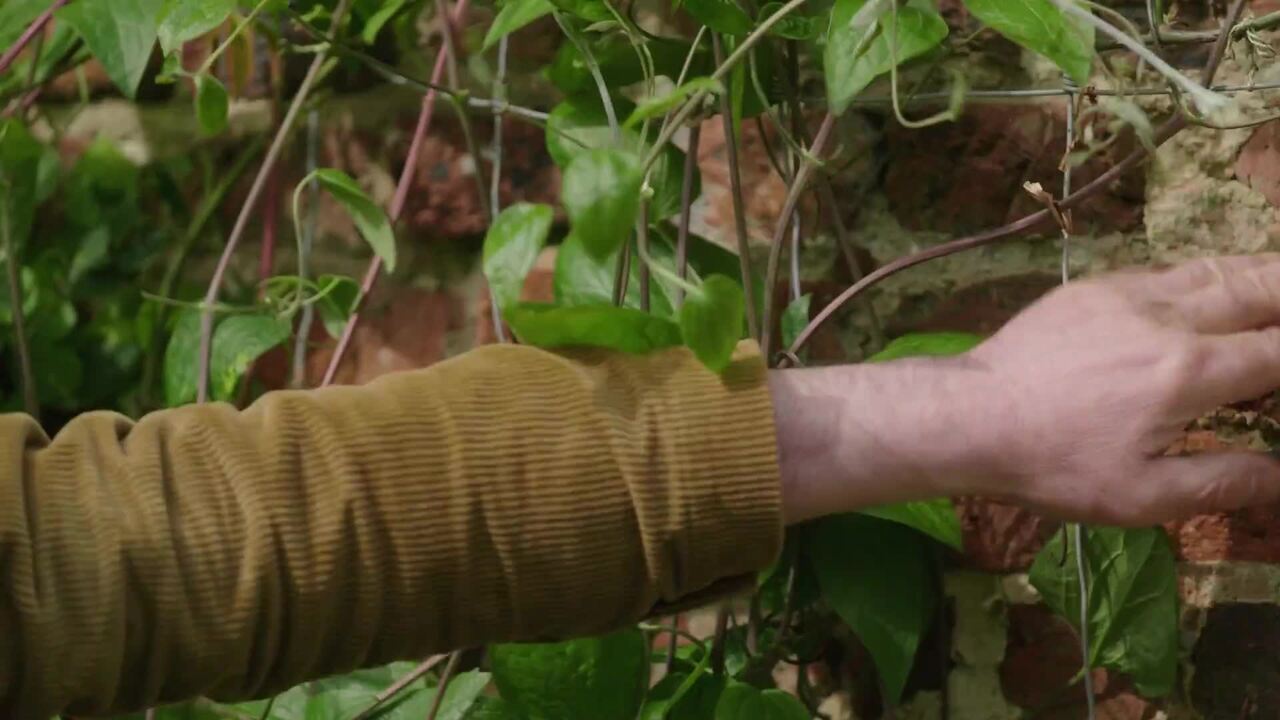
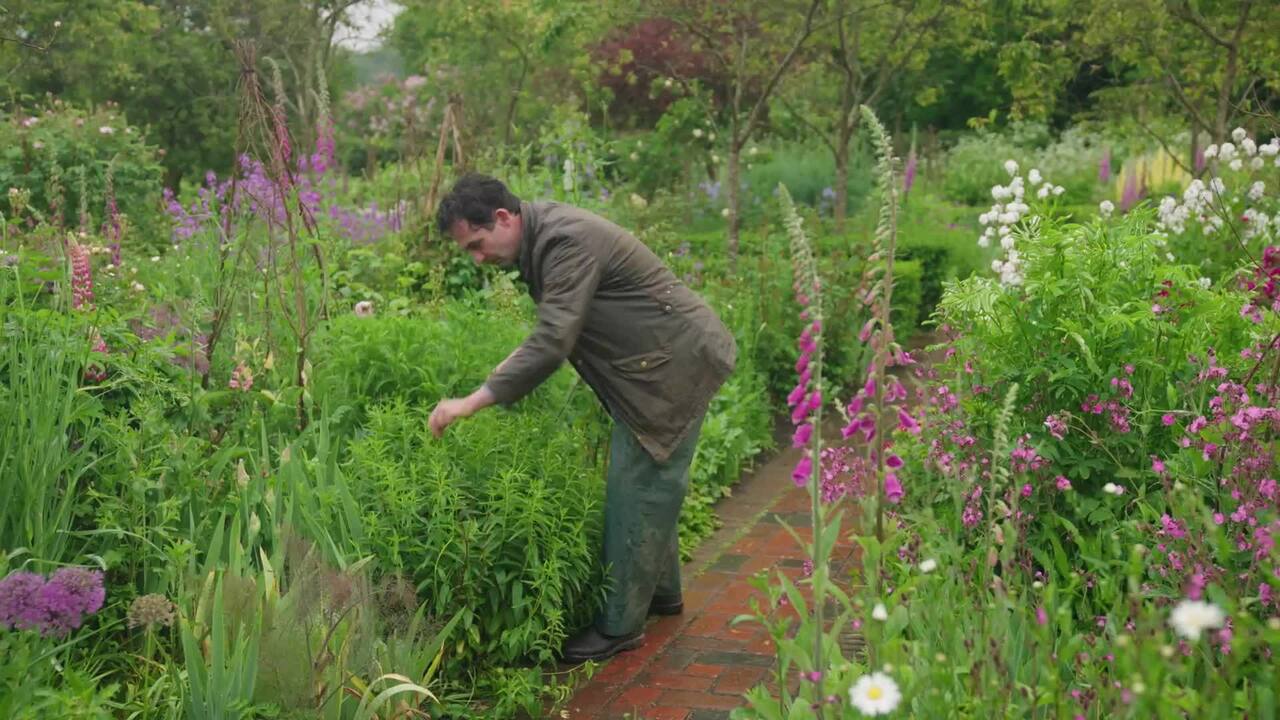
Look for slivers of space between perennials and shrubs for annuals to be planted or self-seed into. Make it feel like they've arrived naturally by planting them in different-sized groups and at different densities. You can use annuals to fill holes early in the season, then pull them out to reveal emerging perennials.
This is how I use some of our annuals:
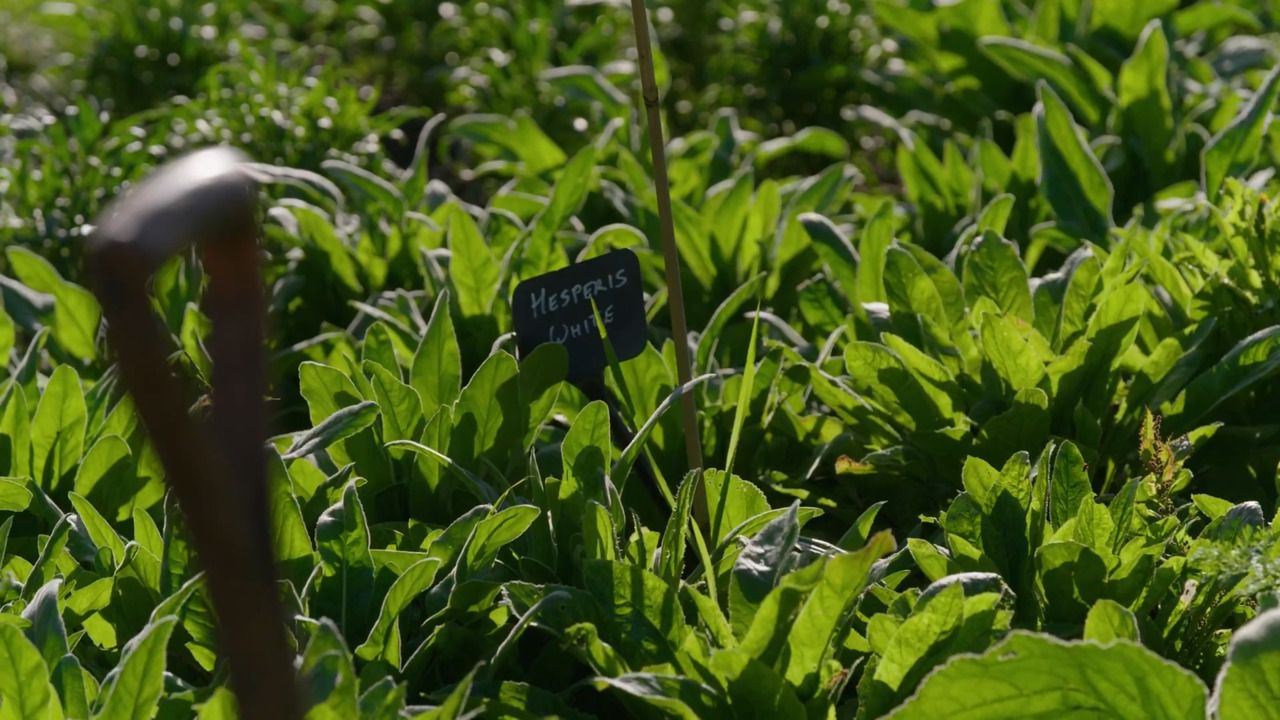
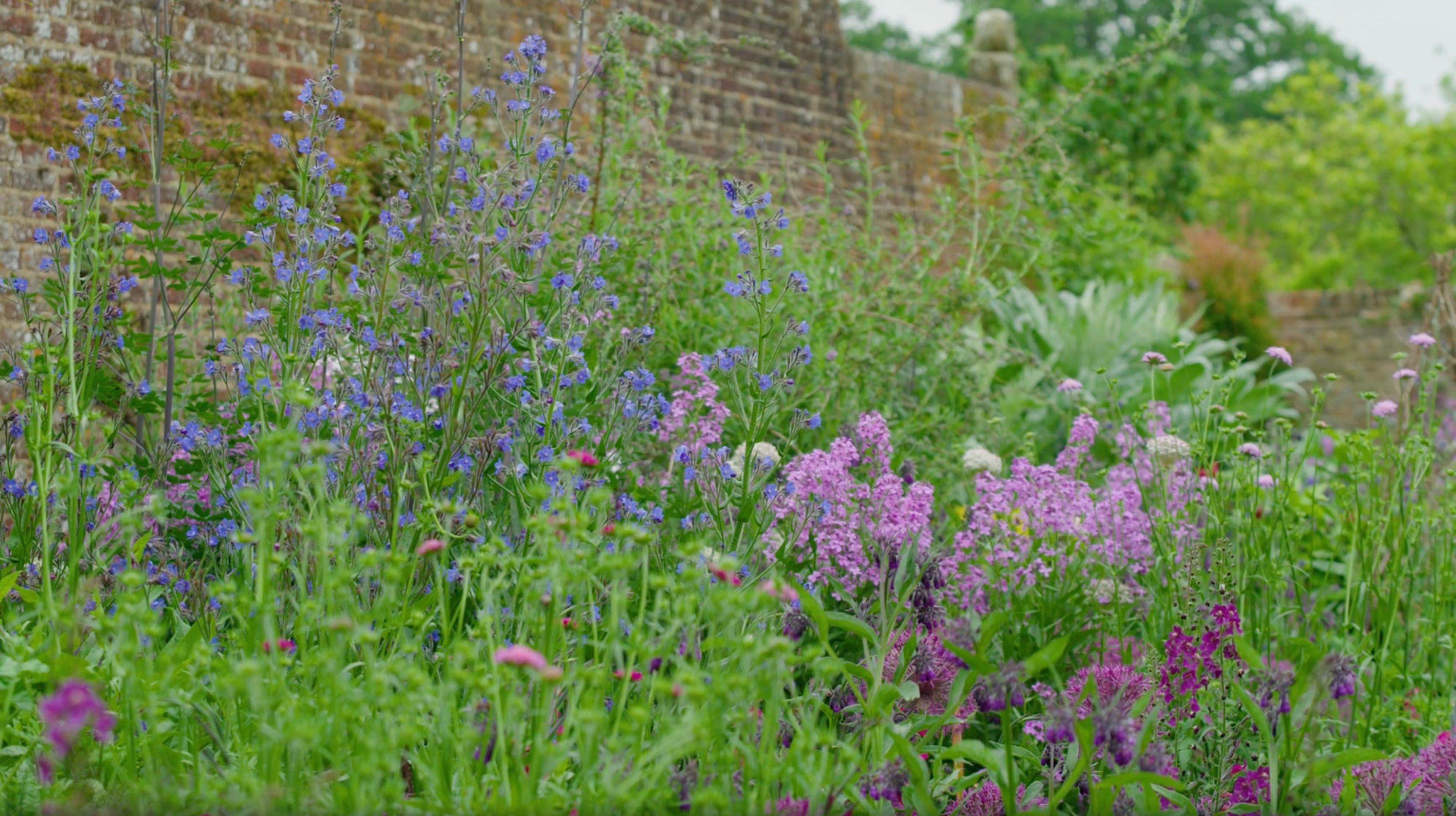
Some biennials, such as Hesperis take up a full space rather than being woven into slivers that later close up and need to be replaced when they've finished – such as with a dahlia.
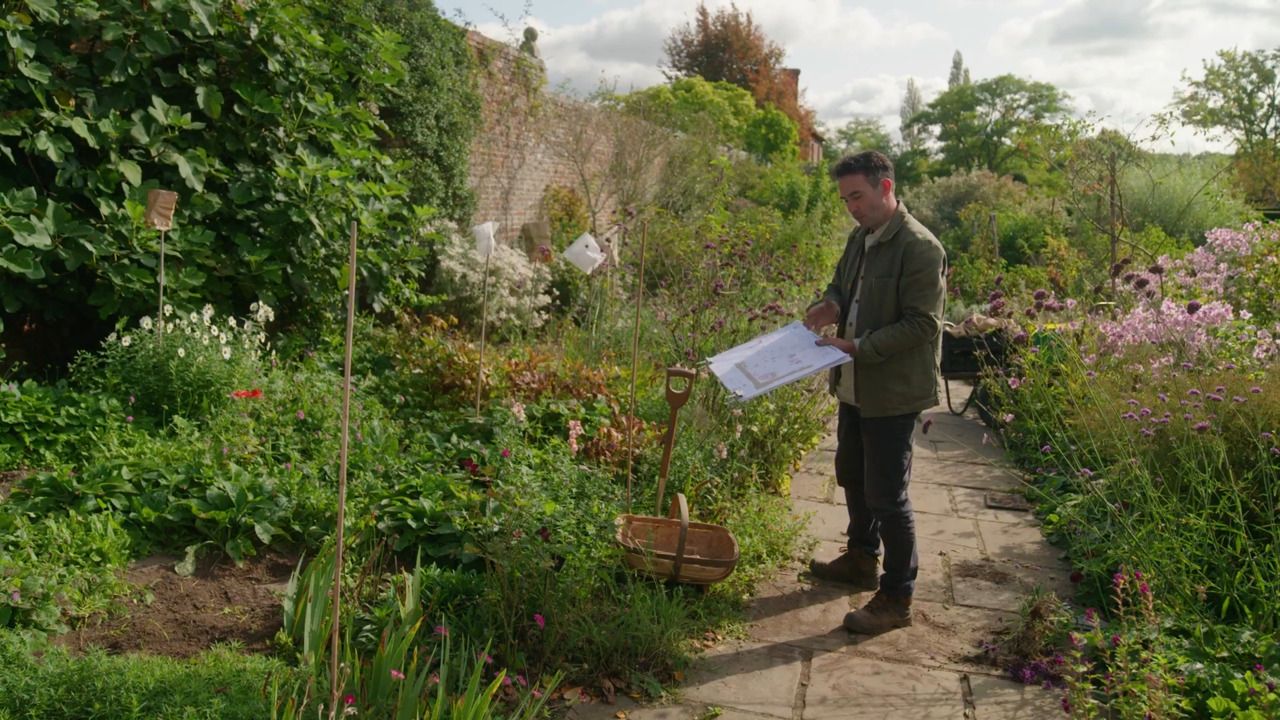
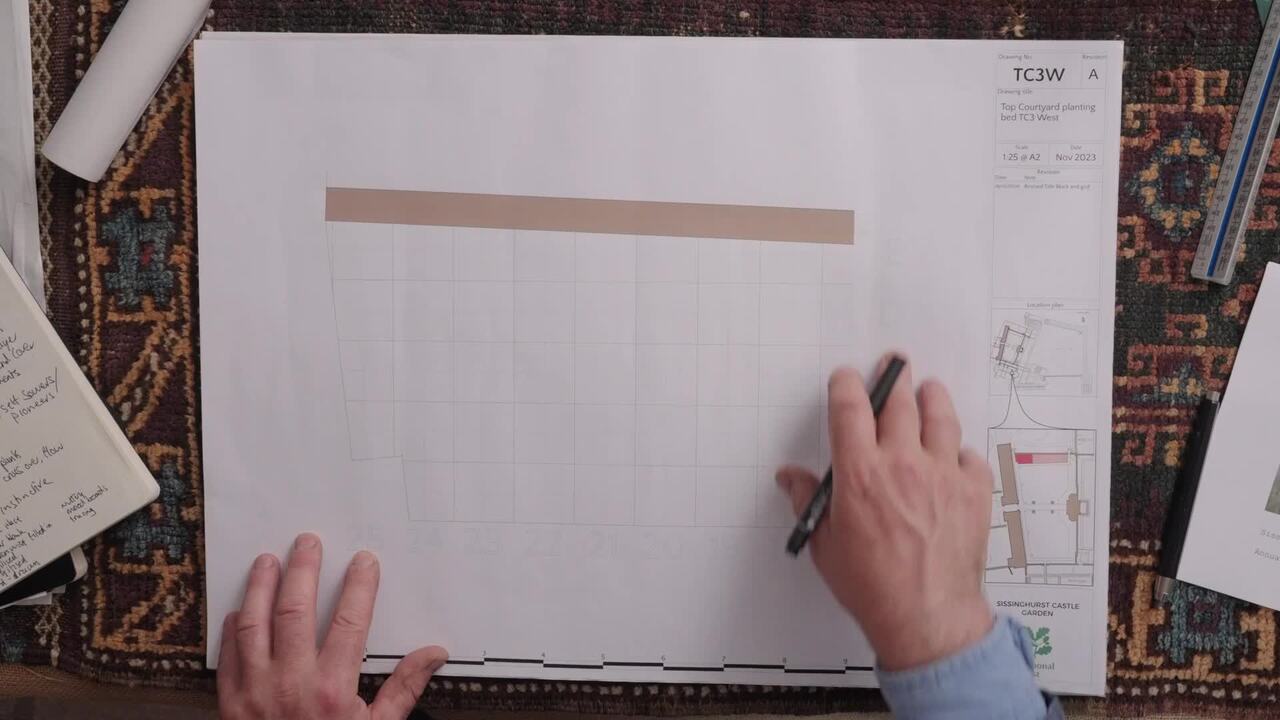
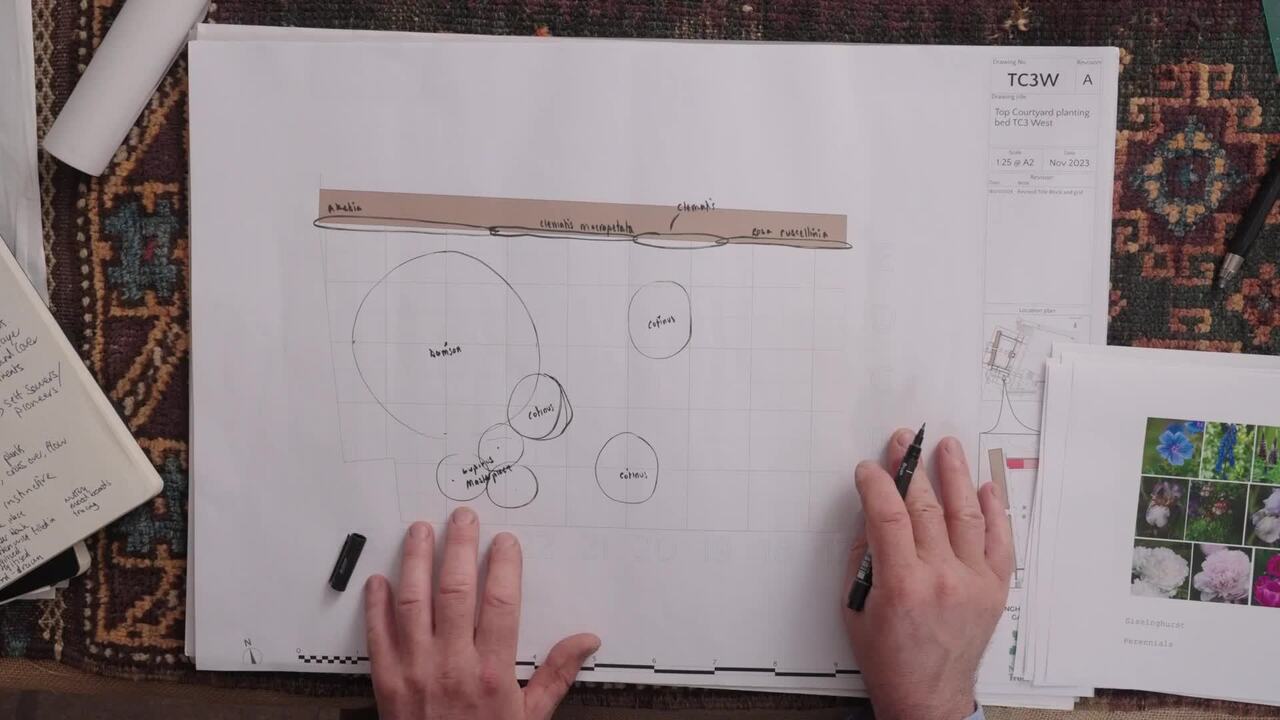
On your plan, label the shapes representing your plants with the name and number required.
There'll be lots of opportunities to change your scheme later – things you can't source, things that don't work, or don't happen in the sequence you thought they would. The plan gives you a starting point to work from, but don't be afraid to move and change things around.
Agrostemma githago 'Milas'
Corncockle 'Milas'
Hardy annual
Caryophyllaceae
Crocus species and cultivars
Crocuses
Hardy bulbous perennials
Iridaceae
Dahlia species, hybrids and cultivars
Dahlias
Tender or half-hardy tuberous or herbaceous perennials
Asteraceae
Digitalis purpurea and its cultivars and forms
Foxgloves
Hardy herbaceous biennials or short-lived perennials
Plantaginaceae
Galactites tomentosus
Purple milk thistle
Hardy annual
Asteraceae
Gladiolus species and cultivars
Gladioli, sward lilies
Half-hardy bulbous perennials
Iridaceae
Hesperis matronalis
Sweet rocket, dame's violet
Herbaceous hardy biennial or short-lived perennial
Brassicaceae
Hyacinth species and cultivars
Hyacinths
Hardy bulbous perennials
Asparagaceae
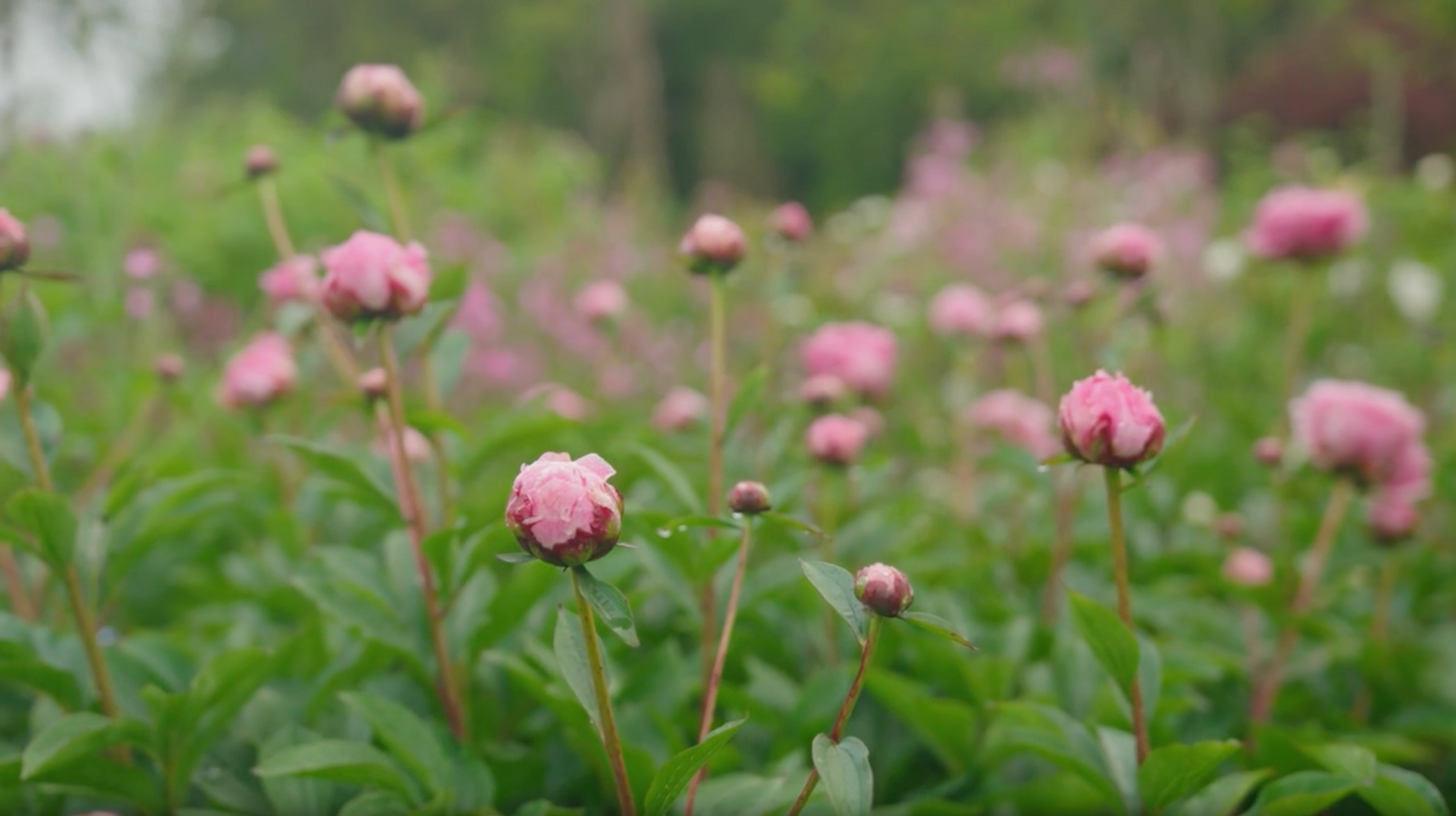
Paeonia lactiflora 'Lady Alexandra Duff'
Peony 'Lady Alexandra Duff'
Hardy herbaceous perennial
Paeoniaceae
Phlox paniculata 'Blue Paradise'
Perennial phlox 'Blue Paradise'
Hardy herbaceous perennial
Polemoniaceae
Prunus institia
Damson
Hardy deciduous tree
Rosaceae
Thalictrum species and cultivars
Meadow rue
Hardy herbaceous perennials from tubers or rhizomes
Ranunculaceae
Tulipa species and cultivars
Tulips
Hardy bulbous perennials
Liliaceae
Tulipa 'Black Parrot'
Tulip 'Black Parrot'
Hardy bulbous perennial
Liliaceae
Tulipa 'Bleu Aimable'
Tulip 'Bleu Aimable'
Hardy bulbous perennial
Liliaceae
Tulipa 'Caviar'
Tulip 'Caviar'
Hardy bulbous perennial
Liliaceae
Tulipa 'Mistress Mystic'
Tulip 'Mistress Mystic'
Hardy bulbous perennial
Liliaceae
Get the full workbook, video lessons, and more with a Create Academy subscription.
Subscribe to access the full workbookAlready a member? Sign in to watch
491 reviews
Read moreCreate Academy has been such a great resource. I'm in the middle of renovating a bungalow with a very large garden and the courses have offered a wealth of inform...
Harvey
Jun 10, 2026
Absolutely love Create Academy! The instructors are extremely informative, and it is beautifully filmed. Create Academy is great value for money and plan on renew...
SG
May 31, 2026
Butter's creativity is stunning! Her ability to incorporate brilliance in small gardens is magical!
Carla
May 30, 2026
The best adventure. I like all the courses, but my favorite are both Rita Konig interior design courses and Anna Jones. Excellent!
Karolina Kluczewska
May 20, 2026
Create Academy has been such a great resource. I'm in the middle of renovating a bungalow with a very large garden and the courses have offered a wealth of information to dive into and explore new ideas. I'm...
Harvey
Jun 10, 2026
Absolutely love Create Academy! The instructors are extremely informative, and it is beautifully filmed. Create Academy is great value for money and plan on renewing my subscription yearly because there are ...
SG
May 31, 2026
Butter's creativity is stunning! Her ability to incorporate brilliance in small gardens is magical!
Carla
May 30, 2026

Your Instructor
Head Gardener at Sissinghurst. Garden Writer, Speaker & Lecturer.
Troy Scott-Smith, previously head gardener of Iford Manor and Bodnant garden, now oversees the cherished grounds of Sissinghurst - one of the most famous gardens in England and is designated Grade I on Historic England's register of historic parks and gardens. Coming from a family of committed naturalists, Troy is a seasoned horticulturist, writer, designer and consultant, Troy is also a respected member of the RHS Floral Committee. When he set his sights on the head gardener role, he did so with refreshing candour, speaking passionately of the garden’s need for thoughtful evolution. It is a mark of the National Trust’s forward-thinking spirit that they embraced his vision, inviting him to guide this historic landscape into a compelling new chapter.
Access to all courses


