








Interior and exterior confidence
Create Academy has been such a great resource. I'm in the middle of renovating a bungalow with a very large garden and the courses have offered a wealth of inform...
Harvey
Jun 10, 2026
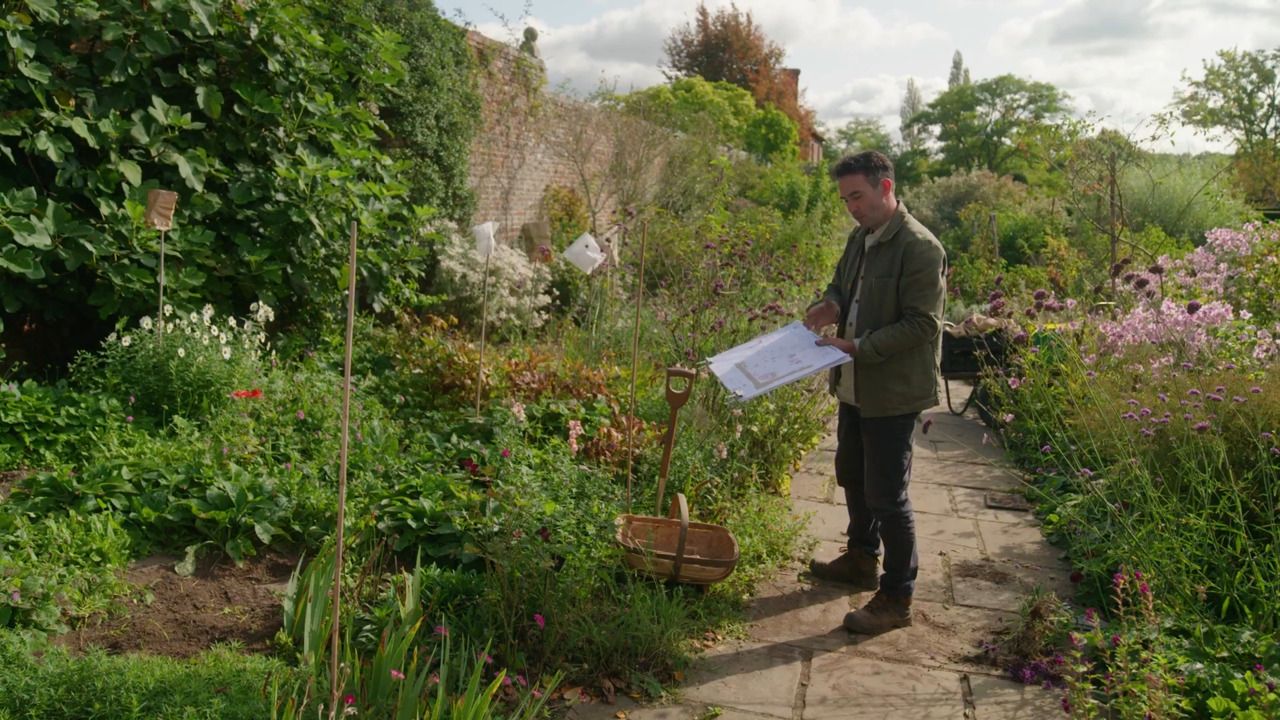
The Art of Gardening at Sissinghurst
with TROY SCOTT SMITH — Head Gardener at Sissinghurst. Garden Writer, Speaker & Lecturer.
Lesson 19 of 56
Subscribe to watch
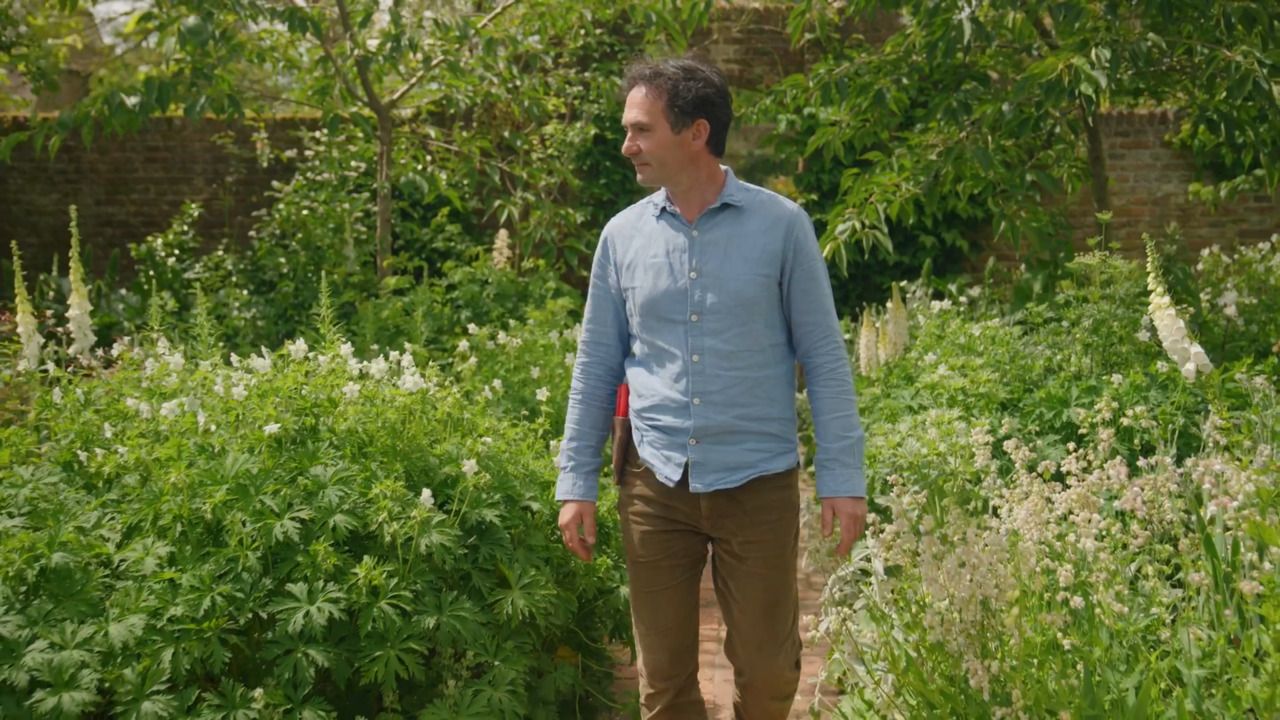
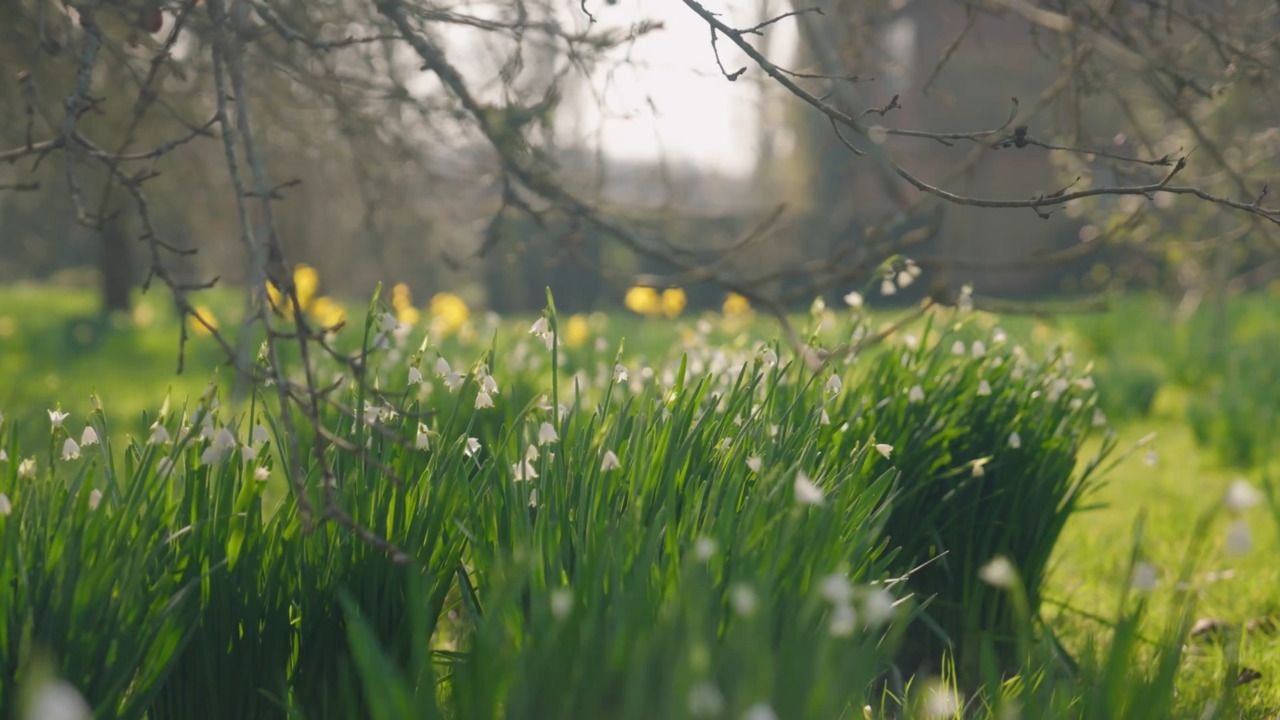
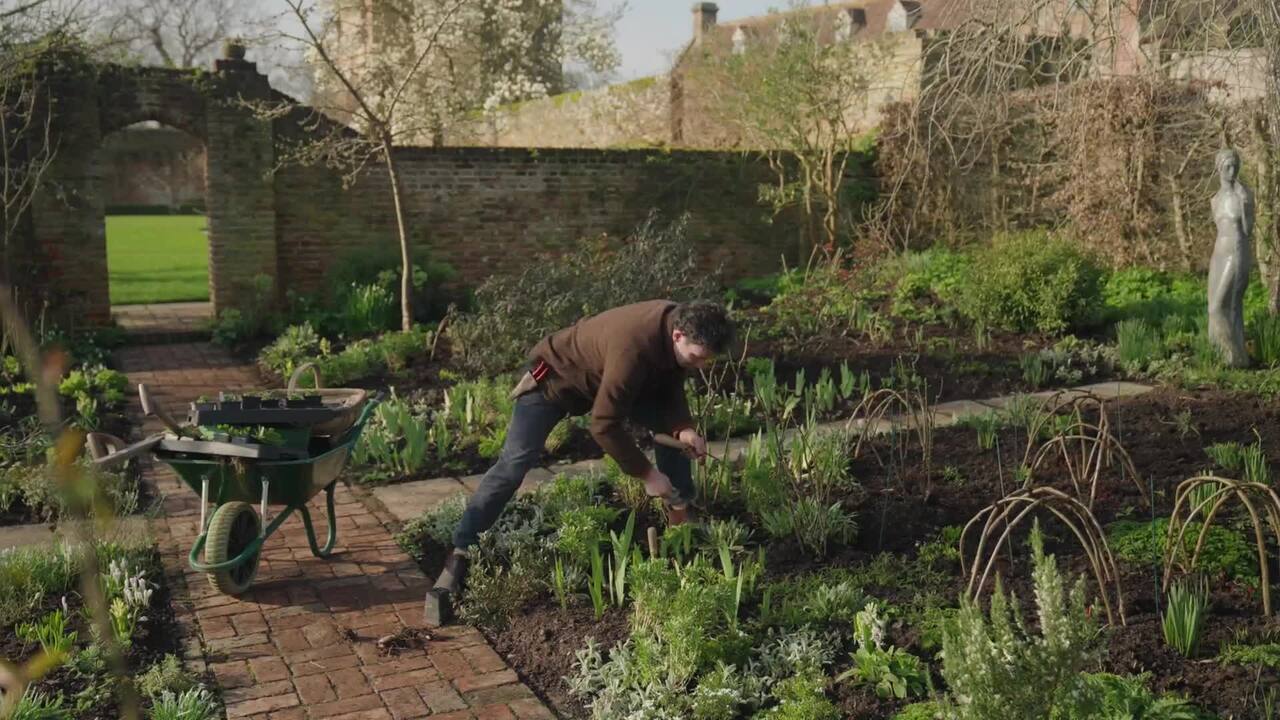
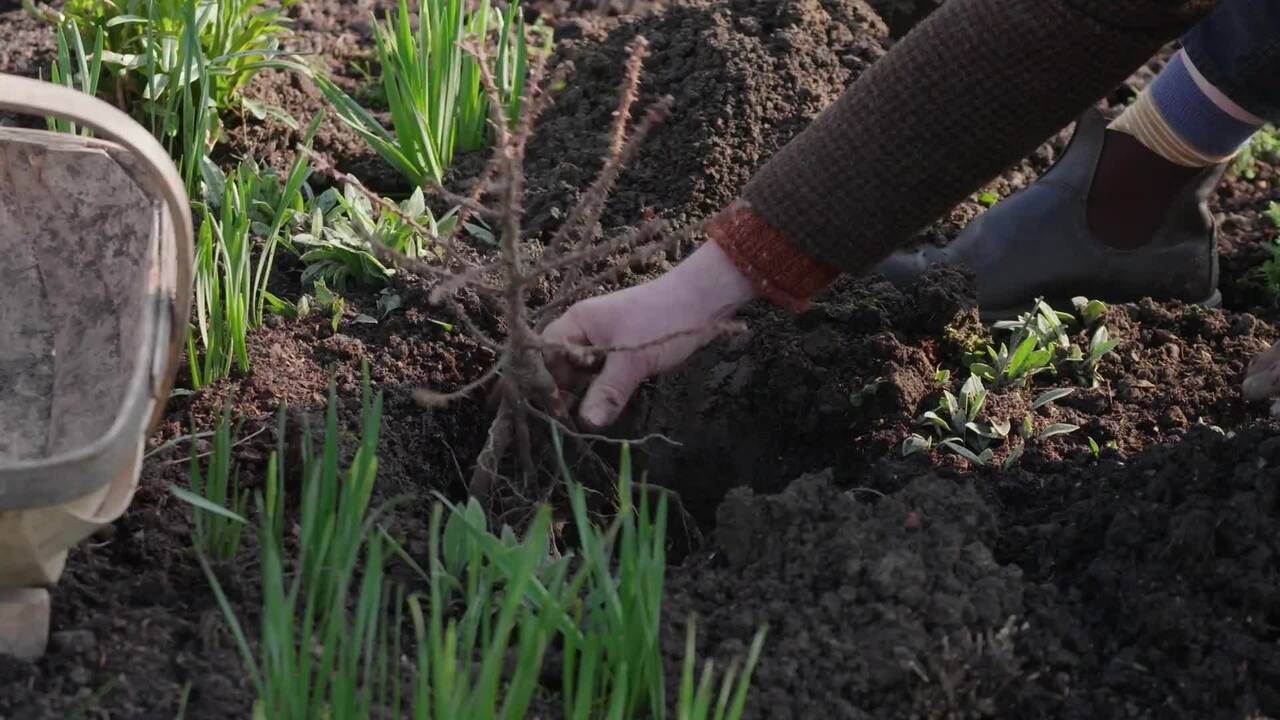
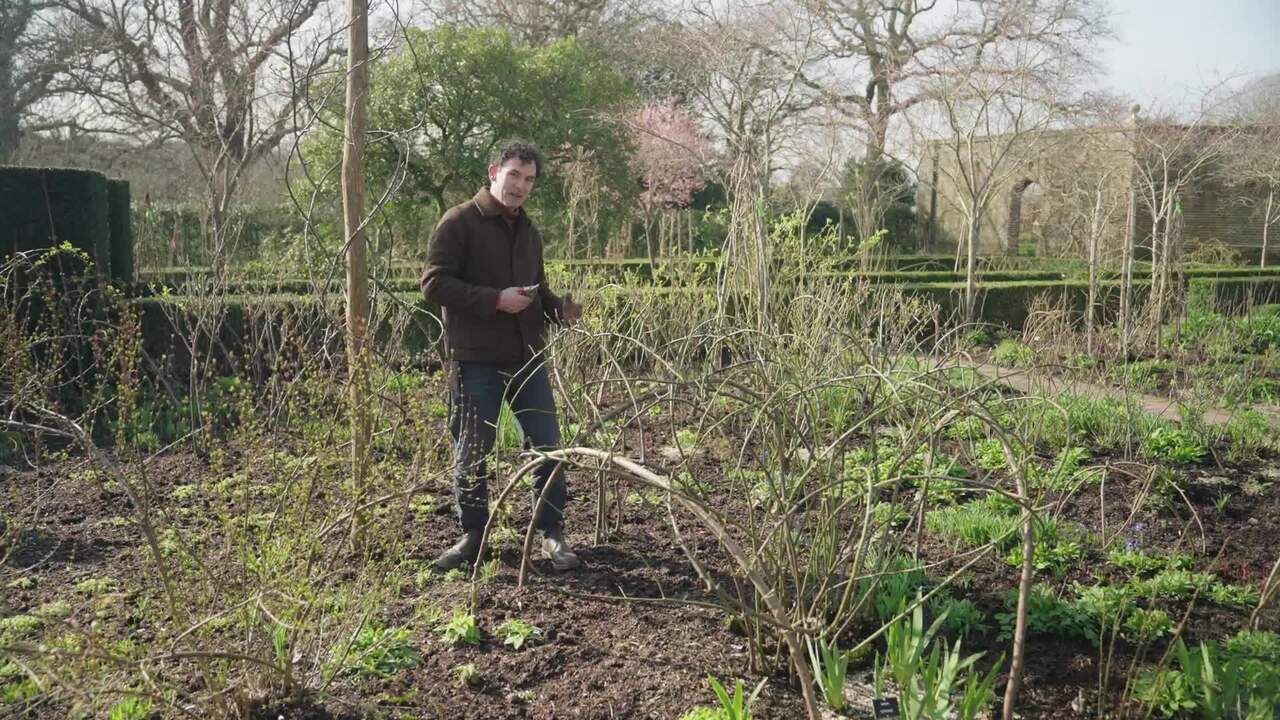
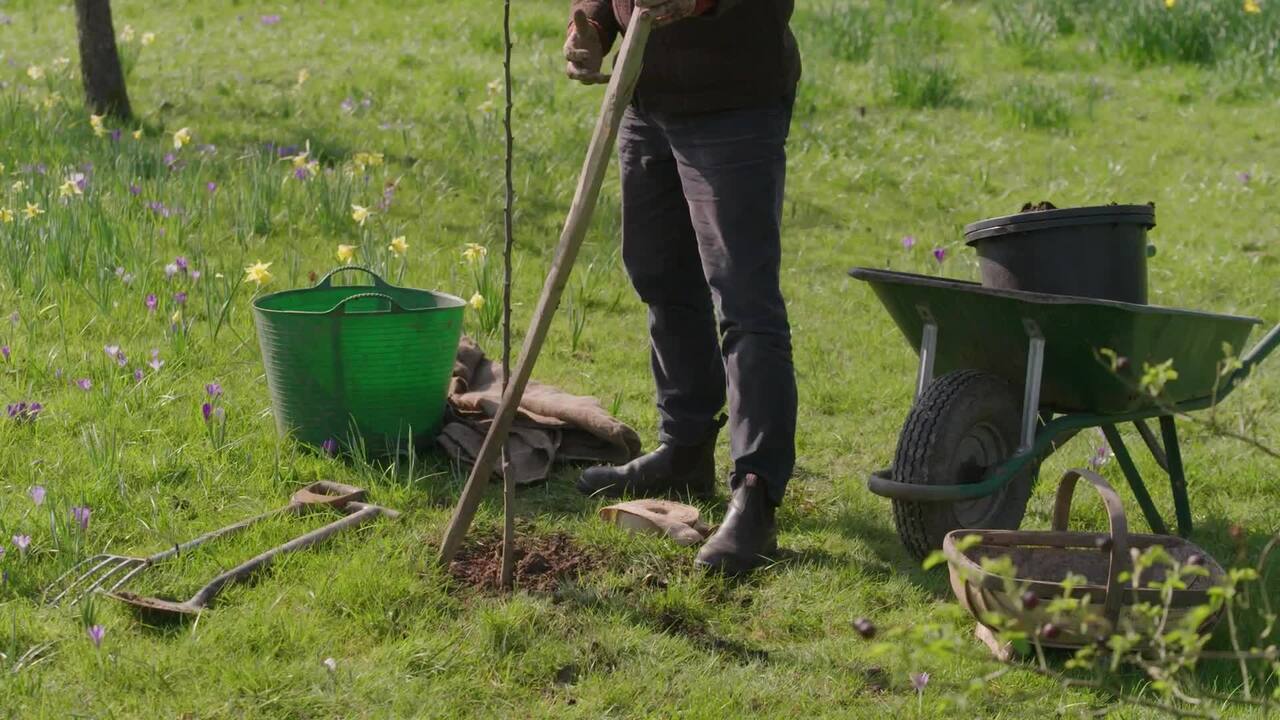
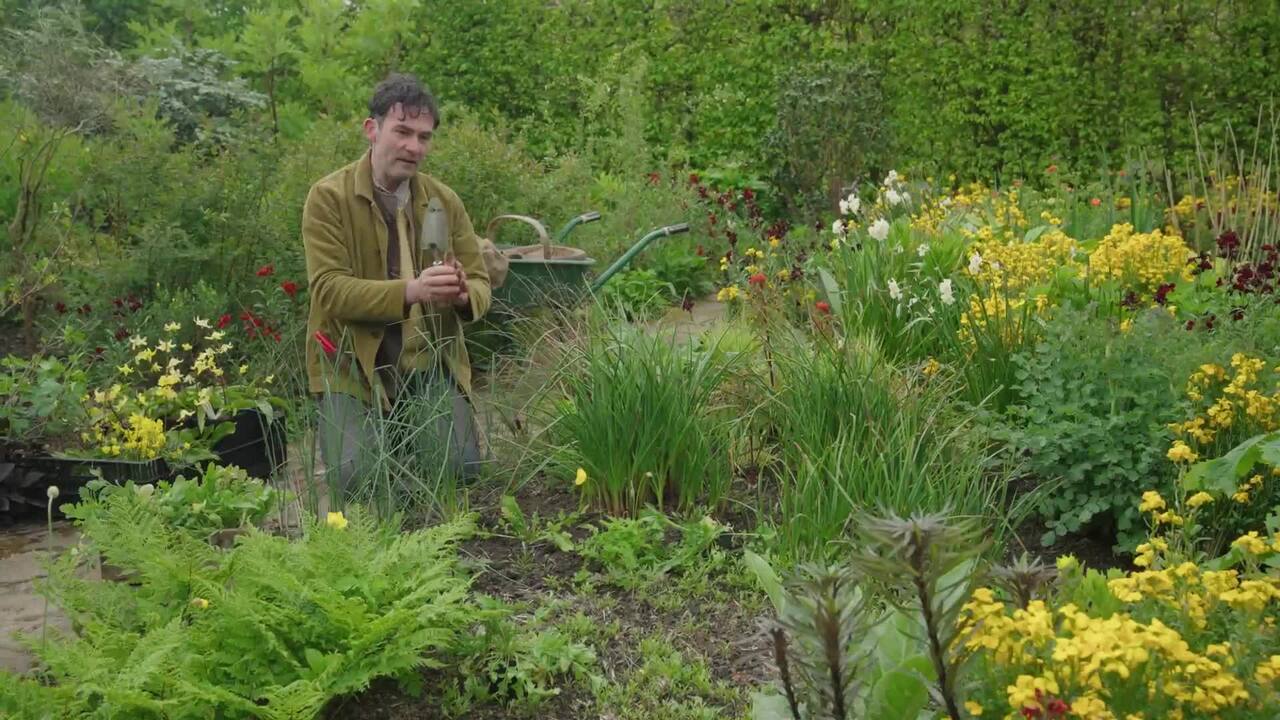
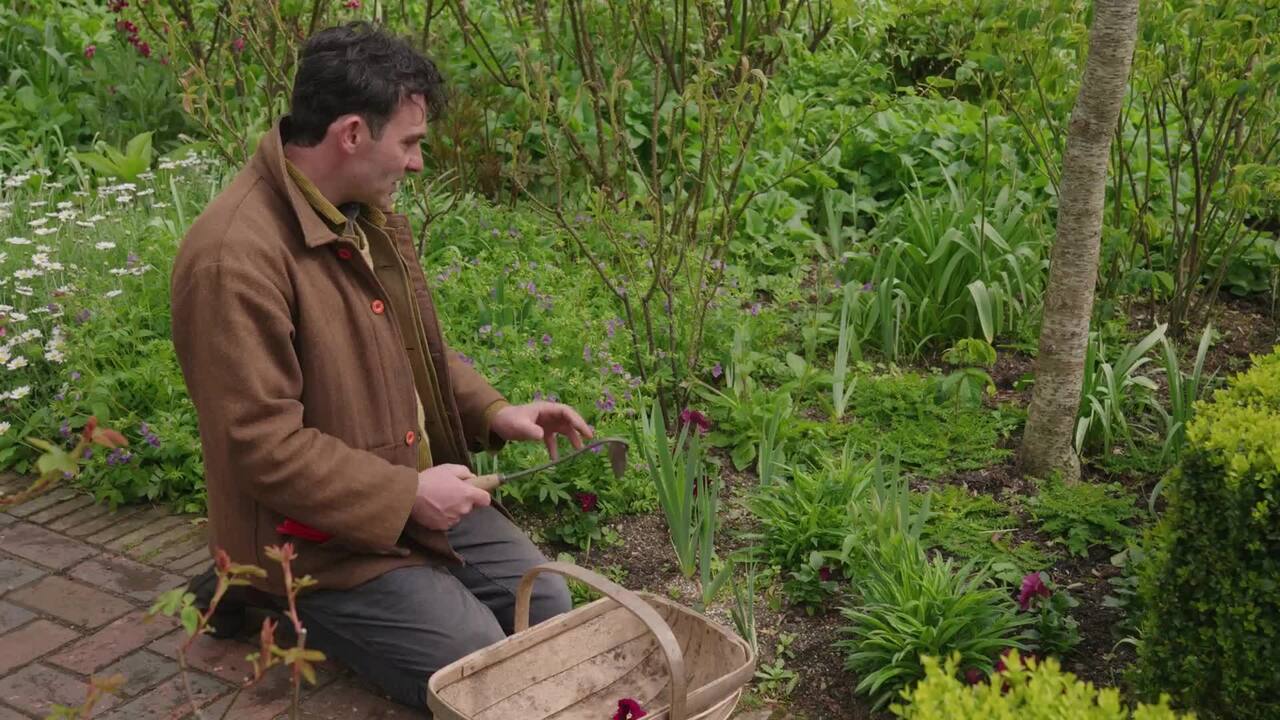
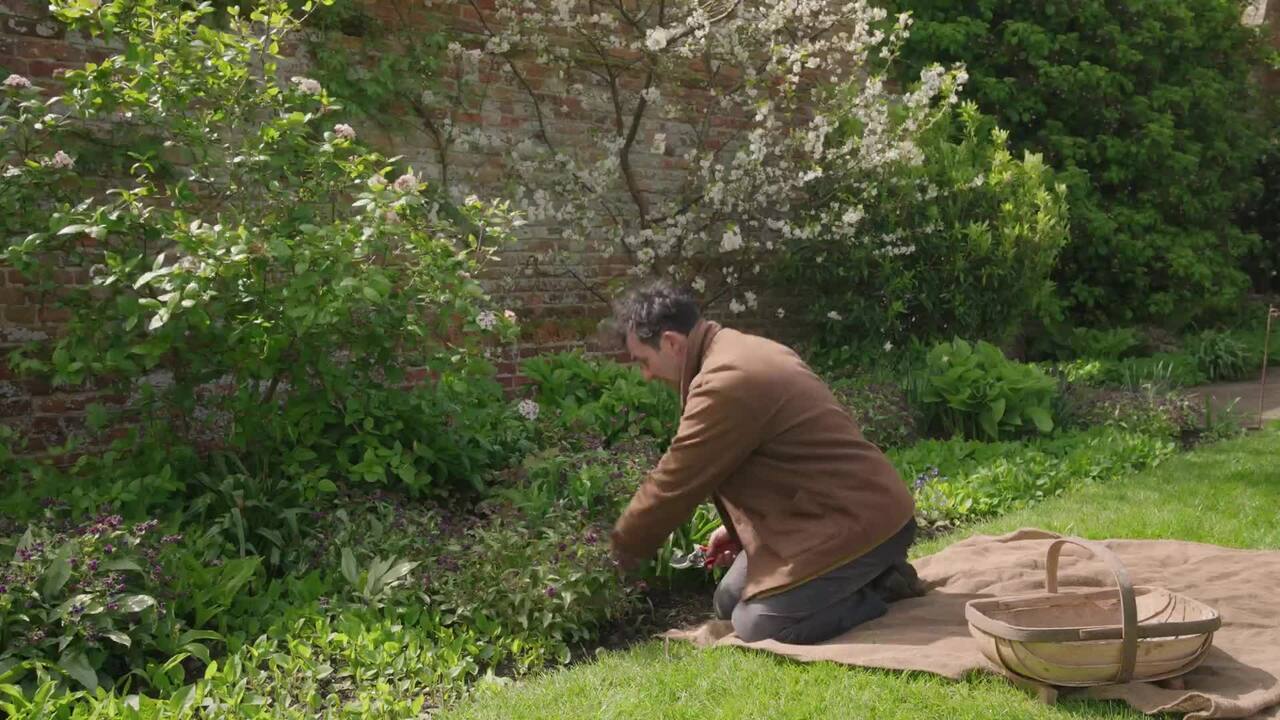
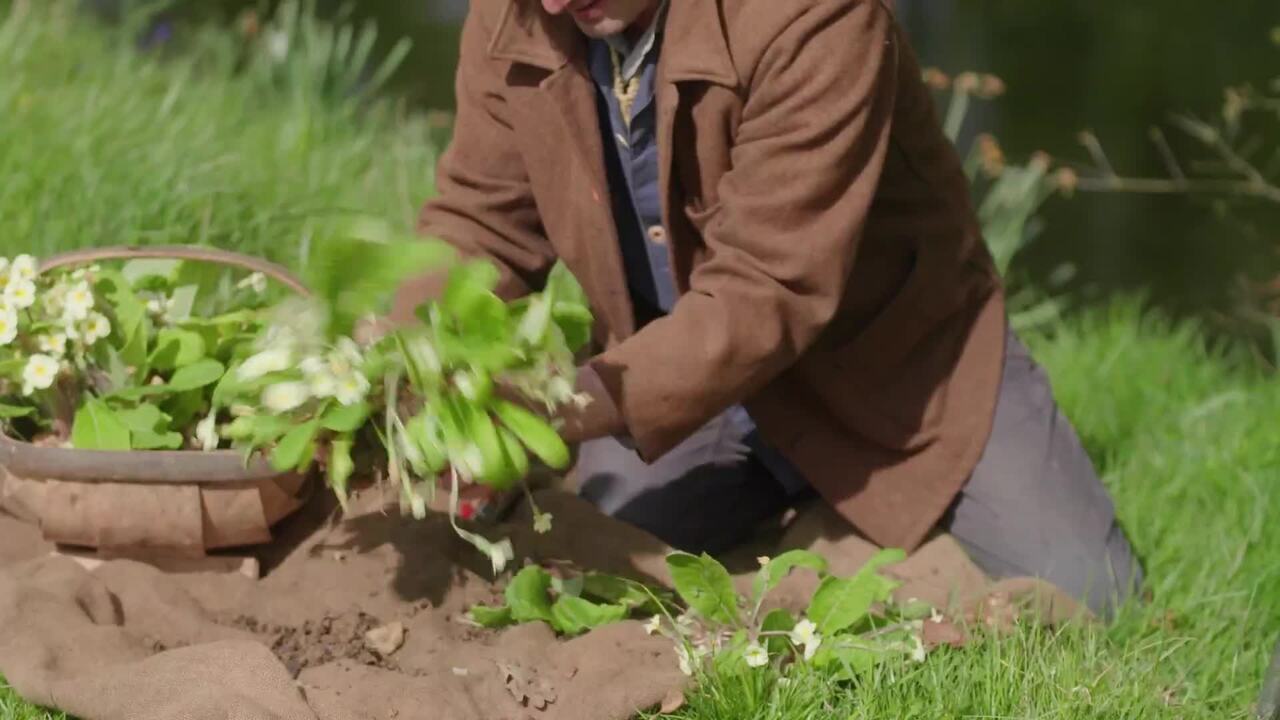
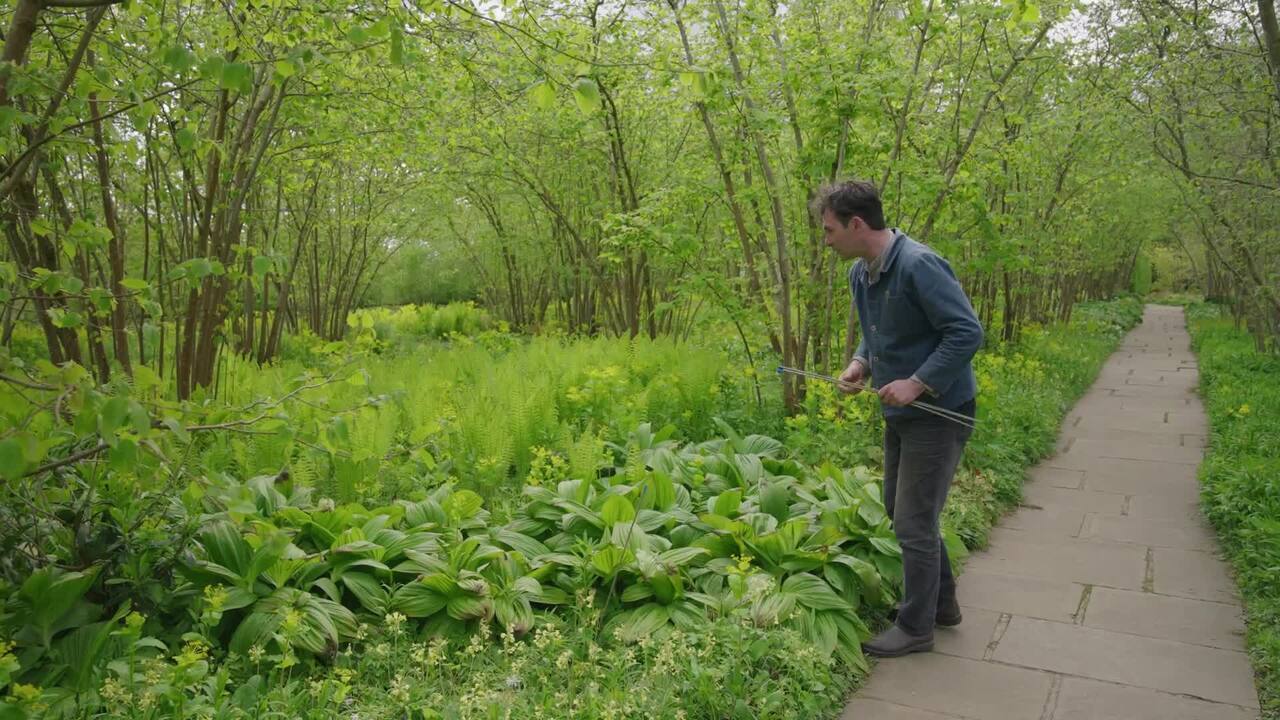
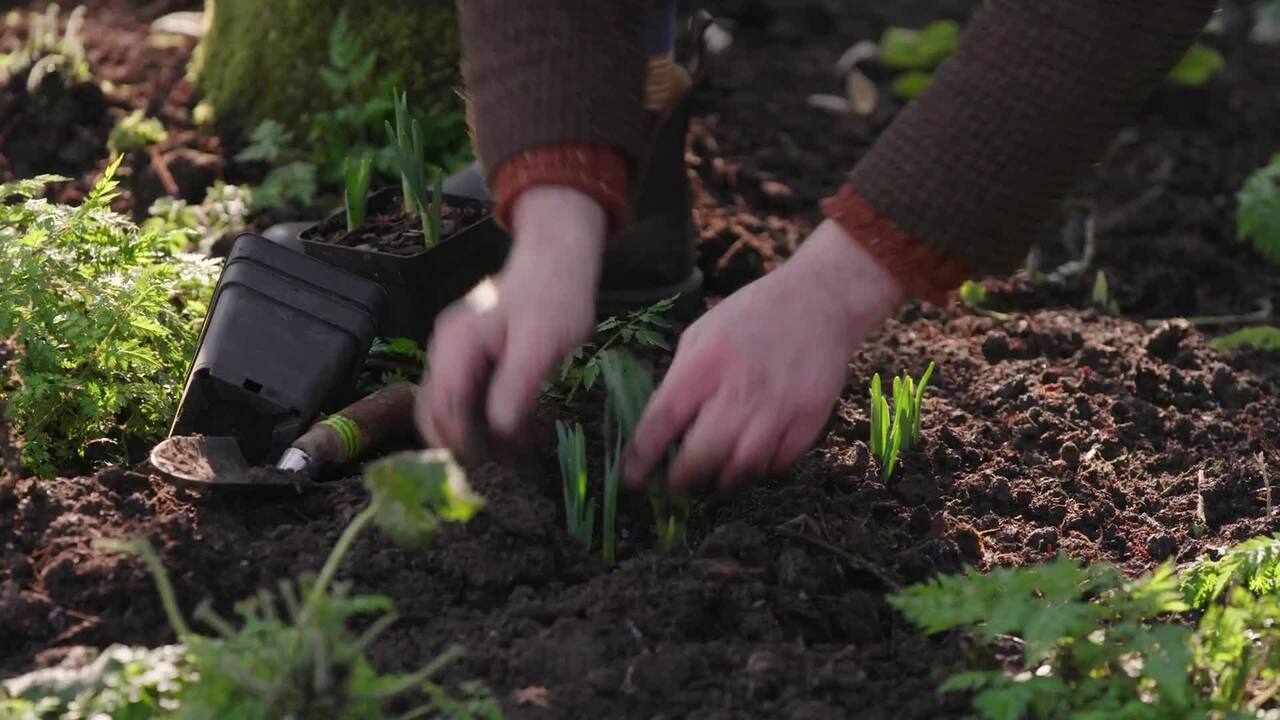
Troy demonstrates how to plant Narcissi to add spring interest to a shadier area of the White Garden, and a trick for starting off bulbs if you’re not yet sure where to put them.
Shade isn't a disadvantage - shade, sun, dry and wet all provide different planting opportunities.
Now we'll look at how to plant narcissi to add spring interest to a shadier area of the White Garden and a trick for starting off bulbs if you're not yet sure where to put them.
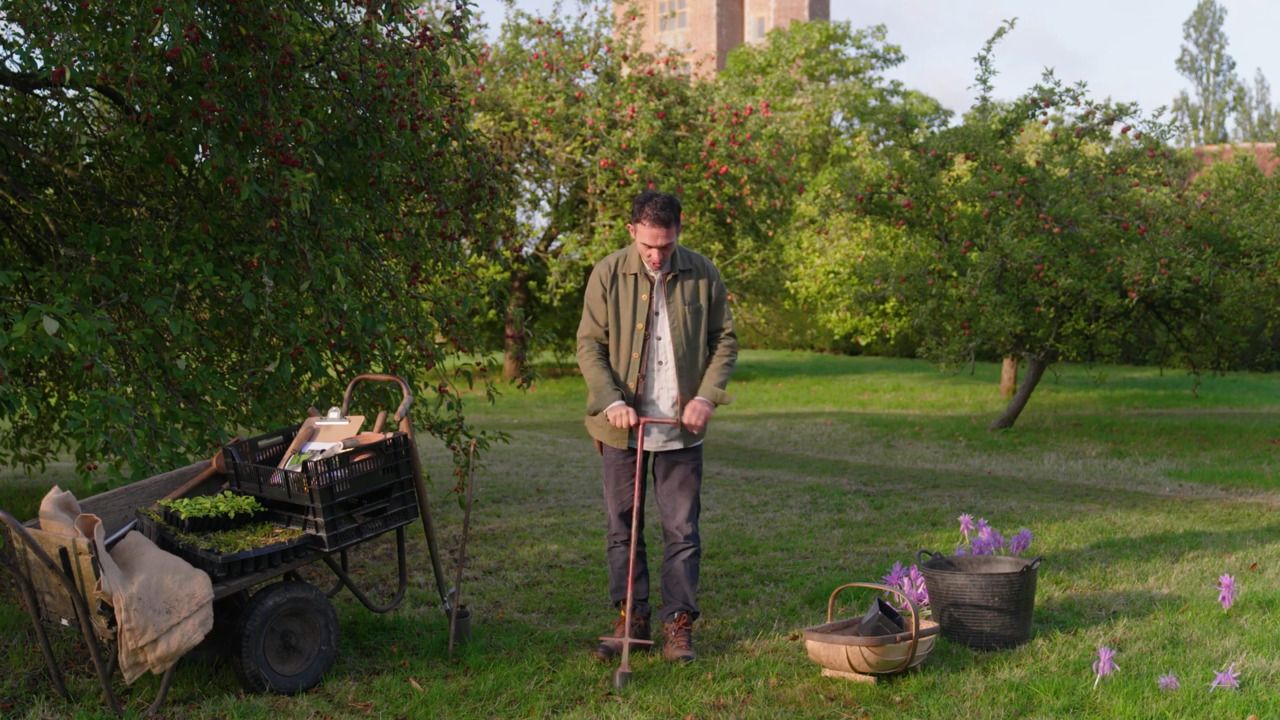
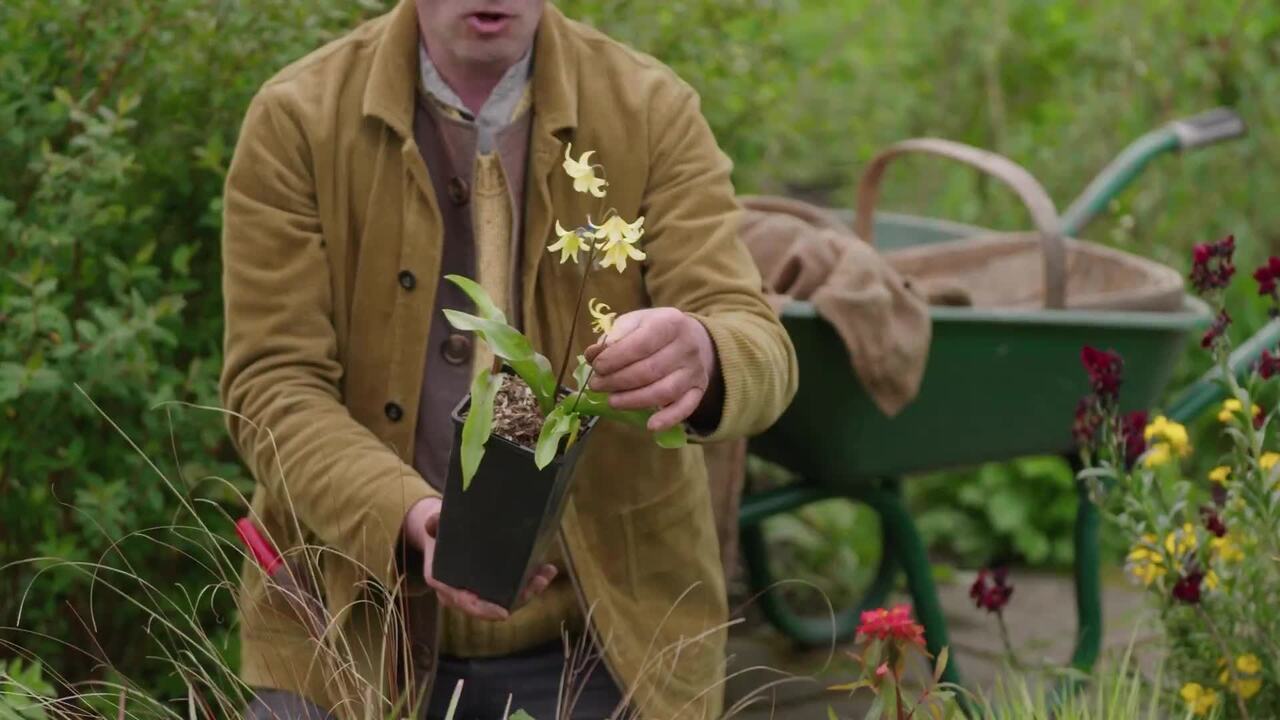
If you're not sure where you want your bulbs to go when you buy them in autumn, you can plant them in pots to grow on and then plant them out in early spring. We do this as the borders are too full to be able to plant bulbs in September, when narcissi need to go in. Tulips can wait until December, so spaces have often emerged by then.
"Gardening is a journey and process of a garden growing and evolving"
Anthriscus sylvestris
Cow parsley
Hardy, short-lived herbaceous perennial or sometimes biennial
Apiaceae
Cardiocrinum giganteum
Giant Himalayan lily
Hardy bulbous perennial
Liliaceae
Lunaria annua
Honesty
Hardy annual or herbaceous biennial
Brassicaceae
Magnolia species and cultivars
Magnolias
Hardy or half-hardy trees or shrubs
Magnoliaceae
Narcissus moschatus
Swan's neck daffodil
Hardy bulbous perennial
Amaryllidaceae
Narcissus 'Thalia'
Daffodil 'Thalia'
Hardy bulbous perennial
Amaryllidaceae
Get the full workbook, video lessons, and more with a Create Academy subscription.
Subscribe to access the full workbookAlready a member? Sign in to watch
491 reviews
Read moreCreate Academy has been such a great resource. I'm in the middle of renovating a bungalow with a very large garden and the courses have offered a wealth of inform...
Harvey
Jun 10, 2026
Absolutely love Create Academy! The instructors are extremely informative, and it is beautifully filmed. Create Academy is great value for money and plan on renew...
SG
May 31, 2026
Butter's creativity is stunning! Her ability to incorporate brilliance in small gardens is magical!
Carla
May 30, 2026
The best adventure. I like all the courses, but my favorite are both Rita Konig interior design courses and Anna Jones. Excellent!
Karolina Kluczewska
May 20, 2026
Create Academy has been such a great resource. I'm in the middle of renovating a bungalow with a very large garden and the courses have offered a wealth of information to dive into and explore new ideas. I'm...
Harvey
Jun 10, 2026
Absolutely love Create Academy! The instructors are extremely informative, and it is beautifully filmed. Create Academy is great value for money and plan on renewing my subscription yearly because there are ...
SG
May 31, 2026
Butter's creativity is stunning! Her ability to incorporate brilliance in small gardens is magical!
Carla
May 30, 2026

Your Instructor
Head Gardener at Sissinghurst. Garden Writer, Speaker & Lecturer.
Troy Scott-Smith, previously head gardener of Iford Manor and Bodnant garden, now oversees the cherished grounds of Sissinghurst - one of the most famous gardens in England and is designated Grade I on Historic England's register of historic parks and gardens. Coming from a family of committed naturalists, Troy is a seasoned horticulturist, writer, designer and consultant, Troy is also a respected member of the RHS Floral Committee. When he set his sights on the head gardener role, he did so with refreshing candour, speaking passionately of the garden’s need for thoughtful evolution. It is a mark of the National Trust’s forward-thinking spirit that they embraced his vision, inviting him to guide this historic landscape into a compelling new chapter.

Access to all courses


