



Interior and exterior confidence
Create Academy has been such a great resource. I'm in the middle of renovating a bungalow with a very large garden and the courses have offered a wealth of inform...
Harvey
Jun 10, 2026
The Art of Gardening at Sissinghurst
with TROY SCOTT SMITH — Head Gardener at Sissinghurst. Garden Writer, Speaker & Lecturer.
Lesson 23 of 56

Subscribe to watch
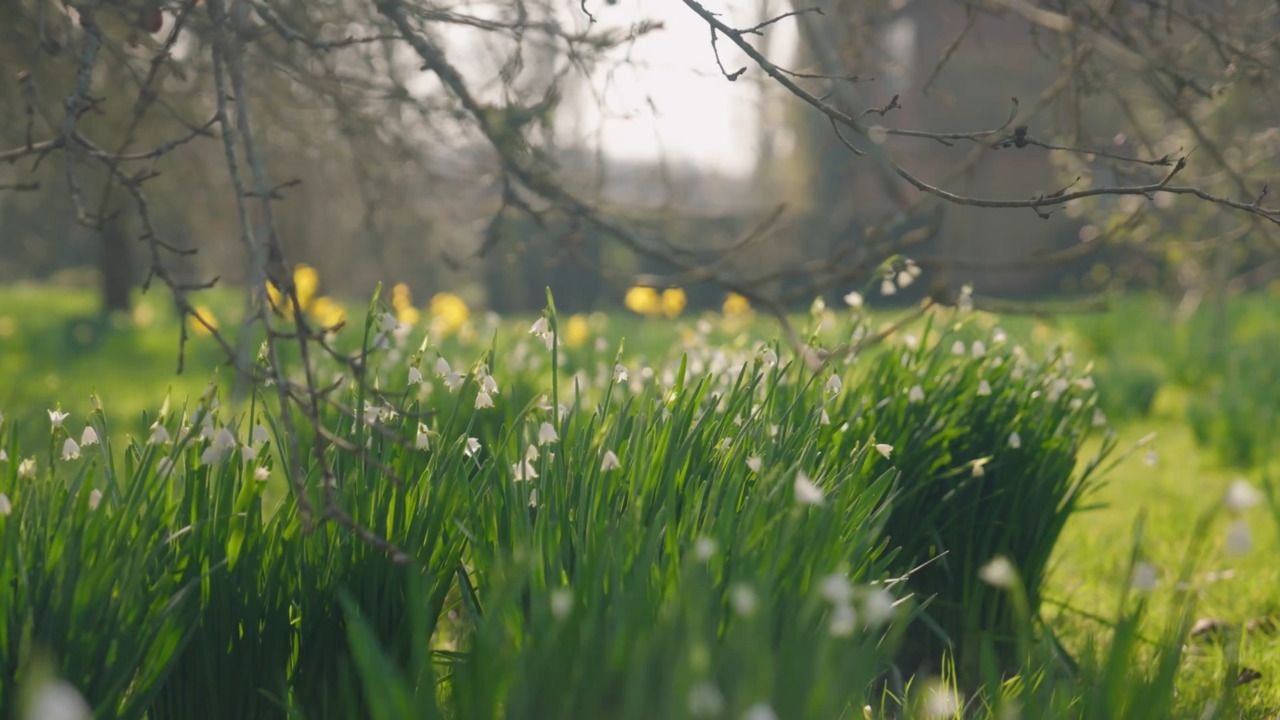
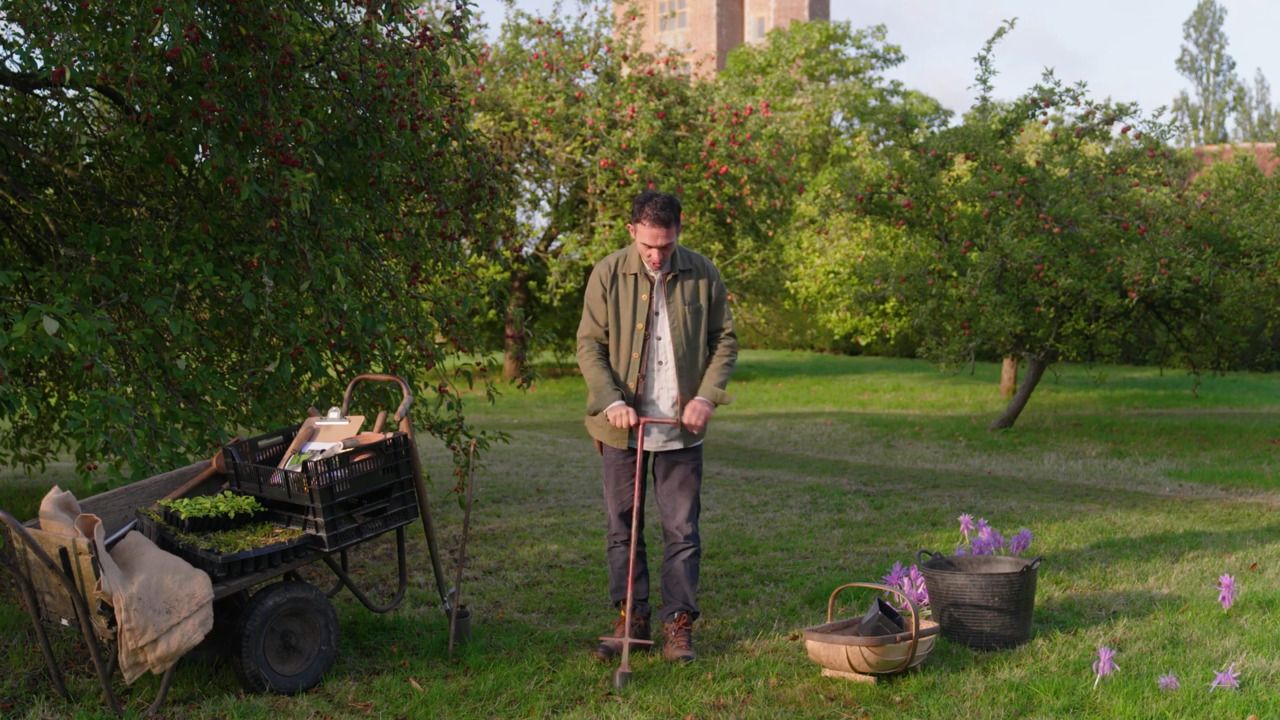
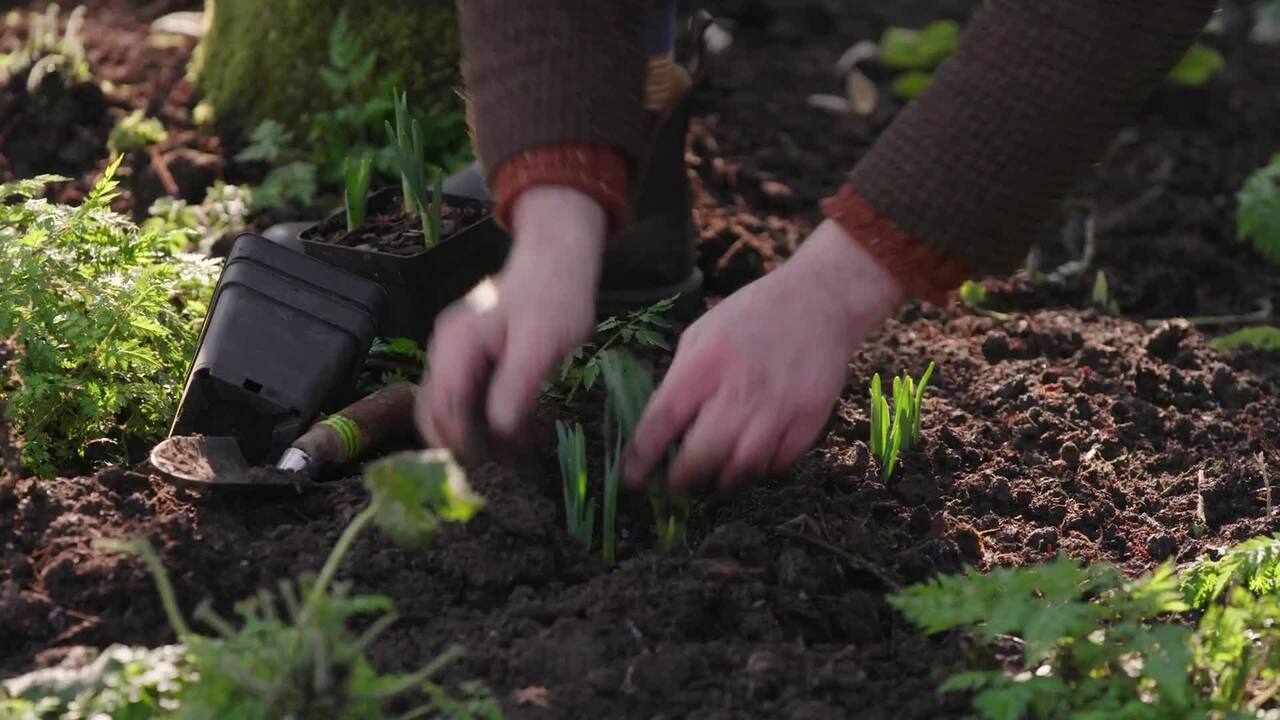
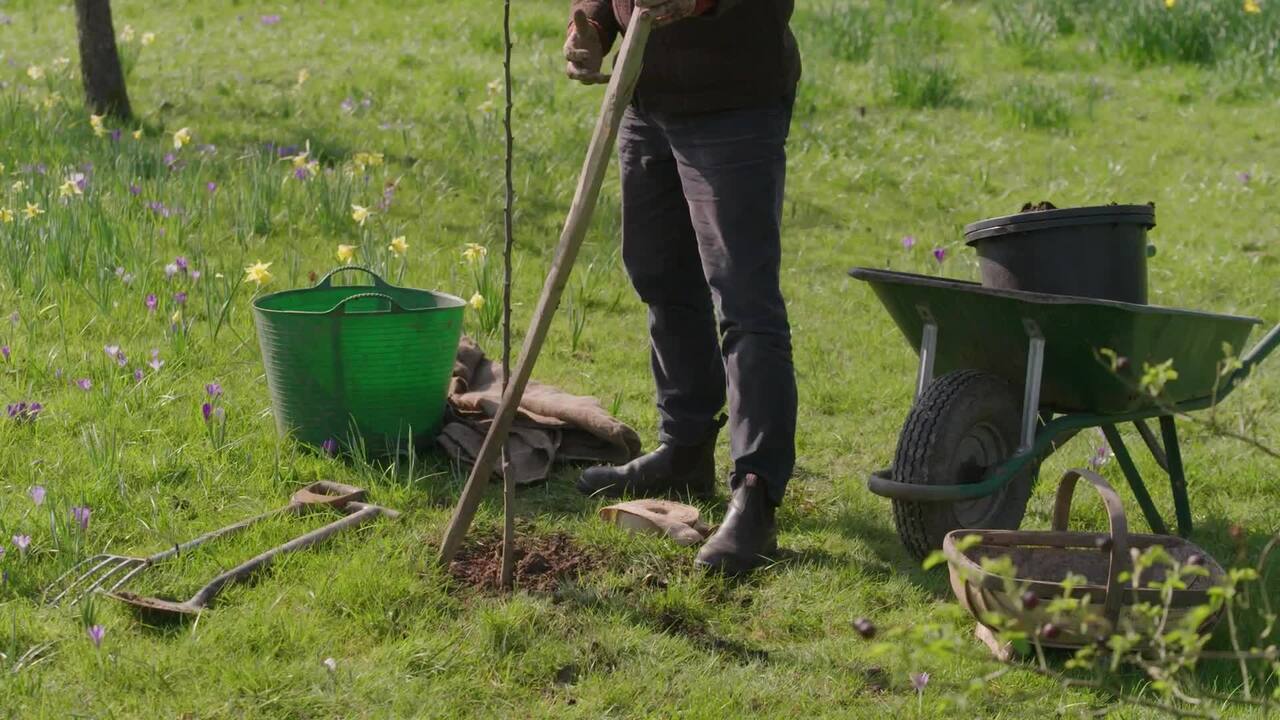
Spring bulbs bring some of the first colour and joy of the year. Troy shows you how to use them in long grass, orchard or meadow areas to achieve a beautiful naturalistic effect.
Spring bulbs bring some of the first colour and joy of the year. In this lesson I'll show you how to use them in long grass, Orchard or meadow areas to achieve a beautiful naturalistic effect.
"Always looking ahead and planning is one of the secrets to successful gardening."
Anacamptis morio
Green-winged orchid
Hardy tuberous perennial
Orchidaceae
Anthriscus sylvestris
Cow parsley
Hardy, short-lived herbaceous perennial or sometimes biennial
Apiaceae
Fritillaria meleagris
Snake's head fritillary
Hardy bulbous perennial
Liliaceae
Galanthus species and cultivars
Snowdrops
Hardy bulbous perennials
Amaryllidaceae
Leucojum aestivum
Summer snowflake
Hardy bulbous perennial
Amaryllidaceae
Narcissus obvallaris
Tenby daffodil
Hardy bulbous perennial
Amaryllidaceae
Narcissus poeticus var. recurvus
Old pheasant's eye daffodil
Hardy bulbous perennial
Amaryllidaceae
Narcissus pseudonarcissus 'Lobularis'
Lent lily daffodil
Hardy bulbous perennial
Amaryllidaceae
Primula vulgaris
Primrose
Hardy semi-evergreen perennial
Primulaceae
Prunus spinosa
Blackthorn
Hardy deciduous small tree
Rosaceae
Pyrus communis cultivars
Pears
Hardy deciduous trees
Rosaceae
Pyrus communis 'Winnal's Longdon'
'Winnal's Longdon' pear
Hardy deciduous tree
Rosaceae
Rhinanthus minor
Yellow rattle
Hardy annual
Orobanchaceae
Silene dioica
Red campion
Hardy semi-evergreen perennial
Caryophyllaceae
Cultivar
A named cultivated variety of a plant species, presented in single quotation marks, e.g. Narcissus pseudonarcissus 'Lobularis'.
Semi-parasitic
A plant that is partially parasitic on the roots or shoots of another plant but is still able to carry out photosynthesis to produce its own food.
Spur
A short side shoot, like a compressed stem and usually less than 6 inches long, that produces a tree's fruiting buds.
Sward
An area covered with grass.
Get the full workbook, video lessons, and more with a Create Academy subscription.
Subscribe to access the full workbookAlready a member? Sign in to watch
491 reviews
Read moreCreate Academy has been such a great resource. I'm in the middle of renovating a bungalow with a very large garden and the courses have offered a wealth of inform...
Harvey
Jun 10, 2026
Absolutely love Create Academy! The instructors are extremely informative, and it is beautifully filmed. Create Academy is great value for money and plan on renew...
SG
May 31, 2026
Butter's creativity is stunning! Her ability to incorporate brilliance in small gardens is magical!
Carla
May 30, 2026
The best adventure. I like all the courses, but my favorite are both Rita Konig interior design courses and Anna Jones. Excellent!
Karolina Kluczewska
May 20, 2026
Create Academy has been such a great resource. I'm in the middle of renovating a bungalow with a very large garden and the courses have offered a wealth of information to dive into and explore new ideas. I'm...
Harvey
Jun 10, 2026
Absolutely love Create Academy! The instructors are extremely informative, and it is beautifully filmed. Create Academy is great value for money and plan on renewing my subscription yearly because there are ...
SG
May 31, 2026
Butter's creativity is stunning! Her ability to incorporate brilliance in small gardens is magical!
Carla
May 30, 2026

Your Instructor
Head Gardener at Sissinghurst. Garden Writer, Speaker & Lecturer.
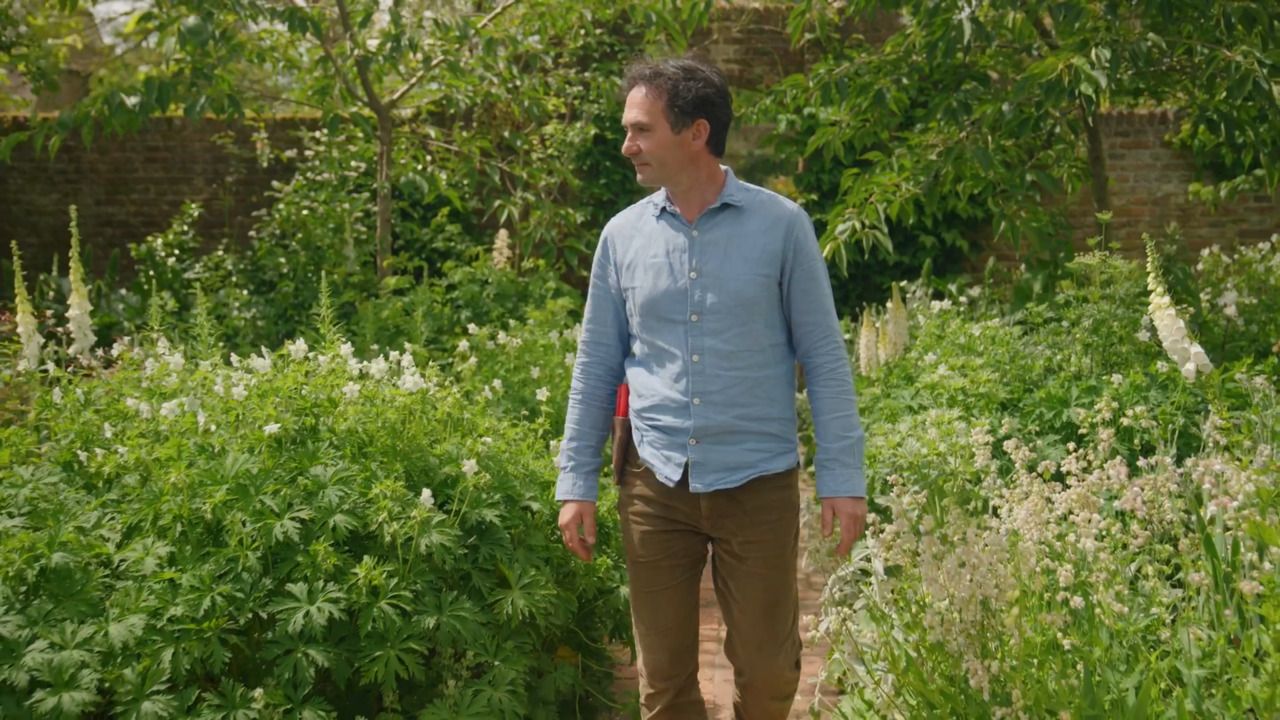
Troy Scott-Smith, previously head gardener of Iford Manor and Bodnant garden, now oversees the cherished grounds of Sissinghurst - one of the most famous gardens in England and is designated Grade I on Historic England's register of historic parks and gardens. Coming from a family of committed naturalists, Troy is a seasoned horticulturist, writer, designer and consultant, Troy is also a respected member of the RHS Floral Committee. When he set his sights on the head gardener role, he did so with refreshing candour, speaking passionately of the garden’s need for thoughtful evolution. It is a mark of the National Trust’s forward-thinking spirit that they embraced his vision, inviting him to guide this historic landscape into a compelling new chapter.
Access to all courses


