




Interior and exterior confidence
Create Academy has been such a great resource. I'm in the middle of renovating a bungalow with a very large garden and the courses have offered a wealth of inform...
Harvey
Jun 10, 2026
The Art of Gardening at Sissinghurst
with TROY SCOTT SMITH — Head Gardener at Sissinghurst. Garden Writer, Speaker & Lecturer.
Lesson 22 of 56
Subscribe to watch
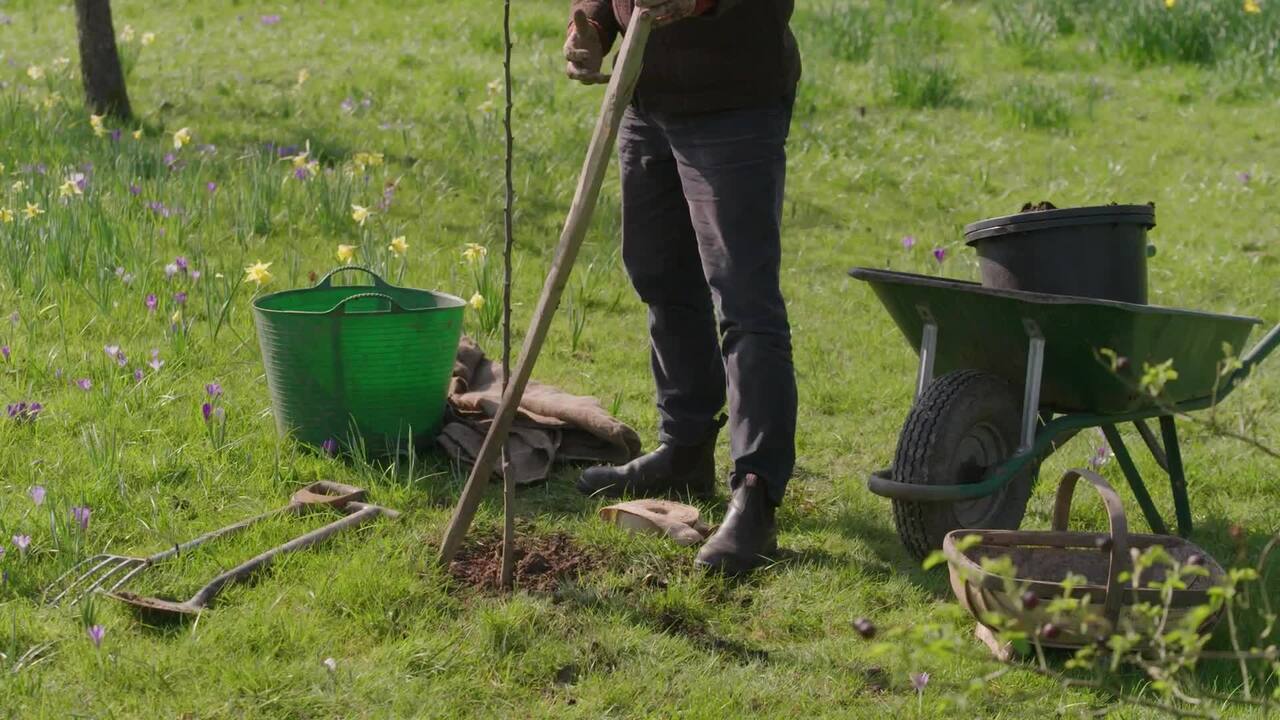
From Troy’s favourite part of the garden, you’ll learn how to choose and plant a pear tree, and the aftercare needed to give it the best start.
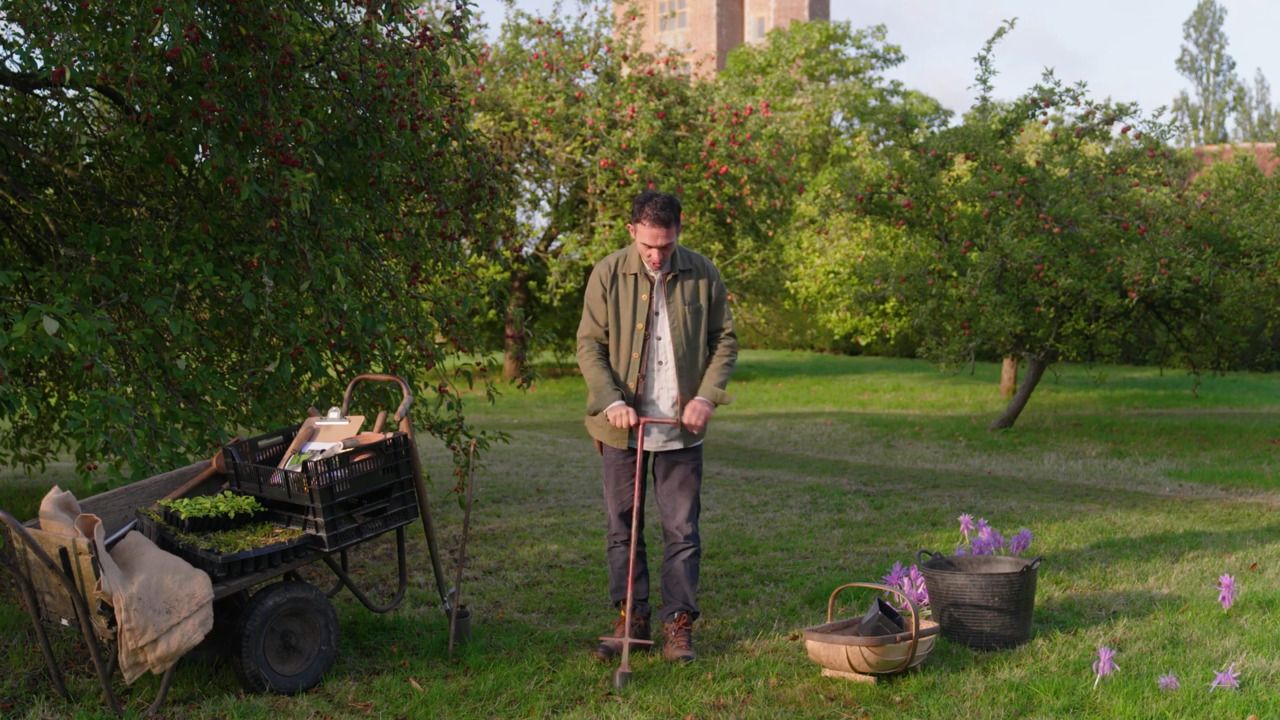
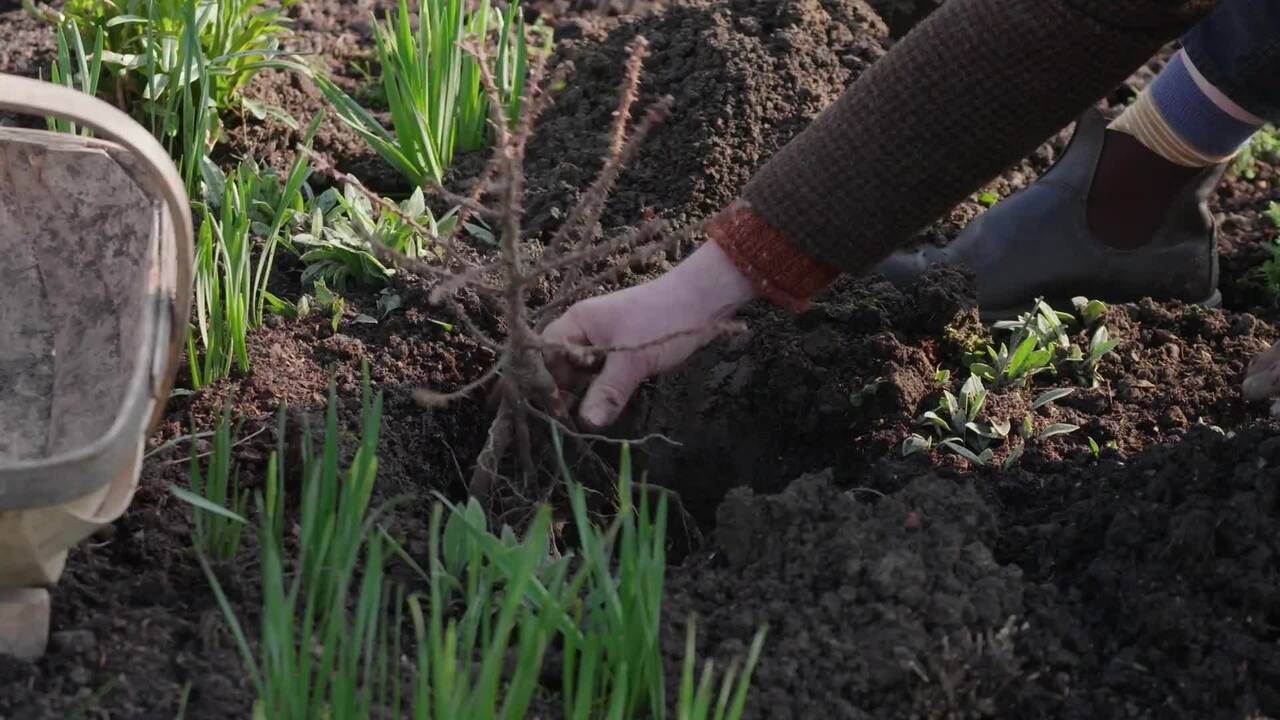
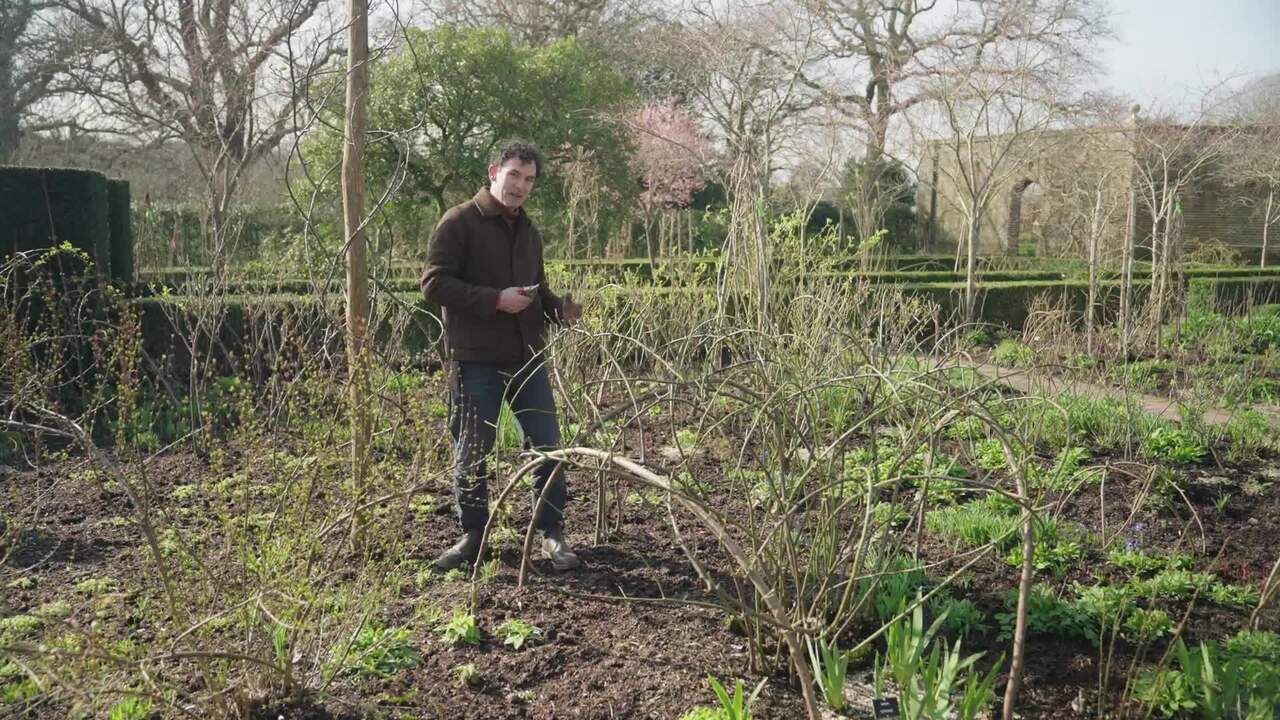
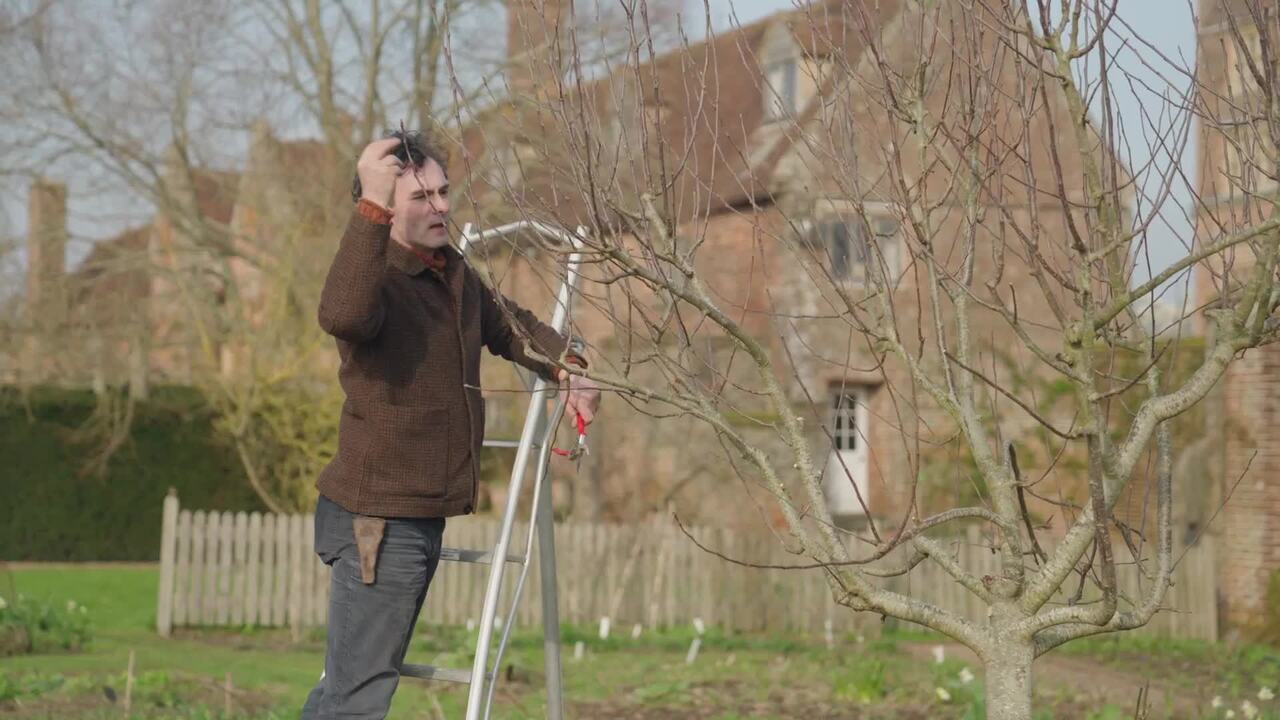
The Orchard is apples and pears, mulberry and quince, and roses growing up the trees. Pears do well on slightly wetter, heavier soil thanks to their vigorous rootstocks, so we choose pears for wetter areas and put apples on higher, drier ground. I'm planting pear 'Winnal's Longdon' (1790s) to suit the historic space, bought bare root.
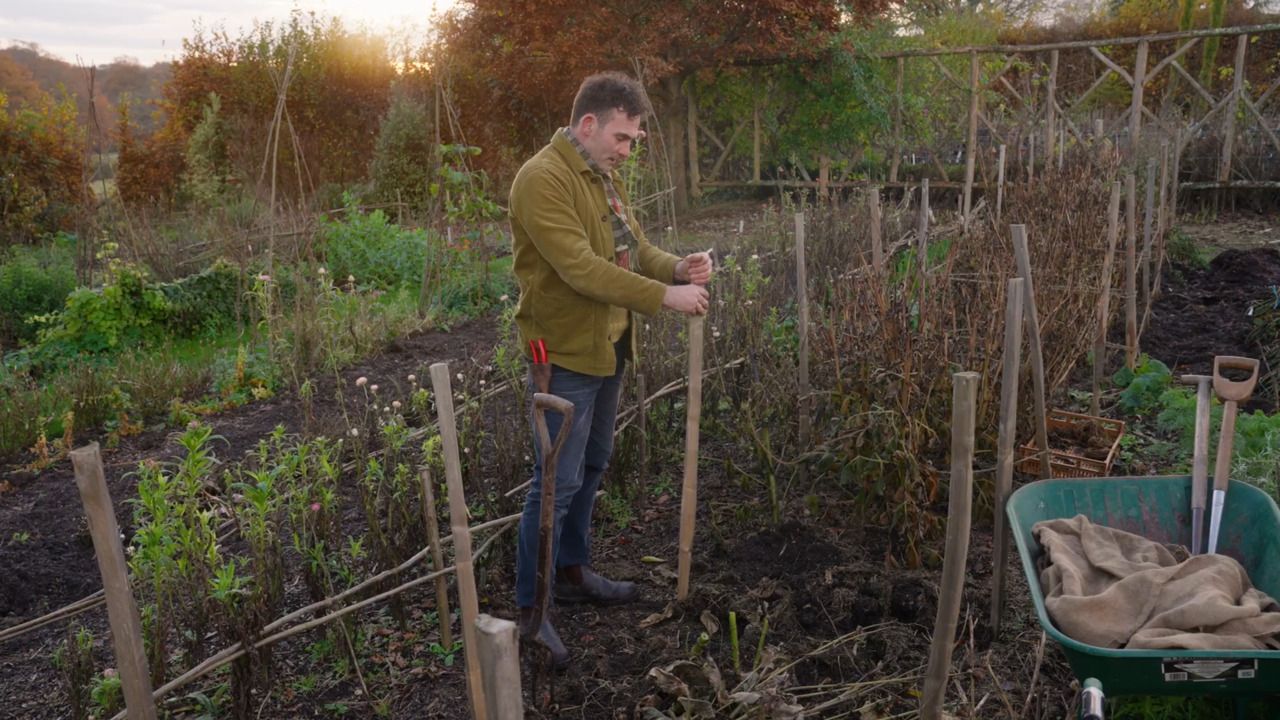
After planting, it's important to stake the tree to hold it upright while it establishes. Because it's bare root, you can put a vertical stake in next to it, but this still risks damaging roots. You can also stake with two stakes either side of the rootball with a tie between them.
I use a single stake at a 45° angle. We make and use cleaved chestnut stakes, which are very durable.
There's a suitable tree to enhance every size of garden. Don't be tempted by trees that aren't right for the place. Think about:
I would always choose to have a tree, even in a small garden. It adds an extra dimension, and so many things play off that tree - sun, pools of shade, things that grow up it.
Cydonia oblonga
Quince
Hardy deciduous tree
Rosaceae
Malus domestica cultivars
Apples
Hardy deciduous trees
Rosaceae
Morus nigra
Black mulberry
Hardy deciduous tree
Moraceae
Pyrus communis cultivars
Pears
Hardy deciduous trees
Rosaceae
Pyrus communis 'Winnal's Longdon'
'Winnal's Longdon' pear
Hardy deciduous tree
Rosaceae
Rosa species and cultivars
Roses
Hardy deciduous shrubs or climbers
Rosaceae
Club hammer
A small, heavy, short-handled hammer with an evenly balanced, symmetrical double-faced head. The heaviest hammer that can be used with one hand.
Graft
To fuse one plant variety onto a rootstock of another variety, often used for producing roses and apples. This can give the plant certain properties such as ultimate size, and allows nurseries to produce more plants from a small amount of material.
Maiden whip
A one-year-old tree with a single, straight, unbranched stem.
Rootstock
A plant onto which another variety is grafted. The rootstock makes up the roots and base of the stem, while the rest of the plant is the variety that has been grafted on. The rootstock determines properties of the plant such as its vigour, ultimate height and spread, and cropping potential.
Standard
A tree that has a single, straight trunk with no branches for at least the first 1.8 metres from the ground.
Subsoil
The soil layer below the surface soil (topsoil) and above the rock layer (bedrock), which usually contains more clay, stones, minerals and metal compounds than topsoil and less organic matter.
Topsoil
The uppermost layer of soil, which is high in nutrients and organic matter and in which most plant roots are found.
Treegator®
A watering bag used for irrigating newly planted trees. The bag is filled with water, wraps around the trunk and slowly releases water into the root zone.
Water table
The level below the surface at which the ground becomes permanently saturated with water - an underground boundary between the soil layer and the groundwater that lies beneath. A 'high water table' means this boundary is close to the surface, which means the topsoil can become saturated during wet periods.
Get the full workbook, video lessons, and more with a Create Academy subscription.
Subscribe to access the full workbookAlready a member? Sign in to watch
491 reviews
Read moreCreate Academy has been such a great resource. I'm in the middle of renovating a bungalow with a very large garden and the courses have offered a wealth of inform...
Harvey
Jun 10, 2026
Absolutely love Create Academy! The instructors are extremely informative, and it is beautifully filmed. Create Academy is great value for money and plan on renew...
SG
May 31, 2026
Butter's creativity is stunning! Her ability to incorporate brilliance in small gardens is magical!
Carla
May 30, 2026
The best adventure. I like all the courses, but my favorite are both Rita Konig interior design courses and Anna Jones. Excellent!
Karolina Kluczewska
May 20, 2026
Create Academy has been such a great resource. I'm in the middle of renovating a bungalow with a very large garden and the courses have offered a wealth of information to dive into and explore new ideas. I'm...
Harvey
Jun 10, 2026
Absolutely love Create Academy! The instructors are extremely informative, and it is beautifully filmed. Create Academy is great value for money and plan on renewing my subscription yearly because there are ...
SG
May 31, 2026
Butter's creativity is stunning! Her ability to incorporate brilliance in small gardens is magical!
Carla
May 30, 2026

Your Instructor
Head Gardener at Sissinghurst. Garden Writer, Speaker & Lecturer.
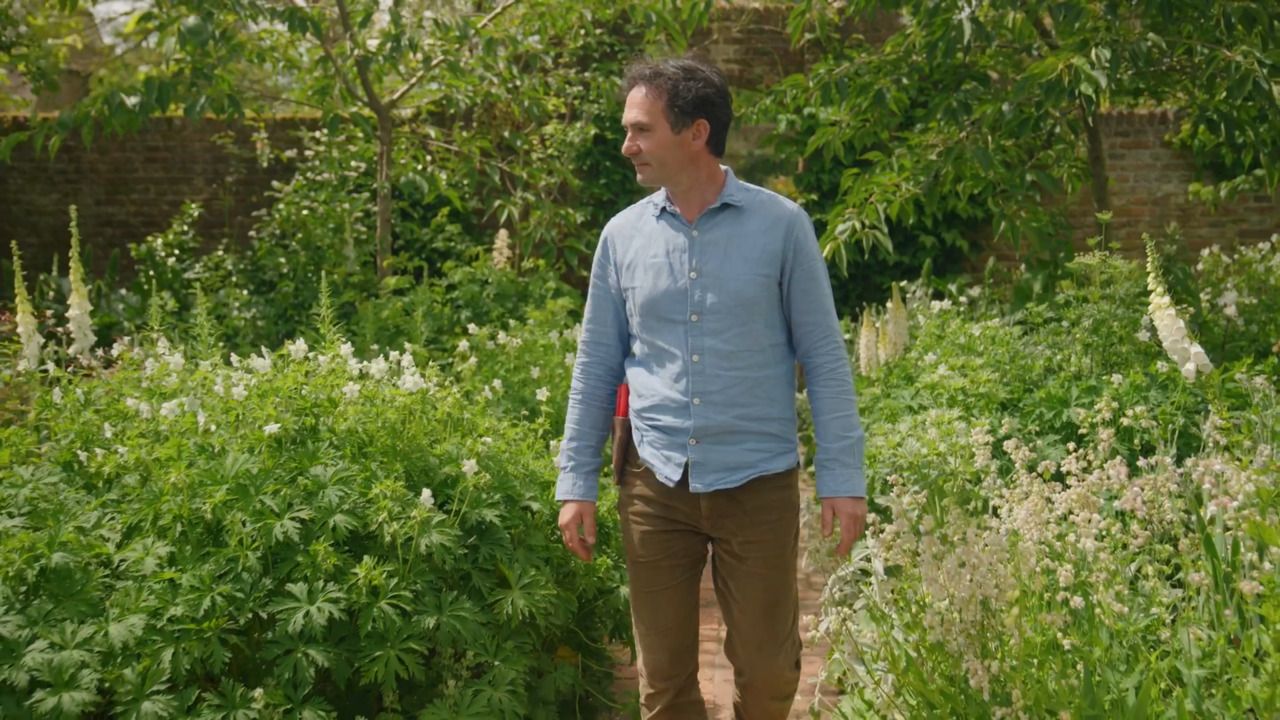
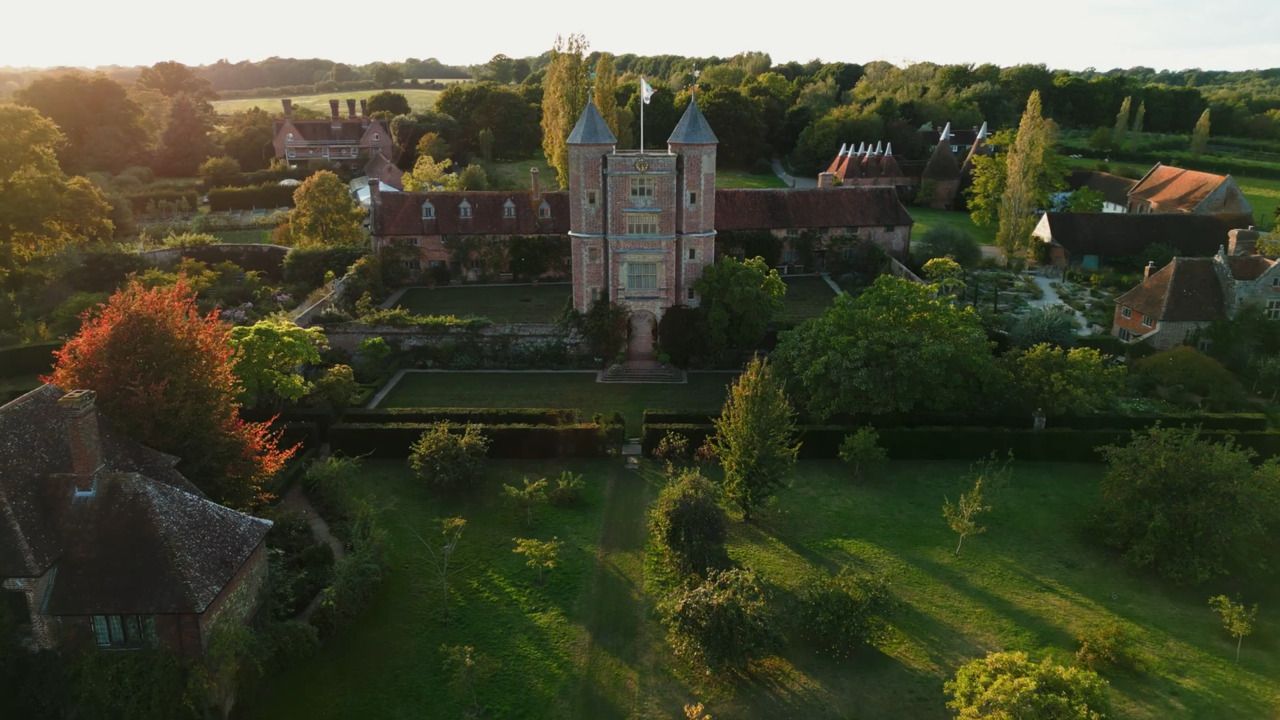
Troy Scott-Smith, previously head gardener of Iford Manor and Bodnant garden, now oversees the cherished grounds of Sissinghurst - one of the most famous gardens in England and is designated Grade I on Historic England's register of historic parks and gardens. Coming from a family of committed naturalists, Troy is a seasoned horticulturist, writer, designer and consultant, Troy is also a respected member of the RHS Floral Committee. When he set his sights on the head gardener role, he did so with refreshing candour, speaking passionately of the garden’s need for thoughtful evolution. It is a mark of the National Trust’s forward-thinking spirit that they embraced his vision, inviting him to guide this historic landscape into a compelling new chapter.
Access to all courses


