













Interior and exterior confidence
Create Academy has been such a great resource. I'm in the middle of renovating a bungalow with a very large garden and the courses have offered a wealth of inform...
Harvey
Jun 10, 2026
The Art of Gardening at Sissinghurst
with TROY SCOTT SMITH — Head Gardener at Sissinghurst. Garden Writer, Speaker & Lecturer.
Lesson 51 of 56
Subscribe to watch
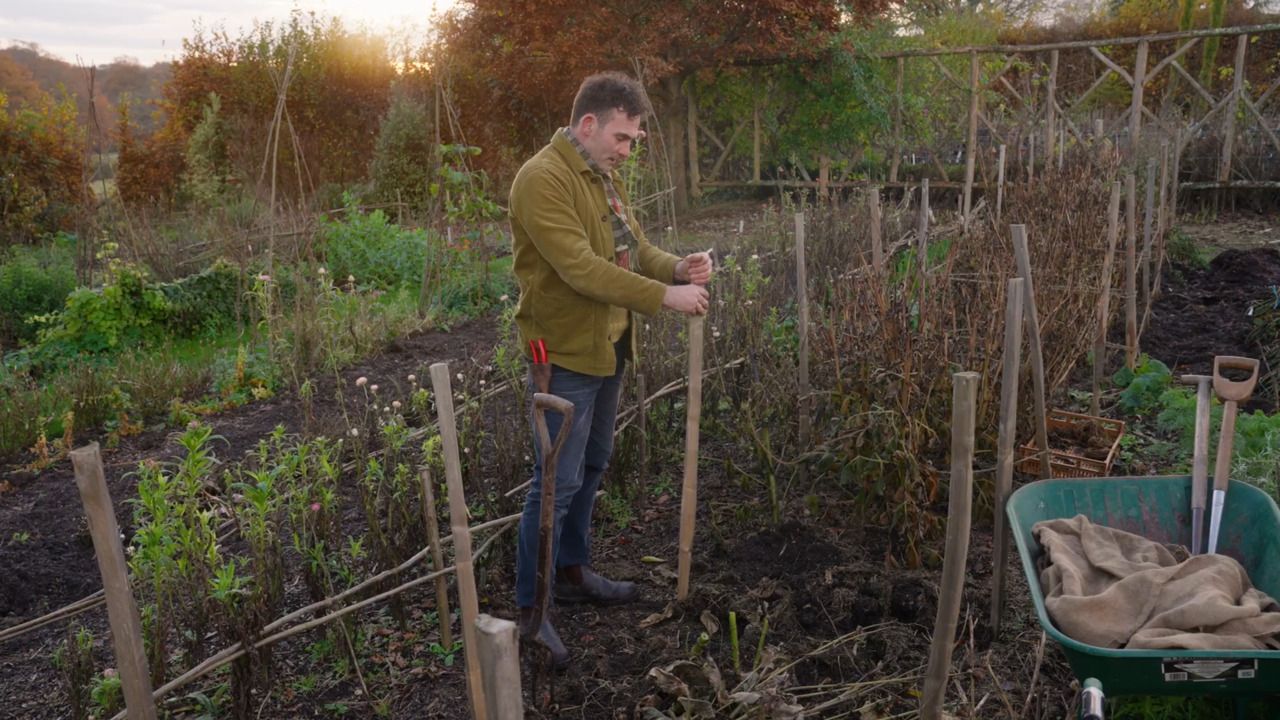
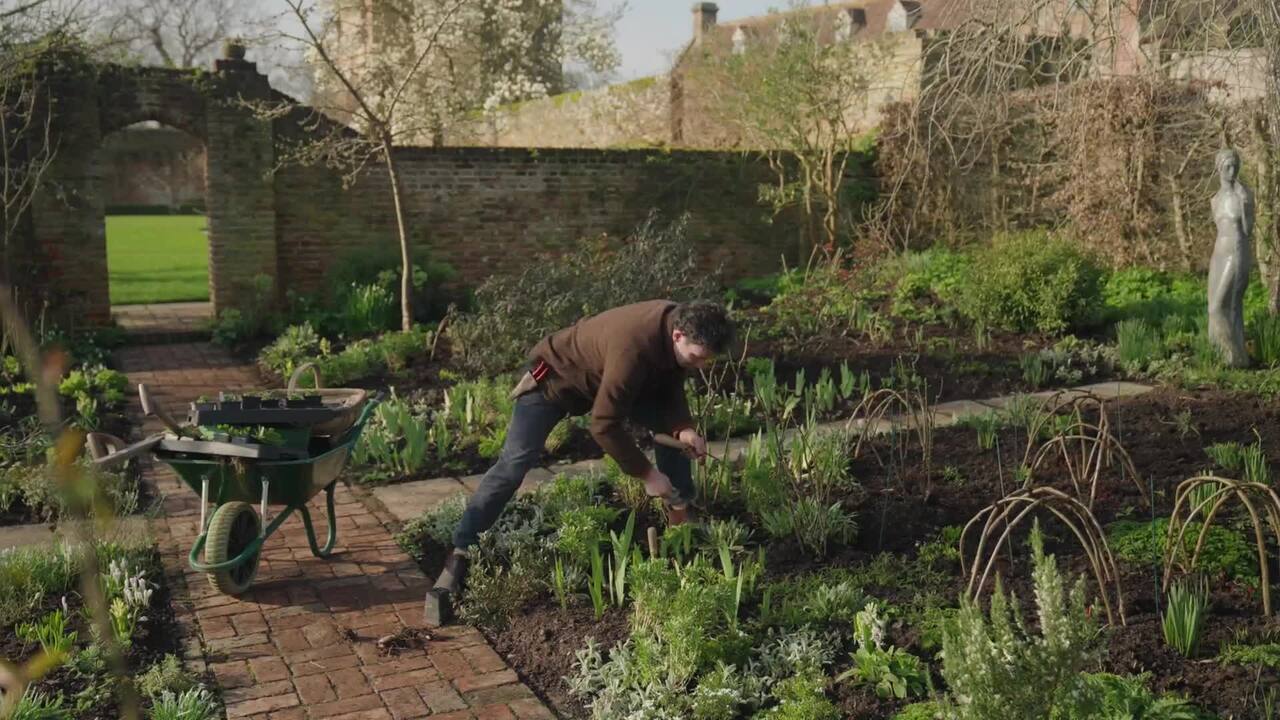
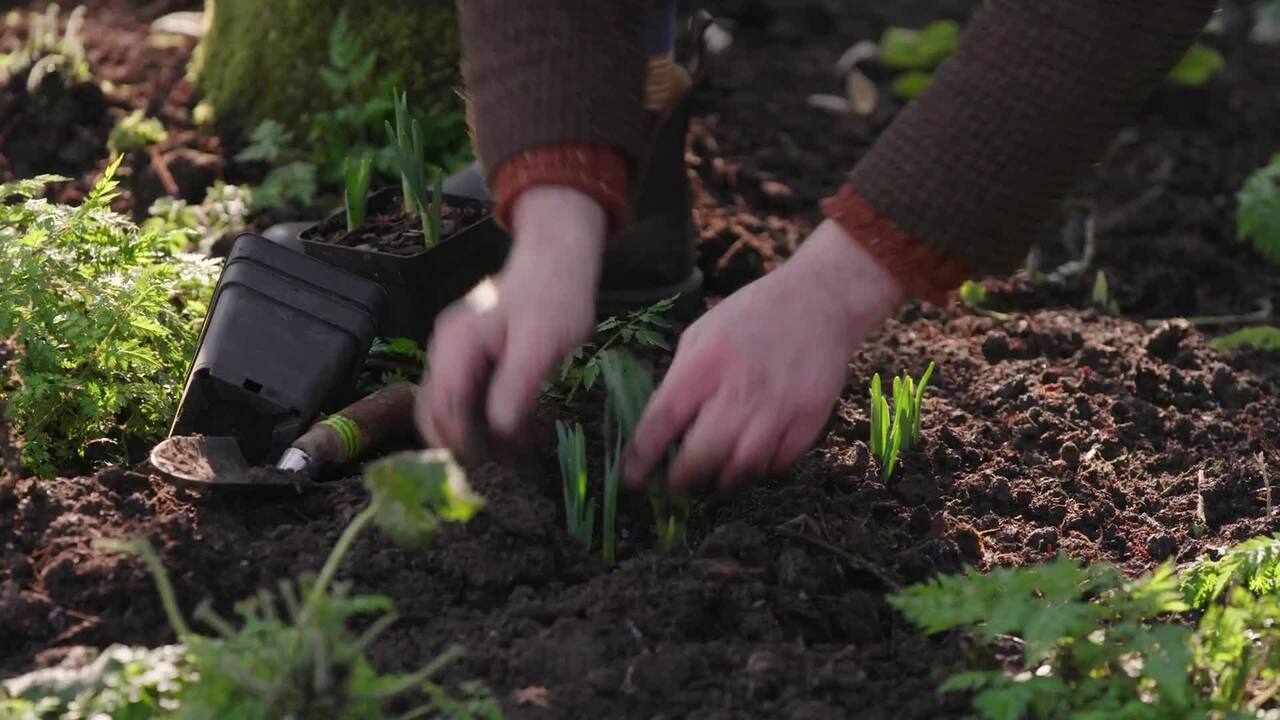
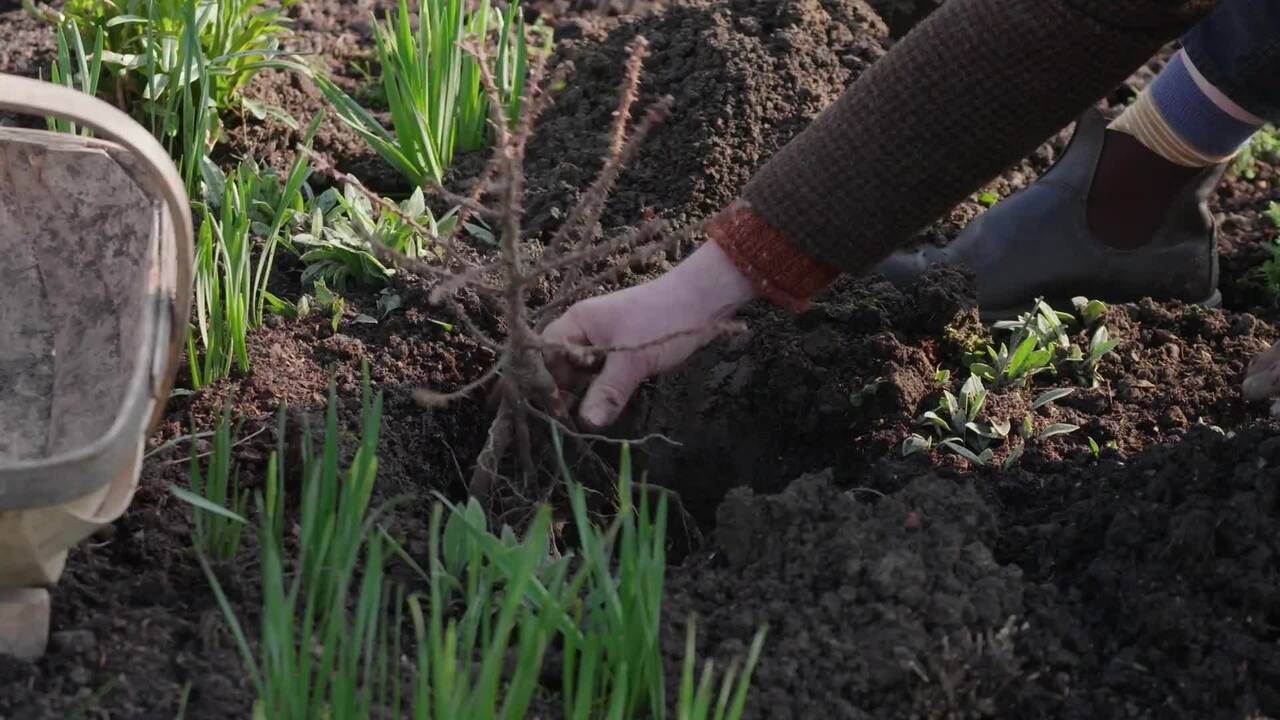
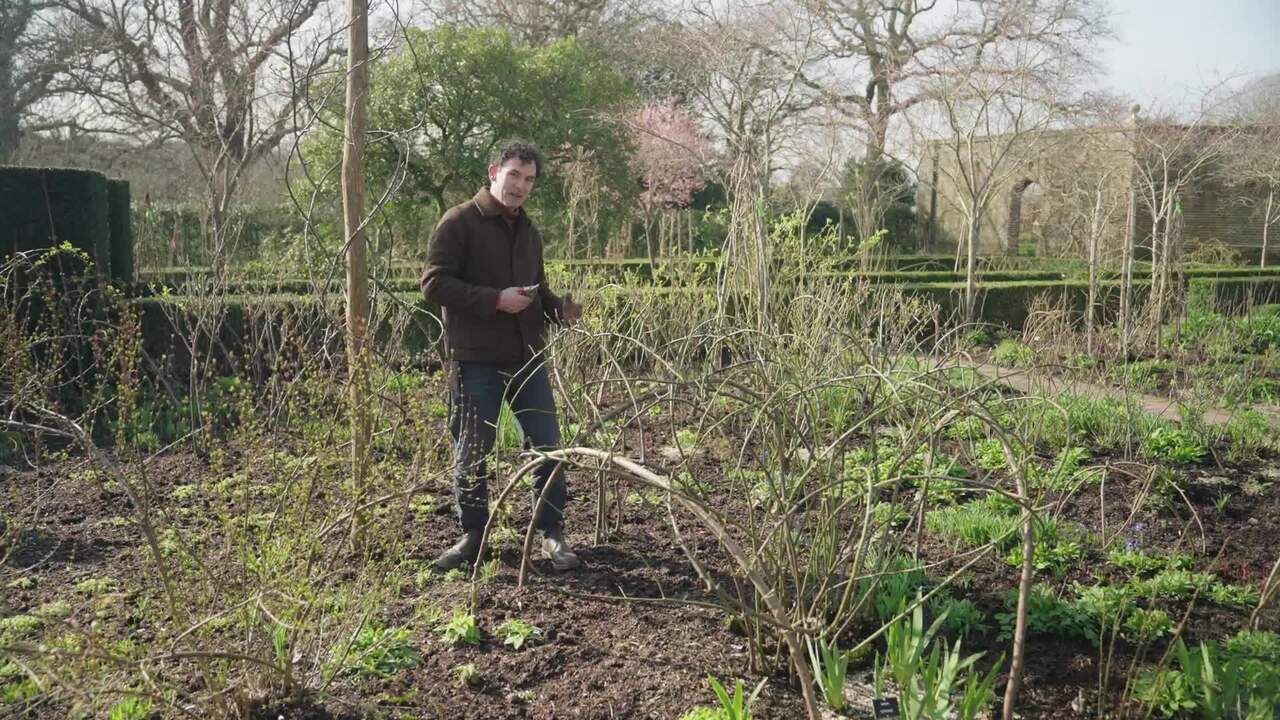
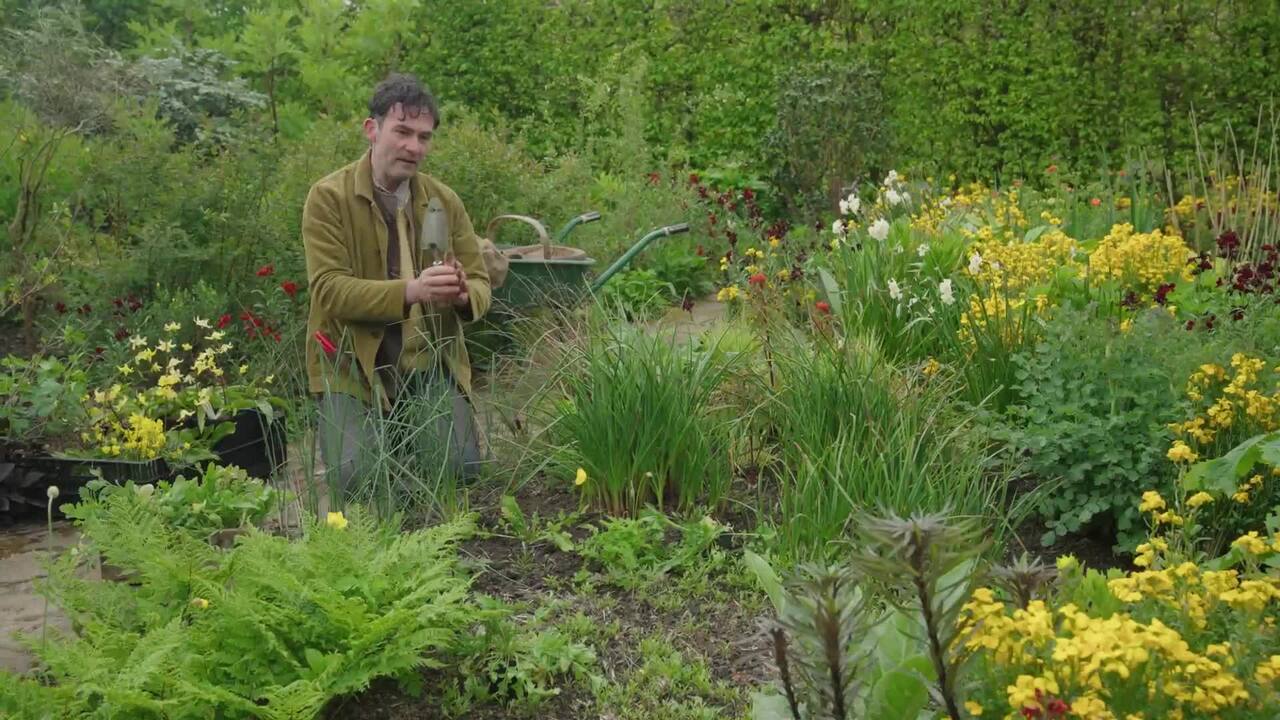
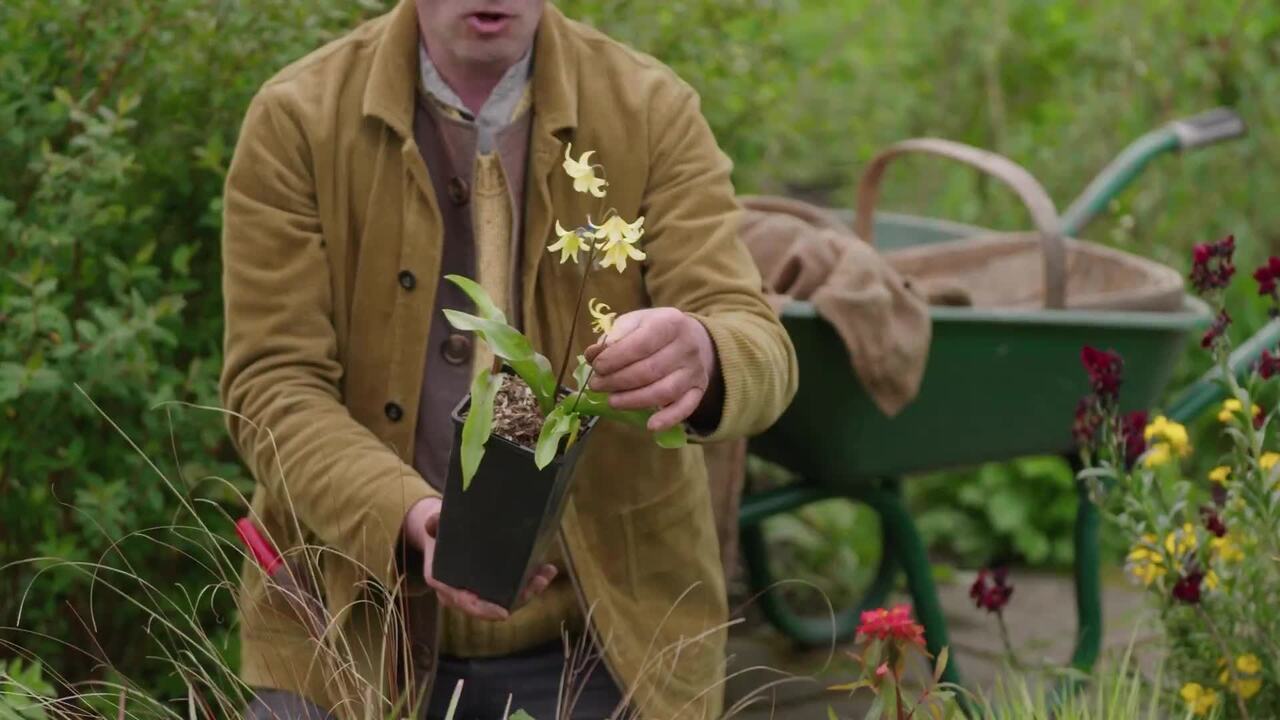
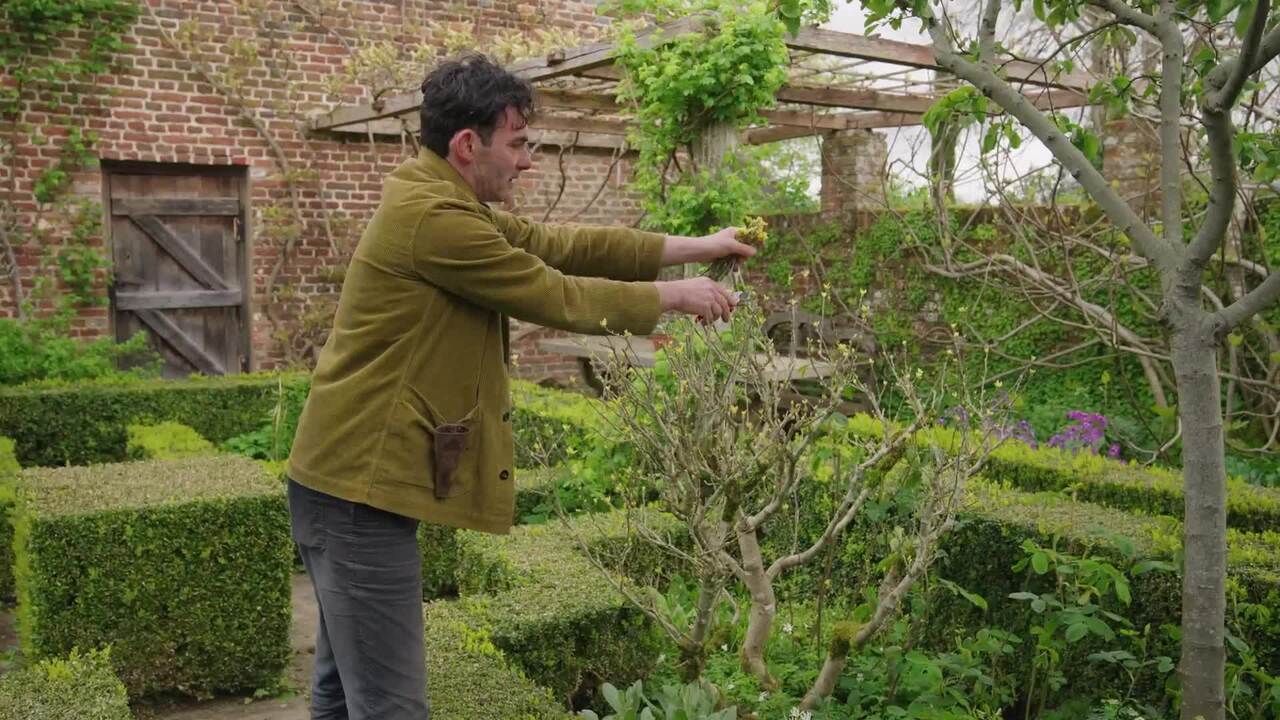
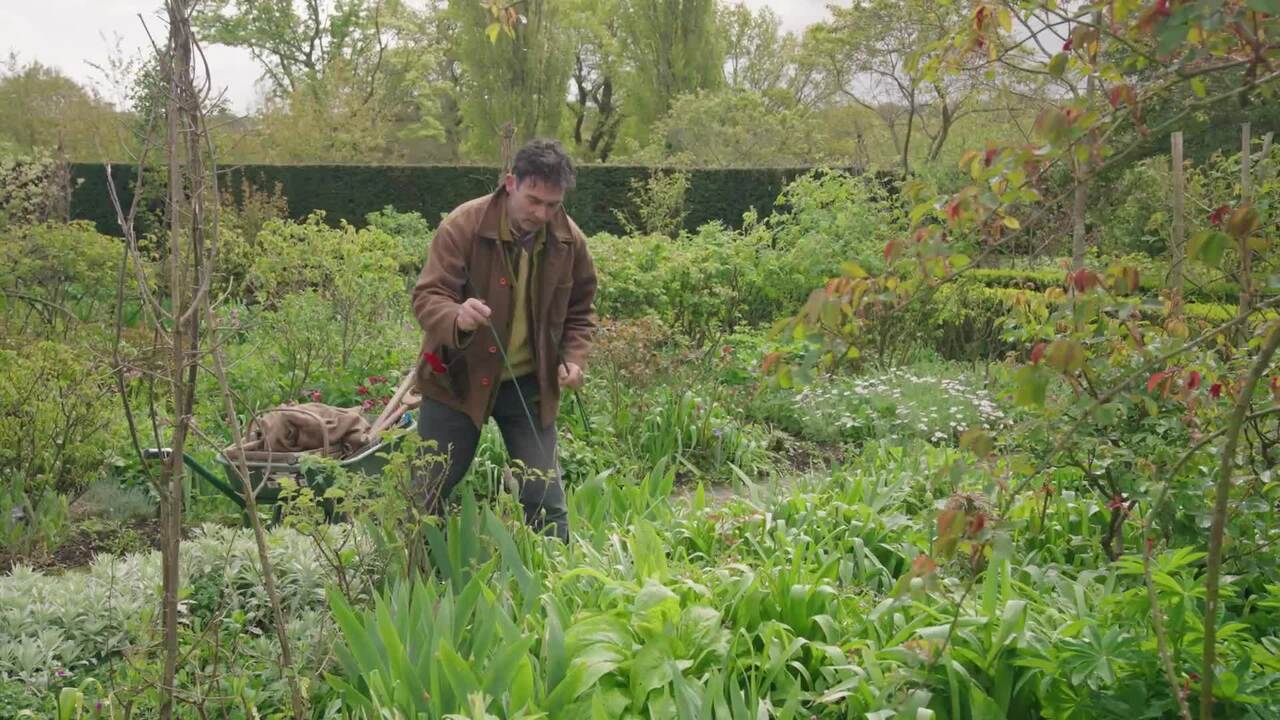
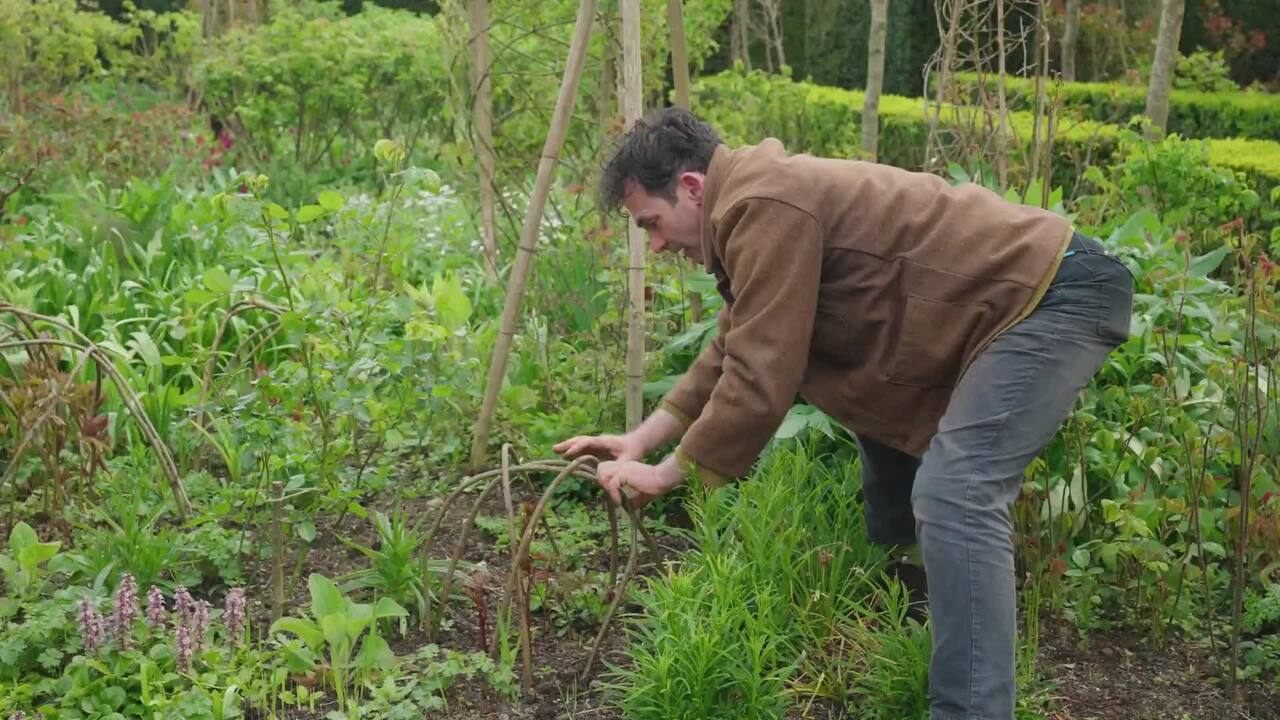
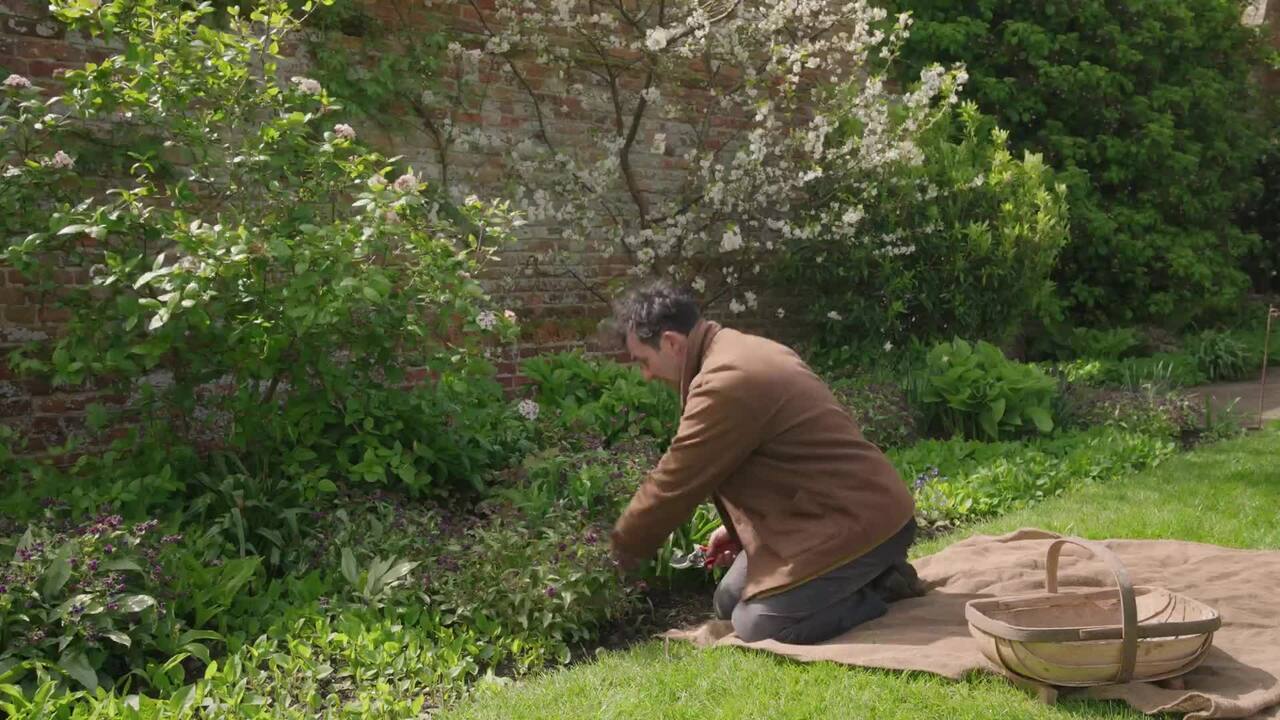
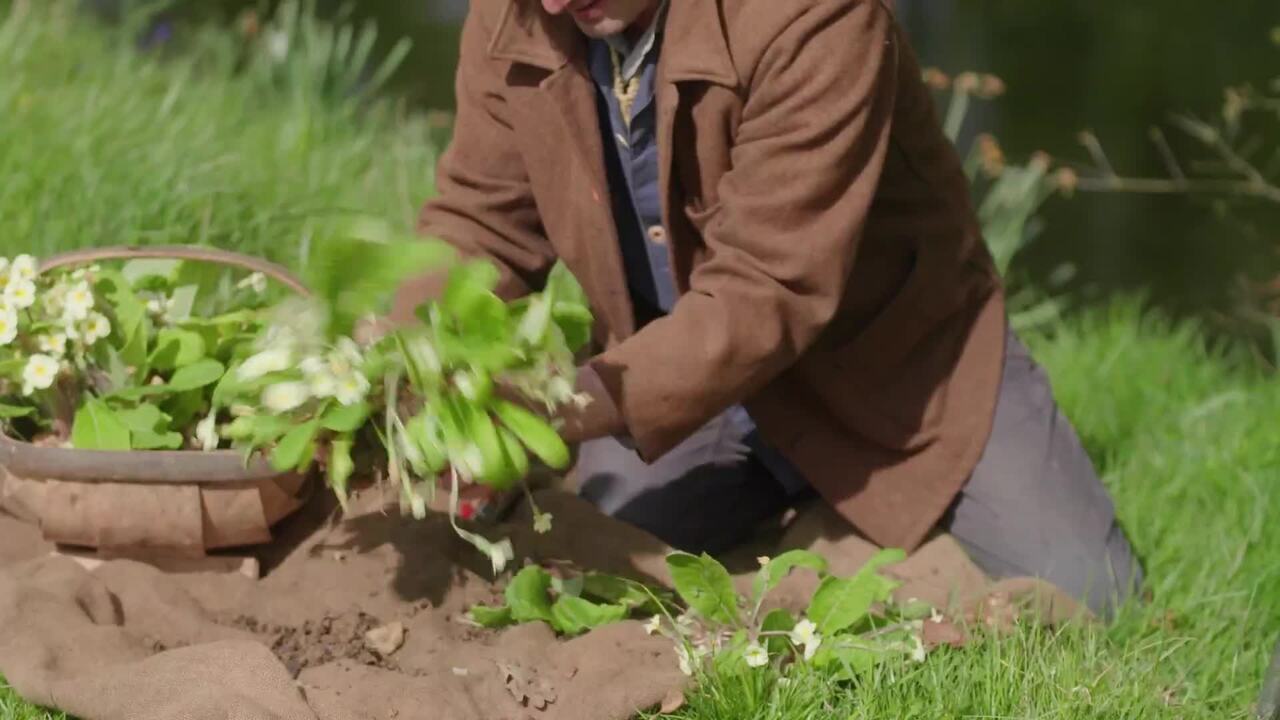
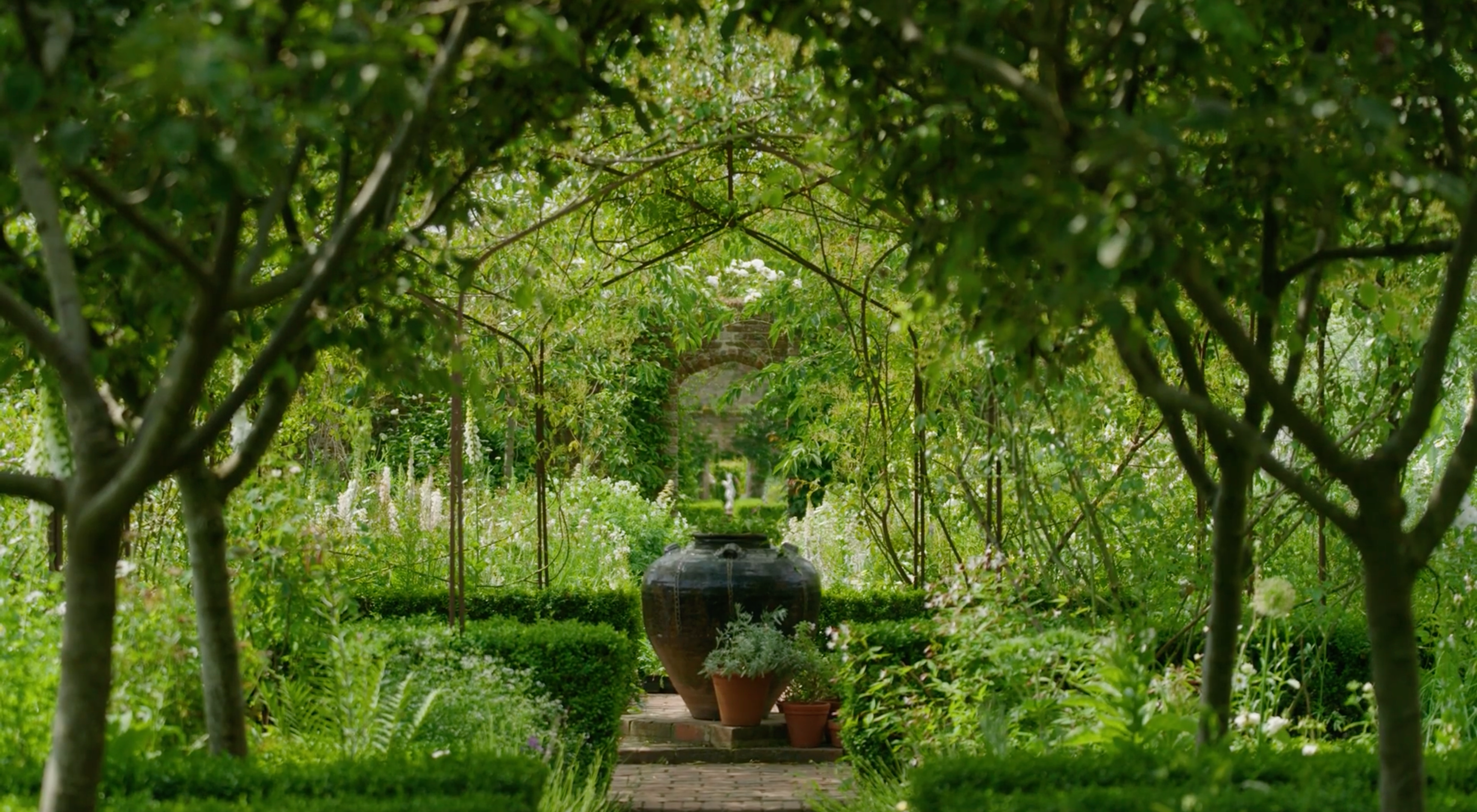
It’s mid-May, and Troy is planting out this popular annual, which will provide flowers right up to the first frosts. He shares his tips for growing and planting cosmos, and how it fits into the planting scheme in the White Garden.
It's mid-May, and time to plant out this key annual, which will provide colour right up to the first frosts. Let's look at how to grow and plant cosmos, and how it fits into the planting scheme in the White Garden.
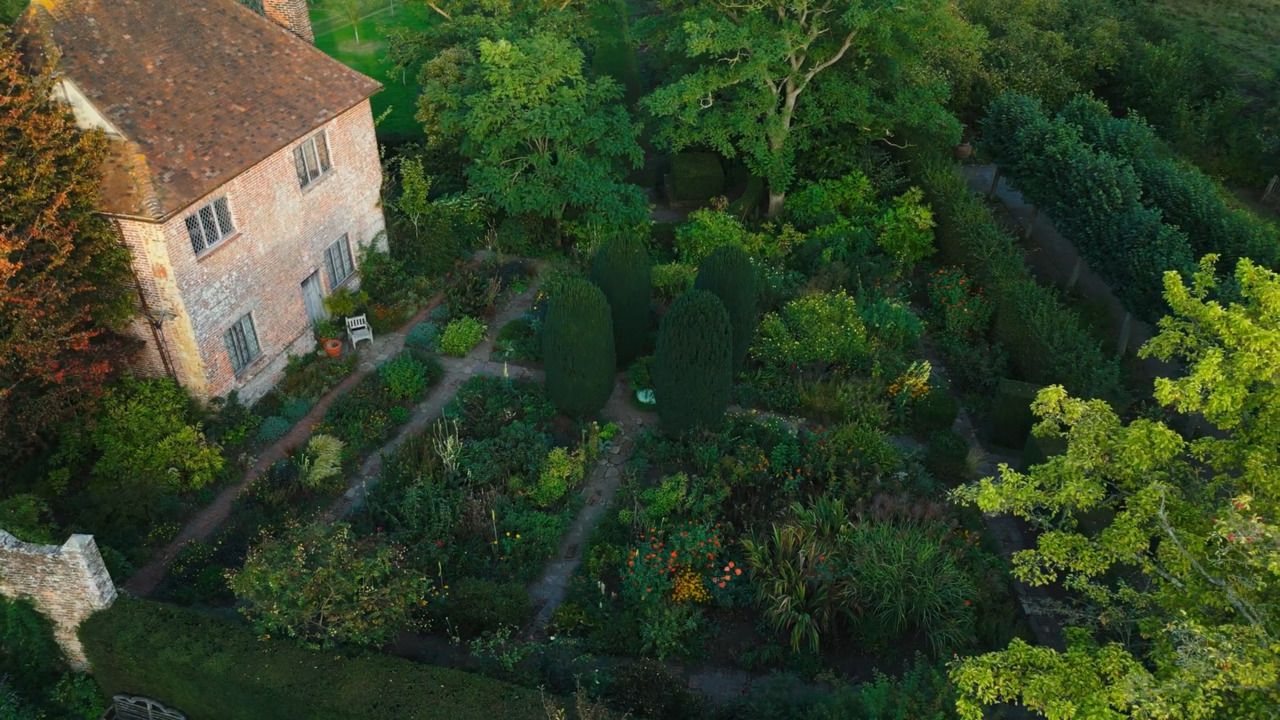
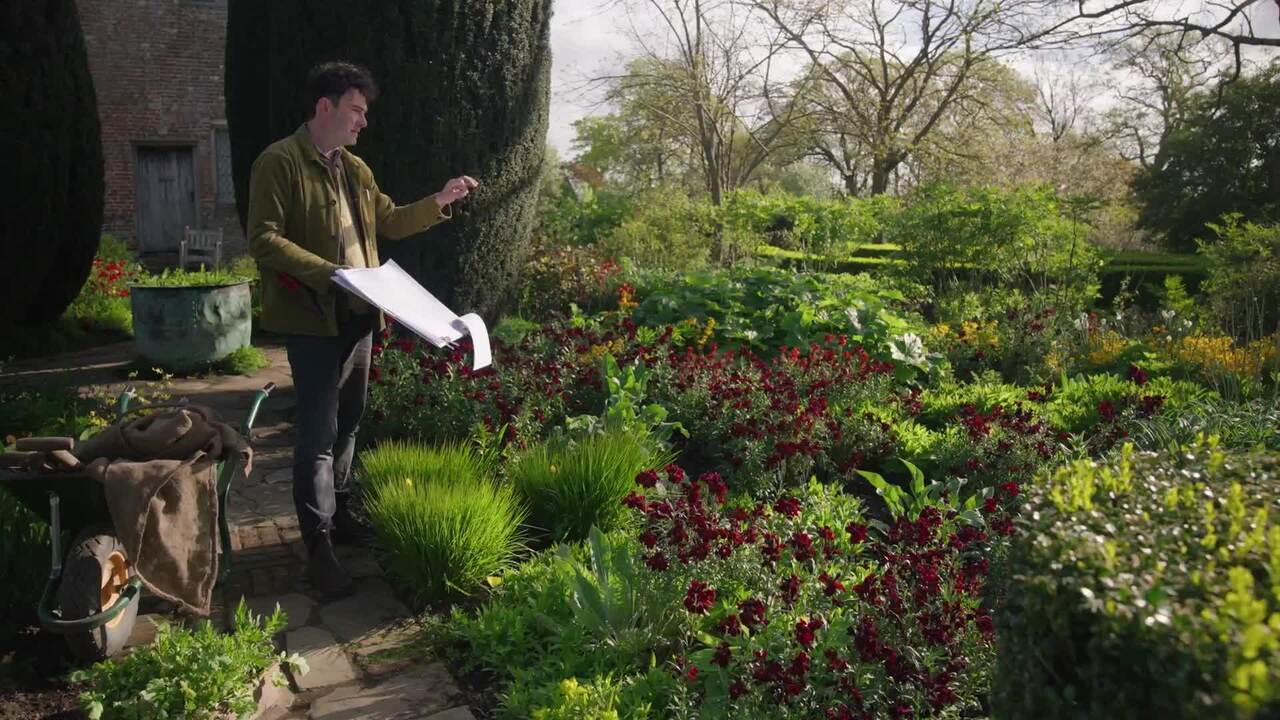
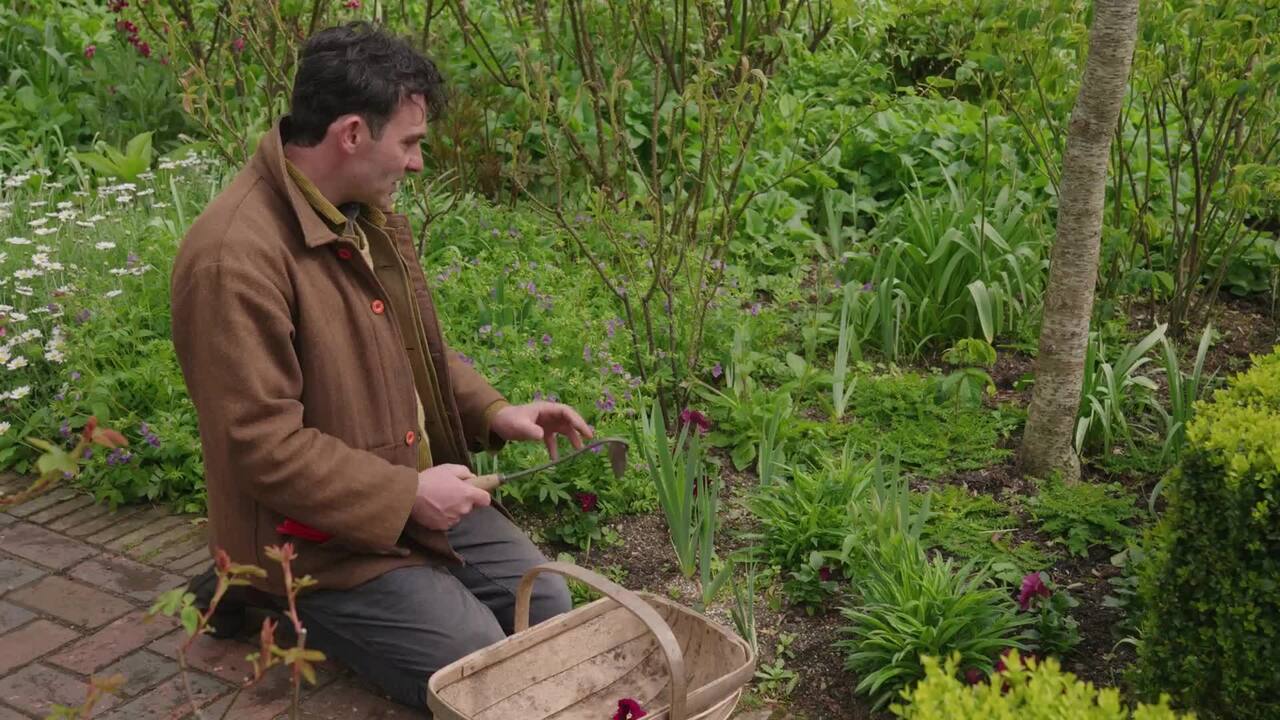
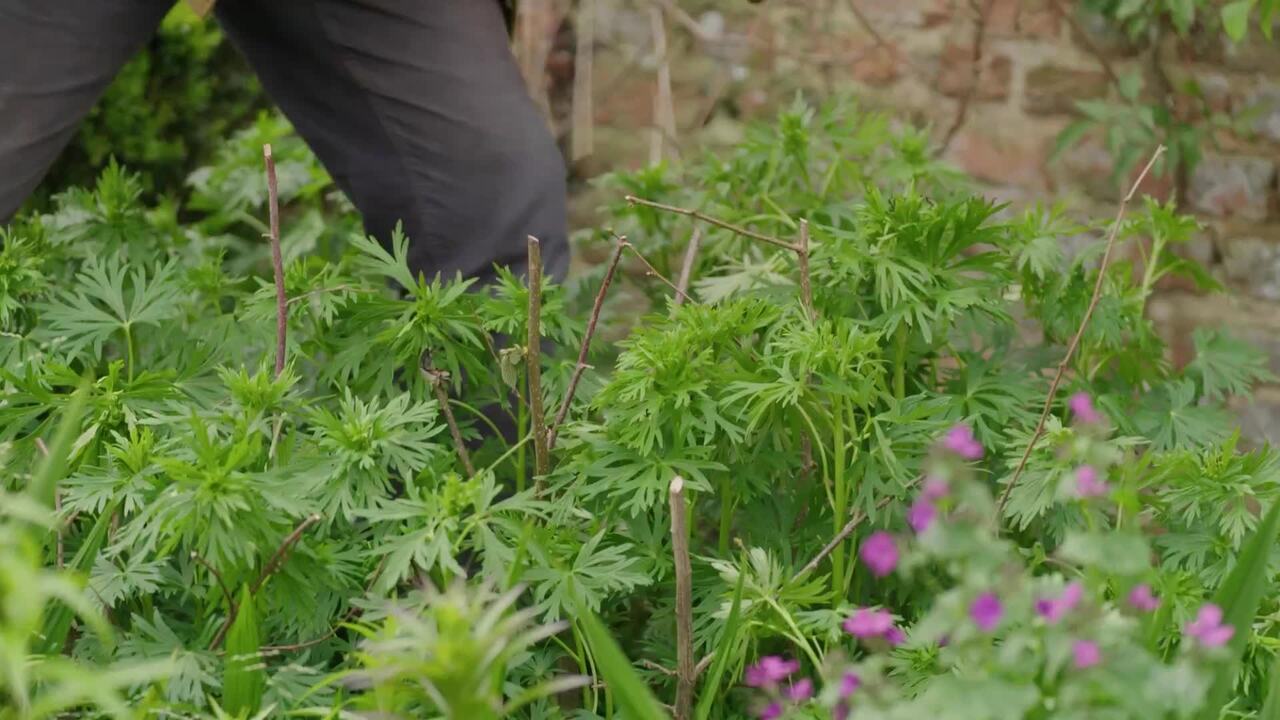
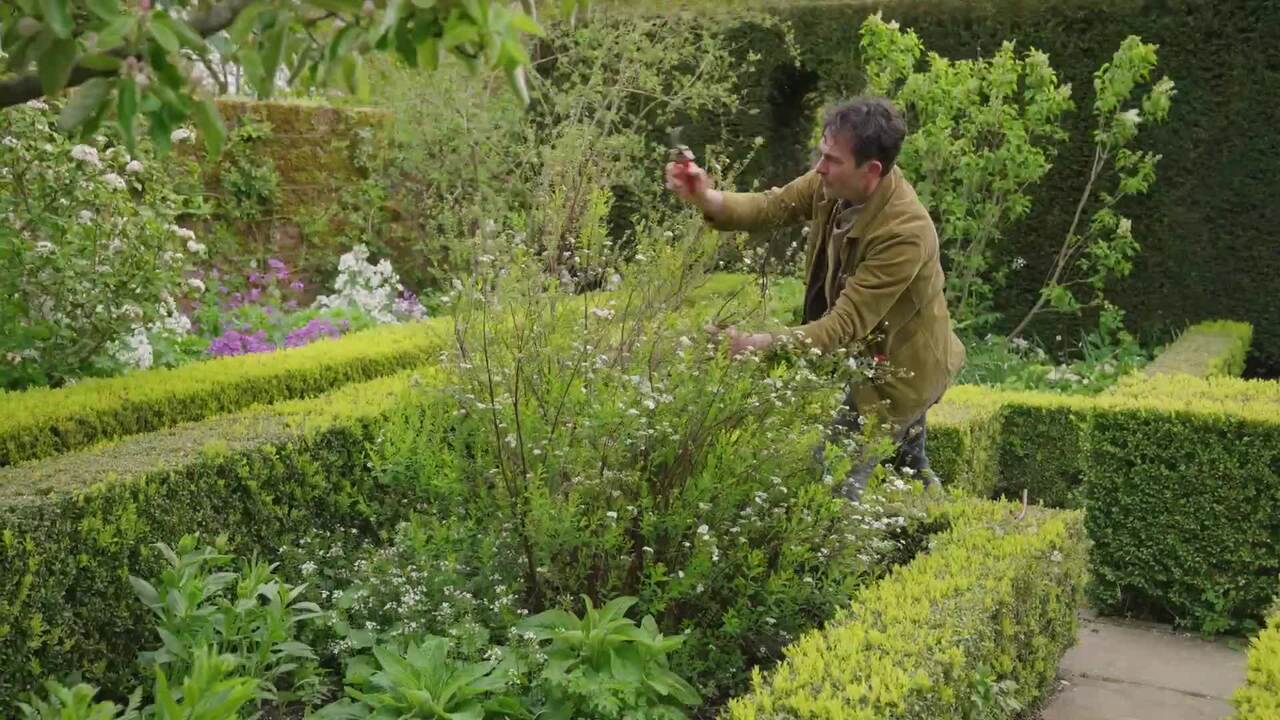
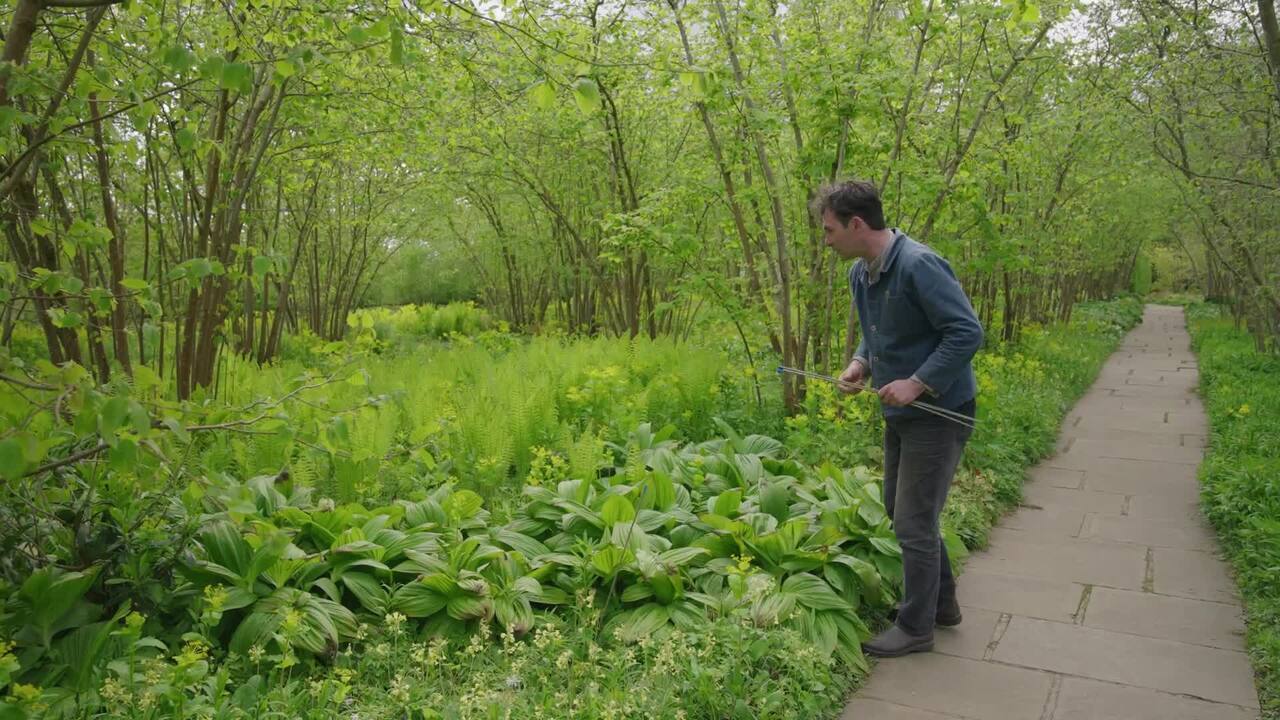
The planting in the White Garden is swirls of textures and tones flowing around key trees and shrubs:
Antirrhinum majus cultivars
Snapdragons
Tender, short-lived herbaceous perennials, often grown as annuals
Plantaginaceae
Cosmos bipinnatus 'Purity'
Cosmea 'Purity'
Half-hardy annual
Asteraceae
Digitalis purpurea f. albiflora
White-flowered foxglove
Hardy herbaceous biennial or short-lived perennial
Plantaginaceae
Erysimum species and cultivars
Wallflowers
Hardy or sometimes half-hardy annuals, biennials or woody-based perennials
Brassicaceae
Leucanthemum vulgare
Ox-eye daisy
Hardy herbaceous perennial
Asteraceae
Get the full workbook, video lessons, and more with a Create Academy subscription.
Subscribe to access the full workbookAlready a member? Sign in to watch
491 reviews
Read moreCreate Academy has been such a great resource. I'm in the middle of renovating a bungalow with a very large garden and the courses have offered a wealth of inform...
Harvey
Jun 10, 2026
Absolutely love Create Academy! The instructors are extremely informative, and it is beautifully filmed. Create Academy is great value for money and plan on renew...
SG
May 31, 2026
Butter's creativity is stunning! Her ability to incorporate brilliance in small gardens is magical!
Carla
May 30, 2026
The best adventure. I like all the courses, but my favorite are both Rita Konig interior design courses and Anna Jones. Excellent!
Karolina Kluczewska
May 20, 2026
Create Academy has been such a great resource. I'm in the middle of renovating a bungalow with a very large garden and the courses have offered a wealth of information to dive into and explore new ideas. I'm...
Harvey
Jun 10, 2026
Absolutely love Create Academy! The instructors are extremely informative, and it is beautifully filmed. Create Academy is great value for money and plan on renewing my subscription yearly because there are ...
SG
May 31, 2026
Butter's creativity is stunning! Her ability to incorporate brilliance in small gardens is magical!
Carla
May 30, 2026

Your Instructor
Head Gardener at Sissinghurst. Garden Writer, Speaker & Lecturer.
Troy Scott-Smith, previously head gardener of Iford Manor and Bodnant garden, now oversees the cherished grounds of Sissinghurst - one of the most famous gardens in England and is designated Grade I on Historic England's register of historic parks and gardens. Coming from a family of committed naturalists, Troy is a seasoned horticulturist, writer, designer and consultant, Troy is also a respected member of the RHS Floral Committee. When he set his sights on the head gardener role, he did so with refreshing candour, speaking passionately of the garden’s need for thoughtful evolution. It is a mark of the National Trust’s forward-thinking spirit that they embraced his vision, inviting him to guide this historic landscape into a compelling new chapter.

Access to all courses


.jpg)