






Interior and exterior confidence
Create Academy has been such a great resource. I'm in the middle of renovating a bungalow with a very large garden and the courses have offered a wealth of inform...
Harvey
Jun 10, 2026
The Art of Gardening at Sissinghurst
with TROY SCOTT SMITH — Head Gardener at Sissinghurst. Garden Writer, Speaker & Lecturer.
Lesson 15 of 56
Subscribe to watch
We learn how to protect tender plants left in the ground using natural materials, and how to decide whether to leave a plant in or lift it to bring indoors.
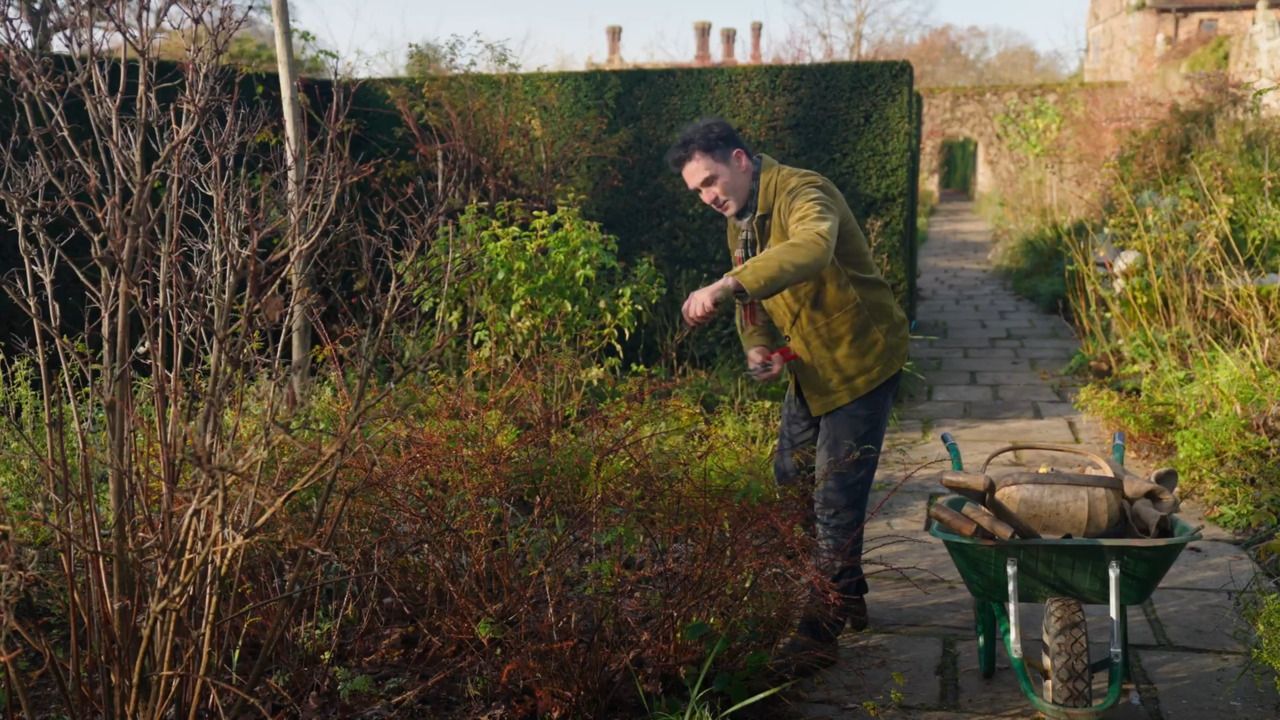
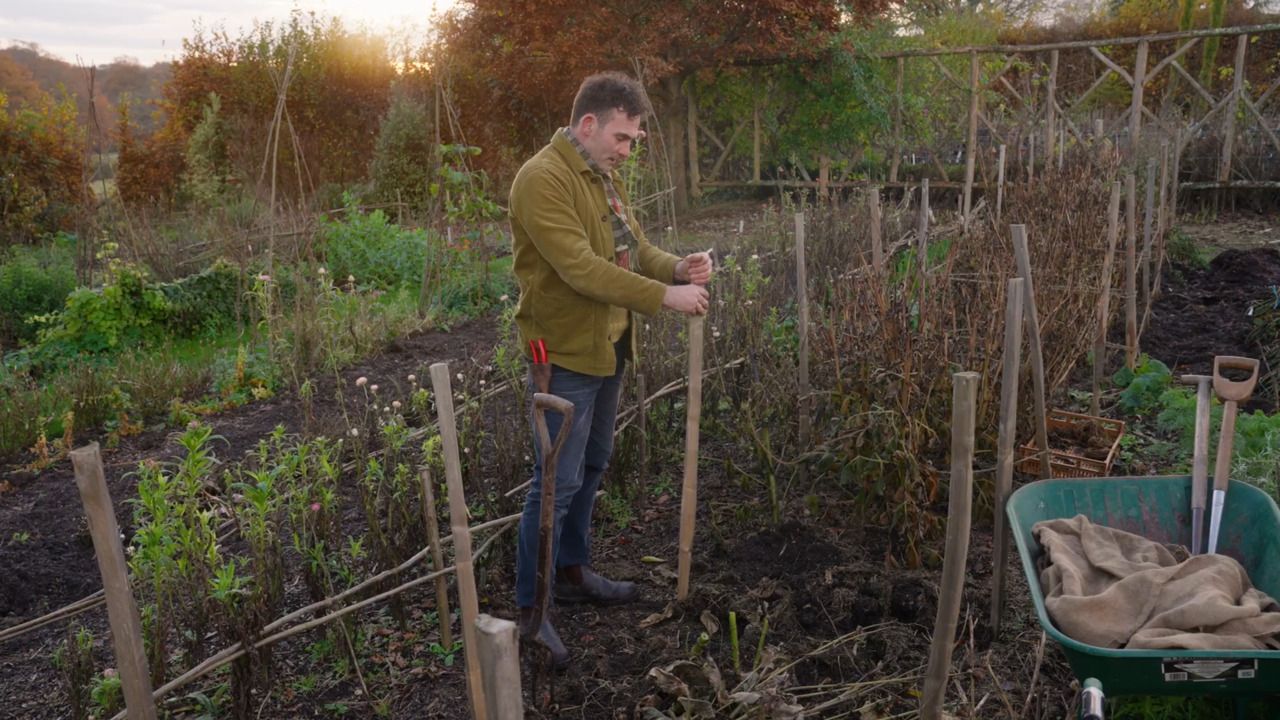
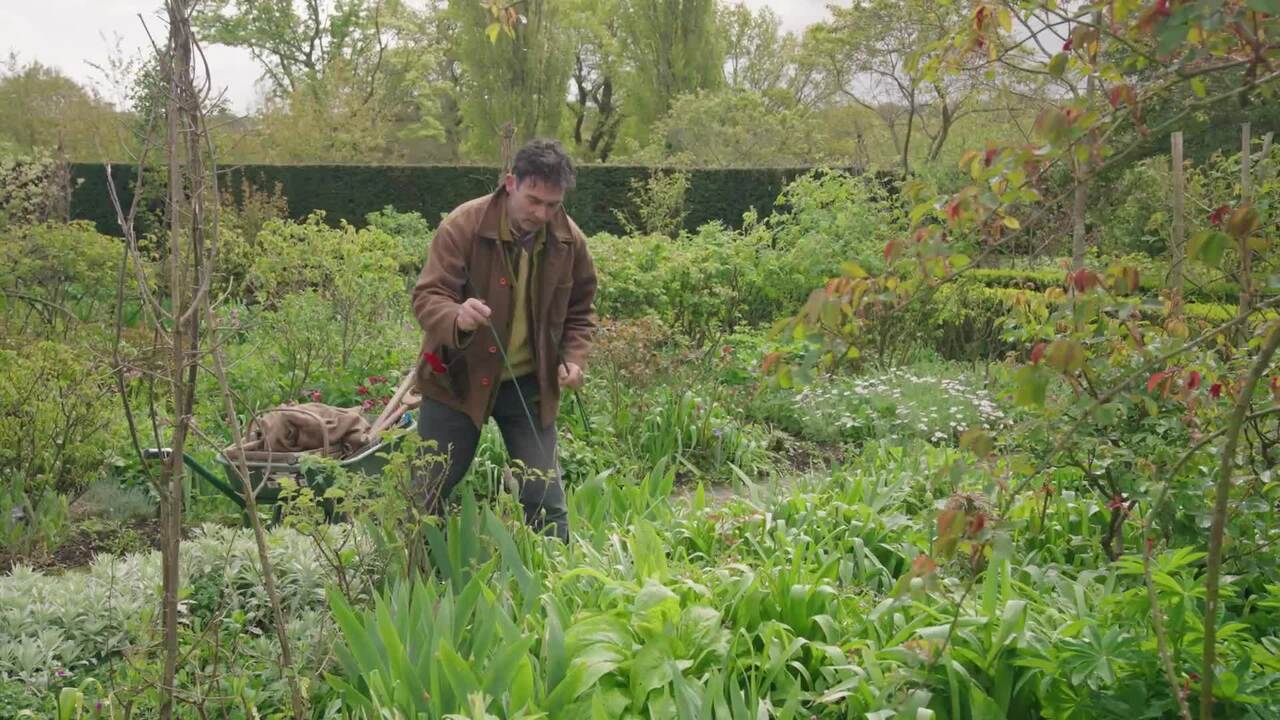
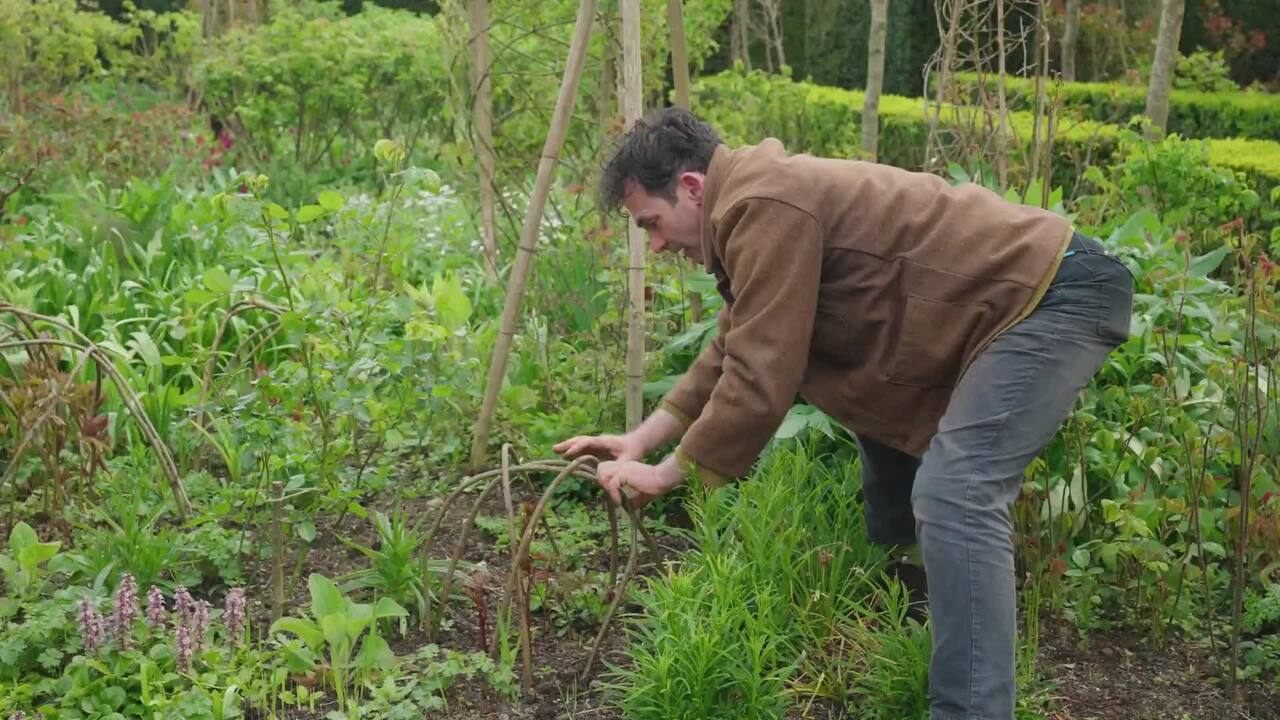
Preparing your tender plants for winter is an important late autumn task. In this lesson, we'll look at how to protect plants left in the ground and how to decide whether to leave a plant in or lift it to bring indoors.
If you have half-hardy or tender plants, it's really important to do one of the following before you get hard frosts.
Dahlias we lift as we'll see later, and that's sensible as they often need dividing too.
An example is Hedychium (ginger lily) - if I lifted them, they'd be set back next year as they resent disturbance, so it's best to leave them in.
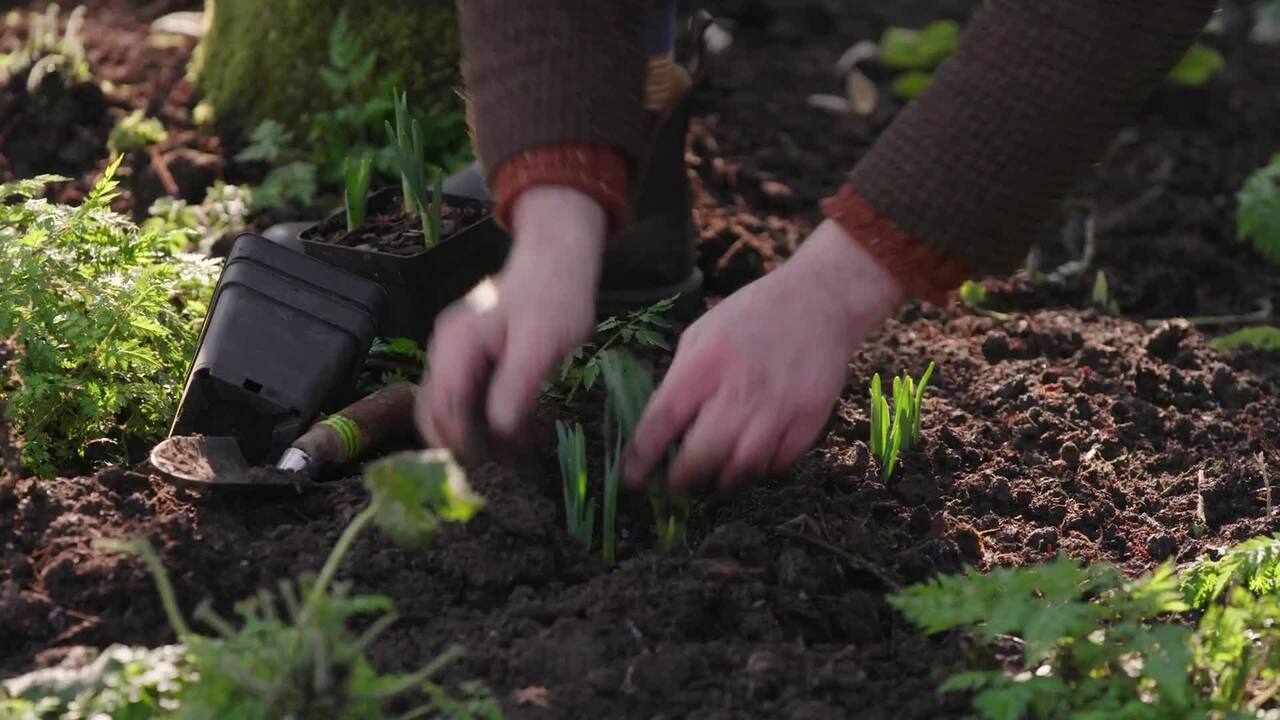
If you don't have fern or bracken fronds, you can mulch with homemade garden compost or other organic matter to insulate the plant.
If you don't have bracken or ferns and don't want to use mulch, have a look round your garden to see if there's anything else you can use that's bulky and can add a layer of cover on top.
As well as Hedychium, other plants you might choose to leave in, often because they resent disturbance, include:
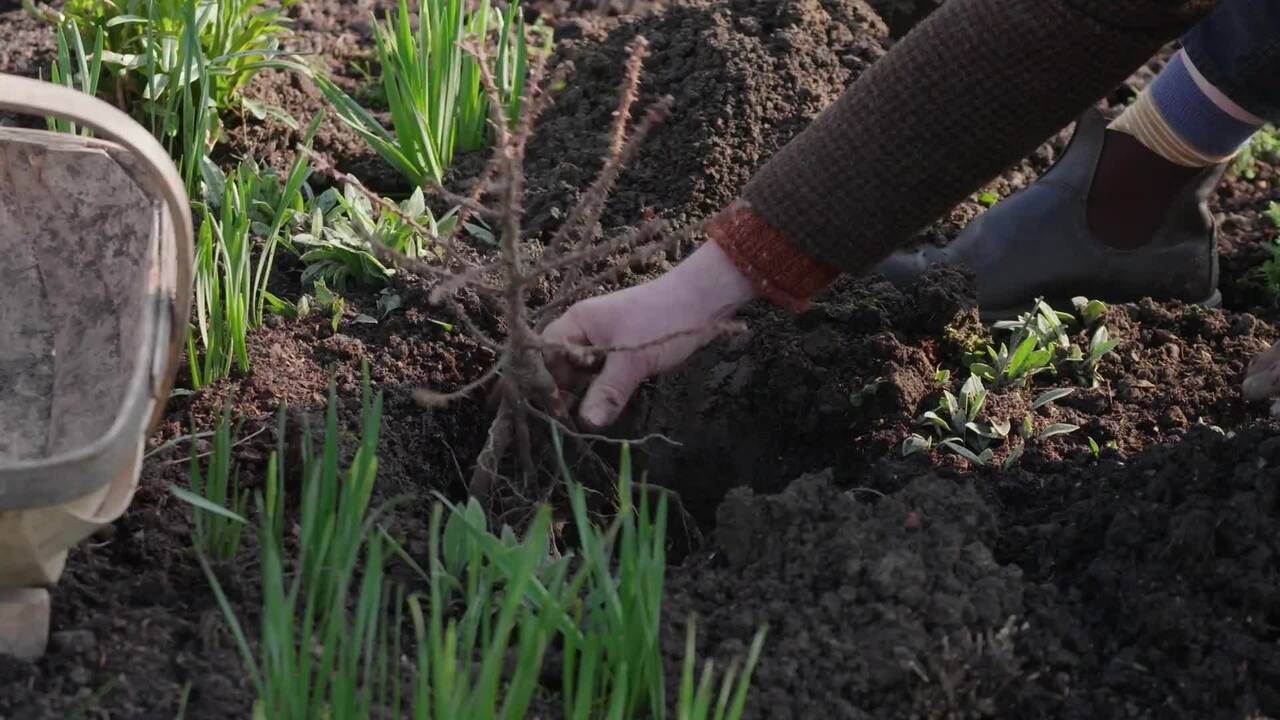
It's common practice to lift dahlias; you can leave them in and protect them as above, but lifting is a useful opportunity to be able to divide them.
You might also choose to lift because you want to use that space in spring.
It's not an obvious decision - you have to think about the implications.
Further detailed information on how to protect plants over winter, the different methods you can use and the plants they're suitable for can be found on the RHS website:
Canna species and cultivars
Cannas, canna lilies
Tender rhizomatous perennials
Cannaceae
Dahlia species, hybrids and cultivars
Dahlias
Tender or half-hardy tuberous or herbaceous perennials
Asteraceae
Dryopteris species and cultivars
Male fern, shield fern, wood fern, buckler fern and more
Hardy herbaceous, semi-evergreen or evergreen ferns
Dryopteridaceae
Hedychium species and cultivars
Ginger lilies
Half-hardy or tender rhizomatous perennials
Zingiberaceae
Melianthus major
Great honey flower
Half-hardy evergreen subshrub
Francoaceae
Miscanthus species and cultivars
Eulalia grasses
Hardy deciduous or evergreen grasses
Poaceae
Polystichum species and cultivars
Shield fern, holly fern and more
Hardy evergreen or semi-evergreen ferns
Dryopteridaceae
Pteridium aquilinum
Bracken
Hardy herbaceous perennial
Dennstaedtiaceae
Salvia species and cultivars
Sages
Hardy, half-hardy or tender annuals, biennials, herbaceous or evergreen perennials or shrubs
Lamiaceae
Get the full workbook, video lessons, and more with a Create Academy subscription.
Subscribe to access the full workbookAlready a member? Sign in to watch
491 reviews
Read moreCreate Academy has been such a great resource. I'm in the middle of renovating a bungalow with a very large garden and the courses have offered a wealth of inform...
Harvey
Jun 10, 2026
Absolutely love Create Academy! The instructors are extremely informative, and it is beautifully filmed. Create Academy is great value for money and plan on renew...
SG
May 31, 2026
Butter's creativity is stunning! Her ability to incorporate brilliance in small gardens is magical!
Carla
May 30, 2026
The best adventure. I like all the courses, but my favorite are both Rita Konig interior design courses and Anna Jones. Excellent!
Karolina Kluczewska
May 20, 2026
Create Academy has been such a great resource. I'm in the middle of renovating a bungalow with a very large garden and the courses have offered a wealth of information to dive into and explore new ideas. I'm...
Harvey
Jun 10, 2026
Absolutely love Create Academy! The instructors are extremely informative, and it is beautifully filmed. Create Academy is great value for money and plan on renewing my subscription yearly because there are ...
SG
May 31, 2026
Butter's creativity is stunning! Her ability to incorporate brilliance in small gardens is magical!
Carla
May 30, 2026

Your Instructor
Head Gardener at Sissinghurst. Garden Writer, Speaker & Lecturer.
Troy Scott-Smith, previously head gardener of Iford Manor and Bodnant garden, now oversees the cherished grounds of Sissinghurst - one of the most famous gardens in England and is designated Grade I on Historic England's register of historic parks and gardens. Coming from a family of committed naturalists, Troy is a seasoned horticulturist, writer, designer and consultant, Troy is also a respected member of the RHS Floral Committee. When he set his sights on the head gardener role, he did so with refreshing candour, speaking passionately of the garden’s need for thoughtful evolution. It is a mark of the National Trust’s forward-thinking spirit that they embraced his vision, inviting him to guide this historic landscape into a compelling new chapter.

Access to all courses


