
The Art of Gardening at Sissinghurst

Planting bulbs in the Orchard - part 1

with TROY SCOTT SMITH — Head Gardener at Sissinghurst. Garden Writer, Speaker & Lecturer.

Lesson 3 of 56
Rated 4.7/5 on Trustpilot
|

Learn from the world's best creative minds on Create Academy

Planting bulbs in the Orchard - part 1 - Video thumbnail

Buy or subscribe to watch

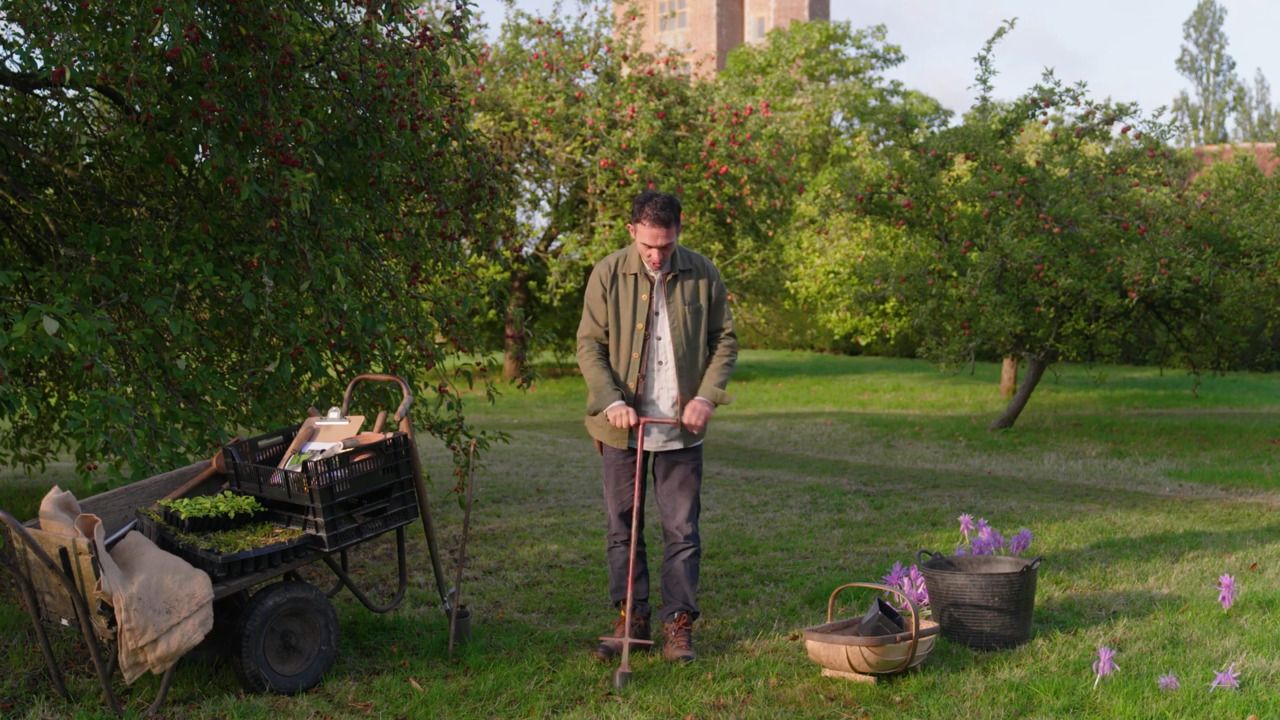
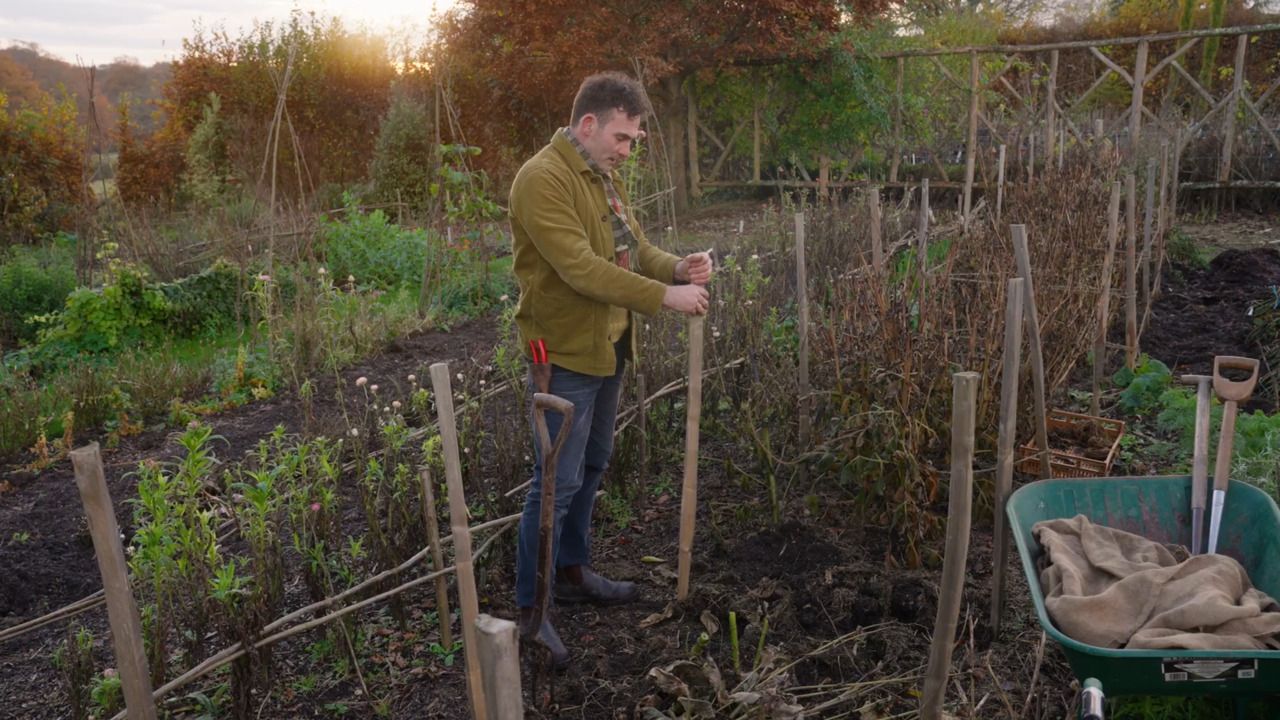
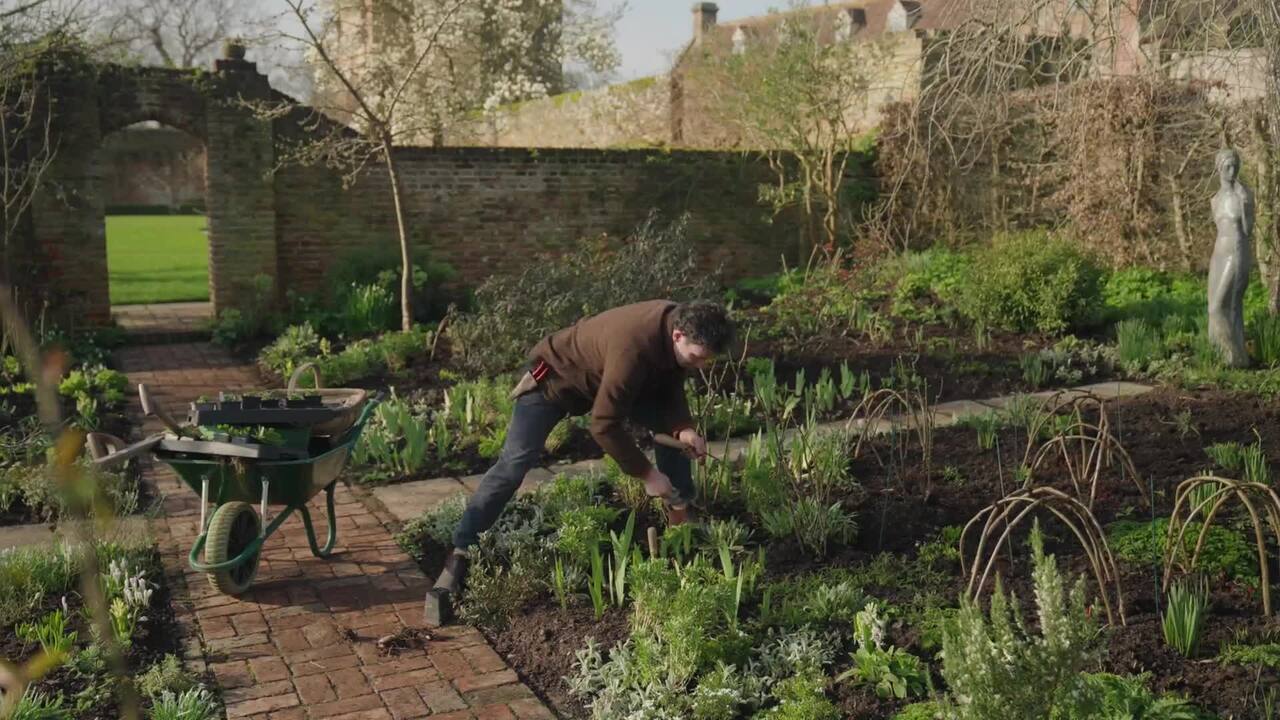
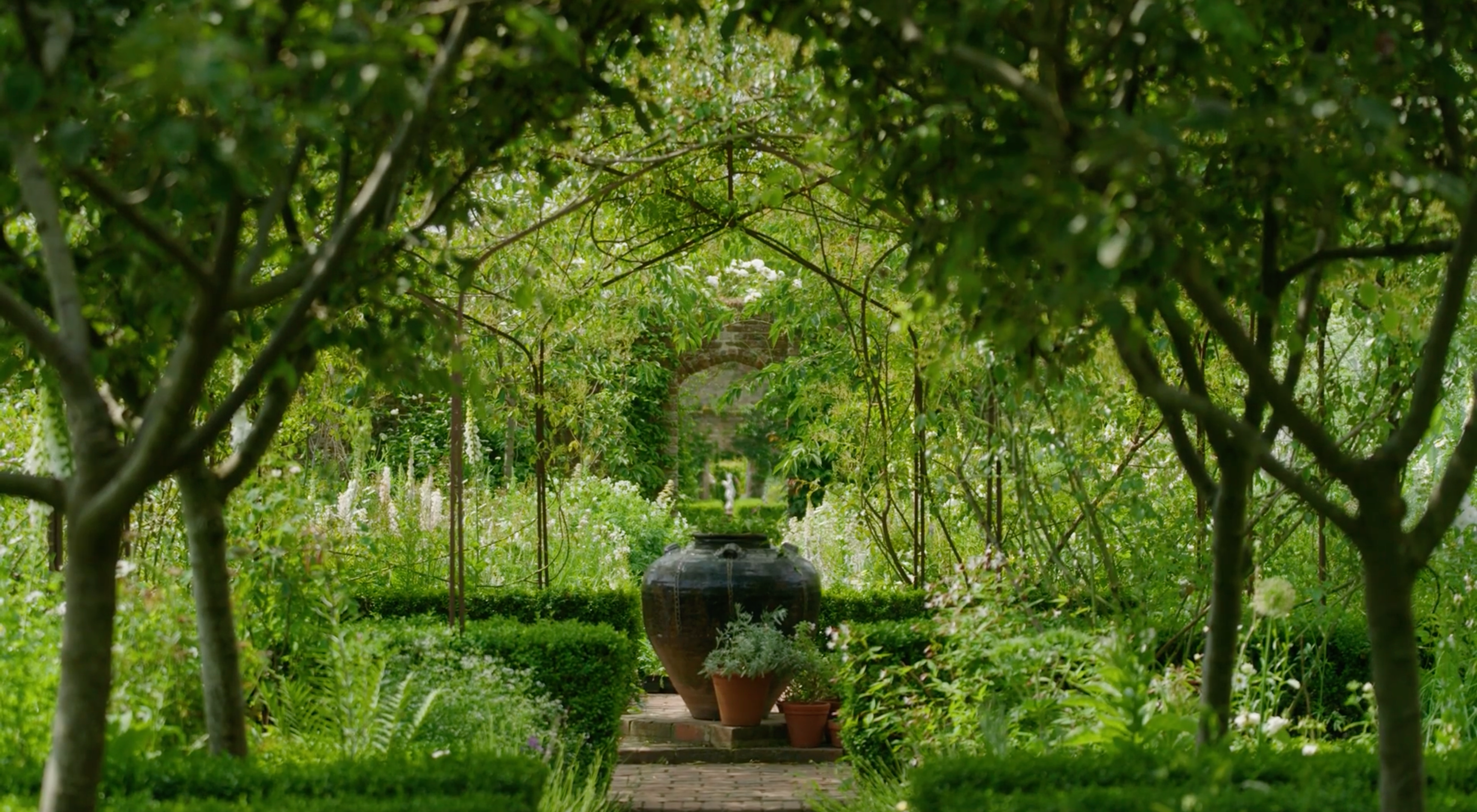
On a glorious autumn morning in the orchard, we learn how to add spring bulbs to grass in a naturalistic and effective way that is sensitive to the surroundings and provides a succession of colour.

From the Lesson Workbook

Planting Bulbs in a Naturalistic Way

Before You Plant

Decide on the look you're going for.

  • The Orchard should be pared back and simple, so we want to think about how bulbs might look in the wild.
  • It's fine to want a more regimented approach, but here we want a natural, relaxed look.

Check for obstructions.

  • Before digging, be mindful of anything that might be underground, e.g. electric cables or gas pipes. We have Elizabethan archaeology under here.

Take into account what's already there.

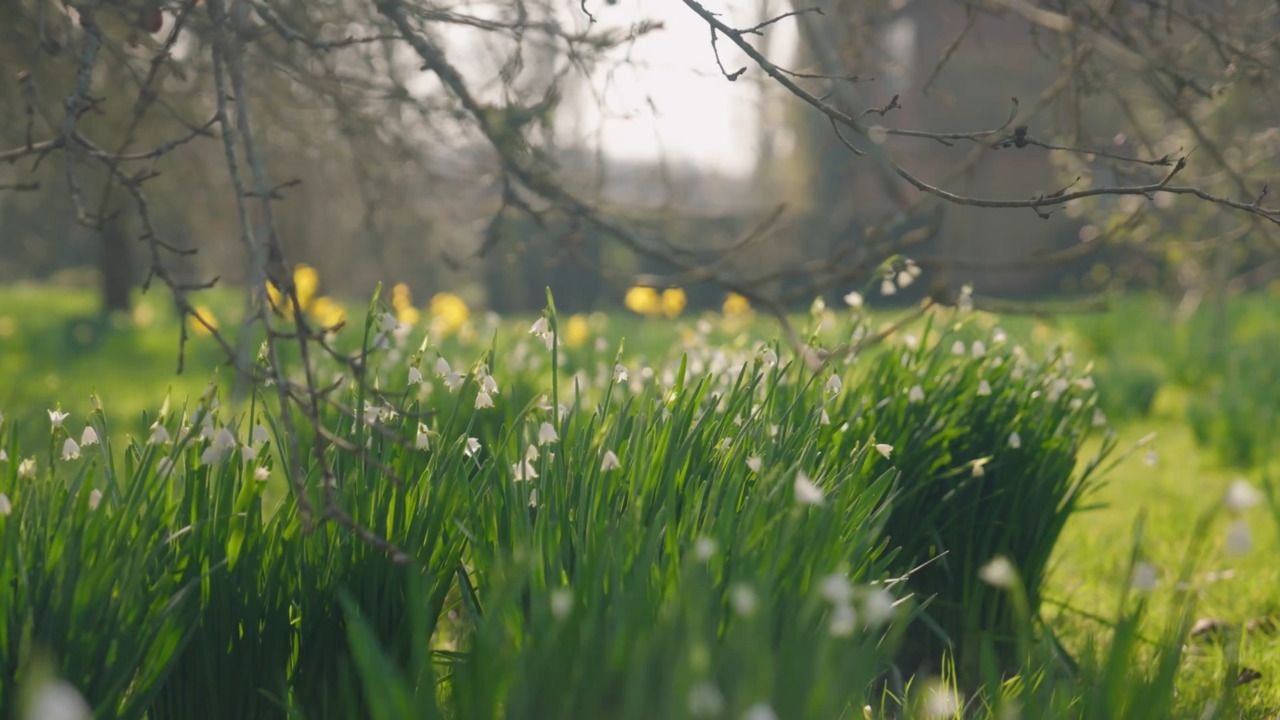
  • This Orchard has daffodils (Narcissus), fritillaries, crocus and summer snowflake (Leucojum aestivum).
  • The main body of bulbs are the daffodils, mainly bold-looking division two narcissi planted by Vita Sackville-West.

We still add these traditional daffodils in line with the history of the garden, but we also add species daffodils for a naturalistic effect. I'm planting some of my favourites:

Narcissus pseudonarcissus 'Lobularis'

  • grows best on north-facing slopes and likes cool conditions
  • grows to around 30cm high
  • slightly swept-back, twisted petals, grey-green foliage
  • lovely for planting en masse

Narcissus poeticus var. recurvus

  • grows in high alpine meadows, but is very happy in our situation at Sissinghurst
  • white, spicy-fragrant flowers
  • bigger, later, flowers coincide with the late-flowering white Malus hupehensis (crab apple) I'm planting it under

Crocus tommasinianus to supplement the narcissi

  • from central Europe
  • flowers much earlier than the daffodils, around the first week of February
  • forms a lovely wash of purple to precede the narcissi
  • can be planted in the same hole as the narcissi bulbs to save effort.

Planting Bulbs Together to Save Effort

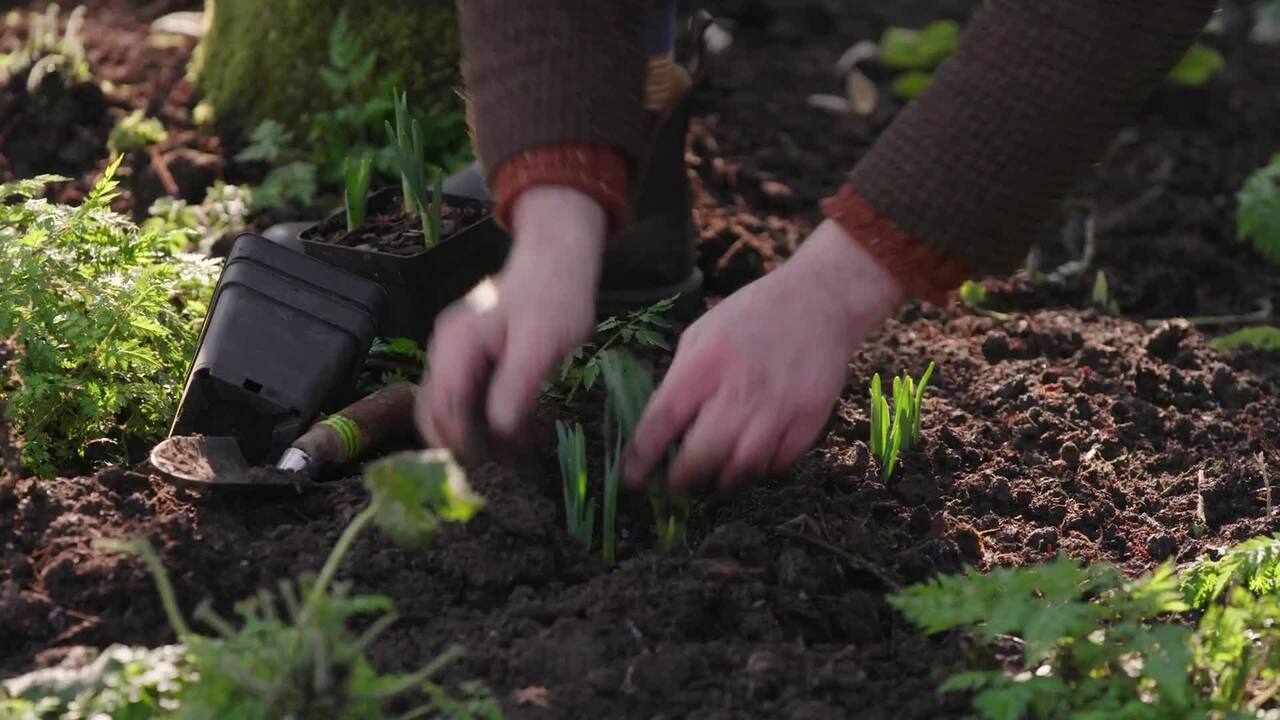
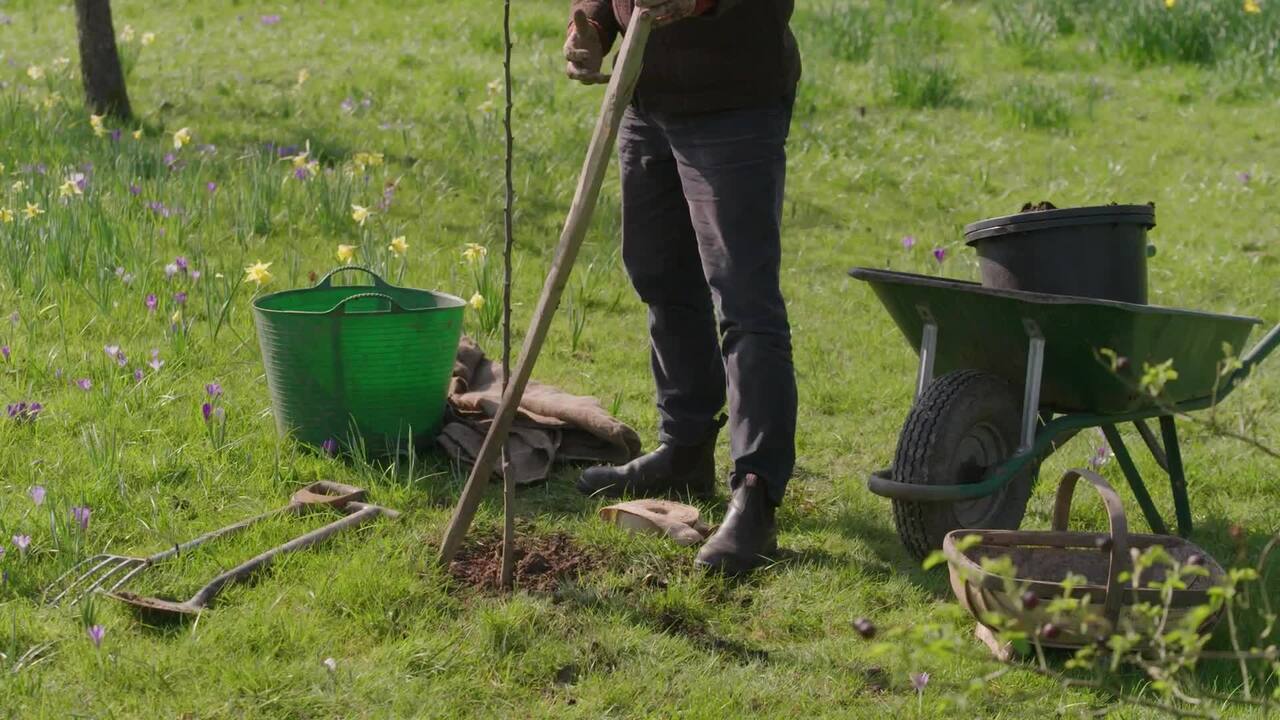
  • Make one hole, plant the larger bulb (daffodil) first and then the smaller one (crocus corm) on top.
  • If that doesn't work, you can use a metal stick to push holes in the soil to plant the small crocus corms.

Bulbs Versus Corms

  • True bulbs have one growing point surrounded by fleshy scales, a coat called a tunic, and a basal plate at the bottom. Over several years, it will divide into two bulbs. E.g. a daffodil will only have one shoot, though it may have multiple flowers on that stem.
  • A corm is a modified stem. A new corm is produced every year, usually on top of the old corm, with the old one becoming redundant. Corms have multiple growing points, e.g. a crocus bulb may have three shoots, including some from the sides, so there can be multiple flowering stems.

Keep a Planting Record

It can be tricky to remember what you have under the ground, so as the daffodils flower, we make a record of where they are.

  • It's important to do this to get the distribution right for any more that you plant.
  • I've also got photos of the ones that are already here to remind me of the existing patterns.

How to Plant Bulbs Naturalistically

  1. Keep it simple, rather than using lots of different bulbs
  • It's most effective to have one or two types that merge together at their lightest density.
  1. If your bulbs are varieties that flower at the same time, think about how you want them to look together
  • Less important if they flower at different times, e.g. Narcissus pseudonarcissus 'Lobularis' flowers in the third week of March, while Narcissus poeticus var. recurvus flowers in early May.
  1. Take inspiration from clouds when placing the bulbs
  • Imagine a cloud pattern on the ground, with dense bits and wispy bits, and replicate this effect when placing your bulbs
  • Fade from high density of bulbs to light scattering, then introduce the next type among the light scattering, and take that off in another direction and increase density.

When and How to Plant

I like to plant Narcissi in September, so long as it's not too dry.

  • The success of the bulb and its flowering depends on the opportunity it has to grow at the end of the previous year and the conditions (e.g. waterlogging may lead to worse flowering).

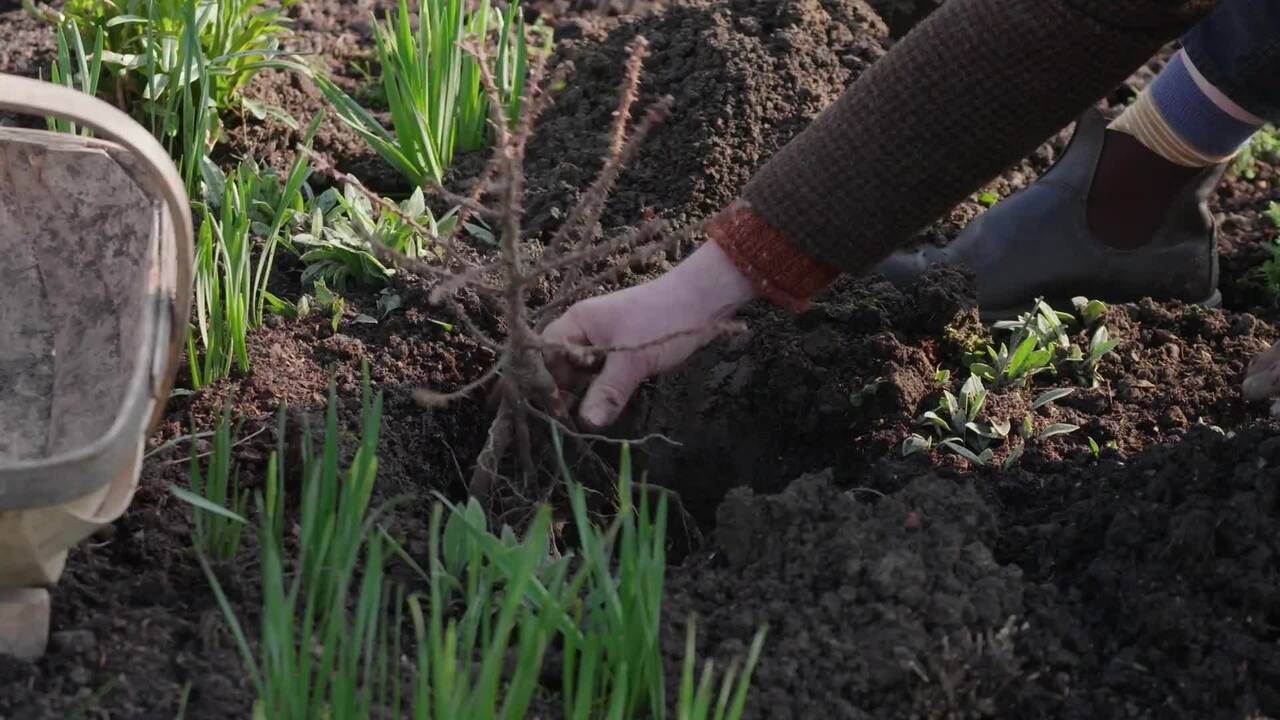
I sit each bulb on a thin layer of grit to prevent rot, as we're on heavy clay. Then I put a bit of homemade compost on top of the bulb to give it the best start.

  • It's worth spending a bit of effort as Narcissi can last for at least 30 years - they're an investment just like planting a tree.

What to Do with Your Daffodils After Flowering

Species Narcissi e.g. Narcissus pseudonarcissus:

  • These will set seed and naturalise, so no need to dead-head them, as seeding allows them to spread and create a more natural effect.

Cultivated varieties (cultivars) e.g. Narcissus 'Carlton':

  • These don't come true from seed, so dead-head them to move energy back into the bulb.
  • Spread a granular feed, e.g. comfrey pellets (high in potash, which promotes flowering) or a homemade liquid comfrey feed to further boost flowering next year.

How to Make Comfrey Liquid Feed

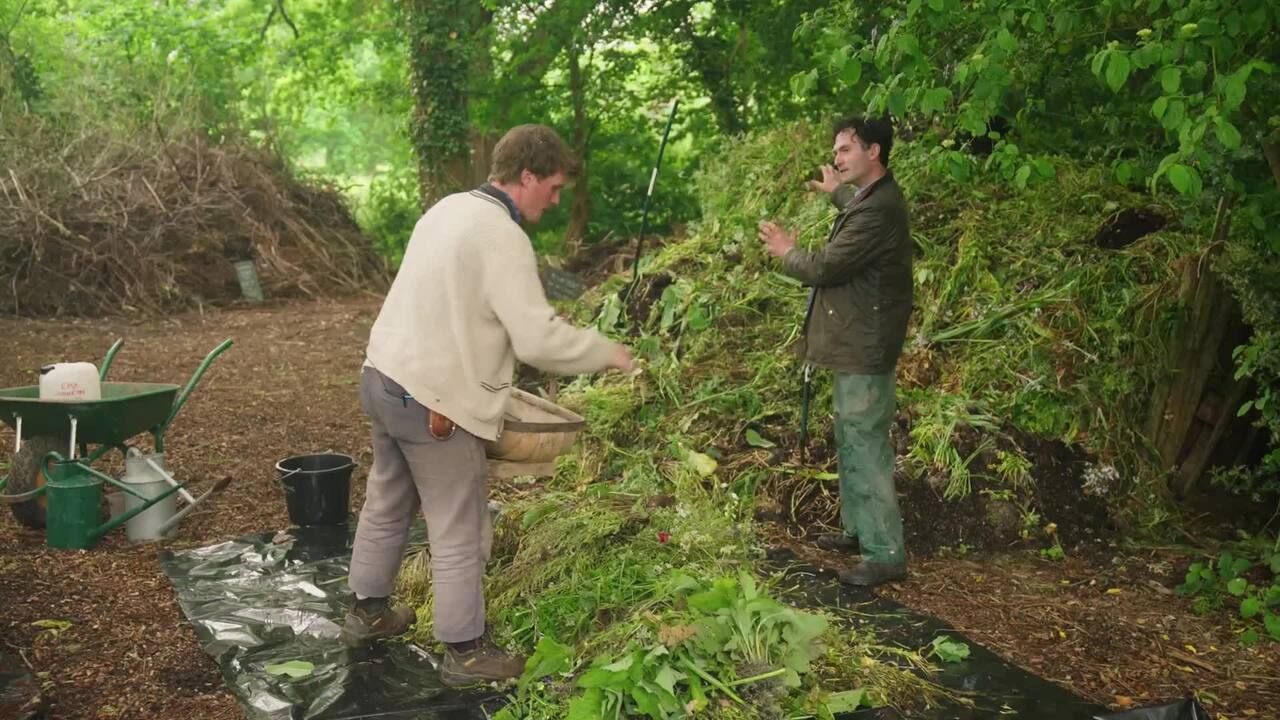
Comfrey feed is a natural, environmentally friendly and sustainable fertiliser that you can make at home to feed your plants. Being high in potassium ('potash'), it will promote flowering.

  1. Cut fresh green comfrey leaves, leaving some to sustain the plant. Gloves will protect your hands from the coarse hairs on the leaves.
  2. Remove thick stems and any flowers to the compost heap, and cut up the leaves so they can be easily packed into a bucket.
  3. Fill your bucket with the leaves, ensuring it is a watertight bucket and ideally with a lid.
  4. Weigh down the leaves with a brick or similar, and put the lid or other cover over the top.
  5. Leave for at least two weeks until the comfrey has rotted
  6. Tip or drain off the resulting brown liquid to use or store. It can be smelly!
  7. Top up with fresh leaves or discard spent leaves in the compost heap and start a new batch.
  8. To use the feed, dilute the comfrey liquid to a pale tea colour, typically 1 part comfrey liquid to 10 parts water (e.g. 100ml comfrey liquid into a litre of water), but this depends on how dark your liquid s initially.

Get the full workbook, video lessons, and more with a Create Academy subscription.

Subscribe to access the full workbook
Access all courses
$30 /month

Access 56+ courses, billed annually

Subscribe Now
Buy this course
$267 one-time

Lifetime access to this course

Buy Course

Already a member? Sign in to watch

Rated 4.7/5 on Trustpilot

437 reviews

Read more

Very good tutorial from a professional garden...

I have subscribed to access all the courses so have watched one on interior design and this one with Butter Wakefield who specialises in small garden design. She ...

Louise Brown

Apr 10, 2026

Time spent well

I love CreateAcademy. I came in for the gardening and floristry courses, but am also watching an interior design one at present. And the photography course is an ...

Wellesley

Apr 1, 2026

What a great investment

What a great investment, I have learned such a lot from the first three courses. My evenings have gone from not being able to find anything that captured my imagi...

sojojo

Mar 30, 2026

I loved this course with Amanda\u2026

I loved this course with Amanda Lindroth! Her approach to decorating is so relaxed and she makes it feel attainable. She explains the reasons behind her decisions...

Elizabeth

Mar 27, 2026

Troy Scott Smith

Your Instructor

Troy Scott Smith

Head Gardener at Sissinghurst. Garden Writer, Speaker & Lecturer.

Troy Scott-Smith, previously head gardener of Iford Manor and Bodnant garden, now oversees the cherished grounds of Sissinghurst - one of the most famous gardens in England and is designated Grade I on Historic England's register of historic parks and gardens. Coming from a family of committed naturalists, Troy is a seasoned horticulturist, writer, designer and consultant, Troy is also a respected member of the RHS Floral Committee. When he set his sights on the head gardener role, he did so with refreshing candour, speaking passionately of the garden’s need for thoughtful evolution. It is a mark of the National Trust’s forward-thinking spirit that they embraced his vision, inviting him to guide this historic landscape into a compelling new chapter.
Access to all courses

Get access to unlimited learning with a Create Academy subscription