





Interior and exterior confidence
Create Academy has been such a great resource. I'm in the middle of renovating a bungalow with a very large garden and the courses have offered a wealth of inform...
Harvey
Jun 10, 2026
The Art of Gardening at Sissinghurst
with TROY SCOTT SMITH — Head Gardener at Sissinghurst. Garden Writer, Speaker & Lecturer.
Lesson 9 of 56
Subscribe to watch
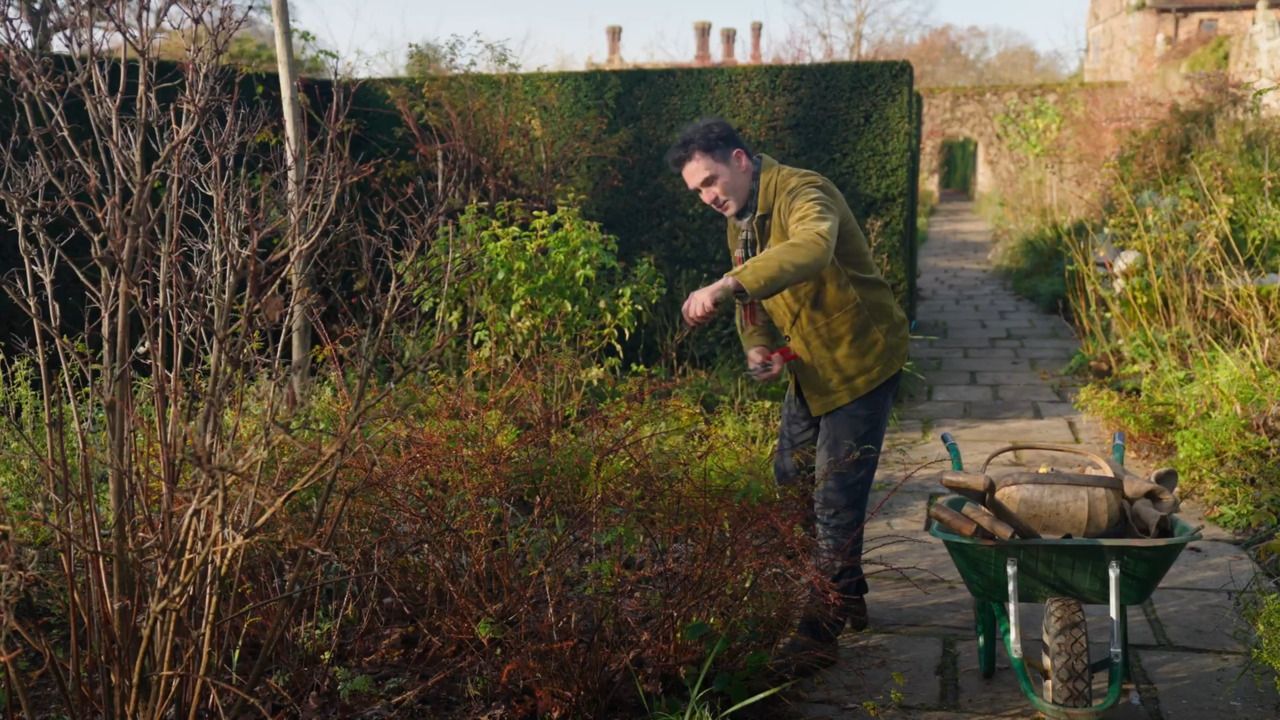
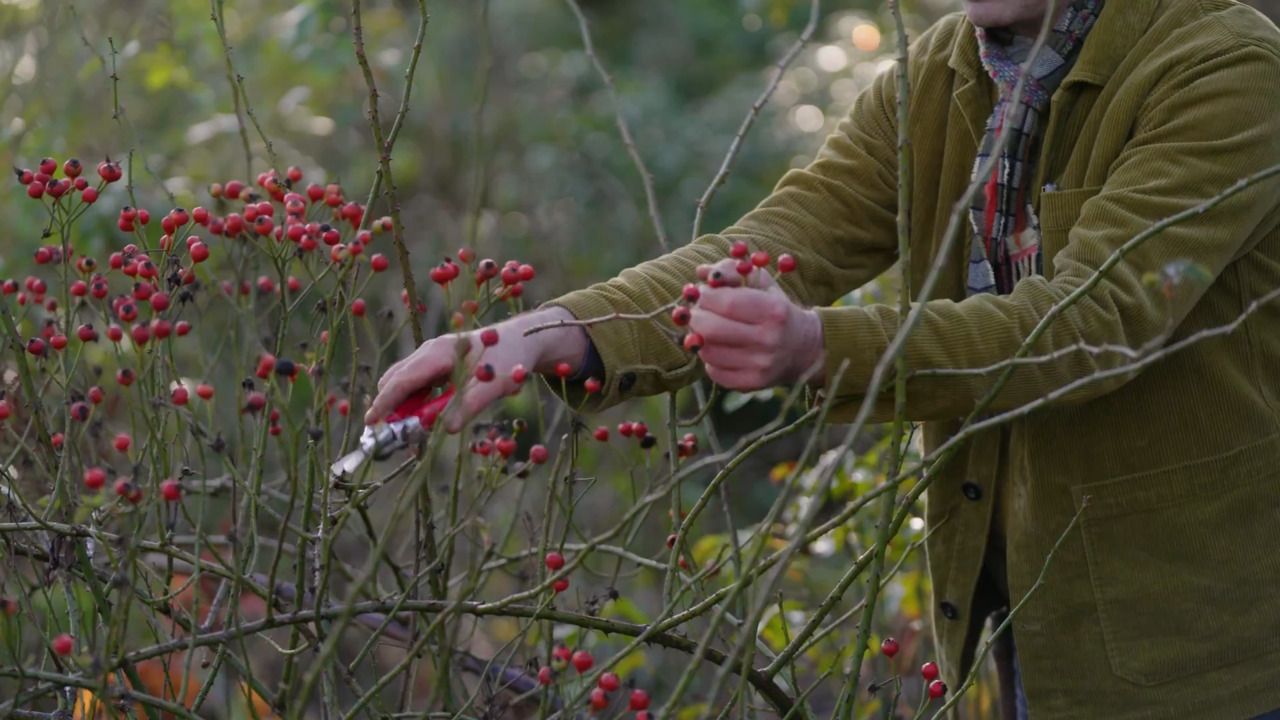
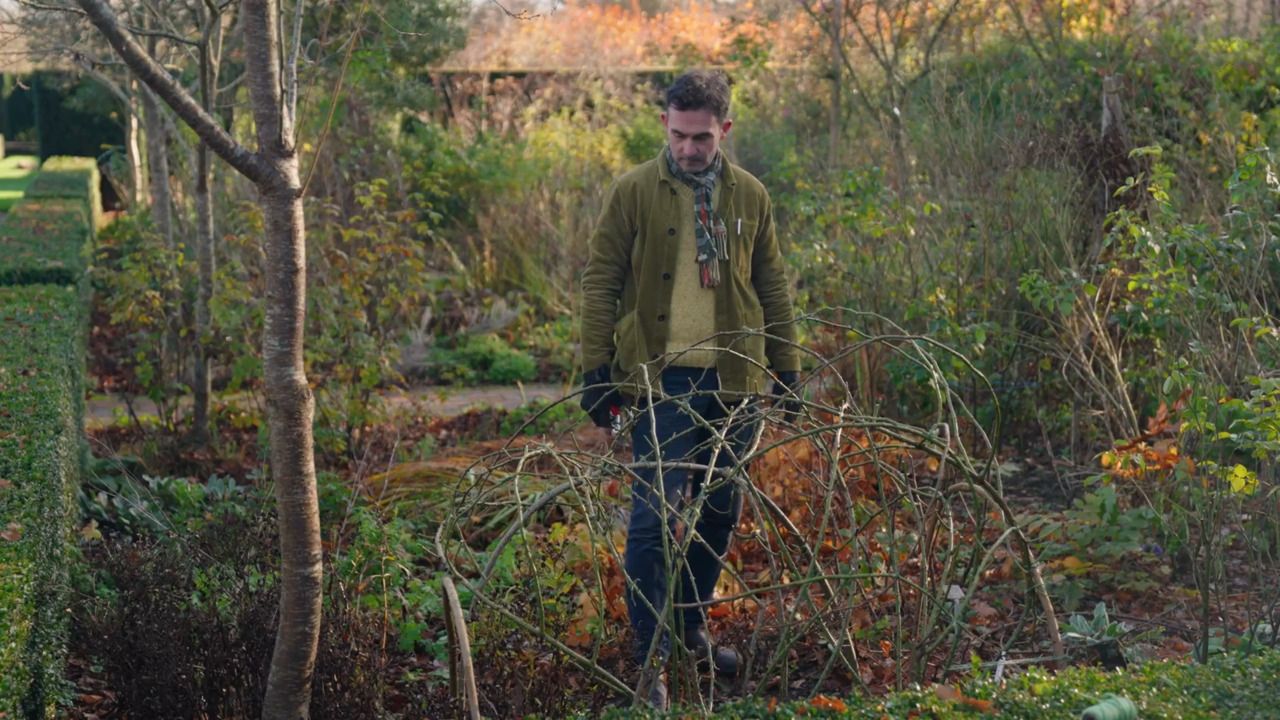
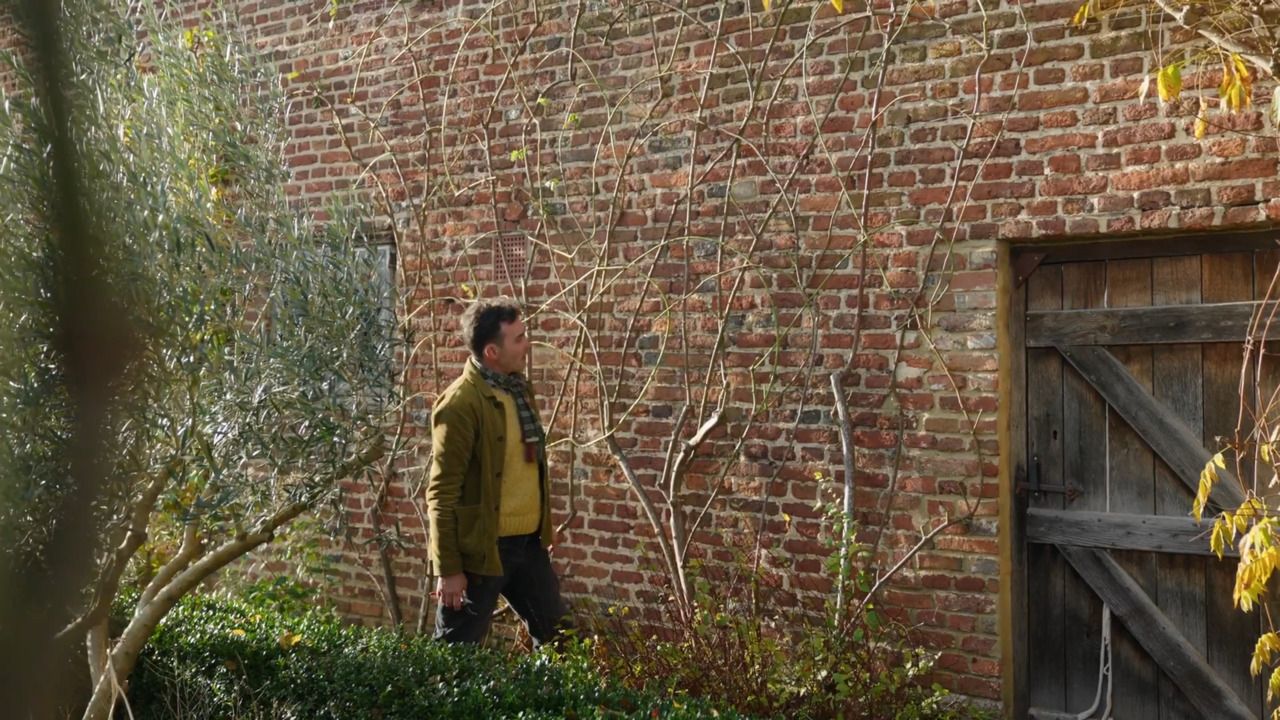
Troy introduces some of the types of roses you might have at home, and the key principles of pruning that they share to extend their lifespan and keep them blooming well.
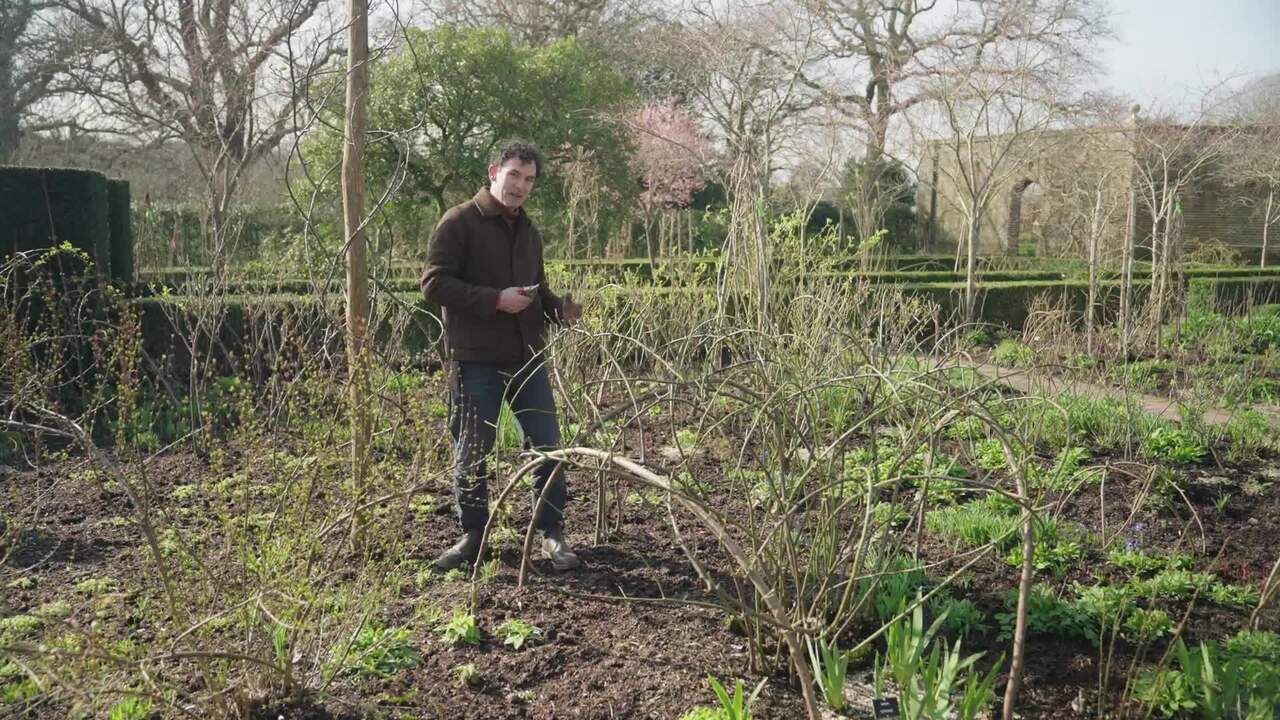
There are many different forms and groups of roses, which all require a slightly different approach to their pruning. In this lesson, I'll introduce some of the types of roses that you might have at home, and the basic principles of pruning that they share.
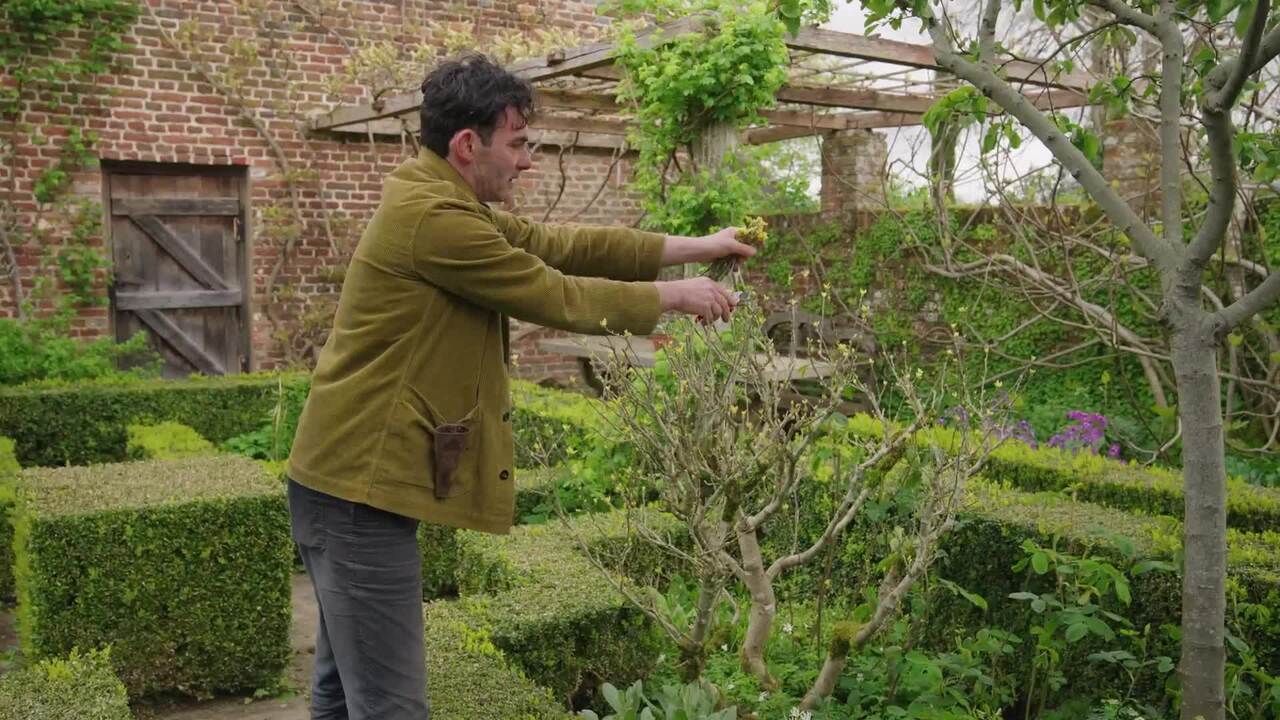
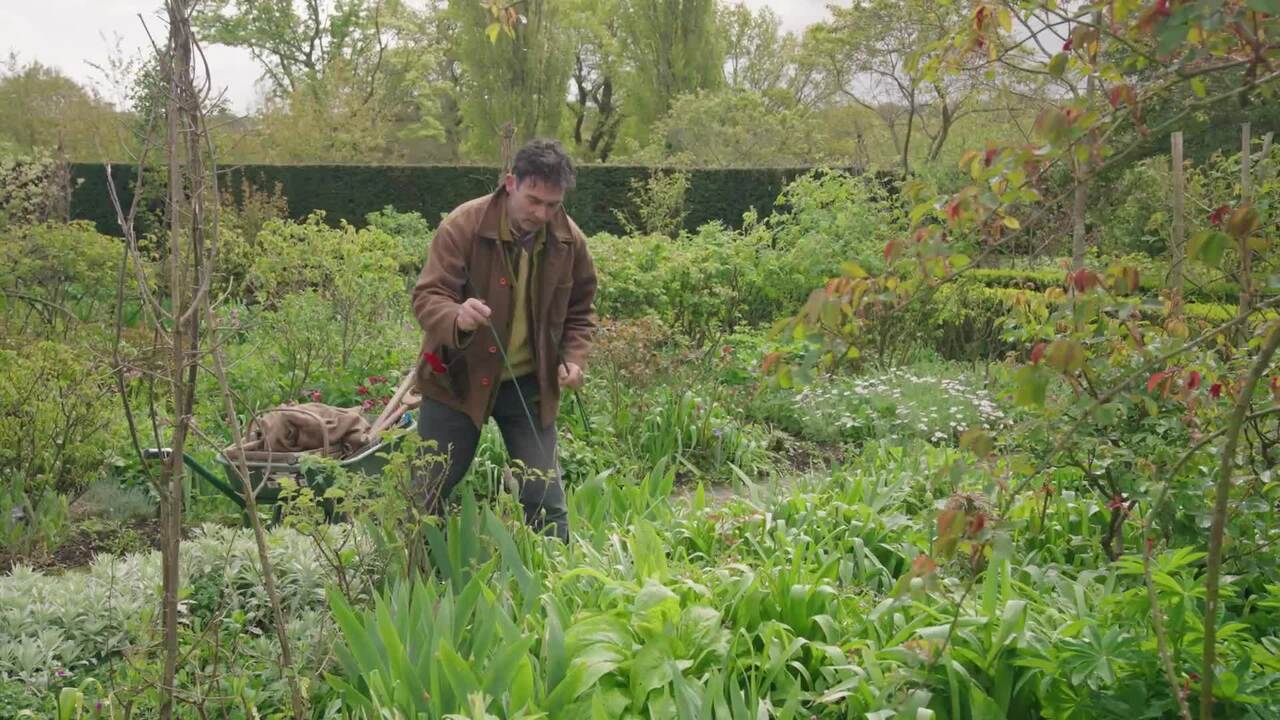
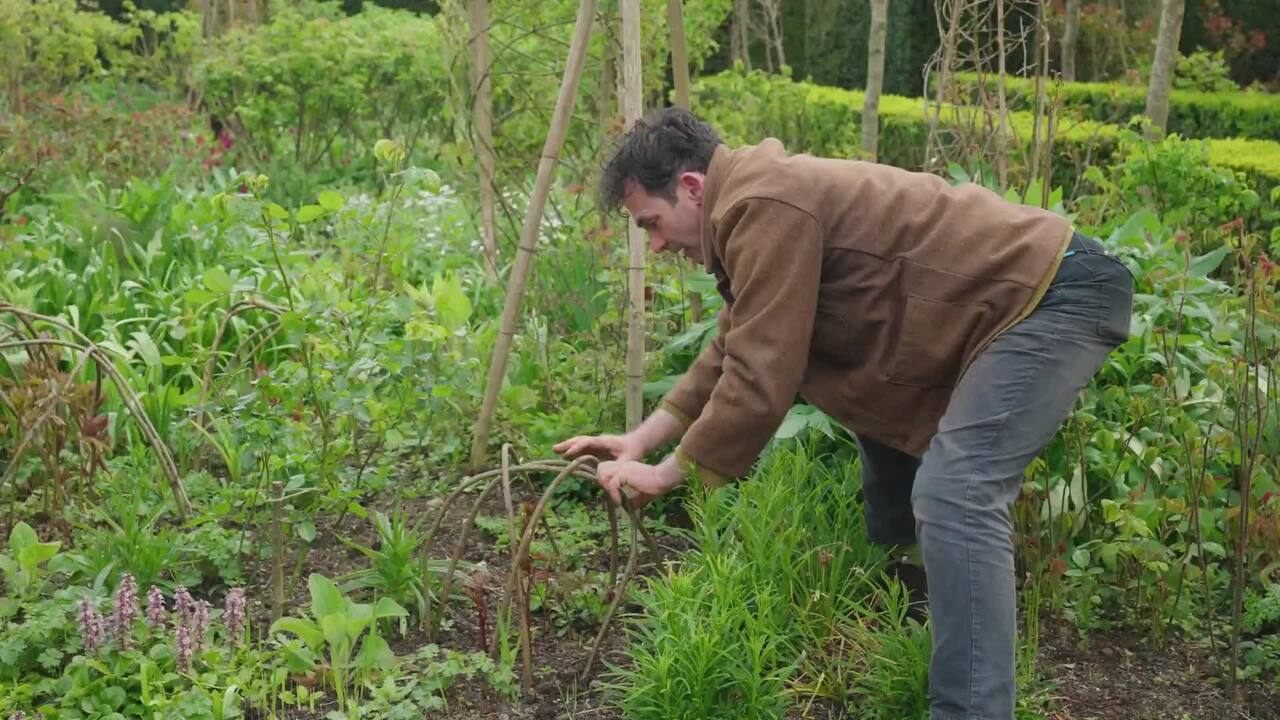
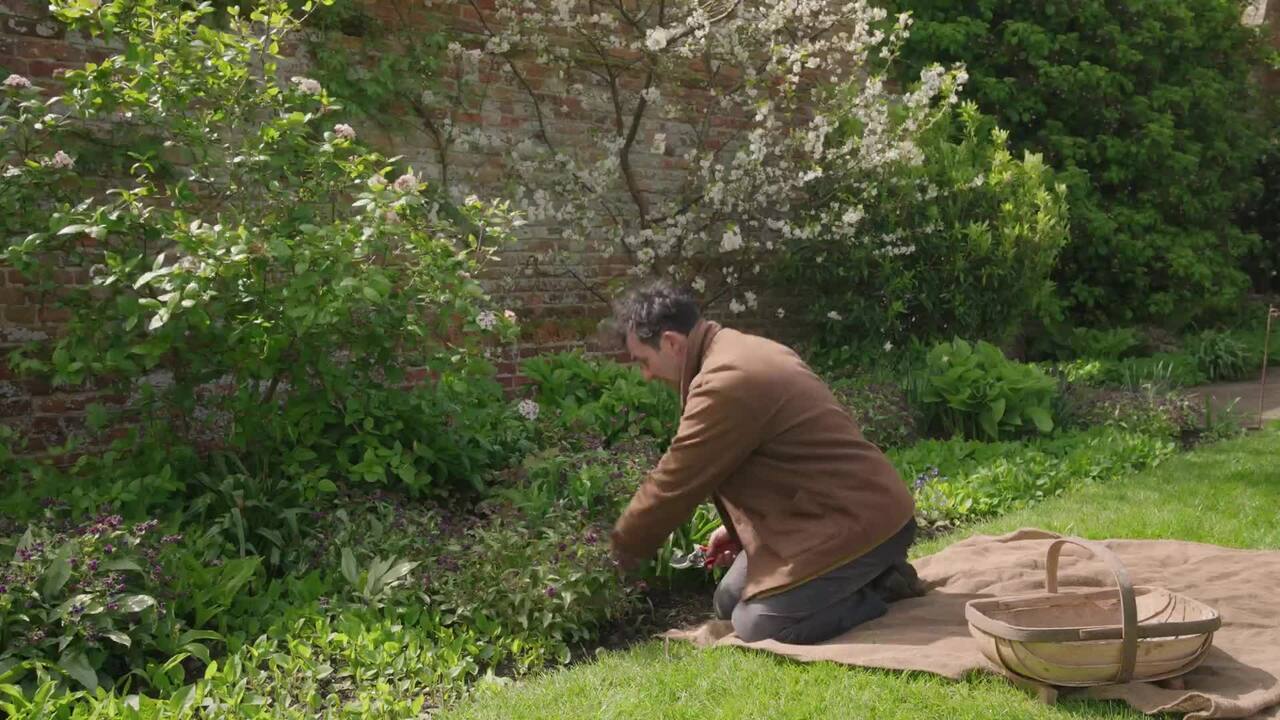
Winter work is really important and perhaps the most creative - pruning and making shapes are really enjoyable tasks. It's now November and we'll be pruning roses as the main task over the next month, interspersed with other winter tasks such as planting biennials, coppicing hazel and propagation.
The first thing to do before you prune is to put down some stepping boards.
1. Gloves, if you want them.
2. Sharp secateurs.
3. A jacket with open, preferably upright, pockets.
4. Hortisept horticultural disinfectant.
Different rose groups require slightly different pruning techniques. Rosa gallica, for example would need different treatment to 'Ernest Calvat' and to musk roses and damask roses.
You'll all have different roses at home, but though the technique will vary slightly, the principles of pruning will be the same. I'm going to share those principles with you, and following these, you can't go too far wrong.
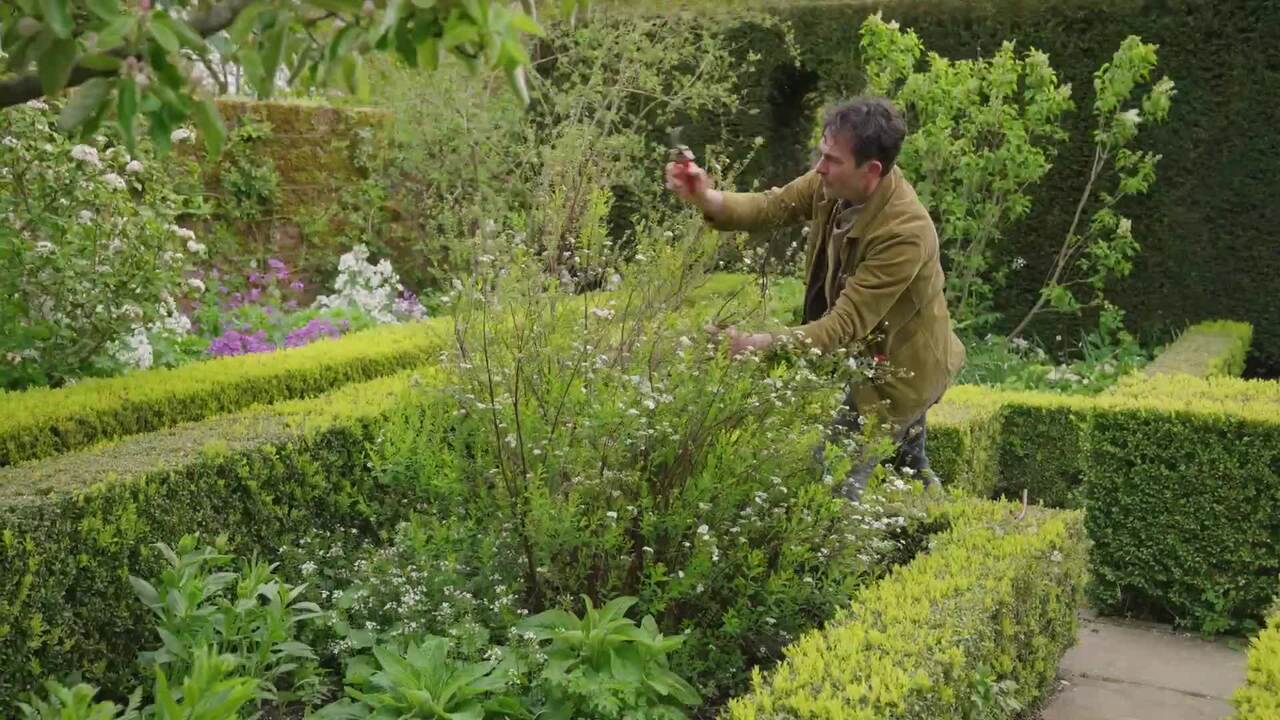
Because of our milder winters now, the roses are keeping their foliage - even right at the end of November - which makes it trickier to prune.
Think about crowding other plants - e.g. a stem coming outwards too far might need pruning back into older wood to allow the neighbouring plants a space to grow into.
This rose has been well pruned for a number of years, but the thick, old central shoot will start to become troublesome, and as I've been pruning it slightly higher each year, it will start to have a long 'bare leg' without any flower or shoots on it.
A perfect shoot for helping to keep a plant juvenile is a new one that's grown all the way from the base in one year.
Sometimes you need to leave some shoots in with a longer-term aim or vision.
Be mindful that you shouldn't take too many out as the bush will become sparse, so it's a compromise.
Once you've taken out the stems you want to remove, it's time to reduce the height of the stems you're leaving to just a little higher than the previous prune.
Troy uses tough fingerless gloves for rose pruning, which help to keep hands warm and partially protected from thorns while maintaining dexterity. Similar gloves can be found here:
Troy uses Felco secateurs. Browse the range here.
HortiSept can be purchased here.
Further detailed information on pruning shrub and bush roses can be found on the RHS website:
Iris species and cultivars
Irises
Hardy herbaceous perennials from rhizomes or bulbs
Iridaceae
Rosa × centifolia
Cabbage rose, Provence rose
Hardy deciduous shrub
Rosaceae
Rosa × damascena
Damask rose
Hardy deciduous shrub
Rosaceae
Rosa gallica
French rose
Hardy deciduous shrub
Rosaceae
Rosa 'Madame Ernest Calvat'
'Madame Ernest Calvat' rose
Hardy deciduous shrub
Rosaceae
Centifolia roses
Cultivars of Rosa × centifolia, an old shrub rose bred in the 17th century, with large, densely packed, globular blooms and a strong, sweet fragrance that has long been used in perfumery. Also known as cabbage roses or Provence roses, these were bred by hybridising a damask rose with an alba rose.
Bourbon roses
An old (originating in 1818) group of shrub roses with large, very fragrant blooms, popular in the Victorian period.
Damask roses
Cultivars of Rosa × damascena. Another old group of shrub roses, said to have originally been brought to the UK from the Middle East by the Crusaders. Nearly all are fragrant, and the flowers, which are held in open airy bunches, have long been used in perfumery.
Gallica roses
Cultivars of Rosa gallica - short bushy shrub roses in a wide range of colours that are easy to grow and thrive in poor soils. Probably the oldest of all garden roses, these were grown by the Greeks and Romans. In the 17th century, the Dutch started to breed new varieties, which the French continued on a large scale.
Hortisept
A specially formulated horticultural disinfectant that kills bacteria, fungi and viruses, while being sensitive to the environment and the user. It is commonly used to disinfect tools while pruning to prevent spread of disease from one plant to the next.
Moss roses
Centifolia roses that have developed moss-like growth detail on the sepals, the outer layer of the flower that protects the petals when in bud. Arising from a mutation in Rosa × centifolia in 1720, these were very popular in the Victorian period.
Get the full workbook, video lessons, and more with a Create Academy subscription.
Subscribe to access the full workbookAlready a member? Sign in to watch
491 reviews
Read moreCreate Academy has been such a great resource. I'm in the middle of renovating a bungalow with a very large garden and the courses have offered a wealth of inform...
Harvey
Jun 10, 2026
Absolutely love Create Academy! The instructors are extremely informative, and it is beautifully filmed. Create Academy is great value for money and plan on renew...
SG
May 31, 2026
Butter's creativity is stunning! Her ability to incorporate brilliance in small gardens is magical!
Carla
May 30, 2026
The best adventure. I like all the courses, but my favorite are both Rita Konig interior design courses and Anna Jones. Excellent!
Karolina Kluczewska
May 20, 2026
Create Academy has been such a great resource. I'm in the middle of renovating a bungalow with a very large garden and the courses have offered a wealth of information to dive into and explore new ideas. I'm...
Harvey
Jun 10, 2026
Absolutely love Create Academy! The instructors are extremely informative, and it is beautifully filmed. Create Academy is great value for money and plan on renewing my subscription yearly because there are ...
SG
May 31, 2026
Butter's creativity is stunning! Her ability to incorporate brilliance in small gardens is magical!
Carla
May 30, 2026

Your Instructor
Head Gardener at Sissinghurst. Garden Writer, Speaker & Lecturer.
Troy Scott-Smith, previously head gardener of Iford Manor and Bodnant garden, now oversees the cherished grounds of Sissinghurst - one of the most famous gardens in England and is designated Grade I on Historic England's register of historic parks and gardens. Coming from a family of committed naturalists, Troy is a seasoned horticulturist, writer, designer and consultant, Troy is also a respected member of the RHS Floral Committee. When he set his sights on the head gardener role, he did so with refreshing candour, speaking passionately of the garden’s need for thoughtful evolution. It is a mark of the National Trust’s forward-thinking spirit that they embraced his vision, inviting him to guide this historic landscape into a compelling new chapter.

Access to all courses


