






Interior and exterior confidence
Create Academy has been such a great resource. I'm in the middle of renovating a bungalow with a very large garden and the courses have offered a wealth of inform...
Harvey
Jun 10, 2026
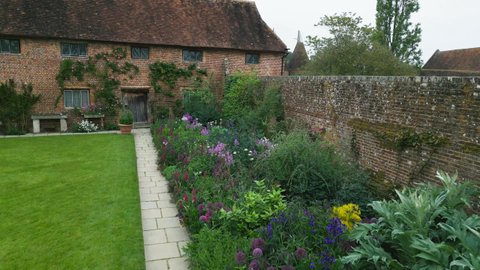
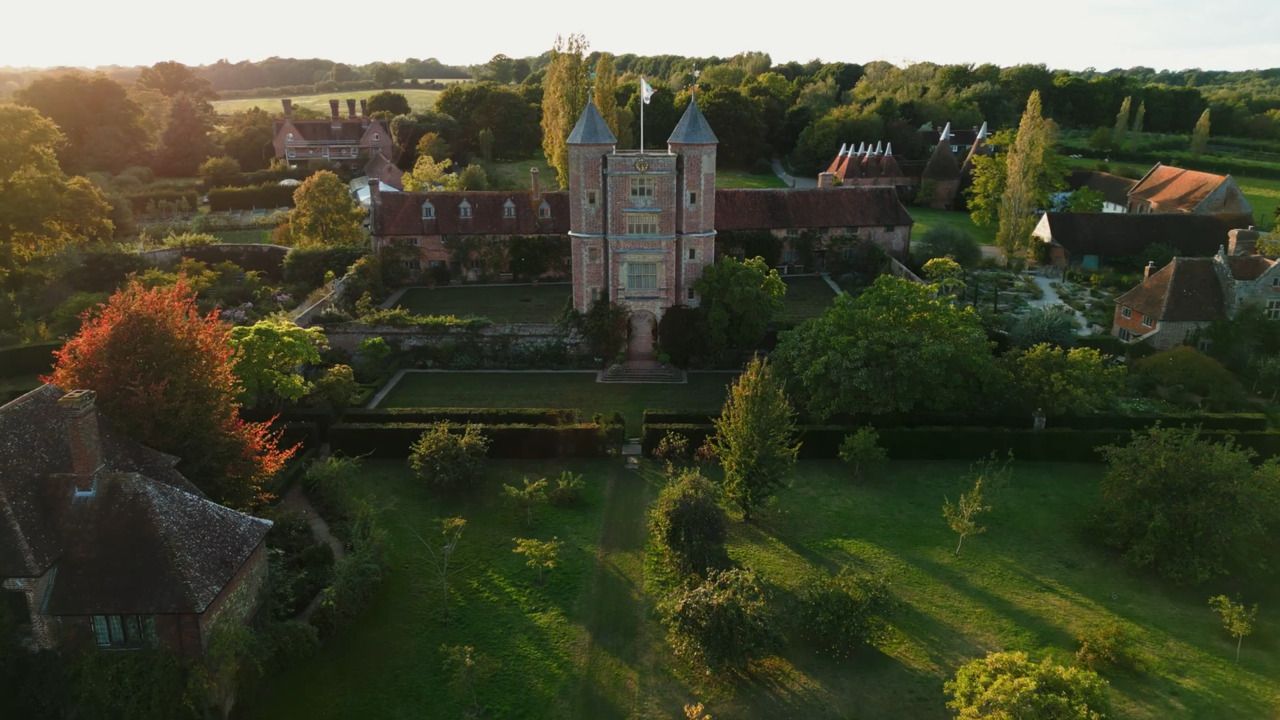
The Art of Gardening at Sissinghurst
with TROY SCOTT SMITH — Head Gardener at Sissinghurst. Garden Writer, Speaker & Lecturer.
Lesson 36 of 56
Subscribe to watch
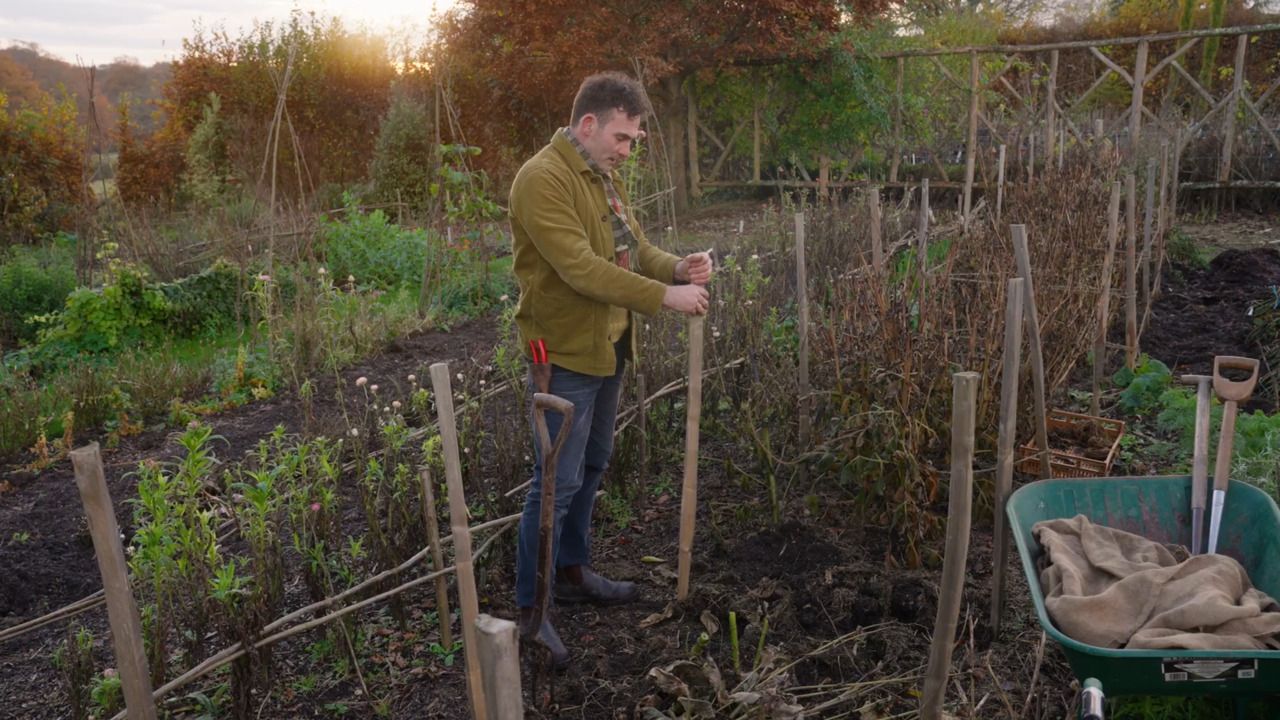
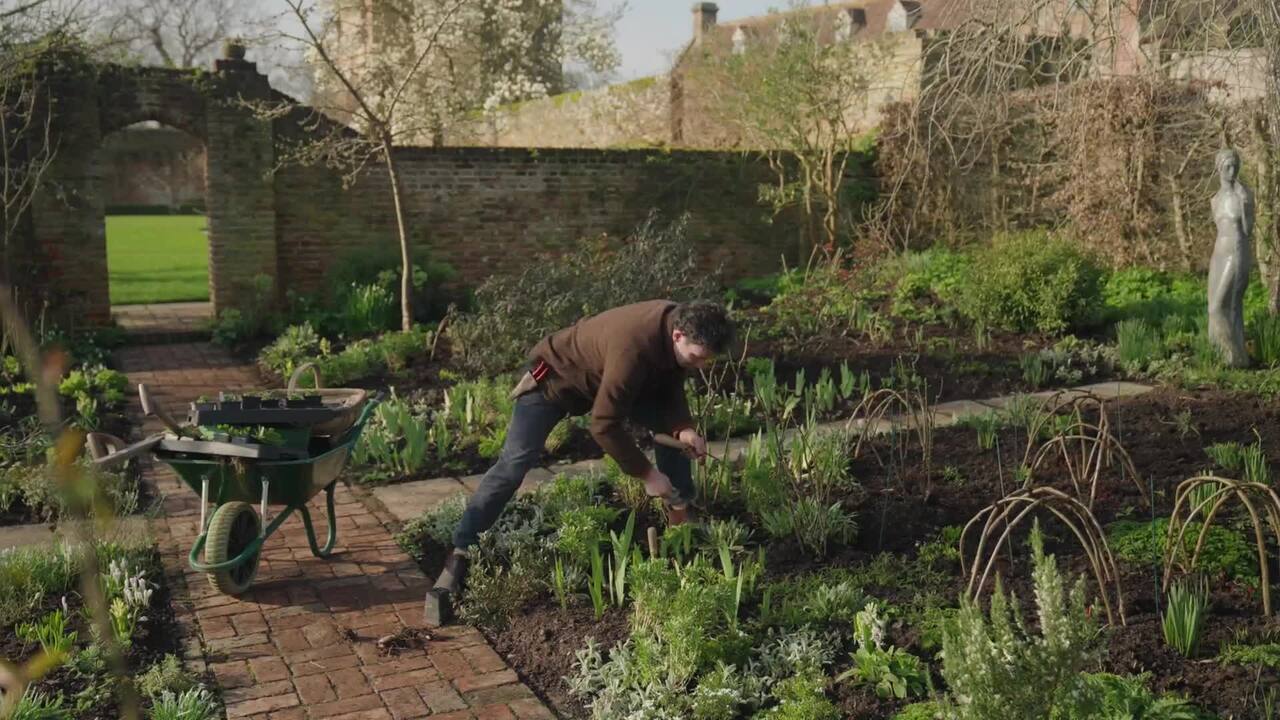
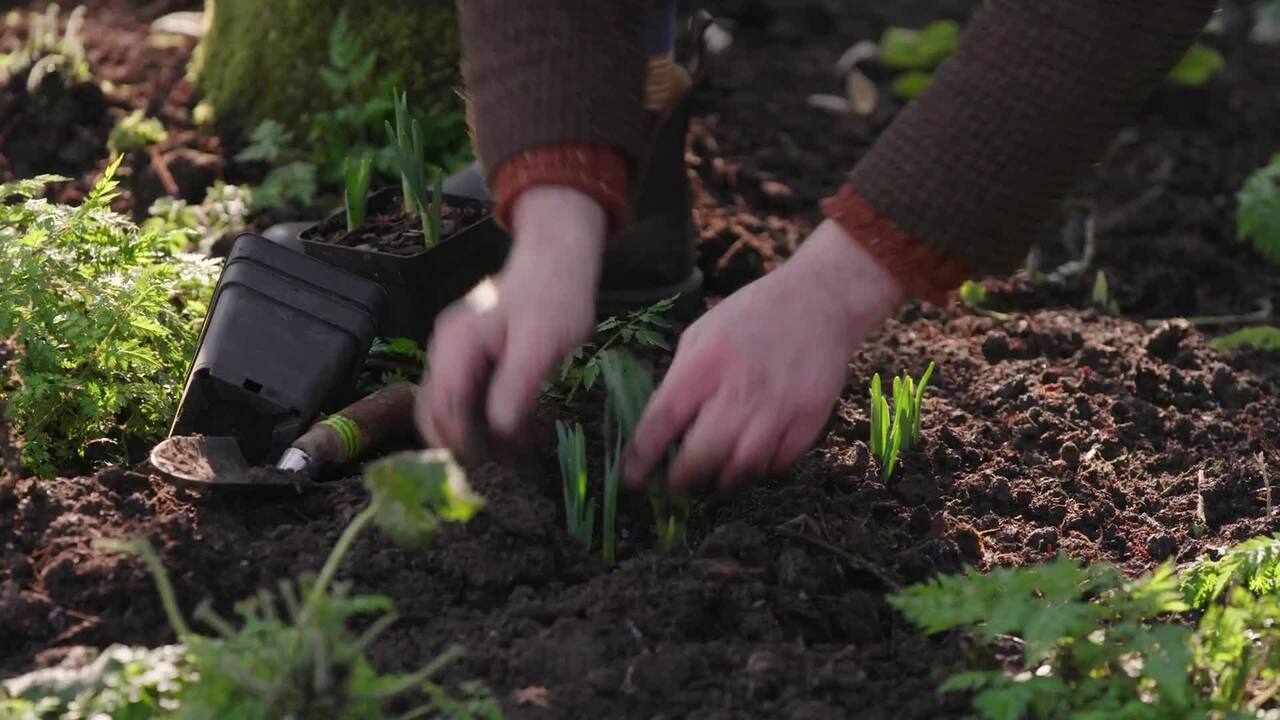
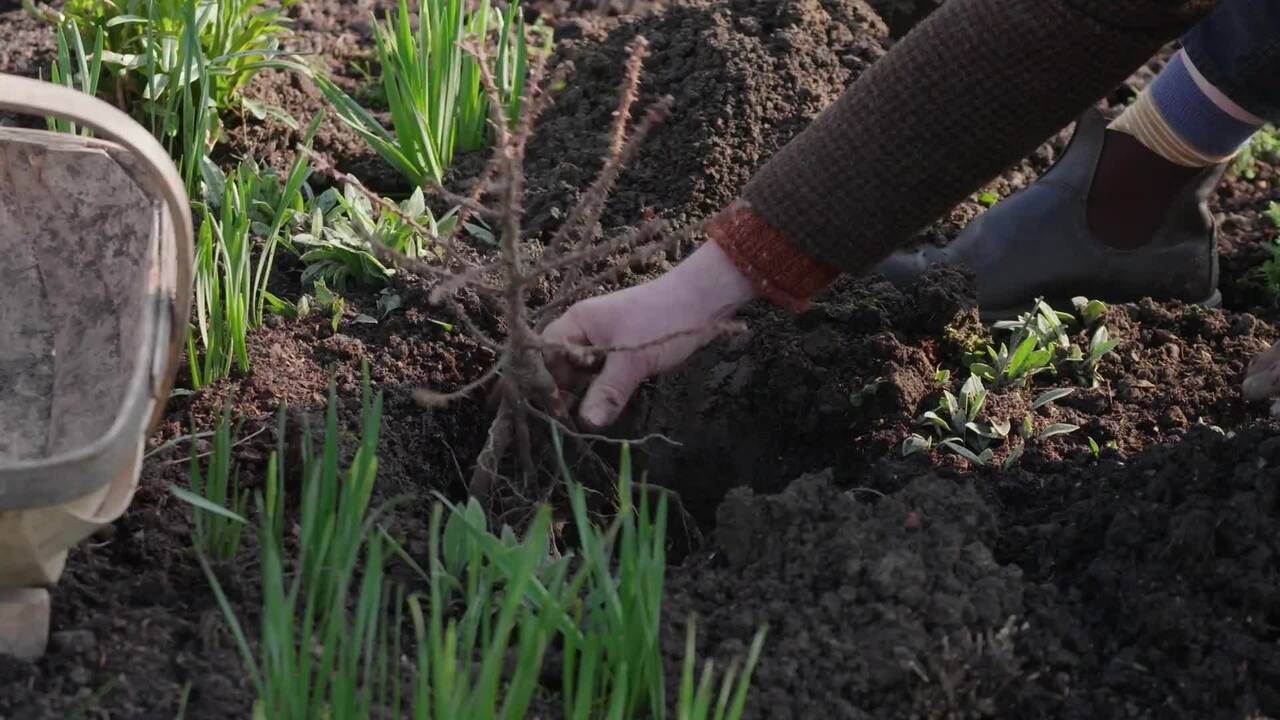
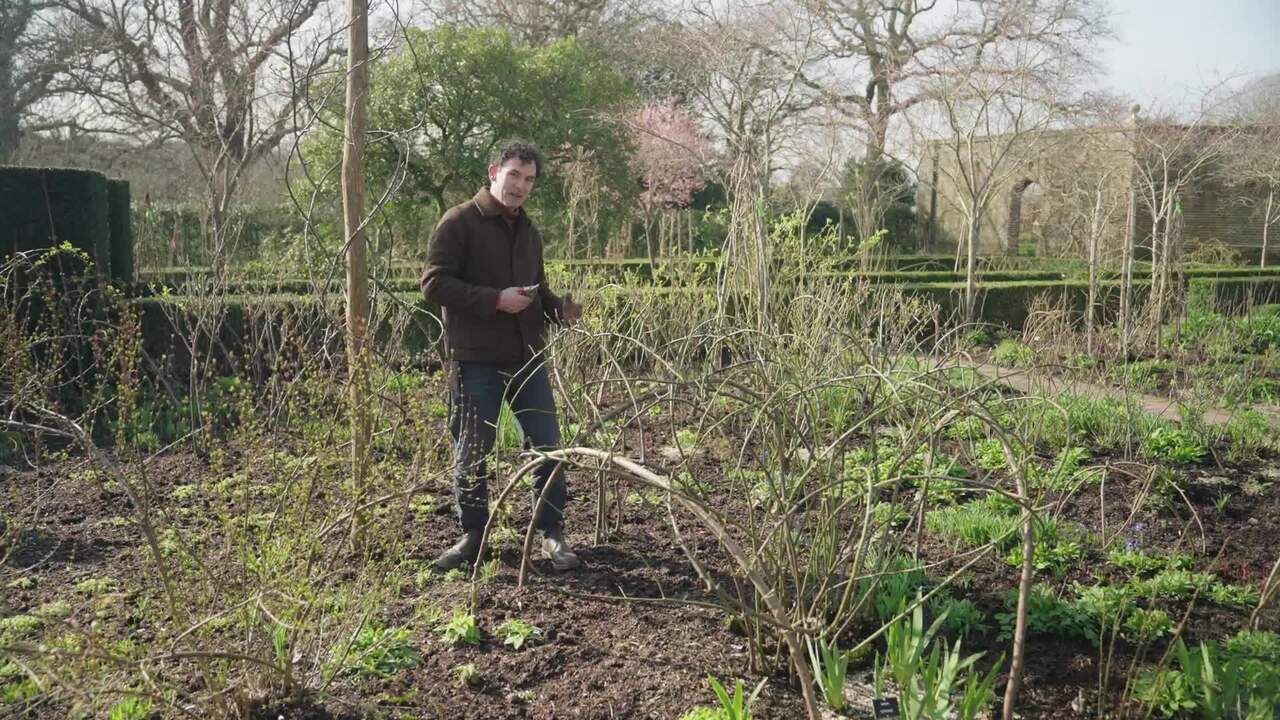
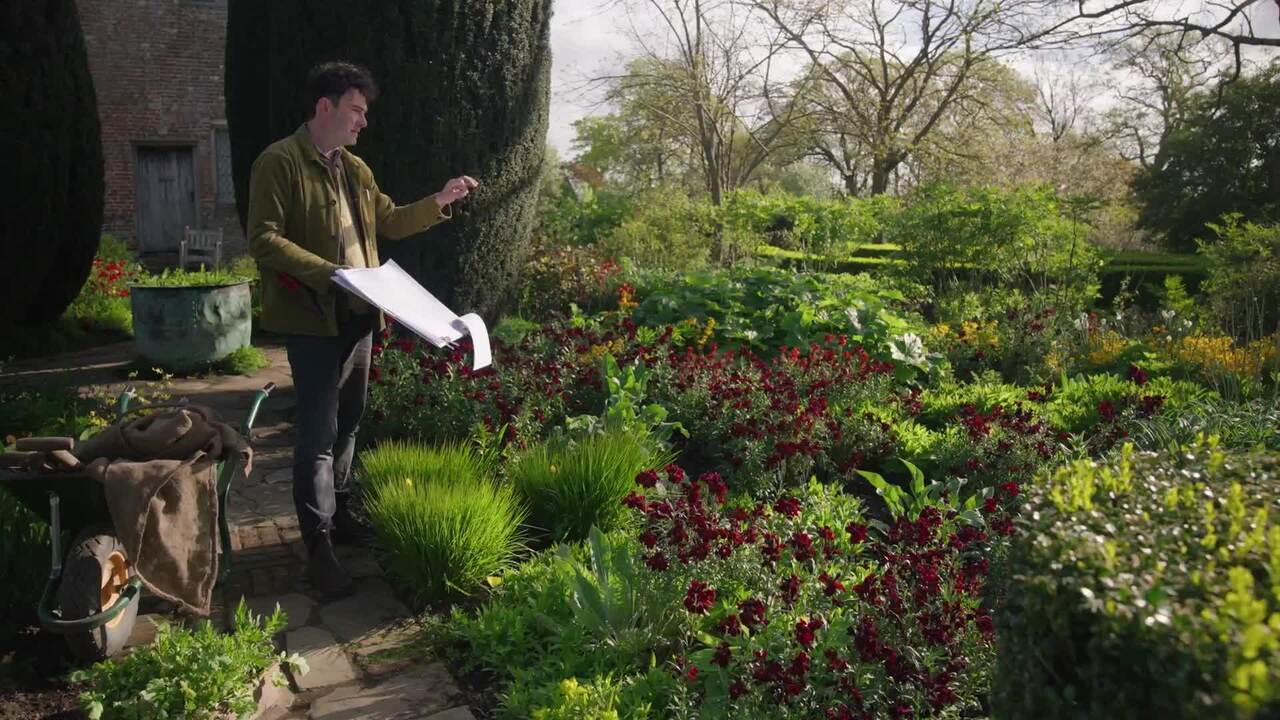
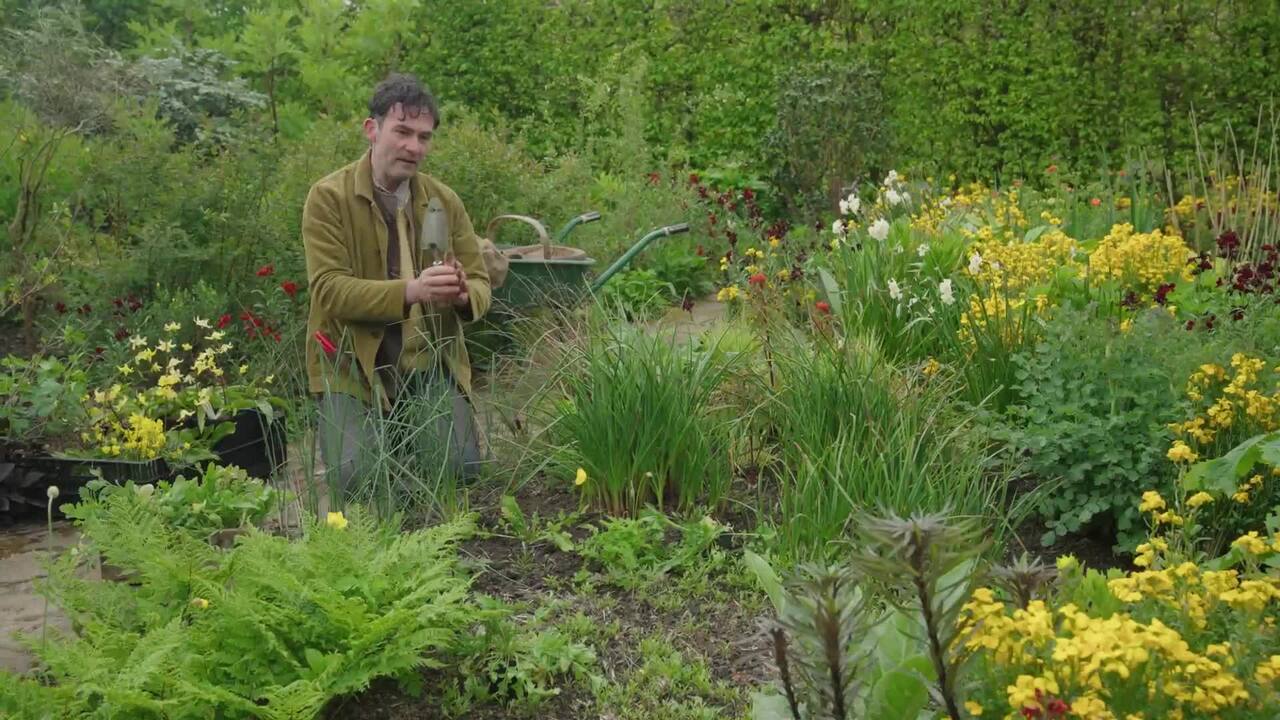
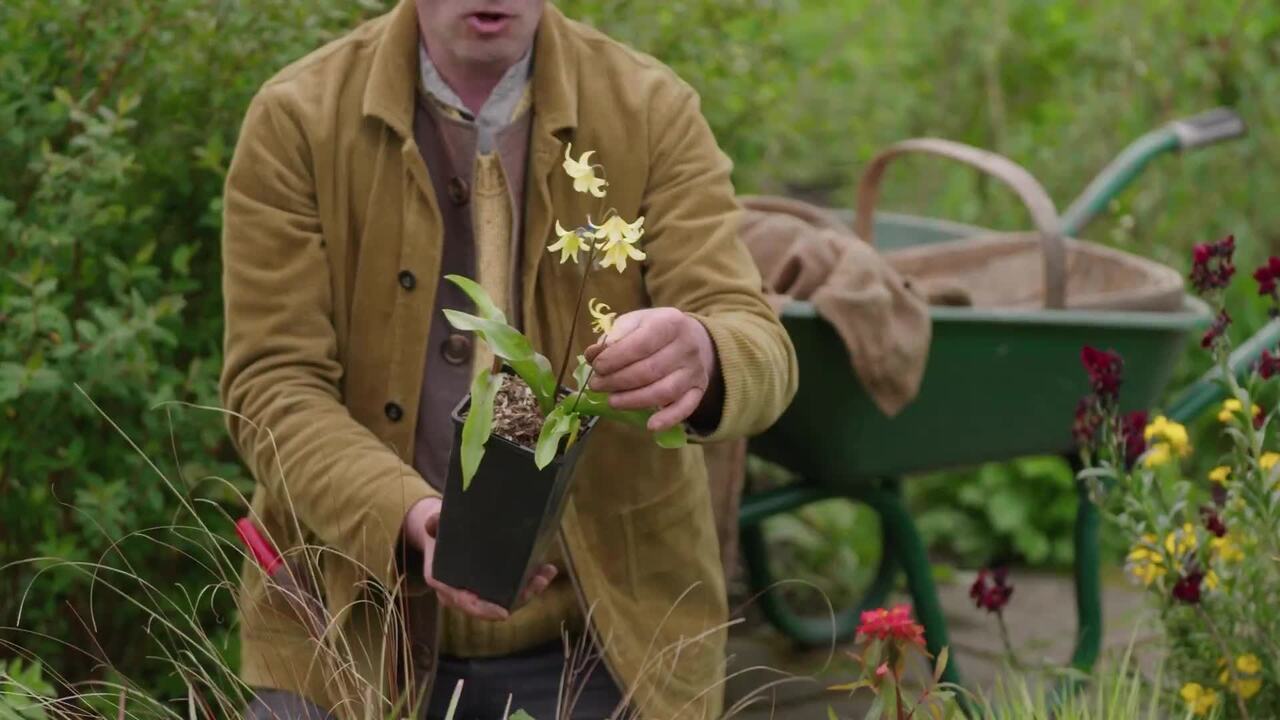
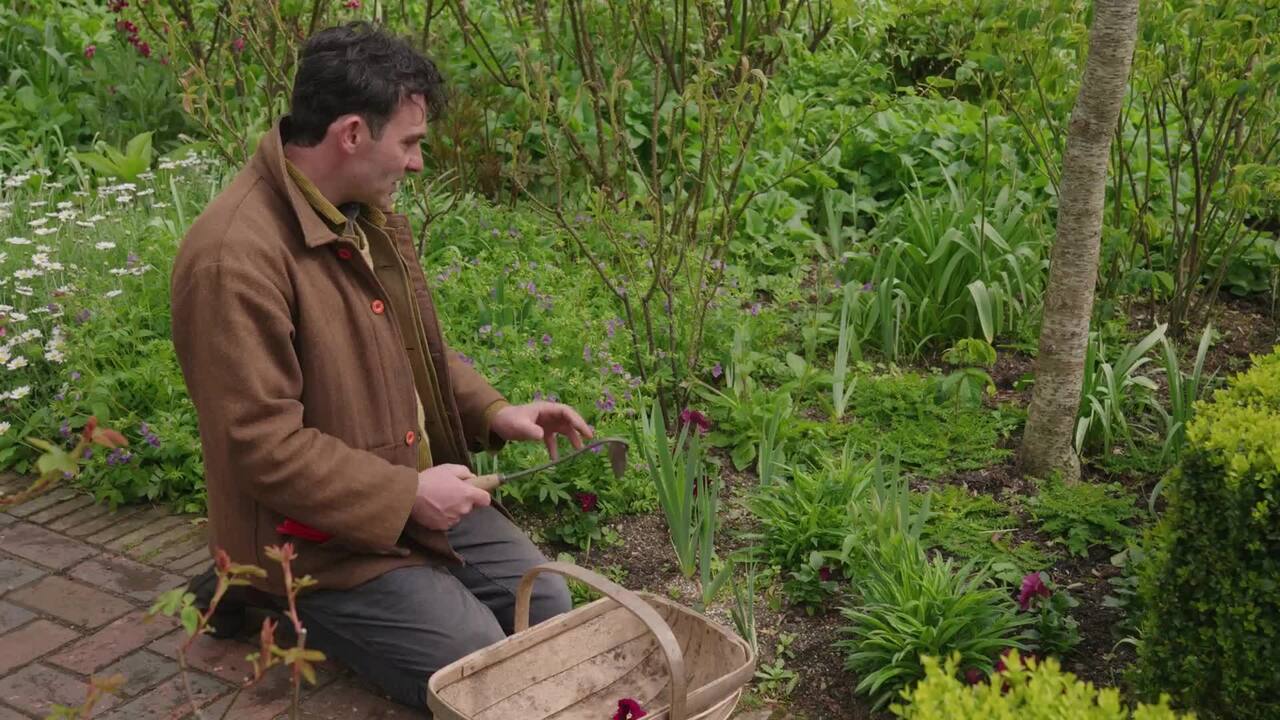
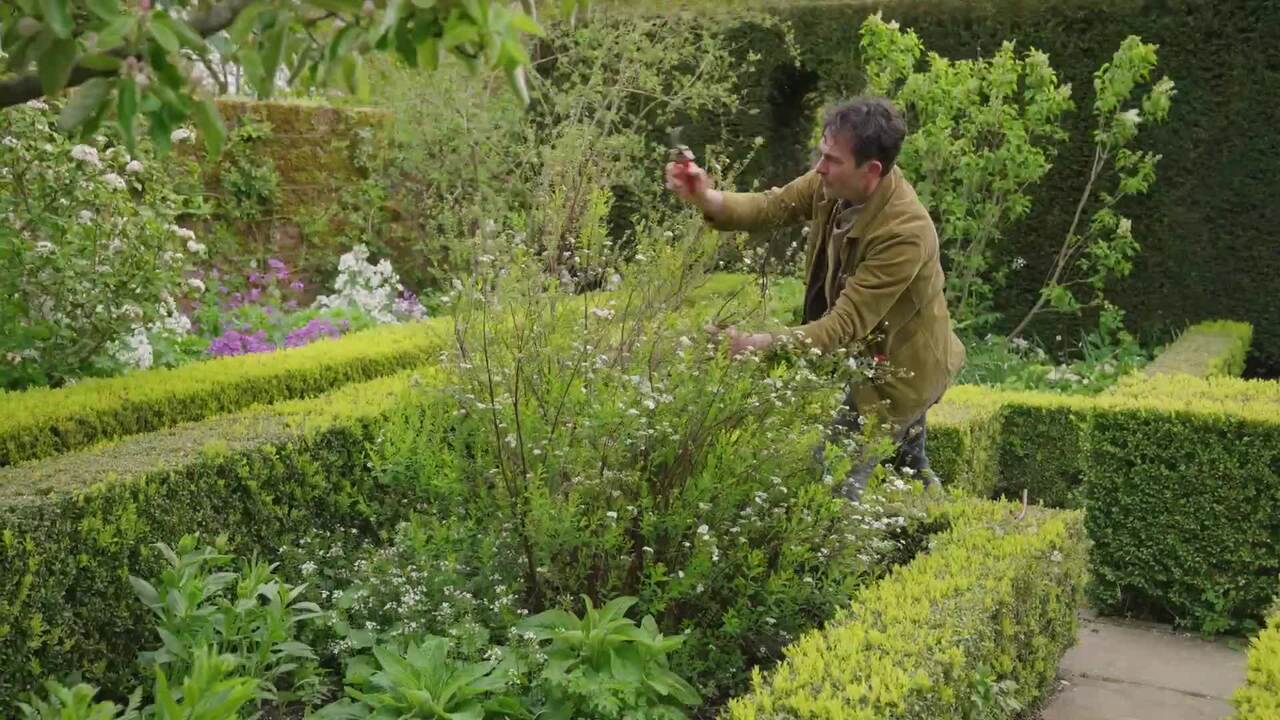
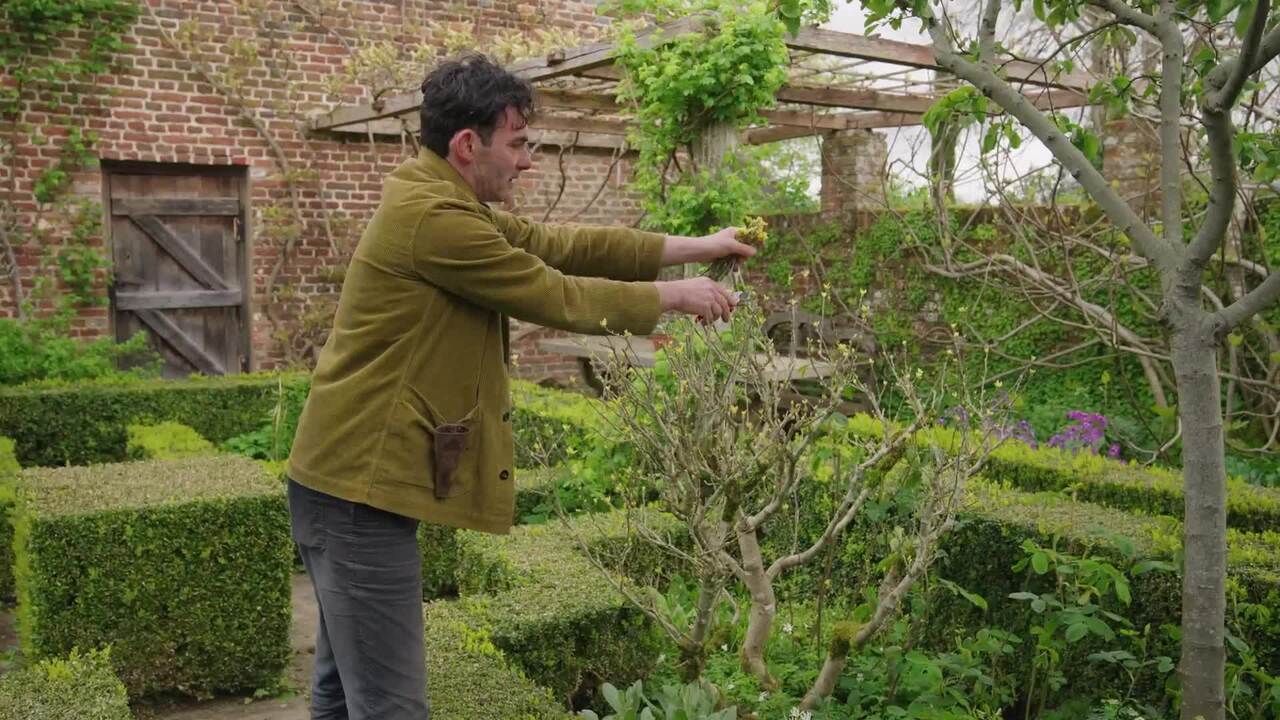
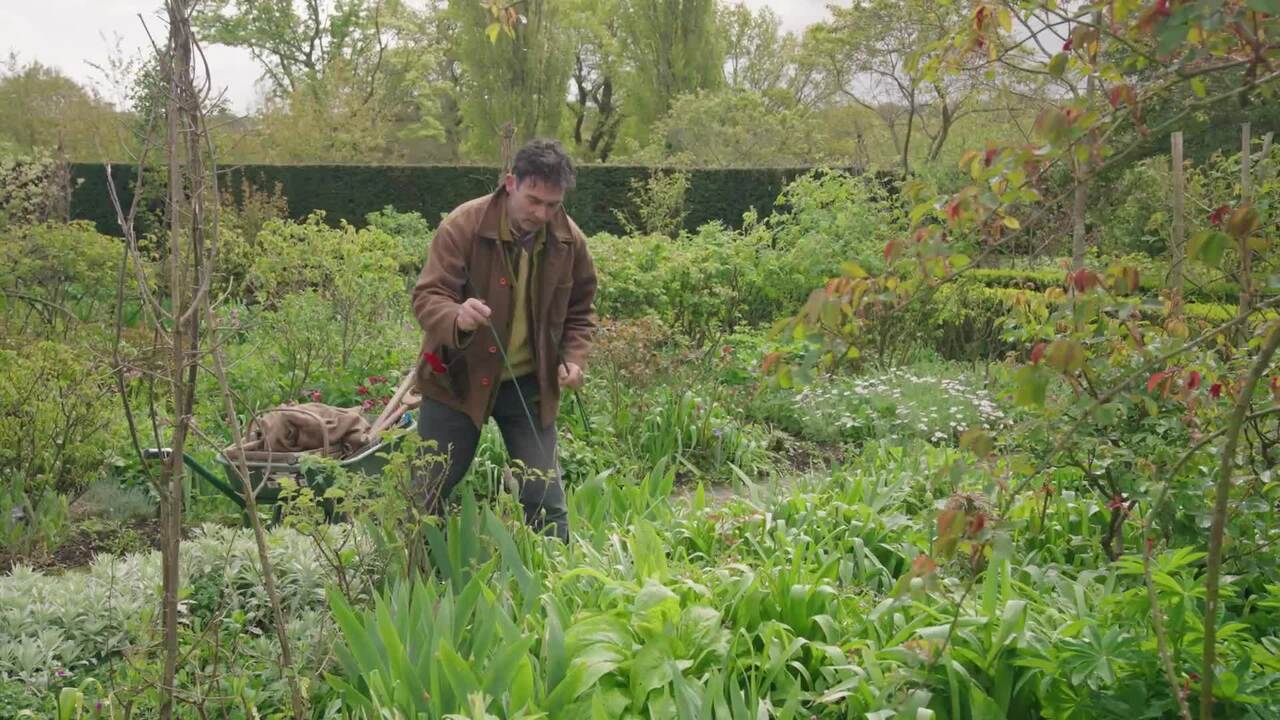
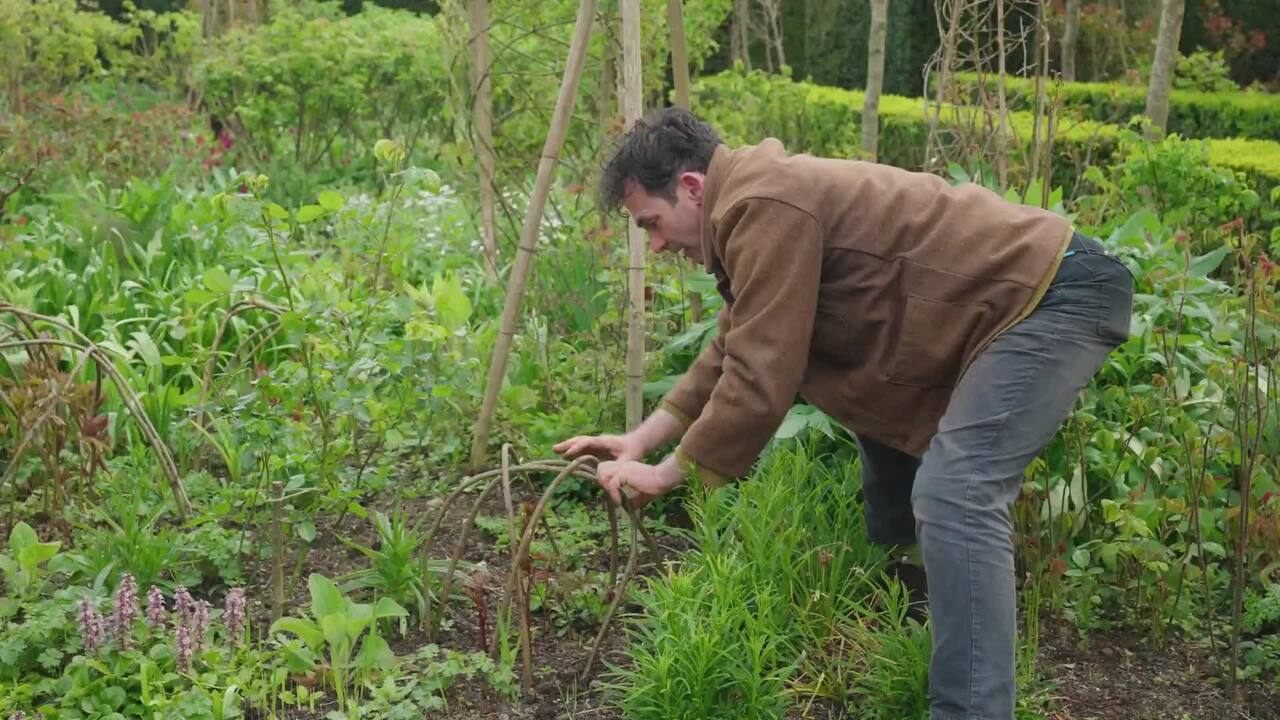
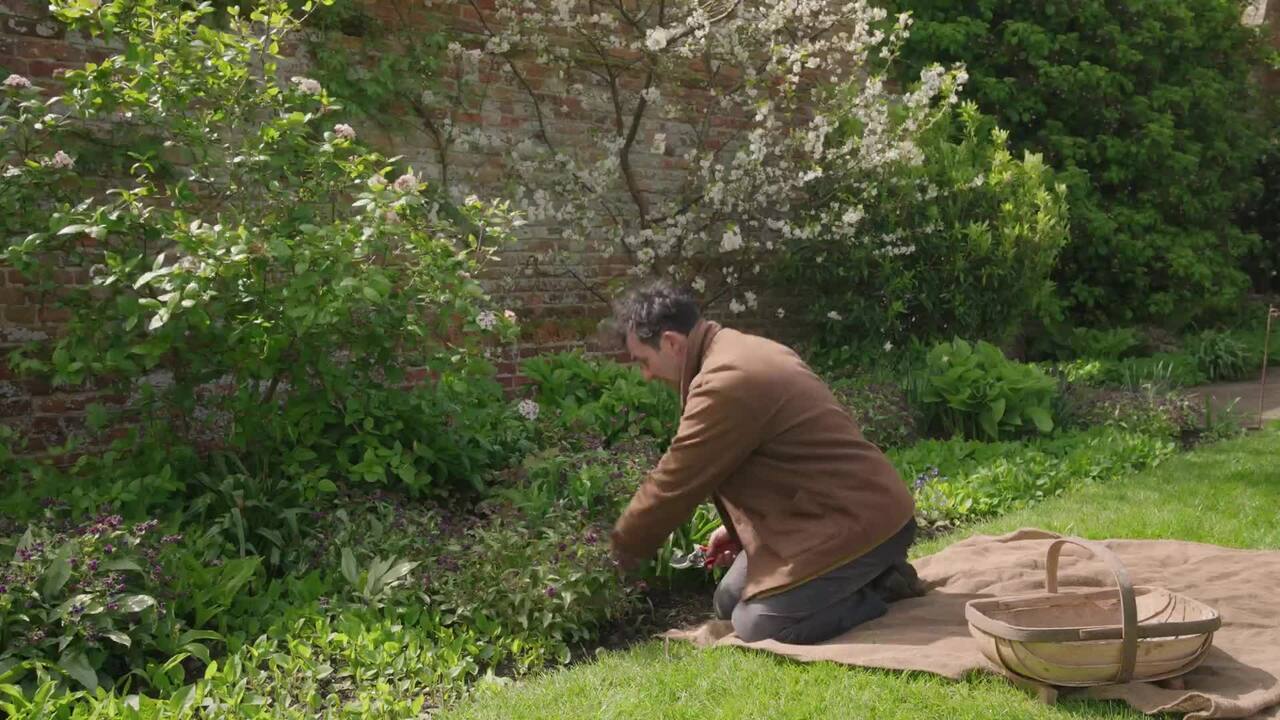
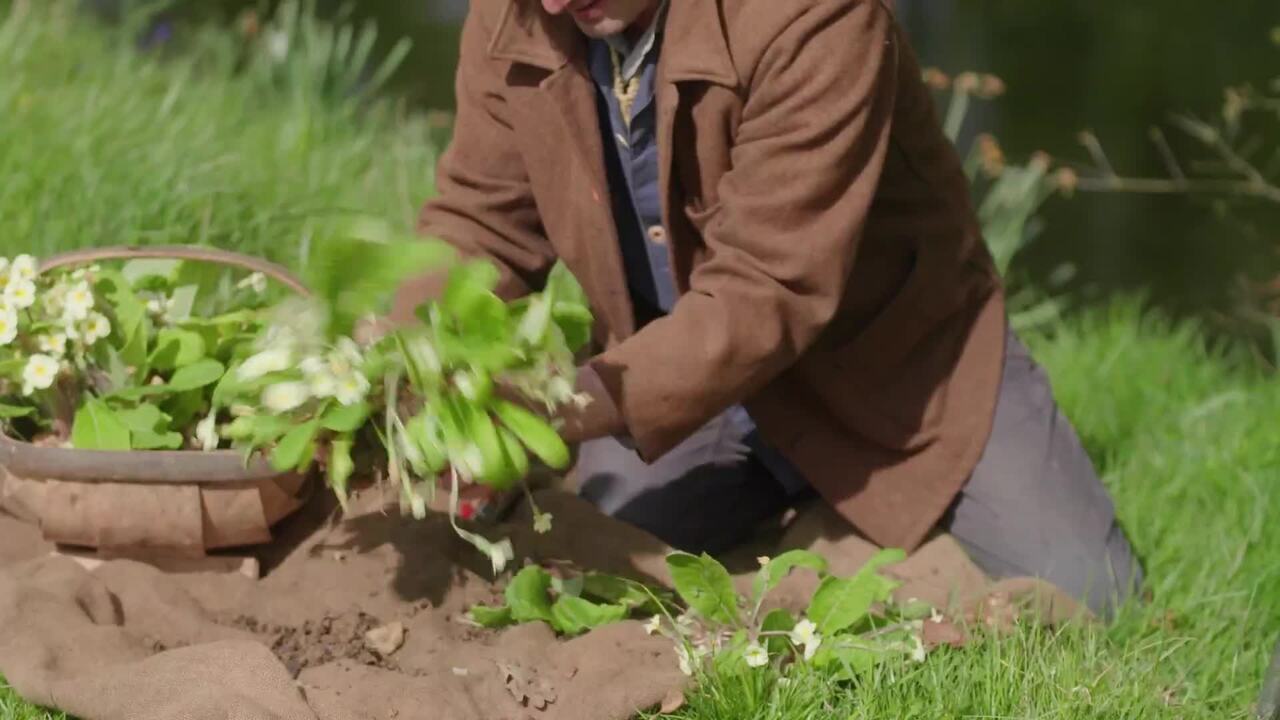
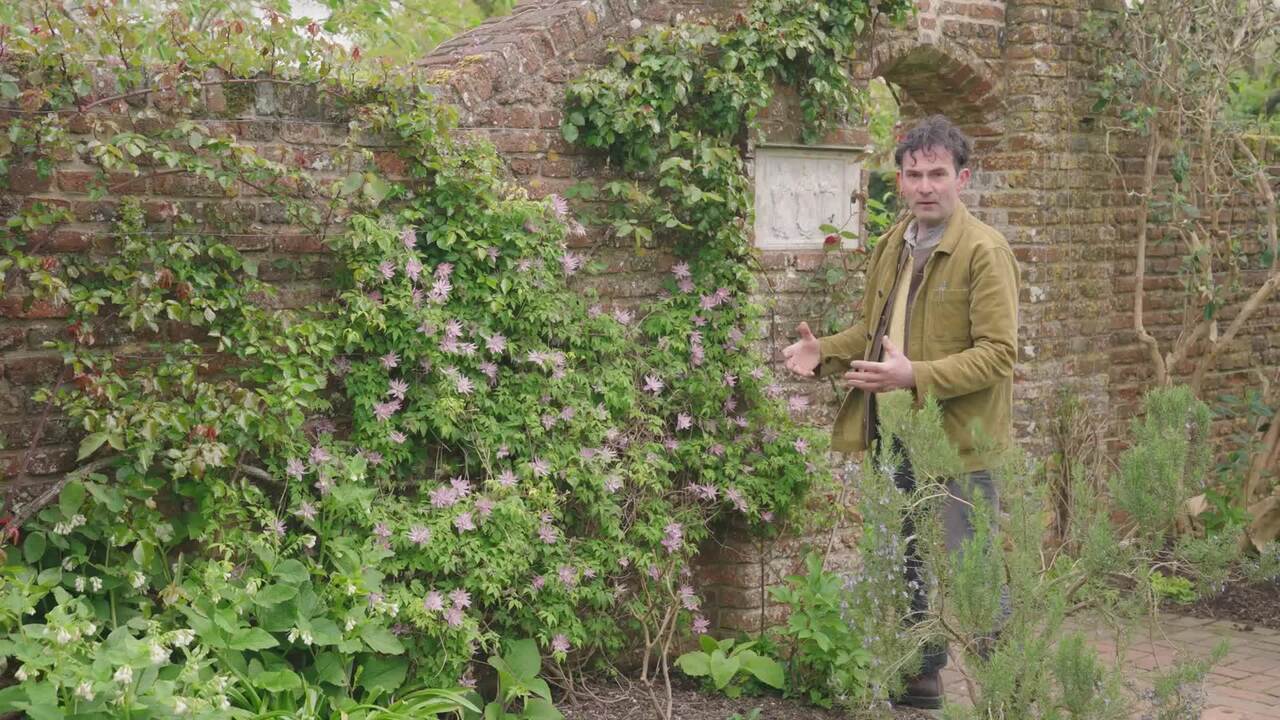
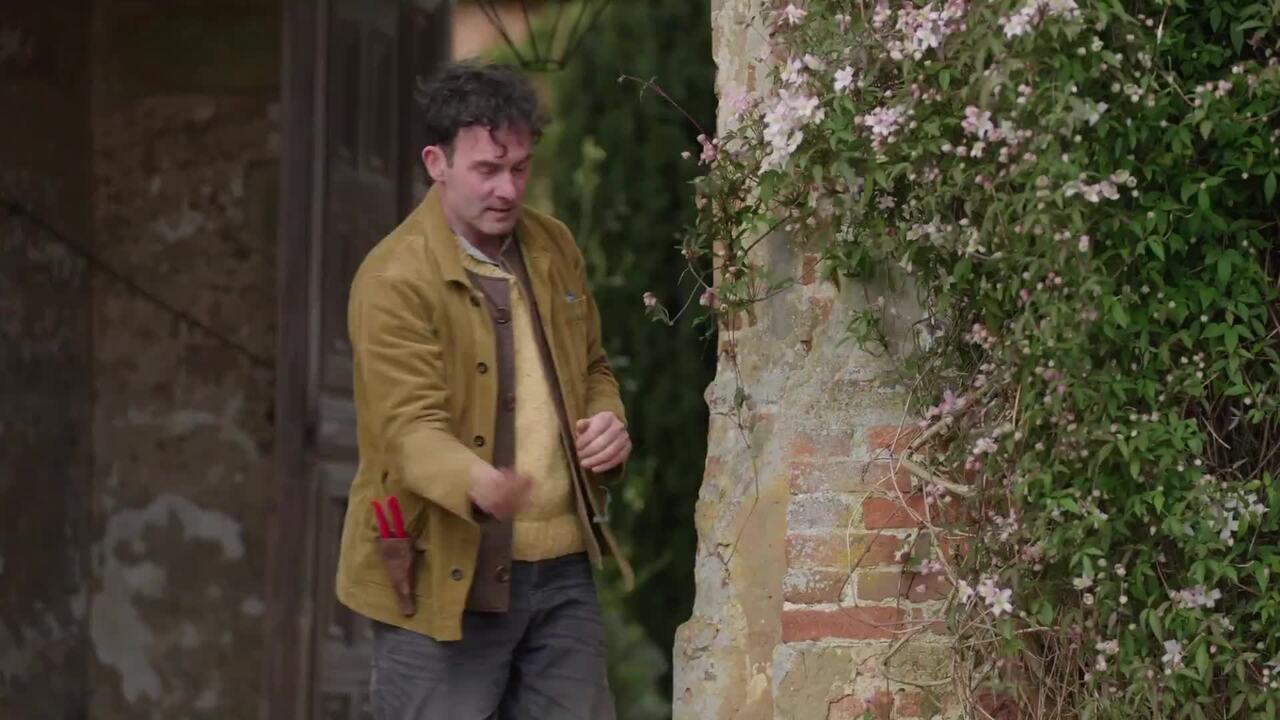
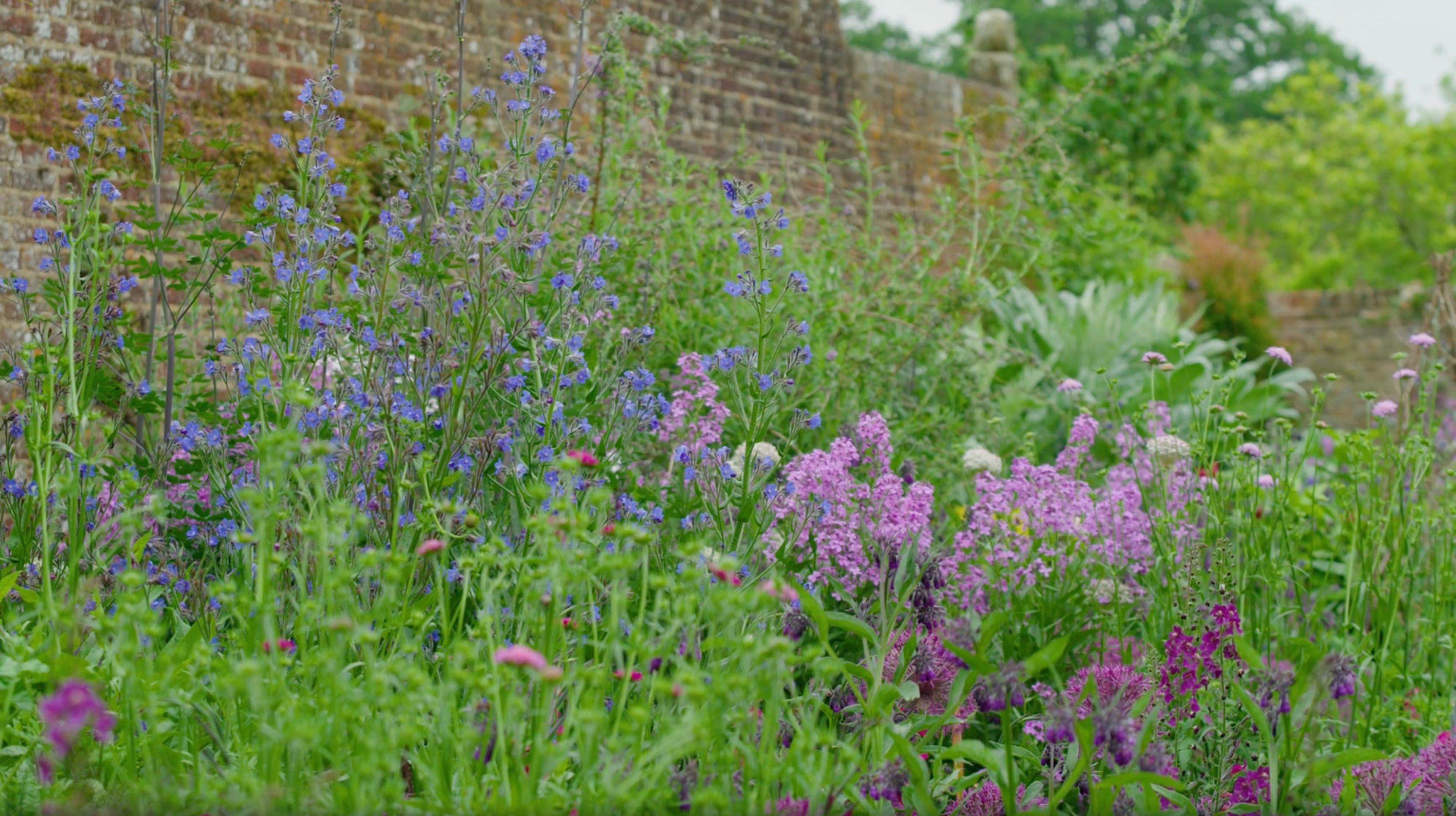
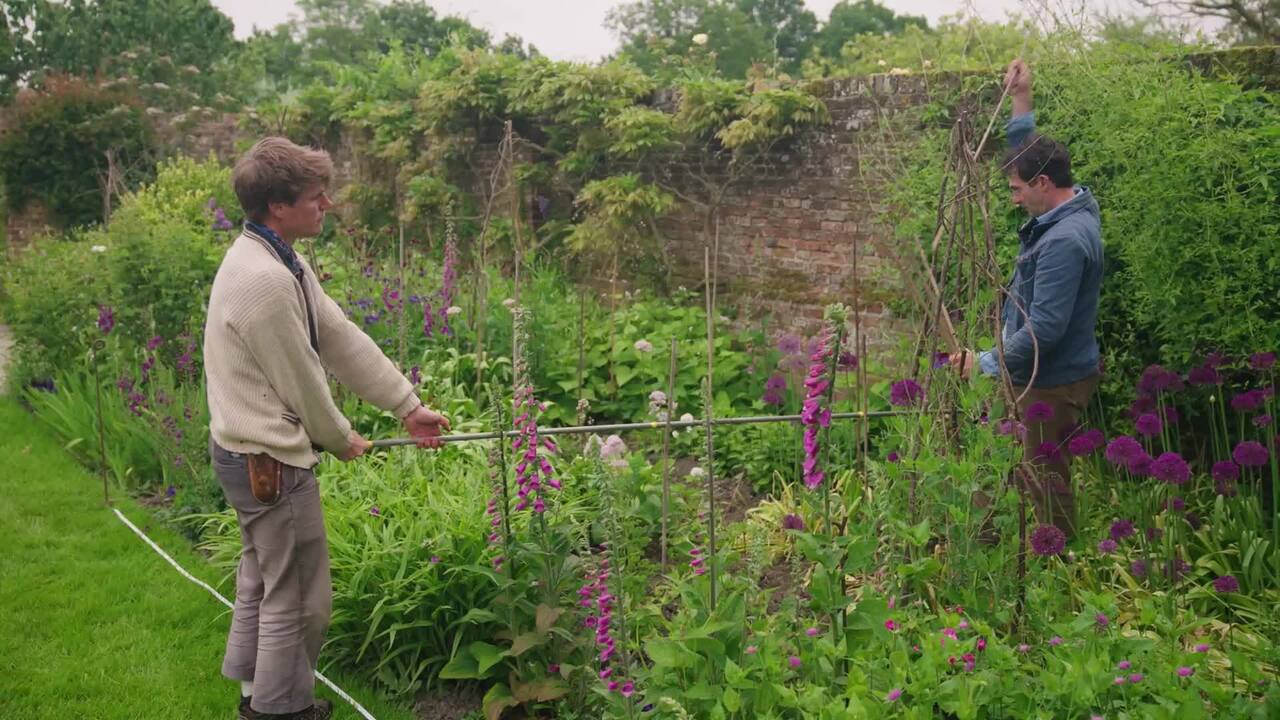
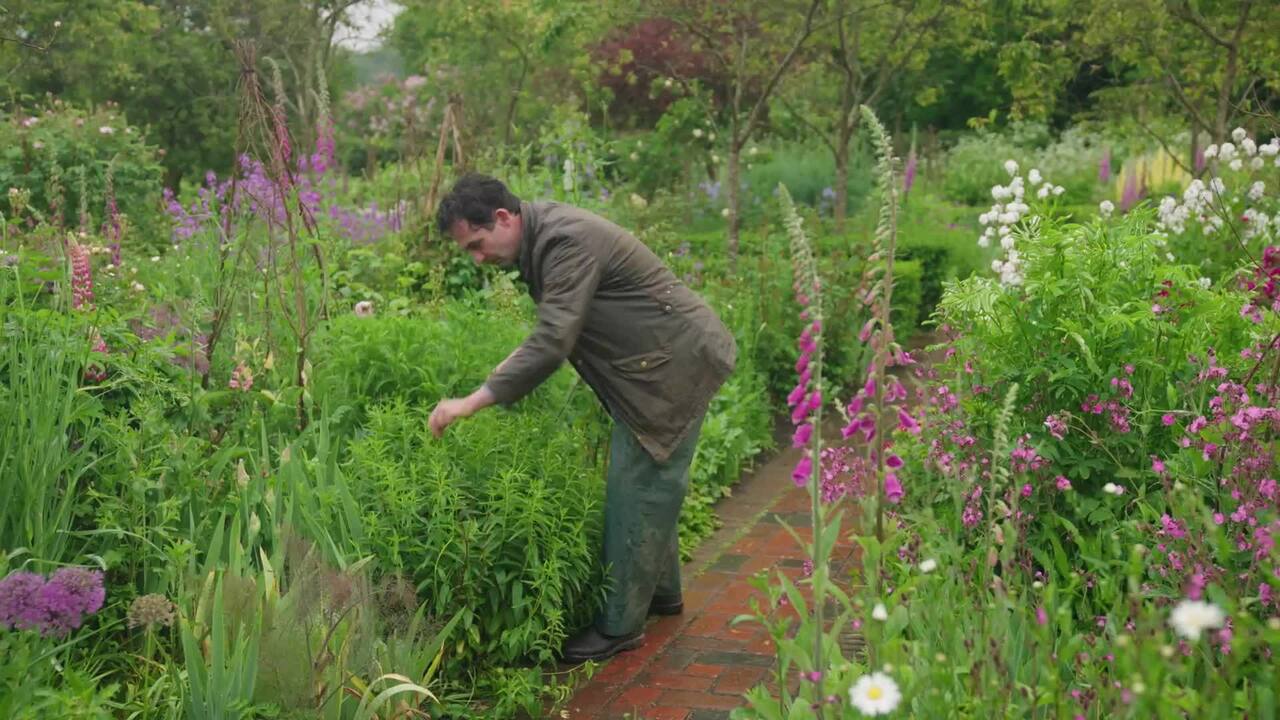
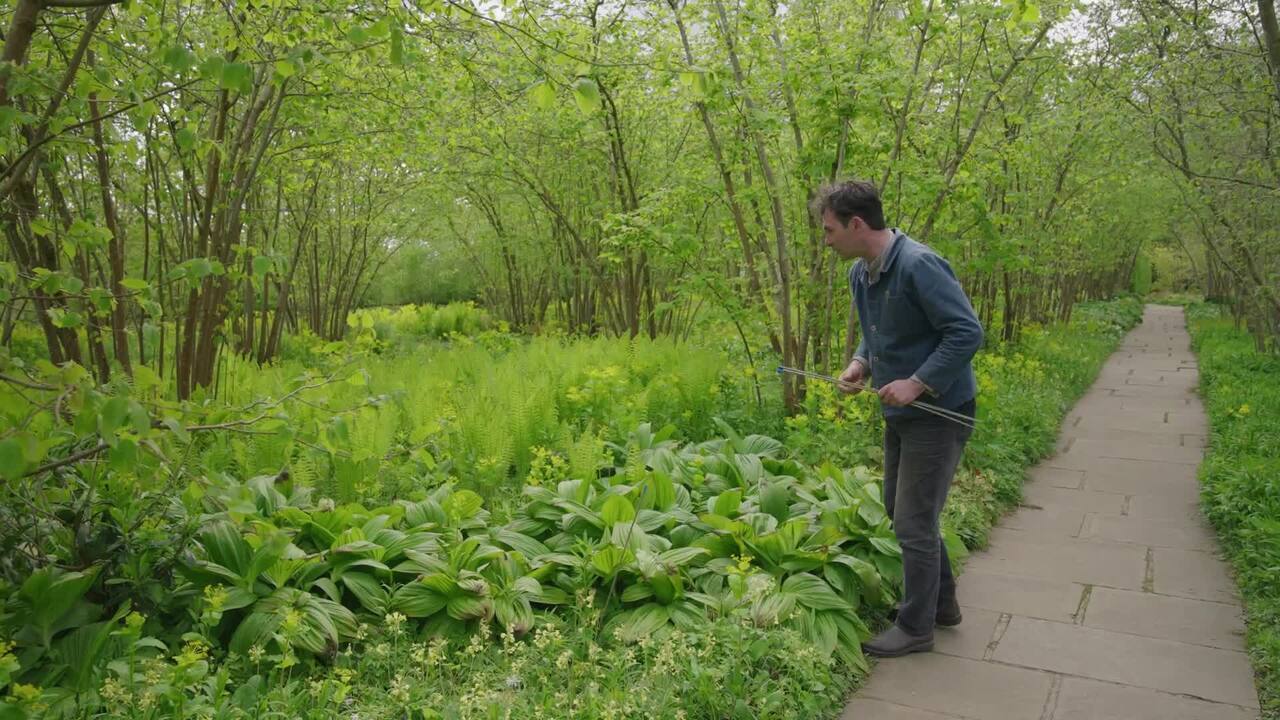
It’s late spring, Troy’s favourite time in the Nuttery, as he shares how to embrace this time of year with seasonal planting.
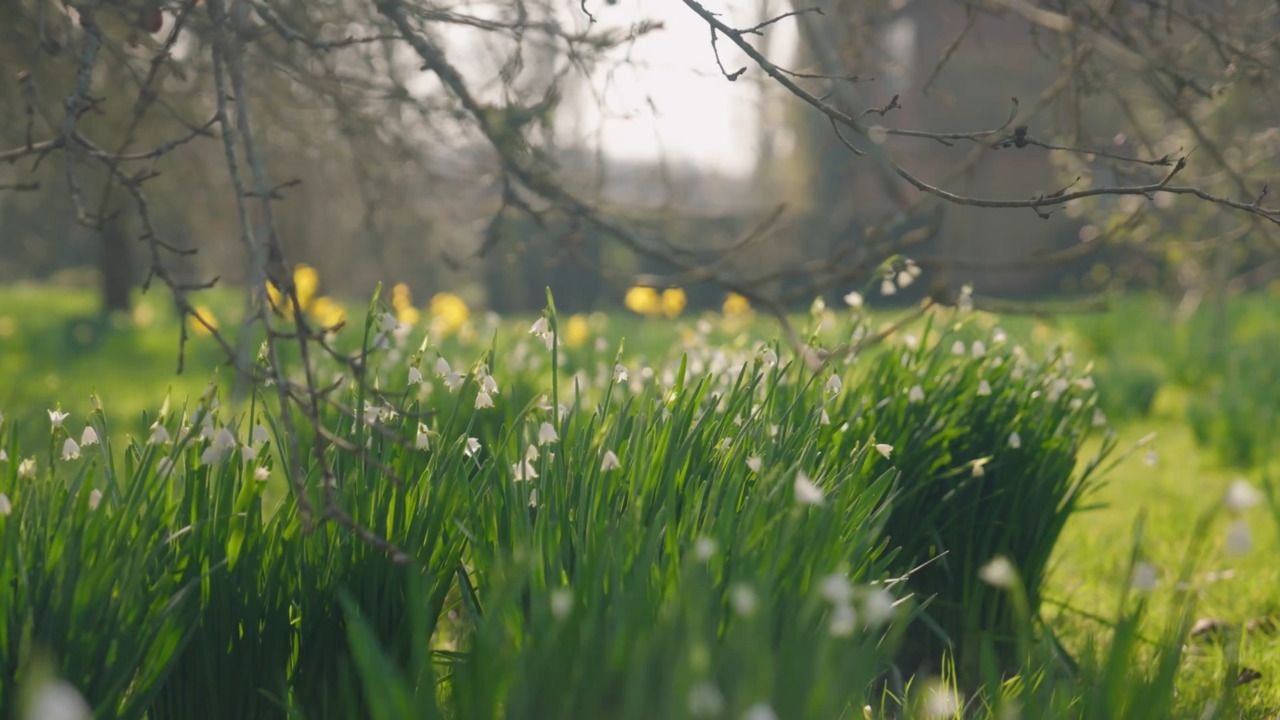
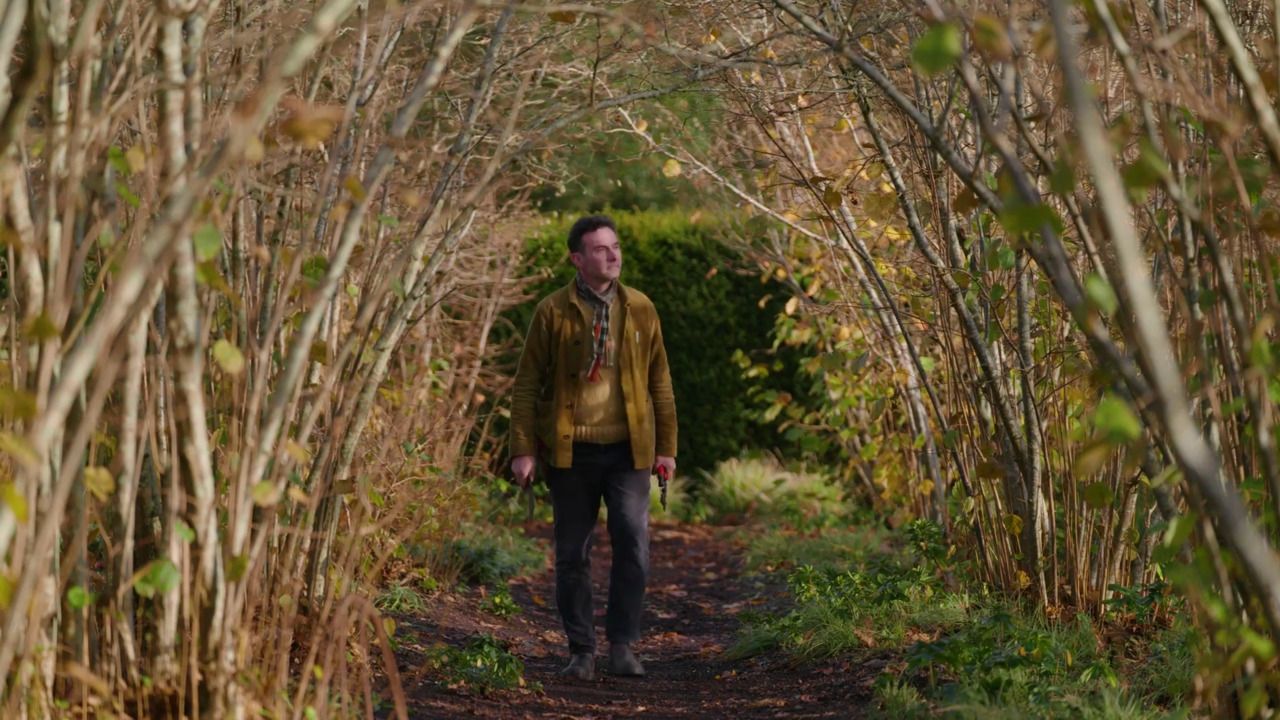
Gardening is about recognising your opportunities. In the Nuttery the opportunities are for spring and early summer woodland plants, before the hazel canopies close in. This is a stylised woodland, with British natives plus exotics such as Veratrum, Matteuccia and Smyrmium.
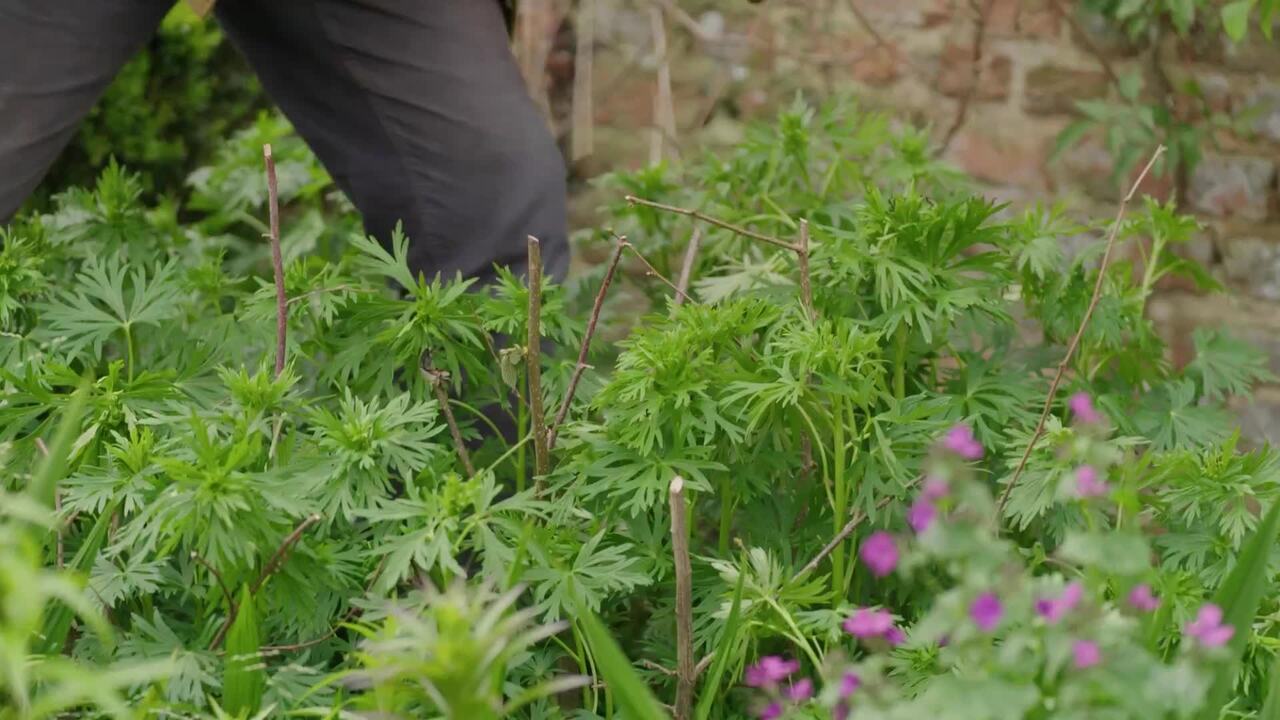
It's important to keep a balance - these plants coexist happily but at some point will overwhelm each other. Always be on the lookout for things being a bit aggressive or sneaking in where they shouldn't - mark them so you can dig them out later.
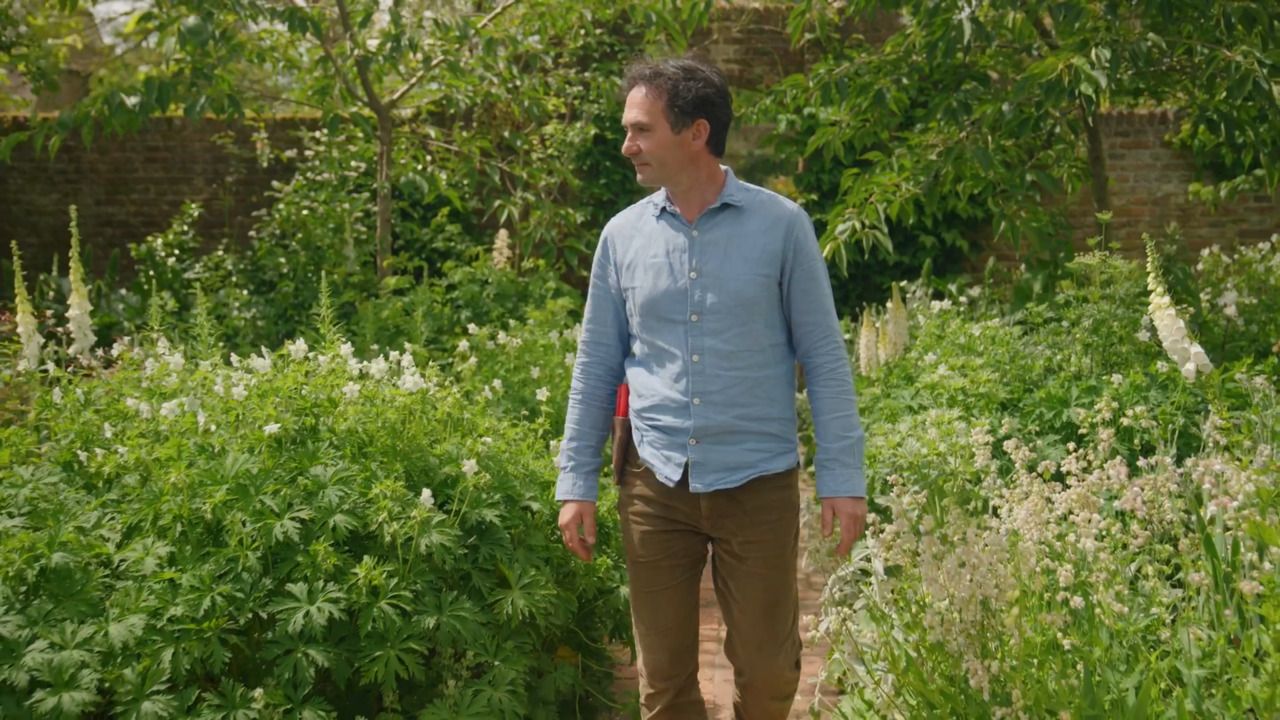
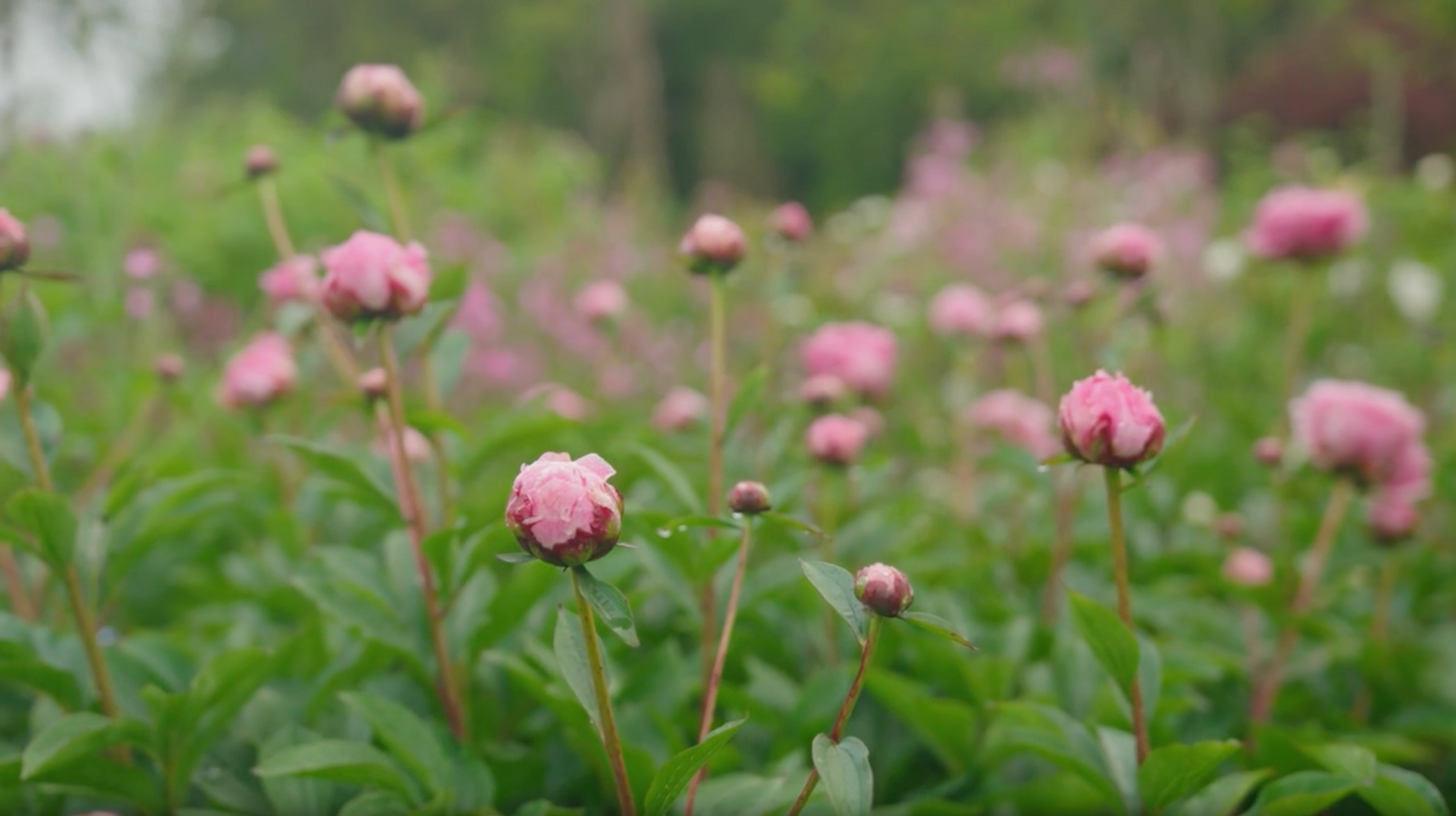
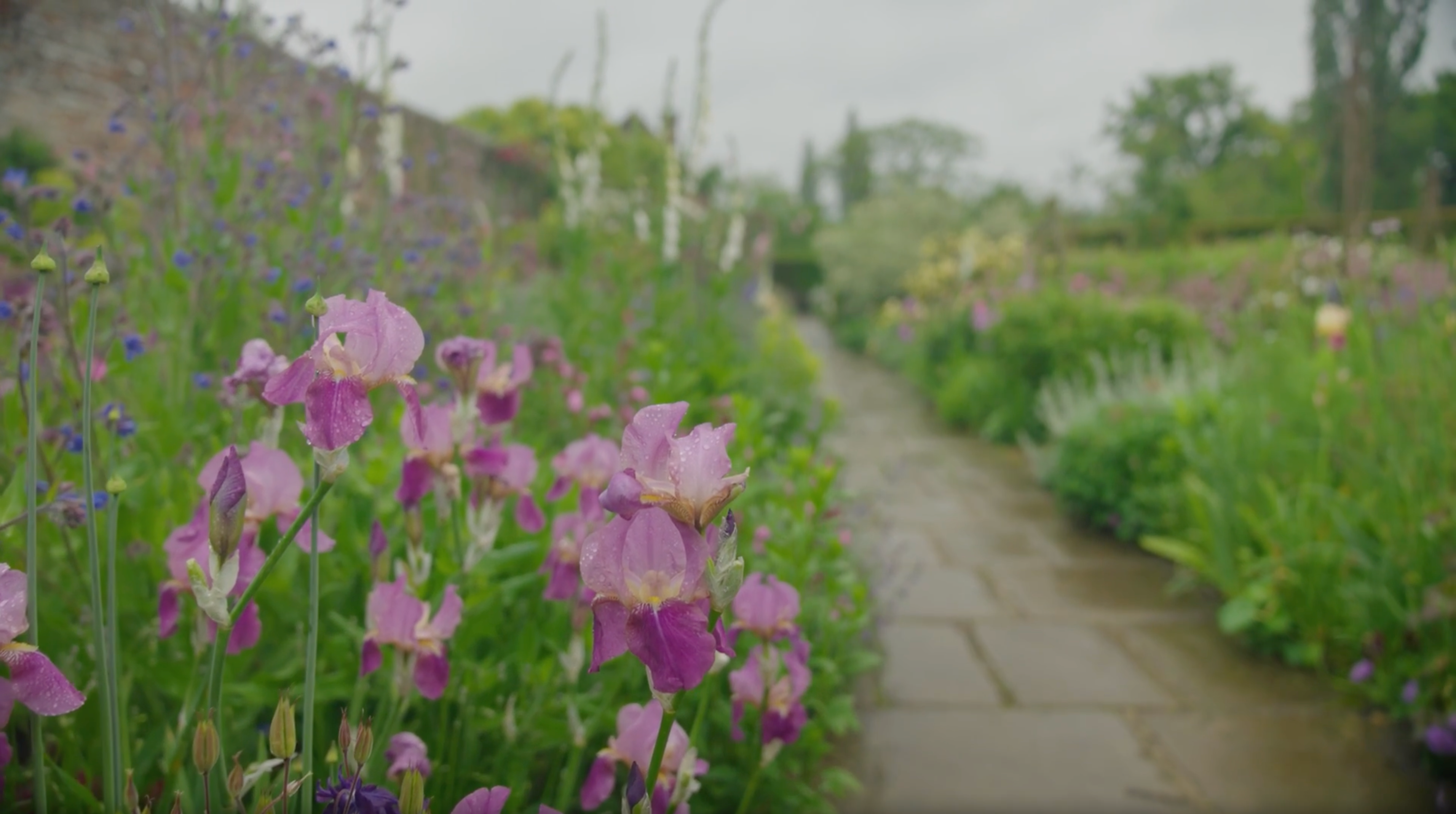
For a garden based around perennials, annuals, biennials and bulbs, late spring is the most dynamic season, with a lot of change each day. Showy plants like tree peonies and irises come into their own, while simple additions like ribbons of white foxgloves can be just as mesmerising.
It's late spring, my favourite time in the Nuttery, and I want to share how to embrace this time of year with seasonal planting.
Corylus avellana
Hazel
Hardy, deciduous, large shrub or small multistemmed tree
Betulaceae
Digitalis purpurea f. albiflora
White-flowered foxglove
Hardy biennial or short-lived perennial
Plantaginaceae
Hyacinthoides non-scripta
Bluebell
Hardy bulbous perennial
Asparagaceae
Iris germanica species and cultivars
Bearded irises
Hardy herbaceous perennials from rhizomes
Iridaceae
Maianthemum stellatum (formerly Smilacina stellata)
Star-flowered lily of the valley
Hardy herbaceous perennial
Asparagaceae
Matteuccia struthiopteris
Shuttlecock fern
Hardy deciduous perennial
Onocleaceae
Paeonia species and cultivars
Peonies
Hardy herbaceous perennials or deciduous subshrubs
Paeoniaceae
Smyrnium perfoliatum
Perfoliate alexanders
Hardy herbaceous biennial
Apiaceae
Veratrum species and cultivars
False hellebores
Hardy herbaceous perennials from rhizomes
Melanthiaceae
Get the full workbook, video lessons, and more with a Create Academy subscription.
Subscribe to access the full workbookAlready a member? Sign in to watch
491 reviews
Read moreCreate Academy has been such a great resource. I'm in the middle of renovating a bungalow with a very large garden and the courses have offered a wealth of inform...
Harvey
Jun 10, 2026
Absolutely love Create Academy! The instructors are extremely informative, and it is beautifully filmed. Create Academy is great value for money and plan on renew...
SG
May 31, 2026
Butter's creativity is stunning! Her ability to incorporate brilliance in small gardens is magical!
Carla
May 30, 2026
The best adventure. I like all the courses, but my favorite are both Rita Konig interior design courses and Anna Jones. Excellent!
Karolina Kluczewska
May 20, 2026
Create Academy has been such a great resource. I'm in the middle of renovating a bungalow with a very large garden and the courses have offered a wealth of information to dive into and explore new ideas. I'm...
Harvey
Jun 10, 2026
Absolutely love Create Academy! The instructors are extremely informative, and it is beautifully filmed. Create Academy is great value for money and plan on renewing my subscription yearly because there are ...
SG
May 31, 2026
Butter's creativity is stunning! Her ability to incorporate brilliance in small gardens is magical!
Carla
May 30, 2026

Your Instructor
Head Gardener at Sissinghurst. Garden Writer, Speaker & Lecturer.
Troy Scott-Smith, previously head gardener of Iford Manor and Bodnant garden, now oversees the cherished grounds of Sissinghurst - one of the most famous gardens in England and is designated Grade I on Historic England's register of historic parks and gardens. Coming from a family of committed naturalists, Troy is a seasoned horticulturist, writer, designer and consultant, Troy is also a respected member of the RHS Floral Committee. When he set his sights on the head gardener role, he did so with refreshing candour, speaking passionately of the garden’s need for thoughtful evolution. It is a mark of the National Trust’s forward-thinking spirit that they embraced his vision, inviting him to guide this historic landscape into a compelling new chapter.
Access to all courses


