




Interior and exterior confidence
Create Academy has been such a great resource. I'm in the middle of renovating a bungalow with a very large garden and the courses have offered a wealth of inform...
Harvey
Jun 10, 2026
The Art of Gardening at Sissinghurst
with TROY SCOTT SMITH — Head Gardener at Sissinghurst. Garden Writer, Speaker & Lecturer.
Lesson 28 of 56
Subscribe to watch
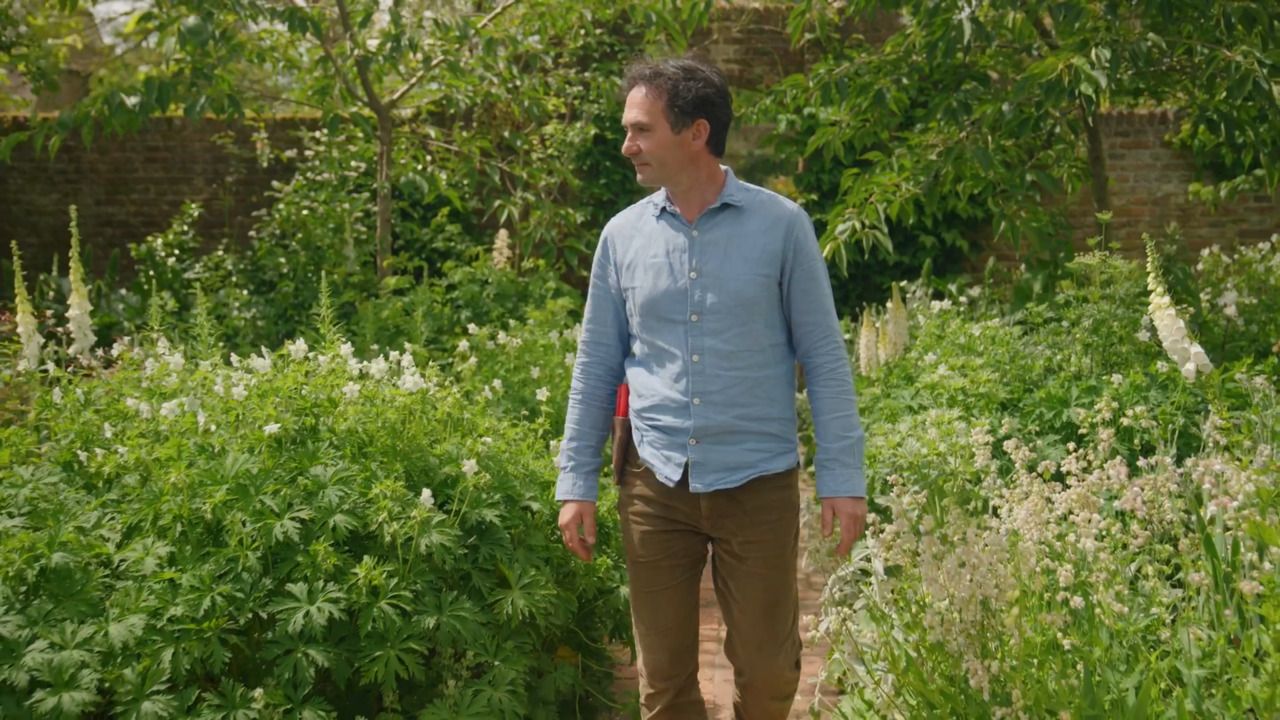
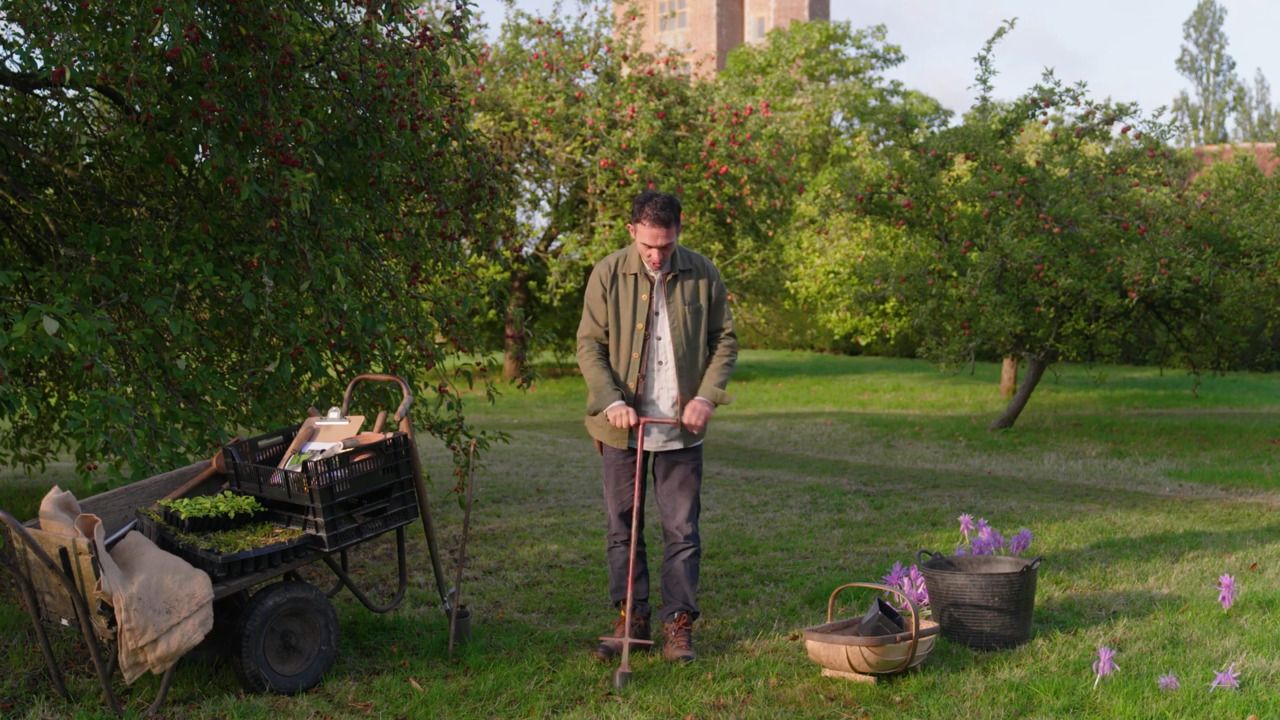
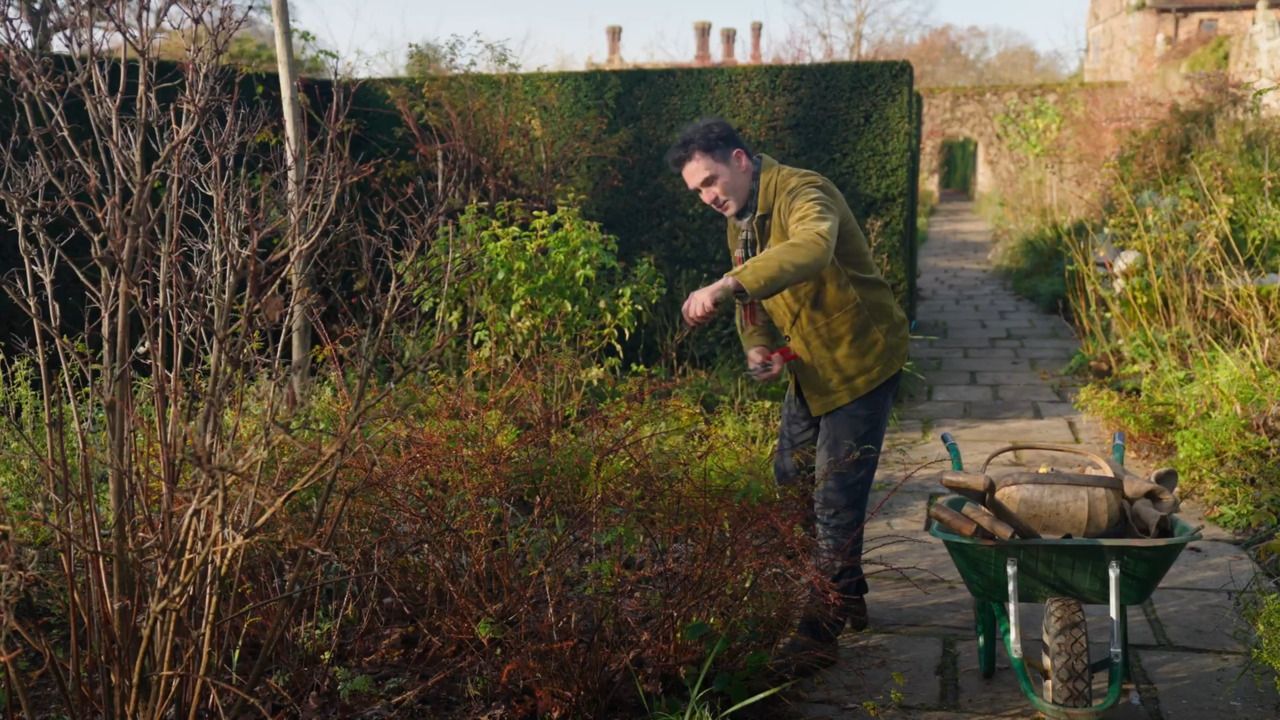
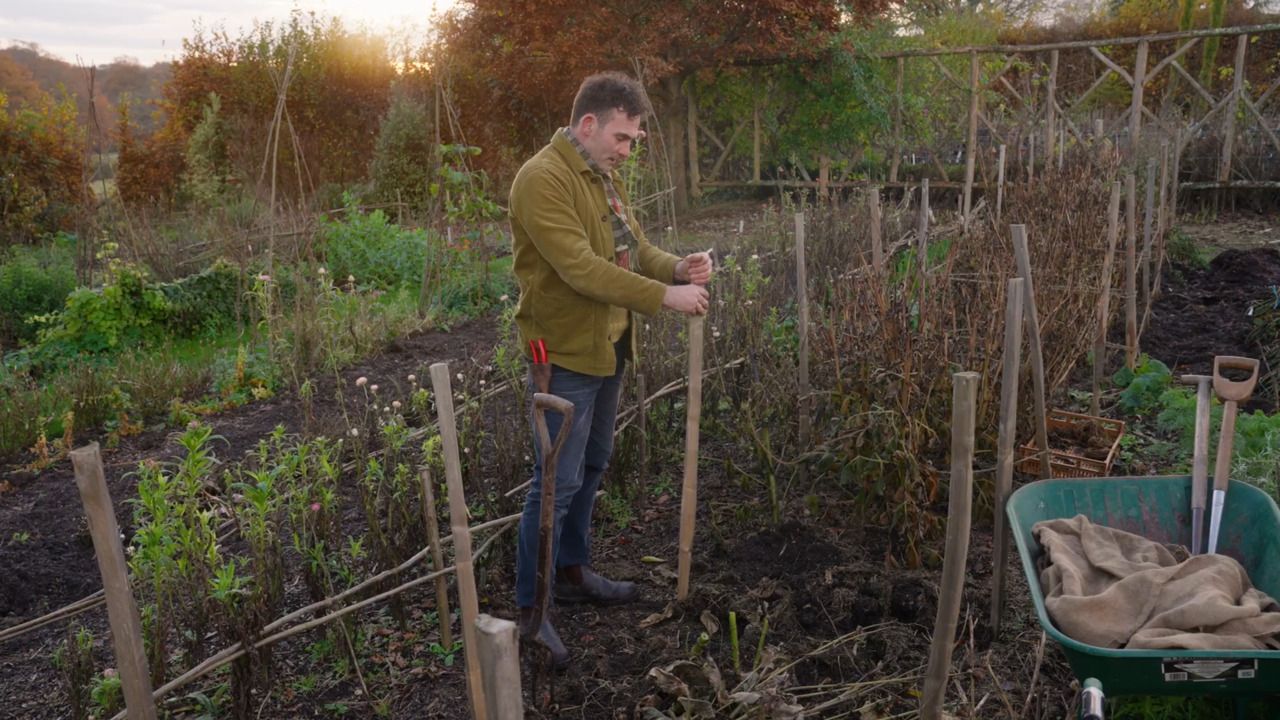
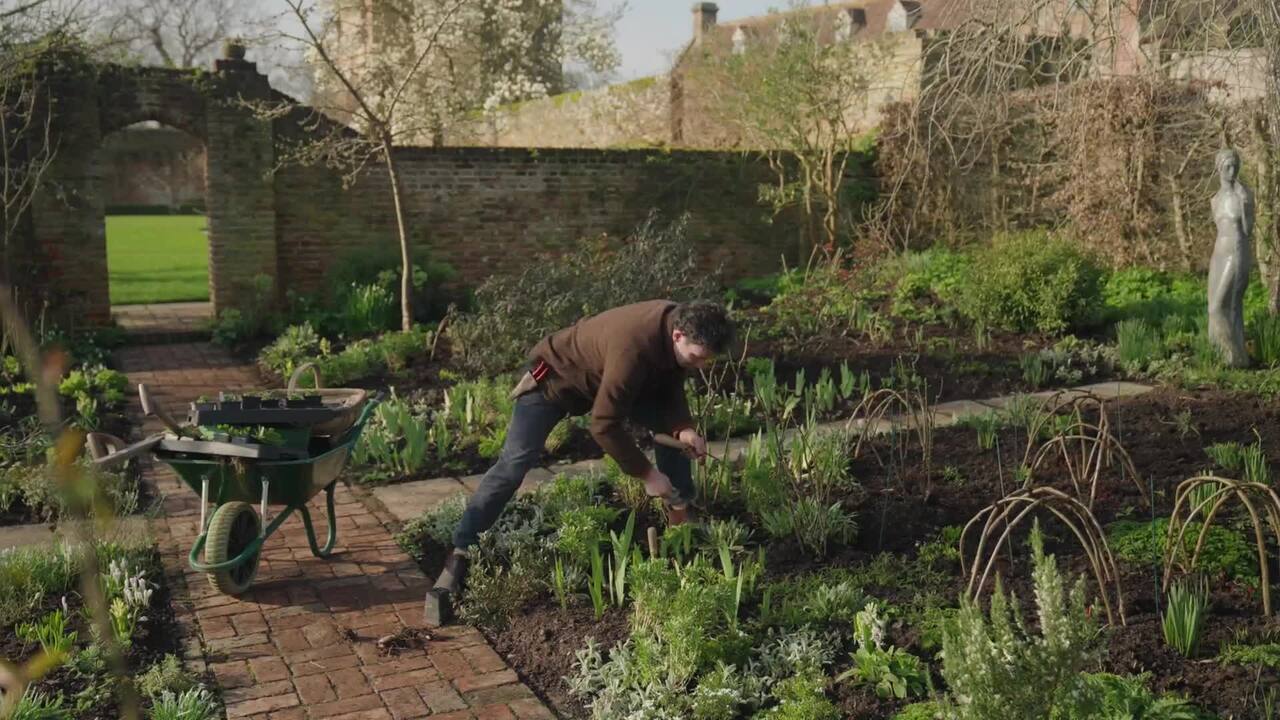
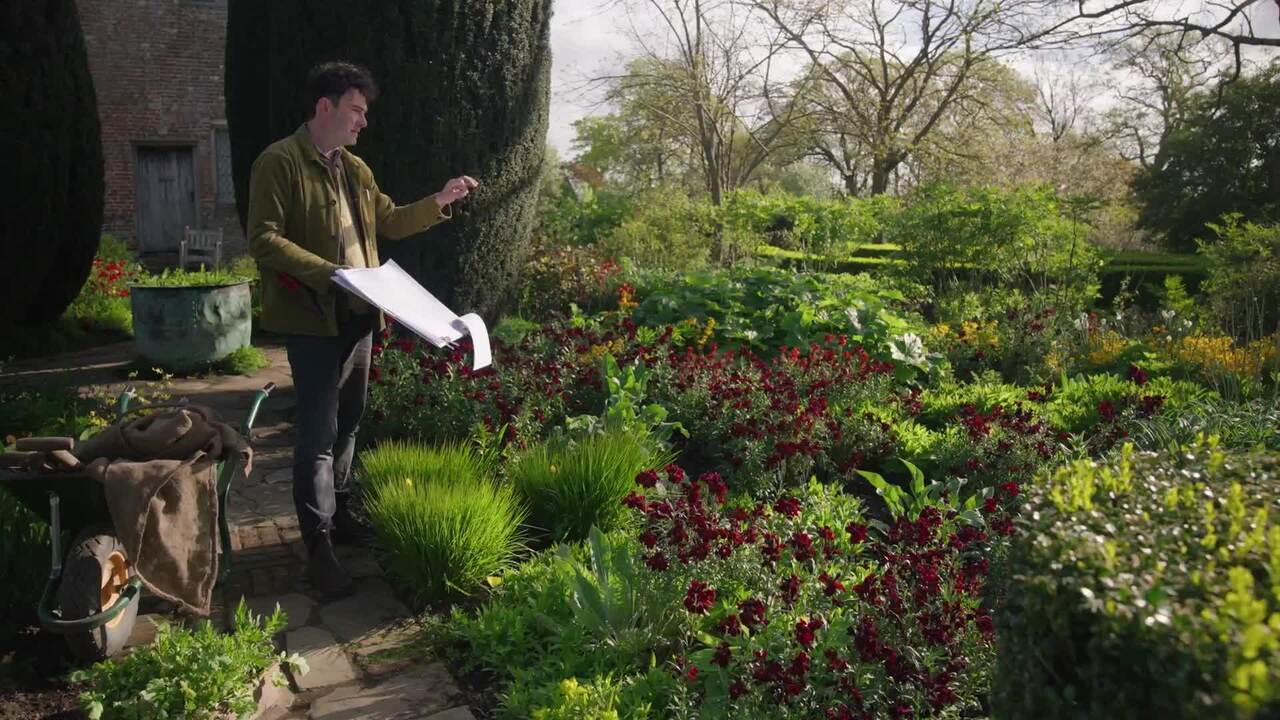
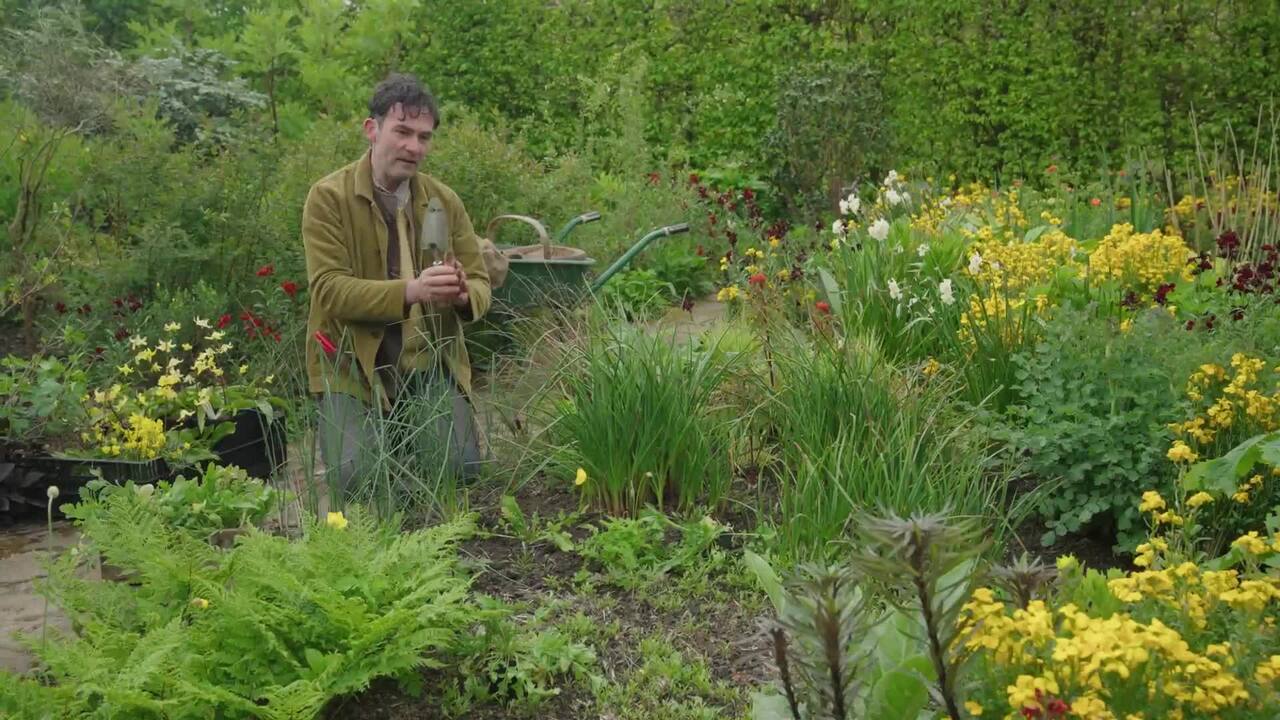
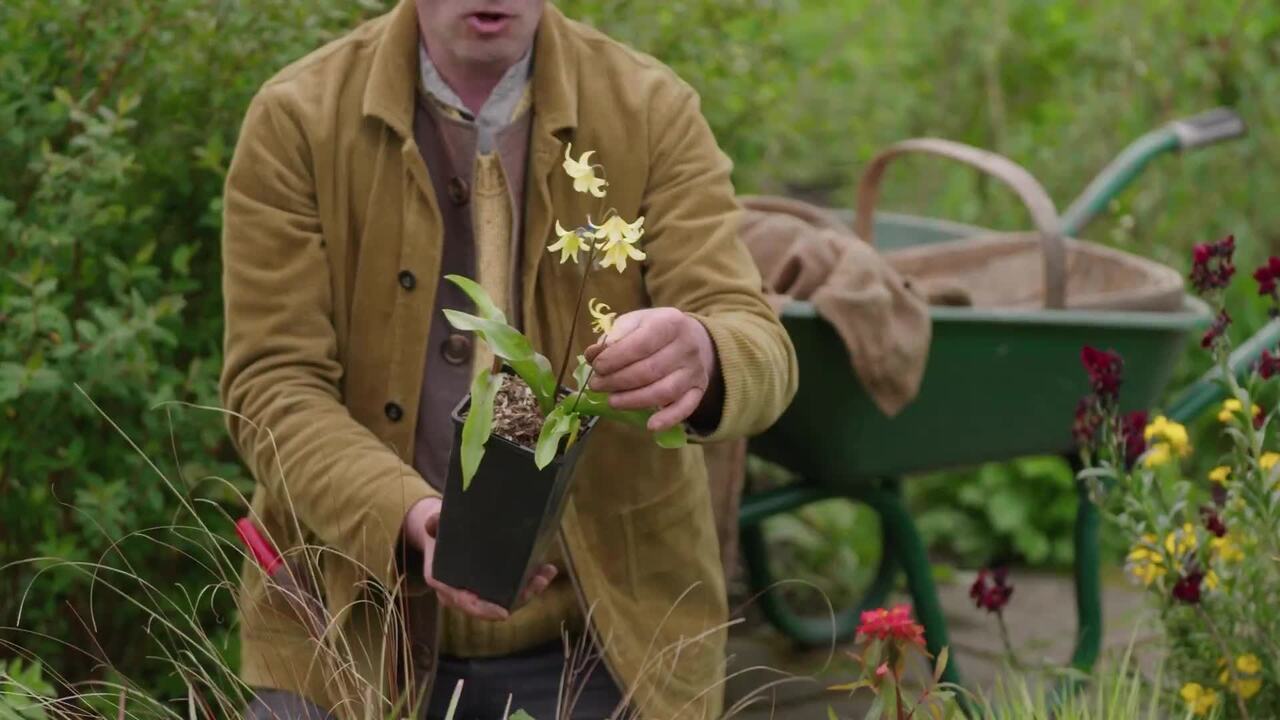
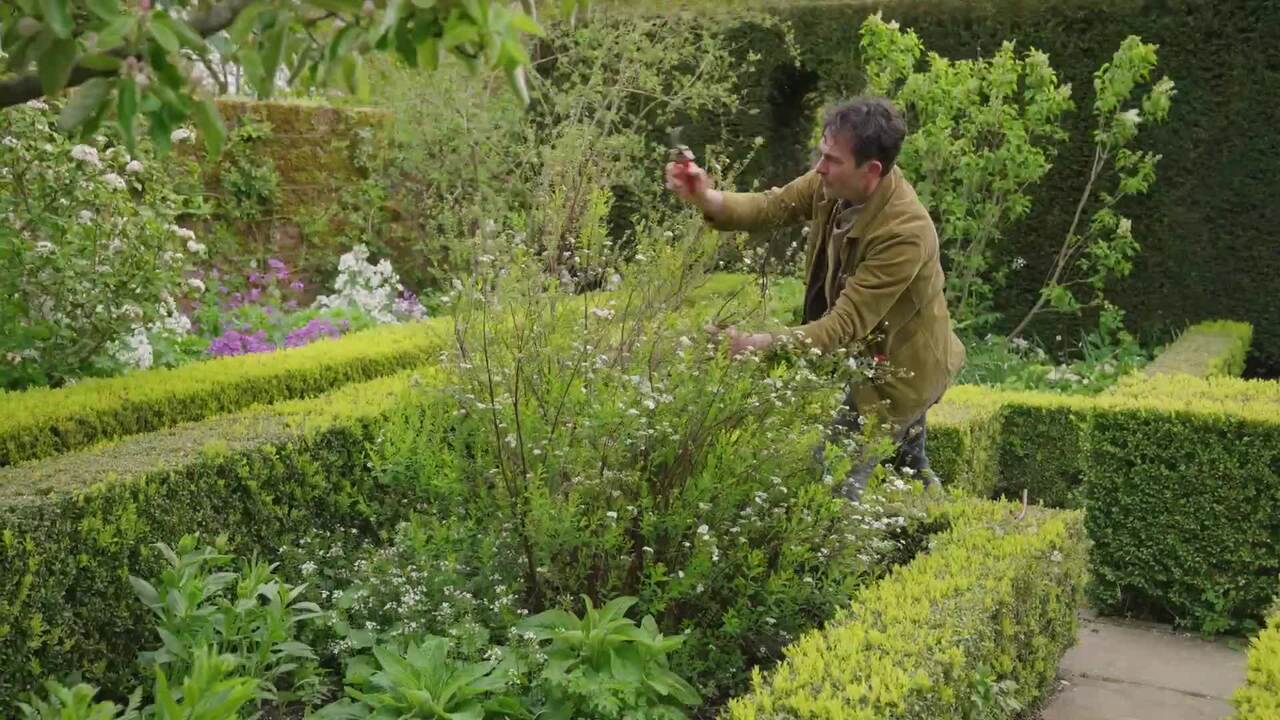
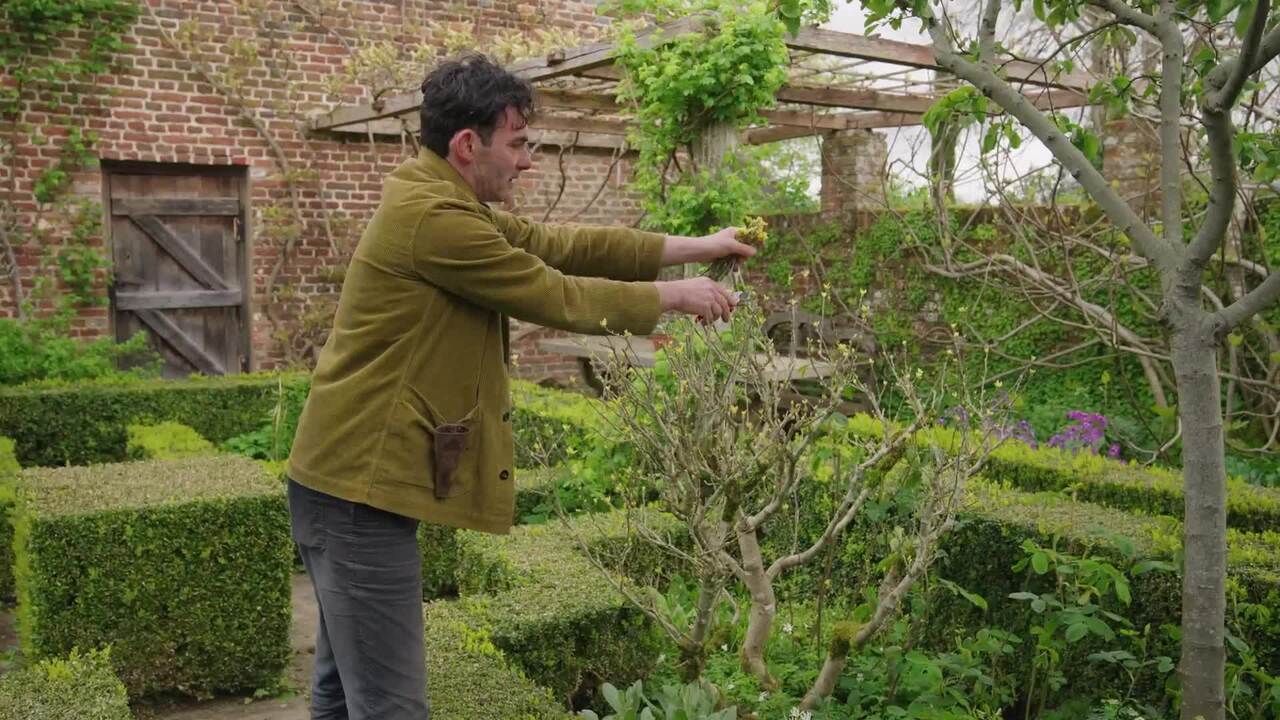
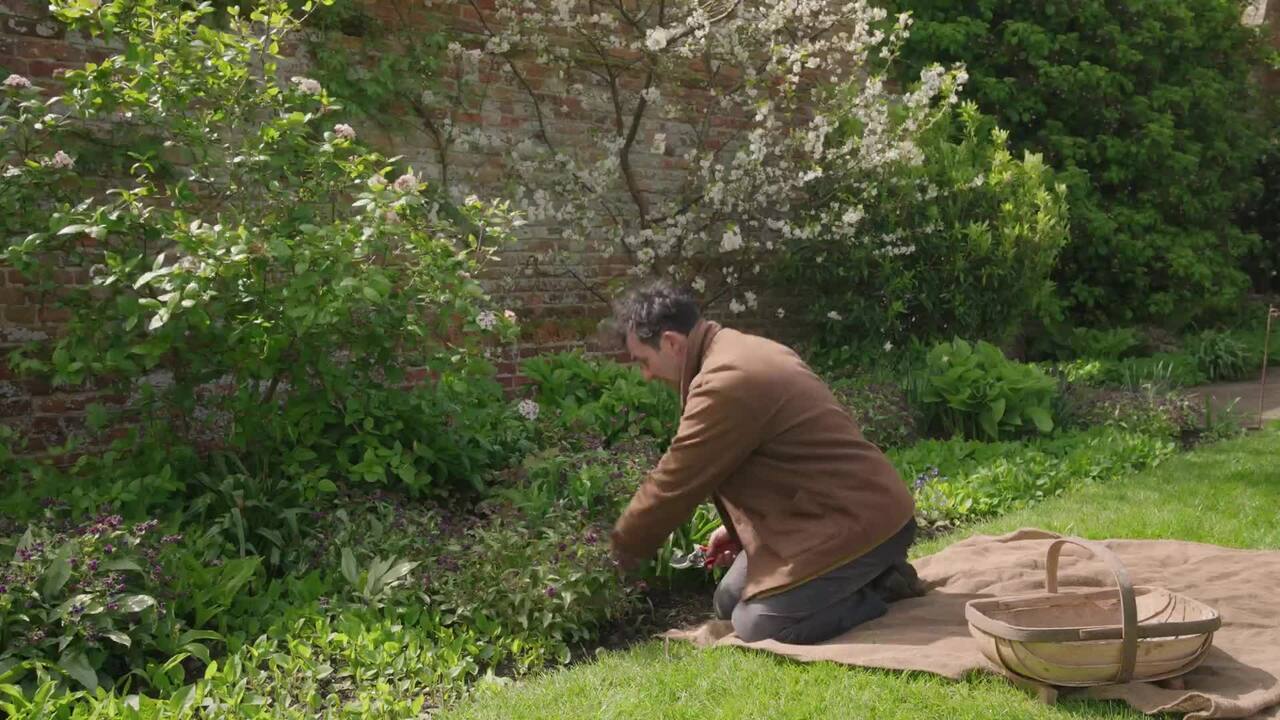
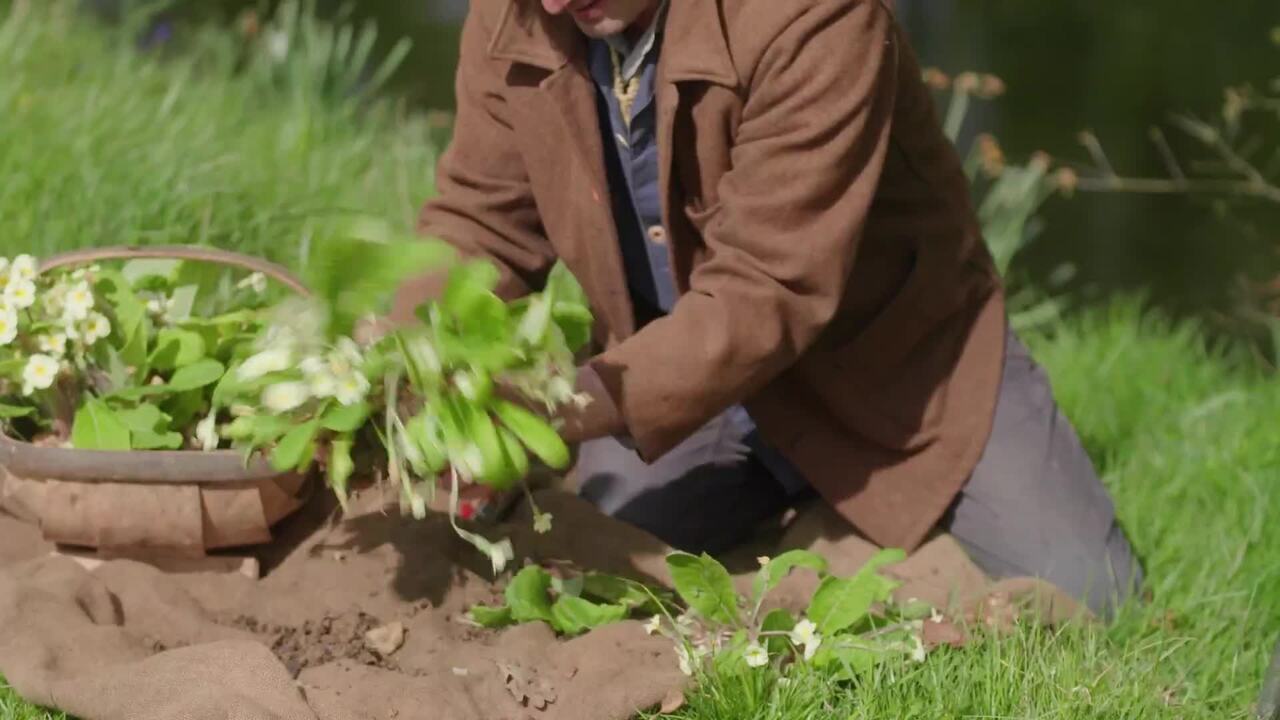
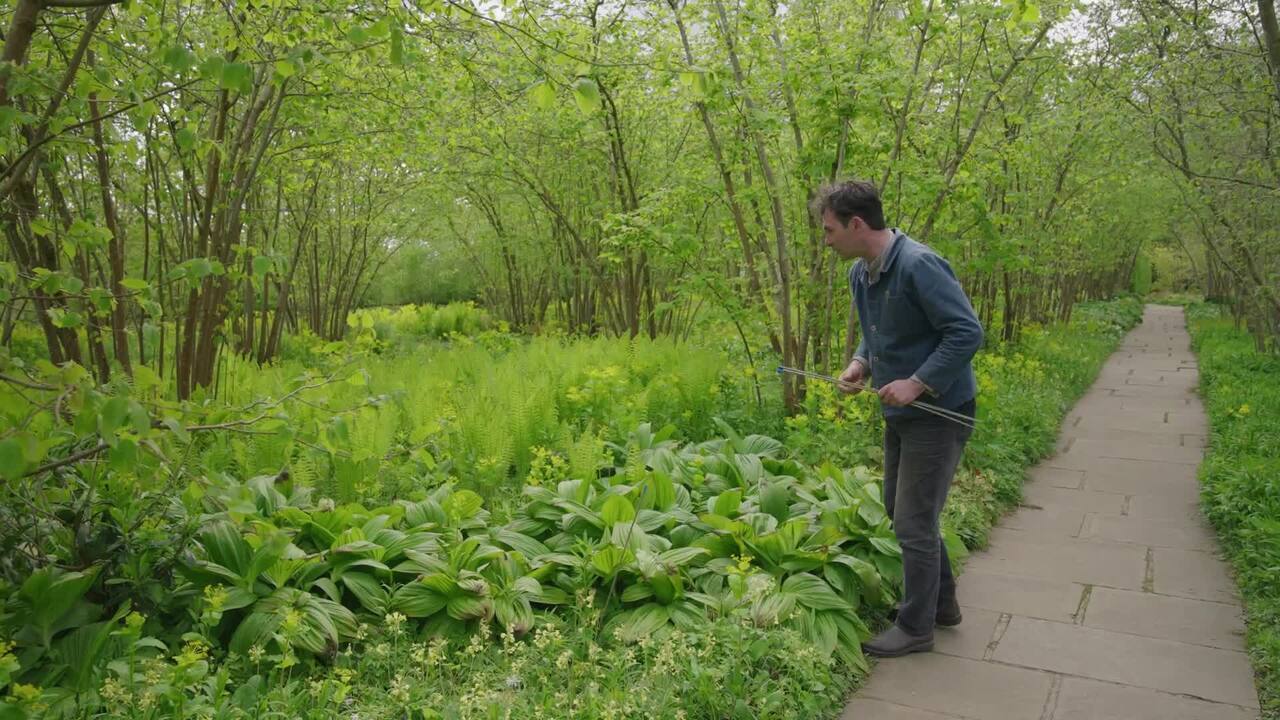
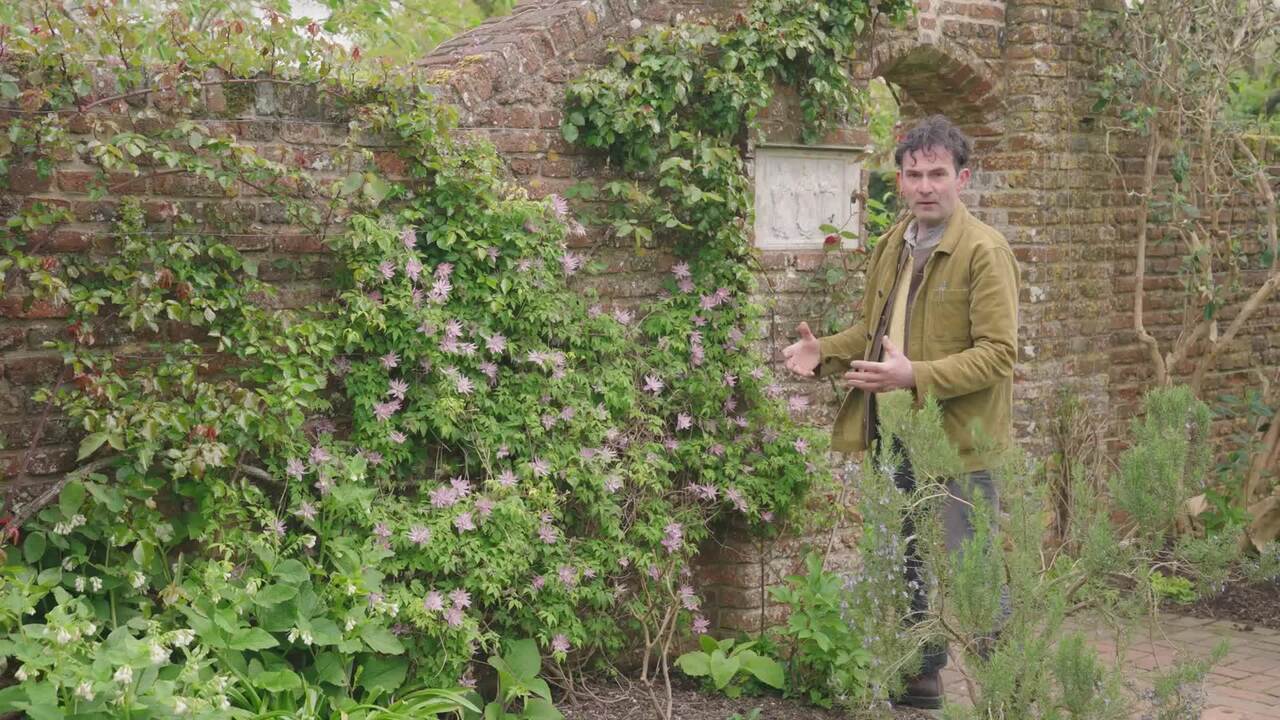
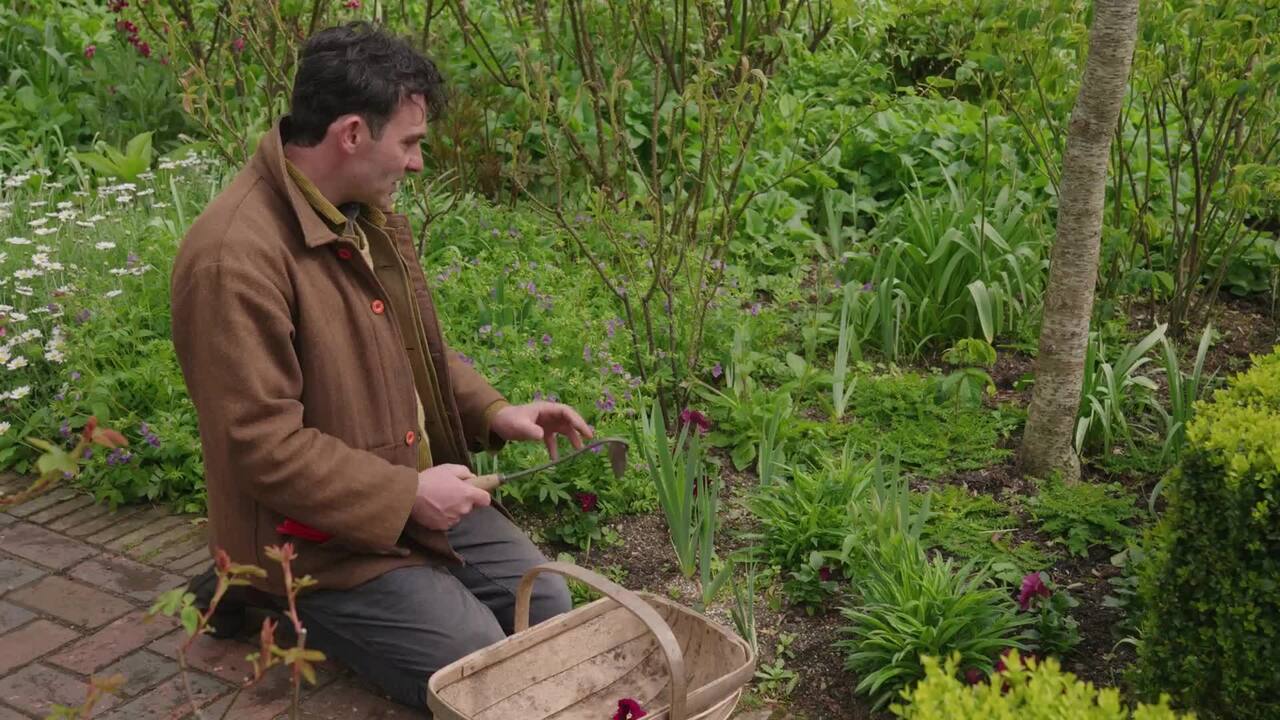
The tools you use make a huge difference to the results you get. Troy shares the handful of basics that he relies on, along with his approach to weeding and deadheading.
The tools you use make a huge difference to the results you get. I rely on just a few basics, which I'm going to share with you in this lesson, along with considerations around weeding and deadheading.
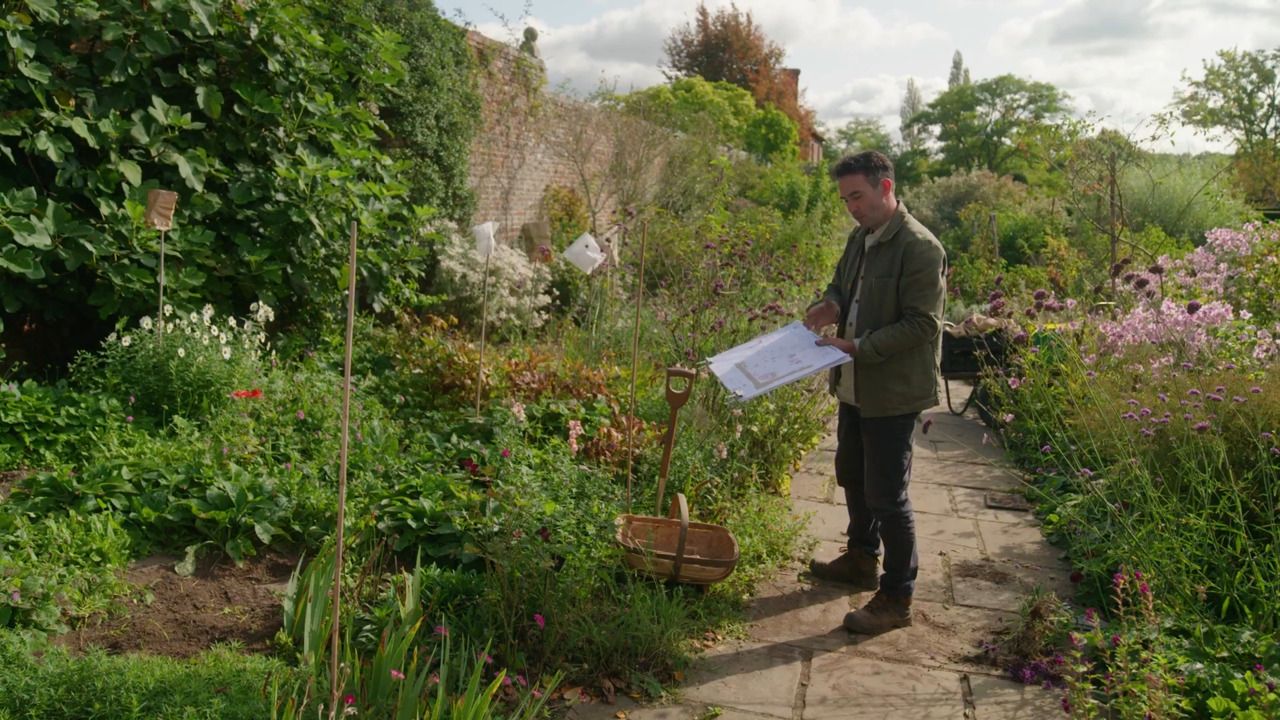
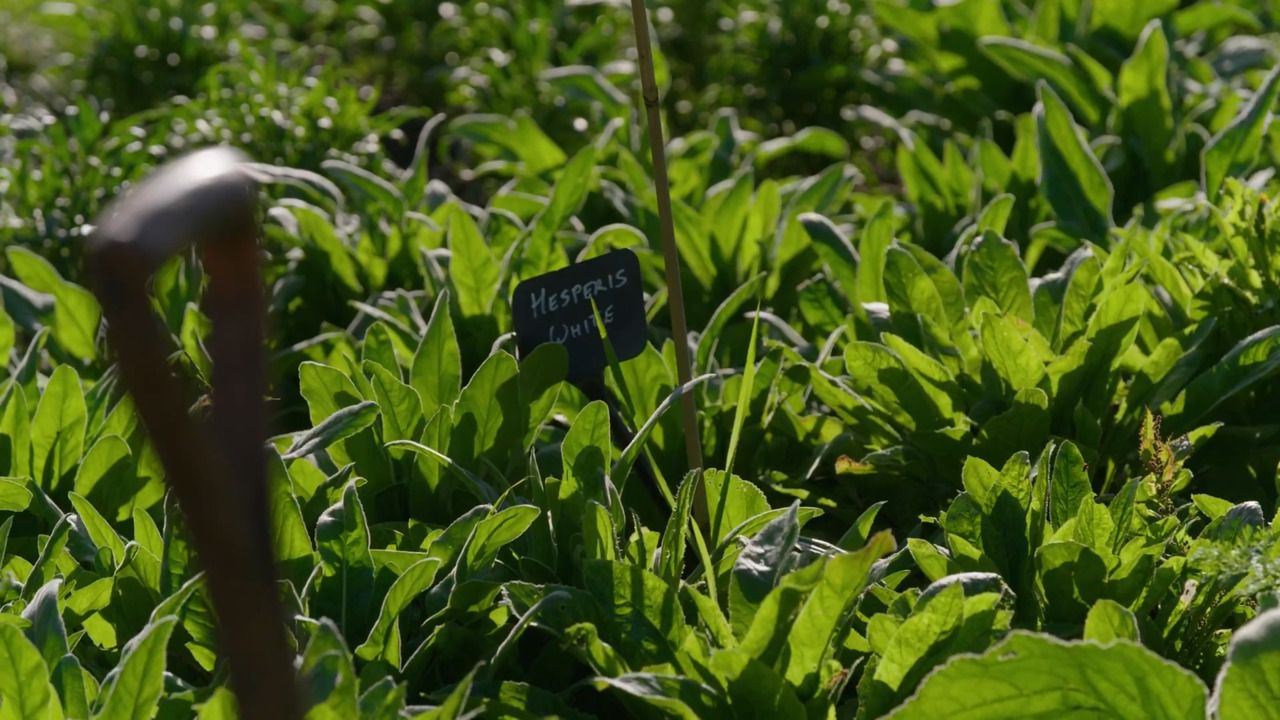
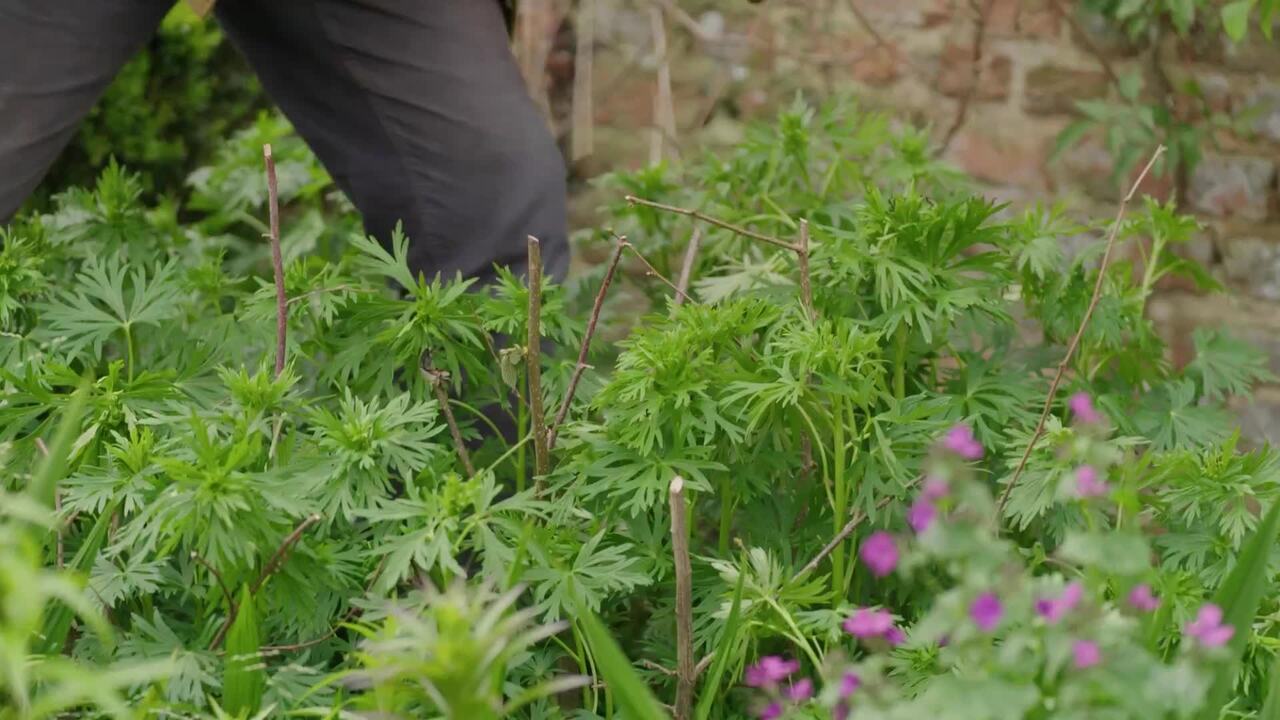
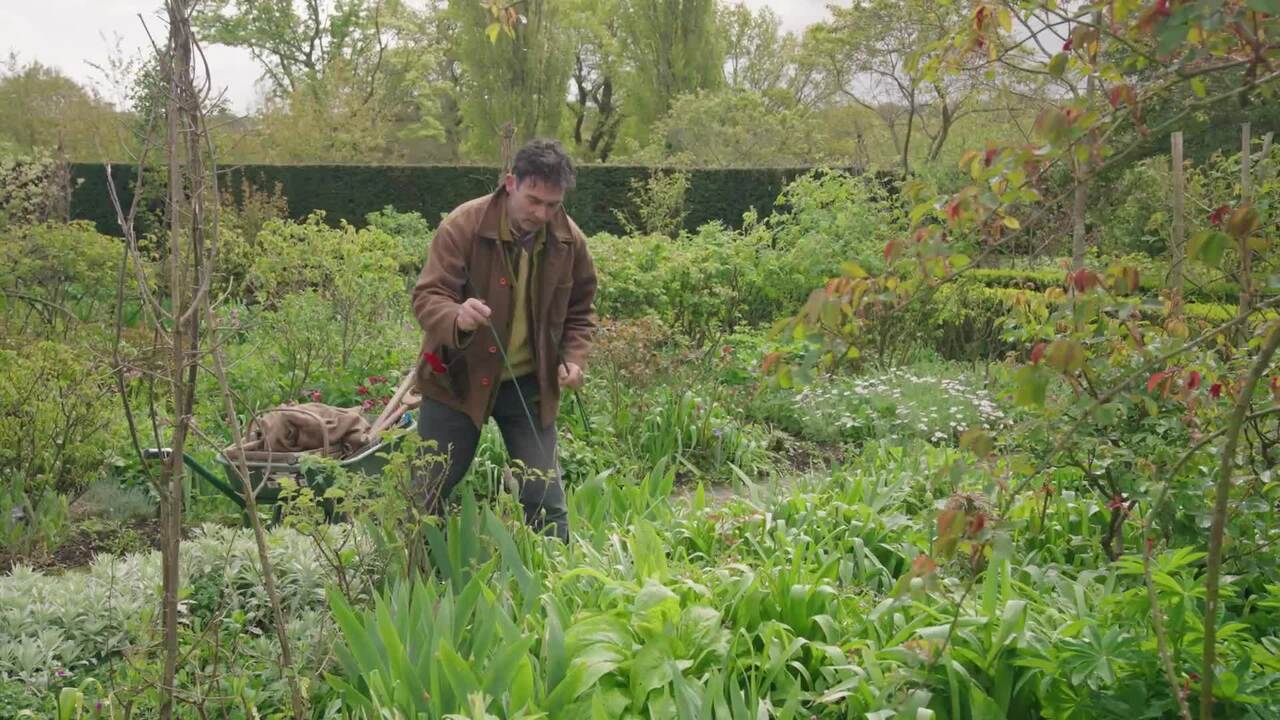
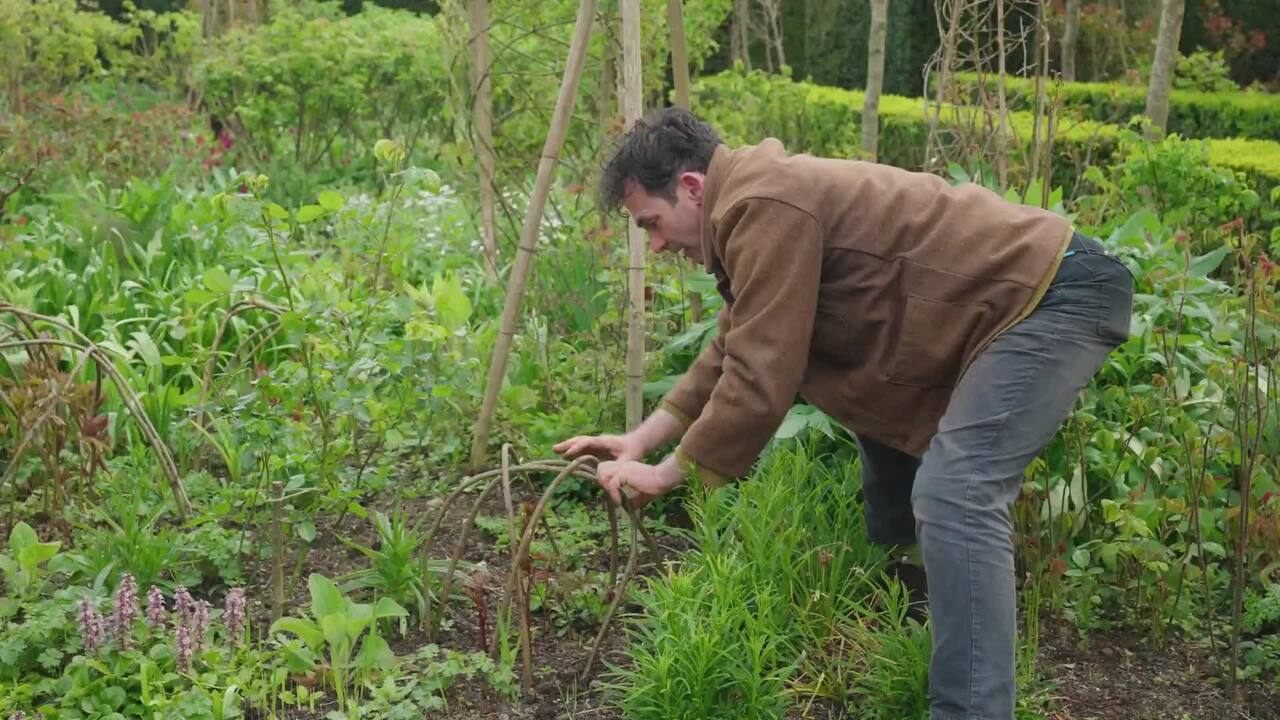
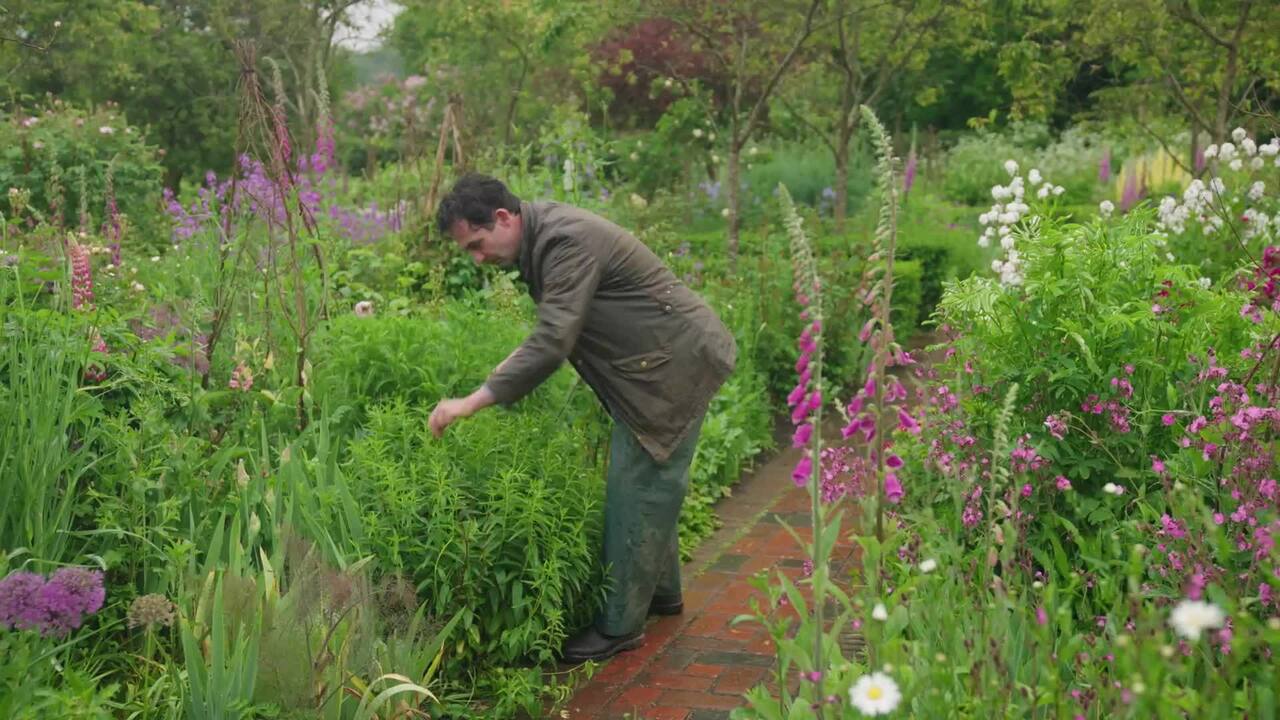
We weed beds using the edge of the onion hoe every six weeks so that weeds don't have a chance to flower and seed. Seedlings can be hard to identify, but you'll become familiar with them over time and get to know what comes up in your garden.
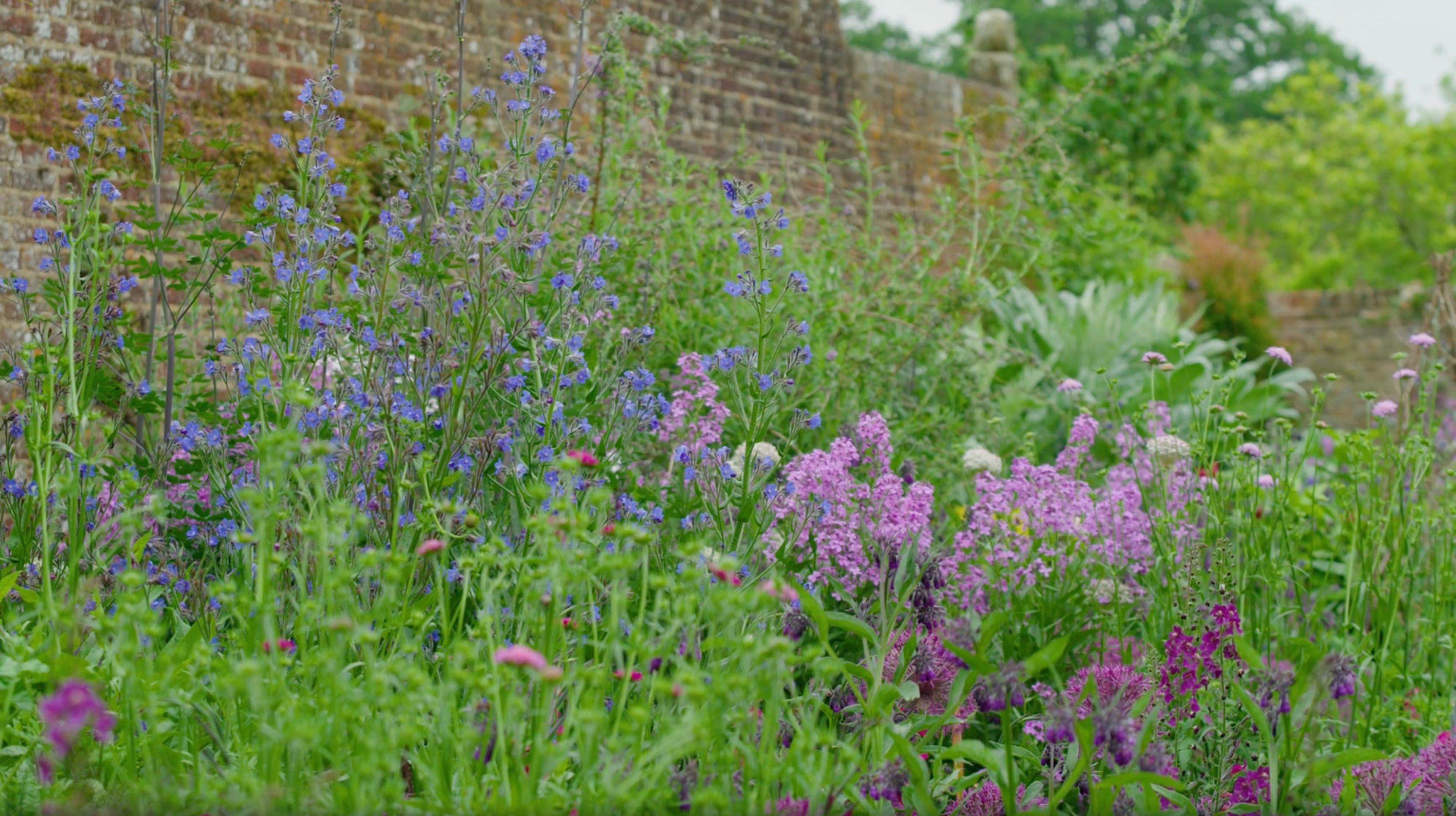
Think about design as you weed - consider which self-seeders to leave and which to take out. Think about colours, how much you want of each plant and where, and whether it will smother others. These decisions will impact on how the border looks for the rest of the year and next.
If you're looking for a vintage border fork or border spade like Troy's one by Skelton, it will be harder to find than a modern version, but it's worth trying the following:
Anthemis cupaniana
Sicilian chamomile
Half-hardy evergreen perennial
Asteraceae
Anthriscus sylvestris
Cow parsley
Hardy, short-lived herbaceous perennial or sometimes biennial
Apiaceae
Campanula species and cultivars
Bellflowers
Hardy herbaceous perennials
Campanulaceae
Digitalis purpurea and its cultivars and forms
Foxgloves
Hardy semi-evergreen biennials or short-lived perennials
Plantaginaceae
Iris germanica species and cultivars
Bearded irises
Hardy herbaceous perennials from rhizomes
Iridaceae
Filipendula vulgaris (previously Filipendula hexapetala)
Dropwort
Hardy herbaceous perennial
Rosaceae
Geranium species and cultivars
Hardy geraniums, cranesbills
Hardy herbaceous perennials
Geraniaceae
Lunaria annua
Honesty
Hardy annual or herbaceous biennial
Brassicaceae
Myosotis sylvatica
Garden forget-me-not
Hardy semi-evergreen perennial, often grown as biennial
Boraginaceae
Nigella species and cultivars
Love-in-a-mist
Hardy annuals
Ranunculaceae
Leucanthemum vulgare
Ox-eye daisy
Hardy herbaceous perennial
Asteraceae
Papaver somniferum
Opium poppy
Hardy annual
Papaveraceae
Polemonium species and cultivars
Jacob's ladder
Hardy herbaceous perennials (some are annuals)
Polemoniaceae
Pulmonaria species and cultivars
Lungwort
Hardy herbaceous or semi-evergreen perennials from rhizomes
Boraginaceae
Silene dioica
Red campion
Semi-evergreen
Caryophyllaceae
Viola × wittrockiana cultivars
Pansies
Hardy evergreen short-lived perennials
Violaceae
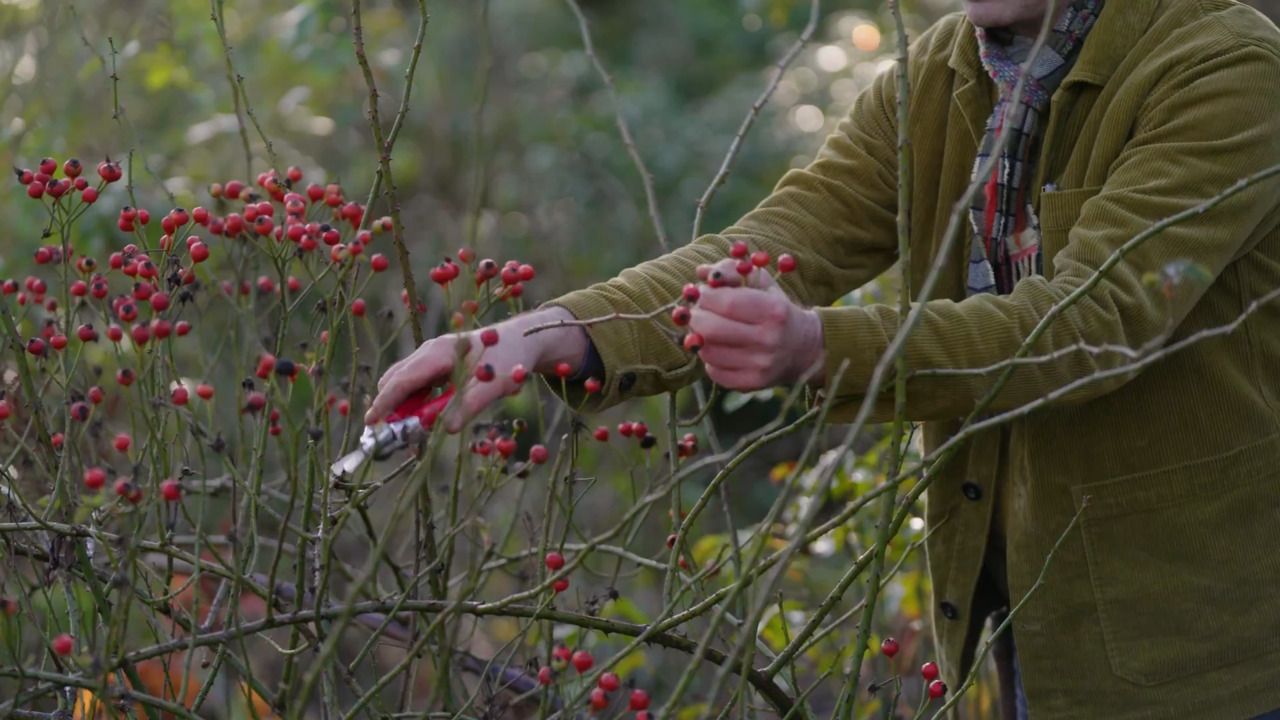
Deadhead
Removing spent flowerheads after flowering has finished to promote the production of more flowers or prevent seeding.
Rhizome
An underground stem that acts as a storage organ, from which plants such as irises and cannas grow.
Get the full workbook, video lessons, and more with a Create Academy subscription.
Subscribe to access the full workbookAlready a member? Sign in to watch
491 reviews
Read moreCreate Academy has been such a great resource. I'm in the middle of renovating a bungalow with a very large garden and the courses have offered a wealth of inform...
Harvey
Jun 10, 2026
Absolutely love Create Academy! The instructors are extremely informative, and it is beautifully filmed. Create Academy is great value for money and plan on renew...
SG
May 31, 2026
Butter's creativity is stunning! Her ability to incorporate brilliance in small gardens is magical!
Carla
May 30, 2026
The best adventure. I like all the courses, but my favorite are both Rita Konig interior design courses and Anna Jones. Excellent!
Karolina Kluczewska
May 20, 2026
Create Academy has been such a great resource. I'm in the middle of renovating a bungalow with a very large garden and the courses have offered a wealth of information to dive into and explore new ideas. I'm...
Harvey
Jun 10, 2026
Absolutely love Create Academy! The instructors are extremely informative, and it is beautifully filmed. Create Academy is great value for money and plan on renewing my subscription yearly because there are ...
SG
May 31, 2026
Butter's creativity is stunning! Her ability to incorporate brilliance in small gardens is magical!
Carla
May 30, 2026

Your Instructor
Head Gardener at Sissinghurst. Garden Writer, Speaker & Lecturer.
Troy Scott-Smith, previously head gardener of Iford Manor and Bodnant garden, now oversees the cherished grounds of Sissinghurst - one of the most famous gardens in England and is designated Grade I on Historic England's register of historic parks and gardens. Coming from a family of committed naturalists, Troy is a seasoned horticulturist, writer, designer and consultant, Troy is also a respected member of the RHS Floral Committee. When he set his sights on the head gardener role, he did so with refreshing candour, speaking passionately of the garden’s need for thoughtful evolution. It is a mark of the National Trust’s forward-thinking spirit that they embraced his vision, inviting him to guide this historic landscape into a compelling new chapter.
Access to all courses


