




Interior and exterior confidence
Create Academy has been such a great resource. I'm in the middle of renovating a bungalow with a very large garden and the courses have offered a wealth of inform...
Harvey
Jun 10, 2026
The Art of Gardening at Sissinghurst
with TROY SCOTT SMITH — Head Gardener at Sissinghurst. Garden Writer, Speaker & Lecturer.
Lesson 45 of 56
Subscribe to watch
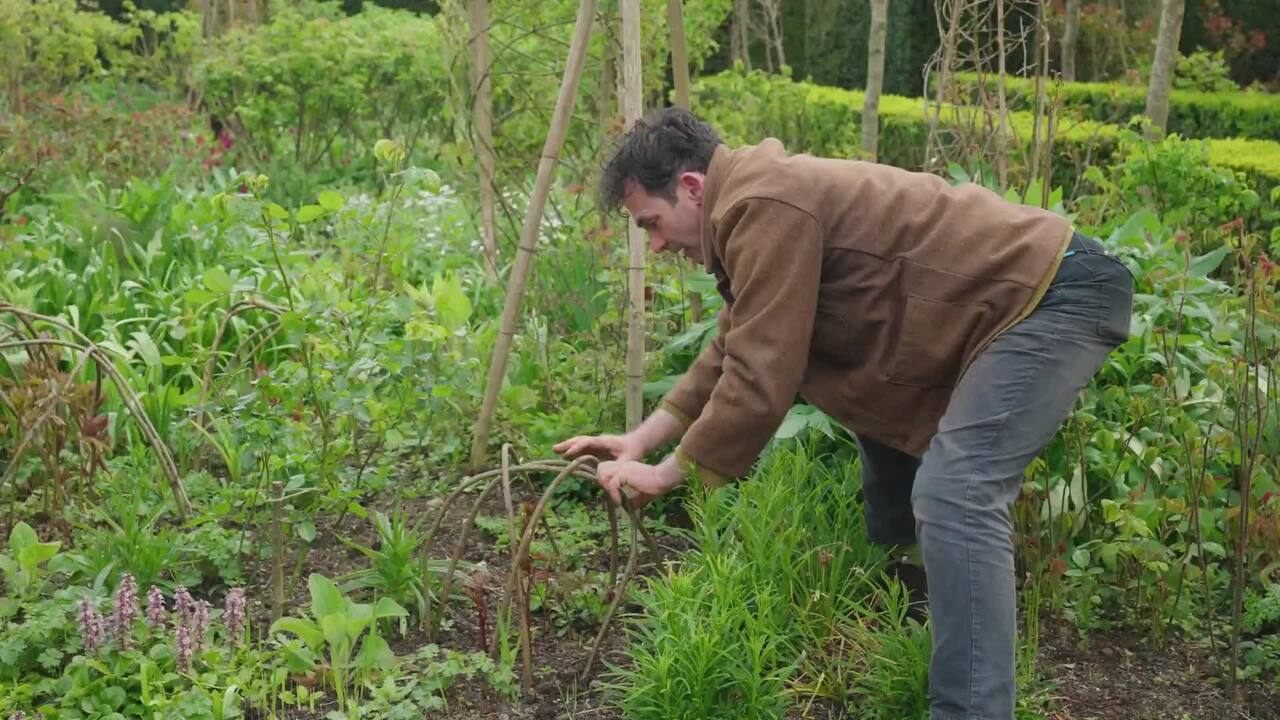
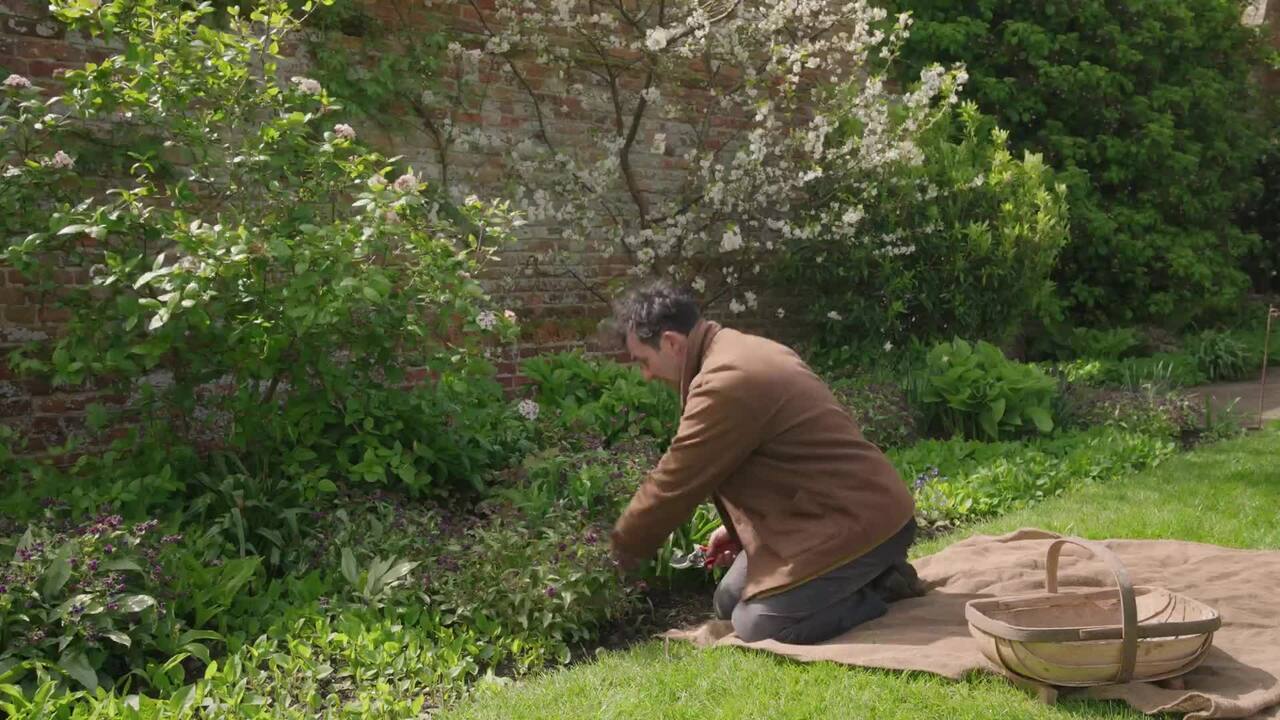
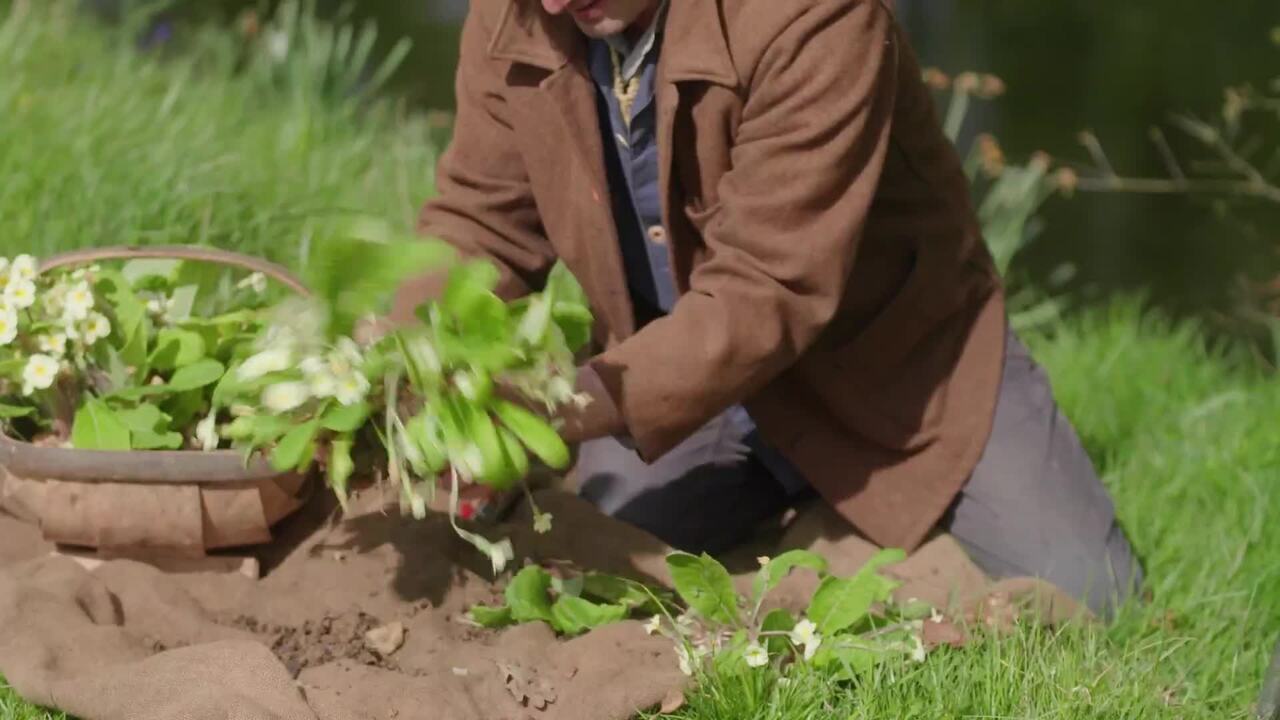
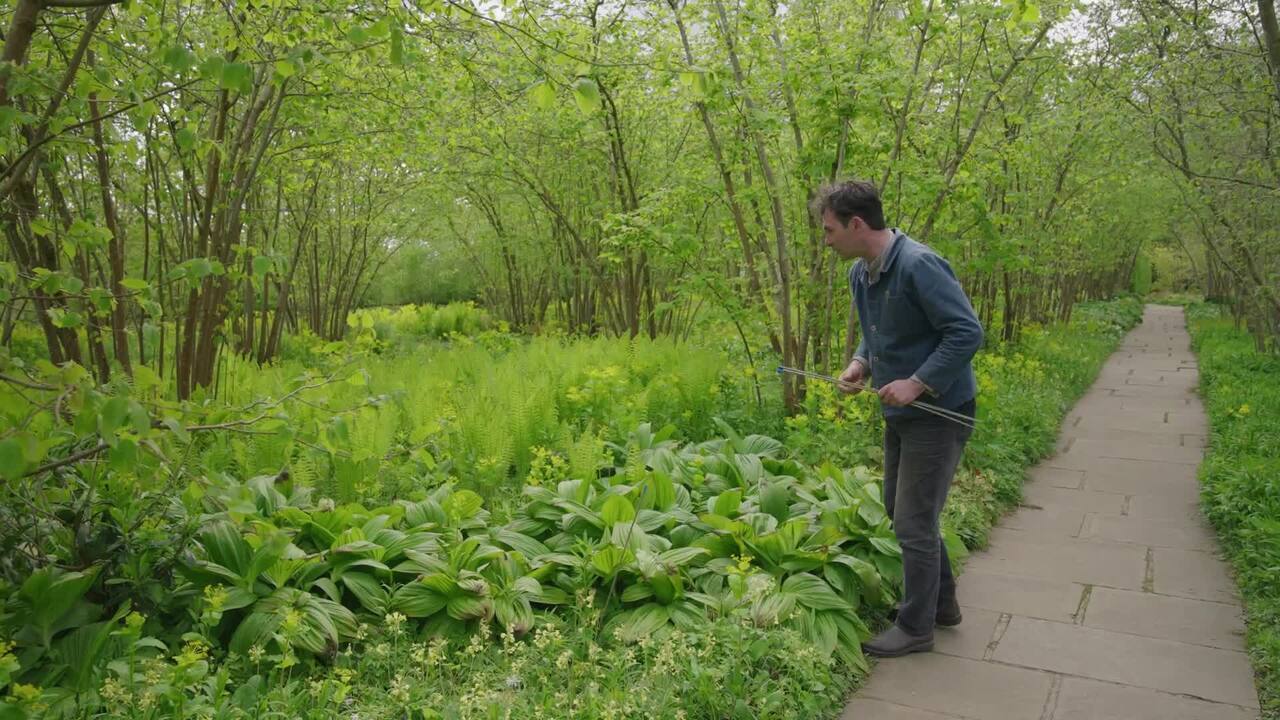
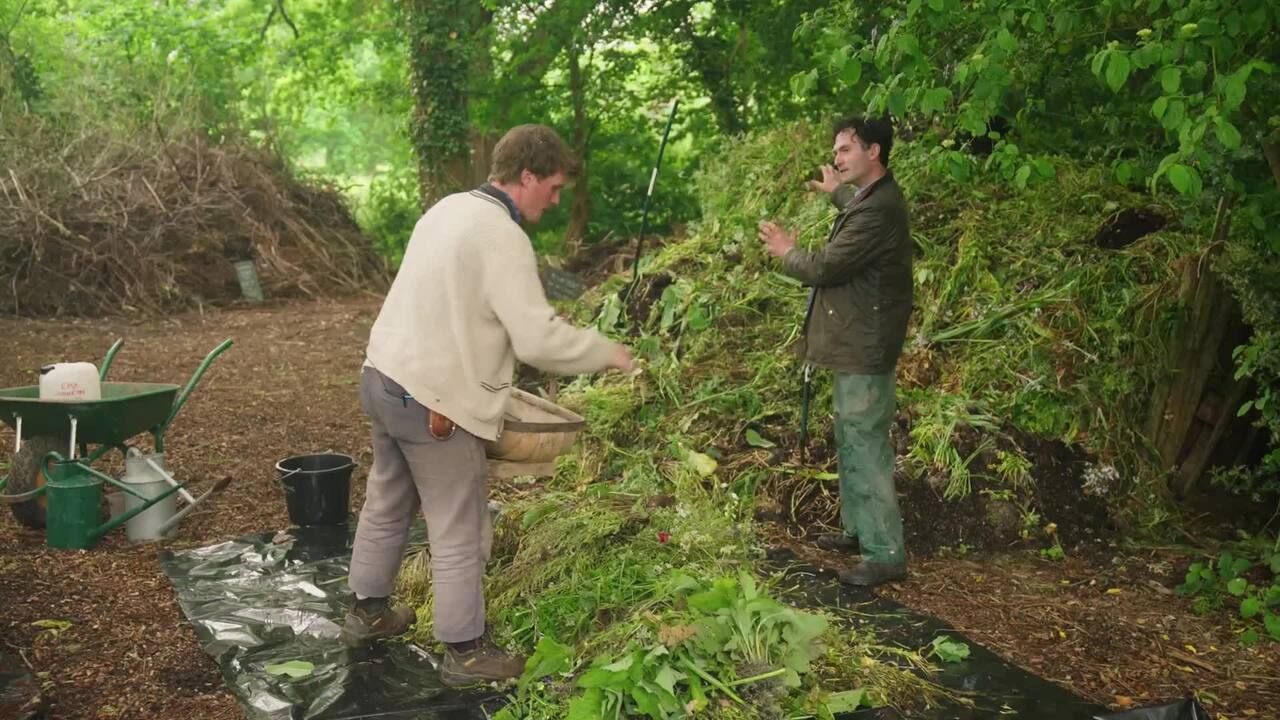
Troy takes us behind the scenes to the ‘engine room’ of the garden to demonstrate an effective and versatile new way of making compost, and how it can be done at home, on any scale.
We're going behind the scenes in one of our 'engine rooms' where activities that support the garden take place, such as processing staking material and composting. I'd like to show you our thinking and methods around this crucial aspect of gardening.
We've long used a 'cold composting system', piling up all our herbaceous material in a big heap and leaving it for a year to slowly rot down. By then it's nice compost but still contains weed seeds and has some limitations in the garden.
We've been trying to improve our composting and have tried compost cakes, the Maye Bruce method, and bokashi. Bokashi is the one we've adopted, as it composts with minimal inputs:
Bokashi is a fermentation process, which is anaerobic, unlike traditional composting, which is aerobic and needs air to break down the material.
The early results of using bokashi here are looking very positive. It can feel like a lot of information to take in, but it's well worth giving it a go.
You can do bokashi on a small scale with a bucket system. A bokashi bucket comes with a grate and a plug to tap off the liquid produced, and a bran that already has the EMA solution on it.
Process:
Anaerobic
A process that takes place in the absence of oxygen.
Aerobic
A process that takes place in the presence of oxygen.
Bokashi
A Japanese composting technique that works by breaking down organic matter such as garden and food waste without oxygen (anaerobic fermentation), unlike traditional composting, which is aerobic (using oxygen).
Compost cake
A method of layering herbaceous and woody material in a specific way to ensure the pile decomposes on its own in around six months without a need for turning.
Effective microorganisms
A blend of beneficial microorganisms, such as naturally occurring bacteria and yeasts, that promote beneficial microbes, improve soil health, increase nutrient availability and suppress harmful pathogens. In activated form (EMA – a solution in which the effective microorganisms are fermented with molasses), they are used to improve soil and in bokashi composting.
Fermentation
A biological process in which microorganisms break down organic matter, like carbohydrates and sugars, to produce energy.
Foliar feed
A diluted liquid feed sprayed directly onto, and absorbed through plant leaves.
Leachate
A liquid that forms when water or another liquid drains through solid matter and extracts and carries some components of that solid with it. The term is often associated with contamination and pollution, but in a bokashi bucket system, the leachate is the nutrient-rich bokashi 'tea' that you tap off and use to feed your plants.
Maye Bruce composting method
A 'quick return' composting system, invented by Maye E. Bruce in 1935, that produces compost in weeks without a need for turning by inoculating the heap with an activator.
Windrow
Material heaped up into a long line, traditionally hay, so that it can dry in the wind.
Get the full workbook, video lessons, and more with a Create Academy subscription.
Subscribe to access the full workbookAlready a member? Sign in to watch
491 reviews
Read moreCreate Academy has been such a great resource. I'm in the middle of renovating a bungalow with a very large garden and the courses have offered a wealth of inform...
Harvey
Jun 10, 2026
Absolutely love Create Academy! The instructors are extremely informative, and it is beautifully filmed. Create Academy is great value for money and plan on renew...
SG
May 31, 2026
Butter's creativity is stunning! Her ability to incorporate brilliance in small gardens is magical!
Carla
May 30, 2026
The best adventure. I like all the courses, but my favorite are both Rita Konig interior design courses and Anna Jones. Excellent!
Karolina Kluczewska
May 20, 2026
Create Academy has been such a great resource. I'm in the middle of renovating a bungalow with a very large garden and the courses have offered a wealth of information to dive into and explore new ideas. I'm...
Harvey
Jun 10, 2026
Absolutely love Create Academy! The instructors are extremely informative, and it is beautifully filmed. Create Academy is great value for money and plan on renewing my subscription yearly because there are ...
SG
May 31, 2026
Butter's creativity is stunning! Her ability to incorporate brilliance in small gardens is magical!
Carla
May 30, 2026

Your Instructor
Head Gardener at Sissinghurst. Garden Writer, Speaker & Lecturer.
Troy Scott-Smith, previously head gardener of Iford Manor and Bodnant garden, now oversees the cherished grounds of Sissinghurst - one of the most famous gardens in England and is designated Grade I on Historic England's register of historic parks and gardens. Coming from a family of committed naturalists, Troy is a seasoned horticulturist, writer, designer and consultant, Troy is also a respected member of the RHS Floral Committee. When he set his sights on the head gardener role, he did so with refreshing candour, speaking passionately of the garden’s need for thoughtful evolution. It is a mark of the National Trust’s forward-thinking spirit that they embraced his vision, inviting him to guide this historic landscape into a compelling new chapter.

Access to all courses


