




Interior and exterior confidence
Create Academy has been such a great resource. I'm in the middle of renovating a bungalow with a very large garden and the courses have offered a wealth of inform...
Harvey
Jun 10, 2026
The Art of Gardening at Sissinghurst
with TROY SCOTT SMITH — Head Gardener at Sissinghurst. Garden Writer, Speaker & Lecturer.
Lesson 54 of 56

Subscribe to watch
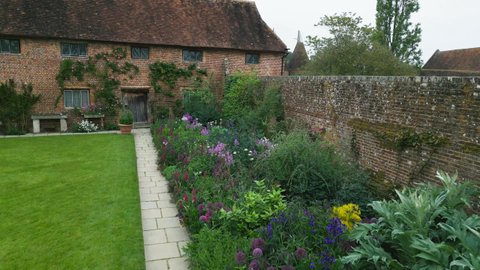
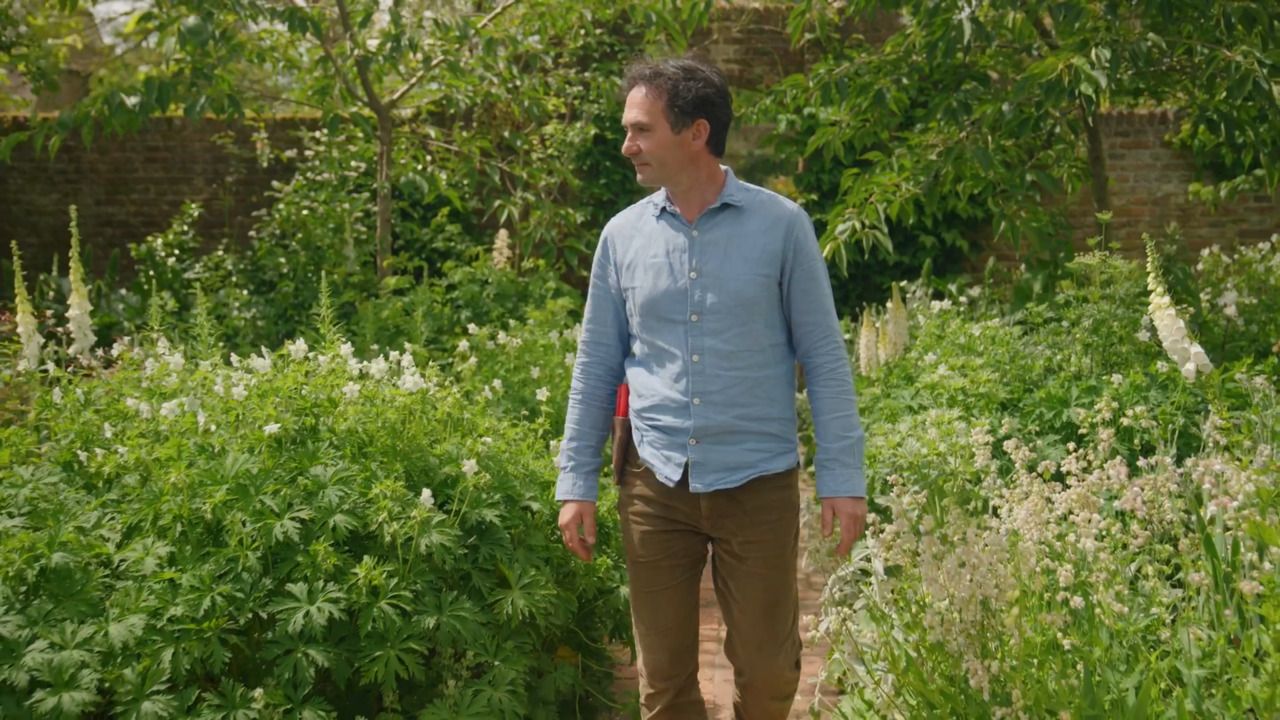
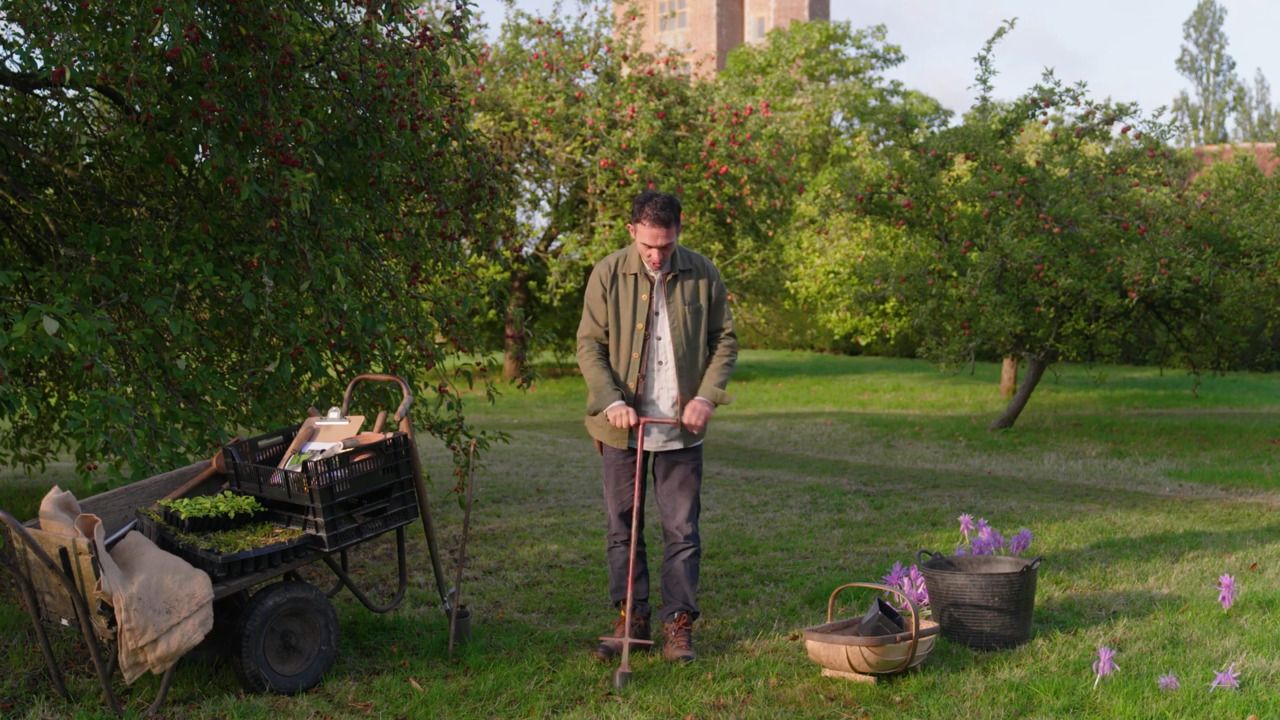
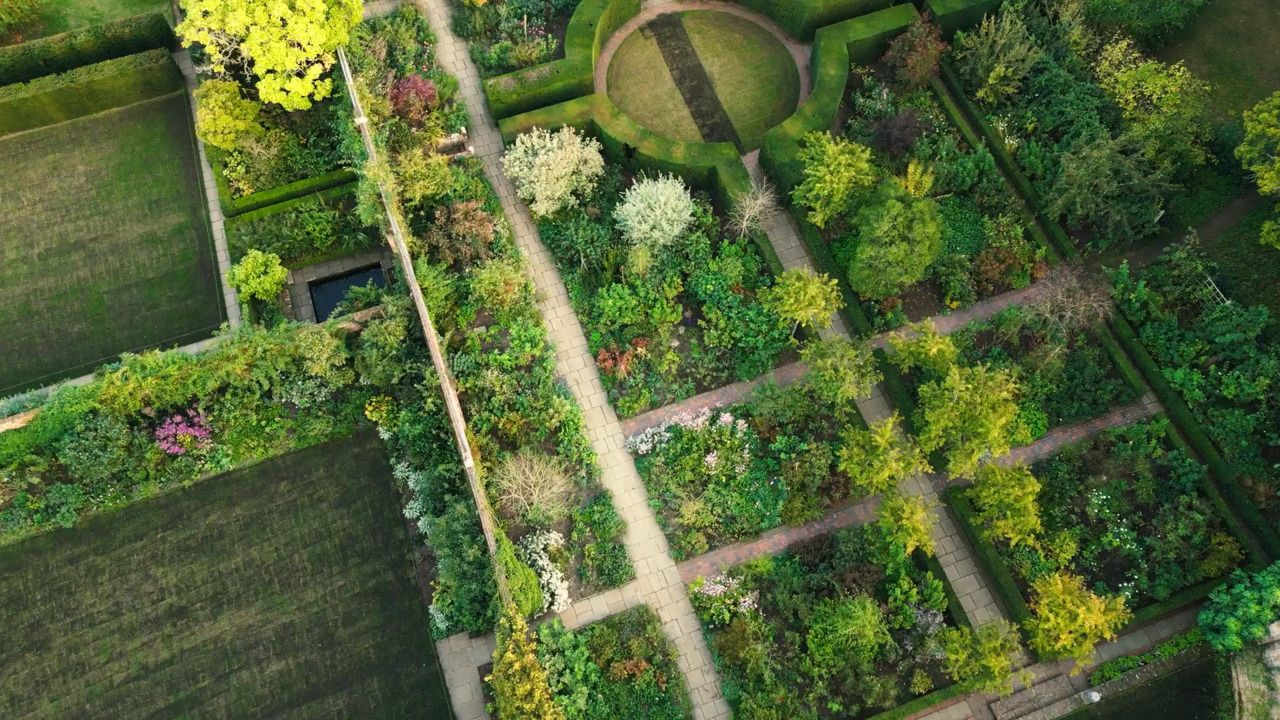
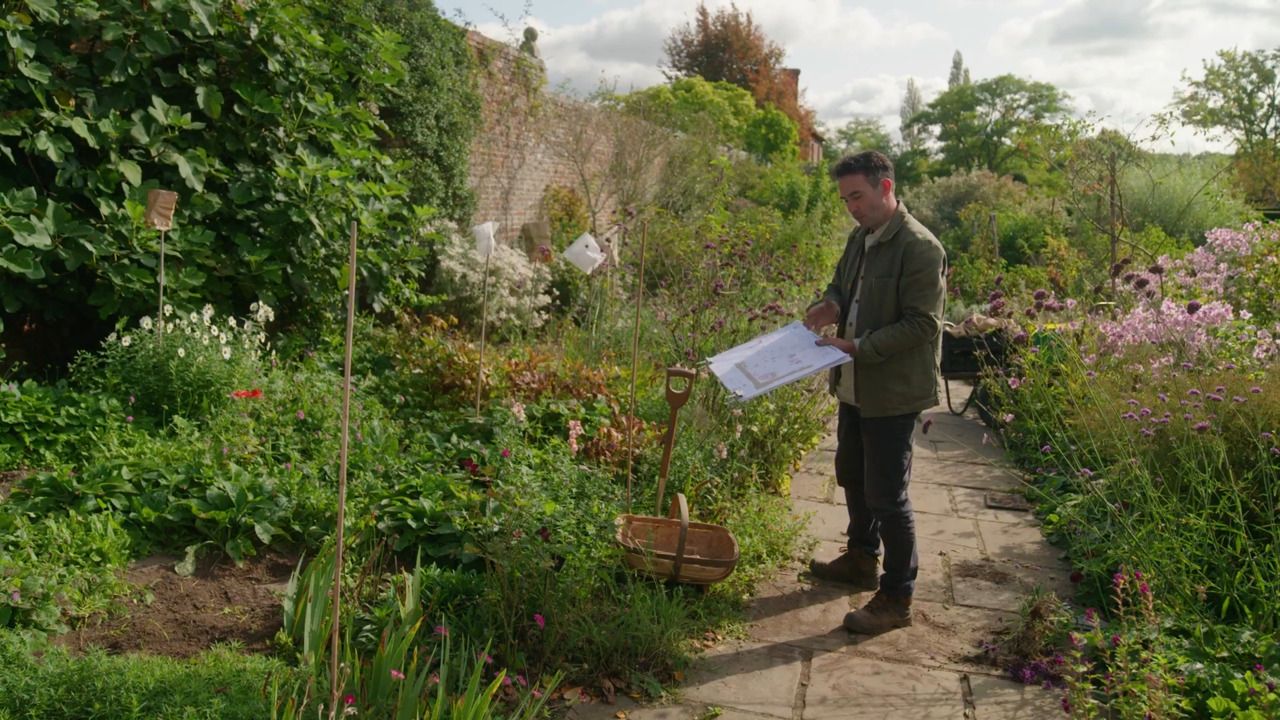
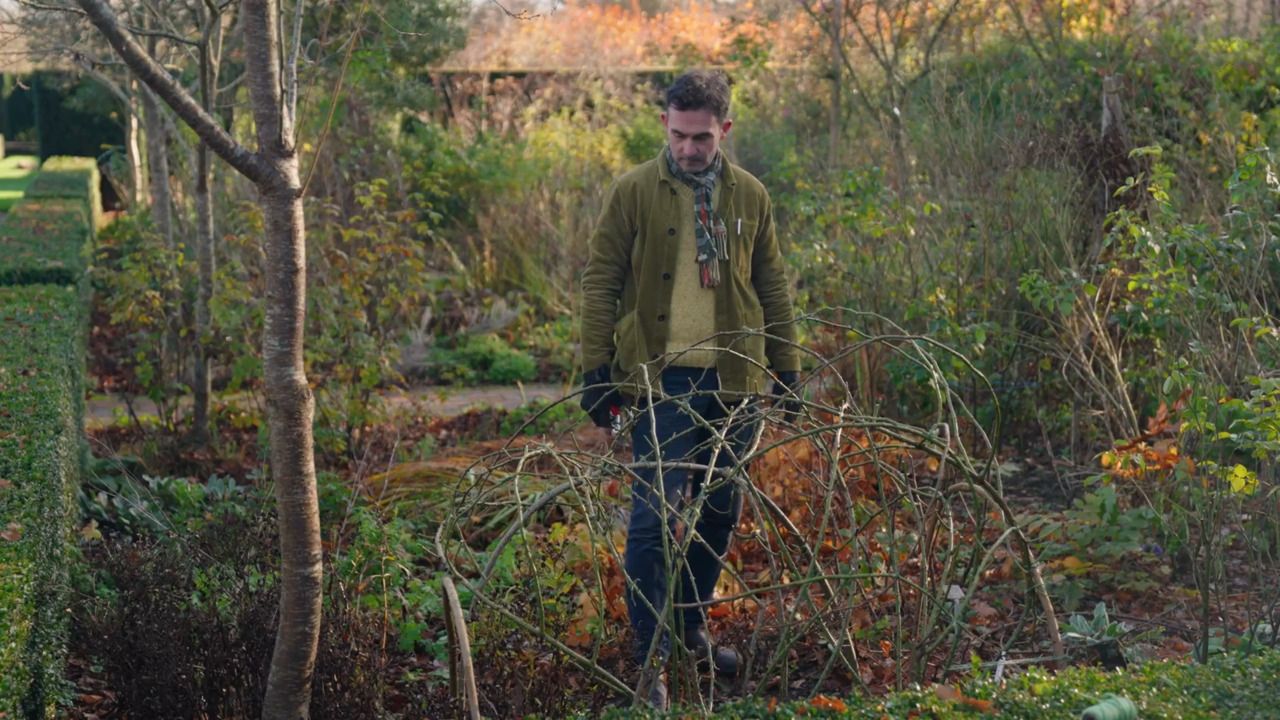
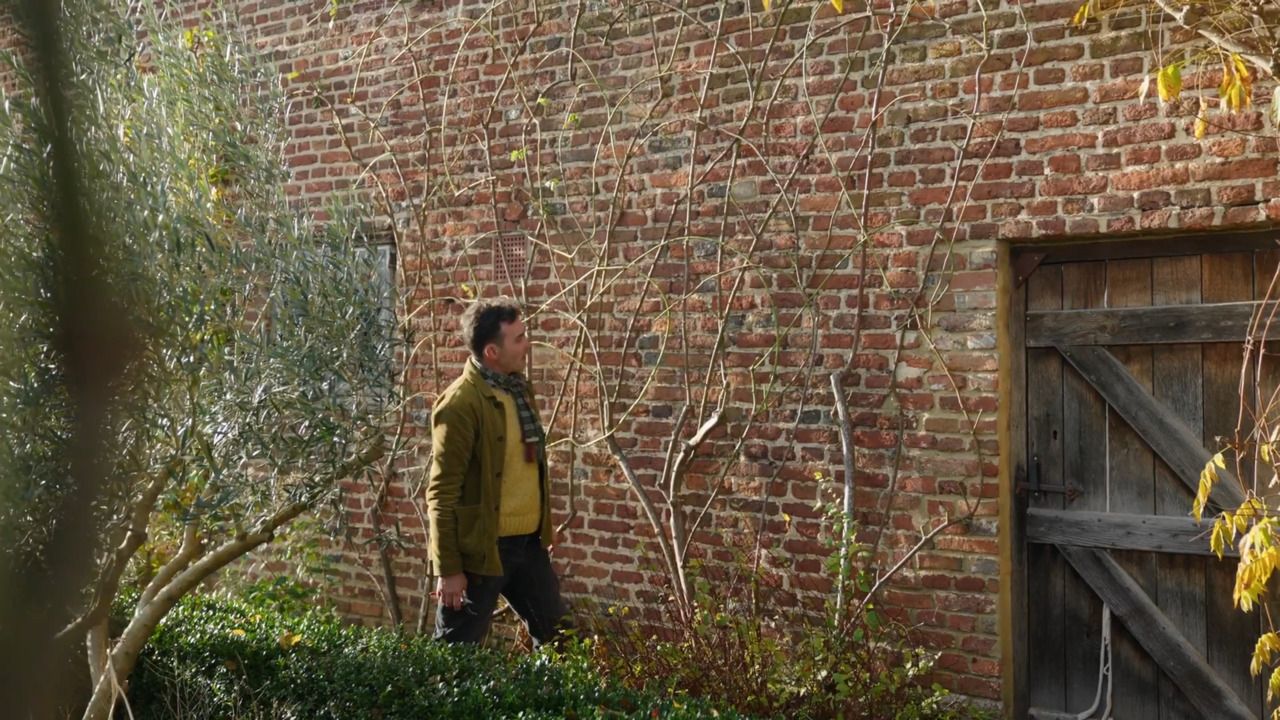
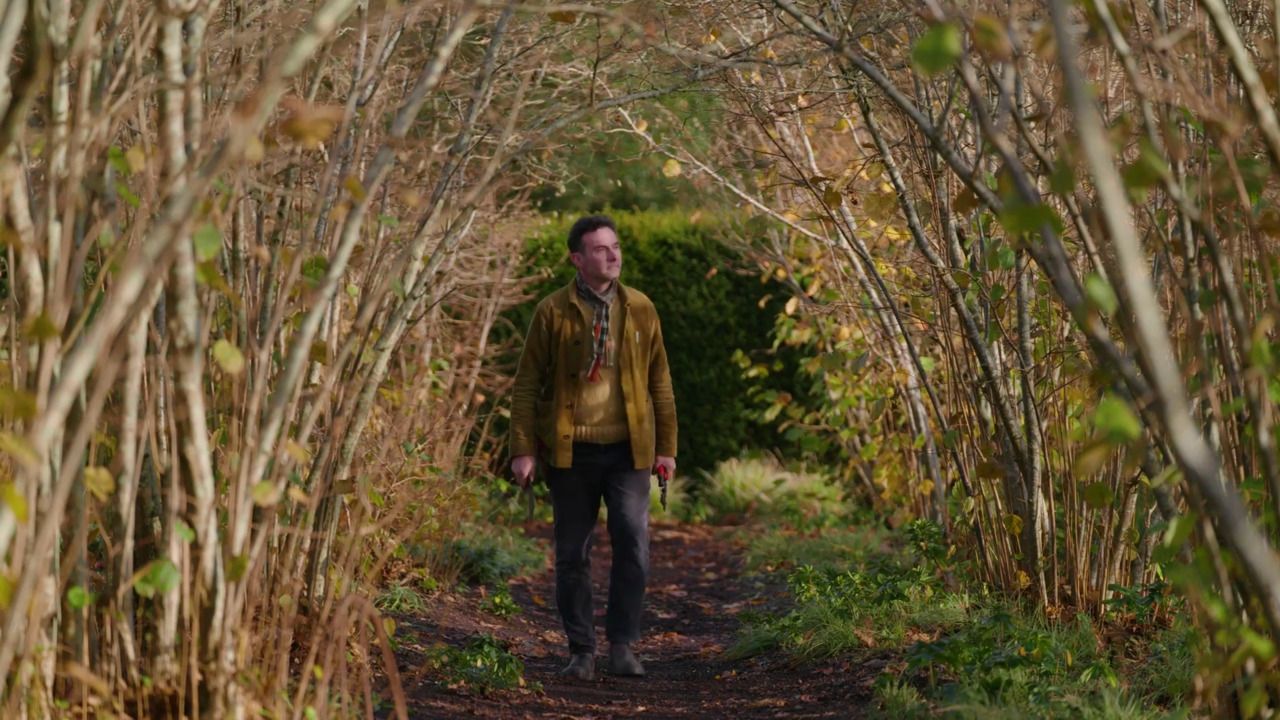
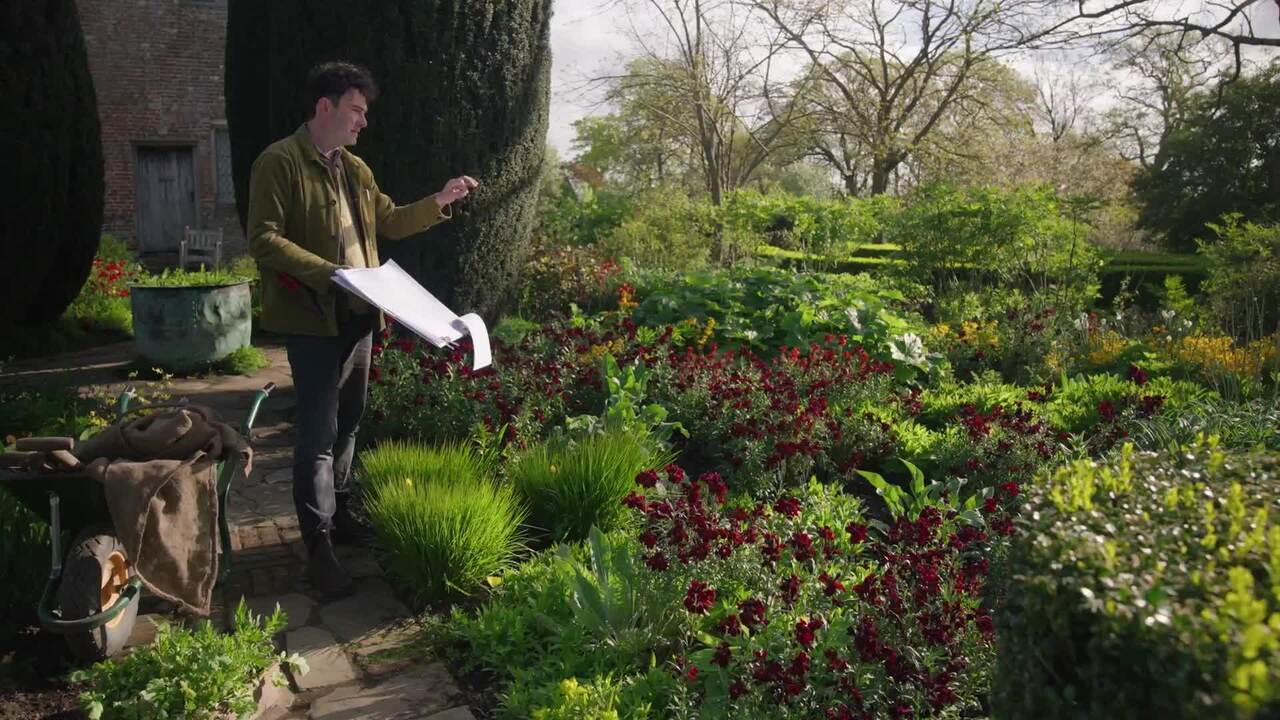
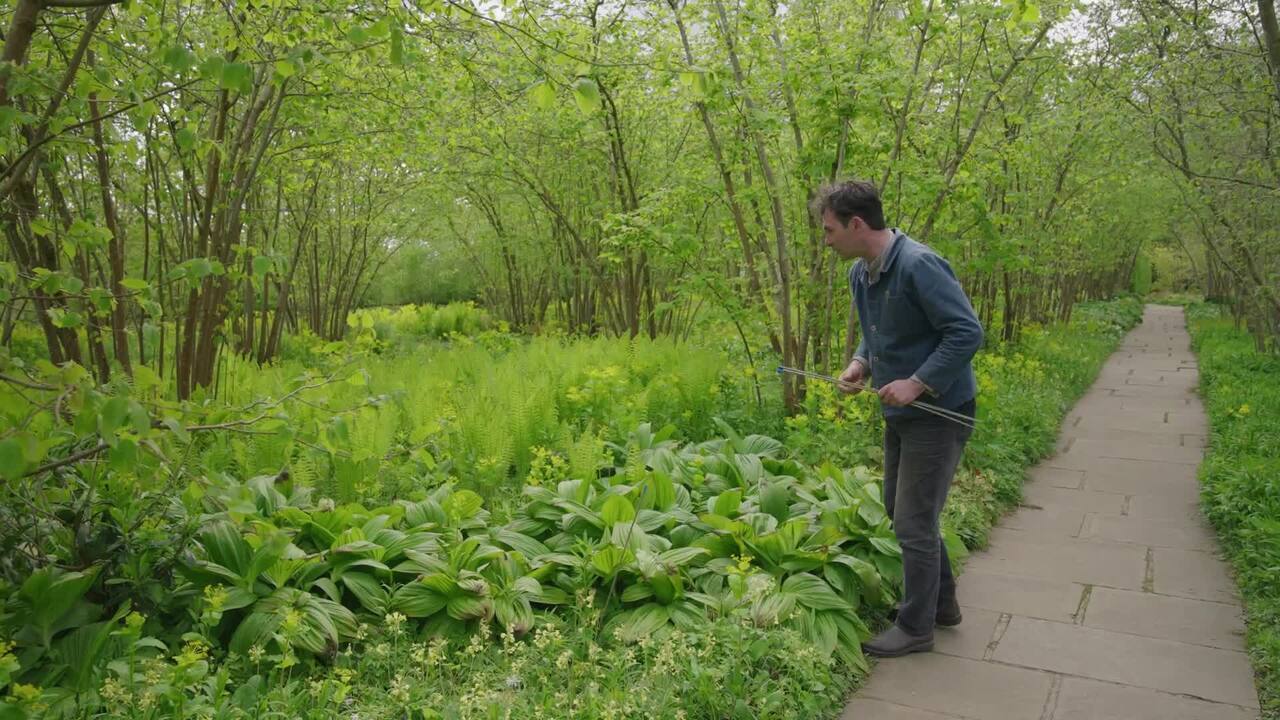
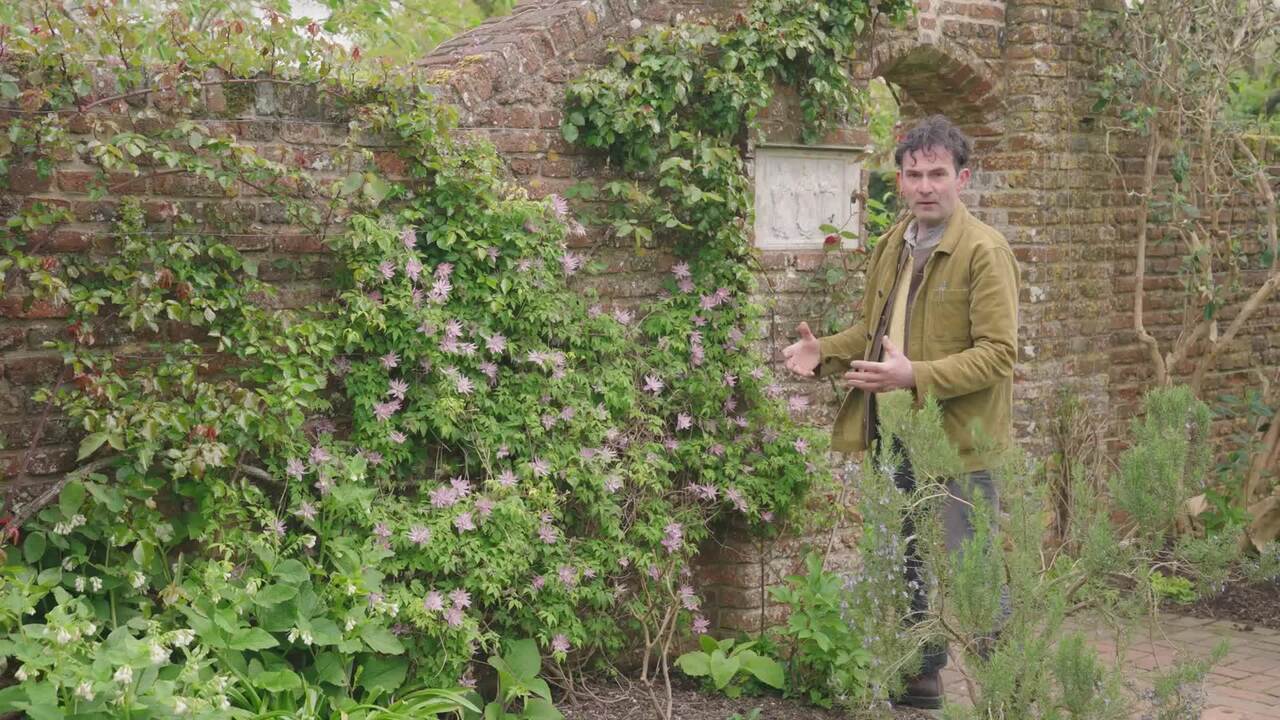
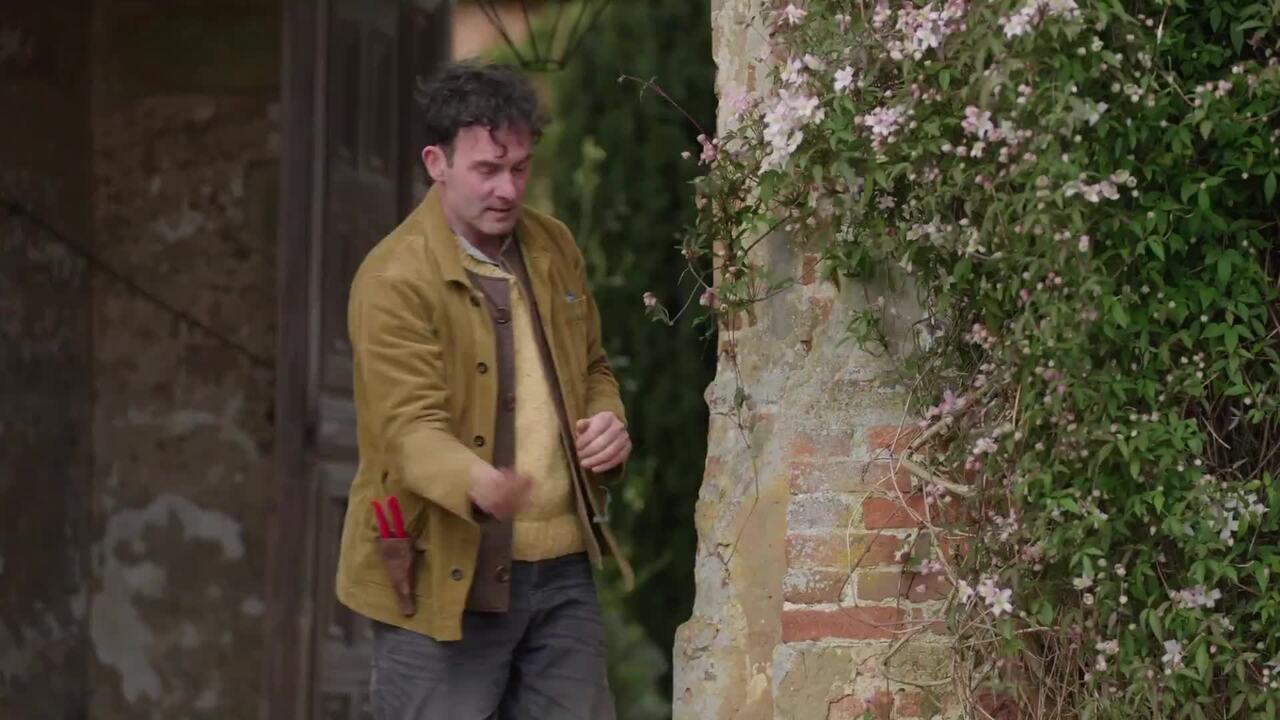
In this lesson, Troy heads out into the Sissinghurst Estate to explore how the wider landscape influences the garden and how to make the most of any borrowed views you may have in your own space.
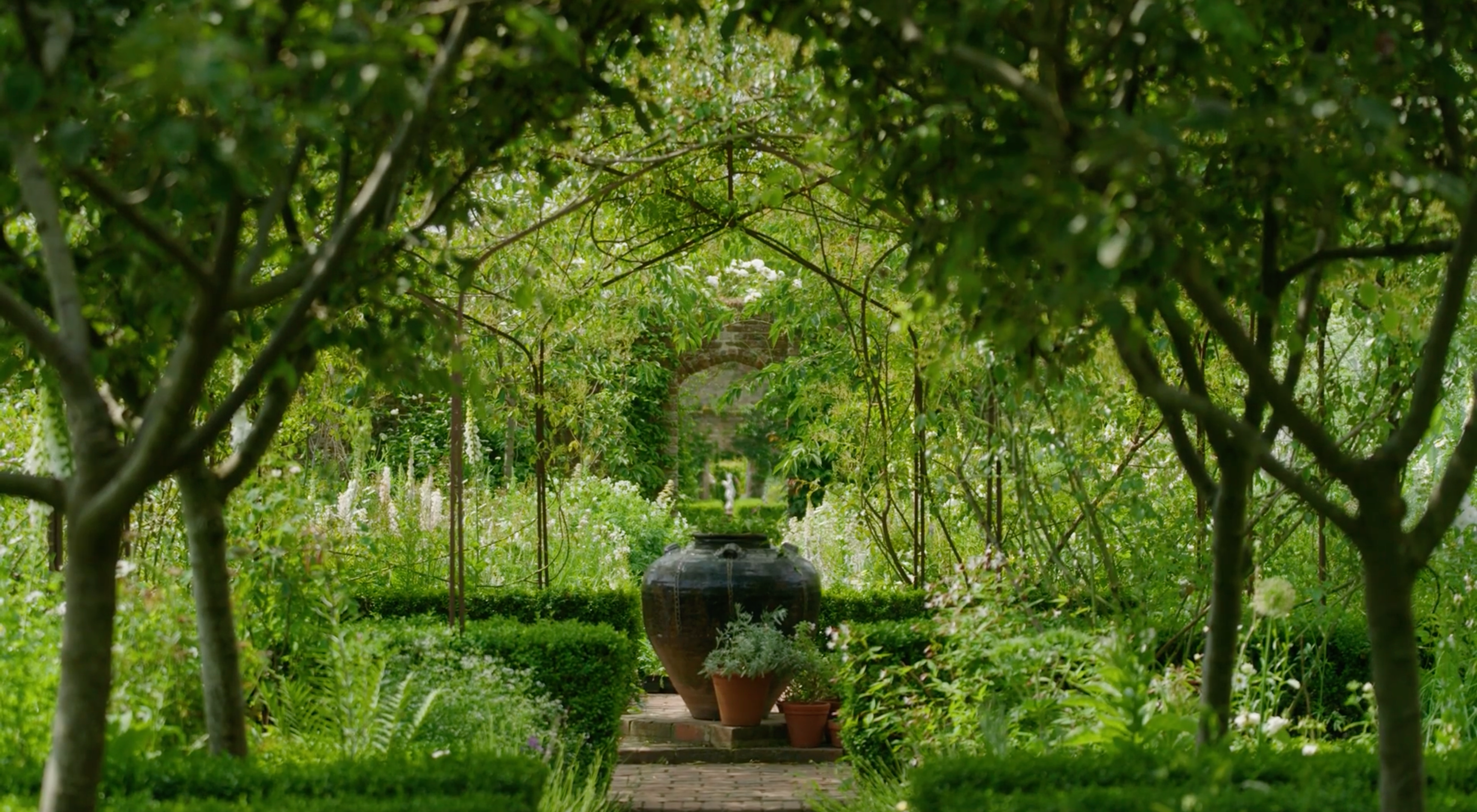
Considering the interplay between a garden and its surroundings is a key part of designing and planting a garden. In this lesson we'll head out onto the estate to look at how the wider landscape influences the garden at Sissinghurst and how to make the most of any borrowed views you may have in your own space.
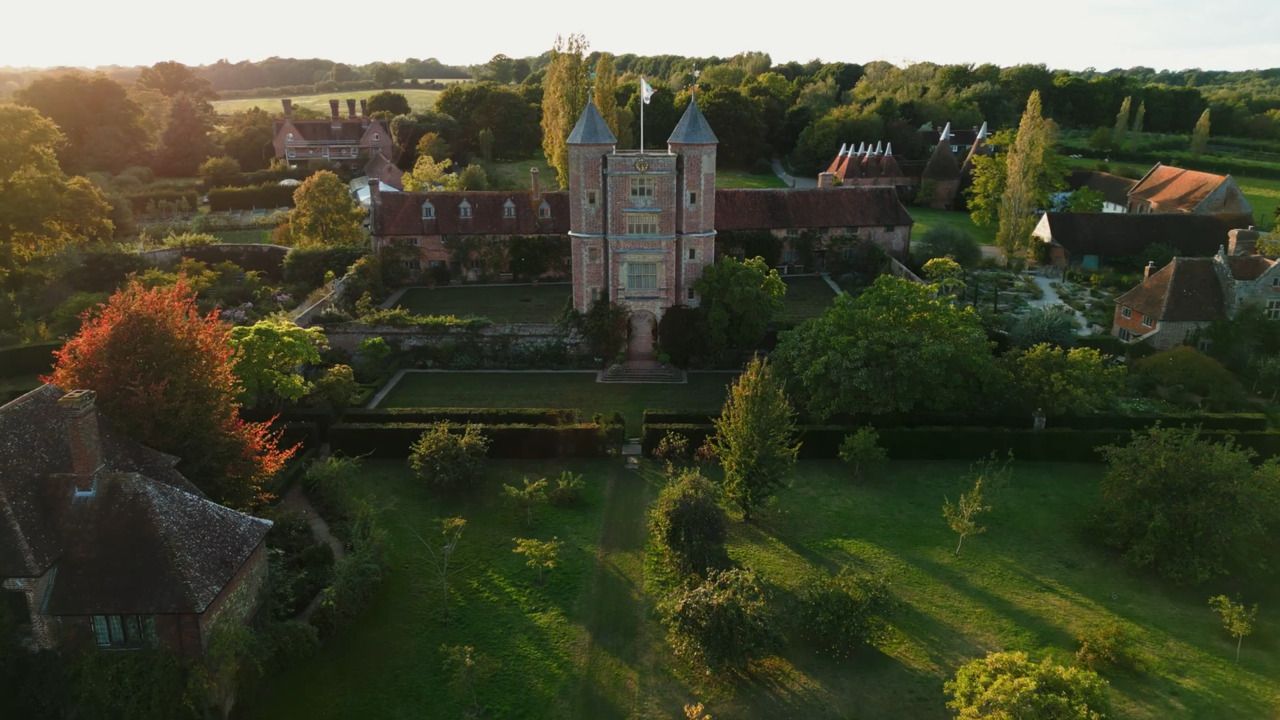
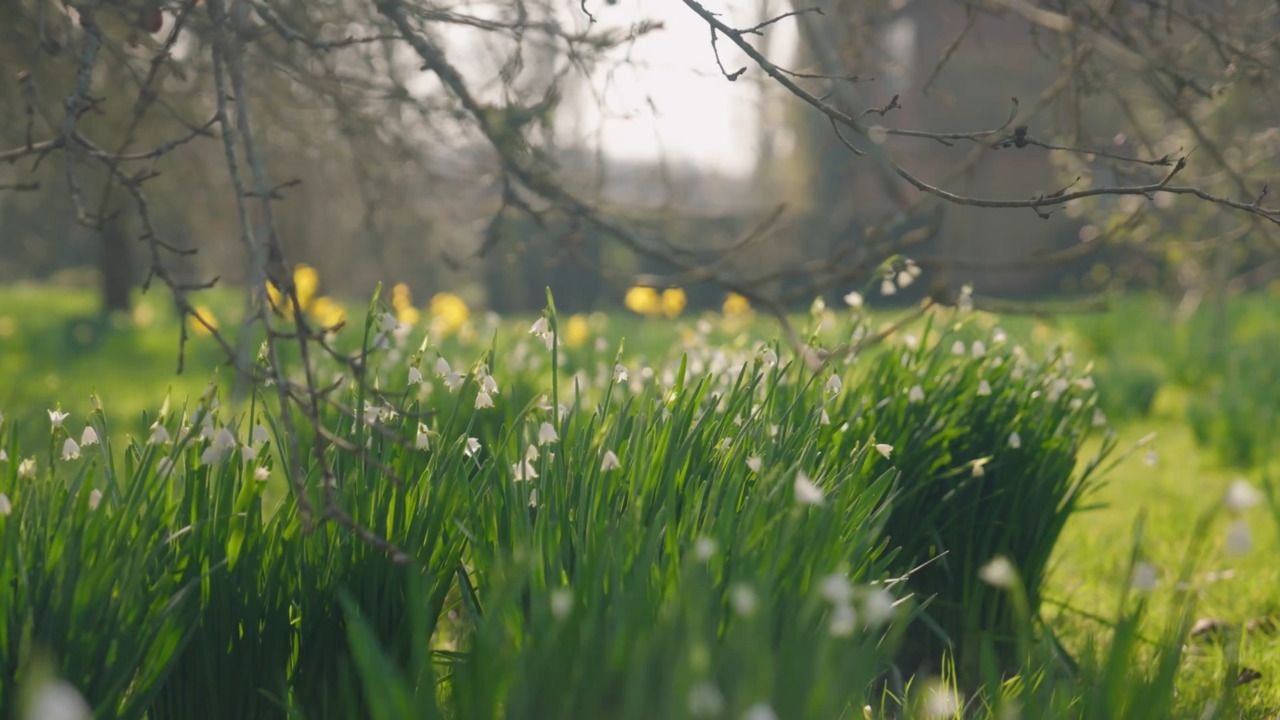
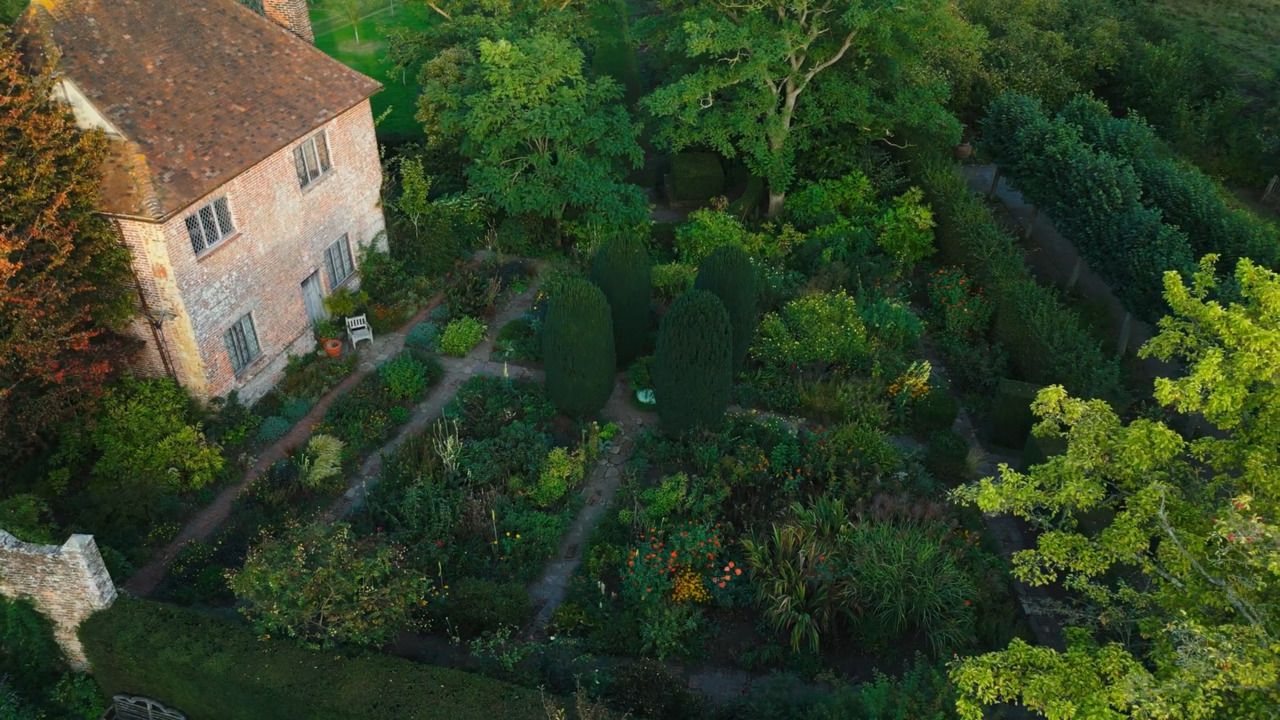
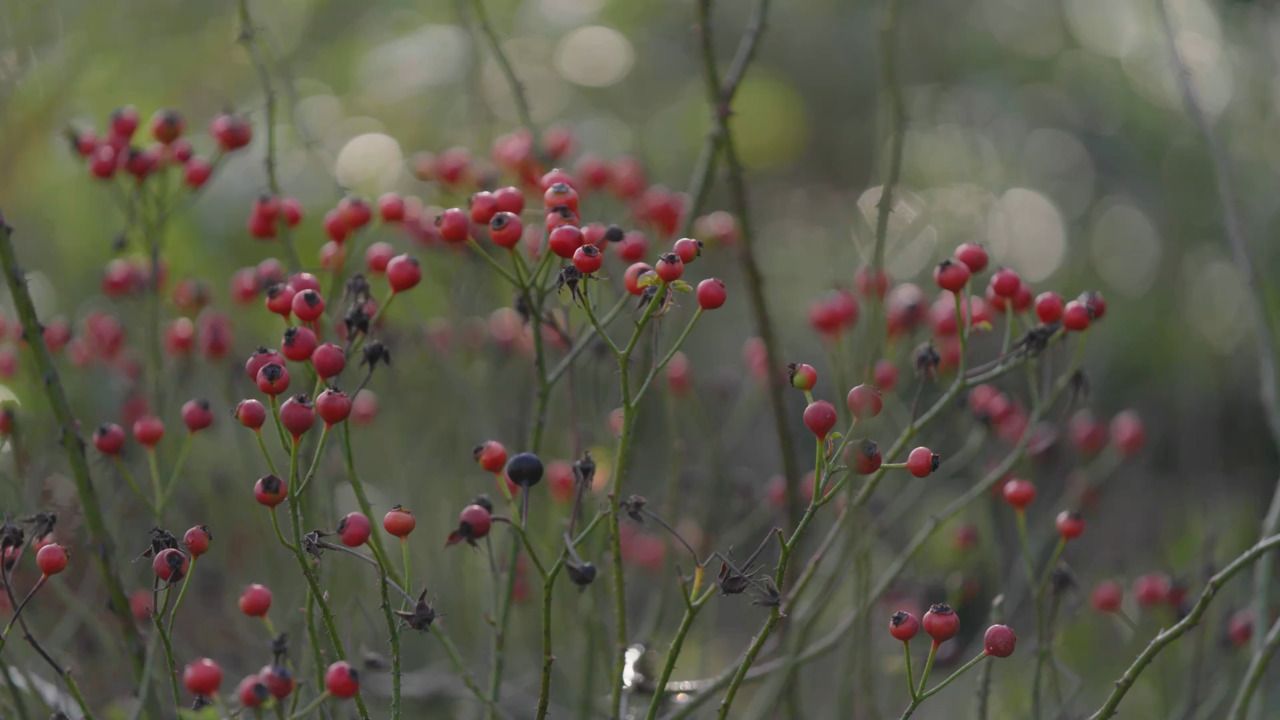
The garden is at the heart of a 470-acre estate of pasture, woodland, and farmland that became more intensive after Vita's time, and we've restored it into a mosaic of habitats. Vita's creation of the garden was inspired by the progressively managed, biodiverse farmland. We've created wildflower meadows, planted hedges, and allowed the stream to flood to create marshy habitats. It's a rich landscape full of wildlife again, which was key to restoring the garden's authenticity.
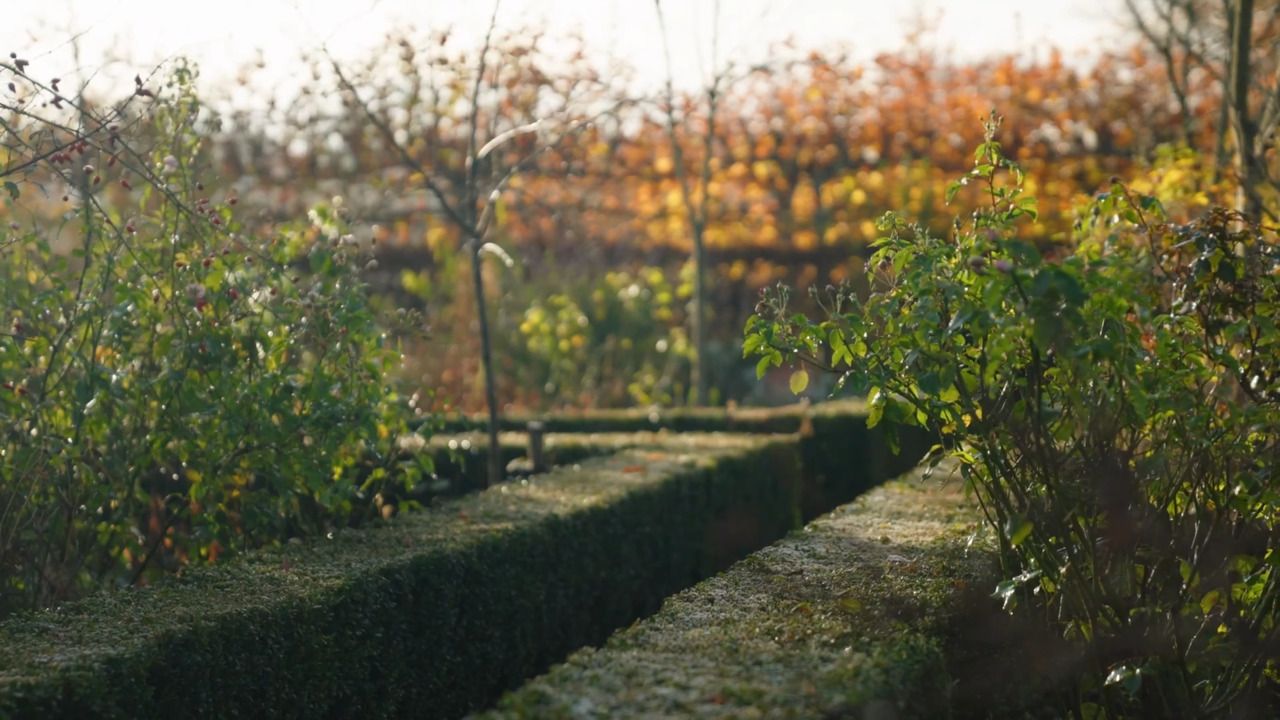
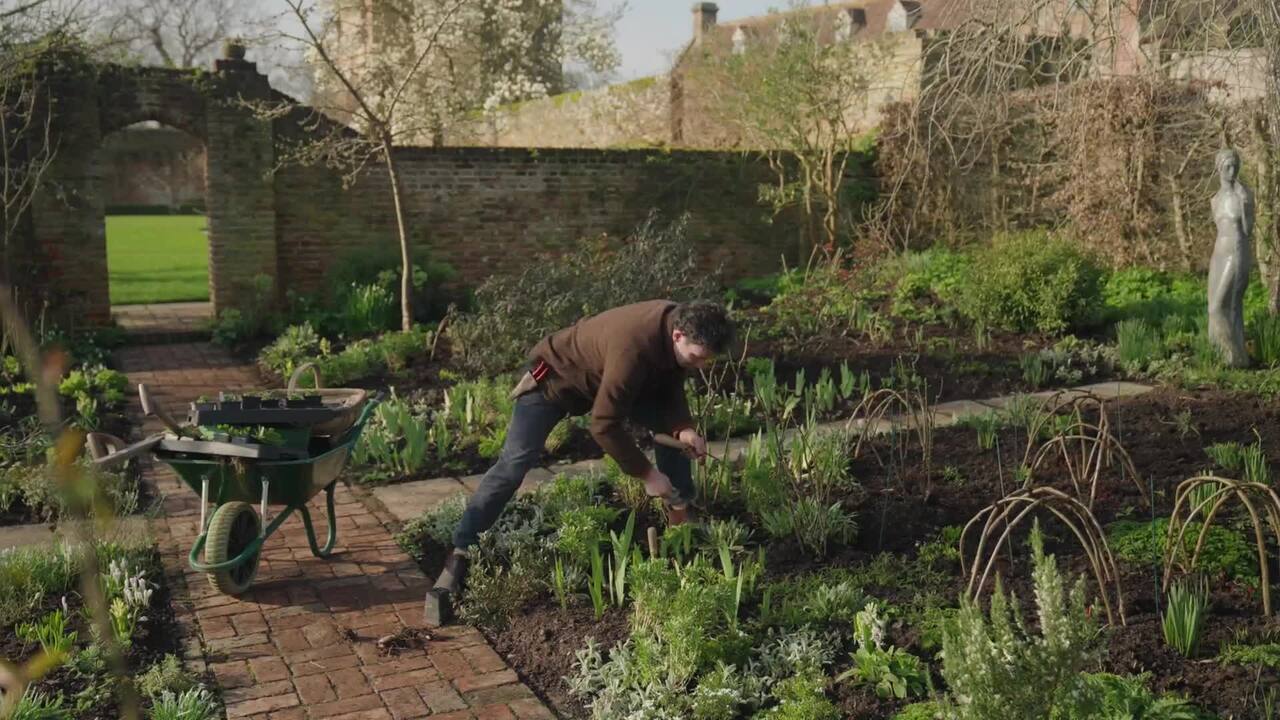
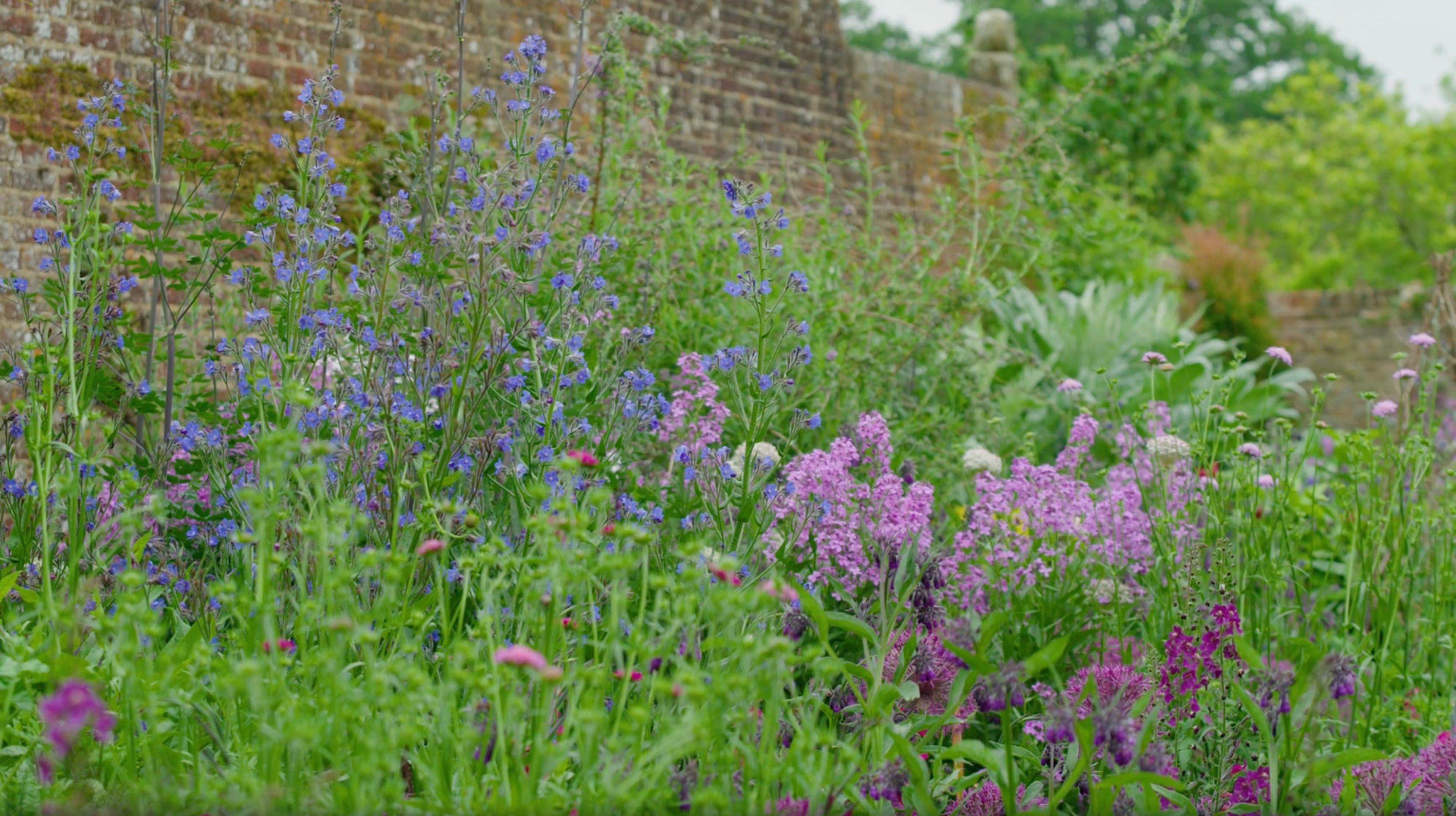
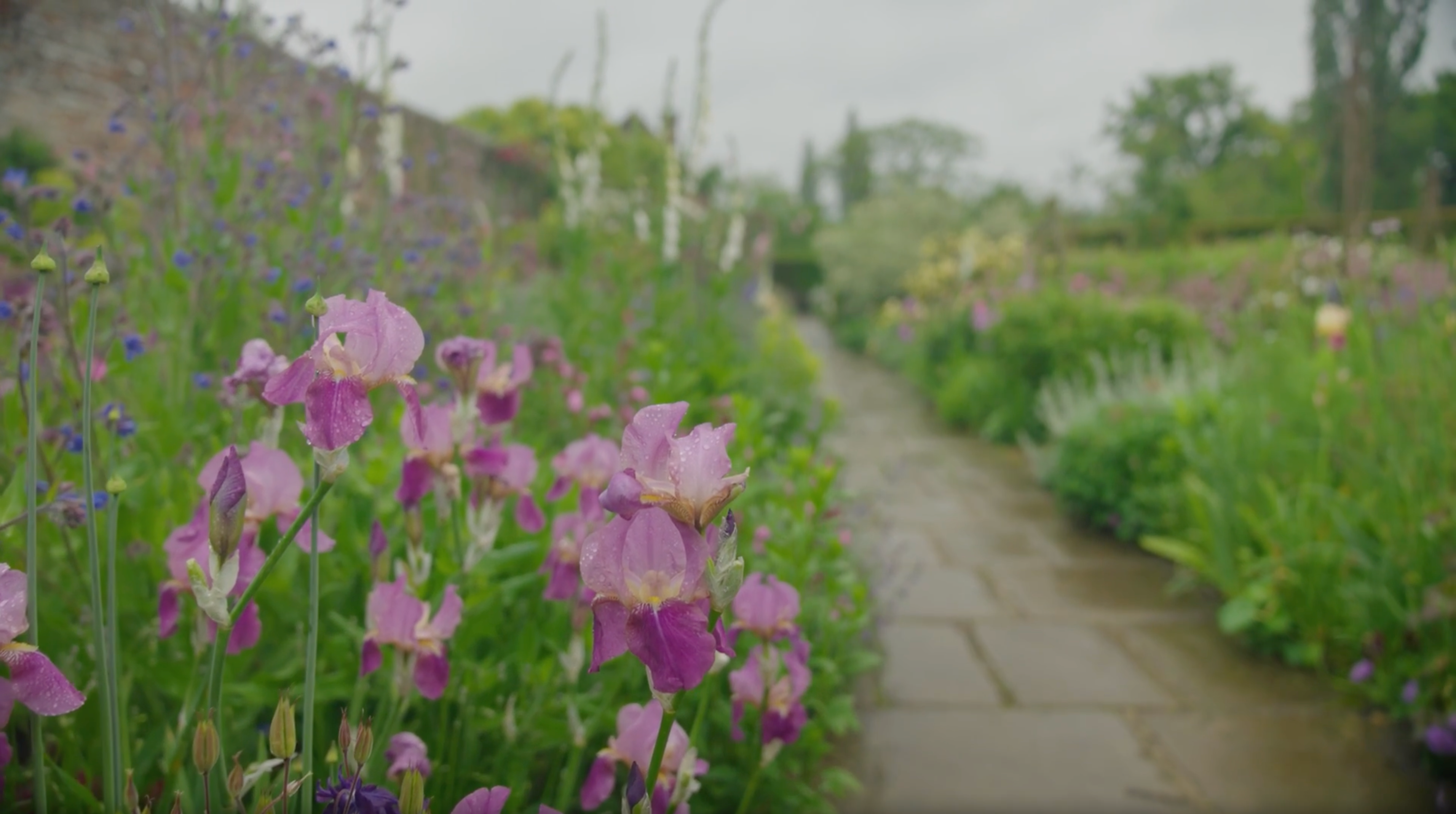
Nature and wildlife sweep up to the garden walls, creating a dialogue between the garden and the surrounding landscape. We try to maximise the sense of place, with openings revealing views out to the estate and peninsulas of wildflowers from the meadows stretching to the garden gate.
Pay close attention to the location where you are – the environment beyond your garden will be different from here, but understanding your local wildflowers will give you clues to how to manage your garden and what plants might thrive for you, such as cultivated versions of plants that grow in local ditches and verges. Tune into those and bring that inspiration back into your garden.
Castanea sativa
Sweet chestnut
Hardy deciduous tree
Fagaceae
Quercus robur
Common oak, English oak
Hardy deciduous tree
Fagaceae
Shakkei
Also known as 'borrowed scenery', a Japanese garden design principle in which distant elements like mountains, trees, or buildings are incorporated into the garden's design, effectively expanding its perceived boundaries and blurring the line between the garden space and the surrounding landscape.
Get the full workbook, video lessons, and more with a Create Academy subscription.
Subscribe to access the full workbookAlready a member? Sign in to watch
491 reviews
Read moreCreate Academy has been such a great resource. I'm in the middle of renovating a bungalow with a very large garden and the courses have offered a wealth of inform...
Harvey
Jun 10, 2026
Absolutely love Create Academy! The instructors are extremely informative, and it is beautifully filmed. Create Academy is great value for money and plan on renew...
SG
May 31, 2026
Butter's creativity is stunning! Her ability to incorporate brilliance in small gardens is magical!
Carla
May 30, 2026
The best adventure. I like all the courses, but my favorite are both Rita Konig interior design courses and Anna Jones. Excellent!
Karolina Kluczewska
May 20, 2026
Create Academy has been such a great resource. I'm in the middle of renovating a bungalow with a very large garden and the courses have offered a wealth of information to dive into and explore new ideas. I'm...
Harvey
Jun 10, 2026
Absolutely love Create Academy! The instructors are extremely informative, and it is beautifully filmed. Create Academy is great value for money and plan on renewing my subscription yearly because there are ...
SG
May 31, 2026
Butter's creativity is stunning! Her ability to incorporate brilliance in small gardens is magical!
Carla
May 30, 2026

Your Instructor
Head Gardener at Sissinghurst. Garden Writer, Speaker & Lecturer.
Troy Scott-Smith, previously head gardener of Iford Manor and Bodnant garden, now oversees the cherished grounds of Sissinghurst - one of the most famous gardens in England and is designated Grade I on Historic England's register of historic parks and gardens. Coming from a family of committed naturalists, Troy is a seasoned horticulturist, writer, designer and consultant, Troy is also a respected member of the RHS Floral Committee. When he set his sights on the head gardener role, he did so with refreshing candour, speaking passionately of the garden’s need for thoughtful evolution. It is a mark of the National Trust’s forward-thinking spirit that they embraced his vision, inviting him to guide this historic landscape into a compelling new chapter.

Access to all courses


