The Art of Gardening at Sissinghurst

Bending a rose into shape - part 1: Pruning the rose

with TROY SCOTT SMITH — Head Gardener at Sissinghurst. Garden Writer, Speaker & Lecturer.

Rated 4.7/5 on Trustpilot
|

Learn from the world's best creative minds on Create Academy

Troy introduces another method of pruning and training a shrub rose, which is well worth a little extra effort for many more blooms and a beautiful structure.

From the Lesson Workbook

Bending a Rose into Shape - Part 1: Pruning the Rose

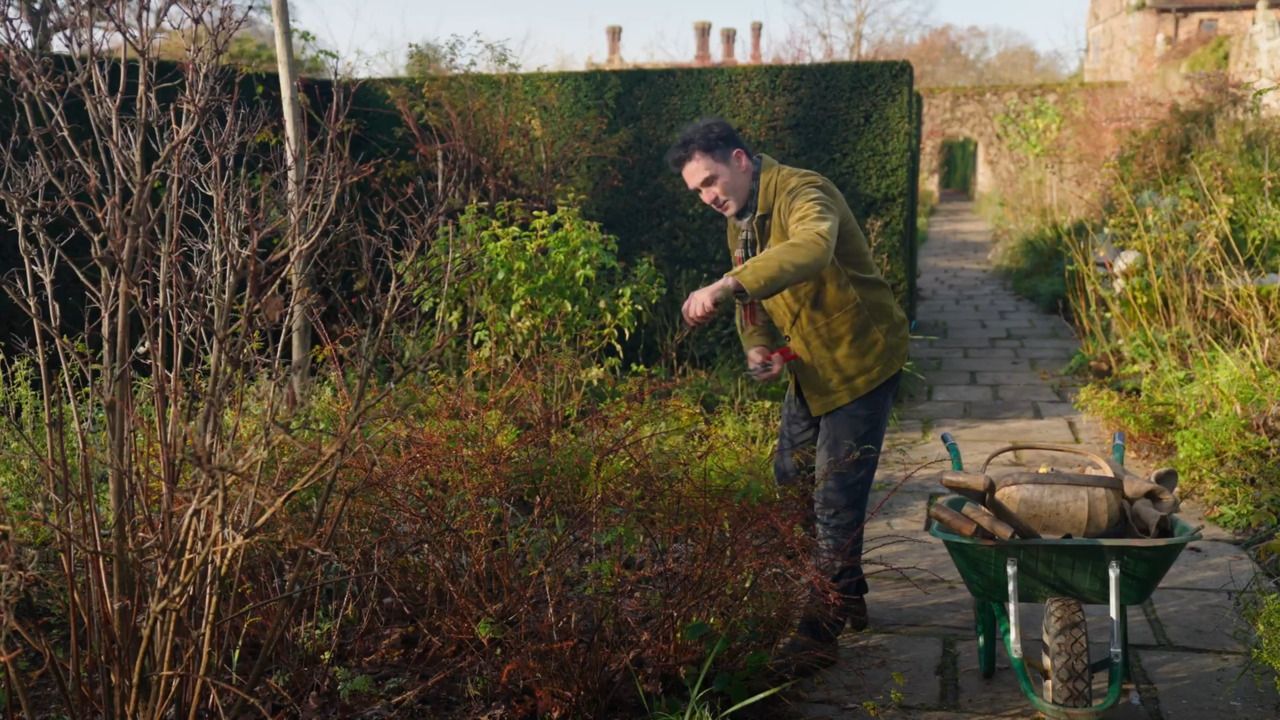
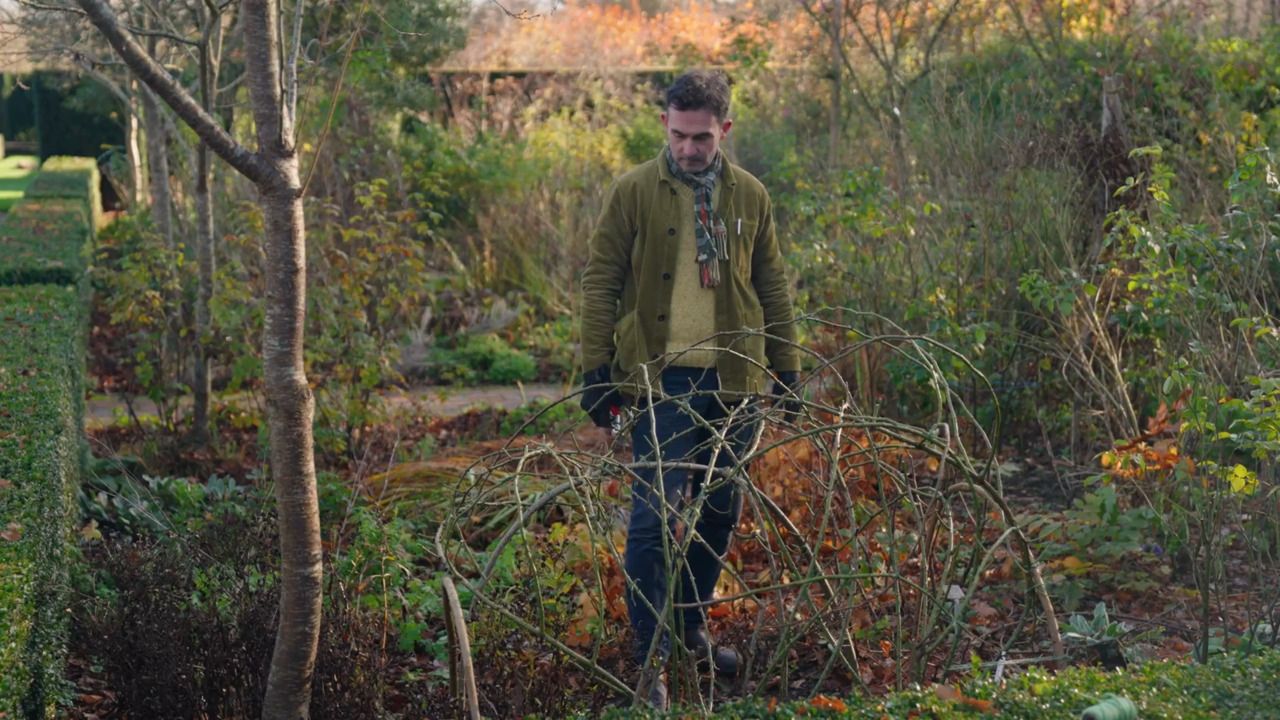
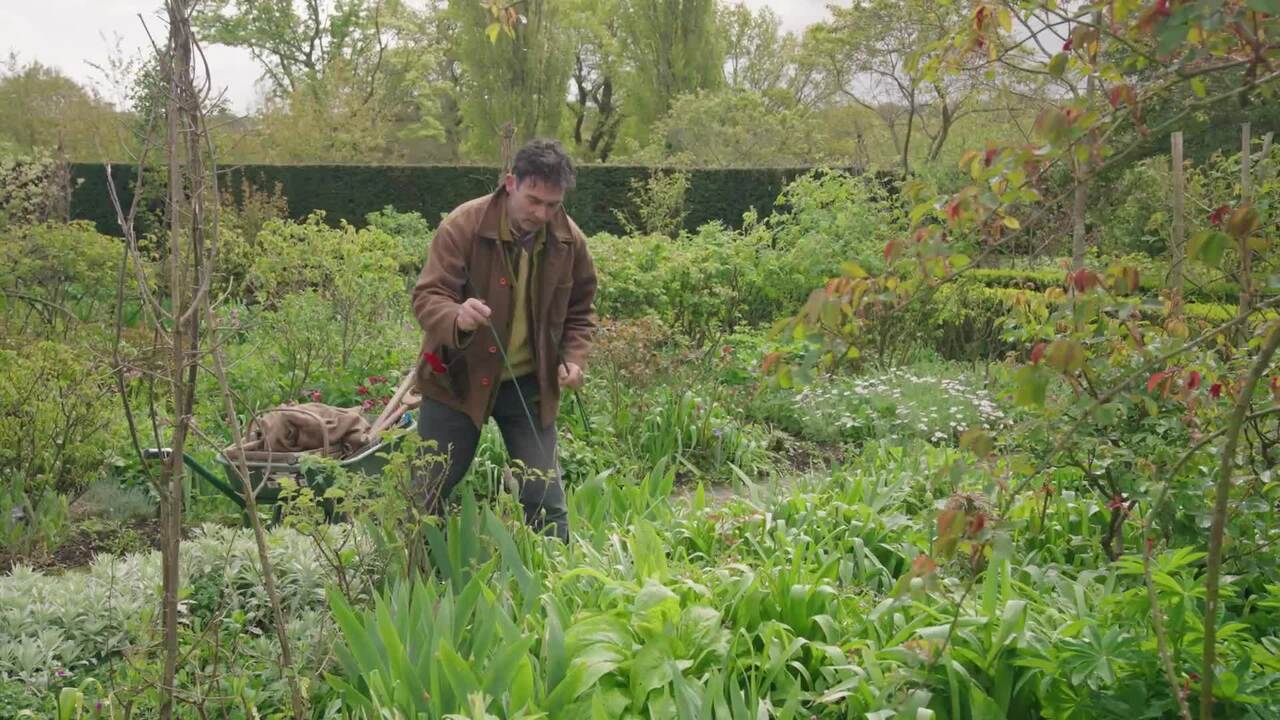
Now in early December at Sissinghurst, we're still pruning roses. Today I'm going to show you another way of pruning a rose, using the 'Gipsy Boy' rose (Rosa 'Zigeunerknabe') as an example.

  • This is another Bourbon rose but has a slightly different habit with longer, thicker stems.
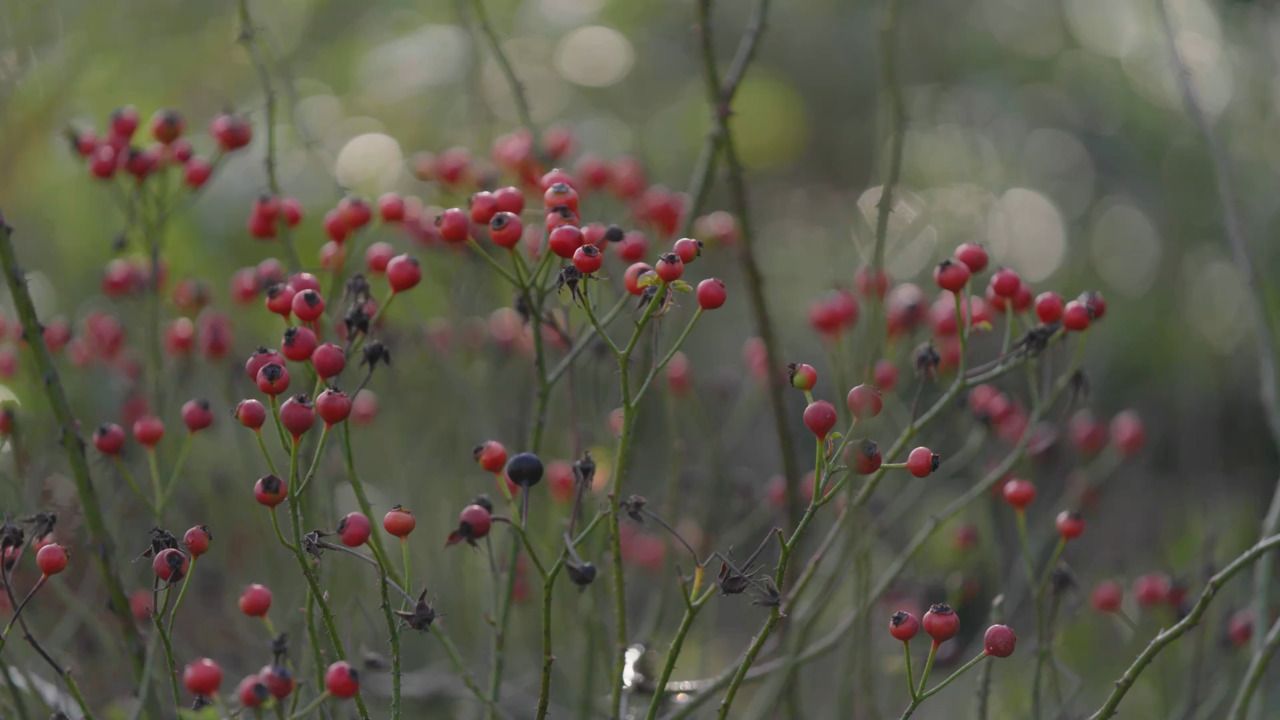
  • It's not truly an old rose; it was bred in 1909 and has wonderful, deep crimson flowers and then beautiful hips - it's a rose I really love.
  • For me, this rose sums up what I think about Sissinghurst - my gardening is guided by beauty and generosity, which these old roses give in bucketloads.

In this lesson, we'll discover another method of pruning a shrub rose, which is well worth a little extra effort for many more blooms and a beautiful structure.

It's the way we prune and train the roses that provides that generosity.

  • We could prune it down to an open shrub like 'Madame Ernest Calvat', but it wouldn't have so many flowers.
  • This was smothered in flowers in a huge dome of crimson, and that's because we've manipulated the rose by pruning and training it in the way I'm going to show you.
  • It's nothing to be afraid of - there's nothing much more technical than with the first rose; it just takes a bit more time and effort, but it's worth it when you see the results.

Considering Colour Tonality When Choosing Roses

  • Vita put the dark purple and crimson roses at the west side of the garden because the light there adds a sultry mystery to the roses, whereas pink roses are on the east side.
  • Think about that when you're placing your roses - it's not just form, shape or height - it's their colour tonality, what you want together and how different lighting affects that.
  • We don't have yellow or orange roses in the Rose Garden; they're lovely and joyful, but they can argue with the darker, more sombre colours, so we keep them separate.

Pruning a Rose for Training into Curved Shapes

We start with all the same principles as for the standard shrub rose, 'Madame Ernest Calvat':

  • overall shape
  • taking out any dead
  • trying to encourage new shoots, especially from the base, to replace older ones
  • then, pruning what we want to leave.

The key difference is the final stage, where we bend the stems over and tie them down.

  • When you bend the stem, every little bud produces a cluster of flowers the whole way along.
  • If I hadn't bent the shoots, I would have had tall shoots with a few flowers on the top, not a huge dome of flowers lower down.

Making a Start on the Pruning

When I start pruning, I'm doing a lot of things at once:

  • looking at the bush and its shape
  • looking for old wood
  • removing last year's ties
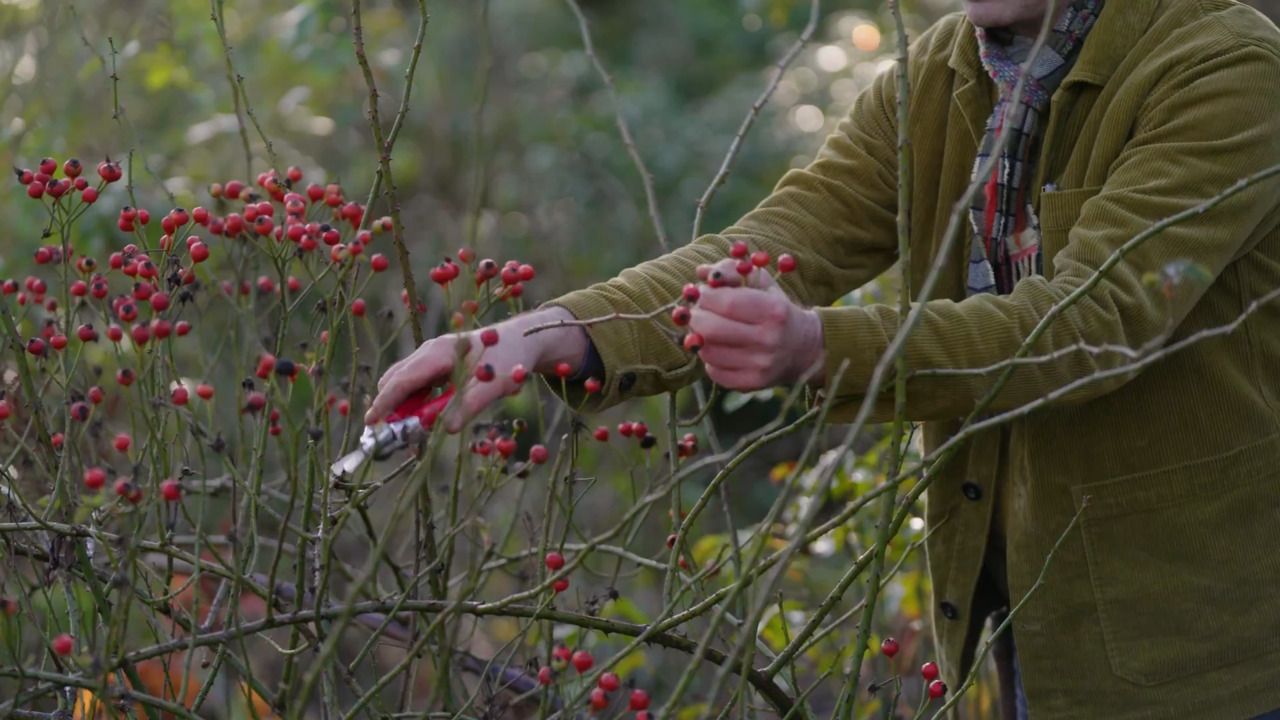
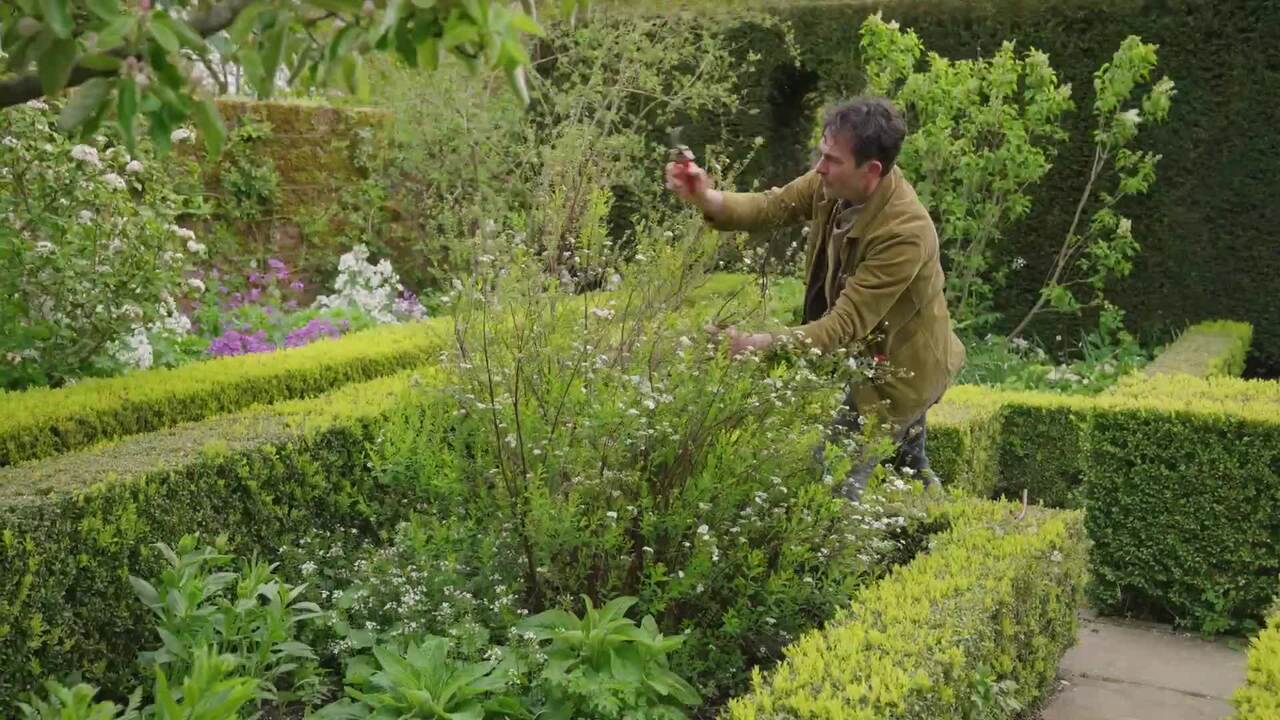
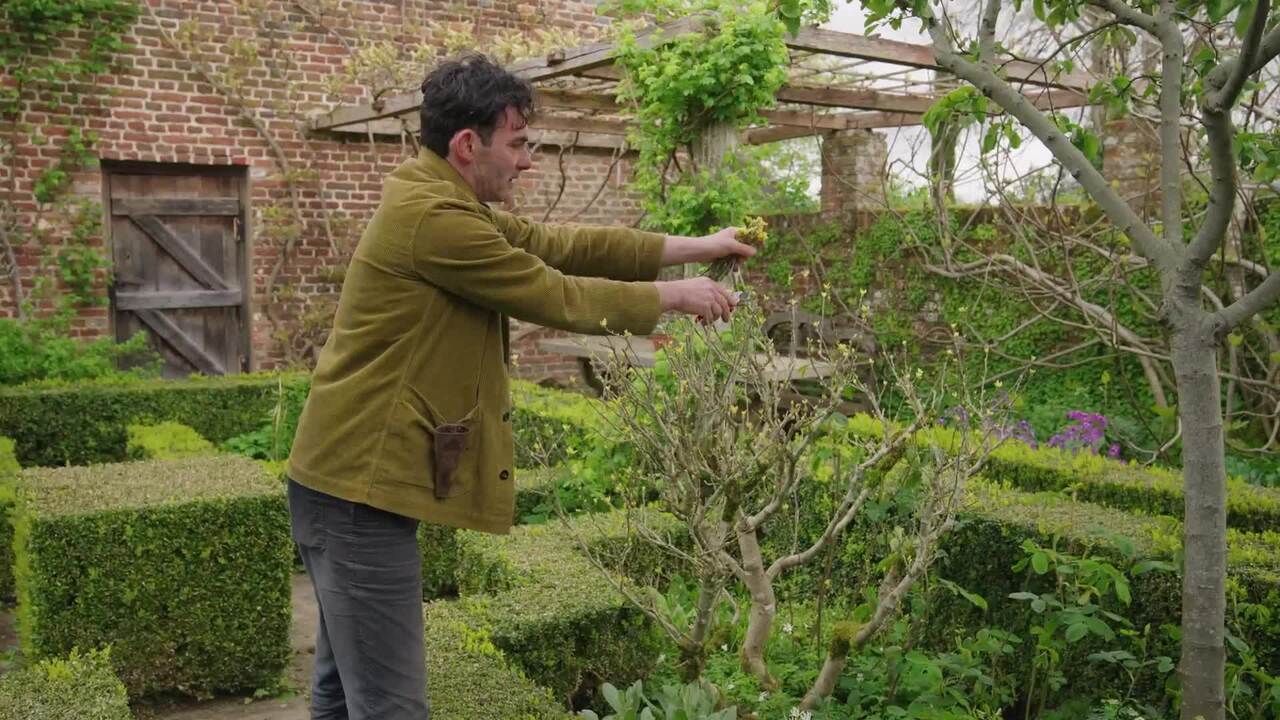
  • shortening the stems that have flowered to a sloping cut above a bud
  • some of these I'll later remove lower down, but it's less intimidating to start small rather than looking at a 'blank page'
  • we try to leave the hips for as long as possible for the birds to feed on. If you're pruning and cutting off hips, you can use them yourself for decorations, or you can hang them up outside so the birds can still find them.

The first stems I prune are the short stems that have flowered.

  • Grab them while you snip or let them drop; just remember to pick up the leaves and debris at the end.

For now, I leave the longer, thicker shoots that haven't flowered alone.

  • I might use those for bending later.
  • You'll find the bush already looks more organised.

A More Involved Way of Pruning Roses

  • There's a lot more moving around with this kind of rose, because it's a very creative process - you'll bend stems into place, and then change your mind and reposition them.
  • It would take me about an hour to do this rose, whereas one I wasn't bending, like 'Madame Ernest Calvat', would take half an hour.
  • It takes a bit more time, but if you can just grow one or a handful that you treat in this way amongst ones that are freestanding, you'll add more colour, a mass of flowers and a different form to the garden, because these shapes themselves are really pleasing - especially in winter.

The Pruning Summary

  • Work the whole way around the rose, taking the flowered shoots off while looking for dead wood and dieback and removing these, taking the whole stem out to the base if the whole stem is dead.
  • You may need a saw or loppers for taking an old stem out at the base.
  • This makes space to tie into new stems.
  • If a stem has flowered loads and is tired, look for a new long stem coming off it to replace it, and cut back to just above that and tie the younger side stem in.
  • Over time, the number of flowers on each of the side shoots will reduce as the stem becomes weaker from producing so many flowers every year.
  • If you don't have another strong stem to replace it, leave it for another year when you do.
  • Check for crossing stems - these are a problem if the stems are rubbing and causing damage, as disease could get in.
  • It's when stems are crossing but also moving and rubbing together, where it's a problem; if there's not a risk of that, then I'm not concerned.
  • If a stem is rubbing on a wire, e.g. on a wall-trained climber, we'd take it in front of the wire so it's not trapped behind.
  • Now you're ready to go to the next step and put in the new hazel benders. You can always decide to prune a little more later.

Hazel 'Benders'

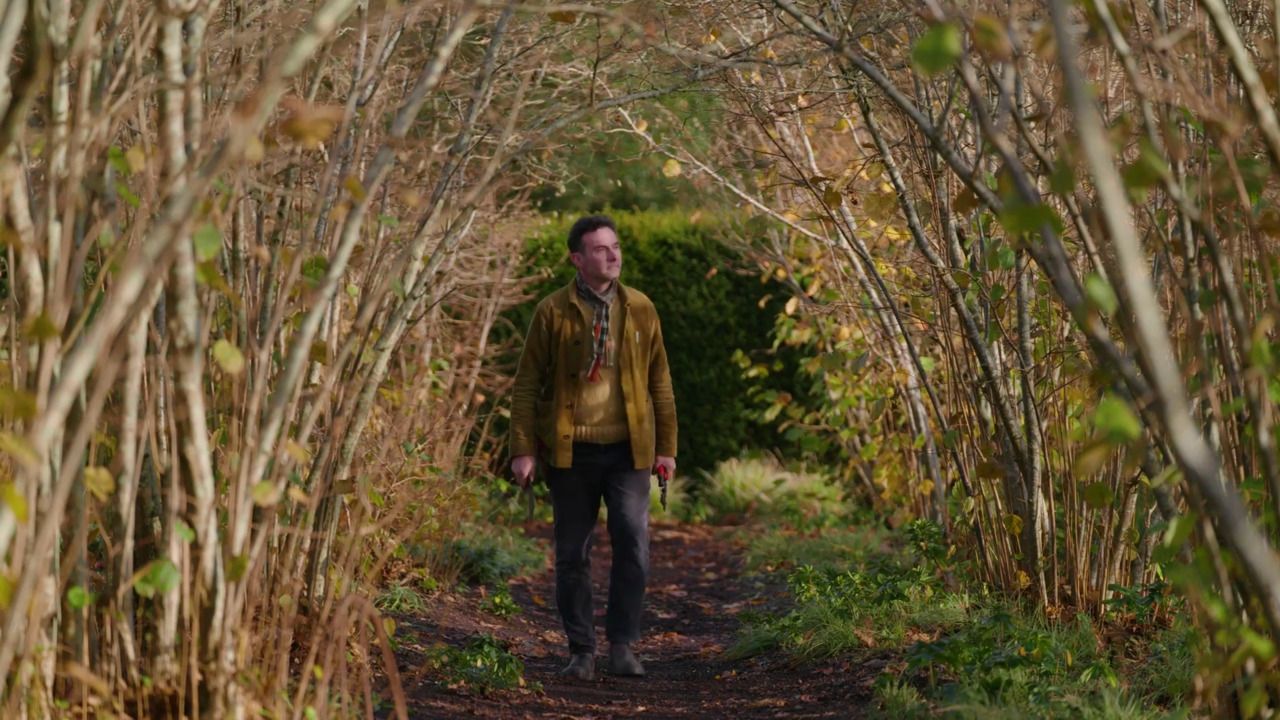
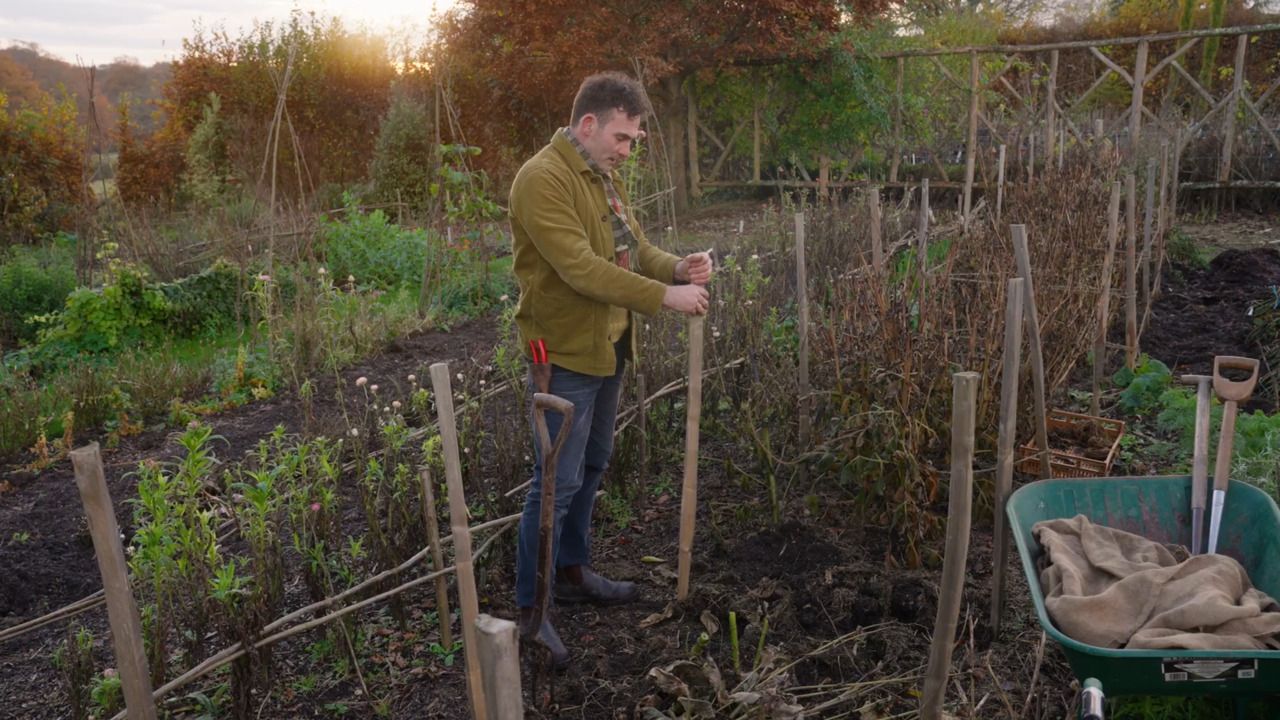
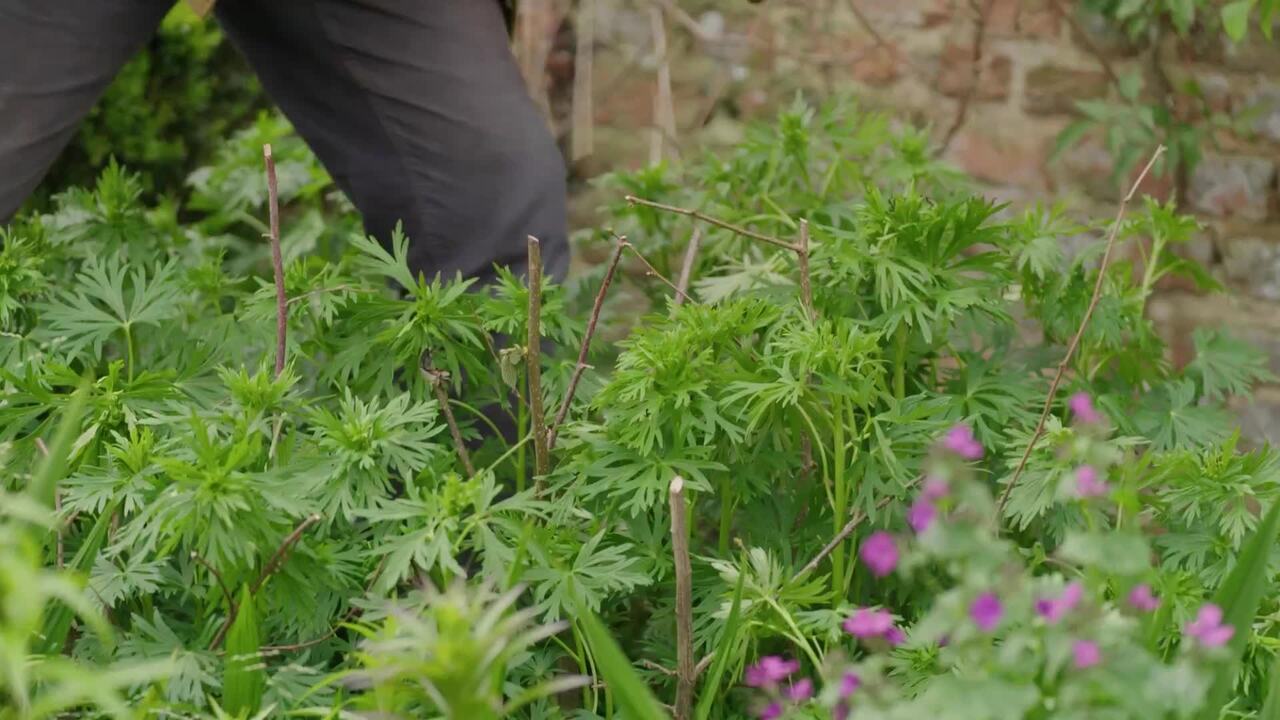
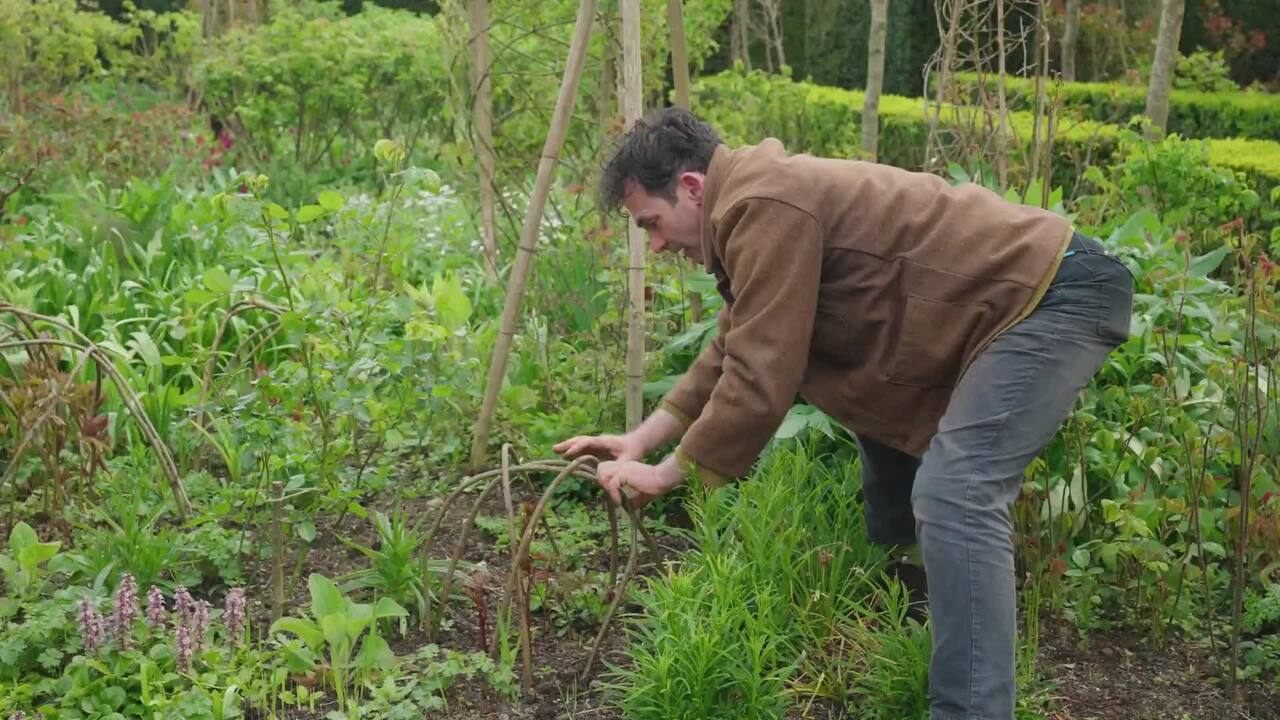
We tie the stems to hazel hoops, which we call benders. Hazel is a really useful material - we cut it from our coppice and use it in so many ways in the garden.

  • Bendable stems like this become benders.
  • Thicker, sturdier stems become vertical stakes.
  • Thin, branching twiggy branches become 'peasticks', which we use for staking the majority of plants in the garden. I'll show you how we coppice and make these various usable bits of hazel later.

Hazel only really lasts a year because it becomes brittle, so I take these hazel benders out now and replace them with new ones.

  • When you take the hazel stakes out, the rose starts to look like a freestanding bush, and you might worry you'll never get it back to the dome shape, but don't worry, you will.
  • Or, you might decide to leave it as a freestanding bush because by bending it, we reduce the vigour of the rose - it's a lot of work for the rose to produce all those flowers, so it weakens them over time.
  • Every so often, we'll take it off the benders and leave it as a freestanding bush for a year or two before putting it back onto the benders later.

If You Don't Have Hazel

  • You can just use little stakes that you push into the ground.
  • You just need something to make a starting point for tying to, and then you can start tying the rose to itself.

Assessing Whether the Rose Is Suitable for Bending

This rose's stems aren't hugely long and pliable, but there's enough length and suppleness to lend them to being trained in this way.

  • Other shrub roses will be stiffer.
  • Be led by the rose - if the rose looks like it has shoots that will bend, give it a go, because it will flower better, but not every rose is suitable.
  • Even if you choose a rose you think will be suitable, it won't have the length straight away, so you might need to wait a year or two before you can start bending it down.

This is a method we've developed over several decades at Sissinghurst, and we're always learning.

  • We assess every year and use our notebook of roses to record when it was planted, when it's been on a bender, when it's been released from a bender - it's all helpful.

Get the full workbook, video lessons, and more with a Create Academy subscription.

Subscribe to access the full workbook
Access all courses
$30 /month

Access 56+ courses, billed annually

Subscribe Now
Buy this course
$267 one-time

Lifetime access to this course

Buy Course

Already a member? Sign in to watch

Rated 4.7/5 on Trustpilot

437 reviews

Read more

Very good tutorial from a professional garden...

I have subscribed to access all the courses so have watched one on interior design and this one with Butter Wakefield who specialises in small garden design. She ...

Louise Brown

Apr 10, 2026

Time spent well

I love CreateAcademy. I came in for the gardening and floristry courses, but am also watching an interior design one at present. And the photography course is an ...

Wellesley

Apr 1, 2026

What a great investment

What a great investment, I have learned such a lot from the first three courses. My evenings have gone from not being able to find anything that captured my imagi...

sojojo

Mar 30, 2026

I loved this course with Amanda\u2026

I loved this course with Amanda Lindroth! Her approach to decorating is so relaxed and she makes it feel attainable. She explains the reasons behind her decisions...

Elizabeth

Mar 27, 2026

Troy Scott Smith

Your Instructor

Troy Scott Smith

Head Gardener at Sissinghurst. Garden Writer, Speaker & Lecturer.

Troy Scott-Smith, previously head gardener of Iford Manor and Bodnant garden, now oversees the cherished grounds of Sissinghurst - one of the most famous gardens in England and is designated Grade I on Historic England's register of historic parks and gardens. Coming from a family of committed naturalists, Troy is a seasoned horticulturist, writer, designer and consultant, Troy is also a respected member of the RHS Floral Committee. When he set his sights on the head gardener role, he did so with refreshing candour, speaking passionately of the garden’s need for thoughtful evolution. It is a mark of the National Trust’s forward-thinking spirit that they embraced his vision, inviting him to guide this historic landscape into a compelling new chapter.

Access to all courses

Get access to unlimited learning with a Create Academy subscription