








Interior and exterior confidence
Create Academy has been such a great resource. I'm in the middle of renovating a bungalow with a very large garden and the courses have offered a wealth of inform...
Harvey
Jun 10, 2026
The Art of Gardening at Sissinghurst
with TROY SCOTT SMITH — Head Gardener at Sissinghurst. Garden Writer, Speaker & Lecturer.
Lesson 12 of 56
Subscribe to watch
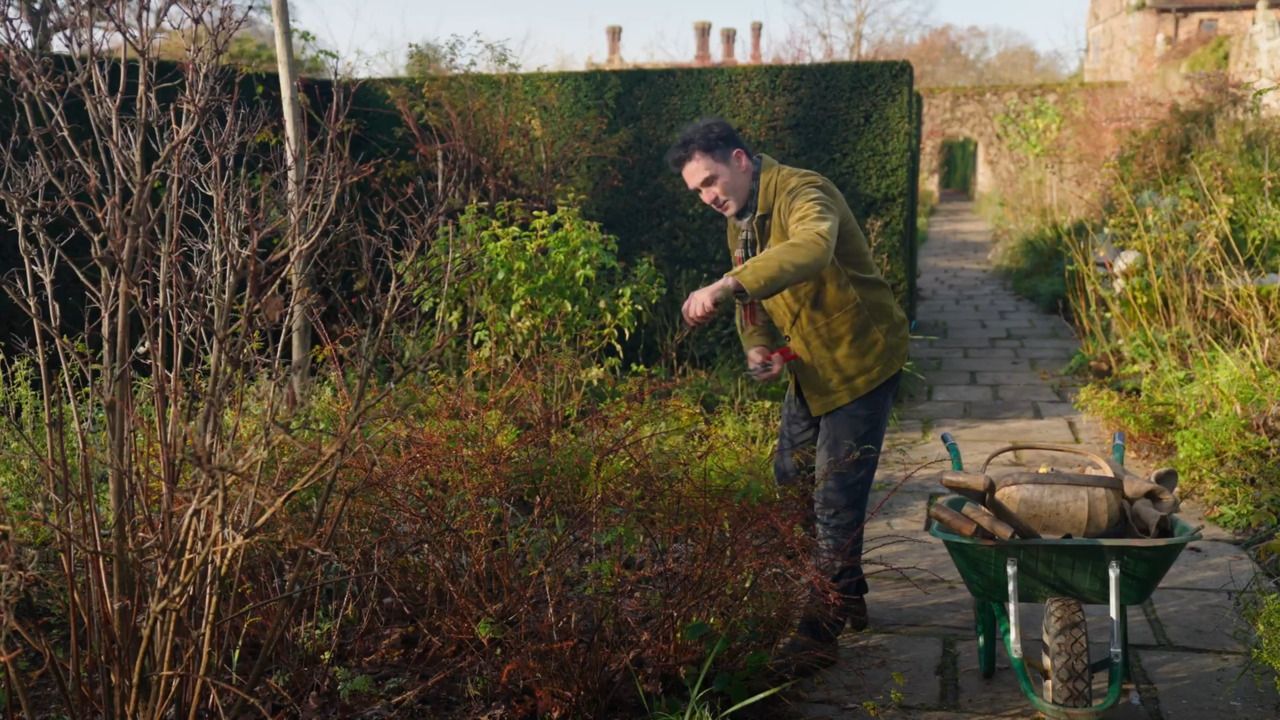
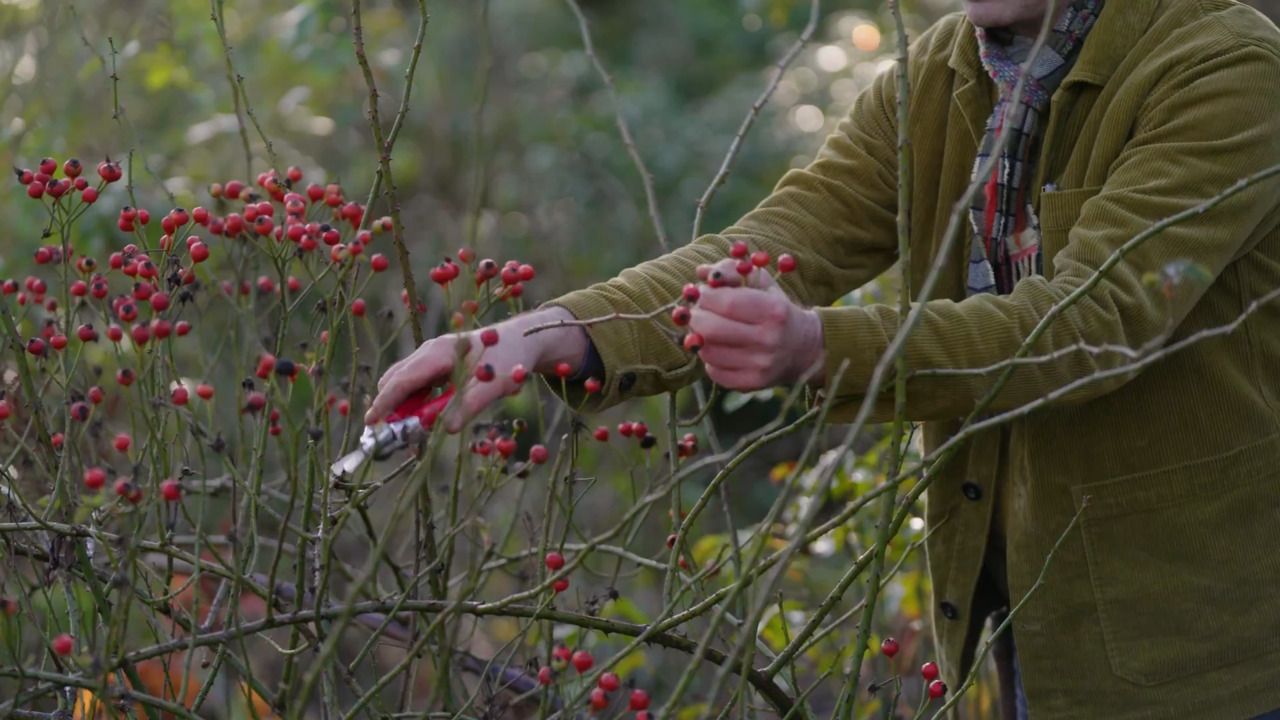
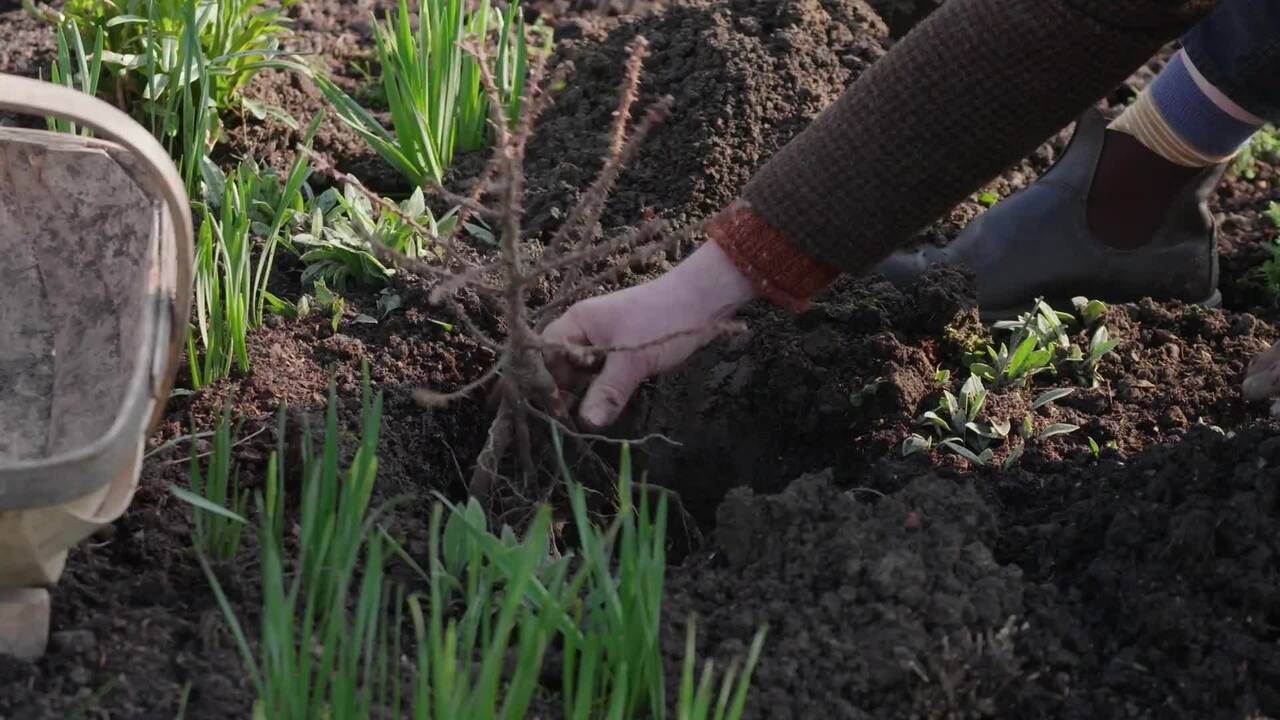
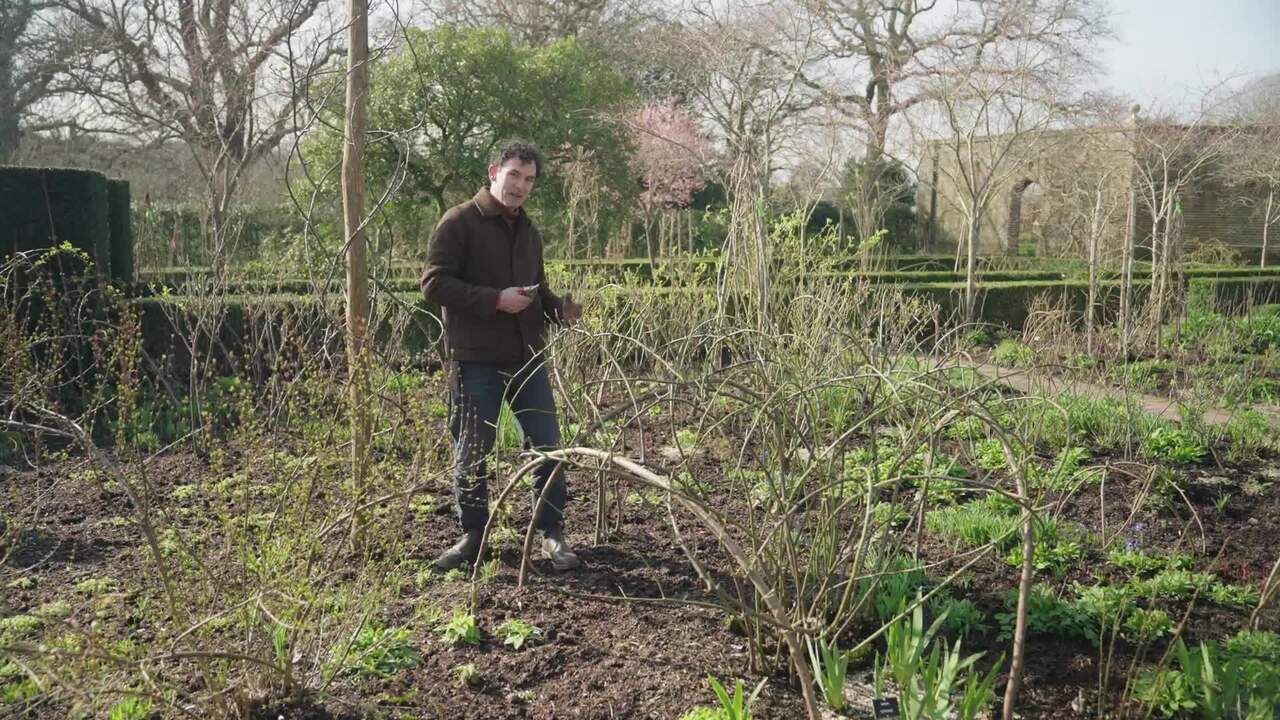
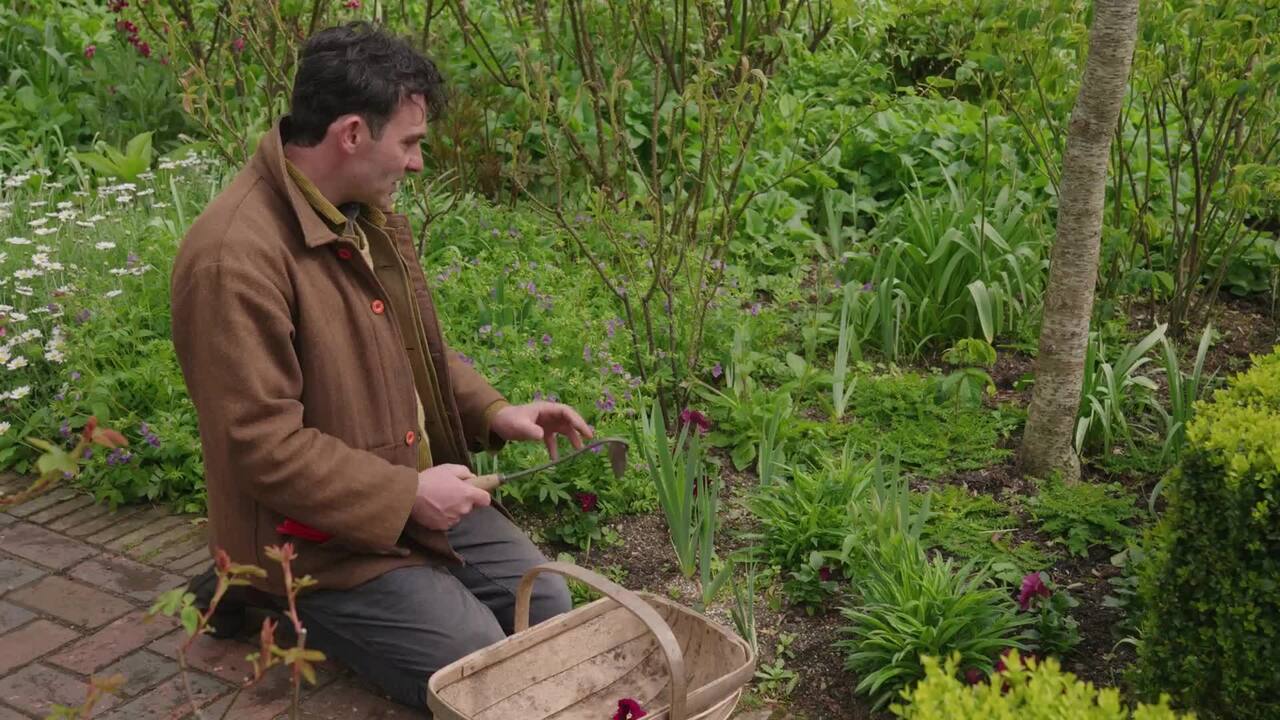
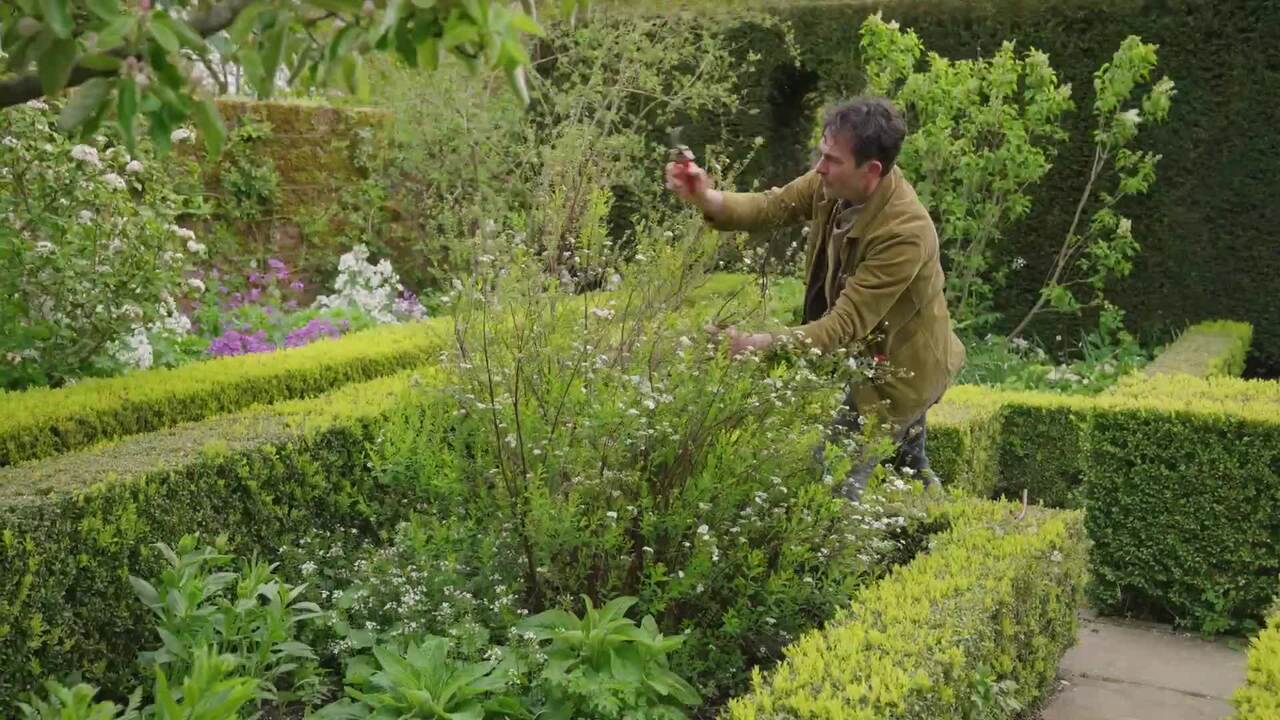
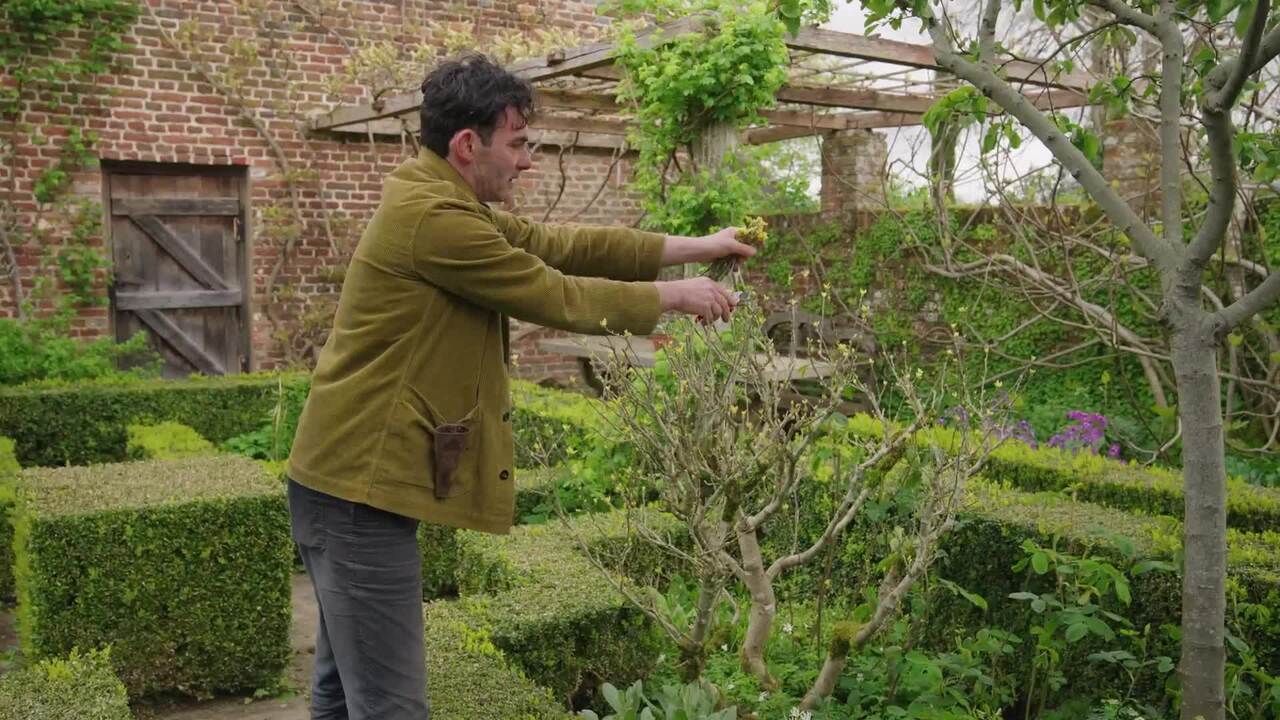
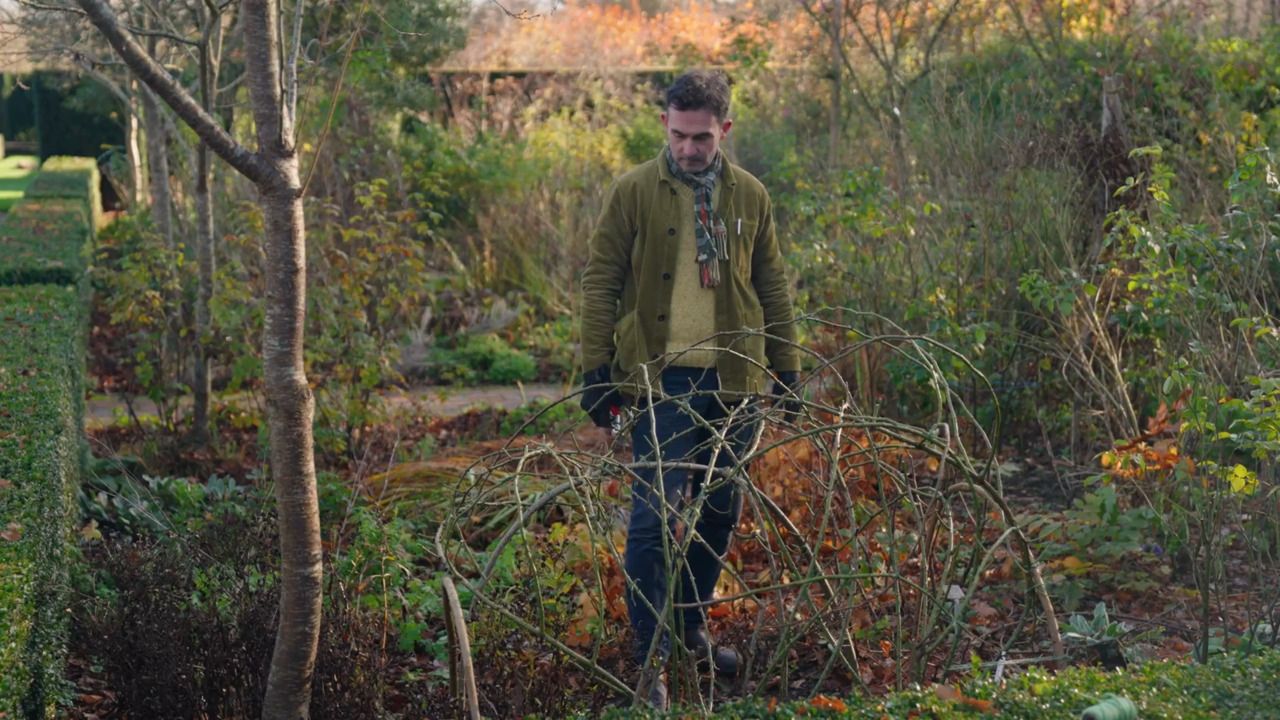
With Troy’s signature attention to detail, we build on the previous lesson with the next series of practical steps to create the perfect trained shrub rose.
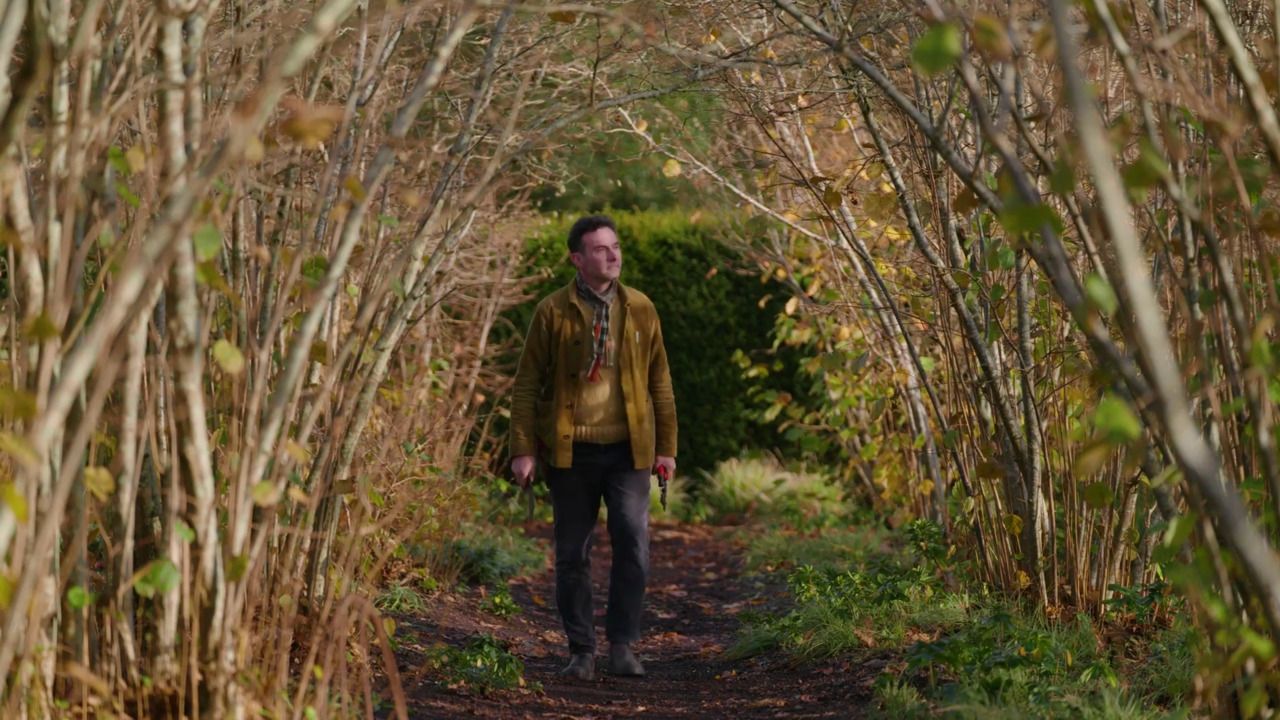
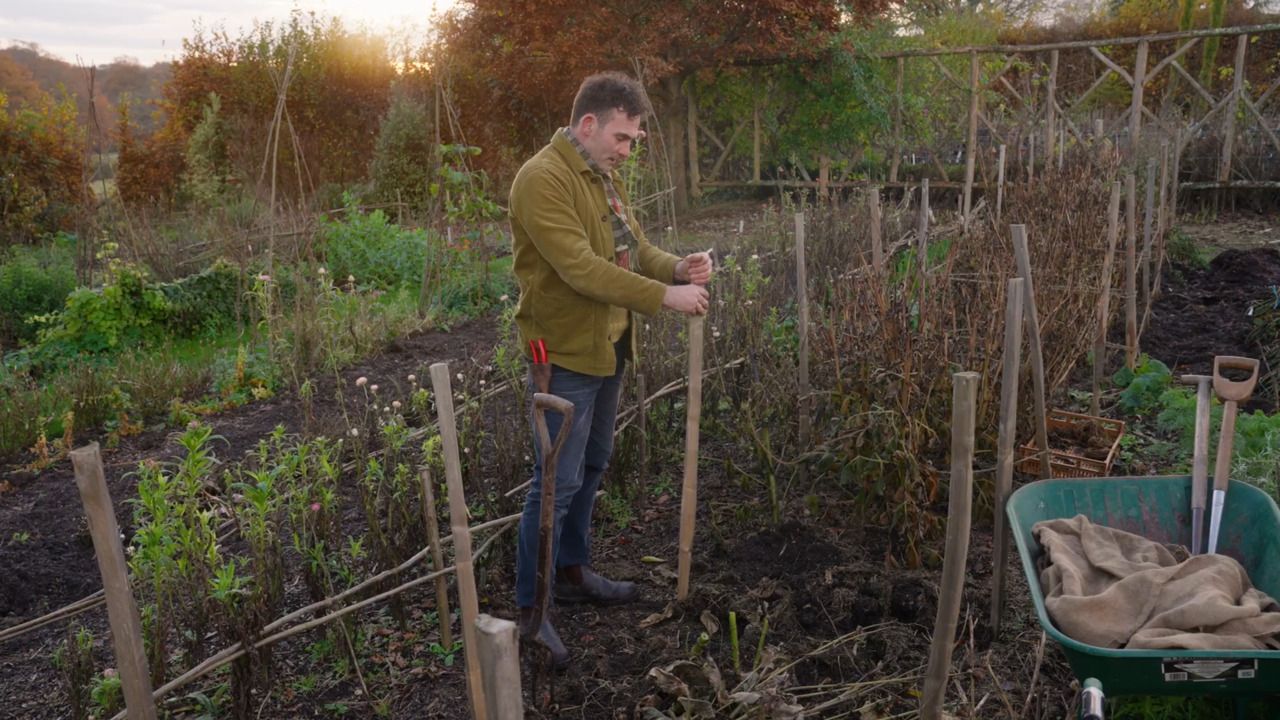
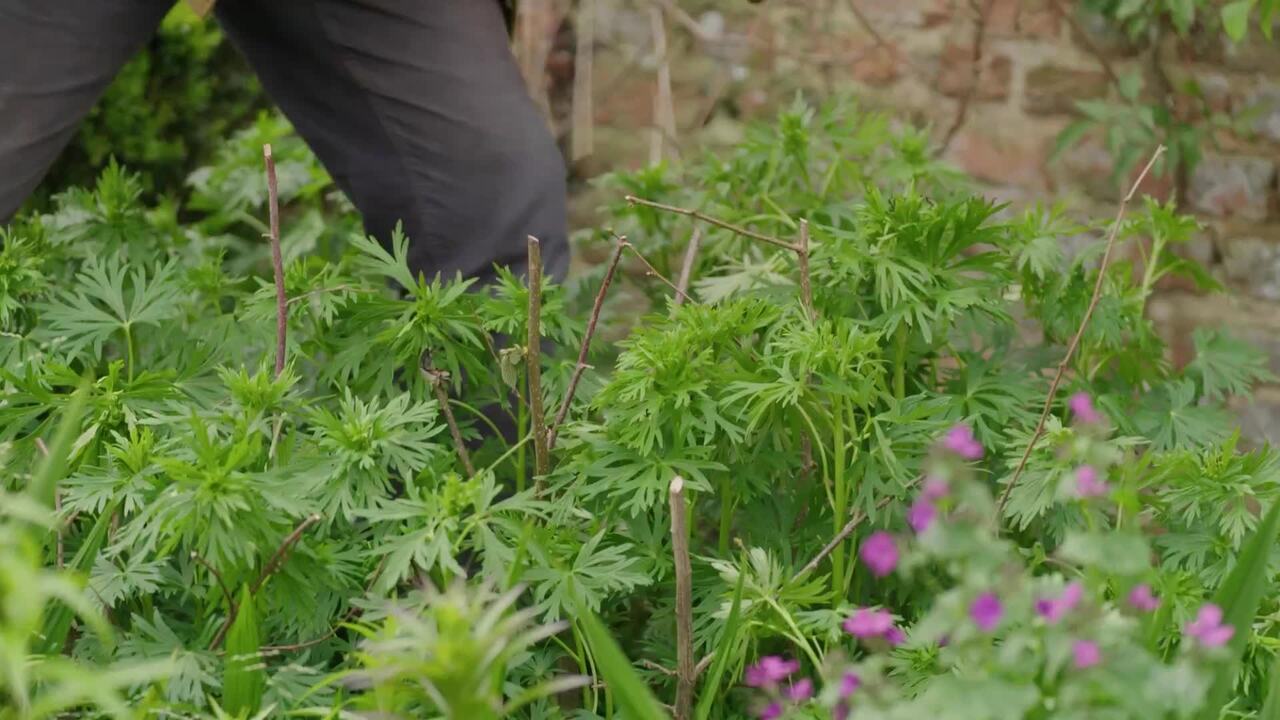
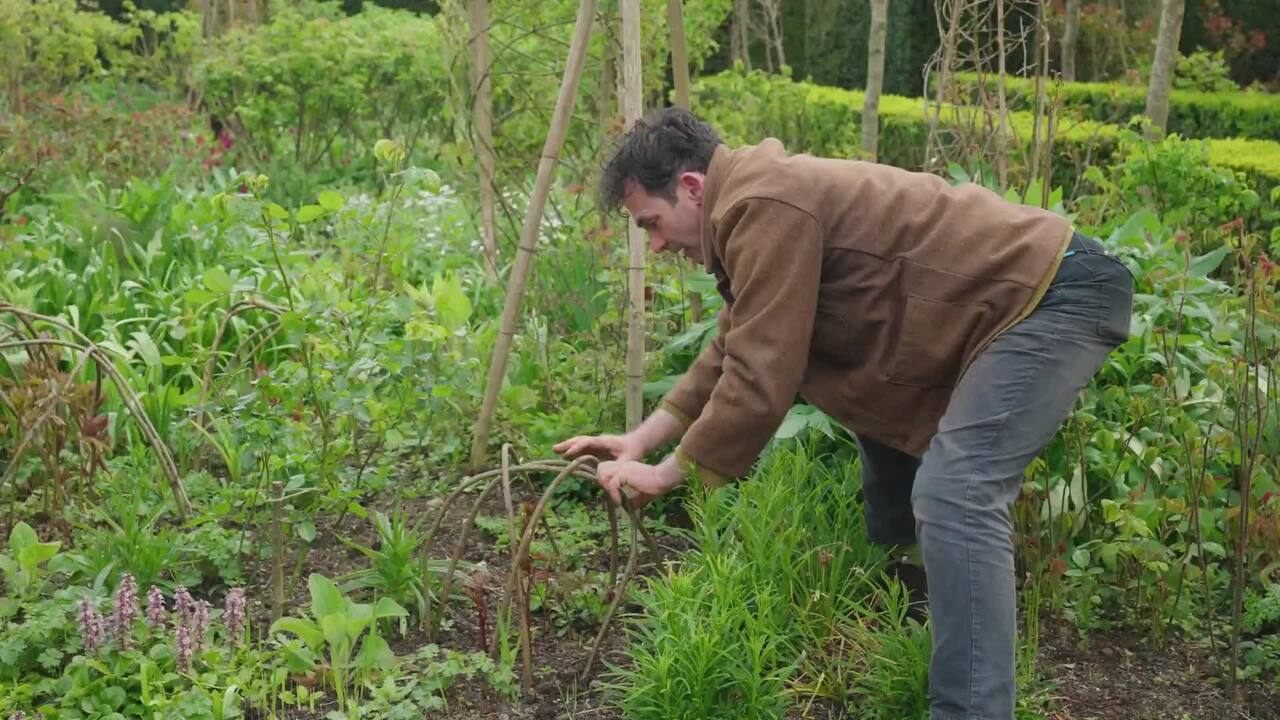
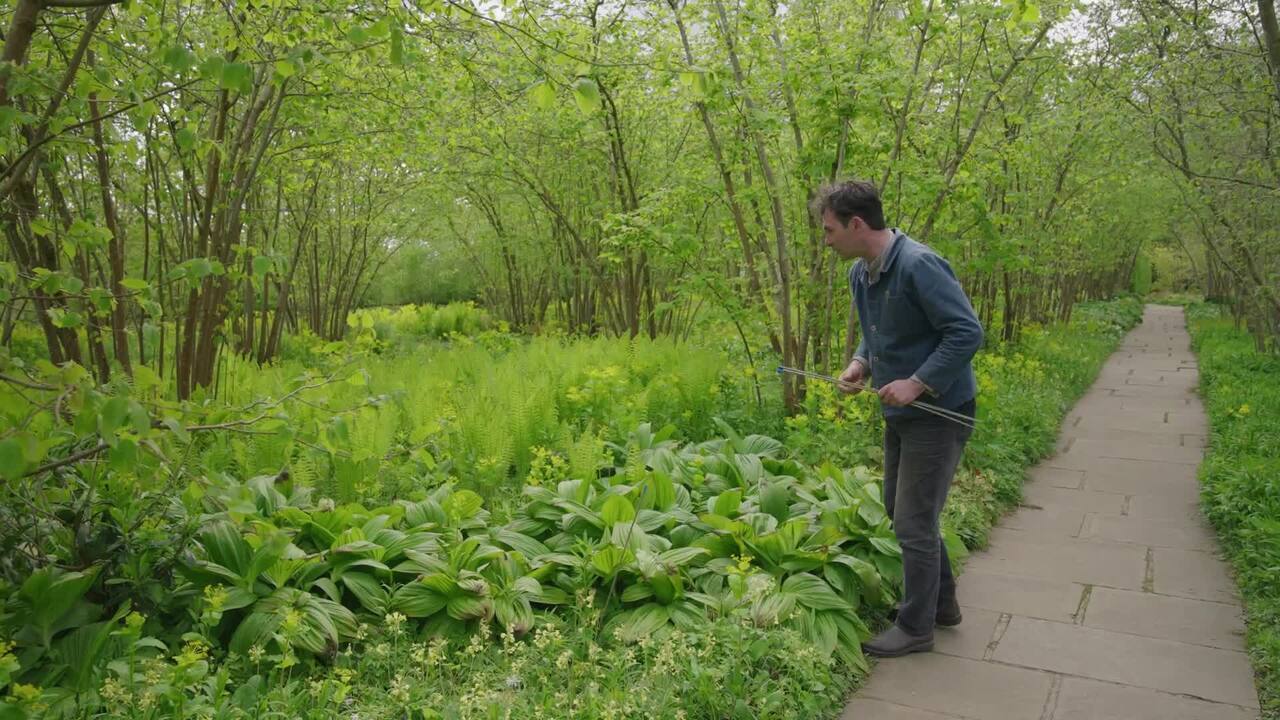
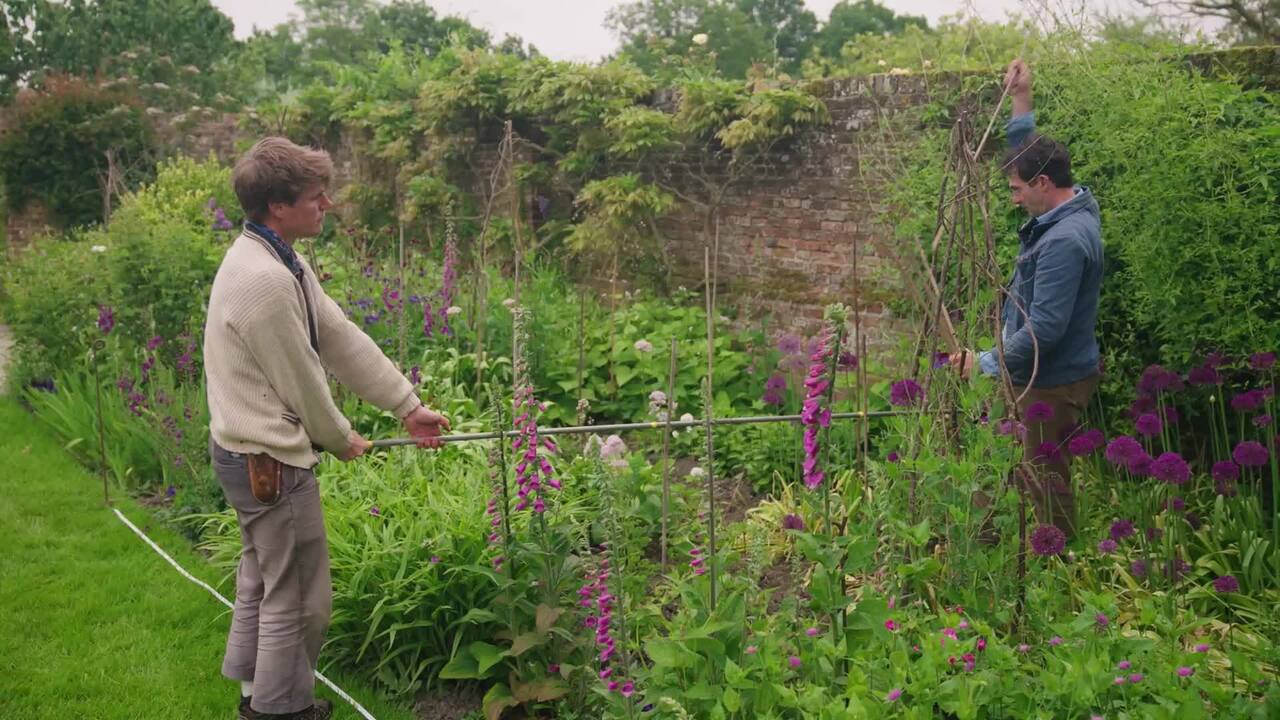
I've coppiced hazel stems from our Nuttery to give long, supple stems to use for benders.
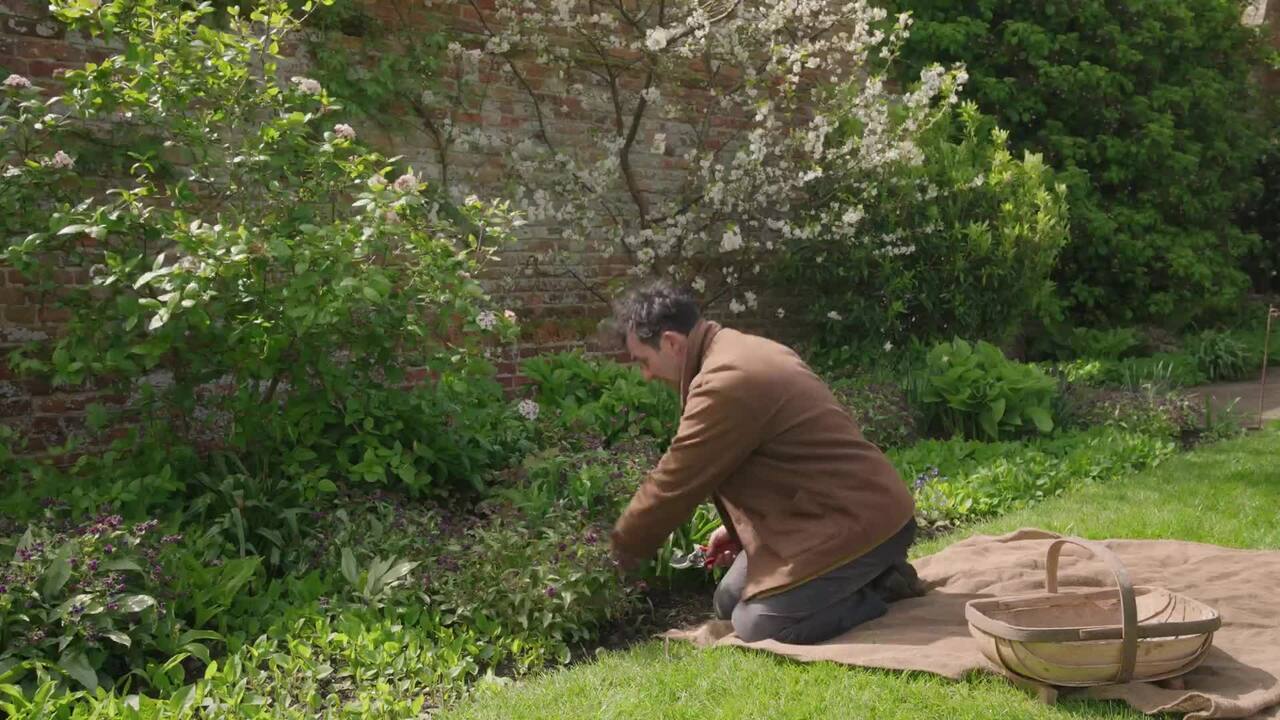
This rose was planted too close to the low hedge edging the border - there's only about a foot's gap.
Be careful when putting in the benders - you may want to wear safety goggles as well as gloves to protect from the springy benders and the thorny stems. You may also wish to lay down some wooden planks or boards to avoid compacting the soil too much as you move round the rose.
If a bender is too low, you may need to replace it with a longer stick.
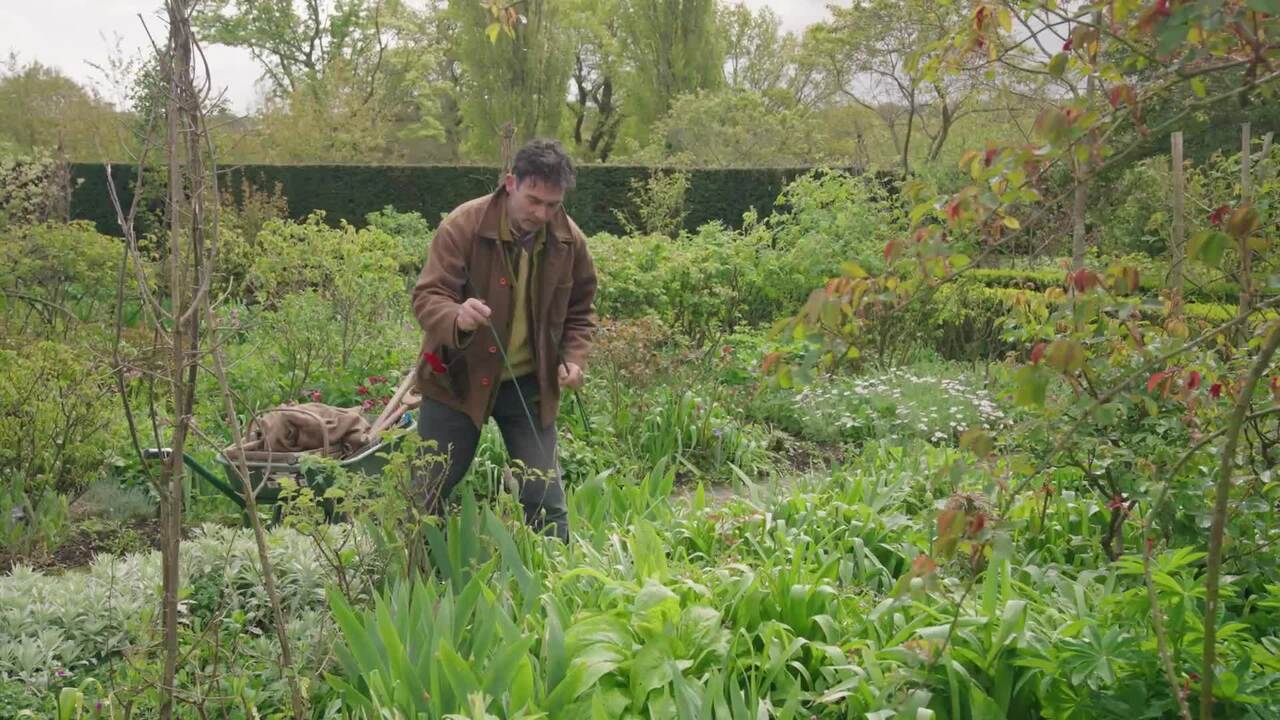
Once you're happy with the pruning and have put the sticks in, the final stage is to start tying the stems into the bender with string.
You want to anchor some of the stems down to give yourself a starting point, but you can save a lot of time by doing the string in an efficient way.
After tying in the last stems, check for anything you haven't tied that will spring out in the summer, or anything that looks wrong.
While a lot of gardening is about tidying and presenting, this feels really creative and a lot of fun.
Gardening is art at its best. Look at your rose, give it a go and have fun.
Bender
A flexible hazel stick that Troy uses to create hoops, with each end stuck into the ground, for tying rose stems to in order to train a shrub rose into an ornate shape.
Coppice
A woodland management technique where a tree or shrub down to ground level or very near ground level, encouraging new stems to grow from the cut-off point (the 'stool'), which are then harvested during the next cut. Hazel is generally coppiced every 5-7 years; different trees may be coppiced in rotation to provide materials continuously.
Get the full workbook, video lessons, and more with a Create Academy subscription.
Subscribe to access the full workbookAlready a member? Sign in to watch
491 reviews
Read moreCreate Academy has been such a great resource. I'm in the middle of renovating a bungalow with a very large garden and the courses have offered a wealth of inform...
Harvey
Jun 10, 2026
Absolutely love Create Academy! The instructors are extremely informative, and it is beautifully filmed. Create Academy is great value for money and plan on renew...
SG
May 31, 2026
Butter's creativity is stunning! Her ability to incorporate brilliance in small gardens is magical!
Carla
May 30, 2026
The best adventure. I like all the courses, but my favorite are both Rita Konig interior design courses and Anna Jones. Excellent!
Karolina Kluczewska
May 20, 2026
Create Academy has been such a great resource. I'm in the middle of renovating a bungalow with a very large garden and the courses have offered a wealth of information to dive into and explore new ideas. I'm...
Harvey
Jun 10, 2026
Absolutely love Create Academy! The instructors are extremely informative, and it is beautifully filmed. Create Academy is great value for money and plan on renewing my subscription yearly because there are ...
SG
May 31, 2026
Butter's creativity is stunning! Her ability to incorporate brilliance in small gardens is magical!
Carla
May 30, 2026

Your Instructor
Head Gardener at Sissinghurst. Garden Writer, Speaker & Lecturer.
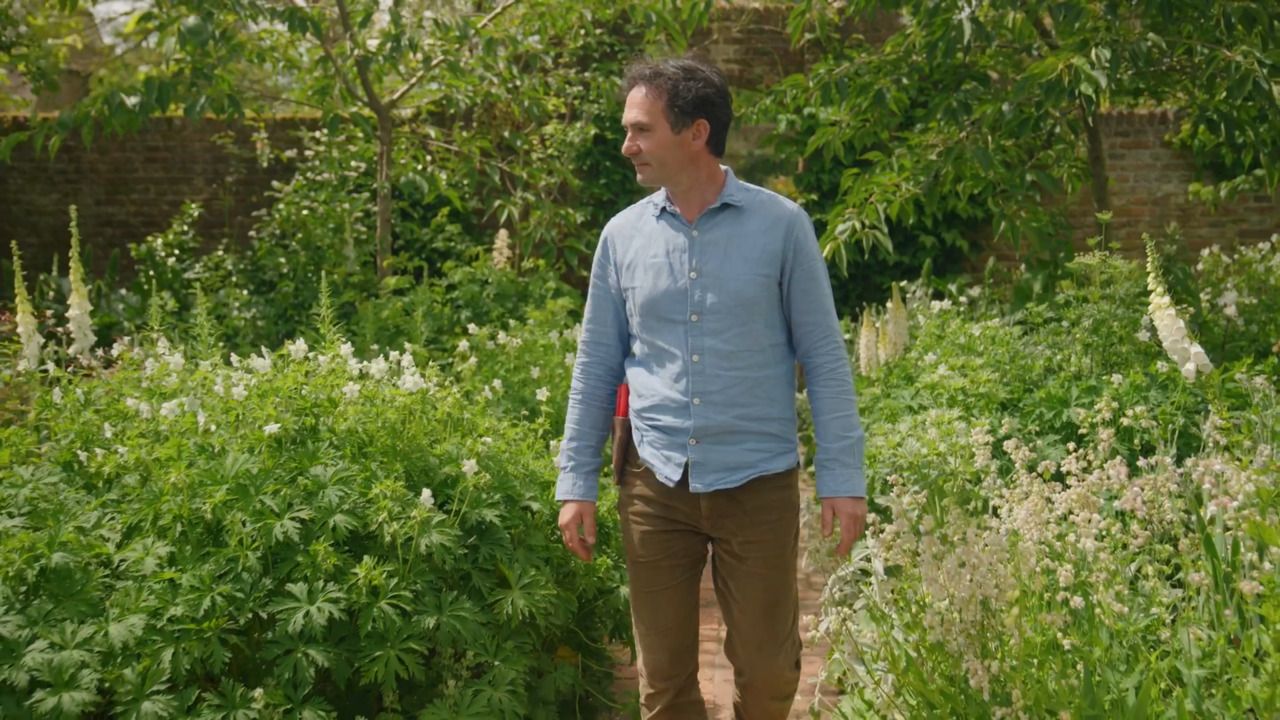
Troy Scott-Smith, previously head gardener of Iford Manor and Bodnant garden, now oversees the cherished grounds of Sissinghurst - one of the most famous gardens in England and is designated Grade I on Historic England's register of historic parks and gardens. Coming from a family of committed naturalists, Troy is a seasoned horticulturist, writer, designer and consultant, Troy is also a respected member of the RHS Floral Committee. When he set his sights on the head gardener role, he did so with refreshing candour, speaking passionately of the garden’s need for thoughtful evolution. It is a mark of the National Trust’s forward-thinking spirit that they embraced his vision, inviting him to guide this historic landscape into a compelling new chapter.

Access to all courses

