










Interior and exterior confidence
Create Academy has been such a great resource. I'm in the middle of renovating a bungalow with a very large garden and the courses have offered a wealth of inform...
Harvey
Jun 10, 2026
The Art of Gardening at Sissinghurst
with TROY SCOTT SMITH — Head Gardener at Sissinghurst. Garden Writer, Speaker & Lecturer.
Lesson 25 of 56
Subscribe to watch
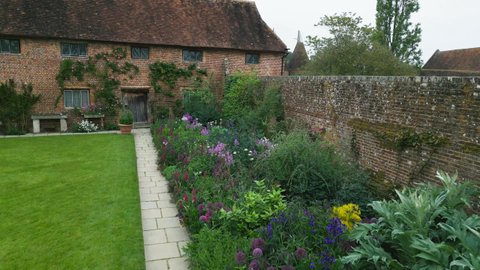
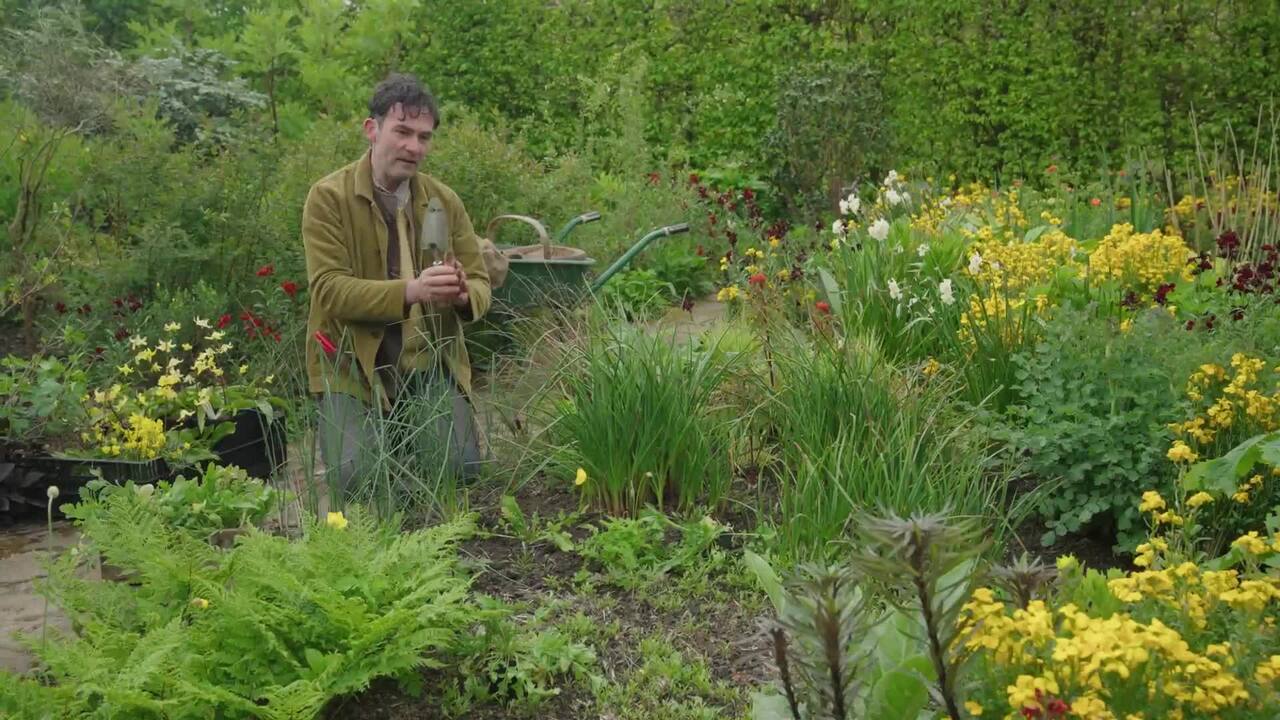
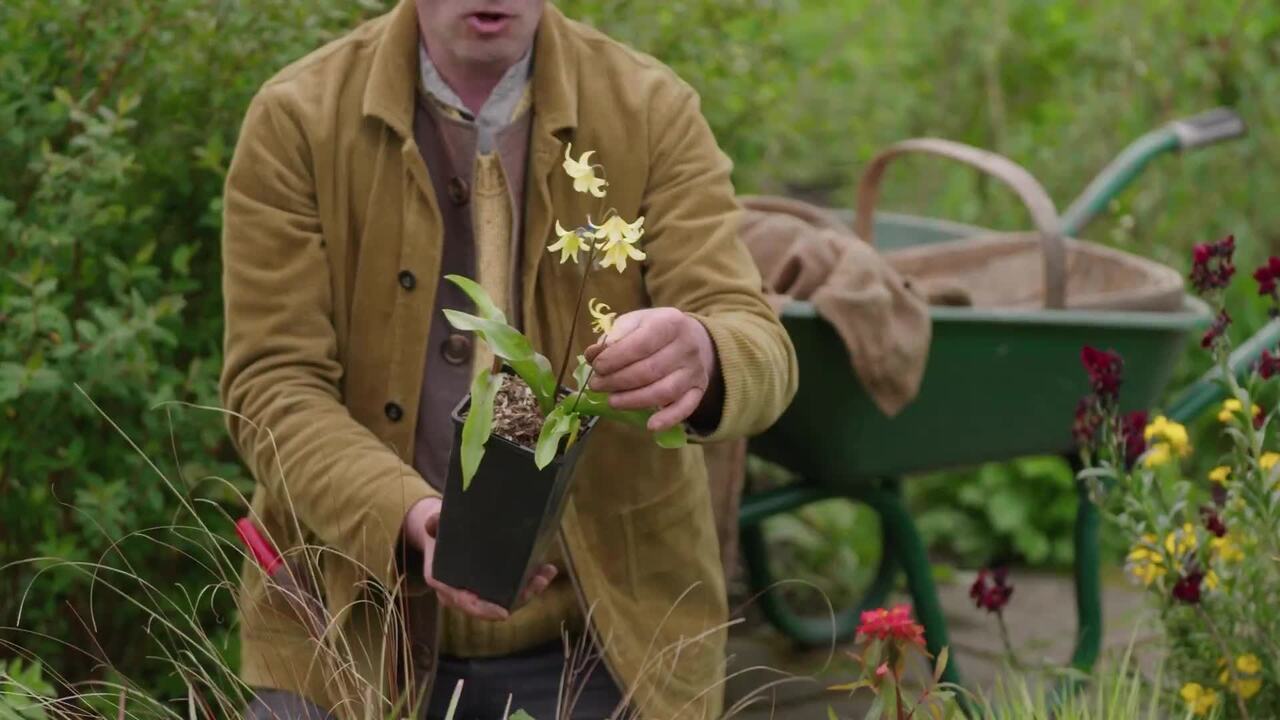
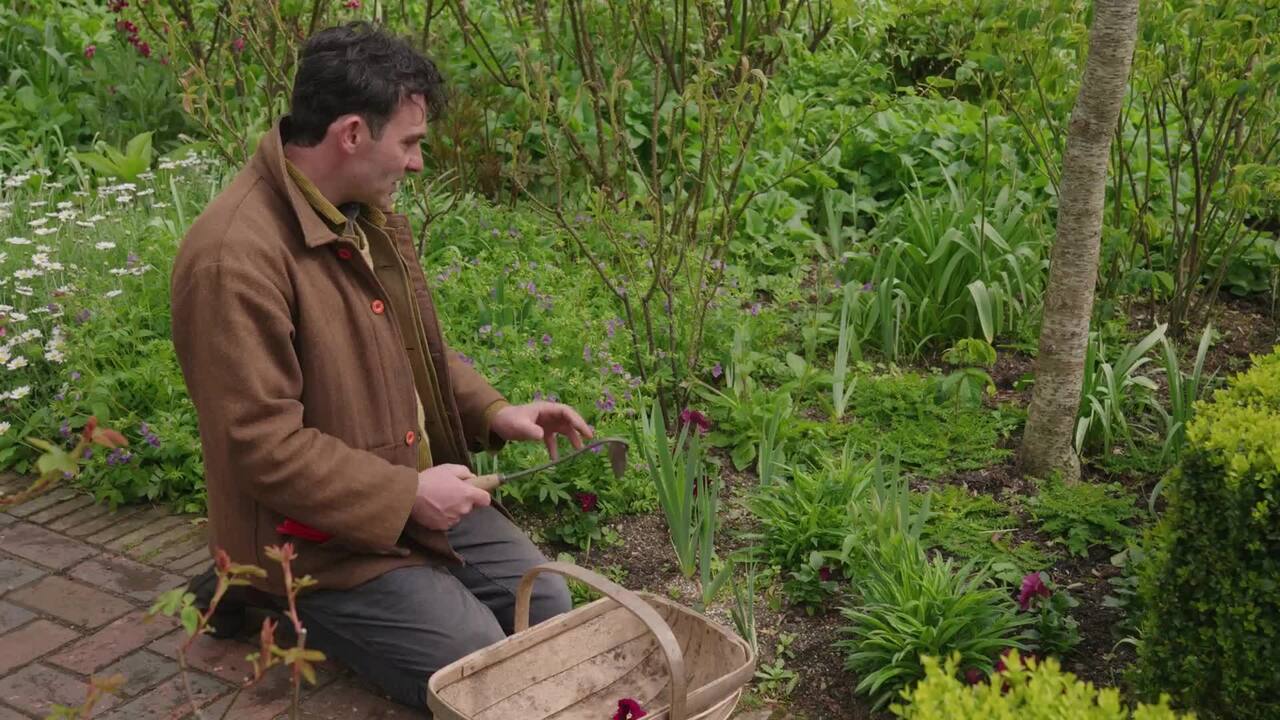
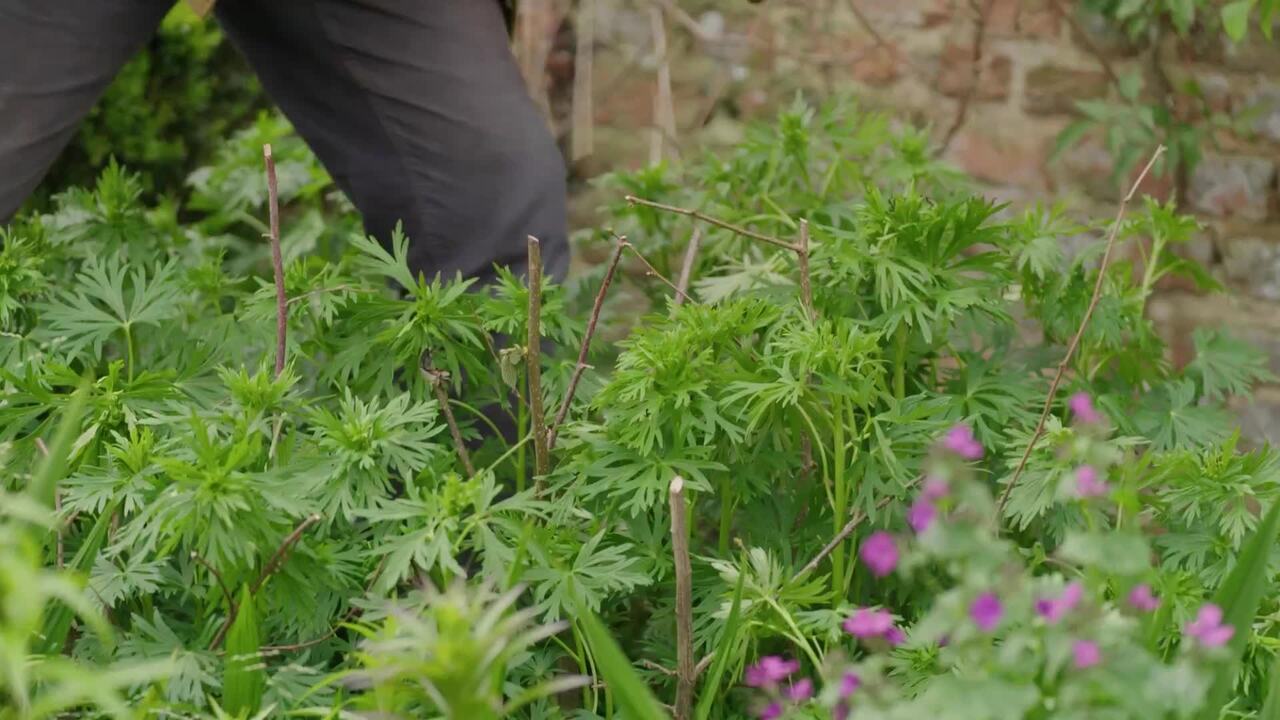
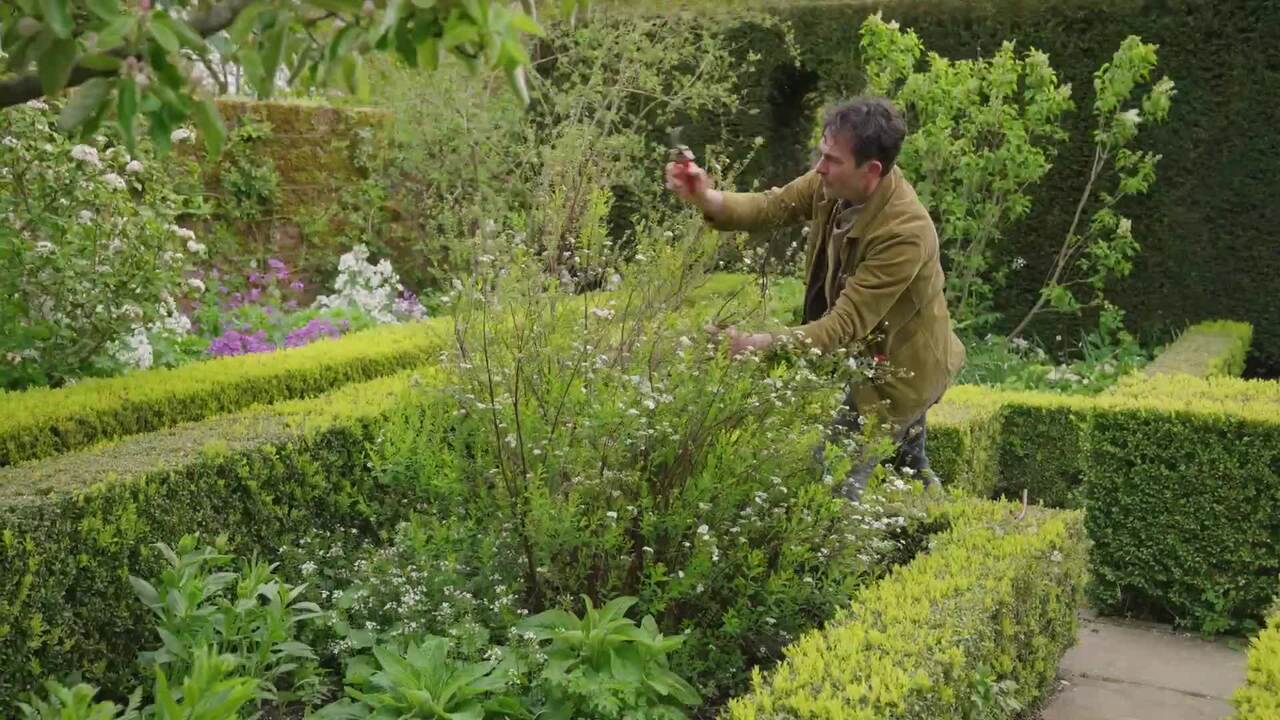
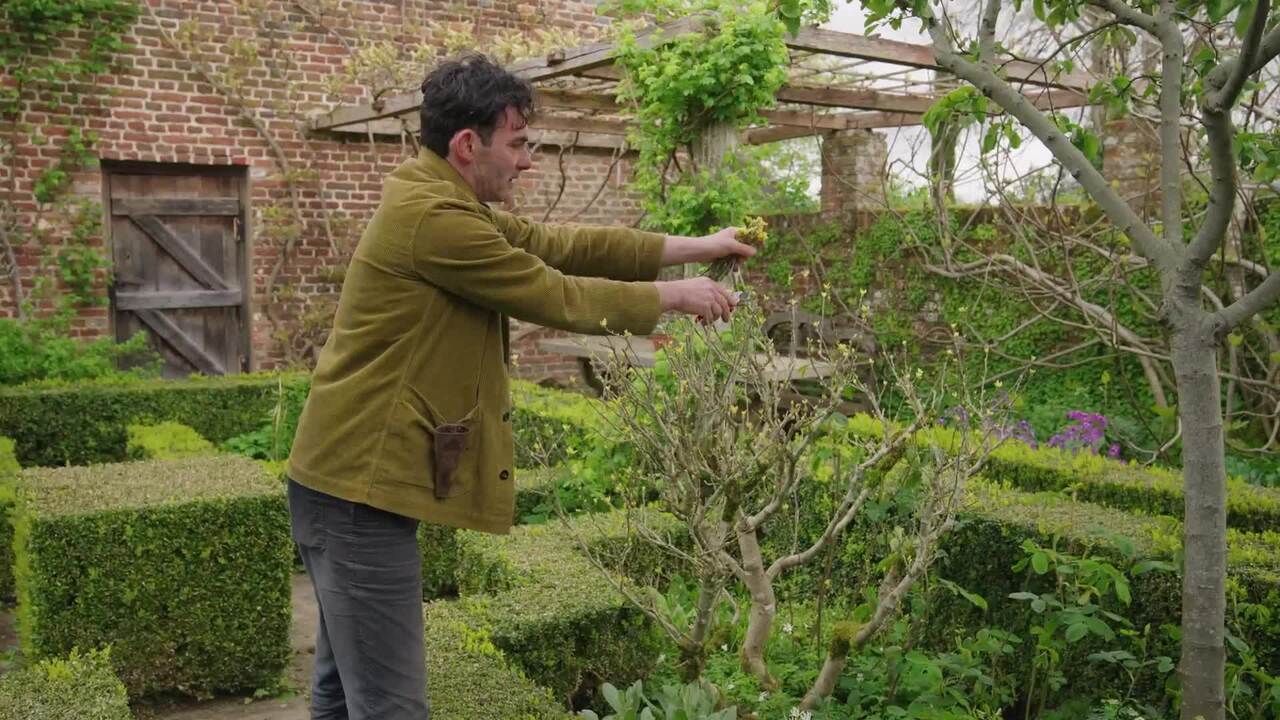
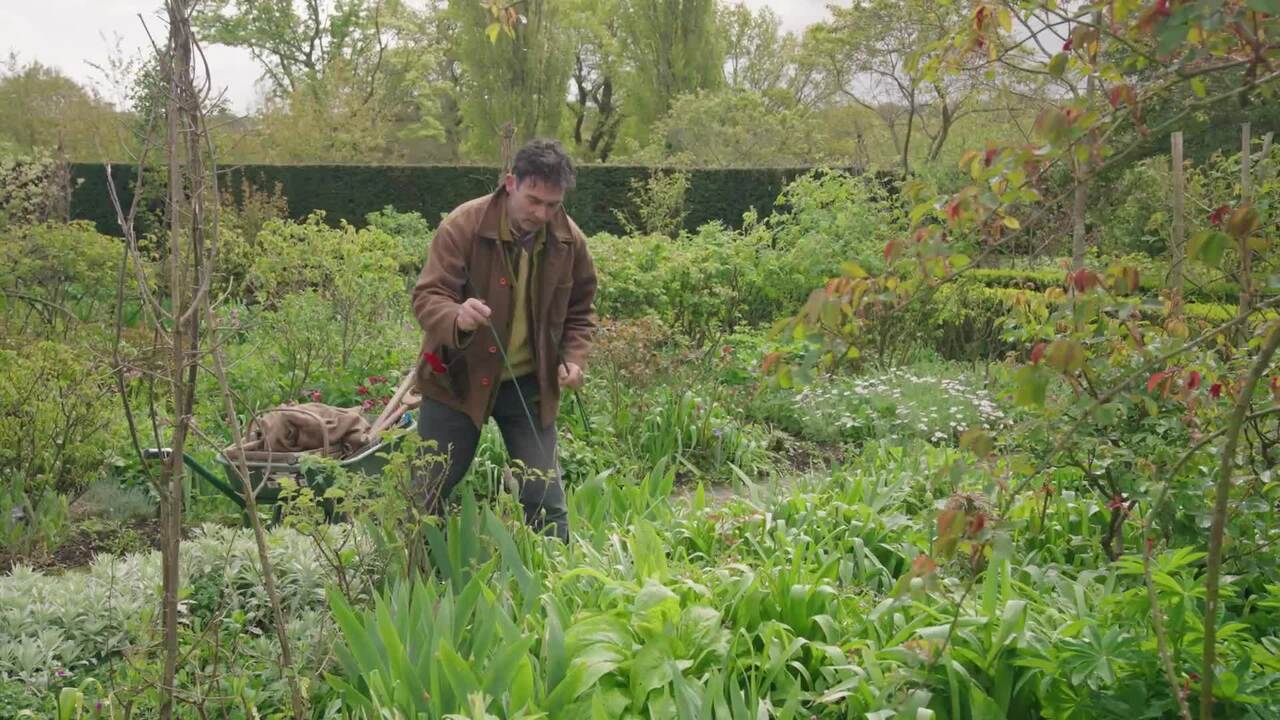
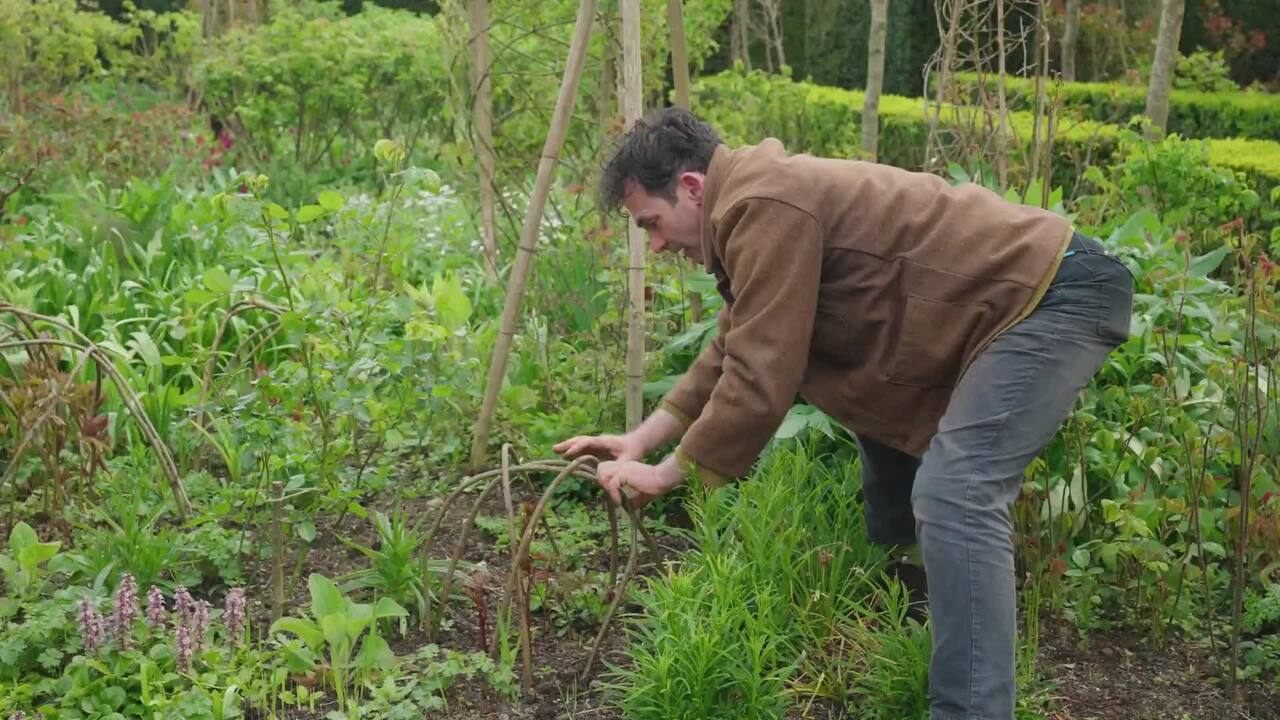
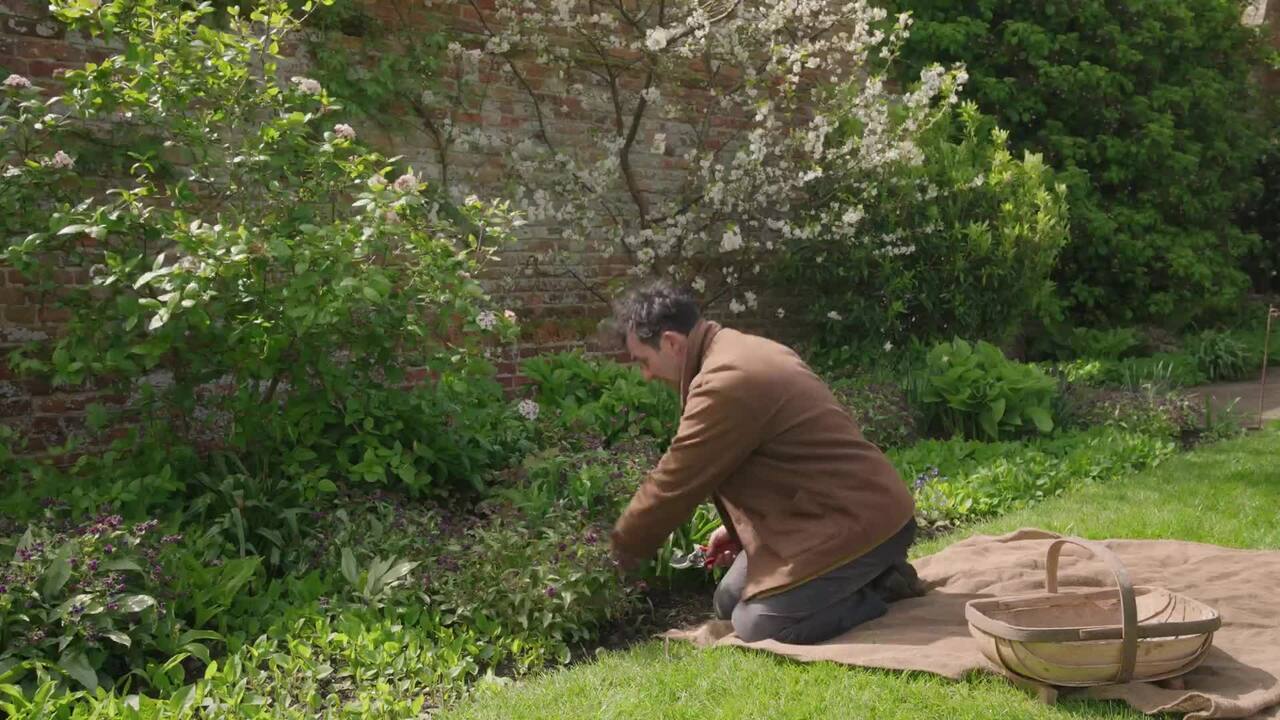
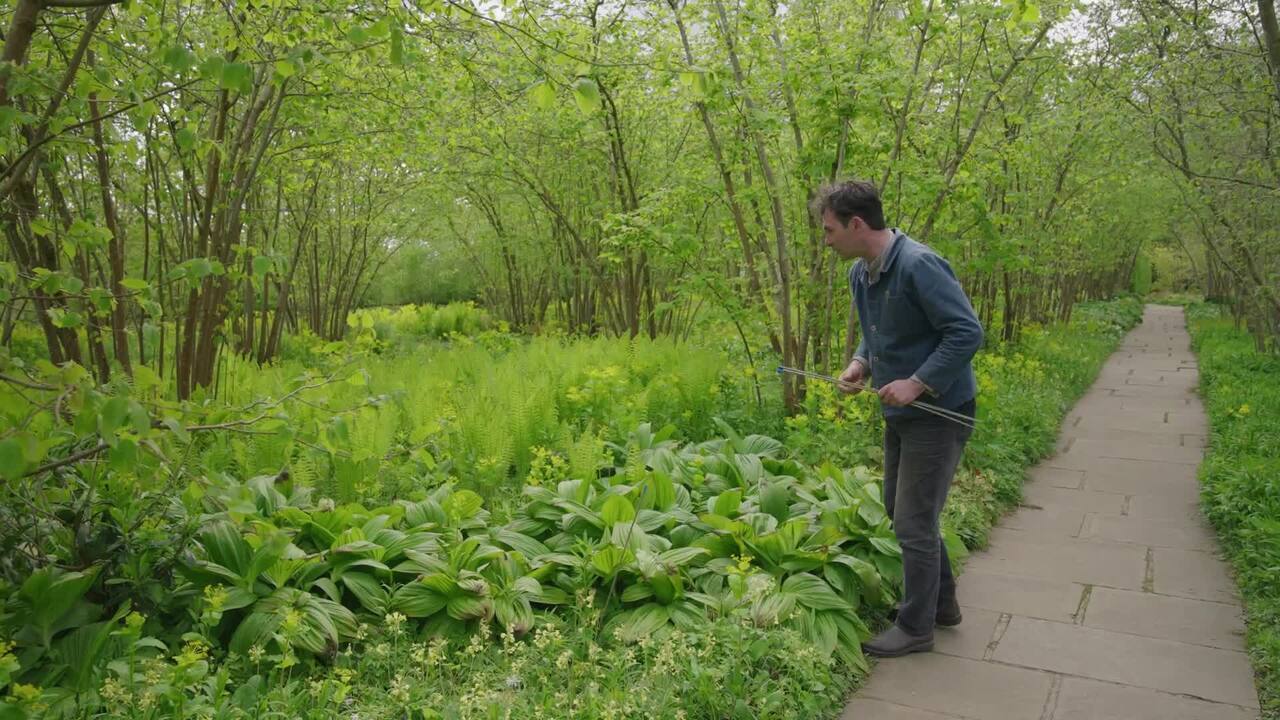
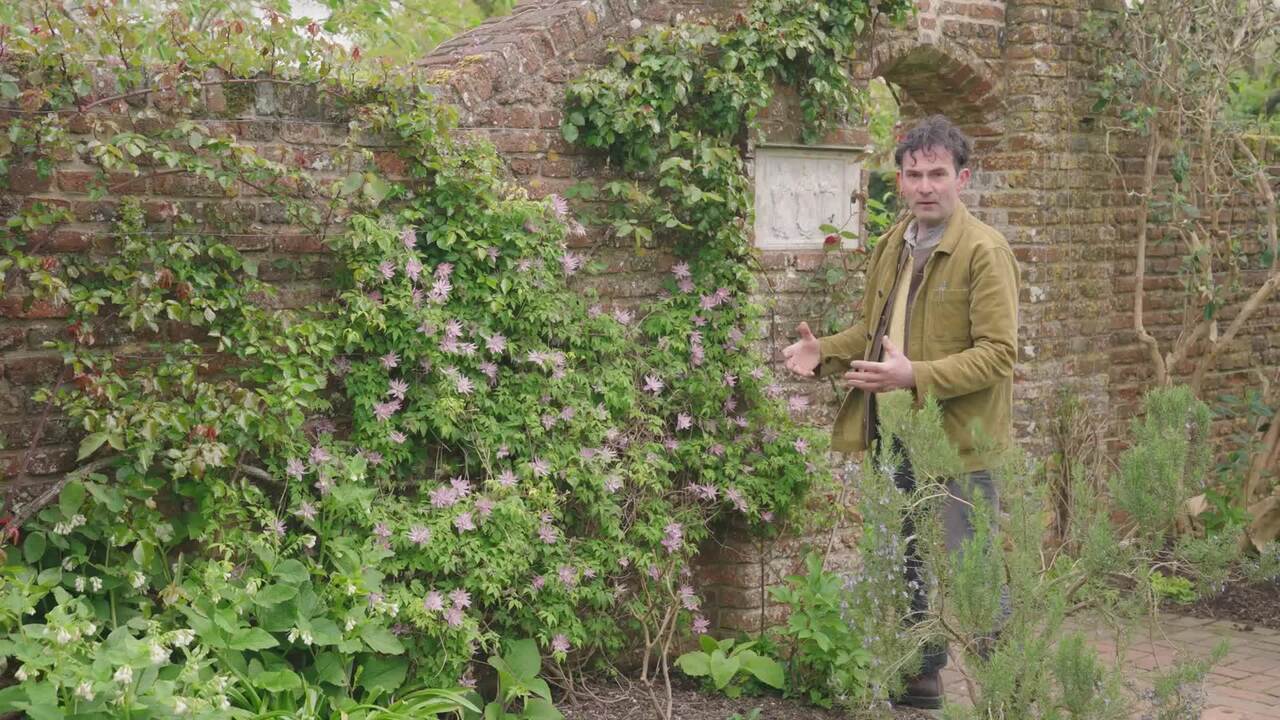
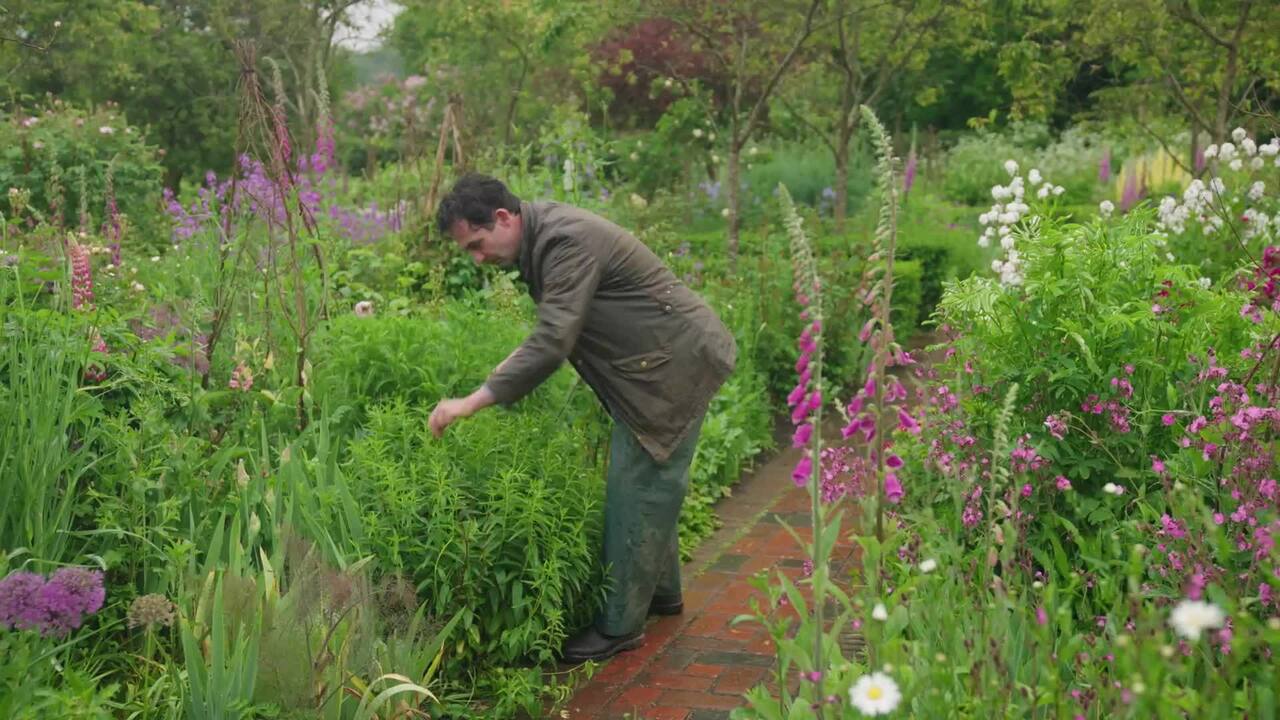
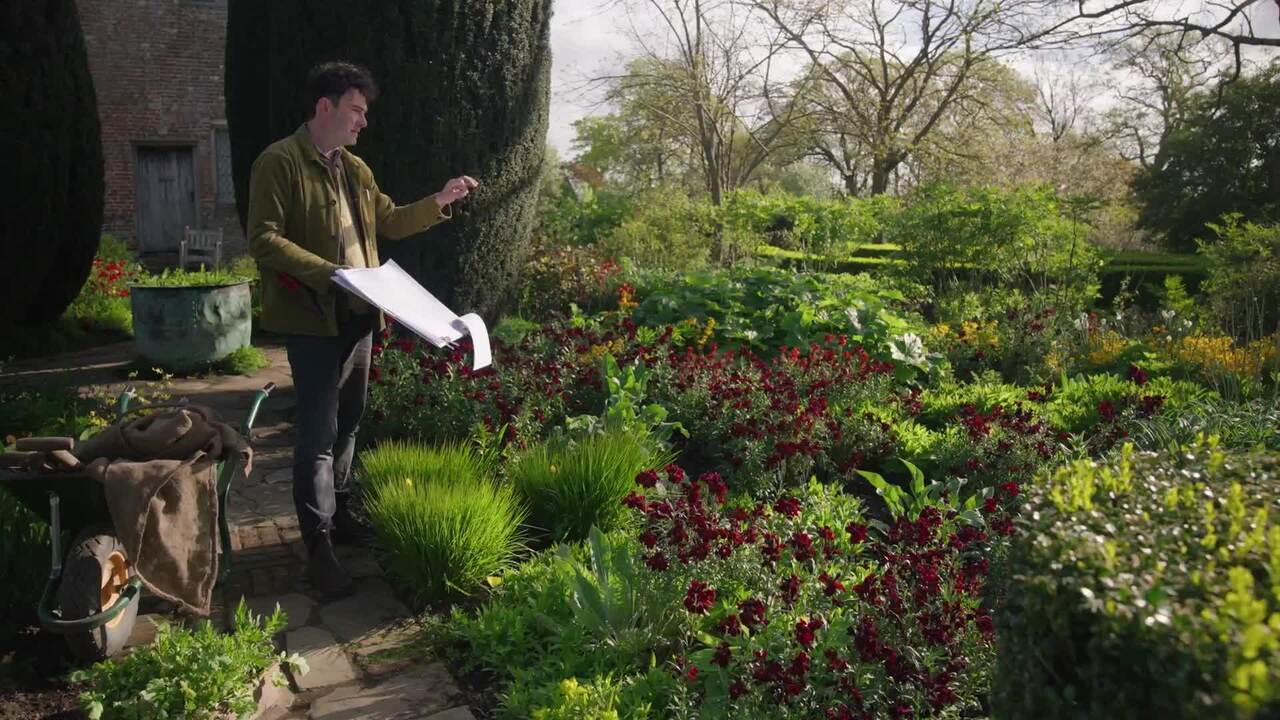
Mid-April is a busy time - but it’s also key to take time to step back, observe and analyse your borders and plan. Troy shares his top tips on how to do this to get the most from your borders.
Mid-April is a busy time - but it's key to also take time to step back, observe, analyse your borders and plan. I'm going to share my top tips on how to do this to get the most from your borders.
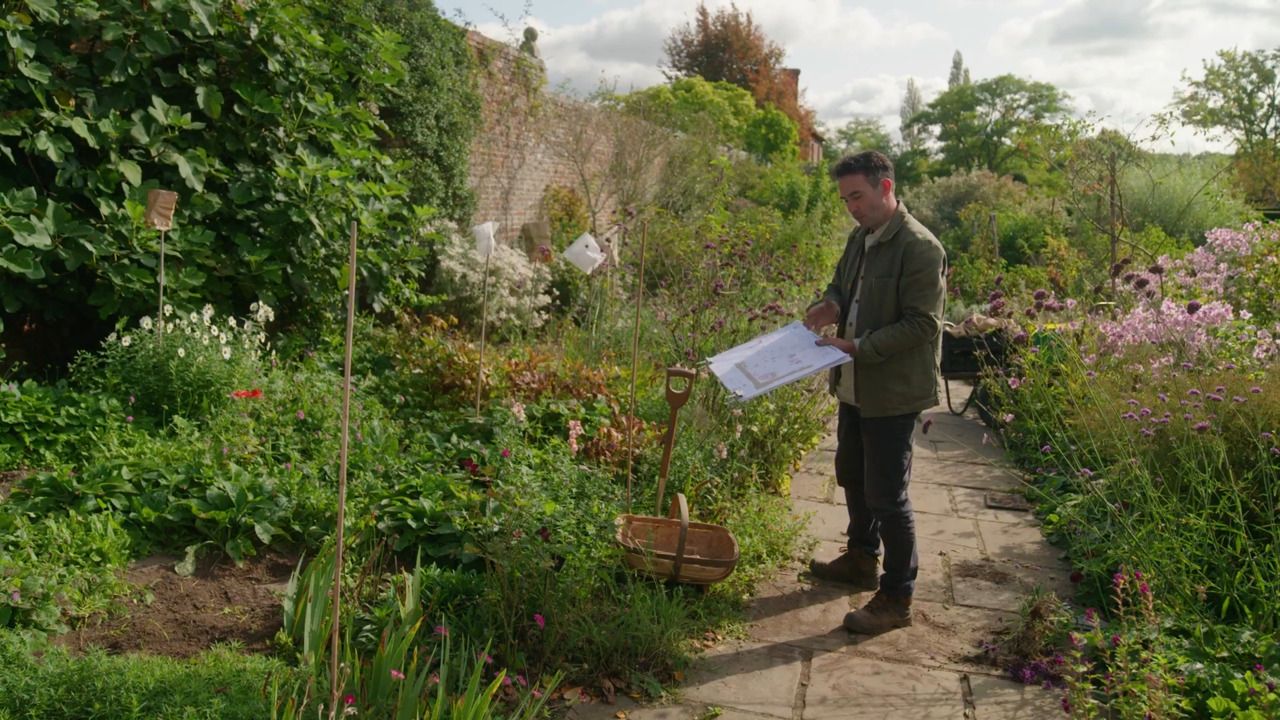
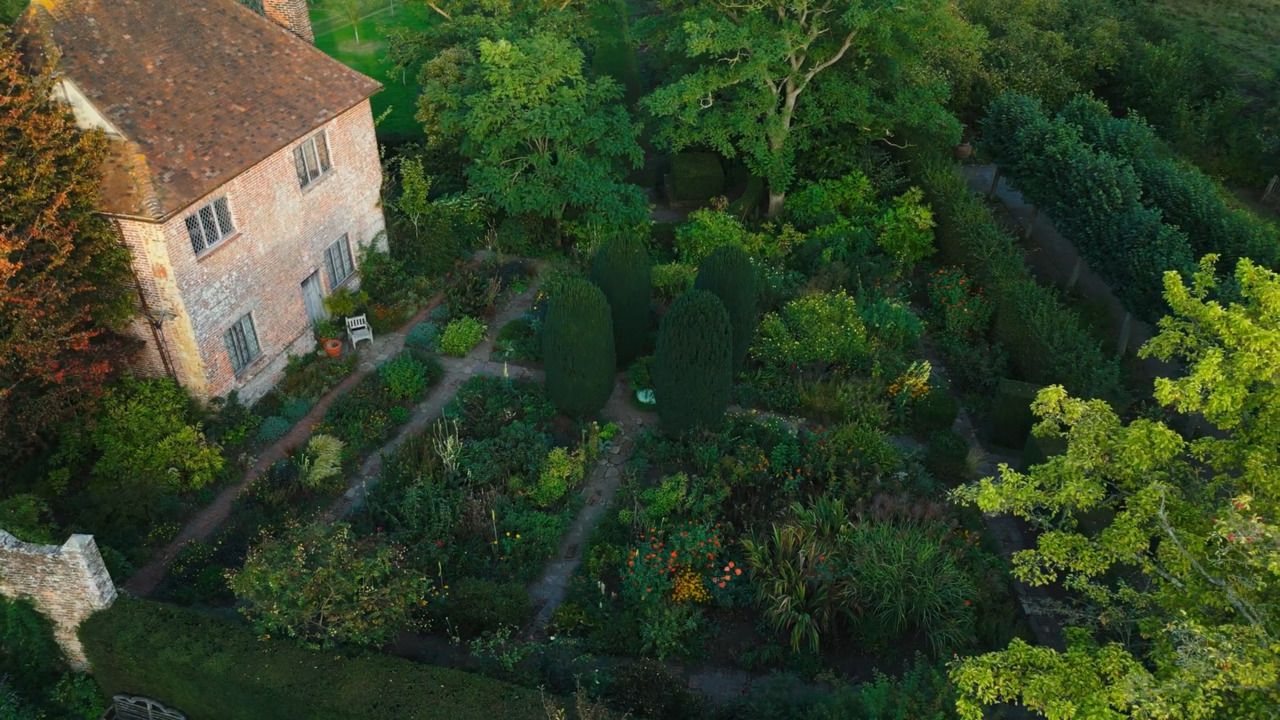
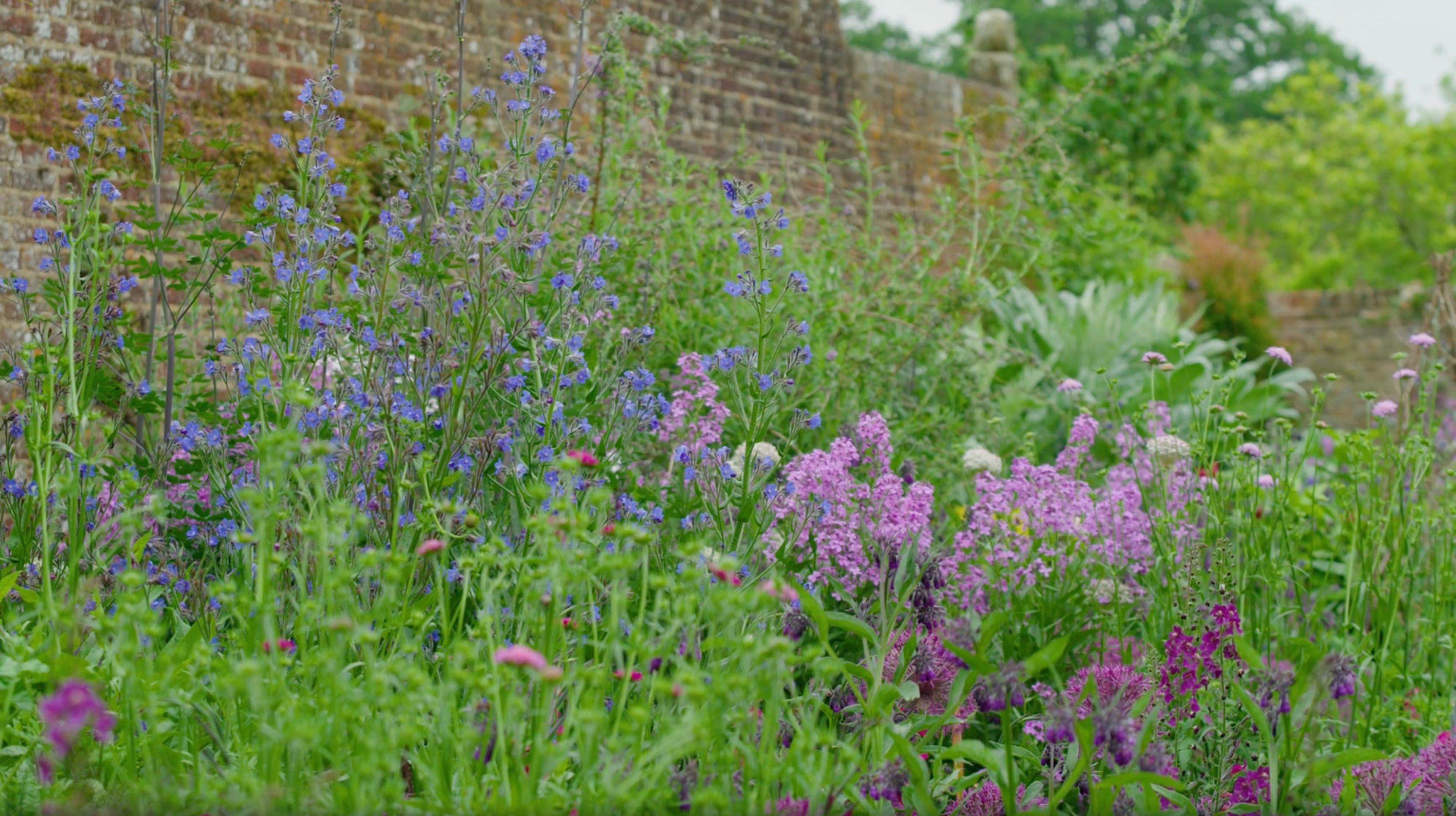
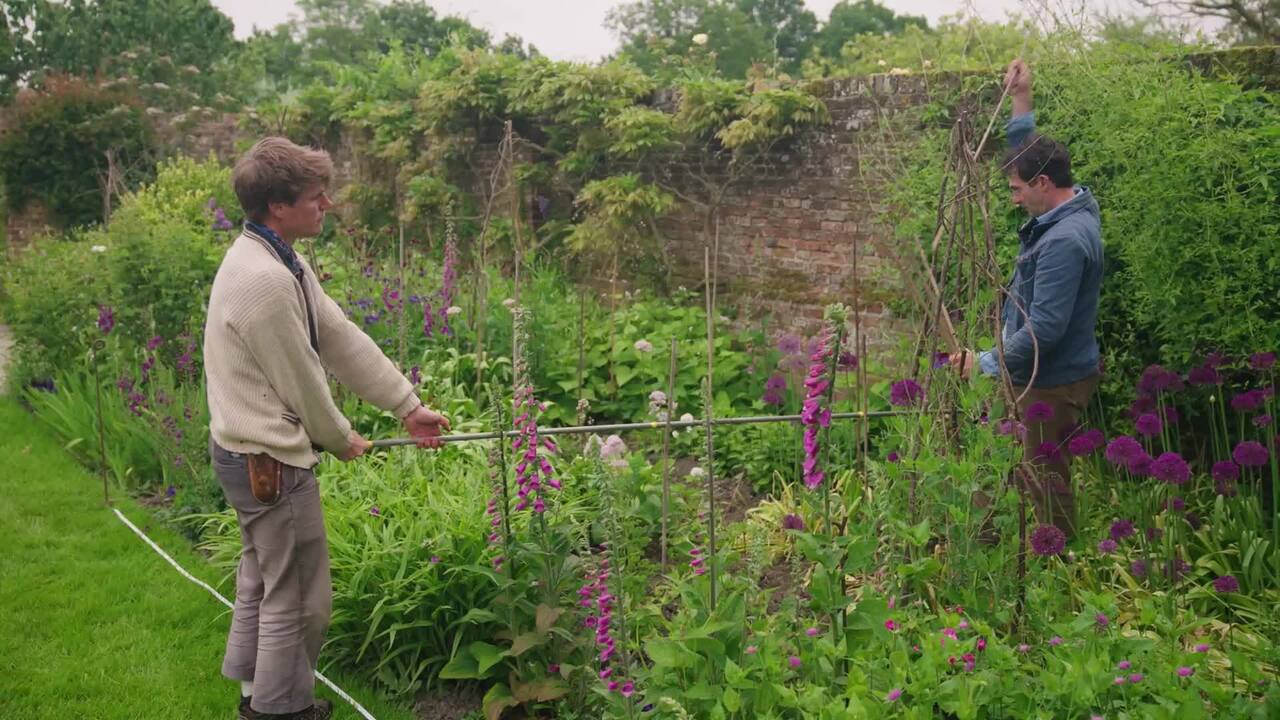
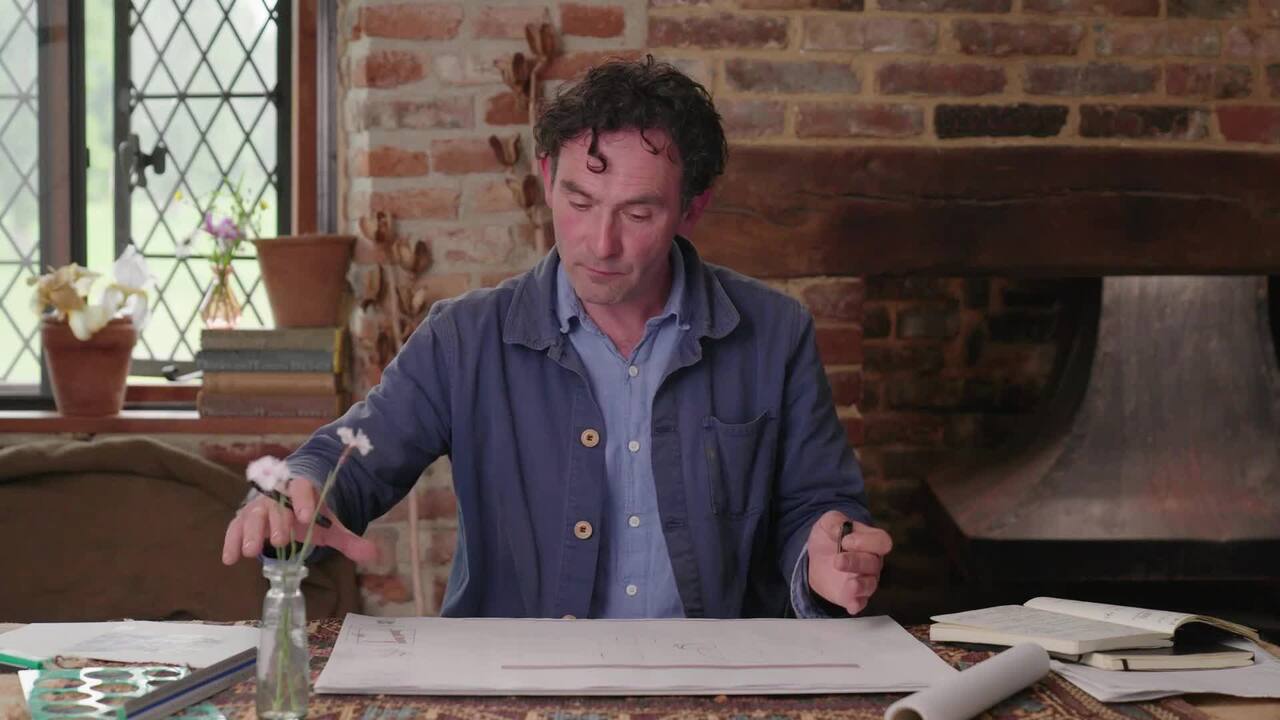
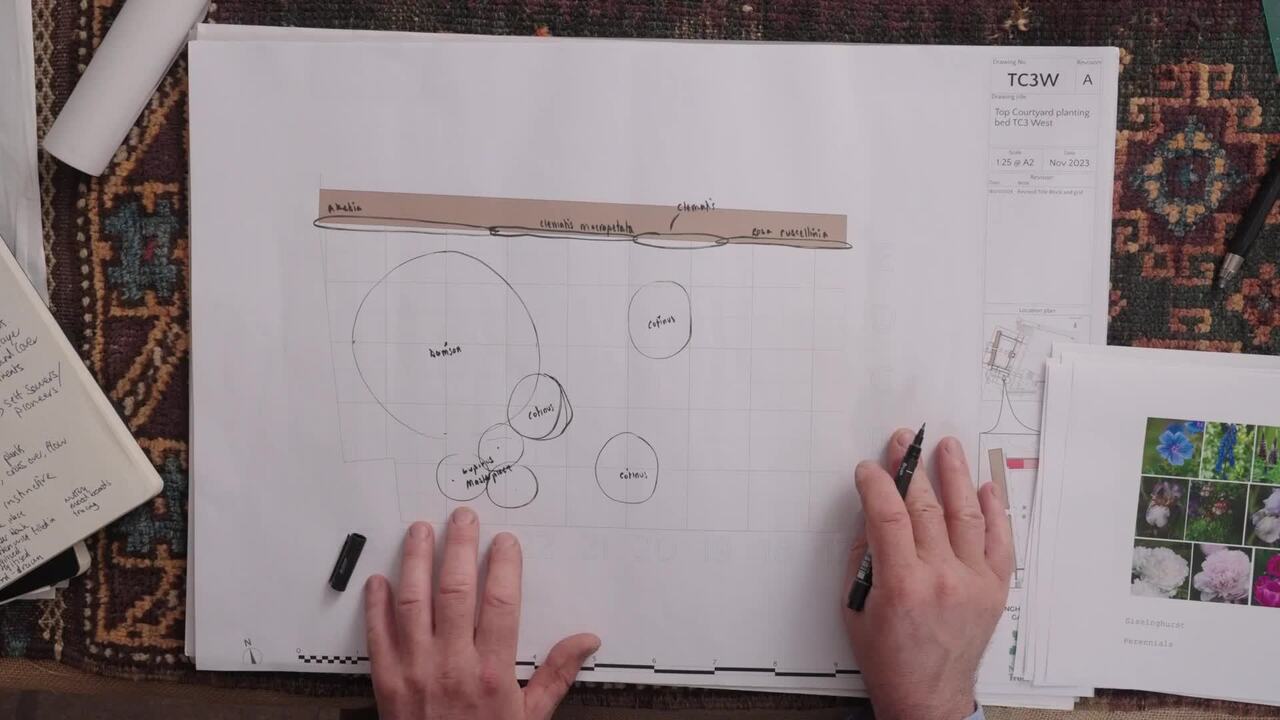
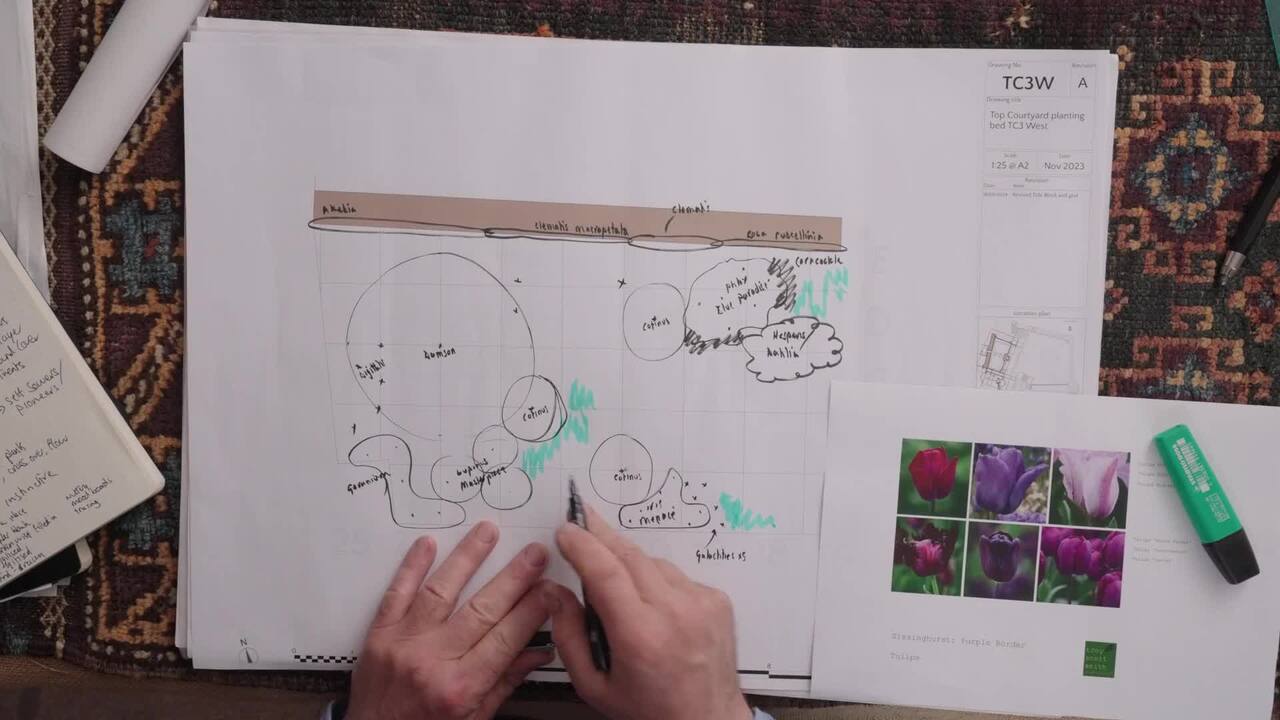
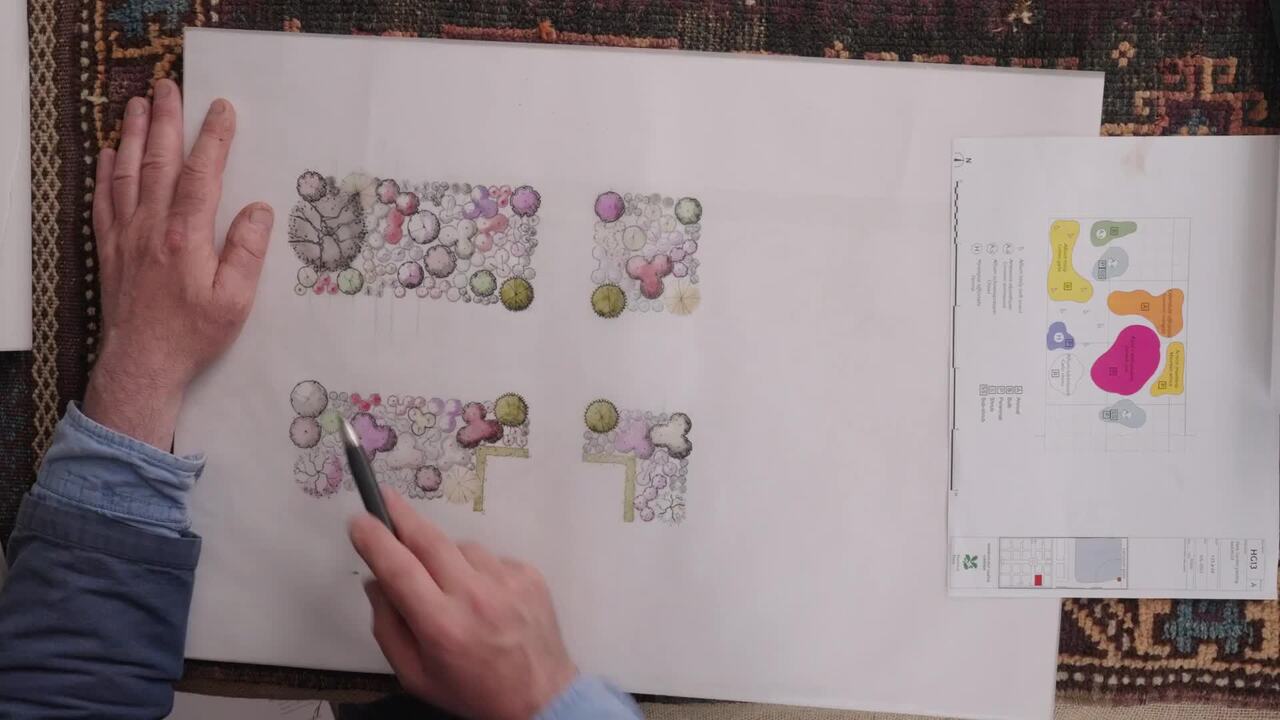
To get the best out of a border, have a plan, think about how it's looking, and be critical of it - the benefit comes from considering what you could do better next year. We had our borders surveyed and put on AutoCAD so we can print plans at different scales, for overviewing the whole garden (e.g. 1:200) or for planting plans (1:25-1:50).
When you're assessing your borders, think about both short-term and longer-term improvements. Look at every plant and assess it:
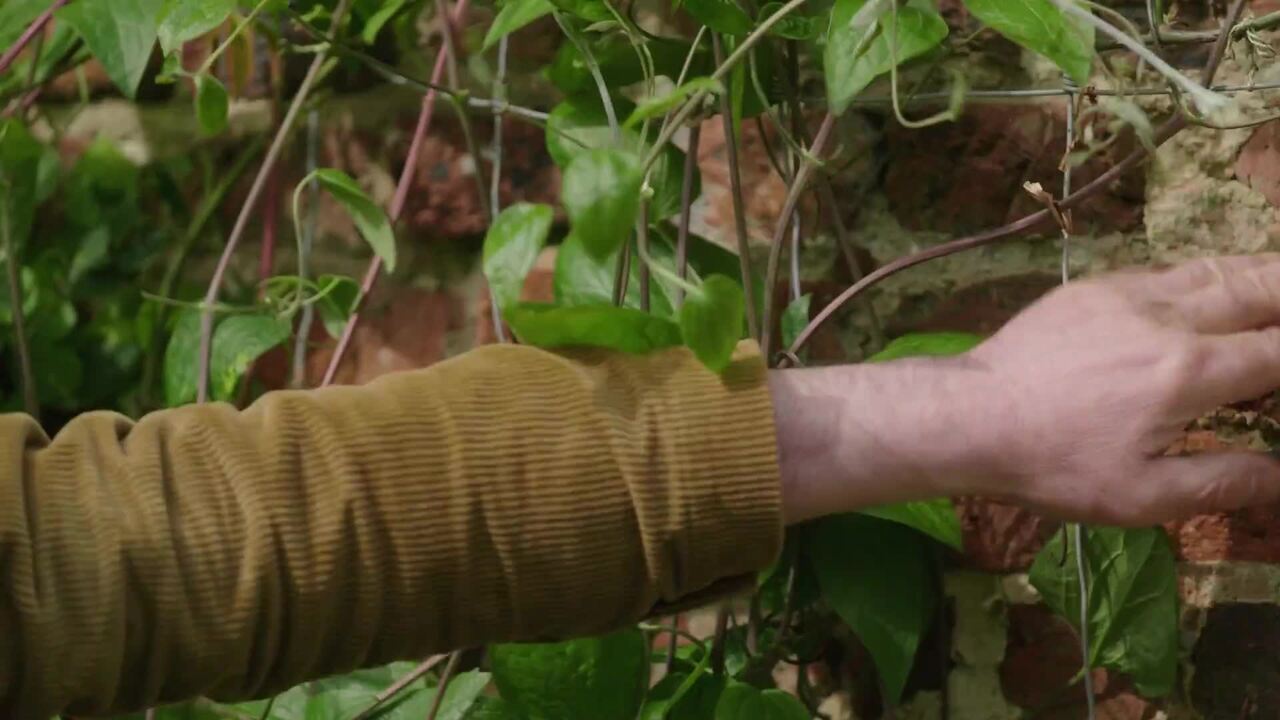
Careful observation familiarises you with the full lifecycle of each plant beyond just flowering - when does it emerge, flower, and set seed? Does it die back or persist with nice seedheads?
The greatest reward and learning is from looking at my plants and borders. You're allowing yourself to develop a close relationship with the plants and the garden space.
Take a close, critical look at one of your beds and borders and each plant in it. What actions could you take to make it work harder and better? Make notes on the following:
Buxus sempervirens
Common box
Hardy evergreen shrub or small tree
Buxaceae
Erysimum species and cultivars
Wallflowers
Hardy or sometimes half-hardy annuals, biennials or woody-based perennials
Brassicaceae
Erysimum cheiri 'Blood Red'
Wallflower 'Blood Red'
Hardy evergreen biennial or short-lived perennial
Brassicaceae
Erysimum cheiri 'Cloth of Gold'
Wallflower 'Cloth of Gold'
Hardy evergreen biennial or short-lived perennial
Brassicaceae
Erysimum cheiri 'Fire King'
Wallflower 'Fire King'
Hardy evergreen biennial or short-lived perennial
Brassicaceae
Gazania species and cultivars
Treasure flowers
Tender evergreen herbaceous perennial
Asteraceae
Helenium species and cultivars
Sneezeweed
Hardy herbaceous perennials
Asteraceae
Narcissus 'Cheerfulness'
Daffodil 'Cheerfulness'
Hardy bulbous perennial
Amaryllidaceae
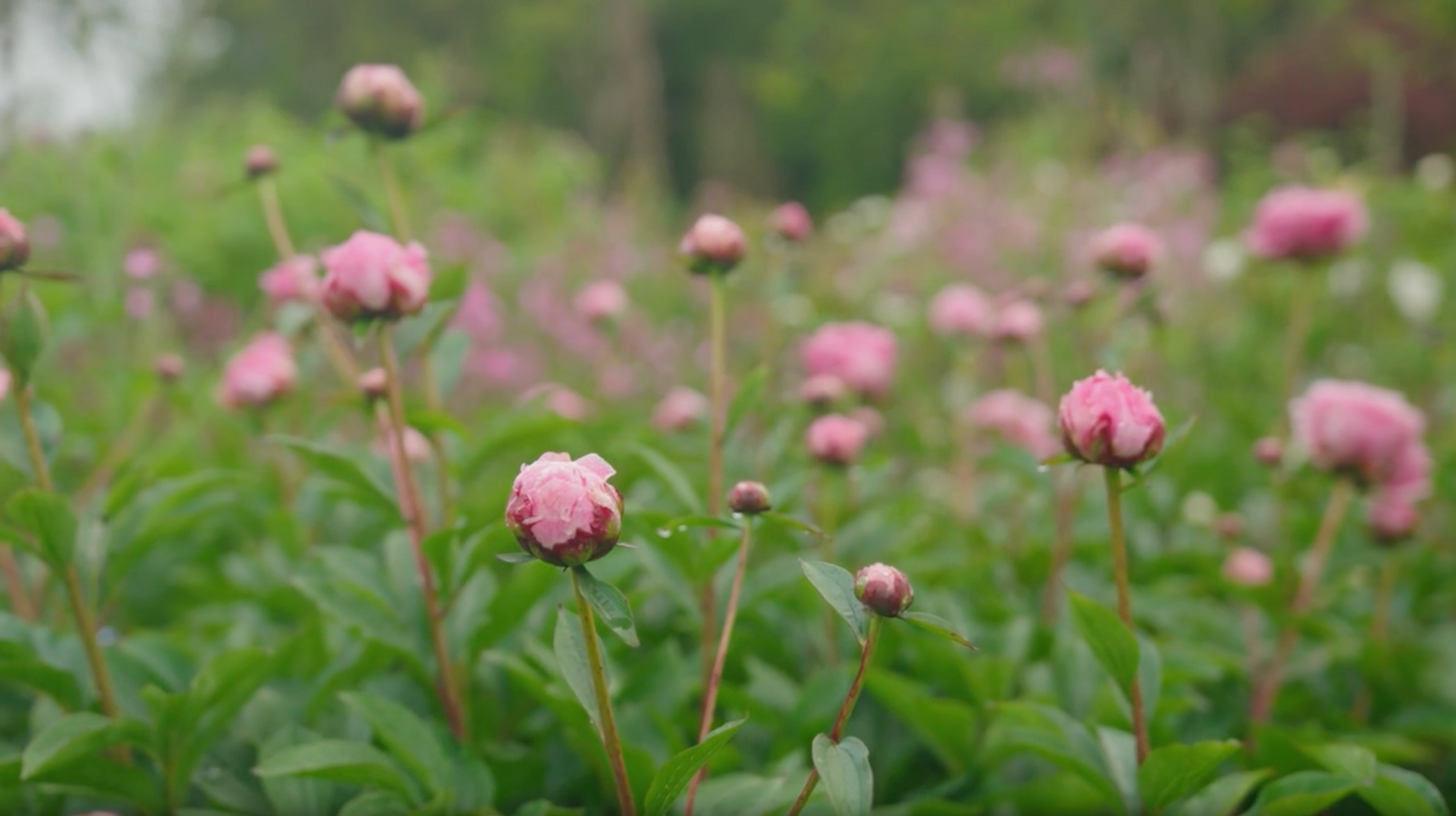
Paeonia species and cultivars
Peonies
Hardy herbaceous perennials or deciduous subshrubs
Paeoniaceae
Papaver species and cultivars
Poppies
Hardy annuals, biennials or herbaceous perennials
Papaveraceae
Papaver cambricum
Welsh poppy
Hardy herbaceous perennial
Papaveraceae
Papaver orientale
Oriental poppy
Hardy herbaceous perennial
Papaveraceae
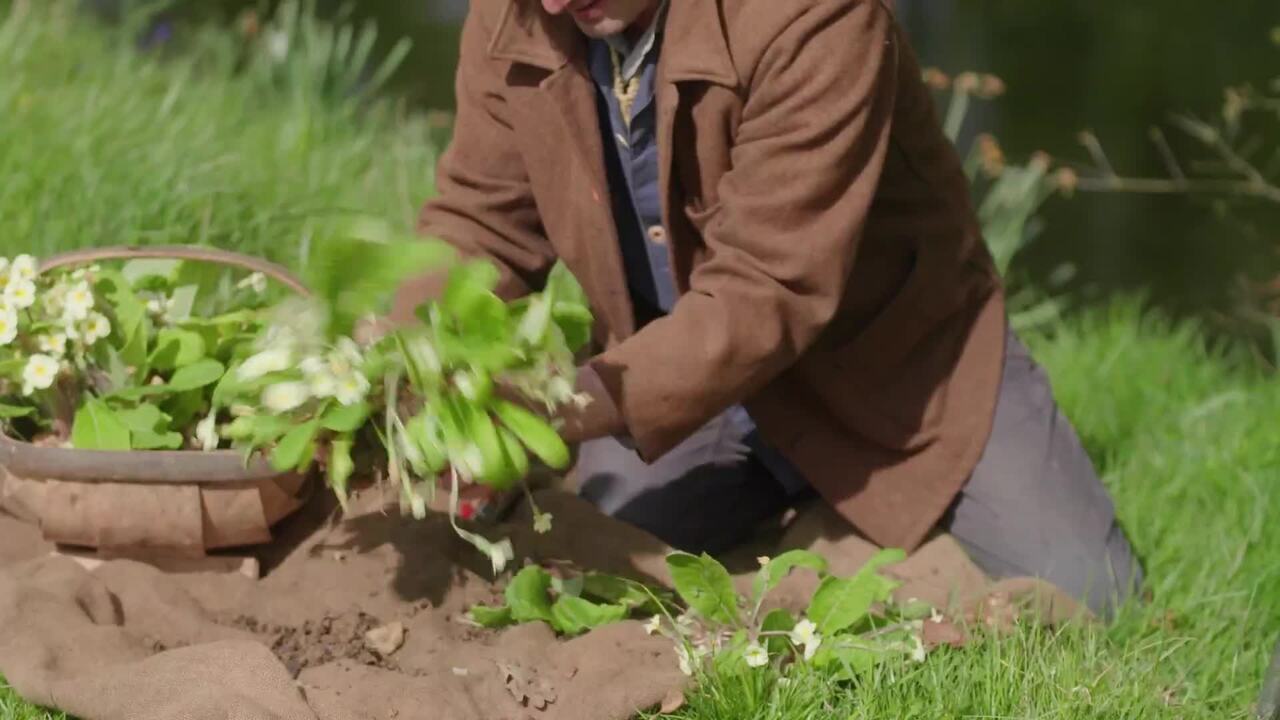
Primula vulgaris
Primrose
Hardy semi-evergreen perennial
Primulaceae
Salvia species and cultivars
Sages
Hardy, half-hardy or tender annuals, biennials, herbaceous or evergreen perennials or shrubs
Lamiaceae
Salvia confertiflora
Sabra spike sage
Tender herbaceous perennial
Lamiaceae
Salvia 'Royal Bumble'
Sage 'Royal Bumble'
Half-hardy evergreen perennial
Lamiaceae
Solidago species and cultivars
Goldenrods
Hardy herbaceous perennials
Asteraceae
Taxus baccata
Common yew, English yew
Hardy evergreen tree
Taxaceae
Tropaeolum peregrinum
Canary creeper
Tender deciduous climber
Tropaeolaceae
Tulipa species and cultivars
Tulips
Hardy bulbous perennials
Liliaceae
Annual
A plant that completes its whole life cycle (germination, growth, flowering, going to seed) in one year or growing season.
AutoCAD
Computer-aided design software for drawing and editing digital 2D and 3D designs.
Biennial
A plant that takes two years from seedling stage to reach maturity and seed set, dying after seed set in the second year.
Botrytis
A group of fungi responsible for several plant diseases, including grey mould, tulip fire and 'chocolate spot'.
Perennial
A plant that lives for several or many years.
Tender perennial
A plant that lives for several or many years in its native climate but is not hardy enough to overwinter in the UK climate, so is either brought indoors over winter, protected e.g. with mulch in mild areas, or grown as an annual and propagated each year. Examples include dahlias, cannas and some salvias.
Tulip fire
A tulip disease caused by the fungus Botrytis tulipae, which produces brown spots and twisted, withered and distorted leaves. In severe cases, plants look as if they have been scorched with fire.
Get the full workbook, video lessons, and more with a Create Academy subscription.
Subscribe to access the full workbookAlready a member? Sign in to watch
491 reviews
Read moreCreate Academy has been such a great resource. I'm in the middle of renovating a bungalow with a very large garden and the courses have offered a wealth of inform...
Harvey
Jun 10, 2026
Absolutely love Create Academy! The instructors are extremely informative, and it is beautifully filmed. Create Academy is great value for money and plan on renew...
SG
May 31, 2026
Butter's creativity is stunning! Her ability to incorporate brilliance in small gardens is magical!
Carla
May 30, 2026
The best adventure. I like all the courses, but my favorite are both Rita Konig interior design courses and Anna Jones. Excellent!
Karolina Kluczewska
May 20, 2026
Create Academy has been such a great resource. I'm in the middle of renovating a bungalow with a very large garden and the courses have offered a wealth of information to dive into and explore new ideas. I'm...
Harvey
Jun 10, 2026
Absolutely love Create Academy! The instructors are extremely informative, and it is beautifully filmed. Create Academy is great value for money and plan on renewing my subscription yearly because there are ...
SG
May 31, 2026
Butter's creativity is stunning! Her ability to incorporate brilliance in small gardens is magical!
Carla
May 30, 2026

Your Instructor
Head Gardener at Sissinghurst. Garden Writer, Speaker & Lecturer.
Troy Scott-Smith, previously head gardener of Iford Manor and Bodnant garden, now oversees the cherished grounds of Sissinghurst - one of the most famous gardens in England and is designated Grade I on Historic England's register of historic parks and gardens. Coming from a family of committed naturalists, Troy is a seasoned horticulturist, writer, designer and consultant, Troy is also a respected member of the RHS Floral Committee. When he set his sights on the head gardener role, he did so with refreshing candour, speaking passionately of the garden’s need for thoughtful evolution. It is a mark of the National Trust’s forward-thinking spirit that they embraced his vision, inviting him to guide this historic landscape into a compelling new chapter.

Access to all courses


